Skip to content · ⁨Saltar al contenido⁩
Subjects · ⁨Temas⁩

AP Historia Europea

Tips · ⁨Consejos⁩

La Historia de Europa (AP European History) abarca desde la Renacimiento y la era de la exploración hasta la Europa contemporánea, a través de nueve unidades: Renacimiento y exploración, la Reforma, el absolutismo y el constitucionalismo, la Revolución Científica y la Ilustración, las crisis del siglo XVIII, la industrialización, los desarrollos políticos del siglo XIX, los conflictos globales del siglo XX, y la Guerra Fría y la Europa contemporánea.

Las ideas se tratan como fuerzas históricas aquí. El humanismo, el método científico, los derechos naturales, el nacionalismo, el liberalismo y el socialismo no son solo un telón de fondo; son causas, y las preguntas indagan en qué cambiaron.

Observe el argumento recurrente sobre el poder. Quién gobierna, con qué autoridad y con qué límites es objeto de debate en cada unidad, desde las nuevas monarquías pasando por el absolutismo y el gobierno constitucional hasta los regímenes del siglo XX y la Unión Europea.

La historia cultural e intelectual es evaluable. El arte, la literatura y la filosofía aparecen a lo largo del marco porque aportan evidencia sobre cómo la gente entendía su mundo.

Las notas a continuación siguen el marco del College Board unidad por unidad, con el enfoque temático de cada tema y sus conceptos clave.

  • 1

    Renacimiento y Exploración

    Watch lesson · ⁨Ver lección⁩
    1.1

    Contextualizing Renaissance and Discovery · ⁨Contextualización del Renacimiento y los Descubrimientos⁩

    Syllabus
    English

    1.1 Contextualizing Renaissance and Discovery

    Learning Objective Unit 1.A: Explain the context in which the Renaissance and Age of Discovery developed.

    • KC-1.1 The rediscovery of works from ancient Greece and Rome and observation of the natural world changed many Europeans’ view of their world.
      • KC-1.1.I A revival of classical texts led to new methods of scholarship and new values in both society and religion.
      • KC-1.1.III The visual arts incorporated the new ideas of the Renaissance and were used to promote personal, political, and religious goals.
    • KC-1.3 Europeans explored and settled overseas territories, encountering and interacting with indigenous populations.
      • KC-1.3.I European nations were driven by commercial and religious motives to explore overseas territories and establish colonies.
    • KC-1.4 European society and the experiences of everyday life were increasingly shaped by commercial and agricultural capitalism, notwithstanding the continued existence of medieval social and economic structures.
      • KC-1.4.I Economic change produced new social patterns, while traditions of hierarchy and status continued.
      • KC-1.4.II Most Europeans derived their livelihood from agriculture and oriented their lives around the seasons, the village, or the manor, although economic changes began to alter rural production and power.
    • KC-1.5 The struggle for sovereignty within and among states resulted in varying degrees of political centralization.
      • KC-1.5.I The new concept of the sovereign state and secular systems of law played a central role in the creation of new political institutions.
    Español

    1.1 Contextualización del Renacimiento y los Descubrimientos

    Objetivo de aprendizaje Unidad 1.A: Explicar el contexto en que se desarrollaron el Renacimiento y la Era de los Descubrimientos.

    • KC-1.1 La redescubrimiento de obras de la antigua Grecia y Roma, así como la observación del mundo natural, transformó la visión que muchos europeos tenían de su entorno.
      • KC-1.1.I El renacimiento de textos clásicos condujo a nuevos métodos de estudio y a nuevos valores tanto en la sociedad como en la religión.
      • KC-1.1.III Las artes visuales incorporaron las nuevas ideas del Renacimiento y se utilizaron para promover objetivos personales, políticos y religiosos.
    • KC-1.3 Los europeos exploraron y asentaron territorios ultramarinos, encontrándose e interactuando con poblaciones indígenas.
      • KC-1.3.I Las naciones europeas se vieron impulsadas por motivos comerciales y religiosos para explorar territorios ultramarinos y establecer colonias.
    • KC-1.4 La sociedad europea y las experiencias de la vida cotidiana fueron cada vez más moldeadas por el capitalismo comercial y agrícola, a pesar de la persistencia de estructuras sociales y económicas medievales.
      • KC-1.4.I El cambio económico produjo nuevos patrones sociales, mientras que las tradiciones de jerarquía y estatus continuaron.
      • KC-1.4.II La mayoría de los europeos obtenían su sustento de la agricultura y orientaban sus vidas alrededor de las estaciones, el pueblo o el señorío, aunque los cambios económicos comenzaron a alterar la producción rural y el poder.
    • KC-1.5 La lucha por la soberanía dentro y entre los estados dio lugar a distintos grados de centralización política.
      • KC-1.5.I El nuevo concepto de estado soberano y los sistemas de derecho secular jugaron un papel central en la creación de nuevas instituciones políticas.

    Source: College Board AP Course and Exam Description · ⁨Fuente: College Board AP Course and Exam Description⁩

    English

    Unit 1 covers roughly 1450 to 1648, and four changes run through it at once. The CED states them as the unit's key concepts, and almost every question draws on at least two:

    • The rediscovery of classical works 古典著作 from ancient Greece and Rome, and observation of the natural world, changed how many Europeans saw their world.
    • Europeans explored and settled overseas territories, encountering and interacting with Indigenous populations 原住民.
    • European society and everyday life were increasingly shaped by commercial and agricultural capitalism 商业与农业资本主义, though older traditions persisted alongside it.
    • The struggle for sovereignty 主权 within and among states produced varying degrees of political centralisation.

    That last phrase - varying degrees - is a standing instruction for the whole course. European History rewards answers that say how far a change went in one place compared with another.

    Español

    La Unidad 1 abarca aproximadamente desde 1450 hasta 1648, y cuatro cambios la atraviesan simultáneamente. El CED (Currículo de Examen) los presenta como los conceptos clave de la unidad, y casi cada pregunta se basa en al menos dos de ellos:

    • La redescubrimiento de obras clásicas procedentes de la antigua Grecia y Roma, junto con la observación del mundo natural, cambió la forma en que muchos europeos veían su entorno.
    • Los europeos exploraron y establecieron colonias en territorios ultramarinos, encontrándose e interactuando con las poblaciones indígenas.
    • La sociedad europea y la vida cotidiana fueron moldeadas progresivamente por el capitalismo comercial y agrícola, aunque las tradiciones antiguas persistieron alongside a él.
    • La lucha por la soberanía dentro y entre los estados produjo diversos grados de centralización política.

    Esta última frase —diversos grados— es una instrucción constante para todo el curso. En Historia Europea, se recompensan las respuestas que explican hasta dónde llegó un cambio en un lugar en comparación con otro.

    1.2

    Italian Renaissance · ⁨Renacimiento Italiano⁩

    Syllabus
    English

    1.2 Italian Renaissance

    Thematic Focus (CID): Cultural and Intellectual Developments — The creation and transmission of knowledge, including the relationship between traditional sources of authority and the development of differing world views, had significant political, intellectual, economic, cultural, and social effects on European and world societies.

    Learning Objective Unit 1.B: Explain how the revival of classical texts contributed to the development of the Renaissance in Italy.

    • KC-1.1.I.A Italian Renaissance humanists, including Petrarch, promoted a revival in classical literature and created new philological approaches to ancient texts. Some Renaissance humanists furthered the values of secularism and individualism.

    Learning Objective Unit 1.C: Explain the political, intellectual, and cultural effects of the Italian Renaissance.

    • KC-1.1.I.B Humanist revival of Greek and Roman texts, spread by the printing press, challenged the institutional power of universities and the Catholic Church. This shifted education away from a primary focus on theological writings toward classical texts and new methods of scientific inquiry.
    • KC-1.1.I.C Admiration for Greek and Roman political institutions supported a revival of civic humanist culture in the Italian city-states and produced secular models for individual and political behavior.
    • KC-1.1.III.A In the Italian Renaissance, rulers and popes concerned with enhancing their prestige commissioned paintings and architectural works based on classical styles, the developing “naturalism” in the artistic world, and often the newly invented technique of geometric perspective.

    Illustrative examples:

    • Italian Renaissance humanists:
      • Petrarch (pre-1450)
      • Lorenzo Valla
      • Marsilio Ficino
      • Pico della Mirandola
    • Individuals promoting secular models for individual and political behavior:
      • Niccolò Machiavelli
      • Baldassare Castiglione
      • Francesco Guicciardini
    • Individuals promoting a revival of Greek and Roman texts:
      • Leonardo Bruni
      • Leon Battista Alberti
      • Niccolò Machiavelli
    • Painters and architects:
      • Michelangelo
      • Donatello
      • Raphael
      • Andrea Palladio
      • Leon Battista Alberti
      • Filippo Brunelleschi
    Español

    1.2 Renacimiento Italiano

    Enfoque temático (CID): Desarrollos culturales e intelectuales — La creación y transmisión del conocimiento, incluidas las relaciones entre las fuentes tradicionales de autoridad y el desarrollo de diferentes visiones del mundo, tuvo efectos significativos en las sociedades europeas y mundiales desde puntos de vista políticos, intelectuales, económicos, culturales y sociales.

    Objetivo de aprendizaje Unidad 1.B: Explicar cómo la recuperación de textos clásicos contribuyó al desarrollo del Renacimiento en Italia.

    • KC-1.1.I.A Los humanistas del Renacimiento italiano, incluido Petrarca, promovieron un renacimiento en la literatura clásica y crearon nuevos enfoques filológicos para los textos antiguos. Algunos humanistas del Renacimiento fomentaron también los valores del secularismo y el individualismo.

    Objetivo de aprendizaje Unidad 1.C: Explicar los efectos políticos, intelectuales y culturales del Renacimiento italiano.

    • KC-1.1.I.B El renacimiento humanista de los textos griegos y romanos, difundido mediante la imprenta, cuestionó el poder institucional de las universidades y la Iglesia católica. Esto desplazó la educación de un enfoque principal en escritos teológicos hacia textos clásicos y nuevos métodos de investigación científica.
    • KC-1.1.I.C La admiración por las instituciones políticas griegas y romanas apoyó un renacimiento de la cultura humanista cívica en las ciudades-estado italianas y produjo modelos seculares para el comportamiento individual y político.
    • KC-1.1.III.A En el Renacimiento italiano, los gobernantes y los papas, preocupados por aumentar su prestigio, encargaron pinturas y obras arquitectónicas basadas en estilos clásicos, el "naturalismo" emergente en el mundo artístico y, a menudo, la recién inventada técnica de la perspectiva geométrica.

    Ejemplos ilustrativos:

    • Humanistas del Renacimiento italiano:
      • Petrarca (antes de 1450)
      • Lorenzo Valla
      • Marsilio Ficino
      • Pico della Mirandola
    • Individuos que promovieron modelos seculares para el comportamiento individual y político:
      • Niccolò Machiavelli
      • Baldassare Castiglione
      • Francesco Guicciardini
    • Individuos que promovieron el renacimiento de textos griegos y romanos:
      • Leonardo Bruni
      • Leon Battista Alberti
      • Niccolò Machiavelli
    • Pintores y arquitectos:
      • Miguel Ángel
      • Donatello
      • Rafael
      • Andrea Palladio
      • Leon Battista Alberti
      • Filippo Brunelleschi

    Source: College Board AP Course and Exam Description · ⁨Fuente: College Board AP Course and Exam Description⁩

    English

    Italian Renaissance humanists 人文主义者, including Petrarch 彼特拉克, promoted a revival of classical literature and created new philological 语文学 approaches to ancient texts - reading them critically, in their original languages, as historical documents.

    That revival had three effects the CED names separately:

    • Spread by the printing press 印刷机, the humanist recovery of Greek and Roman texts challenged the institutional power of universities and the Catholic Church.
    • Admiration for Greek and Roman political institutions supported a revival of civic humanism 公民人文主义 in the Italian city-states, producing new works of political thought.
    • Rulers and popes concerned with enhancing their prestige 提升声望 commissioned paintings and architecture on classical models.

    The third point is the one students underuse. Renaissance art is examinable as political evidence: patronage was a claim to legitimacy, not only a taste in pictures.

    Español

    Los humanistas italianos, incluido Petrarca, promovieron un renacimiento de la literatura clásica y crearon nuevos enfoques filológicos hacia los textos antiguos: leerlos críticamente, en sus lenguas originales y como documentos históricos.

    Ese renacimiento tuvo tres efectos que el CED menciona por separado:

    • Difundido por la imprenta, la recuperación humanista de textos griegos y romanos desafió el poder institucional de las universidades y la Iglesia católica.
    • La admiración por las instituciones políticas griegas y romanas apoyó un resurgimiento del humanismo cívico en las city-states italianas, produciendo nuevas obras de pensamiento político.
    • Los gobernantes y papas preocupados por mejorar su prestigio encargaron pinturas y arquitectura basadas en modelos clásicos.

    El tercer punto es aquel que los estudiantes utilizan con menor frecuencia. El arte renacentista es evaluable como evidencia política: el mecenazgo era una afirmación de legitimidad, no solo un gusto por las imágenes.

    1.3

    Northern Renaissance · ⁨Renacimiento Nórdico⁩

    Syllabus
    English

    1.3 Northern Renaissance

    Thematic Focus (CID): Cultural and Intellectual Developments — The creation and transmission of knowledge, including the relationship between traditional sources of authority and the development of differing world views, had significant political, intellectual, economic, cultural, and social effects on European and world societies.

    Learning Objective Unit 1.D: Explain how Renaissance ideas were developed, maintained, and changed as the Renaissance spread to northern Europe.

    • KC-1.1.III.B The Northern Renaissance retained a more religious focus, which resulted in more human-centered naturalism that considered individuals and everyday life appropriate objects of artistic representation.
    • KC-1.2.I.A Christian humanism, embodied in the writings of Erasmus, employed Renaissance learning in the service of religious reform.

    Illustrative examples:

    • Artists who employed naturalism:
      • Pieter Bruegel the Elder
      • Rembrandt
    Español

    1.3 Renacimiento del Norte

    Enfoque Temático (CID): Desarrollos Culturales e Intelectuales — La creación y transmisión del conocimiento, incluida la relación entre las fuentes tradicionales de autoridad y el desarrollo de diferentes visiones del mundo, tuvo efectos significativos en las sociedades europeas y mundiales desde el punto de vista político, intelectual, económico, cultural y social.

    Objetivo de Aprendizaje Unidad 1.D: Explicar cómo se desarrollaron, mantuvieron y transformaron las ideas renacentistas a medida que el Renacimiento se extendía por Europa septentrional.

    • KC-1.1.III.B El Renacimiento del Norte conservó un enfoque más religioso, lo que dio lugar a un naturalismo centrado en el ser humano que consideraba a los individuos y a la vida cotidiana como objetos apropiados para la representación artística.
    • KC-1.2.I.A El humanismo cristiano, encarnado en los escritos de Erasmo, empleó el saber renacentista al servicio de la reforma religiosa.

    Ejemplos ilustrativos:

    • Artistas que emplearon el naturalismo:
      • Pieter Bruegel el Viejo
      • Rembrandt

    Source: College Board AP Course and Exam Description · ⁨Fuente: College Board AP Course and Exam Description⁩

    English

    As Renaissance ideas moved north, they changed. The Northern Renaissance retained a more religious focus, producing a human-centred naturalism 以人为中心的自然主义 that considered individuals and everyday life as proper subjects for art.

    Intellectually, the key development is Christian humanism 基督教人文主义, embodied in the writings of Erasmus 伊拉斯谟, which put Renaissance learning at the service of religious reform 宗教改革. Holding that link makes Unit 2 far easier: the Reformation did not arrive from nowhere.

    Español

    A medida que las ideas del Renacimiento se movían hacia el norte, cambiaban. El Renacimiento nórdico conservó un enfoque más religioso, produciendo un naturalismo centrado en el ser humano que consideraba a los individuos y la vida cotidiana como sujetos adecuados para el arte.

    Intelectualmente, el desarrollo clave es el humanismo cristiano, encarnado en los escritos de Erasmus, que puso el aprendizaje renacentista al servicio de la reforma religiosa. Entender este vínculo hace que la Unidad 2 sea mucho más fácil: la Reforma no llegó de la nada.

    Vocabulary · ⁨Vocabulario⁩ Train · ⁨Entrenar⁩
    English · ⁨Inglés⁩ Chinese · ⁨Chino⁩ Pinyin
    rediscovery of classical works/ˌriːdɪˈskʌvəri ɒv ˈklæsɪkl wɜːks/ 古典著作 gǔ diǎn zhù zuò
    Indigenous populations/ɪnˈdɪdʒənəs ˌpɒpjʊˈleɪʃnz/ 原住民 yuán zhù mín
    commercial and agricultural capitalism/kəˈmɜːʃl ænd ˌæɡrɪˈkʌltʃərəl ˈkæpɪtəlɪzəm/ 商业与农业资本主义 shāng yè yǔ nóng yè zī běn zhǔ yì
    struggle for sovereignty/ˈstrʌɡl fɔː ˈsɒvərɪnti/ 主权 zhǔ quán
    Italian Renaissance humanists/ɪˈtælɪən rɪˈneɪsəns ˈhjuːmənɪsts/ 人文主义者 rén wén zhǔ yì zhě
    Petrarch/ˈpetrɑːk/ 彼特拉克 bǐ tè lā kè
    philological/ˌfɪləˈlɒdʒɪkl/ 语文学 yǔ wén xué
    printing press/ˈprɪntɪŋ pres/ 印刷机 yìn shuā jī
    civic humanism/ˈsɪvɪk ˈhjuːmənɪzəm/ 公民人文主义 gōng mín rén wén zhǔ yì
    enhancing their prestige/enˈhænsɪŋ ðeə preˈstiːʒ/ 提升声望 tí shēng shēng wàng
    human-centred naturalism/ˈhjuːmən ˈsentəd ˈnætʃərəlɪzəm/ 以人为中心的自然主义 yǐ rén wéi zhōng xīn de zì rán zhǔ yì
    Christian humanism/ˈkrɪstʃn ˈhjuːmənɪzəm/ 基督教人文主义 jī dū jiào rén wén zhǔ yì
    Erasmus/ɪˈræzməs/ 伊拉斯谟 yī lā sī mó
    religious reform/rɪˈlɪdʒəs rɪˈfɔːm/ 宗教改革 zōng jiào gǎi gé
    1.4

    Printing · ⁨Imprenta⁩

    Syllabus
    English

    1.4 Printing

    Thematic Focus (TSI): Technological and Scientific Innovation — Scientific and technological innovations have increased efficiency, improved daily life, and shaped human development and interactions, having both intended and unintended consequences.

    Learning Objective Unit 1.E: Explain the influence of the printing press on cultural and intellectual developments in modern European history.

    • KC-1.1.II The invention of printing promoted the dissemination of new ideas.
      • KC-1.1.II.A The invention of the printing press in the 1450s helped spread the Renaissance beyond Italy and encouraged the growth of vernacular literature, which would eventually contribute to the development of national cultures.
    Español

    1.4 La Imprenta

    Enfoque Temático (TSI): Innovación Tecnológica y Científica — Las innovaciones científicas y tecnológicas han aumentado la eficiencia, mejorado la vida cotidiana y dado forma al desarrollo y las interacciones humanas, teniendo tanto consecuencias intencionales como no intencionales.

    Objetivo de Aprendizaje Unidad 1.E: Explicar la influencia de la imprenta en los desarrollos culturales e intelectuales de la historia moderna europea.

    • KC-1.1.II El invento de la imprenta promovió la difusión de nuevas ideas.
      • KC-1.1.II.A El invento de la imprenta en la década de 1450 ayudó a expandir el Renacimiento más allá de Italia y fomentó el crecimiento de la literatura vernácula, lo que eventualmente contribuiría al desarrollo de las culturas nacionales.

    Source: College Board AP Course and Exam Description · ⁨Fuente: College Board AP Course and Exam Description⁩

    English

    The CED gives printing a topic of its own for a reason: the invention of printing promoted the dissemination of new ideas.

    Printing is best understood as an amplifier rather than a cause. It did not create humanism, religious dissent, or political argument - but it changed their speed, reach, and cost, which is what allowed ideas to escape the control of the institutions that had previously governed which texts circulated.

    Español

    El CED otorga a la imprenta su propio tema por una razón: la invención de la imprenta promovió la diseminación de nuevas ideas.

    La imprenta debe entenderse mejor como un amplificador que como una causa. No creó el humanismo, la disidencia religiosa ni el debate político, pero cambió su velocidad, alcance y costo, lo cual fue lo que permitió que las ideas escaparan al control de las instituciones que anteriormente gobernaban qué textos circulaban.

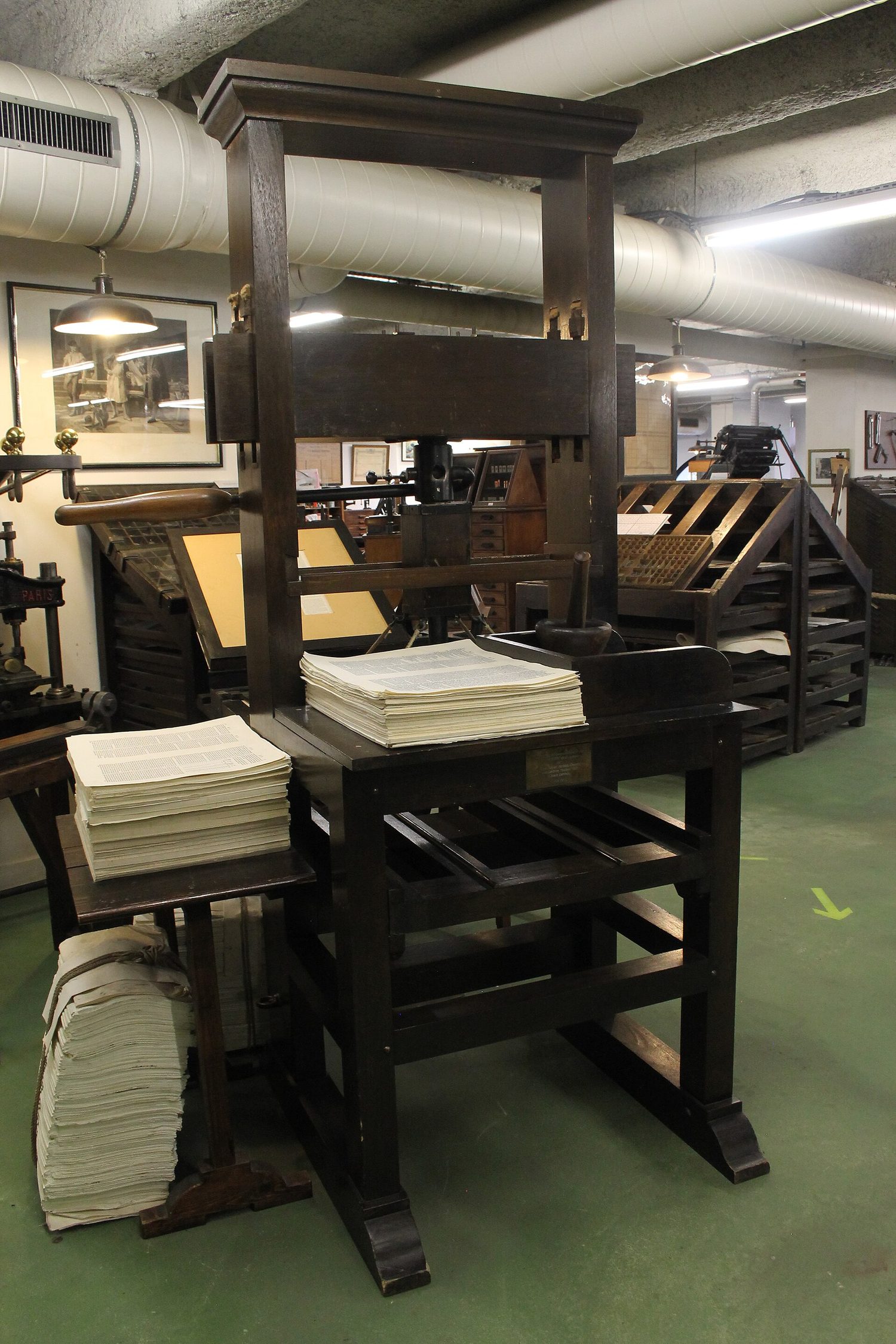
    La imprenta multiplicó las ideas en lugar de suministrarlas - ninguno de los factores funciona solo
    Una prensa manual de madera del diseño de Gutenberg - la máquina detrás del amplificador
    Un cajón de tipografía de un compositor - las piezas reutilizables que hicieron baratas las copias idénticas
    1.5

    New Monarchies · ⁨Nuevas Monarquías⁩

    Syllabus
    English

    1.5 New Monarchies

    Thematic Focus (SOP): States and Other Institutions of Power — European states and nations developed governmental and civil institutions from 1450 to the present to organize society and consolidate political power, with a variety of social, cultural, and economic effects.

    Learning Objective Unit 1.F: Explain the causes and effects of the development of political institutions from 1450 to 1648.

    • KC-1.2.II.A Monarchs and princes, including the English rulers Henry VIII and Elizabeth I, initiated religious reform from the top down in an effort to exercise greater control over religious life and morality.
    • KC-1.5.I.A New monarchies laid the foundation for the centralized modern state by establishing monopolies on tax collection, employing military force, dispensing justice, and gaining the right to determine the religion of their subjects.
    • KC-1.5.I.C Across Europe, commercial and professional groups gained in power and played a greater role in political affairs.
    • KC-1.5.I.D Continued political fragmentation in Renaissance Italy provided a background for the development of new concepts of the secular state.

    Illustrative examples:

    • State actions to control religion and morality:
      • Spanish Inquisition
      • Concordat of Bologna
      • Book of Common Prayer
      • Peace of Augsburg
    • Monarchical control:
      • Ferdinand and Isabella of Spain consolidating control of the military
      • Star Chamber
      • Concordat of Bologna
      • Peace of Augsburg
      • Edict of Nantes
    • Commercial and professional groups that gained in power:
      • Merchants and financiers in Renaissance Italy and northern Europe
      • Nobles of the robe in France
    • Secular political theorists:
      • Jean Bodin
      • Hugo Grotius
      • Niccolò Machiavelli
    Español

    1.5 Nuevas Monarquías

    Enfoque Temático (SOP): Estados y otras instituciones de poder — Los estados y naciones europeos desarrollaron instituciones gubernamentales y civiles desde 1450 hasta la actualidad para organizar la sociedad y consolidar el poder político, con una variedad de efectos sociales, culturales y económicos.

    Objetivo de Aprendizaje Unidad 1.F: Explicar las causas y efectos del desarrollo de las instituciones políticas desde 1450 hasta 1648.

    • KC-1.2.II.A Los monarcas y príncipes, incluidos los gobernantes ingleses Enrique VIII y Isabel I, iniciaron la reforma religiosa desde arriba hacia abajo con el fin de ejercer un mayor control sobre la vida religiosa y la moral.
    • KC-1.5.I.A Las nuevas monarquías sentaron las bases del estado moderno centralizado al establecer monopolios en la recaudación de impuestos, emplear la fuerza militar, dispensar justicia y obtener el derecho a determinar la religión de sus súbditos.
    • KC-1.5.I.C En toda Europa, los grupos comerciales y profesionales ganaron poder y jugaron un papel más importante en los asuntos políticos.
    • KC-1.5.I.D La continua fragmentación política en Italia renacentista proporcionó el escenario para el desarrollo de nuevos conceptos del estado secular.

    Ejemplos ilustrativos:

    • Acciones estatales para controlar la religión y la moral:
      • Inquisición Española
      • Concordato de Bolonia
      • Libro de Oración Común
      • Paz de Augsburgo
    • Control monárquico:
      • Fernando e Isabel de España consolidando el control militar
      • Cámara Estrella
      • Concordato de Bolonia
      • Paz de Augsburgo
      • Edicto de Nantes
    • Grupos comerciales y profesionales que ganaron poder:
      • Comerciantes y financieros en la Italia renacentista y el norte de Europa
      • Nobles de toga en Francia
    • Teóricos políticos seculares:
      • Jean Bodin
      • Hugo Grotius
      • Niccolò Machiavelli

    Source: College Board AP Course and Exam Description · ⁨Fuente: College Board AP Course and Exam Description⁩

    English

    The new monarchies 新君主国 laid the foundation for the centralised modern state by:

    • establishing monopolies on tax collection 征税垄断权;
    • employing military force 军事力量 under royal control;
    • and taking increasing control of law and administration.

    Two counterweights are also examinable. Commercial and professional groups gained power across Europe and played a greater role in political affairs. And continued political fragmentation in Renaissance Italy provided the background for new concepts of the secular state 世俗国家 - the theory came from the place where centralisation had failed, not succeeded.

    Some monarchs, including Henry VIII and Elizabeth I, also initiated religious reform from the top down to strengthen royal control - a point that belongs to both this unit and the next.

    Español

    Las nuevas monarquías sentaron las bases del estado moderno centralizado mediante:

    • el establecimiento de monopolios sobre la recaudación de impuestos;
    • el empleo de fuerza militar bajo control real;
    • y la toma de un control creciente sobre la ley y la administración.

    También son evaluables dos contrapesos. Los grupos comerciales y profesionales ganaron poder en toda Europa y jugaron un papel mayor en los asuntos políticos. Y la fragmentación política continuada en el Renacimiento italiano proporcionó el telón de fondo para nuevos conceptos del estado secular —la teoría provenía del lugar donde la centralización había fallado, no de donde había tenido éxito—.

    Algunos monarcas, incluidos Enrique VIII y Isabel I, también iniciaron reformas religiosas de arriba hacia abajo para fortalecer el control real —un punto que pertenece tanto a esta unidad como a la siguiente—.

    Qué hace que una monarquía sea 'nueva': cuatro instrumentos, cada uno tomado de alguien específico
    Explore · ⁨Explorar⁩

    Clasificar cada instrumento y señalar quién perdió poder por ello

    La centralización es una transferencia. Nombra quién perdió el poder que la corona ganó, y la afirmación deja de ser una descripción.

    Vocabulary · ⁨Vocabulario⁩ Train · ⁨Entrenar⁩
    English · ⁨Inglés⁩ Chinese · ⁨Chino⁩ Pinyin
    new monarchies/njuː ˈmɒnəkiz/ 新君主国 xīn jūn zhǔ guó
    monopolies on tax collection/məˈnɒpəliz ɒn tæks kəˈlekʃn/ 征税垄断权 zhēng shuì lǒng duàn quán
    employing military force/emˈplɔɪɪŋ ˈmɪlɪtəri fɔːs/ 军事力量 jūn shì lì liàng
    secular state/ˈsekjʊlə steɪt/ 世俗国家 shì sú guó jiā
    1.6

    Technological Advances and the Age of Exploration · ⁨Avances Tecnológicos y la Era de los Descubrimientos⁩

    Syllabus
    English

    1.6 Technological Advances and the Age of Exploration

    Thematic Focus (TSI): Technological and Scientific Innovation — Scientific and technological innovations have increased efficiency, improved daily life, and shaped human development and interactions, having both intended and unintended consequences.

    Learning Objective Unit 1.G: Explain the technological factors that facilitated European exploration and expansion from 1450 to 1648. THEMATIC FOCUS Interaction of Europe and the World INT Motivated by a variety of factors, Europe’s interaction with the world led to political, economic, social, and cultural exchanges that influenced both European and non-European societies. LEARNING OBJECTIVE

    • KC-1.3.II Advances in navigation, cartography, and military technology enabled Europeans to establish overseas colonies and empires. HISTORICAL DEVELOPMENTS

    Learning Objective Unit 1.H: Explain the motivations for and effects of European exploration and expansion from 1450 to 1648.

    • KC-1.3.I.A European states sought direct access to gold, spices, and luxury goods to enhance personal wealth and state power.
    • KC-1.3.I.B The rise of mercantilism gave the state a new role in promoting commercial development and the acquisition of colonies overseas.
    • KC-1.3.I.C Christianity was a stimulus for exploration as governments and religious authorities sought to spread the faith, and for some it served as a justification for the subjugation of indigenous civilizations.

    Illustrative examples:

    • Navigational technology:
      • Compass
      • Sternpost rudder
      • Portolani
      • Quadrant and astrolabe
      • Lateen rig
    • Military technology:
      • Guns and gunpowder
    • States seeking access to luxury goods:
      • Spanish in the New World
      • Portuguese in the Indian Ocean World
      • Dutch in the East Indies/Asia
    • Mercantilist policies employed by the state:
      • Jean-Baptiste Colbert
    • Religion and exploration:
      • Jesuit activities
    Español

    1.6 Avances Tecnológicos y la Era de los Descubrimientos

    Enfoque Temático (TSI): Innovación Tecnológica y Científica — Las innovaciones científicas y tecnológicas han aumentado la eficiencia, mejorado la vida cotidiana y dado forma al desarrollo e interacción humana, teniendo consecuencias tanto intencionales como no intencionales.

    Objetivo de Aprendizaje Unidad 1.G: Explicar los factores tecnológicos que facilitaron la exploración y expansión europeas entre 1450 y 1648. ENFOQUE TEMÁTICO Interacción de Europa con el Mundo INT Motivada por una variedad de factores, la interacción de Europa con el mundo condujo a intercambios políticos, económicos, sociales y culturales que influyeron tanto en las sociedades europeas como en las no europeas. OBJETIVO DE APRENDIZAJE

    • KC-1.3.II Los avances en navegación, cartografía y tecnología militar permitieron a los europeos establecer colonias y imperios ultramarinos. DESARROLLOS HISTÓRICOS

    Objetivo de Aprendizaje Unidad 1.H: Explicar las motivaciones y efectos de la exploración y expansión europeas entre 1450 y 1648.

    • KC-1.3.I.A Los estados europeos buscaban acceso directo al oro, las especias y los bienes de lujo para aumentar su riqueza personal y el poder del Estado.
    • KC-1.3.I.B El surgimiento del mercantilismo otorgó al Estado un nuevo rol en la promoción del desarrollo comercial y la adquisición de colonias ultramarinas.
    • KC-1.3.I.C El cristianismo fue un estímulo para la exploración, ya que los gobiernos y las autoridades religiosas buscaban propagar la fe; para algunos, sirvió también como justificación para la subordinación de las civilizaciones indígenas.

    Ejemplos ilustrativos:

    • Tecnología de navegación:
      • Brújula
      • Timón de popa
      • Portolanos
      • Cuadrante y astrolabio
      • Velamen lateño
    • Tecnología militar:
      • Armas de fuego y pólvora
    • Estados que buscaban acceso a bienes de lujo:
      • Españoles en el Nuevo Mundo
      • Portugueses en el mundo del Océano Índico
      • Holandeses en las Indias Orientales/Asia
    • Políticas mercantilistas empleadas por el Estado:
      • Jean-Baptiste Colbert
    • Religión y exploración:
      • Actividades jesuitas

    Source: College Board AP Course and Exam Description · ⁨Fuente: College Board AP Course and Exam Description⁩

    English

    Advances in navigation, cartography, and military technology enabled Europeans to establish overseas colonies and empires. Technology is the enabling condition; the CED then gives the motives separately:

    • European states sought direct access to gold, spices, and luxury goods to enhance personal wealth and state power.
    • The rise of mercantilism 重商主义 gave the state a new role in promoting commercial development and acquiring colonies.
    • Christianity was a stimulus 宗教动因 for exploration, as governments and religious authorities sought to spread the faith - and for some it also served as a justification.

    Keep enabling conditions and motives in separate categories. A question asking "why" wants motives; a question asking "how it became possible" wants the technology.

    Español

    Los avances en navegación, cartografía y tecnología militar permitieron a los europeos establecer colonias y imperios ultramarinos. La tecnología es la condición habilitadora; el CED luego presenta los motivos por separado:

    • Los estados europeos buscaban acceso directo a oro, especias y bienes de lujo para aumentar la riqueza personal y el poder estatal.
    • El surgimiento del mercantilismo dio al estado un nuevo rol en la promoción del desarrollo comercial y la adquisición de colonias.
    • El cristianismo fue un estímulo para la exploración, ya que los gobiernos y las autoridades religiosas buscaban expandir la fe —y para algunos también sirvió como justificación—.

    Mantenga las condiciones habilitadoras y los motivos en categorías separadas. Una pregunta que pregunte "por qué" busca los motivos; una pregunta que pregunte "cómo fue posible" busca la tecnología.

    Vocabulary · ⁨Vocabulario⁩ Train · ⁨Entrenar⁩
    English · ⁨Inglés⁩ Chinese · ⁨Chino⁩ Pinyin
    mercantilism/ˈmɜːkæntəlɪzəm/ 重商主义 zhòng shāng zhǔ yì
    Christianity was a stimulus/ˌkrɪstɪˈænɪti wʌzə ˈstɪmjʊləs/ 宗教动因 zōng jiào dòng yīn
    through coercion and negotiation/θruː ˌkəʊˈɜːʃn ænd nɪˌɡəʊʃɪˈeɪʃn/ 强制与谈判 qiáng zhì yǔ tán pàn
    Columbian Exchange/kəˈlʌmbɪən eksˈtʃeɪndʒ/ 哥伦布大交换 gē lún bù dà jiāo huàn
    plantation economy/plænˈteɪʃn ɪˈkɒnəmi/ 种植园经济 zhòng zhí yuán jīng jì
    Subsistence agriculture/sʌbˈsɪstəns ˈæɡrɪkʌltʃə/ 自给农业 zì jǐ nóng yè
    three-crop rotation/θriː krɒp rəʊˈteɪʃn/ 三圃轮作 sān pǔ lún zuò
    two-crop rotation/tuː krɒp rəʊˈteɪʃn/ 二圃轮作 èr pǔ lún zuò
    sanitation/ˌsænɪˈteɪʃn/ 卫生 wèi shēng
    overpopulation/ˌəʊvəˌpɒpjʊˈleɪʃn/ 人口过剩 rén kǒu guò shèng
    morality/mɒˈrælɪti/ 道德 dào dé
    money economy/ˈmʌni ɪˈkɒnəmi/ 货币经济 huò bì jīng jì
    free peasantry/friː ˈpezəntri/ 自由农民 zì yóu nóng mín
    serfdom was codified/ˈsɜːfdəm wɒz ˈkəʊdɪfaɪd/ 农奴制被法典化 nóng nú zhì bèi fǎ diǎn huà
    revolt/rɪˈvəʊlt/ 反抗 fǎn kàng
    Little Ice Age/ˈlɪtl aɪs eɪdʒ/ 小冰期 xiǎo bīng qī
    1.7

    Rivals on the World Stage · ⁨Rivalidad en la Escena Mundial⁩

    Syllabus
    English

    1.7 Rivals on the World Stage

    Thematic Focus (ECD): Economic and Commercial Developments — Economic development, especially the development of capitalism, played an important role in Europe’s history, often having significant social, political, and cultural effects.

    Learning Objective Unit 1.I: Explain how and why trading networks and colonial expansion affected relations between and among European states.

    • KC-1.3.III Europeans established overseas empires and trade networks through coercion and negotiation.
      • KC-1.3.III.B The Spanish established colonies across the Americas, the Caribbean, and the Pacific, which made Spain a dominant state in Europe in the 16th century.
      • KC-1.3.III.C The Atlantic nations of France, England, and the Netherlands followed by establishing their own colonies and trading networks to compete with Portuguese and Spanish dominance in the 17th century.
      • KC-1.3.III.D The competition for trade led to conflicts and rivalries among European powers in the 17th and 18th centuries.

    Illustrative examples:

    • Colonial conflicts and rivalries:
      • Asiento
      • War of the Spanish Succession
      • Seven Years’ War
      • Treaty of Tordesillas
    Español

    1.7 Rivales en la escena mundial

    Enfoque temático (ECD): Desarrollo económico y comercial — El desarrollo económico, especialmente el desarrollo del capitalismo, jugó un papel importante en la historia de Europa, a menudo con importantes efectos sociales, políticos y culturales.

    Objetivo de aprendizaje Unidad 1.I: Explicar cómo y por qué las redes comerciales y la expansión colonial afectaron las relaciones entre los estados europeos.

    • KC-1.3.III Los europeos establecieron imperios ultramarinos y redes comerciales mediante coerción y negociación.
      • KC-1.3.III.B Los españoles establecieron colonias en toda América, el Caribe y el Pacífico, lo que convirtió a España en un estado dominante en Europa durante el siglo XVI.
      • KC-1.3.III.C Las naciones atlánticas de Francia, Inglaterra y los Países Bajos siguieron estableciendo sus propias colonias y redes comerciales para competir con la dominación portuguesa y española en el siglo XVII.
      • KC-1.3.III.D La competencia por el comercio condujo a conflictos y rivalidades entre las potencias europeas en los siglos XVII y XVIII.

    Ejemplos ilustrativos:

    • Conflictos y rivalidades coloniales:
      • Asiento
      • Guerra de Sucesión Española
      • Guerra de los Siete Años
      • Tratado de Tordesillas

    Source: College Board AP Course and Exam Description · ⁨Fuente: College Board AP Course and Exam Description⁩

    English

    Europeans established overseas empires and trade networks through coercion and negotiation 强制与谈判 - both, not one. Where local states were strong, Europeans negotiated for trading rights; where they were not, coercion followed.

    Competition among European states for these networks reshaped relations at home. Commercial rivalry became a standing cause of European war, which is a continuity that runs all the way to Unit 7.

    Español

    Los europeos establecieron imperios ultramarinos y redes comerciales mediante coerción y negociación —ambas, no solo una—. Donde los estados locales eran fuertes, los europeos negociaban derechos comerciales; donde no lo eran, seguía la coerción.

    La competencia entre los estados europeos por estas redes reconfiguró las relaciones internas. La rivalidad comercial se convirtió en una causa constante de guerra en Europa, una continuidad que se extiende hasta la Unidad 7.

    1.8

    Colonial Expansion and Columbian Exchange · ⁨Expansión Colonial y Intercambio Colombino⁩

    Syllabus
    English

    1.8 Colonial Expansion and Columbian Exchange

    Thematic Focus (ECD): Economic and Commercial Developments — Economic development, especially the development of capitalism, played an important role in Europe’s history, often having significant social, political, and cultural effects.

    Thematic Focus (INT): Interaction of Europe and the World — Motivated by a variety of factors, Europe’s interaction with the world led to political, economic, social, and cultural exchanges that influenced both European and non-European societies.

    Learning Objective Unit 1.J: Explain the economic impact of European colonial expansion and development of trade networks.

    • KC-1.3.III.A The Portuguese established a commercial network along the African coast, in South and East Asia, and in South America in the late 15th and throughout the 16th centuries.
    • KC-1.3.IV.i Europe’s colonial expansion led to a global exchange of goods, flora, and fauna; a shift toward European dominance; and the expansion of the trade in enslaved persons.
    • KC-1.3.IV.A The exchange of goods shifted the center of economic power in Europe from the Mediterranean to the Atlantic states and brought the latter into an expanding world economy.
    • KC-1.3.IV.B.i The exchange of new plants, animals, and diseases—the Columbian Exchange—created economic opportunities for Europeans.

    Learning Objective Unit 1.K: Explain the social and cultural impact of European colonial expansion and development of trade networks.

    • KC-1.3.IV.ii Europe’s colonial expansion led to a global exchange of goods, flora, fauna, cultural practices, and diseases, resulting in the destruction of some indigenous civilizations, a shift toward European dominance, and the expansion of the trade in enslaved persons.
    • KC-1.3.IV.B.ii The exchange of new plants, animals, and diseases—the Columbian Exchange—in some cases facilitated European subjugation and destruction of indigenous peoples, particularly in the Americas.

    Illustrative examples:

    • Important Atlantic port cities:
      • London
      • Bristol
      • Amsterdam
      • Antwerp
    • New plants, animals, and diseases (from Europe to the Americas):
      • Wheat
      • Cattle
      • Horses
      • Pigs
      • Sheep
      • Smallpox
      • Measles
    • New plants, animals, and diseases (from the Americas to Europe):
      • Tomatoes
      • Potatoes
      • Squash
      • Corn
      • Tobacco
      • Turkeys
    Español

    1.8 Expansión colonial e intercambio colombino

    Enfoque temático (ECD): Desarrollo económico y comercial — El desarrollo económico, en particular el desarrollo del capitalismo, jugó un papel importante en la historia de Europa, teniendo a menudo efectos sociales, políticos y culturales significativos.

    Enfoque temático (INT): Interacción de Europa con el mundo — Motivada por una variedad de factores, la interacción de Europa con el mundo condujo a intercambios políticos, económicos, sociales y culturales que influyeron tanto en las sociedades europeas como no europeas.

    Objetivo de aprendizaje Unidad 1.J: Explicar el impacto económico de la expansión colonial europea y el desarrollo de redes comerciales.

    • KC-1.3.III.A Los portugueses establecieron una red comercial a lo largo de la costa africana, en el sur y este de Asia y en Sudamérica durante finales del siglo XV y a lo largo del siglo XVI.
    • KC-1.3.IV.i La expansión colonial de Europa condujo al intercambio global de bienes, flora y fauna; un cambio hacia la dominación europea; y la expansión del comercio de personas esclavizadas.
    • KC-1.3.IV.A El intercambio de bienes desplazó el centro de poder económico en Europa desde el Mediterráneo hacia los estados atlánticos e incorporó a estos últimos a una economía mundial en expansión.
    • KC-1.3.IV.B.i El intercambio de nuevas plantas, animales y enfermedades —el Intercambio Colombino— creó oportunidades económicas para los europeos.

    Objetivo de aprendizaje Unidad 1.K: Explicar el impacto social y cultural de la expansión colonial europea y el desarrollo de redes comerciales.

    • KC-1.3.IV.ii La expansión colonial de Europa condujo al intercambio global de bienes, flora, fauna, prácticas culturales y enfermedades, resultando en la destrucción de algunas civilizaciones indígenas, un cambio hacia la dominación europea y la expansión del comercio de personas esclavizadas.
    • KC-1.3.IV.B.ii El intercambio de nuevas plantas, animales y enfermedades —el Intercambio Colombino— facilitó, en algunos casos, la subordinación y destrucción de los pueblos indígenas por parte de los europeos, especialmente en las Américas.

    Ejemplos ilustrativos:

    • Ciudades portuarias atlánticas importantes:
      • Londres
      • Bristol
      • Ámsterdam
      • Amberes
    • Nuevas plantas, animales y enfermedades (de Europa a las Américas):
      • Trigo
      • Ganado vacuno
      • Caballos
      • Cerdos
      • Ovejas
      • Viruela
      • Sarampión
    • Nuevas plantas, animales y enfermedades (de las Américas a Europa):
      • Tomates
      • Papas
      • Calabaza
      • Maíz
      • Tabaco
      • Pavos

    Source: College Board AP Course and Exam Description · ⁨Fuente: College Board AP Course and Exam Description⁩

    English

    The Portuguese established a commercial network along the African coast and in South and East Asia in the late fifteenth and sixteenth centuries; other states followed.

    The Columbian Exchange 哥伦布大交换 - the exchange of new plants, animals, and diseases - is presented by the CED with deliberate double vision, and both halves are examinable:

    • It created economic opportunities for Europeans.
    • It facilitated European subjugation and the destruction of Indigenous societies, chiefly through disease.

    Economically, the exchange of goods shifted the centre of economic power in Europe from the Mediterranean to the Atlantic states. That shift explains why the leading powers of Unit 3 are not the leading powers of Unit 1.

    Español

    Los portugueses establecieron una red comercial a lo largo de la costa africana y en Asia Sur y Oriental en los siglos XV y XVI; otros estados siguieron el ejemplo.

    El Intercambio Colombino —el intercambio de nuevas plantas, animales y enfermedades— es presentado por el CED con una doble visión deliberada, y ambas partes son evaluables:

    • Creó oportunidades económicas para los europeos.
    • Facilitó la subordinación europea y la destrucción de las sociedades indígenas, principalmente a través de las enfermedades.

    Económicamente, el intercambio de bienes trasladó el centro de poder económico en Europa desde el Mediterráneo hacia los estados atlánticos. Ese cambio explica por qué las potencias líderes de la Unidad 3 no son las mismas potencias líderes de la Unidad 1.

    Por qué el poder económico abandonó el Mediterráneo - un cambio es una afirmación relativa
    Explore · ⁨Explorar⁩

    Seguir el poder económico fuera del Mediterráneo

    Un cambio es una afirmación relativa: las ciudades italianas no se encogieron, sino que la participación cambió.

    1.9

    The Slave Trade · ⁨El Comercio de Esclavos⁩

    Syllabus
    English

    1.9 The Slave Trade

    Thematic Focus (INT): Interaction of Europe and the World — Motivated by a variety of factors, Europe’s interaction with the world led to political, economic, social, and cultural exchanges that influenced both European and non-European societies.

    Learning Objective Unit 1.L: Explain the causes for and the development of the slave trade.

    • KC-1.3.IV.C Europeans expanded the trade of enslaved Africans in response to the establishment of a plantation economy in the Americas and demographic catastrophes among indigenous peoples.

    Illustrative examples:

    • Slave trade developments:
      • Middle Passage
      • Planter society
    Español

    1.9 La Trata de Esclavos

    Enfoque Temático (INT): Interacción entre Europa y el Mundo — Motivada por una variedad de factores, la interacción de Europa con el mundo condujo a intercambios políticos, económicos, sociales y culturales que influyeron tanto en las sociedades europeas como en las no europeas.

    Objetivo de Aprendizaje Unidad 1.L: Explicar las causas y el desarrollo de la trata de esclavos.

    • KC-1.3.IV.C Los europeos expandieron el comercio de africanos esclavizados como respuesta al establecimiento de una economía de plantación en América y a las catástrofes demográficas entre los pueblos indígenas.

    Ejemplos ilustrativos:

    • Desarrollos de la trata de esclavos:
      • El Paso Medio (Middle Passage)
      • Sociedad de los terratenientes

    Source: College Board AP Course and Exam Description · ⁨Fuente: College Board AP Course and Exam Description⁩

    English

    Europeans expanded the trade of enslaved Africans in response to the establishment of a plantation economy 种植园经济 in the Americas and to demographic collapse among Indigenous populations.

    The causal chain is explicit in the CED and should be reproduced as a chain: plantation agriculture demanded labour on a scale the Americas' devastated population could not supply, and that demand was met by an expanded Atlantic trade in enslaved people.

    Español

    Los europeos expandieron el comercio de africanos esclavizados en respuesta al establecimiento de una economía de plantación en América y al colapso demográfico de las poblaciones indígenas.

    La cadena causal está explícita en el CED y debe reproducirse como una cadena: la agricultura de plantaciones exigía mano de obra a una escala que la población devastada de América no podía suministrar, y esa demanda fue satisfecha mediante una expansión del comercio atlántico de personas esclavizadas.

    1.4 1.5 1.10

    How Most Europeans Actually Lived · ⁨Cómo Vivían Realmente la Mayoría de los Europeos⁩

    Syllabus
    English

    1.4 Printing

    Thematic Focus (TSI): Technological and Scientific Innovation — Scientific and technological innovations have increased efficiency, improved daily life, and shaped human development and interactions, having both intended and unintended consequences.

    Learning Objective Unit 1.E: Explain the influence of the printing press on cultural and intellectual developments in modern European history.

    • KC-1.1.II The invention of printing promoted the dissemination of new ideas.
      • KC-1.1.II.A The invention of the printing press in the 1450s helped spread the Renaissance beyond Italy and encouraged the growth of vernacular literature, which would eventually contribute to the development of national cultures.
    Español

    1.4 La Imprenta

    Enfoque Temático (TSI): Innovación Tecnológica y Científica — Las innovaciones científicas y tecnológicas han aumentado la eficiencia, mejorado la vida cotidiana y dado forma al desarrollo y las interacciones humanas, teniendo tanto consecuencias intencionales como no intencionales.

    Objetivo de Aprendizaje Unidad 1.E: Explicar la influencia de la imprenta en los desarrollos culturales e intelectuales de la historia moderna europea.

    • KC-1.1.II El invento de la imprenta promovió la difusión de nuevas ideas.
      • KC-1.1.II.A El invento de la imprenta en la década de 1450 ayudó a expandir el Renacimiento más allá de Italia y fomentó el crecimiento de la literatura vernácula, lo que eventualmente contribuiría al desarrollo de las culturas nacionales.
    English

    1.5 New Monarchies

    Thematic Focus (SOP): States and Other Institutions of Power — European states and nations developed governmental and civil institutions from 1450 to the present to organize society and consolidate political power, with a variety of social, cultural, and economic effects.

    Learning Objective Unit 1.F: Explain the causes and effects of the development of political institutions from 1450 to 1648.

    • KC-1.2.II.A Monarchs and princes, including the English rulers Henry VIII and Elizabeth I, initiated religious reform from the top down in an effort to exercise greater control over religious life and morality.
    • KC-1.5.I.A New monarchies laid the foundation for the centralized modern state by establishing monopolies on tax collection, employing military force, dispensing justice, and gaining the right to determine the religion of their subjects.
    • KC-1.5.I.C Across Europe, commercial and professional groups gained in power and played a greater role in political affairs.
    • KC-1.5.I.D Continued political fragmentation in Renaissance Italy provided a background for the development of new concepts of the secular state.

    Illustrative examples:

    • State actions to control religion and morality:
      • Spanish Inquisition
      • Concordat of Bologna
      • Book of Common Prayer
      • Peace of Augsburg
    • Monarchical control:
      • Ferdinand and Isabella of Spain consolidating control of the military
      • Star Chamber
      • Concordat of Bologna
      • Peace of Augsburg
      • Edict of Nantes
    • Commercial and professional groups that gained in power:
      • Merchants and financiers in Renaissance Italy and northern Europe
      • Nobles of the robe in France
    • Secular political theorists:
      • Jean Bodin
      • Hugo Grotius
      • Niccolò Machiavelli
    Español

    1.5 Nuevas Monarquías

    Enfoque Temático (SOP): Estados y otras instituciones de poder — Los estados y naciones europeos desarrollaron instituciones gubernamentales y civiles desde 1450 hasta la actualidad para organizar la sociedad y consolidar el poder político, con una variedad de efectos sociales, culturales y económicos.

    Objetivo de Aprendizaje Unidad 1.F: Explicar las causas y efectos del desarrollo de las instituciones políticas desde 1450 hasta 1648.

    • KC-1.2.II.A Los monarcas y príncipes, incluidos los gobernantes ingleses Enrique VIII y Isabel I, iniciaron la reforma religiosa desde arriba hacia abajo con el fin de ejercer un mayor control sobre la vida religiosa y la moral.
    • KC-1.5.I.A Las nuevas monarquías sentaron las bases del estado moderno centralizado al establecer monopolios en la recaudación de impuestos, emplear la fuerza militar, dispensar justicia y obtener el derecho a determinar la religión de sus súbditos.
    • KC-1.5.I.C En toda Europa, los grupos comerciales y profesionales ganaron poder y jugaron un papel más importante en los asuntos políticos.
    • KC-1.5.I.D La continua fragmentación política en Italia renacentista proporcionó el escenario para el desarrollo de nuevos conceptos del estado secular.

    Ejemplos ilustrativos:

    • Acciones estatales para controlar la religión y la moral:
      • Inquisición Española
      • Concordato de Bolonia
      • Libro de Oración Común
      • Paz de Augsburgo
    • Control monárquico:
      • Fernando e Isabel de España consolidando el control militar
      • Cámara Estrella
      • Concordato de Bolonia
      • Paz de Augsburgo
      • Edicto de Nantes
    • Grupos comerciales y profesionales que ganaron poder:
      • Comerciantes y financieros en la Italia renacentista y el norte de Europa
      • Nobles de toga en Francia
    • Teóricos políticos seculares:
      • Jean Bodin
      • Hugo Grotius
      • Niccolò Machiavelli
    English

    1.10 The Commercial Revolution

    Thematic Focus (ECD): Economic and Commercial Developments — Economic development, especially the development of capitalism, played an important role in Europe’s history, often having significant social, political, and cultural effects.

    Thematic Focus (SCD): Social Organization and Development — Economic, political, and cultural factors have influenced the form and status of family, class, and social groups in European history, which has, in turn, affected both the individual and society.

    Learning Objective Unit 1.M: Explain European commercial and agricultural developments and their economic effects from 1450 to 1648.

    • KC-1.4.I.A Innovations in banking and finance promoted the growth of urban financial centers and a money economy.
    • KC-1.4.II Most Europeans derived their livelihood from agriculture and oriented their lives around the seasons, the village, or the manor, although economic changes began to alter rural production and power.
      • KC-1.4.II.A Subsistence agriculture was the rule in most areas, with three-crop field rotation in the north and two-crop rotation in the Mediterranean; in many cases, farmers paid rent and labor services for their lands.
      • KC-1.4.II.B The price revolution contributed to the accumulation of capital and the expansion of the market economy through the commercialization of agriculture, which benefited large landowners in western Europe.
      • KC-1.4.III.A Population recovered to its pre-Great Plague level in the 16th century, and continuing population pressures contributed to uneven price increases; agricultural commodities increased more sharply than wages, reducing living standards for some.

    Learning Objective Unit 1.N: Explain European commercial and agricultural developments and their social effects from 1450 to 1648.

    • KC-1.4.I Economic change produced new social patterns, while traditions of hierarchy and status continued.
      • KC-1.4.I.B The growth of commerce produced a new economic elite, which related to traditional land-holding elites in different ways in Europe’s various geographic regions.
    • KC-1.4.II.C As western Europe moved toward a free peasantry and commercial agriculture, serfdom was codified in the east, where nobles continued to dominate economic life on large estates.
    • KC-1.4.II.D The attempts of landlords to increase their revenues by restricting or abolishing the traditional rights of peasants led to revolt.
    • KC-1.4.III.B Migrants to the cities challenged the ability of merchant elites and craft guilds to govern, and strained resources.
    • KC-1.4.IV.C From the late 16th century on, Europeans responded to economic and environmental challenges, such as the Little Ice Age, by delaying marriage and childbearing. This European marriage pattern restrained population growth and ultimately improved the economic condition of families.

    Illustrative examples:

    • Innovations in banking and finance:
      • Double-entry bookkeeping
      • Bank of Amsterdam
      • The Dutch East India Company
      • The British East India Company
    • The commercialization of agriculture:
      • Enclosure movement
      • Restricted use of the village common
      • Freehold tenure
    • New economic elites:
      • Italian merchant princes
      • Nobles of the robe in France
    • The way new migrants challenged urban elites:
      • Sanitation problems caused by overpopulation
      • Employment
      • Poverty
      • Crime
    Español

    1.10 La Revolución Comercial

    Enfoque Temático (ECD): Desarrollo Económico y Comercial — El desarrollo económico, especialmente el del capitalismo, desempeñó un papel importante en la historia de Europa, teniendo a menudo efectos significativos en lo social, político y cultural.

    Enfoque Temático (SCD): Organización y Desarrollo Social — Factores económicos, políticos y culturales han influido en la forma y el estatus de la familia, las clases y los grupos sociales en la historia de Europa, lo que ha afectado, a su vez, tanto al individuo como a la sociedad.

    Objetivo de Aprendizaje Unidad 1.M: Explicar los desarrollos comerciales y agrícolas europeos y sus efectos económicos entre 1450 y 1648.

    • KC-1.4.I.A Las innovaciones en banca y finanzas promovieron el crecimiento de centros financieros urbanos y una economía monetaria.
    • KC-1.4.II La mayoría de los europeos obtenían su sustento de la agricultura y orientaban sus vidas alrededor de las estaciones, el pueblo o la manoría, aunque cambios económicos comenzaron a alterar la producción rural y el poder.
      • KC-1.4.II.A La agricultura de subsistencia era la norma en la mayoría de las áreas, con rotación de tres cultivos en el norte y rotación de dos cultivos en el Mediterráneo; en muchos casos, los agricultores pagaban rentas y servicios laborales por sus tierras.
      • KC-1.4.II.B La revolución de precios contribuyó a la acumulación de capital y a la expansión de la economía de mercado mediante la comercialización de la agricultura, lo cual benefició a los grandes propietarios terratenientes de Europa occidental.
      • KC-1.4.III.A La población se recuperó a sus niveles previos a la Gran Peste en el siglo XVI, y la presión demográfica continua contribuyó a aumentos desiguales de precios; los productos agrícolas aumentaron más bruscamente que los salarios, reduciendo el nivel de vida para algunos.

    Objetivo de Aprendizaje Unidad 1.N: Explicar los desarrollos comerciales y agrícolas europeos y sus efectos sociales entre 1450 y 1648.

    • KC-1.4.I El cambio económico produjo nuevos patrones sociales, mientras que las tradiciones de jerarquía y estatus continuaron.
      • KC-1.4.I.B El crecimiento del comercio produjo una nueva élite económica, que se relacionó con las élites tradicionales propietarias de tierras de diferentes maneras en las diversas regiones geográficas de Europa.
    • KC-1.4.II.C A medida que Europa occidental avanzaba hacia un campo libre y la agricultura comercial, la servidumbre fue codificada en el este, donde los nobles continuaron dominando la vida económica en grandes latifundios.
    • KC-1.4.II.D Los intentos de los terratenientes de aumentar sus ingresos restringiendo o aboliendo los derechos tradicionales de los campesinos provocaron revueltas.
    • KC-1.4.III.B Los migrantes que llegaban a las ciudades desafiaron la capacidad de las élites mercantiles y los gremios artesanales para gobernar, y agotaron recursos.
    • KC-1.4.IV.C Desde finales del siglo XVI, los europeos respondieron a desafíos económicos y ambientales, como la Pequeña Edad de Hielo, retrasando el matrimonio y la reproducción. Este patrón matrimonial europeo restringió el crecimiento poblacional y mejoró finalmente la condición económica de las familias.

    Ejemplos ilustrativos:

    • Innovaciones en banca y finanzas:
      • Contabilidad de partida doble
      • Banco de Ámsterdam
      • La Compañía Neerlandesa de las Indias Orientales
      • La Compañía Británica de las Indias Orientales
    • La comercialización de la agricultura:
      • Movimiento de cercamientos
      • Uso restringido de los comunes del pueblo
      • Tenencia en propiedad plena
    • Nuevas élites económicas:
      • Príncipes comerciantes italianos
      • Nobles de toga en Francia
    • La manera en que los nuevos migrantes desafiaron a las élites urbanas:
      • Problemas de saneamiento causados por la sobrepoblación
      • Empleo
      • Pobreza
      • Delincuencia

    Source: College Board AP Course and Exam Description · ⁨Fuente: College Board AP Course and Exam Description⁩

    English

    The Renaissance and the voyages are the visible half of this unit; the CED also asks for the economic base underneath them, because it is what the later units change.

    Subsistence agriculture 自给农业 was the rule almost everywhere: a family grew what it ate, with little surplus to sell. Land was worked in open fields and rotated to keep it fertile — a three-crop rotation 三圃轮作 in the north, where wetter summers allowed a spring sowing as well as an autumn one, and a two-crop rotation 二圃轮作 around the Mediterranean, where the dry summer forced half the land to lie fallow each year. Most peasants did not own the land; they paid rent to a landholder, in produce, in money, or in labour service.

    That base explains the fragility of the period: a single failed harvest meant famine, because there was almost no stored surplus and little trade in grain over long distances.

    Towns grew faster than they could cope. Urban populations rose through the sixteenth century, and sanitation 卫生 did not keep pace: waste ran in the streets, water was drawn from contaminated wells, and overpopulation 人口过剩 in the poorer quarters made epidemic disease spread quickly. Plague outbreaks stayed a recurring feature of European life for this whole period.

    States acted on religion and morality, not only on taxes. Governments and city councils regulated public behaviour: attendance at worship, permitted forms of belief, marriage, drinking, gambling and morality 道德 offences generally. This is worth remembering because it is the same instrument the confessional states of the next unit use on a larger scale — the machinery existed before the Reformation gave it a new purpose.

    Español

    El Renacimiento y los viajes constituyen la mitad visible de esta unidad; el CED también solicita la base económica subyacente, porque es lo que las unidades posteriores modifican.

    La agricultura de subsistencia era la norma en casi todas partes: una familia cultivaba lo que comía, con poco excedente para vender. La tierra se trabajaba en campos abiertos y se rotaba para mantenerla fértil —una rotación de tres cultivos en el norte, donde los veranos más húmedos permitían una siembra de primavera además de una de otoño, y una rotación de dos cultivos alrededor del Mediterráneo, donde el verano seco obligaba a dejar la mitad de la tierra en barbecho cada año—. La mayoría de los campesinos no poseían la tierra; pagaban renta a un terrateniente, en productos, en dinero o en servicios de trabajo.

    Esa base explica la fragilidad del período: una cosecha fracasada significaba hambruna, porque casi no había excedentes almacenados y muy poco comercio de granos a largas distancias.

    Las ciudades crecieron más rápido de lo que podían soportar. Las poblaciones urbanas aumentaron durante el siglo XVI, y la saneamiento no siguió el ritmo: los desechos corrían por las calles, el agua se extraía de pozos contaminados y la sobrepoblación en los barrios pobres hacía que las enfermedades epidémicas se propagaran rápidamente. Los brotes de peste permanecieron una característica recurrente de la vida europea durante todo este período.

    Los estados actuaban según la religión y la moralidad, no solo según los impuestos. Los gobiernos y los concejos municipales regulaban la conducta pública: la asistencia al culto, las formas permitidas de creencia, el matrimonio, el consumo de alcohol, los juegos de azar y los delitos contra la moralidad en general. Esto vale la pena recordarlo porque es el mismo instrumento que los estados confesionales de la próxima unidad utilizarán a mayor escala —la maquinaria existía antes de que la Reforma le diera un nuevo propósito—.

    1.10

    The Commercial Revolution · ⁨La Revolución Comercial⁩

    Syllabus
    English

    1.10 The Commercial Revolution

    Thematic Focus (ECD): Economic and Commercial Developments — Economic development, especially the development of capitalism, played an important role in Europe’s history, often having significant social, political, and cultural effects.

    Thematic Focus (SCD): Social Organization and Development — Economic, political, and cultural factors have influenced the form and status of family, class, and social groups in European history, which has, in turn, affected both the individual and society.

    Learning Objective Unit 1.M: Explain European commercial and agricultural developments and their economic effects from 1450 to 1648.

    • KC-1.4.I.A Innovations in banking and finance promoted the growth of urban financial centers and a money economy.
    • KC-1.4.II Most Europeans derived their livelihood from agriculture and oriented their lives around the seasons, the village, or the manor, although economic changes began to alter rural production and power.
      • KC-1.4.II.A Subsistence agriculture was the rule in most areas, with three-crop field rotation in the north and two-crop rotation in the Mediterranean; in many cases, farmers paid rent and labor services for their lands.
      • KC-1.4.II.B The price revolution contributed to the accumulation of capital and the expansion of the market economy through the commercialization of agriculture, which benefited large landowners in western Europe.
      • KC-1.4.III.A Population recovered to its pre-Great Plague level in the 16th century, and continuing population pressures contributed to uneven price increases; agricultural commodities increased more sharply than wages, reducing living standards for some.

    Learning Objective Unit 1.N: Explain European commercial and agricultural developments and their social effects from 1450 to 1648.

    • KC-1.4.I Economic change produced new social patterns, while traditions of hierarchy and status continued.
      • KC-1.4.I.B The growth of commerce produced a new economic elite, which related to traditional land-holding elites in different ways in Europe’s various geographic regions.
    • KC-1.4.II.C As western Europe moved toward a free peasantry and commercial agriculture, serfdom was codified in the east, where nobles continued to dominate economic life on large estates.
    • KC-1.4.II.D The attempts of landlords to increase their revenues by restricting or abolishing the traditional rights of peasants led to revolt.
    • KC-1.4.III.B Migrants to the cities challenged the ability of merchant elites and craft guilds to govern, and strained resources.
    • KC-1.4.IV.C From the late 16th century on, Europeans responded to economic and environmental challenges, such as the Little Ice Age, by delaying marriage and childbearing. This European marriage pattern restrained population growth and ultimately improved the economic condition of families.

    Illustrative examples:

    • Innovations in banking and finance:
      • Double-entry bookkeeping
      • Bank of Amsterdam
      • The Dutch East India Company
      • The British East India Company
    • The commercialization of agriculture:
      • Enclosure movement
      • Restricted use of the village common
      • Freehold tenure
    • New economic elites:
      • Italian merchant princes
      • Nobles of the robe in France
    • The way new migrants challenged urban elites:
      • Sanitation problems caused by overpopulation
      • Employment
      • Poverty
      • Crime
    Español

    1.10 La Revolución Comercial

    Enfoque Temático (ECD): Desarrollo Económico y Comercial — El desarrollo económico, especialmente el del capitalismo, desempeñó un papel importante en la historia de Europa, teniendo a menudo efectos significativos en lo social, político y cultural.

    Enfoque Temático (SCD): Organización y Desarrollo Social — Factores económicos, políticos y culturales han influido en la forma y el estatus de la familia, las clases y los grupos sociales en la historia de Europa, lo que ha afectado, a su vez, tanto al individuo como a la sociedad.

    Objetivo de Aprendizaje Unidad 1.M: Explicar los desarrollos comerciales y agrícolas europeos y sus efectos económicos entre 1450 y 1648.

    • KC-1.4.I.A Las innovaciones en banca y finanzas promovieron el crecimiento de centros financieros urbanos y una economía monetaria.
    • KC-1.4.II La mayoría de los europeos obtenían su sustento de la agricultura y orientaban sus vidas alrededor de las estaciones, el pueblo o la manoría, aunque cambios económicos comenzaron a alterar la producción rural y el poder.
      • KC-1.4.II.A La agricultura de subsistencia era la norma en la mayoría de las áreas, con rotación de tres cultivos en el norte y rotación de dos cultivos en el Mediterráneo; en muchos casos, los agricultores pagaban rentas y servicios laborales por sus tierras.
      • KC-1.4.II.B La revolución de precios contribuyó a la acumulación de capital y a la expansión de la economía de mercado mediante la comercialización de la agricultura, lo cual benefició a los grandes propietarios terratenientes de Europa occidental.
      • KC-1.4.III.A La población se recuperó a sus niveles previos a la Gran Peste en el siglo XVI, y la presión demográfica continua contribuyó a aumentos desiguales de precios; los productos agrícolas aumentaron más bruscamente que los salarios, reduciendo el nivel de vida para algunos.

    Objetivo de Aprendizaje Unidad 1.N: Explicar los desarrollos comerciales y agrícolas europeos y sus efectos sociales entre 1450 y 1648.

    • KC-1.4.I El cambio económico produjo nuevos patrones sociales, mientras que las tradiciones de jerarquía y estatus continuaron.
      • KC-1.4.I.B El crecimiento del comercio produjo una nueva élite económica, que se relacionó con las élites tradicionales propietarias de tierras de diferentes maneras en las diversas regiones geográficas de Europa.
    • KC-1.4.II.C A medida que Europa occidental avanzaba hacia un campo libre y la agricultura comercial, la servidumbre fue codificada en el este, donde los nobles continuaron dominando la vida económica en grandes latifundios.
    • KC-1.4.II.D Los intentos de los terratenientes de aumentar sus ingresos restringiendo o aboliendo los derechos tradicionales de los campesinos provocaron revueltas.
    • KC-1.4.III.B Los migrantes que llegaban a las ciudades desafiaron la capacidad de las élites mercantiles y los gremios artesanales para gobernar, y agotaron recursos.
    • KC-1.4.IV.C Desde finales del siglo XVI, los europeos respondieron a desafíos económicos y ambientales, como la Pequeña Edad de Hielo, retrasando el matrimonio y la reproducción. Este patrón matrimonial europeo restringió el crecimiento poblacional y mejoró finalmente la condición económica de las familias.

    Ejemplos ilustrativos:

    • Innovaciones en banca y finanzas:
      • Contabilidad de partida doble
      • Banco de Ámsterdam
      • La Compañía Neerlandesa de las Indias Orientales
      • La Compañía Británica de las Indias Orientales
    • La comercialización de la agricultura:
      • Movimiento de cercamientos
      • Uso restringido de los comunes del pueblo
      • Tenencia en propiedad plena
    • Nuevas élites económicas:
      • Príncipes comerciantes italianos
      • Nobles de toga en Francia
    • La manera en que los nuevos migrantes desafiaron a las élites urbanas:
      • Problemas de saneamiento causados por la sobrepoblación
      • Empleo
      • Pobreza
      • Delincuencia

    Source: College Board AP Course and Exam Description · ⁨Fuente: College Board AP Course and Exam Description⁩

    English

    Innovations in banking and finance promoted the growth of urban financial centres and a money economy 货币经济. Economic change produced new social patterns, while traditions of hierarchy and status continued - the two coexisted, which is the CED's own framing.

    Most Europeans still derived their livelihood from agriculture and organised life around the seasons, the village, or the manor. Within that, a sharp divergence opened:

    • Western Europe moved toward a free peasantry 自由农民 and commercial agriculture.
    • In the east, serfdom was codified 农奴制被法典化 as nobles continued to dominate the rural economy.

    The same commercial pressure produced opposite outcomes, and that is exactly why it is examinable. Two related consequences: landlords attempting to increase revenues by restricting traditional peasant rights provoked revolt 反抗; and migrants to the cities strained resources and challenged the ability of merchant elites and craft guilds to govern.

    Finally, from the late sixteenth century Europeans responded to economic and environmental pressure - including the Little Ice Age 小冰期 - by delaying marriage and childbearing, a demographic adaptation worth knowing because it is unusual evidence.

    Español
    El mismo siglo empujó a Europa occidental y oriental en direcciones opuestas - y el CED pregunta sobre ello
    La agricultura comercial liberó a los campesinos en el oeste y los ató en el este

    Las innovaciones en banca y finanzas promovieron el crecimiento de centros financieros urbanos y una economía monetaria. El cambio económico produjo nuevos patrones sociales, mientras que las tradiciones de jerarquía y estatus continuaron —las dos coexistieron, lo cual es el propio marco del CED—.

    La mayoría de los europeos aún obtenían su sustento de la agricultura y organizaban la vida alrededor de las estaciones, el pueblo o el señorío. Dentro de ese contexto, se abrió una divergencia marcada:

    • Europa Occidental avanzó hacia una campesinado libre y la agricultura comercial.
    • En el Este, la servidumbre fue codificada mientras los nobles continuaban dominando la economía rural.

    La misma presión comercial produjo resultados opuestos, y eso es exactamente por qué es evaluable. Dos consecuencias relacionadas: los terratenientes que intentaban aumentar los ingresos mediante la restricción de los derechos tradicionales de los campesinos provocaron revueltas; y los migrantes a las ciudades agotaron los recursos y desafiaron la capacidad de las élites mercaderiles y los gremios artesanales para gobernar.

    Finalmente, desde finales del siglo XVI, los europeos respondieron a la presión económica y ambiental —incluyendo la Pequeña Edad de Hielo— retrasando el matrimonio y la reproducción, una adaptación demográfica que vale la pena conocer porque es una prueba inusual.

    1.11

    Causation in the Renaissance and Age of Discovery · ⁨Causalidad en el Renacimiento y la Era de los Descubrimientos⁩

    Syllabus
    English

    1.11 Causation in the Renaissance and Age of Discovery

    Learning Objective Unit 1.O: Explain the causes and consequences of the Renaissance and Age of Discovery.

    • KC-1.1 The rediscovery of works from ancient Greece and Rome and observation of the natural world changed many Europeans’ view of their world.
      • KC-1.1.I A revival of classical texts led to new methods of scholarship and new values in both society and religion.
      • KC-1.1.III The visual arts incorporated the new ideas of the Renaissance and were used to promote personal, political, and religious goals.
    • KC-1.3 Europeans explored and settled overseas territories, encountering and interacting with indigenous populations.
      • KC-1.3.I European nations were driven by commercial and religious motives to explore overseas territories and establish colonies.
    • KC-1.4 European society and the experiences of everyday life were increasingly shaped by commercial and agricultural capitalism, notwithstanding the continued existence of medieval social and economic structures.
      • KC-1.4.I Economic change produced new social patterns, while traditions of hierarchy and status continued.
      • KC-1.4.II Most Europeans derived their livelihood from agriculture and oriented their lives around the seasons, the village, or the manor, although economic changes began to alter rural production and power.
    • KC-1.5 The struggle for sovereignty within and among states resulted in varying degrees of political centralization.
      • KC-1.5.I The new concept of the sovereign state and secular systems of law played a central role in the creation of new political institutions.
    Español

    1.11 Causalidad en el Renacimiento y la Era del Descubrimiento

    Objetivo de Aprendizaje Unidad 1.O: Explicar las causas y consecuencias del Renacimiento y la Era del Descubrimiento.

    • KC-1.1 La redescubrimiento de obras de la antigua Grecia y Roma, así como la observación del mundo natural, transformó la visión que muchos europeos tenían de su entorno.
      • KC-1.1.I El renacimiento de textos clásicos condujo a nuevos métodos de estudio y a nuevos valores tanto en la sociedad como en la religión.
      • KC-1.1.III Las artes visuales incorporaron las nuevas ideas del Renacimiento y se utilizaron para promover objetivos personales, políticos y religiosos.
    • KC-1.3 Los europeos exploraron y asentaron territorios ultramarinos, encontrándose e interactuando con poblaciones indígenas.
      • KC-1.3.I Las naciones europeas se vieron impulsadas por motivos comerciales y religiosos para explorar territorios ultramarinos y establecer colonias.
    • KC-1.4 La sociedad europea y las experiencias de la vida cotidiana fueron cada vez más moldeadas por el capitalismo comercial y agrícola, a pesar de la persistencia de estructuras sociales y económicas medievales.
      • KC-1.4.I El cambio económico produjo nuevos patrones sociales, mientras que las tradiciones de jerarquía y estatus continuaron.
      • KC-1.4.II La mayoría de los europeos obtenían su sustento de la agricultura y orientaban sus vidas alrededor de las estaciones, el pueblo o el señorío, aunque los cambios económicos comenzaron a alterar la producción rural y el poder.
    • KC-1.5 La lucha por la soberanía dentro y entre los estados dio lugar a distintos grados de centralización política.
      • KC-1.5.I El nuevo concepto de estado soberano y los sistemas de derecho secular jugaron un papel central en la creación de nuevas instituciones políticas.
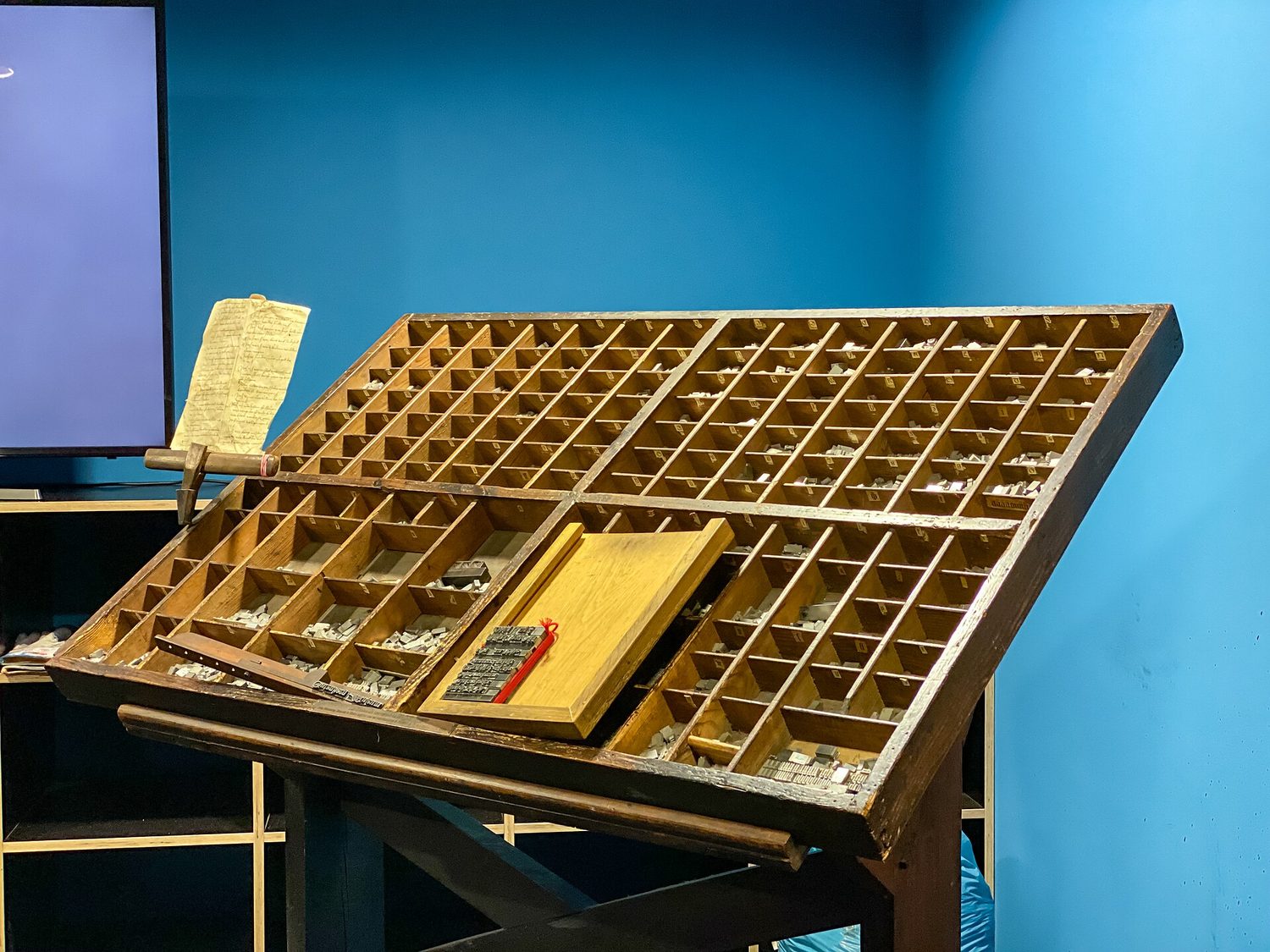
    Source: College Board AP Course and Exam Description · ⁨Fuente: College Board AP Course and Exam Description⁩

    English

    The unit's reasoning skill is causation.

    Worked example (a real AP exam question). AP European History short-answer questions in this unit ask, for example, to "Explain one way in which the development of printing affected European intellectual life in the period 1450 to 1648." A full-mark answer gives the mechanism, not the fact: "Printing allowed humanist editions of Greek and Roman texts to be reproduced cheaply and identically, so scholars across Europe could read and compare the same critical editions. This weakened the control that universities and the Church had exercised over which texts circulated, and made it far harder to suppress an argument once it was in print." Notice the shape: affected requires a consequence traced through a process.

    Español

    La habilidad de razonamiento de la unidad es la causalidad.

    Ejemplo resuelto (una pregunta real del examen AP). Las preguntas de respuesta corta de Historia Europea del AP en esta unidad solicitan, por ejemplo, "Explique una manera en que el desarrollo de la imprenta afectó la vida intelectual europea en el período 1450 a 1648." Una respuesta con puntuación completa da el mecanismo, no solo el hecho: "La imprenta permitió que las ediciones humanistas de textos griegos y romanos se reprodujeran barata e idénticamente, por lo que los eruditos de toda Europa podían leer y comparar las mismas ediciones críticas. Esto debilitó el control que las universidades y la Iglesia ejercían sobre qué textos circulaban, y hizo mucho más difícil suprimir un argumento una vez que estaba impreso." Note la estructura: afectó requiere una consecuencia trazada a través de un proceso.

    1.11

    Exam tips · ⁨Consejos para el examen⁩

    English
    • "Varying degrees" is the CED's own phrase for centralisation. Compare how far, not merely whether.
    • Renaissance art is political evidence. Patronage was a claim to prestige and legitimacy.
    • Treat printing as an amplifier, not a first cause. That framing answers most printing questions.
    • Separate technological enablers from motives for exploration. Questions ask for one or the other.
    • The Columbian Exchange has two sides - European opportunity and Indigenous destruction. Give both.
    • The east-west divergence in serfdom is high-value and frequently missed. One cause, two opposite outcomes.
    Español
    • "Diversos grados" es la propia frase del CED para referirse a la centralización. Compare hasta dónde, no simplemente si.
    • El arte renacentista es evidencia política. El mecenazgo era una afirmación de prestigio y legitimidad.
    • Trate la imprenta como un amplificador, no como una primera causa. Ese marco responde a la mayoría de las preguntas sobre imprenta.
    • Separe los facilitadores tecnológicos de los motivos de la exploración. Las preguntas piden uno u otro.
    • El Intercambio Colombino tiene dos caras —la oportunidad europea y la destrucción indígena—. Proporcione ambas.
    • La divergencia este-oeste en la servidumbre es de alto valor y frecuentemente pasada por alto. Una causa, dos resultados opuestos.
  • 2

    Era de la Reforma

    Watch lesson · ⁨Ver lección⁩
    2.1

    Contextualizing 16th- and 17th-Century Challenges · ⁨Contextualizando los desafíos de los siglos XVI y XVII⁩

    Syllabus
    English

    2.1 Contextualizing 16th- and 17th-Century Challenges and Developments

    Learning Objective Unit 2.A: Explain the context in which the religious, political, and cultural developments of the 16th and 17th centuries took place.

    • KC-1.2 Religious pluralism challenged the concept of a unified Europe.
      • KC-1.2.I The Protestant and Catholic reformations fundamentally changed theology, religious institutions, culture, and attitudes toward wealth and prosperity.
      • KC-1.2.II Religious reform both increased state control of religious institutions and provided justifications for challenging state authority.
      • KC-1.2.III Conflicts among religious groups overlapped with political and economic competition within and among states.
    • KC-1.4 European society and the experiences of everyday life were increasingly shaped by commercial and agricultural capitalism, notwithstanding the continued existence of medieval social and economic structures.
      • KC-1.4.III Population shifts and growing commerce caused the expansion of cities, which often placed stress on their traditional political and social structures.
      • KC-1.4.IV The family remained the primary social and economic institution of early modern Europe and took several forms, including the nuclear family.
      • KC-1.4.V Popular culture, leisure activities, and rituals reflecting the continued popularity of folk ideas reinforced and sometimes challenged communal ties and norms.
    • KC-1.5 The struggle for sovereignty within and among states resulted in varying degrees of political centralization.
      • KC-1.5.I The new concept of the sovereign state and secular systems of law played a central role in the creation of new political institutions.
    Español

    2.1 Contextualización de los desafíos y desarrollos de los siglos XVI y XVII

    Objetivo de aprendizaje Unidad 2.A: Explicar el contexto en el que se produjeron los desarrollos religiosos, políticos y culturales de los siglos XVI y XVII.

    • KC-1.2 El pluralismo religioso desafió el concepto de una Europa unificada.
      • KC-1.2.I Las reformaciones protestante y católica cambiaron fundamentalmente la teología, las instituciones religiosas, la cultura y las actitudes hacia la riqueza y la prosperidad.
      • KC-1.2.II La reforma religiosa aumentó tanto el control estatal sobre las instituciones religiosas como proporcionó justificaciones para cuestionar la autoridad estatal.
      • KC-1.2.III Los conflictos entre grupos religiosos se superpusieron con la competencia política y económica dentro y entre los estados.
    • KC-1.4 La sociedad europea y las experiencias de la vida cotidiana fueron cada vez más moldeadas por el capitalismo comercial y agrícola, a pesar de la persistencia de estructuras sociales y económicas medievales.
      • KC-1.4.III Los cambios demográficos y el aumento del comercio provocaron la expansión de las ciudades, lo que a menudo generó tensiones en sus estructuras políticas y sociales tradicionales.
      • KC-1.4.IV La familia permaneció como la principal institución social y económica de la Europa de la Edad Moderna y adoptó diversas formas, incluyendo la familia nuclear.
      • KC-1.4.V La cultura popular, las actividades de ocio y los rituales que reflejaban la continuidad de las ideas folclóricas reforzaron y, en ocasiones, desafiaron los lazos y normas comunitarios.
    • KC-1.5 La lucha por la soberanía dentro y entre los estados dio lugar a diversos grados de centralización política.
      • KC-1.5.I El nuevo concepto de estado soberano y los sistemas laicos de derecho jugaron un papel central en la creación de nuevas instituciones políticas.

    Source: College Board AP Course and Exam Description · ⁨Fuente: College Board AP Course and Exam Description⁩

    English

    Unit 2 covers the Reformation and the wars of religion, and the CED frames the whole period around one claim: religious pluralism challenged the concept of a unified Europe.

    Two other threads run alongside it and are examined together with religion - the reshaping of daily life by commercial and agricultural capitalism, and the struggle for sovereignty producing varying degrees of political centralisation. The unit's characteristic question asks how religious change and political change acted on each other, so keeping them in separate mental boxes is the main way students lose marks here.

    Español

    La Unidad 2 cubre la Reforma y las guerras de religión, y el CED (Marco de Examen) enmarca todo el período alrededor de una afirmación central: el pluralismo religioso desafió el concepto de una Europa unificada.

    Dos otros hilos conductores corren paralelos a este tema y se examinan junto con la religión: la reconfiguración de la vida cotidiana por parte del capitalismo comercial y agrícola y la lucha por la soberanía que produjo distintos grados de centralización política. La pregunta característica de esta unidad indaga sobre cómo el cambio religioso y el cambio político actuaron mutuamente; por lo tanto, mantenerlos en cajas mentales separadas es la principal forma en que los estudiantes pierden puntos aquí.

    2.2

    Luther and the Protestant Reformation · ⁨Lutero y la Reforma Protestante⁩

    Syllabus
    English

    2.2 Luther and the Protestant Reformation

    Thematic Focus (CID): Cultural and Intellectual Developments — The creation and transmission of knowledge, including the relationship between traditional sources of authority and the development of differing world views, had significant political, intellectual, economic, cultural, and social effects on European and world societies.

    Learning Objective Unit 2.B: Explain how and why religious belief and practices changed from 1450 to 1648.

    • KC-1.2.I.B Reformers Martin Luther and John Calvin criticized Catholic abuses and established new interpretations of Christian doctrine and practice. Responses to Luther and Calvin included religious radicals, including the Anabaptists, and other groups, such as German peasants.
    • KC-1.2.I.C Some Protestant groups sanctioned the notion that wealth accumulation was a sign of God’s favor and a reward for hard work.

    Illustrative examples:

    • New Protestant interpretations of Christian doctrine and practice:
      • Priesthood of all believers
      • Primacy of scripture §Bullet Predestination §Bullet Salvation by faith alone
    • Protestants who viewed wealth as signs of God’s favor: §Bullet Calvinists
    Español

    2.2 Lutero y la Reforma Protestante

    Enfoque Temático (CID): Desarrollos Culturales e Intelectuales — La creación y transmisión del conocimiento, incluida la relación entre las fuentes tradicionales de autoridad y el desarrollo de diferentes visiones del mundo, tuvo efectos significativos en las sociedades europeas y mundiales en los ámbitos político, intelectual, económico, cultural y social.

    Objetivo de Aprendizaje Unidad 2.B: Explicar cómo y por qué cambiaron las creencias y prácticas religiosas entre 1450 y 1648.

    • KC-1.2.I.B Los reformadores Martín Lutero y Juan Calvino criticaron los abusos católicos y establecieron nuevas interpretaciones de la doctrina y la práctica cristianas. Las respuestas a Lutero y Calvino incluyeron a radicales religiosos, como los anabaptistas, y a otros grupos, como los campesinos alemanes.
    • KC-1.2.I.C Algunos grupos protestantes legitimaron la noción de que la acumulación de riqueza era un signo del favor divino y una recompensa por el trabajo duro.

    Ejemplos ilustrativos:

    • Nuevas interpretaciones protestantes de la doctrina y la práctica cristiana:
      • Sacerdocio universal de los creyentes
      • Primacía de las Escrituras §Viñeta Predestinación §Viñeta Justificación por la fe sola
    • Protestantismo que consideraba la riqueza como señal del favor divino: §Viñeta Calvinismo

    Source: College Board AP Course and Exam Description · ⁨Fuente: College Board AP Course and Exam Description⁩

    English

    Reformers Martin Luther 马丁·路德 and John Calvin 加尔文 criticised Catholic abuses and established new interpretations of Christian doctrine and practice. The CED's emphasis is on interpretation: what changed was not only conduct but the account of how salvation works and where religious authority lies.

    A second, more social claim is examinable and often forgotten: some Protestant groups sanctioned the notion that the accumulation of wealth was a sign of God's favour and a reward for hard work. That is the link between the Reformation and the commercial developments of Unit 1, and it is worth having ready for economic questions.

    Español

    Los reformadores Martín Lutero 马丁·路德 y Juan Calvino 加尔文 criticaron los abusos católicos y establecieron nuevas interpretaciones de la doctrina y la práctica cristianas. El énfasis del CED radica en la interpretación: no solo cambió la conducta, sino también la explicación de cómo funciona la salvación y dónde reside la autoridad religiosa.

    Una segunda afirmación, de carácter más social, es evaluable pero a menudo olvidada: algunos grupos protestantes sancionaron la noción de que la acumulación de riqueza era un signo de la favor divino y una recompensa por el trabajo duro. Este es el vínculo entre la Reforma y los desarrollos comerciales de la Unidad 1, y vale la pena tenerlo listo para preguntas económicas.

    2.3

    Protestant Reform Continues · ⁨La Reforma Protestante Continúa⁩

    Syllabus
    English

    2.3 Protestant Reform Continues

    Thematic Focus (CID): Cultural and Intellectual Developments — The creation and transmission of knowledge, including the relationship between traditional sources of authority and the development of differing world views, had significant political, intellectual, economic, cultural, and social effects on European and world societies.

    Learning Objective Unit 2.B: Explain how and why religious belief and practices changed from 1450 to 1648.

    • KC-1.1.II.B Protestant reformers used the printing press to disseminate their ideas, which spurred religious reform and helped it to become widely established.
    • KC-1.2.II.B Some Protestants, including Calvin and the Anabaptists, refused to recognize the subordination of the church to the secular state.
    • KC-1.2.II.C Religious conflicts became a basis for challenging the monarchs’ control of religious institutions.

    Illustrative examples:

    • Reformers using press to disseminate ideas: §Bullet Martin Luther §Bullet Vernacular Bibles Religious conflicts caused by groups challenging the monarch’s control of religious institutions:
      • Huguenots
      • Puritans
      • Nobles in Poland
    Español

    2.3 La Reforma Protestante Continúa

    Enfoque Temático (CID): Desarrollos Culturales e Intelectuales — La creación y transmisión del conocimiento, incluida la relación entre las fuentes tradicionales de autoridad y el desarrollo de visiones del mundo distintas, tuvo efectos significativos en las sociedades europeas y mundiales desde el punto de vista político, intelectual, económico, cultural y social.

    Objetivo de Aprendizaje Unidad 2.B: Explicar cómo y por qué cambiaron las creencias y prácticas religiosas entre 1450 y 1648.

    • KC-1.1.II.B Los reformadores protestantes utilizaron la imprenta para difundir sus ideas, lo que impulsó la reforma religiosa y ayudó a que se estableciera ampliamente.
    • KC-1.2.II.B Algunos protestantes, incluido Calvino y los anabaptistas, se negaron a reconocer la subordinación de la iglesia al estado secular.
    • KC-1.2.II.C Los conflictos religiosos se convirtieron en una base para cuestionar el control de los monarcas sobre las instituciones religiosas.

    Ejemplos ilustrativos:

    • Reformadores utilizando la imprenta para difundir ideas: §Bullet Martín Lutero §Bullet Biblias en lengua vernácula Conflictos religiosos causados por grupos que cuestionan el control del monarca sobre las instituciones religiosas:
      • Hugonotes
      • Puritanos
      • Nobles en Polonia

    Source: College Board AP Course and Exam Description · ⁨Fuente: College Board AP Course and Exam Description⁩

    English

    Three developments carry the Reformation past its first generation:

    • Protestant reformers used the printing press 印刷机 to disseminate their ideas, which spurred reform and helped it become permanent. Printing again functions as the amplifier - it is why this movement did not end as earlier ones had.
    • Some Protestants, including Calvin and the Anabaptists 再洗礼派, refused to recognise the subordination of the church to the secular state.
    • Religious conflicts became a basis for challenging monarchs' control of religious institutions.

    The last two are political claims dressed in religious language, and the CED treats them that way. Once religious authority is contestable, so is the authority of whoever claims to control it.

    Español

    Tres desarrollos llevaron la Reforma más allá de su primera generación:

    • Los reformadores protestantes usaron la imprenta 印刷机 para difundir sus ideas, lo que impulsó la reforma y ayudó a que se volviera permanente. La imprenta vuelve a funcionar como amplificador: es la razón por la que este movimiento no terminó como los anteriores.
    • Algunos protestantes, incluyendo a Calvino y los anabaptistas 再洗礼派, se negaron a reconocer la subordinación de la iglesia al estado secular.
    • Los conflictos religiosos se convirtieron en una base para cuestionar el control de los monarcas sobre las instituciones religiosas.

    Las dos últimas son afirmaciones políticas disfrazadas de lenguaje religioso, y el CED las trata de esa manera. Una vez que la autoridad religiosa es discutible, también lo es la autoridad de quien afirma controlarlas.

    Cómo una disputa doctrinal se convirtió en una amenaza política: la prensa y la independencia de la iglesia
    Explore · ⁨Explorar⁩

    Seguir una doctrina hasta una amenaza política

    La doctrina por sí sola no amenaza a nadie. La prensa y la afirmación de que la iglesia no es la monarca son los pasos examinables.

    2.4

    Wars of Religion · ⁨Guerras de Religión⁩

    Syllabus
    English

    2.4 Wars of Religion

    Thematic Focus (SOP): States and Other Institutions of Power — European states and nations developed governmental and civil institutions from 1450 to the present to organize society and consolidate political power, with a variety of social, cultural, and economic effects.

    Learning Objective Unit 2.C: Explain how matters of religion influenced and were influenced by political factors from 1450 to 1648.

    • KC-1.2.III.A Issues of religious reform exacerbated conflicts between the monarchy and the nobility, as in the French wars of religion.
    • KC-1.2.III.B Habsburg rulers confronted an expanded Ottoman Empire while attempting unsuccessfully to restore Catholic unity across Europe.
    • KC-1.2.III.C States exploited religious conflicts to promote political and economic interests.
    • KC-1.2.III.D A few states, such as France with the Edict of Nantes, allowed religious pluralism in order to maintain domestic peace.
    • KC-1.5.I.B The Peace of Westphalia (1648), which marked the effective end of the medieval ideal of universal Christendom, accelerated the decline of the Holy Roman Empire by granting princes, bishops, and other local leaders control over religion.

    Illustrative examples:

    • Key factors in the French wars of religion:
      • Catherine de’ Medici
      • St. Bartholomew’s Day massacre
      • War of the Three Henrys
      • Henry IV
    • Habsburg rulers: §Bullet Charles V State exploitation of religious conflicts:
      • Catholic Spain and Protestant England
      • France, Sweden, and Denmark in the Thirty Years’ War
    • States allowing religious pluralism:
      • Poland
      • The Netherlands
    Español

    2.4 Guerras religiosas

    Enfoque temático (SOP): Estados y otras instituciones de poder — Los estados y naciones europeas desarrollaron instituciones gubernamentales y civiles desde 1450 hasta la actualidad para organizar la sociedad y consolidar el poder político, con una variedad de efectos sociales, culturales y económicos.

    Objetivo de aprendizaje Unidad 2.C: Explicar cómo los asuntos religiosos influyeron y fueron influenciados por factores políticos entre 1450 y 1648.

    • KC-1.2.III.A Las cuestiones de reforma religiosa exacerbaron los conflictos entre la monarquía y la nobleza, como en las guerras de religión francesas.
    • KC-1.2.III.B Los gobernantes Habsburgo se enfrentaron a un Imperio otomano expandido mientras intentaban sin éxito restaurar la unidad católica en toda Europa.
    • KC-1.2.III.C Los Estados aprovecharon los conflictos religiosos para promover intereses políticos y económicos.
    • KC-1.2.III.D Algunos estados, como Francia con el Edicto de Nantes, permitieron el pluralismo religioso para mantener la paz interna.
    • KC-1.5.I.B La Paz de Westfalia (1648), que marcó el fin efectivo del ideal medieval de la cristiandad universal, aceleró el declive del Sacro Imperio Romano Germánico al otorgar a príncipes, obispos y otros líderes locales el control sobre la religión.

    Ejemplos ilustrativos:

    • Factores clave en las guerras de religión francesas:
      • Catalina de Médici
      • Masacre del Día de San Bartolomé
      • Guerra de los Tres Enriques
      • Enrique IV
    • Gobernantes Habsburgo: §Bullet Carlos V Aprovechamiento estatal de los conflictos religiosos:
      • España católica e Inglaterra protestante
      • Francia, Suecia y Dinamarca en la Guerra de los Treinta Años
    • Estados que permitieron el pluralismo religioso:
      • Polonia
      • Los Países Bajos

    Source: College Board AP Course and Exam Description · ⁨Fuente: College Board AP Course and Exam Description⁩

    English

    The CED gives four state responses to religious division, and a strong answer treats them as a set:

    • Restore unity by force - Habsburg rulers attempted to restore Catholic unity across Europe and failed, while simultaneously confronting an expanded Ottoman Empire 奥斯曼帝国.
    • Exploit the conflict - states used religious disputes to promote political and economic interests rather than to settle doctrine.
    • Permit pluralism - a few states, such as France with the Edict of Nantes 南特敕令, allowed religious pluralism in order to maintain domestic peace.
    • Reform from the top down - monarchs, including Henry VIII and Elizabeth I, initiated religious reform themselves to strengthen control over the church within their realm.

    Religious reform also exacerbated conflicts between monarchy and nobility, as in the French wars of religion - religion supplied the language, and existing political rivalry supplied the force.

    The settlement matters as much as the wars: the Peace of Westphalia (1648) 威斯特伐利亚和约 marked the effective end of the medieval ideal of universal Christendom 普世基督教世界 and accelerated the decline of the Holy Roman Empire. That is the hinge on which Unit 3 opens.

    Español
    Cuatro formas en que un estado del siglo XVI podía responder a la división religiosa —y el CED nombra las cuatro
    Solo una de estas termina el conflicto, y no es la que intentaron primero la mayoría de los gobernantes

    ElCED ofrece cuatro respuestas estatales ante la división religiosa, y una respuesta sólida las trata como un conjunto:

    • Restaurar la unidad por la fuerza: Los gobernantes Habsburgo intentaron restaurar la unidad católica en toda Europa y fracasaron, mientras enfrentaban simultáneamente un Imperio Otomano expandido 奥斯曼帝国.
    • Aprovechar el conflicto: Los estados utilizaron disputas religiosas para promover intereses políticos y económicos en lugar de resolver doctrinas.
    • Permitir el pluralismo: Algunos estados, como Francia con el Edicto de Nantes 南特敕令, permitieron el pluralismo religioso con el fin de mantener la paz interna.
    • Reformar de arriba hacia abajo: Monarcas, incluyendo a Enrique VIII y Isabel I, iniciaron la reforma religiosa ellos mismos para fortalecer el control sobre la iglesia dentro de sus dominios.

    La reforma religiosa también agravó los conflictos entre la monarquía y la nobleza, como en las guerras de religión francesas: la religión proporcionaba el lenguaje, y la rivalidad política existente proporcionaba la fuerza.

    El acuerdo importa tanto como las guerras: la Paz de Westfalia (1648) 威斯特伐利亚和约 marcó el fin efectivo del ideal medieval de cristiandad universal 普世基督教世界 y aceleró el declive del Sacro Imperio Romano Germánico. Ese es el pivote sobre el cual se abre la Unidad 3.

    Explore · ⁨Explorar⁩

    Clasificar la respuesta de cada estado a la división religiosa

    Cuatro respuestas, y son estrategias más que grados de tolerancia.

    2.5

    The Catholic Reformation · ⁨La Reforma Católica⁩

    Syllabus
    English

    2.5 The Catholic Reformation

    Thematic Focus (CID): Cultural and Intellectual Developments — The creation and transmission of knowledge, including the relationship between traditional sources of authority and the development of differing world views, had significant political, intellectual, economic, cultural, and social effects on European and world societies.

    Learning Objective Unit 2.D: Explain the continuities and changes in the role of the Catholic Church from 1450 to 1648.

    • KC-1.2.I.D The Catholic Reformation, exemplified by the Jesuit Order and the Council of Trent, revived the church but cemented division within Christianity.

    Illustrative examples:

    • The Catholic Reformation:
      • St. Teresa of Avila
      • Ursulines
      • Roman Inquisition
      • Index of Prohibited Books
    Español

    2.5 La Contrarreforma Católica

    Enfoque Temático (CID): Desarrollos Culturales e Intelectuales — La creación y transmisión del conocimiento, incluida la relación entre las fuentes tradicionales de autoridad y el desarrollo de distintas visiones del mundo, tuvo efectos significativos en las sociedades europeas y mundiales desde puntos de vista políticos, intelectuales, económicos, culturales y sociales.

    Objetivo de Aprendizaje Unidad 2.D: Explicar las continuidades y cambios en el papel de la Iglesia católica entre 1450 y 1648.

    • KC-1.2.I.D La Contrarreforma Católica, ejemplificada por la Compañía de Jesús y el Concilio de Trento, renovó la iglesia pero consolidó la división dentro del cristianismo.

    Ejemplos ilustrativos:

    • La Contrarreforma Católica:
      • Santa Teresa de Ávila
      • Ursulinas
      • Inquisición Romana
      • Índice de Libros Prohibidos

    Source: College Board AP Course and Exam Description · ⁨Fuente: College Board AP Course and Exam Description⁩

    English

    The Catholic Reformation 天主教改革, exemplified by the Jesuit Order 耶稣会 and the Council of Trent 特伦特会议, revived the church but cemented the division within Christianity.

    Both halves of that sentence are the answer to a continuity-and-change question. The Church renewed its institutions, doctrine, education, and missionary reach - and in defining its doctrine precisely, it made reunion impossible. Revival and permanent division were the same act.

    Español

    La Reforma Católica 天主教改革, ejemplificada por la Orden Jesuita 耶稣会 y el Concilio de Trento 特伦特会议, revivió la iglesia pero consolidó la división dentro del cristianismo.

    Ambas mitades de esa oración constituyen la respuesta a una pregunta de continuidad y cambio. La Iglesia renovó sus instituciones, doctrina, educación y alcance misionero; y al definir su doctrina con precisión, hizo imposible la reunificación. El avivamiento y la división permanente fueron el mismo acto.

    Un programa de reforma, dos resultados opuestos: definir la doctrina definía quién estaba fuera de ella
    Vocabulary · ⁨Vocabulario⁩ Train · ⁨Entrenar⁩
    English · ⁨Inglés⁩ Chinese · ⁨Chino⁩ Pinyin
    Martin Luther/ˈmɑːtɪn ˈluːðə/ 马丁·路德 mǎ dīng · lù dé
    John Calvin/dʒɒn ˈkælvɪn/ 加尔文 jiā ěr wén
    used the printing press/juːzd ðə ˈprɪntɪŋ pres/ 印刷机 yìn shuā jī
    Calvin and the Anabaptists/ˈkælvɪn ænd ðɪ ˈænəbæptɪsts/ 再洗礼派 zài xǐ lǐ pài
    expanded Ottoman Empire/ekˈspændɪd ˈɒtəmən ˈempaɪə/ 奥斯曼帝国 ào sī màn dì guó
    Edict of Nantes/ˈiːdɪkt ɒv nænts/ 南特敕令 nán tè chì lìng
    Peace of Westphalia (1648)/piːs ɒv westˈfeɪlɪə/ 威斯特伐利亚和约 wēi sī tè fá lì yà hé yuē
    universal Christendom/ˌjuːnɪˈvɜːsl ˈkrɪsəndəm/ 普世基督教世界 pǔ shì jī dū jiào shì jiè
    Catholic Reformation/ˈkæθlɪk rɪfɔːˈmeɪʃn/ 天主教改革 tiān zhǔ jiào gǎi gé
    Jesuit Order/ˈdʒezjuːɪt ˈɔːdə/ 耶稣会 yē sū huì
    Council of Trent/ˈkaʊnsl ɒv trent/ 特伦特会议 tè lún tè huì yì
    separate but complementary tasks/ˈseprət bʌt ˌkɒmplɪˈmentəri tæsks/ 分工互补 fēn gōng hù bǔ
    Social dislocation/ˈsəʊʃl dɪsləʊˈkeɪʃn/ 社会失序 shè huì shī xù
    rituals of public humiliation/ˈrɪtʃuːəlz ɒv ˈpʌblɪk ˌhjuːmɪlɪˈeɪʃn/ 公开羞辱 gōng kāi xiū rǔ
    Mannerist and Baroque/ˈmænərɪst ænd bəˈrəʊk/ 手法主义与巴洛克 shǒu fǎ zhǔ yì yǔ bā luò kè
    distortion, drama, and illusion/dɪˈstɔːʃn ˈdrɑːmə ænd ɪˈluːʒn/ 变形、戏剧性与幻觉 biàn xíng 、 xì jù xìng yǔ huàn jué
    2.6

    16th-Century Society and Politics · ⁨Sociedad y Política del Siglo XVI⁩

    Syllabus
    English

    2.6 16th-Century Society and Politics

    Thematic Focus (SCD): Social Organization and Development — Economic, political, and cultural factors have influenced the form and status of family, class, and social groups in European history, which has, in turn, affected both the individual and society.

    Learning Objective Unit 2.E: Explain how economic and intellectual developments from 1450 to 1648 affected social norms and hierarchies.

    • KC-1.4.I.C Established hierarchies of class, religion, and gender continued to define social status and perceptions in rural and urban settings.
    • KC-1.4.IV.A Rural and urban households worked as units, with men and women engaged in separate but complementary tasks.
    • KC-1.4.IV.B The Renaissance and Reformation raised debates about female education and women’s roles in the family, church, and society.
    • KC-1.4.III.C Social dislocation, coupled with the shifting authority of religious institutions during the Reformation, left city governments with the task of regulating public morals.
    • KC-1.4.V.A Leisure activities continued to be organized according to the religious calendar and the agricultural cycle, and remained communal in nature.
    • KC-1.4.V.B Local and church authorities continued to enforce communal norms through rituals of public humiliation.
    • KC-1.4.V.C Reflecting folk ideas and social and economic upheaval, accusations of witchcraft peaked between 1580 and 1650.

    Illustrative examples:

    • Continued social hierarchies:
      • Prestige of land ownership
      • Aristocratic privileges regarding taxes, fees for services, and legal protections
      • Political exclusion of women
    • Debates about female roles:
      • Women’s intellect and education
      • Women as preachers
      • La Querelle des Femmes
    • Regulating public morals:
      • New secular laws regulating private life
      • Stricter codes on prostitution and begging
      • Abolishing or restricting Carnival
    • Communal leisure activities:
      • Saint’s day festivities
      • Carnival
      • Blood sports
    • Rituals of public humiliation:
      • Charivari
      • Stocks
      • Public whipping and branding
    • Factors in witchcraft accusations:
      • Prominence of women
      • Regional variation
      • Social upheaval
    Español

    2.6 Sociedad y política del siglo XVI

    Enfoque temático (SCD): Organización y desarrollo social — Los factores económicos, políticos y culturales han influido en la forma y el estatus de la familia, las clases y los grupos sociales en la historia europea, lo que a su vez ha afectado tanto al individuo como a la sociedad.

    Objetivo de aprendizaje Unidad 2.E: Explicar cómo los desarrollos económicos e intelectuales entre 1450 y 1648 afectaron las normas y jerarquías sociales.

    • KC-1.4.I.C Las jerarquías establecidas de clase, religión y género continuaron definiendo el estatus social y las percepciones en entornos rurales y urbanos.
    • KC-1.4.IV.A Los hogares rurales y urbanos funcionaban como unidades, con hombres y mujeres desempeñando tareas separadas pero complementarias.
    • KC-1.4.IV.B El Renacimiento y la Reforma generaron debates sobre la educación femenina y el papel de la mujer en la familia, la iglesia y la sociedad.
    • KC-1.4.III.C La deslocalización social, combinada con el cambio de autoridad de las instituciones religiosas durante la Reforma, dejó a los gobiernos municipales la tarea de regular la moral pública.
    • KC-1.4.V.A Las actividades de ocio continuaron organizándose según el calendario religioso y el ciclo agrícola, manteniendo un carácter comunitario.
    • KC-1.4.V.B Las autoridades locales y eclesiásticas continuaron haciendo cumplir las normas comunitarias mediante rituales de humillación pública.
    • KC-1.4.V.C Reflejando ideas populares y turbulencias sociales y económicas, las acusaciones de brujería alcanzaron su punto máximo entre 1580 y 1650.

    Ejemplos ilustrativos:

    • Jerarquías sociales continuas:
      • Prestigio de la propiedad de la tierra
      • Privilegios aristocráticos respecto a impuestos, tasas por servicios y protecciones legales
      • Exclusión política de las mujeres
    • Debates sobre el rol femenino:
      • Intelecto y educación de las mujeres
      • Mujeres como predicadoras
      • La Querelle des Femmes
    • Regulación de la moral pública:
      • Nuevas leyes seculares que regulan la vida privada
      • Códigos más estrictos sobre prostitución y mendicidad
      • Abolición o restricción del Carnaval
    • Actividades de ocio comunitarias:
      • Fiestas patronales
      • Carnaval
      • Deportes sangrientos
    • Rituales de humillación pública:
      • Charivari
      • Piquetes (carcelillos)
      • Azotes públicos y marcaje
    • Factores en las acusaciones de brujería:
      • Prominencia de las mujeres
      • Variación regional
      • Turbulencia social

    Source: College Board AP Course and Exam Description · ⁨Fuente: College Board AP Course and Exam Description⁩

    English

    This is the unit's social-history topic, and it is dense with examinable content that essays rarely use:

    • Established hierarchies of class, religion, and gender continued to define social status in both rural and urban settings.
    • Rural and urban households worked as units, with men and women engaged in separate but complementary tasks 分工互补.
    • The Renaissance and Reformation raised debates about female education and women's roles in family, church, and society.
    • Social dislocation 社会失序, together with the shifting authority of religious institutions, left city governments to address the problems it created.
    • Leisure remained organised by the religious calendar and the agricultural cycle, and remained communal.
    • Local and church authorities enforced communal norms through rituals of public humiliation 公开羞辱.
    • Reflecting folk belief and social and economic upheaval, accusations of witchcraft peaked between 1580 and 1650.

    The witchcraft peak is worth holding precisely because of its dates: it coincides with the period of maximum religious conflict and economic strain, which is what makes it usable as evidence rather than as an anecdote.

    Español

    Este es el tema de historia social de la unidad, y está denso con contenido evaluable que rara vez utilizan los ensayos:

    • Las jerarquías establecidas de clase, religión y género continuaron definiendo el estatus social tanto en entornos rurales como urbanos.
    • Los hogares rurales y urbanos funcionaban como unidades, con hombres y mujeres dedicados a tareas separadas pero complementarias 分工互补.
    • El Renacimiento y la Reforma despertaron debates sobre la educación femenina y el papel de las mujeres en la familia, la iglesia y la sociedad.
    • La deslocalización social 社会失序, junto con el cambio de autoridad de las instituciones religiosas, dejó a los gobiernos urbanos la tarea de abordar los problemas que esto generaba.
    • El ocio seguía organizado según el calendario religioso y el ciclo agrícola, y permanecía comunitario.
    • Las autoridades locales y eclesiásticas hacían cumplir las normas comunitarias mediante rituales de humillación pública 公开羞辱.
    • Reflejando creencias populares y alteraciones sociales y económicas, las acusaciones de brujería alcanzaron su punto máximo entre 1580 y 1650.

    El pico de acusaciones de brujería merece ser recordado precisamente por sus fechas: coincide con el período de máximo conflicto religioso y tensión económica, lo que lo convierte en evidencia útil en lugar de un simple anecdoto.

    Tres respuestas a una misma tensión: formal, informal y letal
    2.7

    Art of the 16th Century: Mannerism and Baroque · ⁨Arte del Siglo XVI: Manierismo y Barroco⁩

    Syllabus
    English

    2.7 Art of the 16th Century: Mannerism and Baroque Art

    Thematic Focus (CID): Cultural and Intellectual Developments — The creation and transmission of knowledge, including the relationship between traditional sources of authority and the development of differing world views, had significant political, intellectual, economic, cultural, and social effects on European and world societies.

    Learning Objective Unit 2.F: Explain how and why artistic expression changed from 1450 to 1648.

    • KC-1.1.III.C Mannerist and Baroque artists employed distortion, drama, and illusion in their work. Monarchies, city-states, and the church commissioned these works as a means of promoting their own stature and power.

    Illustrative examples:

    • Mannerist and Baroque artists whose art was used in new public buildings:
      • El Greco
      • Artemisia Gentileschi
      • Gian Bernini
      • Peter Paul Rubens
    Español

    2.7 Arte del siglo XVI: Manierismo y arte barroco

    Enfoque temático (CID): Desarrollos culturales e intelectuales — La creación y transmisión del conocimiento, incluidas la relación entre las fuentes tradicionales de autoridad y el desarrollo de visiones del mundo divergentes, tuvo efectos significativos en los ámbitos político, intelectual, económico, cultural y social de las sociedades europeas y mundiales.

    Objetivo de aprendizaje Unidad 2.F: Explicar cómo y por qué cambió la expresión artística entre 1450 y 1648.

    • KC-1.1.III.C Los artistas manieristas y barrocos emplearon la distorsión, el drama y la ilusión en sus obras. Las monarquías, los estados-cidad y la Iglesia encargaron estas obras como medio para promover su propio prestigio y poder.

    Ejemplos ilustrativos:

    • Artistas manieristas y barrocos cuya obra fue utilizada en nuevos edificios públicos:
      • El Greco
      • Artemisia Gentileschi
      • Gian Bernini
      • Peter Paul Rubens

    Source: College Board AP Course and Exam Description · ⁨Fuente: College Board AP Course and Exam Description⁩

    English

    Mannerist and Baroque 手法主义与巴洛克 artists employed distortion, drama, and illusion 变形、戏剧性与幻觉. Monarchies, city-states, and the church commissioned these works.

    The examinable point is the same as in Unit 1, one step further: art was commissioned to persuade. Baroque drama in a Catholic church and Baroque grandeur at a royal court are doing the same work in different directions - asserting the authority of the patron in an age when authority was contested.

    Español

    Los artistas manieristas y barrocos 手法主义与巴洛克 emplearon distorsión, drama e ilusión 变形、戏剧性与幻觉. Las monarquías, los estados-ciudad y la iglesia encargaron estas obras.

    El punto evaluable es el mismo que en la Unidad 1, un paso más: el arte se encargaba para persuadir. El drama barroco en una iglesia católica y la grandiosidad barroca en una corte real están haciendo el mismo trabajo en direcciones opuestas: afirmando la autoridad del mecenas en una época en que la autoridad era objeto de controversia.

    2.8

    Causation in the Age of Reformation · ⁨Causación en la Era de la Reforma⁩

    Syllabus
    English

    2.8 Causation in the Age of Reformation and the Wars of Religion

    Learning Objective Unit 2.G: Explain how the religious, political, and cultural developments of the 16th and 17th centuries affected European society from 1450 to 1648.

    • KC-1.2 Religious pluralism challenged the concept of a unified Europe.
      • KC-1.2.I The Protestant and Catholic reformations fundamentally changed theology, religious institutions, culture, and attitudes toward wealth and prosperity.
      • KC-1.2.II Religious reform both increased state control of religious institutions and provided justifications for challenging state authority.
      • KC-1.2.III Conflicts among religious groups overlapped with political and economic competition within and among states.
    • KC-1.4 European society and the experiences of everyday life were increasingly shaped by commercial and agricultural capitalism, notwithstanding the continued existence of medieval social and economic structures.
      • KC-1.4.III Population shifts and growing commerce caused the expansion of cities, which often placed stress on their traditional political and social structures.
      • KC-1.4.IV The family remained the primary social and economic institution of early modern Europe and took several forms, including the nuclear family.
      • KC-1.4.V Popular culture, leisure activities, and rituals reflecting the continued popularity of folk ideas reinforced and sometimes challenged communal ties and norms.
    • KC-1.5 The struggle for sovereignty within and among states resulted in varying degrees of political centralization.
      • KC-1.5.I The new concept of the sovereign state and secular systems of law played a central role in the creation of new political institutions.
    Español

    2.8 Causalidad en la Edad de la Reforma y las Guerras Religiosas

    Objetivo de Aprendizaje Unidad 2.G: Explicar cómo los desarrollos religiosos, políticos y culturales de los siglos XVI y XVII afectaron a la sociedad europea entre 1450 y 1648.

    • KC-1.2 El pluralismo religioso cuestionó el concepto de una Europa unificada.
      • KC-1.2.I Las reformaciones protestante y católica transformaron profundamente la teología, las instituciones religiosas, la cultura y las actitudes hacia la riqueza y la prosperidad.
      • KC-1.2.II La reforma religiosa aumentó el control del Estado sobre las instituciones religiosas, al mismo tiempo que proporcionó justificaciones para cuestionar la autoridad estatal.
      • KC-1.2.III Los conflictos entre grupos religiosos se superpusieron con la competencia política y económica dentro y entre los estados.
    • KC-1.4 La sociedad europea y las experiencias de la vida cotidiana fueron cada vez más moldeadas por el capitalismo comercial y agrícola, a pesar de la persistencia de estructuras sociales y económicas medievales.
      • KC-1.4.III Los desplazamientos demográficos y el aumento del comercio provocaron la expansión de las ciudades, lo que a menudo generó tensiones en sus estructuras políticas y sociales tradicionales.
      • KC-1.4.IV La familia permaneció como la principal institución social y económica de la Europa moderna temprana y adoptó varias formas, incluida la familia nuclear.
      • KC-1.4.V La cultura popular, las actividades de ocio y los rituales que reflejaban la pervivencia de ideas folclóricas reforzaron y, en ocasiones, desafiaron los vínculos y normas comunitarios.
    • KC-1.5 La lucha por la soberanía dentro y entre los estados dio lugar a distintos grados de centralización política.
      • KC-1.5.I El nuevo concepto de estado soberano y los sistemas de derecho secular jugaron un papel central en la creación de nuevas instituciones políticas.

    Source: College Board AP Course and Exam Description · ⁨Fuente: College Board AP Course and Exam Description⁩

    English

    The unit's reasoning skill is causation.

    Worked example (a real AP exam question). AP European History short-answer questions here ask, for example, to "Explain one way in which political developments in the sixteenth century were influenced by religious change." A full-mark answer names both sides of the influence: "Religious reform gave the nobility a language and a justification for resisting royal authority, as in the French wars of religion, where noble families used confessional allegiance to organise opposition to the crown. The monarchy's response - eventually the Edict of Nantes - was therefore a political settlement of a religious dispute, granting toleration in order to restore royal control." Notice that the answer moves in both directions, because the CED's own framing does.

    Español

    La habilidad de razonamiento de esta unidad es la causación.

    Ejemplo resuelto (una pregunta real del examen AP). Las preguntas de respuesta corta de Historia Europea AP piden, por ejemplo, "Explique una forma en que los desarrollos políticos del siglo XVI fueron influenciados por el cambio religioso." Una respuesta de puntuación completa menciona ambos lados de la influencia: "La reforma religiosa brindó a la nobleza un lenguaje y una justificación para resistir la autoridad real, como en las guerras de religión francesas, donde familias nobles usaron la lealtad confesional para organizar la oposición a la corona. La respuesta de la monarquía —finalmente el Edicto de Nantes— fue, por tanto, un acuerdo político de una disputa religiosa, otorgando tolerancia con el fin de restaurar el control real." Note que la respuesta se mueve en ambas direcciones, porque el propio marco del CED lo hace así.

    2.8

    Exam tips · ⁨Consejos para el examen⁩

    English
    • Never separate religion and politics in this unit. Nearly every question tests the interaction.
    • The four state responses - force, exploitation, toleration, top-down reform - make an excellent answer skeleton for any wars-of-religion question.
    • Westphalia is the hinge: the end of universal Christendom, the start of the sovereign state system.
    • The Catholic Reformation revived and divided at the same time. Both halves earn the mark.
    • Toleration was a political tool, not a moral position. The Edict of Nantes bought domestic peace.
    • Use the witchcraft peak (1580-1650) as dated evidence of social and religious strain, not as colour.
    Español
    • Nunca separe religión y política en esta unidad. Casi cada pregunta prueba la interacción.
    • Las cuatro respuestas estatales —fuerza, explotación, tolerancia, reforma de arriba hacia abajo— forman un excelente esqueleto de respuesta para cualquier pregunta sobre guerras de religión.
    • Westfalia es el pivote: el fin de la cristiandad universal, el inicio del sistema de estados soberanos.
    • La Reforma Católica revivió y dividió al mismo tiempo. Ambas partes obtienen el punto.
    • La tolerancia fue una herramienta política, no una posición moral. El Edicto de Nantes compró la paz interna.
    • Utilice el pico de acusaciones de brujería (1580-1650) como evidencia fechada de tensión social y religiosa, no como colorido.
  • 3

    Absolutismo y Constitucionalismo

    Watch lesson · ⁨Ver lección⁩
    3.1

    Contextualizing State Building · ⁨Contextualización de la construcción del Estado⁩

    Syllabus
    English

    3.1 Contextualizing State Building

    Learning Objective Unit 3.A: Explain the context in which different forms of political power developed from 1648 to 1815.

    • KC-1.5 The struggle for sovereignty within and among states resulted in varying degrees of political centralization.
      • KC-1.5.I The new concept of the sovereign state and secular systems of law played a central role in the creation of new political institutions.
      • KC-1.5.III The competition for power between monarchs and corporate and minority language groups produced different distributions of governmental authority in European states.
      • KC-1.5.III.B Monarchies seeking enhanced power faced challenges from nobles who wished to retain traditional forms of shared governance and regional autonomy.
      • KC-1.5.III.C Within states, minority local and regional identities based on language and culture led to resistance against the dominant national group.
    • KC-2.1 Different models of political sovereignty affected the relationship among states and between states and individuals.
      • KC-2.1.I In much of Europe, absolute monarchy was established over the course of the 17th and 18th centuries.
      • KC-2.1.II Challenges to absolutism resulted in alternative political systems.

    Illustrative examples:

    • Competition between monarchs and nobles:
      • Louis XIII and Cardinal Richelieu §Bullet
      • The Fronde in France
      • The Catalan Revolts in Spain
    • Competition between minority and dominant national groups:
      • Celtic regions of Scotland, Ireland, and France
      • Dutch resistance in the Spanish Netherlands
      • Czech identity in the Holy Roman Empire/ Jan Hus/Defenestration
    Español

    3.1 Contextualización de la construcción del Estado

    Objetivo de aprendizaje de la Unidad 3.A: Explicar el contexto en el que se desarrollaron diferentes formas de poder político entre 1648 y 1815.

    • KC-1.5 La lucha por la soberanía dentro y entre los Estados dio lugar a distintos grados de centralización política.
      • KC-1.5.I El nuevo concepto de Estado soberano y los sistemas de derecho secular jugaron un papel central en la creación de nuevas instituciones políticas.
      • KC-1.5.III La competencia por el poder entre monarcas y grupos corporativos o minorías lingüísticas produjo distintas distribuciones de la autoridad gubernamental en los Estados europeos.
        • KC-1.5.III.B Las monarquías que buscaban aumentar su poder enfrentaron desafíos de parte de la nobleza, que deseaba mantener las formas tradicionales de gobierno compartido y la autonomía regional.
        • KC-1.5.III.C Dentro de los Estados, las identidades locales y regionales minoritarias basadas en el idioma y la cultura condujeron a resistencias contra el grupo nacional dominante.
    • KC-2.1 Diferentes modelos de soberanía política afectaron la relación entre los Estados y entre los Estados y los individuos.
      • KC-2.1.I En gran parte de Europa, se estableció la monarquía absoluta a lo largo de los siglos XVII y XVIII.
      • KC-2.1.II Los desafíos al absolutismo dieron lugar a sistemas políticos alternativos.

    Ejemplos ilustrativos:

    • Competencia entre monarcas y nobles:
      • Luis XIII y el cardenal Richelieu §Bullet
      • La Fronde en Francia
      • Las Revueltas catalanas en España
    • Competencia entre grupos minoritarios y grupos nacionales dominantes:
      • Regiones celtas de Escocia, Irlanda y Francia
      • Resistencia holandesa en los Países Bajos españoles
      • Identidad checa en el Sacro Imperio Romano Germánico / Jan Hus / Defenestración

    Source: College Board AP Course and Exam Description · ⁨Fuente: College Board AP Course and Exam Description⁩

    English

    Unit 3 covers 1648 to 1815, and its organising claim is that different models of political sovereignty affected the relationship among states, and between states and individuals.

    The struggle for sovereignty continued to produce varying degrees of political centralisation - but after Westphalia the competition happens between states that recognise each other as sovereign, which is a different game from the one played in Units 1 and 2. Everything in this unit follows from that: the state must now raise revenue, field armies, and manage an economy in permanent competition with rivals who are doing the same.

    Español

    La Unidad 3 abarca el período de 1648 a 1815, y su tesis organizadora es que los diferentes modelos de soberanía política afectaron las relaciones entre los estados, así como entre estos y los individuos.

    La lucha por la soberanía continuó produciendo diversos grados de centralización política; sin embargo, después de Westfalia, la competencia se dio entre estados que reconocían mutuamente su soberanía, lo cual es un juego diferente al desarrollado en las Unidades 1 y 2. Todo en esta unidad deriva de esto: el estado debe ahora recaudar ingresos, formar ejércitos y gestionar una economía en competencia permanente con rivales que hacen lo mismo.

    3.2

    The English Civil War and the Glorious Revolution · ⁨La Guerra Civil Inglesa y la Revolución Gloriosa⁩

    Syllabus
    English

    3.2 The English Civil War and the Glorious Revolution

    Thematic Focus (SOP): States and Other Institutions of Power — European states and nations developed governmental and civil institutions from 1450 to the present to organize society and consolidate political power, with a variety of social, cultural, and economic effects.

    Learning Objective Unit 3.B: Explain the causes and consequences of the English Civil War.

    • KC-1.5.III.A The English Civil War—a conflict among the monarchy, Parliament, and other elites over their respective roles in the political structure— exemplified the competition for power among monarchs and competing groups.
    • KC-2.1.II.A The outcome of the English Civil War and the Glorious Revolution protected the rights of gentry and aristocracy from absolutism through assertions of the rights of Parliament.

    Illustrative examples:

    • Competitors for power in the English Civil War:
      • James I
      • Charles I
      • Oliver Cromwell
    • Outcomes of the English Civil War and the Glorious Revolution:
      • English Bill of Rights
      • Parliamentary sovereignty
    Español

    3.2 La Guerra Civil Inglesa y la Revolución Gloriosa

    Enfoque Temático (SOP): Estados y otras instituciones de poder — Los estados y naciones europeas desarrollaron instituciones gubernamentales y civiles desde 1450 hasta la actualidad para organizar la sociedad y consolidar el poder político, con una variedad de efectos sociales, culturales y económicos.

    Objetivo de Aprendizaje Unidad 3.B: Explicar las causas y consecuencias de la Guerra Civil Inglesa.

    • KC-1.5.III.A La Guerra Civil Inglesa —un conflicto entre la monarquía, el Parlamento y otras élites sobre sus respectivos roles en la estructura política— ejemplifica la competencia por el poder entre los monarcas y grupos competidores.
    • KC-2.1.II.A El resultado de la Guerra Civil Inglesa y la Revolución Gloriosa protegieron los derechos de la nobleza y la aristocracia frente al absolutismo mediante la afirmación de los derechos del Parlamento.

    Ejemplos ilustrativos:

    • Competidores por el poder en la Guerra Civil Inglesa:
      • Jacobo I
      • Carlos I
      • Oliver Cromwell
    • Resultados de la Guerra Civil Inglesa y la Revolución Gloriosa:
      • Declaración Inglesa de Derechos
      • Soberanía parlamentaria

    Source: College Board AP Course and Exam Description · ⁨Fuente: College Board AP Course and Exam Description⁩

    English

    The English Civil War 英国内战 was a conflict among the monarchy, Parliament, and other elites over their respective roles in the political structure - not a conflict between the crown and the people.

    Its outcome, together with the Glorious Revolution 光荣革命, protected the rights of the gentry and aristocracy from absolutism by asserting the rights of Parliament 议会.

    Read that carefully, because it is easy to overstate. The settlement protected the rights of a propertied elite against royal power. It did not create popular government, and an answer that treats 1688 as democratic has misread the CED.

    Español

    La Guerra Civil Inglesa 英国内战 fue un conflicto entre la monarquía, el Parlamento y otras élites sobre sus respectivos roles en la estructura política; no fue un conflicto entre la corona y el pueblo.

    Su resultado, junto con la Revolución Gloriosa 光荣革命, protegió los derechos de la gentry y la aristocracia contra el absolutismo al afirmar los derechos del Parlamento 议会.

    Léalo con atención, ya que es fácil exagerar. El acuerdo protegía los derechos de una élite propietaria contra el poder real. No creó un gobierno popular, y una respuesta que trate a 1688 como democrática habría malinterpretado el CED (Currículo de Examen).

    3.3

    Continuities and Changes to Economic Practice · ⁨Continuidades y cambios en la práctica económica⁩

    Syllabus
    English

    3.3 Continuities and Changes to Economic Practice and Development

    Thematic Focus (ECD): Economic and Commercial Developments — Economic development, especially the development of capitalism, played an important role in Europe’s history, often having significant social, political, and cultural effects.

    Learning Objective Unit 3.C: Explain the continuities and changes in commercial and economic developments from 1648 to 1815.

    • KC-2.2.I.B The Agricultural Revolution raised productivity and increased the supply of food and other agricultural products.
    • KC-2.2.II.D The importation and transplantation of agricultural products from the Americas contributed to an increase in the food supply in Europe.
    • KC-2.2.I.A Labor and trade in commodities were increasingly freed from traditional restrictions imposed by governments and corporate entities.
    • KC-2.2.I.C The putting-out system, or cottage industry, expanded as increasing numbers of laborers in homes or workshops produced for markets through merchant intermediaries or workshop owners.
    • KC-2.2.I.D The development of the market economy led to new financial practices and institutions.
    • KC-2.2.I Early modern Europe developed a market economy that provided the foundation for its global role.

    Illustrative examples:

    • New financial practices and institutions: § Insurance § Banking institutions for turning private savings into venture capital § New definitions of property rights and protections against confiscation § Bank of England
    Español

    3.3 Continuidades y cambios en la práctica económica y el desarrollo

    Enfoque temático (ECD): Desarrollos económicos y comerciales — El desarrollo económico, especialmente el desarrollo del capitalismo, jugó un papel importante en la historia de Europa, a menudo con efectos significativos en lo social, político y cultural.

    Objetivo de aprendizaje Unidad 3.C: Explicar las continuidades y cambios en los desarrollos comerciales y económicos entre 1648 y 1815.

    • KC-2.2.I.B La Revolución Agrícola aumentó la productividad y elevó el suministro de alimentos y otros productos agrícolas.
    • KC-2.2.II.D La importación y trasplante de productos agrícolas de las Américas contribuyó a un aumento en el suministro de alimentos en Europa.
    • KC-2.2.I.A El trabajo y el comercio de materias primas se liberaron cada vez más de las restricciones tradicionales impuestas por gobiernos y entidades corporativas.
    • KC-2.2.I.C El sistema de encargo o industria casera se expandió, ya que un número creciente de trabajadores en hogares o talleres producía para mercados a través de intermediarios mercantiles o dueños de talleres.
    • KC-2.2.I.D El desarrollo de la economía de mercado condujo a nuevas prácticas e instituciones financieras.
    • KC-2.2.I La Europa moderna temprana desarrolló una economía de mercado que proporcionó la base para su rol global.

    Ejemplos ilustrativos:

    • Nuevas prácticas e instituciones financieras: § Seguros § Instituciones bancarias para convertir ahorros privados en capital de riesgo § Nuevas definiciones de derechos de propiedad y protecciones contra confiscaciones § Banco de Inglaterra

    Source: College Board AP Course and Exam Description · ⁨Fuente: College Board AP Course and Exam Description⁩

    English

    Early modern Europe developed a market economy that provided the foundation for its global role. The CED lists the components, and questions reward naming several:

    • The Agricultural Revolution 农业革命 raised productivity and increased the supply of food and other agricultural products.
    • The importation and transplantation of American crops contributed further to the food supply.
    • Labour and trade in commodities were increasingly freed from traditional restrictions 传统限制 imposed by governments and corporate bodies such as guilds.
    • The putting-out system, or cottage industry 家庭手工业, expanded as more labourers produced for market in homes and workshops.
    • The market economy produced new financial practices and institutions.

    The chain worth holding: more food supports more people, freed labour and cottage industry let those people produce for market, and new finance moves the resulting capital. Each link is separately examinable, and together they are the foundation on which Unit 6's industrialisation is built.

    Español

    La Europa de la Edad Moderna desarrolló una economía de mercado que proporcionó la base para su papel global. El CED enumera los componentes, y las preguntas de evaluación recompensan nombrar varios:

    • La Revolución Agrícola 农业革命 aumentó la productividad e incrementó la oferta de alimentos y otros productos agrícolas.
    • La importación y trasplante de cultivos americanos contribuyó adicionalmente al suministro alimentario.
    • El trabajo y el comercio de mercancías quedaron cada vez más libres de restricciones tradicionales 传统限制 impuestas por gobiernos y corporaciones como los gremios.
    • El sistema de entrega de materia prima (putting-out system), o industria casera 家庭手工业, se expandió a medida que más trabajadores producían para el mercado en hogares y talleres.
    • La economía de mercado generó nuevas prácticas e instituciones financieras.

    La cadena que hay que recordar: más alimentos sostienen a más personas; el trabajo libre y la industria casera permiten que esas personas produzcan para el mercado; y las nuevas finanzas mueven el capital resultante. Cada eslabón es evaluable individualmente, y juntos constituyen la base sobre la que se construye la industrialización de la Unidad 6.

    Cuatro eslabones entre el cambio agrícola y un papel global - los eslabones son el argumento
    Explore · ⁨Explorar⁩

    Construir la economía de mercado de Gran Bretaña desde cero

    'Gran Bretaña tenía una economía de mercado' es la conclusión. Estos cuatro vínculos son el argumento, y el argumento es lo que se valora.

    3.4

    Economic Development and Mercantilism · ⁨Desarrollo económico y mercantilismo⁩

    Syllabus
    English

    3.4 Economic Development and Mercantilism

    Thematic Focus (ECD): Economic and Commercial Developments — Economic development, especially the development of capitalism, played an important role in Europe’s history, often having significant social, political, and cultural effects.

    Learning Objective Unit 3.C: Explain the continuities and changes in commercial and economic developments from 1648 to 1815.

    • KC-2.2.II The European-dominated worldwide economic network contributed to the agricultural, industrial, and consumer revolutions in Europe.
      • KC-2.2.II.A European states followed mercantilist policies by drawing resources from colonies in the New World and elsewhere.
      • KC-2.2.II.B The transatlantic slave-labor system expanded in the 17th and 18th centuries as demand for New World products increased.
      • KC-2.2.II.C Overseas products and influences contributed to the development of a consumer culture in Europe.
      • KC-2.2.II.D The importation and transplantation of agricultural products from the Americas contributed to an increase in the food supply in Europe.
      • KC-2.2.II.E Foreign lands provided raw materials, finished goods, laborers, and markets for the commercial and industrial enterprises in Europe.

    Illustrative examples:

    • Transatlantic slave-labor systems:
      • Middle Passage
      • Triangle trade
    • Overseas products:
      • Sugar
      • Tea
      • Silks and other fabrics
      • Tobacco
      • Rum
      • Coffee
    Español

    3.4 Desarrollo Económico y Mercantilismo

    Enfoque Temático (ECD): Desarrollos Económicos y Comerciales — El desarrollo económico, especialmente el del capitalismo, jugó un papel importante en la historia de Europa, teniendo a menudo efectos sociales, políticos y culturales significativos.

    Objetivo de Aprendizaje Unidad 3.C: Explicar las continuidades y cambios en los desarrollos comerciales y económicos entre 1648 y 1815.

    • KC-2.2.II La red económica mundial dominada por Europa contribuyó a las revoluciones agrícola, industrial y de consumo en Europa.
      • KC-2.2.II.A Los estados europeos siguieron políticas mercantilistas extrayendo recursos de las colonias en el Nuevo Mundo y otros lugares.
      • KC-2.2.II.B El sistema transatlántico de trabajo esclavo se expandió en los siglos XVII y XVIII conforme aumentaba la demanda de productos del Nuevo Mundo.
      • KC-2.2.II.C Los productos e influencias de ultramar contribuyeron al desarrollo de una cultura de consumo en Europa.
      • KC-2.2.II.D La importación y trasplante de productos agrícolas desde América contribuyó a un aumento en la oferta alimentaria en Europa.
      • KC-2.2.II.E Las tierras extranjeras proporcionaron materias primas, bienes terminados, mano de obra y mercados para las empresas comerciales e industriales en Europa.

    Ejemplos ilustrativos:

    • Sistemas transatlánticos de trabajo esclavo:
      • Travesía Central (Middle Passage)
      • Comercio triangular
    • Productos de ultramar:
      • Azúcar
      • Té
      • Seda y otras telas
      • Tabaco
      • Ron
      • Café

    Source: College Board AP Course and Exam Description · ⁨Fuente: College Board AP Course and Exam Description⁩

    English

    The European-dominated worldwide economic network contributed to the agricultural, industrial, and consumer revolutions in Europe.

    Mercantilism 重商主义 is the policy frame: the state promotes exports, restricts imports, and acquires colonies to supply raw materials and buy finished goods. Note the direction of causation the CED asserts - the global network is what fed the European transformations, so answers confined to Europe's internal development are incomplete.

    Español

    La red económica mundial dominada por Europa contribuyó a las revoluciones agrícola, industrial y de consumo en Europa.

    El mercantilismo 重商主义 es el marco político: el estado promueve las exportaciones, restringe las importaciones y adquiere colonias para proporcionar materias primas y comprar bienes terminados. Note la dirección de la causalidad que afirma el CED: es la red global la que alimentó las transformaciones europeas, por lo que respuestas limitadas al desarrollo interno de Europa son incompletas.

    Vocabulary · ⁨Vocabulario⁩ Train · ⁨Entrenar⁩
    English · ⁨Inglés⁩ Chinese · ⁨Chino⁩ Pinyin
    English Civil War/ˈɪŋɡlɪʃ ˈsɪvl wɔː/ 英国内战 yīng guó nèi zhàn
    Glorious Revolution/ˈɡlɔːrɪəs ˌrevəˈluːʃn/ 光荣革命 guāng róng gé mìng
    Parliament/ˈpɑːləmənt/ 议会 yì huì
    Agricultural Revolution/ˌæɡrɪˈkʌltʃərəl ˌrevəˈluːʃn/ 农业革命 nóng yè gé mìng
    freed from traditional restrictions/friːd frɒm trəˈdɪʃənl rɪˈstrɪkʃnz/ 传统限制 chuán tǒng xiàn zhì
    cottage industry/ˈkɒtɪdʒ ˈɪndʌstri/ 家庭手工业 jiā tíng shǒu gōng yè
    Mercantilism/ˈmɜːkæntəlɪzəm/ 重商主义 zhòng shāng zhǔ yì
    Dutch Republic/dʌtʃ rɪˈpʌblɪk/ 荷兰共和国 hé lán gòng hé guó
    competitive state system/kəmˈpetɪtɪv steɪt ˈsɪstəm/ 竞争性国家体系 jìng zhēng xìng guó jiā tǐ xì
    Poland's partition/ˈpəʊləndz pɑːˈtɪʃn/ 波兰被瓜分 bō lán bèi guā fēn
    Louis XIV/ˈluːi ðə ˌfɔːˈtiːnθ/ 路易十四 lù yì shí sì
    3.5

    The Dutch Golden Age · ⁨La Edad de Oro Holandesa⁩

    Syllabus
    English

    3.5 The Dutch Golden Age

    Thematic Focus (SOP): States and Other Institutions of Power — European states and nations developed governmental and civil institutions from 1450 to the present to organize society and consolidate political power, with a variety of social, cultural, and economic effects.

    Learning Objective Unit 3.D: Explain the factors that contributed to the development of the Dutch Republic.

    • KC-2.1.II.B The Dutch Republic, established by a Protestant revolt against the Habsburg monarchy, developed an oligarchy of urban gentry and rural landholders to promote trade and protect traditional rights.
    Español

    3.5 La Edad de Oro Neerlandesa

    Enfoque Temático (SOP): Estados y otras instituciones del poder — Los estados y naciones europeos desarrollaron instituciones gubernamentales y civiles desde 1450 hasta la actualidad para organizar la sociedad y consolidar el poder político, con una variedad de efectos sociales, culturales y económicos.

    Objetivo de Aprendizaje Unidad 3.D: Explicar los factores que contribuyeron al desarrollo de la República Neerlandesa.

    • KC-2.1.II.B La República Neerlandesa, establecida mediante una revuelta protestante contra la monarquía de los Habsburgo, desarrolló una oligarquía de la nobleza urbana y terratenientes rurales para promover el comercio y proteger los derechos tradicionales.

    Source: College Board AP Course and Exam Description · ⁨Fuente: College Board AP Course and Exam Description⁩

    English

    The Dutch Republic 荷兰共和国, established by a Protestant revolt against the Habsburg monarchy, developed an oligarchy of urban gentry and rural landholders to promote trade and religious toleration.

    The Dutch case matters because it is neither absolutism nor English constitutionalism - a third model, commercially dominant, that shows political form and economic success were not tied together in a single formula.

    Español

    La República Holandesa 荷兰共和国, establecida mediante una revuelta protestante contra la monarquía Habsburgo, desarrolló una oligarquía de la gentry urbana y terratenientes rurales para promover el comercio y la tolerancia religiosa.

    El caso holandés es importante porque ni es absolutismo ni constitucionalismo inglés; es un tercer modelo, comercialmente dominante, que demuestra que la forma política y el éxito económico no estaban unidos en una sola fórmula.

    3.6

    Balance of Power · ⁨Equilibrio de Poder⁩

    Syllabus
    English

    3.6 Balance of Power

    Thematic Focus (SOP): States and Other Institutions of Power — European states and nations developed governmental and civil institutions from 1450 to the present to organize society and consolidate political power, with a variety of social, cultural, and economic effects.

    Learning Objective Unit 3.E: Explain how European states attempted to establish and maintain a balance of power on the continent throughout the period from 1648 to 1815.

    • KC-1.5.II The competitive state system led to new patterns of diplomacy and new forms of warfare.
      • KC-1.5.II.A Following the Peace of Westphalia, religion declined in importance as a cause for warfare among European states; the concept of the balance of power played an important role in structuring diplomatic and military objectives.
    • KC-2.1.I.D The inability of the Polish monarchy to consolidate its authority over the nobility led to Poland’s partition by Prussia, Russia, and Austria, and its disappearance from the map of Europe.
    • KC-2.1.III After 1648, dynastic and state interests, along with Europe’s expanding colonial empires, influenced the diplomacy of European states and frequently led to war.
      • KC-2.1.III.B After the Austrian defeat of the Turks in 1683 at the Battle of Vienna, the Ottomans ceased their westward expansion.
      • KC-2.1.III.C Louis XIV’s nearly continuous wars, pursuing both dynastic and state interests, provoked a coalition of European powers opposing him. HISTORICAL DEVELOPMENTS

    Learning Objective Unit 3.F: Explain how advances in technology contributed to a developing balance of power on the continent throughout the period from 1648 to 1815.

    • KC-1.5.II.B Advances in military technology led to new forms of warfare, including greater reliance on infantry, firearms, mobile cannon, and more elaborate fortifications, all financed by heavier taxation and requiring a larger bureaucracy. New military techniques and institutions (i.e., the military revolution) tipped the balance of power toward states able to marshal sufficient resources for the new military environment.

    Illustrative examples:

    • Louis XIV’s nearly continuous wars:
      • Dutch War
      • Nine Years’ War
      • War of the Spanish Succession
    • States that benefited from the military revolution:
      • Spain under the Habsburgs §Bullet Sweden under Gustavus Adolphus §Bullet France
    Español

    3.6 Equilibrio de Poder

    Enfoque Temático (SOP): Estados y otras instituciones de poder — Los estados y naciones europeos desarrollaron instituciones gubernamentales y civiles desde 1450 hasta la actualidad para organizar la sociedad y consolidar el poder político, con una variedad de efectos sociales, culturales y económicos.

    Objetivo de Aprendizaje Unidad 3.E: Explicar cómo los estados europeos intentaron establecer y mantener un equilibrio de poder en el continente durante el período comprendido entre 1648 y 1815.

    • KC-1.5.II El sistema de estados competidores condujo a nuevos patrones diplomáticos y nuevas formas de guerra.
      • KC-1.5.II.A Tras la Paz de Westfalia, la religión disminuyó su importancia como causa de guerra entre los estados europeos; el concepto del equilibrio de poder jugó un papel importante en la estructuración de objetivos diplomáticos y militares.
    • KC-2.1.I.D La incapacidad de la monarquía polaca para consolidar su autoridad sobre la nobleza llevó a la partición de Polonia por Prusia, Rusia y Austria, y a su desaparición del mapa de Europa.
    • KC-2.1.III Después de 1648, los intereses dinásticos y estatales, junto con los imperios coloniales en expansión de Europa, influyeron en la diplomacia de los estados europeos y frecuentemente condujeron a la guerra.
      • KC-2.1.III.B Tras la derrota austriaca de los turcos en 1683 en la Batalla de Viena, los otomanos cesaron su expansión hacia el oeste.
      • KC-2.1.III.C Las guerras casi continuas de Luis XIV, persiguiendo tanto intereses dinásticos como estatales, provocaron una coalición de potencias europeas que se le oponían. DESARROLLO HISTÓRICO

    Objetivo de Aprendizaje Unidad 3.F: Explicar cómo los avances tecnológicos contribuyeron a un equilibrio de poder en desarrollo en el continente durante el período comprendido entre 1648 y 1815.

    • KC-1.5.II.B Los avances en tecnología militar condujeron a nuevas formas de guerra, incluyendo una mayor dependencia de infantería, armas de fuego, cañones móviles y fortificaciones más elaboradas, todo financiado mediante impuestos más pesados y que requerían una burocracia más grande. Nuevas técnicas e instituciones militares (es decir, la revolución militar) inclinaron el equilibrio de poder hacia los estados capaces de movilizar recursos suficientes para el nuevo entorno militar.

    Ejemplos ilustrativos:

    • Las guerras casi continuas de Luis XIV:
      • Guerra de Holanda
      • Guerra de los Nueve Años
      • Guerra de Sucesión Española
    • Estados que se beneficiaron de la revolución militar:
      • España bajo los Habsburgo §Bala Suecia bajo Gustavo Adolfo §Bala Francia

    Source: College Board AP Course and Exam Description · ⁨Fuente: College Board AP Course and Exam Description⁩

    English

    The competitive state system 竞争性国家体系 led to new patterns of diplomacy and new forms of warfare. After 1648, dynastic and state interests, along with expanding colonial empires, drove European diplomacy.

    Two specifics are examinable. Advances in military technology produced new forms of warfare - greater reliance on infantry, firearms, and mobile cannon, and larger standing armies that only a centralising state could pay for. And the inability of the Polish monarchy to consolidate authority over its nobility led to Poland's partition 波兰被瓜分 by Prussia, Russia, and Austria - the clearest demonstration in the course that failure to centralise had a price.

    Español
    Toda la comparación de la unidad en un solo cuadro - y la tarea de razonamiento del CED es compararlos
    Ambos modelos mantuvieron a la aristocracia en su lugar; coincidían en dónde residía la soberanía

    El sistema de Estados competitivos 竞争性国家 sistema llevó a nuevos patrones diplomáticos y nuevas formas de guerra. Después de 1648, los intereses dinásticos y estatales, junto con los imperios coloniales en expansión, impulsaron la diplomacia europea.

    Dos aspectos específicos son evaluables. Los avances en tecnología militar produjeron nuevas formas de guerra: mayor dependencia de la infantería, armas de fuego y cañones móviles, y ejércitos regulares más grandes que solo un estado centralizador podía pagar. Y la incapacidad de la monarquía polaca para consolidar la autoridad sobre su nobleza condujo a la partición de Polonia 波兰被瓜分 por Prusia, Rusia y Austria: la demostración más clara en el curso de que no centralizar tiene un precio.

    El sistema recompensaba la consolidación - Polonia es la evidencia, no un tema separado
    3.7

    Absolutist Approaches to Power · ⁨Enfoques absolutistas al poder⁩

    Syllabus
    English

    3.7 Absolutist Approaches to Power

    Thematic Focus (SOP): States and Other Institutions of Power — European states and nations developed governmental and civil institutions from 1450 to the present to organize society and consolidate political power, with a variety of social, cultural, and economic effects.

    Learning Objective Unit 3.G: Explain how absolutist forms of rule affected social and political development from 1648 to 1815.

    • KC-2.1.I.A Absolute monarchies limited the nobility’s participation in governance but preserved the aristocracy’s social position and legal privileges.
    • KC-2.1.I.B Louis XIV and his finance minister, Jean-Baptiste Colbert, extended the administrative, financial, military, and religious control of the central state over the French population.
    • KC-2.1.I.E Peter the Great “westernized” the Russian state and society, transforming political, religious, and cultural institutions; Catherine the Great continued this process.

    Illustrative examples:

    • Absolute monarchs:
      • James I of England
      • Peter the Great of Russia
      • Philip II, III, and IV of Spain
    • Extended power of the state: §Bullet Intendants §Bullet Modernized, state-controlled military Russian westernization: §Bullet Russian Academy of Sciences §Bullet Education §Bullet Western fashion §Bullet Expanded military
    Español

    3.7 Enfoques absolutistas del poder

    Enfoque Temático (SOP): Estados y otras instituciones de poder — Los estados y naciones europeos desarrollaron instituciones gubernamentales y civiles desde 1450 hasta la actualidad para organizar la sociedad y consolidar el poder político, con una variedad de efectos sociales, culturales y económicos.

    Objetivo de Aprendizaje Unidad 3.G: Explicar cómo las formas absolutistas de gobierno afectaron el desarrollo social y político entre 1648 y 1815.

    • KC-2.1.I.A Las monarquías absolutas limitaron la participación de la nobleza en el gobierno, pero preservaron la posición social y los privilegios legales de la aristocracia.
    • KC-2.1.I.B Luis XIV y su ministro de finanzas, Jean-Baptiste Colbert, ampliaron el control administrativo, financiero, militar y religioso del estado central sobre la población francesa.
    • KC-2.1.I.E Pedro I "occidentalizó" el estado y la sociedad rusos, transformando instituciones políticas, religiosas y culturales; Catalina la Grande continuó este proceso.

    Ejemplos ilustrativos:

    • Monarcas absolutistas:
      • Jacobo I de Inglaterra
      • Pedro I de Rusia
      • Felipe II, III y IV de España
    • Ampliación del poder del estado: §Bullet Intendencias§Bullet Ejército modernizado y controlado por el estado§Bullet Occidentalización rusa: §Bullet Academia Rusa de Ciencias§Bullet Educación§Bullet Modas occidentales§Bullet Ejército ampliado

    Source: College Board AP Course and Exam Description · ⁨Fuente: College Board AP Course and Exam Description⁩

    English

    Absolute monarchies limited the nobility's participation in governance but preserved the aristocracy's social position and legal privileges. That trade is the single most useful sentence in the unit: absolutism bought political obedience by leaving social hierarchy untouched.

    The CED's named cases:

    • Louis XIV 路易十四 and his finance minister Jean-Baptiste Colbert 柯尔贝尔 extended administrative, financial, military, and religious control over the French state.
    • Peter the Great 彼得大帝 "westernised" the Russian state and society, transforming political, religious, and cultural institutions; Catherine the Great 叶卡捷琳娜大帝 continued that programme.
    Español

    Las monarquías absolutas limitaron la participación de la nobleza en el gobierno pero preservaron la posición social y los privilegios legales de la aristocracia. Ese intercambio es la oración más útil de toda la unidad: el absolutismo compraba obediencia política dejando intacta la jerarquía social.

    Los casos nombrados en el CED:

    • Luis XIV 路易十四 y su ministro de finanzas Jean-Baptiste Colbert 柯尔贝尔 extendieron el control administrativo, financiero, militar y religioso sobre el Estado francés.
    • Pedro el Grande 彼得大帝 "occidentalizó" el estado y la sociedad rusa, transformando instituciones políticas, religiosas y culturales; Catalina la Grande 叶卡捷琳娜大帝 continuó ese programa.
    El absolutismo fue un trato, no una derrota: poder entregado, estatus preservado
    La Sala de los Espejos en Versalles - el absolutismo como arquitectura
    Explore · ⁨Explorar⁩

    Clasificar lo que el absolutismo tomó de lo que dejó intacto

    Los monarcas absolutos limitaron la participación de la nobleza en el gobierno y preservaron su posición social: por eso esta perduró.

    Vocabulary · ⁨Vocabulario⁩ Train · ⁨Entrenar⁩
    English · ⁨Inglés⁩ Chinese · ⁨Chino⁩ Pinyin
    Jean-Baptiste Colbert/dʒiːn bæpˈtiːst ˈkəʊlbət/ 柯尔贝尔 kē ěr bèi ěr
    Peter the Great/ˈpiːtə ðə ɡreɪt/ 彼得大帝 bǐ dé dà dì
    Catherine the Great/ˈkæθrɪn ðə ɡreɪt/ 叶卡捷琳娜大帝 yè kǎ jié lín nà dà dì
    3.8

    Comparison in the Age of Absolutism · ⁨Comparación en la era del Absolutismo⁩

    Syllabus
    English

    3.8 Comparison in the Age of Absolutism and Constitutionalism

    Learning Objective Unit 3.H: Compare the different forms of political power that developed in Europe from 1648 to 1815.

    • KC-1.5 The struggle for sovereignty within and among states resulted in varying degrees of political centralization.
      • KC-1.5.I The new concept of the sovereign state and secular systems of law played a central role in the creation of new political institutions.
      • KC-1.5.III The competition for power between monarchs and corporate and minority language groups produced different distributions of governmental authority in European states.
      • KC-1.5.III.B Monarchies seeking enhanced power faced challenges from nobles who wished to retain traditional forms of shared governance and regional autonomy.
      • KC-1.5.III.C Within states, minority local and regional identities based on language and culture led to resistance against the dominant national group.
    • KC-2.1 Different models of political sovereignty affected the relationship among states and between states and individuals.
      • KC-2.1.I In much of Europe, absolute monarchy was established over the course of the 17th and 18th centuries.
      • KC-2.1.II Challenges to absolutism resulted in alternative political systems.
    • KC-2.2 The expansion of European commerce accelerated the growth of a worldwide economic network.
      • KC-2.2.I Early modern Europe developed a market economy that provided the foundation for its global role.
      • KC-2.2.II The European-dominated worldwide economic network contributed to the agricultural, industrial, and consumer revolutions in Europe.
    Español

    3.8 La comparación en la era del absolutismo y el constitucionalismo

    Objetivo de Aprendizaje de la Unidad 3.H: Comparar las diferentes formas de poder político que se desarrollaron en Europa entre 1648 y 1815.

    • KC-1.5 La lucha por la soberanía dentro y entre los estados resultó en distintos grados de centralización política.
      • KC-1.5.I El nuevo concepto de estado soberano y los sistemas jurídicos laicos jugaron un papel central en la creación de nuevas instituciones políticas.
      • KC-1.5.III La competencia por el poder entre monarcas y grupos corporativos y minoritarios lingüísticos produjo distintas distribuciones de la autoridad gubernamental en los estados europeos.
        • KC-1.5.III.B Las monarquías que buscaban aumentar su poder enfrentaron desafíos de nobles que deseaban conservar formas tradicionales de gobierno compartido y autonomía regional.
        • KC-1.5.III.C Dentro de los estados, identidades locales y regionales minoritarias basadas en el idioma y la cultura condujeron a la resistencia frente al grupo nacional dominante.
    • KC-2.1 Diferentes modelos de soberanía política afectaron la relación entre los estados y entre los estados y los individuos.
      • KC-2.1.I En gran parte de Europa, se estableció la monarquía absoluta a lo largo de los siglos XVII y XVIII.
      • KC-2.1.II Los desafíos al absolutismo dieron lugar a sistemas políticos alternativos.
    • KC-2.2 La expansión del comercio europeo aceleró el crecimiento de una red económica mundial.
      • KC-2.2.I La Europa de la edad moderna desarrolló una economía de mercado que proporcionó la base para su rol global.
      • KC-2.2.II La red económica mundial dominada por Europa contribuyó a las revoluciones agrícola, industrial y de consumo en Europa.

    Source: College Board AP Course and Exam Description · ⁨Fuente: College Board AP Course and Exam Description⁩

    English

    The unit's reasoning skill is comparison - the CED's own task is to compare the different forms of political power that developed from 1648 to 1815.

    Worked example (a real AP exam question). AP European History short-answer questions here ask, for example, to "Explain one difference between absolutist and constitutionalist forms of government in the period 1648 to 1815." A full-mark answer states the difference in terms that apply to both: "They differed in where sovereignty was located. In absolutist France, Louis XIV concentrated administrative, financial, and military authority in the crown and excluded the nobility from governance. In constitutionalist England, the outcome of the Civil War and the Glorious Revolution located sovereignty in the crown together with Parliament, so that taxation and law required the consent of the propertied elite represented there." Notice the structure: one axis of comparison, then each case measured on it.

    Español

    La habilidad de razonamiento de la unidad es la comparación: la propia tarea del CED es comparar las diferentes formas de poder político que se desarrollaron desde 1648 hasta 1815.

    Ejemplo resuelto (una pregunta real del examen AP). Las preguntas de respuesta corta de Historia Europea AP piden, por ejemplo, "Explique una diferencia entre las formas de gobierno absolutista y constitucionalista en el período de 1648 a 1815." Una respuesta de puntuación completa establece la diferencia en términos aplicables a ambos: "Diferían en dónde residía la soberanía. En la Francia absolutista, Luis XIV concentraba la autoridad administrativa, financiera y militar en la corona y excluía a la nobleza del gobierno. En la Inglaterra constitucionalista, el resultado de la Guerra Civil y la Revolución Gloriosa situaban la soberanía en la corona junto con el Parlamento, de modo que la tributación y las leyes requerían el consentimiento de la élite propietaria representada allí." Observe la estructura: un eje de comparación, seguido de cada caso medido en ese eje.

    3.8

    Exam tips · ⁨Consejos para el examen⁩

    English
    • The English Civil War was a conflict among elites about their roles. Do not turn 1688 into democracy.
    • Absolutism limited political participation but preserved social privilege. That trade answers many questions.
    • Keep a third model ready - the Dutch Republic. It breaks the simple two-way comparison and shows examiners you know the period.
    • Poland's partition is the cost of failing to centralise. It is the counter-example the other cases need.
    • The economic topics are a chain: agriculture, freed labour, cottage industry, finance. Name several links, not one.
    • For comparison questions, choose one axis and measure both cases on it. Two separate descriptions are not a comparison.
    Español
    • La Guerra Civil Inglesa fue un conflicto entre élites sobre sus roles. No convierta a 1688 en democracia.
    • El absolutismo limitó la participación política pero preservó los privilegios sociales. Ese intercambio responde a muchas preguntas.
    • Mantenga listo un tercer modelo: la República Holandesa. Rompe la comparación binaria simple y demuestra a los examinadores que conoce el período.
    • La partición de Polonia es el costo de no centralizar. Es el contraejemplo que necesitan los demás casos.
    • Los temas económicos forman una cadena: agricultura, trabajo liberado, industria casera, finanzas. Numbre varios eslabones, no uno solo.
    • Para preguntas de comparación, elija un único eje y mida ambos casos sobre él. Dos descripciones separadas no constituyen una comparación.
  • 4

    Desarrollos Científicos, Filosóficos y Políticos

    Watch lesson · ⁨Ver lección⁩
    4.1

    Contextualizing the Scientific Revolution and the Enlightenment · ⁨Contextualizando la Revolución Científica y la Ilustración⁩

    Syllabus
    English

    4.1 Contextualizing the Scientific Revolution and the Enlightenment

    Learning Objective Unit 4.A: Explain the context in which the Scientific Revolution and Enlightenment developed in Europe.

    • KC-1.1 The rediscovery of works from ancient Greece and Rome and observation of the natural world changed many Europeans’ view of their world.
      • KC-1.1.IV New ideas in science based on observation, experimentation, and mathematics challenged classical views of the cosmos, nature, and the human body, although existing traditions of knowledge and the universe continued.
    • KC-2.3 The spread of Scientific Revolution concepts and practices and the Enlightenment’s application of these concepts and practices to political, social, and ethical issues led to an increased but not unchallenged emphasis on reason in European culture.
      • KC-2.3.I Enlightenment thought, which focused on concepts such as empiricism, skepticism, human reason, rationalism, and classical sources of knowledge, challenged the prevailing patterns of thought with respect to social order, institutions of government, and the role of faith.
      • KC-2.3.II New public venues and print media popularized Enlightenment ideas.
      • KC-2.3.III New political and economic theories challenged absolutism and mercantilism.
      • KC-2.3.IV During the Enlightenment, the rational analysis of religious practices led to natural religion and the demand for religious toleration.
    • KC-2.4 The experiences of everyday life were shaped by demographic, environmental, medical, and technological changes.
      • KC-2.4.III By the 18th century, family and private life reflected new demographic patterns and the effects of the commercial revolution.
    Español

    4.1 Contextualización de la Revolución Científica y la Ilustración

    Objetivo de aprendizaje de la Unidad 4.A: Explicar el contexto en que se desarrollaron la Revolución Científica y la Ilustración en Europa.

    • KC-1.1 La redescubrimiento de obras de la antigua Grecia y Roma, junto con la observación del mundo natural, transformó la visión que muchos europeos tenían de su entorno.
      • KC-1.1.IV Las nuevas ideas científicas basadas en la observación, la experimentación y las matemáticas desafiaron las visiones clásicas del cosmos, la naturaleza y el cuerpo humano, aunque las tradiciones existentes de conocimiento y del universo continuaron vigentes.
    • KC-2.3 La difusión de los conceptos y prácticas de la Revolución Científica y la aplicación de estos a problemas políticos, sociales y éticos por parte de la Ilustración condujeron a un énfasis mayor, pero no exento de críticas, en la razón dentro de la cultura europea.
      • KC-2.3.I El pensamiento ilustrado, centrado en conceptos como el empirismo, el escepticismo, la razón humana, el racionalismo y las fuentes clásicas del conocimiento, desafió los patrones de pensamiento imperantes respecto al orden social, las instituciones gubernamentales y el papel de la fe.
      • KC-2.3.II Nuevos espacios públicos y medios de impresión popularizaron las ideas ilustradas.
      • KC-2.3.III Nuevas teorías políticas y económicas desafiaron el absolutismo y el mercantilismo.
      • KC-2.3.IV Durante la Ilustración, el análisis racional de las prácticas religiosas dio lugar a la religión natural y a la demanda de tolerancia religiosa.
    • KC-2.4 Las experiencias de la vida cotidiana fueron moldeadas por cambios demográficos, ambientales, médicos y tecnológicos.
      • KC-2.4.III Para el siglo XVIII, la familia y la vida privada reflejaron nuevos patrones demográficos y los efectos de la revolución comercial.

    Source: College Board AP Course and Exam Description · ⁨Fuente: College Board AP Course and Exam Description⁩

    English

    Unit 4 rests on one claim, and it is worth learning in the CED's own words: the spread of Scientific Revolution 科学革命 concepts and practices, and the Enlightenment's application of those concepts and practices to political, social, and ethical issues, fostered debate about the role of the individual in relation to the state and society.

    That sentence contains the whole unit. A method developed for studying nature was turned on human institutions, and the result was a set of arguments about what a government owes the people it rules.

    Running alongside it: everyday experience was shaped by demographic, environmental, medical, and technological changes - which is why this unit pairs high intellectual history with population statistics and consumer goods.

    Español

    La Unidad 4 se basa en una afirmación, y es importante aprenderla con las propias palabras del CED: la difusión de conceptos y prácticas de la Revolución Científica 科学革命, y la aplicación por parte de la Ilustración de esos conceptos y prácticas a problemas políticos, sociales y éticos, fomentó el debate sobre el papel del individuo en relación con el Estado y la sociedad.

    Esa frase contiene toda la unidad. Un método desarrollado para estudiar la naturaleza fue aplicado a las instituciones humanas, y el resultado fue un conjunto de argumentos sobre lo que un gobierno debe a los ciudadanos que gobierna.

    Corriendo paralelamente: la experiencia cotidiana se vio moldeada por cambios demográficos, ambientales, médicos y tecnológicos, lo cual explica por qué esta unidad combina alta historia intelectual con estadísticas de población y bienes de consumo.

    4.2

    The Scientific Revolution · ⁨La Revolución Científica⁩

    Syllabus
    English

    4.2 The Scientific Revolution

    Thematic Focus (TSI): Technological and Scientific Innovation — Scientific and technological innovations have increased efficiency, improved daily life, and shaped human development and interactions, having both intended and unintended consequences.

    Learning Objective Unit 4.B: Explain how understanding of the natural world developed and changed during the Scientific Revolution and Enlightenment.

    • KC-1.1.IV.A New ideas and methods in astronomy led individuals, including Copernicus, Galileo, and Newton, to question the authority of the ancients and traditional knowledge, and to develop a heliocentric view of the cosmos.
    • KC-1.1.IV.B Anatomical and medical discoveries by physicians, including William Harvey, presented the body as an integrated system, challenging the traditional humoral theory of the body and of disease espoused by Galen.
    • KC-1.1.IV.C Francis Bacon and René Descartes defined inductive and deductive reasoning and promoted experimentation and the use of mathematics, which would ultimately shape the scientific method.
    • KC-1.1.IV.D Alchemy and astrology continued to appeal to elites and some natural philosophers, in part because they shared with the new science the notion of a predictable and knowable universe. At the same time, many people continued to believe that the cosmos was governed by spiritual forces.

    Illustrative examples:

    • Additional physicians who challenged Galen:
      • Paracelsus
      • Andreas Vesalius
    • Natural philosophers who continued to hold traditional views of alchemy and astrology:
      • Paracelsus
      • Johannes Kepler
      • Sir Isaac Newton
    Español

    4.2 La Revolución Científica

    Enfoque Temático (TSI): Innovación Tecnológica y Científica — Las innovaciones científicas y tecnológicas han aumentado la eficiencia, mejorado la vida cotidiana y dado forma al desarrollo humano y a sus interacciones, teniendo tanto consecuencias intencionales como no intencionales.

    Objetivo de Aprendizaje Unidad 4.B: Explicar cómo el conocimiento del mundo natural se desarrolló y cambió durante la Revolución Científica y la Ilustración.

    • KC-1.1.IV.A Nuevas ideas y métodos en astronomía llevaron a individuos, incluyendo a Copérnico, Galileo y Newton, a cuestionar la autoridad de los antiguos y el conocimiento tradicional, y a desarrollar una visión heliocéntrica del cosmos.
    • KC-1.1.IV.B Los descubrimientos anatómicos y médicos de médicos, incluido William Harvey, presentaron el cuerpo como un sistema integrado, desafiando la teoría humoral tradicional del cuerpo y de la enfermedad defendida por Galeno.
    • KC-1.1.IV.C Francis Bacon y René Descartes definieron el razonamiento inductivo y deductivo y promovieron la experimentación y el uso de las matemáticas, lo que daría forma finalmente al método científico.
    • KC-1.1.IV.D La alquimia y la astrología continuaron siendo atractivas para las élites y algunos filósofos naturales, en parte porque compartían con la nueva ciencia la noción de un universo predecible y conocible. Al mismo tiempo, muchas personas continuaban creyendo que el cosmos estaba gobernado por fuerzas espirituales.

    Ejemplos ilustrativos:

    • Médicos adicionales que desafiaron a Galeno:
      • Paracelso
      • Andreas Vesalius
    • Filósofos naturales que mantuvieron visiones tradicionales sobre la alquimia y la astrología:
      • Paracelso
      • Johannes Kepler
      • Sir Isaac Newton

    Source: College Board AP Course and Exam Description · ⁨Fuente: College Board AP Course and Exam Description⁩

    English

    New ideas and methods in astronomy led Copernicus 哥白尼, Galileo 伽利略, and Newton 牛顿 to question the authority of the ancients and develop a heliocentric view of the cosmos.

    Alongside astronomy:

    • Anatomical and medical discoveries by physicians including William Harvey 哈维 presented the body as an integrated system 整体系统, challenging inherited medical theory.
    • Francis Bacon 培根 and René Descartes 笛卡尔 defined inductive and deductive reasoning 归纳与演绎推理 and promoted experimentation and the use of mathematics.

    The CED then adds a point students find surprising and examiners like: alchemy and astrology continued to appeal to elites and to some natural philosophers, partly because they shared with the new science the assumption that the natural world is governed by discoverable rules. The Scientific Revolution was not a clean break, and saying so demonstrates real understanding of continuity.

    Español

    Nuevas ideas y métodos en astronomía llevaron a Copérnico 哥白尼, Galileo 伽略略和牛顿 to question the authority of the ancients and develop a heliocentric view of the cosmos.

    Alongside astronomy:

    • Descubrimientos anatómicos y médicos por parte de médicos como William Harvey presentado el cuerpo como un sistema integrado, desafiando la teoría médica heredada.
    • Francis Bacon 培根 y René Descartes 笛卡尔 definieron el razonamiento inductivo y deductivo 归纳与演绎推理 y promovieron la experimentación y el uso de las matemáticas.

    El CED luego añade un punto que los estudiantes encuentran sorprendente y los examinadores gustan: la alquimia y la astrología continuaron apelando a las élites y a algunos filósofos naturales, en parte porque compartían con la nueva ciencia la suposición de que el mundo natural está gobernado por reglas descubribles. La Revolución Científica no fue un corte limpio, y decirlo demuestra una comprensión real de la continuidad.

    La inducción y la deducción van en direcciones opuestas - lo que comparten es el objetivo
    Explore · ⁨Explorar⁩

    Clasificar cada paso como inducción o deducción

    Bacon y Descartes avanzan en direcciones opuestas. Lo que comparten es el objetivo: ninguno resuelve una cuestión citando a los antiguos.

    Vocabulary · ⁨Vocabulario⁩ Train · ⁨Entrenar⁩
    English · ⁨Inglés⁩ Chinese · ⁨Chino⁩ Pinyin
    Scientific Revolution/saɪənˈtɪfɪk ˌrevəˈluːʃn/ 科学革命 kē xué gé mìng
    Copernicus/ˈkəʊpənɪkəs/ 哥白尼 gē bái ní
    Galileo/ˌɡælɪˈleɪəʊ/ 伽利略 jiā lì lüè
    Newton/ˈnjuːtn/ 牛顿 niú dùn
    William Harvey/ˈwɪlɪəm ˈhɑːvi/ 哈维 hā wéi
    integrated system/ˈɪntɪɡreɪtɪd ˈsɪstəm/ 整体系统 zhěng tǐ xì tǒng
    Francis Bacon/ˈfrænsɪs ˈbeɪkən/ 培根 péi gēn
    inductive and deductive reasoning/ɪnˈdʌktɪv ænd dɪˈdʌktɪv ˈriːzənɪŋ/ 归纳与演绎推理 guī nà yǔ yǎn yì tuī lǐ
    René Descartes/rɪˈneɪ dɪˈskɑːts/ 笛卡尔 dí kǎ ěr
    4.3

    The Enlightenment · ⁨La Ilustración⁩

    Syllabus
    English

    4.3 The Enlightenment

    Thematic Focus (SCD): Social Organization and Development — Economic, political, and cultural factors have influenced the form and status of family, class, and social groups in European history, which has, in turn, affected both the individual and society.

    Thematic Focus (CID): Cultural and Intellectual Developments — The creation and transmission of knowledge, including the relationship between traditional sources of authority and the development of differing world views, had significant political, intellectual, economic, cultural, and social effects on European and world societies.

    Learning Objective Unit 4.C: Explain the causes and consequences of Enlightenment thought on European society from 1648 to 1815.

    • KC-2.3.I.A Intellectuals, including Voltaire and Diderot, began to apply the principles of the Scientific Revolution to society and human institutions.
    • KC-2.3.I.B Locke and Rousseau developed new political models based on the concept of natural rights and the social contract.
    • KC-2.3.I.C Despite the principles of equality espoused by the Enlightenment and the French Revolution, intellectuals such as Rousseau offered controversial arguments for the exclusion of women from political life.

    Learning Objective Unit 4.D: Explain the influence of Enlightenment thought on European intellectual development from 1648 to 1815.

    • KC-2.3.II.A A variety of institutions, including salons, explored and disseminated Enlightenment culture.
    • KC-2.3.III.A Political theories, including John Locke’s, conceived of society as composed of individuals driven by self-interest and argued that the state originated in the consent of the governed (i.e., a social contract) rather than in divine right or tradition.
    • KC-2.3.III.B Mercantilist theory and practice were challenged by new economic ideas, including Adam Smith’s, which espoused free trade and a free market.
    • KC-2.3.I Enlightenment thought, which focused on concepts such as empiricism, skepticism, human reason, rationalism, and classical sources of knowledge, challenged the prevailing patterns of thought with respect to social order, institutions of government, and the role of faith.
    • KC-2.3.IV.A Intellectuals, including Voltaire and Diderot, developed new philosophies of deism, skepticism, and atheism.
    • KC-2.3.IV.B Religion was viewed increasingly as a matter of private rather than public concern.

    Illustrative examples:

    • Works applying scientific principles to society:
      • Montesquieu’s The Spirit of the Laws
      • Cesare Beccaria’s On Crimes and Punishments
    • Individuals who challenged Rousseau’s position on women:
      • Mary Wollstonecraft
      • Marquis de Condorcet
    • Institutions that broadened the audience for new ideas:
      • Coffeehouses Academies Bullet Bullet Lending libraries
      • Masonic lodges
    • Proponents of new economic ideas:
      • Physiocrats
      • Francois Quesnay
      • Anne Robert Jacques Turgot
    • Intellectuals: §Bullet David Hume
      • Baron d’Holbach
    • Religious developments:
      • Revival of German Pietism
    Español

    4.3 La Ilustración

    Enfoque Temático (SCD): Organización y Desarrollo Social — Los factores económicos, políticos y culturales han influido en la forma y el estatus de la familia, las clases y los grupos sociales en la historia europea, lo cual ha afectado, a su vez, tanto al individuo como a la sociedad.

    Enfoque Temático (CID): Desarrollos Culturales e Intelectuales — La creación y transmisión del conocimiento, incluidas las relaciones entre fuentes tradicionales de autoridad y el desarrollo de diferentes visiones del mundo, tuvieron efectos significativos de naturaleza política, intelectual, económica, cultural y social en las sociedades europeas y mundiales.

    Objetivo de Aprendizaje Unidad 4.C: Explicar las causas y consecuencias del pensamiento ilustrado en la sociedad europea desde 1648 hasta 1815.

    • KC-2.3.I.A Los intelectuales, incluyendo a Voltaire y Diderot, comenzaron a aplicar los principios de la Revolución Científica a la sociedad y a las instituciones humanas.
    • KC-2.3.I.B Locke y Rousseau desarrollaron nuevos modelos políticos basados en el concepto de derechos naturales y el contrato social.
    • KC-2.3.I.C A pesar de los principios de igualdad defendidos por la Ilustración y la Revolución Francesa, intelectuales como Rousseau ofrecieron argumentos controvertidos para excluir a las mujeres de la vida política.

    Objetivo de Aprendizaje Unidad 4.D: Explicar la influencia del pensamiento ilustrado en el desarrollo intelectual europeo desde 1648 hasta 1815.

    • KC-2.3.II.A Una variedad de instituciones, incluidos los salones, exploraron y difundieron la cultura ilustrada.
    • KC-2.3.III.A Las teorías políticas, incluyendo las de John Locke, concebían a la sociedad compuesta por individuos movidos por el interés propio y argumentaban que el estado se originaba en el consentimiento de los gobernados (es decir, un contrato social) en lugar de en el derecho divino o la tradición.
    • KC-2.3.III.B La teoría y la práctica mercantilista fueron desafiadas por nuevas ideas económicas, incluidas las de Adam Smith, que defendían el libre comercio y el libre mercado.
    • KC-2.3.I El pensamiento ilustrado, centrado en conceptos como el empirismo, el escepticismo, la razón humana, el racionalismo y las fuentes clásicas del conocimiento, desafió los patrones de pensamiento imperantes con respecto al orden social, las instituciones gubernamentales y el papel de la fe.
    • KC-2.3.IV.A Los intelectuales, incluyendo a Voltaire y Diderot, desarrollaron nuevas filosofías del deísmo, el escepticismo y el ateísmo.
    • KC-2.3.IV.B La religión fue vista cada vez más como una cuestión privada en lugar de pública.

    Ejemplos ilustrativos:

    • Obras que aplican principios científicos a la sociedad:
      • El espíritu de las leyes de Montesquieu
      • Sobre los delitos y los castigos de Cesare Beccaria
    • Individuos que desafiaron la posición de Rousseau sobre las mujeres:
      • Mary Wollstonecraft
      • Marqués de Condorcet
    • Instituciones que ampliaron la audiencia para nuevas ideas:
      • Cafés Academias Bibliotecas de préstamo
      • Logias masónicas
    • Defensores de nuevas ideas económicas:
      • Fisiócratas
      • François Quesnay
      • Anne Robert Jacques Turgot
    • Intelectuales: David Hume
      • Baron d’Holbach
    • Desarrollos religiosos:
      • Renacimiento del pietismo alemán

    Source: College Board AP Course and Exam Description · ⁨Fuente: College Board AP Course and Exam Description⁩

    English

    Enlightenment 启蒙运动 thought focused on empiricism, scepticism, human reason, rationalism, and classical sources of knowledge. Its outputs group into four kinds:

    • Political: Locke 洛克 and Rousseau 卢梭 developed new political models based on natural rights 天赋权利 and the social contract 社会契约. Locke's theory conceived society as composed of individuals driven by self-interest, and argued the state's role was to protect their rights.
    • Economic: mercantilist theory and practice were challenged by new ideas, including Adam Smith's 亚当·斯密, which espoused free trade 自由贸易 and a limited role for the state in the economy.
    • Religious: intellectuals including Voltaire 伏尔泰 and Diderot 狄德罗 developed deism, scepticism, and atheism 自然神论、怀疑主义与无神论, and religion came to be seen increasingly as a private rather than a public concern.
    • Social: a variety of institutions, notably salons 沙龙, explored and disseminated Enlightenment culture.

    One limit is examinable and should never be omitted: despite the principles of equality the Enlightenment espoused, intellectuals such as Rousseau offered controversial arguments about the proper role of women in society. An answer that presents the Enlightenment as uniformly egalitarian is not the answer the CED wants.

    The names the CED expects you to cite

    An essay scores for specific evidence, so learn one work per thinker rather than a list of surnames:

    Thinker Work The argument, in one line
    Montesquieu 孟德斯鸠 The Spirit of the Laws power must be divided between branches of government so that each checks the others
    Cesare Beccaria 贝卡里亚 On Crimes and Punishments punishment should deter rather than avenge; torture and the death penalty do neither well
    Anne Robert Jacques Turgot 杜尔哥 as Louis XVI's controller-general free the grain trade and abolish the guilds — reform from inside the state, and it failed against entrenched interests
    Adam Smith The Wealth of Nations the division of labour and free exchange produce more than mercantilist regulation

    Where the ideas were exchanged matters as much as who wrote them, because it explains how a small readership became a public: coffeehouses, academies, lending libraries and salons put print and conversation in front of people who owned few books. The CED groups these as the institutions of Enlightenment sociability.

    ⚠️ Not everyone answered with reason. The same century saw a revival of German Pietism 虔敬主义 and other movements of emotional, personal faith — a reaction against rationalism, not a survival of the old order. A question about the Enlightenment's limits usually wants that, together with the controversial views on women that the section above records.

    Español
    El movimiento central de la unidad: un método diseñado para la naturaleza se aplica a la sociedad
    Esto es lo que el CED significa por la Ilustración aplicando la Revolución Científica a las instituciones humanas

    El pensamiento de la Ilustración se centró en el empirismo, el escepticismo, la razón humana, el racionalismo, y las fuentes clásicas de conocimiento. Sus productos se agrupan en cuatro tipos:

    • Político: Locke 洛克 y Rousseau 卢梭 desarrollaron nuevos modelos políticos basados en derechos naturales 天赋 derechos y el contrato social 社会契约. La teoría de Locke concebió la sociedad como compuesta por individuos impulsados por el interés propio, y argumentó que el papel del estado era proteger sus derechos.
    • Económico: la teoría y práctica mercantilistas fueron desafiadas por nuevas ideas, incluyendo Adam Smith's 亚当·斯密, que abogaba por libre comercio 自由贸易 y un rol limitado del estado en la economía.
    • Religioso: intelectuales incluyendo Voltaire y Diderot desarrollaron deísmo, escepticismo y ateísmo, y la religión comenzó a ser vista cada vez más como un asunto privado más que público.
    • Social: una variedad de instituciones, notablemente los salones, exploraron y difundieron la cultura de la Ilustración.

    Un límite es examinable y nunca debe omitirse: a pesar de los principios de igualdad que la Ilustración abogaba, intelectuales como Rousseau ofrecieron argumentos controvertidos sobre el papel adecuado de las mujeres en la sociedad. Una respuesta que presenta la Ilustración como uniformemente igualitaria no es la respuesta que el CED quiere.

    Un método, tres dominios - una fuente siempre está argumentando dentro de uno de ellos

    Los nombres que el CED espera que cites

    Un ensayo puntúa por evidencia específica, así que aprende una obra por pensador en lugar de una lista de apellidos:

    Thinker Work The argument, in one line
    Montesquieu 孟德斯鸠 El Espíritu de las Leyes el poder debe dividirse entre ramas del gobierno para que cada una verifique a las demás
    Cesare Beccaria Sobre los delitos y las penas el castigo debe disuadir en lugar de vengar; la tortura y la pena capital no hacen bien ninguna de las dos cosas
    Anne Robert Jacques Turgot 杜尔哥 como controlador-general de Luis XVI liberar el comercio de granos y abolir los gremios — reforma desde dentro del estado, y fracasó contra intereses arraigados
    Adam Smith La riqueza de las naciones la división del trabajo y el libre intercambio producen más que la regulación mercantilista

    Dónde se intercambiaban las ideas importa tanto como quién las escribió, porque explica cómo una pequeña audiencia se convirtió en público: cafés, academias, bibliotecas de préstamo y salones ponían impresión y conversación frente a personas que poseían pocos libros. El CED agrupa estas como las instituciones de sociabilidad de la Ilustración.

    ⚠️ No todos respondieron con razonamiento. El mismo siglo vio un renacimiento del Pietismo alemán 虔敬主义 y otros movimientos de fe emocional y personal — una reacción contra el racionalismo, no una supervivencia del viejo orden. Una pregunta sobre los límites de la Ilustración suele buscar eso, junto con las controvertidas opiniones sobre la mujer que registra la sección anterior.

    Vocabulary · ⁨Vocabulario⁩ Train · ⁨Entrenar⁩
    English · ⁨Inglés⁩ Chinese · ⁨Chino⁩ Pinyin
    Enlightenment/enˈlaɪtənmənt/ 启蒙运动 qǐ méng yùn dòng
    Locke/lɒk/ 洛克 luò kè
    Rousseau/ˈraʊsəʊ/ 卢梭 lú suō
    natural rights/ˈnætʃərəl raɪts/ 天赋权利 tiān fù quán lì
    social contract/ˈsəʊʃl ˈkɒntrækt/ 社会契约 shè huì qì yuē
    Adam Smith's/ˈædəm smɪθz/ 亚当·斯密 yà dāng · sī mì
    free trade/friː treɪd/ 自由贸易 zì yóu mào yì
    Voltaire/vəʊlˈteə/ 伏尔泰 fú ěr tài
    Diderot/ˈdaɪdrɒt/ 狄德罗 dí dé luó
    deism, scepticism, and atheism/ˈdeɪzəm ˈskeptɪsɪzəm ænd ˈeɪθɪɪzəm/ 自然神论、怀疑主义与无神论 zì rán shén lùn 、 huái yí zhǔ yì yǔ wú shén lùn
    salons/ˈsælɒnz/ 沙龙 shā lóng
    Montesquieu/ˈmɒntɪskwɪuː/ 孟德斯鸠 mèng dé sī jiū
    Cesare Beccaria/ˈseseə beˈkeərɪə/ 贝卡里亚 bèi kǎ lǐ yà
    Anne Robert Jacques Turgot/æn ˈrɒbət ʒæk ˈtɜːɡət/ 杜尔哥 dù ěr gē
    revival of German Pietism/rɪˈvaɪvl ɒv ˈdʒɜːmən ˈpaɪətɪzəm/ 虔敬主义 qián jìng zhǔ yì
    European marriage pattern/ˌjʊərəˈpɪən ˈmærɪdʒ ˈpætn/ 欧洲婚姻模式 ōu zhōu hūn yīn mó shì
    inoculation/ɪˌnɒkjʊˈleɪʃn/ 接种 jiē zhǒng
    censorship/ˈsensəʃɪp/ 审查 shěn chá
    literate public/ˈlɪtərət ˈpʌblɪk/ 识字公众 shí zì gōng zhòng
    consumer revolution/kənˈsuːmə ˌrevəˈluːʃn/ 消费革命 xiāo fèi gé mìng
    privacy/ˈprɪvəsi/ 隐私 yǐn sī
    4.4

    Sociedad y Demografía del Siglo XVIII

    Syllabus
    English

    4.4 18th-Century Society and Demographics

    Thematic Focus (SCD): Social Organization and Development — Economic, political, and cultural factors have influenced the form and status of family, class, and social groups in European history, which has, in turn, affected both the individual and society.

    Learning Objective Unit 4.E: Explain the factors contributing to and the consequences of demographic changes from 1648 to 1815.

    • KC-2.4.I In the 17th century, small landholdings, low-productivity agricultural practices, poor transportation, and adverse weather limited and disrupted the food supply, causing periodic famines. By the 18th century, the balance between population and the food supply stabilized, resulting in steady population growth.
      • KC-2.4.I.A By the middle of the 18th century, higher agricultural productivity and improved transportation increased the food supply, allowing populations to grow and reducing the number of demographic crises (a process known as the Agricultural Revolution).
      • KC-2.4.I.B In the 18th century, plague disappeared as a major epidemic disease, and inoculation reduced smallpox mortality.
    • KC-2.4.III.A Although the rate of illegitimate births increased in the 18th century, population growth was limited by the European marriage pattern, and in some areas by various birth control methods.
    • KC-2.4.III.B As infant and child mortality decreased, and commercial wealth increased, families dedicated more space and resources to children and child-rearing, as well as private life and comfort.
    • KC-2.4.IV Cities offered economic opportunities, which attracted increasing migration from rural areas, transforming urban life and creating challenges for the new urbanites and their families.
      • KC-2.4.IV.A The Agricultural Revolution produced more food using fewer workers; as a result, people migrated from rural areas to the cities in search of work.
      • KC-2.4.IV.B The growth of cities eroded traditional communal values, and city governments strained to provide protection and a healthy environment.
      • KC-2.4.IV.C The concentration of the poor in cities led to a greater awareness of poverty, crime, and prostitution as social problems, and prompted increased efforts to police marginal groups.

    Illustrative examples:

    • Inoculation and disease control:
      • Lady Mary Wortley Montagu
    • Increased emphasis on childhood: §Bullet Jean-Jacques Rousseau
      • Education in Napoleonic France and Austria
      • Painting and portraiture
    Español

    4.4 Sociedad y Demografía del Siglo XVIII

    Enfoque Temático (SCD): Organización Social y Desarrollo — Los factores económicos, políticos y culturales han influido en la forma y el estatus de la familia, las clases y los grupos sociales en la historia europea, lo cual ha afectado a su vez tanto al individuo como a la sociedad.

    Objetivo de Aprendizaje Unidad 4.E: Explicar los factores que contribuyen y las consecuencias de los cambios demográficos entre 1648 y 1815.

    • KC-2.4.I En el siglo XVII, las pequeñas extensiones de tierra, las prácticas agrícolas de baja productividad, las deficientes comunicaciones y el mal tiempo limitaron e interrumpieron el suministro de alimentos, provocando hambrunas periódicas. Para el siglo XVIII, el equilibrio entre la población y el suministro alimentario se estabilizó, resultando en un crecimiento poblacional sostenido.
      • KC-2.4.I.A A mediados del siglo XVIII, la mayor productividad agrícola y las mejoras en el transporte aumentaron el suministro de alimentos, permitiendo que las poblaciones crecieran y reduciendo el número de crisis demográficas (un proceso conocido como la Revolución Agrícola).
      • KC-2.4.I.B Durante el siglo XVIII, la peste desapareció como una enfermedad epidémica principal, y la inoculación redujo la mortalidad por viruela.
    • KC-2.4.III.A Aunque la tasa de nacimientos ilegítimos aumentó en el siglo XVIII, el crecimiento poblacional se vio limitado por el modelo matrimonial europeo y, en algunas regiones, por diversos métodos anticonceptivos.
    • KC-2.4.III.B A medida que disminuía la mortalidad infantil y infantil, y aumentaba la riqueza comercial, las familias dedicaban más espacio y recursos a los hijos, a la crianza, así como a la vida privada y al confort.
    • KC-2.4.IV Las ciudades ofrecían oportunidades económicas, lo que atraía un creciente flujo migratorio desde las zonas rurales, transformando la vida urbana y generando desafíos para los nuevos habitantes urbanos y sus familias.
      • KC-2.4.IV.A La Revolución Agrícola produjo más alimentos con menos trabajadores; como resultado, las personas migraron de las zonas rurales a las ciudades en busca de empleo.
      • KC-2.4.IV.B El crecimiento urbano erosionó los valores comunitarios tradicionales, y los gobiernos municipales lucharon por proporcionar protección y un entorno saludable.
      • KC-2.4.IV.C La concentración de los pobres en las ciudades llevó a una mayor conciencia sobre la pobreza, el crimen y la prostitución como problemas sociales, y motivó esfuerzos incrementados para vigilar a los grupos marginados.

    Ejemplos Ilustrativos:

    • Inoculación y control de enfermedades:
      • Lady Mary Wortley Montagu
    • Énfasis creciente en la infancia: §Bullet Jean-Jacques Rousseau
      • Educación en la Francia napoleónica y Austria
      • Pintura y retrato

    Source: College Board AP Course and Exam Description · ⁨Fuente: College Board AP Course and Exam Description⁩

    English

    The demographic story has a clear before and after:

    • In the seventeenth century, small landholdings, low-productivity agriculture, poor transportation, and adverse weather limited population growth and caused periodic subsistence crises.
    • Although the rate of illegitimate births rose in the eighteenth century, growth was still limited by the European marriage pattern 欧洲婚姻模式 - late marriage and a significant proportion never marrying.
    • As infant and child mortality decreased and commercial wealth increased, families dedicated more space and resources to children and their education.
    • Cities offered economic opportunities, which attracted migration from rural areas, transforming urban life and creating new social problems.

    Inoculation and disease control belong to this story too: the spread of inoculation 接种 against smallpox — and later Jenner's vaccination — together with better sanitation and the retreat of plague, is part of why mortality fell. It is the clearest case in the unit of a scientific method producing a demographic effect.

    Español

    La historia demográfica tiene un claro antes y después:

    • En el siglo XVII, pequeñas posesiones de tierra, agricultura de baja productividad, mal transporte y clima adverso limitaron el crecimiento de la población y causaron crisis de subsistencia periódicas.
    • Aunque la tasa de nacimientos ilegítimos aumentó en el siglo XVIII, el crecimiento seguía limitado por el patrón matrimonial europeo 欧洲婚姻模式: matrimonio tardío y una proporción significativa que nunca se casaba.
    • A medida que la mortalidad infantil e infantil disminuyó y la riqueza comercial aumentó, las familias dedicaron más espacio y recursos a los hijos y su educación.
    • Las ciudades ofrecían oportunidades económicas, lo que atrajo la migración desde áreas rurales, transformando la vida urbana y creando nuevos problemas sociales.

    La inoculación y el control de enfermedades también forman parte de esta historia: la expansión de la inoculación 接种 contra la viruela — y más tarde la vacunación de Jenner — junto con una mejor higiene y el retroceso de la peste, es parte de la razón por la que cayó la mortalidad. Es el caso más claro en la unidad de un método científico produciendo un efecto demográfico.

    4.5

    18th-Century Culture and Arts · ⁨Cultura y arte del siglo 18⁩

    Syllabus
    English

    4.5 18th-Century Culture and Arts

    Thematic Focus (CID): Cultural and Intellectual Developments — The creation and transmission of knowledge, including the relationship between traditional sources of authority and the development of differing world views, had significant political, intellectual, economic, cultural, and social effects on European and world societies.

    Learning Objective Unit 4.F: Explain how European cultural and intellectual life was maintained and changed throughout the period from 1648 to 1815.

    • KC-2.3.II.B Despite censorship, increasingly numerous and varied printed materials served a growing literate public and led to the development of public opinion.
    • KC-2.3.II.C Natural sciences, literature, and popular culture increasingly exposed Europeans to representations of peoples outside Europe and, on occasion, challenges to accepted social norms.
    • KC-2.3.V The arts moved from the celebration of religious themes and royal power to an emphasis on private life and the public good.
      • KC-2.3.V.A Until about 1750, Baroque art and music promoted religious feeling and was employed by monarchs to illustrate state power.
      • KC-2.3.V.B 18th-century art and literature increasingly reflected the outlook and values of commercial and bourgeois society. Neoclassicism expressed new Enlightenment ideals of citizenship and political participation.
    • KC-2.4.II The consumer revolution of the 18th century was shaped by a new concern for privacy, encouraged the purchase of new goods for homes, and created new venues for leisure activities.

    Illustrative examples:

    • Printed materials:
      • Newspapers
      • Periodicals
      • Books
      • Pamphlets
      • The Encyclopédie
    • Baroque artists and musicians who promoted religion or glorified monarchy:
      • Diego Velásquez
      • Gian Bernini
      • George Frideric Handel
      • J. S. Bach
    • Artistic movements that reflected commercial society or Enlightenment ideals:
      • Dutch painting
      • Rembrandt
      • Jan Vermeer
      • Jacques-Louis David
      • Pantheon in Paris
    • Literature that reflected commercial society or Enlightenment ideals:
      • Daniel Defoe
      • Samuel Richardson
      • Henry Fielding
      • Johann Wolfgang von Goethe
      • Jane Austen (CONT’D) A new concern for privacy:
      • Homes built to include private retreats, such as the boudoir §Bullet Novels that encouraged a reflection on private emotion New consumer goods for homes: §Bullet Porcelain dishes
      • Cotton and linens for home décor §Bullet Mirrors
      • Prints New leisure venues: §Bullet Coffeehouses §Bullet Taverns §Bullet Theaters and opera houses
    Español

    4.5 Cultura y artes del siglo XVIII

    Enfoque temático (CID): Desarrollos culturales e intelectuales — La creación y transmisión del conocimiento, incluidas las relaciones entre las fuentes tradicionales de autoridad y el desarrollo de visiones del mundo distintas, tuvo efectos significativos en las sociedades europeas y mundiales en los ámbitos político, intelectual, económico, cultural y social.

    Objetivo de aprendizaje Unidad 4.F: Explicar cómo se mantuvo y cambió la vida cultural e intelectual europea a lo largo del período comprendido entre 1648 y 1815.

    • KC-2.3.II.B A pesar de la censura, los materiales impresos cada vez más numerosos y variados sirvieron a un público lector creciente y condujeron al desarrollo de la opinión pública.
    • KC-2.3.II.C Las ciencias naturales, la literatura y la cultura popular expusieron cada vez más a los europeos a representaciones de pueblos fuera de Europa y, en ocasiones, a desafíos a las normas sociales aceptadas.
    • KC-2.3.V Las artes pasaron de celebrar temas religiosos y el poder real a enfatizar la vida privada y el bien público.
      • KC-2.3.V.A Hasta aproximadamente 1750, el arte y la música barroca promovían el sentimiento religioso y eran empleados por los monarcas para ilustrar el poder estatal.
      • KC-2.3.V.B El arte y la literatura del siglo XVIII reflejaban cada vez más la mentalidad y los valores de la sociedad comercial y burguesa. El neoclasicismo expresó nuevos ideales ilustrados de ciudadanía y participación política.
    • KC-2.4.II La revolución del consumo del siglo XVIII fue moldeada por una nueva preocupación por la privacidad, fomentó la compra de bienes nuevos para el hogar y creó nuevos espacios para actividades de ocio.

    Ejemplos ilustrativos:

    • Materiales impresos:
      • Periódicos
      • Revistas
      • Libros
      • Panfletos
      • La Encyclopédie
    • Artistas y músicos barrocos que promovían la religión o glorificaban la monarquía:
      • Diego Velázquez
      • Gian Bernini
      • George Frideric Handel
      • J. S. Bach
    • Movimientos artísticos que reflejaban la sociedad comercial o los ideales de la Ilustración:
      • Pintura holandesa
      • Rembrandt
      • Jan Vermeer
      • Jacques-Louis David
      • Panteón de París
    • Literatura que reflejaba la sociedad comercial o los ideales de la Ilustración:
      • Daniel Defoe
      • Samuel Richardson
      • Henry Fielding
      • Johann Wolfgang von Goethe
      • Jane Austen (CONT’D) Una nueva preocupación por la privacidad:
      • Casas construidas con retiros privados, como el boudoir §Novelas sentimentales que incentivaban la reflexión sobre las emociones privadas Nuevos bienes de consumo para el hogar: §Platos de porcelana
      • Algodones y lino para decoración del hogar §Espejos
      • Grabados Nuevos espacios de ocio: §Cafés §Tabernas §Teatros y óperas

    Source: College Board AP Course and Exam Description · ⁨Fuente: College Board AP Course and Exam Description⁩

    English
    • Despite censorship 审查, increasingly numerous and varied printed materials served a growing literate public 识字公众 and produced a public sphere in which opinion could form outside the state.
    • Natural sciences, literature, and popular culture increasingly exposed Europeans to representations of peoples outside Europe.
    • The arts moved from the celebration of religious themes and royal power to an emphasis on private life and the public good - a shift in subject that tracks the shift in authority.
    • The consumer revolution 消费革命 of the eighteenth century was shaped by a new concern for privacy 隐私 and encouraged the purchase of new goods for the home.
    Español
    • A pesar de la censura, materiales impresos cada vez más numerosos y variados sirvieron a un público alfabetizado creciente y produjeron una esfera pública en la que la opinión podía formarse fuera del estado.
    • Las ciencias naturales, la literatura y la cultura popular expusieron cada vez más a los europeos a representaciones de pueblos fuera de Europa.
    • Las artes pasaron de la celebración de temas religiosos y poder real a un énfasis en la vida privada y el bien público - un cambio en el tema que sigue el cambio en la autoridad.
    • La revolución del consumo 消费革命 del siglo XVIII fue moldeada por una nueva preocupación por la privacidad 隐私 e incentivó la compra de nuevos bienes para el hogar.
    4.6

    Enlightened and Other Approaches to Power · ⁨Enfoques Iluminados y Otros hacia el Poder⁩

    Syllabus
    English

    4.6 Enlightened and Other Approaches to Power

    Thematic Focus (SOP): States and Other Institutions of Power — European states and nations developed governmental and civil institutions from 1450 to the present to organize society and consolidate political power, with a variety of social, cultural, and economic effects.

    Learning Objective Unit 4.G: Explain how different forms of political power were influenced by Enlightenment thought from 1648 to 1815. THEMATIC FOCUS National and European Identity NEI Definitions and perceptions of regional, cultural, national, and European identity have developed and been challenged over time, with varied and often profound effects on the political, social, and cultural order in Europe. LEARNING OBJECTIVE

    • KC-2.1.I.C In the 18th century, a number of states in eastern and central Europe experimented with enlightened absolutism.
    • KC-2.3.IV.C By 1800, most governments in western and central Europe had extended toleration to Christian minorities and, in some states, civil equality to Jews. HISTORICAL DEVELOPMENTS

    Learning Objective Unit 4.H: Explain how and why political and religious developments challenged or reinforced the idea of a unified Europe from 1648 to 1815.

    • KC-2.1.III.A As a result of the Holy Roman Empire’s limitation of sovereignty in the Peace of Westphalia, Prussia rose to power, and the Habsburgs, centered in Austria, shifted their empire eastward.

    Illustrative examples:

    • Enlightened monarchs: §Bullet Frederick II of Prussia §Bullet Joseph II of Austria Prussian and Habsburg rulers:
      • Maria Theresa of Austria
      • Frederick William I of Prussia
      • Frederick II of Prussia
    Español

    4.6 Enfoques ilustrados y otros enfoques al poder

    Enfoque temático (SOP): Estados y otras instituciones de poder — Los estados europeos y las naciones desarrollaron instituciones gubernamentales y civiles desde 1450 hasta la actualidad para organizar la sociedad y consolidar el poder político, con una variedad de efectos sociales, culturales y económicos.

    Objetivo de aprendizaje Unidad 4.G: Explicar cómo diferentes formas de poder político fueron influenciadas por el pensamiento ilustrado entre 1648 y 1815. ENFOQUE TEMÁTICO Identidad nacional y europea NEI Las definiciones y percepciones de la identidad regional, cultural, nacional y europea se han desarrollado y desafiado a lo largo del tiempo, con variados y a menudo profundos efectos en el orden político, social y cultural de Europa. OBJETIVO DE APRENDIZAJE

    • KC-2.1.I.C En el siglo XVIII, varios estados de Europa oriental y central experimentaron con el absolutismo ilustrado.
    • KC-2.3.IV.C Para 1800, la mayoría de los gobiernos de Europa occidental y central habían ampliado la tolerancia a las minorías cristianas y, en algunos estados, la igualdad civil a los judíos. DESARROLLOS HISTÓRICOS

    Objetivo de aprendizaje Unidad 4.H: Explicar cómo y por qué los desarrollos políticos y religiosos desafiaron o reforzaron la idea de una Europa unificada entre 1648 y 1815.

    • KC-2.1.III.A Como resultado de la limitación de la soberanía del Sacro Imperio Romano Germánico en la Paz de Westfalia, Prusia ascendió al poder y los Habsburgo, centrados en Austria, desplazaron su imperio hacia el este.

    Ejemplos ilustrativos:

    • Monarcas ilustrados: §Bullet Federico II de Prusia §Bullet José II de Austria Rulers prusianos y habsburgos:
      • María Teresa de Austria
      • Federico Guillermo I de Prusia
      • Federico II de Prusia

    Source: College Board AP Course and Exam Description · ⁨Fuente: College Board AP Course and Exam Description⁩

    English

    In the eighteenth century a number of states in eastern and central Europe experimented with enlightened absolutism 开明专制 - rulers adopting Enlightenment-inspired reforms in law, education, and administration while retaining absolute authority. The tension in that phrase is the examinable point.

    By 1800 most governments in western and central Europe had extended toleration to Christian minorities, and in some states civil rights as well.

    And as a result of the Holy Roman Empire's limitation of sovereignty at Westphalia, Prussia rose to power 普鲁士 while the Habsburgs turned toward their eastern lands - a structural consequence of Unit 2's settlement arriving a century later.

    Español

    En el siglo XVIII, varios estados de Europa oriental y central experimentaron con el absolutismo ilustrado 开明专制: gobernantes adoptando reformas inspiradas en la Ilustración en ley, educación y administración mientras retenían la autoridad absoluta. La tensión en esa frase es el punto examinable.

    Para 1800, la mayoría de los gobiernos en Europa occidental y central habían extendido la tolerancia a las minorías cristianas, y en algunos estados también los derechos civiles.

    Y como resultado de la limitación de soberanía del Sacro Imperio Romano Germánico en Westfalia, Prusia ascendió al poder 普鲁士 mientras los Habsburgo se volvían hacia sus tierras orientales - una consecuencia estructural del acuerdo de la Unidad 2 que llegaba un siglo después.

    Lo que se adoptó, y lo que nunca se abandonó
    Explore · ⁨Explorar⁩

    Clasificar lo que se adoptó de lo que nunca se abandonó

    La cláusula de la CED es 'conservando la autoridad absoluta', y las marcas están en esa cláusula.

    Vocabulary · ⁨Vocabulario⁩ Train · ⁨Entrenar⁩
    English · ⁨Inglés⁩ Chinese · ⁨Chino⁩ Pinyin
    enlightened absolutism/enˈlaɪtnd ˈæbsəluːtɪzəm/ 开明专制 kāi míng zhuān zhì
    Prussia rose to power/ˈprʌʃə rəʊz tə ˈpaʊə/ 普鲁士 pǔ lǔ shì
    4.7

    Causation in the Age of the Enlightenment · ⁨Causalidad en la Edad de la Ilustración⁩

    Syllabus
    English

    4.7 Causation in the Age of the Scientific Revolution and the Enlightenment

    Learning Objective Unit 4.I: Explain how and why the Scientific Revolution and Enlightenment challenged the existing European order and understanding of the world.

    • KC-1.1 The rediscovery of works from ancient Greece and Rome and observation of the natural world changed many Europeans’ view of their world.
      • KC-1.1.IV New ideas in science based on observation, experimentation, and mathematics challenged classical views of the cosmos, nature, and the human body, although existing traditions of knowledge and the universe continued.
    • KC-2.3 The spread of Scientific Revolution concepts and practices and the Enlightenment’s application of these concepts and practices to political, social, and ethical issues led to an increased but not unchallenged emphasis on reason in European culture.
      • KC-2.3.I Enlightenment thought, which focused on concepts such as empiricism, skepticism, human reason, rationalism, and classical sources of knowledge, challenged the prevailing patterns of thought with respect to social order, institutions of government, and the role of faith.
      • KC-2.3.II New public venues and print media popularized Enlightenment ideas.
      • KC-2.3.III New political and economic theories challenged absolutism and mercantilism.
      • KC-2.3.IV During the Enlightenment, the rational analysis of religious practices led to natural religion and the demand for religious toleration.
    • KC-2.4 The experiences of everyday life were shaped by demographic, environmental, medical, and technological changes.
      • KC-2.4.III By the 18th century, family and private life reflected new demographic patterns and the effects of the commercial revolution.
    Español

    4.7 Causalidad en la Era de la Revolución Científica y la Ilustración

    Objetivo de Aprendizaje de la Unidad 4.I: Explicar cómo y por qué la Revolución Científica y la Ilustración desafiaron el orden europeo existente y la comprensión del mundo.

    • KC-1.1 El redescubrimiento de obras de la antigua Grecia y Roma, junto con la observación del mundo natural, transformó la visión que muchos europeos tenían de su entorno.
      • KC-1.1.IV Nuevas ideas científicas basadas en la observación, la experimentación y las matemáticas desafiaron las visiones clásicas del cosmos, la naturaleza y el cuerpo humano, aunque las tradiciones existentes del conocimiento y del universo continuaron vigentes.
    • KC-2.3 La difusión de los conceptos y prácticas de la Revolución Científica, así como la aplicación de estos conceptos y prácticas a problemas políticos, sociales y éticos por parte de la Ilustración, condujo a un énfasis mayor, pero no exento de críticas, en la razón dentro de la cultura europea.
      • KC-2.3.I El pensamiento ilustrado, centrado en conceptos como el empirismo, el escepticismo, la razón humana, el racionalismo y las fuentes clásicas del conocimiento, desafió los patrones de pensamiento imperantes respecto al orden social, las instituciones gubernamentales y el papel de la fe.
      • KC-2.3.II Nuevos espacios públicos y medios de impresión popularizaron las ideas ilustradas.
      • KC-2.3.III Nuevas teorías políticas y económicas desafiaron el absolutismo y el mercantilismo.
      • KC-2.3.IV Durante la Ilustración, el análisis racional de las prácticas religiosas dio lugar a la religión natural y a la demanda de tolerancia religiosa.
    • KC-2.4 Las experiencias de la vida cotidiana se vieron moldeadas por cambios demográficos, ambientales, médicos y tecnológicos.
      • KC-2.4.III Para el siglo XVIII, la familia y la vida privada reflejaban nuevos patrones demográficos y los efectos de la revolución comercial.

    Source: College Board AP Course and Exam Description · ⁨Fuente: College Board AP Course and Exam Description⁩

    English

    The unit's reasoning skill is causation, applied to how these movements challenged the existing European worldview.

    Worked example (a real AP exam question). AP European History short-answer questions here ask, for example, to "Explain one way in which Enlightenment thought challenged existing political authority in the eighteenth century." A full-mark answer identifies the challenge and traces it: "Locke's theory of natural rights and the social contract held that government exists to protect the rights of individuals and derives its authority from their consent. This directly undermined the claim that a monarch's authority came from God, because it made obedience conditional on the ruler's performance rather than unconditional." Notice the mechanism: the answer shows how one argument displaces another, rather than listing thinkers.

    Español

    La habilidad de razonamiento de la unidad es la causalidad, aplicada a cómo estos movimientos desafiaron la visión europea existente del mundo.

    Ejemplo resuelto (una pregunta real del examen AP). Las preguntas de respuesta corta de Historia de Europa del AP aquí piden, por ejemplo, "Explique una forma en que el pensamiento de la Ilustración desafió la autoridad política existente en el siglo XVIII." Una respuesta de puntaje máximo identifica el desafío y lo rastrea: "La teoría de Locke sobre los derechos naturales y el contrato social sostenía que el gobierno existe para proteger los derechos de los individuos y deriva su autoridad de su consentimiento. Esto socavaba directamente la afirmación de que la autoridad de un monarca provenía de Dios, porque hacía que la obediencia fuera condicional al desempeño del gobernante en lugar de incondicional." Observe el mecanismo: la respuesta muestra cómo un argumento desplaza a otro, en lugar de listar pensadores.

    4.7

    Exam tips · ⁨Consejos para el examen⁩

    English
    • Learn the CED's own sentence: the Enlightenment applied Scientific Revolution methods to political, social, and ethical issues. Many questions are answered by unpacking it.
    • The Scientific Revolution was not a clean break - alchemy and astrology persisted. Continuity points score.
    • Group Enlightenment outputs as political, economic, religious, social. Four labelled kinds beat a list of names.
    • Always note the limits on equality, especially regarding women. The CED names them explicitly.
    • Enlightened absolutism is a tension, not a contradiction: reform without surrendering authority.
    • The public sphere - print, literacy, salons - is the mechanism by which ideas became political. Use it to explain, not just to describe.
    Español
    • Aprende la propia frase del CED: la Ilustración aplicó métodos de la Revolución Científica a problemas políticos, sociales y éticos. Muchas preguntas se responden descomponiéndola.
    • La Revolución Científica no fue una ruptura limpia; la alquimia y la astrología persistieron. Los puntos de continuidad puntúan.
    • Agrupa los productos de la Ilustración como políticos, económicos, religiosos, sociales. Cuatro tipos etiquetados superan a una lista de nombres.
    • Siempre nota los límites a la igualdad, especialmente respecto a las mujeres. El CED los nombra explícitamente.
    • El absolutismo ilustrado es una tensión, no una contradicción: reforma sin ceder autoridad.
    • La esfera pública - prensa, alfabetización, salones - es el mecanismo mediante el cual las ideas se volvieron políticas. Úselo para explicar, no solo para describir.
  • 5

    Conflicto, Crisis y Reacción en el Finales del Siglo XVIII

    Watch lesson · ⁨Ver lección⁩
    5.1

    Contextualizing 18th-Century States · ⁨Contextualización de los Estados del Siglo XVIII⁩

    Syllabus
    English

    5.1 Contextualizing 18th-Century States

    Learning Objective Unit 5.A: Explain the context in which the European states experienced crisis and conflict from 1648 to 1815.

    • KC-2.1 Different models of political sovereignty affected the relationship among states and between states and individuals.
      • KC-2.1.IV The French Revolution posed a fundamental challenge to Europe’s existing political and social order.
      • KC-2.1.V Claiming to defend the ideals of the French Revolution, Napoleon Bonaparte imposed French control over much of the European continent, which eventually provoked a nationalistic reaction.
    • KC-2.2 The expansion of European commerce accelerated the growth of a worldwide economic network.
      • KC-2.2.III Commercial rivalries influenced diplomacy and warfare among European states in the early modern era.
    • KC-2.3 The spread of Scientific Revolution concepts and practices and the Enlightenment’s application of these concepts and practices to political, social, and ethical issues led to an increased but not unchallenged emphasis on reason in European culture.
      • KC-2.3.VI While Enlightenment values dominated the world of European ideas and culture, they were challenged by the revival of public expression of emotions and feeling.
      • KC-2.3.VI.D Revolution, war and rebellion demonstrated the emotional power of mass politics and nationalism.
    Español

    5.1 Contextualización de los Estados del Siglo XVIII

    Objetivo de Aprendizaje Unidad 5.A: Explicar el contexto en que los estados europeos experimentaron crisis y conflicto entre 1648 y 1815.

    • KC-2.1 Los diferentes modelos de soberanía política afectaron las relaciones entre los estados y entre estos y los individuos.
      • KC-2.1.IV La Revolución Francesa supuso un desafío fundamental al orden político y social existente en Europa.
      • KC-2.1.V Afirmando defender los ideales de la Revolución Francesa, Napoleón Bonaparte impuso el control francés sobre gran parte del continente europeo, lo que eventualmente provocó una reacción nacionalista.
    • KC-2.2 La expansión del comercio europeo aceleró el crecimiento de una red económica mundial.
      • KC-2.2.III Las rivalidades comerciales influyeron en la diplomacia y la guerra entre los estados europeos durante la era moderna temprana.
    • KC-2.3 La difusión de los conceptos y prácticas de la Revolución Científica y la aplicación de estos por parte de la Ilustración a problemas políticos, sociales y éticos condujeron a un mayor énfasis en la razón en la cultura europea, aunque este no estuvo exento de críticas.
      • KC-2.3.VI Mientras los valores ilustrados dominaban el mundo de las ideas y la cultura europeas, fueron cuestionados por el resurgimiento de la expresión pública de emociones y sentimientos.
      • KC-2.3.VI.D La revolución, la guerra y la rebelión demostraron el poder emocional de la política de masas y el nacionalismo.

    Source: College Board AP Course and Exam Description · ⁨Fuente: College Board AP Course and Exam Description⁩

    English

    Unit 5 covers the crisis of the old order: global commercial competition, the French Revolution, Napoleon, and the settlement that followed. Three of the course's key concepts converge here - models of political sovereignty, the expansion of European commerce into a worldwide network, and the spread of Enlightenment ideas.

    The unit is best held as a single argument: commercial rivalry strained state finances, Enlightenment ideas supplied a language for challenging authority, and where the two met a revolution followed.

    Español

    La Unidad 5 aborda la crisis del antiguo orden: la competencia comercial global, la Revolución Francesa, Napoleón y el asentamiento que le siguió. Aquí convergen tres conceptos clave del curso: los modelos de soberanía política, la expansión del comercio europeo hacia una red mundial y la difusión de las ideas de la Ilustración.

    La unidad se presenta mejor como un argumento único: la rivalidad comercial agotó las finanzas estatales; las ideas ilustradas proporcionaron un lenguaje para cuestionar la autoridad; y donde ambos factores coincidieron, surgió una revolución.

    5.2

    The Rise of Global Markets · ⁨El Ascenso de los Mercados Globales⁩

    Syllabus
    English

    5.2 The Rise of Global Markets

    Thematic Focus (ECD): Economic and Commercial Developments — Economic development, especially the development of capitalism, played an important role in Europe’s history, often having significant social, political, and cultural effects.

    Learning Objective Unit 5.B: Explain the causes and consequences of European maritime competition from 1648 to 1815.

    • KC-2.2 The expansion of European commerce accelerated the growth of a worldwide economic network.
      • KC-2.2.III Commercial rivalries influenced diplomacy and warfare among European states in the early modern era.
      • KC-2.2.III.A European sea powers vied for Atlantic influence throughout the 18th century.
      • KC-2.2.III.B Portuguese, Dutch, French, and British rivalries in Asia culminated in British domination in India and Dutch control of the East Indies.
    Español

    5.2 El surgimiento de los mercados globales

    Enfoque temático (ECD): Desarrollo económico y comercial — El desarrollo económico, especialmente el desarrollo del capitalismo, jugó un papel importante en la historia de Europa, a menudo teniendo efectos significativos en lo social, político y cultural.

    Objetivo de aprendizaje Unidad 5.B: Explicar las causas y consecuencias de la competencia marítima europea entre 1648 y 1815.

    • KC-2.2 La expansión del comercio europeo aceleró el crecimiento de una red económica mundial.
      • KC-2.2.III Las rivalidades comerciales influyeron en la diplomacia y la guerra entre los estados europeos en la era moderna temprana.
      • KC-2.2.III.A Las potencias marítimas europeas compitieron por la influencia atlántica durante todo el siglo XVIII.
      • KC-2.2.III.B Las rivalidades portuguesas, holandesas, francesas y británicas en Asia culminaron con la dominación británica en la India y el control holandés de las Indias Orientales.

    Source: College Board AP Course and Exam Description · ⁨Fuente: College Board AP Course and Exam Description⁩

    English

    The expansion of European commerce accelerated the growth of a worldwide economic network. Maritime competition among European states was no longer a side-show to European politics - overseas trade and colonies were now where European power was won and lost.

    Español

    La expansión del comercio europeo aceleró el crecimiento de una red económica mundial. La competencia marítima entre los estados europeos dejó de ser un evento secundario en la política europea; el comercio exterior y las colonias se convirtieron ahora en el escenario donde se ganaba y perdía el poder europeo.

    5.3

    Britain's Ascendency · ⁨La Asendencia de Gran Bretaña⁩

    Syllabus
    English

    5.3 Britain’s Ascendency

    Thematic Focus (SOP): States and Other Institutions of Power — European states and nations developed governmental and civil institutions from 1450 to the present to organize society and consolidate political power, with a variety of social, cultural, and economic effects.

    Learning Objective Unit 5.C: Explain the economic and political consequences of the rivalry between Britain and France from 1648 to 1815.

    • KC-2.1.III.D Rivalry between Britain and France resulted in world wars fought both in Europe and in the colonies, with Britain supplanting France as the greatest European power.

    Illustrative examples:

    • Conflict between the French and the British: §Bullet Seven Years’ War §Bullet American Revolution
    Español

    5.3 El ascenso de Gran Bretaña

    Enfoque temático (SOP): Estados y otras instituciones de poder — Los estados y naciones europeas desarrollaron instituciones gubernamentales y civiles desde 1450 hasta la actualidad para organizar la sociedad y consolidar el poder político, con diversos efectos sociales, culturales y económicos.

    Objetivo de aprendizaje Unidad 5.C: Explicar las consecuencias económicas y políticas de la rivalidad entre Gran Bretaña y Francia entre 1648 y 1815.

    • KC-2.1.III.D La rivalidad entre Gran Bretaña y Francia dio lugar a guerras mundiales tanto en Europa como en las colonias, con Gran Bretaña desplazando a Francia como la mayor potencia europea.

    Ejemplos ilustrativos:

    • Conflicto entre los franceses y los británicos: §Bala Guerra de los Siete Años §Bala Revolución Americana

    Source: College Board AP Course and Exam Description · ⁨Fuente: College Board AP Course and Exam Description⁩

    English

    Rivalry between Britain and France resulted in world wars fought both in Europe and in the colonies, with Britain supplanting France as the greatest European power.

    Two consequences follow, and both are examinable. Britain gained commercial and naval dominance that shaped the next century. And France, having spent enormously on those wars, entered the 1780s with a fiscal crisis 财政危机 - which is the direct link between this topic and the next.

    Español

    La rivalidad entre Gran Bretaña y Francia dio lugar a guerras mundiales libradas tanto en Europa como en las colonias, con Gran Bretaña desplazando a Francia como la mayor potencia europea.

    De esto se derivan dos consecuencias, ambas examinables: Gran Bretaña adquirió dominio comercial y naval que moldearía el siguiente siglo. Y Francia, tras haber gastado enormes cantidades en esas guerras, entró en la década de 1780 con una crisis fiscal, lo cual es el vínculo directo con este tema y el siguiente.

    5.4

    The French Revolution · ⁨La Revolución Francesa⁩

    Syllabus
    English

    5.4 The French Revolution

    Thematic Focus (SOP): States and Other Institutions of Power — European states and nations developed governmental and civil institutions from 1450 to the present to organize society and consolidate political power, with a variety of social, cultural, and economic effects.

    Learning Objective Unit 5.D: Explain the causes, events, and consequences of the French Revolution.

    • KC-2.1.IV.A The French Revolution resulted from a combination of long-term social and political causes, as well as Enlightenment ideas, exacerbated by short-term fiscal and economic crises.
    • KC-2.1.IV.B The first, or liberal, phase of the French Revolution established a constitutional monarchy, increased popular participation, nationalized the Catholic Church, and abolished hereditary privileges.
    • KC-2.1.IV.C After the execution of Louis XVI, the radical Jacobin republic led by Robespierre responded to opposition at home and war abroad by instituting the Reign of Terror, fixing prices and wages, and pursuing a policy of de-Christianization.
    • KC-2.1.IV.D Revolutionary armies, raised by mass conscription, sought to bring the changes initiated in France to the rest of Europe.
    • KC-2.1.IV.E Women enthusiastically participated in the early phases of the revolution; however, while there were brief improvements in the legal status of women, citizenship in the republic was soon restricted to men.

    Illustrative examples:

    • Causes of the French Revolution: §Bullet Peasant and bourgeois grievances §Bullet Bread shortages §Bullet French involvement in American Revolution Actions taken during the moderate phase of the French Revolution: §Bullet Declaration of the Rights of Man and Citizen §Bullet Civil Constitution of the Clergy §Bullet Constitution of 1791 §Bullet Abolition of provinces and division of France into departments Radical Jacobin leaders and institutions: §Bullet Georges Danton §Bullet Jean-Paul Marat §Bullet Committee of Public Safety Mass conscription: §Bullet Levée en masse Female involvement in the revolution: §Bullet October March on Versailles §Bullet Olympe de Gouges §Bullet Society of Republican Revolutionary Women
    Español

    5.4 La Revolución Francesa

    Enfoque Temático (SOP): Estados y otras instituciones de poder — Los estados y naciones europeos desarrollaron instituciones gubernamentales y civiles desde 1450 hasta la actualidad para organizar la sociedad y consolidar el poder político, con una variedad de efectos sociales, culturales y económicos.

    Objetivo de Aprendizaje Unidad 5.D: Explicar las causas, eventos y consecuencias de la Revolución Francesa.

    • KC-2.1.IV.A La Revolución Francesa fue el resultado de una combinación de causas sociales y políticas a largo plazo, así como de ideas ilustradas, exacerbadas por crisis fiscales y económicas a corto plazo.
    • KC-2.1.IV.B La primera fase, o fase liberal, de la Revolución Francesa estableció una monarquía constitucional, aumentó la participación popular, nacionalizó la Iglesia católica y abolió los privilegios hereditarios.
    • KC-2.1.IV.C Tras la ejecución de Luis XVI, la republicana jacobina radical liderada por Robespierre respondió a la oposición interna y a la guerra exterior instituyendo el Terror, fijando precios y salarios, y persiguiendo una política de deschristianización.
    • KC-2.1.IV.D Los ejércitos revolucionarios, reclutados mediante el reclutamiento masivo, buscaron llevar los cambios iniciados en Francia al resto de Europa.
    • KC-2.1.IV.E Las mujeres participaron entusiastamente en las primeras fases de la revolución; sin embargo, aunque hubo mejoras breves en la condición jurídica de la mujer, la ciudadanía en la república pronto se restringió a los hombres.

    Ejemplos ilustrativos:

    • Causas de la Revolución Francesa: §Peticiones campesinas y burguesas §Escasez de pan §Intervención francesa en la Guerra de Independencia de Estados Unidos
    • Acciones durante la fase moderada de la Revolución Francesa: §Declaración de los Derechos del Hombre y del Ciudadano §Constitución Civil del Clero §Constitución de 1791 §Abolición de provincias y división de Francia en departamentos
    • Líderes e instituciones jacobinas radicales: §Georges Danton §Jean-Paul Marat §Comité de Salvación Pública
    • Reclutamiento masivo: §Levée en masse
    • Participación femenina en la revolución: §Marcha de octubre sobre Versalles §Olympe de Gouges §Sociedad de Mujeres Revolucionarias Republicanas

    Source: College Board AP Course and Exam Description · ⁨Fuente: College Board AP Course and Exam Description⁩

    English

    The Revolution resulted from a combination of long-term social and political causes, as well as Enlightenment ideas, exacerbated by short-term fiscal and economic crises. That formula - long-term causes plus ideas plus a short-term trigger - is the CED's own and works for almost any causes question.

    The CED then divides the Revolution into phases, and the distinction between them earns marks:

    • The first, or liberal, phase 自由派阶段 established a constitutional monarchy 君主立宪, increased popular participation, nationalised the Catholic Church, and abolished hereditary privileges 世袭特权.
    • After the execution of Louis XVI, the radical Jacobin republic 雅各宾共和国 led by Robespierre 罗伯斯庇尔 responded to opposition at home and war abroad by instituting the Reign of Terror 恐怖统治, fixing prices and wages, and pursuing a policy of de-Christianisation 去基督教化.
    • Revolutionary armies, raised by mass conscription 大规模征兵, sought to bring the changes begun in France to the rest of Europe.

    Women's participation is examinable and specific: women participated enthusiastically in the early phases, and while there were brief improvements in their legal status, they were later excluded from political participation. Both halves of that sentence are needed.

    Español
    Las cuatro fases de la revolución y lo que cambió en cada una: la columna vertebral de toda la unidad
    Casi siempre se nombra una fase en las preguntas; saber cuál se está preguntando constituye la mitad de la respuesta

    La Revolución fue el resultado de una combinación de causas sociales y políticas a largo plazo, así como de ideas ilustradas, exacerbadas por crisis fiscales y económicas a corto plazo. Esa fórmula —causas a largo plazo más ideas más un detonante a corto plazo— es propia del CED y funciona para casi cualquier pregunta sobre causas.

    El CED divide luego la Revolución en fases, y la distinción entre ellas otorga puntos:

    • La primera, o fase liberal, estableció una monarquía constitucional, aumentó la participación popular, nacionalizó la Iglesia Católica y abolió los privilegios hereditarios.
    • Tras la ejecución de Luis XVI, la república jacobina radical liderada por Robespierre, ante la oposición interna y la guerra externa, instauró el Reinado del Terror, fijó precios y salarios, y persiguió una política de descristianización.
    • Los ejércitos revolucionarios, formados mediante reclutamiento masivo, buscaron llevar los cambios iniciados en Francia al resto de Europa.

    La participación de las mujeres es examinable y específica: las mujeres participaron entusiastamente en las primeras fases, y aunque hubo mejoras breves en su estatus legal, luego fueron excluidas de la participación política. Se necesitan ambas partes de esa oración.

    Condiciones y un detonante: la crisis fiscal exacerbó causas que ya existían
    Explore · ⁨Explorar⁩

    Separe las condiciones del detonante

    El CED distingue causas de largo plazo e ideas ilustradas de las crisis a corto plazo que las exacerbaron.

    Vocabulary · ⁨Vocabulario⁩ Train · ⁨Entrenar⁩
    English · ⁨Inglés⁩ Chinese · ⁨Chino⁩ Pinyin
    fiscal crisis/ˈfɪskl ˈkraɪsɪs/ 财政危机 cái zhèng wēi jī
    first, or liberal, phase/fɜːst ɔː ˈlɪbərəl feɪz/ 自由派阶段 zì yóu pài jiē duàn
    constitutional monarchy/ˌkɒnstɪˈtjuːʃənl ˈmɒnəki/ 君主立宪 jūn zhǔ lì xiàn
    hereditary privileges/həˈredɪtəri ˈprɪvɪlɪdʒɪz/ 世袭特权 shì xí tè quán
    radical Jacobin republic/ˈrædɪkl ˈdʒækəbɪn rɪˈpʌblɪk/ 雅各宾共和国 yǎ gè bīn gòng hé guó
    Robespierre/ˈrəʊbspɪeə/ 罗伯斯庇尔 luó bó sī bì ěr
    Reign of Terror/reɪn ɒv ˈterə/ 恐怖统治 kǒng bù tǒng zhì
    de-Christianisation/də ˌkrɪstʃənaɪˈzeɪʃn/ 去基督教化 qù jī dū jiào huà
    mass conscription/mæs kɒnˈskrɪpʃn/ 大规模征兵 dà guī mó zhēng bīng
    5.5

    The French Revolution's Effects · ⁨Efectos de la Revolución Francesa⁩

    Syllabus
    English

    5.5 The French Revolution’s Effects

    Thematic Focus (SCD): Social Organization and Development — Economic, political, and cultural factors have influenced the form and status of family, class, and social groups in European history, which has, in turn, affected both the individual and society.

    Learning Objective Unit 5.E: Explain how the events and developments of the French Revolution influenced political and social ideas from 1648 to 1815.

    • KC-2.1.IV.F Revolutionary ideals inspired a revolt of enslaved people led by Toussaint L’Ouverture in the French colony of Saint-Domingue, which became the independent nation of Haiti in 1804.
    • KC-2.1.IV.G While many were inspired by the revolution’s emphasis on equality and human rights, others condemned its violence and disregard for traditional authority.

    Illustrative examples:

    • Opponents of the revolution: §Bullet Edmund Burke
    Español

    5.5 Los efectos de la Revolución Francesa

    Enfoque temático (SCD): Organización y desarrollo social — Factores económicos, políticos y culturales han influido en la forma y el estatus de la familia, las clases y los grupos sociales en la historia europea, lo que a su vez ha afectado tanto al individuo como a la sociedad.

    Objetivo de aprendizaje Unidad 5.E: Explicar cómo los eventos y desarrollos de la Revolución Francesa influyeron en las ideas políticas y sociales entre 1648 y 1815.

    • KC-2.1.IV.F Los ideales revolucionarios inspiraron una revuelta de personas esclavizadas liderada por Toussaint L’Ouverture en la colonia francesa de Santo Domingo, que se convirtió en la nación independiente de Haití en 1804.
    • KC-2.1.IV.G Mientras muchos fueron inspirados por el énfasis de la revolución en la igualdad y los derechos humanos, otros condenaron su violencia y su desprecio por la autoridad tradicional.

    Ejemplos ilustrativos:

    • Opositores a la revolución: §Bullet Edmund Burke

    Source: College Board AP Course and Exam Description · ⁨Fuente: College Board AP Course and Exam Description⁩

    English
    • Revolutionary ideals inspired a revolt of enslaved people led by Toussaint L'Ouverture 卢维杜尔 in the French colony of Saint-Domingue, which became independent Haiti. This is the CED's demonstration that revolutionary principles, once stated universally, could not be confined to Europe.
    • While many were inspired by the Revolution's emphasis on equality and human rights, others condemned its violence and its disregard for traditional authority - the origin of modern conservatism as a political position.
    Español
    • Los ideales revolucionarios inspiraron una rebelión de personas esclavizadas liderada por Toussaint L'Ouverture en la colonia francesa de Santo Domingo, que se convirtió en Haití independiente. Esto demuestra el CED que los principios revolucionarios, una vez enunciados universalmente, no podían confinarse a Europa.
    • Mientras muchos se inspiraron en el énfasis de la Revolución en la igualdad y los derechos humanos, otros condenaron su violencia y su desprecio por la autoridad tradicional, originando el conservadurismo moderno como posición política.
    Vocabulary · ⁨Vocabulario⁩ Train · ⁨Entrenar⁩
    English · ⁨Inglés⁩ Chinese · ⁨Chino⁩ Pinyin
    Toussaint L'Ouverture/ˈtaʊseɪnt ˈeluːvɜːtʃə/ 卢维杜尔 lú wéi dù ěr
    5.6

    Napoleon's Rise, Dominance, and Defeat · ⁨El Ascenso, Dominio y Derrota de Napoleón⁩

    Syllabus
    English

    5.6 Napoleon’s Rise, Dominance, and Defeat

    Thematic Focus (SOP): States and Other Institutions of Power — European states and nations developed governmental and civil institutions from 1450 to the present to organize society and consolidate political power, with a variety of social, cultural, and economic effects.

    Learning Objective Unit 5.F: Explain the effects of Napoleon’s rule on European social, economic, and political life. THEMATIC FOCUS National and European Identity NEI Definitions and perceptions of regional, cultural, national, and European identity have developed and been challenged over time, with varied and often profound effects on the political, social, and cultural order in Europe. LEARNING OBJECTIVE

    • KC-2.1.V.A As first consul and emperor, Napoleon undertook a number of enduring domestic reforms while often curtailing some rights and manipulating popular impulses behind a façade of representative institutions.
    • KC-2.1.V.B Napoleon’s new military tactics allowed him to exert direct or indirect control over much of the European continent, spreading the ideals of the French Revolution across Europe. HISTORICAL DEVELOPMENTS

    Learning Objective Unit 5.G: Explain the nationalist responses to Napoleon’s rule in Europe.

    • KC-2.1.V.C Napoleon’s expanding empire created nationalist responses throughout Europe.

    Illustrative examples:

    • Reforms under Napoleon: §Bullet Careers open to talent §Bullet Educational system §Bullet Centralized bureaucracy §Bullet Civil Code §Bullet Concordat of 1801 Curtailment of rights under Napoleon: §Bullet Secret police §Bullet Censorship §Bullet Limitation of women’s rights Nationalist responses to Napoleon: §Bullet Student protest in German states §Bullet Guerilla war in Spain §Bullet Russian scorched earth policy
    Español

    5.6 El ascenso, dominio y derrota de Napoleón

    Enfoque Temático (SOP): Estados y otras instituciones del poder — Los estados y naciones europeas desarrollaron instituciones gubernamentales y civiles desde 1450 hasta la actualidad para organizar a la sociedad y consolidar el poder político, con una variedad de efectos sociales, culturales y económicos.

    Objetivo de Aprendizaje Unidad 5.F: Explicar los efectos del gobierno de Napoleón en la vida social, económica y política europea. ENFOQUE TEMÁTICO Identidad Nacional y Europea NEI Las definiciones y percepciones de la identidad regional, cultural, nacional y europea se han desarrollado y desafiado a lo largo del tiempo, con efectos variados y a menudo profundos en el orden político, social y cultural de Europa. OBJETIVO DE APRENDIZAJE

    • KC-2.1.V.A Como Primer Cónsul y emperador, Napoleón llevó a cabo varias reformas domésticas duraderas mientras que, a menudo, restringía algunos derechos y manipulaba los impulsos populares tras una fachada de instituciones representativas.
    • KC-2.1.V.B Las nuevas tácticas militares de Napoleón le permitieron ejercer un control directo o indirecto sobre gran parte del continente europeo, extendiendo los ideales de la Revolución francesa por toda Europa. DESARROLLOS HISTÓRICOS

    Objetivo de Aprendizaje Unidad 5.G: Explicar las respuestas nacionalistas al gobierno de Napoleón en Europa.

    • KC-2.1.V.C El imperio en expansión de Napoleón generó respuestas nacionalistas en toda Europa.

    Ejemplos ilustrativos:

    • Reformas bajo Napoleón: §Carreras abiertas al talento §Sistema educativo §Burocracia centralizada §Código Civil §Concordato de 1801 Restricción de derechos bajo Napoleón: §Policía secreta §Censura §Limitación de los derechos de las mujeres Respuestas nacionalistas contra Napoleón: §Manifestaciones estudiantiles en los estados alemanes §Guerra de guerrillas en España §Política de tierra quemada en Rusia

    Source: College Board AP Course and Exam Description · ⁨Fuente: College Board AP Course and Exam Description⁩

    English

    As first consul and emperor, Napoleon 拿破仑 undertook enduring domestic reforms 持久的国内改革 - legal codification, administrative and financial reorganisation, a religious settlement - while often curtailing rights and manipulating popular opinion.

    His new military tactics allowed him to exert direct or indirect control over much of the European continent, spreading the reforms of the Revolution to the territories he governed.

    And his expanding empire created nationalist responses throughout Europe - people defined themselves against French rule, which is how the Revolution's own principle of the nation was turned against France. That irony is the topic's best essay material.

    Español

    Como primer cónsul y emperador, Napoleón emprendió reformas domésticas duraderas: codificación legal, reorganización administrativa y financiera, y un acuerdo religioso, mientras a menudo restringía derechos y manipulaba la opinión pública.

    Sus nuevas tácticas militares le permitieron ejercer control directo o indirecto sobre gran parte del continente europeo, difundiendo las reformas de la Revolución en los territorios que gobernaba.

    Y su imperio en expansión generó respuestas nacionalistas en toda Europa: la gente se definía en contraposición al dominio francés, lo cual fue cómo el propio principio revolucionario de la nación se volvió contra Francia. Esa ironía es el mejor material para un ensayo sobre este tema.

    Tres efectos simultáneos: la reacción nacionalista es causada por la difusión de las reformas
    Explore · ⁨Explorar⁩

    Clasificar los tres efectos simultáneos de Napoleón

    Las reformas, la restricción y la reacción nacionalista son simultáneas, no fases: esto es lo que permite una evaluación.

    Vocabulary · ⁨Vocabulario⁩ Train · ⁨Entrenar⁩
    English · ⁨Inglés⁩ Chinese · ⁨Chino⁩ Pinyin
    Napoleon/nəˈpəʊlɪən/ 拿破仑 ná pò lún
    enduring domestic reforms/enˈdjʊərɪŋ dəˈmestɪk rɪˈfɔːmz/ 持久的国内改革 chí jiǔ de guó nèi gǎi gé
    Congress of Vienna (1814-1815)/ˈkɒŋɡres ɒv vɪˈenə/ 维也纳会议 wéi yě nà huì yì
    5.7

    The Congress of Vienna · ⁨El Congreso de Viena⁩

    Syllabus
    English

    5.7 The Congress of Vienna

    Thematic Focus (SOP): States and Other Institutions of Power — European states and nations developed governmental and civil institutions from 1450 to the present to organize society and consolidate political power, with a variety of social, cultural, and economic effects.

    Learning Objective Unit 5.H: Explain how states responded to Napoleonic rule in Europe and the consequences of the response.

    • KC-2.1.V.D After the defeat of Napoleon by a coalition of European powers, the Congress of Vienna (1814–1815) attempted to restore the balance of power in Europe and contain the danger of revolutionary or nationalistic upheavals in the future.
    Español

    5.7 El Congreso de Viena

    Enfoque Temático (SOP): Estados y otras instituciones de poder — Los estados y naciones europeos desarrollaron instituciones gubernamentales y civiles desde 1450 hasta la actualidad para organizar la sociedad y consolidar el poder político, con una variedad de efectos sociales, culturales y económicos.

    Objetivo de Aprendizaje Unidad 5.H: Explicar cómo los estados respondieron al dominio napoleónico en Europa y las consecuencias de dicha respuesta.

    • KC-2.1.V.D Tras la derrota de Napoleón por una coalición de potencias europeas, el Congreso de Viena (1814–1815) intentó restaurar el equilibrio de poderes en Europa y contener el peligro de levantamientos revolucionarios o nacionalistas en el futuro.

    Source: College Board AP Course and Exam Description · ⁨Fuente: College Board AP Course and Exam Description⁩

    English

    After Napoleon's defeat by a coalition of European powers, the Congress of Vienna (1814-1815) 维也纳会议 attempted to restore the balance of power and contain the danger of revolutionary or nationalistic upheavals in the future.

    Note the two aims, because they are different things: a settlement among states, and a defence against a kind of politics. Unit 7 is largely the story of the second aim failing.

    Español

    Tras la derrota de Napoleón por una coalición de potencias europeas, el Congreso de Viena (1814-1815) intentó restablecer el equilibrio de poder y contener el peligro de alteraciones revolucionarias o nacionalistas en el futuro.

    Observe los dos objetivos, porque son cosas distintas: un acuerdo entre estados y una defensa contra un tipo de política. La Unidad 7 trata principalmente del fracaso del segundo objetivo.

    5.8

    Romanticism · ⁨Romanticismo⁩

    Syllabus
    English

    5.8 Romanticism

    Thematic Focus (CID): Cultural and Intellectual Developments — The creation and transmission of knowledge, including the relationship between traditional sources of authority and the development of differing world views, had significant political, intellectual, economic, cultural, and social effects on European and world societies.

    Learning Objective Unit 5.I: Explain how and why the Romantic Movement and religious revival challenged Enlightenment thought from 1648 to 1815.

    • KC-2.3.VI.A Rousseau questioned the exclusive reliance on reason and emphasized the role of emotions in the moral improvement of self and society.
    • KC-2.3.VI.B Romanticism emerged as a challenge to Enlightenment rationality.
    • KC-2.3.VI.C Consistent with the Romantic Movement, religious revival occurred in Europe and included notable movements such as Methodism, founded by John Wesley.
    • KC-2.3.VI.D Revolution, war, and rebellion demonstrated the emotional power of mass politics and nationalism.
    Español

    5.8 Romanticismo

    Enfoque Temático (CID): Desarrollos Culturales e Intelectuales — La creación y transmisión del conocimiento, incluida la relación entre las fuentes tradicionales de autoridad y el desarrollo de visiones del mundo diferentes, tuvo efectos significativos en las sociedades europeas y mundiales desde el punto de vista político, intelectual, económico, cultural y social.

    Objetivo de Aprendizaje Unidad 5.I: Explicar cómo y por qué el Movimiento Romántico y el avivamiento religioso desafiaron al pensamiento Ilustrado entre 1648 y 1815.

    • KC-2.3.VI.A Rousseau cuestionó la dependencia exclusiva en la razón y enfatizó el papel de las emociones en la mejora moral del individuo y de la sociedad.
    • KC-2.3.VI.B El Romanticismo surgió como un desafío a la racionalidad de la Ilustración.
    • KC-2.3.VI.C En consonancia con el Movimiento Romántico, se produjo un avivamiento religioso en Europa que incluyó movimientos notables como el Metodismo, fundado por John Wesley.
    • KC-2.3.VI.D La revolución, la guerra y la rebelión demostraron el poder emocional de la política de masas y del nacionalismo.

    Source: College Board AP Course and Exam Description · ⁨Fuente: College Board AP Course and Exam Description⁩

    English

    Romanticism 浪漫主义 emerged as a challenge to Enlightenment rationality 对启蒙理性的挑战. The CED grounds it precisely:

    • Rousseau questioned the exclusive reliance on reason and emphasised the role of emotions 情感 in the moral improvement of self and society - so the challenge begins inside the Enlightenment itself.
    • Consistent with Romanticism, religious revival 宗教复兴 occurred in Europe, including movements such as Methodism 循道宗.
    • Revolution, war, and rebellion demonstrated the emotional power of mass politics and nationalism.

    That last point is why Romanticism belongs in this unit rather than in an art chapter: the period had just proved that political movements run on feeling as much as on argument.

    Español

    El Romanticismo emergió como un desafío a la racionalidad ilustrada. El CED lo fundamenta precisamente:

    • Rousseau cuestionó la exclusiva confianza en la razón y enfatizó el papel de las emociones en la mejora moral del individuo y la sociedad, por lo que el desafío comienza dentro de la misma Ilustración.
    • En consonancia con el Romanticismo, ocurrió un renacimiento religioso en Europa, incluyendo movimientos como el metodismo.
    • La revolución, la guerra y la rebelión demostraron el poder emocional de la política de masas y el nacionalismo.

    Este último punto explica por qué el Romanticismo pertenece a esta unidad y no a un capítulo de arte: el período acababa de demostrar que los movimientos políticos se mueven por sentimientos tanto como por argumentos.

    El Romanticismo como un argumento contra la Ilustración, respaldado por evidencia reciente
    Vocabulary · ⁨Vocabulario⁩ Train · ⁨Entrenar⁩
    English · ⁨Inglés⁩ Chinese · ⁨Chino⁩ Pinyin
    Romanticism/rəʊˈmæntɪsɪzəm/ 浪漫主义 làng màn zhǔ yì
    challenge to Enlightenment rationality/ˈtʃælɪndʒ tʊ enˈlaɪtənmənt ˌræʃəˈnælɪti/ 对启蒙理性的挑战 duì qǐ méng lǐ xìng de tiǎo zhàn
    emotions/ɪˈməʊʃnz/ 情感 qíng gǎn
    religious revival/rɪˈlɪdʒəs rɪˈvaɪvl/ 宗教复兴 zōng jiào fù xīng
    Methodism/ˈmeθəʊdɪzəm/ 循道宗 xún dào zōng
    5.9

    Continuity and Change in 18th-Century States · ⁨Continuidad y Cambio en los Estados del Siglo XVIII⁩

    Syllabus
    English

    5.9 Continuity and Change in 18th-Century States

    Learning Objective Unit 5.J: Explain how the developments and challenges to the political order resulted in change in the period from 1648 to 1815.

    • KC-2.1 Different models of political sovereignty affected the relationship among states and between states and individuals.
      • KC-2.1.IV The French Revolution posed a fundamental challenge to Europe’s existing political and social order.
      • KC-2.1.V Claiming to defend the ideals of the French Revolution, Napoleon Bonaparte imposed French control over much of the European continent, which eventually provoked a nationalistic reaction.
    • KC-2.2 The expansion of European commerce accelerated the growth of a worldwide economic network.
      • KC-2.2.III Commercial rivalries influenced diplomacy and warfare among European states in the early modern era.
    • KC-2.3 The spread of Scientific Revolution concepts and practices and the Enlightenment’s application of these concepts and practices to political, social, and ethical issues led to an increased but not unchallenged emphasis on reason in European culture.
      • KC-2.3.VI While Enlightenment values dominated the world of European ideas and culture, they were challenged by the revival of public expression of emotions and feeling.
      • KC-2.3.VI.D Revolution, war and rebellion demonstrated the emotional power of mass politics and nationalism.
    Español

    5.9 Continuidad y cambio en los estados del siglo XVIII

    Objetivo de aprendizaje Unidad 5.J: Explicar cómo los desarrollos y desafíos al orden político provocaron cambios en el período comprendido entre 1648 y 1815.

    • KC-2.1 Los diferentes modelos de soberanía política afectaron las relaciones entre los estados y entre los estados y los individuos.
      • KC-2.1.IV La Revolución Francesa representó un desafío fundamental al orden político y social existente en Europa.
      • KC-2.1.V Alegando defender los ideales de la Revolución Francesa, Napoleón Bonaparte impuso el control francés sobre gran parte del continente europeo, lo que eventualmente provocó una reacción nacionalista.
    • KC-2.2 La expansión del comercio europeo aceleró el crecimiento de una red económica mundial.
      • KC-2.2.III Las rivalidades comerciales influyeron en la diplomacia y la guerra entre los estados europeos en la era moderna temprana.
    • KC-2.3 La difusión de los conceptos y prácticas de la Revolución Científica y la aplicación de estos por parte de la Ilustración a problemas políticos, sociales y éticos condujeron a un énfasis mayor, aunque no exento de críticas, en la razón dentro de la cultura europea.
      • KC-2.3.VI Mientras los valores ilustrados dominaban el mundo de las ideas y la cultura europeas, fueron cuestionados por el resurgimiento de la expresión pública de emociones y sentimientos.
      • KC-2.3.VI.D La revolución, la guerra y la rebelión demostraron el poder emocional de la política de masas y el nacionalismo.

    Source: College Board AP Course and Exam Description · ⁨Fuente: College Board AP Course and Exam Description⁩

    English

    The unit's reasoning skill is continuity and change.

    Worked example (a real AP exam question). AP European History short-answer questions here ask, for example, to "Explain one way in which the French Revolution changed European political life in the period 1789 to 1815." A full-mark answer names the change and traces the mechanism: "The Revolution established the principle that sovereignty belonged to the nation rather than to a monarch, and revolutionary armies raised by mass conscription carried that principle across Europe. Even where French rule was resented, populations began to define themselves as nations with a claim to govern themselves, so the idea outlasted Napoleon's defeat." Notice that the answer survives 1815: a change question wants something that persisted.

    Español

    La habilidad de razonamiento de la unidad es la continuidad y el cambio.

    Ejemplo resuelto (una pregunta real del examen AP). Las preguntas de respuesta corta de Historia Europea AP piden, por ejemplo, "Explique una forma en que la Revolución Francesa cambió la vida política europea en el período de 1789 a 1815." Una respuesta de puntuación completa nombra el cambio y traza el mecanismo: "La Revolución estableció el principio de que la soberanía pertenecía a la nación en lugar de a un monarca, y los ejércitos revolucionarios reclutados masivamente transportaron ese principio por toda Europa. Incluso donde el dominio francés era resentido, las poblaciones comenzaron a definirse como naciones con derecho a gobernarse, por lo que la idea sobrevivió a la derrota de Napoleón." Note que la respuesta perdura después de 1815: una pregunta de cambio busca algo que persistió.

    5.9

    Exam tips · ⁨Consejos para el examen⁩

    English
    • Use the CED's causes formula: long-term causes + Enlightenment ideas + short-term fiscal crisis.
    • Identify which phase a question is about. Liberal, radical, Napoleonic and the Vienna settlement did very different things.
    • On women, give both halves - enthusiastic early participation, later exclusion.
    • Haiti shows the Revolution's principles escaping Europe. It is high-value and frequently omitted.
    • Napoleon is a both/and: enduring reforms and curtailed rights. Neither alone is the answer.
    • Romanticism's challenge begins inside the Enlightenment, with Rousseau. That connection is more sophisticated than treating it as a simple reaction.
    Español
    • Utilice la fórmula de causas del CED: causas a largo plazo + ideas ilustradas + crisis fiscal a corto plazo.
    • Identifique qué fase trata una pregunta. Las fases liberales, radicales, napoleónicas y el asentamiento de Viena hicieron cosas muy diferentes.
    • Sobre las mujeres, dé ambas partes: participación entusiasta temprana y exclusión posterior.
    • Haití muestra cómo los principios de la Revolución escaparon de Europa. Es de alto valor y frecuentemente omitido.
    • Napoleón es un "tanto como": reformas duraderas y derechos restringidos. Ninguno solo es la respuesta.
    • El desafío del Romanticismo comienza dentro de la Ilustración, con Rousseau. Esa conexión es más sofisticada que tratarlo como una simple reacción.
  • 6

    Industrialización y sus Efectos, c. 1815 a c. 1914

    Watch lesson · ⁨Ver lección⁩
    6.1

    Contextualizing Industrialization · ⁨Contextualizando la Industrialización⁩

    Syllabus
    English

    6.1 Contextualizing Industrialization and Its Origins and Effects

    Learning Objective Unit 6.A: Explain the context in which industrialization originated, developed, and spread in Europe.

    • KC-3.1 The Industrial Revolution spread from Great Britain to the continent, where the state played a greater role in promoting industry.
      • KC-3.1.I Great Britain established its industrial dominance through the mechanization of textile production, iron and steel production, and new transportation systems in conjunction with uniquely favorable political and social climates.
      • KC-3.1.II Following the British example, industrialization took root in continental Europe, sometimes with state sponsorship.
    • KC-3.2 The experiences of everyday life were shaped by industrialization, depending on the level of industrial development in a particular location.
      • KC-3.2.I Industrialization promoted the development of new classes in the industrial regions of Europe.
      • KC-3.2.II Europe experienced rapid population growth and urbanization, leading to social dislocations.
      • KC-3.2.III Over time, the Industrial Revolution altered the family structure and relations for bourgeois and working-class families.
    • KC-3.3 Political revolutions and the complications resulting from industrialization triggered a range of ideological, governmental, and collective responses.
      • KC-3.3.I Ideologies developed and took root throughout society as a response to industrial and political revolutions.
      • KC-3.3.II Governments, at times based on the pressure of political or social organizations, responded to problems created or exacerbated by industrialization.
    Español

    6.1 Contextualización de la industrialización y sus orígenes y efectos

    Objetivo de aprendizaje de la Unidad 6.A: Explicar el contexto en que se originó, desarrolló y expandió la industrialización en Europa.

    • KC-3.1 La Revolución Industrial se extendió desde Gran Bretaña al continente, donde el Estado desempeñó un papel más importante en la promoción de la industria.
      • KC-3.1.I Gran Bretaña estableció su dominio industrial mediante la mecanización de la producción textil, la producción de hierro y acero, y nuevos sistemas de transporte, en conjunción con climas política y social únicosamente favorables.
      • KC-3.1.II Siguiendo el ejemplo británico, la industrialización se arraigó en Europa continental, a veces con patrocinio estatal.
    • KC-3.2 Las experiencias de la vida cotidiana se vieron moldeadas por la industrialización, dependiendo del nivel de desarrollo industrial de una ubicación particular.
      • KC-3.2.I La industrialización promovió el desarrollo de nuevas clases en las regiones industriales de Europa.
      • KC-3.2.II Europa experimentó un rápido crecimiento demográfico y urbanización, lo que provocó deslocalizaciones sociales.
      • KC-3.2.III Con el tiempo, la Revolución Industrial alteró la estructura familiar y las relaciones de las familias burguesas y obreras.
    • KC-3.3 Las revoluciones políticas y las complicaciones derivadas de la industrialización desencadenaron una serie de respuestas ideológicas, gubernamentales y colectivas.
      • KC-3.3.I Las ideologías se desarrollaron y arraigaron en toda la sociedad como respuesta a las revoluciones industriales y políticas.
      • KC-3.3.II Los gobiernos, a veces bajo la presión de organizaciones políticas o sociales, respondieron a los problemas creados o exacerbados por la industrialización.

    Source: College Board AP Course and Exam Description · ⁨Fuente: College Board AP Course and Exam Description⁩

    English

    Unit 6 covers c. 1815 to c. 1914 and rests on three claims the CED states as key concepts:

    • The Industrial Revolution spread from Great Britain to the continent, where the state played a greater role in promoting industry.
    • Everyday experience was shaped by industrialisation depending on the level of industrial development in a particular location - so the answer to "what was life like" is always where, and how far along.
    • Political revolutions and the complications of industrialisation triggered a range of ideological, governmental, and collective responses.

    That third claim is the unit's spine. Industrialisation created problems; the ideologies and reforms of the nineteenth century are the answers people proposed to them.

    Español

    La Unidad 6 abarca el período c. 1815 a c. 1914 y se basa en tres afirmaciones que el CED (Currículo de Examen AP) establece como conceptos clave:

    • La Revolución Industrial se extendió desde Gran Bretaña al continente, donde el Estado tuvo un papel mayor en la promoción de la industria.
    • La experiencia cotidiana fue moldeada por la industrialización dependiendo del nivel de desarrollo industrial en una ubicación particular, por lo que la respuesta a "¿cómo era la vida?" es siempre dónde, y hasta qué punto.
    • Las revoluciones políticas y las complicaciones de la industrialización desencadenaron una serie de respuestas ideológicas, gubernamentales y colectivas.

    Esa tercera afirmación es la columna vertebral de la unidad. La industrialización creó problemas; las ideologías y reformas del siglo XIX son las respuestas que la gente propuso para ellos.

    Vocabulary · ⁨Vocabulario⁩ Train · ⁨Entrenar⁩
    English · ⁨Inglés⁩ Chinese · ⁨Chino⁩ Pinyin
    less social dislocation/les ˈsəʊʃl dɪsləʊˈkeɪʃn/ 社会失序 shè huì shī xù
    second industrial revolution/ˈsekənd ɪnˈdʌstrɪəl ˌrevəˈluːʃn/ 第二次工业革命 dì èr cì gōng yè gé mìng
    railroads/ˈreɪlrəʊdz/ 铁路 tiě lù
    promoted population growth/prəˈməʊtɪd ˌpɒpjʊˈleɪʃn ɡrəʊθ/ 人口增长 rén kǒu zēng zhǎng
    heightened consumerism/ˈhaɪtnd kənˈsuːmərɪzəm/ 消费主义 xiāo fèi zhǔ yì
    Class identity/klæs aɪˈdentɪti/ 阶级认同 jiē jí rèn tóng
    urban overcrowding/ˈɜːbən ˌəʊvəˈkraʊdɪŋ/ 城市拥挤 chéng shì yōng jǐ
    cult of domesticity/kʌlt ɒv dəmɪˈstɪsɪti/ 家庭崇拜 jiā tíng chóng bài
    companionate marriage/kəmˈpænɪəneɪt ˈmærɪdʒ/ 伴侣式婚姻 bàn lǚ shì hūn yīn
    Concert of Europe/ˈkɒnsət ɒv ˈjʊərəp/ 欧洲协调 ōu zhōu xié tiáo
    Conservatism/kənˈsɜːvətɪzəm/ 保守主义 bǎo shǒu zhǔ yì
    revolutions of 1848/ˌrevəˈluːʃnz ɒv wɒn ˈθaʊznd ˈeɪthʌndrɪdn ˈfɔːti eɪt/ 1848年革命 1848 nián gé mìng
    emancipation of the serfs/ɪˌmænsɪˈpeɪʃn ɒvðə sɜːfs/ 农奴解放 nóng nú jiě fàng
    Liberals/ˈlɪbərəlz/ 自由主义者 zì yóu zhǔ yì zhě
    universal male suffrage/ˌjuːnɪˈvɜːsl meɪl ˈsʌfrɪdʒ/ 男性普选权 nán xìng pǔ xuǎn quán
    Socialists/ˈsəʊʃəlɪsts/ 社会主义者 shè huì zhǔ yì zhě
    Marx's scientific socialism/ˈmɑːksɪz saɪənˈtɪfɪk ˈsəʊʃəlɪzəm/ 科学社会主义 kē xué shè huì zhǔ yì
    Anarchists/ˈænɑːkɪsts/ 无政府主义者 wú zhèng fǔ zhǔ yì zhě
    compulsory public education/kəmˈpʌlsəri ˈpʌblɪk ˌedʒuːˈkeɪʃn/ 义务教育 yì wù jiào yù
    6.2

    The Spread of Industry Throughout Europe · ⁨La Expansión de la Industria por toda Europa⁩

    Syllabus
    English

    6.2 The Spread of Industry Throughout Europe

    Thematic Focus (ECD): Economic and Commercial Developments — Economic development, especially the development of capitalism, played an important role in Europe’s history, often having significant social, political, and cultural effects.

    Learning Objective Unit 6.B: Explain the factors that influenced the development of industrialization in Europe from 1815 to 1914.

    • KC-3.1.I.A Britain’s ready supplies of coal, iron ore, and other essential raw materials promoted industrial growth.
    • KC-3.1.I Great Britain established its industrial dominance through the mechanization of textile production, iron and steel production, and new transportation systems in conjunction with uniquely favorable political and social climates.
    • KC-3.1.I.B Economic institutions and human capital such as engineers, inventors, and capitalists helped Britain lead the process of industrialization, largely through private initiative.
    • KC-3.1.I.C Britain’s parliamentary government promoted commercial and industrial interests because those interests were represented in Parliament.
    • KC-3.1.II.A France moved toward industrialization at a more gradual pace than Great Britain, with government support and with less dislocation of traditional methods of production.
    • KC-3.1.II.C A combination of factors, including geography, lack of resources, the dominance of traditional landed elites, the persistence of serfdom in some areas, and inadequate government sponsorship, accounted for eastern and southern Europe’s lag in industrial development.
    • KC-3.2.V Because of the continued existence of more primitive agricultural practices and land-owning patterns, some areas of Europe lagged in industrialization while facing famine, debt, and land shortages.

    Illustrative examples:

    • Britain’s leadership: §Bullet The Crystal Palace at the Great Exhibition of 1851 §Bullet Banks §Bullet Government financial awards to inventors Commercial interest in government: §Bullet Repeal of the Corn Laws Government support of industrialization: §Bullet Canals §Bullet Railroads §Bullet Trade agreements Geographic factors in eastern and southern Europe: §Bullet Lack of resources §Bullet Lack of adequate transportation Primitive agricultural practices and famines: §Bullet The “Hungry ’40s” §Bullet Irish potato famine §Bullet Russian serfdom
    Español

    6.2 La expansión de la industria por toda Europa

    Enfoque temático (ECD): Desarrollos económicos y comerciales — El desarrollo económico, especialmente el desarrollo del capitalismo, desempeñó un papel importante en la historia de Europa, a menudo con importantes efectos sociales, políticos y culturales.

    Objetivo de aprendizaje Unidad 6.B: Explicar los factores que influyeron en el desarrollo de la industrialización en Europa entre 1815 y 1914.

    • KC-3.1.I.A Las abundantes reservas de carbón, mineral de hierro y otras materias primas esenciales de Gran Bretaña promovieron el crecimiento industrial.
    • KC-3.1.I Gran Bretaña estableció su dominio industrial mediante la mecanización de la producción textil, la producción de hierro y acero, y nuevos sistemas de transporte, en conjunto con climas política y social únicos y favorables.
    • KC-3.1.I.B Las instituciones económicas y el capital humano, como ingenieros, inventores y capitalistas, ayudaron a Gran Bretaña a liderar el proceso de industrialización, principalmente a través de la iniciativa privada.
    • KC-3.1.I.C El gobierno parlamentario de Gran Bretaña promovió los intereses comerciales e industriales porque estos intereses estaban representados en el Parlamento.
    • KC-3.1.II.A Francia avanzó hacia la industrialización a un ritmo más gradual que Gran Bretaña, con apoyo gubernamental y con menor perturbación de los métodos tradicionales de producción.
    • KC-3.1.II.C Una combinación de factores, incluyendo geografía, falta de recursos, la dominación de las élites terratenientes tradicionales, la persistencia de la servidumbre en algunas áreas y el patrocinio gubernamental inadecuado, explicaron el retraso en el desarrollo industrial de Europa oriental y meridional.
    • KC-3.2.V Debido a la persistencia de prácticas agrícolas más primitivas y patrones de tenencia de la tierra, algunas áreas de Europa se atrasaron en la industrialización mientras enfrentaban hambrunas, deudas y escasez de tierras.

    Ejemplos ilustrativos:

    • Liderazgo británico: §Bala Palacio de Cristal en la Gran Exposición de 1851 §Bala Bancos §Bala Premios financieros gubernamentales a inventores Interés comercial en el gobierno: §Bala Abolición de las Leyes de Cereales Apoyo gubernamental a la industrialización: §Bala Canales §Bala Ferrocarriles §Bala Acuerdos comerciales Factores geográficos en Europa oriental y meridional: §Bala Falta de recursos §Bala Falta de transporte adecuado Prácticas agrícolas primitivas y hambrunas: §Bala Los "Años Cuarenta Hambreosos" §Bala Hambruna de la patata irlandesa §Bala Servidumbre rusa

    Source: College Board AP Course and Exam Description · ⁨Fuente: College Board AP Course and Exam Description⁩

    English

    Britain led, and the CED gives the reasons as a set:

    • Ready supplies of coal, iron ore, and other raw materials.
    • Mechanisation of textile production, iron and steel, and the development of machine tools.
    • Economic institutions and human capital - engineers, inventors, and capitalists.
    • A parliamentary government that promoted commercial and industrial interests because those interests were represented in Parliament - the political condition, and the one students leave out.

    The continent then diverged, which is the examinable comparison:

    • France industrialised more gradually, with government support and with less social dislocation 社会失序 than Britain.
    • Elsewhere, a combination of geography, lack of resources, the dominance of traditional landed elites, and the persistence of serf-like labour relations slowed industrialisation.
    • Because more primitive agricultural practices and landholding patterns persisted, some areas of Europe lagged behind entirely.
    Español

    Gran Bretaña lideró, y el CED da las razones como un conjunto:

    • Suministros listos de carbón, mineral de hierro y otras materias primas.
    • Mecanización de la producción textil, del hierro y el acero, y el desarrollo de herramientas máquina.
    • Instituciones económicas y capital humano - ingenieros, inventores y capitalistas.
    • Un gobierno parlamentario que promovía intereses comerciales e industriales porque esos intereses estaban representados en el Parlamento - la condición política, y la que los estudiantes suelen omitir.

    El continente luego divergió, lo cual es la comparación evaluable:

    • Francia se industrializó más gradualmente, con apoyo gubernamental y con menos desorden social que Gran Bretaña.
    • En otros lugares, una combinación de geografía, falta de recursos, la dominación de élites terratenientes tradicionales y la persistencia de relaciones laborales similares a la servidumbre lentificó la industrialización.
    • Debido a que persistían prácticas agrícolas más primitivas y patrones de tenencia de la tierra, algunas áreas de Europa quedaron rezagadas completamente.
    Ambas mitades de la pregunta: lo que tenía Gran Bretaña y lo que frenaba a los demás
    Una hilandera mule - una máquina reemplazando el trabajo de muchos hilanderas manuales
    Explore · ⁨Explorar⁩

    Clasificar cada factor: ventaja británica u obstáculo continental

    'Por qué Gran Bretaña primero' necesita ambas mitades. Francia sigue un camino distinto, no un fracaso.

    6.3

    Second Wave Industrialization · ⁨Segunda Onda de Industrialización⁩

    Syllabus
    English

    6.3 Second Wave Industrialization and Its Effects

    Thematic Focus (TSI): Technological and Scientific Innovation — Scientific and technological innovations have increased efficiency, improved daily life, and shaped human development and interactions, having both intended and unintended consequences.

    Thematic Focus (ECD): Economic and Commercial Developments — Economic development, especially the development of capitalism, played an important role in Europe’s history, often having significant social, political, and cultural effects.

    Learning Objective Unit 6.C: Explain how innovations and advances in technology during the Industrial Revolutions led to economic and social change.

    • KC-3.1.III.A Mechanization and the factory system became the predominant modes of production by 1914.
    • KC-3.1.III.B New technologies and means of communication and transportation—including railroads— resulted in more fully integrated national economies, a higher level of urbanization, and a truly global economic network.
    • KC-3.2.IV.B New, efficient methods of transportation and other innovations created new industries, improved the distribution of goods, increased consumerism, and enhanced quality of life.

    Learning Objective Unit 6.D: Explain how industrialization influenced economic and political development throughout the period from 1815 to 1914.

    • KC-3.1.III During the second industrial revolution (c. 1870–1914), more areas of Europe experienced industrial activity, and industrial processes increased in scale and complexity.
      • KC-3.1.III.C Volatile business cycles in the last quarter of the 19th century led corporations and governments to try to manage the market through a variety of methods, including monopolies, banking practices, and tariffs.
    • KC-3.2.II.A Along with better harvests caused in part by the commercialization of agriculture, industrialization promoted population growth, longer life expectancy, and lowered infant mortality.
    • KC-3.2.IV A heightened consumerism developed as a result of the second industrial revolution.
      • KC-3.2.IV.A Industrialization and mass marketing increased both the production and demand for a new range of consumer goods— including clothing, processed foods, and labor-saving devices—and created more leisure opportunities.
      • KC-3.2.IV.A Industrialization in Prussia allowed that state to become the leader of a unified Germany, which subsequently underwent rapid industrialization under government sponsorship.

    Illustrative examples:

    • Factory production: §Bullet Manchester, England §Bullet The Krupp family (Essen, Germany) New technologies: §Bullet Bessemer process §Bullet Mass production §Bullet Electricity §Bullet Chemicals Developments in communication and transportation: §Bullet Telegraph §Bullet Steamship §Bullet Streetcars or trolley cars §Bullet Telephones §Bullet Internal combustion engine §Bullet Airplane §Bullet Radio New, efficient methods of transportation and other innovations: §Bullet Steamships §Bullet Railroads §Bullet Refrigerated rail cars §Bullet Ice boxes §Bullet Streetcars §Bullet Bicycles New industries: §Bullet Chemical industry §Bullet Electricity and utilities §Bullet Automobile §Bullet Leisure travel §Bullet Professional and leisure sport (CONT’D) Mass marketing: §Bullet Advertising §Bullet Department stores §Bullet Catalogs Industrialization in Prussia: §Bullet Zollverein §Bullet Investment in transportation network §Bullet Adoption of improved methods of manufacturing §Bullet Friedrich List’s National System
    Español

    6.3 Segunda Industrialización y Sus Efectos

    Enfoque Temático (TSI): Innovación Tecnológica y Científica — Las innovaciones científicas y tecnológicas han aumentado la eficiencia, mejorado la vida cotidiana y moldeado el desarrollo e interacciones humanas, teniendo tanto consecuencias intencionales como no intencionales.

    Enfoque Temático (ECD): Desarrollos Económicos y Comerciales — El desarrollo económico, especialmente el del capitalismo, jugó un papel importante en la historia de Europa, a menudo con efectos sociales, políticos y culturales significativos.

    Objetivo de Aprendizaje Unidad 6.C: Explicar cómo las innovaciones y avances tecnológicos durante las Revoluciones Industriales condujeron al cambio económico y social.

    • KC-3.1.III.A La mecanización y el sistema de fábrica se convirtieron en los modos predominantes de producción para 1914.
    • KC-3.1.III.B Nuevas tecnologías y medios de comunicación y transporte —incluyendo ferrocarriles— resultaron en economías nacionales más integradas, un mayor nivel de urbanización y una red económica verdaderamente global.
    • KC-3.2.IV.B Nuevos métodos eficientes de transporte y otras innovaciones crearon nuevas industrias, mejoraron la distribución de bienes, aumentaron el consumismo y mejoraron la calidad de vida.

    Objetivo de Aprendizaje Unidad 6.D: Explicar cómo la industrialización influyó en el desarrollo económico y político durante el período comprendido entre 1815 y 1914.

    • KC-3.1.III Durante la segunda revolución industrial (c. 1870–1914), más regiones de Europa experimentaron actividad industrial, y los procesos industriales aumentaron en escala y complejidad.
      • KC-3.1.III.C Los ciclos económicos volátiles en el último cuarto del siglo XIX llevaron a las corporaciones y gobiernos a intentar gestionar el mercado mediante diversos métodos, incluyendo monopolios, prácticas bancarias y aranceles.
    • KC-3.2.II.A Junto con mejores cosechas causadas en parte por la comercialización de la agricultura, la industrialización promovió el crecimiento demográfico, mayor esperanza de vida y menor mortalidad infantil.
    • KC-3.2.IV Se desarrolló un mayor consumismo como resultado de la segunda revolución industrial.
      • KC-3.2.IV.A La industrialización y el marketing masivo aumentaron tanto la producción como la demanda de una nueva gama de bienes de consumo —incluyendo ropa, alimentos procesados y dispositivos que ahorraban trabajo— y crearon más oportunidades de ocio.
      • KC-3.2.IV.A La industrialización en Prusia permitió que ese estado se convirtiera en el líder de una Alemania unificada, que posteriormente experimentó una rápida industrialización bajo patrocinio gubernamental.

    Ejemplos ilustrativos:

    • Producción en fábricas: §Bullet Manchester, Inglaterra §Bullet La familia Krupp (Essen, Alemania) Nuevas tecnologías: §Bullet Proceso Bessemer §Bullet Producción en masa §Bullet Electricidad §Bullet Productos químicos Desarrollo en comunicaciones y transporte: §Bullet Telégrafo §Bullet Vapor §Bullet Tranvías o trolebuses §Bullet Teléfonos §Bullet Motor de combustión interna §Bullet Avión §Bullet Radio Nuevos métodos eficientes de transporte y otras innovaciones: §Bullet Vapor §Bullet Ferrocarriles §Bullet Vagones frigoríficos §Bullet Refrigeradores domésticos §Bullet Tranvías §Bullet Bicicletas Nuevas industrias: §Bullet Industria química §Bullet Electricidad y servicios públicos §Bullet Automóvil §Bullet Viajes recreativos §Bullet Deportes profesionales y recreativos (CONT’D) Marketing masivo: §Bullet Publicidad §Bullet Grandes almacenes §Bullet Catálogos Industrialización en Prusia: §Bullet Zollverein §Bullet Inversión en redes de transporte §Bullet Adopción de métodos mejorados de fabricación §Bullet Sistema Nacional de Friedrich List

    Source: College Board AP Course and Exam Description · ⁨Fuente: College Board AP Course and Exam Description⁩

    English

    By 1914 mechanisation and the factory system had become the predominant modes of production. During the second industrial revolution 第二次工业革命 (c. 1870-1914) industrial activity spread across more of Europe, and:

    • New technologies and means of communication and transport - notably railroads 铁路 - produced more fully integrated national economies.
    • Efficient transport and other innovations created new industries and improved the distribution of goods.
    • Together with better harvests from the commercialisation of agriculture, industrialisation promoted population growth 人口增长.
    • A heightened consumerism 消费主义 developed.
    Español

    Para 1914, la mecanización y el sistema de fábrica se habían convertido en los modos de producción predominantes. Durante la segunda revolución industrial (c. 1870-1914), la actividad industrial se extendió por más de Europa, y:

    • Nuevas tecnologías y medios de comunicación y transporte - especialmente ferrocarriles - produjeron economías nacionales más integradas.
    • El transporte eficiente y otras innovaciones crearon nuevas industrias y mejoraron la distribución de bienes.
    • Juntos con mejores cosechas derivadas de la comercialización de la agricultura, la industrialización promovió el crecimiento demográfico.
    • Se desarrolló una consumismo intensificado.
    La segunda onda como una cadena: los ferrocarriles integran mercados, y el resto sigue
    El Palacio de Cristal, 1851 - hierro y vidrio a una escala solo posible mediante la producción industrial
    6.4

    Social Effects of Industrialization · ⁨Efectos Sociales de la Industrialización⁩

    Syllabus
    English

    6.4 Social Effects of Industrialization

    Thematic Focus (SCD): Social Organization and Development — Economic, political, and cultural factors have influenced the form and status of family, class, and social groups in European history, which has, in turn, affected both the individual and society.

    Learning Objective Unit 6.E: Explain the causes and consequences of social developments resulting from industrialization.

    • KC-3.2.I.A In industrialized areas of Europe (i.e., western and northern Europe), socioeconomic changes created divisions of labor that led to the development of self-conscious classes, including the proletariat and the bourgeoisie.
    • KC-3.2.I.B In some of the less industrialized areas of Europe, the dominance of agricultural elites continued into the 20th century.
    • KC-3.2.I.C Class identity developed and was reinforced through participation in philanthropic, political, and social associations among the middle classes, and in mutual aid societies and trade unions among the working classes.
    • KC-3.2.II.B With migration from rural to urban areas in industrialized regions, cities experienced overcrowding, while affected rural areas suffered declines in available labor as well as weakened communities.
    • KC-3.2.III.A Bourgeois families became focused on the nuclear family and the cult of domesticity, with distinct gender roles for men and women.
    • KC-3.2.III.B By the end of the century, higher wages, laws restricting the labor of children and women, social welfare programs, improved diet, and increased access to birth control affected the quality of life for the working class.
    • KC-3.2.III.C Economic motivations for marriage, while still important for all classes, diminished as the middle-class notion of companionate marriage began to be adopted by the working classes.
    • KC-3.2.III.D Leisure time centered increasingly on the family or small groups, concurrent with the development of activities and spaces to use that time.

    Illustrative examples:

    • Laws restricting the labor of children and women: §Bullet Factory Act of 1833 §Bullet Mines Act of 1842 §Bullet Ten Hours Act of 1847 Leisure time activities and spaces: §Bullet Parks §Bullet Sports clubs and arenas §Bullet Beaches §Bullet Department stores §Bullet Museums §Bullet Theaters §Bullet Opera houses
    Español

    6.4 Efectos sociales de la industrialización

    Enfoque temático (SCD): Organización y desarrollo social — Los factores económicos, políticos y culturales han influido en la forma y el estatus de la familia, la clase y los grupos sociales en la historia europea, lo que, a su vez, ha afectado tanto al individuo como a la sociedad.

    Objetivo de aprendizaje Unidad 6.E: Explicar las causas y consecuencias de los desarrollos sociales resultantes de la industrialización.

    • KC-3.2.I.A En las áreas industrializadas de Europa (es decir, Europa occidental y septentrional), los cambios socioeconómicos crearon divisiones del trabajo que condujeron al desarrollo de clases autoconscientes, incluyendo el proletariado y la burguesía.
    • KC-3.2.I.B En algunas de las áreas menos industrializadas de Europa, la dominación de las élites agrícolas continuó hasta el siglo XX.
    • KC-3.2.I.C La identidad de clase se desarrolló y se reforzó mediante la participación en asociaciones filantrópicas, políticas y sociales entre las clases medias, y en sociedades de ayuda mutua y sindicatos entre las clases trabajadoras.
    • KC-3.2.II.B Con la migración de zonas rurales a urbanas en regiones industrializadas, las ciudades experimentaron hacinamiento, mientras que las áreas rurales afectadas sufrieron una disminución de la mano de obra disponible, así como comunidades debilitadas.
    • KC-3.2.III.A Las familias burguesas se centraron en la familia nuclear y el culto a la domesticidad, con roles de género distintos para hombres y mujeres.
    • KC-3.2.III.B A finales del siglo, los salarios más altos, las leyes que restringían el trabajo de niños y mujeres, los programas de bienestar social, una mejor dieta y un mayor acceso al control de natalidad afectaron la calidad de vida de la clase trabajadora.
    • KC-3.2.III.C Si bien las motivaciones económicas para el matrimonio seguían siendo importantes para todas las clases, disminuyeron a medida que la noción burguesa del matrimonio de compañía comenzó a ser adoptada por las clases trabajadoras.
    • KC-3.2.III.D El tiempo libre se centró cada vez más en la familia o pequeños grupos, coincidiendo con el desarrollo de actividades y espacios para utilizar ese tiempo.

    Ejemplos ilustrativos:

    • Leyes que restringen el trabajo de niños y mujeres: §Bullet Acto de las fábricas de balas de 1833 §Bullet Acto de las minas de balas de 1842 §Bullet Acto de las diez horas de 1847 Actividades y espacios de tiempo libre: §Bullet Parques §Bullet Clubes deportivos y recintos §Bullet Playas §Bullet Grandes almacenes §Bullet Museos §Bullet Teatros §Bullet Óperas

    Source: College Board AP Course and Exam Description · ⁨Fuente: College Board AP Course and Exam Description⁩

    English
    • In industrialised western and northern Europe, socioeconomic change created divisions of labour leading to an entrepreneurial and professional middle class and an industrial working class.
    • In less industrialised areas, the dominance of agricultural elites continued into the twentieth century.
    • Class identity 阶级认同 developed and was reinforced through participation in philanthropic, political, and social associations.
    • Rural-to-urban migration produced urban overcrowding 城市拥挤 while affected rural areas suffered population loss.
    • Bourgeois families focused on the nuclear family and the cult of domesticity 家庭崇拜, with distinct gender roles.
    • By the century's end, higher wages, laws restricting the labour of children and women, social welfare programmes, and improved diet raised living standards.
    • Economic motives for marriage diminished as the middle-class notion of companionate marriage 伴侣式婚姻 spread.
    • Leisure time centred increasingly on the family or small groups, with new activities and spaces built for it.
    Español
    • En Europa occidental e industrializada del norte, el cambio socioeconómico creó divisiones del trabajo que condujeron a una clase media empresarial y profesional y a una clase obrera industrial.
    • En áreas menos industrializadas, la dominación de las élites agrícolas continuó hasta el siglo XX.
    • La identidad de clase se desarrolló y se reforzó a través de la participación en asociaciones filantrópicas, políticas y sociales.
    • La migración rural-urbana produjo hacinamiento urbano mientras que las zonas rurales afectadas sufrieron pérdida de población.
    • Las familias burguesas se centraron en la familia nuclear y en el culto a la domesticidad, con roles de género distintos.
    • Para finales del siglo, salarios más altos, leyes que restringían el trabajo infantil y femenino, programas de bienestar social y una mejor alimentación elevaron los niveles de vida.
    • Los motivos económicos para el matrimonio disminuyeron a medida que se extendía la noción burguesa del matrimonio companero.
    • El tiempo libre se centró cada vez más en la familia o pequeños grupos, con nuevas actividades y espacios construidos para ello.
    6.5

    The Concert of Europe and European Conservatism · ⁨El Concerto de Europa y el Conservadurismo Europeo⁩

    Syllabus
    English

    6.5 The Concert of Europe and European Conservatism

    Thematic Focus (SOP): States and Other Institutions of Power — European states and nations developed governmental and civil institutions from 1450 to the present to organize society and consolidate political power, with a variety of social, cultural, and economic effects.

    Learning Objective Unit 6.F: Explain how the European political order was maintained and challenged from 1815 to 1914.

    • KC-3.3.I.C Conservatives developed a new ideology in support of traditional political and religious authorities, which was based on the idea that human nature was not perfectible.
    • KC-3.4.I The Concert of Europe (or Congress System) sought to maintain the status quo through collective action and adherence to conservatism.
      • KC-3.4.I.A Metternich, architect of the Concert of Europe, used it to suppress nationalist and liberal revolutions.
      • KC-3.4.I.B Conservatives reestablished control in many European states and attempted to suppress movements for change and, in some areas, to strengthen adherence to religious authorities.

    Illustrative examples:

    • Influential conservative influences: §Bullet Edmund Burke §Bullet Joseph de Maistre §Bullet Klemens von Metternich
    Español

    6.5 El Concerto de Europa y el Conservadurismo Europeo

    Enfoque Temático (SOP): Estados y otras instituciones del poder — Los estados y naciones europeos desarrollaron instituciones gubernamentales y civiles desde 1450 hasta la actualidad para organizar la sociedad y consolidar el poder político, con diversos efectos sociales, culturales y económicos.

    Objetivo de Aprendizaje Unidad 6.F: Explicar cómo se mantuvo y se cuestionó el orden político europeo entre 1815 y 1914.

    • KC-3.3.I.C Los conservadores desarrollaron una nueva ideología en apoyo a las autoridades políticas y religiosas tradicionales, basada en la idea de que la naturaleza humana no es perfectible.
    • KC-3.4.I El Concerto de Europa (o Sistema de Congresos) buscaba mantener status quo mediante la acción colectiva y la adhesión al conservadurismo.
      • KC-3.4.I.A Metternich, arquitecto del Concerto de Europa, lo utilizó para reprimir revoluciones nacionalistas y liberales.
      • KC-3.4.I.B Los conservadores restablecieron el control en muchos estados europeos e intentaron reprimir movimientos de cambio y, en algunas regiones, fortalecer la adhesión a las autoridades religiosas.

    Ejemplos ilustrativos:

    • Influencias conservadoras influyentes: §Bullet Edmund Burke §Bullet Joseph de Maistre §Bullet Klemens von Metternich

    Source: College Board AP Course and Exam Description · ⁨Fuente: College Board AP Course and Exam Description⁩

    English

    The Concert of Europe 欧洲协调, or Congress System, sought to maintain the status quo through collective action and adherence to conservative principles.

    Conservatism 保守主义 in this period is a genuine ideology, not merely resistance: it supported traditional political and religious authorities on the ground that society is an organic whole with a natural hierarchy, which cannot be redesigned by abstract reason without harm.

    Español

    El Concerto de Europa o Sistema de Congresos buscaba mantener el statu quo mediante acción colectiva y adhesión a principios conservadores.

    El conservadurismo en este período es una ideología genuina, no meramente resistencia: apoyaba las autoridades políticas y religiosas tradicionales sobre la base de que la sociedad es un todo orgánico con una jerarquía natural, que no puede rediseñarse mediante la razón abstracta sin causar daño.

    6.6

    Reactions and Revolutions · ⁨Reacciones y Revoluciones⁩

    Syllabus
    English

    6.6 Reactions and Revolutions

    Thematic Focus (SOP): States and Other Institutions of Power — European states and nations developed governmental and civil institutions from 1450 to the present to organize society and consolidate political power, with a variety of social, cultural, and economic effects.

    Learning Objective Unit 6.G: Explain how and why various groups reacted against the existing order from 1815 to 1914.

    • KC-3.4.I.C In the first half of the 19th century, revolutionaries attempted to destroy the status quo.
    • KC-3.4.I.D The revolutions of 1848, triggered by economic hardship and discontent with the political status quo, challenged conservative politicians and governments and led to the breakdown of the Concert of Europe.
    • KC-3.4.II.D In Russia, autocratic leaders pushed through a program of reform and modernization, including the emancipation of the serfs, which gave rise to revolutionary movements and eventually the Russian Revolution of 1905.

    Illustrative examples:

    • Early 19th-century political revolts: §Bullet War of Greek Independence §Bullet Decembrist revolt in Russia §Bullet Polish rebellion §Bullet July Revolution in France Reformers in Russia: §Bullet Alexander II §Bullet Sergei Witte §Bullet Peter Stolypin
    Español

    6.6 Reacciones y revoluciones

    Enfoque temático (SOP): Estados e instituciones de poder — Los estados y naciones europeos desarrollaron instituciones gubernamentales y civiles desde 1450 hasta la actualidad para organizar la sociedad y consolidar el poder político, con una variedad de efectos sociales, culturales y económicos.

    Objetivo de aprendizaje Unidad 6.G: Explicar cómo y por qué varios grupos se opusieron al orden establecido entre 1815 y 1914.

    • KC-3.4.I.C En la primera mitad del siglo XIX, los revolucionarios intentaron destruir el status quo.
    • KC-3.4.I.D Las revoluciones de 1848, desencadenadas por la dificultad económica y el descontento con el status quo político, desafiaron a los políticos y gobiernos conservadores y condujeron al colapso del Congreso de Europa.
    • KC-3.4.II.D En Rusia, los líderes autocráticos impulsaron un programa de reforma y modernización, incluida la emancipación de los siervos, lo que dio origen a movimientos revolucionarios y eventualmente a la Revolución Rusa de 1905.

    Ejemplos ilustrativos:

    • Revueltas políticas del siglo XIX temprano: §Guerra de Independencia Griega §Rebelión Decembrista en Rusia §Rebelión Polaca §Revolución de Julio en Francia Reformadores en Rusia: §Alejandro II §Sergei Witte §Peter Stolypin

    Source: College Board AP Course and Exam Description · ⁨Fuente: College Board AP Course and Exam Description⁩

    English

    In the first half of the nineteenth century, revolutionaries attempted to destroy the status quo. The revolutions of 1848 1848年革命, triggered by economic hardship and discontent with the political order, challenged conservative power across Europe - and largely failed, which is itself examinable.

    In Russia, autocratic leaders pushed through reform and modernisation from above, including the emancipation of the serfs 农奴解放 - reform used as an alternative to revolution rather than a concession to it.

    Español

    En la primera mitad del siglo XIX, los revolucionarios intentaron destruir el statu quo. Las revoluciones de 1848, desencadenadas por dificultades económicas y malestar con el orden político, desafiaron el poder conservador en toda Europa - y fracasaron en gran medida, lo cual es evaluable en sí mismo.

    En Rusia, líderes autocráticos impulsaron reformas y modernización desde arriba, incluida la emancipación de los siervos - reforma utilizada como alternativa a la revolución en lugar de una concesión a ella.

    6.7

    Ideologies of Change and Reform Movements · ⁨Ideologías del Cambio y Movimientos Reformistas⁩

    Syllabus
    English

    6.7 Ideologies of Change and Reform Movements

    Thematic Focus (CID): Cultural and Intellectual Developments — The creation and transmission of knowledge, including the relationship between traditional sources of authority and the development of differing world views, had significant political, intellectual, economic, cultural, and social effects on European and world societies.

    Learning Objective Unit 6.H: Explain how and why different intellectual developments challenged the political and social order from 1815 to 1914.

    • KC-3.3.I.A Liberals emphasized popular sovereignty, individual rights, and enlightened self-interest but debated the extent to which all groups in society should actively participate in its governance.
    • KC-3.3.I.B Radicals in Britain and republicans on the continent demanded universal male suffrage and full citizenship without regard to wealth and property ownership; some argued that such rights should be extended to women.
    • KC-3.3.I.D Socialists called for the redistribution of society’s resources and wealth and evolved from a utopian to a Marxist scientific critique of capitalism.
    • KC-3.6.II.C Marx’s scientific socialism provided a systematic critique of capitalism and a deterministic analysis of society and historical evolution.
    • KC-3.3.I.E Anarchists asserted that all forms of governmental authority were unnecessary and should be overthrown and replaced with a society based on voluntary cooperation.

    Illustrative examples:

    • Liberals: §Bullet Jeremy Bentham §Bullet Anti-Corn Law League §Bullet John Stuart Mill Advocates of suffrage: §Bullet Chartists §Bullet Flora Tristan Utopian socialists: §Bullet Henri de Saint-Simon §Bullet Charles Fourier §Bullet Robert Owen Marxists: §Bullet Friedrich Engels §Bullet Clara Zetkin §Bullet Rosa Luxemburg Anarchists: §Bullet Mikhail Bakunin §Bullet Georges Sorel
    Español

    6.7 Ideologías del cambio y movimientos reformistas

    Enfoque temático (CID): Desarrollos culturales e intelectuales — La creación y transmisión del conocimiento, incluidas las relaciones entre las fuentes tradicionales de autoridad y el desarrollo de distintas visiones del mundo, tuvieron efectos significativos en la política, la intelectualidad, la economía, la cultura y la sociedad europeas y mundiales.

    Objetivo de aprendizaje Unidad 6.H: Explicar cómo y por qué diferentes desarrollos intelectuales desafiaron el orden político y social entre 1815 y 1914.

    • KC-3.3.I.A Los liberales enfatizaron la soberanía popular, los derechos individuales y el interés propio ilustrado, pero debatieron hasta qué punto todos los grupos de la sociedad deberían participar activamente en su gobierno.
    • KC-3.3.I.B Los radicales en Gran Bretaña y los republicanos en el continente exigían el sufragio universal masculino y la plena ciudadanía sin importar la riqueza ni la propiedad; algunos argumentaban que estos derechos deberían extenderse a las mujeres.
    • KC-3.3.I.D Los socialistas pedían la redistribución de los recursos y la riqueza de la sociedad y evolucionaron desde una crítica utópica hasta una crítica científica marxista del capitalismo.
    • KC-3.6.II.C El socialismo científico de Marx proporcionó una crítica sistemática al capitalismo y un análisis determinista de la sociedad y la evolución histórica.
    • KC-3.3.I.E Los anarquistas afirmaron que todas las formas de autoridad gubernamental eran innecesarias y debían ser derrocadas y reemplazadas por una sociedad basada en la cooperación voluntaria.

    Ejemplos ilustrativos:

    • Liberales: §Bala Jeremy Bentham §Bala Liga Anticorn Law §Bala John Stuart Mill Defensores del sufragio: §Bala Cartistas §Bala Flora Tristan Socialistas utópicos: §Bala Henri de Saint-Simon §Bala Charles Fourier §Bala Robert Owen Marxistas: §Bala Friedrich Engels §Bala Clara Zetkin §Bala Rosa Luxemburg Anarquistas: §Bala Mijaíl Bakunin §Bala Georges Sorel

    Source: College Board AP Course and Exam Description · ⁨Fuente: College Board AP Course and Exam Description⁩

    English

    The CED names five positions, and they are best learned as answers to one question: who should hold power, and what should the state do?

    • Liberals 自由主义者 emphasised popular sovereignty, individual rights, and enlightened self-interest, but debated how far all groups should share political power.
    • Radicals in Britain and republicans on the continent demanded universal male suffrage 男性普选权 and full citizenship without regard to wealth.
    • Socialists 社会主义者 called for the redistribution of society's resources and wealth, evolving from utopian to Marxist scientific socialism.
    • Marx's scientific socialism 科学社会主义 provided a systematic critique of capitalism and a deterministic analysis of society and historical change.
    • Anarchists 无政府主义者 asserted that all forms of governmental authority were unnecessary and should be replaced by a society based on voluntary cooperation.
    Español
    El argumento del siglo, expuesto - cada ideología respondiendo la misma pregunta de manera diferente
    Las preguntas te piden distinguir estas posturas, así que apréndelas como un conjunto en lugar de una a la vez.

    El CED nombra cinco posiciones, y son mejor aprendidas como respuestas a una sola pregunta: ¿quién debería ostentar el poder y qué debería hacer el estado?

    • Los liberales enfatizaban la soberanía popular, los derechos individuales y el interés propio ilustrado, pero debatían hasta qué punto todos los grupos deberían compartir el poder político.
    • Los radicales en Gran Bretaña y los republicanos en el continente exigían el sufragio universal masculino y la plena ciudadanía sin importar la riqueza.
    • Los socialistas pedían la redistribución de los recursos y la riqueza de la sociedad, evolucionando desde el socialismo utópico hacia el socialismo científico marxista.
    • El socialismo científico de Marx proporcionó una crítica sistemática del capitalismo y un análisis determinista de la sociedad y el cambio histórico.
    • Los anarquistas sostuvieron que todas las formas de autoridad gubernamental eran innecesarias y debían ser reemplazadas por una sociedad basada en la cooperación voluntaria.
    6.8 6.9

    19th-Century Social Reform and Institutional Responses · ⁨Reformas Sociales del Siglo XIX y Respuestas Institucionales⁩

    Syllabus
    English

    6.8 19th-Century Social Reform

    Thematic Focus (SCD): Social Organization and Development — Economic, political, and cultural factors have influenced the form and status of family, class, and social groups in European history, which has, in turn, affected both the individual and society.

    Learning Objective Unit 6.I: Explain the various movements and calls for social reform that resulted from intellectual developments from 1815 to 1914.

    • KC-3.3.III Political movements and social organizations responded to problems of industrialization.
      • KC-3.3.III.A Mass-based political parties emerged as sophisticated vehicles for social, economic, and political reform.
      • KC-3.3.III.B Workers established labor unions and movements promoting social and economic reforms that also developed into political parties.
      • KC-3.3.III.C Feminists pressed for legal, economic, and political rights for women as well as improved working conditions.
      • KC-3.3.III.D Various nongovernmental reform movements, many of them religious, assisted the poor and worked to end serfdom and slavery.

    Illustrative examples:

    • Mass-based political parties: §Bullet Conservatives and Liberals in Great Britain §Bullet Conservatives and Socialists in France §Bullet Social Democratic Party in Germany Political parties representing workers: §Bullet German Social Democratic Party §Bullet British Labour Party §Bullet Russian Social Democratic Party Feminists and feminist movements: §Bullet Flora Tristan §Bullet British Women’s Social and Political Union §Bullet Pankhurst family §Bullet Barbara Smith Bodichon Reform movements and social reformers: §Bullet The Sunday School movement §Bullet The temperance movement §Bullet British abolitionist movement §Bullet Josephine Butler
    Español

    6.8 Reformas Sociales del Siglo XIX

    Enfoque Temático (SCD): Organización y Desarrollo Social — Los factores económicos, políticos y culturales han influido en la forma y el estatus de la familia, las clases y los grupos sociales en la historia europea, lo que, a su vez, ha afectado tanto al individuo como a la sociedad.

    Objetivo de Aprendizaje Unidad 6.I: Explicar los diversos movimientos y llamamientos a la reforma social resultantes de los avances intelectuales entre 1815 y 1914.

    • KC-3.3.III Los movimientos políticos y las organizaciones sociales respondieron a los problemas de la industrialización.
      • KC-3.3.III.A Surgieron partidos políticos basados en masas como vehículos sofisticados para la reforma social, económica y política.
      • KC-3.3.III.B Los trabajadores establecieron sindicatos y movimientos que promovían reformas sociales y económicas, los cuales también se desarrollaron en partidos políticos.
      • KC-3.3.III.C Las feministas abogaron por derechos legales, económicos y políticos para las mujeres, así como por mejores condiciones laborales.
      • KC-3.3.III.D Diversos movimientos de reforma no gubernamentales, muchos de ellos religiosos, asistieron a los pobres y trabajaron para poner fin a la servidumbre y la esclavitud.

    Ejemplos ilustrativos:

    • Partidos políticos basados en masas: §Bullet Conservadores y Liberales en Gran Bretaña §Bullet Conservadores y Socialistas en Francia §Bullet Partido Socialdemócrata en Alemania Partidos que representan a los trabajadores: §Bullet Partido Socialdemócrata Alemán §Bullet Partido Laborista Británico §Bullet Partido Socialdemócrata Ruso Feministas y movimientos feministas: §Bullet Flora Tristan §Bullet Unión Social y Política Femenina Británica §Bullet Familia Pankhurst §Bullet Barbara Smith Bodichon Movimientos de reforma y reformadores sociales: §Bullet Movimiento de Escuelas Dominicales §Bullet Movimiento Temperance §Bullet Movimiento Abolicionista Británico §Bullet Josephine Butler
    English

    6.9 Institutional Responses and Reform

    Thematic Focus (SOP): States and Other Institutions of Power — European states and nations developed governmental and civil institutions from 1450 to the present to organize society and consolidate political power, with a variety of social, cultural, and economic effects.

    Learning Objective Unit 6.J: Explain how and why governments and other institutions responded to challenges resulting from industrialization.

    • KC-3.3.II.A Liberalism shifted from laissez-faire to interventionist economic and social policies in response to the challenges of industrialization.
    • KC-3.3.II.B Reforms transformed unhealthy and overcrowded cities by modernizing infrastructure, regulating public health, reforming prisons, and establishing modern police forces. The reforms were enacted by governments motivated by such forces as public opinion, prominent individuals, and charity organizations.
    • KC-3.3.II.C Reformers promoted compulsory public education to advance the goals of public order, nationalism, and economic growth.

    Illustrative examples:

    • Modernizing infrastructure: §Bullet Sewage and water systems §Bullet Public lighting §Bullet Public housing §Bullet Urban redesign §Bullet Parks §Bullet Public transportation §Bullet Edwin Chadwick §Bullet Georges Haussmann
    Español

    6.9 Respuestas institucionales y reformas

    Enfoque temático (SOP): Estados y otras instituciones de poder — Los estados europeos y las naciones desarrollaron instituciones gubernamentales y civiles desde 1450 hasta la actualidad para organizar la sociedad y consolidar el poder político, con una variedad de efectos sociales, culturales y económicos.

    Objetivo de aprendizaje Unidad 6.J: Explicar cómo y por qué los gobiernos y otras instituciones respondieron a los desafíos derivados de la industrialización.

    • KC-3.3.II.A El liberalismo pasó del laissez-faire a políticas económicas y sociales intervencionistas como respuesta a los desafíos de la industrialización.
    • KC-3.3.II.B Las reformas transformaron ciudades insalubres y abarrotadas mediante la modernización de infraestructura, la regulación de la salud pública, la reforma de prisiones y el establecimiento de fuerzas policiales modernas. Estas reformas fueron impulsadas por gobiernos motivados por factores como la opinión pública, figuras destacadas y organizaciones benéficas.
    • KC-3.3.II.C Los reformadores promovieron la educación pública obligatoria para avanzar en los objetivos del orden público, el nacionalismo y el crecimiento económico.

    Ejemplos ilustrativos:

    • Modernización de la infraestructura: §Agua y alcantarillado §Iluminación pública §Vivienda pública §Rediseño urbano §Parques §Transporte público §Edwin Chadwick §Georges Haussmann

    Source: College Board AP Course and Exam Description · ⁨Fuente: College Board AP Course and Exam Description⁩

    English

    Political movements and social organisations responded to the problems of industrialisation. The institutional side is equally examinable:

    • Liberalism shifted from laissez-faire to interventionist economic and social policies in response to industrialisation's challenges. This is the unit's most important intellectual change - the ideology that began by wanting the state out ended by using it.
    • Reforms transformed unhealthy and overcrowded cities by modernising infrastructure, regulating public health, and reforming prisons.
    • Reformers promoted compulsory public education 义务教育 to advance public order, nationalism, and economic growth. Note all three motives - the CED lists them, and none is purely benevolent.
    Español

    Los movimientos políticos y organizaciones sociales respondieron a los problemas de la industrialización. El lado institucional es igualmente evaluable:

    • El liberalismo pasó del laissez-faire a políticas económicas y sociales intervencionistas en respuesta a los desafíos de la industrialización. Este es el cambio intelectual más importante de la unidad - la ideología que comenzó queriendo que el estado se retirara terminó usándolo.
    • Las reformas transformaron ciudades insalubres y hacinadas mediante la modernización de infraestructura, la regulación de la salud pública y la reforma de prisiones.
    • Los reformistas promovieron la educación pública obligatoria para avanzar en el orden público, el nacionalismo y el crecimiento económico. Nota los tres motivos - el CED los enumera, y ninguno es puramente benevolente.
    La misma palabra, dos políticas opuestas - fecha el término o el ensayo se contradice
    Explore · ⁨Explorar⁩

    Observa cómo el liberalismo cambia de bando

    'Liberal' en 1830 y en 1900 recomiendan cosas contradictorias. Fecha la palabra o el ensayo argumentará contra sí mismo.

    6.10

    Causation in the Age of Industrialization · ⁨Causalidad en la Era de la Industrialización⁩

    Syllabus
    English

    6.10 Causation in the Age of Industrialization

    Learning Objective Unit 6.K: Explain the influence of innovations and technological developments in Europe from 1815 to 1914.

    • KC-3.1 The Industrial Revolution spread from Great Britain to the continent, where the state played a greater role in promoting industry.
      • KC-3.1.I Great Britain established its industrial dominance through the mechanization of textile production, iron and steel production, and new transportation systems in conjunction with uniquely favorable political and social climates.
      • KC-3.1.II Following the British example, industrialization took root in continental Europe, sometimes with state sponsorship.
    • KC-3.2 The experiences of everyday life were shaped by industrialization, depending on the level of industrial development in a particular location.
      • KC-3.2.I Industrialization promoted the development of new classes in the industrial regions of Europe.
      • KC-3.2.II Europe experienced rapid population growth and urbanization, leading to social dislocations.
      • KC-3.2.III Over time, the Industrial Revolution altered the family structure and relations for bourgeois and working-class families.
    • KC-3.3 Political revolutions and the complications resulting from industrialization triggered a range of ideological, governmental, and collective responses.
      • KC-3.3.I Ideologies developed and took root throughout society as a response to industrial and political revolutions.
      • KC-3.3.II Governments, at times based on the pressure of political or social organizations, responded to problems created or exacerbated by industrialization.
    Español

    6.10 Causalidad en la Era de la Industrialización

    Objetivo de Aprendizaje Unidad 6.K: Explicar la influencia de las innovaciones y los desarrollos tecnológicos en Europa entre 1815 y 1914.

    • KC-3.1 La Revolución Industrial se extendió desde Gran Bretaña al continente, donde el Estado desempeñó un papel más importante en la promoción de la industria.
      • KC-3.1.I Gran Bretaña estableció su dominio industrial mediante la mecanización de la producción textil, la producción de hierro y acero, y nuevos sistemas de transporte, en conjunción con climas política y social únicosamente favorables.
      • KC-3.1.II Siguiendo el ejemplo británico, la industrialización se arraigó en Europa continental, a veces con patrocinio estatal.
    • KC-3.2 Las experiencias de la vida cotidiana se vieron moldeadas por la industrialización, dependiendo del nivel de desarrollo industrial de una ubicación particular.
      • KC-3.2.I La industrialización promovió el desarrollo de nuevas clases en las regiones industriales de Europa.
      • KC-3.2.II Europa experimentó un rápido crecimiento demográfico y urbanización, lo que provocó deslocalizaciones sociales.
      • KC-3.2.III Con el tiempo, la Revolución Industrial alteró la estructura familiar y las relaciones de las familias burguesas y obreras.
    • KC-3.3 Las revoluciones políticas y las complicaciones derivadas de la industrialización desencadenaron una serie de respuestas ideológicas, gubernamentales y colectivas.
      • KC-3.3.I Las ideologías se desarrollaron y arraigaron en toda la sociedad como respuesta a las revoluciones industriales y políticas.
      • KC-3.3.II Los gobiernos, a veces bajo la presión de organizaciones políticas o sociales, respondieron a los problemas creados o exacerbados por la industrialización.

    Source: College Board AP Course and Exam Description · ⁨Fuente: College Board AP Course and Exam Description⁩

    English

    The unit's reasoning skill is causation.

    Worked example (a real AP exam question). AP European History short-answer questions here ask, for example, to "Explain one way in which industrialisation contributed to the development of new political ideologies in the nineteenth century." A full-mark answer traces the link: "Industrialisation created a large urban working class with common conditions and no political representation, which gave socialists a constituency and an argument: that the wealth produced by industry was distributed by ownership rather than by labour. Marx's scientific socialism turned that observation into a systematic critique of capitalism, and the concentration of workers in factories and cities made organising around it possible." Notice that the answer explains why the idea found an audience, not only that it existed.

    Español

    La habilidad de razonamiento de la unidad es la causalidad.

    Ejemplo resuelto (una pregunta real del examen AP). Las preguntas de respuesta corta de Historia Europea AP solicitan, por ejemplo, "Explique una forma en que la industrialización contribuyó al desarrollo de nuevas ideologías políticas en el siglo XIX." Una respuesta de puntuación completa traza el vínculo: "La industrialización creó una gran clase obrera urbana con condiciones comunes y sin representación política, lo que dio a los socialistas una base electoral y un argumento: que la riqueza producida por la industria se distribuía por propiedad en lugar de por trabajo. El socialismo científico de Marx convirtió esa observación en una crítica sistemática del capitalismo, y la concentración de trabajadores en fábricas y ciudades hizo posible organizarse alrededor de esto." Note que la respuesta explica por qué la idea encontró audiencia, no solo que existía.

    6.10

    Exam tips · ⁨Consejos para el Examen⁩

    English
    • Britain's advantages include a political one - industrial interests were represented in Parliament. Most answers list only resources.
    • France industrialised gradually with state support and less dislocation. That contrast answers many comparison questions.
    • Learn the five ideologies as a set, distinguished by who holds power and what the state does.
    • Liberalism's shift from laissez-faire to intervention is the century's key ideological change. Name it.
    • Compulsory education had three motives - order, nationalism, growth. Give all three.
    • Living standards rose by the end of the century, after decades of hardship. Timing is the mark.
    Español
    • Las ventajas de Gran Bretaña incluyen una política - los intereses industriales estaban representados en el Parlamento. La mayoría de las respuestas enumeran solo recursos.
    • Francia se industrializó gradualmente con apoyo estatal y menos desorden social. Ese contraste responde muchas preguntas de comparación.
    • Aprenda las cinco ideologías como un conjunto, distinguiéndolas por quién ostenta el poder y qué hace el estado.
    • El cambio del liberalismo del laissez-faire al intervencionismo es el cambio ideológico clave del siglo. Nómbralo.
    • La educación obligatoria tenía tres motivos - orden, nacionalismo, crecimiento. Dé los tres.
    • Los niveles de vida subieron hacia fines del siglo, después de décadas de dificultades. La cronología es la clave.
  • 7

    Perspectivas y Desarrollos Políticos del Siglo XIX, c. 1815 a c. 1914

    Watch lesson · ⁨Ver lección⁩
    7.1

    Contextualizing 19th-Century Perspectives · ⁨Contextualizando las perspectivas del siglo XIX⁩

    Syllabus
    English

    7.1 Contextualizing 19th-Century Perspectives and Political Developments

    Learning Objective Unit 7.A: Explain the context in which nationalistic and imperialistic sentiments developed in Europe from 1815 to 1914.

    • KC-3.4 European states struggled to maintain international stability in an age of nationalism and revolutions.
      • KC-3.4.II The breakdown of the Concert of Europe opened the door for movements of national unification in Italy and Germany as well as liberal reforms elsewhere.
      • KC-3.4.III The unification of Italy and Germany transformed the European balance of power and led to efforts to construct a new diplomatic order.
    • KC-3.5 A variety of motives and methods led to the intensification of European global control and increased tensions among the Great Powers.
      • KC-3.5.II Industrial and technological developments (e.g., the second industrial revolution) facilitated European control of global empires.
    • KC-3.6 European ideas and culture expressed a tension between objectivity and scientific realism on one hand, and subjectivity and individual expression on the other.
      • KC-3.6.II Following the revolutions of 1848, Europe turned toward a realist and materialist worldview.
    Español

    7.1 Contextualización de las perspectivas y los desarrollos políticos del siglo XIX

    Objetivo de aprendizaje Unidad 7.A: Explicar el contexto en que se desarrollaron los sentimientos nacionalistas e imperialistas en Europa entre 1815 y 1914.

    • KC-3.4 Los estados europeos lucharon por mantener la estabilidad internacional en una era de nacionalismo y revoluciones.
      • KC-3.4.II El colapso del Congreso de Europa abrió la puerta a los movimientos de unificación nacional en Italia y Alemania, así como a reformas liberales en otros lugares.
      • KC-3.4.III La unificación de Italia y Alemania transformó el equilibrio de poder europeo y condujo a esfuerzos por construir un nuevo orden diplomático.
    • KC-3.5 Una variedad de motivos y métodos llevó a la intensificación del control global europeo y al aumento de tensiones entre las Grandes Potencias.
      • KC-3.5.II Los desarrollos industriales y tecnológicos (p. ej., la segunda revolución industrial) facilitaron el control europeo sobre los imperios globales.
    • KC-3.6 Las ideas y la cultura europeas expresaron una tensión entre la objetividad y el realismo científico por un lado, y la subjetividad y la expresión individual por el otro.
      • KC-3.6.II Tras las revoluciones de 1848, Europa se orientó hacia una visión del mundo realista y materialista.

    Source: College Board AP Course and Exam Description · ⁨Fuente: College Board AP Course and Exam Description⁩

    English

    Unit 7 runs over the same years as Unit 6 - c. 1815 to c. 1914 - but follows politics, empire, and ideas rather than industry. Three key concepts frame it:

    • European states struggled to maintain international stability in an age of nationalism and revolutions.
    • A variety of motives and methods led to the intensification of European global control and increased tensions among the Great Powers.
    • European ideas and culture expressed a tension between objectivity and scientific realism on one hand and subjectivity and individual expression 主观性与个人表达 on the other.

    That third tension is the unit's cultural thread, and it explains why Romanticism, realism, positivism, and modern art all belong in the same unit rather than in a separate art history.

    Español

    La Unidad 7 abarca los mismos años que la Unidad 6: c. 1815 a c. 1914, pero sigue la política, el imperio y las ideas en lugar de la industria. Tres conceptos clave la enmarcan:

    • Los estados europeos lucharon por mantener la estabilidad internacional en una época de nacionalismo y revoluciones.
    • Una variedad de motivos y métodos condujeron a la intensificación del control global europeo y al aumento de las tensiones entre las Grandes Potencias.
    • Las ideas y la cultura europeas expresaron una tensión entre la objetividad y el realismo científico por un lado, y la subjetividad y la expresión individual por el otro.

    Esa tercera tensión es el hilo conductor cultural de la unidad, y explica por qué el romanticismo, el realismo, el positivismo y el arte moderno pertenecen a la misma unidad en lugar de estar en una historia del arte separada.

    Vocabulary · ⁨Vocabulario⁩ Train · ⁨Entrenar⁩
    English · ⁨Inglés⁩ Chinese · ⁨Chino⁩ Pinyin
    Positivism/ˈpɒzɪtɪvɪzəm/ 实证主义 shí zhèng zhǔ yì
    new relativism in values/njuː ˈrelətɪvɪzəm ɪn ˈvæljuːz/ 价值相对主义 jià zhí xiāng duì zhǔ yì
    7.2

    Nationalism · ⁨Nacionalismo⁩

    Syllabus
    English

    7.2 Nationalism

    Thematic Focus (NEI): National and European Identity — Definitions and perceptions of regional, cultural, national, and European identity have developed and been challenged over time, with varied and often profound effects on the political, social, and cultural order in Europe.

    Learning Objective Unit 7.B: Explain how the development and spread of nationalism affected Europe from 1815 to 1914.

    • KC-3.3.I.F Nationalists encouraged loyalty to the nation in a variety of ways, including romantic idealism, liberal reform, political unification, racialism with a concomitant anti-Semitism, and chauvinism justifying national aggrandizement.
    • KC-3.3.I.G While during the 19th century western European Jews became more socially and politically acculturated, Zionism, a form of Jewish nationalism, developed late in the century as a response to growing anti-Semitism throughout Europe.
    • KC-3.4.II.B A new generation of conservative leaders, including Napoleon III, Cavour, and Bismarck, used popular nationalism to create or strengthen the state.
    • KC-3.4.II.C The creation of the dual monarchy of Austria-Hungary, which recognized the political power of the largest ethnic minority, was an attempt to stabilize the state by reconfiguring national unity.

    Illustrative examples:

    • Nationalists: §Bullet J. G. Fichte §Bullet Grimm Brothers §Bullet Giuseppe Mazzini §Bullet Pan-Slavists Anti-Semitism: §Bullet Dreyfus affair §Bullet Christian Social Party in Germany §Bullet Karl Lueger, mayor of Vienna Zionists: §Bullet Theodor Herzl
    Español

    7.2 El nacionalismo

    Enfoque Temático (NEI): Identidad Nacional y Europea — Las definiciones y percepciones de la identidad regional, cultural, nacional y europea se han desarrollado y enfrentado desafíos a lo largo del tiempo, con efectos variados y a menudo profundos sobre el orden político, social y cultural en Europa.

    Objetivo de Aprendizaje Unidad 7.B: Explicar cómo el desarrollo y la expansión del nacionalismo afectaron a Europa entre 1815 y 1914.

    • KC-3.3.I.F Los nacionalistas fomentaron la lealtad hacia la nación de diversas formas, incluido el idealismo romántico, la reforma liberal, la unificación política, el racismo con su consiguiente antisemitismo y el chovinismo que justificaba la grandeza nacional.
    • KC-3.3.I.G Aunque durante el siglo XIX los judíos de Europa occidental se volvieron más social y políticamente aculturados, el sionismo, una forma de nacionalismo judío, se desarrolló a finales del siglo como respuesta al creciente antisemitismo en toda Europa.
    • KC-3.4.II.B Una nueva generación de líderes conservadores, incluyendo a Napoleón III, Cavour y Bismarck, utilizó el nacionalismo popular para crear o fortalecer el estado.
    • KC-3.4.II.C La creación de la monarquía dual de Austria-Hungría, que reconoció el poder político de la minoría étnica más grande, fue un intento de estabilizar el estado mediante la reconfiguración de la unidad nacional.

    Ejemplos ilustrativos:

    • Nacionalistas: §Bullet J. G. Fichte §Bullet Hermanos Grimm §Bullet Giuseppe Mazzini §Bullet Paneslavistas Antisemitismo: §Bullet Asunto Dreyfus §Bullet Partido Social Cristiano en Alemania §Bullet Karl Lueger, alcalde de Viena Sionistas: §Bullet Theodor Herzl

    Source: College Board AP Course and Exam Description · ⁨Fuente: College Board AP Course and Exam Description⁩

    English

    Nationalists encouraged loyalty to the nation in a variety of ways, including romantic idealism 浪漫主义理想, liberal reform, political unification, and racialism - so nationalism has no single political colour and can be attached to very different programmes.

    The turn that matters most: a new generation of conservative leaders, including Napoleon III 拿破仑三世, Cavour 加富尔, and Bismarck 俾斯麦, used popular nationalism to create or strengthen states. Before 1848 nationalism was mainly a revolutionary threat to the settlement of Vienna; after 1848 it became a tool of state-building in conservative hands. If you learn one thing from this unit, learn that reversal.

    Two further points are examinable:

    • While western European Jews became more socially and politically acculturated during the century, Zionism 犹太复国主义 - a form of Jewish nationalism - developed in response to continued exclusion.
    • The creation of the dual monarchy of Austria-Hungary 奥匈二元帝国, which recognised the political power of the largest ethnic minority, was an attempt to manage nationalism within a multi-ethnic empire rather than to suppress it.
    Español
    El giro que define la unidad: la misma fuerza, usada por el bando contrario
    Antes de 1848, el nacionalismo amenaza el orden; después de 1848, los conservadores construyen estados con él

    Los nacionalistas fomentaron la lealtad a la nación de diversas formas, incluyendo el idealismo romántico, la reforma liberal, la unificación política y el racismo; por lo tanto, el nacionalismo no tiene un color político único y puede asociarse a programas muy diferentes.

    El giro más importante: una nueva generación de líderes conservadores, incluidos Napoleón III, Cavour y Bismarck, utilizaron el nacionalismo popular para crear o fortalecer estados. Antes de 1848, el nacionalismo era principalmente una amenaza revolucionaria para el estable de Viena; después de 1848 se convirtió en una herramienta de construcción estatal en manos conservadoras. Si solo aprendes una cosa de esta unidad, aprende ese cambio de dirección.

    Dos puntos adicionales son examinables:

    • Mientras los judíos de Europa occidental se volvieron más aculturados social y políticamente durante el siglo, el sionismo —una forma de nacionalismo judío— se desarrolló como respuesta a la exclusión continua.
    • La creación de la monarquía dualista de Austria-Hungría, que reconoció el poder político de la minoría étnica más grande, fue un intento de gestionar el nacionalismo dentro de un imperio multiétnico en lugar de suprimirlo.
    Cavour y Bismarck comparados en su método: conservadores usando el nacionalismo popular
    Vocabulary · ⁨Vocabulario⁩ Train · ⁨Entrenar⁩
    English · ⁨Inglés⁩ Chinese · ⁨Chino⁩ Pinyin
    subjectivity and individual expression/ˌsʌbdʒɪkˈtɪvɪti ænd ˌɪndɪˈvɪdʒuːəl ekˈspreʃn/ 主观性与个人表达 zhǔ guān xìng yǔ gè rén biǎo dá
    romantic idealism/rəʊˈmæntɪk aɪˈdɪəlɪzəm/ 浪漫主义理想 làng màn zhǔ yì lǐ xiǎng
    Napoleon III/nəˈpəʊliən ðə θɜːd/ 拿破仑三世 ná pò lún sān shì
    Cavour/kəˈvɜː/ 加富尔 jiā fù ěr
    Bismarck/ˈbɪsmɑːk/ 俾斯麦 bǐ sī mài
    Zionism/ˈzaɪənɪzəm/ 犹太复国主义 yóu tài fù guó zhǔ yì
    dual monarchy of Austria-Hungary/ˈdjuːəl ˈmɒnəki ɒv ˈɒstrɪə ˈhʌŋɡəri/ 奥匈二元帝国 ào xiōng èr yuán dì guó
    Crimean War/kraɪˈmɪən wɔː/ 克里米亚战争 kè lǐ mǐ yà zhàn zhēng
    Garibaldi's/ˌɡɑːrɪˈbɔːldiz/ 加里波第 jiā lǐ bō dì
    Bismarck used Realpolitik/ˈbɪsmɑːk juːzd ˈrɪəlpəlɪtɪk/ 现实政治 xiàn shí zhèng zhì
    complex system of alliances/ˈkɒmpleks ˈsɪstəm ɒv əˈlaɪənsɪz/ 联盟体系 lián méng tǐ xì
    mutually antagonistic alliances/ˈmjuːtʃuːəli ænˈtæɡənɪstɪk əˈlaɪənsɪz/ 彼此敌对的联盟 bǐ cǐ dí duì de lián méng
    7.3

    National Unification and Diplomatic Tensions · ⁨Unificación nacional y tensiones diplomáticas⁩

    Syllabus
    English

    7.3 National Unification and Diplomatic Tensions

    Thematic Focus (NEI): National and European Identity — Definitions and perceptions of regional, cultural, national, and European identity have developed and been challenged over time, with varied and often profound effects on the political, social, and cultural order in Europe.

    Thematic Focus (SOP): States and Other Institutions of Power — European states and nations developed governmental and civil institutions from 1450 to the present to organize society and consolidate political power, with a variety of social, cultural, and economic effects.

    Learning Objective Unit 7.C: Explain the factors that resulted in Italian unification and German unification.

    • KC-3.4.II.A The Crimean War demonstrated the weakness of the Ottoman Empire and contributed to the breakdown of the Concert of Europe, thereby creating the conditions in which Italy and Germany could be unified after centuries of fragmentation.
    • KC-3.4.III.A Cavour’s diplomatic strategies, combined with the popular Garibaldi’s military campaigns, led to the unification of Italy.
    • KC-3.4.III.B Bismarck used Realpolitik, employing diplomacy, industrialized warfare, weaponry, and the manipulation of democratic mechanisms to unify Germany.

    Learning Objective Unit 7.D: Explain how nationalist sentiment and political alliances led to tension between and among European powers from 1815 to 1914.

    • KC-3.4.III.C After 1871, Bismarck attempted to maintain the balance of power through a complex system of alliances directed at isolating France.
    • KC-3.4.III.D Bismarck’s dismissal in 1890 eventually led to a system of mutually antagonistic alliances and heightened international tensions.
    • KC-3.4.III.E Nationalist tensions in the Balkans drew the Great Powers into a series of crises, leading up to World War I.

    Illustrative examples:

    • Bismarck’s alliances: §Bullet Three Emperors’ League §Bullet Triple Alliance §Bullet Reinsurance Treaty Nationalist tensions in the Balkans: §Bullet Congress of Berlin in 1878 §Bullet Growing influence of Serbia §Bullet Bosnia-Herzegovina annexation crisis (1908) §Bullet First Balkan War §Bullet Second Balkan War
    Español

    7.3 Unificación Nacional y tensiones diplomáticas

    Enfoque temático (NEI): Identidad nacional y europea — Las definiciones y percepciones de la identidad regional, cultural, nacional y europea se han desarrollado y enfrentado desafíos a lo largo del tiempo, con efectos variados y a menudo profundos sobre el orden político, social y cultural en Europa.

    Enfoque temático (SOP): Estados y otras instituciones de poder — Los estados y naciones europeos desarrollaron instituciones gubernamentales y civiles desde 1450 hasta la actualidad para organizar la sociedad y consolidar el poder político, con una variedad de efectos sociales, culturales y económicos.

    Objetivo de aprendizaje Unidad 7.C: Explicar los factores que condujeron a la unificación de Italia y Alemania.

    • KC-3.4.II.A La Guerra de Crimea demostró la debilidad del Imperio otomano y contribuyó al colapso del Concerto de Europa, creando así las condiciones bajo las cuales Italia y Alemania pudieron unificarse después de siglos de fragmentación.
    • KC-3.4.III.A Las estrategias diplomáticas de Cavour, combinadas con las campañas militares populares de Garibaldi, llevaron a la unificación de Italia.
    • KC-3.4.III.B Bismarck utilizó la Realpolitik, empleando la diplomacia, la guerra industrializada, el armamento y la manipulación de mecanismos democráticos para unificar Alemania.

    Objetivo de aprendizaje Unidad 7.D: Explicar cómo el sentimiento nacionalista y las alianzas políticas condujeron a tensiones entre y dentro de las potencias europeas desde 1815 hasta 1914.

    • KC-3.4.III.C Después de 1871, Bismarck intentó mantener el equilibrio de poder mediante un complejo sistema de alianzas dirigidas a aislar a Francia.
    • KC-3.4.III.D El cese de Bismarck en 1890 condujo eventualmente a un sistema de alianzas mutuamente antagónicas y a tensiones internacionales intensificadas.
    • KC-3.4.III.E Las tensiones nacionalistas en los Balcanes atrajeron a las Grandes Potencias hacia una serie de crisis, culminando en la Primera Guerra Mundial.

    Ejemplos ilustrativos:

    • Alianzas de Bismarck: §Bullet Liga de los Tres Emperadores §Bullet Triple Alianza §Bullet Tratado de Reaseguramiento Tensiones nacionalistas en los Balcanes: §Bullet Congreso de Berlín de 1878 §Bullet Creciente influencia de Serbia §Bullet Crisis de anexión de Bosnia-Herzegovina (1908) §Bullet Primera Guerra de los Balcanes §Bullet Segunda Guerra de los Balcanes

    Source: College Board AP Course and Exam Description · ⁨Fuente: College Board AP Course and Exam Description⁩

    English

    The Crimean War 克里米亚战争 demonstrated the weakness of the Ottoman Empire and contributed to the breakdown of the Concert of Europe - which is what made unification possible, because the system designed to prevent territorial change no longer functioned.

    • Italy: Cavour's diplomatic strategies, combined with Garibaldi's 加里波第 popular military campaigns, led to unification. Diplomacy plus popular movement - two mechanisms, and the CED names both.
    • Germany: Bismarck used Realpolitik 现实政治, employing diplomacy, industrialised warfare and weaponry, and the manipulation of democratic mechanisms to achieve unification under Prussia.

    Then the diplomatic consequences, which run directly into Unit 8:

    • After 1871 Bismarck attempted to maintain the balance of power through a complex system of alliances 联盟体系 aimed at isolating France.
    • Bismarck's dismissal in 1890 eventually produced a system of mutually antagonistic alliances 彼此敌对的联盟 and heightened international tension.
    • Nationalist tensions in the Balkans drew the Great Powers into a series of crises leading up to the First World War.
    Español

    La Guerra de Crimea demostró la debilidad del Imperio Otomano y contribuyó al deshacerse del Concierto de Europa, lo cual hizo posible la unificación, ya que el sistema diseñado para evitar cambios territoriales dejó de funcionar.

    • Italia: Las estrategias diplomáticas de Cavour, combinadas con las campañas militares populares de Garibaldi, condujeron a la unificación. Diplomacia más movimiento popular: dos mecanismos, y el CED menciona ambos.
    • Alemania: Bismarck utilizó la Realpolitik, empleando la diplomacia, la guerra industrializada y la armamento, así como la manipulación de mecanismos democráticos para lograr la unificación bajo Prusia.

    Luego vinieron las consecuencias diplomáticas, que se conectan directamente con la Unidad 8:

    • Después de 1871, Bismarck intentó mantener el equilibrio de poderes mediante un complejo sistema de alianzas orientado al aislamiento de Francia.
    • El despido de Bismarck en 1890 terminó produciendo un sistema de alianzas mutuamente antagónicas y aumentó la tensión internacional.
    • Las tensiones nacionalistas en los Balcanes atrajeron a las Grandes Potencias hacia una serie de crisis que culminaron en la Primera Guerra Mundial.
    Un sistema construido para mantener la paz se convierte en dos bloques hostiles: el punto de inflexión es un despido
    Explore · ⁨Explorar⁩

    Seguir un sistema de paz hacia dos bloques hostiles

    Las alianzas de Bismarck se construyeron para prevenir una guerra general. El punto de inflexión es un despido, no un tratado.

    7.4

    Darwinism and Social Darwinism · ⁨Darwinismo y darwinismo social⁩

    Syllabus
    English

    7.4 Darwinism, Social Darwinism

    Thematic Focus (TSI): Technological and Scientific Innovation — Scientific and technological innovations have increased efficiency, improved daily life, and shaped human development and interactions, having both intended and unintended consequences.

    Learning Objective Unit 7.E: Explain how Darwin’s theories influenced scientific and social developments from 1815 to 1914.

    • KC-3.6.II.B Charles Darwin provided a scientific and material account of biological change and the development of human beings as a species, and inadvertently, a justification for racialist theories that became known as Social Darwinism.
    Español

    7.4 Darwinismo, Social Darwinismo

    Enfoque Temático (TSI): Innovación Tecnológica y Científica — Las innovaciones científicas y tecnológicas han aumentado la eficiencia, mejorado la vida cotidiana y dado forma al desarrollo e interacciones humanas, teniendo tanto consecuencias intencionadas como no intencionadas.

    Objetivo de Aprendizaje Unidad 7.E: Explicar cómo las teorías de Darwin influyeron en los desarrollos científicos y sociales entre 1815 y 1914.

    • KC-3.6.II.B Charles Darwin proporcionó una explicación científica y material del cambio biológico y el desarrollo de los seres humanos como especie, e inadvertidamente, una justificación para las teorías racialistas que se conocerían como Social Darwinismo.

    Source: College Board AP Course and Exam Description · ⁨Fuente: College Board AP Course and Exam Description⁩

    English

    Charles Darwin 达尔文 provided a scientific and material account of biological change and of the development of human beings as a species.

    His theory was then applied well beyond biology. Social Darwinism 社会达尔文主义 took the language of competition and selection and used it to justify racial, national, and class hierarchies - and, in the next topic, imperial expansion. Keep the distinction sharp in an essay: Darwin's biology and Social Darwinism are not the same claim, and the second does not follow from the first.

    Español

    Charles Darwin proporcionó una explicación científica y material del cambio biológico y del desarrollo de los seres humanos como especie.

    Su teoría fue aplicada luego mucho más allá de la biología. El darwinismo social tomó el lenguaje de la competencia y la selección y lo usó para justificar jerarquías raciales, nacionales y de clase —y, en el siguiente tema, la expansión imperial—. Mantén la distinción clara en un ensayo: la biología de Darwin y el darwinismo social no son lo mismo, y el segundo no se deriva del primero.

    Vocabulary · ⁨Vocabulario⁩ Train · ⁨Entrenar⁩
    English · ⁨Inglés⁩ Chinese · ⁨Chino⁩ Pinyin
    Charles Darwin/tʃɑːlz ˈdɑːwɪn/ 达尔文 dá ěr wén
    Social Darwinism/ˈsəʊʃl ˈdɑːwɪnɪzəm/ 社会达尔文主义 shè huì dá ěr wén zhǔ yì
    7.5

    The Age of Progress and Modernity · ⁨La edad del progreso y la modernidad⁩

    Syllabus
    English

    7.5 The Age of Progress and Modernity

    Thematic Focus (TSI): Technological and Scientific Innovation — Scientific and technological innovations have increased efficiency, improved daily life, and shaped human development and interactions, having both intended and unintended consequences.

    Learning Objective Unit 7.F: Explain how science and other intellectual disciplines developed and changed throughout the period from 1815 to 1914.

    • KC-3.6.II.A Positivism, or the philosophy that science alone provides knowledge, emphasized the rational and scientific analysis of nature and human affairs.
    • KC-3.6.III In the later 19th century, a new relativism in values and the loss of confidence in the objectivity of knowledge led to modernism in intellectual and cultural life.
      • KC-3.6.III.A Philosophy largely moved from rational interpretations of nature and human society to an emphasis on irrationality and impulse, a view that contributed to the belief that conflict and struggle led to progress.
      • KC-3.6.III.B Freudian psychology offered a new account of human nature that emphasized the role of the irrational and the struggle between the conscious and subconscious.
      • KC-3.6.III.C Developments in the natural sciences, such as quantum mechanics and Einstein’s theory of relativity, undermined the primacy of Newtonian physics as an objective description of nature.

    Illustrative examples:

    • Philosophers who emphasized the irrational: §Bullet Friedrich Nietzsche §Bullet Georges Sorel §Bullet Henri Bergson Scientists who undermined the notion that Newtonian physics provided an objective knowledge of nature: §Bullet Max Planck
    Español

    7.5 La Era del Progreso y la Modernidad

    Enfoque Temático (TSI): Innovación Tecnológica y Científica — Las innovaciones científicas y tecnológicas han aumentado la eficiencia, mejorado la vida cotidiana y dado forma al desarrollo e interacción humana, teniendo tanto consecuencias intencionadas como no intencionadas.

    Objetivo de Aprendizaje Unidad 7.F: Explicar cómo la ciencia y otras disciplinas intelectuales se desarrollaron y cambiaron durante el período comprendido entre 1815 y 1914.

    • KC-3.6.II.A El positivismo, o la filosofía que sostiene que solo la ciencia proporciona conocimiento, enfatizó el análisis racional y científico de la naturaleza y los asuntos humanos.
    • KC-3.6.III A finales del siglo XIX, un nuevo relativismo en los valores y la pérdida de confianza en la objetividad del conocimiento dieron lugar al modernismo en la vida intelectual y cultural.
      • KC-3.6.III.A La filosofía se desplazó en gran medida de las interpretaciones racionales de la naturaleza y la sociedad humana hacia un énfasis en lo irracional y el impulso, una perspectiva que contribuyó a la creencia de que el conflicto y la lucha conducían al progreso.
      • KC-3.6.III.B La psicología freudiana ofreció una nueva concepción de la naturaleza humana que enfatizaba el papel de lo irracional y la lucha entre lo consciente y lo inconsciente.
      • KC-3.6.III.C Los avances en las ciencias naturales, como la mecánica cuántica y la teoría de la relatividad de Einstein, socavaron la primacía de la física newtoniana como descripción objetiva de la naturaleza.

    Ejemplos ilustrativos:

    • Filósofos que enfatizaron lo irracional: §Bullet Friedrich Nietzsche §Bullet Georges Sorel §Bullet Henri Bergson
    • Científicos que socavaron la noción de que la física newtoniana proporcionaba un conocimiento objetivo de la naturaleza: §Bullet Max Planck

    Source: College Board AP Course and Exam Description · ⁨Fuente: College Board AP Course and Exam Description⁩

    English

    Positivism 实证主义 - the philosophy that science alone provides knowledge - emphasised the rational and scientific analysis of nature and human affairs, and represents the confident pole of the century's thinking.

    Then, in the later nineteenth century, a new relativism in values 价值相对主义 and a loss of confidence in the objectivity of knowledge led to modernism 现代主义. The two together are the tension named in 7.1: the same culture produced both the belief that science would explain everything and the suspicion that objectivity itself was an illusion.

    Español

    El positivismo —la filosofía de que solo la ciencia proporciona conocimiento— enfatizó el análisis racional y científico de la naturaleza y los asuntos humanos, y representa el polo confiado del pensamiento del siglo.

    Luego, en la segunda mitad del siglo XIX, una nueva relatividad en los valores y una pérdida de confianza en la objetividad del conocimiento dieron paso al modernismo. Juntos, estos dos elementos constituyen la tensión mencionada en 7.1: la misma cultura produjo tanto la creencia de que la ciencia explicaría todo como la sospecha de que la propia objetividad era una ilusión.

    Vocabulary · ⁨Vocabulario⁩ Train · ⁨Entrenar⁩
    English · ⁨Inglés⁩ Chinese · ⁨Chino⁩ Pinyin
    modernism/ˈmɒdənɪzəm/ 现代主义 xiàn dài zhǔ yì
    Communication and transportation technologies/kəˌmjuːnɪˈkeɪʃn ænd trænspɔːˈteɪʃn tekˈnɒlədʒiz/ 通信与运输技术 tōng xìn yǔ yùn shū jì shù
    Advances in medicine/ədˈvænsɪz ɪn ˈmedsn/ 医学进步 yī xué jìn bù
    Realist and materialist/ˈrɪəlɪst ænd məˈtɪərɪəlɪst/ 现实主义与唯物主义 xiàn shí zhǔ yì yǔ wéi wù zhǔ yì
    Impressionism, Post-Impressionism, and Cubism/ɪmˈpreʃənɪzəm pəʊst ɪmˈpreʃənɪzəm ænd ˈkjuːbɪzəm/ 印象派、后印象派与立体主义 yìn xiàng pài 、 hòu yìn xiàng pài yǔ lì tǐ zhǔ yì
    7.6

    New Imperialism: Motivations and Methods · ⁨Nuevo imperialismo: motivaciones y métodos⁩

    Syllabus
    English

    7.6 New Imperialism: Motivations and Methods

    Thematic Focus (INT): Interaction of Europe and the World — Motivated by a variety of factors, Europe’s interaction with the world led to political, economic, social, and cultural exchanges that influenced both European and non-European societies.

    Thematic Focus (TSI): Technological and Scientific Innovation — Scientific and technological innovations have increased efficiency, improved daily life, and shaped human development and interactions, having both intended and unintended consequences.

    Learning Objective Unit 7.G: Explain the motivations that led to European imperialism in the period from 1815 to 1914.

    • KC-3.5.I European nations were driven by economic, political, and cultural motivations in their new imperial ventures in Asia and Africa.
      • KC-3.5.I.A European national rivalries and strategic concerns fostered imperial expansion and competition for colonies.
      • KC-3.5.I.B The search for raw materials and markets for manufactured goods, as well as strategic and nationalistic considerations, drove Europeans to colonize Africa and Asia, even as European colonies in the Americas broke free politically, if not economically.
      • IKC-3.5.I.C European imperialists justified overseas expansion and rule by claiming cultural and racial superiority.

    Learning Objective Unit 7.H: Explain how technological advances enabled European imperialism from 1815 to 1914.

    • KC-3.5.II.A The development of advanced weaponry ensured the military advantage of Europeans over colonized areas.
    • KC-3.5.II.B Communication and transportation technologies facilitated the creation and expansion of European empires.
    • KC-3.5.II.C Advances in medicine enabled European survival in Africa and Asia.

    Illustrative examples:

    • Ideas of cultural and racial superiority: §Bullet “The White Man’s Burden” §Bullet Mission civilisatrice §Bullet Social Darwinism Advanced weaponry: §Bullet Minié ball (bullet) §Bullet Breech-loading rifle §Bullet Machine gun Communication and transportation technologies: §Bullet Steamships
      • Telegraph
      • Photography
    • Advances in medicine: §Bullet Louis Pasteur’s germ theory of disease §Bullet Anesthesia and antiseptics §Bullet Public health projects §Bullet Quinine
    Español

    7.6 Nuevo Imperialismo: Motivaciones y Métodos

    Enfoque Temático (INT): Interacción entre Europa y el Mundo — Motivada por una variedad de factores, la interacción de Europa con el mundo condujo a intercambios políticos, económicos, sociales y culturales que influyeron tanto en las sociedades europeas como en las no europeas.

    Enfoque Temático (TSI): Innovación Tecnológica y Científica — Las innovaciones científicas y tecnológicas han aumentado la eficiencia, mejorado la vida cotidiana y dado forma al desarrollo humano y sus interacciones, teniendo consecuencias tanto intencionales como involuntarias.

    Objetivo de Aprendizaje Unidad 7.G: Explicar las motivaciones que llevaron al imperialismo europeo en el período comprendido entre 1815 y 1914.

    • KC-3.5.I Las naciones europeas se vieron impulsadas por motivaciones económicas, políticas y culturales en sus nuevos emprendimientos imperiales en Asia y África.
      • KC-3.5.I.A Las rivalidades nacionales europeas y las preocupaciones estratégicas fomentaron la expansión imperial y la competencia por colonias.
      • KC-3.5.I.B La búsqueda de materias primas y mercados para bienes manufacturados, así como consideraciones estratégicas y nacionalistas, impulsó a los europeos a colonizar África y Asia, incluso cuando las colonias europeas en América lograron su independencia política, si bien no siempre económica.
      • IKC-3.5.I.C Los imperialistas europeos justificaron la expansión y el dominio ultramarino alegando superioridad cultural y racial.

    Objetivo de Aprendizaje Unidad 7.H: Explicar cómo los avances tecnológicos posibilitaron el imperialismo europeo entre 1815 y 1914.

    • KC-3.5.II.A El desarrollo de armas avanzadas aseguró la ventaja militar de los europeos sobre las áreas colonizadas.
    • KC-3.5.II.B Las tecnologías de comunicación y transporte facilitaron la creación y expansión de los imperios europeos.
    • KC-3.5.II.C Los avances en medicina permitieron la supervivencia europea en África y Asia.

    Ejemplos ilustrativos:

    • Ideas de superioridad cultural y racial: §Bullet “La carga del hombre blanco” §Bullet Misión civilizadora §Bullet Darwinismo social Armas avanzadas: §Bullet Balita Minié §Bullet Rifle de recarga §Bullet Ametralladora Tecnologías de comunicación y transporte: §Bullet Vapores
      • Telégrafo
      • Fotografía
    • Avances en medicina: §Bullet Teoría germinal de Louis Pasteur §Bullet Anestesia y antisépticos §Bullet Proyectos de salud pública §Bullet Quinina

    Source: College Board AP Course and Exam Description · ⁨Fuente: College Board AP Course and Exam Description⁩

    English

    European nations were driven by economic, political, and cultural motivations in their new imperial ventures in Asia and Africa.

    The CED then gives the enabling technologies separately, and there are exactly three:

    • Advanced weaponry ensured European military advantage over colonised areas.
    • Communication and transportation technologies 通信与运输技术 made empires possible to create and administer.
    • Advances in medicine 医学进步 enabled European survival in Africa and Asia - the one students forget, and often the decisive factor.
    Español

    Las naciones europeas fueron impulsadas por motivaciones económicas, políticas y culturales en sus nuevas aventuras imperiales en Asia y África.

    El CED presenta luego las tecnologías habilitantes por separado, y hay exactamente tres:

    • Armas avanzadas aseguraron la ventaja militar europea sobre las áreas colonizadas.
    • Tecnologías de comunicación y transporte hicieron posibles la creación y administración de imperios.
    • Avances en medicina permitieron la supervivencia europea en África y Asia —el factor que los estudiantes suelen olvidar y que a menudo resulta decisivo—.
    Los motivos son antiguos, la capacidad es nueva: solo la segunda columna explica el momento histórico
    Explore · ⁨Explorar⁩

    Separar el querer del poder hacer

    Los motivos del imperio son antiguos; la capacidad es nueva. Solo la segunda columna explica por qué esto ocurre en la década de 1870.

    7.7

    Imperialism's Global Effects · ⁨Efectos globales del imperialismo⁩

    Syllabus
    English

    7.7 Imperialism’s Global Effects

    Thematic Focus (INT): Interaction of Europe and the World — Motivated by a variety of factors, Europe’s interaction with the world led to political, economic, social, and cultural exchanges that influenced both European and non-European societies.

    Learning Objective Unit 7.I: Explain how European imperialism affected both European and non-European societies.

    • KC-3.5.III Imperial endeavors significantly affected society, diplomacy, and culture in Europe and created resistance to foreign control abroad.
      • KC-3.5.III.A Imperialism created diplomatic tensions among European states that strained alliance systems.
      • KC-3.5.III.B Imperial encounters with non-European peoples influenced the styles and subject matter of artists and writers and provoked debate over the acquisition of colonies.
      • KC-3.5.III.C Especially as non-Europeans became educated in Western values, they challenged European imperialism through nationalist movements and by modernizing local economies and societies.

    Illustrative examples:

    • Diplomatic tensions: §Bullet Berlin Conference (1884–1885) §Bullet Fashoda crisis (1898) §Bullet Moroccan crises (1905, 1911) Participants in the imperialism debate: §Bullet Pan-German League §Bullet J. A. Hobson’s and Vladimir Lenin’s anti-imperialism §Bullet Congo Reform Association Responses to European imperialism: §Bullet Indian Congress Party §Bullet Zulu Resistance §Bullet India’s Sepoy Mutiny §Bullet China’s Boxer Rebellion §Bullet Japan’s Meiji Restoration
    Español

    7.7 Efectos globales del imperialismo

    Enfoque temático (INT): Interacción de Europa y el mundo — Motivada por una variedad de factores, la interacción de Europa con el mundo condujo a intercambios políticos, económicos, sociales y culturales que influyeron tanto en las sociedades europeas como no europeas.

    Objetivo de aprendizaje Unidad 7.I: Explicar cómo el imperialismo europeo afectó tanto a las sociedades europeas como no europeas.

    • KC-3.5.III Los esfuerzos imperiales afectaron significativamente la sociedad, la diplomacia y la cultura en Europa y crearon resistencia al control extranjero en el extranjero.
      • KC-3.5.III.A El imperialismo generó tensiones diplomáticas entre los estados europeos que tensaron los sistemas de alianzas.
      • KC-3.5.III.B Los encuentros imperiales con pueblos no europeos influyeron en los estilos y temas de artistas y escritores y provocaron debates sobre la adquisición de colonias.
      • KC-3.5.III.C Especialmente a medida que los no europeos se educaban en valores occidentales, desafiaron el imperialismo europeo mediante movimientos nacionalistas y mediante la modernización de sus economías y sociedades locales.

    Ejemplos ilustrativos:

    • Tensiones diplomáticas: §Bullet Conferencia de Berlín (1884–1885) §Bullet Crisis de Fashoda (1898) §Bullet Crisis marroquíes (1905, 1911) Participantes en el debate sobre el imperialismo: §Bullet Liga Panalemana §Bullet Antipatriotismo de J. A. Hobson y Vladimir Lenin §Bullet Asociación para la Reforma del Congo Respuestas al imperialismo europeo: §Bullet Partido del Congreso Indio §Bullet Resistencia zulu §Bullet Motín de Sepoy en la India §Bullet Rebelión de los Boxers en China §Bullet Restauración Meiji en Japón

    Source: College Board AP Course and Exam Description · ⁨Fuente: College Board AP Course and Exam Description⁩

    English

    Imperial endeavours significantly affected society, diplomacy, and culture in Europe, and created resistance to foreign control abroad.

    Both directions matter. In Europe, empire fed nationalism, shaped popular culture, and turned colonial disputes into Great Power crises. Abroad, it produced organised resistance. An answer that treats imperialism as something Europe did to other places, with no return effect and no response, is incomplete on both counts.

    Español

    Los esfuerzos imperiales afectaron significativamente la sociedad, la diplomacia y la cultura en Europa, y generaron resistencia al control extranjero en el exterior.

    Ambas direcciones son importantes. En Europa, el imperio alimentó el nacionalismo, moldeó la cultura popular y convirtió disputas coloniales en crisis de Grandes Potencias. En el exterior, produjo resistencias organizadas. Una respuesta que trate al imperialismo como algo que Europa hizo a otros lugares, sin efectos inversos ni respuestas, está incompleta en ambos aspectos.

    7.8

    19th-Century Culture and Arts · ⁨Cultura y artes del siglo XIX⁩

    Syllabus
    English

    7.8 19th-Century Culture and Arts

    Thematic Focus (CID): Cultural and Intellectual Developments — The creation and transmission of knowledge, including the relationship between traditional sources of authority and the development of differing world views, had significant political, intellectual, economic, cultural, and social effects on European and world societies.

    Learning Objective Unit 7.J: Explain the continuities and changes in European artistic expression from 1815 to 1914.

    • KC-3.6.I Romanticism broke with Neoclassical forms of artistic representation and with rationalism, placing more emphasis on intuition and emotion.
    • KC-3.6.I.A Romantic artists and composers broke from classical artistic forms to emphasize emotion, nature, individuality, intuition, the supernatural, and national histories in their works.
    • KC-3.6.I.B Romantic writers expressed similar themes while responding to the Industrial Revolution and to various political revolutions.
    • KC-3.6.II.D Realist and materialist themes and attitudes influenced art and literature as painters and writers depicted the lives of ordinary people and drew attention to social problems.
    • KC-3.6.III.D Modern art, including Impressionism, Post-Impressionism, and Cubism, moved beyond the representational to the subjective, abstract, and expressive and often provoked audiences that believed that art should reflect shared and idealized values, including beauty and patriotism.

    Illustrative examples:

    • Romantic artists: §Bullet Francisco Goya §Bullet Caspar David Friedrich §Bullet J. M. W. Turner §Bullet John Constable §Bullet Eugène Delacroix Romantic composers: §Bullet Ludwig van Beethoven §Bullet Frédéric Chopin §Bullet Richard Wagner §Bullet Pyotr Ilyich Tchaikovsky Romantic writers: §Bullet Johann Wolfgang von Goethe §Bullet William Wordsworth §Bullet Lord Byron §Bullet Percy Shelley §Bullet John Keats §Bullet Mary Shelley §Bullet Victor Hugo Realist artists and authors: §Bullet Honoré de Balzac §Bullet Honoré Daumier §Bullet Charles Dickens §Bullet George Eliot (Mary Ann Evans) §Bullet Gustave Courbet §Bullet Fyodor Dostoevsky §Bullet Jean-François Millet §Bullet Leo Tolstoy §Bullet Émile Zola §Bullet Thomas Hardy (CONT’D) Modern artists: §Bullet Claude Monet §Bullet Paul Cézanne §Bullet Henri Matisse §Bullet Edgar Degas §Bullet Pablo Picasso §Bullet Vincent Van Gogh
    Español

    7.8 Cultura y artes del siglo XIX

    Enfoque temático (CID): Desarrollos culturales e intelectuales — La creación y transmisión del conocimiento, incluidas las relaciones entre las fuentes tradicionales de autoridad y el desarrollo de visiones del mundo diferentes, tuvieron efectos significativos en las sociedades europeas y mundiales en los ámbitos político, intelectual, económico, cultural y social.

    Objetivo de aprendizaje Unidad 7.J: Explicar las continuidades y cambios en la expresión artística europea entre 1815 y 1914.

    • KC-3.6.I El Romanticismo rompió con las formas neoclásicas de representación artística y con el racionalismo, poniendo mayor énfasis en la intuición y la emoción.
    • KC-3.6.I.A Los artistas y compositores románticos se desviaron de las formas artísticas clásicas para enfatizar la emoción, la naturaleza, la individualidad, la intuición, lo sobrenatural y las historias nacionales en sus obras.
    • KC-3.6.I.B Los escritores románticos expresaron temas similares al responder a la Revolución Industrial y a varias revoluciones políticas.
    • KC-3.6.II.D Los temas y actitudes realistas y materialistas influyeron en el arte y la literatura, ya que pintores y escritores representaban la vida de personas comunes y llamaban la atención sobre problemas sociales.
    • KC-3.6.III.D El arte moderno, incluido el impresionismo, el posimpresionismo y el cubismo, trascendió lo representacional hacia lo subjetivo, abstracto y expresivo, y a menudo provocó a audiencias que creían que el arte debería reflejar valores compartidos e idealizados, incluida la belleza y el patriotismo.

    Ejemplos ilustrativos:

    • Artistas románticos: §Bullet Francisco Goya §Bullet Caspar David Friedrich §Bullet J. M. W. Turner §Bullet John Constable §Bullet Eugène Delacroix Compositores románticos: §Bullet Ludwig van Beethoven §Bullet Frédéric Chopin §Bullet Richard Wagner §Bullet Piotr Ilich Chaikovski Escritores románticos: §Bullet Johann Wolfgang von Goethe §Bullet William Wordsworth §Bullet Lord Byron §Bullet Percy Shelley §Bullet John Keats §Bullet Mary Shelley §Bullet Victor Hugo Artistas y autores realistas: §Bullet Honoré de Balzac §Bullet Honoré Daumier §Bullet Charles Dickens §Bullet George Eliot (Mary Ann Evans) §Bullet Gustave Courbet §Bullet Fiódor Dostoievski §Bullet Jean-François Millet §Bullet León Tolstoi §Bullet Émile Zola §Bullet Thomas Hardy (CONT.) Artistas modernos: §Bullet Claude Monet §Bullet Paul Cézanne §Bullet Henri Matisse §Bullet Edgar Degas §Bullet Pablo Picasso §Bullet Vincent Van Gogh

    Source: College Board AP Course and Exam Description · ⁨Fuente: College Board AP Course and Exam Description⁩

    English

    The century's art tracks its intellectual tension exactly:

    • Romanticism broke with Neoclassical forms and with rationalism, emphasising intuition, emotion, nature, individuality, and the supernatural; Romantic writers expressed the same themes while responding to the Industrial Revolution and to political revolution.
    • Realist and materialist 现实主义与唯物主义 themes influenced art and literature, as painters and writers depicted the lives of ordinary people.
    • Modern art - Impressionism, Post-Impressionism, and Cubism 印象派、后印象派与立体主义 - moved beyond the representational to the subjective, abstract, and expressive.
    Español

    El arte del siglo refleja exactamente su tensión intelectual:

    • El romanticismo rompió con las formas neoclásicas y con el racionalismo, enfatizando la intuición, la emoción, la naturaleza, la individualidad y lo sobrenatural; los escritores románticos expresaron los mismos temas mientras respondían a la Revolución Industrial y a la revolución política.
    • Los temas realistas y materialistas influyeron en el arte y la literatura, ya que pintores y escritores representaron la vida de personas comunes.
    • El arte moderno —el impresionismo, el posimpresionismo y el cubismo— se movió más allá de lo representativo hacia lo subjetivo, abstracto y expresivo.
    7.9

    Causation in 19th-Century Developments · ⁨Causalidad en los desarrollos del siglo XIX⁩

    Syllabus
    English

    7.9 Causation in 19th-Century Perspectives and Political Developments

    Learning Objective Unit 7.K: Explain the influence of nationalist and imperialist movements on European and global stability.

    • KC-3.4 European states struggled to maintain international stability in an age of nationalism and revolutions.
      • KC-3.4.II The breakdown of the Concert of Europe opened the door for movements of national unification in Italy and Germany as well as liberal reforms elsewhere.
      • KC-3.4.III The unification of Italy and Germany transformed the European balance of power and led to efforts to construct a new diplomatic order.
    • KC-3.5 A variety of motives and methods led to the intensification of European global control and increased tensions among the Great Powers.
      • KC-3.5.II Industrial and technological developments (e.g., the second industrial revolution) facilitated European control of global empires.
    • KC-3.6 European ideas and culture expressed a tension between objectivity and scientific realism on one hand, and subjectivity and individual expression on the other.
      • KC-3.6.II Following the revolutions of 1848, Europe turned toward a realist and materialist worldview.
    Español

    7.9 Causalidad en las Perspectivas del Siglo XIX y los Desarrollos Políticos

    Objetivo de Aprendizaje Unidad 7.K: Explicar la influencia de los movimientos nacionalistas e imperialistas en la estabilidad europea y global.

    • KC-3.4 Los estados europeos lucharon por mantener la estabilidad internacional en una época de nacionalismo y revoluciones.
      • KC-3.4.II El colapso del Congreso de Europa abrió paso a los movimientos de unificación nacional en Italia y Alemania, así como a reformas liberales en otras partes.
      • KC-3.4.III La unificación de Italia y Alemania transformó el equilibrio de poder europeo y condujo a esfuerzos por construir un nuevo orden diplomático.
    • KC-3.5 Una variedad de motivos y métodos llevó a la intensificación del control global europeo y al aumento de tensiones entre las Grandes Potencias.
      • KC-3.5.II Los desarrollos industriales y tecnológicos (p. ej., la segunda revolución industrial) facilitaron el control europeo de los imperios globales.
    • KC-3.6 Las ideas y la cultura europeas expresaron una tensión entre la objetividad y el realismo científico por un lado, y la subjetividad y la expresión individual por el otro.
      • KC-3.6.II Tras las revoluciones de 1848, Europa se orientó hacia una cosmovisión realista y materialista.

    Source: College Board AP Course and Exam Description · ⁨Fuente: College Board AP Course and Exam Description⁩

    English

    The unit's reasoning skill is causation.

    Worked example (a real AP exam question). AP European History short-answer questions here ask, for example, to "Explain one way in which nationalism contributed to the unification of Germany or Italy in the nineteenth century." A full-mark answer names the mechanism rather than the sentiment: "Bismarck used popular nationalist feeling as an instrument of Prussian state-building: by presenting wars against Denmark, Austria, and France as national causes, he made the smaller German states' rulers politically unable to resist unification under Prussia, and turned a dynastic expansion into a national one." Notice the shape: nationalism is shown doing something, not merely existing.

    Español

    La habilidad de razonamiento de la unidad es la causalidad.

    Ejemplo resuelto (una pregunta real del examen AP). Las preguntas de respuesta corta de Historia Europea AP piden, por ejemplo, "Explica una manera en que el nacionalismo contribuyó a la unificación de Alemania o Italia en el siglo XIX". Una respuesta de puntuación completa nombra el mecanismo en lugar del sentimiento: "Bismarck utilizó el sentimiento nacionalista popular como instrumento de la construcción estatal prusiana: al presentar guerras contra Dinamarca, Austria y Francia como causas nacionales, hizo que los gobernantes de los pequeños estados alemanes no pudieran resistir políticamente la unificación bajo Prusia, convirtiendo una expansión dinástica en una nacional". Observa la estructura: se muestra al nacionalismo haciendo algo, no simplemente existiendo.

    7.9

    Exam tips · ⁨Consejos para el examen⁩

    English
    • The reversal is the unit: before 1848 nationalism threatens the order; after 1848 conservatives use it to build states.
    • The breakdown of the Concert of Europe after Crimea is what made unification possible. Name it as the enabling condition.
    • Italy needed both Cavour's diplomacy and Garibaldi's campaigns. Germany needed Bismarck's Realpolitik. Different mechanisms, same outcome.
    • Give three enabling technologies of imperialism - weaponry, transport and communication, and medicine.
    • Keep Darwin and Social Darwinism apart. The second is a use of the first, not a consequence of it.
    • Imperialism acted on Europe as well as abroad, and it produced resistance. Both are examinable.
    Español
    • El cambio de dirección es la unidad: antes de 1848, el nacionalismo amenaza el orden; después de 1848, los conservadores lo usan para construir estados.
    • El deshacerse del Concierto de Europa tras Crimea fue lo que hizo posible la unificación. Nombra esa condición habilitante.
    • Italia necesitaba tanto la diplomacia de Cavour como las campañas de Garibaldi. Alemania necesitó la Realpolitik de Bismarck. Diferentes mecanismos, mismo resultado.
    • Menciona las tres tecnologías habilitantes del imperialismo: armas, transporte y comunicación, y medicina.
    • Mantén separados a Darwin y al darwinismo social. El segundo es un uso del primero, no una consecuencia de él.
    • El imperialismo actuó en Europa así como en el exterior, y generó resistencia. Ambos son examinables.
  • 8

    Conflictos Globales del Siglo XX, c. 1914 a la Actualidad

    Watch lesson · ⁨Ver lección⁩
    8.1

    Contextualizing 20th-Century Global Conflicts · ⁨Contextualización de los conflictos globales del siglo XX⁩

    Syllabus
    English

    8.1 Contextualizing 20th-Century Global Conflicts

    Learning Objective Unit 8.A: Explain the context in which global conflict developed in the 20th century.

    • KC-4.1 Total war and political instability in the first half of the 20th century gave way to a polarized state order during the Cold War and eventually to efforts at transnational union.
      • KC-4.1.I World War I, caused by a complex interaction of long- and short-term factors, resulted in immense losses and disruptions for both victors and vanquished.
      • KC-4.1.II The conflicting goals of the peace negotiators in Paris pitted diplomatic idealism against the desire to punish Germany, producing a settlement that satisfied few.
      • KC-4.1.III In the interwar period, fascism, extreme nationalism, racist ideologies, and the failure of appeasement resulted in the catastrophe of World War II, presenting a grave challenge to European civilization.
    • KC-4.2 The stresses of economic collapse and total war engendered internal conflicts within European states and created conflicting conceptions of the relationship between the individual and the state, as demonstrated in the ideological battle between and among democracy, communism, and fascism.
    • KC-4.3 During the 20th century, diverse intellectual and cultural movements questioned the existence of objective knowledge, the ability of reason to arrive at truth, and the role of religion in determining moral standards.
      • KC-4.3.II Science and technology yielded impressive material benefits but also caused immense destruction and posed challenges to objective knowledge.
    • KC-4.4 Demographic changes, economic growth, total war, disruptions of traditional social patterns, and competing definitions of freedom and justice altered the experiences of everyday life.
      • KC-4.4.I The 20th century was characterized by large-scale suffering brought on by warfare and genocide, but also by tremendous improvements in the standard of living.
    Español

    8.1 Contextualización de los conflictos globales del siglo XX

    Objetivo de aprendizaje Unidad 8.A: Explicar el contexto en que se desarrolló el conflicto global durante el siglo XX.

    • KC-4.1 La guerra total y la inestabilidad política en la primera mitad del siglo XX dieron paso a un orden estatal polarizado durante la Guerra Fría y, finalmente, a esfuerzos por lograr una unión transnacional.
      • KC-4.1.I La Primera Guerra Mundial, causada por una compleja interacción de factores a largo y corto plazo, resultó en pérdidas y perturbaciones inmensas para tanto vencedores como vencidos.
      • KC-4.1.II Los objetivos contradictorios de los negociadores de la paz en París enfrentaron el idealismo diplomático contra el deseo de castigar a Alemania, produciendo un acuerdo que satisfizo a pocos.
      • KC-4.1.III En el periodo de entreguerras, el fascismo, el nacionalismo extremo, las ideologías racistas y el fracaso de la política de apaciguamiento resultaron en la catástrofe de la Segunda Guerra Mundial, presentando un grave desafío para la civilización europea.
    • KC-4.2 Las tensiones derivadas del colapso económico y la guerra total engendraron conflictos internos dentro de los estados europeos y crearon concepciones contradictorias sobre la relación entre el individuo y el estado, como se demostró en la batalla ideológica entre y dentro de la democracia, el comunismo y el fascismo.
    • KC-4.3 Durante el siglo XX, diversos movimientos intelectuales y culturales cuestionaron la existencia de un conocimiento objetivo, la capacidad de la razón para llegar a la verdad y el papel de la religión en la determinación de los estándares morales.
      • KC-4.3.II La ciencia y la tecnología proporcionaron impresionantes beneficios materiales, pero también causaron una destrucción inmensa y plantearon desafíos al conocimiento objetivo.
    • KC-4.4 Los cambios demográficos, el crecimiento económico, la guerra total, las perturbaciones de los patrones sociales tradicionales y las definiciones competentes de libertad y justicia alteraron las experiencias de la vida cotidiana.
      • KC-4.4.I El siglo XX se caracterizó por el sufrimiento a gran escala causado por la guerra y el genocidio, pero también por enormes mejoras en el nivel de vida.

    Source: College Board AP Course and Exam Description · ⁨Fuente: College Board AP Course and Exam Description⁩

    English

    Unit 8 covers c. 1914 to the present as a story of conflict, and four key concepts frame it:

    • Total war and political instability in the first half of the century gave way to a polarised state order during the Cold War.
    • The stresses of economic collapse and total war produced internal conflicts within European states and conflicting conceptions of the relationship between the individual and the state.
    • Diverse intellectual and cultural movements questioned the existence of objective knowledge and the authority that had rested on it.
    • Demographic change, economic growth, total war, and competing definitions of freedom and justice altered the experience of everyday life.
    Español

    La Unidad 8 cubre c. 1914 hasta la actualidad como una historia de conflicto, y cuatro conceptos clave la enmarcan:

    • La guerra total y la inestabilidad política en la primera mitad del siglo dieron paso a un orden estatal polarizado durante la Guerra Fría.
    • Los estragos de la colapso económico y la guerra total produjeron conflictos internos dentro de los estados europeos y concepciones conflictinges sobre la relación entre el individuo y el estado.
    • Diversos movimientos intelectuales y culturales cuestionaron la existencia de un conocimiento objetivo y la autoridad que se basaba en él.
    • El cambio demográfico, el crecimiento económico, la guerra total y las definiciones competentes de libertad y justicia alteraron la experiencia de la vida cotidiana.
    8.2

    World War I · ⁨Primera Guerra Mundial⁩

    Syllabus
    English

    8.2 World War I

    Thematic Focus (SOP): States and Other Institutions of Power — European states and nations developed governmental and civil institutions from 1450 to the present to organize society and consolidate political power, with a variety of social, cultural, and economic effects.

    Thematic Focus (TSI): Technological and Scientific Innovation — Scientific and technological innovations have increased efficiency, improved daily life, and shaped human development and interactions, having both intended and unintended consequences.

    Learning Objective Unit 8.B: Explain the causes and effects of World War I.

    • KC-4.1.I World War I, caused by a complex interaction of long- and short-term factors, resulted in immense losses and disruptions for both victors and vanquished.
      • KC-4.1.I.A A variety of factors—including nationalism, military plans, the alliance system, and imperial competition—turned a regional dispute in the Balkans into World War I.

    Learning Objective Unit 8.C: Explain how new technology altered the conduct of World War I. THEMATIC FOCUS Interaction of Europe and the World INT Motivated by a variety of factors, Europe’s interaction with the world led to political, economic, social, and cultural exchanges that influenced both European and non-European societies. LEARNING OBJECTIVE

    • KC-4.1.I.B New technologies confounded traditional military strategies and led to trench warfare and massive troop losses. HISTORICAL DEVELOPMENTS

    Learning Objective Unit 8.D: Explain how the developments of World War I changed political and diplomatic interactions between and among nations.

    • KC-4.1.I.C The effects of military stalemate, national mobilization, and total war led to protest and insurrection in the belligerent nations and eventually to revolutions that changed the international balance of power.
    • KC-4.1.I.D The war in Europe quickly spread to non-European theaters, transforming the war into a global conflict.
    • KC-4.1.I.E The relationship of Europe to the world shifted significantly with the globalization of the conflict, the emergence of the United States as a world power, and the overthrow of European empires.

    Illustrative examples:

    • New technologies: §Bullet Machine gun §Bullet Barbed wire §Bullet Submarine §Bullet Airplane §Bullet Poison gas §Bullet Tank Discontent and revolution: §Bullet Mutinies in armies §Bullet Easter Rebellion in Ireland §Bullet Russian Revolution Non-European theaters of conflict: §Bullet Armenian Genocide §Bullet Arab revolt against the Turks §Bullet Japanese aggression in the Pacific and on the Chinese mainland Collapse of European empires: §Bullet Mandate system §Bullet Creation of modern Turkey §Bullet Dissolution of Austro-Hungarian Empire
    Español

    8.2 Primera Guerra Mundial

    Enfoque Temático (SOP): Estados y otras instituciones de poder — Los estados y naciones europeas desarrollaron instituciones gubernamentales y civiles desde 1450 hasta la actualidad para organizar la sociedad y consolidar el poder político, con una variedad de efectos sociales, culturales y económicos.

    Enfoque Temático (TSI): Innovación tecnológica y científica — Las innovaciones científicas y tecnológicas han aumentado la eficiencia, mejorado la vida diaria y moldeado el desarrollo y las interacciones humanas, teniendo consecuencias tanto intencionales como no intencionales.

    Objetivo de Aprendizaje Unidad 8.B: Explicar las causas y efectos de la Primera Guerra Mundial.

    • KC-4.1.I La Primera Guerra Mundial, causada por una compleja interacción de factores a largo y corto plazo, resultó en pérdidas inmensas y perturbaciones tanto para los vencedores como para los vencidos.
      • KC-4.1.I.A Una variedad de factores —incluyendo el nacionalismo, los planes militares, el sistema de alianzas y la competencia imperial— convirtieron un conflicto regional en los Balcanes en la Primera Guerra Mundial.

    Objetivo de Aprendizaje Unidad 8.C: Explicar cómo la nueva tecnología alteró la conducción de la Primera Guerra Mundial. ENFOQUE TEMÁTICO Interacción entre Europa y el mundo INT Motivado por una variedad de factores, la interacción de Europa con el mundo condujo a intercambios políticos, económicos, sociales y culturales que influyeron en sociedades europeas y no europeas. OBJETIVO DE APRENDIZAJE

    • KC-4.1.I.B Las nuevas tecnologías desafiaron las estrategias militares tradicionales y condujeron a la guerra de trincheras y a una pérdida masiva de tropas. DESARROLLOS HISTÓRICOS

    Objetivo de Aprendizaje Unidad 8.D: Explicar cómo los desarrollos de la Primera Guerra Mundial cambiaron las interacciones políticas y diplomáticas entre y dentro de las naciones.

    • KC-4.1.I.C Los efectos del estancamiento militar, la movilización nacional y la guerra total condujeron a protestas e insurrecciones en las naciones beligerantes y finalmente a revoluciones que cambiaron el equilibrio internacional de poder.
    • KC-4.1.I.D La guerra en Europa se extendió rápidamente a escenarios no europeos, transformando el conflicto en una guerra global.
    • KC-4.1.I.E La relación de Europa con el mundo cambió significativamente con la globalización del conflicto, el surgimiento de Estados Unidos como potencia mundial y la caída de los imperios europeos.

    Ejemplos ilustrativos:

    • Nuevas tecnologías: §Bala Ametralladora §Bala Alambre de púas §Bala Submarino §Bala Avión §Bala Gas venenoso §Bala Tanque Descontento y revolución: §Mutinias en los ejércitos §Rebelión de Pascua en Irlanda §Revolución Rusa Escenarios no europeos de conflicto: §Genocidio armenio §Levantamiento árabe contra los turcos §Agresión japonesa en el Pacífico y en el continente chino Colapso de los imperios europeos: §Sistema de mandatos §Creación de la Turquía moderna §Disolución del Imperio Austrohúngaro

    Source: College Board AP Course and Exam Description · ⁨Fuente: College Board AP Course and Exam Description⁩

    English

    The war was caused by a complex interaction of long- and short-term factors and produced immense losses and disruption. The CED's specific claims:

    • New technologies confounded traditional military strategies, leading to trench warfare 堑壕战 and massive troop losses.
    • The effects of military stalemate, national mobilisation, and total war led to protest and insurrection 抗议与起义 in the belligerent nations - the war turned inward on the societies fighting it.
    • The war spread quickly to non-European theatres, becoming a global conflict.
    • The relationship of Europe to the world shifted significantly with that globalisation, and with the emergence of new powers.
    Español

    La guerra fue causada por una interacción compleja de factores a largo y corto plazo y produjo pérdidas inmensas y desorganización. Las afirmaciones específicas del CED (Currículo y Evaluación Desempeño):

    • Las nuevas tecnologías frustraron las estrategias militares tradicionales, lo que condujo a la guerra de trincheras y a pérdidas masivas de tropas.
    • Los efectos del empate militar, la movilización nacional y la guerra total condujeron a la protesta e insurrección en las naciones beligerantes; la guerra se volvió hacia adentro en las sociedades que la libraban.
    • La guerra se expandió rápidamente a escenarios no europeos, convirtiéndose en un conflicto global.
    • La relación de Europa con el mundo cambió significativamente con esa globalización y con el surgimiento de nuevas potencias.
    Por qué la guerra se hizo total: tecnología, luego empate, luego toda la sociedad
    Una trinchera en el Somme, 1916 - el empate al que la movilización nacional era la respuesta
    Explore · ⁨Explorar⁩

    Siga la tecnología hasta la guerra total

    Tecnología, luego estancamiento, luego movilización nacional, luego guerra total: el 'porque' en cada paso es lo que se valora.

    8.3

    The Russian Revolution and Its Effects · ⁨La Revolución Rusa y sus efectos⁩

    Syllabus
    English

    8.3 The Russian Revolution and Its Effects

    Thematic Focus (SOP): States and Other Institutions of Power — European states and nations developed governmental and civil institutions from 1450 to the present to organize society and consolidate political power, with a variety of social, cultural, and economic effects.

    Learning Objective Unit 8.E: Explain the causes and effects of the Russian Revolution.

    • KC-4.2.I The Russian Revolution created a regime based on Marxist–Leninist theory.
      • KC-4.2.I.A In Russia, World War I exacerbated long-term problems of political stagnation, social inequality, incomplete industrialization, and food and land distribution, all while creating support for revolutionary change.
      • KC-4.2.I.B Military and worker insurrections, aided by the revived Soviets, undermined the Provisional Government and set the stage for Lenin’s long-planned Bolshevik Revolution and establishment of a communist state.
      • KC-4.2.I.C The Bolshevik takeover prompted a protracted civil war between communist forces and their opponents, who were aided by foreign powers.
      • KC-4.2.I.D.i In order to improve economic performance, Lenin compromised communist principles and employed some free-market principles under the New Economic Policy.

    Illustrative examples:

    • Revolutionary change in Russia:
      • February/March Revolution
      • Petrograd Soviet
    Español

    8.3 La Revolución Rusa y sus Efectos

    Enfoque Temático (SOP): Estados y otras instituciones de poder — Los estados y naciones europeas desarrollaron instituciones gubernamentales y civiles desde 1450 hasta la actualidad para organizar la sociedad y consolidar el poder político, con una variedad de efectos sociales, culturales y económicos.

    Objetivo de Aprendizaje Unidad 8.E: Explicar las causas y los efectos de la Revolución Rusa.

    • KC-4.2.I La Revolución Rusa creó un régimen basado en la teoría marxista-leninista.
      • KC-4.2.I.A En Rusia, la Primera Guerra Mundial agravó problemas de larga data como la estancación política, la desigualdad social, la industrialización incompleta y la distribución de alimentos y tierra, todo ello al tiempo que generaba apoyo para el cambio revolucionario.
      • KC-4.2.I.B Las insurrecciones militares y obreras, apoyadas por los soviéticos renovados, socavaron al Gobierno Provisional y sentaron las bases para la Revolución Bolchevique, largamente planeada por Lenin, y el establecimiento de un estado comunista.
      • KC-4.2.I.C El toma del poder bolchevique provocó una guerra civil prolongada entre las fuerzas comunistas y sus oponentes, quienes fueron auxiliados por potencias extranjeras.
      • KC-4.2.I.D.i Con el fin de mejorar el desempeño económico, Lenin comprometió los principios comunistas e implementó algunos principios de libre mercado bajo la Nueva Política Económica.

    Ejemplos ilustrativos:

    • Cambio revolucionario en Rusia:
      • Revolución de Febrero/Marzo
      • Sóviet de Petrogrado

    Source: College Board AP Course and Exam Description · ⁨Fuente: College Board AP Course and Exam Description⁩

    English

    The Russian Revolution 俄国革命 created a regime based on Marxist-Leninist theory 马克思列宁主义 - the first state to be founded explicitly on that programme, which is what makes it a turning point rather than a national event.

    Español

    La Revolución Rusa creó un régimen basado en la teoría marxista-leninista; es el primer estado fundado explícitamente bajo ese programa, lo cual es lo que lo convierte en un punto de inflexión más que en un evento nacional.

    8.4

    Versailles Conference and Peace Settlement · ⁨Conferencia de Versalles y Acuerdo de Paz⁩

    Syllabus
    English

    8.4 Versailles Conference and Peace Settlement

    Thematic Focus (SOP): States and Other Institutions of Power — European states and nations developed governmental and civil institutions from 1450 to the present to organize society and consolidate political power, with a variety of social, cultural, and economic effects.

    Learning Objective Unit 8.F: Explain how and why the settlement of World War I failed to effectively resolve the political, economic, and diplomatic challenges of the early 20th century.

    • KC-4.1.II The conflicting goals of the peace negotiators in Paris pitted diplomatic idealism against the desire to punish Germany, producing a settlement that satisfied few.
      • KC-4.1.II.A Wilsonian idealism clashed with postwar realities in both the victorious and the defeated states. Democratic successor states emerged from former empires and eventually succumbed to significant political, economic, and diplomatic crises.
      • KC-4.1.II.B The League of Nations, created to prevent future wars, was weakened from the outset by the nonparticipation of major powers, including the U.S., Germany, and the Soviet Union.
      • KC-4.1.II.C The Versailles settlement, particularly its provisions on the assignment of guilt and reparations for the war, hindered the German Weimar Republic’s ability to establish a stable and legitimate political and economic system.
    • KC-4.1.VI.B The League of Nations distributed former German and Ottoman possessions to France and Great Britain through the mandate system, thereby altering the imperial balance of power and creating a strategic interest in the Middle East and its oil.

    Illustrative examples:

    • Democratic successor states:
      • Poland §Bullet Czechoslovakia §Bullet Hungary
      • Yugoslavia
    • Mandate territories:
      • Lebanon and Syria
      • Iraq
      • Palestine
    Español

    8.4 Conferencia de Versalles y Acuerdos de Paz

    Enfoque Temático (SOP): Estados y otras instituciones del poder — Los estados y naciones europeos desarrollaron instituciones gubernamentales y civiles desde 1450 hasta la actualidad para organizar la sociedad y consolidar el poder político, con una variedad de efectos sociales, culturales y económicos.

    Objetivo de Aprendizaje Unidad 8.F: Explicar cómo y por qué el acuerdo de paz de la Primera Guerra Mundial no logró resolver eficazmente los desafíos políticos, económicos y diplomáticos del siglo XX temprano.

    • KC-4.1.II Los objetivos conflictivos de los negociadores de paz en París enfrentaron el idealismo diplomático contra el deseo de castigar a Alemania, produciendo un acuerdo que satisface a pocos.
      • KC-4.1.II.A El idealismo wilsoniano chocó con las realidades de posguerra tanto en los estados vencedores como en los derrotados. Nacieron estados sucesores democráticos a partir de antiguos imperios y eventualmente cayeron ante importantes crisis políticas, económicas y diplomáticas.
      • KC-4.1.II.B La Sociedad de Naciones, creada para prevenir futuras guerras, se vio debilitada desde su inicio por la no participación de grandes potencias, incluyendo Estados Unidos, Alemania y la Unión Soviética.
      • KC-4.1.II.C El acuerdo de Versalles, particularmente sus disposiciones sobre la atribución de culpas y las reparaciones de guerra, obstaculizó la capacidad de la República de Weimar para establecer un sistema político y económico estable y legítimo.
    • KC-4.1.VI.B La Sociedad de Naciones distribuyó las posesiones alemanas y otomanas anteriores a Francia y Gran Bretaña a través del sistema de mandatos, alterando así el equilibrio imperial de poder y creando un interés estratégico en Oriente Medio y su petróleo.

    Ejemplos ilustrativos:

    • Estados sucesores democráticos:
      • Polonia §Bullet Checoslovaquia §Bullet Hungría
      • Yugoslavia
    • Territorios bajo mandato:
      • Líbano y Siria
      • Irak
      • Palestina

    Source: College Board AP Course and Exam Description · ⁨Fuente: College Board AP Course and Exam Description⁩

    English

    The conflicting goals of the peace negotiators in Paris pitted diplomatic idealism against the desire to punish Germany, and the resulting settlement satisfied neither aim fully.

    The League of Nations 国际联盟 distributed former German and Ottoman possessions to France and Great Britain through the mandate system 委任统治, which extended imperial control under a new name - a point worth making because it connects the settlement to decolonisation later in the course.

    Español
    La cadena en la que se basa la unidad - cada eslabón es una afirmación evaluable independiente
    Las preguntas abordan un eslabón; las respuestas más sólidas muestran dónde se sitúa dentro de la cadena.

    Los objetivos conflictivos de los negociadores de paz en París enfrentaron el idealismo diplomático contra el deseo de castigar a Alemania, y el acuerdo resultante no satisfizo ninguno de los dos objetivos plenamente.

    La Liga de Naciones distribuyó las antiguas posesiones alemanas y otomanas a Francia y Gran Bretaña a través del sistema de mandatos, lo que extendió el control imperial bajo un nuevo nombre; este es un punto importante porque conecta el acuerdo con la descolonización más adelante en el curso.

    Dos objetivos incompatibles y los compromisos que cada uno generó
    Explore · ⁨Explorar⁩

    Clasificar cada resultado según el objetivo que servía

    El tratado es un compromiso entre dos objetivos incompatibles, por eso no satisfizo a nadie.

    8.5

    Global Economic Crisis · ⁨Crisis Económica Global⁩

    Syllabus
    English

    8.5 Global Economic Crisis

    Thematic Focus (ECD): Economic and Commercial Developments — Economic development, especially the development of capitalism, played an important role in Europe’s history, often having significant social, political, and cultural effects.

    Learning Objective Unit 8.G: Explain the causes and effects of the global economic crisis in the 1920s and 1930s.

    • KC-4.2.III The Great Depression, caused by weaknesses in international trade and monetary theories and practices, undermined Western European democracies and fomented radical political responses throughout Europe.
      • KC-4.2.III.A World War I debt, nationalistic tariff policies, overproduction, depreciated currencies, disrupted trade patterns, and speculation created weaknesses in economies worldwide.
      • KC-4.2.III.B Dependence on post-World War I American investment capital led to financial collapse when, following the 1929 stock market crash, the United States cut off capital flows to Europe.
      • KC-4.2.III.C Despite attempts to rethink economic theories and policies and forge political alliances, Western democracies failed to overcome the Great Depression and were weakened by extremist movements.

    Illustrative examples:

    • New economic theories and policies:
      • Keynesianism in Britain
      • Cooperative social action in Scandinavia
      • Popular Front policies in France
    • Political alliance:
      • National government in Britain
      • Popular Fronts in France and Spain
    Español

    8.5 Crisis Económica Global

    Enfoque Temático (ECD): Desarrollos Económicos y Comerciales — El desarrollo económico, especialmente el desarrollo del capitalismo, jugó un papel importante en la historia de Europa, teniendo a menudo efectos sociales, políticos y culturales significativos.

    Objetivo de Aprendizaje Unidad 8.G: Explicar las causas y efectos de la crisis económica global de las décadas de 1920 y 1930.

    • KC-4.2.III La Gran Depresión, causada por debilidades en el comercio internacional y en las teorías y prácticas monetarias, socavó las democracias de Europa occidental y fomentó respuestas políticas radicales en toda Europa.
      • KC-4.2.III.A Las deudas de la Primera Guerra Mundial, las políticas arancelarias nacionalistas, la sobreproducción, la depreciación de las monedas, los patrones comerciales interrumpidos y la especulación crearon debilidades en las economías de todo el mundo.
      • KC-4.2.III.B La dependencia del capital de inversión estadounidense posterior a la Primera Guerra Mundial condujo al colapso financiero cuando, tras el crash bursátil de 1929, Estados Unidos cortó los flujos de capital hacia Europa.
      • KC-4.2.III.C A pesar de los intentos de replantear las teorías y políticas económicas y forjar alianzas políticas, las democracias occidentales no lograron superar la Gran Depresión y se vieron debilitadas por movimientos extremistas.

    Ejemplos ilustrativos:

    • Nuevas teorías y políticas económicas:
      • Keynesianismo en el Reino Unido
      • Acción social cooperativa en Escandinavia
      • Políticas del Frente Popular en Francia
    • Alianza política:
      • Gobierno Nacional en el Reino Unido
      • Frentes Populares en Francia y España

    Source: College Board AP Course and Exam Description · ⁨Fuente: College Board AP Course and Exam Description⁩

    English

    The Great Depression 大萧条, caused by weaknesses in international trade and in monetary theory and practice, undermined Western European democracies 削弱西欧民主国家 and fostered radical political responses across Europe.

    This is the pivot of the unit. The Depression is what turned interwar bitterness into a political opportunity for movements that had existed since before 1914 but had not previously been able to win power.

    Español

    La Gran Depresión, causada por debilidades en el comercio internacional y en la teoría y práctica monetaria, socavó las democracias de Europa Occidental y fomentó respuestas políticas radicales en toda Europa.

    Este es el pivote de la unidad. La Depresión fue lo que transformó el amargor entreguerras en una oportunidad política para movimientos que existían antes de 1914 pero que no habían podido llegar al poder anteriormente.

    8.6

    Fascism and Totalitarianism · ⁨Fascismo y Totalitarismo⁩

    Syllabus
    English

    8.6 Fascism and Totalitarianism

    Thematic Focus (SOP): States and Other Institutions of Power — European states and nations developed governmental and civil institutions from 1450 to the present to organize society and consolidate political power, with a variety of social, cultural, and economic effects.

    Learning Objective Unit 8.H: Explain the factors that led to the development of fascist and totalitarian regimes in the aftermath of World War I.

    • KC-4.2.II The ideology of fascism, with roots in the pre-World War I era, gained popularity in an environment of postwar bitterness, the rise of communism, uncertain transitions to democracy, and economic instability.
      • KC-4.2.II.A Fascist dictatorships used modern technology and propaganda that rejected democratic institutions, promoted charismatic leaders, and glorified war and nationalism to attract the disillusioned.
      • KC-4.2.II.B Mussolini and Hitler rose to power by exploiting postwar bitterness and economic instability, using terror, and manipulating the fledgling and unpopular democracies in their countries.
      • KC-4.2.II.C Franco’s alliance with Italian and German fascists in the Spanish Civil War—in which the Western democracies did not intervene—represented a testing ground for World War II and resulted in authoritarian rule in Spain from 1936 to the mid-1970s.
      • KC-4.2.II.D After failures to establish functioning democracies, authoritarian dictatorships took power in central and eastern Europe during the interwar period. HISTORICAL DEVELOPMENTS

    Learning Objective Unit 8.I: Explain the consequences of Stalin’s economic policies and totalitarian rule in the Soviet Union.

    • KC-4.2.I.D.ii After Lenin’s death, Stalin undertook a centralized program of rapid economic modernization, often with severe repercussions for the population.
    • KC-4.2.I.E Stalin’s economic modernization of the Soviet Union came at a high price, including the liquidation of the kulaks (the land-owning peasantry) and other perceived enemies of the state, devastating famine in the Ukraine, purges of political rivals, and, ultimately, the creation of an oppressive political system.

    Illustrative examples:

    • Fascist propaganda: §Bullet §Bullet Joseph Goebbels
      • Leni Riefenstahl §Bullet Architecture §Bullet
    • Authoritarian dictatorship in central and eastern Europe: §Bullet Poland
      • Hungary
      • Romania
    • The Soviet Union’s rapid economic modernization:
      • Collectivization §Bullet Five Year Plan
    • The Soviet Union’s oppressive political system: §Bullet Great purges §Bullet
      • Secret police
    Español

    8.6 Fascismo y totalitarismo

    Enfoque temático (SOP): Estados y otras instituciones de poder — Los estados y naciones europeos desarrollaron instituciones gubernamentales y civiles desde 1450 hasta la actualidad para organizar la sociedad y consolidar el poder político, con una variedad de efectos sociales, culturales y económicos.

    Objetivo de aprendizaje Unidad 8.H: Explicar los factores que condujeron al desarrollo de regímenes fascistas y totalitarios tras la Primera Guerra Mundial.

    • KC-4.2.II La ideología del fascismo, con raíces en la era previa a la Primera Guerra Mundial, ganó popularidad en un entorno de amargura posguerra, el auge del comunismo, transiciones inciertas hacia la democracia e inestabilidad económica.
      • KC-4.2.II.A Las dictaduras fascistas utilizaron tecnología moderna y propaganda que rechazaba las instituciones democráticas, promovían líderes carismáticos y glorificaban la guerra y el nacionalismo para atraer a los desilusionados.
      • KC-4.2.II.B Mussolini y Hitler llegaron al poder aprovechando la amargura posguerra y la inestabilidad económica, usando el terror y manipulando las demócratas incipientes y impopulares de sus países.
      • KC-4.2.II.C La alianza de Franco con los fascistas italianos y alemanes en la Guerra Civil Española —en la que las democracias occidentales no intervinieron— representó un campo de pruebas para la Segunda Guerra Mundial y resultó en un gobierno autoritario en España desde 1936 hasta mediados de la década de 1970.
      • KC-4.2.II.D Tras los fracasos para establecer democracias funcionales, dictaduras autoritarias tomaron el poder en Europa central y oriental durante el periodo de entreguerras. DESARROLLOS HISTÓRICOS

    Objetivo de aprendizaje Unidad 8.I: Explicar las consecuencias de las políticas económicas y el gobierno totalitario de Stalin en la Unión Soviética.

    • KC-4.2.I.D.ii Tras la muerte de Lenin, Stalin emprendió un programa centralizado de rápida modernización económica, que a menudo tuvo severas repercusiones para la población.
    • KC-4.2.I.E La modernización económica de la Unión Soviética por parte de Stalin tuvo un alto precio, incluida la liquidación de los kulaks (la clase campesina propietaria de tierras) y otros enemigos percibidos del estado, la devastadora hambruna en Ucrania, las purgas de rivales políticos y, finalmente, la creación de un sistema político opresivo.

    Ejemplos ilustrativos:

    • Propaganda fascista: §Viñeta §Viñeta Joseph Goebbels
      • Leni Riefenstahl §Viñeta Arquitectura §Viñeta
    • Dictadura autoritaria en Europa central y oriental: §Viñeta Polonia
      • Hungría
      • Rumanía
    • Rápida modernización económica de la Unión Soviética:
      • Colectivización §Viñeta Plan Quinquenal
    • Sistema político opresivo de la Unión Soviética: §Viñeta Grandes purgas §Viñeta
      • Policía secreta

    Source: College Board AP Course and Exam Description · ⁨Fuente: College Board AP Course and Exam Description⁩

    English

    The ideology of fascism 法西斯主义, with roots in the pre-war era, gained popularity in an environment of postwar bitterness, the rise of communism, uncertain transitions to democracy, and economic instability. That four-part environment is the CED's own answer to "why then", and it is better than any single cause.

    On the Soviet side, after Lenin's death Stalin 斯大林 undertook a centralised programme of rapid economic modernisation, often with severe repression. The CED states the cost explicitly: modernisation came at a high price, including the liquidation of the kulaks 富农 and a catastrophic famine 饥荒.

    The comparison the unit invites is structural rather than ideological: both regimes claimed total authority over the relationship between individual and state, which is the second key concept doing its work.

    Español

    La ideología del fascismo, con raíces en la era prebélica, ganó popularidad en un entorno de amargor posguerra, el auge del comunismo, transiciones inciertas hacia la democracia e inestabilidad económica. Ese entorno de cuatro partes es la propia respuesta del CED al "¿por qué entonces?", y es mejor que cualquier causa única.

    En el lado soviético, tras la muerte de Lenin, Stalin emprendió un programa centralizado de modernización económica rápida, a menudo con represión severa. El CED establece el costo explícitamente: la modernización tuvo un alto precio, incluida la liquidación de los kulaks y una hambruna catastrófica.

    La comparación que invita la unidad es estructural más que ideológica: ambos regímenes reivindicaron autoridad total sobre la relación entre individuo y estado, lo cual es el segundo concepto clave en acción.

    Las condiciones no son una causa por sí solas - el orden ya había fracasado dos veces
    Vocabulary · ⁨Vocabulario⁩ Train · ⁨Entrenar⁩
    English · ⁨Inglés⁩ Chinese · ⁨Chino⁩ Pinyin
    trench warfare/trentʃ ˈwɔːfeə/ 堑壕战 qiàn háo zhàn
    protest and insurrection/ˈprəʊtest ænd ɪnsəˈrekʃn/ 抗议与起义 kàng yì yǔ qǐ yì
    Russian Revolution/ˈrʌʃn ˌrevəˈluːʃn/ 俄国革命 é guó gé mìng
    Marxist-Leninist theory/ˈmɑːksɪst ˈlenɪnɪst ˈθɪəri/ 马克思列宁主义 mǎ kè sī liè níng zhǔ yì
    League of Nations/liːɡ ɒv ˈneɪʃnz/ 国际联盟 guó jì lián méng
    mandate system/ˈmændeɪt ˈsɪstəm/ 委任统治 wěi rèn tǒng zhì
    Great Depression/ɡreɪt dɪˈpreʃn/ 大萧条 dà xiāo tiáo
    undermined Western European democracies/ˌʌndəˈmaɪnd ˈwestn ˌjʊərəˈpɪən dɪˈmɒkrəsiz/ 削弱西欧民主国家 xuē ruò xī ōu mín zhǔ guó jiā
    fascism/ˈfæʃɪzəm/ 法西斯主义 fǎ xī sī zhǔ yì
    Stalin/ˈstɑːlɪn/ 斯大林 sī dà lín
    liquidation of the kulaks/ˌlɪkwɪˈdeɪʃn ɒvðə ˈkjʊlæks/ 富农 fù nóng
    catastrophic famine/ˌkætəˈstrɒfɪk ˈfæmɪn/ 饥荒 jī huāng
    American isolationism/əˈmerɪkən ˌaɪsəˈleɪʃənɪzəm/ 美国孤立主义 měi guó gū lì zhǔ yì
    Blitzkrieg/ˈblɪtskrɪɡ/ 闪电战 shǎn diàn zhàn
    racism and anti-Semitism/ˈreɪsɪzəm ænd ˈænti ˈsemɪtɪzəm/ 种族主义与反犹主义 zhǒng zú zhǔ yì yǔ fǎn yóu zhǔ yì
    "lost generation" 迷惘的一代 mí wǎng de yí dài
    disillusionment and cynicism/dɪsɪˈluːʒənmənt ænd ˈsɪnɪsɪzəm/ 幻灭与犬儒 huàn miè yǔ quǎn rú
    8.7

    Europe During the Interwar Period · ⁨Europa Durante el Período Entreguerras⁩

    Syllabus
    English

    8.7 Europe During the Interwar Period

    Thematic Focus (SOP): States and Other Institutions of Power — European states and nations developed governmental and civil institutions from 1450 to the present to organize society and consolidate political power, with a variety of social, cultural, and economic effects.

    Learning Objective Unit 8.J: Explain how and why various political and ideological factors resulted in the catastrophe of World War II.

    • KC-4.1.III.A French and British fears of another war, American isolationism, and deep distrust between Western democratic, capitalist nations and the authoritarian, communist Soviet Union allowed fascist states to rearm and expand their territory.
    • KC-4.1.III In the interwar period, fascism, extreme nationalism, racist ideologies, and the failure of appeasement resulted in the catastrophe of World War II, presenting a grave challenge to European civilization.

    Illustrative examples:

    • Fascist states’ expansion allowed by European powers:
      • Remilitarization of the Rhineland
      • Italian invasion of Ethiopia
      • Annexation of Austria
      • Munich Agreement and its violation
      • Nazi–Soviet Non-Aggression Pact
    Español

    8.7 Europa durante el periodo de entreguerras

    Enfoque temático (SOP): Estados y otras instituciones de poder — Los estados y naciones europeos desarrollaron instituciones gubernamentales y civiles desde 1450 hasta la actualidad para organizar la sociedad y consolidar el poder político, con una variedad de efectos sociales, culturales y económicos.

    Objetivo de aprendizaje Unidad 8.J: Explicar cómo y por qué diversos factores políticos e ideológicos condujeron a la catástrofe de la Segunda Guerra Mundial.

    • KC-4.1.III.A El temor francés y británico ante otra guerra, el aislacionismo estadounidense y la profunda desconfianza entre las naciones democráticas capitalistas occidentales y la Unión Soviética autoritaria y comunista permitieron que los estados fascistas rearmaran y expandieran su territorio.
    • KC-4.1.III Durante el periodo de entreguerras, el fascismo, el nacionalismo extremo, las ideologías racistas y el fracaso de la política de apaciguamiento dieron lugar a la catástrofe de la Segunda Guerra Mundial, representando un grave desafío para la civilización europea.

    Ejemplos ilustrativos:

    • La expansión de los estados fascistas permitida por las potencias europeas:
      • Remilitarización del Rin
      • Invasión italiana de Etiopía
      • Anexión de Austria
      • Acuerdo de Múnich y su violación
      • Pacto de no agresión nazi-soviético

    Source: College Board AP Course and Exam Description · ⁨Fuente: College Board AP Course and Exam Description⁩

    English

    The failure to prevent a second war has named causes:

    • French and British fears of another war, American isolationism 美国孤立主义, and deep distrust between Western democratic, capitalist nations and the Soviet communist regime prevented an effective response.
    • Fascism, extreme nationalism, racist ideologies, and the failure of appeasement resulted in the Second World War.
    Español

    El fracaso en prevenir una segunda guerra tiene causas nombradas:

    • Los temores francés y británico de otra guerra, el aislacionismo estadounidense y la profunda desconfianza entre las naciones capitalistas democráticas occidentales y el régimen comunista soviético impidieron una respuesta efectiva.
    • El fascismo, el nacionalismo extremo, las ideologías racistas y el fracaso de la apaciguación derivaron en la Segunda Guerra Mundial.
    8.8

    World War II · ⁨Segunda Guerra Mundial⁩

    Syllabus
    English

    8.8 World War II

    Thematic Focus (TSI): Technological and Scientific Innovation — Scientific and technological innovations have increased efficiency, improved daily life, and shaped human development and interactions, having both intended and unintended consequences.

    Learning Objective Unit 8.K: Explain how technology and innovation affected the course of World War II and the 20th century.

    • KC-4.1.III.B Germany’s Blitzkrieg warfare in Europe, combined with Japan’s attacks in Asia and the Pacific, brought the Axis powers early victories.
    • KC-4.1.III.C American and British industrial, scientific, and technological power, cooperative military efforts under the strong leadership of individuals such as Winston Churchill, the resistance of civilians, and the all-out military commitment of the USSR contributed critically to the Allied victories.
    • KC-4.3.II.C Military technologies made possible industrialized warfare, genocide, nuclear proliferation, and the risk of global nuclear war.

    Illustrative examples:

    • Blitzkrieg:
      • Polish campaign of 1939
      • Operation Barbarossa
      • Surrender of France
    Español

    8.8 Segunda Guerra Mundial

    Enfoque Temático (TSI): Innovación Tecnológica y Científica — Las innovaciones científicas y tecnológicas han aumentado la eficiencia, mejorado la vida cotidiana y dado forma al desarrollo humano y a sus interacciones, con consecuencias tanto intencionales como no intencionales.

    Objetivo de Aprendizaje Unidad 8.K: Explicar cómo la tecnología y la innovación afectaron el curso de la Segunda Guerra Mundial y del siglo XX.

    • KC-4.1.III.B La guerra relámpago de Alemania en Europa, combinada con los ataques de Japón en Asia y el Pacífico, trajo victorias tempranas a las potencias del Eje.
    • KC-4.1.III.C El poder industrial, científico y tecnológico de Estados Unidos y Gran Bretaña, los esfuerzos militares conjuntos bajo el liderazgo firme de figuras como Winston Churchill, la resistencia civil y el compromiso militar total de la URSS contribuyeron críticamente a las victorias aliadas.
    • KC-4.3.II.C Las tecnologías militares posibilitaron la guerra industrializada, el genocidio, la proliferación nuclear y el riesgo de una guerra nuclear global.

    Ejemplos ilustrativos:

    • Guerra relámpago:
      • Campaña de Polonia de 1939
      • Operación Barbarroja
      • Rendición de Francia

    Source: College Board AP Course and Exam Description · ⁨Fuente: College Board AP Course and Exam Description⁩

    English
    • Germany's Blitzkrieg 闪电战 warfare in Europe, combined with Japan's attacks in Asia and the Pacific, brought the Axis powers early victories.
    • American and British industrial, scientific, and technological power, cooperative military efforts under strong leadership, and the Soviet Union's vast manpower and resources eventually defeated the Axis.
    • Military technologies made possible industrialised warfare, genocide, nuclear proliferation, and the risk of global nuclear war.
    Español
    • La guerra relámpago alemana en Europa, combinada con los ataques japoneses en Asia y el Pacífico, trajo victorias tempranas a las Potencias del Eje.
    • El poder industrial, científico y tecnológico estadounidense y británico, los esfuerzos militares cooperativos bajo un liderazgo fuerte y la vasta mano de obra y recursos de la Unión Soviética derrotaron finalmente al Eje.
    • Las tecnologías militares hicieron posible la guerra industrializada, el genocidio, la proliferación nuclear y el riesgo de una guerra nuclear global.
    8.9

    The Holocaust · ⁨El Holocausto⁩

    Syllabus
    English

    8.9 The Holocaust

    Thematic Focus (NEI): National and European Identity — Definitions and perceptions of regional, cultural, national, and European identity have developed and been challenged over time, with varied and often profound effects on the political, social, and cultural order in Europe.

    Learning Objective Unit 8.L: Explain how and why cultural and national identities were affected by war and the rise of fascist/totalitarian powers in the period from 1914 to the present.

    • KC-4.1.III.D Fueled by racism and anti-Semitism, Nazi Germany—with the cooperation of some of the other Axis powers and collaborationist governments—sought to establish a “new racial order” in Europe, which culminated with the Holocaust.
    • KC-4.4.I.B World War II decimated a generation of Russian and German men; virtually destroyed European Jewry; resulted in the murder of millions in other groups targeted by the Nazis including Roma, homosexuals, people with disabilities, and others; forced large-scale migrations; and undermined prewar class hierarchies.

    Illustrative examples:

    • Nazi establishment of a new racial order: §Bullet Nuremberg Laws
      • Wannsee Conference
      • Auschwitz and other death camps
    Español

    8.9 El Holocausto

    Enfoque Temático (NEI): Identidad Nacional y Europea — Las definiciones y percepciones de la identidad regional, cultural, nacional y europea se han desarrollado y desafiado a lo largo del tiempo, con efectos variados y a menudo profundos en el orden político, social y cultural de Europa.

    Objetivo de Aprendizaje Unidad 8.L: Explicar cómo y por qué las identidades culturales y nacionales se vieron afectadas por la guerra y el ascenso de potencias fascistas/totalitarias en el período comprendido entre 1914 y la actualidad.

    • KC-4.1.III.D Impulsada por el racismo y el antisemitismo, la Alemania nazi, con la cooperación de algunos de los demás países del Eje y gobiernos colaboracionistas, buscó establecer un “nuevo orden racial” en Europa, lo cual culminó con el Holocausto.
    • KC-4.4.I.B La Segunda Guerra Mundial diezmó a una generación de hombres rusos y alemanes; destruyó virtualmente al judaísmo europeo; resultó en el asesinato de millones de personas de otros grupos objetivo por parte de los nazis, incluidos romaníes, homosexuales, personas con discapacidad y otros; provocó migraciones a gran escala; y socavó las jerarquías de clases preguerra.

    Ejemplos ilustrativos:

    • Establecimiento del nuevo orden racial nazi: §Leyes de Núremberg
      • Conferencia de Wannsee
      • Auschwitz y otros campos de exterminio

    Source: College Board AP Course and Exam Description · ⁨Fuente: College Board AP Course and Exam Description⁩

    English

    Fuelled by racism and anti-Semitism 种族主义与反犹主义, Nazi Germany - with the cooperation of some other Axis powers and collaborators - used industrial technology and bureaucratic structures to carry out the systematic murder of European Jewish people and other targeted groups.

    The CED's framing is precise and should be reproduced: what distinguishes this from earlier mass violence is the use of the modern state's own instruments - industry, bureaucracy, transport, record-keeping - as the means. That is why this topic belongs with the technology and total-war themes rather than standing apart from them.

    The demographic consequence is stated directly: the Second World War decimated a generation of Russian and German men, virtually destroyed European Jewry, and killed millions of others.

    Español

    Alimentado por el racismo y el antisemitismo, la Alemania nazi —con la cooperación de algunas otras potencias del Eje y colaboradores— utilizó la tecnología industrial y las estructuras burocráticas para llevar a cabo el asesinato sistemático del pueblo judío europeo y otros grupos seleccionados.

    El marco del CED es preciso y debe reproducirse: lo que distingue esto de la violencia masiva anterior es el uso de los instrumentos propios del Estado moderno —industria, burocracia, transporte, registro— como medio. Por eso este tema pertenece a los temas de tecnología y guerra total en lugar de estar separado de ellos.

    La consecuencia demográfica se afirma directamente: la Segunda Guerra Mundial decimó a una generación de hombres rusos y alemanes, destruyó virtualmente a la judería europea y mató a millones de otros.

    8.10

    20th-Century Cultural and Intellectual Developments · ⁨Desarrollos Culturales e Intelectuales del Siglo XX⁩

    Syllabus
    English

    8.10 20th-Century Cultural, Intellectual, and Artistic Developments

    Thematic Focus (CID): Cultural and Intellectual Developments — The creation and transmission of knowledge, including the relationship between traditional sources of authority and the development of differing world views, had significant political, intellectual, economic, cultural, and social effects on European and world societies.

    Learning Objective Unit 8.M: Explain how the events of the first half of the 20th century challenged existing social, cultural, and intellectual understandings.

    • KC-4.3.I.i The widely held belief in progress characteristic of much of 19th-century thought began to break down before World War I.
    • KC-4.3.I.A When World War I began, Europeans were generally confident in the ability of science and technology to address human needs and problems despite the uncertainty created by the new scientific theories and psychology.
    • KC-4.3.II.A The challenge to the certainties of the Newtonian universe in physics opened the door to uncertainty in other fields by undermining faith in objective knowledge while also providing the knowledge necessary for the development of nuclear weapons and power.
    • KC-4.4.I.A World War I created a “lost generation” and fostered disillusionment and cynicism, while it transformed the lives of women, and democratized societies.
    • KC-4.4.II.A During the world wars, women became increasingly involved in military and political mobilization, as well as in economic production.

    Illustrative examples:

    • Physicists: §Bullet Albert Einstein §Bullet Werner Heisenberg §Bullet Erwin Schrödinger §Bullet Enrico Fermi
      • Niels Bohr
    Español

    8.10 Desarrollos culturales, intelectuales y artísticos del siglo XX

    Enfoque temático (CID): Desarrollos culturales e intelectuales — La creación y transmisión del conocimiento, incluidas la relación entre las fuentes tradicionales de autoridad y el desarrollo de visiones del mundo diferentes, tuvieron efectos significativos en las sociedades europeas y mundiales desde una perspectiva política, intelectual, económica, cultural y social.

    Objetivo de aprendizaje Unidad 8.M: Explicar cómo los eventos de la primera mitad del siglo XX desafiaron las concepciones sociales, culturales e intelectuales existentes.

    • KC-4.3.I.i La creencia generalizada en el progreso, característica de gran parte del pensamiento del siglo XIX, comenzó a desmoronarse antes de la Primera Guerra Mundial.
    • KC-4.3.I.A Cuando comenzó la Primera Guerra Mundial, los europeos generalmente confiaban en la capacidad de la ciencia y la tecnología para satisfacer las necesidades y resolver los problemas humanos, a pesar de la incertidumbre generada por las nuevas teorías científicas y la psicología.
    • KC-4.3.II.A El desafío a las certezas del universo newtoniano en física abrió paso a la incertidumbre en otros campos al socavar la fe en el conocimiento objetivo, al mismo tiempo que proporcionó el conocimiento necesario para el desarrollo de armas y energía nucleares.
    • KC-4.4.I.A La Primera Guerra Mundial creó una "generación perdida" y fomentó la desilusión y el cinismo, mientras transformaba la vida de las mujeres y democratizaba las sociedades.
    • KC-4.4.II.A Durante las guerras mundiales, las mujeres se involucraron cada vez más en la movilización militar y política, así como en la producción económica.

    Ejemplos ilustrativos:

    • Físicos: §Bala Albert Einstein §Bala Werner Heisenberg §Bala Erwin Schrödinger §Bala Enrico Fermi
      • Niels Bohr

    Source: College Board AP Course and Exam Description · ⁨Fuente: College Board AP Course and Exam Description⁩

    English
    • The belief in progress characteristic of much nineteenth-century thought began to break down before World War I and collapsed after it.
    • When the war began, Europeans were generally confident in the ability of science and technology to address human needs; the war and then the Depression undermined that confidence.
    • The challenge to the certainties of the Newtonian universe in physics opened the door to uncertainty in other fields.
    • The war created a "lost generation" 迷惘的一代 and fostered disillusionment and cynicism 幻灭与犬儒.
    • During both wars, women became increasingly involved in military and political mobilisation and in economic production.
    Español
    • La creencia en el progreso característica de gran parte del pensamiento del siglo XIX comenzó a desmoronarse antes de la Primera Guerra Mundial y colapsó después de ella.
    • Cuando comenzó la guerra, los europeos estaban generalmente confiados en la capacidad de la ciencia y la tecnología para atender las necesidades humanas; la guerra y luego la Depresión socavaron esa confianza.
    • El reto a las certezas del universo newtoniano en física abrió la puerta a la incertidumbre en otros campos.
    • La guerra creó una "generación perdida" y fomentó la desilusión y el cinismo.
    • Durante ambas guerras, las mujeres se involucraron cada vez más en la movilización militar y política y en la producción económica.
    8.11

    Continuity and Change in an Age of Global Conflict · ⁨Continuidad y Cambio en una Era de Conflicto Global⁩

    Syllabus
    English

    8.11 Continuity and Changes in an Age of Global Conflict

    Learning Objective Unit 8.N: Explain how economic challenges and ideological beliefs influenced prior conceptions about the relationship between the individual and the state.

    • KC-4.1 Total war and political instability in the first half of the 20th century gave way to a polarized state order during the Cold War and eventually to efforts at transnational union.
      • KC-4.1.I World War I, caused by a complex interaction of long- and short-term factors, resulted in immense losses and disruptions for both victors and vanquished.
      • KC-4.1.II The conflicting goals of the peace negotiators in Paris pitted diplomatic idealism against the desire to punish Germany, producing a settlement that satisfied few.
      • KC-4.1.III In the interwar period, fascism, extreme nationalism, racist ideologies, and the failure of appeasement resulted in the catastrophe of World War II, presenting a grave challenge to European civilization.
    • KC-4.2 The stresses of economic collapse and total war engendered internal conflicts within European states and created conflicting conceptions of the relationship between the individual and the state, as demonstrated in the ideological battle between and among democracy, communism, and fascism.
    • KC-4.3 During the 20th century, diverse intellectual and cultural movements questioned the existence of objective knowledge, the ability of reason to arrive at truth, and the role of religion in determining moral standards.
      • KC-4.3.II Science and technology yielded impressive material benefits but also caused immense destruction and posed challenges to objective knowledge.
    • KC-4.4 Demographic changes, economic growth, total war, disruptions of traditional social patterns, and competing definitions of freedom and justice altered the experiences of everyday life.
      • KC-4.4.I The 20th century was characterized by large-scale suffering brought on by warfare and genocide, but also by tremendous improvements in the standard of living.
    Español

    8.11 Continuidades y cambios en una era de conflicto global

    Objetivo de aprendizaje de la Unidad 8.N: Explicar cómo los desafíos económicos y las creencias ideológicas influyeron en las concepciones previas sobre la relación entre el individuo y el Estado.

    • KC-4.1 La guerra total y la inestabilidad política en la primera mitad del siglo XX dieron paso a un orden estatal polarizado durante la Guerra Fría y, finalmente, a esfuerzos hacia la unión transnacional.
      • KC-4.1.I La Primera Guerra Mundial, causada por una compleja interacción de factores a largo y corto plazo, provocó pérdidas inmensas y perturbaciones tanto para los vencedores como para los vencidos.
      • KC-4.1.II Los objetivos contradictorios de los negociadores de la paz en París enfrentaron el idealismo diplomático contra el deseo de castigar a Alemania, produciendo un acuerdo que no satisfizo a nadie.
      • KC-4.1.III En el período entreguerras, el fascismo, el nacionalismo extremo, las ideologías racistas y el fracaso de la política de apaciguamiento condujeron a la catástrofe de la Segunda Guerra Mundial, planteando un grave desafío a la civilización europea.
    • KC-4.2 Las tensiones derivadas del colapso económico y la guerra total generaron conflictos internos dentro de los Estados europeos y crearon concepciones contradictorias sobre la relación entre el individuo y el Estado, tal como se demostró en la batalla ideológica entre y dentro de la democracia, el comunismo y el fascismo.
    • KC-4.3 Durante el siglo XX, diversos movimientos intelectuales y culturales cuestionaron la existencia de un conocimiento objetivo, la capacidad de la razón para llegar a la verdad y el papel de la religión en la determinación de los estándares morales.
      • KC-4.3.II La ciencia y la tecnología proporcionaron impresionantes beneficios materiales, pero también causaron una destrucción inmensa y plantearon desafíos al conocimiento objetivo.
    • KC-4.4 Los cambios demográficos, el crecimiento económico, la guerra total, las perturbaciones de los patrones sociales tradicionales y las definiciones competentes de libertad y justicia alteraron las experiencias de la vida cotidiana.
      • KC-4.4.I El siglo XX se caracterizó por el sufrimiento a gran escala causado por la guerra y el genocidio, pero también por mejoras tremendas en el nivel de vida.

    Source: College Board AP Course and Exam Description · ⁨Fuente: College Board AP Course and Exam Description⁩

    English

    The unit's reasoning skill is continuity and change.

    Worked example (a real AP exam question). AP European History short-answer questions here ask, for example, to "Explain one way in which the peace settlement of 1919 contributed to political instability in Europe in the 1920s and 1930s." A full-mark answer traces a mechanism: "The settlement combined punitive terms against Germany with an appeal to national self-determination it could not deliver consistently. That left a German republic burdened with reparations and blamed for accepting them, which gave nationalist and fascist movements a grievance they could use, and which the economic collapse of 1929 turned into mass support." Notice that the answer runs the chain forward to the point the question asks about.

    Español

    La habilidad de razonamiento de la unidad es la continuidad y el cambio.

    Ejemplo resuelto (una pregunta real del examen AP). Las preguntas de respuesta corta de Historia Europea AP aquí solicitan, por ejemplo, "Explique una forma en que el acuerdo de paz de 1919 contribuyó a la inestabilidad política en Europa en las décadas de 1920 y 1930." Una respuesta de puntuación completa traza un mecanismo: "El acuerdo combinó términos punitivos contra Alemania con un apelativo a la autodeterminación nacional que no podía cumplir consistentemente. Esto dejó a una república alemana cargada con reparaciones y culpada por aceptarlas, lo que proporcionó a los movimientos nacionalistas y fascistas un agravio que podían utilizar, y que el colapso económico de 1929 convirtió en apoyo masivo." Observe que la respuesta recorre la cadena hacia adelante hasta el punto que la pregunta solicita.

    8.11

    Exam tips · ⁨Consejos para el examen⁩

    English
    • Learn the chain: war, settlement, economic collapse, radical movements, failed appeasement, war again. Most questions ask about one link.
    • The CED gives fascism a four-part environment - postwar bitterness, fear of communism, unstable democracies, economic instability. Use all four.
    • The Depression is the pivot. Movements that existed before 1929 could not win power until it happened.
    • On the Holocaust, the examinable point is the use of the modern state's own instruments. State it precisely.
    • The mandate system is imperial control renamed. Saying so links the settlement to decolonisation.
    • The collapse of confidence in progress and objectivity connects the political and cultural halves of the unit. Examiners reward that connection.
    Español
    • Aprenda la cadena: guerra, acuerdo, colapso económico, movimientos radicales, apaciguamiento fallido, nueva guerra. La mayoría de las preguntas abordan un eslabón.
    • ElCED asigna al fascismo un entorno de cuatro partes: amargor posguerra, miedo al comunismo, democracias inestables e inestabilidad económica. Utilice las cuatro.
    • La Depresión es el pivote. Los movimientos que existían antes de 1929 no pudieron ganar el poder hasta que ocurrió.
    • Sobre el Holocausto, el punto evaluable es el uso de los instrumentos propios del Estado moderno. Enuncíelo con precisión.
    • El sistema de mandatos es control imperial rebautizado. Decir eso conecta el acuerdo con la descolonización.
    • El colapso de la confianza en el progreso y la objetividad conecta las mitades política y cultural de la unidad. Los examinadores recompensan esa conexión.
  • 9

    Guerra Fría y Europa Contemporánea

    Watch lesson · ⁨Ver lección⁩
    9.1

    Contextualizing Cold War and Contemporary Europe · ⁨Contextualizando Europa durante la Guerra Fría y la contemporánea⁩

    Syllabus
    English

    9.1 Contextualizing Cold War and Contemporary Europe

    Learning Objective Unit 9.A: Explain the context in which the Cold War developed, spread, and ended in Europe.

    • KC-4.1 Total war and political instability in the first half of the 20th century gave way to a polarized state order during the Cold War and eventually to efforts at transnational union.
      • KC-4.1.IV As World War II ended, a Cold War between the liberal democratic West and the communist East began, lasting nearly half a century.
    • KC-4.2 The stresses of economic collapse and total war engendered internal conflicts within European states and created conflicting conceptions of the relationship between the individual and the state, as demonstrated in the ideological battle between and among democracy, communism, and fascism.
    • KC-4.3 During the 20th century, diverse intellectual and cultural movements questioned the existence of objective knowledge, the ability of reason to arrive at truth, and the role of religion in determining moral standards.
      • KC-4.3.I.ii The experience of war intensified a sense of anxiety that permeated many facets of thought and culture, giving way by the century’s end to a plurality of intellectual frameworks.
    • KC-4.4 Demographic changes, economic growth, total war, disruptions of traditional social patterns, and competing definitions of freedom and justice altered the experiences of everyday life.
      • KC-4.4.III New voices gained prominence in political, intellectual, and social discourse.
    Español

    9.1 Contextualización de Europa durante la Guerra Fría y la época contemporánea

    Objetivo de aprendizaje de la Unidad 9.A: Explicar el contexto en que se desarrolló, expandió y concluyó la Guerra Fría en Europa.

    • KC-4.1 La guerra total y la inestabilidad política en la primera mitad del siglo XX dieron paso a un orden estatal polarizado durante la Guerra Fría y, finalmente, a esfuerzos hacia una unión transnacional.
      • KC-4.1.IV A medida que terminaba la Segunda Guerra Mundial, comenzó una Guerra Fría entre el Occidente liberal democrático y el Este comunista, que duró casi medio siglo.
    • KC-4.2 El colapso económico y la guerra total generaron conflictos internos dentro de los Estados europeos y crearon concepciones contradictorias sobre la relación entre el individuo y el Estado, como se demostró en la batalla ideológica entre y dentro de la democracia, el comunismo y el fascismo.
    • KC-4.3 Durante el siglo XX, diversos movimientos intelectuales y culturales cuestionaron la existencia de un conocimiento objetivo, la capacidad de la razón para llegar a la verdad y el papel de la religión en la determinación de los estándares morales.
      • KC-4.3.I.ii La experiencia de la guerra intensificó un sentido de ansiedad que impregnó muchos aspectos del pensamiento y la cultura, dando paso, hacia el final del siglo, a una pluralidad de marcos intelectuales.
    • KC-4.4 Los cambios demográficos, el crecimiento económico, la guerra total, las interrupciones de los patrones sociales tradicionales y las definiciones competitivas de libertad y justicia alteraron las experiencias de la vida cotidiana.
      • KC-4.4.III Nuevas voces ganaron relevancia en el discurso político, intelectual y social.

    Source: College Board AP Course and Exam Description · ⁨Fuente: College Board AP Course and Exam Description⁩

    English

    Unit 9 takes Europe from 1945 to the present. The same four key concepts as Unit 8 apply, but the emphasis shifts: a polarised state order, competing conceptions of the individual and the state, continued questioning of objective knowledge, and demographic and economic change reshaping everyday life.

    The unit has two halves that must be held together - division until 1991, and integration running alongside and then beyond it.

    Español

    La Unidad 9 abarca desde Europa de 1945 hasta la actualidad. Se aplican los mismos cuatro conceptos clave que en la Unidad 8, pero el énfasis cambia: un orden estatal polarizado, concepciones competentes del individuo y el Estado, el cuestionamiento continuo del conocimiento objetivo y el cambio demográfico y económico que reconfigura la vida cotidiana.

    La unidad se divide en dos mitades que deben mantenerse unidas: la división hasta 1991, y la integración que transcurre paralelamente a ella y luego la supera.

    9.2

    Rebuilding Europe · ⁨Reconstruyendo Europa⁩

    Syllabus
    English

    9.2 Rebuilding Europe

    Thematic Focus (ECD): Economic and Commercial Developments — Economic development, especially the development of capitalism, played an important role in Europe’s history, often having significant social, political, and cultural effects.

    Learning Objective Unit 9.B: Explain how economic developments resulted in economic, political, and cultural change in the period after World War II.

    • KC-4.2.IV.A Marshall Plan funds from the United States financed an extensive reconstruction of industry and infrastructure and stimulated an extended period of growth in Western and Central Europe, often referred to as an “economic miracle,” which increased the economic and cultural importance of consumerism.
    Español

    9.2 Reconstruyendo Europa

    Enfoque Temático (ECD): Desarrollos Económicos y Comerciales — El desarrollo económico, especialmente el surgimiento del capitalismo, jugó un papel importante en la historia de Europa, teniendo a menudo efectos significativos en lo social, político y cultural.

    Objetivo de Aprendizaje Unidad 9.B: Explicar cómo los desarrollos económicos provocaron cambios económicos, políticos y culturales en el período posterior a la Segunda Guerra Mundial.

    • KC-4.2.IV.A Los fondos del Plan Marshall de Estados Unidos financiaron una extensa reconstrucción de la industria y la infraestructura, estimulando un largo período de crecimiento en Europa Occidental y Central, conocido frecuentemente como un “milagro económico”, que aumentó la importancia económica y cultural del consumismo.

    Source: College Board AP Course and Exam Description · ⁨Fuente: College Board AP Course and Exam Description⁩

    English

    Marshall Plan 马歇尔计划 funds from the United States financed an extensive reconstruction of industry and infrastructure and stimulated an economic revival in Western Europe.

    The Marshall Plan is examinable in two directions at once: it rebuilt Western Europe, and by being refused for the Soviet bloc it helped harden the division that defines the rest of the unit.

    Español

    El Plan Marshall financió con fondos estadounidenses una extensa reconstrucción industrial e infraestructural y estimuló un renacimiento económico en Europa Occidental.

    El Plan Marshall es evaluable en dos direcciones simultáneamente: reconstruyó Europa Occidental y, al ser rechazado por el bloque soviético, ayudó a endurecer la división que define el resto de la unidad.

    9.3

    The Cold War · ⁨La Guerra Fría⁩

    Syllabus
    English

    9.3 The Cold War

    Thematic Focus (INT): Interaction of Europe and the World — Motivated by a variety of factors, Europe’s interaction with the world led to political, economic, social, and cultural exchanges that influenced both European and non-European societies.

    Learning Objective Unit 9.C: Explain the causes, events, and effects of the Cold War in the period following World War II.

    • KC-4.1.IV.A Despite efforts to maintain international cooperation through the newly created United Nations, deep-seated tensions between the USSR and the West led to the division of Europe, which was referred to in the West as the Iron Curtain.
    • KC-4.1.IV.B The Cold War played out on a global stage and involved propaganda campaigns; covert actions; limited “hot wars” in Asia, Africa, Latin America, and the Caribbean; and an arms race, with the threat of a nuclear war.

    Illustrative examples:

    • Hot wars outside of Europe in which the United States and the USSR supported opposite sides:
      • Korean War
      • Vietnam War
      • Yom Kippur War
      • Soviet invasion of Afghanistan
    Español

    9.3 La Guerra Fría

    Enfoque temático (INT): Interacción de Europa con el mundo — Motivada por una variedad de factores, la interacción de Europa con el mundo condujo a intercambios políticos, económicos, sociales y culturales que influyeron tanto en las sociedades europeas como no europeas.

    Objetivo de Aprendizaje Unidad 9.C: Explicar las causas, eventos y efectos de la Guerra Fría en el período posterior a la Segunda Guerra Mundial.

    • KC-4.1.IV.A A pesar de los esfuerzos por mantener la cooperación internacional a través de las recién creadas Naciones Unidas, las tensiones profundas entre la URSS y Occidente llevaron a la división de Europa, lo cual fue llamado en Occidente Cortina de Hierro.
    • KC-4.1.IV.B La Guerra Fría se desarrolló en un escenario global e involucró campañas de propaganda; acciones encubiertas; guerras "calientes" limitadas en Asia, África, América Latina y el Caribe; y una carrera armamentista, con la amenaza de una guerra nuclear.

    Ejemplos ilustrativos:

    • Guerras calientes fuera de Europa en las que Estados Unidos y la URSS apoyaron bandos opuestos:
      • Guerra de Corea
      • Guerra de Vietnam
      • Guerra del Yom Kippur
      • Invasión soviética de Afganistán

    Source: College Board AP Course and Exam Description · ⁨Fuente: College Board AP Course and Exam Description⁩

    English

    Despite efforts to maintain international cooperation through the newly created United Nations 联合国, deep-seated tensions between the two blocs produced the Cold War.

    The CED lists how it was actually conducted, and the list is worth memorising because questions ask for methods:

    • propaganda campaigns 宣传战;
    • covert actions 秘密行动;
    • limited "hot wars" 有限热战 in other regions;
    • an arms race 军备竞赛.

    Note what is absent: direct war between the principals. The methods list is the answer to "how could a conflict this intense produce no direct war".

    Español

    A pesar de los esfuerzos por mantener la cooperación internacional a través de las recién creadas Naciones Unidas, las tensiones arraigadas entre los dos bloques dieron lugar a la Guerra Fría.

    La CED enumera cómo se llevó a cabo realmente, y la lista merece memorizarse porque las preguntas solicitan métodos:

    • campañas de propaganda;
    • acciones encubiertas;
    • guerras "calientes" limitadas en otras regiones;
    • una carrera armamentista.

    Observe lo que falta: la guerra directa entre los protagonistas. La lista de métodos es la respuesta a "cómo un conflicto de esta intensidad pudo no generar una guerra directa".

    Cada método está condicionado por una prohibición: ninguna guerra directa entre los protagonistas
    9.4

    Two Superpowers Emerge · ⁨Dos Superpotencias Emergen⁩

    Syllabus
    English

    9.4 Two Super Powers Emerge

    Thematic Focus (ECD): Economic and Commercial Developments — Economic development, especially the development of capitalism, played an important role in Europe’s history, often having significant social, political, and cultural effects.

    Learning Objective Unit 9.D: Explain the economic and political consequences of the Cold War for Europe.

    • KC-4.1.IV.C The United States exerted a strong military, political, and economic influence in Western Europe, leading to the creation of world monetary and trade systems and geopolitical alliances, including NATO.
    • KC-4.1.IV.D Countries east of the Iron Curtain came under the military, political, and economic domination of the Soviet Union within the Council for Mutual Economic Assistance (COMECON) and the Warsaw Pact.
    • KC-4.2.V.A Central and Eastern European nations within the Soviet bloc followed an economic model based on central planning, extensive social welfare, and specialized production among bloc members. This brought with it the restriction of individual rights and freedoms, suppression of dissent, and constraint of emigration for the various populations within the Soviet bloc.
    • KC-4.2.V Eastern European nations were bound by their relationships with the Soviet Union, which oscillated between repression and limited reform, until the collapse of communist governments in Eastern Europe and the fall of the Soviet Union.
      • KC-4.2.V.B After 1956, Soviet leader Nikita Khrushchev’s de-Stalinization policies failed to meet their economic goals within the Soviet Union; combined with reactions to existing limitations on individual rights, this prompted revolts in Eastern Europe, which ended with a reimposition of Soviet rule and repressive totalitarian regimes.
    • KC-4.2.V.D.i The rise of new nationalisms in Central and Eastern Europe brought peaceful revolution in most countries but resulted in instability in some former Soviet republics.

    Illustrative examples:

    • The world monetary and trade system:
      • International Monetary Fund (IMF)
      • World Bank
      • General Agreement on Tariffs and Trade (GATT)
      • World Trade Organization (WTO)
    • Revolts against Soviet control:
      • Prague Spring
      • Hungarian Revolt
    Español

    9.4 Dos Superpotencias Emergen

    Enfoque Temático (ECD): Desarrollo Económico y Comercial — El desarrollo económico, especialmente el desarrollo del capitalismo, jugó un papel importante en la historia de Europa, teniendo a menudo efectos significativos en lo social, político y cultural.

    Objetivo de Aprendizaje Unidad 9.D: Explicar las consecuencias económicas y políticas de la Guerra Fría para Europa.

    • KC-4.1.IV.C Los Estados Unidos ejercieron una fuerte influencia militar, política y económica en Europa Occidental, lo que condujo a la creación de sistemas monetarios y comerciales mundiales y alianzas geopolíticas, incluyendo la OTAN.
    • KC-4.1.IV.D Los países al este del Cortina de Hierro quedaron bajo la dominación militar, política y económica de la Unión Soviética dentro del Consejo de Asistencia Económica Mutua (CAME) y el Pacto de Varsovia.
    • KC-4.2.V.A Las naciones de Europa Central y Oriental dentro del bloque soviético siguieron un modelo económico basado en la planificación centralizada, extenso bienestar social y producción especializada entre los miembros del bloque. Esto trajo consigo la restricción de derechos y libertades individuales, la represión de la disidencia y la limitación de la emigración para las diversas poblaciones dentro del bloque soviético.
    • KC-4.2.V Las naciones de Europa Oriental estuvieron vinculadas por sus relaciones con la Unión Soviética, las cuales oscilaron entre la represión y reformas limitadas, hasta el colapso de los gobiernos comunistas en Europa Oriental y la caída de la Unión Soviética.
      • KC-4.2.V.B Después de 1956, las políticas de desestalinización del líder soviético Nikita Jrushchov no cumplieron sus objetivos económicos dentro de la Unión Soviética; combinado con reacciones a las limitaciones existentes sobre los derechos individuales, esto provocó levantamientos en Europa Oriental, que terminaron con la reimposición del dominio soviético y regímenes totalitarios represivos.
    • KC-4.2.V.D.i El surgimiento de nuevos nacionalismos en Europa Central y Oriental trajo revolución pacífica en la mayoría de los países, pero resultó en inestabilidad en algunas repúblicas ex soviéticas.

    Ejemplos ilustrativos:

    • El sistema monetario y comercial mundial:
      • Fondo Monetario Internacional (FMI)
      • Banco Mundial
      • Acuerdo General sobre Aranceles Aduaneros y Comercio (GATT)
      • Organización Mundial del Comercio (OMC)
    • Levantamientos contra el control soviético:
      • Primavera de Praga
      • Revuelta Húngara

    Source: College Board AP Course and Exam Description · ⁨Fuente: College Board AP Course and Exam Description⁩

    English
    • The United States exerted strong military, political, and economic influence in Western Europe, leading to the creation of NATO 北约.
    • Countries east of the Iron Curtain 铁幕 came under the military, political, and economic domination of the Soviet Union.
    • Central and Eastern European nations within the Soviet bloc followed an economic model based on central planning 中央计划 and extensive social welfare provision.
    • Those nations' relationship with the Soviet Union oscillated between repression and reform - which is the CED's own phrase and a better answer than either alone.
    • The rise of new nationalisms in Central and Eastern Europe eventually brought peaceful revolution in most countries, but violent conflict in some.
    Español
    Dos Europas en las mismas filas - la comparación para la que está construida la unidad
    La división perdura durante cuarenta años, y luego ambas mitades enfrentan las mismas preguntas
    • Los Estados Unidos ejercieron una fuerte influencia militar, política y económica en Europa Occidental, lo que condujo a la creación de la OTAN.
    • Los países situados al este del Cortina de Hierro quedaron bajo la dominación militar, política y económica de la Unión Soviética.
    • Las naciones de Europa Central y Oriental dentro del bloque soviético siguieron un modelo económico basado en la planificación centralizada y una extensa provisión de bienestar social.
    • La relación de estas naciones con la Unión Soviética osciló entre la represión y la reforma —que es la propia frase de la CED y una respuesta mejor que cualquiera de las dos por separado—.
    • El surgimiento de nacionalismos nuevos en Europa Central y Oriental trajo finalmente revoluciones pacíficas en la mayoría de los países, pero conflictos violentos en algunos.
    9.5

    Postwar Nationalism, Ethnic Conflict, and Atrocities · ⁨Nacionalismo de posguerra, conflictos étnicos y atrocidades⁩

    Syllabus
    English

    9.5 Postwar Nationalism, Ethnic Conflict, and Atrocities

    Thematic Focus (NEI): National and European Identity — Definitions and perceptions of regional, cultural, national, and European identity have developed and been challenged over time, with varied and often profound effects on the political, social, and cultural order in Europe.

    Learning Objective Unit 9.E: Explain the causes and effects of mass atrocities in the period following World War II to the present.

    • KC-4.1.V Nationalist and separatist movements, along with ethnic conflict and ethnic cleansing, periodically disrupted the post-World War II peace.
      • KC-4.2.V.D.ii New nationalisms in central and eastern Europe resulted in war and genocide in the Balkans.

    Illustrative examples:

    • Nationalist violence:
      • Ireland
      • Chechnya
    • Separatist movements:
      • Basque (ETA)
      • Flemish
    • Ethnic cleansing: §Bullet Bosnian Muslims
      • Albanian Muslims of Kosovo
    Español

    9.5 Nacionalismo de posguerra, conflictos étnicos y atrocidades

    Enfoque temático (NEI): Identidad nacional y europea — Las definiciones y percepciones de la identidad regional, cultural, nacional y europea se han desarrollado y enfrentado desafíos a lo largo del tiempo, con efectos variados y a menudo profundos sobre el orden político, social y cultural en Europa.

    Objetivo de aprendizaje Unidad 9.E: Explicar las causas y consecuencias de las atrocidades masivas en el período comprendido desde la Segunda Guerra Mundial hasta la actualidad.

    • KC-4.1.V Los movimientos nacionalistas y separatistas, junto con los conflictos étnicos y la limpieza étnica, interrumpieron periódicamente la paz posterior a la Segunda Guerra Mundial.
      • KC-4.2.V.D.ii Los nuevos nacionalismos en Europa central y oriental dieron lugar a guerras y genocidios en los Balcanes.

    Ejemplos ilustrativos:

    • Violencia nacionalista:
      • Irlanda
      • Chechenia
    • Movimientos separatistas:
      • Vascos (ETA)
      • Flamencos
    • Limpieza étnica:
      • Musulmanes bosnios
      • Musulmanes albaneses de Kosovo

    Source: College Board AP Course and Exam Description · ⁨Fuente: College Board AP Course and Exam Description⁩

    English

    Nationalist and separatist movements, along with ethnic conflict and ethnic cleansing, periodically disrupted the post-war order. The examinable point is that 1945 did not end the problem of nationalism in Europe; it suppressed it in some places and postponed it in others.

    Español

    Los movimientos nacionalistas y separatistas, junto con los conflictos étnicos y la limpieza étnica, interrumpieron periódicamente el orden de posguerra. El punto evaluable es que 1945 no puso fin al problema del nacionalismo en Europa; lo suprimió en algunos lugares y lo postergó en otros.

    9.6

    Contemporary Western Democracies · ⁨Democracias occidentales contemporáneas⁩

    Syllabus
    English

    9.6 Contemporary Western Democracies

    Thematic Focus (ECD): Economic and Commercial Developments — Economic development, especially the development of capitalism, played an important role in Europe’s history, often having significant social, political, and cultural effects.

    Learning Objective Unit 9.F: Explain state-based economic developments following World War II and the responses to these developments.

    • KC-4.2.IV Postwar economic growth supported an increase in welfare benefits; however, subsequent economic stagnation led to criticism and limitation of the welfare state.
      • KC-4.2.IV.B The expansion of cradle-to-grave social welfare programs in the aftermath of World War II, accompanied by high taxes, became a contentious domestic political issue as the budgets of European nations came under pressure in the late 20th century.
    Español

    9.6 Democracias occidentales contemporáneas

    Enfoque temático (ECD): Desarrollos económicos y comerciales — El desarrollo económico, especialmente el del capitalismo, jugó un papel importante en la historia de Europa, a menudo con importantes efectos sociales, políticos y culturales.

    Objetivo de aprendizaje Unidad 9.F: Explicar los desarrollos económicos estatales posteriores a la Segunda Guerra Mundial y las respuestas ante dichos desarrollos.

    • KC-4.2.IV El crecimiento económico posterior a la guerra apoyó un aumento en los beneficios del bienestar social; sin embargo, la posterior estancamiento económico condujo a críticas y limitaciones al Estado del bienestar.
      • KC-4.2.IV.B La expansión de programas de bienestar social "de la cuna a la tumba" tras la Segunda Guerra Mundial, acompañada de altos impuestos, se convirtió en una controvertida cuestión política interna cuando los presupuestos de las naciones europeas estuvieron bajo presión a finales del siglo XX.

    Source: College Board AP Course and Exam Description · ⁨Fuente: College Board AP Course and Exam Description⁩

    English

    Postwar economic growth supported an increase in welfare benefits 福利待遇; subsequent economic stagnation 经济停滞 led to criticism and scaling back of the welfare state 福利国家.

    Hold both halves. Growth funded the welfare state; the end of growth is what put it under argument - which is a causal claim, not just a sequence of events.

    Español

    El crecimiento económico de posguerra apoyó un aumento de las prestaciones asistenciales; posterior estancamiento económico condujo a críticas y recortes del Estado del bienestar.

    Conserve ambas mitades. El crecimiento financió el Estado del bienestar; el fin del crecimiento fue lo que lo puso en debate —esto es una afirmación causal, no solo una secuencia de eventos—.

    9.7

    The Fall of Communism · ⁨La caída del comunismo⁩

    Syllabus
    English

    9.7 The Fall of Communism

    Thematic Focus (SOP): States and Other Institutions of Power — European states and nations developed governmental and civil institutions from 1450 to the present to organize society and consolidate political power, with a variety of social, cultural, and economic effects.

    Learning Objective Unit 9.G: Explain the causes and effects of the end of the Cold War.

    • KC-4.2.V.C Following a long period of economic stagnation, Mikhail Gorbachev’s internal reforms of perestroika and glasnost, designed to make the Soviet system more flexible, failed to stave off the collapse of the Soviet Union and the end of its hegemonic control over Eastern and Central European satellites.
    • KC-4.1.IV.E The collapse of the USSR in 1991 ended the Cold War and led to the establishment of capitalist economies throughout Eastern Europe. Germany was reunited, the Czechs and the Slovaks parted, Yugoslavia dissolved, and the European Union was enlarged through the admission of former Eastern bloc countries.

    Illustrative examples:

    • Collapse of Soviet Union and satellites:
      • Fall of the Berlin Wall
      • Polish elections in 1989
    Español

    9.7 La caída del comunismo

    Enfoque temático (SOP): Estados y otras instituciones de poder — Los estados y naciones europeos desarrollaron instituciones gubernamentales y civiles desde 1450 hasta la actualidad para organizar la sociedad y consolidar el poder político, con una variedad de efectos sociales, culturales y económicos.

    Objetivo de aprendizaje Unidad 9.G: Explicar las causas y efectos del fin de la Guerra Fría.

    • KC-4.2.V.C Tras un largo período de estancamiento económico, las reformas internas de Mijaíl Gorbachov, perestroika y glásnost, diseñadas para hacer más flexible al sistema soviético, no lograron evitar el colapso de la Unión Soviética ni el fin de su control hegemónico sobre los satélites de Europa Oriental y Central.
    • KC-4.1.IV.E El colapso de la URSS en 1991 puso fin a la Guerra Fría y condujo al establecimiento de economías capitalistas en toda Europa Oriental. Alemania fue reunificada, los checos y eslovacos se separaron, Yugoslavia se disolvió y la Unión Europea se amplió mediante la admisión de países ex del bloque oriental.

    Ejemplos ilustrativos:

    • Colapso de la Unión Soviética y sus satélites:
      • Caída del Muro de Berlín
      • Elecciones polacas de 1989

    Source: College Board AP Course and Exam Description · ⁨Fuente: College Board AP Course and Exam Description⁩

    English

    Following a long period of economic stagnation, Mikhail Gorbachev's 戈尔巴乔夫 internal reforms of perestroika 改革 and glasnost 开放 - despite being intended to strengthen the system - contributed to its collapse.

    The collapse of the USSR in 1991 ended the Cold War and led to the establishment of capitalist economies throughout Eastern Europe.

    The shape of the argument matters: reform intended to save a system helped end it. That is the kind of claim an evaluation question rewards.

    Español

    Tras un largo período de estancamiento económico, las reformas internas de Mijaíl Gorbachov de perestroika y glasnost —aunque destinadas a fortalecer el sistema— contribuyeron a su colapso.

    El colapso de la URSS en 1991 puso fin a la Guerra Fría y dio lugar al establecimiento de economías capitalistas en toda Europa Oriental.

    La forma del argumento importa: la reforma intended para salvar un sistema ayudó a terminarlo. Ese tipo de afirmación es lo que premia una pregunta de evaluación.

    Misma causa, dos desenlaces - la CED sitúa 'paciencia en la mayoría' antes de 'violencia en algunos'
    Explore · ⁨Explorar⁩

    Rastrear el colapso y luego dividir su desenlace

    La CED empareja 'revolución pacífica en la mayoría de los países' con 'conflicto violento en algunos'. Los estudiantes omiten la segunda mitad.

    Vocabulary · ⁨Vocabulario⁩ Train · ⁨Entrenar⁩
    English · ⁨Inglés⁩ Chinese · ⁨Chino⁩ Pinyin
    Marshall Plan/ˈmɑːʃl plæn/ 马歇尔计划 mǎ xiē ěr jì huà
    United Nations/juːˈnaɪtɪd ˈneɪʃnz/ 联合国 lián hé guó
    propaganda campaigns/ˌprɒpəˈɡændə kæmˈpeɪnz/ 宣传战 xuān chuán zhàn
    covert actions/kəʊˈvɜːt ˈækʃnz/ 秘密行动 mì mì xíng dòng
    limited "hot wars"/ˈlɪmɪtɪd hɒt wɔːz/ 有限热战 yǒu xiàn rè zhàn
    arms race/ɑːmz reɪs/ 军备竞赛 jūn bèi jìng sài
    NATO/ˈneɪtəʊ/ 北约 běi yuē
    Iron Curtain/ˈaɪən ˈkɜːtn/ 铁幕 tiě mù
    central planning/ˈsentrəl ˈplænɪŋ/ 中央计划 zhōng yāng jì huà
    increase in welfare benefits/ˈɪŋkriːs ɪn ˈwelfeə ˈbenɪfɪts/ 福利待遇 fú lì dài yù
    economic stagnation/ˌiːkəˈnɒmɪk stæɡˈneɪʃn/ 经济停滞 jīng jì tíng zhì
    welfare state/ˈwelfeə steɪt/ 福利国家 fú lì guó jiā
    Mikhail Gorbachev's/ˈmɪkaɪl ˈɡɔːbəʃevz/ 戈尔巴乔夫 gē ěr bā qiáo fū
    perestroika/ˈperɪstrɔɪkə/ 改革 gǎi gé
    glasnost/ˈɡlæsnɒst/ 开放 kāi fàng
    decolonisation/dɪˌkɒlənaɪˈzeɪʃn/ 去殖民化 qù zhí mín huà
    European Union/ˌjʊərəˈpɪən ˈjuːnɪən/ 欧盟 ōu méng
    migrant workers/ˈmaɪɡrənt ˈwɜːkəz/ 外来劳工 wài lái láo gōng
    altered Europe's religious makeup/ˈɒltəd ˈjʊərəps rɪˈlɪdʒəs ˈmeɪkʌp/ 宗教构成 zōng jiào gòu chéng
    eluded consensus/ɪˈluːdɪd kənˈsensəs/ 未能形成共识 wèi néng xíng chéng gòng shí
    both enthusiasm and criticism/bəʊθ enˈθjuːziæzəm ænd ˈkrɪtɪsɪzəm/ 既受欢迎也遭批评 jì shòu huān yíng yě zāo pī píng
    Green parties/ɡriːn ˈpɑːtiz/ 绿党 lǜ dǎng
    sustainable development/səˈsteɪnəbl dɪˈveləpmənt/ 可持续发展 kě chí xù fā zhǎn
    consumer culture/kənˈsuːmə ˈkʌltʃə/ 消费文化 xiāo fèi wén huà
    9.8

    20th-Century Feminism · ⁨Feminismo del siglo XX⁩

    Syllabus
    English

    9.8 20th-Century Feminism

    Thematic Focus (SCD): Social Organization and Development — Economic, political, and cultural factors have influenced the form and status of family, class, and social groups in European history, which has, in turn, affected both the individual and society.

    Learning Objective Unit 9.H: Explain how women’s roles and status developed and changed throughout the 20th and 21st centuries.

    • KC-4.4.II The lives of women were defined by family and work responsibilities, economic changes, and feminism.
      • KC-4.4.II.B In Western Europe through the efforts of feminists, and in Eastern Europe and the Soviet Union through government policy, women finally gained the vote, greater educational opportunities, and access to professional careers, even while continuing to face social inequalities.
      • KC-4.4.II.D New modes of marriage, partnership, motherhood, divorce, and reproduction gave women more options in their personal lives.
      • KC-4.4.II.E Women attained high political office and increased their representation in legislative bodies in many nations.

    Illustrative examples:

    • Feminists and feminism: §Bullet Simone de Beauvoir
      • Second-wave feminism
    • New modes of managing reproduction:
      • Birth control pill
      • Scientific means of fertilization
    • Women who attained high political office:
      • Margaret Thatcher of Great Britain
      • Mary Robinson of Ireland
      • Édith Cresson of France
    Español

    9.8 Feminismo del siglo XX

    Enfoque temático (SCD): Organización y desarrollo social — Factores económicos, políticos y culturales han influido en la forma y el estatus de la familia, las clases sociales y los grupos sociales en la historia europea, lo que, a su vez, ha afectado tanto al individuo como a la sociedad.

    Objetivo de aprendizaje Unidad 9.H: Explicar cómo evolucionaron y cambiaron los roles y el estatus de las mujeres a lo largo de los siglos XX y XXI.

    • KC-4.4.II La vida de las mujeres estuvo definida por responsabilidades familiares y laborales, cambios económicos y el feminismo.
      • KC-4.4.II.B En Europa Occidental gracias a los esfuerzos de las feministas, y en Europa Oriental y la Unión Soviética mediante políticas gubernamentales, las mujeres finalmente obtuvieron el derecho al voto, mayores oportunidades educativas y acceso a carreras profesionales, aunque continuaron enfrentando desigualdades sociales.
      • KC-4.4.II.D Nuevos modelos de matrimonio, pareja, maternidad, divorcio y reproducción ofrecieron a las mujeres más opciones en sus vidas personales.
      • KC-4.4.II.E Las mujeres alcanzaron altos cargos políticos e incrementaron su representación en cuerpos legislativos en muchas naciones.

    Ejemplos ilustrativos:

    • Feministas y feminismo: §Bullet Simone de Beauvoir
      • Feminismo de segunda ola
    • Nuevos modos de gestión de la reproducción:
      • Píldora anticonceptiva
      • Medios científicos de fecundación
    • Mujeres que alcanzaron altos cargos políticos:
      • Margaret Thatcher de Gran Bretaña
      • Mary Robinson de Irlanda
      • Édith Cresson de Francia

    Source: College Board AP Course and Exam Description · ⁨Fuente: College Board AP Course and Exam Description⁩

    English

    The lives of women were defined by family and work responsibilities, economic changes, and feminism. Across the century: expanding participation in paid work, especially during both wars; the extension of political rights; and organised movements that changed law and expectation in the postwar decades.

    Español

    La vida de las mujeres estaba definida por las responsabilidades familiares y laborales, los cambios económicos y el feminismo. A lo largo del siglo: mayor participación en el trabajo remunerado, especialmente durante ambas guerras; la ampliación de los derechos políticos; y movimientos organizados que transformaron la legislación y las expectativas en las décadas de posguerra.

    9.9

    Decolonization · ⁨Descolonización⁩

    Syllabus
    English

    9.9 Decolonization

    Thematic Focus (INT): Interaction of Europe and the World — Motivated by a variety of factors, Europe’s interaction with the world led to political, economic, social, and cultural exchanges that influenced both European and non-European societies.

    Learning Objective Unit 9.I: Explain the various ways in which colonial groups around the world sought independence from colonizers in the 20th and 21st centuries.

    • KC-4.1.VI The process of decolonization occurred over the course of the century with varying degrees of cooperation, interference, or resistance from European imperialist states.
      • KC-4.1.VI.A At the end of World War I, U.S. President Woodrow Wilson’s principle of national self-determination raised expectations in the non-European world for new policies and freedoms.
      • KC-4.1.VI.C Despite indigenous nationalist movements, independence for many African and Asian territories was delayed until the mid- and even late 20th century by the imperial powers’ reluctance to relinquish control, threats of interference from other nations, unstable economic and political systems, and Cold War strategic alignments.

    Illustrative examples:

    • Indigenous nationalist movements:
      • Indian National Congress
      • Algeria’s National Liberation Front (FLN)
      • Ho Chi Minh’s Viet Minh
      • Sukarno and Indonesian nationalism
    Español

    9.9 Descolonización

    Enfoque Temático (INT): Interacción entre Europa y el Mundo — Motivada por una variedad de factores, la interacción de Europa con el mundo condujo a intercambios políticos, económicos, sociales y culturales que influyeron tanto en las sociedades europeas como en las no europeas.

    Objetivo de Aprendizaje Unidad 9.I: Explicar las diversas formas en que los grupos colonizados alrededor del mundo buscaron su independencia de los colonizadores durante los siglos XX y XXI.

    • KC-4.1.VI El proceso de descolonización tuvo lugar a lo largo del siglo con distintos grados de cooperación, interferencia o resistencia por parte de los estados imperialistas europeos.
      • KC-4.1.VI.A Al final de la Primera Guerra Mundial, el principio de autodeterminación nacional del presidente estadounidense Woodrow Wilson generó expectativas en el mundo no europeo de nuevas políticas y libertades.
      • KC-4.1.VI.C A pesar de los movimientos nacionalistas indígenas, la independencia de muchos territorios africanos y asiáticos se postergó hasta mediados e incluso finales del siglo XX debido a la reluctancia de las potencias imperiales para ceder el control, las amenazas de interferencia de otras naciones, los sistemas económicos y políticos inestables, y los alineamientos estratégicos de la Guerra Fría.

    Ejemplos ilustrativos:

    • Movimientos nacionalistas indígenas:
      • Congreso Nacional Indio
      • Frente de Liberación Nacional de Argelia (FLN)
      • Viet Minh de Ho Chi Minh
      • Sukarno y el nacionalismo indonesio

    Source: College Board AP Course and Exam Description · ⁨Fuente: College Board AP Course and Exam Description⁩

    English

    The process of decolonisation 去殖民化 occurred over the course of the century with varying degrees of cooperation, interference, or resistance from the European imperial powers.

    The consequence for Europe itself is the part students omit: losing empire changed what a European state was, and it produced the migration examined two topics below.

    Español

    El proceso de descolonización tuvo lugar a lo largo del siglo con grados variables de cooperación, interferencia o resistencia por parte de las potencias imperiales europeas.

    La consecuencia para Europa misma es la parte que los estudiantes suelen omitir: perder el imperio cambió lo que era un estado europeo y produjo la migración que se examina en los dos temas siguientes.

    9.10

    The European Union · ⁨La Unión Europea⁩

    Syllabus
    English

    9.10 The European Union

    Thematic Focus (ECD): Economic and Commercial Developments — Economic development, especially the development of capitalism, played an important role in Europe’s history, often having significant social, political, and cultural effects.

    Thematic Focus (NEI): National and European Identity — Definitions and perceptions of regional, cultural, national, and European identity have developed and been challenged over time, with varied and often profound effects on the political, social, and cultural order in Europe.

    Learning Objective Unit 9.J: Explain how the formation and existence of the European Union influenced economic developments throughout the period following World War II to the present.

    • KC-4.4.IV European states began to set aside nationalist rivalries in favor of economic and political integration, forming a series of transnational unions that grew in size and scope over the second half of the 20th century.
      • KC-4.4.IV.A As the economic alliance known as the European Coal and Steel Community, envisioned as a means to spur postwar economic recovery, developed into the European Economic Community (EEC or Common Market) and the European Union (EU), Europe experienced increasing economic and political integration and efforts to establish a shared European identity.

    Learning Objective Unit 9.K: Explain how the European Union affected national and European identity throughout the period following World War II to the present.

    • KC-4.4.IV.B EU member nations continue to balance questions of national sovereignty with the responsibilities of membership in an economic and political union.

    Illustrative examples:

    • Challenges to national sovereignty within the EU:
      • The euro
      • European Parliament
      • Issue of remaining in the EU (e.g., Britain’s “Brexit”)
      • Free movement across borders
    Español

    9.10 La Unión Europea

    Enfoque Temático (ECD): Desarrollos Económicos y Comerciales — El desarrollo económico, especialmente el desarrollo del capitalismo, jugó un papel importante en la historia de Europa, a menudo teniendo efectos significativos en lo social, político y cultural.

    Enfoque Temático (NEI): Identidad Nacional y Europea — Las definiciones y percepciones de la identidad regional, cultural, nacional y europea se han desarrollado y enfrentado desafíos a lo largo del tiempo, con efectos variados y a menudo profundos sobre el orden político, social y cultural en Europa.

    Objetivo de Aprendizaje Unidad 9.J: Explicar cómo la formación y existencia de la Unión Europea influyó en los desarrollos económicos durante el período posterior a la Segunda Guerra Mundial hasta la actualidad.

    • KC-4.4.IV Los estados europeos comenzaron a dejar de lado las rivalidades nacionalistas a favor de la integración económica y política, formando una serie de uniones transnacionales que crecieron en tamaño y alcance durante la segunda mitad del siglo XX.
      • KC-4.4.IV.A A medida que la alianza económica conocida como Comunidad Europea del Carbón y del Acero, concebida como un medio para impulsar la recuperación económica posterior a la guerra, se desarrolló en la Comunidad Económica Europea (CEE o Mercado Común) y la Unión Europea (UE), Europa experimentó una mayor integración económica y política, así como esfuerzos por establecer una identidad europea compartida.

    Objetivo de Aprendizaje Unidad 9.K: Explicar cómo la Unión Europea afectó la identidad nacional y europea durante el período posterior a la Segunda Guerra Mundial hasta la actualidad.

    • KC-4.4.IV.B Los países miembros de la UE continúan equilibrando las cuestiones de la soberanía nacional con las responsabilidades de la membresía en una unión económica y política.

    Ejemplos ilustrativos:

    • Desafíos a la soberanía nacional dentro de la UE:
      • El euro
      • Parlamento Europeo
      • La cuestión de permanecer en la UE (p. ej., el "Brexit" británico)
      • La libre circulación a través de las fronteras

    Source: College Board AP Course and Exam Description · ⁨Fuente: College Board AP Course and Exam Description⁩

    English

    European states began to set aside nationalist rivalries in favour of economic and political integration, forming a series of institutions that became the European Union 欧盟.

    And the tension the CED names explicitly: EU member nations continue to balance questions of national sovereignty against the responsibilities of membership in an international body. That balance is the examinable issue, not the institutional history.

    Español

    Los estados europeos comenzaron a dejar de lado las rivalidades nacionalistas a favor de la integración económica y política, formando una serie de instituciones que se convirtieron en la Unión Europea.

    Y la tensión que la CED nombra explícitamente: las naciones miembros de la UE siguen equilibrando las cuestiones de la soberanía nacional contra las responsabilidades de la membresía en un organismo internacional. Ese equilibrio es el tema evaluable, no la historia institucional.

    Un equilibrio sin resolver - una respuesta que lo resuelve responde a una pregunta diferente
    Explore · ⁨Explorar⁩

    Sopesar la membresía frente a la soberanía

    La CED dice que los miembros 'siguen equilibrando' estos aspectos: es una tensión irresuelta, y una respuesta que la resuelva ha respondido a una pregunta distinta.

    9.11

    Migration and Immigration · ⁨Migración e inmigración⁩

    Syllabus
    English

    9.11 Migration and Immigration

    Thematic Focus (SCD): Social Organization and Development — Economic, political, and cultural factors have influenced the form and status of family, class, and social groups in European history, which has, in turn, affected both the individual and society.

    Learning Objective Unit 9.L: Explain the causes and effects of changes to migration within and immigration to Europe throughout the period following World War II to the present.

    • KC-4.3.III.C Increased immigration into Europe altered Europe’s religious makeup, causing debate and conflict over the role of religion in social and political life.
    • KC-4.4.III.D Because of the economic growth of the 1950s and 1960s, migrant workers from southern Europe, Asia, and Africa immigrated to western and central Europe; however, after the economic downturn of the 1970s, these workers and their families often became targets of anti-immigrant agitation and extreme nationalist political parties.

    Illustrative examples:

    • Anti-immigration, conservative parties:
      • French National Front
      • Austrian Freedom Party
    Español

    9.11 Migración e inmigración

    Enfoque temático (SCD): Organización social y desarrollo — Los factores económicos, políticos y culturales han influido en la forma y el estatus de la familia, las clases y los grupos sociales en la historia europea, lo que, a su vez, ha afectado tanto al individuo como a la sociedad.

    Objetivo de aprendizaje Unidad 9.L: Explicar las causas y efectos de los cambios en la migración dentro de Europa y la inmigración hacia ella durante el período comprendido desde la Segunda Guerra Mundial hasta la actualidad.

    • KC-4.3.III.C El aumento de la inmigración en Europa alteró la composición religiosa del continente, generando debates y conflictos sobre el papel de la religión en la vida social y política.
    • KC-4.4.III.D Debido al crecimiento económico de las décadas de 1950 y 1960, los trabajadores migrantes de Europa meridional, Asia y África se instalaron en Europa occidental y central; sin embargo, tras la recesión económica de la década de 1970, estos trabajadores y sus familias se convirtieron frecuentemente en objetivo de agitaciones antiinmigrantes y de partidos políticos de extrema derecha nacionalista.

    Ejemplos ilustrativos:

    • Partidos conservadores antiinmigrantes:
      • Frente Nacional Francés
      • Partido de la Libertad Austríaco

    Source: College Board AP Course and Exam Description · ⁨Fuente: College Board AP Course and Exam Description⁩

    English
    • Because of the economic growth of the 1950s and 1960s, migrant workers 外来劳工 from southern Europe, Asia, and Africa immigrated to northern and western Europe.
    • Increased immigration altered Europe's religious makeup 宗教构成, causing debate and conflict over the role of religion in public life.

    Note the CED's own causal order: economic growth created labour demand, and migration followed it. The debates came afterwards.

    Español
    • Debido al crecimiento económico de las décadas de 1950 y 1960, los trabajadores migrantes de Europa meridional, Asia y África emigraron hacia Europa septentrional y occidental.
    • El aumento de la inmigración alteró la composición religiosa de Europa, provocando debates y conflictos sobre el papel de la religión en la vida pública.

    Observe el orden causal propio de la CED: el crecimiento económico creó demanda de mano de obra, y la migración siguió a esa demanda. Los debates vinieron después.

    9.12 9.13

    Technology and Globalization · ⁨Tecnología y globalización⁩

    Syllabus
    English

    9.12 Technology

    Thematic Focus (TSI): Technological and Scientific Innovation — Scientific and technological innovations have increased efficiency, improved daily life, and shaped human development and interactions, having both intended and unintended consequences.

    Learning Objective Unit 9.M: Explain how innovation and advances in technology influenced cultural and intellectual developments in the period 1914 to the present.

    • KC-4.3.II.B Medical theories and technologies extended life but posed social and moral questions that eluded consensus and crossed religious, political, and philosophical perspectives.

    Illustrative examples:

    • Medical theories and technologies:
      • Birth control
      • Abortion
      • Fertility treatments
      • Genetic engineering
    Español

    9.12 Tecnología

    Enfoque Temático (TSI): Innovación Tecnológica y Científica — Las innovaciones científicas y tecnológicas han aumentado la eficiencia, mejorado la vida cotidiana y moldeado el desarrollo humano y las interacciones sociales, teniendo tanto consecuencias intencionales como no intencionales.

    Objetivo de Aprendizaje Unidad 9.M: Explicar cómo la innovación y los avances en la tecnología influyeron en los desarrollos culturales e intelectuales durante el período de 1914 a la actualidad.

    • KC-4.3.II.B Las teorías y tecnologías médicas extendieron la vida, pero plantearon preguntas sociales y morales que carecieron de consenso y atravesaron perspectivas religiosas, políticas y filosóficas.

    Ejemplos ilustrativos:

    • Teorías y tecnologías médicas:
      • Anticoncepción
      • Aborto
      • Tratamientos de fertilidad
      • Ingeniería genética
    English

    9.13 Globalization

    Thematic Focus (TSI): Technological and Scientific Innovation — Scientific and technological innovations have increased efficiency, improved daily life, and shaped human development and interactions, having both intended and unintended consequences.

    Learning Objective Unit 9.N: Explain the technological and cultural causes and consequences of increasing European globalization in the period from 1914 to the present.

    • KC-4.3.IV.C Increased imports of U.S. technology and popular culture after World War II generated both enthusiasm and criticism.
    • KC-4.4.I.D New communication and transportation technologies multiplied the connections across space and time, transforming daily life and contributing to the proliferation of ideas and to globalization.
    • KC-4.4.III.A Green parties in Western and Central Europe challenged consumerism, urged sustainable development, and, by the late 20th century, cautioned against globalization.

    Illustrative examples:

    • New communication technologies:
      • Telephone
      • Radio
      • Television
      • Computer
      • Cell phone
      • Internet
    Español

    9.13 Globalización

    Enfoque Temático (TSI): Innovación Tecnológica y Científica — Las innovaciones científicas y tecnológicas han aumentado la eficiencia, mejorado la vida cotidiana y moldeado el desarrollo y las interacciones humanas, teniendo tanto consecuencias intencionales como no intencionales.

    Objetivo de Aprendizaje Unidad 9.N: Explicar las causas y consecuencias tecnológicas y culturales del aumento de la globalización europea en el período comprendido entre 1914 y la actualidad.

    • KC-4.3.IV.C Los mayores importaciones de tecnología y cultura popular estadounidenses después de la Segunda Guerra Mundial generaron tanto entusiasmo como críticas.
    • KC-4.4.I.D Nuevas tecnologías de comunicación y transporte multiplicaron las conexiones a través del espacio y el tiempo, transformando la vida cotidiana y contribuyendo a la proliferación de ideas y a la globalización.
    • KC-4.4.III.A Los partidos verdes en Europa Occidental y Central cuestionaron el consumismo, abogaron por el desarrollo sostenible y, hacia finales del siglo XX, advertieron contra la globalización.

    Ejemplos ilustrativos:

    • Nuevas tecnologías de comunicación:
      • Teléfono
      • Radio
      • Televisión
      • Computadora
      • Teléfono celular
      • Internet

    Source: College Board AP Course and Exam Description · ⁨Fuente: College Board AP Course and Exam Description⁩

    English
    • Medical theories and technologies extended life but posed social and moral questions that eluded consensus 未能形成共识.
    • Increased imports of US technology and popular culture after the war generated both enthusiasm and criticism 既受欢迎也遭批评.
    • New communication and transportation technologies multiplied connections across space and time, transforming daily life.
    • Green parties 绿党 in Western and Central Europe challenged consumerism and urged sustainable development 可持续发展.
    Español
    • Las teorías y tecnologías médicas extendieron la esperanza de vida, pero plantearon preguntas sociales y morales que no lograron consenso.
    • El aumento de las importaciones de tecnología y cultura popular estadounidenses tras la guerra generó entusiasmo y crítica.
    • Nuevas tecnologías de comunicación y transporte multiplicaron las conexiones a través del espacio y el tiempo, transformando la vida diaria.
    • Los partidos verdes en Europa Occidental y Central desafiaron el consumismo y abogaron por el desarrollo sostenible.
    9.14

    Culture, Arts, and Demographic Trends · ⁨Cultura, artes y tendencias demográficas⁩

    Syllabus
    English

    9.14 20th- and 21st-Century Culture, Arts, and Demographic Trends

    Thematic Focus (CID): Cultural and Intellectual Developments — The creation and transmission of knowledge, including the relationship between traditional sources of authority and the development of differing world views, had significant political, intellectual, economic, cultural, and social effects on European and world societies.

    Learning Objective Unit 9.O: Explain how and why European culture changed from the period following World War II to the present.

    • KC-4.3.I.B The effects of world war and economic depression undermined this confidence in science and human reason, giving impetus to existentialism and producing postmodernism in the post-1945 period.
    • KC-4.3.III Organized religion continued to play a role in European social and cultural life despite the challenges of military and ideological conflict, modern secularism, and rapid social changes.
      • KC-4.3.III.A The challenges of totalitarianism and communism in central and eastern Europe brought mixed responses from the Christian churches.
      • KC-4.3.III.B Reform in the Catholic Church found expression in the Second Vatican Council, which redefined the church’s doctrine and practices and started to redefine its relations with other religious communities.
    • KC-4.3.IV During the 20th century, the arts were defined by experimentation, self-expression, subjectivity, and the increasing influence of the United States in both elite and popular culture.
      • KC-4.3.IV.A New movements in the visual arts, architecture, and music radically shifted existing aesthetic standards, explored subconscious and subjective states, and satirized Western society and its values.
      • KC-4.3.IV.B Throughout the century, a number of writers challenged traditional literary conventions, questioned Western values, and addressed controversial social and political issues.
    • KC-4.4.I.C Mass production, new food technologies, and industrial efficiency increased disposable income and created a consumer culture in which greater domestic comforts such as electricity, indoor plumbing, plastics, and synthetic fibers became available.
    • KC-4.4.II.C With economic recovery after World War II, the birth rate increased dramatically (the baby boom), often promoted by government policies.
    • KC-4.4.III.B Various movements, including women’s movements, political and social movements, gay and lesbian movements, and others, worked for expanded civil rights, in some cases obtaining the goals they sought, and in others facing strong opposition.
    • KC-4.4.III.C Intellectuals and youth reacted against perceived bourgeois materialism and decadence, most significantly with the revolts of 1968.

    Illustrative examples:

    • Christian responses to totalitarianism:
      • Dietrich Bonhoeffer
      • Martin Niemöller
      • Pope John Paul II
      • Solidarity
    • New movements in the visual arts:
      • Cubism
      • Futurism
      • Dadaism
      • Surrealism
      • Abstract Expressionism
      • Pop Art
    • New architectural movements:
      • Bauhaus
      • Modernism
      • Postmodernism
    • New movements in music:
      • Igor Stravinsky
      • Arnold Schoenberg
      • Richard Strauss
    • Writers:
      • Franz Kafka
      • James Joyce
      • Erich Maria Remarque
      • Virginia Woolf
      • Jean-Paul Sartre
    • Government policies promoting population growth: §Bullet Neonatalism
      • Childcare facilities
    Español

    9.14 Cultura, artes y tendencias demográficas de los siglos XX y XXI

    Enfoque Temático (CID): Desarrollos Culturales e Intelectuales — La creación y transmisión del conocimiento, incluida la relación entre las fuentes tradicionales de autoridad y el desarrollo de visiones del mundo diferenciadas, tuvo efectos significativos en la política, la intelectualidad, la economía, la cultura y la sociedad de Europa y del mundo.

    Objetivo de Aprendizaje Unidad 9.O: Explicar cómo y por qué cambió la cultura europea desde el período posterior a la Segunda Guerra Mundial hasta la actualidad.

    • KC-4.3.I.B Los efectos de la guerra mundial y la depresión económica socavaron esta confianza en la ciencia y la razón humana, impulsando el existencialismo y dando origen al posmodernismo en el período posterior a 1945.
    • KC-4.3.III La religión organizada continuó desempeñando un papel en la vida social y cultural europea a pesar de los desafíos del conflicto militar e ideológico, el secularismo moderno y los rápidos cambios sociales.
      • KC-4.3.III.A Los desafíos del totalitarismo y el comunismo en Europa central y oriental provocaron respuestas mixtas por parte de las iglesias cristianas.
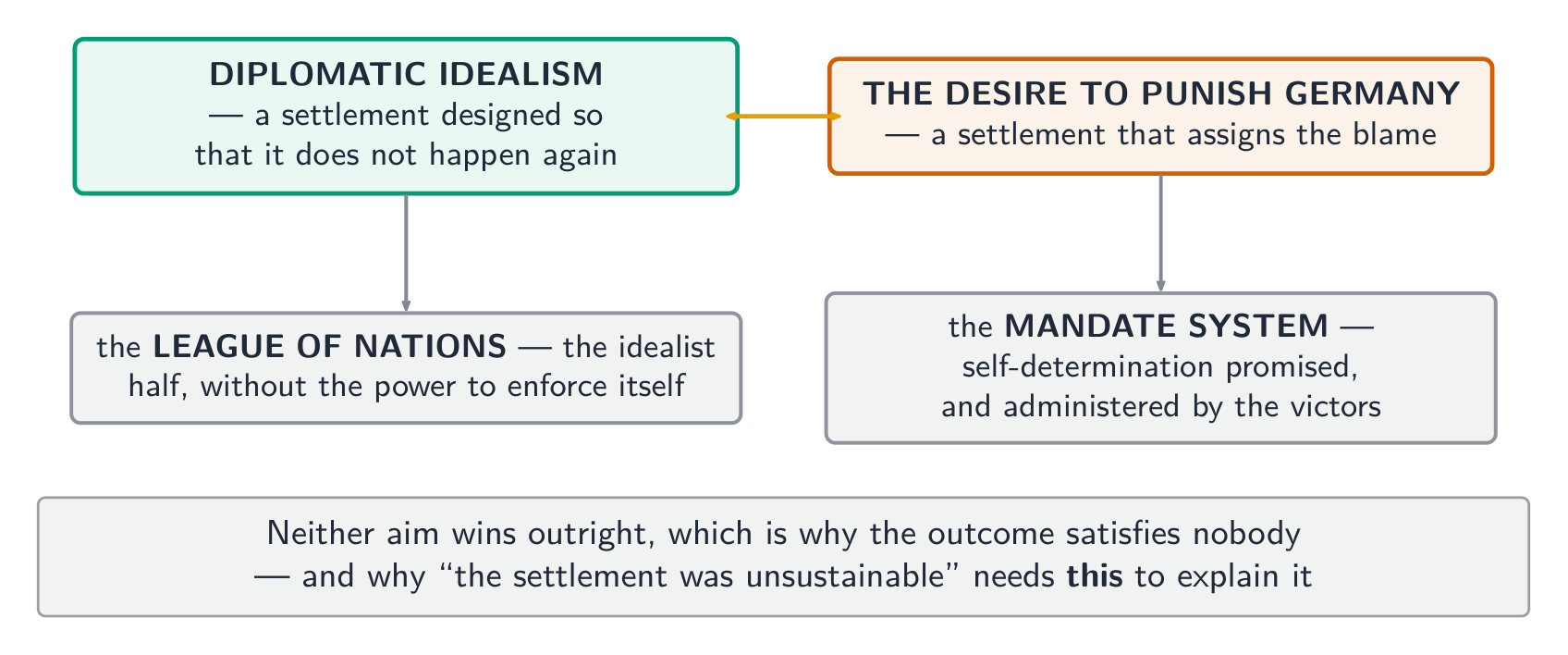
      • KC-4.3.III.B La reforma dentro de la Iglesia católica encontró expresión en el Concilio Vaticano II, que redefinió la doctrina y las prácticas de la iglesia e inició la redefinición de sus relaciones con otras comunidades religiosas.
    • KC-4.3.IV Durante el siglo XX, las artes se definieron por la experimentación, la autorexpresión, la subjetividad y la creciente influencia de los Estados Unidos tanto en la cultura elitista como en la popular.
      • KC-4.3.IV.A Nuevos movimientos en las artes visuales, la arquitectura y la música alteraron radicalmente los estándares estéticos existentes, exploraron estados subconscientes y subjetivos, y satirizaron la sociedad occidental y sus valores.
      • KC-4.3.IV.B A lo largo del siglo, varios escritores desafiaron las convenciones literarias tradicionales, cuestionaron los valores occidentales y abordaron temas sociales y políticos controvertidos.
    • KC-4.4.I.C La producción masiva, las nuevas tecnologías alimentarias y la eficiencia industrial aumentaron los ingresos disponibles y crearon una cultura de consumo en la que mayores comodidades domésticas, como la electricidad, el saneamiento interior, los plásticos y las fibras sintéticas, se hicieron disponibles.
    • KC-4.4.II.C Con la recuperación económica posterior a la Segunda Guerra Mundial, la tasa de natalidad aumentó drásticamente (el baby boom), lo cual fue promovido a menudo por políticas gubernamentales.
    • KC-4.4.III.B Varios movimientos, incluyendo el movimiento feminista, movimientos políticos y sociales, movimientos gays y lésbicos, y otros, trabajaron para ampliar los derechos civiles; en algunos casos obtuvieron sus objetivos buscados y, en otros, enfrentaron una fuerte oposición.
    • KC-4.4.III.C Intelectuales y jóvenes reaccionaron contra el materialismo burgués y la decadencia percibidos, más significativamente con las revueltas de 1968.

    Ejemplos ilustrativos:

    • Respuestas cristianas al totalitarismo:
      • Dietrich Bonhoeffer
      • Martin Niemöller
      • Papa Juan Pablo II
      • Solidaridad
    • Nuevos movimientos en las artes visuales:
      • Cubismo
      • Futurismo
      • Dadaísmo
      • Surrealismo
      • Expresionismo abstracto
      • Pop Art
    • Nuevos movimientos arquitectónicos:
      • Bauhaus
      • Modernismo
      • Posmodernismo
    • Nuevos movimientos musicales:
      • Igor Stravinsky
      • Arnold Schoenberg
      • Richard Strauss
    • Escritores:
      • Franz Kafka
      • James Joyce
      • Erich Maria Remarque
      • Virginia Woolf
      • Jean-Paul Sartre
    • Políticas gubernamentales para promover el crecimiento poblacional: §Natalismo Neonatal
      • Instalaciones de cuidado infantil

    Source: College Board AP Course and Exam Description · ⁨Fuente: College Board AP Course and Exam Description⁩

    English
    • The effects of world war and economic depression undermined confidence in science and human reason, giving impetus to new intellectual currents.
    • Organised religion continued to play a role in European social and cultural life despite these challenges - a continuity worth stating, because answers tend to assume simple secularisation.
    • The arts were defined by experimentation, self-expression, subjectivity, and increasing global influence.
    • Mass production, new food technologies, and industrial efficiency increased disposable income and created a consumer culture 消费文化.
    • With postwar recovery the birth rate rose dramatically - the baby boom 婴儿潮 - often promoted by government policy.
    • Various movements - women's movements, political and social movements, gay and lesbian movements - pressed for rights and recognition.
    • Intellectuals and youth reacted against perceived bourgeois materialism, most significantly in the movements of the later 1960s.
    Español
    • Los efectos de la guerra mundial y la depresión económica socavaron la confianza en la ciencia y la razón humana, impulsando nuevas corrientes intelectuales.
    • La religión organizada continuó desempeñando un papel en la vida social y cultural europea a pesar de estos desafíos —una continuidad digna de mencionarse, porque las respuestas tienden a asumir una secularización simple—.
    • Las artes se definieron por la experimentación, la aut expresividad y la subjetividad, y por una creciente influencia global.
    • La producción en masa, las nuevas tecnologías alimentarias y la eficiencia industrial aumentaron el ingreso disponible y crearon una cultura de consumo.
    • Con la recuperación de posguerra, la tasa de natalidad subió dramáticamente —el baby boom—, a menudo promovido por políticas gubernamentales.
    • Varios movimientos —movimientos de mujeres, movimientos políticos y sociales, movimientos gay y lésbico— presionaron por derechos y reconocimiento.
    • Intelectuales y jóvenes reaccionaron contra el materialismo burgués percibido, principalmente en los movimientos de finales de la década de 1960.
    Vocabulary · ⁨Vocabulario⁩ Train · ⁨Entrenar⁩
    English · ⁨Inglés⁩ Chinese · ⁨Chino⁩ Pinyin
    baby boom/ˈbeɪbi buːm/ 婴儿潮 yīng ér cháo
    9.15

    Continuity and Change in the 20th and 21st Centuries · ⁨Continuidad y cambio en los siglos XX y XXI⁩

    Syllabus
    English

    9.15 Continuity and Change in the 20th and 21st Centuries

    Learning Objective Unit 9.P: Explain how the challenges of the 20th century influenced what it means to be European.

    • KC-4.1 Total war and political instability in the first half of the 20th century gave way to a polarized state order during the Cold War and eventually to efforts at transnational union.
      • KC-4.1.IV As World War II ended, a Cold War between the liberal democratic West and the communist East began, lasting nearly half a century.
      • KC-4.1.V Nationalist and separatist movements, along with ethnic conflict and ethnic cleansing, periodically disrupted the post-World War II peace.
    • KC-4.2 The stresses of economic collapse and total war engendered internal conflicts within European states and created conflicting conceptions of the relationship between the individual and the state, as demonstrated in the ideological battle between and among democracy, communism, and fascism.
    • KC-4.3 During the 20th century, diverse intellectual and cultural movements questioned the existence of objective knowledge, the ability of reason to arrive at truth, and the role of religion in determining moral standards.
      • KC-4.3.I.ii The experience of war intensified a sense of anxiety that permeated many facets of thought and culture, giving way by the century’s end to a plurality of intellectual frameworks.
    • KC-4.4 Demographic changes, economic growth, total war, disruptions of traditional social patterns, and competing definitions of freedom and justice altered the experiences of everyday life.
      • KC-4.4.III New voices gained prominence in political, intellectual, and social discourse.
    Español

    9.15 Continuidad y cambio en los siglos XX y XXI

    Objetivo de aprendizaje Unidad 9.P: Explicar cómo los desafíos del siglo XX influyeron en lo que significa ser europeo.

    • KC-4.1 La guerra total y la inestabilidad política en la primera mitad del siglo XX dieron paso a un orden estatal polarizado durante la Guerra Fría y, finalmente, a esfuerzos hacia una unión transnacional.
      • KC-4.1.IV Al finalizar la Segunda Guerra Mundial, comenzó una Guerra Fría entre el Occidente liberal democrático y el Este comunista, que duró casi medio siglo.
      • KC-4.1.V Los movimientos nacionalistas y separatistas, junto con los conflictos étnicos y la limpieza étnica, interrumpieron periódicamente la paz posterior a la Segunda Guerra Mundial.
    • KC-4.2 Las presiones derivadas del colapso económico y la guerra total generaron conflictos internos dentro de los estados europeos y crearon concepciones contradictorias sobre la relación entre el individuo y el Estado, como se demostró en la batalla ideológica entre y dentro de la democracia, el comunismo y el fascismo.
    • KC-4.3 Durante el siglo XX, diversos movimientos intelectuales y culturales cuestionaron la existencia del conocimiento objetivo, la capacidad de la razón para llegar a la verdad y el papel de la religión en la determinación de los estándares morales.
      • KC-4.3.I.ii La experiencia de la guerra intensificó un sentimiento de ansiedad que impregnó muchas facetas del pensamiento y la cultura, dando paso, hacia el final del siglo, a una pluralidad de marcos intelectuales.
    • KC-4.4 Los cambios demográficos, el crecimiento económico, la guerra total, las interrupciones de los patrones sociales tradicionales y las definiciones competidoras de libertad y justicia alteraron las experiencias de la vida cotidiana.
      • KC-4.4.III Nuevas voces ganaron protagonismo en el discurso político, intelectual y social.

    Source: College Board AP Course and Exam Description · ⁨Fuente: College Board AP Course and Exam Description⁩

    English

    The unit's reasoning skill is continuity and change.

    Worked example (a real AP exam question). AP European History short-answer questions here ask, for example, to "Explain one way in which European integration after 1945 represented a change from earlier European international relations." A full-mark answer states the change against what it replaced: "Before 1945 European states pursued national interest through competing alliances and, repeatedly, war. After 1945 states began to set aside those rivalries in favour of shared institutions, accepting binding common rules on trade and law - so a dispute between members became a matter for negotiation within an institution rather than a matter for the balance of power." Notice that a change claim needs the prior state of affairs to be named.

    Español

    La habilidad de razonamiento de la unidad es la continuidad y el cambio.

    Ejemplo resuelto (una pregunta real del examen AP). Las preguntas de respuesta corta de Historia Europeea AP piden, por ejemplo, "Explique una manera en que la integración europea posterior a 1945 representó un cambio respecto a las relaciones internacionales europeas anteriores." Una respuesta de puntuación completa establece el cambio en contraposición a lo que reemplazó: "Antes de 1945, los estados europeos perseguían sus intereses nacionales mediante alianzas competitivas y, repetidamente, guerras. Después de 1945, los estados comenzaron a dejar de lado esas rivalidades a favor de instituciones compartidas, aceptando reglas comunes vinculantes sobre comercio y derecho —por lo tanto, una disputa entre miembros se convirtió en una cuestión de negociación dentro de una institución en lugar de una cuestión de equilibrio de poder." Note que una afirmación de cambio necesita que se nombre el estado anterior de las cosas.

    9.15

    Exam tips · ⁨Consejos para el examen⁩

    English
    • The unit has two simultaneous stories - division until 1991 and integration throughout. Weak answers tell only one.
    • Memorise the Cold War's methods: propaganda, covert action, limited hot wars, arms race. The absence of direct war is the point.
    • "Oscillated between repression and reform" is the CED's phrase for the Soviet bloc. It beats either half alone.
    • Gorbachev's reforms were intended to strengthen the system. That irony is what an evaluation question is looking for.
    • The welfare state grew on growth and was questioned when growth stopped. State the causal link.
    • Migration followed labour demand created by the postwar boom. Get the causal order right before discussing the debates.
    Español
    • La unidad tiene dos historias simultáneas: la división hasta 1991 y la integración en todo momento. Las respuestas débiles narran solo una.
    • Memorice los métodos de la Guerra Fría: propaganda, acción encubierta, guerras calientes limitadas, carrera armamentista. La ausencia de guerra directa es el punto.
    • "Osciló entre la represión y la reforma" es la frase de la CED para el bloque soviético. Supera a cualquiera de las dos partes por separado.
    • Las reformas de Gorbachov estaban destinadas a fortalecer el sistema. Esa ironía es lo que busca una pregunta de evaluación.
    • El Estado del bienestar creció gracias al crecimiento y fue cuestionado cuando este se detuvo. Exprese el vínculo causal.
    • La migración siguió a la demanda laboral creada por el auge de posguerra. Establezca correctamente el orden causal antes de discutir los debates.

Log in or create account · ⁨Iniciar sesión o crear cuenta⁩

IGCSE, A-Level & AP