Skip to content · ⁨Saltar al contenido⁩

Industrialización y sus Efectos, c. 1815 a c. 1914

AP Historia Europea · Topic 6 · ⁨Tema 6⁩

Train · ⁨Entrenar⁩
Video lesson for this topic · ⁨Lección de video para este tema⁩ Open the video page · ⁨Abrir la página de video⁩
9:15

Unidad 6: Industrialización y sus efectos

Una afirmación es la columna vertebral de esta unidad. Las revoluciones políticas y las complicaciones de la industrialización desencadenaron una serie de ideologías, gobiernos y…

English narration · English + 中文 subtitles burned in · ⁨Narración en inglés · Subtítulos en inglés + 中文 quemados en pantalla⁩

6.1

Contextualizing Industrialization · ⁨Contextualizando la Industrialización⁩

Syllabus
English

6.1 Contextualizing Industrialization and Its Origins and Effects

Learning Objective Unit 6.A: Explain the context in which industrialization originated, developed, and spread in Europe.

  • KC-3.1 The Industrial Revolution spread from Great Britain to the continent, where the state played a greater role in promoting industry.
    • KC-3.1.I Great Britain established its industrial dominance through the mechanization of textile production, iron and steel production, and new transportation systems in conjunction with uniquely favorable political and social climates.
    • KC-3.1.II Following the British example, industrialization took root in continental Europe, sometimes with state sponsorship.
  • KC-3.2 The experiences of everyday life were shaped by industrialization, depending on the level of industrial development in a particular location.
    • KC-3.2.I Industrialization promoted the development of new classes in the industrial regions of Europe.
    • KC-3.2.II Europe experienced rapid population growth and urbanization, leading to social dislocations.
    • KC-3.2.III Over time, the Industrial Revolution altered the family structure and relations for bourgeois and working-class families.
  • KC-3.3 Political revolutions and the complications resulting from industrialization triggered a range of ideological, governmental, and collective responses.
    • KC-3.3.I Ideologies developed and took root throughout society as a response to industrial and political revolutions.
    • KC-3.3.II Governments, at times based on the pressure of political or social organizations, responded to problems created or exacerbated by industrialization.
Español

6.1 Contextualización de la industrialización y sus orígenes y efectos

Objetivo de aprendizaje de la Unidad 6.A: Explicar el contexto en que se originó, desarrolló y expandió la industrialización en Europa.

  • KC-3.1 La Revolución Industrial se extendió desde Gran Bretaña al continente, donde el Estado desempeñó un papel más importante en la promoción de la industria.
    • KC-3.1.I Gran Bretaña estableció su dominio industrial mediante la mecanización de la producción textil, la producción de hierro y acero, y nuevos sistemas de transporte, en conjunción con climas política y social únicosamente favorables.
    • KC-3.1.II Siguiendo el ejemplo británico, la industrialización se arraigó en Europa continental, a veces con patrocinio estatal.
  • KC-3.2 Las experiencias de la vida cotidiana se vieron moldeadas por la industrialización, dependiendo del nivel de desarrollo industrial de una ubicación particular.
    • KC-3.2.I La industrialización promovió el desarrollo de nuevas clases en las regiones industriales de Europa.
    • KC-3.2.II Europa experimentó un rápido crecimiento demográfico y urbanización, lo que provocó deslocalizaciones sociales.
    • KC-3.2.III Con el tiempo, la Revolución Industrial alteró la estructura familiar y las relaciones de las familias burguesas y obreras.
  • KC-3.3 Las revoluciones políticas y las complicaciones derivadas de la industrialización desencadenaron una serie de respuestas ideológicas, gubernamentales y colectivas.
    • KC-3.3.I Las ideologías se desarrollaron y arraigaron en toda la sociedad como respuesta a las revoluciones industriales y políticas.
    • KC-3.3.II Los gobiernos, a veces bajo la presión de organizaciones políticas o sociales, respondieron a los problemas creados o exacerbados por la industrialización.

Source: College Board AP Course and Exam Description · ⁨Fuente: College Board AP Course and Exam Description⁩

English

Unit 6 covers c. 1815 to c. 1914 and rests on three claims the CED states as key concepts:

  • The Industrial Revolution spread from Great Britain to the continent, where the state played a greater role in promoting industry.
  • Everyday experience was shaped by industrialisation depending on the level of industrial development in a particular location - so the answer to "what was life like" is always where, and how far along.
  • Political revolutions and the complications of industrialisation triggered a range of ideological, governmental, and collective responses.

That third claim is the unit's spine. Industrialisation created problems; the ideologies and reforms of the nineteenth century are the answers people proposed to them.

Español

La Unidad 6 abarca el período c. 1815 a c. 1914 y se basa en tres afirmaciones que el CED (Currículo de Examen AP) establece como conceptos clave:

  • La Revolución Industrial se extendió desde Gran Bretaña al continente, donde el Estado tuvo un papel mayor en la promoción de la industria.
  • La experiencia cotidiana fue moldeada por la industrialización dependiendo del nivel de desarrollo industrial en una ubicación particular, por lo que la respuesta a "¿cómo era la vida?" es siempre dónde, y hasta qué punto.
  • Las revoluciones políticas y las complicaciones de la industrialización desencadenaron una serie de respuestas ideológicas, gubernamentales y colectivas.

Esa tercera afirmación es la columna vertebral de la unidad. La industrialización creó problemas; las ideologías y reformas del siglo XIX son las respuestas que la gente propuso para ellos.

Vocabulary · ⁨Vocabulario⁩ Train · ⁨Entrenar⁩
English · ⁨Inglés⁩ Chinese · ⁨Chino⁩ Pinyin
less social dislocation/les ˈsəʊʃl dɪsləʊˈkeɪʃn/ 社会失序 shè huì shī xù
second industrial revolution/ˈsekənd ɪnˈdʌstrɪəl ˌrevəˈluːʃn/ 第二次工业革命 dì èr cì gōng yè gé mìng
railroads/ˈreɪlrəʊdz/ 铁路 tiě lù
promoted population growth/prəˈməʊtɪd ˌpɒpjʊˈleɪʃn ɡrəʊθ/ 人口增长 rén kǒu zēng zhǎng
heightened consumerism/ˈhaɪtnd kənˈsuːmərɪzəm/ 消费主义 xiāo fèi zhǔ yì
Class identity/klæs aɪˈdentɪti/ 阶级认同 jiē jí rèn tóng
urban overcrowding/ˈɜːbən ˌəʊvəˈkraʊdɪŋ/ 城市拥挤 chéng shì yōng jǐ
cult of domesticity/kʌlt ɒv dəmɪˈstɪsɪti/ 家庭崇拜 jiā tíng chóng bài
companionate marriage/kəmˈpænɪəneɪt ˈmærɪdʒ/ 伴侣式婚姻 bàn lǚ shì hūn yīn
Concert of Europe/ˈkɒnsət ɒv ˈjʊərəp/ 欧洲协调 ōu zhōu xié tiáo
Conservatism/kənˈsɜːvətɪzəm/ 保守主义 bǎo shǒu zhǔ yì
revolutions of 1848/ˌrevəˈluːʃnz ɒv wɒn ˈθaʊznd ˈeɪthʌndrɪdn ˈfɔːti eɪt/ 1848年革命 1848 nián gé mìng
emancipation of the serfs/ɪˌmænsɪˈpeɪʃn ɒvðə sɜːfs/ 农奴解放 nóng nú jiě fàng
Liberals/ˈlɪbərəlz/ 自由主义者 zì yóu zhǔ yì zhě
universal male suffrage/ˌjuːnɪˈvɜːsl meɪl ˈsʌfrɪdʒ/ 男性普选权 nán xìng pǔ xuǎn quán
Socialists/ˈsəʊʃəlɪsts/ 社会主义者 shè huì zhǔ yì zhě
Marx's scientific socialism/ˈmɑːksɪz saɪənˈtɪfɪk ˈsəʊʃəlɪzəm/ 科学社会主义 kē xué shè huì zhǔ yì
Anarchists/ˈænɑːkɪsts/ 无政府主义者 wú zhèng fǔ zhǔ yì zhě
compulsory public education/kəmˈpʌlsəri ˈpʌblɪk ˌedʒuːˈkeɪʃn/ 义务教育 yì wù jiào yù
6.2

The Spread of Industry Throughout Europe · ⁨La Expansión de la Industria por toda Europa⁩

Syllabus
English

6.2 The Spread of Industry Throughout Europe

Thematic Focus (ECD): Economic and Commercial Developments — Economic development, especially the development of capitalism, played an important role in Europe’s history, often having significant social, political, and cultural effects.

Learning Objective Unit 6.B: Explain the factors that influenced the development of industrialization in Europe from 1815 to 1914.

  • KC-3.1.I.A Britain’s ready supplies of coal, iron ore, and other essential raw materials promoted industrial growth.
  • KC-3.1.I Great Britain established its industrial dominance through the mechanization of textile production, iron and steel production, and new transportation systems in conjunction with uniquely favorable political and social climates.
  • KC-3.1.I.B Economic institutions and human capital such as engineers, inventors, and capitalists helped Britain lead the process of industrialization, largely through private initiative.
  • KC-3.1.I.C Britain’s parliamentary government promoted commercial and industrial interests because those interests were represented in Parliament.
  • KC-3.1.II.A France moved toward industrialization at a more gradual pace than Great Britain, with government support and with less dislocation of traditional methods of production.
  • KC-3.1.II.C A combination of factors, including geography, lack of resources, the dominance of traditional landed elites, the persistence of serfdom in some areas, and inadequate government sponsorship, accounted for eastern and southern Europe’s lag in industrial development.
  • KC-3.2.V Because of the continued existence of more primitive agricultural practices and land-owning patterns, some areas of Europe lagged in industrialization while facing famine, debt, and land shortages.

Illustrative examples:

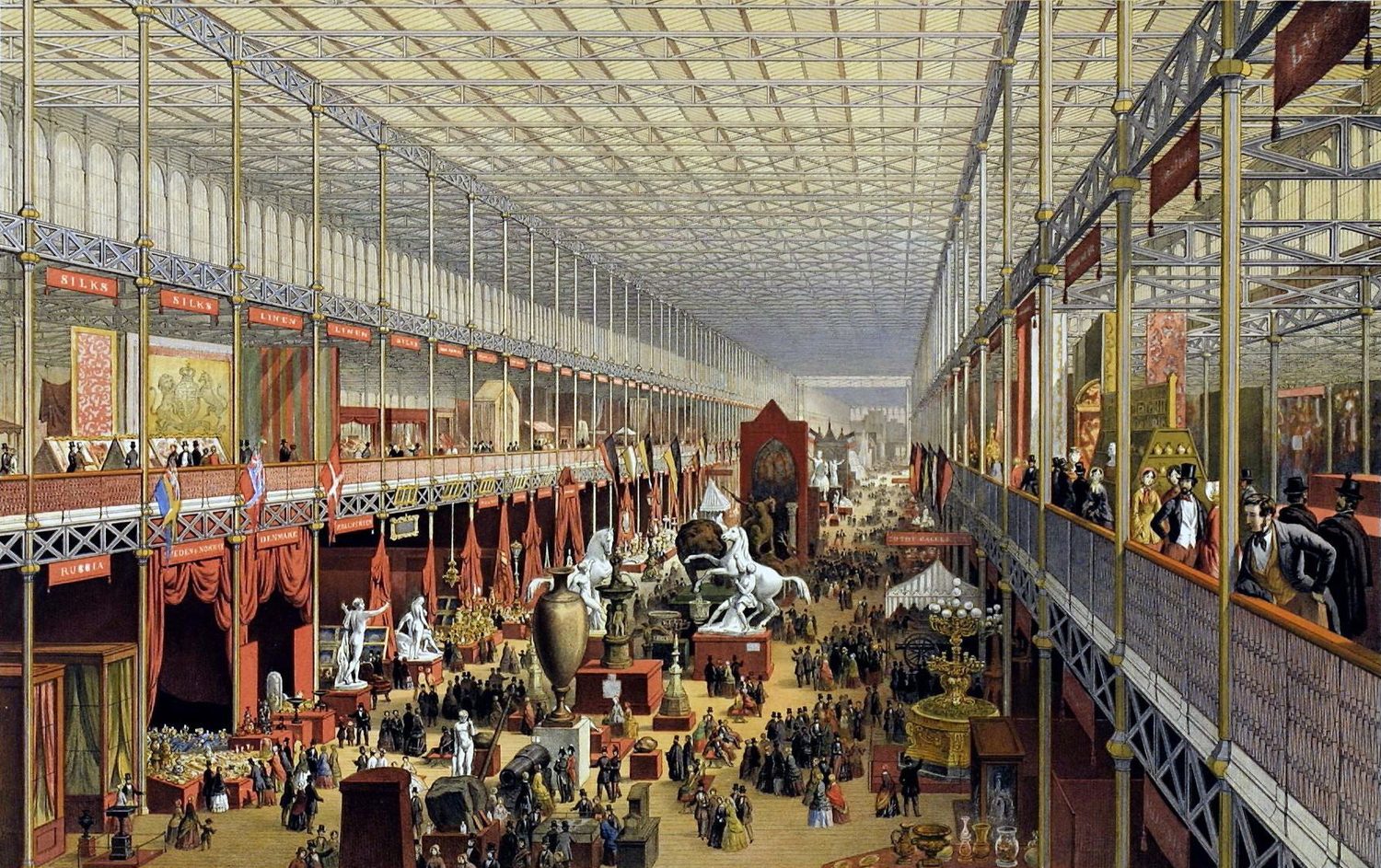
  • Britain’s leadership: §Bullet The Crystal Palace at the Great Exhibition of 1851 §Bullet Banks §Bullet Government financial awards to inventors Commercial interest in government: §Bullet Repeal of the Corn Laws Government support of industrialization: §Bullet Canals §Bullet Railroads §Bullet Trade agreements Geographic factors in eastern and southern Europe: §Bullet Lack of resources §Bullet Lack of adequate transportation Primitive agricultural practices and famines: §Bullet The “Hungry ’40s” §Bullet Irish potato famine §Bullet Russian serfdom
Español

6.2 La expansión de la industria por toda Europa

Enfoque temático (ECD): Desarrollos económicos y comerciales — El desarrollo económico, especialmente el desarrollo del capitalismo, desempeñó un papel importante en la historia de Europa, a menudo con importantes efectos sociales, políticos y culturales.

Objetivo de aprendizaje Unidad 6.B: Explicar los factores que influyeron en el desarrollo de la industrialización en Europa entre 1815 y 1914.

  • KC-3.1.I.A Las abundantes reservas de carbón, mineral de hierro y otras materias primas esenciales de Gran Bretaña promovieron el crecimiento industrial.
  • KC-3.1.I Gran Bretaña estableció su dominio industrial mediante la mecanización de la producción textil, la producción de hierro y acero, y nuevos sistemas de transporte, en conjunto con climas política y social únicos y favorables.
  • KC-3.1.I.B Las instituciones económicas y el capital humano, como ingenieros, inventores y capitalistas, ayudaron a Gran Bretaña a liderar el proceso de industrialización, principalmente a través de la iniciativa privada.
  • KC-3.1.I.C El gobierno parlamentario de Gran Bretaña promovió los intereses comerciales e industriales porque estos intereses estaban representados en el Parlamento.
  • KC-3.1.II.A Francia avanzó hacia la industrialización a un ritmo más gradual que Gran Bretaña, con apoyo gubernamental y con menor perturbación de los métodos tradicionales de producción.
  • KC-3.1.II.C Una combinación de factores, incluyendo geografía, falta de recursos, la dominación de las élites terratenientes tradicionales, la persistencia de la servidumbre en algunas áreas y el patrocinio gubernamental inadecuado, explicaron el retraso en el desarrollo industrial de Europa oriental y meridional.
  • KC-3.2.V Debido a la persistencia de prácticas agrícolas más primitivas y patrones de tenencia de la tierra, algunas áreas de Europa se atrasaron en la industrialización mientras enfrentaban hambrunas, deudas y escasez de tierras.

Ejemplos ilustrativos:

  • Liderazgo británico: §Bala Palacio de Cristal en la Gran Exposición de 1851 §Bala Bancos §Bala Premios financieros gubernamentales a inventores Interés comercial en el gobierno: §Bala Abolición de las Leyes de Cereales Apoyo gubernamental a la industrialización: §Bala Canales §Bala Ferrocarriles §Bala Acuerdos comerciales Factores geográficos en Europa oriental y meridional: §Bala Falta de recursos §Bala Falta de transporte adecuado Prácticas agrícolas primitivas y hambrunas: §Bala Los "Años Cuarenta Hambreosos" §Bala Hambruna de la patata irlandesa §Bala Servidumbre rusa

Source: College Board AP Course and Exam Description · ⁨Fuente: College Board AP Course and Exam Description⁩

English

Britain led, and the CED gives the reasons as a set:

  • Ready supplies of coal, iron ore, and other raw materials.
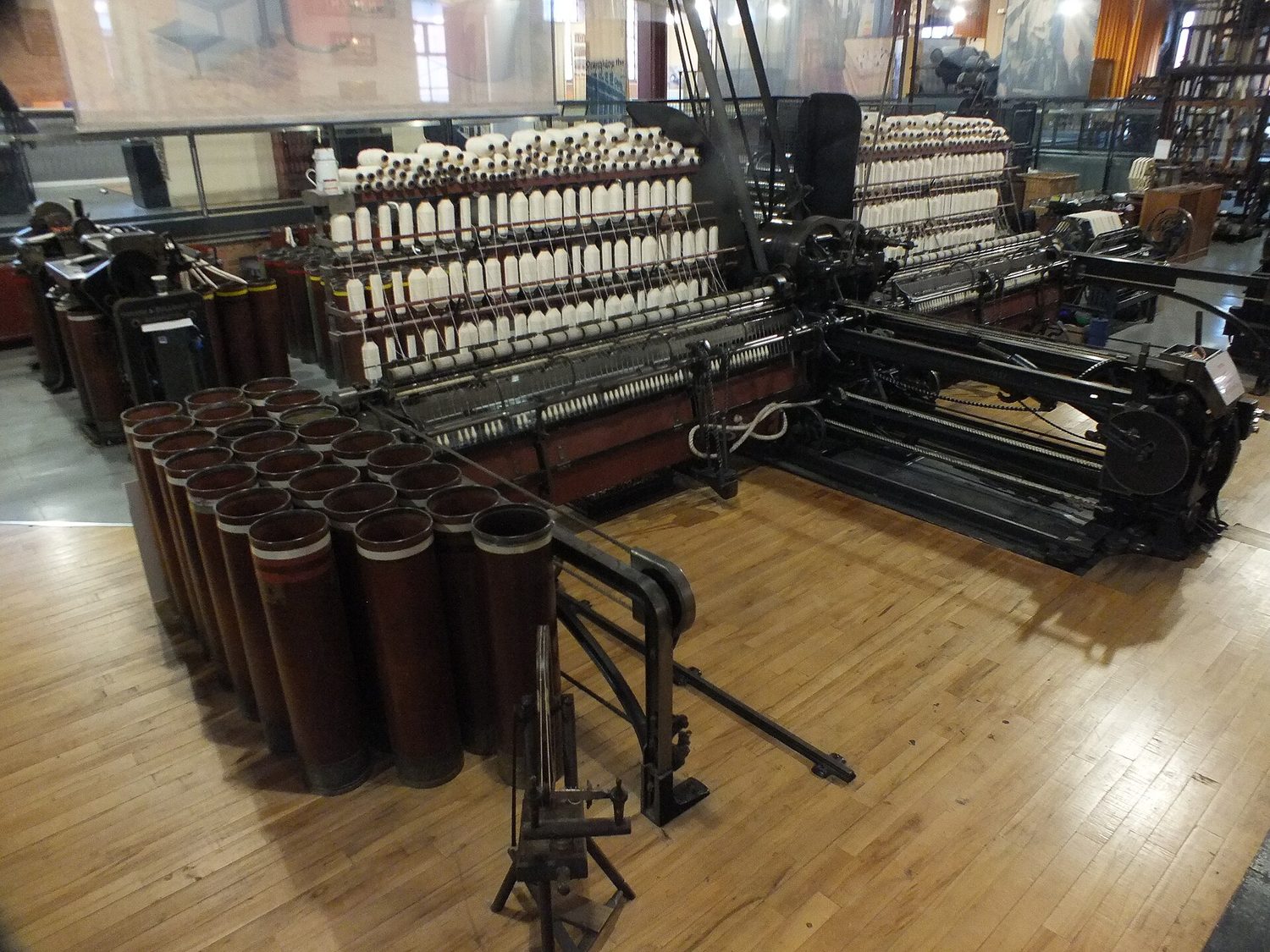
  • Mechanisation of textile production, iron and steel, and the development of machine tools.
  • Economic institutions and human capital - engineers, inventors, and capitalists.
  • A parliamentary government that promoted commercial and industrial interests because those interests were represented in Parliament - the political condition, and the one students leave out.

The continent then diverged, which is the examinable comparison:

  • France industrialised more gradually, with government support and with less social dislocation 社会失序 than Britain.
  • Elsewhere, a combination of geography, lack of resources, the dominance of traditional landed elites, and the persistence of serf-like labour relations slowed industrialisation.
  • Because more primitive agricultural practices and landholding patterns persisted, some areas of Europe lagged behind entirely.
Español

Gran Bretaña lideró, y el CED da las razones como un conjunto:

  • Suministros listos de carbón, mineral de hierro y otras materias primas.
  • Mecanización de la producción textil, del hierro y el acero, y el desarrollo de herramientas máquina.
  • Instituciones económicas y capital humano - ingenieros, inventores y capitalistas.
  • Un gobierno parlamentario que promovía intereses comerciales e industriales porque esos intereses estaban representados en el Parlamento - la condición política, y la que los estudiantes suelen omitir.

El continente luego divergió, lo cual es la comparación evaluable:

  • Francia se industrializó más gradualmente, con apoyo gubernamental y con menos desorden social que Gran Bretaña.
  • En otros lugares, una combinación de geografía, falta de recursos, la dominación de élites terratenientes tradicionales y la persistencia de relaciones laborales similares a la servidumbre lentificó la industrialización.
  • Debido a que persistían prácticas agrícolas más primitivas y patrones de tenencia de la tierra, algunas áreas de Europa quedaron rezagadas completamente.
Ambas mitades de la pregunta: lo que tenía Gran Bretaña y lo que frenaba a los demás
Una hilandera mule - una máquina reemplazando el trabajo de muchos hilanderas manuales
Explore · ⁨Explorar⁩

Clasificar cada factor: ventaja británica u obstáculo continental

'Por qué Gran Bretaña primero' necesita ambas mitades. Francia sigue un camino distinto, no un fracaso.

6.3

Second Wave Industrialization · ⁨Segunda Onda de Industrialización⁩

Syllabus
English

6.3 Second Wave Industrialization and Its Effects

Thematic Focus (TSI): Technological and Scientific Innovation — Scientific and technological innovations have increased efficiency, improved daily life, and shaped human development and interactions, having both intended and unintended consequences.

Thematic Focus (ECD): Economic and Commercial Developments — Economic development, especially the development of capitalism, played an important role in Europe’s history, often having significant social, political, and cultural effects.

Learning Objective Unit 6.C: Explain how innovations and advances in technology during the Industrial Revolutions led to economic and social change.

  • KC-3.1.III.A Mechanization and the factory system became the predominant modes of production by 1914.
  • KC-3.1.III.B New technologies and means of communication and transportation—including railroads— resulted in more fully integrated national economies, a higher level of urbanization, and a truly global economic network.
  • KC-3.2.IV.B New, efficient methods of transportation and other innovations created new industries, improved the distribution of goods, increased consumerism, and enhanced quality of life.

Learning Objective Unit 6.D: Explain how industrialization influenced economic and political development throughout the period from 1815 to 1914.

  • KC-3.1.III During the second industrial revolution (c. 1870–1914), more areas of Europe experienced industrial activity, and industrial processes increased in scale and complexity.
    • KC-3.1.III.C Volatile business cycles in the last quarter of the 19th century led corporations and governments to try to manage the market through a variety of methods, including monopolies, banking practices, and tariffs.
  • KC-3.2.II.A Along with better harvests caused in part by the commercialization of agriculture, industrialization promoted population growth, longer life expectancy, and lowered infant mortality.
  • KC-3.2.IV A heightened consumerism developed as a result of the second industrial revolution.
    • KC-3.2.IV.A Industrialization and mass marketing increased both the production and demand for a new range of consumer goods— including clothing, processed foods, and labor-saving devices—and created more leisure opportunities.
    • KC-3.2.IV.A Industrialization in Prussia allowed that state to become the leader of a unified Germany, which subsequently underwent rapid industrialization under government sponsorship.

Illustrative examples:

  • Factory production: §Bullet Manchester, England §Bullet The Krupp family (Essen, Germany) New technologies: §Bullet Bessemer process §Bullet Mass production §Bullet Electricity §Bullet Chemicals Developments in communication and transportation: §Bullet Telegraph §Bullet Steamship §Bullet Streetcars or trolley cars §Bullet Telephones §Bullet Internal combustion engine §Bullet Airplane §Bullet Radio New, efficient methods of transportation and other innovations: §Bullet Steamships §Bullet Railroads §Bullet Refrigerated rail cars §Bullet Ice boxes §Bullet Streetcars §Bullet Bicycles New industries: §Bullet Chemical industry §Bullet Electricity and utilities §Bullet Automobile §Bullet Leisure travel §Bullet Professional and leisure sport (CONT’D) Mass marketing: §Bullet Advertising §Bullet Department stores §Bullet Catalogs Industrialization in Prussia: §Bullet Zollverein §Bullet Investment in transportation network §Bullet Adoption of improved methods of manufacturing §Bullet Friedrich List’s National System
Español

6.3 Segunda Industrialización y Sus Efectos

Enfoque Temático (TSI): Innovación Tecnológica y Científica — Las innovaciones científicas y tecnológicas han aumentado la eficiencia, mejorado la vida cotidiana y moldeado el desarrollo e interacciones humanas, teniendo tanto consecuencias intencionales como no intencionales.

Enfoque Temático (ECD): Desarrollos Económicos y Comerciales — El desarrollo económico, especialmente el del capitalismo, jugó un papel importante en la historia de Europa, a menudo con efectos sociales, políticos y culturales significativos.

Objetivo de Aprendizaje Unidad 6.C: Explicar cómo las innovaciones y avances tecnológicos durante las Revoluciones Industriales condujeron al cambio económico y social.

  • KC-3.1.III.A La mecanización y el sistema de fábrica se convirtieron en los modos predominantes de producción para 1914.
  • KC-3.1.III.B Nuevas tecnologías y medios de comunicación y transporte —incluyendo ferrocarriles— resultaron en economías nacionales más integradas, un mayor nivel de urbanización y una red económica verdaderamente global.
  • KC-3.2.IV.B Nuevos métodos eficientes de transporte y otras innovaciones crearon nuevas industrias, mejoraron la distribución de bienes, aumentaron el consumismo y mejoraron la calidad de vida.

Objetivo de Aprendizaje Unidad 6.D: Explicar cómo la industrialización influyó en el desarrollo económico y político durante el período comprendido entre 1815 y 1914.

  • KC-3.1.III Durante la segunda revolución industrial (c. 1870–1914), más regiones de Europa experimentaron actividad industrial, y los procesos industriales aumentaron en escala y complejidad.
    • KC-3.1.III.C Los ciclos económicos volátiles en el último cuarto del siglo XIX llevaron a las corporaciones y gobiernos a intentar gestionar el mercado mediante diversos métodos, incluyendo monopolios, prácticas bancarias y aranceles.
  • KC-3.2.II.A Junto con mejores cosechas causadas en parte por la comercialización de la agricultura, la industrialización promovió el crecimiento demográfico, mayor esperanza de vida y menor mortalidad infantil.
  • KC-3.2.IV Se desarrolló un mayor consumismo como resultado de la segunda revolución industrial.
    • KC-3.2.IV.A La industrialización y el marketing masivo aumentaron tanto la producción como la demanda de una nueva gama de bienes de consumo —incluyendo ropa, alimentos procesados y dispositivos que ahorraban trabajo— y crearon más oportunidades de ocio.
    • KC-3.2.IV.A La industrialización en Prusia permitió que ese estado se convirtiera en el líder de una Alemania unificada, que posteriormente experimentó una rápida industrialización bajo patrocinio gubernamental.

Ejemplos ilustrativos:

  • Producción en fábricas: §Bullet Manchester, Inglaterra §Bullet La familia Krupp (Essen, Alemania) Nuevas tecnologías: §Bullet Proceso Bessemer §Bullet Producción en masa §Bullet Electricidad §Bullet Productos químicos Desarrollo en comunicaciones y transporte: §Bullet Telégrafo §Bullet Vapor §Bullet Tranvías o trolebuses §Bullet Teléfonos §Bullet Motor de combustión interna §Bullet Avión §Bullet Radio Nuevos métodos eficientes de transporte y otras innovaciones: §Bullet Vapor §Bullet Ferrocarriles §Bullet Vagones frigoríficos §Bullet Refrigeradores domésticos §Bullet Tranvías §Bullet Bicicletas Nuevas industrias: §Bullet Industria química §Bullet Electricidad y servicios públicos §Bullet Automóvil §Bullet Viajes recreativos §Bullet Deportes profesionales y recreativos (CONT’D) Marketing masivo: §Bullet Publicidad §Bullet Grandes almacenes §Bullet Catálogos Industrialización en Prusia: §Bullet Zollverein §Bullet Inversión en redes de transporte §Bullet Adopción de métodos mejorados de fabricación §Bullet Sistema Nacional de Friedrich List

Source: College Board AP Course and Exam Description · ⁨Fuente: College Board AP Course and Exam Description⁩

English

By 1914 mechanisation and the factory system had become the predominant modes of production. During the second industrial revolution 第二次工业革命 (c. 1870-1914) industrial activity spread across more of Europe, and:

  • New technologies and means of communication and transport - notably railroads 铁路 - produced more fully integrated national economies.
  • Efficient transport and other innovations created new industries and improved the distribution of goods.
  • Together with better harvests from the commercialisation of agriculture, industrialisation promoted population growth 人口增长.
  • A heightened consumerism 消费主义 developed.
Español

Para 1914, la mecanización y el sistema de fábrica se habían convertido en los modos de producción predominantes. Durante la segunda revolución industrial (c. 1870-1914), la actividad industrial se extendió por más de Europa, y:

  • Nuevas tecnologías y medios de comunicación y transporte - especialmente ferrocarriles - produjeron economías nacionales más integradas.
  • El transporte eficiente y otras innovaciones crearon nuevas industrias y mejoraron la distribución de bienes.
  • Juntos con mejores cosechas derivadas de la comercialización de la agricultura, la industrialización promovió el crecimiento demográfico.
  • Se desarrolló una consumismo intensificado.
La segunda onda como una cadena: los ferrocarriles integran mercados, y el resto sigue
El Palacio de Cristal, 1851 - hierro y vidrio a una escala solo posible mediante la producción industrial
6.4

Social Effects of Industrialization · ⁨Efectos Sociales de la Industrialización⁩

Syllabus
English

6.4 Social Effects of Industrialization

Thematic Focus (SCD): Social Organization and Development — Economic, political, and cultural factors have influenced the form and status of family, class, and social groups in European history, which has, in turn, affected both the individual and society.

Learning Objective Unit 6.E: Explain the causes and consequences of social developments resulting from industrialization.

  • KC-3.2.I.A In industrialized areas of Europe (i.e., western and northern Europe), socioeconomic changes created divisions of labor that led to the development of self-conscious classes, including the proletariat and the bourgeoisie.
  • KC-3.2.I.B In some of the less industrialized areas of Europe, the dominance of agricultural elites continued into the 20th century.
  • KC-3.2.I.C Class identity developed and was reinforced through participation in philanthropic, political, and social associations among the middle classes, and in mutual aid societies and trade unions among the working classes.
  • KC-3.2.II.B With migration from rural to urban areas in industrialized regions, cities experienced overcrowding, while affected rural areas suffered declines in available labor as well as weakened communities.
  • KC-3.2.III.A Bourgeois families became focused on the nuclear family and the cult of domesticity, with distinct gender roles for men and women.
  • KC-3.2.III.B By the end of the century, higher wages, laws restricting the labor of children and women, social welfare programs, improved diet, and increased access to birth control affected the quality of life for the working class.
  • KC-3.2.III.C Economic motivations for marriage, while still important for all classes, diminished as the middle-class notion of companionate marriage began to be adopted by the working classes.
  • KC-3.2.III.D Leisure time centered increasingly on the family or small groups, concurrent with the development of activities and spaces to use that time.

Illustrative examples:

  • Laws restricting the labor of children and women: §Bullet Factory Act of 1833 §Bullet Mines Act of 1842 §Bullet Ten Hours Act of 1847 Leisure time activities and spaces: §Bullet Parks §Bullet Sports clubs and arenas §Bullet Beaches §Bullet Department stores §Bullet Museums §Bullet Theaters §Bullet Opera houses
Español

6.4 Efectos sociales de la industrialización

Enfoque temático (SCD): Organización y desarrollo social — Los factores económicos, políticos y culturales han influido en la forma y el estatus de la familia, la clase y los grupos sociales en la historia europea, lo que, a su vez, ha afectado tanto al individuo como a la sociedad.

Objetivo de aprendizaje Unidad 6.E: Explicar las causas y consecuencias de los desarrollos sociales resultantes de la industrialización.

  • KC-3.2.I.A En las áreas industrializadas de Europa (es decir, Europa occidental y septentrional), los cambios socioeconómicos crearon divisiones del trabajo que condujeron al desarrollo de clases autoconscientes, incluyendo el proletariado y la burguesía.
  • KC-3.2.I.B En algunas de las áreas menos industrializadas de Europa, la dominación de las élites agrícolas continuó hasta el siglo XX.
  • KC-3.2.I.C La identidad de clase se desarrolló y se reforzó mediante la participación en asociaciones filantrópicas, políticas y sociales entre las clases medias, y en sociedades de ayuda mutua y sindicatos entre las clases trabajadoras.
  • KC-3.2.II.B Con la migración de zonas rurales a urbanas en regiones industrializadas, las ciudades experimentaron hacinamiento, mientras que las áreas rurales afectadas sufrieron una disminución de la mano de obra disponible, así como comunidades debilitadas.
  • KC-3.2.III.A Las familias burguesas se centraron en la familia nuclear y el culto a la domesticidad, con roles de género distintos para hombres y mujeres.
  • KC-3.2.III.B A finales del siglo, los salarios más altos, las leyes que restringían el trabajo de niños y mujeres, los programas de bienestar social, una mejor dieta y un mayor acceso al control de natalidad afectaron la calidad de vida de la clase trabajadora.
  • KC-3.2.III.C Si bien las motivaciones económicas para el matrimonio seguían siendo importantes para todas las clases, disminuyeron a medida que la noción burguesa del matrimonio de compañía comenzó a ser adoptada por las clases trabajadoras.
  • KC-3.2.III.D El tiempo libre se centró cada vez más en la familia o pequeños grupos, coincidiendo con el desarrollo de actividades y espacios para utilizar ese tiempo.

Ejemplos ilustrativos:

  • Leyes que restringen el trabajo de niños y mujeres: §Bullet Acto de las fábricas de balas de 1833 §Bullet Acto de las minas de balas de 1842 §Bullet Acto de las diez horas de 1847 Actividades y espacios de tiempo libre: §Bullet Parques §Bullet Clubes deportivos y recintos §Bullet Playas §Bullet Grandes almacenes §Bullet Museos §Bullet Teatros §Bullet Óperas

Source: College Board AP Course and Exam Description · ⁨Fuente: College Board AP Course and Exam Description⁩

English
  • In industrialised western and northern Europe, socioeconomic change created divisions of labour leading to an entrepreneurial and professional middle class and an industrial working class.
  • In less industrialised areas, the dominance of agricultural elites continued into the twentieth century.
  • Class identity 阶级认同 developed and was reinforced through participation in philanthropic, political, and social associations.
  • Rural-to-urban migration produced urban overcrowding 城市拥挤 while affected rural areas suffered population loss.
  • Bourgeois families focused on the nuclear family and the cult of domesticity 家庭崇拜, with distinct gender roles.
  • By the century's end, higher wages, laws restricting the labour of children and women, social welfare programmes, and improved diet raised living standards.
  • Economic motives for marriage diminished as the middle-class notion of companionate marriage 伴侣式婚姻 spread.
  • Leisure time centred increasingly on the family or small groups, with new activities and spaces built for it.
Español
  • En Europa occidental e industrializada del norte, el cambio socioeconómico creó divisiones del trabajo que condujeron a una clase media empresarial y profesional y a una clase obrera industrial.
  • En áreas menos industrializadas, la dominación de las élites agrícolas continuó hasta el siglo XX.
  • La identidad de clase se desarrolló y se reforzó a través de la participación en asociaciones filantrópicas, políticas y sociales.
  • La migración rural-urbana produjo hacinamiento urbano mientras que las zonas rurales afectadas sufrieron pérdida de población.
  • Las familias burguesas se centraron en la familia nuclear y en el culto a la domesticidad, con roles de género distintos.
  • Para finales del siglo, salarios más altos, leyes que restringían el trabajo infantil y femenino, programas de bienestar social y una mejor alimentación elevaron los niveles de vida.
  • Los motivos económicos para el matrimonio disminuyeron a medida que se extendía la noción burguesa del matrimonio companero.
  • El tiempo libre se centró cada vez más en la familia o pequeños grupos, con nuevas actividades y espacios construidos para ello.
6.5

The Concert of Europe and European Conservatism · ⁨El Concerto de Europa y el Conservadurismo Europeo⁩

Syllabus
English

6.5 The Concert of Europe and European Conservatism

Thematic Focus (SOP): States and Other Institutions of Power — European states and nations developed governmental and civil institutions from 1450 to the present to organize society and consolidate political power, with a variety of social, cultural, and economic effects.

Learning Objective Unit 6.F: Explain how the European political order was maintained and challenged from 1815 to 1914.

  • KC-3.3.I.C Conservatives developed a new ideology in support of traditional political and religious authorities, which was based on the idea that human nature was not perfectible.
  • KC-3.4.I The Concert of Europe (or Congress System) sought to maintain the status quo through collective action and adherence to conservatism.
    • KC-3.4.I.A Metternich, architect of the Concert of Europe, used it to suppress nationalist and liberal revolutions.
    • KC-3.4.I.B Conservatives reestablished control in many European states and attempted to suppress movements for change and, in some areas, to strengthen adherence to religious authorities.

Illustrative examples:

  • Influential conservative influences: §Bullet Edmund Burke §Bullet Joseph de Maistre §Bullet Klemens von Metternich
Español

6.5 El Concerto de Europa y el Conservadurismo Europeo

Enfoque Temático (SOP): Estados y otras instituciones del poder — Los estados y naciones europeos desarrollaron instituciones gubernamentales y civiles desde 1450 hasta la actualidad para organizar la sociedad y consolidar el poder político, con diversos efectos sociales, culturales y económicos.

Objetivo de Aprendizaje Unidad 6.F: Explicar cómo se mantuvo y se cuestionó el orden político europeo entre 1815 y 1914.

  • KC-3.3.I.C Los conservadores desarrollaron una nueva ideología en apoyo a las autoridades políticas y religiosas tradicionales, basada en la idea de que la naturaleza humana no es perfectible.
  • KC-3.4.I El Concerto de Europa (o Sistema de Congresos) buscaba mantener status quo mediante la acción colectiva y la adhesión al conservadurismo.
    • KC-3.4.I.A Metternich, arquitecto del Concerto de Europa, lo utilizó para reprimir revoluciones nacionalistas y liberales.
    • KC-3.4.I.B Los conservadores restablecieron el control en muchos estados europeos e intentaron reprimir movimientos de cambio y, en algunas regiones, fortalecer la adhesión a las autoridades religiosas.

Ejemplos ilustrativos:

  • Influencias conservadoras influyentes: §Bullet Edmund Burke §Bullet Joseph de Maistre §Bullet Klemens von Metternich

Source: College Board AP Course and Exam Description · ⁨Fuente: College Board AP Course and Exam Description⁩

English

The Concert of Europe 欧洲协调, or Congress System, sought to maintain the status quo through collective action and adherence to conservative principles.

Conservatism 保守主义 in this period is a genuine ideology, not merely resistance: it supported traditional political and religious authorities on the ground that society is an organic whole with a natural hierarchy, which cannot be redesigned by abstract reason without harm.

Español

El Concerto de Europa o Sistema de Congresos buscaba mantener el statu quo mediante acción colectiva y adhesión a principios conservadores.

El conservadurismo en este período es una ideología genuina, no meramente resistencia: apoyaba las autoridades políticas y religiosas tradicionales sobre la base de que la sociedad es un todo orgánico con una jerarquía natural, que no puede rediseñarse mediante la razón abstracta sin causar daño.

6.6

Reactions and Revolutions · ⁨Reacciones y Revoluciones⁩

Syllabus
English

6.6 Reactions and Revolutions

Thematic Focus (SOP): States and Other Institutions of Power — European states and nations developed governmental and civil institutions from 1450 to the present to organize society and consolidate political power, with a variety of social, cultural, and economic effects.

Learning Objective Unit 6.G: Explain how and why various groups reacted against the existing order from 1815 to 1914.

  • KC-3.4.I.C In the first half of the 19th century, revolutionaries attempted to destroy the status quo.
  • KC-3.4.I.D The revolutions of 1848, triggered by economic hardship and discontent with the political status quo, challenged conservative politicians and governments and led to the breakdown of the Concert of Europe.
  • KC-3.4.II.D In Russia, autocratic leaders pushed through a program of reform and modernization, including the emancipation of the serfs, which gave rise to revolutionary movements and eventually the Russian Revolution of 1905.

Illustrative examples:

  • Early 19th-century political revolts: §Bullet War of Greek Independence §Bullet Decembrist revolt in Russia §Bullet Polish rebellion §Bullet July Revolution in France Reformers in Russia: §Bullet Alexander II §Bullet Sergei Witte §Bullet Peter Stolypin
Español

6.6 Reacciones y revoluciones

Enfoque temático (SOP): Estados e instituciones de poder — Los estados y naciones europeos desarrollaron instituciones gubernamentales y civiles desde 1450 hasta la actualidad para organizar la sociedad y consolidar el poder político, con una variedad de efectos sociales, culturales y económicos.

Objetivo de aprendizaje Unidad 6.G: Explicar cómo y por qué varios grupos se opusieron al orden establecido entre 1815 y 1914.

  • KC-3.4.I.C En la primera mitad del siglo XIX, los revolucionarios intentaron destruir el status quo.
  • KC-3.4.I.D Las revoluciones de 1848, desencadenadas por la dificultad económica y el descontento con el status quo político, desafiaron a los políticos y gobiernos conservadores y condujeron al colapso del Congreso de Europa.
  • KC-3.4.II.D En Rusia, los líderes autocráticos impulsaron un programa de reforma y modernización, incluida la emancipación de los siervos, lo que dio origen a movimientos revolucionarios y eventualmente a la Revolución Rusa de 1905.

Ejemplos ilustrativos:

  • Revueltas políticas del siglo XIX temprano: §Guerra de Independencia Griega §Rebelión Decembrista en Rusia §Rebelión Polaca §Revolución de Julio en Francia Reformadores en Rusia: §Alejandro II §Sergei Witte §Peter Stolypin

Source: College Board AP Course and Exam Description · ⁨Fuente: College Board AP Course and Exam Description⁩

English

In the first half of the nineteenth century, revolutionaries attempted to destroy the status quo. The revolutions of 1848 1848年革命, triggered by economic hardship and discontent with the political order, challenged conservative power across Europe - and largely failed, which is itself examinable.

In Russia, autocratic leaders pushed through reform and modernisation from above, including the emancipation of the serfs 农奴解放 - reform used as an alternative to revolution rather than a concession to it.

Español

En la primera mitad del siglo XIX, los revolucionarios intentaron destruir el statu quo. Las revoluciones de 1848, desencadenadas por dificultades económicas y malestar con el orden político, desafiaron el poder conservador en toda Europa - y fracasaron en gran medida, lo cual es evaluable en sí mismo.

En Rusia, líderes autocráticos impulsaron reformas y modernización desde arriba, incluida la emancipación de los siervos - reforma utilizada como alternativa a la revolución en lugar de una concesión a ella.

6.7

Ideologies of Change and Reform Movements · ⁨Ideologías del Cambio y Movimientos Reformistas⁩

Syllabus
English

6.7 Ideologies of Change and Reform Movements

Thematic Focus (CID): Cultural and Intellectual Developments — The creation and transmission of knowledge, including the relationship between traditional sources of authority and the development of differing world views, had significant political, intellectual, economic, cultural, and social effects on European and world societies.

Learning Objective Unit 6.H: Explain how and why different intellectual developments challenged the political and social order from 1815 to 1914.

  • KC-3.3.I.A Liberals emphasized popular sovereignty, individual rights, and enlightened self-interest but debated the extent to which all groups in society should actively participate in its governance.
  • KC-3.3.I.B Radicals in Britain and republicans on the continent demanded universal male suffrage and full citizenship without regard to wealth and property ownership; some argued that such rights should be extended to women.
  • KC-3.3.I.D Socialists called for the redistribution of society’s resources and wealth and evolved from a utopian to a Marxist scientific critique of capitalism.
  • KC-3.6.II.C Marx’s scientific socialism provided a systematic critique of capitalism and a deterministic analysis of society and historical evolution.
  • KC-3.3.I.E Anarchists asserted that all forms of governmental authority were unnecessary and should be overthrown and replaced with a society based on voluntary cooperation.

Illustrative examples:

  • Liberals: §Bullet Jeremy Bentham §Bullet Anti-Corn Law League §Bullet John Stuart Mill Advocates of suffrage: §Bullet Chartists §Bullet Flora Tristan Utopian socialists: §Bullet Henri de Saint-Simon §Bullet Charles Fourier §Bullet Robert Owen Marxists: §Bullet Friedrich Engels §Bullet Clara Zetkin §Bullet Rosa Luxemburg Anarchists: §Bullet Mikhail Bakunin §Bullet Georges Sorel
Español

6.7 Ideologías del cambio y movimientos reformistas

Enfoque temático (CID): Desarrollos culturales e intelectuales — La creación y transmisión del conocimiento, incluidas las relaciones entre las fuentes tradicionales de autoridad y el desarrollo de distintas visiones del mundo, tuvieron efectos significativos en la política, la intelectualidad, la economía, la cultura y la sociedad europeas y mundiales.

Objetivo de aprendizaje Unidad 6.H: Explicar cómo y por qué diferentes desarrollos intelectuales desafiaron el orden político y social entre 1815 y 1914.

  • KC-3.3.I.A Los liberales enfatizaron la soberanía popular, los derechos individuales y el interés propio ilustrado, pero debatieron hasta qué punto todos los grupos de la sociedad deberían participar activamente en su gobierno.
  • KC-3.3.I.B Los radicales en Gran Bretaña y los republicanos en el continente exigían el sufragio universal masculino y la plena ciudadanía sin importar la riqueza ni la propiedad; algunos argumentaban que estos derechos deberían extenderse a las mujeres.
  • KC-3.3.I.D Los socialistas pedían la redistribución de los recursos y la riqueza de la sociedad y evolucionaron desde una crítica utópica hasta una crítica científica marxista del capitalismo.
  • KC-3.6.II.C El socialismo científico de Marx proporcionó una crítica sistemática al capitalismo y un análisis determinista de la sociedad y la evolución histórica.
  • KC-3.3.I.E Los anarquistas afirmaron que todas las formas de autoridad gubernamental eran innecesarias y debían ser derrocadas y reemplazadas por una sociedad basada en la cooperación voluntaria.

Ejemplos ilustrativos:

  • Liberales: §Bala Jeremy Bentham §Bala Liga Anticorn Law §Bala John Stuart Mill Defensores del sufragio: §Bala Cartistas §Bala Flora Tristan Socialistas utópicos: §Bala Henri de Saint-Simon §Bala Charles Fourier §Bala Robert Owen Marxistas: §Bala Friedrich Engels §Bala Clara Zetkin §Bala Rosa Luxemburg Anarquistas: §Bala Mijaíl Bakunin §Bala Georges Sorel

Source: College Board AP Course and Exam Description · ⁨Fuente: College Board AP Course and Exam Description⁩

English

The CED names five positions, and they are best learned as answers to one question: who should hold power, and what should the state do?

  • Liberals 自由主义者 emphasised popular sovereignty, individual rights, and enlightened self-interest, but debated how far all groups should share political power.
  • Radicals in Britain and republicans on the continent demanded universal male suffrage 男性普选权 and full citizenship without regard to wealth.
  • Socialists 社会主义者 called for the redistribution of society's resources and wealth, evolving from utopian to Marxist scientific socialism.
  • Marx's scientific socialism 科学社会主义 provided a systematic critique of capitalism and a deterministic analysis of society and historical change.
  • Anarchists 无政府主义者 asserted that all forms of governmental authority were unnecessary and should be replaced by a society based on voluntary cooperation.
Español
El argumento del siglo, expuesto - cada ideología respondiendo la misma pregunta de manera diferente
Las preguntas te piden distinguir estas posturas, así que apréndelas como un conjunto en lugar de una a la vez.

El CED nombra cinco posiciones, y son mejor aprendidas como respuestas a una sola pregunta: ¿quién debería ostentar el poder y qué debería hacer el estado?

  • Los liberales enfatizaban la soberanía popular, los derechos individuales y el interés propio ilustrado, pero debatían hasta qué punto todos los grupos deberían compartir el poder político.
  • Los radicales en Gran Bretaña y los republicanos en el continente exigían el sufragio universal masculino y la plena ciudadanía sin importar la riqueza.
  • Los socialistas pedían la redistribución de los recursos y la riqueza de la sociedad, evolucionando desde el socialismo utópico hacia el socialismo científico marxista.
  • El socialismo científico de Marx proporcionó una crítica sistemática del capitalismo y un análisis determinista de la sociedad y el cambio histórico.
  • Los anarquistas sostuvieron que todas las formas de autoridad gubernamental eran innecesarias y debían ser reemplazadas por una sociedad basada en la cooperación voluntaria.
6.8 6.9

19th-Century Social Reform and Institutional Responses · ⁨Reformas Sociales del Siglo XIX y Respuestas Institucionales⁩

Syllabus
English

6.8 19th-Century Social Reform

Thematic Focus (SCD): Social Organization and Development — Economic, political, and cultural factors have influenced the form and status of family, class, and social groups in European history, which has, in turn, affected both the individual and society.

Learning Objective Unit 6.I: Explain the various movements and calls for social reform that resulted from intellectual developments from 1815 to 1914.

  • KC-3.3.III Political movements and social organizations responded to problems of industrialization.
    • KC-3.3.III.A Mass-based political parties emerged as sophisticated vehicles for social, economic, and political reform.
    • KC-3.3.III.B Workers established labor unions and movements promoting social and economic reforms that also developed into political parties.
    • KC-3.3.III.C Feminists pressed for legal, economic, and political rights for women as well as improved working conditions.
    • KC-3.3.III.D Various nongovernmental reform movements, many of them religious, assisted the poor and worked to end serfdom and slavery.

Illustrative examples:

  • Mass-based political parties: §Bullet Conservatives and Liberals in Great Britain §Bullet Conservatives and Socialists in France §Bullet Social Democratic Party in Germany Political parties representing workers: §Bullet German Social Democratic Party §Bullet British Labour Party §Bullet Russian Social Democratic Party Feminists and feminist movements: §Bullet Flora Tristan §Bullet British Women’s Social and Political Union §Bullet Pankhurst family §Bullet Barbara Smith Bodichon Reform movements and social reformers: §Bullet The Sunday School movement §Bullet The temperance movement §Bullet British abolitionist movement §Bullet Josephine Butler
Español

6.8 Reformas Sociales del Siglo XIX

Enfoque Temático (SCD): Organización y Desarrollo Social — Los factores económicos, políticos y culturales han influido en la forma y el estatus de la familia, las clases y los grupos sociales en la historia europea, lo que, a su vez, ha afectado tanto al individuo como a la sociedad.

Objetivo de Aprendizaje Unidad 6.I: Explicar los diversos movimientos y llamamientos a la reforma social resultantes de los avances intelectuales entre 1815 y 1914.

  • KC-3.3.III Los movimientos políticos y las organizaciones sociales respondieron a los problemas de la industrialización.
    • KC-3.3.III.A Surgieron partidos políticos basados en masas como vehículos sofisticados para la reforma social, económica y política.
    • KC-3.3.III.B Los trabajadores establecieron sindicatos y movimientos que promovían reformas sociales y económicas, los cuales también se desarrollaron en partidos políticos.
    • KC-3.3.III.C Las feministas abogaron por derechos legales, económicos y políticos para las mujeres, así como por mejores condiciones laborales.
    • KC-3.3.III.D Diversos movimientos de reforma no gubernamentales, muchos de ellos religiosos, asistieron a los pobres y trabajaron para poner fin a la servidumbre y la esclavitud.

Ejemplos ilustrativos:

  • Partidos políticos basados en masas: §Bullet Conservadores y Liberales en Gran Bretaña §Bullet Conservadores y Socialistas en Francia §Bullet Partido Socialdemócrata en Alemania Partidos que representan a los trabajadores: §Bullet Partido Socialdemócrata Alemán §Bullet Partido Laborista Británico §Bullet Partido Socialdemócrata Ruso Feministas y movimientos feministas: §Bullet Flora Tristan §Bullet Unión Social y Política Femenina Británica §Bullet Familia Pankhurst §Bullet Barbara Smith Bodichon Movimientos de reforma y reformadores sociales: §Bullet Movimiento de Escuelas Dominicales §Bullet Movimiento Temperance §Bullet Movimiento Abolicionista Británico §Bullet Josephine Butler
English

6.9 Institutional Responses and Reform

Thematic Focus (SOP): States and Other Institutions of Power — European states and nations developed governmental and civil institutions from 1450 to the present to organize society and consolidate political power, with a variety of social, cultural, and economic effects.

Learning Objective Unit 6.J: Explain how and why governments and other institutions responded to challenges resulting from industrialization.

  • KC-3.3.II.A Liberalism shifted from laissez-faire to interventionist economic and social policies in response to the challenges of industrialization.
  • KC-3.3.II.B Reforms transformed unhealthy and overcrowded cities by modernizing infrastructure, regulating public health, reforming prisons, and establishing modern police forces. The reforms were enacted by governments motivated by such forces as public opinion, prominent individuals, and charity organizations.
  • KC-3.3.II.C Reformers promoted compulsory public education to advance the goals of public order, nationalism, and economic growth.

Illustrative examples:

  • Modernizing infrastructure: §Bullet Sewage and water systems §Bullet Public lighting §Bullet Public housing §Bullet Urban redesign §Bullet Parks §Bullet Public transportation §Bullet Edwin Chadwick §Bullet Georges Haussmann
Español

6.9 Respuestas institucionales y reformas

Enfoque temático (SOP): Estados y otras instituciones de poder — Los estados europeos y las naciones desarrollaron instituciones gubernamentales y civiles desde 1450 hasta la actualidad para organizar la sociedad y consolidar el poder político, con una variedad de efectos sociales, culturales y económicos.

Objetivo de aprendizaje Unidad 6.J: Explicar cómo y por qué los gobiernos y otras instituciones respondieron a los desafíos derivados de la industrialización.

  • KC-3.3.II.A El liberalismo pasó del laissez-faire a políticas económicas y sociales intervencionistas como respuesta a los desafíos de la industrialización.
  • KC-3.3.II.B Las reformas transformaron ciudades insalubres y abarrotadas mediante la modernización de infraestructura, la regulación de la salud pública, la reforma de prisiones y el establecimiento de fuerzas policiales modernas. Estas reformas fueron impulsadas por gobiernos motivados por factores como la opinión pública, figuras destacadas y organizaciones benéficas.
  • KC-3.3.II.C Los reformadores promovieron la educación pública obligatoria para avanzar en los objetivos del orden público, el nacionalismo y el crecimiento económico.

Ejemplos ilustrativos:

  • Modernización de la infraestructura: §Agua y alcantarillado §Iluminación pública §Vivienda pública §Rediseño urbano §Parques §Transporte público §Edwin Chadwick §Georges Haussmann

Source: College Board AP Course and Exam Description · ⁨Fuente: College Board AP Course and Exam Description⁩

English

Political movements and social organisations responded to the problems of industrialisation. The institutional side is equally examinable:

  • Liberalism shifted from laissez-faire to interventionist economic and social policies in response to industrialisation's challenges. This is the unit's most important intellectual change - the ideology that began by wanting the state out ended by using it.
  • Reforms transformed unhealthy and overcrowded cities by modernising infrastructure, regulating public health, and reforming prisons.
  • Reformers promoted compulsory public education 义务教育 to advance public order, nationalism, and economic growth. Note all three motives - the CED lists them, and none is purely benevolent.
Español

Los movimientos políticos y organizaciones sociales respondieron a los problemas de la industrialización. El lado institucional es igualmente evaluable:

  • El liberalismo pasó del laissez-faire a políticas económicas y sociales intervencionistas en respuesta a los desafíos de la industrialización. Este es el cambio intelectual más importante de la unidad - la ideología que comenzó queriendo que el estado se retirara terminó usándolo.
  • Las reformas transformaron ciudades insalubres y hacinadas mediante la modernización de infraestructura, la regulación de la salud pública y la reforma de prisiones.
  • Los reformistas promovieron la educación pública obligatoria para avanzar en el orden público, el nacionalismo y el crecimiento económico. Nota los tres motivos - el CED los enumera, y ninguno es puramente benevolente.
La misma palabra, dos políticas opuestas - fecha el término o el ensayo se contradice
Explore · ⁨Explorar⁩

Observa cómo el liberalismo cambia de bando

'Liberal' en 1830 y en 1900 recomiendan cosas contradictorias. Fecha la palabra o el ensayo argumentará contra sí mismo.

6.10

Causation in the Age of Industrialization · ⁨Causalidad en la Era de la Industrialización⁩

Syllabus
English

6.10 Causation in the Age of Industrialization

Learning Objective Unit 6.K: Explain the influence of innovations and technological developments in Europe from 1815 to 1914.

  • KC-3.1 The Industrial Revolution spread from Great Britain to the continent, where the state played a greater role in promoting industry.
    • KC-3.1.I Great Britain established its industrial dominance through the mechanization of textile production, iron and steel production, and new transportation systems in conjunction with uniquely favorable political and social climates.
    • KC-3.1.II Following the British example, industrialization took root in continental Europe, sometimes with state sponsorship.
  • KC-3.2 The experiences of everyday life were shaped by industrialization, depending on the level of industrial development in a particular location.
    • KC-3.2.I Industrialization promoted the development of new classes in the industrial regions of Europe.
    • KC-3.2.II Europe experienced rapid population growth and urbanization, leading to social dislocations.
    • KC-3.2.III Over time, the Industrial Revolution altered the family structure and relations for bourgeois and working-class families.
  • KC-3.3 Political revolutions and the complications resulting from industrialization triggered a range of ideological, governmental, and collective responses.
    • KC-3.3.I Ideologies developed and took root throughout society as a response to industrial and political revolutions.
    • KC-3.3.II Governments, at times based on the pressure of political or social organizations, responded to problems created or exacerbated by industrialization.
Español

6.10 Causalidad en la Era de la Industrialización

Objetivo de Aprendizaje Unidad 6.K: Explicar la influencia de las innovaciones y los desarrollos tecnológicos en Europa entre 1815 y 1914.

  • KC-3.1 La Revolución Industrial se extendió desde Gran Bretaña al continente, donde el Estado desempeñó un papel más importante en la promoción de la industria.
    • KC-3.1.I Gran Bretaña estableció su dominio industrial mediante la mecanización de la producción textil, la producción de hierro y acero, y nuevos sistemas de transporte, en conjunción con climas política y social únicosamente favorables.
    • KC-3.1.II Siguiendo el ejemplo británico, la industrialización se arraigó en Europa continental, a veces con patrocinio estatal.
  • KC-3.2 Las experiencias de la vida cotidiana se vieron moldeadas por la industrialización, dependiendo del nivel de desarrollo industrial de una ubicación particular.
    • KC-3.2.I La industrialización promovió el desarrollo de nuevas clases en las regiones industriales de Europa.
    • KC-3.2.II Europa experimentó un rápido crecimiento demográfico y urbanización, lo que provocó deslocalizaciones sociales.
    • KC-3.2.III Con el tiempo, la Revolución Industrial alteró la estructura familiar y las relaciones de las familias burguesas y obreras.
  • KC-3.3 Las revoluciones políticas y las complicaciones derivadas de la industrialización desencadenaron una serie de respuestas ideológicas, gubernamentales y colectivas.
    • KC-3.3.I Las ideologías se desarrollaron y arraigaron en toda la sociedad como respuesta a las revoluciones industriales y políticas.
    • KC-3.3.II Los gobiernos, a veces bajo la presión de organizaciones políticas o sociales, respondieron a los problemas creados o exacerbados por la industrialización.

Source: College Board AP Course and Exam Description · ⁨Fuente: College Board AP Course and Exam Description⁩

English

The unit's reasoning skill is causation.

Worked example (a real AP exam question). AP European History short-answer questions here ask, for example, to "Explain one way in which industrialisation contributed to the development of new political ideologies in the nineteenth century." A full-mark answer traces the link: "Industrialisation created a large urban working class with common conditions and no political representation, which gave socialists a constituency and an argument: that the wealth produced by industry was distributed by ownership rather than by labour. Marx's scientific socialism turned that observation into a systematic critique of capitalism, and the concentration of workers in factories and cities made organising around it possible." Notice that the answer explains why the idea found an audience, not only that it existed.

Español

La habilidad de razonamiento de la unidad es la causalidad.

Ejemplo resuelto (una pregunta real del examen AP). Las preguntas de respuesta corta de Historia Europea AP solicitan, por ejemplo, "Explique una forma en que la industrialización contribuyó al desarrollo de nuevas ideologías políticas en el siglo XIX." Una respuesta de puntuación completa traza el vínculo: "La industrialización creó una gran clase obrera urbana con condiciones comunes y sin representación política, lo que dio a los socialistas una base electoral y un argumento: que la riqueza producida por la industria se distribuía por propiedad en lugar de por trabajo. El socialismo científico de Marx convirtió esa observación en una crítica sistemática del capitalismo, y la concentración de trabajadores en fábricas y ciudades hizo posible organizarse alrededor de esto." Note que la respuesta explica por qué la idea encontró audiencia, no solo que existía.

6.10

Exam tips · ⁨Consejos para el Examen⁩

English
  • Britain's advantages include a political one - industrial interests were represented in Parliament. Most answers list only resources.
  • France industrialised gradually with state support and less dislocation. That contrast answers many comparison questions.
  • Learn the five ideologies as a set, distinguished by who holds power and what the state does.
  • Liberalism's shift from laissez-faire to intervention is the century's key ideological change. Name it.
  • Compulsory education had three motives - order, nationalism, growth. Give all three.
  • Living standards rose by the end of the century, after decades of hardship. Timing is the mark.
Español
  • Las ventajas de Gran Bretaña incluyen una política - los intereses industriales estaban representados en el Parlamento. La mayoría de las respuestas enumeran solo recursos.
  • Francia se industrializó gradualmente con apoyo estatal y menos desorden social. Ese contraste responde muchas preguntas de comparación.
  • Aprenda las cinco ideologías como un conjunto, distinguiéndolas por quién ostenta el poder y qué hace el estado.
  • El cambio del liberalismo del laissez-faire al intervencionismo es el cambio ideológico clave del siglo. Nómbralo.
  • La educación obligatoria tenía tres motivos - orden, nacionalismo, crecimiento. Dé los tres.
  • Los niveles de vida subieron hacia fines del siglo, después de décadas de dificultades. La cronología es la clave.

Interactive lessons on this topic · ⁨Lecciones interactivas sobre este tema⁩

Work through it step by step, with instant-check exercises. · ⁨Trátalo paso a paso, con ejercicios de verificación instantánea.⁩

Past Papers · ⁨Exámenes Anteriores⁩

More topics in AP Historia Europea · ⁨Más temas en AP Historia Europea⁩

Log in or create account · ⁨Iniciar sesión o crear cuenta⁩

IGCSE, A-Level & AP