English
6.1 Contextualizing Industrialization and Its Origins and Effects
Learning Objective Unit 6.A: Explain the context in which industrialization originated, developed, and spread in Europe.
- KC-3.1 The Industrial Revolution spread from Great Britain to the continent, where the state played a greater role in promoting industry.
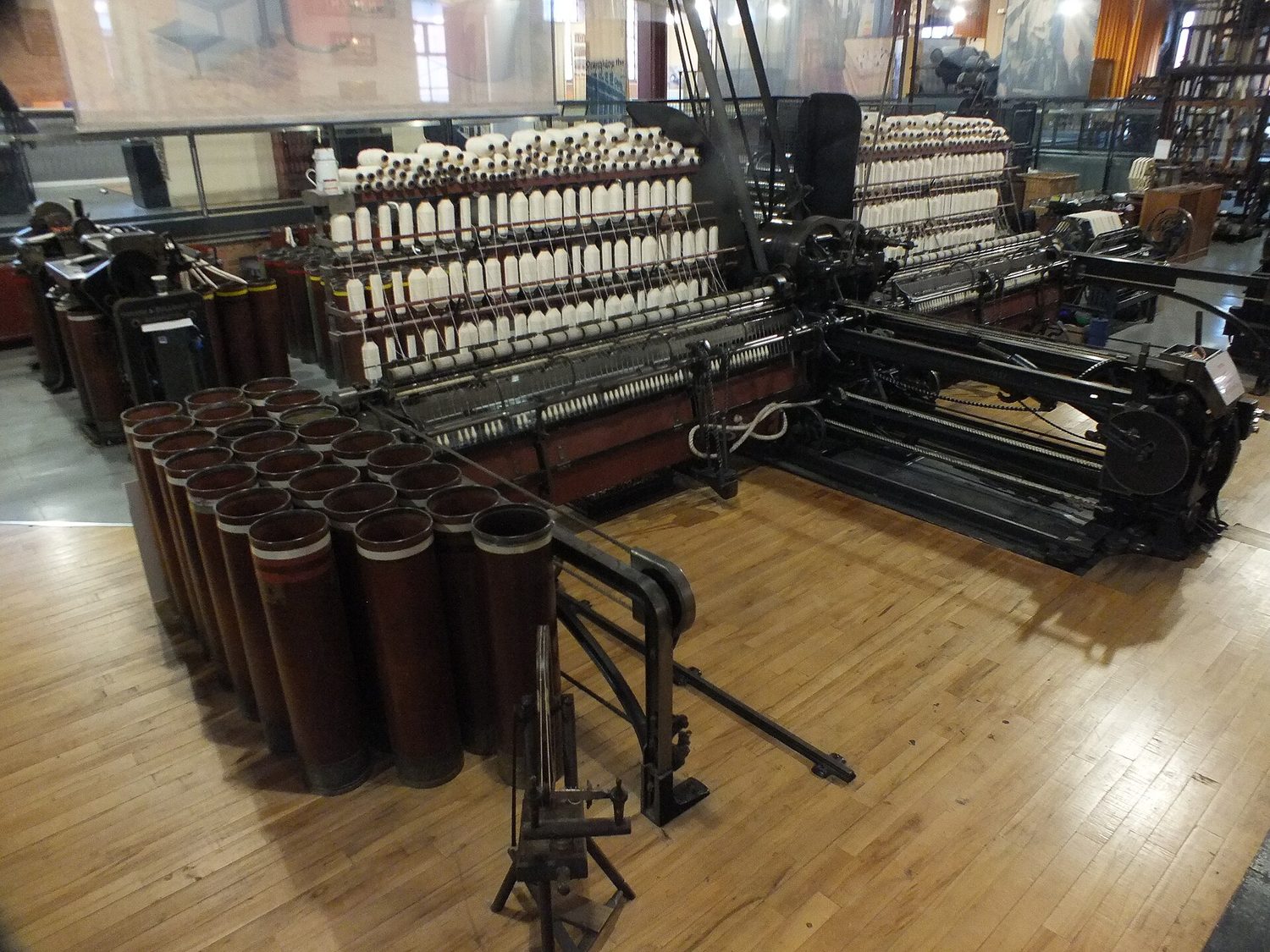
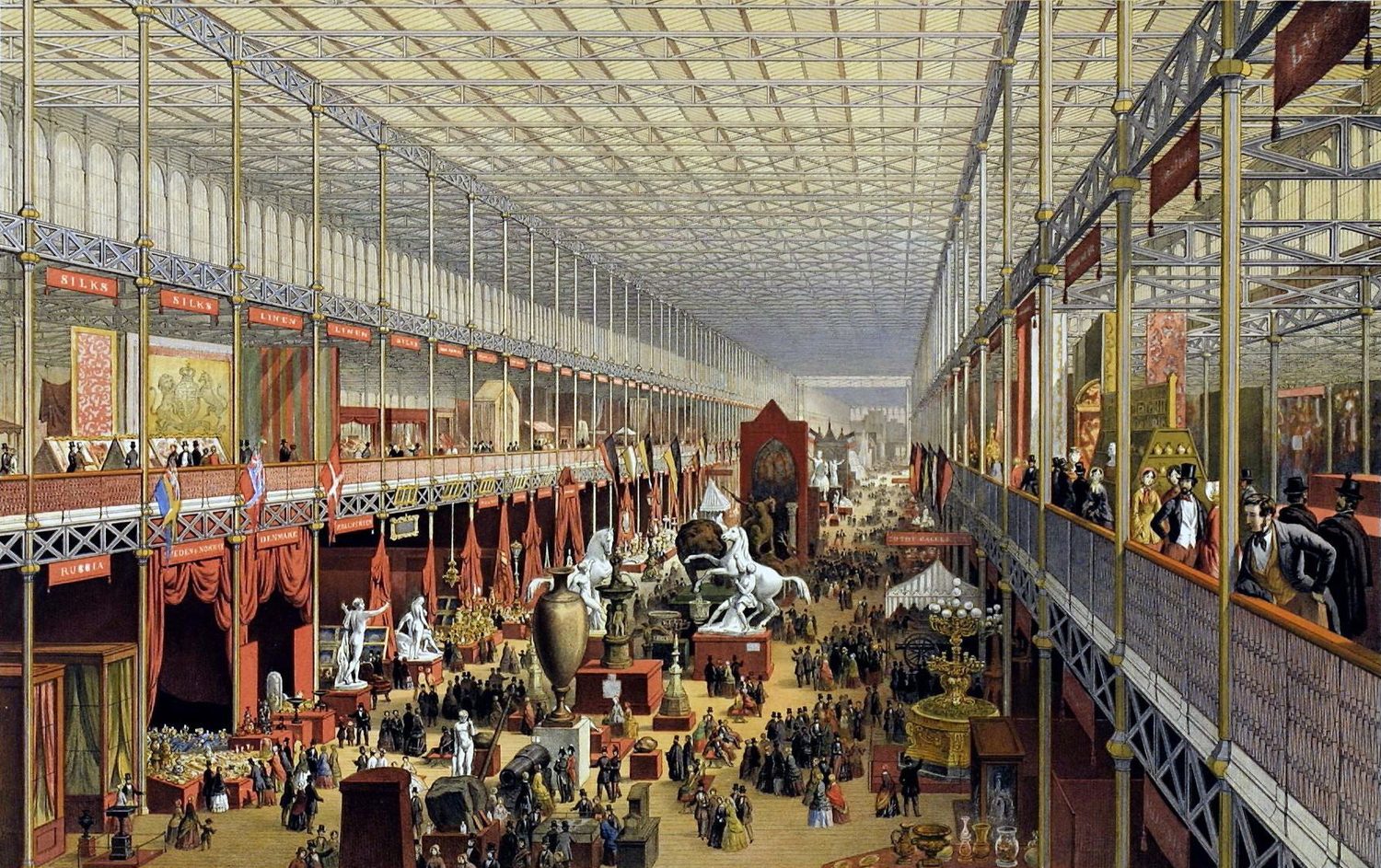
- KC-3.1.I Great Britain established its industrial dominance through the mechanization of textile production, iron and steel production, and new transportation systems in conjunction with uniquely favorable political and social climates.
- KC-3.1.II Following the British example, industrialization took root in continental Europe, sometimes with state sponsorship.
- KC-3.2 The experiences of everyday life were shaped by industrialization, depending on the level of industrial development in a particular location.
- KC-3.2.I Industrialization promoted the development of new classes in the industrial regions of Europe.
- KC-3.2.II Europe experienced rapid population growth and urbanization, leading to social dislocations.
- KC-3.2.III Over time, the Industrial Revolution altered the family structure and relations for bourgeois and working-class families.
- KC-3.3 Political revolutions and the complications resulting from industrialization triggered a range of ideological, governmental, and collective responses.
- KC-3.3.I Ideologies developed and took root throughout society as a response to industrial and political revolutions.
- KC-3.3.II Governments, at times based on the pressure of political or social organizations, responded to problems created or exacerbated by industrialization.
Português
6.1 Contextualizando a Industrialização e Suas Origens e Efeitos
Objetivo de Aprendizagem Unidade 6.A: Explicar o contexto em que a industrialização teve origem, desenvolveu-se e se espalhou na Europa.
- KC-3.1 A Revolução Industrial se espalhou da Grã-Bretanha para o continente, onde o Estado desempenhou um papel maior na promoção da indústria.
- KC-3.1.I A Grã-Bretanha estabeleceu sua liderança industrial através da mecanização da produção têxtil, da produção de ferro e aço e de novos sistemas de transporte, em conjunto com climas políticos e sociais unicamente favoráveis.
- KC-3.1.II Seguindo o exemplo britânico, a industrialização raiz-se na Europa continental, às vezes com patrocínio estatal.
- KC-3.2 As experiências da vida cotidiana foram moldadas pela industrialização, dependendo do nível de desenvolvimento industrial em um local específico.
- KC-3.2.I A industrialização promoveu o desenvolvimento de novas classes nas regiões industriais da Europa.
- KC-3.2.II A Europa experimentou crescimento populacional rápido e urbanização, levando a deslocações sociais.
- KC-3.2.III Com o tempo, a Revolução Industrial alterou a estrutura familiar e as relações para famílias burguesas e operárias.
- KC-3.3 Revoluções políticas e as complicações resultantes da industrialização desencadearam uma série de respostas ideológicas, governamentais e coletivas.
- KC-3.3.I Ideologias desenvolveram-se e enraizaram-se em toda a sociedade como resposta às revoluções industriais e políticas.
- KC-3.3.II Governos, às vezes baseados na pressão de organizações políticas ou sociais, responderam a problemas criados ou exacerbados pela industrialização.