Skip to content · ⁨コンテンツへスキップ⁩
Subjects · ⁨科目⁩

AP European History · ⁨AP ヨーロッパ史⁩

Tips · ⁨ヒント⁩

AP European History runs from the Renaissance and the age of exploration to contemporary Europe, across nine units: Renaissance and exploration, the Reformation, absolutism and constitutionalism, the Scientific Revolution and Enlightenment, the late-eighteenth-century crises, industrialisation, nineteenth-century political developments, twentieth-century global conflicts, and the Cold War and contemporary Europe.

Ideas are treated as historical forces here. Humanism, the scientific method, natural rights, nationalism, liberalism and socialism are not background - they are causes, and questions ask what they changed.

Watch the recurring argument about power. Who rules, on what authority, and with what limits is contested in every unit, from the new monarchies through absolutism and constitutional government to twentieth-century regimes and the European Union.

Cultural and intellectual history is examinable. Art, literature and philosophy appear throughout the framework because they carry evidence about how people understood their world.

The notes below follow the College Board framework unit by unit, with each topic's thematic focus and its key concepts.

  • 1

    Renaissance and Exploration · ⁨ルネサンスと探検⁩

    Watch lesson · ⁨レッスンを視聴⁩
    1.1

    Contextualizing Renaissance and Discovery

    Syllabus · ⁨シラバス⁩
    English

    1.1 Contextualizing Renaissance and Discovery

    Learning Objective Unit 1.A: Explain the context in which the Renaissance and Age of Discovery developed.

    • KC-1.1 The rediscovery of works from ancient Greece and Rome and observation of the natural world changed many Europeans’ view of their world.
      • KC-1.1.I A revival of classical texts led to new methods of scholarship and new values in both society and religion.
      • KC-1.1.III The visual arts incorporated the new ideas of the Renaissance and were used to promote personal, political, and religious goals.
    • KC-1.3 Europeans explored and settled overseas territories, encountering and interacting with indigenous populations.
      • KC-1.3.I European nations were driven by commercial and religious motives to explore overseas territories and establish colonies.
    • KC-1.4 European society and the experiences of everyday life were increasingly shaped by commercial and agricultural capitalism, notwithstanding the continued existence of medieval social and economic structures.
      • KC-1.4.I Economic change produced new social patterns, while traditions of hierarchy and status continued.
      • KC-1.4.II Most Europeans derived their livelihood from agriculture and oriented their lives around the seasons, the village, or the manor, although economic changes began to alter rural production and power.
    • KC-1.5 The struggle for sovereignty within and among states resulted in varying degrees of political centralization.
      • KC-1.5.I The new concept of the sovereign state and secular systems of law played a central role in the creation of new political institutions.
    日本語

    1.1 ルネサンスと発見の時代を文脈から理解する

    学習目標 Unit 1.A: ルネサンスと発見の時代が発達した背景を説明する。

    • KC-1.1 古代ギリシア・ローマの著作の再発見と自然界の観察は、多くのヨーロッパ人の世界観を変えた。
      • KC-1.1.I 古典文献の復興は、学術研究の新たな手法と、社会および宗教における価値観の変化をもたらした。
      • KC-1.1.III 視覚芸術はルネサンスの新たな思想を取り入れ、個人的、政治的、宗教的な目的の推進に用いられた。
    • KC-1.3 ヨーロッパ人は海外領土を探検し入植し、先住民と遭遇して交流を行った。
      • KC-1.3.I ヨーロッパ諸国は商業的・宗教的な動機を持って海外領土を探検し、植民地を樹立した。
    • KC-1.4 中世の社会的・経済構造が残存しつつも、ヨーロッパ社会と日常の経験は、商業資本主義および農業資本主義によって increasingly shaped(より強く形作られるようになった)。
      • KC-1.4.I 経済の変化は新たな社会パターンを生み出したが、階級や地位に関する伝統は継続された。
      • KC-1.4.II ほとんどのヨーロッパ人が農業から生計を得ており、季節や村、荘園を中心に生活していたが、経済の変化が農村の生産と権力を変え始めた。
    • KC-1.5 国家内外における主権争いは、政治集権化の程度にばらつきをもたらした。
      • KC-1.5.I 主権国家という新概念と世俗法体系は、新たな政治制度の創出において中心的役割を果たした。

    Source: College Board AP Course and Exam Description · ⁨出典: College Board AP コースおよび試験説明書⁩

    English

    Unit 1 covers roughly 1450 to 1648, and four changes run through it at once. The CED states them as the unit's key concepts, and almost every question draws on at least two:

    • The rediscovery of classical works 古典著作 from ancient Greece and Rome, and observation of the natural world, changed how many Europeans saw their world.
    • Europeans explored and settled overseas territories, encountering and interacting with Indigenous populations 原住民.
    • European society and everyday life were increasingly shaped by commercial and agricultural capitalism 商业与农业资本主义, though older traditions persisted alongside it.
    • The struggle for sovereignty 主权 within and among states produced varying degrees of political centralisation.

    That last phrase - varying degrees - is a standing instruction for the whole course. European History rewards answers that say how far a change went in one place compared with another.

    日本語

    Unit 1 covers roughly 1450 to 1648, and four changes run through it at once. The CED states them as the unit's key concepts, and almost every question draws on at least two:

    • The rediscovery of classical works 古典著作 from ancient Greece and Rome, and observation of the natural world, changed how many Europeans saw their world.
    • Europeans explored and settled overseas territories, encountering and interacting with Indigenous populations 原住民.
    • European society and everyday life were increasingly shaped by commercial and agricultural capitalism 商业与农业资本主义, though older traditions persisted alongside it.
    • The struggle for sovereignty 主权 within and among states produced varying degrees of political centralisation.

    That last phrase - varying degrees - is a standing instruction for the whole course. European History rewards answers that say how far a change went in one place compared with another.

    Vocabulary · ⁨語彙⁩ Train · ⁨練習する⁩
    English 日本語
    rediscovery of classical works/ˌriːdɪˈskʌvəri ɒv ˈklæsɪkl wɜːks/ 古典著作の再発見
    Indigenous populations/ɪnˈdɪdʒənəs ˌpɒpjʊˈleɪʃnz/ 先住民族
    commercial and agricultural capitalism/kəˈmɜːʃl ænd ˌæɡrɪˈkʌltʃərəl ˈkæpɪtəlɪzəm/ 商業的・農業的資本主義
    struggle for sovereignty/ˈstrʌɡl fɔː ˈsɒvərɪnti/ 主権争い
    1.2

    Italian Renaissance

    Syllabus · ⁨シラバス⁩
    English

    1.2 Italian Renaissance

    Thematic Focus (CID): Cultural and Intellectual Developments — The creation and transmission of knowledge, including the relationship between traditional sources of authority and the development of differing world views, had significant political, intellectual, economic, cultural, and social effects on European and world societies.

    Learning Objective Unit 1.B: Explain how the revival of classical texts contributed to the development of the Renaissance in Italy.

    • KC-1.1.I.A Italian Renaissance humanists, including Petrarch, promoted a revival in classical literature and created new philological approaches to ancient texts. Some Renaissance humanists furthered the values of secularism and individualism.

    Learning Objective Unit 1.C: Explain the political, intellectual, and cultural effects of the Italian Renaissance.

    • KC-1.1.I.B Humanist revival of Greek and Roman texts, spread by the printing press, challenged the institutional power of universities and the Catholic Church. This shifted education away from a primary focus on theological writings toward classical texts and new methods of scientific inquiry.
    • KC-1.1.I.C Admiration for Greek and Roman political institutions supported a revival of civic humanist culture in the Italian city-states and produced secular models for individual and political behavior.
    • KC-1.1.III.A In the Italian Renaissance, rulers and popes concerned with enhancing their prestige commissioned paintings and architectural works based on classical styles, the developing “naturalism” in the artistic world, and often the newly invented technique of geometric perspective.

    Illustrative examples:

    • Italian Renaissance humanists:
      • Petrarch (pre-1450)
      • Lorenzo Valla
      • Marsilio Ficino
      • Pico della Mirandola
    • Individuals promoting secular models for individual and political behavior:
      • Niccolò Machiavelli
      • Baldassare Castiglione
      • Francesco Guicciardini
    • Individuals promoting a revival of Greek and Roman texts:
      • Leonardo Bruni
      • Leon Battista Alberti
      • Niccolò Machiavelli
    • Painters and architects:
      • Michelangelo
      • Donatello
      • Raphael
      • Andrea Palladio
      • Leon Battista Alberti
      • Filippo Brunelleschi
    日本語

    1.2 イタリア・ルネサンス

    テーマ焦点(CID): 文化的・知的発展 — 知識の創出と伝播、特に伝統的な権威源と多様な世界観の形成との関係性は、ヨーロッパおよび世界の社会に政治的、知的、経済的、文化的、社会的な大きな影響を与えた。

    学習目標 Unit 1.B: 古典文献の再発見がイタリアにおけるルネサンスの発展にどのように寄与したか説明する。

    • KC-1.1.I.A ペトラルカらを含むイタリア・ルネサンスの人文主義者は、古典文学の復興を推進し、古代文献に対する新しい言語学的アプローチを生み出した。一部の人文主義者は、世俗主義や個人主義の価値観をさらに推し進めた。

    学習目標 Unit 1.C: イタリア・ルネサンスがもたらした政治的、知的、文化的効果について説明する。

    • KC-1.1.I.B 印刷機の普及によって広まったギリシャ・ローマ古典の復興は、大学やローマ教会的な権威に挑戦した。これにより教育の重点は神学著作から古典文献および新しい科学的探求手法へとシフトした。
    • KC-1.1.I.C ギリシャ・ローマの政治制度への敬意は、イタリアの都市共和国における市民的人文主義文化の复兴を後押しし、個人の行動および政治的行動のための世俗的なモデルを生み出した。
    • KC-1.1.III.A イタリア・ルネサンスにおいて、自らの威光を高めることを望んだ君主や教皇は、古典様式、芸術界における「自然主義」の進展、そしてしばしば新たに発明された幾何学的透視図法に基づいた絵画や建築作品を委嘱した。

    具体例:

    • イタリア・ルネサンスの人文主義者:
      • ペトラルカ(1450年以前)
      • ロレンツォ・ヴァッラ
      • マルシーリオ・フィチーノ
      • ピコ・デ・ラ・ミロランダ
    • 個人の行動および政治的行動のための世俗モデルを提唱した人物:
      • ニッコロ・マキャヴェリ
      • バルダッサレ・カスティーリオーネ
      • フランチェスコ・グッチアーディーニ
    • ギリシャ・ローマ古典の復興を提唱した人物:
      • レオナルド・ブルニ
      • レオン・バッティスタ・アルベルティ
      • ニッコロ・マキャヴェリ
    • 画家および建築家:
      • ミケランジェロ
      • ドナテッロ
      • ラファエロ
      • アン德里ア・パッラーディオ
      • レオン・バッティスタ・アルベルティ
      • フィリッポ・ Brunelleschi

    Source: College Board AP Course and Exam Description · ⁨出典: College Board AP コースおよび試験説明書⁩

    English

    Italian Renaissance humanists 人文主义者, including Petrarch 彼特拉克, promoted a revival of classical literature and created new philological 语文学 approaches to ancient texts - reading them critically, in their original languages, as historical documents.

    That revival had three effects the CED names separately:

    • Spread by the printing press 印刷机, the humanist recovery of Greek and Roman texts challenged the institutional power of universities and the Catholic Church.
    • Admiration for Greek and Roman political institutions supported a revival of civic humanism 公民人文主义 in the Italian city-states, producing new works of political thought.
    • Rulers and popes concerned with enhancing their prestige 提升声望 commissioned paintings and architecture on classical models.

    The third point is the one students underuse. Renaissance art is examinable as political evidence: patronage was a claim to legitimacy, not only a taste in pictures.

    日本語

    Italian Renaissance humanists 人文主义者, including Petrarch 彼特拉克, promoted a revival of classical literature and created new philological 语文学 approaches to ancient texts - reading them critically, in their original languages, as historical documents.

    That revival had three effects the CED names separately:

    • Spread by the printing press 印刷机, the humanist recovery of Greek and Roman texts challenged the institutional power of universities and the Catholic Church.
    • Admiration for Greek and Roman political institutions supported a revival of civic humanism 公民人文主义 in the Italian city-states, producing new works of political thought.
    • Rulers and popes concerned with enhancing their prestige 提升声望 commissioned paintings and architecture on classical models.

    The third point is the one students underuse. Renaissance art is examinable as political evidence: patronage was a claim to legitimacy, not only a taste in pictures.

    Vocabulary · ⁨語彙⁩ Train · ⁨練習する⁩
    English 日本語
    Italian Renaissance humanists/ɪˈtælɪən rɪˈneɪsəns ˈhjuːmənɪsts/ イタリアルネサンスの人文主義者
    Petrarch/ˈpetrɑːk/ ピエトロ・バッカルディ(ペトラルカ)
    philological/ˌfɪləˈlɒdʒɪkl/ 言語学的な
    printing press/ˈprɪntɪŋ pres/ 印刷機
    civic humanism/ˈsɪvɪk ˈhjuːmənɪzəm/ 市民ヒューマニズム
    enhancing their prestige/enˈhænsɪŋ ðeə preˈstiːʒ/ 彼らの威信を高める
    1.3

    Northern Renaissance

    Syllabus · ⁨シラバス⁩
    English

    1.3 Northern Renaissance

    Thematic Focus (CID): Cultural and Intellectual Developments — The creation and transmission of knowledge, including the relationship between traditional sources of authority and the development of differing world views, had significant political, intellectual, economic, cultural, and social effects on European and world societies.

    Learning Objective Unit 1.D: Explain how Renaissance ideas were developed, maintained, and changed as the Renaissance spread to northern Europe.

    • KC-1.1.III.B The Northern Renaissance retained a more religious focus, which resulted in more human-centered naturalism that considered individuals and everyday life appropriate objects of artistic representation.
    • KC-1.2.I.A Christian humanism, embodied in the writings of Erasmus, employed Renaissance learning in the service of religious reform.

    Illustrative examples:

    • Artists who employed naturalism:
      • Pieter Bruegel the Elder
      • Rembrandt
    日本語

    1.3 北方ルネサンス

    テーマ焦点(CID): 文化的・知的発展 — 知識の創出と伝播、特に伝統的な権威源と多様な世界観の形成との関係性は、ヨーロッパおよび世界の社会に政治的、知的、経済的、文化的、社会的な大きな影響を与えた。

    学習目標 Unit 1.D: ルネサンスの思想が、北方ヨーロッパへと広まるにつれて、どのように発展・維持・変容したか説明する。

    • KC-1.1.III.B 北方ルネサンスはより宗教的な焦点を維持し、個人や日常の生活を芸術表現の適切な対象と見なす、より人間中心の自然主義をもたらした。
    • KC-1.2.I.A エラスムスの著作に表れるキリスト教人文主義は、ルネサンスの学問を宗教改革の奉仕に用いた。

    具体例:

    • 自然主義を採用した芸術家:
      • ピエール・ブーヘル長者
      • レムブラント

    Source: College Board AP Course and Exam Description · ⁨出典: College Board AP コースおよび試験説明書⁩

    English

    As Renaissance ideas moved north, they changed. The Northern Renaissance retained a more religious focus, producing a human-centred naturalism 以人为中心的自然主义 that considered individuals and everyday life as proper subjects for art.

    Intellectually, the key development is Christian humanism 基督教人文主义, embodied in the writings of Erasmus 伊拉斯谟, which put Renaissance learning at the service of religious reform 宗教改革. Holding that link makes Unit 2 far easier: the Reformation did not arrive from nowhere.

    日本語

    As Renaissance ideas moved north, they changed. The Northern Renaissance retained a more religious focus, producing a human-centred naturalism 以人为中心的自然主义 that considered individuals and everyday life as proper subjects for art.

    Intellectually, the key development is Christian humanism 基督教人文主义, embodied in the writings of Erasmus 伊拉斯谟, which put Renaissance learning at the service of religious reform 宗教改革. Holding that link makes Unit 2 far easier: the Reformation did not arrive from nowhere.

    Vocabulary · ⁨語彙⁩ Train · ⁨練習する⁩
    English 日本語
    human-centred naturalism/ˈhjuːmən ˈsentəd ˈnætʃərəlɪzəm/ 人間中心的自然主義
    Christian humanism/ˈkrɪstʃn ˈhjuːmənɪzəm/ キリスト教人文主義
    Erasmus/ɪˈræzməs/ エルンモス
    religious reform/rɪˈlɪdʒəs rɪˈfɔːm/ 宗教改革
    1.4

    Printing

    Syllabus · ⁨シラバス⁩
    English

    1.4 Printing

    Thematic Focus (TSI): Technological and Scientific Innovation — Scientific and technological innovations have increased efficiency, improved daily life, and shaped human development and interactions, having both intended and unintended consequences.

    Learning Objective Unit 1.E: Explain the influence of the printing press on cultural and intellectual developments in modern European history.

    • KC-1.1.II The invention of printing promoted the dissemination of new ideas.
      • KC-1.1.II.A The invention of the printing press in the 1450s helped spread the Renaissance beyond Italy and encouraged the growth of vernacular literature, which would eventually contribute to the development of national cultures.
    日本語

    1.4 印刷

    テーマ別焦点(TSI): 技術的・科学的革新 — 科学技術の革新は効率性を高め、日常生活を改善し、人間の発展と相互作用を形作ってきたが、意図された結果と意図しない結果の両方をもたらした。

    学習目標 Unit 1.E: 近代ヨーロッパ史における文化および知的発展への印刷機の影響を説明せよ。

    • KC-1.1.II 印刷の発明は新思想の普及を促進した。
      • KC-1.1.II.A 1450年代の印刷機の発明はルネサンスをイタリアから広め、国民言語文学の成長を促し、これが最終的に民族国家文化の発展に寄与することになった。

    Source: College Board AP Course and Exam Description · ⁨出典: College Board AP コースおよび試験説明書⁩

    The CED gives printing a topic of its own for a reason: the invention of printing promoted the dissemination of new ideas.

    Printing is best understood as an amplifier rather than a cause. It did not create humanism, religious dissent, or political argument - but it changed their speed, reach, and cost, which is what allowed ideas to escape the control of the institutions that had previously governed which texts circulated.

    Printing multiplied the ideas rather than supplying them - neither factor works alone
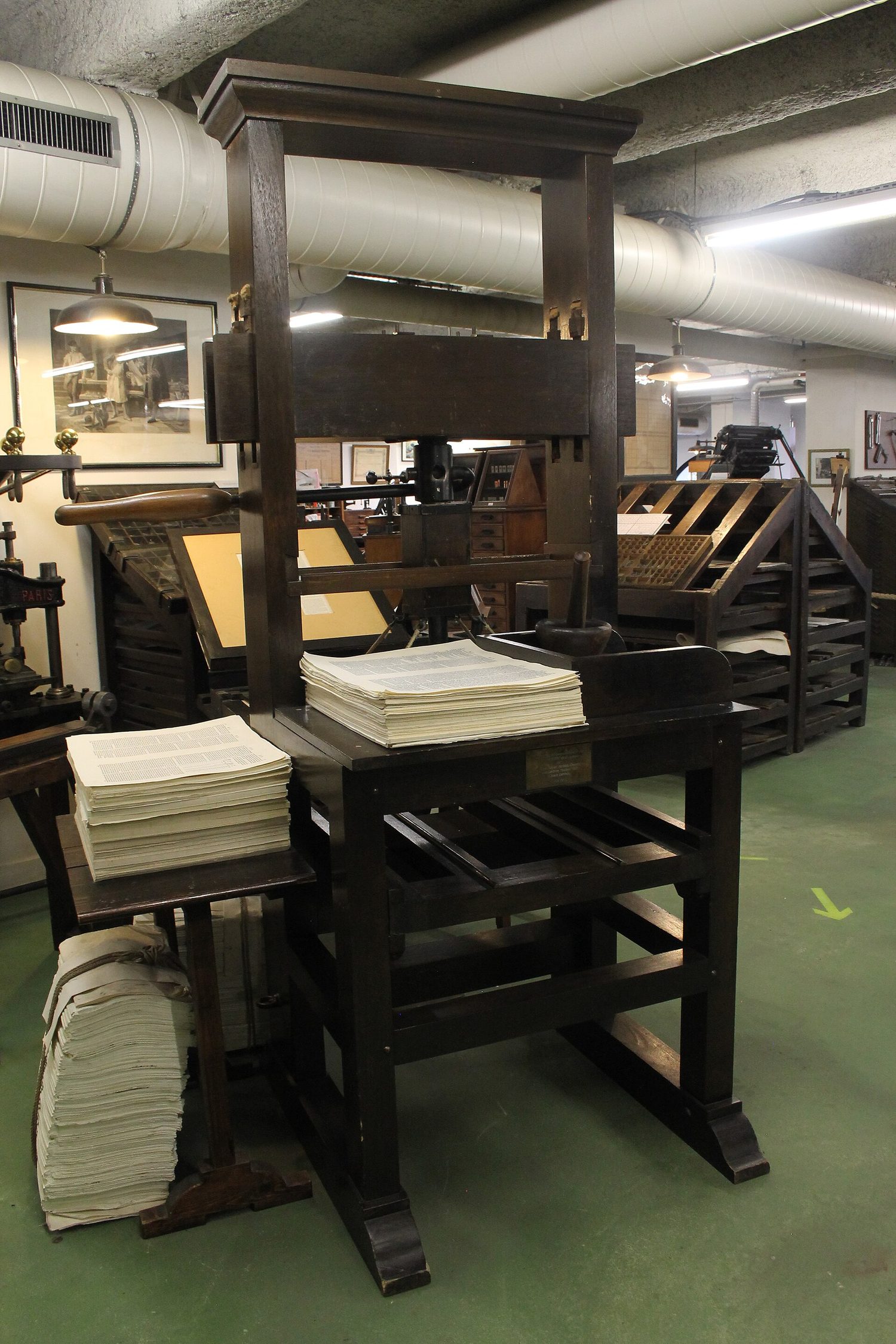
    A wooden hand press of Gutenberg's design - the machine behind the amplifier
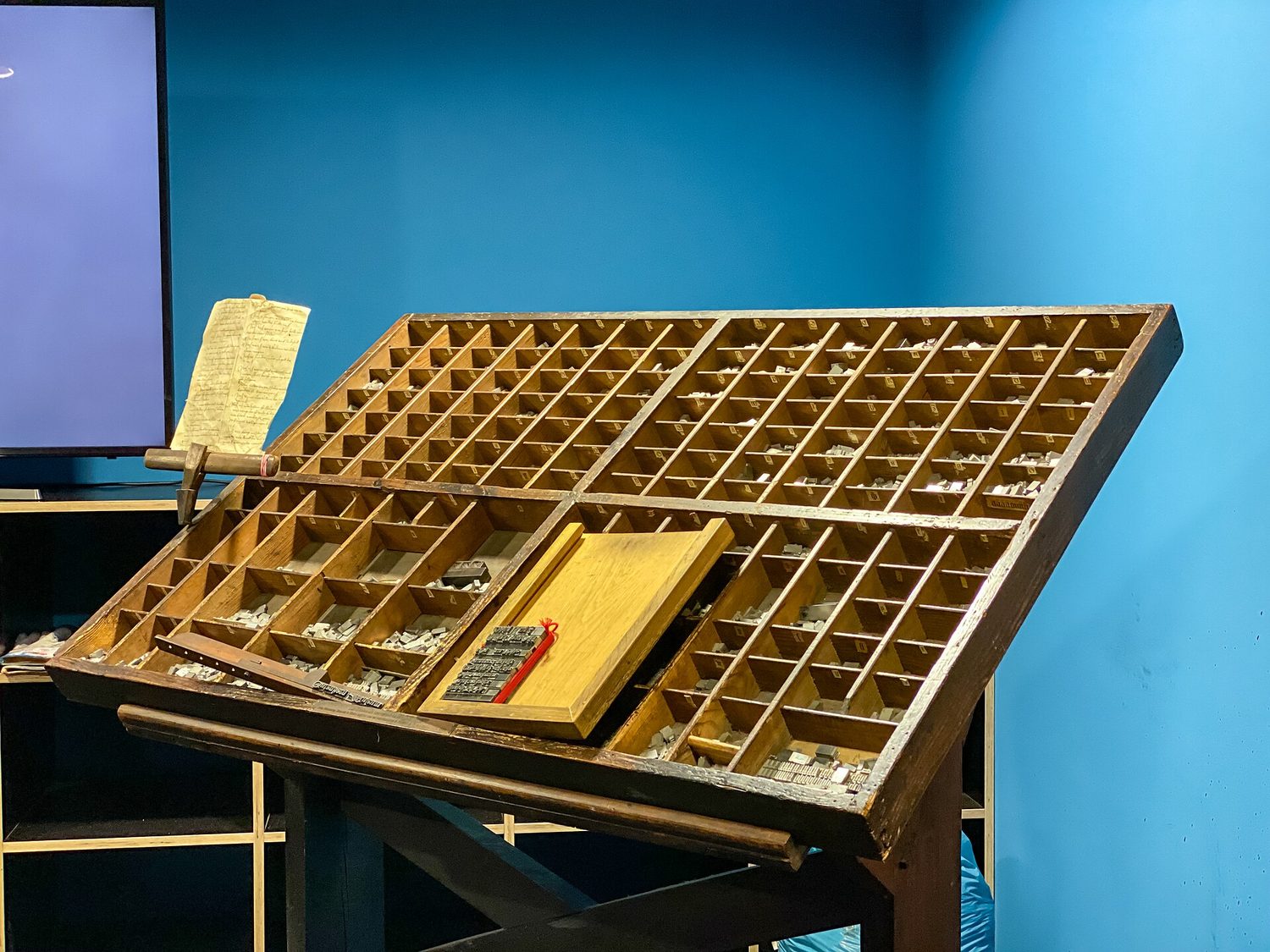
    A compositor's type case - the reusable pieces that made identical copies cheap
    1.5

    New Monarchies

    Syllabus · ⁨シラバス⁩

    1.5 New Monarchies

    Thematic FocusLearning ObjectiveHistorical Developments

    SOP
    States and Other Institutions of Power — European states and nations developed governmental and civil institutions from 1450 to the present to organize society and consolidate political power, with a variety of social, cultural, and economic effects.

    Unit 1.F
    Explain the causes and effects of the development of political institutions from 1450 to 1648.

    • KC-1.2.II.A Monarchs and princes, including the English rulers Henry VIII and Elizabeth I, initiated religious reform from the top down in an effort to exercise greater control over religious life and morality.
    • KC-1.5.I.A New monarchies laid the foundation for the centralized modern state by establishing monopolies on tax collection, employing military force, dispensing justice, and gaining the right to determine the religion of their subjects.
    • KC-1.5.I.C Across Europe, commercial and professional groups gained in power and played a greater role in political affairs.
    • KC-1.5.I.D Continued political fragmentation in Renaissance Italy provided a background for the development of new concepts of the secular state.

    Illustrative examples:

    • State actions to control religion and morality:
      • Spanish Inquisition
      • Concordat of Bologna
      • Book of Common Prayer
      • Peace of Augsburg
    • Monarchical control:
      • Ferdinand and Isabella of Spain consolidating control of the military
      • Star Chamber
      • Concordat of Bologna
      • Peace of Augsburg
      • Edict of Nantes
    • Commercial and professional groups that gained in power:
      • Merchants and financiers in Renaissance Italy and northern Europe
      • Nobles of the robe in France
    • Secular political theorists:
      • Jean Bodin
      • Hugo Grotius
      • Niccolò Machiavelli

    Source: College Board AP Course and Exam Description · ⁨出典: College Board AP コースおよび試験説明書⁩

    English

    The new monarchies 新君主国 laid the foundation for the centralised modern state by:

    • establishing monopolies on tax collection 征税垄断权;
    • employing military force 军事力量 under royal control;
    • and taking increasing control of law and administration.

    Two counterweights are also examinable. Commercial and professional groups gained power across Europe and played a greater role in political affairs. And continued political fragmentation in Renaissance Italy provided the background for new concepts of the secular state 世俗国家 - the theory came from the place where centralisation had failed, not succeeded.

    Some monarchs, including Henry VIII and Elizabeth I, also initiated religious reform from the top down to strengthen royal control - a point that belongs to both this unit and the next.

    日本語

    The new monarchies 新君主国 laid the foundation for the centralised modern state by:

    • establishing monopolies on tax collection 征税垄断权;
    • employing military force 军事力量 under royal control;
    • and taking increasing control of law and administration.

    Two counterweights are also examinable. Commercial and professional groups gained power across Europe and played a greater role in political affairs. And continued political fragmentation in Renaissance Italy provided the background for new concepts of the secular state 世俗国家 - the theory came from the place where centralisation had failed, not succeeded.

    Some monarchs, including Henry VIII and Elizabeth I, also initiated religious reform from the top down to strengthen royal control - a point that belongs to both this unit and the next.

    What makes a monarchy 'new': four instruments, each taken from someone specific
    Explore · ⁨探索⁩

    Sort each instrument, and say who lost by it · ⁨各楽器を分類し、誰がその楽器によって負けたかを説明せよ⁩

    Centralisation is a transfer. Name who lost the power the crown gained and the claim stops being a description. · ⁨中央集権とは移転である。王冠が得た権力を失った者を名付け、その主張が単なる記述ではなくなるまで述べる。⁩

    Vocabulary · ⁨語彙⁩ Train · ⁨練習する⁩
    English 日本語
    new monarchies/njuː ˈmɒnəkiz/ 新君主国
    monopolies on tax collection/məˈnɒpəliz ɒn tæks kəˈlekʃn/ 租税徴収の独占
    employing military force/emˈplɔɪɪŋ ˈmɪlɪtəri fɔːs/ 軍事的武力の使用
    secular state/ˈsekjʊlə steɪt/ 世俗国家
    1.6

    Technological Advances and the Age of Exploration

    Syllabus · ⁨シラバス⁩
    English

    1.6 Technological Advances and the Age of Exploration

    Thematic Focus (TSI): Technological and Scientific Innovation — Scientific and technological innovations have increased efficiency, improved daily life, and shaped human development and interactions, having both intended and unintended consequences.

    Learning Objective Unit 1.G: Explain the technological factors that facilitated European exploration and expansion from 1450 to 1648. THEMATIC FOCUS Interaction of Europe and the World INT Motivated by a variety of factors, Europe’s interaction with the world led to political, economic, social, and cultural exchanges that influenced both European and non-European societies. LEARNING OBJECTIVE

    • KC-1.3.II Advances in navigation, cartography, and military technology enabled Europeans to establish overseas colonies and empires. HISTORICAL DEVELOPMENTS

    Learning Objective Unit 1.H: Explain the motivations for and effects of European exploration and expansion from 1450 to 1648.

    • KC-1.3.I.A European states sought direct access to gold, spices, and luxury goods to enhance personal wealth and state power.
    • KC-1.3.I.B The rise of mercantilism gave the state a new role in promoting commercial development and the acquisition of colonies overseas.
    • KC-1.3.I.C Christianity was a stimulus for exploration as governments and religious authorities sought to spread the faith, and for some it served as a justification for the subjugation of indigenous civilizations.

    Illustrative examples:

    • Navigational technology:
      • Compass
      • Sternpost rudder
      • Portolani
      • Quadrant and astrolabe
      • Lateen rig
    • Military technology:
      • Guns and gunpowder
    • States seeking access to luxury goods:
      • Spanish in the New World
      • Portuguese in the Indian Ocean World
      • Dutch in the East Indies/Asia
    • Mercantilist policies employed by the state:
      • Jean-Baptiste Colbert
    • Religion and exploration:
      • Jesuit activities
    日本語

    1.6 技術的進歩と探検の時代

    テーマ別焦点(TSI): 技術的・科学的革新 — 科学技術の革新は効率性を高め、日常生活を改善し、人間の発展と相互作用を形作ってきたが、意図された結果と意図しない結果の両方をもたらした。

    学習目標 Unit 1.G: 1450年から1648年までのヨーロッパの探検および拡大を可能にした技術的要因を説明せよ。 テーマ別焦点:ヨーロッパと世界の相互作用 動機付けられた多様な要因により、ヨーロッパの世界との相互作用は、ヨーロッパおよび非ヨーロッパの両方の社会に影響を与えた政治的、経済的、社会的、文化的な交流をもたらした。 学習目標

    • KC-1.3.II 航海術、地図作成、軍事技術の進歩により、ヨーロッパ人は海外植民地および帝国を確立できた。 歴史的発展

    学習目標 Unit 1.H: 1450年から1648年までのヨーロッパの探検および拡大の動機および結果を説明せよ。

    • KC-1.3.I.A ーロッパ諸国は、個人の富および国家権力を増大させるため、黄金、香辛料、高級品への直接アクセスを求めた。
    • KC-1.3.I.B マーカンティリズムの台頭により、国家は商業発展の促進および海外植民地の獲得という新たな役割を負った。
    • KC-1.3.I.C キリスト教は探検の刺激となり、政府および宗教当局は信仰を広めようとした。また、ある者にとっては先住民文明の服従を正当化する根拠となった。

    具体例:

    • 航海技術:
      • 磁石コンパス
      • スターンプストル操舵装置
      • ポルトラニ
      • 四角板およびアストロラーベ
      • ラテーン帆
    • 軍事技術:
      • 銃器および火薬
    • 高級品へのアクセスを求める国家:
      • 新世界でのスペイン人
      • インド洋世界でのポルトガル人
      • 東インド/アジアでのオランダ人
    • 国家によって採用されたマーカンティリズム政策:
      • ジャン=バティスト・コルベルト
    • 宗教と探検:
      • ユズ会活動

    Source: College Board AP Course and Exam Description · ⁨出典: College Board AP コースおよび試験説明書⁩

    English

    Advances in navigation, cartography, and military technology enabled Europeans to establish overseas colonies and empires. Technology is the enabling condition; the CED then gives the motives separately:

    • European states sought direct access to gold, spices, and luxury goods to enhance personal wealth and state power.
    • The rise of mercantilism 重商主义 gave the state a new role in promoting commercial development and acquiring colonies.
    • Christianity was a stimulus 宗教动因 for exploration, as governments and religious authorities sought to spread the faith - and for some it also served as a justification.

    Keep enabling conditions and motives in separate categories. A question asking "why" wants motives; a question asking "how it became possible" wants the technology.

    日本語

    Advances in navigation, cartography, and military technology enabled Europeans to establish overseas colonies and empires. Technology is the enabling condition; the CED then gives the motives separately:

    • European states sought direct access to gold, spices, and luxury goods to enhance personal wealth and state power.
    • The rise of mercantilism 重商主义 gave the state a new role in promoting commercial development and acquiring colonies.
    • Christianity was a stimulus 宗教动因 for exploration, as governments and religious authorities sought to spread the faith - and for some it also served as a justification.

    Keep enabling conditions and motives in separate categories. A question asking "why" wants motives; a question asking "how it became possible" wants the technology.

    Vocabulary · ⁨語彙⁩ Train · ⁨練習する⁩
    English 日本語
    mercantilism/ˈmɜːkæntəlɪzəm/ 重商主義
    Christianity was a stimulus/ˌkrɪstɪˈænɪti wʌzə ˈstɪmjʊləs/ キリスト教は刺激となった
    1.7

    Rivals on the World Stage

    Syllabus · ⁨シラバス⁩
    English

    1.7 Rivals on the World Stage

    Thematic Focus (ECD): Economic and Commercial Developments — Economic development, especially the development of capitalism, played an important role in Europe’s history, often having significant social, political, and cultural effects.

    Learning Objective Unit 1.I: Explain how and why trading networks and colonial expansion affected relations between and among European states.

    • KC-1.3.III Europeans established overseas empires and trade networks through coercion and negotiation.
      • KC-1.3.III.B The Spanish established colonies across the Americas, the Caribbean, and the Pacific, which made Spain a dominant state in Europe in the 16th century.
      • KC-1.3.III.C The Atlantic nations of France, England, and the Netherlands followed by establishing their own colonies and trading networks to compete with Portuguese and Spanish dominance in the 17th century.
      • KC-1.3.III.D The competition for trade led to conflicts and rivalries among European powers in the 17th and 18th centuries.

    Illustrative examples:

    • Colonial conflicts and rivalries:
      • Asiento
      • War of the Spanish Succession
      • Seven Years’ War
      • Treaty of Tordesillas
    日本語

    1.7 世界舞台の競合相手

    テーマ別焦点 (ECD): 経済・商業的发展 — 経済発展、特に資本主義の発展は、ヨーロッパの歴史において重要な役割を果たし、しばしば社会、政治、文化的な大きな影響を与えた。

    学習目標 Unit 1.I: 交易網および植民地拡大が、およびなぜ、ヨーロッパ諸国間の関係に影響を与えたかを説明せよ。

    • KC-1.3.III ヨーロッパ人は強制および交渉を通じて海外帝国および交易網を確立した。
      • KC-1.3.III.B スペインは南北アメリカ、カリブ海、太平洋全域に植民地を確立し、16世紀にヨーロッパで支配的な国家となった。
      • KC-1.3.III.C フランス、イギリス、オランダの大西洋沿岸諸国は、17世紀にポルトガルおよびスペインの優位性と競争するため、自らの植民地および交易網を確立した。
      • KC-1.3.III.D 貿易をめぐる競争は、17世紀および18世紀のヨーロッパ列強間の紛争および対立をもたらした。

    具体例:

    • 植民地紛争および対立:
      • アシエン托
      • スペイン王位継承戦争
      • 七年戦争
      • トルデシyas条約

    Source: College Board AP Course and Exam Description · ⁨出典: College Board AP コースおよび試験説明書⁩

    English

    Europeans established overseas empires and trade networks through coercion and negotiation 强制与谈判 - both, not one. Where local states were strong, Europeans negotiated for trading rights; where they were not, coercion followed.

    Competition among European states for these networks reshaped relations at home. Commercial rivalry became a standing cause of European war, which is a continuity that runs all the way to Unit 7.

    日本語

    Europeans established overseas empires and trade networks through coercion and negotiation 强制与谈判 - both, not one. Where local states were strong, Europeans negotiated for trading rights; where they were not, coercion followed.

    Competition among European states for these networks reshaped relations at home. Commercial rivalry became a standing cause of European war, which is a continuity that runs all the way to Unit 7.

    Vocabulary · ⁨語彙⁩ Train · ⁨練習する⁩
    English 日本語
    through coercion and negotiation/θruː ˌkəʊˈɜːʃn ænd nɪˌɡəʊʃɪˈeɪʃn/ 強制と交渉を通じて
    1.8

    Colonial Expansion and Columbian Exchange

    Syllabus · ⁨シラバス⁩
    English

    1.8 Colonial Expansion and Columbian Exchange

    Thematic Focus (ECD): Economic and Commercial Developments — Economic development, especially the development of capitalism, played an important role in Europe’s history, often having significant social, political, and cultural effects.

    Thematic Focus (INT): Interaction of Europe and the World — Motivated by a variety of factors, Europe’s interaction with the world led to political, economic, social, and cultural exchanges that influenced both European and non-European societies.

    Learning Objective Unit 1.J: Explain the economic impact of European colonial expansion and development of trade networks.

    • KC-1.3.III.A The Portuguese established a commercial network along the African coast, in South and East Asia, and in South America in the late 15th and throughout the 16th centuries.
    • KC-1.3.IV.i Europe’s colonial expansion led to a global exchange of goods, flora, and fauna; a shift toward European dominance; and the expansion of the trade in enslaved persons.
    • KC-1.3.IV.A The exchange of goods shifted the center of economic power in Europe from the Mediterranean to the Atlantic states and brought the latter into an expanding world economy.
    • KC-1.3.IV.B.i The exchange of new plants, animals, and diseases—the Columbian Exchange—created economic opportunities for Europeans.

    Learning Objective Unit 1.K: Explain the social and cultural impact of European colonial expansion and development of trade networks.

    • KC-1.3.IV.ii Europe’s colonial expansion led to a global exchange of goods, flora, fauna, cultural practices, and diseases, resulting in the destruction of some indigenous civilizations, a shift toward European dominance, and the expansion of the trade in enslaved persons.
    • KC-1.3.IV.B.ii The exchange of new plants, animals, and diseases—the Columbian Exchange—in some cases facilitated European subjugation and destruction of indigenous peoples, particularly in the Americas.

    Illustrative examples:

    • Important Atlantic port cities:
      • London
      • Bristol
      • Amsterdam
      • Antwerp
    • New plants, animals, and diseases (from Europe to the Americas):
      • Wheat
      • Cattle
      • Horses
      • Pigs
      • Sheep
      • Smallpox
      • Measles
    • New plants, animals, and diseases (from the Americas to Europe):
      • Tomatoes
      • Potatoes
      • Squash
      • Corn
      • Tobacco
      • Turkeys
    日本語

    1.8 植民地拡大とコロンビア交換

    テーマ別焦点 (ECD): 経済・商業的发展 — 経済発展、特に資本主義の発展は、ヨーロッパの歴史において重要な役割を果たし、しばしば社会、政治、文化的な大きな影響を与えた。

    テーマの焦点 (INT): ヨーロッパと世界の相互作用 — 多様な要因によって動機づけられたヨーロッパの世界との接触は、政治的、経済的、社会的、文化的な交流を生み出し、ヨーロッパおよび非ヨーロッパの社会の両方に影響を与えた。

    学習目標 Unit 1.J: ヨーロッパの植民地拡大と貿易網の発展がもたらした経済的影響を説明せよ。

    • KC-1.3.III.A ポルトガル人は、15世紀末から16世紀を通じて、アフリカ沿岸、南アジア・東アジア、そして南米に商業ネットワークを確立した。
    • KC-1.3.IV.i ヨーロッパの植民地拡大は、商品、動植物、動物の世界的な交換、ヨーロッパによる優位性の確立、および奴隷貿易の拡大をもたらした。
    • KC-1.3.IV.A 商品の交換により、ヨーロッパでの経済力の中心は地中海から大西洋沿岸諸国へ移行し、後者は expanding(拡大する)世界経済へと組み込まれた。
    • KC-1.3.IV.B.i 新種の植物、動物、および疾病の交換——コロンビア交換——は、ヨーロッパ人に新たな経済機会をもたらした。

    学習目標 Unit 1.K: ヨーロッパの植民地拡大と貿易網の発展がもたらした社会的・文化的影響を説明せよ。

    • KC-1.3.IV.ii ヨーロッパの植民地拡大は、商品、動植物、文化習慣、および疾病の世界的な交換を引き起こし、いくつかの先住民文明の破壊、ヨーロッパによる優位性の確立、および奴隷貿易の拡大につながった。
    • KC-1.3.IV.B.ii 新種の植物、動物、および疾病の交換——コロンビア交換——は、特に美洲において、ある場合、先住民へのEuropean subjugation(支配・征服)と破壊を促進した。

    具体例:

    • 重要な大西洋岸港湾都市:
      • ロンドン
      • ブリストル
      • アムステルダム
      • アン.utility
    • 新種の植物、動物、および疾病(ヨーロッパから美洲へ):
      • 小麦
      • 牛
      • 馬
      • 豚
      • 羊
      • 痘瘡
      • はしか
    • 新種の植物、動物、および疾病(美洲からヨーロッパへ):
      • トマト
      • ジャガイモ
      • カボチャ
      • トウモロコシ
      • タバコ
      • シチキミツガレフシ

    Source: College Board AP Course and Exam Description · ⁨出典: College Board AP コースおよび試験説明書⁩

    English

    The Portuguese established a commercial network along the African coast and in South and East Asia in the late fifteenth and sixteenth centuries; other states followed.

    The Columbian Exchange 哥伦布大交换 - the exchange of new plants, animals, and diseases - is presented by the CED with deliberate double vision, and both halves are examinable:

    • It created economic opportunities for Europeans.
    • It facilitated European subjugation and the destruction of Indigenous societies, chiefly through disease.

    Economically, the exchange of goods shifted the centre of economic power in Europe from the Mediterranean to the Atlantic states. That shift explains why the leading powers of Unit 3 are not the leading powers of Unit 1.

    日本語

    The Portuguese established a commercial network along the African coast and in South and East Asia in the late fifteenth and sixteenth centuries; other states followed.

    The Columbian Exchange 哥伦布大交换 - the exchange of new plants, animals, and diseases - is presented by the CED with deliberate double vision, and both halves are examinable:

    • It created economic opportunities for Europeans.
    • It facilitated European subjugation and the destruction of Indigenous societies, chiefly through disease.

    Economically, the exchange of goods shifted the centre of economic power in Europe from the Mediterranean to the Atlantic states. That shift explains why the leading powers of Unit 3 are not the leading powers of Unit 1.

    Why economic power left the Mediterranean - a shift is a relative claim
    Explore · ⁨探索⁩

    Follow economic power out of the Mediterranean · ⁨地中海からの経済権力の追跡⁩

    A shift is a relative claim: the Italian cities did not shrink, the share moved. · ⁨シフトとは相対的な主張である:イタリア諸都市が縮小したわけではなく、割合が移動したのだ。⁩

    Vocabulary · ⁨語彙⁩ Train · ⁨練習する⁩
    English 日本語
    Columbian Exchange/kəˈlʌmbɪən eksˈtʃeɪndʒ/ クリスチアン・エクスチェンジ
    1.9

    The Slave Trade

    Syllabus · ⁨シラバス⁩
    English

    1.9 The Slave Trade

    Thematic Focus (INT): Interaction of Europe and the World — Motivated by a variety of factors, Europe’s interaction with the world led to political, economic, social, and cultural exchanges that influenced both European and non-European societies.

    Learning Objective Unit 1.L: Explain the causes for and the development of the slave trade.

    • KC-1.3.IV.C Europeans expanded the trade of enslaved Africans in response to the establishment of a plantation economy in the Americas and demographic catastrophes among indigenous peoples.

    Illustrative examples:

    • Slave trade developments:
      • Middle Passage
      • Planter society
    日本語

    1.9 奴隷貿易

    テーマの焦点 (INT): ヨーロッパと世界の相互作用 — 多様な要因によって動機づけられたヨーロッパの世界との接触は、政治的、経済的、社会的、文化的な交流を生み出し、ヨーロッパおよび非ヨーロッパの社会の両方に影響を与えた。

    学習目標 Unit 1.L: 奴隷貿易の発生原因と発展を説明せよ。

    • KC-1.3.IV.C ヨーロッパ人たちは、美洲におけるプランテーション経済の確立および先住民の人口減少という大災害に対する対応として、アフリカ人奴隷の貿易を拡大した。

    具体例:

    • 奴隷貿易の発展:
      • ミドル・パスージ
      • プランター社会

    Source: College Board AP Course and Exam Description · ⁨出典: College Board AP コースおよび試験説明書⁩

    English

    Europeans expanded the trade of enslaved Africans in response to the establishment of a plantation economy 种植园经济 in the Americas and to demographic collapse among Indigenous populations.

    The causal chain is explicit in the CED and should be reproduced as a chain: plantation agriculture demanded labour on a scale the Americas' devastated population could not supply, and that demand was met by an expanded Atlantic trade in enslaved people.

    日本語

    Europeans expanded the trade of enslaved Africans in response to the establishment of a plantation economy 种植园经济 in the Americas and to demographic collapse among Indigenous populations.

    The causal chain is explicit in the CED and should be reproduced as a chain: plantation agriculture demanded labour on a scale the Americas' devastated population could not supply, and that demand was met by an expanded Atlantic trade in enslaved people.

    Vocabulary · ⁨語彙⁩ Train · ⁨練習する⁩
    English 日本語
    plantation economy/plænˈteɪʃn ɪˈkɒnəmi/ プランテーション経済
    1.4 1.5 1.10

    How Most Europeans Actually Lived

    Syllabus · ⁨シラバス⁩
    English

    1.4 Printing

    Thematic Focus (TSI): Technological and Scientific Innovation — Scientific and technological innovations have increased efficiency, improved daily life, and shaped human development and interactions, having both intended and unintended consequences.

    Learning Objective Unit 1.E: Explain the influence of the printing press on cultural and intellectual developments in modern European history.

    • KC-1.1.II The invention of printing promoted the dissemination of new ideas.
      • KC-1.1.II.A The invention of the printing press in the 1450s helped spread the Renaissance beyond Italy and encouraged the growth of vernacular literature, which would eventually contribute to the development of national cultures.
    日本語

    1.4 印刷

    テーマ別焦点(TSI): 技術的・科学的革新 — 科学技術の革新は効率性を高め、日常生活を改善し、人間の発展と相互作用を形作ってきたが、意図された結果と意図しない結果の両方をもたらした。

    学習目標 Unit 1.E: 近代ヨーロッパ史における文化および知的発展への印刷機の影響を説明せよ。

    • KC-1.1.II 印刷の発明は新思想の普及を促進した。
      • KC-1.1.II.A 1450年代の印刷機の発明はルネサンスをイタリアから広め、国民言語文学の成長を促し、これが最終的に民族国家文化の発展に寄与することになった。

    1.5 New Monarchies

    Thematic FocusLearning ObjectiveHistorical Developments

    SOP
    States and Other Institutions of Power — European states and nations developed governmental and civil institutions from 1450 to the present to organize society and consolidate political power, with a variety of social, cultural, and economic effects.

    Unit 1.F
    Explain the causes and effects of the development of political institutions from 1450 to 1648.

    • KC-1.2.II.A Monarchs and princes, including the English rulers Henry VIII and Elizabeth I, initiated religious reform from the top down in an effort to exercise greater control over religious life and morality.
    • KC-1.5.I.A New monarchies laid the foundation for the centralized modern state by establishing monopolies on tax collection, employing military force, dispensing justice, and gaining the right to determine the religion of their subjects.
    • KC-1.5.I.C Across Europe, commercial and professional groups gained in power and played a greater role in political affairs.
    • KC-1.5.I.D Continued political fragmentation in Renaissance Italy provided a background for the development of new concepts of the secular state.

    Illustrative examples:

    • State actions to control religion and morality:
      • Spanish Inquisition
      • Concordat of Bologna
      • Book of Common Prayer
      • Peace of Augsburg
    • Monarchical control:
      • Ferdinand and Isabella of Spain consolidating control of the military
      • Star Chamber
      • Concordat of Bologna
      • Peace of Augsburg
      • Edict of Nantes
    • Commercial and professional groups that gained in power:
      • Merchants and financiers in Renaissance Italy and northern Europe
      • Nobles of the robe in France
    • Secular political theorists:
      • Jean Bodin
      • Hugo Grotius
      • Niccolò Machiavelli
    English

    1.10 The Commercial Revolution

    Thematic Focus (ECD): Economic and Commercial Developments — Economic development, especially the development of capitalism, played an important role in Europe’s history, often having significant social, political, and cultural effects.

    Thematic Focus (SCD): Social Organization and Development — Economic, political, and cultural factors have influenced the form and status of family, class, and social groups in European history, which has, in turn, affected both the individual and society.

    Learning Objective Unit 1.M: Explain European commercial and agricultural developments and their economic effects from 1450 to 1648.

    • KC-1.4.I.A Innovations in banking and finance promoted the growth of urban financial centers and a money economy.
    • KC-1.4.II Most Europeans derived their livelihood from agriculture and oriented their lives around the seasons, the village, or the manor, although economic changes began to alter rural production and power.
      • KC-1.4.II.A Subsistence agriculture was the rule in most areas, with three-crop field rotation in the north and two-crop rotation in the Mediterranean; in many cases, farmers paid rent and labor services for their lands.
      • KC-1.4.II.B The price revolution contributed to the accumulation of capital and the expansion of the market economy through the commercialization of agriculture, which benefited large landowners in western Europe.
      • KC-1.4.III.A Population recovered to its pre-Great Plague level in the 16th century, and continuing population pressures contributed to uneven price increases; agricultural commodities increased more sharply than wages, reducing living standards for some.

    Learning Objective Unit 1.N: Explain European commercial and agricultural developments and their social effects from 1450 to 1648.

    • KC-1.4.I Economic change produced new social patterns, while traditions of hierarchy and status continued.
      • KC-1.4.I.B The growth of commerce produced a new economic elite, which related to traditional land-holding elites in different ways in Europe’s various geographic regions.
    • KC-1.4.II.C As western Europe moved toward a free peasantry and commercial agriculture, serfdom was codified in the east, where nobles continued to dominate economic life on large estates.
    • KC-1.4.II.D The attempts of landlords to increase their revenues by restricting or abolishing the traditional rights of peasants led to revolt.
    • KC-1.4.III.B Migrants to the cities challenged the ability of merchant elites and craft guilds to govern, and strained resources.
    • KC-1.4.IV.C From the late 16th century on, Europeans responded to economic and environmental challenges, such as the Little Ice Age, by delaying marriage and childbearing. This European marriage pattern restrained population growth and ultimately improved the economic condition of families.

    Illustrative examples:

    • Innovations in banking and finance:
      • Double-entry bookkeeping
      • Bank of Amsterdam
      • The Dutch East India Company
      • The British East India Company
    • The commercialization of agriculture:
      • Enclosure movement
      • Restricted use of the village common
      • Freehold tenure
    • New economic elites:
      • Italian merchant princes
      • Nobles of the robe in France
    • The way new migrants challenged urban elites:
      • Sanitation problems caused by overpopulation
      • Employment
      • Poverty
      • Crime
    日本語

    1.10 商業革命

    テーマ別焦点 (ECD): 経済・商業的发展 — 経済発展、特に資本主義の発展は、ヨーロッパの歴史において重要な役割を果たし、しばしば社会、政治、文化的な大きな影響を与えた。

    テーマ別焦点 (SCD): 社会組織と発展 — 経済、政治、文化的要因は、ヨーロッパの歴史における家族、階級、社会集団の形態や地位に影響を与え、それが結果として個人および社会に影響を及ぼした。

    学習目標 Unit 1.M: 1450年から1648年にかけてのヨーロッパの商業および農業の発展と、その経済的効果について説明する。

    • KC-1.4.I.A 銀行・金融分野での革新が、都市の金融センターの成長と貨幣経済の拡大を促進した。
    • KC-1.4.II 大多数のヨーロッパ人は農業に生計を依拠し、季節や村、領主館に生活の重心を置いていたが、経済の変化は農村の生産と権力構造を変化させ始めた。
      • KC-1.4.II.A 大部分地区では自給農業が主流であり、北部では三圃式輪作、地中海沿岸では二圃式輪作が行われた。多くの場合、農夫は土地に対して地代と奉公料を支払っていた。
      • KC-1.4.II.B 価格革命は、農業の商業化を通じて資本の蓄積と市場経済の拡大に寄与し、西ヨーロッパの大土地所有者に利益をもたらした。
      • KC-1.4.III.A 人口は16世紀に大黒死病以前レベルまで回復したが、持続する人口圧力が不均等な物価上昇をもたらした。農業商品の値上がり幅が賃金より大きいため、一部の者の生活水準は低下した。

    学習目標 Unit 1.N: 1450年から1648年にかけてのヨーロッパの商業および農業の発展と、その社会的効果について説明する。

    • KC-1.4.I 経済の変化は新たな社会様相を生み出したが、階級や地位に関する伝統的な価値観も維持された。
      • KC-1.4.I.B 商業の発展により、新たな経済エリートが出現した。この層は、ヨーロッパの各地域において、従来の土地所有エリートと異なる形で関係を持っていた。
    • KC-1.4.II.C 西ヨーロッパが自由農民と商業農業へと移行していく中、東ヨーロッパでは奴隷制(セーフ)が法典化され、貴族は広大な荘園で経済生活を支配し続けた。
    • KC-1.4.II.D 地主が租税増収のために農民の伝統的権利を制限または廃止しようとしたことへの対抗として、反乱が発生した。
    • KC-1.4.III.B 都市へ移住した人々は、商人エリートや職人組合による統治能力に挑戦し、都市の資源にも負担をかけた。
    • KC-1.4.IV.C 16世紀後半以降、ヨーロッパ人は小氷期などの経済的・環境的課題に対し、結婚や出産を延期することで対応した。このヨーロッパ特有の結婚パターンは人口増加を抑制し、最終的には家庭の経済状況を改善した。

    具体例:

    • 銀行・金融分野での革新:
      • 複式簿記
      • アムステルダム銀行
      • オランダ東印度会社
      • イギリス東印度会社
    • 農業の商業化:
      • 囲い込み運動
      • 共同利用地の使用制限
      • 永久耕作権
    • 新たな経済エリート:
      • イタリアの商人王子たち
      • フランスの官位貴族(nobles of the robe)
    • 新移民が都市エリートに挑戦した方法:
      • 過密化による衛生問題
      • 雇用
      • 貧困
      • 犯罪

    Source: College Board AP Course and Exam Description · ⁨出典: College Board AP コースおよび試験説明書⁩

    English

    The Renaissance and the voyages are the visible half of this unit; the CED also asks for the economic base underneath them, because it is what the later units change.

    Subsistence agriculture 自给农业 was the rule almost everywhere: a family grew what it ate, with little surplus to sell. Land was worked in open fields and rotated to keep it fertile — a three-crop rotation 三圃轮作 in the north, where wetter summers allowed a spring sowing as well as an autumn one, and a two-crop rotation 二圃轮作 around the Mediterranean, where the dry summer forced half the land to lie fallow each year. Most peasants did not own the land; they paid rent to a landholder, in produce, in money, or in labour service.

    That base explains the fragility of the period: a single failed harvest meant famine, because there was almost no stored surplus and little trade in grain over long distances.

    Towns grew faster than they could cope. Urban populations rose through the sixteenth century, and sanitation 卫生 did not keep pace: waste ran in the streets, water was drawn from contaminated wells, and overpopulation 人口过剩 in the poorer quarters made epidemic disease spread quickly. Plague outbreaks stayed a recurring feature of European life for this whole period.

    States acted on religion and morality, not only on taxes. Governments and city councils regulated public behaviour: attendance at worship, permitted forms of belief, marriage, drinking, gambling and morality 道德 offences generally. This is worth remembering because it is the same instrument the confessional states of the next unit use on a larger scale — the machinery existed before the Reformation gave it a new purpose.

    日本語

    The Renaissance and the voyages are the visible half of this unit; the CED also asks for the economic base underneath them, because it is what the later units change.

    Subsistence agriculture 自给农业 was the rule almost everywhere: a family grew what it ate, with little surplus to sell. Land was worked in open fields and rotated to keep it fertile — a three-crop rotation 三圃轮作 in the north, where wetter summers allowed a spring sowing as well as an autumn one, and a two-crop rotation 二圃轮作 around the Mediterranean, where the dry summer forced half the land to lie fallow each year. Most peasants did not own the land; they paid rent to a landholder, in produce, in money, or in labour service.

    That base explains the fragility of the period: a single failed harvest meant famine, because there was almost no stored surplus and little trade in grain over long distances.

    Towns grew faster than they could cope. Urban populations rose through the sixteenth century, and sanitation 卫生 did not keep pace: waste ran in the streets, water was drawn from contaminated wells, and overpopulation 人口过剩 in the poorer quarters made epidemic disease spread quickly. Plague outbreaks stayed a recurring feature of European life for this whole period.

    States acted on religion and morality, not only on taxes. Governments and city councils regulated public behaviour: attendance at worship, permitted forms of belief, marriage, drinking, gambling and morality 道德 offences generally. This is worth remembering because it is the same instrument the confessional states of the next unit use on a larger scale — the machinery existed before the Reformation gave it a new purpose.

    Vocabulary · ⁨語彙⁩ Train · ⁨練習する⁩
    English 日本語
    Subsistence agriculture/sʌbˈsɪstəns ˈæɡrɪkʌltʃə/ 自給農業
    three-crop rotation/θriː krɒp rəʊˈteɪʃn/ 三圃制
    two-crop rotation/tuː krɒp rəʊˈteɪʃn/ 二圃制
    sanitation/ˌsænɪˈteɪʃn/ 衛生管理
    overpopulation/ˌəʊvəˌpɒpjʊˈleɪʃn/ 過剰人口
    morality/mɒˈrælɪti/ 道徳
    1.10

    The Commercial Revolution

    Syllabus · ⁨シラバス⁩
    English

    1.10 The Commercial Revolution

    Thematic Focus (ECD): Economic and Commercial Developments — Economic development, especially the development of capitalism, played an important role in Europe’s history, often having significant social, political, and cultural effects.

    Thematic Focus (SCD): Social Organization and Development — Economic, political, and cultural factors have influenced the form and status of family, class, and social groups in European history, which has, in turn, affected both the individual and society.

    Learning Objective Unit 1.M: Explain European commercial and agricultural developments and their economic effects from 1450 to 1648.

    • KC-1.4.I.A Innovations in banking and finance promoted the growth of urban financial centers and a money economy.
    • KC-1.4.II Most Europeans derived their livelihood from agriculture and oriented their lives around the seasons, the village, or the manor, although economic changes began to alter rural production and power.
      • KC-1.4.II.A Subsistence agriculture was the rule in most areas, with three-crop field rotation in the north and two-crop rotation in the Mediterranean; in many cases, farmers paid rent and labor services for their lands.
      • KC-1.4.II.B The price revolution contributed to the accumulation of capital and the expansion of the market economy through the commercialization of agriculture, which benefited large landowners in western Europe.
      • KC-1.4.III.A Population recovered to its pre-Great Plague level in the 16th century, and continuing population pressures contributed to uneven price increases; agricultural commodities increased more sharply than wages, reducing living standards for some.

    Learning Objective Unit 1.N: Explain European commercial and agricultural developments and their social effects from 1450 to 1648.

    • KC-1.4.I Economic change produced new social patterns, while traditions of hierarchy and status continued.
      • KC-1.4.I.B The growth of commerce produced a new economic elite, which related to traditional land-holding elites in different ways in Europe’s various geographic regions.
    • KC-1.4.II.C As western Europe moved toward a free peasantry and commercial agriculture, serfdom was codified in the east, where nobles continued to dominate economic life on large estates.
    • KC-1.4.II.D The attempts of landlords to increase their revenues by restricting or abolishing the traditional rights of peasants led to revolt.
    • KC-1.4.III.B Migrants to the cities challenged the ability of merchant elites and craft guilds to govern, and strained resources.
    • KC-1.4.IV.C From the late 16th century on, Europeans responded to economic and environmental challenges, such as the Little Ice Age, by delaying marriage and childbearing. This European marriage pattern restrained population growth and ultimately improved the economic condition of families.

    Illustrative examples:

    • Innovations in banking and finance:
      • Double-entry bookkeeping
      • Bank of Amsterdam
      • The Dutch East India Company
      • The British East India Company
    • The commercialization of agriculture:
      • Enclosure movement
      • Restricted use of the village common
      • Freehold tenure
    • New economic elites:
      • Italian merchant princes
      • Nobles of the robe in France
    • The way new migrants challenged urban elites:
      • Sanitation problems caused by overpopulation
      • Employment
      • Poverty
      • Crime
    日本語

    1.10 商業革命

    テーマ別焦点 (ECD): 経済・商業的发展 — 経済発展、特に資本主義の発展は、ヨーロッパの歴史において重要な役割を果たし、しばしば社会、政治、文化的な大きな影響を与えた。

    テーマ別焦点 (SCD): 社会組織と発展 — 経済、政治、文化的要因は、ヨーロッパの歴史における家族、階級、社会集団の形態や地位に影響を与え、それが結果として個人および社会に影響を及ぼした。

    学習目標 Unit 1.M: 1450年から1648年にかけてのヨーロッパの商業および農業の発展と、その経済的効果について説明する。

    • KC-1.4.I.A 銀行・金融分野での革新が、都市の金融センターの成長と貨幣経済の拡大を促進した。
    • KC-1.4.II 大多数のヨーロッパ人は農業に生計を依拠し、季節や村、領主館に生活の重心を置いていたが、経済の変化は農村の生産と権力構造を変化させ始めた。
      • KC-1.4.II.A 大部分地区では自給農業が主流であり、北部では三圃式輪作、地中海沿岸では二圃式輪作が行われた。多くの場合、農夫は土地に対して地代と奉公料を支払っていた。
      • KC-1.4.II.B 価格革命は、農業の商業化を通じて資本の蓄積と市場経済の拡大に寄与し、西ヨーロッパの大土地所有者に利益をもたらした。
      • KC-1.4.III.A 人口は16世紀に大黒死病以前レベルまで回復したが、持続する人口圧力が不均等な物価上昇をもたらした。農業商品の値上がり幅が賃金より大きいため、一部の者の生活水準は低下した。

    学習目標 Unit 1.N: 1450年から1648年にかけてのヨーロッパの商業および農業の発展と、その社会的効果について説明する。

    • KC-1.4.I 経済の変化は新たな社会様相を生み出したが、階級や地位に関する伝統的な価値観も維持された。
      • KC-1.4.I.B 商業の発展により、新たな経済エリートが出現した。この層は、ヨーロッパの各地域において、従来の土地所有エリートと異なる形で関係を持っていた。
    • KC-1.4.II.C 西ヨーロッパが自由農民と商業農業へと移行していく中、東ヨーロッパでは奴隷制(セーフ)が法典化され、貴族は広大な荘園で経済生活を支配し続けた。
    • KC-1.4.II.D 地主が租税増収のために農民の伝統的権利を制限または廃止しようとしたことへの対抗として、反乱が発生した。
    • KC-1.4.III.B 都市へ移住した人々は、商人エリートや職人組合による統治能力に挑戦し、都市の資源にも負担をかけた。
    • KC-1.4.IV.C 16世紀後半以降、ヨーロッパ人は小氷期などの経済的・環境的課題に対し、結婚や出産を延期することで対応した。このヨーロッパ特有の結婚パターンは人口増加を抑制し、最終的には家庭の経済状況を改善した。

    具体例:

    • 銀行・金融分野での革新:
      • 複式簿記
      • アムステルダム銀行
      • オランダ東印度会社
      • イギリス東印度会社
    • 農業の商業化:
      • 囲い込み運動
      • 共同利用地の使用制限
      • 永久耕作権
    • 新たな経済エリート:
      • イタリアの商人王子たち
      • フランスの官位貴族(nobles of the robe)
    • 新移民が都市エリートに挑戦した方法:
      • 過密化による衛生問題
      • 雇用
      • 貧困
      • 犯罪

    Source: College Board AP Course and Exam Description · ⁨出典: College Board AP コースおよび試験説明書⁩

    English

    Innovations in banking and finance promoted the growth of urban financial centres and a money economy 货币经济. Economic change produced new social patterns, while traditions of hierarchy and status continued - the two coexisted, which is the CED's own framing.

    Most Europeans still derived their livelihood from agriculture and organised life around the seasons, the village, or the manor. Within that, a sharp divergence opened:

    • Western Europe moved toward a free peasantry 自由农民 and commercial agriculture.
    • In the east, serfdom was codified 农奴制被法典化 as nobles continued to dominate the rural economy.

    The same commercial pressure produced opposite outcomes, and that is exactly why it is examinable. Two related consequences: landlords attempting to increase revenues by restricting traditional peasant rights provoked revolt 反抗; and migrants to the cities strained resources and challenged the ability of merchant elites and craft guilds to govern.

    Finally, from the late sixteenth century Europeans responded to economic and environmental pressure - including the Little Ice Age 小冰期 - by delaying marriage and childbearing, a demographic adaptation worth knowing because it is unusual evidence.

    日本語
    The same century pushed western and eastern Europe in opposite directions - and the CED asks about it
    Commercial agriculture freed peasants in the west and bound them in the east

    Innovations in banking and finance promoted the growth of urban financial centres and a money economy 货币经济. Economic change produced new social patterns, while traditions of hierarchy and status continued - the two coexisted, which is the CED's own framing.

    Most Europeans still derived their livelihood from agriculture and organised life around the seasons, the village, or the manor. Within that, a sharp divergence opened:

    • Western Europe moved toward a free peasantry 自由农民 and commercial agriculture.
    • In the east, serfdom was codified 农奴制被法典化 as nobles continued to dominate the rural economy.

    The same commercial pressure produced opposite outcomes, and that is exactly why it is examinable. Two related consequences: landlords attempting to increase revenues by restricting traditional peasant rights provoked revolt 反抗; and migrants to the cities strained resources and challenged the ability of merchant elites and craft guilds to govern.

    Finally, from the late sixteenth century Europeans responded to economic and environmental pressure - including the Little Ice Age 小冰期 - by delaying marriage and childbearing, a demographic adaptation worth knowing because it is unusual evidence.

    Vocabulary · ⁨語彙⁩ Train · ⁨練習する⁩
    English 日本語
    money economy/ˈmʌni ɪˈkɒnəmi/ 貨幣経済
    free peasantry/friː ˈpezəntri/ 自由農民
    serfdom was codified/ˈsɜːfdəm wɒz ˈkəʊdɪfaɪd/ 農奴制は法典化された
    revolt/rɪˈvəʊlt/ 反乱
    Little Ice Age/ˈlɪtl aɪs eɪdʒ/ 小氷河期
    1.11

    Causation in the Renaissance and Age of Discovery

    Syllabus · ⁨シラバス⁩
    English

    1.11 Causation in the Renaissance and Age of Discovery

    Learning Objective Unit 1.O: Explain the causes and consequences of the Renaissance and Age of Discovery.

    • KC-1.1 The rediscovery of works from ancient Greece and Rome and observation of the natural world changed many Europeans’ view of their world.
      • KC-1.1.I A revival of classical texts led to new methods of scholarship and new values in both society and religion.
      • KC-1.1.III The visual arts incorporated the new ideas of the Renaissance and were used to promote personal, political, and religious goals.
    • KC-1.3 Europeans explored and settled overseas territories, encountering and interacting with indigenous populations.
      • KC-1.3.I European nations were driven by commercial and religious motives to explore overseas territories and establish colonies.
    • KC-1.4 European society and the experiences of everyday life were increasingly shaped by commercial and agricultural capitalism, notwithstanding the continued existence of medieval social and economic structures.
      • KC-1.4.I Economic change produced new social patterns, while traditions of hierarchy and status continued.
      • KC-1.4.II Most Europeans derived their livelihood from agriculture and oriented their lives around the seasons, the village, or the manor, although economic changes began to alter rural production and power.
    • KC-1.5 The struggle for sovereignty within and among states resulted in varying degrees of political centralization.
      • KC-1.5.I The new concept of the sovereign state and secular systems of law played a central role in the creation of new political institutions.
    日本語

    1.11 ルネサンスと大航海時代の因果関係

    学習目標 Unit 1.O: ルネサンスと大航海時代の原因と結果について説明する。

    • KC-1.1 古代ギリシア・ローマの著作の再発見と自然界の観察は、多くのヨーロッパ人の世界観を変えた。
      • KC-1.1.I 古典文献の復興は、学術研究の新たな手法と、社会および宗教における価値観の変化をもたらした。
      • KC-1.1.III 視覚芸術はルネサンスの新たな思想を取り入れ、個人的、政治的、宗教的な目的の推進に用いられた。
    • KC-1.3 ヨーロッパ人は海外領土を探検し入植し、先住民と遭遇して交流を行った。
      • KC-1.3.I ヨーロッパ諸国は商業的・宗教的な動機を持って海外領土を探検し、植民地を樹立した。
    • KC-1.4 中世の社会的・経済構造が残存しつつも、ヨーロッパ社会と日常の経験は、商業資本主義および農業資本主義によって increasingly shaped(より強く形作られるようになった)。
      • KC-1.4.I 経済の変化は新たな社会パターンを生み出したが、階級や地位に関する伝統は継続された。
      • KC-1.4.II ほとんどのヨーロッパ人が農業から生計を得ており、季節や村、荘園を中心に生活していたが、経済の変化が農村の生産と権力を変え始めた。
    • KC-1.5 国家内外における主権争いは、政治集権化の程度にばらつきをもたらした。
      • KC-1.5.I 主権国家という新概念と世俗法体系は、新たな政治制度の創出において中心的役割を果たした。
    Source: College Board AP Course and Exam Description · ⁨出典: College Board AP コースおよび試験説明書⁩

    The unit's reasoning skill is causation.

    Worked example (a real AP exam question). AP European History short-answer questions in this unit ask, for example, to "Explain one way in which the development of printing affected European intellectual life in the period 1450 to 1648." A full-mark answer gives the mechanism, not the fact: "Printing allowed humanist editions of Greek and Roman texts to be reproduced cheaply and identically, so scholars across Europe could read and compare the same critical editions. This weakened the control that universities and the Church had exercised over which texts circulated, and made it far harder to suppress an argument once it was in print." Notice the shape: affected requires a consequence traced through a process.

    1.11

    Exam tips

    • "Varying degrees" is the CED's own phrase for centralisation. Compare how far, not merely whether.
    • Renaissance art is political evidence. Patronage was a claim to prestige and legitimacy.
    • Treat printing as an amplifier, not a first cause. That framing answers most printing questions.
    • Separate technological enablers from motives for exploration. Questions ask for one or the other.
    • The Columbian Exchange has two sides - European opportunity and Indigenous destruction. Give both.
    • The east-west divergence in serfdom is high-value and frequently missed. One cause, two opposite outcomes.
  • 2

    Age of Reformation · ⁨宗教改革の時代⁩

    Watch lesson · ⁨レッスンを視聴⁩
    2.1

    Contextualizing 16th- and 17th-Century Challenges

    Syllabus · ⁨シラバス⁩
    English

    2.1 Contextualizing 16th- and 17th-Century Challenges and Developments

    Learning Objective Unit 2.A: Explain the context in which the religious, political, and cultural developments of the 16th and 17th centuries took place.

    • KC-1.2 Religious pluralism challenged the concept of a unified Europe.
      • KC-1.2.I The Protestant and Catholic reformations fundamentally changed theology, religious institutions, culture, and attitudes toward wealth and prosperity.
      • KC-1.2.II Religious reform both increased state control of religious institutions and provided justifications for challenging state authority.
      • KC-1.2.III Conflicts among religious groups overlapped with political and economic competition within and among states.
    • KC-1.4 European society and the experiences of everyday life were increasingly shaped by commercial and agricultural capitalism, notwithstanding the continued existence of medieval social and economic structures.
      • KC-1.4.III Population shifts and growing commerce caused the expansion of cities, which often placed stress on their traditional political and social structures.
      • KC-1.4.IV The family remained the primary social and economic institution of early modern Europe and took several forms, including the nuclear family.
      • KC-1.4.V Popular culture, leisure activities, and rituals reflecting the continued popularity of folk ideas reinforced and sometimes challenged communal ties and norms.
    • KC-1.5 The struggle for sovereignty within and among states resulted in varying degrees of political centralization.
      • KC-1.5.I The new concept of the sovereign state and secular systems of law played a central role in the creation of new political institutions.
    日本語

    2.1 16世紀および17世紀の課題と発展の文脈化

    学習目標 Unit 2.A: 16世紀および17世紀の宗教的、政治的、文化的な発展が行われた背景を説明せよ。

    • KC-1.2 宗教的多様性は、統一されたヨーロッパの概念に挑戦した。
      • KC-1.2.I プロテスタント改革とカトリック改革は、神学、宗教機関、文化、および富や繁栄に対する態度を根本的に変革した。
      • KC-1.2.II 宗教改革は国家による宗教機関の統制を強化するとともに、国家権威への挑戦正当化する根拠を提供した。
      • KC-1.2.III 宗教集団間の対立は、国家間および国内の政治的・経済的競争と重なり合った。
    • KC-1.4 中世の社会的・経済構造が残存しつつも、ヨーロッパ社会と日常の経験は、商業資本主義および農業資本主義によって increasingly shaped(より強く形作られるようになった)。
      • KC-1.4.III 人口移動と商業の増加は都市の拡大を招き、これはしばしば都市の伝統的な政治的・社会的構造に緊張をもたらした。
      • KC-1.4.IV 家庭は近世ヨーロッパの主要な社会的・経済的機関であり続けたが、核家族など複数の形態をとった。
      • KC-1.4.V 民俗思想の継続的な人気を反映する populaire culture(庶民文化)、娯楽活動、儀礼は、共同体の絆や規範を強化したり、時に挑戦したりした。
    • KC-1.5 国家内外における主権争いは、政治集権化の程度にばらつきをもたらした。
      • KC-1.5.I 主権国家という新概念と世俗法体系は、新たな政治制度の創出において中心的役割を果たした。
    Source: College Board AP Course and Exam Description · ⁨出典: College Board AP コースおよび試験説明書⁩

    Unit 2 covers the Reformation and the wars of religion, and the CED frames the whole period around one claim: religious pluralism challenged the concept of a unified Europe.

    Two other threads run alongside it and are examined together with religion - the reshaping of daily life by commercial and agricultural capitalism, and the struggle for sovereignty producing varying degrees of political centralisation. The unit's characteristic question asks how religious change and political change acted on each other, so keeping them in separate mental boxes is the main way students lose marks here.

    2.2

    Luther and the Protestant Reformation

    Syllabus · ⁨シラバス⁩
    English

    2.2 Luther and the Protestant Reformation

    Thematic Focus (CID): Cultural and Intellectual Developments — The creation and transmission of knowledge, including the relationship between traditional sources of authority and the development of differing world views, had significant political, intellectual, economic, cultural, and social effects on European and world societies.

    Learning Objective Unit 2.B: Explain how and why religious belief and practices changed from 1450 to 1648.

    • KC-1.2.I.B Reformers Martin Luther and John Calvin criticized Catholic abuses and established new interpretations of Christian doctrine and practice. Responses to Luther and Calvin included religious radicals, including the Anabaptists, and other groups, such as German peasants.
    • KC-1.2.I.C Some Protestant groups sanctioned the notion that wealth accumulation was a sign of God’s favor and a reward for hard work.

    Illustrative examples:

    • New Protestant interpretations of Christian doctrine and practice:
      • Priesthood of all believers
      • Primacy of scripture §Bullet Predestination §Bullet Salvation by faith alone
    • Protestants who viewed wealth as signs of God’s favor: §Bullet Calvinists
    日本語

    2.2 ルターとプロテスタント改革

    テーマ焦点(CID): 文化的・知的発展 — 知識の創出と伝播、特に伝統的な権威源と多様な世界観の形成との関係性は、ヨーロッパおよび世界の社会に政治的、知的、経済的、文化的、社会的な大きな影響を与えた。

    学習目標 Unit 2.B: 1450年から1648年にかけて宗教的信仰や実践がどのように、なぜ変化したかを説明せよ。

    • KC-1.2.I.B 改革者マールティン・ルターとヨハネス・カルヴィヌスは、カトリック教会の乱政を批判し、キリスト教の教義および実践に関する新しい解釈を確立した。ルターやカルヴィヌスへの反応には、アンバプティストらを含む宗教的ラディカル、およびドイツの農民らを含む他の集団が含まれた。
    • KC-1.2.I.C いくつかのプロテスタント集団は、富の蓄積が神の恵みの印であり、努力に対する報酬であるという考えを容認した。

    具体例:

    • キリスト教の教義および実践に対する新しいプロテスタント解釈:
      • 信者の皆祭司
      • 聖書の優先性 §Bullet 前定 §Bullet 信仰のみによる救済
    • 神の恵みの印として富 viewed(捉えた)プロテスタント:§Bullet カルヴァイスト

    Source: College Board AP Course and Exam Description · ⁨出典: College Board AP コースおよび試験説明書⁩

    English

    Reformers Martin Luther 马丁·路德 and John Calvin 加尔文 criticised Catholic abuses and established new interpretations of Christian doctrine and practice. The CED's emphasis is on interpretation: what changed was not only conduct but the account of how salvation works and where religious authority lies.

    A second, more social claim is examinable and often forgotten: some Protestant groups sanctioned the notion that the accumulation of wealth was a sign of God's favour and a reward for hard work. That is the link between the Reformation and the commercial developments of Unit 1, and it is worth having ready for economic questions.

    日本語

    Reformers Martin Luther 马丁·路德 and John Calvin 加尔文 criticised Catholic abuses and established new interpretations of Christian doctrine and practice. The CED's emphasis is on interpretation: what changed was not only conduct but the account of how salvation works and where religious authority lies.

    A second, more social claim is examinable and often forgotten: some Protestant groups sanctioned the notion that the accumulation of wealth was a sign of God's favour and a reward for hard work. That is the link between the Reformation and the commercial developments of Unit 1, and it is worth having ready for economic questions.

    Vocabulary · ⁨語彙⁩ Train · ⁨練習する⁩
    English 日本語
    Martin Luther/ˈmɑːtɪn ˈluːðə/ マルティン・ルター
    John Calvin/dʒɒn ˈkælvɪn/ ヨハネス・カルヴァイン
    2.3

    Protestant Reform Continues

    Syllabus · ⁨シラバス⁩
    English

    2.3 Protestant Reform Continues

    Thematic Focus (CID): Cultural and Intellectual Developments — The creation and transmission of knowledge, including the relationship between traditional sources of authority and the development of differing world views, had significant political, intellectual, economic, cultural, and social effects on European and world societies.

    Learning Objective Unit 2.B: Explain how and why religious belief and practices changed from 1450 to 1648.

    • KC-1.1.II.B Protestant reformers used the printing press to disseminate their ideas, which spurred religious reform and helped it to become widely established.
    • KC-1.2.II.B Some Protestants, including Calvin and the Anabaptists, refused to recognize the subordination of the church to the secular state.
    • KC-1.2.II.C Religious conflicts became a basis for challenging the monarchs’ control of religious institutions.

    Illustrative examples:

    • Reformers using press to disseminate ideas: §Bullet Martin Luther §Bullet Vernacular Bibles Religious conflicts caused by groups challenging the monarch’s control of religious institutions:
      • Huguenots
      • Puritans
      • Nobles in Poland
    日本語

    2.3 プロテスタント改革の継続

    テーマ焦点(CID): 文化的・知的発展 — 知識の創出と伝播、特に伝統的な権威源と多様な世界観の形成との関係性は、ヨーロッパおよび世界の社会に政治的、知的、経済的、文化的、社会的な大きな影響を与えた。

    学習目標 Unit 2.B: 1450年から1648年にかけて宗教的信仰や実践がどのように、なぜ変化したかを説明せよ。

    • KC-1.1.II.B プロテスタント改革者は印刷機を用いて自らの思想を広め、それが宗教改革を促し、広く定着するのを助けた。
    • KC-1.2.II.B カルヴィヌスやアンバプティストらを含むいくつかのプロテスタントは、世俗国家に対する教会の従属を認めなかった。
    • KC-1.2.II.C 宗教紛争は、君主による宗教機関の統制に挑戦するための基盤となった。

    具体例:

    • 思想広布に印刷機を用いた改革者:§Bullet マールティン・ルター §Bullet QUENCYULAR BIBLES(俗語訳聖書) 君主による宗教機関の統制に挑戦する集団が引き起こした宗教紛争:
      • ユグノー派
      • ピュリタン派
      • ポーランドの貴族

    Source: College Board AP Course and Exam Description · ⁨出典: College Board AP コースおよび試験説明書⁩

    English

    Three developments carry the Reformation past its first generation:

    • Protestant reformers used the printing press 印刷机 to disseminate their ideas, which spurred reform and helped it become permanent. Printing again functions as the amplifier - it is why this movement did not end as earlier ones had.
    • Some Protestants, including Calvin and the Anabaptists 再洗礼派, refused to recognise the subordination of the church to the secular state.
    • Religious conflicts became a basis for challenging monarchs' control of religious institutions.

    The last two are political claims dressed in religious language, and the CED treats them that way. Once religious authority is contestable, so is the authority of whoever claims to control it.

    日本語

    Three developments carry the Reformation past its first generation:

    • Protestant reformers used the printing press 印刷机 to disseminate their ideas, which spurred reform and helped it become permanent. Printing again functions as the amplifier - it is why this movement did not end as earlier ones had.
    • Some Protestants, including Calvin and the Anabaptists 再洗礼派, refused to recognise the subordination of the church to the secular state.
    • Religious conflicts became a basis for challenging monarchs' control of religious institutions.

    The last two are political claims dressed in religious language, and the CED treats them that way. Once religious authority is contestable, so is the authority of whoever claims to control it.

    How a doctrinal dispute became a political threat: the press, and the church's independence
    Explore · ⁨探索⁩

    Follow doctrine to a political threat

    Doctrine alone threatens nobody. The press and the claim that the church is not the monarch's are the examinable steps.

    Vocabulary · ⁨語彙⁩ Train · ⁨練習する⁩
    English 日本語
    used the printing press/juːzd ðə ˈprɪntɪŋ pres/ 印刷機を利用した
    Calvin and the Anabaptists/ˈkælvɪn ænd ðɪ ˈænəbæptɪsts/ カルヴァンとアナーバプティスト
    2.4

    Wars of Religion

    Syllabus · ⁨シラバス⁩

    2.4 Wars of Religion

    Thematic FocusLearning ObjectiveHistorical Developments

    SOP
    States and Other Institutions of Power — European states and nations developed governmental and civil institutions from 1450 to the present to organize society and consolidate political power, with a variety of social, cultural, and economic effects.

    Unit 2.C
    Explain how matters of religion influenced and were influenced by political factors from 1450 to 1648.

    • KC-1.2.III.A Issues of religious reform exacerbated conflicts between the monarchy and the nobility, as in the French wars of religion.
    • KC-1.2.III.B Habsburg rulers confronted an expanded Ottoman Empire while attempting unsuccessfully to restore Catholic unity across Europe.
    • KC-1.2.III.C States exploited religious conflicts to promote political and economic interests.
    • KC-1.2.III.D A few states, such as France with the Edict of Nantes, allowed religious pluralism in order to maintain domestic peace.
    • KC-1.5.I.B The Peace of Westphalia (1648), which marked the effective end of the medieval ideal of universal Christendom, accelerated the decline of the Holy Roman Empire by granting princes, bishops, and other local leaders control over religion.

    Illustrative examples:

    • Key factors in the French wars of religion:
      • Catherine de’ Medici
      • St. Bartholomew’s Day massacre
      • War of the Three Henrys
      • Henry IV
    • Habsburg rulers: §Bullet Charles V State exploitation of religious conflicts:
      • Catholic Spain and Protestant England
      • France, Sweden, and Denmark in the Thirty Years’ War
    • States allowing religious pluralism:
      • Poland
      • The Netherlands

    Source: College Board AP Course and Exam Description · ⁨出典: College Board AP コースおよび試験説明書⁩

    English

    The CED gives four state responses to religious division, and a strong answer treats them as a set:

    • Restore unity by force - Habsburg rulers attempted to restore Catholic unity across Europe and failed, while simultaneously confronting an expanded Ottoman Empire 奥斯曼帝国.
    • Exploit the conflict - states used religious disputes to promote political and economic interests rather than to settle doctrine.
    • Permit pluralism - a few states, such as France with the Edict of Nantes 南特敕令, allowed religious pluralism in order to maintain domestic peace.
    • Reform from the top down - monarchs, including Henry VIII and Elizabeth I, initiated religious reform themselves to strengthen control over the church within their realm.

    Religious reform also exacerbated conflicts between monarchy and nobility, as in the French wars of religion - religion supplied the language, and existing political rivalry supplied the force.

    The settlement matters as much as the wars: the Peace of Westphalia (1648) 威斯特伐利亚和约 marked the effective end of the medieval ideal of universal Christendom 普世基督教世界 and accelerated the decline of the Holy Roman Empire. That is the hinge on which Unit 3 opens.

    日本語
    Four ways a sixteenth-century state could answer religious division - and the CED names all four
    Only one of these ends the conflict, and it is not the one most rulers tried first

    The CED gives four state responses to religious division, and a strong answer treats them as a set:

    • Restore unity by force - Habsburg rulers attempted to restore Catholic unity across Europe and failed, while simultaneously confronting an expanded Ottoman Empire 奥斯曼帝国.
    • Exploit the conflict - states used religious disputes to promote political and economic interests rather than to settle doctrine.
    • Permit pluralism - a few states, such as France with the Edict of Nantes 南特敕令, allowed religious pluralism in order to maintain domestic peace.
    • Reform from the top down - monarchs, including Henry VIII and Elizabeth I, initiated religious reform themselves to strengthen control over the church within their realm.

    Religious reform also exacerbated conflicts between monarchy and nobility, as in the French wars of religion - religion supplied the language, and existing political rivalry supplied the force.

    The settlement matters as much as the wars: the Peace of Westphalia (1648) 威斯特伐利亚和约 marked the effective end of the medieval ideal of universal Christendom 普世基督教世界 and accelerated the decline of the Holy Roman Empire. That is the hinge on which Unit 3 opens.

    Explore · ⁨探索⁩

    Sort each state's answer to religious division

    Four answers, and they are strategies rather than degrees of tolerance.

    Vocabulary · ⁨語彙⁩ Train · ⁨練習する⁩
    English 日本語
    expanded Ottoman Empire/ekˈspændɪd ˈɒtəmən ˈempaɪə/ オスマン帝国の拡大
    Edict of Nantes/ˈiːdɪkt ɒv nænts/ ナント勅令
    Peace of Westphalia (1648)/piːs ɒv westˈfeɪlɪə/ ヴェストファーレン条約(1648年)
    universal Christendom/ˌjuːnɪˈvɜːsl ˈkrɪsəndəm/ 普遍的キリスト教世界
    2.5

    The Catholic Reformation

    Syllabus · ⁨シラバス⁩
    English

    2.5 The Catholic Reformation

    Thematic Focus (CID): Cultural and Intellectual Developments — The creation and transmission of knowledge, including the relationship between traditional sources of authority and the development of differing world views, had significant political, intellectual, economic, cultural, and social effects on European and world societies.

    Learning Objective Unit 2.D: Explain the continuities and changes in the role of the Catholic Church from 1450 to 1648.

    • KC-1.2.I.D The Catholic Reformation, exemplified by the Jesuit Order and the Council of Trent, revived the church but cemented division within Christianity.

    Illustrative examples:

    • The Catholic Reformation:
      • St. Teresa of Avila
      • Ursulines
      • Roman Inquisition
      • Index of Prohibited Books
    日本語

    2.5 カトリック再改革

    テーマ焦点(CID): 文化的・知的発展 — 知識の創出と伝播、特に伝統的な権威源と多様な世界観の形成との関係性は、ヨーロッパおよび世界の社会に政治的、知的、経済的、文化的、社会的な大きな影響を与えた。

    学習目標ユニット2.D: 1450年から1648年にかけてのカトリック教会の役割における継続性と変化を説明する。

    • KC-1.2.I.D ユズ会やトレント公会議に代表されるカトリック再改革は、教会を再生させるとともに、キリスト教内部の分裂を固定化した。

    具体例:

    • カトリック再改革:
      • アビラのエステバ
      • ウルスラ会
      • ローマ異端審問所
      • 禁書目録

    Source: College Board AP Course and Exam Description · ⁨出典: College Board AP コースおよび試験説明書⁩

    English

    The Catholic Reformation 天主教改革, exemplified by the Jesuit Order 耶稣会 and the Council of Trent 特伦特会议, revived the church but cemented the division within Christianity.

    Both halves of that sentence are the answer to a continuity-and-change question. The Church renewed its institutions, doctrine, education, and missionary reach - and in defining its doctrine precisely, it made reunion impossible. Revival and permanent division were the same act.

    日本語

    The Catholic Reformation 天主教改革, exemplified by the Jesuit Order 耶稣会 and the Council of Trent 特伦特会议, revived the church but cemented the division within Christianity.

    Both halves of that sentence are the answer to a continuity-and-change question. The Church renewed its institutions, doctrine, education, and missionary reach - and in defining its doctrine precisely, it made reunion impossible. Revival and permanent division were the same act.

    One reform programme, two opposite results - defining the doctrine defined who was outside it
    Vocabulary · ⁨語彙⁩ Train · ⁨練習する⁩
    English 日本語
    Catholic Reformation/ˈkæθlɪk rɪfɔːˈmeɪʃn/ カトリック改革
    Jesuit Order/ˈdʒezjuːɪt ˈɔːdə/ イエズス会
    Council of Trent/ˈkaʊnsl ɒv trent/ トレント公会議
    2.6

    16th-Century Society and Politics

    Syllabus · ⁨シラバス⁩
    English

    2.6 16th-Century Society and Politics

    Thematic Focus (SCD): Social Organization and Development — Economic, political, and cultural factors have influenced the form and status of family, class, and social groups in European history, which has, in turn, affected both the individual and society.

    Learning Objective Unit 2.E: Explain how economic and intellectual developments from 1450 to 1648 affected social norms and hierarchies.

    • KC-1.4.I.C Established hierarchies of class, religion, and gender continued to define social status and perceptions in rural and urban settings.
    • KC-1.4.IV.A Rural and urban households worked as units, with men and women engaged in separate but complementary tasks.
    • KC-1.4.IV.B The Renaissance and Reformation raised debates about female education and women’s roles in the family, church, and society.
    • KC-1.4.III.C Social dislocation, coupled with the shifting authority of religious institutions during the Reformation, left city governments with the task of regulating public morals.
    • KC-1.4.V.A Leisure activities continued to be organized according to the religious calendar and the agricultural cycle, and remained communal in nature.
    • KC-1.4.V.B Local and church authorities continued to enforce communal norms through rituals of public humiliation.
    • KC-1.4.V.C Reflecting folk ideas and social and economic upheaval, accusations of witchcraft peaked between 1580 and 1650.

    Illustrative examples:

    • Continued social hierarchies:
      • Prestige of land ownership
      • Aristocratic privileges regarding taxes, fees for services, and legal protections
      • Political exclusion of women
    • Debates about female roles:
      • Women’s intellect and education
      • Women as preachers
      • La Querelle des Femmes
    • Regulating public morals:
      • New secular laws regulating private life
      • Stricter codes on prostitution and begging
      • Abolishing or restricting Carnival
    • Communal leisure activities:
      • Saint’s day festivities
      • Carnival
      • Blood sports
    • Rituals of public humiliation:
      • Charivari
      • Stocks
      • Public whipping and branding
    • Factors in witchcraft accusations:
      • Prominence of women
      • Regional variation
      • Social upheaval
    日本語

    2.6 16世紀の社会と政治

    テーマ別焦点 (SCD): 社会組織と発展 — 経済、政治、文化的要因は、ヨーロッパの歴史における家族、階級、社会集団の形態や地位に影響を与え、それが結果として個人および社会に影響を及ぼした。

    学習目標ユニット2.E: 1450年から1648年にかけての経済的および知的な発展が、社会の規範や階層にどう影響したかを説明する。

    • KC-1.4.I.C 階級、宗教、性別による確立された階層は、農村部および都市部において社会的地位と認識を定義し続けた。
    • KC-1.4.IV.A 農村部および都市部の家庭は単位として機能し、男性と女性は別々のが互いに補完的な任務に従事していた。
    • KC-1.4.IV.B ルネサンスと宗教改革は、女性の教育や、女性の実家、教会、社会における役割に関する議論を喚起した。
    • KC-1.4.III.C 社会の混乱に加え、宗教改革中に宗教機関の権威が変化したことにより、都市政府には公德的規範を管理する任務が残された。
    • KC-1.4.V.A 娯楽活動は、宗教暦および農業サイクルに従って組織され続け、共同体的な性質を保っていた。
    • KC-1.4.V.B 地方および教会当局は、公共の羞辱儀式を通じて共同体的規範の遵守を強制し続けた。
    • KC-1.4.V.C 民衆の思想および社会・経済的大動乱を反映して、魔女裁判の告発は1580年から1650年の間にピークを迎えた。

    具体例:

    • 継続した社会的階層:
      • 土地所有の名声
      • 税金、役務料、法的保護に関する貴族の特権
      • 政治からの女性の排除
    • 女性の役割に関する議論:
      • 女性の知性と教育
      • 布教者としての女性
      • 女論争 (La Querelle des Femmes)
    • 公德的規範の管理:
      • 私的生活を規制する新たな世俗法
      • 売春および乞食に関する厳格な規則
      • カルニバルの廃止または制限
    • 共同体的な娯楽活動:
      • 聖人祭
      • カルニバル
      • 血のスポーツ
    • 公共の羞辱儀式:
      • シャリヴァリ
      • 足拘束器
      • 公共の鞭打ちおよび烙印
    • 魔女裁判の告発に関わる要因:
      • 女性の存在感
      • 地域的な差異
      • 社会の大動乱

    Source: College Board AP Course and Exam Description · ⁨出典: College Board AP コースおよび試験説明書⁩

    English

    This is the unit's social-history topic, and it is dense with examinable content that essays rarely use:

    • Established hierarchies of class, religion, and gender continued to define social status in both rural and urban settings.
    • Rural and urban households worked as units, with men and women engaged in separate but complementary tasks 分工互补.
    • The Renaissance and Reformation raised debates about female education and women's roles in family, church, and society.
    • Social dislocation 社会失序, together with the shifting authority of religious institutions, left city governments to address the problems it created.
    • Leisure remained organised by the religious calendar and the agricultural cycle, and remained communal.
    • Local and church authorities enforced communal norms through rituals of public humiliation 公开羞辱.
    • Reflecting folk belief and social and economic upheaval, accusations of witchcraft peaked between 1580 and 1650.

    The witchcraft peak is worth holding precisely because of its dates: it coincides with the period of maximum religious conflict and economic strain, which is what makes it usable as evidence rather than as an anecdote.

    日本語

    This is the unit's social-history topic, and it is dense with examinable content that essays rarely use:

    • Established hierarchies of class, religion, and gender continued to define social status in both rural and urban settings.
    • Rural and urban households worked as units, with men and women engaged in separate but complementary tasks 分工互补.
    • The Renaissance and Reformation raised debates about female education and women's roles in family, church, and society.
    • Social dislocation 社会失序, together with the shifting authority of religious institutions, left city governments to address the problems it created.
    • Leisure remained organised by the religious calendar and the agricultural cycle, and remained communal.
    • Local and church authorities enforced communal norms through rituals of public humiliation 公开羞辱.
    • Reflecting folk belief and social and economic upheaval, accusations of witchcraft peaked between 1580 and 1650.

    The witchcraft peak is worth holding precisely because of its dates: it coincides with the period of maximum religious conflict and economic strain, which is what makes it usable as evidence rather than as an anecdote.

    Three responses to one strain: formal, informal, and lethal
    Vocabulary · ⁨語彙⁩ Train · ⁨練習する⁩
    English 日本語
    separate but complementary tasks/ˈseprət bʌt ˌkɒmplɪˈmentəri tæsks/ 分離しつつ相互補完的な任務
    Social dislocation/ˈsəʊʃl dɪsləʊˈkeɪʃn/ 社会的混乱
    rituals of public humiliation/ˈrɪtʃuːəlz ɒv ˈpʌblɪk ˌhjuːmɪlɪˈeɪʃn/ 公的恥辱の儀式
    2.7

    Art of the 16th Century: Mannerism and Baroque

    Syllabus · ⁨シラバス⁩
    English

    2.7 Art of the 16th Century: Mannerism and Baroque Art

    Thematic Focus (CID): Cultural and Intellectual Developments — The creation and transmission of knowledge, including the relationship between traditional sources of authority and the development of differing world views, had significant political, intellectual, economic, cultural, and social effects on European and world societies.

    Learning Objective Unit 2.F: Explain how and why artistic expression changed from 1450 to 1648.

    • KC-1.1.III.C Mannerist and Baroque artists employed distortion, drama, and illusion in their work. Monarchies, city-states, and the church commissioned these works as a means of promoting their own stature and power.

    Illustrative examples:

    • Mannerist and Baroque artists whose art was used in new public buildings:
      • El Greco
      • Artemisia Gentileschi
      • Gian Bernini
      • Peter Paul Rubens
    日本語

    2.7 16世紀の芸術:マンネリズムとバロック芸術

    テーマ焦点(CID): 文化的・知的発展 — 知識の創出と伝播、特に伝統的な権威源と多様な世界観の形成との関係性は、ヨーロッパおよび世界の社会に政治的、知的、経済的、文化的、社会的な大きな影響を与えた。

    学習目標ユニット2.F: 1450年から1648年にかけて、芸術表現がどのように、なぜ変化したかを説明する。

    • KC-1.1.III.C マンネリズムおよびバロックの芸術家は、歪曲、ドラマ、幻覚を作品に用いた。君主国、都市共和国、および教会は、自らの地位と権力を宣伝するための手段としてこれらの作品を発注した。

    具体例:

    • 新たな公共建築で芸術が使われたマンネリズムおよびバロックの芸術家:
      • エル・グレコ
      • アルテミジア・ジェンティレスキ
      • ジャン・ベルニーニ
      • ピーター・ポール・ルーベンス

    Source: College Board AP Course and Exam Description · ⁨出典: College Board AP コースおよび試験説明書⁩

    English

    Mannerist and Baroque 手法主义与巴洛克 artists employed distortion, drama, and illusion 变形、戏剧性与幻觉. Monarchies, city-states, and the church commissioned these works.

    The examinable point is the same as in Unit 1, one step further: art was commissioned to persuade. Baroque drama in a Catholic church and Baroque grandeur at a royal court are doing the same work in different directions - asserting the authority of the patron in an age when authority was contested.

    日本語

    Mannerist and Baroque 手法主义与巴洛克 artists employed distortion, drama, and illusion 变形、戏剧性与幻觉. Monarchies, city-states, and the church commissioned these works.

    The examinable point is the same as in Unit 1, one step further: art was commissioned to persuade. Baroque drama in a Catholic church and Baroque grandeur at a royal court are doing the same work in different directions - asserting the authority of the patron in an age when authority was contested.

    Vocabulary · ⁨語彙⁩ Train · ⁨練習する⁩
    English 日本語
    Mannerist and Baroque/ˈmænərɪst ænd bəˈrəʊk/ mannerism(様式主義)とバロック
    distortion, drama, and illusion/dɪˈstɔːʃn ˈdrɑːmə ænd ɪˈluːʒn/ 歪曲、ドラマ、そして幻覚
    2.8

    Causation in the Age of Reformation

    Syllabus · ⁨シラバス⁩
    English

    2.8 Causation in the Age of Reformation and the Wars of Religion

    Learning Objective Unit 2.G: Explain how the religious, political, and cultural developments of the 16th and 17th centuries affected European society from 1450 to 1648.

    • KC-1.2 Religious pluralism challenged the concept of a unified Europe.
      • KC-1.2.I The Protestant and Catholic reformations fundamentally changed theology, religious institutions, culture, and attitudes toward wealth and prosperity.
      • KC-1.2.II Religious reform both increased state control of religious institutions and provided justifications for challenging state authority.
      • KC-1.2.III Conflicts among religious groups overlapped with political and economic competition within and among states.
    • KC-1.4 European society and the experiences of everyday life were increasingly shaped by commercial and agricultural capitalism, notwithstanding the continued existence of medieval social and economic structures.
      • KC-1.4.III Population shifts and growing commerce caused the expansion of cities, which often placed stress on their traditional political and social structures.
      • KC-1.4.IV The family remained the primary social and economic institution of early modern Europe and took several forms, including the nuclear family.
      • KC-1.4.V Popular culture, leisure activities, and rituals reflecting the continued popularity of folk ideas reinforced and sometimes challenged communal ties and norms.
    • KC-1.5 The struggle for sovereignty within and among states resulted in varying degrees of political centralization.
      • KC-1.5.I The new concept of the sovereign state and secular systems of law played a central role in the creation of new political institutions.
    日本語

    2.8 宗教改革と宗教戦争の時代における因果関係

    学習目標ユニット2.G: 16世紀および17世紀の宗教、政治、文化的な発展が、1450年から1648年にかけてのヨーロッパ社会にどう影響したかを説明する。

    • KC-1.2 宗教的多様性は、統一されたヨーロッパの概念に挑戦した。
      • KC-1.2.I プロテスタント改革とカトリック改革は、神学、宗教機関、文化、および富や繁栄に対する態度を根本的に変革した。
      • KC-1.2.II 宗教改革は国家による宗教機関の統制を強化するとともに、国家権威への挑戦正当化する根拠を提供した。
      • KC-1.2.III 宗教集団間の対立は、国家間および国内の政治的・経済的競争と重なり合った。
    • KC-1.4 中世の社会的・経済構造が残存しつつも、ヨーロッパ社会と日常の経験は、商業資本主義および農業資本主義によって increasingly shaped(より強く形作られるようになった)。
      • KC-1.4.III 人口移動と商業の増加は都市の拡大を招き、これはしばしば都市の伝統的な政治的・社会的構造に緊張をもたらした。
      • KC-1.4.IV 家庭は近世ヨーロッパの主要な社会的・経済的機関であり続けたが、核家族など複数の形態をとった。
      • KC-1.4.V 民俗思想の継続的な人気を反映する populaire culture(庶民文化)、娯楽活動、儀礼は、共同体の絆や規範を強化したり、時に挑戦したりした。
    • KC-1.5 国家内外における主権争いは、政治集権化の程度にばらつきをもたらした。
      • KC-1.5.I 主権国家という新概念と世俗法体系は、新たな政治制度の創出において中心的役割を果たした。

    Source: College Board AP Course and Exam Description · ⁨出典: College Board AP コースおよび試験説明書⁩

    The unit's reasoning skill is causation.

    Worked example (a real AP exam question). AP European History short-answer questions here ask, for example, to "Explain one way in which political developments in the sixteenth century were influenced by religious change." A full-mark answer names both sides of the influence: "Religious reform gave the nobility a language and a justification for resisting royal authority, as in the French wars of religion, where noble families used confessional allegiance to organise opposition to the crown. The monarchy's response - eventually the Edict of Nantes - was therefore a political settlement of a religious dispute, granting toleration in order to restore royal control." Notice that the answer moves in both directions, because the CED's own framing does.

    2.8

    Exam tips

    • Never separate religion and politics in this unit. Nearly every question tests the interaction.
    • The four state responses - force, exploitation, toleration, top-down reform - make an excellent answer skeleton for any wars-of-religion question.
    • Westphalia is the hinge: the end of universal Christendom, the start of the sovereign state system.
    • The Catholic Reformation revived and divided at the same time. Both halves earn the mark.
    • Toleration was a political tool, not a moral position. The Edict of Nantes bought domestic peace.
    • Use the witchcraft peak (1580-1650) as dated evidence of social and religious strain, not as colour.
  • 3

    Absolutism and Constitutionalism · ⁨絶対主義と立憲主義⁩

    Watch lesson · ⁨レッスンを視聴⁩
    3.1

    Contextualizing State Building

    Syllabus · ⁨シラバス⁩

    3.1 Contextualizing State Building

    Learning ObjectivePreview: Unit 3 Key Concepts

    Unit 3.A
    Explain the context in which different forms of political power developed from 1648 to 1815.

    • KC-1.5 The struggle for sovereignty within and among states resulted in varying degrees of political centralization.
      • KC-1.5.I The new concept of the sovereign state and secular systems of law played a central role in the creation of new political institutions.
      • KC-1.5.III The competition for power between monarchs and corporate and minority language groups produced different distributions of governmental authority in European states.
      • KC-1.5.III.B Monarchies seeking enhanced power faced challenges from nobles who wished to retain traditional forms of shared governance and regional autonomy.
      • KC-1.5.III.C Within states, minority local and regional identities based on language and culture led to resistance against the dominant national group.
    • KC-2.1 Different models of political sovereignty affected the relationship among states and between states and individuals.
      • KC-2.1.I In much of Europe, absolute monarchy was established over the course of the 17th and 18th centuries.
      • KC-2.1.II Challenges to absolutism resulted in alternative political systems.

    Illustrative examples:

    • Competition between monarchs and nobles:
      • Louis XIII and Cardinal Richelieu §Bullet
      • The Fronde in France
      • The Catalan Revolts in Spain
    • Competition between minority and dominant national groups:
      • Celtic regions of Scotland, Ireland, and France
      • Dutch resistance in the Spanish Netherlands
      • Czech identity in the Holy Roman Empire/ Jan Hus/Defenestration

    Source: College Board AP Course and Exam Description · ⁨出典: College Board AP コースおよび試験説明書⁩

    Unit 3 covers 1648 to 1815, and its organising claim is that different models of political sovereignty affected the relationship among states, and between states and individuals.

    The struggle for sovereignty continued to produce varying degrees of political centralisation - but after Westphalia the competition happens between states that recognise each other as sovereign, which is a different game from the one played in Units 1 and 2. Everything in this unit follows from that: the state must now raise revenue, field armies, and manage an economy in permanent competition with rivals who are doing the same.

    3.2

    The English Civil War and the Glorious Revolution

    Syllabus · ⁨シラバス⁩

    3.2 The English Civil War and the Glorious Revolution

    Thematic FocusLearning ObjectiveHistorical Developments

    SOP
    States and Other Institutions of Power — European states and nations developed governmental and civil institutions from 1450 to the present to organize society and consolidate political power, with a variety of social, cultural, and economic effects.

    Unit 3.B
    Explain the causes and consequences of the English Civil War.

    • KC-1.5.III.A The English Civil War—a conflict among the monarchy, Parliament, and other elites over their respective roles in the political structure— exemplified the competition for power among monarchs and competing groups.
    • KC-2.1.II.A The outcome of the English Civil War and the Glorious Revolution protected the rights of gentry and aristocracy from absolutism through assertions of the rights of Parliament.

    Illustrative examples:

    • Competitors for power in the English Civil War:
      • James I
      • Charles I
      • Oliver Cromwell
    • Outcomes of the English Civil War and the Glorious Revolution:
      • English Bill of Rights
      • Parliamentary sovereignty

    Source: College Board AP Course and Exam Description · ⁨出典: College Board AP コースおよび試験説明書⁩

    English

    The English Civil War 英国内战 was a conflict among the monarchy, Parliament, and other elites over their respective roles in the political structure - not a conflict between the crown and the people.

    Its outcome, together with the Glorious Revolution 光荣革命, protected the rights of the gentry and aristocracy from absolutism by asserting the rights of Parliament 议会.

    Read that carefully, because it is easy to overstate. The settlement protected the rights of a propertied elite against royal power. It did not create popular government, and an answer that treats 1688 as democratic has misread the CED.

    日本語

    The English Civil War 英国内战 was a conflict among the monarchy, Parliament, and other elites over their respective roles in the political structure - not a conflict between the crown and the people.

    Its outcome, together with the Glorious Revolution 光荣革命, protected the rights of the gentry and aristocracy from absolutism by asserting the rights of Parliament 议会.

    Read that carefully, because it is easy to overstate. The settlement protected the rights of a propertied elite against royal power. It did not create popular government, and an answer that treats 1688 as democratic has misread the CED.

    Vocabulary · ⁨語彙⁩ Train · ⁨練習する⁩
    English 日本語
    English Civil War/ˈɪŋɡlɪʃ ˈsɪvl wɔː/ English Civil War
    Glorious Revolution/ˈɡlɔːrɪəs ˌrevəˈluːʃn/ Glorious Revolution
    Parliament/ˈpɑːləmənt/ Parliament
    3.3

    Continuities and Changes to Economic Practice

    Syllabus · ⁨シラバス⁩
    English

    3.3 Continuities and Changes to Economic Practice and Development

    Thematic Focus (ECD): Economic and Commercial Developments — Economic development, especially the development of capitalism, played an important role in Europe’s history, often having significant social, political, and cultural effects.

    Learning Objective Unit 3.C: Explain the continuities and changes in commercial and economic developments from 1648 to 1815.

    • KC-2.2.I.B The Agricultural Revolution raised productivity and increased the supply of food and other agricultural products.
    • KC-2.2.II.D The importation and transplantation of agricultural products from the Americas contributed to an increase in the food supply in Europe.
    • KC-2.2.I.A Labor and trade in commodities were increasingly freed from traditional restrictions imposed by governments and corporate entities.
    • KC-2.2.I.C The putting-out system, or cottage industry, expanded as increasing numbers of laborers in homes or workshops produced for markets through merchant intermediaries or workshop owners.
    • KC-2.2.I.D The development of the market economy led to new financial practices and institutions.
    • KC-2.2.I Early modern Europe developed a market economy that provided the foundation for its global role.

    Illustrative examples:

    • New financial practices and institutions: § Insurance § Banking institutions for turning private savings into venture capital § New definitions of property rights and protections against confiscation § Bank of England
    日本語

    3.3 経済的実践と発展の継続と変化

    テーマ別焦点 (ECD): 経済・商業的发展 — 経済発展、特に資本主義の発展は、ヨーロッパの歴史において重要な役割を果たし、しばしば社会、政治、文化的な大きな影響を与えた。

    学習目標 Unit 3.C: 1648年から1815年にかけての商業および経済発展における継続点と変化点を説明する。

    • KC-2.2.I.B 農業革命により生産性が向上し、食料およびその他の農産物の供給が増加した。
    • KC-2.2.II.D 南北アメリカからの農産物の輸入および移植は、ヨーロッパにおける食料供給の増加に寄与した。
    • KC-2.2.I.A 労働および商品取引は、政府や法人による伝統的な規制から次第に解放されていった。
    • KC-2.2.I.C 出役制度( cottage industry )は拡大し、家屋や作業場での労働者が商人の仲介者または作業場の経営者を通じて市場向けに生産する数が増加した。
    • KC-2.2.I.D 市場経済の発展は、新たな金融実務および機関を生み出した。
    • KC-2.2.I 近代初期のヨーロッパは、その世界的な役割の基盤となった市場経済を発展させた。

    具体例:

    • 新たな金融実務および機関:§ 保険 § 民間貯蓄をベンチャーキャピタルに変換するための銀行機関 § 財産権の新たな定義および没収に対する保護 § イギリス銀行

    Source: College Board AP Course and Exam Description · ⁨出典: College Board AP コースおよび試験説明書⁩

    English

    Early modern Europe developed a market economy that provided the foundation for its global role. The CED lists the components, and questions reward naming several:

    • The Agricultural Revolution 农业革命 raised productivity and increased the supply of food and other agricultural products.
    • The importation and transplantation of American crops contributed further to the food supply.
    • Labour and trade in commodities were increasingly freed from traditional restrictions 传统限制 imposed by governments and corporate bodies such as guilds.
    • The putting-out system, or cottage industry 家庭手工业, expanded as more labourers produced for market in homes and workshops.
    • The market economy produced new financial practices and institutions.

    The chain worth holding: more food supports more people, freed labour and cottage industry let those people produce for market, and new finance moves the resulting capital. Each link is separately examinable, and together they are the foundation on which Unit 6's industrialisation is built.

    日本語

    Early modern Europe developed a market economy that provided the foundation for its global role. The CED lists the components, and questions reward naming several:

    • The Agricultural Revolution 农业革命 raised productivity and increased the supply of food and other agricultural products.
    • The importation and transplantation of American crops contributed further to the food supply.
    • Labour and trade in commodities were increasingly freed from traditional restrictions 传统限制 imposed by governments and corporate bodies such as guilds.
    • The putting-out system, or cottage industry 家庭手工业, expanded as more labourers produced for market in homes and workshops.
    • The market economy produced new financial practices and institutions.

    The chain worth holding: more food supports more people, freed labour and cottage industry let those people produce for market, and new finance moves the resulting capital. Each link is separately examinable, and together they are the foundation on which Unit 6's industrialisation is built.

    Four links between agricultural change and a global role - the links are the argument
    Explore · ⁨探索⁩

    Build Britain's market economy from the ground up

    'Britain had a market economy' is the conclusion. These four links are the argument, and the argument is what is marked.

    Vocabulary · ⁨語彙⁩ Train · ⁨練習する⁩
    English 日本語
    Agricultural Revolution/ˌæɡrɪˈkʌltʃərəl ˌrevəˈluːʃn/ Agricultural Revolution
    freed from traditional restrictions/friːd frɒm trəˈdɪʃənl rɪˈstrɪkʃnz/ freed from traditional restrictions
    cottage industry/ˈkɒtɪdʒ ˈɪndʌstri/ cottage industry
    3.4

    Economic Development and Mercantilism

    Syllabus · ⁨シラバス⁩
    English

    3.4 Economic Development and Mercantilism

    Thematic Focus (ECD): Economic and Commercial Developments — Economic development, especially the development of capitalism, played an important role in Europe’s history, often having significant social, political, and cultural effects.

    Learning Objective Unit 3.C: Explain the continuities and changes in commercial and economic developments from 1648 to 1815.

    • KC-2.2.II The European-dominated worldwide economic network contributed to the agricultural, industrial, and consumer revolutions in Europe.
      • KC-2.2.II.A European states followed mercantilist policies by drawing resources from colonies in the New World and elsewhere.
      • KC-2.2.II.B The transatlantic slave-labor system expanded in the 17th and 18th centuries as demand for New World products increased.
      • KC-2.2.II.C Overseas products and influences contributed to the development of a consumer culture in Europe.
      • KC-2.2.II.D The importation and transplantation of agricultural products from the Americas contributed to an increase in the food supply in Europe.
      • KC-2.2.II.E Foreign lands provided raw materials, finished goods, laborers, and markets for the commercial and industrial enterprises in Europe.

    Illustrative examples:

    • Transatlantic slave-labor systems:
      • Middle Passage
      • Triangle trade
    • Overseas products:
      • Sugar
      • Tea
      • Silks and other fabrics
      • Tobacco
      • Rum
      • Coffee
    日本語

    3.4 経済発展と重商主義

    テーマ別焦点 (ECD): 経済・商業的发展 — 経済発展、特に資本主義の発展は、ヨーロッパの歴史において重要な役割を果たし、しばしば社会、政治、文化的な大きな影響を与えた。

    学習目標 Unit 3.C: 1648年から1815年にかけての商業および経済発展における継続点と変化点を説明する。

    • KC-2.2.II ヨーロッパ主導の世界的な経済ネットワークは、ヨーロッパにおける農業革命、産業革命、消費革命に寄与した。
      • KC-2.2.II.A 新大陸およびその他の地域から資源を抽出する重商主義政策によって、ヨーロッパ諸国は経済発展を図った。
      • KC-2.2.II.B 新大陸製品の需要が増加したため、大西洋越えの奴隷労働制度は17世紀と18世紀に拡大した。
      • KC-2.2.II.C 海外からの製品や影響は、ヨーロッパにおける消費文化の形成に寄与した。
      • KC-2.2.II.D 北米からの農作物の輸入および移植は、ヨーロッパの食糧供給増大に貢献した。
      • KC-2.2.II.E 外国の土地は、ヨーロッパの商業・産業企業に対して、原材料、完成品、労働力、市場を提供した。

    具体例:

    • 大西洋奴隷労働システム:
      • ミドル・パスージ
      • 三角貿易
    • 海外製品:
      • 砂糖
      • お茶
      • 絹及其他織物
      • タバコ
      • ラム酒
      • コーヒー

    Source: College Board AP Course and Exam Description · ⁨出典: College Board AP コースおよび試験説明書⁩

    English

    The European-dominated worldwide economic network contributed to the agricultural, industrial, and consumer revolutions in Europe.

    Mercantilism 重商主义 is the policy frame: the state promotes exports, restricts imports, and acquires colonies to supply raw materials and buy finished goods. Note the direction of causation the CED asserts - the global network is what fed the European transformations, so answers confined to Europe's internal development are incomplete.

    日本語

    The European-dominated worldwide economic network contributed to the agricultural, industrial, and consumer revolutions in Europe.

    Mercantilism 重商主义 is the policy frame: the state promotes exports, restricts imports, and acquires colonies to supply raw materials and buy finished goods. Note the direction of causation the CED asserts - the global network is what fed the European transformations, so answers confined to Europe's internal development are incomplete.

    Vocabulary · ⁨語彙⁩ Train · ⁨練習する⁩
    English 日本語
    Mercantilism/ˈmɜːkæntəlɪzəm/ Mercantilism
    3.5

    The Dutch Golden Age

    Syllabus · ⁨シラバス⁩
    English

    3.5 The Dutch Golden Age

    Thematic Focus (SOP): States and Other Institutions of Power — European states and nations developed governmental and civil institutions from 1450 to the present to organize society and consolidate political power, with a variety of social, cultural, and economic effects.

    Learning Objective Unit 3.D: Explain the factors that contributed to the development of the Dutch Republic.

    • KC-2.1.II.B The Dutch Republic, established by a Protestant revolt against the Habsburg monarchy, developed an oligarchy of urban gentry and rural landholders to promote trade and protect traditional rights.
    日本語

    3.5 オランダ黄金時代

    テーマ別焦点(SOP): 権力を持つ国とその他の機関 — 1450年から現在まで、ヨーロッパ諸国および民族は社会を組織化し政治的権力を確立するために政府および市民制度を発展させたが、多様な社会的、文化的、経済的影響をもたらした。

    学習目標 Unit 3.D: オランダ共和国の発展に寄与した要因を説明する。

    • KC-2.1.II.B プロテスタント派の反乱によってハプスブルク朝に対する独立を果たしたオランダ共和国は、都市の土地所有者と農村の地主による貪欲な寡頭制を発展させ、交易を促進して伝統的な権利を守った。

    Source: College Board AP Course and Exam Description · ⁨出典: College Board AP コースおよび試験説明書⁩

    English

    The Dutch Republic 荷兰共和国, established by a Protestant revolt against the Habsburg monarchy, developed an oligarchy of urban gentry and rural landholders to promote trade and religious toleration.

    The Dutch case matters because it is neither absolutism nor English constitutionalism - a third model, commercially dominant, that shows political form and economic success were not tied together in a single formula.

    日本語

    The Dutch Republic 荷兰共和国, established by a Protestant revolt against the Habsburg monarchy, developed an oligarchy of urban gentry and rural landholders to promote trade and religious toleration.

    The Dutch case matters because it is neither absolutism nor English constitutionalism - a third model, commercially dominant, that shows political form and economic success were not tied together in a single formula.

    Vocabulary · ⁨語彙⁩ Train · ⁨練習する⁩
    English 日本語
    Dutch Republic/dʌtʃ rɪˈpʌblɪk/ Dutch Republic
    3.6

    Balance of Power

    Syllabus · ⁨シラバス⁩

    3.6 Balance of Power

    Thematic FocusLearning ObjectiveHistorical Developments

    SOP
    States and Other Institutions of Power — European states and nations developed governmental and civil institutions from 1450 to the present to organize society and consolidate political power, with a variety of social, cultural, and economic effects.

    Unit 3.E
    Explain how European states attempted to establish and maintain a balance of power on the continent throughout the period from 1648 to 1815.

    • KC-1.5.II The competitive state system led to new patterns of diplomacy and new forms of warfare.
      • KC-1.5.II.A Following the Peace of Westphalia, religion declined in importance as a cause for warfare among European states; the concept of the balance of power played an important role in structuring diplomatic and military objectives.
    • KC-2.1.I.D The inability of the Polish monarchy to consolidate its authority over the nobility led to Poland’s partition by Prussia, Russia, and Austria, and its disappearance from the map of Europe.
    • KC-2.1.III After 1648, dynastic and state interests, along with Europe’s expanding colonial empires, influenced the diplomacy of European states and frequently led to war.
      • KC-2.1.III.B After the Austrian defeat of the Turks in 1683 at the Battle of Vienna, the Ottomans ceased their westward expansion.
      • KC-2.1.III.C Louis XIV’s nearly continuous wars, pursuing both dynastic and state interests, provoked a coalition of European powers opposing him. HISTORICAL DEVELOPMENTS

    Unit 3.F
    Explain how advances in technology contributed to a developing balance of power on the continent throughout the period from 1648 to 1815.

    • KC-1.5.II.B Advances in military technology led to new forms of warfare, including greater reliance on infantry, firearms, mobile cannon, and more elaborate fortifications, all financed by heavier taxation and requiring a larger bureaucracy. New military techniques and institutions (i.e., the military revolution) tipped the balance of power toward states able to marshal sufficient resources for the new military environment.

    Illustrative examples:

    • Louis XIV’s nearly continuous wars:
      • Dutch War
      • Nine Years’ War
      • War of the Spanish Succession
    • States that benefited from the military revolution:
      • Spain under the Habsburgs §Bullet Sweden under Gustavus Adolphus §Bullet France

    Source: College Board AP Course and Exam Description · ⁨出典: College Board AP コースおよび試験説明書⁩

    English

    The competitive state system 竞争性国家体系 led to new patterns of diplomacy and new forms of warfare. After 1648, dynastic and state interests, along with expanding colonial empires, drove European diplomacy.

    Two specifics are examinable. Advances in military technology produced new forms of warfare - greater reliance on infantry, firearms, and mobile cannon, and larger standing armies that only a centralising state could pay for. And the inability of the Polish monarchy to consolidate authority over its nobility led to Poland's partition 波兰被瓜分 by Prussia, Russia, and Austria - the clearest demonstration in the course that failure to centralise had a price.

    日本語
    The unit's whole comparison in one frame - and the CED's own reasoning task is to compare them
    Both models kept the aristocracy in place; they disagreed about where sovereignty sits

    The competitive state system 竞争性国家体系 led to new patterns of diplomacy and new forms of warfare. After 1648, dynastic and state interests, along with expanding colonial empires, drove European diplomacy.

    Two specifics are examinable. Advances in military technology produced new forms of warfare - greater reliance on infantry, firearms, and mobile cannon, and larger standing armies that only a centralising state could pay for. And the inability of the Polish monarchy to consolidate authority over its nobility led to Poland's partition 波兰被瓜分 by Prussia, Russia, and Austria - the clearest demonstration in the course that failure to centralise had a price.

    The system rewarded consolidation - Poland is the evidence, not a separate topic
    Vocabulary · ⁨語彙⁩ Train · ⁨練習する⁩
    English 日本語
    competitive state system/kəmˈpetɪtɪv steɪt ˈsɪstəm/ competitive state system
    Poland's partition/ˈpəʊləndz pɑːˈtɪʃn/ Poland's partition
    3.7

    Absolutist Approaches to Power

    Syllabus · ⁨シラバス⁩

    3.7 Absolutist Approaches to Power

    Thematic FocusLearning ObjectiveHistorical Developments

    SOP
    States and Other Institutions of Power — European states and nations developed governmental and civil institutions from 1450 to the present to organize society and consolidate political power, with a variety of social, cultural, and economic effects.

    Unit 3.G
    Explain how absolutist forms of rule affected social and political development from 1648 to 1815.

    • KC-2.1.I.A Absolute monarchies limited the nobility’s participation in governance but preserved the aristocracy’s social position and legal privileges.
    • KC-2.1.I.B Louis XIV and his finance minister, Jean-Baptiste Colbert, extended the administrative, financial, military, and religious control of the central state over the French population.
    • KC-2.1.I.E Peter the Great “westernized” the Russian state and society, transforming political, religious, and cultural institutions; Catherine the Great continued this process.

    Illustrative examples:

    • Absolute monarchs:
      • James I of England
      • Peter the Great of Russia
      • Philip II, III, and IV of Spain
    • Extended power of the state: §Bullet Intendants §Bullet Modernized, state-controlled military Russian westernization: §Bullet Russian Academy of Sciences §Bullet Education §Bullet Western fashion §Bullet Expanded military

    Source: College Board AP Course and Exam Description · ⁨出典: College Board AP コースおよび試験説明書⁩

    English

    Absolute monarchies limited the nobility's participation in governance but preserved the aristocracy's social position and legal privileges. That trade is the single most useful sentence in the unit: absolutism bought political obedience by leaving social hierarchy untouched.

    The CED's named cases:

    • Louis XIV 路易十四 and his finance minister Jean-Baptiste Colbert 柯尔贝尔 extended administrative, financial, military, and religious control over the French state.
    • Peter the Great 彼得大帝 "westernised" the Russian state and society, transforming political, religious, and cultural institutions; Catherine the Great 叶卡捷琳娜大帝 continued that programme.
    日本語

    Absolute monarchies limited the nobility's participation in governance but preserved the aristocracy's social position and legal privileges. That trade is the single most useful sentence in the unit: absolutism bought political obedience by leaving social hierarchy untouched.

    The CED's named cases:

    • Louis XIV 路易十四 and his finance minister Jean-Baptiste Colbert 柯尔贝尔 extended administrative, financial, military, and religious control over the French state.
    • Peter the Great 彼得大帝 "westernised" the Russian state and society, transforming political, religious, and cultural institutions; Catherine the Great 叶卡捷琳娜大帝 continued that programme.
    Absolutism was a bargain, not a defeat: power surrendered, status preserved
    The Hall of Mirrors at Versailles - absolutism as architecture
    Explore · ⁨探索⁩

    Sort what absolutism took from what it left alone

    Absolute monarchs limited the nobility's share in governing and preserved its social position — which is why it held.

    Vocabulary · ⁨語彙⁩ Train · ⁨練習する⁩
    English 日本語
    Louis XIV/ˈluːi ðə ˌfɔːˈtiːnθ/ Louis XIV
    Jean-Baptiste Colbert/dʒiːn bæpˈtiːst ˈkəʊlbət/ Jean-Baptiste Colbert
    Peter the Great/ˈpiːtə ðə ɡreɪt/ Peter the Great
    Catherine the Great/ˈkæθrɪn ðə ɡreɪt/ Catherine the Great
    3.8

    Comparison in the Age of Absolutism

    Syllabus · ⁨シラバス⁩
    English

    3.8 Comparison in the Age of Absolutism and Constitutionalism

    Learning Objective Unit 3.H: Compare the different forms of political power that developed in Europe from 1648 to 1815.

    • KC-1.5 The struggle for sovereignty within and among states resulted in varying degrees of political centralization.
      • KC-1.5.I The new concept of the sovereign state and secular systems of law played a central role in the creation of new political institutions.
      • KC-1.5.III The competition for power between monarchs and corporate and minority language groups produced different distributions of governmental authority in European states.
      • KC-1.5.III.B Monarchies seeking enhanced power faced challenges from nobles who wished to retain traditional forms of shared governance and regional autonomy.
      • KC-1.5.III.C Within states, minority local and regional identities based on language and culture led to resistance against the dominant national group.
    • KC-2.1 Different models of political sovereignty affected the relationship among states and between states and individuals.
      • KC-2.1.I In much of Europe, absolute monarchy was established over the course of the 17th and 18th centuries.
      • KC-2.1.II Challenges to absolutism resulted in alternative political systems.
    • KC-2.2 The expansion of European commerce accelerated the growth of a worldwide economic network.
      • KC-2.2.I Early modern Europe developed a market economy that provided the foundation for its global role.
      • KC-2.2.II The European-dominated worldwide economic network contributed to the agricultural, industrial, and consumer revolutions in Europe.
    日本語

    3.8 絶対主義時代と立憲主義時代の比較

    学習目標 単元3.H: 1648年から1815年にかけてヨーロッパで発展した異なる形式的な政治権力を比較せよ。

    • KC-1.5 国家内外における主権争いは、政治集権化の程度にばらつきをもたらした。
      • KC-1.5.I 主権国家という新概念と世俗法体系は、新たな政治制度の創出において中心的役割を果たした。
      • KC-1.5.III 君主と団体および少数言語グループの間の権力争いは、European statesにおける政府権限の配分を異ならせた。
      • KC-1.5.III.B 権力の強化を目指す君主国は、伝統的な共同統治形式および地方自治を維持したいと望む貴族からの挑戦に直面した。
      • KC-1.5.III.C 国家内では、言語および文化に基づいた少数民族の地方および地域アイデンティティが、支配的な民族集団に対する抵抗を生んだ。
    • KC-2.1 異なる政治的主権のモデルは、国家間および国家と個人との間の関係に影響を与えた。
      • KC-2.1.I ヨーロッパの多くの地域で絶対王政が確立されたのは、17世紀から18世紀にかけてのことです。
      • KC-2.1.II 絶対主義への挑戦は、代替となる政治体制の誕生につながりました。
    • KC-2.2 ヨーロッパ商業の拡大は、世界的経済ネットワークの成長を加速させた。
      • KC-2.2.I 近世ヨーロッパは、その世界的役割の基盤となる市場経済を発達させた。
      • KC-2.2.II ヨーロッパ主導の世界的経済ネットワークは、ヨーロッパにおける農業革命、産業革命、消費革命に寄与した。

    Source: College Board AP Course and Exam Description · ⁨出典: College Board AP コースおよび試験説明書⁩

    The unit's reasoning skill is comparison - the CED's own task is to compare the different forms of political power that developed from 1648 to 1815.

    Worked example (a real AP exam question). AP European History short-answer questions here ask, for example, to "Explain one difference between absolutist and constitutionalist forms of government in the period 1648 to 1815." A full-mark answer states the difference in terms that apply to both: "They differed in where sovereignty was located. In absolutist France, Louis XIV concentrated administrative, financial, and military authority in the crown and excluded the nobility from governance. In constitutionalist England, the outcome of the Civil War and the Glorious Revolution located sovereignty in the crown together with Parliament, so that taxation and law required the consent of the propertied elite represented there." Notice the structure: one axis of comparison, then each case measured on it.

    3.8

    Exam tips

    • The English Civil War was a conflict among elites about their roles. Do not turn 1688 into democracy.
    • Absolutism limited political participation but preserved social privilege. That trade answers many questions.
    • Keep a third model ready - the Dutch Republic. It breaks the simple two-way comparison and shows examiners you know the period.
    • Poland's partition is the cost of failing to centralise. It is the counter-example the other cases need.
    • The economic topics are a chain: agriculture, freed labour, cottage industry, finance. Name several links, not one.
    • For comparison questions, choose one axis and measure both cases on it. Two separate descriptions are not a comparison.
  • 4

    Scientific, Philosophical, and Political Developments · ⁨科学的、哲学的、および政治的発展⁩

    Watch lesson · ⁨レッスンを視聴⁩
    4.1

    Contextualizing the Scientific Revolution and the Enlightenment

    Syllabus · ⁨シラバス⁩
    English

    4.1 Contextualizing the Scientific Revolution and the Enlightenment

    Learning Objective Unit 4.A: Explain the context in which the Scientific Revolution and Enlightenment developed in Europe.

    • KC-1.1 The rediscovery of works from ancient Greece and Rome and observation of the natural world changed many Europeans’ view of their world.
      • KC-1.1.IV New ideas in science based on observation, experimentation, and mathematics challenged classical views of the cosmos, nature, and the human body, although existing traditions of knowledge and the universe continued.
    • KC-2.3 The spread of Scientific Revolution concepts and practices and the Enlightenment’s application of these concepts and practices to political, social, and ethical issues led to an increased but not unchallenged emphasis on reason in European culture.
      • KC-2.3.I Enlightenment thought, which focused on concepts such as empiricism, skepticism, human reason, rationalism, and classical sources of knowledge, challenged the prevailing patterns of thought with respect to social order, institutions of government, and the role of faith.
      • KC-2.3.II New public venues and print media popularized Enlightenment ideas.
      • KC-2.3.III New political and economic theories challenged absolutism and mercantilism.
      • KC-2.3.IV During the Enlightenment, the rational analysis of religious practices led to natural religion and the demand for religious toleration.
    • KC-2.4 The experiences of everyday life were shaped by demographic, environmental, medical, and technological changes.
      • KC-2.4.III By the 18th century, family and private life reflected new demographic patterns and the effects of the commercial revolution.
    日本語

    4.1 科学革命と啓蒙思想の文脈

    学習目標 単元4.A: 科学革命と啓蒙思想がヨーロッパで発展した背景を説明せよ。

    • KC-1.1 古代ギリシア・ローマの著作の再発見と自然界の観察は、多くのヨーロッパ人の世界観を変えた。
      • KC-1.1.IV 観察、実験、数学に基づく新しい科学的考え方は、宇宙、自然、人体に関する古典的な見解に挑戦したが、既存の知識や宇宙観の伝統も存続した。
    • KC-2.3 科学革命の概念と実践の普及、および啓蒙思想によるこれらの概念と実践の政治、社会、倫理問題への適用は、ヨーロッパ文化における理性への強調を促進したが、それは常に疑われるものではなかった。
      • KC-2.3.I 経験論、懐疑論、人間の理性、合理主義、古典的知識源などの概念に焦点を当てた啓蒙思想は、社会秩序、政府機関、信仰の役割に関する prevailing patterns of thought(主流の思考様式)に挑戦した。
      • KC-2.3.II 新しい公共の場や印刷メディアにより、啓蒙思想が普及した。
      • KC-2.3.III 新たな政治的・経済理論が絶対主義と重商主義に挑戦した。
      • KC-2.3.IV 啓蒙思想の時代において、宗教実践の理性的分析は自然宗教を生み出し、宗教許容を求める声が高まった。
    • KC-2.4 日常生活の体験は、人口動態、環境、医療、技術の変化によって形作られた。
      • KC-2.4.III 18世紀には、家族や私生活が新しい人口動態のパターンと商業革命の影響を反映していた。

    Source: College Board AP Course and Exam Description · ⁨出典: College Board AP コースおよび試験説明書⁩

    English

    Unit 4 rests on one claim, and it is worth learning in the CED's own words: the spread of Scientific Revolution 科学革命 concepts and practices, and the Enlightenment's application of those concepts and practices to political, social, and ethical issues, fostered debate about the role of the individual in relation to the state and society.

    That sentence contains the whole unit. A method developed for studying nature was turned on human institutions, and the result was a set of arguments about what a government owes the people it rules.

    Running alongside it: everyday experience was shaped by demographic, environmental, medical, and technological changes - which is why this unit pairs high intellectual history with population statistics and consumer goods.

    日本語

    Unit 4 rests on one claim, and it is worth learning in the CED's own words: the spread of Scientific Revolution 科学革命 concepts and practices, and the Enlightenment's application of those concepts and practices to political, social, and ethical issues, fostered debate about the role of the individual in relation to the state and society.

    That sentence contains the whole unit. A method developed for studying nature was turned on human institutions, and the result was a set of arguments about what a government owes the people it rules.

    Running alongside it: everyday experience was shaped by demographic, environmental, medical, and technological changes - which is why this unit pairs high intellectual history with population statistics and consumer goods.

    Vocabulary · ⁨語彙⁩ Train · ⁨練習する⁩
    English 日本語
    Scientific Revolution/saɪənˈtɪfɪk ˌrevəˈluːʃn/ 科学革命
    4.2

    The Scientific Revolution

    Syllabus · ⁨シラバス⁩
    English

    4.2 The Scientific Revolution

    Thematic Focus (TSI): Technological and Scientific Innovation — Scientific and technological innovations have increased efficiency, improved daily life, and shaped human development and interactions, having both intended and unintended consequences.

    Learning Objective Unit 4.B: Explain how understanding of the natural world developed and changed during the Scientific Revolution and Enlightenment.

    • KC-1.1.IV.A New ideas and methods in astronomy led individuals, including Copernicus, Galileo, and Newton, to question the authority of the ancients and traditional knowledge, and to develop a heliocentric view of the cosmos.
    • KC-1.1.IV.B Anatomical and medical discoveries by physicians, including William Harvey, presented the body as an integrated system, challenging the traditional humoral theory of the body and of disease espoused by Galen.
    • KC-1.1.IV.C Francis Bacon and René Descartes defined inductive and deductive reasoning and promoted experimentation and the use of mathematics, which would ultimately shape the scientific method.
    • KC-1.1.IV.D Alchemy and astrology continued to appeal to elites and some natural philosophers, in part because they shared with the new science the notion of a predictable and knowable universe. At the same time, many people continued to believe that the cosmos was governed by spiritual forces.

    Illustrative examples:

    • Additional physicians who challenged Galen:
      • Paracelsus
      • Andreas Vesalius
    • Natural philosophers who continued to hold traditional views of alchemy and astrology:
      • Paracelsus
      • Johannes Kepler
      • Sir Isaac Newton
    日本語

    4.2 科学革命

    テーマ別焦点(TSI): 技術的・科学的革新 — 科学技術の革新は効率性を高め、日常生活を改善し、人間の発展と相互作用を形作ってきたが、意図された結果と意図しない結果の両方をもたらした。

    学習目標 単元4.B: 科学革命と啓蒙思想の時代において、自然界の理解がどのように発展し変化したかを説明せよ。

    • KC-1.1.IV.A 天文学における新しい考え方や手法は、コペルニクス、ガリレオ、ニュートンらを含む人々に古代の権威や伝統的知識への疑問を抱かせ、太陽中心説的宇宙観の確立につながった。
    • KC-1.1.IV.B ウィリアム・ハーヴィら医師による解剖学および医学的发现は、体を統合されたシステムとして提示し、ガレンが唱える体の傳統的四体液説および疾病説に挑戦した。
    • KC-1.1.IV.C フランシス・ベーコンとルネ・デカルトは帰納法と演繹法を定義し、実験と数学的使用を推進した。これらは最終的に科学的方法を形成することになった。
    • KC-1.1.IV.D 錬金術と占星術は、新しい科学と同じく予知可能で認識可能な宇宙という概念を共有しているため、エリート層や一部の自然哲学者に依然として支持された。同時に、多くの人はなお宇宙が霊的な力によって統御されていると信じていた。

    具体例:

    • ガレンに挑戦した他の医師:
      • パラセルソス
      • アンドレアス・ヴェサリウス
    • 錬金術と占星術の伝統的見解を維持した自然哲学者:
      • パラセルソス
      • ヨハネス・ケプラー
      • アイザック・ニュートン卿

    Source: College Board AP Course and Exam Description · ⁨出典: College Board AP コースおよび試験説明書⁩

    English

    New ideas and methods in astronomy led Copernicus 哥白尼, Galileo 伽利略, and Newton 牛顿 to question the authority of the ancients and develop a heliocentric view of the cosmos.

    Alongside astronomy:

    • Anatomical and medical discoveries by physicians including William Harvey 哈维 presented the body as an integrated system 整体系统, challenging inherited medical theory.
    • Francis Bacon 培根 and René Descartes 笛卡尔 defined inductive and deductive reasoning 归纳与演绎推理 and promoted experimentation and the use of mathematics.

    The CED then adds a point students find surprising and examiners like: alchemy and astrology continued to appeal to elites and to some natural philosophers, partly because they shared with the new science the assumption that the natural world is governed by discoverable rules. The Scientific Revolution was not a clean break, and saying so demonstrates real understanding of continuity.

    日本語

    New ideas and methods in astronomy led Copernicus 哥白尼, Galileo 伽利略, and Newton 牛顿 to question the authority of the ancients and develop a heliocentric view of the cosmos.

    Alongside astronomy:

    • Anatomical and medical discoveries by physicians including William Harvey 哈维 presented the body as an integrated system 整体系统, challenging inherited medical theory.
    • Francis Bacon 培根 and René Descartes 笛卡尔 defined inductive and deductive reasoning 归纳与演绎推理 and promoted experimentation and the use of mathematics.

    The CED then adds a point students find surprising and examiners like: alchemy and astrology continued to appeal to elites and to some natural philosophers, partly because they shared with the new science the assumption that the natural world is governed by discoverable rules. The Scientific Revolution was not a clean break, and saying so demonstrates real understanding of continuity.

    Induction and deduction run in opposite directions - what they share is the target
    Explore · ⁨探索⁩

    Sort each step to induction or deduction

    Bacon and Descartes run in opposite directions. What they share is the target: neither settles a question by citing the ancients.

    Vocabulary · ⁨語彙⁩ Train · ⁨練習する⁩
    English 日本語
    Copernicus/ˈkəʊpənɪkəs/ コペルニクス
    Galileo/ˌɡælɪˈleɪəʊ/ ガリレオ
    Newton/ˈnjuːtn/ ニュートン
    William Harvey/ˈwɪlɪəm ˈhɑːvi/ ウィリアム・ハーヴィー
    integrated system/ˈɪntɪɡreɪtɪd ˈsɪstəm/ 統合されたシステム
    Francis Bacon/ˈfrænsɪs ˈbeɪkən/ フランシス・ベーコン
    inductive and deductive reasoning/ɪnˈdʌktɪv ænd dɪˈdʌktɪv ˈriːzənɪŋ/ 帰納法と演繹法
    René Descartes/rɪˈneɪ dɪˈskɑːts/ ルネ・デカルト
    4.3

    The Enlightenment

    Syllabus · ⁨シラバス⁩
    English

    4.3 The Enlightenment

    Thematic Focus (SCD): Social Organization and Development — Economic, political, and cultural factors have influenced the form and status of family, class, and social groups in European history, which has, in turn, affected both the individual and society.

    Thematic Focus (CID): Cultural and Intellectual Developments — The creation and transmission of knowledge, including the relationship between traditional sources of authority and the development of differing world views, had significant political, intellectual, economic, cultural, and social effects on European and world societies.

    Learning Objective Unit 4.C: Explain the causes and consequences of Enlightenment thought on European society from 1648 to 1815.

    • KC-2.3.I.A Intellectuals, including Voltaire and Diderot, began to apply the principles of the Scientific Revolution to society and human institutions.
    • KC-2.3.I.B Locke and Rousseau developed new political models based on the concept of natural rights and the social contract.
    • KC-2.3.I.C Despite the principles of equality espoused by the Enlightenment and the French Revolution, intellectuals such as Rousseau offered controversial arguments for the exclusion of women from political life.

    Learning Objective Unit 4.D: Explain the influence of Enlightenment thought on European intellectual development from 1648 to 1815.

    • KC-2.3.II.A A variety of institutions, including salons, explored and disseminated Enlightenment culture.
    • KC-2.3.III.A Political theories, including John Locke’s, conceived of society as composed of individuals driven by self-interest and argued that the state originated in the consent of the governed (i.e., a social contract) rather than in divine right or tradition.
    • KC-2.3.III.B Mercantilist theory and practice were challenged by new economic ideas, including Adam Smith’s, which espoused free trade and a free market.
    • KC-2.3.I Enlightenment thought, which focused on concepts such as empiricism, skepticism, human reason, rationalism, and classical sources of knowledge, challenged the prevailing patterns of thought with respect to social order, institutions of government, and the role of faith.
    • KC-2.3.IV.A Intellectuals, including Voltaire and Diderot, developed new philosophies of deism, skepticism, and atheism.
    • KC-2.3.IV.B Religion was viewed increasingly as a matter of private rather than public concern.

    Illustrative examples:

    • Works applying scientific principles to society:
      • Montesquieu’s The Spirit of the Laws
      • Cesare Beccaria’s On Crimes and Punishments
    • Individuals who challenged Rousseau’s position on women:
      • Mary Wollstonecraft
      • Marquis de Condorcet
    • Institutions that broadened the audience for new ideas:
      • Coffeehouses Academies Bullet Bullet Lending libraries
      • Masonic lodges
    • Proponents of new economic ideas:
      • Physiocrats
      • Francois Quesnay
      • Anne Robert Jacques Turgot
    • Intellectuals: §Bullet David Hume
      • Baron d’Holbach
    • Religious developments:
      • Revival of German Pietism
    日本語

    4.3 啓蒙思想

    テーマ別焦点 (SCD): 社会組織と発展 — 経済、政治、文化的要因は、ヨーロッパの歴史における家族、階級、社会集団の形態や地位に影響を与え、それが結果として個人および社会に影響を及ぼした。

    テーマ焦点(CID): 文化的・知的発展 — 知識の創出と伝播、特に伝統的な権威源と多様な世界観の形成との関係性は、ヨーロッパおよび世界の社会に政治的、知的、経済的、文化的、社会的な大きな影響を与えた。

    学習目標 単元4.C: 1648年から1815年にかけて、啓蒙思想がヨーロッパ社会に与えた原因と結果を説明せよ。

    • KC-2.3.I.A ボルテールやディドロら知識人は、科学革命の原則を社会や人間制度に応用し始めた。
    • KC-2.3.I.B ロックとルソーは、自然権と社会契約の概念に基づいた新しい政治モデルを提唱した。
    • KC-2.3.I.C 啓蒙思想やフランス革命が主張する平等の原則にもかかわらず、ルソーのような知識人たちは、女性を政治生活から排除するための論争的な議論を行った。

    学習目標 Unit 4.D: 1648年から1815年にかけてのヨーロッパの知的発展における啓蒙思想の影響について説明せよ。

    • KC-2.3.II.A サロンを含む多様な機関が、啓蒙文化を探求し普及させた。
    • KC-2.3.III.A ジョン・ロックの理論を含む政治的思想は、利己心によって駆動される個人で構成される社会を構想し、国家は神授王権や伝統ではなく、被統治者の同意(つまり社会契約)によって起源を得たと主張した。
    • KC-2.3.III.B アダム・スミスのような自由貿易と自由市場を支持する新しい経済思想により、重商主義の理論と実践に挑戦が生じた。
    • KC-2.3.I 経験論、懐疑論、人間理性、合理主義、古典的知識源などの概念に焦点を当てた啓蒙思想は、社会的秩序、政府の制度、および信仰の役割に関する当時の思考パターンに挑戦した。
    • KC-2.3.IV.A ボルテールやディドロなどの知識人たちは、デイズム、懐疑論、無神論の新しい哲学を提唱した。
    • KC-2.3.IV.B 宗教は次第に公共的な問題ではなく、私的な問題として捉えられるようになった。

    具体例:

    • 科学原理を社会に適用した業績:
      • モンテスキュー『法精神』
      • チェーザレ・ベッカリア『犯罪と刑罰について』
    • ルソーの女性に対する立場に挑戦した個人:
      • メアリー・ウォルストクラフト
      • コンドルセ侯爵
    • 新思想の聴衆層を広めた機関:
      • コーヒーハウス、アカデミー、貸本図書館
      • フリーメイソン lodge( Lodge )
    • 新経済思想の提唱者:
      • 生理学派
      • フランソワ・ケネ
      • アン・ロバート・ジャック・テュルゴ
    • 知識人:§Bullet デビッド・ヒューム
      • バロン・ド・ホルバッハ
    • 宗教的な発展:
      • ドイツのピエティズムの再興

    Source: College Board AP Course and Exam Description · ⁨出典: College Board AP コースおよび試験説明書⁩

    English

    Enlightenment 启蒙运动 thought focused on empiricism, scepticism, human reason, rationalism, and classical sources of knowledge. Its outputs group into four kinds:

    • Political: Locke 洛克 and Rousseau 卢梭 developed new political models based on natural rights 天赋权利 and the social contract 社会契约. Locke's theory conceived society as composed of individuals driven by self-interest, and argued the state's role was to protect their rights.
    • Economic: mercantilist theory and practice were challenged by new ideas, including Adam Smith's 亚当·斯密, which espoused free trade 自由贸易 and a limited role for the state in the economy.
    • Religious: intellectuals including Voltaire 伏尔泰 and Diderot 狄德罗 developed deism, scepticism, and atheism 自然神论、怀疑主义与无神论, and religion came to be seen increasingly as a private rather than a public concern.
    • Social: a variety of institutions, notably salons 沙龙, explored and disseminated Enlightenment culture.

    One limit is examinable and should never be omitted: despite the principles of equality the Enlightenment espoused, intellectuals such as Rousseau offered controversial arguments about the proper role of women in society. An answer that presents the Enlightenment as uniformly egalitarian is not the answer the CED wants.

    The names the CED expects you to cite

    An essay scores for specific evidence, so learn one work per thinker rather than a list of surnames:

    Thinker Work The argument, in one line
    Montesquieu 孟德斯鸠 The Spirit of the Laws power must be divided between branches of government so that each checks the others
    Cesare Beccaria 贝卡里亚 On Crimes and Punishments punishment should deter rather than avenge; torture and the death penalty do neither well
    Anne Robert Jacques Turgot 杜尔哥 as Louis XVI's controller-general free the grain trade and abolish the guilds — reform from inside the state, and it failed against entrenched interests
    Adam Smith The Wealth of Nations the division of labour and free exchange produce more than mercantilist regulation

    Where the ideas were exchanged matters as much as who wrote them, because it explains how a small readership became a public: coffeehouses, academies, lending libraries and salons put print and conversation in front of people who owned few books. The CED groups these as the institutions of Enlightenment sociability.

    ⚠️ Not everyone answered with reason. The same century saw a revival of German Pietism 虔敬主义 and other movements of emotional, personal faith — a reaction against rationalism, not a survival of the old order. A question about the Enlightenment's limits usually wants that, together with the controversial views on women that the section above records.

    日本語
    The unit's central move: a method built for nature is turned on society
    This is what the CED means by the Enlightenment applying the Scientific Revolution to human institutions

    Enlightenment 启蒙运动 thought focused on empiricism, scepticism, human reason, rationalism, and classical sources of knowledge. Its outputs group into four kinds:

    • Political: Locke 洛克 and Rousseau 卢梭 developed new political models based on natural rights 天赋权利 and the social contract 社会契约. Locke's theory conceived society as composed of individuals driven by self-interest, and argued the state's role was to protect their rights.
    • Economic: mercantilist theory and practice were challenged by new ideas, including Adam Smith's 亚当·斯密, which espoused free trade 自由贸易 and a limited role for the state in the economy.
    • Religious: intellectuals including Voltaire 伏尔泰 and Diderot 狄德罗 developed deism, scepticism, and atheism 自然神论、怀疑主义与无神论, and religion came to be seen increasingly as a private rather than a public concern.
    • Social: a variety of institutions, notably salons 沙龙, explored and disseminated Enlightenment culture.

    One limit is examinable and should never be omitted: despite the principles of equality the Enlightenment espoused, intellectuals such as Rousseau offered controversial arguments about the proper role of women in society. An answer that presents the Enlightenment as uniformly egalitarian is not the answer the CED wants.

    One method, three domains - a source is always arguing inside one of them

    The names the CED expects you to cite

    An essay scores for specific evidence, so learn one work per thinker rather than a list of surnames:

    Thinker Work The argument, in one line
    Montesquieu 孟德斯鸠 The Spirit of the Laws power must be divided between branches of government so that each checks the others
    Cesare Beccaria 贝卡里亚 On Crimes and Punishments punishment should deter rather than avenge; torture and the death penalty do neither well
    Anne Robert Jacques Turgot 杜尔哥 as Louis XVI's controller-general free the grain trade and abolish the guilds — reform from inside the state, and it failed against entrenched interests
    Adam Smith The Wealth of Nations the division of labour and free exchange produce more than mercantilist regulation

    Where the ideas were exchanged matters as much as who wrote them, because it explains how a small readership became a public: coffeehouses, academies, lending libraries and salons put print and conversation in front of people who owned few books. The CED groups these as the institutions of Enlightenment sociability.

    ⚠️ Not everyone answered with reason. The same century saw a revival of German Pietism 虔敬主义 and other movements of emotional, personal faith — a reaction against rationalism, not a survival of the old order. A question about the Enlightenment's limits usually wants that, together with the controversial views on women that the section above records.

    Vocabulary · ⁨語彙⁩ Train · ⁨練習する⁩
    English 日本語
    Enlightenment/enˈlaɪtənmənt/ 啓蒙思想
    Locke/lɒk/ ロック
    Rousseau/ˈraʊsəʊ/ ルソー
    natural rights/ˈnætʃərəl raɪts/ 自然権
    social contract/ˈsəʊʃl ˈkɒntrækt/ 社会契約
    Adam Smith's/ˈædəm smɪθz/ アダム・スミスの
    free trade/friː treɪd/ 自由貿易
    Voltaire/vəʊlˈteə/ ヴォルテール
    Diderot/ˈdaɪdrɒt/ ディドロ
    deism, scepticism, and atheism/ˈdeɪzəm ˈskeptɪsɪzəm ænd ˈeɪθɪɪzəm/ デイズム、懐疑論、無神論
    salons/ˈsælɒnz/ サロン
    Montesquieu/ˈmɒntɪskwɪuː/ モンテスキュー
    Cesare Beccaria/ˈseseə beˈkeərɪə/ チェーザレ・ベッカリア
    Anne Robert Jacques Turgot/æn ˈrɒbət ʒæk ˈtɜːɡət/ アン・ロベール・ジャック・トゥルゴ
    revival of German Pietism/rɪˈvaɪvl ɒv ˈdʒɜːmən ˈpaɪətɪzəm/ ドイツ皮耶チズムの再興
    4.4

    18th-Century Society and Demographics

    Syllabus · ⁨シラバス⁩
    English

    4.4 18th-Century Society and Demographics

    Thematic Focus (SCD): Social Organization and Development — Economic, political, and cultural factors have influenced the form and status of family, class, and social groups in European history, which has, in turn, affected both the individual and society.

    Learning Objective Unit 4.E: Explain the factors contributing to and the consequences of demographic changes from 1648 to 1815.

    • KC-2.4.I In the 17th century, small landholdings, low-productivity agricultural practices, poor transportation, and adverse weather limited and disrupted the food supply, causing periodic famines. By the 18th century, the balance between population and the food supply stabilized, resulting in steady population growth.
      • KC-2.4.I.A By the middle of the 18th century, higher agricultural productivity and improved transportation increased the food supply, allowing populations to grow and reducing the number of demographic crises (a process known as the Agricultural Revolution).
      • KC-2.4.I.B In the 18th century, plague disappeared as a major epidemic disease, and inoculation reduced smallpox mortality.
    • KC-2.4.III.A Although the rate of illegitimate births increased in the 18th century, population growth was limited by the European marriage pattern, and in some areas by various birth control methods.
    • KC-2.4.III.B As infant and child mortality decreased, and commercial wealth increased, families dedicated more space and resources to children and child-rearing, as well as private life and comfort.
    • KC-2.4.IV Cities offered economic opportunities, which attracted increasing migration from rural areas, transforming urban life and creating challenges for the new urbanites and their families.
      • KC-2.4.IV.A The Agricultural Revolution produced more food using fewer workers; as a result, people migrated from rural areas to the cities in search of work.
      • KC-2.4.IV.B The growth of cities eroded traditional communal values, and city governments strained to provide protection and a healthy environment.
      • KC-2.4.IV.C The concentration of the poor in cities led to a greater awareness of poverty, crime, and prostitution as social problems, and prompted increased efforts to police marginal groups.

    Illustrative examples:

    • Inoculation and disease control:
      • Lady Mary Wortley Montagu
    • Increased emphasis on childhood: §Bullet Jean-Jacques Rousseau
      • Education in Napoleonic France and Austria
      • Painting and portraiture
    日本語

    4.4 18世紀の社会と人口統計

    テーマ別焦点 (SCD): 社会組織と発展 — 経済、政治、文化的要因は、ヨーロッパの歴史における家族、階級、社会集団の形態や地位に影響を与え、それが結果として個人および社会に影響を及ぼした。

    学習目標 Unit 4.E: 1648年から1815年にかけての人口変動の原因となる要因と結果について説明せよ。

    • KC-2.4.I 17世紀には、小規模な土地所有、低生産性の農業技術、未発達の交通網、そして悪天候が食料供給を制限し、断続的に飢饉を引き起こした。18世紀になると、人口と食料供給のバランスが安定し、着実な人口増加につながった。
      • KC-2.4.I.A 18世紀中頃には、農業生産性の向上と交通インフラの改善により食料供給が増加し、人口の成長を可能にし、人口危機の数を減らすこととなった(このプロセスは農業革命と呼ばれる)。
      • KC-2.4.I.B 18世紀には、 plague が主要な疫病として姿を消し、種痘は天花による死亡率を低下させた。
    • KC-2.4.III.A 18世紀には非婚出産率の上昇が見られたものの、人口増加はヨーロッパの結婚様式によって制限され、一部の地域では各種の避妊方法によって抑制された。
    • KC-2.4.III.B 乳幼児死亡率の低下と商業財の増加に伴い、家庭は子供への空間と資源の割当を増やし、子育て、プライベートライフ、快適さにもより多くの投資を行うようになった。
    • KC-2.4.IV 都市は経済機会を提供し、農村部からの移住を招き、都市生活を転換させ、新参の市民とその家族にとって課題を生み出した。
      • KC-2.4.IV.A 農業革命は少ない労働力でより多くの食料を生産したため、人々は仕事探しに農村部から都市へ移住した。
      • KC-2.4.IV.B 都市の拡大は伝統的な共同体価値を侵蝕させ、都市政府は保護と健康な環境の提供に苦慮した。
      • KC-2.4.IV.C 都市への貧困の集中は、貧困、犯罪、売春を社会問題として認識させるきっかけとなり、辺境の集団に対する警察活動の強化を促した。

    具体例:

    • 予防接種と疾病対策:
      • メアリー・ Wortley Montagu夫人
    • 子供への関心の高まり:§Bullet ジャン=ジャック・ルソー
      • ナポレオン下でのフランスとオーストリアの教育
      • 絵画と肖像画

    Source: College Board AP Course and Exam Description · ⁨出典: College Board AP コースおよび試験説明書⁩

    English

    The demographic story has a clear before and after:

    • In the seventeenth century, small landholdings, low-productivity agriculture, poor transportation, and adverse weather limited population growth and caused periodic subsistence crises.
    • Although the rate of illegitimate births rose in the eighteenth century, growth was still limited by the European marriage pattern 欧洲婚姻模式 - late marriage and a significant proportion never marrying.
    • As infant and child mortality decreased and commercial wealth increased, families dedicated more space and resources to children and their education.
    • Cities offered economic opportunities, which attracted migration from rural areas, transforming urban life and creating new social problems.

    Inoculation and disease control belong to this story too: the spread of inoculation 接种 against smallpox — and later Jenner's vaccination — together with better sanitation and the retreat of plague, is part of why mortality fell. It is the clearest case in the unit of a scientific method producing a demographic effect.

    日本語

    The demographic story has a clear before and after:

    • In the seventeenth century, small landholdings, low-productivity agriculture, poor transportation, and adverse weather limited population growth and caused periodic subsistence crises.
    • Although the rate of illegitimate births rose in the eighteenth century, growth was still limited by the European marriage pattern 欧洲婚姻模式 - late marriage and a significant proportion never marrying.
    • As infant and child mortality decreased and commercial wealth increased, families dedicated more space and resources to children and their education.
    • Cities offered economic opportunities, which attracted migration from rural areas, transforming urban life and creating new social problems.

    Inoculation and disease control belong to this story too: the spread of inoculation 接种 against smallpox — and later Jenner's vaccination — together with better sanitation and the retreat of plague, is part of why mortality fell. It is the clearest case in the unit of a scientific method producing a demographic effect.

    Vocabulary · ⁨語彙⁩ Train · ⁨練習する⁩
    English 日本語
    European marriage pattern/ˌjʊərəˈpɪən ˈmærɪdʒ ˈpætn/ ヨーロッパ的結婚様式
    inoculation/ɪˌnɒkjʊˈleɪʃn/ 種痘
    4.5

    18th-Century Culture and Arts

    Syllabus · ⁨シラバス⁩

    4.5 18th-Century Culture and Arts

    Thematic FocusLearning ObjectiveHistorical Developments

    CID
    Cultural and Intellectual Developments — The creation and transmission of knowledge, including the relationship between traditional sources of authority and the development of differing world views, had significant political, intellectual, economic, cultural, and social effects on European and world societies.

    Unit 4.F
    Explain how European cultural and intellectual life was maintained and changed throughout the period from 1648 to 1815.

    • KC-2.3.II.B Despite censorship, increasingly numerous and varied printed materials served a growing literate public and led to the development of public opinion.
    • KC-2.3.II.C Natural sciences, literature, and popular culture increasingly exposed Europeans to representations of peoples outside Europe and, on occasion, challenges to accepted social norms.
    • KC-2.3.V The arts moved from the celebration of religious themes and royal power to an emphasis on private life and the public good.
      • KC-2.3.V.A Until about 1750, Baroque art and music promoted religious feeling and was employed by monarchs to illustrate state power.
      • KC-2.3.V.B 18th-century art and literature increasingly reflected the outlook and values of commercial and bourgeois society. Neoclassicism expressed new Enlightenment ideals of citizenship and political participation.
    • KC-2.4.II The consumer revolution of the 18th century was shaped by a new concern for privacy, encouraged the purchase of new goods for homes, and created new venues for leisure activities.

    Illustrative examples:

    • Printed materials:
      • Newspapers
      • Periodicals
      • Books
      • Pamphlets
      • The Encyclopédie
    • Baroque artists and musicians who promoted religion or glorified monarchy:
      • Diego Velásquez
      • Gian Bernini
      • George Frideric Handel
      • J. S. Bach
    • Artistic movements that reflected commercial society or Enlightenment ideals:
      • Dutch painting
      • Rembrandt
      • Jan Vermeer
      • Jacques-Louis David
      • Pantheon in Paris
    • Literature that reflected commercial society or Enlightenment ideals:
      • Daniel Defoe
      • Samuel Richardson
      • Henry Fielding
      • Johann Wolfgang von Goethe
      • Jane Austen (CONT’D) A new concern for privacy:
      • Homes built to include private retreats, such as the boudoir §Bullet Novels that encouraged a reflection on private emotion New consumer goods for homes: §Bullet Porcelain dishes
      • Cotton and linens for home décor §Bullet Mirrors
      • Prints New leisure venues: §Bullet Coffeehouses §Bullet Taverns §Bullet Theaters and opera houses

    Source: College Board AP Course and Exam Description · ⁨出典: College Board AP コースおよび試験説明書⁩

    English
    • Despite censorship 审查, increasingly numerous and varied printed materials served a growing literate public 识字公众 and produced a public sphere in which opinion could form outside the state.
    • Natural sciences, literature, and popular culture increasingly exposed Europeans to representations of peoples outside Europe.
    • The arts moved from the celebration of religious themes and royal power to an emphasis on private life and the public good - a shift in subject that tracks the shift in authority.
    • The consumer revolution 消费革命 of the eighteenth century was shaped by a new concern for privacy 隐私 and encouraged the purchase of new goods for the home.
    日本語
    • Despite censorship 审查, increasingly numerous and varied printed materials served a growing literate public 识字公众 and produced a public sphere in which opinion could form outside the state.
    • Natural sciences, literature, and popular culture increasingly exposed Europeans to representations of peoples outside Europe.
    • The arts moved from the celebration of religious themes and royal power to an emphasis on private life and the public good - a shift in subject that tracks the shift in authority.
    • The consumer revolution 消费革命 of the eighteenth century was shaped by a new concern for privacy 隐私 and encouraged the purchase of new goods for the home.
    Vocabulary · ⁨語彙⁩ Train · ⁨練習する⁩
    English 日本語
    censorship/ˈsensəʃɪp/ 検閲
    literate public/ˈlɪtərət ˈpʌblɪk/ 識字層の公共
    consumer revolution/kənˈsuːmə ˌrevəˈluːʃn/ 消費革命
    privacy/ˈprɪvəsi/ プライバシー
    4.6

    Enlightened and Other Approaches to Power

    Syllabus · ⁨シラバス⁩

    4.6 Enlightened and Other Approaches to Power

    Thematic FocusLearning ObjectiveHistorical Developments

    SOP
    States and Other Institutions of Power — European states and nations developed governmental and civil institutions from 1450 to the present to organize society and consolidate political power, with a variety of social, cultural, and economic effects.

    Unit 4.G
    Explain how different forms of political power were influenced by Enlightenment thought from 1648 to 1815. THEMATIC FOCUS National and European Identity NEI Definitions and perceptions of regional, cultural, national, and European identity have developed and been challenged over time, with varied and often profound effects on the political, social, and cultural order in Europe. LEARNING OBJECTIVE

    • KC-2.1.I.C In the 18th century, a number of states in eastern and central Europe experimented with enlightened absolutism.
    • KC-2.3.IV.C By 1800, most governments in western and central Europe had extended toleration to Christian minorities and, in some states, civil equality to Jews. HISTORICAL DEVELOPMENTS

    Unit 4.H
    Explain how and why political and religious developments challenged or reinforced the idea of a unified Europe from 1648 to 1815.

    • KC-2.1.III.A As a result of the Holy Roman Empire’s limitation of sovereignty in the Peace of Westphalia, Prussia rose to power, and the Habsburgs, centered in Austria, shifted their empire eastward.

    Illustrative examples:

    • Enlightened monarchs: §Bullet Frederick II of Prussia §Bullet Joseph II of Austria Prussian and Habsburg rulers:
      • Maria Theresa of Austria
      • Frederick William I of Prussia
      • Frederick II of Prussia

    Source: College Board AP Course and Exam Description · ⁨出典: College Board AP コースおよび試験説明書⁩

    English

    In the eighteenth century a number of states in eastern and central Europe experimented with enlightened absolutism 开明专制 - rulers adopting Enlightenment-inspired reforms in law, education, and administration while retaining absolute authority. The tension in that phrase is the examinable point.

    By 1800 most governments in western and central Europe had extended toleration to Christian minorities, and in some states civil rights as well.

    And as a result of the Holy Roman Empire's limitation of sovereignty at Westphalia, Prussia rose to power 普鲁士 while the Habsburgs turned toward their eastern lands - a structural consequence of Unit 2's settlement arriving a century later.

    日本語

    In the eighteenth century a number of states in eastern and central Europe experimented with enlightened absolutism 开明专制 - rulers adopting Enlightenment-inspired reforms in law, education, and administration while retaining absolute authority. The tension in that phrase is the examinable point.

    By 1800 most governments in western and central Europe had extended toleration to Christian minorities, and in some states civil rights as well.

    And as a result of the Holy Roman Empire's limitation of sovereignty at Westphalia, Prussia rose to power 普鲁士 while the Habsburgs turned toward their eastern lands - a structural consequence of Unit 2's settlement arriving a century later.

    What was adopted, and what was never given up
    Explore · ⁨探索⁩

    Sort what was adopted from what was never given up

    The CED's clause is 'while retaining absolute authority', and the marks are in that clause.

    Vocabulary · ⁨語彙⁩ Train · ⁨練習する⁩
    English 日本語
    enlightened absolutism/enˈlaɪtnd ˈæbsəluːtɪzəm/ 啓蒙専制主義
    Prussia rose to power/ˈprʌʃə rəʊz tə ˈpaʊə/ プロイセンが台頭した
    4.7

    Causation in the Age of the Enlightenment

    Syllabus · ⁨シラバス⁩
    English

    4.7 Causation in the Age of the Scientific Revolution and the Enlightenment

    Learning Objective Unit 4.I: Explain how and why the Scientific Revolution and Enlightenment challenged the existing European order and understanding of the world.

    • KC-1.1 The rediscovery of works from ancient Greece and Rome and observation of the natural world changed many Europeans’ view of their world.
      • KC-1.1.IV New ideas in science based on observation, experimentation, and mathematics challenged classical views of the cosmos, nature, and the human body, although existing traditions of knowledge and the universe continued.
    • KC-2.3 The spread of Scientific Revolution concepts and practices and the Enlightenment’s application of these concepts and practices to political, social, and ethical issues led to an increased but not unchallenged emphasis on reason in European culture.
      • KC-2.3.I Enlightenment thought, which focused on concepts such as empiricism, skepticism, human reason, rationalism, and classical sources of knowledge, challenged the prevailing patterns of thought with respect to social order, institutions of government, and the role of faith.
      • KC-2.3.II New public venues and print media popularized Enlightenment ideas.
      • KC-2.3.III New political and economic theories challenged absolutism and mercantilism.
      • KC-2.3.IV During the Enlightenment, the rational analysis of religious practices led to natural religion and the demand for religious toleration.
    • KC-2.4 The experiences of everyday life were shaped by demographic, environmental, medical, and technological changes.
      • KC-2.4.III By the 18th century, family and private life reflected new demographic patterns and the effects of the commercial revolution.
    日本語

    4.7 科学革命と啓蒙の時代の因果関係

    学習目標 Unit 4.I: 科学革命と啓蒙がどのようにして既存のヨーロッパの秩序および世界観に挑戦したかを説明する。

    • KC-1.1 古代ギリシア・ローマの著作の再発見と自然界の観察は、多くのヨーロッパ人の世界観を変えた。
      • KC-1.1.IV 観察、実験、数学に基づく新しい科学的考え方は、宇宙、自然、人体に関する古典的な見解に挑戦したが、既存の知識や宇宙観の伝統も存続した。
    • KC-2.3 科学革命の概念と実践の普及、および啓蒙思想によるこれらの概念と実践の政治、社会、倫理問題への適用は、ヨーロッパ文化における理性への強調を促進したが、それは常に疑われるものではなかった。
      • KC-2.3.I 経験論、懐疑論、人間の理性、合理主義、古典的知識源などの概念に焦点を当てた啓蒙思想は、社会秩序、政府機関、信仰の役割に関する prevailing patterns of thought(主流の思考様式)に挑戦した。
      • KC-2.3.II 新しい公共の場や印刷メディアにより、啓蒙思想が普及した。
      • KC-2.3.III 新たな政治的・経済理論が絶対主義と重商主義に挑戦した。
      • KC-2.3.IV 啓蒙思想の時代において、宗教実践の理性的分析は自然宗教を生み出し、宗教許容を求める声が高まった。
    • KC-2.4 日常生活の体験は、人口動態、環境、医療、技術の変化によって形作られた。
      • KC-2.4.III 18世紀には、家族や私生活が新しい人口動態のパターンと商業革命の影響を反映していた。

    Source: College Board AP Course and Exam Description · ⁨出典: College Board AP コースおよび試験説明書⁩

    The unit's reasoning skill is causation, applied to how these movements challenged the existing European worldview.

    Worked example (a real AP exam question). AP European History short-answer questions here ask, for example, to "Explain one way in which Enlightenment thought challenged existing political authority in the eighteenth century." A full-mark answer identifies the challenge and traces it: "Locke's theory of natural rights and the social contract held that government exists to protect the rights of individuals and derives its authority from their consent. This directly undermined the claim that a monarch's authority came from God, because it made obedience conditional on the ruler's performance rather than unconditional." Notice the mechanism: the answer shows how one argument displaces another, rather than listing thinkers.

    4.7

    Exam tips

    • Learn the CED's own sentence: the Enlightenment applied Scientific Revolution methods to political, social, and ethical issues. Many questions are answered by unpacking it.
    • The Scientific Revolution was not a clean break - alchemy and astrology persisted. Continuity points score.
    • Group Enlightenment outputs as political, economic, religious, social. Four labelled kinds beat a list of names.
    • Always note the limits on equality, especially regarding women. The CED names them explicitly.
    • Enlightened absolutism is a tension, not a contradiction: reform without surrendering authority.
    • The public sphere - print, literacy, salons - is the mechanism by which ideas became political. Use it to explain, not just to describe.
  • 5

    Conflict, Crisis, and Reaction in the Late 18th Century · ⁨18世紀後半の紛争、危機、および反応⁩

    Watch lesson · ⁨レッスンを視聴⁩
    5.1

    Contextualizing 18th-Century States

    Syllabus · ⁨シラバス⁩
    English

    5.1 Contextualizing 18th-Century States

    Learning Objective Unit 5.A: Explain the context in which the European states experienced crisis and conflict from 1648 to 1815.

    • KC-2.1 Different models of political sovereignty affected the relationship among states and between states and individuals.
      • KC-2.1.IV The French Revolution posed a fundamental challenge to Europe’s existing political and social order.
      • KC-2.1.V Claiming to defend the ideals of the French Revolution, Napoleon Bonaparte imposed French control over much of the European continent, which eventually provoked a nationalistic reaction.
    • KC-2.2 The expansion of European commerce accelerated the growth of a worldwide economic network.
      • KC-2.2.III Commercial rivalries influenced diplomacy and warfare among European states in the early modern era.
    • KC-2.3 The spread of Scientific Revolution concepts and practices and the Enlightenment’s application of these concepts and practices to political, social, and ethical issues led to an increased but not unchallenged emphasis on reason in European culture.
      • KC-2.3.VI While Enlightenment values dominated the world of European ideas and culture, they were challenged by the revival of public expression of emotions and feeling.
      • KC-2.3.VI.D Revolution, war and rebellion demonstrated the emotional power of mass politics and nationalism.
    日本語

    5.1 18世紀の国家の文脈化

    学習目標 Unit 5.A: 1648年から1815年にかけて、ヨーロッパの国家がどのような文脈で危機および紛争を経験したかを説明する。

    • KC-2.1 異なる政治的主権のモデルは、国家間および国家と個人との間の関係に影響を与えた。
      • KC-2.1.IV フランス革命は、ヨーロッパの既存の政治的および社会的秩序に根本的な挑戦をもたらした。
      • KC-2.1.V ナポレオン・ボナパルトはフランス革命の理想を守ると主張し、ヨーロッパ大陸の大部分にフランスの支配を強要したが、これは最終的に民族主義的反発を引き起こした。
    • KC-2.2 ヨーロッパ商業の拡大は、世界的経済ネットワークの成長を加速させた。
      • KC-2.2.III 近世におけるヨーロッパ諸国の外交および戦争において、商業対立が影響を与えた。
    • KC-2.3 科学革命の概念と実践の普及、および啓蒙思想によるこれらの概念と実践の政治、社会、倫理問題への適用は、ヨーロッパ文化における理性への強調を促進したが、それは常に疑われるものではなかった。
      • KC-2.3.VI 啓蒙的価値観がヨーロッパの思想および文化の世界を支配していたにもかかわらず、感情や感覚の公的な表現の再興によって挑戦を受けた。
      • KC-2.3.VI.D 革命、戦争、反乱は、大衆政治および民族主義の感情的力を示した。

    Source: College Board AP Course and Exam Description · ⁨出典: College Board AP コースおよび試験説明書⁩

    Unit 5 covers the crisis of the old order: global commercial competition, the French Revolution, Napoleon, and the settlement that followed. Three of the course's key concepts converge here - models of political sovereignty, the expansion of European commerce into a worldwide network, and the spread of Enlightenment ideas.

    The unit is best held as a single argument: commercial rivalry strained state finances, Enlightenment ideas supplied a language for challenging authority, and where the two met a revolution followed.

    5.2

    The Rise of Global Markets

    Syllabus · ⁨シラバス⁩
    English

    5.2 The Rise of Global Markets

    Thematic Focus (ECD): Economic and Commercial Developments — Economic development, especially the development of capitalism, played an important role in Europe’s history, often having significant social, political, and cultural effects.

    Learning Objective Unit 5.B: Explain the causes and consequences of European maritime competition from 1648 to 1815.

    • KC-2.2 The expansion of European commerce accelerated the growth of a worldwide economic network.
      • KC-2.2.III Commercial rivalries influenced diplomacy and warfare among European states in the early modern era.
      • KC-2.2.III.A European sea powers vied for Atlantic influence throughout the 18th century.
      • KC-2.2.III.B Portuguese, Dutch, French, and British rivalries in Asia culminated in British domination in India and Dutch control of the East Indies.
    日本語

    5.2 世界的市場の台頭

    テーマ別焦点 (ECD): 経済・商業的发展 — 経済発展、特に資本主義の発展は、ヨーロッパの歴史において重要な役割を果たし、しばしば社会、政治、文化的な大きな影響を与えた。

    学習目標 Unit 5.B: 1648年から1815年にかけてのヨーロッパの海洋競争の原因および結果を説明する。

    • KC-2.2 ヨーロッパ商業の拡大は、世界的経済ネットワークの成長を加速させた。
      • KC-2.2.III 近世におけるヨーロッパ諸国の外交および戦争において、商業対立が影響を与えた。
      • KC-2.2.III.A ヨーロッパの海上 powers は18世紀全体を通じて大西洋への影響力を競い合った。
      • KC-2.2.III.B ポルトガル、オランダ、フランス、イギリスのアジアでの対立は、インドにおけるイギリスの支配および東南アジアにおけるオランダの支配に結末を迎えた。

    Source: College Board AP Course and Exam Description · ⁨出典: College Board AP コースおよび試験説明書⁩

    The expansion of European commerce accelerated the growth of a worldwide economic network. Maritime competition among European states was no longer a side-show to European politics - overseas trade and colonies were now where European power was won and lost.

    5.3

    Britain's Ascendency

    Syllabus · ⁨シラバス⁩
    English

    5.3 Britain’s Ascendency

    Thematic Focus (SOP): States and Other Institutions of Power — European states and nations developed governmental and civil institutions from 1450 to the present to organize society and consolidate political power, with a variety of social, cultural, and economic effects.

    Learning Objective Unit 5.C: Explain the economic and political consequences of the rivalry between Britain and France from 1648 to 1815.

    • KC-2.1.III.D Rivalry between Britain and France resulted in world wars fought both in Europe and in the colonies, with Britain supplanting France as the greatest European power.

    Illustrative examples:

    • Conflict between the French and the British: §Bullet Seven Years’ War §Bullet American Revolution
    日本語

    5.3 イギリスの優位性

    テーマ別焦点(SOP): 権力を持つ国とその他の機関 — 1450年から現在まで、ヨーロッパ諸国および民族は社会を組織化し政治的権力を確立するために政府および市民制度を発展させたが、多様な社会的、文化的、経済的影響をもたらした。

    学習目標 Unit 5.C: 1648年から1815年にかけてのイギリスとフランスの対立による経済的および政治的結果を説明する。

    • KC-2.1.III.D イギリスとフランスの対立は、ヨーロッパおよび植民地で行われた世界大戦につながり、イギリスが最も強力なヨーロッパ power としてフランスに取って代わられた。

    具体例:

    • フランス人とイギリス人の間の紛争:§ Bullet 七年戦争 § Bullet アメリカ独立戦争

    Source: College Board AP Course and Exam Description · ⁨出典: College Board AP コースおよび試験説明書⁩

    English

    Rivalry between Britain and France resulted in world wars fought both in Europe and in the colonies, with Britain supplanting France as the greatest European power.

    Two consequences follow, and both are examinable. Britain gained commercial and naval dominance that shaped the next century. And France, having spent enormously on those wars, entered the 1780s with a fiscal crisis 财政危机 - which is the direct link between this topic and the next.

    日本語

    Rivalry between Britain and France resulted in world wars fought both in Europe and in the colonies, with Britain supplanting France as the greatest European power.

    Two consequences follow, and both are examinable. Britain gained commercial and naval dominance that shaped the next century. And France, having spent enormously on those wars, entered the 1780s with a fiscal crisis 财政危机 - which is the direct link between this topic and the next.

    Vocabulary · ⁨語彙⁩ Train · ⁨練習する⁩
    English 日本語
    fiscal crisis/ˈfɪskl ˈkraɪsɪs/ 財政危機
    5.4

    The French Revolution

    Syllabus · ⁨シラバス⁩

    5.4 The French Revolution

    Thematic FocusLearning ObjectiveHistorical Developments

    SOP
    States and Other Institutions of Power — European states and nations developed governmental and civil institutions from 1450 to the present to organize society and consolidate political power, with a variety of social, cultural, and economic effects.

    Unit 5.D
    Explain the causes, events, and consequences of the French Revolution.

    • KC-2.1.IV.A The French Revolution resulted from a combination of long-term social and political causes, as well as Enlightenment ideas, exacerbated by short-term fiscal and economic crises.
    • KC-2.1.IV.B The first, or liberal, phase of the French Revolution established a constitutional monarchy, increased popular participation, nationalized the Catholic Church, and abolished hereditary privileges.
    • KC-2.1.IV.C After the execution of Louis XVI, the radical Jacobin republic led by Robespierre responded to opposition at home and war abroad by instituting the Reign of Terror, fixing prices and wages, and pursuing a policy of de-Christianization.
    • KC-2.1.IV.D Revolutionary armies, raised by mass conscription, sought to bring the changes initiated in France to the rest of Europe.
    • KC-2.1.IV.E Women enthusiastically participated in the early phases of the revolution; however, while there were brief improvements in the legal status of women, citizenship in the republic was soon restricted to men.

    Illustrative examples:

    • Causes of the French Revolution: §Bullet Peasant and bourgeois grievances §Bullet Bread shortages §Bullet French involvement in American Revolution Actions taken during the moderate phase of the French Revolution: §Bullet Declaration of the Rights of Man and Citizen §Bullet Civil Constitution of the Clergy §Bullet Constitution of 1791 §Bullet Abolition of provinces and division of France into departments Radical Jacobin leaders and institutions: §Bullet Georges Danton §Bullet Jean-Paul Marat §Bullet Committee of Public Safety Mass conscription: §Bullet Levée en masse Female involvement in the revolution: §Bullet October March on Versailles §Bullet Olympe de Gouges §Bullet Society of Republican Revolutionary Women

    Source: College Board AP Course and Exam Description · ⁨出典: College Board AP コースおよび試験説明書⁩

    English

    The Revolution resulted from a combination of long-term social and political causes, as well as Enlightenment ideas, exacerbated by short-term fiscal and economic crises. That formula - long-term causes plus ideas plus a short-term trigger - is the CED's own and works for almost any causes question.

    The CED then divides the Revolution into phases, and the distinction between them earns marks:

    • The first, or liberal, phase 自由派阶段 established a constitutional monarchy 君主立宪, increased popular participation, nationalised the Catholic Church, and abolished hereditary privileges 世袭特权.
    • After the execution of Louis XVI, the radical Jacobin republic 雅各宾共和国 led by Robespierre 罗伯斯庇尔 responded to opposition at home and war abroad by instituting the Reign of Terror 恐怖统治, fixing prices and wages, and pursuing a policy of de-Christianisation 去基督教化.
    • Revolutionary armies, raised by mass conscription 大规模征兵, sought to bring the changes begun in France to the rest of Europe.

    Women's participation is examinable and specific: women participated enthusiastically in the early phases, and while there were brief improvements in their legal status, they were later excluded from political participation. Both halves of that sentence are needed.

    日本語
    The revolution's four phases, and what each one changed - the spine of the whole unit
    Questions almost always name a phase; knowing which one is being asked about is half the answer

    The Revolution resulted from a combination of long-term social and political causes, as well as Enlightenment ideas, exacerbated by short-term fiscal and economic crises. That formula - long-term causes plus ideas plus a short-term trigger - is the CED's own and works for almost any causes question.

    The CED then divides the Revolution into phases, and the distinction between them earns marks:

    • The first, or liberal, phase 自由派阶段 established a constitutional monarchy 君主立宪, increased popular participation, nationalised the Catholic Church, and abolished hereditary privileges 世袭特权.
    • After the execution of Louis XVI, the radical Jacobin republic 雅各宾共和国 led by Robespierre 罗伯斯庇尔 responded to opposition at home and war abroad by instituting the Reign of Terror 恐怖统治, fixing prices and wages, and pursuing a policy of de-Christianisation 去基督教化.
    • Revolutionary armies, raised by mass conscription 大规模征兵, sought to bring the changes begun in France to the rest of Europe.

    Women's participation is examinable and specific: women participated enthusiastically in the early phases, and while there were brief improvements in their legal status, they were later excluded from political participation. Both halves of that sentence are needed.

    Conditions and a trigger: the fiscal crisis exacerbated causes that already existed
    Explore · ⁨探索⁩

    Separate the conditions from the trigger

    The CED distinguishes long-term causes and Enlightenment ideas from the short-term crises that exacerbated them.

    Vocabulary · ⁨語彙⁩ Train · ⁨練習する⁩
    English 日本語
    first, or liberal, phase/fɜːst ɔː ˈlɪbərəl feɪz/ 第一段階、あるいは自由派の段階
    constitutional monarchy/ˌkɒnstɪˈtjuːʃənl ˈmɒnəki/ 立憲君主制
    hereditary privileges/həˈredɪtəri ˈprɪvɪlɪdʒɪz/ 世襲的特権
    radical Jacobin republic/ˈrædɪkl ˈdʒækəbɪn rɪˈpʌblɪk/ radicaleジャコバン共和国
    Robespierre/ˈrəʊbspɪeə/ ロベスピエール
    Reign of Terror/reɪn ɒv ˈterə/ 恐怖政治
    de-Christianisation/də ˌkrɪstʃənaɪˈzeɪʃn/ 非キリスト化運動
    mass conscription/mæs kɒnˈskrɪpʃn/ 大規模徴兵制
    5.5

    The French Revolution's Effects

    Syllabus · ⁨シラバス⁩
    English

    5.5 The French Revolution’s Effects

    Thematic Focus (SCD): Social Organization and Development — Economic, political, and cultural factors have influenced the form and status of family, class, and social groups in European history, which has, in turn, affected both the individual and society.

    Learning Objective Unit 5.E: Explain how the events and developments of the French Revolution influenced political and social ideas from 1648 to 1815.

    • KC-2.1.IV.F Revolutionary ideals inspired a revolt of enslaved people led by Toussaint L’Ouverture in the French colony of Saint-Domingue, which became the independent nation of Haiti in 1804.
    • KC-2.1.IV.G While many were inspired by the revolution’s emphasis on equality and human rights, others condemned its violence and disregard for traditional authority.

    Illustrative examples:

    • Opponents of the revolution: §Bullet Edmund Burke
    日本語

    5.5 フランス革命の影響

    テーマ別焦点 (SCD): 社会組織と発展 — 経済、政治、文化的要因は、ヨーロッパの歴史における家族、階級、社会集団の形態や地位に影響を与え、それが結果として個人および社会に影響を及ぼした。

    学習目標 Unit 5.E: 1648年から1815年にかけての政治的・社会的思想に、フランス革命の出来事や発展がどのように影響したかを説明する。

    • KC-2.1.IV.F 革命の理想は、トウサン・ルーヴェルチュール率いる奴隷の蜂起を刺激し、フランス植民地サン=ドミンゴで起こった。この地域は1804年にハイチという独立国となった。
    • KC-2.1.IV.G 平等や人権への強調に感銘を受けた者は多い一方で、暴力や伝統的権威の軽視を非難した者もいた。

    具体例:

    • 革命の反対者:§Bullet エドモンド・バーク

    Source: College Board AP Course and Exam Description · ⁨出典: College Board AP コースおよび試験説明書⁩

    English
    • Revolutionary ideals inspired a revolt of enslaved people led by Toussaint L'Ouverture 卢维杜尔 in the French colony of Saint-Domingue, which became independent Haiti. This is the CED's demonstration that revolutionary principles, once stated universally, could not be confined to Europe.
    • While many were inspired by the Revolution's emphasis on equality and human rights, others condemned its violence and its disregard for traditional authority - the origin of modern conservatism as a political position.
    日本語
    • Revolutionary ideals inspired a revolt of enslaved people led by Toussaint L'Ouverture 卢维杜尔 in the French colony of Saint-Domingue, which became independent Haiti. This is the CED's demonstration that revolutionary principles, once stated universally, could not be confined to Europe.
    • While many were inspired by the Revolution's emphasis on equality and human rights, others condemned its violence and its disregard for traditional authority - the origin of modern conservatism as a political position.
    Vocabulary · ⁨語彙⁩ Train · ⁨練習する⁩
    English 日本語
    Toussaint L'Ouverture/ˈtaʊseɪnt ˈeluːvɜːtʃə/ トゥサン・ルーヴェール
    5.6

    Napoleon's Rise, Dominance, and Defeat

    Syllabus · ⁨シラバス⁩
    English

    5.6 Napoleon’s Rise, Dominance, and Defeat

    Thematic Focus (SOP): States and Other Institutions of Power — European states and nations developed governmental and civil institutions from 1450 to the present to organize society and consolidate political power, with a variety of social, cultural, and economic effects.

    Learning Objective Unit 5.F: Explain the effects of Napoleon’s rule on European social, economic, and political life. THEMATIC FOCUS National and European Identity NEI Definitions and perceptions of regional, cultural, national, and European identity have developed and been challenged over time, with varied and often profound effects on the political, social, and cultural order in Europe. LEARNING OBJECTIVE

    • KC-2.1.V.A As first consul and emperor, Napoleon undertook a number of enduring domestic reforms while often curtailing some rights and manipulating popular impulses behind a façade of representative institutions.
    • KC-2.1.V.B Napoleon’s new military tactics allowed him to exert direct or indirect control over much of the European continent, spreading the ideals of the French Revolution across Europe. HISTORICAL DEVELOPMENTS

    Learning Objective Unit 5.G: Explain the nationalist responses to Napoleon’s rule in Europe.

    • KC-2.1.V.C Napoleon’s expanding empire created nationalist responses throughout Europe.

    Illustrative examples:

    • Reforms under Napoleon: §Bullet Careers open to talent §Bullet Educational system §Bullet Centralized bureaucracy §Bullet Civil Code §Bullet Concordat of 1801 Curtailment of rights under Napoleon: §Bullet Secret police §Bullet Censorship §Bullet Limitation of women’s rights Nationalist responses to Napoleon: §Bullet Student protest in German states §Bullet Guerilla war in Spain §Bullet Russian scorched earth policy
    日本語

    5.6 ナポレオンの台頭、支配、そして敗北

    テーマ別焦点(SOP): 権力を持つ国とその他の機関 — 1450年から現在まで、ヨーロッパ諸国および民族は社会を組織化し政治的権力を確立するために政府および市民制度を発展させたが、多様な社会的、文化的、経済的影響をもたらした。

    学習目標 Unit 5.F: ナポレオン政権がヨーロッパの社会、経済、政治生活に与えた影響を説明する。テーマ別焦点:国家およびヨーロッパのアイデンティティ NEI 定義および認識は時代とともに発展し、挑戦を受けてきた。これらはヨーロッパの政治、社会、文化的秩序に多様かつしばしば深刻な影響を与えた。学習目標

    • KC-2.1.V.A 初代コンスールおよび皇帝として、ナポレオンは代表的制度という表向きの下にありながら、いくつかの永続的な国内改革を実施すると同時に、一部の人権を制限したり、世間の感情を操作したりした。
    • KC-2.1.V.B ナポレオンの新しい軍事戦略により、彼はヨーロッパ大陸の大部分に対して直接または間接的な支配力を発揮し、フランス革命の理想をヨーロッパ中に広めた。歴史的発展

    学習目標 Unit 5.G: ナポレオン政権に対するヨーロッパにおける民族主義的反応を説明する。

    • KC-2.1.V.C ナポレオンの膨張する帝国は、ヨーロッパ全域で民族主義的反応を生み出した。

    具体例:

    • ナポレオン時代の改革:§Bullet 才能に基づくキャリア開放§Bullet 教育制度§Bullet 中央集権的官僚制§Bullet 民法典§Bullet 1801年の協定 ナポレオン下の人権制限:§Bullet 秘密警察§Bullet 検閲§Bullet 女性の人権の制限 ナポレオンに対する民族主義的反応:§Bullet ドイツ諸州の学生運動§Bullet スペインのゲリラ戦§Bullet ロシアの焦土政策

    Source: College Board AP Course and Exam Description · ⁨出典: College Board AP コースおよび試験説明書⁩

    English

    As first consul and emperor, Napoleon 拿破仑 undertook enduring domestic reforms 持久的国内改革 - legal codification, administrative and financial reorganisation, a religious settlement - while often curtailing rights and manipulating popular opinion.

    His new military tactics allowed him to exert direct or indirect control over much of the European continent, spreading the reforms of the Revolution to the territories he governed.

    And his expanding empire created nationalist responses throughout Europe - people defined themselves against French rule, which is how the Revolution's own principle of the nation was turned against France. That irony is the topic's best essay material.

    日本語

    As first consul and emperor, Napoleon 拿破仑 undertook enduring domestic reforms 持久的国内改革 - legal codification, administrative and financial reorganisation, a religious settlement - while often curtailing rights and manipulating popular opinion.

    His new military tactics allowed him to exert direct or indirect control over much of the European continent, spreading the reforms of the Revolution to the territories he governed.

    And his expanding empire created nationalist responses throughout Europe - people defined themselves against French rule, which is how the Revolution's own principle of the nation was turned against France. That irony is the topic's best essay material.

    Three simultaneous effects - the nationalist backlash is caused by the spread of the reforms
    Explore · ⁨探索⁩

    Sort Napoleon's three simultaneous effects

    The reforms, the curtailment and the nationalist backlash are simultaneous, not phases — which is what makes an evaluation possible.

    Vocabulary · ⁨語彙⁩ Train · ⁨練習する⁩
    English 日本語
    Napoleon/nəˈpəʊlɪən/ ナポレオン
    enduring domestic reforms/enˈdjʊərɪŋ dəˈmestɪk rɪˈfɔːmz/ 長期的な国内改革
    5.7

    The Congress of Vienna

    Syllabus · ⁨シラバス⁩
    English

    5.7 The Congress of Vienna

    Thematic Focus (SOP): States and Other Institutions of Power — European states and nations developed governmental and civil institutions from 1450 to the present to organize society and consolidate political power, with a variety of social, cultural, and economic effects.

    Learning Objective Unit 5.H: Explain how states responded to Napoleonic rule in Europe and the consequences of the response.

    • KC-2.1.V.D After the defeat of Napoleon by a coalition of European powers, the Congress of Vienna (1814–1815) attempted to restore the balance of power in Europe and contain the danger of revolutionary or nationalistic upheavals in the future.
    日本語

    5.7 ヴィエンナ会議

    テーマ別焦点(SOP): 権力を持つ国とその他の機関 — 1450年から現在まで、ヨーロッパ諸国および民族は社会を組織化し政治的権力を確立するために政府および市民制度を発展させたが、多様な社会的、文化的、経済的影響をもたらした。

    学習目標 Unit 5.H: 各国がナポレオン政権に対してどう対応したか、およびその対応がもたらした結果を説明する。

    • KC-2.1.V.D ヨーロッパ連合軍によってナポレオンが敗北した後、ヴィエンナ会議(1814–1815年)は、ヨーロッパの均衡力の回復と、将来的な革命や民族主義の暴走を封じ込めることを試みた。

    Source: College Board AP Course and Exam Description · ⁨出典: College Board AP コースおよび試験説明書⁩

    English

    After Napoleon's defeat by a coalition of European powers, the Congress of Vienna (1814-1815) 维也纳会议 attempted to restore the balance of power and contain the danger of revolutionary or nationalistic upheavals in the future.

    Note the two aims, because they are different things: a settlement among states, and a defence against a kind of politics. Unit 7 is largely the story of the second aim failing.

    日本語

    After Napoleon's defeat by a coalition of European powers, the Congress of Vienna (1814-1815) 维也纳会议 attempted to restore the balance of power and contain the danger of revolutionary or nationalistic upheavals in the future.

    Note the two aims, because they are different things: a settlement among states, and a defence against a kind of politics. Unit 7 is largely the story of the second aim failing.

    Vocabulary · ⁨語彙⁩ Train · ⁨練習する⁩
    English 日本語
    Congress of Vienna (1814-1815)/ˈkɒŋɡres ɒv vɪˈenə/ ウィーン会議(1814-1815年)
    5.8

    Romanticism

    Syllabus · ⁨シラバス⁩
    English

    5.8 Romanticism

    Thematic Focus (CID): Cultural and Intellectual Developments — The creation and transmission of knowledge, including the relationship between traditional sources of authority and the development of differing world views, had significant political, intellectual, economic, cultural, and social effects on European and world societies.

    Learning Objective Unit 5.I: Explain how and why the Romantic Movement and religious revival challenged Enlightenment thought from 1648 to 1815.

    • KC-2.3.VI.A Rousseau questioned the exclusive reliance on reason and emphasized the role of emotions in the moral improvement of self and society.
    • KC-2.3.VI.B Romanticism emerged as a challenge to Enlightenment rationality.
    • KC-2.3.VI.C Consistent with the Romantic Movement, religious revival occurred in Europe and included notable movements such as Methodism, founded by John Wesley.
    • KC-2.3.VI.D Revolution, war, and rebellion demonstrated the emotional power of mass politics and nationalism.
    日本語

    5.8 ロマン主義

    テーマ焦点(CID): 文化的・知的発展 — 知識の創出と伝播、特に伝統的な権威源と多様な世界観の形成との関係性は、ヨーロッパおよび世界の社会に政治的、知的、経済的、文化的、社会的な大きな影響を与えた。

    学習目標 Unit 5.I: 1648年から1815年にかけて、ロマン主義運動および宗教復興が啓蒙思想にどのように、またなぜ挑戦したかを説明する。

    • KC-2.3.VI.A ルソーは理性への排他的依存を疑問視し、自己および社会の道徳的向上における感情の役割を強調した。
    • KC-2.3.VI.B ロマン主義は啓蒙思想の理性主義に対する挑戦として登場した。
    • KC-2.3.VI.C ロマン主義運動と一致して、ヨーロッパでは宗教復興が起こり、ジョン・ウェズリーによって創設されたメソジズムなどの著名な運動が含まれた。
    • KC-2.3.VI.D 革命、戦争、反乱は、大衆政治と民族主義の感情的な力を示した。

    Source: College Board AP Course and Exam Description · ⁨出典: College Board AP コースおよび試験説明書⁩

    English

    Romanticism 浪漫主义 emerged as a challenge to Enlightenment rationality 对启蒙理性的挑战. The CED grounds it precisely:

    • Rousseau questioned the exclusive reliance on reason and emphasised the role of emotions 情感 in the moral improvement of self and society - so the challenge begins inside the Enlightenment itself.
    • Consistent with Romanticism, religious revival 宗教复兴 occurred in Europe, including movements such as Methodism 循道宗.
    • Revolution, war, and rebellion demonstrated the emotional power of mass politics and nationalism.

    That last point is why Romanticism belongs in this unit rather than in an art chapter: the period had just proved that political movements run on feeling as much as on argument.

    日本語

    Romanticism 浪漫主义 emerged as a challenge to Enlightenment rationality 对启蒙理性的挑战. The CED grounds it precisely:

    • Rousseau questioned the exclusive reliance on reason and emphasised the role of emotions 情感 in the moral improvement of self and society - so the challenge begins inside the Enlightenment itself.
    • Consistent with Romanticism, religious revival 宗教复兴 occurred in Europe, including movements such as Methodism 循道宗.
    • Revolution, war, and rebellion demonstrated the emotional power of mass politics and nationalism.

    That last point is why Romanticism belongs in this unit rather than in an art chapter: the period had just proved that political movements run on feeling as much as on argument.

    Romanticism as an argument with the Enlightenment, backed by recent evidence
    Vocabulary · ⁨語彙⁩ Train · ⁨練習する⁩
    English 日本語
    Romanticism/rəʊˈmæntɪsɪzəm/ ロマン主義
    challenge to Enlightenment rationality/ˈtʃælɪndʒ tʊ enˈlaɪtənmənt ˌræʃəˈnælɪti/ 啓蒙の合理主義への挑戦
    emotions/ɪˈməʊʃnz/ 感情
    religious revival/rɪˈlɪdʒəs rɪˈvaɪvl/ 宗教復興
    Methodism/ˈmeθəʊdɪzəm/ メソジズム
    5.9

    Continuity and Change in 18th-Century States

    Syllabus · ⁨シラバス⁩
    English

    5.9 Continuity and Change in 18th-Century States

    Learning Objective Unit 5.J: Explain how the developments and challenges to the political order resulted in change in the period from 1648 to 1815.

    • KC-2.1 Different models of political sovereignty affected the relationship among states and between states and individuals.
      • KC-2.1.IV The French Revolution posed a fundamental challenge to Europe’s existing political and social order.
      • KC-2.1.V Claiming to defend the ideals of the French Revolution, Napoleon Bonaparte imposed French control over much of the European continent, which eventually provoked a nationalistic reaction.
    • KC-2.2 The expansion of European commerce accelerated the growth of a worldwide economic network.
      • KC-2.2.III Commercial rivalries influenced diplomacy and warfare among European states in the early modern era.
    • KC-2.3 The spread of Scientific Revolution concepts and practices and the Enlightenment’s application of these concepts and practices to political, social, and ethical issues led to an increased but not unchallenged emphasis on reason in European culture.
      • KC-2.3.VI While Enlightenment values dominated the world of European ideas and culture, they were challenged by the revival of public expression of emotions and feeling.
      • KC-2.3.VI.D Revolution, war and rebellion demonstrated the emotional power of mass politics and nationalism.
    日本語

    5.9 18世紀の国家における継続と変化

    学習目標 Unit 5.J: 1648年から1815年の期間において、政治体制の発展および対立がどのように変化をもたらしたかを説明する。

    • KC-2.1 異なる政治的主権のモデルは、国家間および国家と個人との間の関係に影響を与えた。
      • KC-2.1.IV フランス革命は、ヨーロッパの既存の政治的および社会的秩序に根本的な挑戦をもたらした。
      • KC-2.1.V ナポレオン・ボナパルトはフランス革命の理想を守ると主張し、ヨーロッパ大陸の大部分にフランスの支配を強要したが、これは最終的に民族主義的反発を引き起こした。
    • KC-2.2 ヨーロッパ商業の拡大は、世界的経済ネットワークの成長を加速させた。
      • KC-2.2.III 近世におけるヨーロッパ諸国の外交および戦争において、商業対立が影響を与えた。
    • KC-2.3 科学革命の概念と実践の普及、および啓蒙思想によるこれらの概念と実践の政治、社会、倫理問題への適用は、ヨーロッパ文化における理性への強調を促進したが、それは常に疑われるものではなかった。
      • KC-2.3.VI 啓蒙的価値観がヨーロッパの思想および文化の世界を支配していたにもかかわらず、感情や感覚の公的な表現の再興によって挑戦を受けた。
      • KC-2.3.VI.D 革命、戦争、反乱は、大衆政治および民族主義の感情的力を示した。

    Source: College Board AP Course and Exam Description · ⁨出典: College Board AP コースおよび試験説明書⁩

    The unit's reasoning skill is continuity and change.

    Worked example (a real AP exam question). AP European History short-answer questions here ask, for example, to "Explain one way in which the French Revolution changed European political life in the period 1789 to 1815." A full-mark answer names the change and traces the mechanism: "The Revolution established the principle that sovereignty belonged to the nation rather than to a monarch, and revolutionary armies raised by mass conscription carried that principle across Europe. Even where French rule was resented, populations began to define themselves as nations with a claim to govern themselves, so the idea outlasted Napoleon's defeat." Notice that the answer survives 1815: a change question wants something that persisted.

    5.9

    Exam tips

    • Use the CED's causes formula: long-term causes + Enlightenment ideas + short-term fiscal crisis.
    • Identify which phase a question is about. Liberal, radical, Napoleonic and the Vienna settlement did very different things.
    • On women, give both halves - enthusiastic early participation, later exclusion.
    • Haiti shows the Revolution's principles escaping Europe. It is high-value and frequently omitted.
    • Napoleon is a both/and: enduring reforms and curtailed rights. Neither alone is the answer.
    • Romanticism's challenge begins inside the Enlightenment, with Rousseau. That connection is more sophisticated than treating it as a simple reaction.
  • 6

    Industrialization and Its Effects, c. 1815 to c. 1914 · ⁨工業化とその影響、1815年頃〜1914年頃⁩

    Watch lesson · ⁨レッスンを視聴⁩
    6.1

    Contextualizing Industrialization

    Syllabus · ⁨シラバス⁩
    English

    6.1 Contextualizing Industrialization and Its Origins and Effects

    Learning Objective Unit 6.A: Explain the context in which industrialization originated, developed, and spread in Europe.

    • KC-3.1 The Industrial Revolution spread from Great Britain to the continent, where the state played a greater role in promoting industry.
      • KC-3.1.I Great Britain established its industrial dominance through the mechanization of textile production, iron and steel production, and new transportation systems in conjunction with uniquely favorable political and social climates.
      • KC-3.1.II Following the British example, industrialization took root in continental Europe, sometimes with state sponsorship.
    • KC-3.2 The experiences of everyday life were shaped by industrialization, depending on the level of industrial development in a particular location.
      • KC-3.2.I Industrialization promoted the development of new classes in the industrial regions of Europe.
      • KC-3.2.II Europe experienced rapid population growth and urbanization, leading to social dislocations.
      • KC-3.2.III Over time, the Industrial Revolution altered the family structure and relations for bourgeois and working-class families.
    • KC-3.3 Political revolutions and the complications resulting from industrialization triggered a range of ideological, governmental, and collective responses.
      • KC-3.3.I Ideologies developed and took root throughout society as a response to industrial and political revolutions.
      • KC-3.3.II Governments, at times based on the pressure of political or social organizations, responded to problems created or exacerbated by industrialization.
    日本語

    6.1 産業化とその起源・影響の文脈付け

    学習目標 Unit 6.A: 産業化がヨーロッパで発生し、発展し、普及した背景を説明する。

    • KC-3.1 産業革命はイギリスから大陸へと広がり、ここでは国家が産業促進においてより大きな役割を果たした。
      • KC-3.1.I イギリスは、繊維生産の機械化、鉄鋼生産、新たな交通システムの導入と、独自に有利な政治的・社会的環境を通じて、産業支配确立了を確立した。
      • KC-3.1.II イギリスの例に倣って、産業化は continental Europe に根付いた。時折、国家による後援を伴ってである。
    • KC-3.2 日常生活の体験は、特定の場所における工業化の水準に応じて形作られた。
      • KC-3.2.I 産業化は、ヨーロッパの工業地帯において新しい階級の発展を促進した。
      • KC-3.2.II ヨーロッパは急速な人口増加と都市化を経験し、それに伴って社会的混乱が生じた。
      • KC-3.2.III 時間とともに、産業革命はブルジョア階級および労働者階級の家庭構造と家族関係を変革した。
    • KC-3.3 政治的革命と産業化に伴う複雑さは、多様な思想的、政府的、集団的な反応を引き起こした。
      • KC-3.3.I 産業革命および政治革命への対応として、 variousIdeologiesが社会全体で形成され浸透していった。
      • KC-3.3.II 政府は、政治的または社会的組織による圧力に基づき、時折、産業化によって生じたり悪化したりした問題に対応した。

    Source: College Board AP Course and Exam Description · ⁨出典: College Board AP コースおよび試験説明書⁩

    Unit 6 covers c. 1815 to c. 1914 and rests on three claims the CED states as key concepts:

    • The Industrial Revolution spread from Great Britain to the continent, where the state played a greater role in promoting industry.
    • Everyday experience was shaped by industrialisation depending on the level of industrial development in a particular location - so the answer to "what was life like" is always where, and how far along.
    • Political revolutions and the complications of industrialisation triggered a range of ideological, governmental, and collective responses.

    That third claim is the unit's spine. Industrialisation created problems; the ideologies and reforms of the nineteenth century are the answers people proposed to them.

    6.2

    The Spread of Industry Throughout Europe

    Syllabus · ⁨シラバス⁩
    English

    6.2 The Spread of Industry Throughout Europe

    Thematic Focus (ECD): Economic and Commercial Developments — Economic development, especially the development of capitalism, played an important role in Europe’s history, often having significant social, political, and cultural effects.

    Learning Objective Unit 6.B: Explain the factors that influenced the development of industrialization in Europe from 1815 to 1914.

    • KC-3.1.I.A Britain’s ready supplies of coal, iron ore, and other essential raw materials promoted industrial growth.
    • KC-3.1.I Great Britain established its industrial dominance through the mechanization of textile production, iron and steel production, and new transportation systems in conjunction with uniquely favorable political and social climates.
    • KC-3.1.I.B Economic institutions and human capital such as engineers, inventors, and capitalists helped Britain lead the process of industrialization, largely through private initiative.
    • KC-3.1.I.C Britain’s parliamentary government promoted commercial and industrial interests because those interests were represented in Parliament.
    • KC-3.1.II.A France moved toward industrialization at a more gradual pace than Great Britain, with government support and with less dislocation of traditional methods of production.
    • KC-3.1.II.C A combination of factors, including geography, lack of resources, the dominance of traditional landed elites, the persistence of serfdom in some areas, and inadequate government sponsorship, accounted for eastern and southern Europe’s lag in industrial development.
    • KC-3.2.V Because of the continued existence of more primitive agricultural practices and land-owning patterns, some areas of Europe lagged in industrialization while facing famine, debt, and land shortages.

    Illustrative examples:

    • Britain’s leadership: §Bullet The Crystal Palace at the Great Exhibition of 1851 §Bullet Banks §Bullet Government financial awards to inventors Commercial interest in government: §Bullet Repeal of the Corn Laws Government support of industrialization: §Bullet Canals §Bullet Railroads §Bullet Trade agreements Geographic factors in eastern and southern Europe: §Bullet Lack of resources §Bullet Lack of adequate transportation Primitive agricultural practices and famines: §Bullet The “Hungry ’40s” §Bullet Irish potato famine §Bullet Russian serfdom
    日本語

    6.2 ヨーロッパ全域への産業の普及

    テーマ別焦点 (ECD): 経済・商業的发展 — 経済発展、特に資本主義の発展は、ヨーロッパの歴史において重要な役割を果たし、しばしば社会、政治、文化的な大きな影響を与えた。

    学習目標 ユニット6.B: 1815年から1914年にかけてのヨーロッパにおける産業化の発展に影響を与えた要因を説明せよ。

    • KC-3.1.I.A ブリテンの石炭、鉄鉱石、その他の必須原材料の豊富な供給は、産業成長を促進した。
    • KC-3.1.I 大ブリテンは、繊維製造、鉄・鋼製造、新しい交通システムの機械化を通じて、ユニークに有利な政治的・社会的環境と相まって、その産業支配権を確立した。
    • KC-3.1.I.B エンジニア、発明家、資本家といった経済機関および人的資本は、主に民間の initiative によって、ブリテンが産業化のプロセスを主導するのを助けた。
    • KC-3.1.I.C ブリテンの議会政府は、商業および産業的利益が議会に代表されていたため、それらの利益を促進した。
    • KC-3.1.II.A フランスは、政府の支援により、また伝統的な生産方法の混乱が少なかったため、大ブリテンよりも緩やかなペースで産業化へと向かった。
    • KC-3.1.II.C 地理、資源の欠乏、伝統的な土地所有エリートによる支配、一部の地域での農奴制の存続、不十分な政府の後援など、複数の要因の組み合わせが、東欧および南欧における産業発展の遅れを招いた。
    • KC-3.2.V より原始的な農業実践および土地所有様式の継続的な存在のため、ヨーロッパの一部の地域は飢餓、借金、土地不足に直面しながらも、産業化において遅れをとった。

    具体例:

    • イギリスの主導権:§Bullet 1851万国博覧会におけるクリスタル・パレス §Bullet 銀行 §Bullet 発明家に対する政府の賞金 政府への商業的関心:§Bullet 穀物法廃止 産業化に対する政府の支援:§Bullet 運河 §Bullet 鉄道 §Bullet 貿易協定 東部および南部ヨーロッパの地理的要因:§Bullet 資源の欠如 §Bullet 適切な交通インフラの欠如 原始的な農業実践と飢饉:§Bullet 「飢餓の40年代」 §Bullet アイルランドのジャガイモ飢饉 §Bullet ロシアの农奴制

    Source: College Board AP Course and Exam Description · ⁨出典: College Board AP コースおよび試験説明書⁩

    English

    Britain led, and the CED gives the reasons as a set:

    • Ready supplies of coal, iron ore, and other raw materials.
    • Mechanisation of textile production, iron and steel, and the development of machine tools.
    • Economic institutions and human capital - engineers, inventors, and capitalists.
    • A parliamentary government that promoted commercial and industrial interests because those interests were represented in Parliament - the political condition, and the one students leave out.

    The continent then diverged, which is the examinable comparison:

    • France industrialised more gradually, with government support and with less social dislocation 社会失序 than Britain.
    • Elsewhere, a combination of geography, lack of resources, the dominance of traditional landed elites, and the persistence of serf-like labour relations slowed industrialisation.
    • Because more primitive agricultural practices and landholding patterns persisted, some areas of Europe lagged behind entirely.
    日本語

    Britain led, and the CED gives the reasons as a set:

    • Ready supplies of coal, iron ore, and other raw materials.
    • Mechanisation of textile production, iron and steel, and the development of machine tools.
    • Economic institutions and human capital - engineers, inventors, and capitalists.
    • A parliamentary government that promoted commercial and industrial interests because those interests were represented in Parliament - the political condition, and the one students leave out.

    The continent then diverged, which is the examinable comparison:

    • France industrialised more gradually, with government support and with less social dislocation 社会失序 than Britain.
    • Elsewhere, a combination of geography, lack of resources, the dominance of traditional landed elites, and the persistence of serf-like labour relations slowed industrialisation.
    • Because more primitive agricultural practices and landholding patterns persisted, some areas of Europe lagged behind entirely.
    Both halves of the question: what Britain had, and what held others back
    A spinning mule - one machine replacing the work of many hand spinners
    Explore · ⁨探索⁩

    Sort each factor: British advantage or continental obstacle · ⁨各要因を分類:イギリスの優位性か、大陸側の障壁か⁩

    'Why Britain first' needs both halves. France is a different path, not a failure. · ⁨「なぜイギリスが先だったか」は両方の要素が必要である。フランスは異なる道であり、失敗ではない。⁩

    Vocabulary · ⁨語彙⁩ Train · ⁨練習する⁩
    English 日本語
    less social dislocation/les ˈsəʊʃl dɪsləʊˈkeɪʃn/ より少ない社会的混乱
    6.3

    Second Wave Industrialization

    Syllabus · ⁨シラバス⁩
    English

    6.3 Second Wave Industrialization and Its Effects

    Thematic Focus (TSI): Technological and Scientific Innovation — Scientific and technological innovations have increased efficiency, improved daily life, and shaped human development and interactions, having both intended and unintended consequences.

    Thematic Focus (ECD): Economic and Commercial Developments — Economic development, especially the development of capitalism, played an important role in Europe’s history, often having significant social, political, and cultural effects.

    Learning Objective Unit 6.C: Explain how innovations and advances in technology during the Industrial Revolutions led to economic and social change.

    • KC-3.1.III.A Mechanization and the factory system became the predominant modes of production by 1914.
    • KC-3.1.III.B New technologies and means of communication and transportation—including railroads— resulted in more fully integrated national economies, a higher level of urbanization, and a truly global economic network.
    • KC-3.2.IV.B New, efficient methods of transportation and other innovations created new industries, improved the distribution of goods, increased consumerism, and enhanced quality of life.

    Learning Objective Unit 6.D: Explain how industrialization influenced economic and political development throughout the period from 1815 to 1914.

    • KC-3.1.III During the second industrial revolution (c. 1870–1914), more areas of Europe experienced industrial activity, and industrial processes increased in scale and complexity.
      • KC-3.1.III.C Volatile business cycles in the last quarter of the 19th century led corporations and governments to try to manage the market through a variety of methods, including monopolies, banking practices, and tariffs.
    • KC-3.2.II.A Along with better harvests caused in part by the commercialization of agriculture, industrialization promoted population growth, longer life expectancy, and lowered infant mortality.
    • KC-3.2.IV A heightened consumerism developed as a result of the second industrial revolution.
      • KC-3.2.IV.A Industrialization and mass marketing increased both the production and demand for a new range of consumer goods— including clothing, processed foods, and labor-saving devices—and created more leisure opportunities.
      • KC-3.2.IV.A Industrialization in Prussia allowed that state to become the leader of a unified Germany, which subsequently underwent rapid industrialization under government sponsorship.

    Illustrative examples:

    • Factory production: §Bullet Manchester, England §Bullet The Krupp family (Essen, Germany) New technologies: §Bullet Bessemer process §Bullet Mass production §Bullet Electricity §Bullet Chemicals Developments in communication and transportation: §Bullet Telegraph §Bullet Steamship §Bullet Streetcars or trolley cars §Bullet Telephones §Bullet Internal combustion engine §Bullet Airplane §Bullet Radio New, efficient methods of transportation and other innovations: §Bullet Steamships §Bullet Railroads §Bullet Refrigerated rail cars §Bullet Ice boxes §Bullet Streetcars §Bullet Bicycles New industries: §Bullet Chemical industry §Bullet Electricity and utilities §Bullet Automobile §Bullet Leisure travel §Bullet Professional and leisure sport (CONT’D) Mass marketing: §Bullet Advertising §Bullet Department stores §Bullet Catalogs Industrialization in Prussia: §Bullet Zollverein §Bullet Investment in transportation network §Bullet Adoption of improved methods of manufacturing §Bullet Friedrich List’s National System
    日本語

    6.3 第二次産業革命とその影響

    テーマ別焦点(TSI): 技術的・科学的革新 — 科学技術の革新は効率性を高め、日常生活を改善し、人間の発展と相互作用を形作ってきたが、意図された結果と意図しない結果の両方をもたらした。

    テーマ別焦点 (ECD): 経済・商業的发展 — 経済発展、特に資本主義の発展は、ヨーロッパの歴史において重要な役割を果たし、しばしば社会、政治、文化的な大きな影響を与えた。

    学習目標 ユニット6.C: 産業革命期間中の革新と技術の進歩が、どのように経済的・社会的変化をもたらしたかを説明せよ。

    • KC-3.1.III.A 機械化と工場制度は、1914年頃には主要な生産様式となった。
    • KC-3.1.III.B 鉄道を含む新たな技術および情報伝達・交通手段は、より統合された国民経済、高い都市化レベル、そして真にグローバルな経済ネットワークをもたらした。
    • KC-3.2.IV.B 新しく効率的な輸送方法および他の革新は、新産業を生み出し、商品の流通を改善し、消費主義を増大させ、生活の質を向上させた。

    学習目標 ユニット6.D: 産業化が1815年から1914年までの期間中、経済的・政治的発展にどのように影響したかを説明せよ。

    • KC-3.1.III 第二次産業革命(約1870–1914年)期间,ヨーロッパのより多くの地域で産業活動が行われ、産業プロセスの規模と複雑性が増加した。
      • KC-3.1.III.C 19世紀最後の四分の一における不安定な景気循環は、企業および政府に、独占、銀行実務、関税などの多様な手法を通じて市場を管理しようとする動機を与えた。
    • KC-3.2.II.A 農業の商業化による部分的な収穫増に加え、産業化は人口増加、寿命の延長、乳児死亡率の低下を促進した。
    • KC-3.2.IV 第二次産業革命の結果、 intensified consumerism が発達した。
      • KC-3.2.IV.A 産業化と量販マーケティングは、衣料品、加工食品、労働節約装置などの新しい範囲の消費財の生産と需要を増大させ、余暇の機会も創出した。
      • KC-3.2.IV.A プルセンにおける産業化は、同州が統一ドイツの指導者となることを可能にし、その後政府の支援の下で急速な産業化を経験することになった。

    具体例:

    • 工場生産: §Bullet マンチェスター, イギリス §Bullet クルップ家 (エッセン, ドイツ) 新技術: §Bullet ベッセマー法 §Bullet 量産 §Bullet 電気 §Bullet 化学製品 通信・交通の発展: §Bullet テレグラフ §Bullet 蒸気船 §Bullet 路面電車 §Bullet 電話 §Bullet 内燃機関 §Bullet 航空機 §Bullet ラジオ 新たな効率的な輸送方法および他の革新的技術: §Bullet 蒸気船 §Bullet 鉄道 §Bullet 冷蔵貨車 §Bullet 冷蔵庫 §Bullet 路面電車 §Bullet 自転車 新規産業: §Bullet 化学工業 §Bullet 電気・公用事業 §Bullet 自動車 §Bullet レジャー旅行 §Bullet プロ・レジャースポーツ (CONT’D) 大衆マーケティング: §Bullet 広告 §Bullet デパート§Bullet カタログ 普鲁士のIndustrialization: §Bullet ゾルヴァーライン§Bullet 交通網への投資§Bullet 製造法の改良§Bullet フリードリヒ・リストの国家システム

    Source: College Board AP Course and Exam Description · ⁨出典: College Board AP コースおよび試験説明書⁩

    English

    By 1914 mechanisation and the factory system had become the predominant modes of production. During the second industrial revolution 第二次工业革命 (c. 1870-1914) industrial activity spread across more of Europe, and:

    • New technologies and means of communication and transport - notably railroads 铁路 - produced more fully integrated national economies.
    • Efficient transport and other innovations created new industries and improved the distribution of goods.
    • Together with better harvests from the commercialisation of agriculture, industrialisation promoted population growth 人口增长.
    • A heightened consumerism 消费主义 developed.
    日本語

    By 1914 mechanisation and the factory system had become the predominant modes of production. During the second industrial revolution 第二次工业革命 (c. 1870-1914) industrial activity spread across more of Europe, and:

    • New technologies and means of communication and transport - notably railroads 铁路 - produced more fully integrated national economies.
    • Efficient transport and other innovations created new industries and improved the distribution of goods.
    • Together with better harvests from the commercialisation of agriculture, industrialisation promoted population growth 人口增长.
    • A heightened consumerism 消费主义 developed.
    The second wave as a chain: rail integrates markets, and the rest follows
    The Crystal Palace, 1851 - iron and glass at a scale only industrial production made possible
    Vocabulary · ⁨語彙⁩ Train · ⁨練習する⁩
    English 日本語
    second industrial revolution/ˈsekənd ɪnˈdʌstrɪəl ˌrevəˈluːʃn/ 第二次産業革命
    railroads/ˈreɪlrəʊdz/ 鉄道
    promoted population growth/prəˈməʊtɪd ˌpɒpjʊˈleɪʃn ɡrəʊθ/ 人口増加を促進した
    heightened consumerism/ˈhaɪtnd kənˈsuːmərɪzəm/ 消費主義の高まり
    6.4

    Social Effects of Industrialization

    Syllabus · ⁨シラバス⁩
    English

    6.4 Social Effects of Industrialization

    Thematic Focus (SCD): Social Organization and Development — Economic, political, and cultural factors have influenced the form and status of family, class, and social groups in European history, which has, in turn, affected both the individual and society.

    Learning Objective Unit 6.E: Explain the causes and consequences of social developments resulting from industrialization.

    • KC-3.2.I.A In industrialized areas of Europe (i.e., western and northern Europe), socioeconomic changes created divisions of labor that led to the development of self-conscious classes, including the proletariat and the bourgeoisie.
    • KC-3.2.I.B In some of the less industrialized areas of Europe, the dominance of agricultural elites continued into the 20th century.
    • KC-3.2.I.C Class identity developed and was reinforced through participation in philanthropic, political, and social associations among the middle classes, and in mutual aid societies and trade unions among the working classes.
    • KC-3.2.II.B With migration from rural to urban areas in industrialized regions, cities experienced overcrowding, while affected rural areas suffered declines in available labor as well as weakened communities.
    • KC-3.2.III.A Bourgeois families became focused on the nuclear family and the cult of domesticity, with distinct gender roles for men and women.
    • KC-3.2.III.B By the end of the century, higher wages, laws restricting the labor of children and women, social welfare programs, improved diet, and increased access to birth control affected the quality of life for the working class.
    • KC-3.2.III.C Economic motivations for marriage, while still important for all classes, diminished as the middle-class notion of companionate marriage began to be adopted by the working classes.
    • KC-3.2.III.D Leisure time centered increasingly on the family or small groups, concurrent with the development of activities and spaces to use that time.

    Illustrative examples:

    • Laws restricting the labor of children and women: §Bullet Factory Act of 1833 §Bullet Mines Act of 1842 §Bullet Ten Hours Act of 1847 Leisure time activities and spaces: §Bullet Parks §Bullet Sports clubs and arenas §Bullet Beaches §Bullet Department stores §Bullet Museums §Bullet Theaters §Bullet Opera houses
    日本語

    6.4 Industrializationの社会的影響

    テーマ別焦点 (SCD): 社会組織と発展 — 経済、政治、文化的要因は、ヨーロッパの歴史における家族、階級、社会集団の形態や地位に影響を与え、それが結果として個人および社会に影響を及ぼした。

    Unit 6.E 学習目標: Industrializationに起因する社会的変化の原因と結果を説明すること。

    • KC-3.2.I.A 工業化が進んだヨーロッパ地域(すなわち、西ヨーロッパおよび北ヨーロッパ)では、社会経済の変化が労働の分業を生み出し、プロレタリアートおよびブルジョアジーを含む自覚的な階級的形成につながった。
    • KC-3.2.I.B 工業化が進んでいないヨーロッパ地域のいくつかでは、農業エリートによる支配が20世紀まで続いた。
    • KC-3.2.I.C 中産階級では、慈善活動、政治、および社会的協会の参加を通じて、労働者階級では相互扶助団体や労働組合を通じて、階級アイデンティティが発達し強化された。
    • KC-3.2.II.B 工業化地域における農村から都市への移住に伴い、都市は過密状態となり、影響を受けた農村地域は利用可能な労働力の減少とコミュニティの弱体化に苦しんだ。
    • KC-3.2.III.A ブルジョア家庭は核家族および家庭的価値観に焦点を当て、男性と女性で明確に区別された性別役割を持つようになった。
    • KC-3.2.III.B 世紀末には、賃金の向上、児童および女性の労働を制限する法律、社会福祉プログラム、栄養改善、避妊手段へのアクセス拡大が、労働者階級の生活の質に影響を与えた。
    • KC-3.2.III.C 婚姻の経済的動機は、すべての階級において依然重要であったものの、中産階級のコンパニオンシップ・マリアージの概念が労働者階級に受け入れられるにつれてその重要性は薄れた。
    • KC-3.2.III.D 余暇時間は家族または小規模なグループを中心に据えるようになり、同時にその時間を過ごすための活動や空間も発達した。

    具体例:

    • 児童および女性の労働を制限する法律: §Bullet 1833年工場法 §Bullet 1842年鉱山法 §Bullet 1847年10時間労働法 余暇時間の活動と空間: §Bullet パーク§Bullet スポーツクラブおよびアリーナ§Bullet ビーチ§Bullet デパート§Bullet 博物館§Bullet 劇場§Bullet オペラ座

    Source: College Board AP Course and Exam Description · ⁨出典: College Board AP コースおよび試験説明書⁩

    English
    • In industrialised western and northern Europe, socioeconomic change created divisions of labour leading to an entrepreneurial and professional middle class and an industrial working class.
    • In less industrialised areas, the dominance of agricultural elites continued into the twentieth century.
    • Class identity 阶级认同 developed and was reinforced through participation in philanthropic, political, and social associations.
    • Rural-to-urban migration produced urban overcrowding 城市拥挤 while affected rural areas suffered population loss.
    • Bourgeois families focused on the nuclear family and the cult of domesticity 家庭崇拜, with distinct gender roles.
    • By the century's end, higher wages, laws restricting the labour of children and women, social welfare programmes, and improved diet raised living standards.
    • Economic motives for marriage diminished as the middle-class notion of companionate marriage 伴侣式婚姻 spread.
    • Leisure time centred increasingly on the family or small groups, with new activities and spaces built for it.
    日本語
    • In industrialised western and northern Europe, socioeconomic change created divisions of labour leading to an entrepreneurial and professional middle class and an industrial working class.
    • In less industrialised areas, the dominance of agricultural elites continued into the twentieth century.
    • Class identity 阶级认同 developed and was reinforced through participation in philanthropic, political, and social associations.
    • Rural-to-urban migration produced urban overcrowding 城市拥挤 while affected rural areas suffered population loss.
    • Bourgeois families focused on the nuclear family and the cult of domesticity 家庭崇拜, with distinct gender roles.
    • By the century's end, higher wages, laws restricting the labour of children and women, social welfare programmes, and improved diet raised living standards.
    • Economic motives for marriage diminished as the middle-class notion of companionate marriage 伴侣式婚姻 spread.
    • Leisure time centred increasingly on the family or small groups, with new activities and spaces built for it.
    Vocabulary · ⁨語彙⁩ Train · ⁨練習する⁩
    English 日本語
    Class identity/klæs aɪˈdentɪti/ 階級アイデンティティ
    urban overcrowding/ˈɜːbən ˌəʊvəˈkraʊdɪŋ/ 都市の過密化
    cult of domesticity/kʌlt ɒv dəmɪˈstɪsɪti/ 家庭崇拝の文化
    companionate marriage/kəmˈpænɪəneɪt ˈmærɪdʒ/ 伴侶型婚姻
    6.5

    The Concert of Europe and European Conservatism

    Syllabus · ⁨シラバス⁩
    English

    6.5 The Concert of Europe and European Conservatism

    Thematic Focus (SOP): States and Other Institutions of Power — European states and nations developed governmental and civil institutions from 1450 to the present to organize society and consolidate political power, with a variety of social, cultural, and economic effects.

    Learning Objective Unit 6.F: Explain how the European political order was maintained and challenged from 1815 to 1914.

    • KC-3.3.I.C Conservatives developed a new ideology in support of traditional political and religious authorities, which was based on the idea that human nature was not perfectible.
    • KC-3.4.I The Concert of Europe (or Congress System) sought to maintain the status quo through collective action and adherence to conservatism.
      • KC-3.4.I.A Metternich, architect of the Concert of Europe, used it to suppress nationalist and liberal revolutions.
      • KC-3.4.I.B Conservatives reestablished control in many European states and attempted to suppress movements for change and, in some areas, to strengthen adherence to religious authorities.

    Illustrative examples:

    • Influential conservative influences: §Bullet Edmund Burke §Bullet Joseph de Maistre §Bullet Klemens von Metternich
    日本語

    6.5 ヨーロッパ協奏曲およびヨーロッパ保守主義

    テーマ別焦点(SOP): 権力を持つ国とその他の機関 — 1450年から現在まで、ヨーロッパ諸国および民族は社会を組織化し政治的権力を確立するために政府および市民制度を発展させたが、多様な社会的、文化的、経済的影響をもたらした。

    Unit 6.F 学習目標: 1815年から1914年にかけて、ヨーロッパの政治秩序がいかに維持され、また挑戦されたかを説明すること。

    • KC-3.3.I.C 保守派は、人間本性は完成不可能であるという考えに基づき、伝統的な政治および宗教権威を支持する新しいイデオロギーを構築した。
    • KC-3.4.I ヨーロッパ協奏曲(または会議体系)は、集団行動および保守主義への順応を通じて現状を維持しようと試みた。
      • KC-3.4.I.A メトテルニヒは、ヨーロッパ協奏曲の構想者として、民族主義および自由主義革命を鎮圧するためにそれを使用した。
      • KC-3.4.I.B 保守派は多くのヨーロッパ諸国で支配力を再確立し、変革運動の鎮圧を試みた。また一部の地域では、宗教権威への順応強化を試みた。

    具体例:

    • 影響力のある保守派の影響: §Bullet エドモンド・バーク§Bullet ジョゼフ・ド・メイストル§bullet クレマン斯・フォン・メトテルニヒ

    Source: College Board AP Course and Exam Description · ⁨出典: College Board AP コースおよび試験説明書⁩

    English

    The Concert of Europe 欧洲协调, or Congress System, sought to maintain the status quo through collective action and adherence to conservative principles.

    Conservatism 保守主义 in this period is a genuine ideology, not merely resistance: it supported traditional political and religious authorities on the ground that society is an organic whole with a natural hierarchy, which cannot be redesigned by abstract reason without harm.

    日本語

    The Concert of Europe 欧洲协调, or Congress System, sought to maintain the status quo through collective action and adherence to conservative principles.

    Conservatism 保守主义 in this period is a genuine ideology, not merely resistance: it supported traditional political and religious authorities on the ground that society is an organic whole with a natural hierarchy, which cannot be redesigned by abstract reason without harm.

    Vocabulary · ⁨語彙⁩ Train · ⁨練習する⁩
    English 日本語
    Concert of Europe/ˈkɒnsət ɒv ˈjʊərəp/ 欧州協奏体制
    Conservatism/kənˈsɜːvətɪzəm/ 保守主義
    6.6

    Reactions and Revolutions

    Syllabus · ⁨シラバス⁩

    6.6 Reactions and Revolutions

    Thematic FocusLearning ObjectiveHistorical Developments

    SOP
    States and Other Institutions of Power — European states and nations developed governmental and civil institutions from 1450 to the present to organize society and consolidate political power, with a variety of social, cultural, and economic effects.

    Unit 6.G
    Explain how and why various groups reacted against the existing order from 1815 to 1914.

    • KC-3.4.I.C In the first half of the 19th century, revolutionaries attempted to destroy the status quo.
    • KC-3.4.I.D The revolutions of 1848, triggered by economic hardship and discontent with the political status quo, challenged conservative politicians and governments and led to the breakdown of the Concert of Europe.
    • KC-3.4.II.D In Russia, autocratic leaders pushed through a program of reform and modernization, including the emancipation of the serfs, which gave rise to revolutionary movements and eventually the Russian Revolution of 1905.

    Illustrative examples:

    • Early 19th-century political revolts: §Bullet War of Greek Independence §Bullet Decembrist revolt in Russia §Bullet Polish rebellion §Bullet July Revolution in France Reformers in Russia: §Bullet Alexander II §Bullet Sergei Witte §Bullet Peter Stolypin

    Source: College Board AP Course and Exam Description · ⁨出典: College Board AP コースおよび試験説明書⁩

    English

    In the first half of the nineteenth century, revolutionaries attempted to destroy the status quo. The revolutions of 1848 1848年革命, triggered by economic hardship and discontent with the political order, challenged conservative power across Europe - and largely failed, which is itself examinable.

    In Russia, autocratic leaders pushed through reform and modernisation from above, including the emancipation of the serfs 农奴解放 - reform used as an alternative to revolution rather than a concession to it.

    日本語

    In the first half of the nineteenth century, revolutionaries attempted to destroy the status quo. The revolutions of 1848 1848年革命, triggered by economic hardship and discontent with the political order, challenged conservative power across Europe - and largely failed, which is itself examinable.

    In Russia, autocratic leaders pushed through reform and modernisation from above, including the emancipation of the serfs 农奴解放 - reform used as an alternative to revolution rather than a concession to it.

    Vocabulary · ⁨語彙⁩ Train · ⁨練習する⁩
    English 日本語
    revolutions of 1848/ˌrevəˈluːʃnz ɒv wɒn ˈθaʊznd ˈeɪthʌndrɪdn ˈfɔːti eɪt/ 1848年の革命
    emancipation of the serfs/ɪˌmænsɪˈpeɪʃn ɒvðə sɜːfs/ 農奴の解放
    6.7

    Ideologies of Change and Reform Movements

    Syllabus · ⁨シラバス⁩
    English

    6.7 Ideologies of Change and Reform Movements

    Thematic Focus (CID): Cultural and Intellectual Developments — The creation and transmission of knowledge, including the relationship between traditional sources of authority and the development of differing world views, had significant political, intellectual, economic, cultural, and social effects on European and world societies.

    Learning Objective Unit 6.H: Explain how and why different intellectual developments challenged the political and social order from 1815 to 1914.

    • KC-3.3.I.A Liberals emphasized popular sovereignty, individual rights, and enlightened self-interest but debated the extent to which all groups in society should actively participate in its governance.
    • KC-3.3.I.B Radicals in Britain and republicans on the continent demanded universal male suffrage and full citizenship without regard to wealth and property ownership; some argued that such rights should be extended to women.
    • KC-3.3.I.D Socialists called for the redistribution of society’s resources and wealth and evolved from a utopian to a Marxist scientific critique of capitalism.
    • KC-3.6.II.C Marx’s scientific socialism provided a systematic critique of capitalism and a deterministic analysis of society and historical evolution.
    • KC-3.3.I.E Anarchists asserted that all forms of governmental authority were unnecessary and should be overthrown and replaced with a society based on voluntary cooperation.

    Illustrative examples:

    • Liberals: §Bullet Jeremy Bentham §Bullet Anti-Corn Law League §Bullet John Stuart Mill Advocates of suffrage: §Bullet Chartists §Bullet Flora Tristan Utopian socialists: §Bullet Henri de Saint-Simon §Bullet Charles Fourier §Bullet Robert Owen Marxists: §Bullet Friedrich Engels §Bullet Clara Zetkin §Bullet Rosa Luxemburg Anarchists: §Bullet Mikhail Bakunin §Bullet Georges Sorel
    日本語

    6.7 変化のイデオロギーおよび改革運動

    テーマ焦点(CID): 文化的・知的発展 — 知識の創出と伝播、特に伝統的な権威源と多様な世界観の形成との関係性は、ヨーロッパおよび世界の社会に政治的、知的、経済的、文化的、社会的な大きな影響を与えた。

    Unit 6.H 学習目標: 1815年から1914年にかけて、どのような知的 developmentsが政治的および社会的秩序に挑戦したか、そしてなぜそうであったかを説明すること。

    • KC-3.3.I.A リベラリズムは、人民主権、個人の権利、啓蒙された利己主義を強調したが、社会のすべてのグループが統治にどの程度能動的に参加すべきかについては議論が続いた。
    • KC-3.3.I.B イギリスのラディカルおよび大陸の共和主義者は、財産や資産所有に関係なく、全男性の普遍選挙および完全な市民権を要求した。また、これらの権利を女性にも拡張すべきだと主張する者もいた。
    • KC-3.3.I.D 社会主義者は、社会の資源と富の再分配を訴え、空想社会主義から資本主義へのマルクス主義的科学的批判へと発展した。
    • KC-3.6.II.C マルクスの科学的社会主義は、資本主義に対する体系的な批判および、社会と歴史的進化の決定論的分析を提供した。
    • KC-3.3.I.E アナキストは、すべての政府権威は不要であり、撤廃され、自発的な協力に基づく社会に置き換えられるべきだと主張した。

    具体例:

    • リベラリズム:§Bullet ジェレミー・ベンサム §Bullet 反穀物法同盟 §Bullet ジョン・スチュアート・ミル 選挙権擁護論者:§Bullet チャート派 §Bullet フローラ・トリスラン 空想社会主義者:§Bullet アンリ・ド・サン=シモン §Bullet シャルル・フーリエ §Bullet ロバート・オーエン マルクス主義者:§Bullet フリードリヒ・エンゲルス §Bullet クララ・ツェトキン §Bullet ローザ・ルクセンブルグ 無政府主義者:§Bullet ミハイル・バクーニン §Bullet ジョージ・ソレル

    Source: College Board AP Course and Exam Description · ⁨出典: College Board AP コースおよび試験説明書⁩

    English

    The CED names five positions, and they are best learned as answers to one question: who should hold power, and what should the state do?

    • Liberals 自由主义者 emphasised popular sovereignty, individual rights, and enlightened self-interest, but debated how far all groups should share political power.
    • Radicals in Britain and republicans on the continent demanded universal male suffrage 男性普选权 and full citizenship without regard to wealth.
    • Socialists 社会主义者 called for the redistribution of society's resources and wealth, evolving from utopian to Marxist scientific socialism.
    • Marx's scientific socialism 科学社会主义 provided a systematic critique of capitalism and a deterministic analysis of society and historical change.
    • Anarchists 无政府主义者 asserted that all forms of governmental authority were unnecessary and should be replaced by a society based on voluntary cooperation.
    日本語
    The century's argument, laid out - each ideology answering the same question differently
    Questions ask you to distinguish these, so learn them as a set rather than one at a time

    The CED names five positions, and they are best learned as answers to one question: who should hold power, and what should the state do?

    • Liberals 自由主义者 emphasised popular sovereignty, individual rights, and enlightened self-interest, but debated how far all groups should share political power.
    • Radicals in Britain and republicans on the continent demanded universal male suffrage 男性普选权 and full citizenship without regard to wealth.
    • Socialists 社会主义者 called for the redistribution of society's resources and wealth, evolving from utopian to Marxist scientific socialism.
    • Marx's scientific socialism 科学社会主义 provided a systematic critique of capitalism and a deterministic analysis of society and historical change.
    • Anarchists 无政府主义者 asserted that all forms of governmental authority were unnecessary and should be replaced by a society based on voluntary cooperation.
    Vocabulary · ⁨語彙⁩ Train · ⁨練習する⁩
    English 日本語
    Liberals/ˈlɪbərəlz/ 自由主義者
    universal male suffrage/ˌjuːnɪˈvɜːsl meɪl ˈsʌfrɪdʒ/ 男性普遍投票権
    Socialists/ˈsəʊʃəlɪsts/ 社会主義者
    Marx's scientific socialism/ˈmɑːksɪz saɪənˈtɪfɪk ˈsəʊʃəlɪzəm/ マルクスの科学的社会主義
    Anarchists/ˈænɑːkɪsts/ 無政府主义者
    6.8 6.9

    19th-Century Social Reform and Institutional Responses

    Syllabus · ⁨シラバス⁩
    English

    6.8 19th-Century Social Reform

    Thematic Focus (SCD): Social Organization and Development — Economic, political, and cultural factors have influenced the form and status of family, class, and social groups in European history, which has, in turn, affected both the individual and society.

    Learning Objective Unit 6.I: Explain the various movements and calls for social reform that resulted from intellectual developments from 1815 to 1914.

    • KC-3.3.III Political movements and social organizations responded to problems of industrialization.
      • KC-3.3.III.A Mass-based political parties emerged as sophisticated vehicles for social, economic, and political reform.
      • KC-3.3.III.B Workers established labor unions and movements promoting social and economic reforms that also developed into political parties.
      • KC-3.3.III.C Feminists pressed for legal, economic, and political rights for women as well as improved working conditions.
      • KC-3.3.III.D Various nongovernmental reform movements, many of them religious, assisted the poor and worked to end serfdom and slavery.

    Illustrative examples:

    • Mass-based political parties: §Bullet Conservatives and Liberals in Great Britain §Bullet Conservatives and Socialists in France §Bullet Social Democratic Party in Germany Political parties representing workers: §Bullet German Social Democratic Party §Bullet British Labour Party §Bullet Russian Social Democratic Party Feminists and feminist movements: §Bullet Flora Tristan §Bullet British Women’s Social and Political Union §Bullet Pankhurst family §Bullet Barbara Smith Bodichon Reform movements and social reformers: §Bullet The Sunday School movement §Bullet The temperance movement §Bullet British abolitionist movement §Bullet Josephine Butler
    日本語

    6.8 19世紀の社会改革

    テーマ別焦点 (SCD): 社会組織と発展 — 経済、政治、文化的要因は、ヨーロッパの歴史における家族、階級、社会集団の形態や地位に影響を与え、それが結果として個人および社会に影響を及ぼした。

    学習目標 Unit 6.I: 1815年から1914年にかけての知的発展に起因する、さまざまな運動および社会改革の要請を説明せよ。

    • KC-3.3.III 政治運動および社会組織は、工業化による問題に対応した。
      • KC-3.3.III.A 大衆基盤を持つ政党が、社会、経済、政治改革のための洗練された手段として出現した。
      • KC-3.3.III.B 労働者は労働組合および社会・経済改革を推進する運動を設立し、これらはまた政党へと発展していった。
      • KC-3.3.III.C フェミニズムは、女性への法的、経済的、政治的権利の確保ならびに労働条件の改善を求めた。
      • KC-3.3.III.D 多くの宗教的なものを含む様々な非政府の改革運動は、貧困層を支援し、農奴制および奴隷制の終結に尽力した。

    具体例:

    • 大衆基盤を持つ政党:§Bullet イギリスの保守党と自由党 §Bullet フランスの保守党と社会主義者 §Bullet ドイツの社会民主党 労働者を代表する政党:§Bullet ドイツ社会民主党 §Bullet イギリス労働党 §Bullet ロシア社会民主党 女性主義者と女性主義運動:§Bullet フローラ・トリスラン §Bullet イギリス女性社会政治同盟 §Bullet パンクリュスト家 §Bullet ババラ・スミス・ボディコン 改革運動と社会改革者:§Bullet 日曜学校運動 §Bullet 禁酒運動 §Bullet イギリス廃奴運動 §Bullet ジョゼフィーヌ・バ特勒
    English

    6.9 Institutional Responses and Reform

    Thematic Focus (SOP): States and Other Institutions of Power — European states and nations developed governmental and civil institutions from 1450 to the present to organize society and consolidate political power, with a variety of social, cultural, and economic effects.

    Learning Objective Unit 6.J: Explain how and why governments and other institutions responded to challenges resulting from industrialization.

    • KC-3.3.II.A Liberalism shifted from laissez-faire to interventionist economic and social policies in response to the challenges of industrialization.
    • KC-3.3.II.B Reforms transformed unhealthy and overcrowded cities by modernizing infrastructure, regulating public health, reforming prisons, and establishing modern police forces. The reforms were enacted by governments motivated by such forces as public opinion, prominent individuals, and charity organizations.
    • KC-3.3.II.C Reformers promoted compulsory public education to advance the goals of public order, nationalism, and economic growth.

    Illustrative examples:

    • Modernizing infrastructure: §Bullet Sewage and water systems §Bullet Public lighting §Bullet Public housing §Bullet Urban redesign §Bullet Parks §Bullet Public transportation §Bullet Edwin Chadwick §Bullet Georges Haussmann
    日本語

    6.9 制度的対応と改革

    テーマ別焦点(SOP): 権力を持つ国とその他の機関 — 1450年から現在まで、ヨーロッパ諸国および民族は社会を組織化し政治的権力を確立するために政府および市民制度を発展させたが、多様な社会的、文化的、経済的影響をもたらした。

    学習目標 Unit 6.J: 政府および他の機関が、工業化によって生じた課題にどのように、なぜ対応したかを説明せよ。

    • KC-3.3.II.A リベラリズムは、工業化による課題への対応として、自由放任から介入主義的な経済・社会政策へと移行した。
    • KC-3.3.II.B 改革は、インフラの近代化、公衆衛生の規制、刑務所の改革、近代的警察力の確立を通じて、不健康で過密だった都市を変革した。これらの改革は、世論、著名な個人、慈善団体などの動機を持つ政府によって実施された。
    • KC-3.3.II.C 改革者は、公共の秩序、民族主義、経済成長という目的を達成するために、義務公共教育を推進した。

    具体例:

    • インフラの近代化: §Bullet 下水道および給水システム §Bullet 街路照明 §Bullet 公営住宅 §Bullet 都市再設計 §Bullet パーク§Bullet 公共交通機関 §Bullet エドウィン・チャドウィック §Bullet ジョルジュ・オスマン

    Source: College Board AP Course and Exam Description · ⁨出典: College Board AP コースおよび試験説明書⁩

    English

    Political movements and social organisations responded to the problems of industrialisation. The institutional side is equally examinable:

    • Liberalism shifted from laissez-faire to interventionist economic and social policies in response to industrialisation's challenges. This is the unit's most important intellectual change - the ideology that began by wanting the state out ended by using it.
    • Reforms transformed unhealthy and overcrowded cities by modernising infrastructure, regulating public health, and reforming prisons.
    • Reformers promoted compulsory public education 义务教育 to advance public order, nationalism, and economic growth. Note all three motives - the CED lists them, and none is purely benevolent.
    日本語

    Political movements and social organisations responded to the problems of industrialisation. The institutional side is equally examinable:

    • Liberalism shifted from laissez-faire to interventionist economic and social policies in response to industrialisation's challenges. This is the unit's most important intellectual change - the ideology that began by wanting the state out ended by using it.
    • Reforms transformed unhealthy and overcrowded cities by modernising infrastructure, regulating public health, and reforming prisons.
    • Reformers promoted compulsory public education 义务教育 to advance public order, nationalism, and economic growth. Note all three motives - the CED lists them, and none is purely benevolent.
    The same word, two opposite policies - date the term or the essay contradicts itself
    Explore · ⁨探索⁩

    Watch liberalism change sides · ⁨リベラリズムの立場転換を見よ⁩

    'Liberal' in 1830 and in 1900 recommend contradictory things. Date the word or the essay will argue against itself. · ⁨「自由主義」は1830年と1900年で相反するものを推奨している。時期を特定しないと、エッセイ自体が矛盾してしまう。⁩

    Vocabulary · ⁨語彙⁩ Train · ⁨練習する⁩
    English 日本語
    compulsory public education/kəmˈpʌlsəri ˈpʌblɪk ˌedʒuːˈkeɪʃn/ 義務教育
    6.10

    Causation in the Age of Industrialization

    Syllabus · ⁨シラバス⁩
    English

    6.10 Causation in the Age of Industrialization

    Learning Objective Unit 6.K: Explain the influence of innovations and technological developments in Europe from 1815 to 1914.

    • KC-3.1 The Industrial Revolution spread from Great Britain to the continent, where the state played a greater role in promoting industry.
      • KC-3.1.I Great Britain established its industrial dominance through the mechanization of textile production, iron and steel production, and new transportation systems in conjunction with uniquely favorable political and social climates.
      • KC-3.1.II Following the British example, industrialization took root in continental Europe, sometimes with state sponsorship.
    • KC-3.2 The experiences of everyday life were shaped by industrialization, depending on the level of industrial development in a particular location.
      • KC-3.2.I Industrialization promoted the development of new classes in the industrial regions of Europe.
      • KC-3.2.II Europe experienced rapid population growth and urbanization, leading to social dislocations.
      • KC-3.2.III Over time, the Industrial Revolution altered the family structure and relations for bourgeois and working-class families.
    • KC-3.3 Political revolutions and the complications resulting from industrialization triggered a range of ideological, governmental, and collective responses.
      • KC-3.3.I Ideologies developed and took root throughout society as a response to industrial and political revolutions.
      • KC-3.3.II Governments, at times based on the pressure of political or social organizations, responded to problems created or exacerbated by industrialization.
    日本語

    6.10 産業化の時代の因果関係

    学習目標 ユニット6.K: 1815年から1914年にかけてのヨーロッパにおける革新と技術開発の影響を説明せよ。

    • KC-3.1 産業革命はイギリスから大陸へと広がり、ここでは国家が産業促進においてより大きな役割を果たした。
      • KC-3.1.I イギリスは、繊維生産の機械化、鉄鋼生産、新たな交通システムの導入と、独自に有利な政治的・社会的環境を通じて、産業支配确立了を確立した。
      • KC-3.1.II イギリスの例に倣って、産業化は continental Europe に根付いた。時折、国家による後援を伴ってである。
    • KC-3.2 日常生活の体験は、特定の場所における工業化の水準に応じて形作られた。
      • KC-3.2.I 産業化は、ヨーロッパの工業地帯において新しい階級の発展を促進した。
      • KC-3.2.II ヨーロッパは急速な人口増加と都市化を経験し、それに伴って社会的混乱が生じた。
      • KC-3.2.III 時間とともに、産業革命はブルジョア階級および労働者階級の家庭構造と家族関係を変革した。
    • KC-3.3 政治的革命と産業化に伴う複雑さは、多様な思想的、政府的、集団的な反応を引き起こした。
      • KC-3.3.I 産業革命および政治革命への対応として、 variousIdeologiesが社会全体で形成され浸透していった。
      • KC-3.3.II 政府は、政治的または社会的組織による圧力に基づき、時折、産業化によって生じたり悪化したりした問題に対応した。

    Source: College Board AP Course and Exam Description · ⁨出典: College Board AP コースおよび試験説明書⁩

    The unit's reasoning skill is causation.

    Worked example (a real AP exam question). AP European History short-answer questions here ask, for example, to "Explain one way in which industrialisation contributed to the development of new political ideologies in the nineteenth century." A full-mark answer traces the link: "Industrialisation created a large urban working class with common conditions and no political representation, which gave socialists a constituency and an argument: that the wealth produced by industry was distributed by ownership rather than by labour. Marx's scientific socialism turned that observation into a systematic critique of capitalism, and the concentration of workers in factories and cities made organising around it possible." Notice that the answer explains why the idea found an audience, not only that it existed.

    6.10

    Exam tips

    • Britain's advantages include a political one - industrial interests were represented in Parliament. Most answers list only resources.
    • France industrialised gradually with state support and less dislocation. That contrast answers many comparison questions.
    • Learn the five ideologies as a set, distinguished by who holds power and what the state does.
    • Liberalism's shift from laissez-faire to intervention is the century's key ideological change. Name it.
    • Compulsory education had three motives - order, nationalism, growth. Give all three.
    • Living standards rose by the end of the century, after decades of hardship. Timing is the mark.
  • 7

    19th-Century Perspectives and Political Developments, c. 1815 to c. 1914 · ⁨19世紀の視点と政治的発展、1815年頃〜1914年頃⁩

    Watch lesson · ⁨レッスンを視聴⁩
    7.1

    Contextualizing 19th-Century Perspectives

    Syllabus · ⁨シラバス⁩
    English

    7.1 Contextualizing 19th-Century Perspectives and Political Developments

    Learning Objective Unit 7.A: Explain the context in which nationalistic and imperialistic sentiments developed in Europe from 1815 to 1914.

    • KC-3.4 European states struggled to maintain international stability in an age of nationalism and revolutions.
      • KC-3.4.II The breakdown of the Concert of Europe opened the door for movements of national unification in Italy and Germany as well as liberal reforms elsewhere.
      • KC-3.4.III The unification of Italy and Germany transformed the European balance of power and led to efforts to construct a new diplomatic order.
    • KC-3.5 A variety of motives and methods led to the intensification of European global control and increased tensions among the Great Powers.
      • KC-3.5.II Industrial and technological developments (e.g., the second industrial revolution) facilitated European control of global empires.
    • KC-3.6 European ideas and culture expressed a tension between objectivity and scientific realism on one hand, and subjectivity and individual expression on the other.
      • KC-3.6.II Following the revolutions of 1848, Europe turned toward a realist and materialist worldview.
    日本語

    7.1 19世紀の視点と政治的発展の文脈化

    学習目標 Unit 7.A: 1815年から1914年にかけてヨーロッパで民族的感情および帝国主义的感情が形成された背景を説明せよ。

    • KC-3.4 民族主義と革命の時代において、欧洲諸国は国際的安定性を維持しようと苦闘した。
      • KC-3.4.II ヨーロッパ協奏体の崩壊は、イタリアおよびドイツにおける民族統一運動、およびその他の地域における自由主義改革の門を開いた。
      • KC-3.4.III イタリアおよびドイツの統一は、ヨーロッパの勢力均衡を変化させ、新たな外交秩序の構築に向けた試みにつながった。
    • KC-3.5 多様な動機および手法により、欧洲的な世界的支配の強化および列強間の緊張の増大が生じた。
      • KC-3.5.II 産業および技術的発展(例:第二次産業革命)は、欧洲的な世界帝国の支配を容易にした。
    • KC-3.6 欧洲的な思想および文化は、一方では客観性と科学的現実主義、他方では主観性と個人の表現との間に緊張を表していた。
      • KC-3.6.II 1848年の革命後、ヨーロッパは現実主義かつ唯物論的世界観へ向かった。

    Source: College Board AP Course and Exam Description · ⁨出典: College Board AP コースおよび試験説明書⁩

    English

    Unit 7 runs over the same years as Unit 6 - c. 1815 to c. 1914 - but follows politics, empire, and ideas rather than industry. Three key concepts frame it:

    • European states struggled to maintain international stability in an age of nationalism and revolutions.
    • A variety of motives and methods led to the intensification of European global control and increased tensions among the Great Powers.
    • European ideas and culture expressed a tension between objectivity and scientific realism on one hand and subjectivity and individual expression 主观性与个人表达 on the other.

    That third tension is the unit's cultural thread, and it explains why Romanticism, realism, positivism, and modern art all belong in the same unit rather than in a separate art history.

    日本語

    Unit 7 runs over the same years as Unit 6 - c. 1815 to c. 1914 - but follows politics, empire, and ideas rather than industry. Three key concepts frame it:

    • European states struggled to maintain international stability in an age of nationalism and revolutions.
    • A variety of motives and methods led to the intensification of European global control and increased tensions among the Great Powers.
    • European ideas and culture expressed a tension between objectivity and scientific realism on one hand and subjectivity and individual expression 主观性与个人表达 on the other.

    That third tension is the unit's cultural thread, and it explains why Romanticism, realism, positivism, and modern art all belong in the same unit rather than in a separate art history.

    Vocabulary · ⁨語彙⁩ Train · ⁨練習する⁩
    English 日本語
    subjectivity and individual expression/ˌsʌbdʒɪkˈtɪvɪti ænd ˌɪndɪˈvɪdʒuːəl ekˈspreʃn/ subjectivity and individual expression
    7.2

    Nationalism

    Syllabus · ⁨シラバス⁩

    7.2 Nationalism

    Thematic FocusLearning ObjectiveHistorical Developments

    NEI
    National and European Identity — Definitions and perceptions of regional, cultural, national, and European identity have developed and been challenged over time, with varied and often profound effects on the political, social, and cultural order in Europe.

    Unit 7.B
    Explain how the development and spread of nationalism affected Europe from 1815 to 1914.

    • KC-3.3.I.F Nationalists encouraged loyalty to the nation in a variety of ways, including romantic idealism, liberal reform, political unification, racialism with a concomitant anti-Semitism, and chauvinism justifying national aggrandizement.
    • KC-3.3.I.G While during the 19th century western European Jews became more socially and politically acculturated, Zionism, a form of Jewish nationalism, developed late in the century as a response to growing anti-Semitism throughout Europe.
    • KC-3.4.II.B A new generation of conservative leaders, including Napoleon III, Cavour, and Bismarck, used popular nationalism to create or strengthen the state.
    • KC-3.4.II.C The creation of the dual monarchy of Austria-Hungary, which recognized the political power of the largest ethnic minority, was an attempt to stabilize the state by reconfiguring national unity.

    Illustrative examples:

    • Nationalists: §Bullet J. G. Fichte §Bullet Grimm Brothers §Bullet Giuseppe Mazzini §Bullet Pan-Slavists Anti-Semitism: §Bullet Dreyfus affair §Bullet Christian Social Party in Germany §Bullet Karl Lueger, mayor of Vienna Zionists: §Bullet Theodor Herzl

    Source: College Board AP Course and Exam Description · ⁨出典: College Board AP コースおよび試験説明書⁩

    English

    Nationalists encouraged loyalty to the nation in a variety of ways, including romantic idealism 浪漫主义理想, liberal reform, political unification, and racialism - so nationalism has no single political colour and can be attached to very different programmes.

    The turn that matters most: a new generation of conservative leaders, including Napoleon III 拿破仑三世, Cavour 加富尔, and Bismarck 俾斯麦, used popular nationalism to create or strengthen states. Before 1848 nationalism was mainly a revolutionary threat to the settlement of Vienna; after 1848 it became a tool of state-building in conservative hands. If you learn one thing from this unit, learn that reversal.

    Two further points are examinable:

    • While western European Jews became more socially and politically acculturated during the century, Zionism 犹太复国主义 - a form of Jewish nationalism - developed in response to continued exclusion.
    • The creation of the dual monarchy of Austria-Hungary 奥匈二元帝国, which recognised the political power of the largest ethnic minority, was an attempt to manage nationalism within a multi-ethnic empire rather than to suppress it.
    日本語
    The turn that defines the unit: the same force, used by the opposite side
    Before 1848 nationalism threatens the order; after 1848 conservatives build states with it

    Nationalists encouraged loyalty to the nation in a variety of ways, including romantic idealism 浪漫主义理想, liberal reform, political unification, and racialism - so nationalism has no single political colour and can be attached to very different programmes.

    The turn that matters most: a new generation of conservative leaders, including Napoleon III 拿破仑三世, Cavour 加富尔, and Bismarck 俾斯麦, used popular nationalism to create or strengthen states. Before 1848 nationalism was mainly a revolutionary threat to the settlement of Vienna; after 1848 it became a tool of state-building in conservative hands. If you learn one thing from this unit, learn that reversal.

    Two further points are examinable:

    • While western European Jews became more socially and politically acculturated during the century, Zionism 犹太复国主义 - a form of Jewish nationalism - developed in response to continued exclusion.
    • The creation of the dual monarchy of Austria-Hungary 奥匈二元帝国, which recognised the political power of the largest ethnic minority, was an attempt to manage nationalism within a multi-ethnic empire rather than to suppress it.
    Cavour and Bismarck compared on method - conservatives using popular nationalism
    Vocabulary · ⁨語彙⁩ Train · ⁨練習する⁩
    English 日本語
    romantic idealism/rəʊˈmæntɪk aɪˈdɪəlɪzəm/ romantic idealism
    Napoleon III/nəˈpəʊliən ðə θɜːd/ Napoleon III
    Cavour/kəˈvɜː/ Cavour
    Bismarck/ˈbɪsmɑːk/ Bismarck
    Zionism/ˈzaɪənɪzəm/ Zionism
    dual monarchy of Austria-Hungary/ˈdjuːəl ˈmɒnəki ɒv ˈɒstrɪə ˈhʌŋɡəri/ dual monarchy of Austria-Hungary
    7.3

    National Unification and Diplomatic Tensions

    Syllabus · ⁨シラバス⁩
    English

    7.3 National Unification and Diplomatic Tensions

    Thematic Focus (NEI): National and European Identity — Definitions and perceptions of regional, cultural, national, and European identity have developed and been challenged over time, with varied and often profound effects on the political, social, and cultural order in Europe.

    Thematic Focus (SOP): States and Other Institutions of Power — European states and nations developed governmental and civil institutions from 1450 to the present to organize society and consolidate political power, with a variety of social, cultural, and economic effects.

    Learning Objective Unit 7.C: Explain the factors that resulted in Italian unification and German unification.

    • KC-3.4.II.A The Crimean War demonstrated the weakness of the Ottoman Empire and contributed to the breakdown of the Concert of Europe, thereby creating the conditions in which Italy and Germany could be unified after centuries of fragmentation.
    • KC-3.4.III.A Cavour’s diplomatic strategies, combined with the popular Garibaldi’s military campaigns, led to the unification of Italy.
    • KC-3.4.III.B Bismarck used Realpolitik, employing diplomacy, industrialized warfare, weaponry, and the manipulation of democratic mechanisms to unify Germany.

    Learning Objective Unit 7.D: Explain how nationalist sentiment and political alliances led to tension between and among European powers from 1815 to 1914.

    • KC-3.4.III.C After 1871, Bismarck attempted to maintain the balance of power through a complex system of alliances directed at isolating France.
    • KC-3.4.III.D Bismarck’s dismissal in 1890 eventually led to a system of mutually antagonistic alliances and heightened international tensions.
    • KC-3.4.III.E Nationalist tensions in the Balkans drew the Great Powers into a series of crises, leading up to World War I.

    Illustrative examples:

    • Bismarck’s alliances: §Bullet Three Emperors’ League §Bullet Triple Alliance §Bullet Reinsurance Treaty Nationalist tensions in the Balkans: §Bullet Congress of Berlin in 1878 §Bullet Growing influence of Serbia §Bullet Bosnia-Herzegovina annexation crisis (1908) §Bullet First Balkan War §Bullet Second Balkan War
    日本語

    7.3 国民統合と外交緊張

    テーマ焦点(NEI): 民族的および欧洲的アイデンティティ — 地域的、文化的、民族的、および欧洲的アイデンティティの定義および認識は、時間とともに発展し挑戦を受けてきた。これはヨーロッパの政治的、社会的、文化的秩序に対して多様で、しばしば深く影響を与えた。

    テーマ別焦点(SOP): 権力を持つ国とその他の機関 — 1450年から現在まで、ヨーロッパ諸国および民族は社会を組織化し政治的権力を確立するために政府および市民制度を発展させたが、多様な社会的、文化的、経済的影響をもたらした。

    学習目標 単元7.C: イタリア統一およびドイツ統一に至った要因を説明せよ。

    • KC-3.4.II.A クリミア戦争はオスマン帝国の弱さを示し、ヨーロッパ協奏体制の崩壊に寄与したため、数世紀にわたる分裂状態からイタリアとドイツの統一が可能になる条件が整った。
    • KC-3.4.III.A カウールの外交戦略と、人望厚きガリバルディの軍事活動が組み合わさり、イタリアの統一を実現した。
    • KC-3.4.III.B ビスマルクはリアール・ポリティクを用い、外交、工業化された戦争、兵器、民主主義機構の操作を通じてドイツの統一を果たした。

    学習目標 単元7.D: 1815年から1914年にかけて、ナショナリズムの感情と政治的同盟が European powers(列強)間の緊張をどのように招いたかを説明せよ。

    • KC-3.4.III.C 1871年以降、ビスマルクはフランスを孤立させることを目的とした複雑な同盟体系を通じて、力均衡を維持しようと試みた。
    • KC-3.4.III.D 1890年のビスマルク解任は、最終的に相互に敵対する同盟体系と国際緊張の激化につながった。
    • KC-3.4.III.E バルカン半島におけるナショナリズムの緊張は、大国を一連の危機に巻き込み、第一次世界大戦への道を開いた。

    具体例:

    • ビスマルクの同盟: §Bullet 三帝同盟 §Bullet 三国同盟 §Bullet 再保障条約 バルカン半島におけるナショナリズムの緊張: §Bullet 1878年のベルリン会議 §Bullet セルビアの台頭 §Bullet ボスニア・ヘルツェゴビナ併合危機(1908年) §Bullet 第一次バルカン戦争 §Bullet 第二次バルカン戦争

    Source: College Board AP Course and Exam Description · ⁨出典: College Board AP コースおよび試験説明書⁩

    English

    The Crimean War 克里米亚战争 demonstrated the weakness of the Ottoman Empire and contributed to the breakdown of the Concert of Europe - which is what made unification possible, because the system designed to prevent territorial change no longer functioned.

    • Italy: Cavour's diplomatic strategies, combined with Garibaldi's 加里波第 popular military campaigns, led to unification. Diplomacy plus popular movement - two mechanisms, and the CED names both.
    • Germany: Bismarck used Realpolitik 现实政治, employing diplomacy, industrialised warfare and weaponry, and the manipulation of democratic mechanisms to achieve unification under Prussia.

    Then the diplomatic consequences, which run directly into Unit 8:

    • After 1871 Bismarck attempted to maintain the balance of power through a complex system of alliances 联盟体系 aimed at isolating France.
    • Bismarck's dismissal in 1890 eventually produced a system of mutually antagonistic alliances 彼此敌对的联盟 and heightened international tension.
    • Nationalist tensions in the Balkans drew the Great Powers into a series of crises leading up to the First World War.
    日本語

    The Crimean War 克里米亚战争 demonstrated the weakness of the Ottoman Empire and contributed to the breakdown of the Concert of Europe - which is what made unification possible, because the system designed to prevent territorial change no longer functioned.

    • Italy: Cavour's diplomatic strategies, combined with Garibaldi's 加里波第 popular military campaigns, led to unification. Diplomacy plus popular movement - two mechanisms, and the CED names both.
    • Germany: Bismarck used Realpolitik 现实政治, employing diplomacy, industrialised warfare and weaponry, and the manipulation of democratic mechanisms to achieve unification under Prussia.

    Then the diplomatic consequences, which run directly into Unit 8:

    • After 1871 Bismarck attempted to maintain the balance of power through a complex system of alliances 联盟体系 aimed at isolating France.
    • Bismarck's dismissal in 1890 eventually produced a system of mutually antagonistic alliances 彼此敌对的联盟 and heightened international tension.
    • Nationalist tensions in the Balkans drew the Great Powers into a series of crises leading up to the First World War.
    A system built to keep the peace becomes two hostile blocs - the turning point is a dismissal
    Explore · ⁨探索⁩

    Follow a peace system into two hostile blocs

    Bismarck's alliances were built to prevent a general war. The turning point is a dismissal, not a treaty.

    Vocabulary · ⁨語彙⁩ Train · ⁨練習する⁩
    English 日本語
    Crimean War/kraɪˈmɪən wɔː/ Crimean War
    Garibaldi's/ˌɡɑːrɪˈbɔːldiz/ Garibaldi's
    Bismarck used Realpolitik/ˈbɪsmɑːk juːzd ˈrɪəlpəlɪtɪk/ Bismarck used Realpolitik
    complex system of alliances/ˈkɒmpleks ˈsɪstəm ɒv əˈlaɪənsɪz/ complex system of alliances
    mutually antagonistic alliances/ˈmjuːtʃuːəli ænˈtæɡənɪstɪk əˈlaɪənsɪz/ mutually antagonistic alliances
    7.4

    Darwinism and Social Darwinism

    Syllabus · ⁨シラバス⁩
    English

    7.4 Darwinism, Social Darwinism

    Thematic Focus (TSI): Technological and Scientific Innovation — Scientific and technological innovations have increased efficiency, improved daily life, and shaped human development and interactions, having both intended and unintended consequences.

    Learning Objective Unit 7.E: Explain how Darwin’s theories influenced scientific and social developments from 1815 to 1914.

    • KC-3.6.II.B Charles Darwin provided a scientific and material account of biological change and the development of human beings as a species, and inadvertently, a justification for racialist theories that became known as Social Darwinism.
    日本語

    7.4 ダーウィン主義、社会ダーウィン主義

    テーマ別焦点(TSI): 技術的・科学的革新 — 科学技術の革新は効率性を高め、日常生活を改善し、人間の発展と相互作用を形作ってきたが、意図された結果と意図しない結果の両方をもたらした。
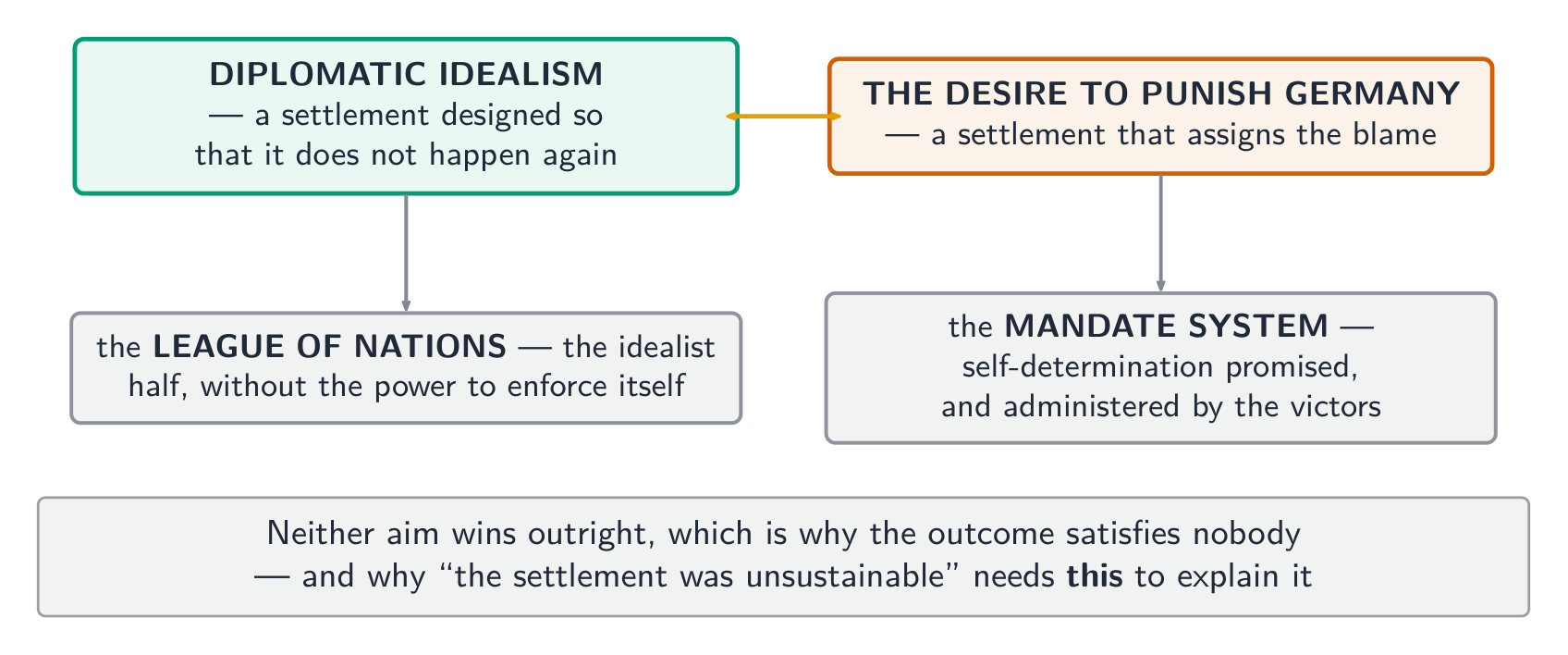
    学習目標 単元7.E: 1815年から1914年にかけて、ダーウィンの理論が科学的および社会的発展にどのような影響を与えたかを説明せよ。

    • KC-3.6.II.B チャールズ・ダーwinは、生物の変化や人類種としての進化について科学的かつ物質的な説明を提供したが、結果として「社会ダーウィン主義」として知られる種族主義理論への正当化という意図しない結果をもたらした。

    Source: College Board AP Course and Exam Description · ⁨出典: College Board AP コースおよび試験説明書⁩

    English

    Charles Darwin 达尔文 provided a scientific and material account of biological change and of the development of human beings as a species.

    His theory was then applied well beyond biology. Social Darwinism 社会达尔文主义 took the language of competition and selection and used it to justify racial, national, and class hierarchies - and, in the next topic, imperial expansion. Keep the distinction sharp in an essay: Darwin's biology and Social Darwinism are not the same claim, and the second does not follow from the first.

    日本語

    Charles Darwin 达尔文 provided a scientific and material account of biological change and of the development of human beings as a species.

    His theory was then applied well beyond biology. Social Darwinism 社会达尔文主义 took the language of competition and selection and used it to justify racial, national, and class hierarchies - and, in the next topic, imperial expansion. Keep the distinction sharp in an essay: Darwin's biology and Social Darwinism are not the same claim, and the second does not follow from the first.

    Vocabulary · ⁨語彙⁩ Train · ⁨練習する⁩
    English 日本語
    Charles Darwin/tʃɑːlz ˈdɑːwɪn/ Charles Darwin
    Social Darwinism/ˈsəʊʃl ˈdɑːwɪnɪzəm/ Social Darwinism
    7.5

    The Age of Progress and Modernity

    Syllabus · ⁨シラバス⁩
    English

    7.5 The Age of Progress and Modernity

    Thematic Focus (TSI): Technological and Scientific Innovation — Scientific and technological innovations have increased efficiency, improved daily life, and shaped human development and interactions, having both intended and unintended consequences.

    Learning Objective Unit 7.F: Explain how science and other intellectual disciplines developed and changed throughout the period from 1815 to 1914.

    • KC-3.6.II.A Positivism, or the philosophy that science alone provides knowledge, emphasized the rational and scientific analysis of nature and human affairs.
    • KC-3.6.III In the later 19th century, a new relativism in values and the loss of confidence in the objectivity of knowledge led to modernism in intellectual and cultural life.
      • KC-3.6.III.A Philosophy largely moved from rational interpretations of nature and human society to an emphasis on irrationality and impulse, a view that contributed to the belief that conflict and struggle led to progress.
      • KC-3.6.III.B Freudian psychology offered a new account of human nature that emphasized the role of the irrational and the struggle between the conscious and subconscious.
      • KC-3.6.III.C Developments in the natural sciences, such as quantum mechanics and Einstein’s theory of relativity, undermined the primacy of Newtonian physics as an objective description of nature.

    Illustrative examples:

    • Philosophers who emphasized the irrational: §Bullet Friedrich Nietzsche §Bullet Georges Sorel §Bullet Henri Bergson Scientists who undermined the notion that Newtonian physics provided an objective knowledge of nature: §Bullet Max Planck
    日本語

    7.5 進歩の時代と近現代性

    テーマ別焦点(TSI): 技術的・科学的革新 — 科学技術の革新は効率性を高め、日常生活を改善し、人間の発展と相互作用を形作ってきたが、意図された結果と意図しない結果の両方をもたらした。

    学習目標 単元7.F: 1815年から1914年の期間中、科学およびその他の知的分野がどのように発展・変化したかを説明せよ。

    • KC-3.6.II.A ポジチivism(実証主義)、すなわち科学のみが真知を提供するという哲学は、自然および人間 affairs の理性的かつ科学的分析を強調した。
    • KC-3.6.III 19世紀後期、価値観における新しい相対主義および知識の客観性に対する信頼の喪失により、知的・文化的生活においてモダニズムが台頭した。
      • KC-3.6.III.A 哲学は主に自然および人間社会の合理的解釈から、非合理性と衝動への重点へ移行し、紛争や葛藤が進歩をもたらすという信念に寄与した。
      • KC-3.6.III.B フロイト心理学は、非合理な要素および意識と無意識の葛藤の役割を強調する人間の本性に関する新たな説明を提供した。
      • KC-3.6.III.C 量子力学やアインシュタインの相対性理論といった自然科学の進展は、ニュートン物理学が自然を客観的に記述する上で優位に立ったという考えを揺るがした。

    具体例:

    • 非合理性を強調した哲学者: §Bullet フリードリヒ・ニーチェ §Bullet ジョルジュ・ソレル §Bullet アンリ・ベルグソン ニュートン物理学が自然に対する客観的知識を提供していたという考えを揺るがした科学者: §Bullet マックス・プランク

    Source: College Board AP Course and Exam Description · ⁨出典: College Board AP コースおよび試験説明書⁩

    English

    Positivism 实证主义 - the philosophy that science alone provides knowledge - emphasised the rational and scientific analysis of nature and human affairs, and represents the confident pole of the century's thinking.

    Then, in the later nineteenth century, a new relativism in values 价值相对主义 and a loss of confidence in the objectivity of knowledge led to modernism 现代主义. The two together are the tension named in 7.1: the same culture produced both the belief that science would explain everything and the suspicion that objectivity itself was an illusion.

    日本語

    Positivism 实证主义 - the philosophy that science alone provides knowledge - emphasised the rational and scientific analysis of nature and human affairs, and represents the confident pole of the century's thinking.

    Then, in the later nineteenth century, a new relativism in values 价值相对主义 and a loss of confidence in the objectivity of knowledge led to modernism 现代主义. The two together are the tension named in 7.1: the same culture produced both the belief that science would explain everything and the suspicion that objectivity itself was an illusion.

    Vocabulary · ⁨語彙⁩ Train · ⁨練習する⁩
    English 日本語
    Positivism/ˈpɒzɪtɪvɪzəm/ Positivism
    new relativism in values/njuː ˈrelətɪvɪzəm ɪn ˈvæljuːz/ new relativism in values
    modernism/ˈmɒdənɪzəm/ modernism
    7.6

    New Imperialism: Motivations and Methods

    Syllabus · ⁨シラバス⁩
    English

    7.6 New Imperialism: Motivations and Methods

    Thematic Focus (INT): Interaction of Europe and the World — Motivated by a variety of factors, Europe’s interaction with the world led to political, economic, social, and cultural exchanges that influenced both European and non-European societies.

    Thematic Focus (TSI): Technological and Scientific Innovation — Scientific and technological innovations have increased efficiency, improved daily life, and shaped human development and interactions, having both intended and unintended consequences.

    Learning Objective Unit 7.G: Explain the motivations that led to European imperialism in the period from 1815 to 1914.

    • KC-3.5.I European nations were driven by economic, political, and cultural motivations in their new imperial ventures in Asia and Africa.
      • KC-3.5.I.A European national rivalries and strategic concerns fostered imperial expansion and competition for colonies.
      • KC-3.5.I.B The search for raw materials and markets for manufactured goods, as well as strategic and nationalistic considerations, drove Europeans to colonize Africa and Asia, even as European colonies in the Americas broke free politically, if not economically.
      • IKC-3.5.I.C European imperialists justified overseas expansion and rule by claiming cultural and racial superiority.

    Learning Objective Unit 7.H: Explain how technological advances enabled European imperialism from 1815 to 1914.

    • KC-3.5.II.A The development of advanced weaponry ensured the military advantage of Europeans over colonized areas.
    • KC-3.5.II.B Communication and transportation technologies facilitated the creation and expansion of European empires.
    • KC-3.5.II.C Advances in medicine enabled European survival in Africa and Asia.

    Illustrative examples:

    • Ideas of cultural and racial superiority: §Bullet “The White Man’s Burden” §Bullet Mission civilisatrice §Bullet Social Darwinism Advanced weaponry: §Bullet Minié ball (bullet) §Bullet Breech-loading rifle §Bullet Machine gun Communication and transportation technologies: §Bullet Steamships
      • Telegraph
      • Photography
    • Advances in medicine: §Bullet Louis Pasteur’s germ theory of disease §Bullet Anesthesia and antiseptics §Bullet Public health projects §Bullet Quinine
    日本語

    7.6 新帝国主義:動機と手法

    テーマの焦点 (INT): ヨーロッパと世界の相互作用 — 多様な要因によって動機づけられたヨーロッパの世界との接触は、政治的、経済的、社会的、文化的な交流を生み出し、ヨーロッパおよび非ヨーロッパの社会の両方に影響を与えた。

    テーマ別焦点(TSI): 技術的・科学的革新 — 科学技術の革新は効率性を高め、日常生活を改善し、人間の発展と相互作用を形作ってきたが、意図された結果と意図しない結果の両方をもたらした。

    学習目標 単元7.G: 1815年から1914年の期間におけるヨーロッパ帝国主義を導いた動機を説明せよ。

    • KC-3.5.I 欧州各国は、アジアおよびアフリカにおける新しい帝国主義活動において、経済的、政治的、文化的な動機に駆られた。
      • KC-3.5.I.A 欧州の国粋主義による競合と戦略上の懸念が、植民地獲得のための帝国主義拡大と競争を生み出した。
      • KC-3.5.I.B 製造品の市場および原材料の確保、ならびに戦略的・民族的考慮事項は、北米における欧州植民地の政治的独立(経済的にはそうではない場合も)が進んだにもかかわらず、欧州人がアフリカおよびアジアを植民地化することを推進した。
      • IKC-3.5.I.C 欧州の帝国主義者は、文化的および人種的優越性を主張することで、海外での拡大と支配を正当化した。

    学習目標 単元7.H: 1815年から1914年にかけて、技術の進歩がどのようにヨーロッパ帝国主義を可能にしたかを説明せよ。

    • KC-3.5.II.A 高度な兵器の開発により、欧州人は植民地地域に対して軍事的優位を確保した。
    • KC-3.5.II.B 通信および交通技術は、ヨーロッパ帝国の形成と拡大を促進した。
    • KC-3.5.II.C 医学の進歩により、欧州人はアフリカおよびアジアで生存することが可能になった。

    具体例:

    • 文化的および人種的優越性の思想: §Bullet 「白人的責任」 §Bullet ミッション・シヴィリザトリセ §Bullet 社会ダーウィン主義 高度な兵器: §Bullet ミニエ弾 §Bullet ブリーチローディング・ライフル §Bullet 機関銃 通信および交通技術: §Bullet 蒸気船
      • テレグラフ
      • 写真術
    • 医学の進歩:§Bullet ルイ・パスツールによる病原体説 §Bullet 麻酔剤と消毒法 §Bullet 公衆衛生事業 §Bullet キニーネ

    Source: College Board AP Course and Exam Description · ⁨出典: College Board AP コースおよび試験説明書⁩

    English

    European nations were driven by economic, political, and cultural motivations in their new imperial ventures in Asia and Africa.

    The CED then gives the enabling technologies separately, and there are exactly three:

    • Advanced weaponry ensured European military advantage over colonised areas.
    • Communication and transportation technologies 通信与运输技术 made empires possible to create and administer.
    • Advances in medicine 医学进步 enabled European survival in Africa and Asia - the one students forget, and often the decisive factor.
    日本語

    European nations were driven by economic, political, and cultural motivations in their new imperial ventures in Asia and Africa.

    The CED then gives the enabling technologies separately, and there are exactly three:

    • Advanced weaponry ensured European military advantage over colonised areas.
    • Communication and transportation technologies 通信与运输技术 made empires possible to create and administer.
    • Advances in medicine 医学进步 enabled European survival in Africa and Asia - the one students forget, and often the decisive factor.
    Motives are old, capability is new - only the second column explains the timing
    Explore · ⁨探索⁩

    Separate wanting to from being able to

    Motives for empire are old; capability is new. Only the second column explains why this happens in the 1870s.

    Vocabulary · ⁨語彙⁩ Train · ⁨練習する⁩
    English 日本語
    Communication and transportation technologies/kəˌmjuːnɪˈkeɪʃn ænd trænspɔːˈteɪʃn tekˈnɒlədʒiz/ Communication and transportation technologies
    Advances in medicine/ədˈvænsɪz ɪn ˈmedsn/ Advances in medicine
    7.7

    Imperialism's Global Effects

    Syllabus · ⁨シラバス⁩
    English

    7.7 Imperialism’s Global Effects

    Thematic Focus (INT): Interaction of Europe and the World — Motivated by a variety of factors, Europe’s interaction with the world led to political, economic, social, and cultural exchanges that influenced both European and non-European societies.

    Learning Objective Unit 7.I: Explain how European imperialism affected both European and non-European societies.

    • KC-3.5.III Imperial endeavors significantly affected society, diplomacy, and culture in Europe and created resistance to foreign control abroad.
      • KC-3.5.III.A Imperialism created diplomatic tensions among European states that strained alliance systems.
      • KC-3.5.III.B Imperial encounters with non-European peoples influenced the styles and subject matter of artists and writers and provoked debate over the acquisition of colonies.
      • KC-3.5.III.C Especially as non-Europeans became educated in Western values, they challenged European imperialism through nationalist movements and by modernizing local economies and societies.

    Illustrative examples:

    • Diplomatic tensions: §Bullet Berlin Conference (1884–1885) §Bullet Fashoda crisis (1898) §Bullet Moroccan crises (1905, 1911) Participants in the imperialism debate: §Bullet Pan-German League §Bullet J. A. Hobson’s and Vladimir Lenin’s anti-imperialism §Bullet Congo Reform Association Responses to European imperialism: §Bullet Indian Congress Party §Bullet Zulu Resistance §Bullet India’s Sepoy Mutiny §Bullet China’s Boxer Rebellion §Bullet Japan’s Meiji Restoration
    日本語

    7.7 帝国主義の世界的な影響

    テーマの焦点 (INT): ヨーロッパと世界の相互作用 — 多様な要因によって動機づけられたヨーロッパの世界との接触は、政治的、経済的、社会的、文化的な交流を生み出し、ヨーロッパおよび非ヨーロッパの社会の両方に影響を与えた。

    学習目標 Unit 7.I: ヨーロッパの帝国主義がヨーロッパおよび非ヨーロッパの社会に及ぼした影響を説明せよ。

    • KC-3.5.III 帝国主義の試みはヨーロッパの社会、外交、文化に多大な影響を与え、海外における外国支配への抵抗を生み出した。
      • KC-3.5.III.A 帝国主義はヨーロッパ諸国間の外交緊張を生み出し、同盟体制を圧迫した。
      • KC-3.5.III.B 帝国による非欧洲人との遭遇は、芸術家や作家のスタイルと題材に影響を与え、植民地獲得をめぐる議論を喚起した。
      • KC-3.5.III.C 特に非ヨーロッパ人が西洋的価値観で教育されるにつれて、彼らは民族主義運動を通じておよび当地域の経済と社会の近代化を通じてヨーロッパの帝国主義に挑戦した。

    具体例:

    • 外交緊張:§Bullet ベルリン会議(1884–1885) §Bullet ファシュコーダ事件(1898) §Bullet モロッコ危機(1905, 1911) 帝国主義論争への参加者:§Bullet パン・ゲルマン同盟 §Bullet J. A. ホブソンとウラジミール・レーニンの反帝国主義 §Bullet コンゴ改革協会 ヨーロッパの帝国主義への反応:§Bullet インディア Congress Party §Bullet ズルー抵抗 §Bullet インドのセポイの反乱 §Bullet 中国の義和団運動 §Bullet 日本の明治維新

    Source: College Board AP Course and Exam Description · ⁨出典: College Board AP コースおよび試験説明書⁩

    Imperial endeavours significantly affected society, diplomacy, and culture in Europe, and created resistance to foreign control abroad.

    Both directions matter. In Europe, empire fed nationalism, shaped popular culture, and turned colonial disputes into Great Power crises. Abroad, it produced organised resistance. An answer that treats imperialism as something Europe did to other places, with no return effect and no response, is incomplete on both counts.

    7.8

    19th-Century Culture and Arts

    Syllabus · ⁨シラバス⁩
    English

    7.8 19th-Century Culture and Arts

    Thematic Focus (CID): Cultural and Intellectual Developments — The creation and transmission of knowledge, including the relationship between traditional sources of authority and the development of differing world views, had significant political, intellectual, economic, cultural, and social effects on European and world societies.

    Learning Objective Unit 7.J: Explain the continuities and changes in European artistic expression from 1815 to 1914.

    • KC-3.6.I Romanticism broke with Neoclassical forms of artistic representation and with rationalism, placing more emphasis on intuition and emotion.
    • KC-3.6.I.A Romantic artists and composers broke from classical artistic forms to emphasize emotion, nature, individuality, intuition, the supernatural, and national histories in their works.
    • KC-3.6.I.B Romantic writers expressed similar themes while responding to the Industrial Revolution and to various political revolutions.
    • KC-3.6.II.D Realist and materialist themes and attitudes influenced art and literature as painters and writers depicted the lives of ordinary people and drew attention to social problems.
    • KC-3.6.III.D Modern art, including Impressionism, Post-Impressionism, and Cubism, moved beyond the representational to the subjective, abstract, and expressive and often provoked audiences that believed that art should reflect shared and idealized values, including beauty and patriotism.

    Illustrative examples:

    • Romantic artists: §Bullet Francisco Goya §Bullet Caspar David Friedrich §Bullet J. M. W. Turner §Bullet John Constable §Bullet Eugène Delacroix Romantic composers: §Bullet Ludwig van Beethoven §Bullet Frédéric Chopin §Bullet Richard Wagner §Bullet Pyotr Ilyich Tchaikovsky Romantic writers: §Bullet Johann Wolfgang von Goethe §Bullet William Wordsworth §Bullet Lord Byron §Bullet Percy Shelley §Bullet John Keats §Bullet Mary Shelley §Bullet Victor Hugo Realist artists and authors: §Bullet Honoré de Balzac §Bullet Honoré Daumier §Bullet Charles Dickens §Bullet George Eliot (Mary Ann Evans) §Bullet Gustave Courbet §Bullet Fyodor Dostoevsky §Bullet Jean-François Millet §Bullet Leo Tolstoy §Bullet Émile Zola §Bullet Thomas Hardy (CONT’D) Modern artists: §Bullet Claude Monet §Bullet Paul Cézanne §Bullet Henri Matisse §Bullet Edgar Degas §Bullet Pablo Picasso §Bullet Vincent Van Gogh
    日本語

    7.8 19世紀の文化と芸術

    テーマ焦点(CID): 文化的・知的発展 — 知識の創出と伝播、特に伝統的な権威源と多様な世界観の形成との関係性は、ヨーロッパおよび世界の社会に政治的、知的、経済的、文化的、社会的な大きな影響を与えた。

    学習目標 Unit 7.J: 1815から1914までのヨーロッパの芸術表現における継続性と変化を説明せよ。

    • KC-3.6.I ロマン主義は新古典主義的な芸術表現形式および合理主義に決別し、直感と感情により重きを置いた。
    • KC-3.6.I.A ロマン主義の芸術家や作曲家は、情熱、自然、個性、直感、超自然的現象、および国民史を作品に強調するために、古典的な芸術形式から決別した。
    • KC-3.6.I.B ロマン主義の作家たちは同様のテーマを表現しつつ、産業革命および各種の政治的反応に応答した。
    • KC-3.6.II.D リアル主義および唯物主義のテーマと態度は、画家や作家が一般の人々の生活を描き、社会的問題に注目を集めたことで、芸術と文学に影響を与えた。
    • KC-3.6.III.D 印象派、後期印象派、立体派を含む近代芸術は、表現性を越えて主観的、抽象的、表現的な方向へ進み、美や愛国心など共有され理想化された価値を反映すべきであると考えていた観衆に反発を招くことが多かった。

    具体例:

    • ロマン派の芸術家: §Bullet フランシスコ・ゴヤ §Bullet カスパー・ダヴィド・フリードリヒ §Bullet J. M. W. ターナー §Bullet ジョン・コンスタブル §Bullet ユージェーヌ・德拉クロワ ロマン派の作曲家: §Bullet ルートヴィヒ・ヴァン・ベートーベン §Bullet フレデリック・ショパン §Bullet リチャード・ヴァーグナー §Bullet ピョートル・イリイチ・チャイコフスキー ロマン派の作家: §Bullet ヨハン・ヴォルフガング・フォン・ゲーテ §Bullet ウィリアム・ワーズワース §Bullet ロード・バイロン §Bullet パーシー・シェリー §Bullet ジョン・キーツ §Bullet メアリー・シェリー §Bullet ヴィクトル・ユゴー réalism の芸術家および作家: §Bullet オノレ・ド・バルザック §Bullet オノレ・ド・ダミエ §Bullet チャールズ・ディケンズ §Bullet ジョージ・エリオット(メアリ・アン・イヴンス)§Bullet グスターヴ・库尔ベ §Bullet フィオードル・ドストエフスキー §bullet Jean-François Millet §Bullet レオ・ト尔斯泰 §Bullet Émile Zola §Bullet Thomas Hardy (CONT’D) 近代芸術家: §Bullet クロード・モネ §Bullet ポール・セザンヌ §Bullet アンリ・マ蒂斯 §Bullet エドガー・デガ §Bullet パブロ・ピカソ §Bullet ヴィンセント・ファン・ゴッホ

    Source: College Board AP Course and Exam Description · ⁨出典: College Board AP コースおよび試験説明書⁩

    English

    The century's art tracks its intellectual tension exactly:

    • Romanticism broke with Neoclassical forms and with rationalism, emphasising intuition, emotion, nature, individuality, and the supernatural; Romantic writers expressed the same themes while responding to the Industrial Revolution and to political revolution.
    • Realist and materialist 现实主义与唯物主义 themes influenced art and literature, as painters and writers depicted the lives of ordinary people.
    • Modern art - Impressionism, Post-Impressionism, and Cubism 印象派、后印象派与立体主义 - moved beyond the representational to the subjective, abstract, and expressive.
    日本語

    The century's art tracks its intellectual tension exactly:

    • Romanticism broke with Neoclassical forms and with rationalism, emphasising intuition, emotion, nature, individuality, and the supernatural; Romantic writers expressed the same themes while responding to the Industrial Revolution and to political revolution.
    • Realist and materialist 现实主义与唯物主义 themes influenced art and literature, as painters and writers depicted the lives of ordinary people.
    • Modern art - Impressionism, Post-Impressionism, and Cubism 印象派、后印象派与立体主义 - moved beyond the representational to the subjective, abstract, and expressive.
    Vocabulary · ⁨語彙⁩ Train · ⁨練習する⁩
    English 日本語
    Realist and materialist/ˈrɪəlɪst ænd məˈtɪərɪəlɪst/ Realist and materialist
    Impressionism, Post-Impressionism, and Cubism/ɪmˈpreʃənɪzəm pəʊst ɪmˈpreʃənɪzəm ænd ˈkjuːbɪzəm/ Impressionism, Post-Impressionism, and Cubism
    7.9

    Causation in 19th-Century Developments

    Syllabus · ⁨シラバス⁩
    English

    7.9 Causation in 19th-Century Perspectives and Political Developments

    Learning Objective Unit 7.K: Explain the influence of nationalist and imperialist movements on European and global stability.

    • KC-3.4 European states struggled to maintain international stability in an age of nationalism and revolutions.
      • KC-3.4.II The breakdown of the Concert of Europe opened the door for movements of national unification in Italy and Germany as well as liberal reforms elsewhere.
      • KC-3.4.III The unification of Italy and Germany transformed the European balance of power and led to efforts to construct a new diplomatic order.
    • KC-3.5 A variety of motives and methods led to the intensification of European global control and increased tensions among the Great Powers.
      • KC-3.5.II Industrial and technological developments (e.g., the second industrial revolution) facilitated European control of global empires.
    • KC-3.6 European ideas and culture expressed a tension between objectivity and scientific realism on one hand, and subjectivity and individual expression on the other.
      • KC-3.6.II Following the revolutions of 1848, Europe turned toward a realist and materialist worldview.
    日本語

    7.9 19世紀における因果関係の理解と政治的発展

    学習目標 単位7.K: 民族主義および帝国主義運動がヨーロッパおよび世界の安定に与えた影響を説明する。

    • KC-3.4 民族主義と革命の時代において、欧洲諸国は国際的安定性を維持しようと苦闘した。
      • KC-3.4.II ヨーロッパ協奏体の崩壊は、イタリアおよびドイツにおける民族統一運動、およびその他の地域における自由主義改革の門を開いた。
      • KC-3.4.III イタリアおよびドイツの統一は、ヨーロッパの勢力均衡を変化させ、新たな外交秩序の構築に向けた試みにつながった。
    • KC-3.5 多様な動機および手法により、欧洲的な世界的支配の強化および列強間の緊張の増大が生じた。
      • KC-3.5.II 産業および技術的発展(例:第二次産業革命)は、欧洲的な世界帝国の支配を容易にした。
    • KC-3.6 欧洲的な思想および文化は、一方では客観性と科学的現実主義、他方では主観性と個人の表現との間に緊張を表していた。
      • KC-3.6.II 1848年の革命後、ヨーロッパは現実主義かつ唯物論的世界観へ向かった。

    Source: College Board AP Course and Exam Description · ⁨出典: College Board AP コースおよび試験説明書⁩

    The unit's reasoning skill is causation.

    Worked example (a real AP exam question). AP European History short-answer questions here ask, for example, to "Explain one way in which nationalism contributed to the unification of Germany or Italy in the nineteenth century." A full-mark answer names the mechanism rather than the sentiment: "Bismarck used popular nationalist feeling as an instrument of Prussian state-building: by presenting wars against Denmark, Austria, and France as national causes, he made the smaller German states' rulers politically unable to resist unification under Prussia, and turned a dynastic expansion into a national one." Notice the shape: nationalism is shown doing something, not merely existing.

    7.9

    Exam tips

    • The reversal is the unit: before 1848 nationalism threatens the order; after 1848 conservatives use it to build states.
    • The breakdown of the Concert of Europe after Crimea is what made unification possible. Name it as the enabling condition.
    • Italy needed both Cavour's diplomacy and Garibaldi's campaigns. Germany needed Bismarck's Realpolitik. Different mechanisms, same outcome.
    • Give three enabling technologies of imperialism - weaponry, transport and communication, and medicine.
    • Keep Darwin and Social Darwinism apart. The second is a use of the first, not a consequence of it.
    • Imperialism acted on Europe as well as abroad, and it produced resistance. Both are examinable.
  • 8

    20th-Century Global Conflicts, c. 1914 to present · ⁨20世紀の世界的紛争、1914年頃から現在まで⁩

    Watch lesson · ⁨レッスンを視聴⁩
    8.1

    Contextualizing 20th-Century Global Conflicts

    Syllabus · ⁨シラバス⁩
    English

    8.1 Contextualizing 20th-Century Global Conflicts

    Learning Objective Unit 8.A: Explain the context in which global conflict developed in the 20th century.

    • KC-4.1 Total war and political instability in the first half of the 20th century gave way to a polarized state order during the Cold War and eventually to efforts at transnational union.
      • KC-4.1.I World War I, caused by a complex interaction of long- and short-term factors, resulted in immense losses and disruptions for both victors and vanquished.
      • KC-4.1.II The conflicting goals of the peace negotiators in Paris pitted diplomatic idealism against the desire to punish Germany, producing a settlement that satisfied few.
      • KC-4.1.III In the interwar period, fascism, extreme nationalism, racist ideologies, and the failure of appeasement resulted in the catastrophe of World War II, presenting a grave challenge to European civilization.
    • KC-4.2 The stresses of economic collapse and total war engendered internal conflicts within European states and created conflicting conceptions of the relationship between the individual and the state, as demonstrated in the ideological battle between and among democracy, communism, and fascism.
    • KC-4.3 During the 20th century, diverse intellectual and cultural movements questioned the existence of objective knowledge, the ability of reason to arrive at truth, and the role of religion in determining moral standards.
      • KC-4.3.II Science and technology yielded impressive material benefits but also caused immense destruction and posed challenges to objective knowledge.
    • KC-4.4 Demographic changes, economic growth, total war, disruptions of traditional social patterns, and competing definitions of freedom and justice altered the experiences of everyday life.
      • KC-4.4.I The 20th century was characterized by large-scale suffering brought on by warfare and genocide, but also by tremendous improvements in the standard of living.
    日本語

    8.1 20世紀の世界的紛争の文脈

    学習目標 単元8.A: 20世紀における世界的紛争が勃発した背景を説明する。

    • KC-4.1 20世紀前半の総力戦と政治的不安定は、冷戦期における極端に分裂した国際秩序を経て、最終的には超国家的連合への取り組みへと移行した。
      • KC-4.1.I 長期要因と短期要因の複雑な相互作用によって引き起こされた第一次世界大戦は、勝者にも敗者にも多大な損失と混乱をもたらした。
      • KC-4.1.II パリでの平和交渉における目的の相違は、外交上の理想主義とドイツへの報復を求める欲求との間に摩擦を生じさせ、ほぼ誰一人満足させることのできない和解をもたらした。
      • KC-4.1.III 戦間期において、ファシズム、過激な民族主義、人種主義的イデオロギー、そして宥和政策の失敗が、第二次世界大戦という惨事をもたらし、ヨーロッパ文明にとって深刻な挑戦を示した。
    • KC-4.2 経済崩壊と総力戦によるストレスは、ヨーロッパ各国内部の対立を生み出し、個人と国家の関係に関する概念的な対立を生むこととなり、民主主義、共産主義、ファシズムの間およびそれら相互間のイデオロギー闘争によって示された。
    • KC-4.3 20世紀には、客観的知識の存在、理性による真理への到達能力、および道徳基準の決定における宗教の役割を問う多様な知的・文化的運動が生まれた。
      • KC-4.3.II 科学と技術は驚異的な物質的利益をもたらしたが、同時に莫大な破壊を引き起こし、客観的知識に対する課題も提示した。
    • KC-4.4 人口動態の変化、経済成長、総力戦、伝統的な社会パターンの撹乱、自由および正義の競合する定義は、日常生活の体験を変革した。
      • KC-4.4.I 20世紀は、戦争や民族虐殺による大規模な苦難が特徴でしたが、同時に生活水準の劇的な向上も见证了しました。

    Source: College Board AP Course and Exam Description · ⁨出典: College Board AP コースおよび試験説明書⁩

    Unit 8 covers c. 1914 to the present as a story of conflict, and four key concepts frame it:

    • Total war and political instability in the first half of the century gave way to a polarised state order during the Cold War.
    • The stresses of economic collapse and total war produced internal conflicts within European states and conflicting conceptions of the relationship between the individual and the state.
    • Diverse intellectual and cultural movements questioned the existence of objective knowledge and the authority that had rested on it.
    • Demographic change, economic growth, total war, and competing definitions of freedom and justice altered the experience of everyday life.
    8.2

    World War I

    Syllabus · ⁨シラバス⁩
    English

    8.2 World War I

    Thematic Focus (SOP): States and Other Institutions of Power — European states and nations developed governmental and civil institutions from 1450 to the present to organize society and consolidate political power, with a variety of social, cultural, and economic effects.

    Thematic Focus (TSI): Technological and Scientific Innovation — Scientific and technological innovations have increased efficiency, improved daily life, and shaped human development and interactions, having both intended and unintended consequences.

    Learning Objective Unit 8.B: Explain the causes and effects of World War I.

    • KC-4.1.I World War I, caused by a complex interaction of long- and short-term factors, resulted in immense losses and disruptions for both victors and vanquished.
      • KC-4.1.I.A A variety of factors—including nationalism, military plans, the alliance system, and imperial competition—turned a regional dispute in the Balkans into World War I.

    Learning Objective Unit 8.C: Explain how new technology altered the conduct of World War I. THEMATIC FOCUS Interaction of Europe and the World INT Motivated by a variety of factors, Europe’s interaction with the world led to political, economic, social, and cultural exchanges that influenced both European and non-European societies. LEARNING OBJECTIVE

    • KC-4.1.I.B New technologies confounded traditional military strategies and led to trench warfare and massive troop losses. HISTORICAL DEVELOPMENTS

    Learning Objective Unit 8.D: Explain how the developments of World War I changed political and diplomatic interactions between and among nations.

    • KC-4.1.I.C The effects of military stalemate, national mobilization, and total war led to protest and insurrection in the belligerent nations and eventually to revolutions that changed the international balance of power.
    • KC-4.1.I.D The war in Europe quickly spread to non-European theaters, transforming the war into a global conflict.
    • KC-4.1.I.E The relationship of Europe to the world shifted significantly with the globalization of the conflict, the emergence of the United States as a world power, and the overthrow of European empires.

    Illustrative examples:

    • New technologies: §Bullet Machine gun §Bullet Barbed wire §Bullet Submarine §Bullet Airplane §Bullet Poison gas §Bullet Tank Discontent and revolution: §Bullet Mutinies in armies §Bullet Easter Rebellion in Ireland §Bullet Russian Revolution Non-European theaters of conflict: §Bullet Armenian Genocide §Bullet Arab revolt against the Turks §Bullet Japanese aggression in the Pacific and on the Chinese mainland Collapse of European empires: §Bullet Mandate system §Bullet Creation of modern Turkey §Bullet Dissolution of Austro-Hungarian Empire
    日本語

    8.2 第一次世界大戦

    テーマ別焦点(SOP): 権力を持つ国とその他の機関 — 1450年から現在まで、ヨーロッパ諸国および民族は社会を組織化し政治的権力を確立するために政府および市民制度を発展させたが、多様な社会的、文化的、経済的影響をもたらした。

    テーマ別焦点(TSI): 技術的・科学的革新 — 科学技術の革新は効率性を高め、日常生活を改善し、人間の発展と相互作用を形作ってきたが、意図された結果と意図しない結果の両方をもたらした。

    学習目標 Unit 8.B: 第一次世界大戦の原因と結果を説明する。

    • KC-4.1.I 第一次世界大戦は、長期要因と短期要因の複雑な相互作用によって引き起こされ、勝者および敗者双方に莫大な犠牲と混乱をもたらした。
      • KC-4.1.I.A 国民主義、軍事計画、連盟体制、帝国間の競争など、多様な要因がバルカン半島の地域紛争を第一次世界大戦へと拡大させた。

    学習目標 Unit 8.C: 新しい技術が第一次世界大戦の戦い方をどのように変えたかを説明する。テーマ別焦点: ヨーロッパと世界の相互作用 多様な要因によって駆動されたヨーロッパと世界の相互作用は、政治、経済、社会、文化における交流を生み出し、ヨーロッパおよび非ヨーロッパの社会に影響を与えた。学習目標

    • KC-4.1.I.B 新技術は伝統的な軍事戦略を混乱させ、塹壕戦と大量の兵士喪失をもたらした。歴史的発展

    学習目標 Unit 8.D: 第一次世界大戦の発展が、国々と国々の間での政治的・外交的相互作用にどう変更をもたらしたかを説明する。

    • KC-4.1.I.C 軍事僵局、全国動員、総力戦の結果として、交戦国でデモや反乱が起こり、最終的には国際情勢のバランスを変える革命につながった。
    • KC-4.1.I.D ヨーロッパでの戦争はすぐに非ヨーロッパの戦場へ広がり、紛争を世界的なConflictへと変貌させた。
    • KC-4.1.I.E 紛争のグローバル化、アメリカ合衆国の世界大国としての台頭、そしてヨーロッパ帝国の崩壊により、ヨーロッパと世界の関係は大きく変化した。

    具体例:

    • 新技術:§Bullet 機関銃 §Bullet 鉄条網 §Bullet 潜水艦 §Bullet 飛行機 §Bullet 毒ガス §Bullet タンク 不満と革命:§Bullet 軍隊内の mutiny §Bullet アイルランドのイースター蜂起 §Bullet ロシア革命 非ヨーロッパの戦場:§Bullet アルメニア人虐殺 §Bullet トルコに対するアラブ蜂起 §Bullet 太平洋および中国本土における日本の侵略 ヨーロッパ帝国の崩壊:§Bullet マンデート制度 §Bullet 現代トルコの創成 §Bullet オーストリア=ハンガリー帝国の解体

    Source: College Board AP Course and Exam Description · ⁨出典: College Board AP コースおよび試験説明書⁩

    English

    The war was caused by a complex interaction of long- and short-term factors and produced immense losses and disruption. The CED's specific claims:

    • New technologies confounded traditional military strategies, leading to trench warfare 堑壕战 and massive troop losses.
    • The effects of military stalemate, national mobilisation, and total war led to protest and insurrection 抗议与起义 in the belligerent nations - the war turned inward on the societies fighting it.
    • The war spread quickly to non-European theatres, becoming a global conflict.
    • The relationship of Europe to the world shifted significantly with that globalisation, and with the emergence of new powers.
    日本語

    The war was caused by a complex interaction of long- and short-term factors and produced immense losses and disruption. The CED's specific claims:

    • New technologies confounded traditional military strategies, leading to trench warfare 堑壕战 and massive troop losses.
    • The effects of military stalemate, national mobilisation, and total war led to protest and insurrection 抗议与起义 in the belligerent nations - the war turned inward on the societies fighting it.
    • The war spread quickly to non-European theatres, becoming a global conflict.
    • The relationship of Europe to the world shifted significantly with that globalisation, and with the emergence of new powers.
    Why the war became total: technology, then stalemate, then whole societies
    A trench on the Somme, 1916 - the stalemate that national mobilisation was the answer to
    Explore · ⁨探索⁩

    Follow technology to total war · ⁨技術を通じて総力戦へ向かう道筋をたどれ⁩

    Technology, then stalemate, then national mobilisation, then total war — the 'because' at each step is what is marked. · ⁨技術→膠着状態→国民動員→総力戦。各段階における「なぜ」がマークされるべき部分である。⁩

    Vocabulary · ⁨語彙⁩ Train · ⁨練習する⁩
    English 日本語
    trench warfare/trentʃ ˈwɔːfeə/ 塹壕戦
    protest and insurrection/ˈprəʊtest ænd ɪnsəˈrekʃn/ 抗議と蜂起
    8.3

    The Russian Revolution and Its Effects

    Syllabus · ⁨シラバス⁩
    English

    8.3 The Russian Revolution and Its Effects

    Thematic Focus (SOP): States and Other Institutions of Power — European states and nations developed governmental and civil institutions from 1450 to the present to organize society and consolidate political power, with a variety of social, cultural, and economic effects.

    Learning Objective Unit 8.E: Explain the causes and effects of the Russian Revolution.

    • KC-4.2.I The Russian Revolution created a regime based on Marxist–Leninist theory.
      • KC-4.2.I.A In Russia, World War I exacerbated long-term problems of political stagnation, social inequality, incomplete industrialization, and food and land distribution, all while creating support for revolutionary change.
      • KC-4.2.I.B Military and worker insurrections, aided by the revived Soviets, undermined the Provisional Government and set the stage for Lenin’s long-planned Bolshevik Revolution and establishment of a communist state.
      • KC-4.2.I.C The Bolshevik takeover prompted a protracted civil war between communist forces and their opponents, who were aided by foreign powers.
      • KC-4.2.I.D.i In order to improve economic performance, Lenin compromised communist principles and employed some free-market principles under the New Economic Policy.

    Illustrative examples:

    • Revolutionary change in Russia:
      • February/March Revolution
      • Petrograd Soviet
    日本語

    8.3 ロシア革命とその影響

    テーマ別焦点(SOP): 権力を持つ国とその他の機関 — 1450年から現在まで、ヨーロッパ諸国および民族は社会を組織化し政治的権力を確立するために政府および市民制度を発展させたが、多様な社会的、文化的、経済的影響をもたらした。

    学習目標 Unit 8.E: ロシア革命の原因と結果を説明する。

    • KC-4.2.I ロシア革命はマルクス=レーニン主義に基づいた政権を生み出した。
      • KC-4.2.I.A ロシアでは、第一次世界大戦が政治的停滞、社会的不平等、不完全な産業化、食料および土地の分配といった長期の問題を悪化させるとともに、革命的変革への支持を生み出した。
      • KC-4.2.I.B 軍事および労働者の反乱は、再興したソビエトの支援を受けて臨時政府を揺るがし、レーニンの長期計画であったボリシェヴィキ革命と共産主義国家の樹立への足掛かりとなった。
      • KC-4.2.I.C ボリシェヴィキの権力掌握は、共産主義勢力と彼らの対立者(外国の支援を受けた)との間の長期にわたる内戦を引き起こした。
      • KC-4.2.I.D.i 経済パフォーマンスを改善するため、レーニンは共産主義 principle を妥協させ、新経済政策の下で一部の自由市場 principle を採用した。

    具体例:

    • ロシアにおける革命的変革:
      • 2月/3月の革命
      • ペトログラード・ソビエト

    Source: College Board AP Course and Exam Description · ⁨出典: College Board AP コースおよび試験説明書⁩

    English

    The Russian Revolution 俄国革命 created a regime based on Marxist-Leninist theory 马克思列宁主义 - the first state to be founded explicitly on that programme, which is what makes it a turning point rather than a national event.

    日本語

    The Russian Revolution 俄国革命 created a regime based on Marxist-Leninist theory 马克思列宁主义 - the first state to be founded explicitly on that programme, which is what makes it a turning point rather than a national event.

    Vocabulary · ⁨語彙⁩ Train · ⁨練習する⁩
    English 日本語
    Russian Revolution/ˈrʌʃn ˌrevəˈluːʃn/ ロシア革命
    Marxist-Leninist theory/ˈmɑːksɪst ˈlenɪnɪst ˈθɪəri/ マルクス・レーニン主義
    8.4

    Versailles Conference and Peace Settlement

    Syllabus · ⁨シラバス⁩
    English

    8.4 Versailles Conference and Peace Settlement

    Thematic Focus (SOP): States and Other Institutions of Power — European states and nations developed governmental and civil institutions from 1450 to the present to organize society and consolidate political power, with a variety of social, cultural, and economic effects.

    Learning Objective Unit 8.F: Explain how and why the settlement of World War I failed to effectively resolve the political, economic, and diplomatic challenges of the early 20th century.

    • KC-4.1.II The conflicting goals of the peace negotiators in Paris pitted diplomatic idealism against the desire to punish Germany, producing a settlement that satisfied few.
      • KC-4.1.II.A Wilsonian idealism clashed with postwar realities in both the victorious and the defeated states. Democratic successor states emerged from former empires and eventually succumbed to significant political, economic, and diplomatic crises.
      • KC-4.1.II.B The League of Nations, created to prevent future wars, was weakened from the outset by the nonparticipation of major powers, including the U.S., Germany, and the Soviet Union.
      • KC-4.1.II.C The Versailles settlement, particularly its provisions on the assignment of guilt and reparations for the war, hindered the German Weimar Republic’s ability to establish a stable and legitimate political and economic system.
    • KC-4.1.VI.B The League of Nations distributed former German and Ottoman possessions to France and Great Britain through the mandate system, thereby altering the imperial balance of power and creating a strategic interest in the Middle East and its oil.

    Illustrative examples:

    • Democratic successor states:
      • Poland §Bullet Czechoslovakia §Bullet Hungary
      • Yugoslavia
    • Mandate territories:
      • Lebanon and Syria
      • Iraq
      • Palestine
    日本語

    8.4 バルセコンフェレンスと平和条約

    テーマ別焦点(SOP): 権力を持つ国とその他の機関 — 1450年から現在まで、ヨーロッパ諸国および民族は社会を組織化し政治的権力を確立するために政府および市民制度を発展させたが、多様な社会的、文化的、経済的影響をもたらした。

    学習目標 Unit 8.F: 第一次世界大戦の平和条約が、20世紀初頭の政治、経済、外交上の課題を効果的に解決できなかった理由と方法を説明する。

    • KC-4.1.II パリでの和平交渉官たちの conflicting goals は、外交的理想主義とドイツへの制裁を求める欲求を対立させ、 few にしか満足されない和解を生んだ。
      • KC-4.1.II.A ウィルソン的理想主義は、勝者国および敗者国の双方において戦後の現実と衝突した。かつての帝国から民主制的 successor 国家が出現したが、最終的に重大な政治的、経済的、外交的危機に陥った。
      • KC-4.1.II.B 将来の戦争を防ぐために設立された国際連盟は、米国、ドイツ、ソビエト連邦などの主要大国不参与のために、創設当初から弱体化していた。
      • KC-4.1.II.C ヴァルサイユ条約、特に戦争責任の帰属および戦争補償に関する規定は、ドイツ・ヴァイマル共和国が安定かつ正当な政治経済体制を確立することを妨げた。
    • KC-4.1.VI.B 国際連盟はマンドート制度を通じて、かつてのドイツ領およびオスマン領をフランスとイギリスに分配した。これにより帝国の力関係が変化し、中東およびその石油に対する戦略的利益が生まれることになった。

    具体例:

    • 民主的な後継国家:
      • ポーランド §Bullet チェコスロバキア §Bullet ハンガリー
      • ユーゴスラビア
    • マンドート領土:
      • レバノンおよびシリア
      • イラク
      • パレスチナ

    Source: College Board AP Course and Exam Description · ⁨出典: College Board AP コースおよび試験説明書⁩

    English

    The conflicting goals of the peace negotiators in Paris pitted diplomatic idealism against the desire to punish Germany, and the resulting settlement satisfied neither aim fully.

    The League of Nations 国际联盟 distributed former German and Ottoman possessions to France and Great Britain through the mandate system 委任统治, which extended imperial control under a new name - a point worth making because it connects the settlement to decolonisation later in the course.

    日本語
    The chain the unit is built on - each link is a separate examinable claim
    Questions ask about one link; the strongest answers show where it sits in the chain

    The conflicting goals of the peace negotiators in Paris pitted diplomatic idealism against the desire to punish Germany, and the resulting settlement satisfied neither aim fully.

    The League of Nations 国际联盟 distributed former German and Ottoman possessions to France and Great Britain through the mandate system 委任统治, which extended imperial control under a new name - a point worth making because it connects the settlement to decolonisation later in the course.

    Two incompatible aims, and the compromises each produced
    Explore · ⁨探索⁩

    Sort each outcome by the aim it served · ⁨各成果を達成した目的に基づいて分類⁩

    The settlement is a compromise between two incompatible aims, which is why it satisfied nobody. · ⁨講和は相容れない二つの目的の妥協であり、そのため誰も満足しなかった。⁩

    Vocabulary · ⁨語彙⁩ Train · ⁨練習する⁩
    English 日本語
    League of Nations/liːɡ ɒv ˈneɪʃnz/ 国際連盟
    mandate system/ˈmændeɪt ˈsɪstəm/ 委任統治制度
    8.5

    Global Economic Crisis

    Syllabus · ⁨シラバス⁩
    English

    8.5 Global Economic Crisis

    Thematic Focus (ECD): Economic and Commercial Developments — Economic development, especially the development of capitalism, played an important role in Europe’s history, often having significant social, political, and cultural effects.

    Learning Objective Unit 8.G: Explain the causes and effects of the global economic crisis in the 1920s and 1930s.

    • KC-4.2.III The Great Depression, caused by weaknesses in international trade and monetary theories and practices, undermined Western European democracies and fomented radical political responses throughout Europe.
      • KC-4.2.III.A World War I debt, nationalistic tariff policies, overproduction, depreciated currencies, disrupted trade patterns, and speculation created weaknesses in economies worldwide.
      • KC-4.2.III.B Dependence on post-World War I American investment capital led to financial collapse when, following the 1929 stock market crash, the United States cut off capital flows to Europe.
      • KC-4.2.III.C Despite attempts to rethink economic theories and policies and forge political alliances, Western democracies failed to overcome the Great Depression and were weakened by extremist movements.

    Illustrative examples:

    • New economic theories and policies:
      • Keynesianism in Britain
      • Cooperative social action in Scandinavia
      • Popular Front policies in France
    • Political alliance:
      • National government in Britain
      • Popular Fronts in France and Spain
    日本語

    8.5 世界的経済危機

    テーマ別焦点 (ECD): 経済・商業的发展 — 経済発展、特に資本主義の発展は、ヨーロッパの歴史において重要な役割を果たし、しばしば社会、政治、文化的な大きな影響を与えた。

    学習目標 Unit 8.G: 1920年代および1930年代における世界的経済危機の原因と影響を説明すること。

    • KC-4.2.III 国際貿易および貨幣理論・実践の欠陥によって引き起こされた大恐慌は、西欧の民主主義を揺るがし、ヨーロッパ全域で過激な政治的対応を生み出した。
      • KC-4.2.III.A 第一次世界大戦の債務、民族主義的な関税政策、過剰生産、通貨の価値低下、貿易パターンの混乱、投機行為が、世界中の経済に脆弱性をもたらした。
      • KC-4.2.III.B 第一次世界大戦後のアメリカ資本への依存は、1929年の株価大暴落後にアメリカがヨーロッパへの資金供給を停止したことで金融崩壊を招いた。
      • KC-4.2.III.C 経済理論や政策の見直し、および政治的連合の試みがなされたにもかかわらず、西欧の民主主義は大恐慌を克服できず、極端な運動によって弱体化した。

    具体例:

    • 新たな経済理論および政策:
      • イギリスのケインズ主義
      • スカンディナヴィアにおける協同社会行動
      • フランスの人民戦線政策
    • 政治的連合:
      • イギリスの国民政府
      • フランスおよびスペインの人民戦線

    Source: College Board AP Course and Exam Description · ⁨出典: College Board AP コースおよび試験説明書⁩

    English

    The Great Depression 大萧条, caused by weaknesses in international trade and in monetary theory and practice, undermined Western European democracies 削弱西欧民主国家 and fostered radical political responses across Europe.

    This is the pivot of the unit. The Depression is what turned interwar bitterness into a political opportunity for movements that had existed since before 1914 but had not previously been able to win power.

    日本語

    The Great Depression 大萧条, caused by weaknesses in international trade and in monetary theory and practice, undermined Western European democracies 削弱西欧民主国家 and fostered radical political responses across Europe.

    This is the pivot of the unit. The Depression is what turned interwar bitterness into a political opportunity for movements that had existed since before 1914 but had not previously been able to win power.

    Vocabulary · ⁨語彙⁩ Train · ⁨練習する⁩
    English 日本語
    Great Depression/ɡreɪt dɪˈpreʃn/ 大恐慌
    undermined Western European democracies/ˌʌndəˈmaɪnd ˈwestn ˌjʊərəˈpɪən dɪˈmɒkrəsiz/ 西欧の民主主義を揺るがした
    8.6

    Fascism and Totalitarianism

    Syllabus · ⁨シラバス⁩
    English

    8.6 Fascism and Totalitarianism

    Thematic Focus (SOP): States and Other Institutions of Power — European states and nations developed governmental and civil institutions from 1450 to the present to organize society and consolidate political power, with a variety of social, cultural, and economic effects.

    Learning Objective Unit 8.H: Explain the factors that led to the development of fascist and totalitarian regimes in the aftermath of World War I.

    • KC-4.2.II The ideology of fascism, with roots in the pre-World War I era, gained popularity in an environment of postwar bitterness, the rise of communism, uncertain transitions to democracy, and economic instability.
      • KC-4.2.II.A Fascist dictatorships used modern technology and propaganda that rejected democratic institutions, promoted charismatic leaders, and glorified war and nationalism to attract the disillusioned.
      • KC-4.2.II.B Mussolini and Hitler rose to power by exploiting postwar bitterness and economic instability, using terror, and manipulating the fledgling and unpopular democracies in their countries.
      • KC-4.2.II.C Franco’s alliance with Italian and German fascists in the Spanish Civil War—in which the Western democracies did not intervene—represented a testing ground for World War II and resulted in authoritarian rule in Spain from 1936 to the mid-1970s.
      • KC-4.2.II.D After failures to establish functioning democracies, authoritarian dictatorships took power in central and eastern Europe during the interwar period. HISTORICAL DEVELOPMENTS

    Learning Objective Unit 8.I: Explain the consequences of Stalin’s economic policies and totalitarian rule in the Soviet Union.

    • KC-4.2.I.D.ii After Lenin’s death, Stalin undertook a centralized program of rapid economic modernization, often with severe repercussions for the population.
    • KC-4.2.I.E Stalin’s economic modernization of the Soviet Union came at a high price, including the liquidation of the kulaks (the land-owning peasantry) and other perceived enemies of the state, devastating famine in the Ukraine, purges of political rivals, and, ultimately, the creation of an oppressive political system.

    Illustrative examples:

    • Fascist propaganda: §Bullet §Bullet Joseph Goebbels
      • Leni Riefenstahl §Bullet Architecture §Bullet
    • Authoritarian dictatorship in central and eastern Europe: §Bullet Poland
      • Hungary
      • Romania
    • The Soviet Union’s rapid economic modernization:
      • Collectivization §Bullet Five Year Plan
    • The Soviet Union’s oppressive political system: §Bullet Great purges §Bullet
      • Secret police
    日本語

    8.6 ファシズムと全体主義

    テーマ別焦点(SOP): 権力を持つ国とその他の機関 — 1450年から現在まで、ヨーロッパ諸国および民族は社会を組織化し政治的権力を確立するために政府および市民制度を発展させたが、多様な社会的、文化的、経済的影響をもたらした。

    学習目標 Unit 8.H: 第一次世界大戦後の環境において、ファシズムおよび全体主義政権の成立に至った要因を説明すること。

    • KC-4.2.II ファシズムのイデオロギーは第一次世界大戦以前の時代にはじまるものであったが、戦後の恨みの感情、共産主義の台頭、民主化への不確実な移行、経済的不安定という環境の中で支持を得た。
      • KC-4.2.II.A ファシズム独裁政権は、民主主義 institutions を拒絶する近代的技術およびプロパガンダを用い、カリスマ的指導者を擁立し、戦争と民族主義を称揚することで、失望した人々を引き寄せようとした。
      • KC-4.2.II.B ムッソリーニとヒトラーは、戦後の恨みの感情および経済的不安定を利用し、テロリズムを用い、自国におけるまだ幼く人気がない民主主義を操作することで権力を握った。
      • KC-4.2.II.C スペイン内戦において、フランコがイタリアおよびドイツのファシストと結んだ同盟(西欧民主主義が介入しなかった)は、第二次世界大戦のための実験場となり、1936年から1970年代半ばまでスペインにおける権威主義統治をもたらした。
      • KC-4.2.II.D 機能する民主主義の確立に失敗した後、権威主義的独裁政権が两次大戦期間中に中央および東ヨーロッパで権力を握った。歴史的発展

    学習目標 Unit 8.I: ソビエト連邦におけるスターリンの経済政策および全体主義支配の結果を説明すること。

    • KC-4.2.I.D.ii レニン死後、スターリンは人口に対して often 甚大な影響を与える中央集権的な急速経済近代化計画を実施した。
    • KC-4.2.I.E スターリンによるソビエト連邦の経済近代化は、 Kulak(土地を所有する農民)以及其他国家の敵と見なされた者らの清算、ウクライナの壊滅的な飢饉、政治的ライバルの粛清、そして結果として抑圧的な政治体制の確立といった高い代償を伴った。

    具体例:

    • ファシズムのプロパガンダ: §Bullet §Bullet ヨゼフ・ゲベルス
      • レニ・ライフェンシュタール §Bullet 建築学 §Bullet
    • 中央および東ヨーロッパの権威主義独裁: §Bullet ポーランド
      • ハンガリー
      • ルーマニア
    • ソビエト連邦の急速経済近代化:
      • 集団化 §Bullet 5カ年計画
    • ソビエト連邦の抑圧的政治体制: §Bullet 大粛清 §Bullet
      • 秘密警察

    Source: College Board AP Course and Exam Description · ⁨出典: College Board AP コースおよび試験説明書⁩

    English

    The ideology of fascism 法西斯主义, with roots in the pre-war era, gained popularity in an environment of postwar bitterness, the rise of communism, uncertain transitions to democracy, and economic instability. That four-part environment is the CED's own answer to "why then", and it is better than any single cause.

    On the Soviet side, after Lenin's death Stalin 斯大林 undertook a centralised programme of rapid economic modernisation, often with severe repression. The CED states the cost explicitly: modernisation came at a high price, including the liquidation of the kulaks 富农 and a catastrophic famine 饥荒.

    The comparison the unit invites is structural rather than ideological: both regimes claimed total authority over the relationship between individual and state, which is the second key concept doing its work.

    日本語

    The ideology of fascism 法西斯主义, with roots in the pre-war era, gained popularity in an environment of postwar bitterness, the rise of communism, uncertain transitions to democracy, and economic instability. That four-part environment is the CED's own answer to "why then", and it is better than any single cause.

    On the Soviet side, after Lenin's death Stalin 斯大林 undertook a centralised programme of rapid economic modernisation, often with severe repression. The CED states the cost explicitly: modernisation came at a high price, including the liquidation of the kulaks 富农 and a catastrophic famine 饥荒.

    The comparison the unit invites is structural rather than ideological: both regimes claimed total authority over the relationship between individual and state, which is the second key concept doing its work.

    Conditions are not a cause on their own - the order had already failed twice
    Vocabulary · ⁨語彙⁩ Train · ⁨練習する⁩
    English 日本語
    fascism/ˈfæʃɪzəm/ ファシズム
    Stalin/ˈstɑːlɪn/ スターリン
    liquidation of the kulaks/ˌlɪkwɪˈdeɪʃn ɒvðə ˈkjʊlæks/ kulakの清算
    catastrophic famine/ˌkætəˈstrɒfɪk ˈfæmɪn/ 壊滅的な飢饉
    8.7

    Europe During the Interwar Period

    Syllabus · ⁨シラバス⁩
    English

    8.7 Europe During the Interwar Period

    Thematic Focus (SOP): States and Other Institutions of Power — European states and nations developed governmental and civil institutions from 1450 to the present to organize society and consolidate political power, with a variety of social, cultural, and economic effects.

    Learning Objective Unit 8.J: Explain how and why various political and ideological factors resulted in the catastrophe of World War II.

    • KC-4.1.III.A French and British fears of another war, American isolationism, and deep distrust between Western democratic, capitalist nations and the authoritarian, communist Soviet Union allowed fascist states to rearm and expand their territory.
    • KC-4.1.III In the interwar period, fascism, extreme nationalism, racist ideologies, and the failure of appeasement resulted in the catastrophe of World War II, presenting a grave challenge to European civilization.

    Illustrative examples:

    • Fascist states’ expansion allowed by European powers:
      • Remilitarization of the Rhineland
      • Italian invasion of Ethiopia
      • Annexation of Austria
      • Munich Agreement and its violation
      • Nazi–Soviet Non-Aggression Pact
    日本語

    8.7 两次大戦間のヨーロッパ

    テーマ別焦点(SOP): 権力を持つ国とその他の機関 — 1450年から現在まで、ヨーロッパ諸国および民族は社会を組織化し政治的権力を確立するために政府および市民制度を発展させたが、多様な社会的、文化的、経済的影響をもたらした。

    学習目標 Unit 8.J: どのような政治的・思想的要因が、およびなぜ第二次世界大戦の惨祸をもたらしたかを説明すること。

    • KC-4.1.III.A フランスおよびイギリスの再戦への恐怖、アメリカの孤立主義、および西欧の民主主義・資本主義諸国と権威主義・共産主義のソビエト連邦との間の深い不信感により、ファシズム国家は軍備強化および領土拡大を行うことができた。
    • KC-4.1.III 两次大戦期間中、ファシズム、極端な民族主義、人種主義的イデオロギー、および妥協政策の失敗が第二次世界大戦の惨祸をもたらした。これはヨーロッパ文明にとって重大な挑戦であった。

    具体例:

    • 欧州列強によって許容されたファシズム国家の膨張:
      • ライン州の再軍事化
      • イタリアのエチオピア侵攻
      • オーストリア併合
      • ミュンヘン協定およびその違反
      • ドイツ=ソ連不可侵条約

    Source: College Board AP Course and Exam Description · ⁨出典: College Board AP コースおよび試験説明書⁩

    English

    The failure to prevent a second war has named causes:

    • French and British fears of another war, American isolationism 美国孤立主义, and deep distrust between Western democratic, capitalist nations and the Soviet communist regime prevented an effective response.
    • Fascism, extreme nationalism, racist ideologies, and the failure of appeasement resulted in the Second World War.
    日本語

    The failure to prevent a second war has named causes:

    • French and British fears of another war, American isolationism 美国孤立主义, and deep distrust between Western democratic, capitalist nations and the Soviet communist regime prevented an effective response.
    • Fascism, extreme nationalism, racist ideologies, and the failure of appeasement resulted in the Second World War.
    Vocabulary · ⁨語彙⁩ Train · ⁨練習する⁩
    English 日本語
    American isolationism/əˈmerɪkən ˌaɪsəˈleɪʃənɪzəm/ アメリカの孤立主義
    8.8

    World War II

    Syllabus · ⁨シラバス⁩
    English

    8.8 World War II

    Thematic Focus (TSI): Technological and Scientific Innovation — Scientific and technological innovations have increased efficiency, improved daily life, and shaped human development and interactions, having both intended and unintended consequences.

    Learning Objective Unit 8.K: Explain how technology and innovation affected the course of World War II and the 20th century.

    • KC-4.1.III.B Germany’s Blitzkrieg warfare in Europe, combined with Japan’s attacks in Asia and the Pacific, brought the Axis powers early victories.
    • KC-4.1.III.C American and British industrial, scientific, and technological power, cooperative military efforts under the strong leadership of individuals such as Winston Churchill, the resistance of civilians, and the all-out military commitment of the USSR contributed critically to the Allied victories.
    • KC-4.3.II.C Military technologies made possible industrialized warfare, genocide, nuclear proliferation, and the risk of global nuclear war.

    Illustrative examples:

    • Blitzkrieg:
      • Polish campaign of 1939
      • Operation Barbarossa
      • Surrender of France
    日本語

    8.8 第二次世界大戦

    テーマ別焦点(TSI): 技術的・科学的革新 — 科学技術の革新は効率性を高め、日常生活を改善し、人間の発展と相互作用を形作ってきたが、意図された結果と意図しない結果の両方をもたらした。

    学習目標ユニット8.K: 技術と革新が第二次世界大戦および20世紀の展開に与えた影響を説明すること。

    • KC-4.1.III.B 欧州におけるドイツの Blitzkrieg(突撃戦)と、アジアおよび太平洋地域における日本の攻撃により、枢軸国は初期の勝利を収めた。
    • KC-4.1.III.C アメリカとイギリスの産業力、科学技術力、ウィンストン・チャーチルらによる強力な指導下での協力的な軍事活動、民間人の抵抗、そしてソ連の総力戦への参加は、連合国の勝利に決定的に寄与した。
    • KC-4.3.II.C 軍事技術は、工業化された戦争、大量虐殺、核拡散、および世界的な核戦争のリスクを可能にした。

    具体例:

    • Blitzkrieg:
      • 1939年のポーランド侵攻
      • バルバラロッサ作戦
      • フランスの降伏

    Source: College Board AP Course and Exam Description · ⁨出典: College Board AP コースおよび試験説明書⁩

    English
    • Germany's Blitzkrieg 闪电战 warfare in Europe, combined with Japan's attacks in Asia and the Pacific, brought the Axis powers early victories.
    • American and British industrial, scientific, and technological power, cooperative military efforts under strong leadership, and the Soviet Union's vast manpower and resources eventually defeated the Axis.
    • Military technologies made possible industrialised warfare, genocide, nuclear proliferation, and the risk of global nuclear war.
    日本語
    • Germany's Blitzkrieg 闪电战 warfare in Europe, combined with Japan's attacks in Asia and the Pacific, brought the Axis powers early victories.
    • American and British industrial, scientific, and technological power, cooperative military efforts under strong leadership, and the Soviet Union's vast manpower and resources eventually defeated the Axis.
    • Military technologies made possible industrialised warfare, genocide, nuclear proliferation, and the risk of global nuclear war.
    Vocabulary · ⁨語彙⁩ Train · ⁨練習する⁩
    English 日本語
    Blitzkrieg/ˈblɪtskrɪɡ/ 闪电战(ブリッツクリーグ)
    8.9

    The Holocaust

    Syllabus · ⁨シラバス⁩
    English

    8.9 The Holocaust

    Thematic Focus (NEI): National and European Identity — Definitions and perceptions of regional, cultural, national, and European identity have developed and been challenged over time, with varied and often profound effects on the political, social, and cultural order in Europe.

    Learning Objective Unit 8.L: Explain how and why cultural and national identities were affected by war and the rise of fascist/totalitarian powers in the period from 1914 to the present.

    • KC-4.1.III.D Fueled by racism and anti-Semitism, Nazi Germany—with the cooperation of some of the other Axis powers and collaborationist governments—sought to establish a “new racial order” in Europe, which culminated with the Holocaust.
    • KC-4.4.I.B World War II decimated a generation of Russian and German men; virtually destroyed European Jewry; resulted in the murder of millions in other groups targeted by the Nazis including Roma, homosexuals, people with disabilities, and others; forced large-scale migrations; and undermined prewar class hierarchies.

    Illustrative examples:

    • Nazi establishment of a new racial order: §Bullet Nuremberg Laws
      • Wannsee Conference
      • Auschwitz and other death camps
    日本語

    8.9 ホロコースト

    テーマ焦点(NEI): 民族的および欧洲的アイデンティティ — 地域的、文化的、民族的、および欧洲的アイデンティティの定義および認識は、時間とともに発展し挑戦を受けてきた。これはヨーロッパの政治的、社会的、文化的秩序に対して多様で、しばしば深く影響を与えた。

    学習目標ユニット8.L: 1914年以降現在に至るまで、戦争やファシズム/全体主義国家の台頭が文化的および民族的アイデンティティに与えた影響について、その方法と理由を説明すること。

    • KC-4.1.III.D 人種差別的・反ユダヤ思想に駆られたナチス・ドイツは、他の枢軸国や協力政権との連携のもとで、ヨーロッパに「新しい人種秩序」の確立を目指し、これがホロコーストという結末を迎えた。
    • KC-4.4.I.B 第二次世界大戦はロシアおよびドイツの世代を壊滅させ、ヨーロッパのユダヤ人をほぼ絶滅させ、ロマ、同性愛者、障害を持つ人以及其他標的とされた集団数百万名の殺人をもたらした。また、大規模な移住を強制し、戦前の階級階層を揺るがすことになった。

    具体例:

    • 新しい人種秩序のナチスによる確立: §ニュルンベルク法
      • ワンゼー会議
      • オシュヴィッツおよびその他の死亡キャンプ

    Source: College Board AP Course and Exam Description · ⁨出典: College Board AP コースおよび試験説明書⁩

    English

    Fuelled by racism and anti-Semitism 种族主义与反犹主义, Nazi Germany - with the cooperation of some other Axis powers and collaborators - used industrial technology and bureaucratic structures to carry out the systematic murder of European Jewish people and other targeted groups.

    The CED's framing is precise and should be reproduced: what distinguishes this from earlier mass violence is the use of the modern state's own instruments - industry, bureaucracy, transport, record-keeping - as the means. That is why this topic belongs with the technology and total-war themes rather than standing apart from them.

    The demographic consequence is stated directly: the Second World War decimated a generation of Russian and German men, virtually destroyed European Jewry, and killed millions of others.

    日本語

    Fuelled by racism and anti-Semitism 种族主义与反犹主义, Nazi Germany - with the cooperation of some other Axis powers and collaborators - used industrial technology and bureaucratic structures to carry out the systematic murder of European Jewish people and other targeted groups.

    The CED's framing is precise and should be reproduced: what distinguishes this from earlier mass violence is the use of the modern state's own instruments - industry, bureaucracy, transport, record-keeping - as the means. That is why this topic belongs with the technology and total-war themes rather than standing apart from them.

    The demographic consequence is stated directly: the Second World War decimated a generation of Russian and German men, virtually destroyed European Jewry, and killed millions of others.

    Vocabulary · ⁨語彙⁩ Train · ⁨練習する⁩
    English 日本語
    racism and anti-Semitism/ˈreɪsɪzəm ænd ˈænti ˈsemɪtɪzəm/ 人種差別と反ユダヤ主義
    8.10

    20th-Century Cultural and Intellectual Developments

    Syllabus · ⁨シラバス⁩
    English

    8.10 20th-Century Cultural, Intellectual, and Artistic Developments

    Thematic Focus (CID): Cultural and Intellectual Developments — The creation and transmission of knowledge, including the relationship between traditional sources of authority and the development of differing world views, had significant political, intellectual, economic, cultural, and social effects on European and world societies.

    Learning Objective Unit 8.M: Explain how the events of the first half of the 20th century challenged existing social, cultural, and intellectual understandings.

    • KC-4.3.I.i The widely held belief in progress characteristic of much of 19th-century thought began to break down before World War I.
    • KC-4.3.I.A When World War I began, Europeans were generally confident in the ability of science and technology to address human needs and problems despite the uncertainty created by the new scientific theories and psychology.
    • KC-4.3.II.A The challenge to the certainties of the Newtonian universe in physics opened the door to uncertainty in other fields by undermining faith in objective knowledge while also providing the knowledge necessary for the development of nuclear weapons and power.
    • KC-4.4.I.A World War I created a “lost generation” and fostered disillusionment and cynicism, while it transformed the lives of women, and democratized societies.
    • KC-4.4.II.A During the world wars, women became increasingly involved in military and political mobilization, as well as in economic production.

    Illustrative examples:

    • Physicists: §Bullet Albert Einstein §Bullet Werner Heisenberg §Bullet Erwin Schrödinger §Bullet Enrico Fermi
      • Niels Bohr
    日本語

    8.10 20世紀の文化、知識、および芸術の発展

    テーマ焦点(CID): 文化的・知的発展 — 知識の創出と伝播、特に伝統的な権威源と多様な世界観の形成との関係性は、ヨーロッパおよび世界の社会に政治的、知的、経済的、文化的、社会的な大きな影響を与えた。

    学習目標 Unit 8.M: 20世紀前半の出来事が、既存の社会的、文化的、知的な理解にどのような挑戦をもたらしたかを説明する。

    • KC-4.3.I.i 19世紀の思想に共通していた進歩への強い信念は、第一次世界大戦之前に崩れ始めていた。
    • KC-4.3.I.A 第一次世界大戦が始まったとき、ヨーロッパ人は新しい科学的理論や心理学によって生じた不確実性にもかかわらず、科学と技術が人間のニーズや問題に対応できるという能力に一般的に自信を持っていた。
    • KC-4.3.II.A 物理学におけるニュートン宇宙の确定性に対する挑戦は、客観的知識への信頼を損ないながら他の分野における不確実性を招き、同時に核兵器やエネルギーの開発に必要な知識を提供した。
    • KC-4.4.I.A 第一次世界大戦は「失われた世代」を生み出し、幻滅と冷笑的な態度を助長したが、女性の生活を転覆させ、社会の民主化にも寄与した。
    • KC-4.4.II.A 世界大戦中、女性は軍事・政治的な動員、ならびに経済生産への参加 increasingly 深めていった。

    具体例:

    • 物理学者:§Bullet アインシュタイン §Bullet ハイズンベルク §Bullet シュレーディンガー §Bullet フェルミ
      • ニールス・ボーア

    Source: College Board AP Course and Exam Description · ⁨出典: College Board AP コースおよび試験説明書⁩

    English
    • The belief in progress characteristic of much nineteenth-century thought began to break down before World War I and collapsed after it.
    • When the war began, Europeans were generally confident in the ability of science and technology to address human needs; the war and then the Depression undermined that confidence.
    • The challenge to the certainties of the Newtonian universe in physics opened the door to uncertainty in other fields.
    • The war created a "lost generation" 迷惘的一代 and fostered disillusionment and cynicism 幻灭与犬儒.
    • During both wars, women became increasingly involved in military and political mobilisation and in economic production.
    日本語
    • The belief in progress characteristic of much nineteenth-century thought began to break down before World War I and collapsed after it.
    • When the war began, Europeans were generally confident in the ability of science and technology to address human needs; the war and then the Depression undermined that confidence.
    • The challenge to the certainties of the Newtonian universe in physics opened the door to uncertainty in other fields.
    • The war created a "lost generation" 迷惘的一代 and fostered disillusionment and cynicism 幻灭与犬儒.
    • During both wars, women became increasingly involved in military and political mobilisation and in economic production.
    Vocabulary · ⁨語彙⁩ Train · ⁨練習する⁩
    English 日本語
    "lost generation" "喪失した世代"
    disillusionment and cynicism/dɪsɪˈluːʒənmənt ænd ˈsɪnɪsɪzəm/ 幻滅と cynicalism(冷笑的態度)
    8.11

    Continuity and Change in an Age of Global Conflict

    Syllabus · ⁨シラバス⁩
    English

    8.11 Continuity and Changes in an Age of Global Conflict

    Learning Objective Unit 8.N: Explain how economic challenges and ideological beliefs influenced prior conceptions about the relationship between the individual and the state.

    • KC-4.1 Total war and political instability in the first half of the 20th century gave way to a polarized state order during the Cold War and eventually to efforts at transnational union.
      • KC-4.1.I World War I, caused by a complex interaction of long- and short-term factors, resulted in immense losses and disruptions for both victors and vanquished.
      • KC-4.1.II The conflicting goals of the peace negotiators in Paris pitted diplomatic idealism against the desire to punish Germany, producing a settlement that satisfied few.
      • KC-4.1.III In the interwar period, fascism, extreme nationalism, racist ideologies, and the failure of appeasement resulted in the catastrophe of World War II, presenting a grave challenge to European civilization.
    • KC-4.2 The stresses of economic collapse and total war engendered internal conflicts within European states and created conflicting conceptions of the relationship between the individual and the state, as demonstrated in the ideological battle between and among democracy, communism, and fascism.
    • KC-4.3 During the 20th century, diverse intellectual and cultural movements questioned the existence of objective knowledge, the ability of reason to arrive at truth, and the role of religion in determining moral standards.
      • KC-4.3.II Science and technology yielded impressive material benefits but also caused immense destruction and posed challenges to objective knowledge.
    • KC-4.4 Demographic changes, economic growth, total war, disruptions of traditional social patterns, and competing definitions of freedom and justice altered the experiences of everyday life.
      • KC-4.4.I The 20th century was characterized by large-scale suffering brought on by warfare and genocide, but also by tremendous improvements in the standard of living.
    日本語

    8.11 世界的紛争の時代における継続性と変化

    学習目標 Unit 8.N: 経済的課題や思想的信條が、個人と国家の関係に関する過去の概念にどのように影響を与えたかを説明する。

    • KC-4.1 20世紀前半の総力戦と政治的不安定は、冷戦期における極端に分裂した国際秩序を経て、最終的には超国家的連合への取り組みへと移行した。
      • KC-4.1.I 長期要因と短期要因の複雑な相互作用によって引き起こされた第一次世界大戦は、勝者にも敗者にも多大な損失と混乱をもたらした。
      • KC-4.1.II パリでの平和交渉における目的の相違は、外交上の理想主義とドイツへの報復を求める欲求との間に摩擦を生じさせ、ほぼ誰一人満足させることのできない和解をもたらした。
      • KC-4.1.III 戦間期において、ファシズム、過激な民族主義、人種主義的イデオロギー、そして宥和政策の失敗が、第二次世界大戦という惨事をもたらし、ヨーロッパ文明にとって深刻な挑戦を示した。
    • KC-4.2 経済崩壊と総力戦によるストレスは、ヨーロッパ各国内部の対立を生み出し、個人と国家の関係に関する概念的な対立を生むこととなり、民主主義、共産主義、ファシズムの間およびそれら相互間のイデオロギー闘争によって示された。
    • KC-4.3 20世紀には、客観的知識の存在、理性による真理への到達能力、および道徳基準の決定における宗教の役割を問う多様な知的・文化的運動が生まれた。
      • KC-4.3.II 科学と技術は驚異的な物質的利益をもたらしたが、同時に莫大な破壊を引き起こし、客観的知識に対する課題も提示した。
    • KC-4.4 人口動態の変化、経済成長、総力戦、伝統的な社会パターンの撹乱、自由および正義の競合する定義は、日常生活の体験を変革した。
      • KC-4.4.I 20世紀は、戦争や民族虐殺による大規模な苦難が特徴でしたが、同時に生活水準の劇的な向上も见证了しました。

    Source: College Board AP Course and Exam Description · ⁨出典: College Board AP コースおよび試験説明書⁩

    The unit's reasoning skill is continuity and change.

    Worked example (a real AP exam question). AP European History short-answer questions here ask, for example, to "Explain one way in which the peace settlement of 1919 contributed to political instability in Europe in the 1920s and 1930s." A full-mark answer traces a mechanism: "The settlement combined punitive terms against Germany with an appeal to national self-determination it could not deliver consistently. That left a German republic burdened with reparations and blamed for accepting them, which gave nationalist and fascist movements a grievance they could use, and which the economic collapse of 1929 turned into mass support." Notice that the answer runs the chain forward to the point the question asks about.

    8.11

    Exam tips

    • Learn the chain: war, settlement, economic collapse, radical movements, failed appeasement, war again. Most questions ask about one link.
    • The CED gives fascism a four-part environment - postwar bitterness, fear of communism, unstable democracies, economic instability. Use all four.
    • The Depression is the pivot. Movements that existed before 1929 could not win power until it happened.
    • On the Holocaust, the examinable point is the use of the modern state's own instruments. State it precisely.
    • The mandate system is imperial control renamed. Saying so links the settlement to decolonisation.
    • The collapse of confidence in progress and objectivity connects the political and cultural halves of the unit. Examiners reward that connection.
  • 9

    Cold War and Contemporary Europe · ⁨冷戦と現代のヨーロッパ⁩

    Watch lesson · ⁨レッスンを視聴⁩
    9.1

    Contextualizing Cold War and Contemporary Europe · ⁨コールドウォールと現代ヨーロッパの文脈付け⁩

    Syllabus · ⁨シラバス⁩
    English

    9.1 Contextualizing Cold War and Contemporary Europe

    Learning Objective Unit 9.A: Explain the context in which the Cold War developed, spread, and ended in Europe.

    • KC-4.1 Total war and political instability in the first half of the 20th century gave way to a polarized state order during the Cold War and eventually to efforts at transnational union.
      • KC-4.1.IV As World War II ended, a Cold War between the liberal democratic West and the communist East began, lasting nearly half a century.
    • KC-4.2 The stresses of economic collapse and total war engendered internal conflicts within European states and created conflicting conceptions of the relationship between the individual and the state, as demonstrated in the ideological battle between and among democracy, communism, and fascism.
    • KC-4.3 During the 20th century, diverse intellectual and cultural movements questioned the existence of objective knowledge, the ability of reason to arrive at truth, and the role of religion in determining moral standards.
      • KC-4.3.I.ii The experience of war intensified a sense of anxiety that permeated many facets of thought and culture, giving way by the century’s end to a plurality of intellectual frameworks.
    • KC-4.4 Demographic changes, economic growth, total war, disruptions of traditional social patterns, and competing definitions of freedom and justice altered the experiences of everyday life.
      • KC-4.4.III New voices gained prominence in political, intellectual, and social discourse.
    日本語

    9.1 コールドウォーと現代ヨーロッパの文脈

    学習目標ユニット9.A: ヨーロッパにおいてコールドウォーが発展し、拡大し、終結した背景を説明すること。

    • KC-4.1 20世紀前半の総力戦と政治的不安定は、冷戦期における極端に分裂した国際秩序を経て、最終的には超国家的連合への取り組みへと移行した。
      • KC-4.1.IV 第二次世界大戦の終結に伴い、自由民主主義の西側と共産主義の東側との間でコールドウォーが始まり、ほぼ半世紀にわたって継続した。
    • KC-4.2 経済崩壊と総力戦によるストレスは、ヨーロッパ各国内部の対立を生み出し、個人と国家の関係に関する概念的な対立を生むこととなり、民主主義、共産主義、ファシズムの間およびそれら相互間のイデオロギー闘争によって示された。
    • KC-4.3 20世紀には、客観的知識の存在、理性による真理への到達能力、および道徳基準の決定における宗教の役割を問う多様な知的・文化的運動が生まれた。
      • KC-4.3.I.ii 戦争体験は、思考や文化の多くの側面に蔓延する不安感を激化させ、世紀の終わりに至るまでには多様な知的枠組みへと移行した。
    • KC-4.4 人口動態の変化、経済成長、総力戦、伝統的な社会パターンの撹乱、自由および正義の競合する定義は、日常生活の体験を変革した。
      • KC-4.4.III 政治的、知的、社会的議論において新たな声が注目されるようになった。

    Source: College Board AP Course and Exam Description · ⁨出典: College Board AP コースおよび試験説明書⁩

    English

    Unit 9 takes Europe from 1945 to the present. The same four key concepts as Unit 8 apply, but the emphasis shifts: a polarised state order, competing conceptions of the individual and the state, continued questioning of objective knowledge, and demographic and economic change reshaping everyday life.

    The unit has two halves that must be held together - division until 1991, and integration running alongside and then beyond it.

    日本語

    単元9は1945年から現在までのヨーロッパを取り上げる。単元8と同じ4つの主要概念が適用されるが、 emphasis が変わる:分極化した国家秩序、個人と国家に関する競合する概念、客観的知識への持续的な质疑、そして日常生活を再形成する人口動態および経済の変化。

    この単元は一体性を保つ必要がある二つの部分を持つ—1991年までの分裂、およびそれと同時に進行し、さらにその後も続く統合。

    9.2

    Rebuilding Europe · ⁨ヨーロッパの再建⁩

    Syllabus · ⁨シラバス⁩
    English

    9.2 Rebuilding Europe

    Thematic Focus (ECD): Economic and Commercial Developments — Economic development, especially the development of capitalism, played an important role in Europe’s history, often having significant social, political, and cultural effects.

    Learning Objective Unit 9.B: Explain how economic developments resulted in economic, political, and cultural change in the period after World War II.

    • KC-4.2.IV.A Marshall Plan funds from the United States financed an extensive reconstruction of industry and infrastructure and stimulated an extended period of growth in Western and Central Europe, often referred to as an “economic miracle,” which increased the economic and cultural importance of consumerism.
    日本語

    9.2 ヨーロッパの再建

    テーマ別焦点 (ECD): 経済・商業的发展 — 経済発展、特に資本主義の発展は、ヨーロッパの歴史において重要な役割を果たし、しばしば社会、政治、文化的な大きな影響を与えた。

    学習目標 Unit 9.B: 第二次世界大戦後の経済発展が、経済的・政治的・文化的な変化をもたらしたことを説明せよ。

    • KC-4.2.IV.A アメリカ合衆国からのマーシャルプラン資金は、産業およびインフラの広範な再建を資金提供し、西欧および中央ヨーロッパにおける長期の成長期(「経済奇跡」とも呼ばれる)を刺激した。これにより、消費主義の経済的・文化的重要性が増大した。

    Source: College Board AP Course and Exam Description · ⁨出典: College Board AP コースおよび試験説明書⁩

    English

    Marshall Plan 马歇尔计划 funds from the United States financed an extensive reconstruction of industry and infrastructure and stimulated an economic revival in Western Europe.

    The Marshall Plan is examinable in two directions at once: it rebuilt Western Europe, and by being refused for the Soviet bloc it helped harden the division that defines the rest of the unit.

    日本語

    マーシャル・プランによるアメリカからの資金は、産業とインフラの広範な再建を資金調達し、西ヨーロッパでの経済復興を刺激しました。

    マーシャル・プランは二つの視点から出題されます:西ヨーロッパを再建した点、およびソビエト陣営によって拒絶されたことで、この単元で定義される分裂を固定化する手助けとなった点です。

    9.3

    The Cold War · ⁨コールド・ウォー⁩

    Syllabus · ⁨シラバス⁩
    English

    9.3 The Cold War

    Thematic Focus (INT): Interaction of Europe and the World — Motivated by a variety of factors, Europe’s interaction with the world led to political, economic, social, and cultural exchanges that influenced both European and non-European societies.

    Learning Objective Unit 9.C: Explain the causes, events, and effects of the Cold War in the period following World War II.

    • KC-4.1.IV.A Despite efforts to maintain international cooperation through the newly created United Nations, deep-seated tensions between the USSR and the West led to the division of Europe, which was referred to in the West as the Iron Curtain.
    • KC-4.1.IV.B The Cold War played out on a global stage and involved propaganda campaigns; covert actions; limited “hot wars” in Asia, Africa, Latin America, and the Caribbean; and an arms race, with the threat of a nuclear war.

    Illustrative examples:

    • Hot wars outside of Europe in which the United States and the USSR supported opposite sides:
      • Korean War
      • Vietnam War
      • Yom Kippur War
      • Soviet invasion of Afghanistan
    日本語

    9.3 コールドウォー

    テーマの焦点 (INT): ヨーロッパと世界の相互作用 — 多様な要因によって動機づけられたヨーロッパの世界との接触は、政治的、経済的、社会的、文化的な交流を生み出し、ヨーロッパおよび非ヨーロッパの社会の両方に影響を与えた。

    学習目標 Unit 9.C: 第二次世界大戦後のコールドウォーの原因、出来事、影響を説明せよ。

    • KC-4.1.IV.A 新たに創設された国連による国際協力の維持に向けた努力にもかかわらず、ソ連と西側諸国との間の深い緊張はヨーロッパの分断を引き起こし、西側では鉄のカーテンと呼ばれた。
    • KC-4.1.IV.B コールドウォーは世界的な舞台で展開され、プロパガンダキャンペーン、秘密工作、アジア、アフリカ、ラテンアメリカ、カリブ海における限定的な「ホットウォー」、および核戦争の脅威を伴う軍備競争が含まれていた。

    具体例:

    • ヨーロッパ以外のホットウォーで、アメリカ合衆国とソ連が互いに反対側を支援した事例:
      • 朝鮮戦争
      • ベトナム戦争
      • ヨム・キプゥール戦争
      • アフガニスタン侵攻

    Source: College Board AP Course and Exam Description · ⁨出典: College Board AP コースおよび試験説明書⁩

    English

    Despite efforts to maintain international cooperation through the newly created United Nations 联合国, deep-seated tensions between the two blocs produced the Cold War.

    The CED lists how it was actually conducted, and the list is worth memorising because questions ask for methods:

    • propaganda campaigns 宣传战;
    • covert actions 秘密行动;
    • limited "hot wars" 有限热战 in other regions;
    • an arms race 军备竞赛.

    Note what is absent: direct war between the principals. The methods list is the answer to "how could a conflict this intense produce no direct war".

    日本語

    newly created United Nations( newly created United Nations)を通じた国際協力の維持への努力にもかかわらず、二つの陣営間の根深い緊張がコールド・ウォーを生み出しました。

    CEDは実際に行われた方法を示しており、そのリストは暗記の価値があります。なぜなら、質問では「方法」を問うからです:

    • プロパガンダ運動;
    • 秘密工作;
    • 他地域における限定的な「ホット・ウォー」;
    • 軍備競争。

    欠けているものを注意してください:主要当事者間の直接戦争です。この方法リストこそが、「これほど激しい紛争がどうして直接戦争に至らなかったか」という問いに対する答えです。

    Every method shaped by one prohibition: no direct war between the principals
    Vocabulary · ⁨語彙⁩ Train · ⁨練習する⁩
    English 日本語
    Marshall Plan/ˈmɑːʃl plæn/ マーシャル・プラン
    United Nations/juːˈnaɪtɪd ˈneɪʃnz/ 国連
    propaganda campaigns/ˌprɒpəˈɡændə kæmˈpeɪnz/ プロパガンダキャンペーン
    covert actions/kəʊˈvɜːt ˈækʃnz/ 秘密行動
    limited "hot wars"/ˈlɪmɪtɪd hɒt wɔːz/ 限定的な"ホットウォー"
    arms race/ɑːmz reɪs/ 軍備競争
    9.4

    Two Superpowers Emerge · ⁨二つの超大国の台頭⁩

    Syllabus · ⁨シラバス⁩
    English

    9.4 Two Super Powers Emerge

    Thematic Focus (ECD): Economic and Commercial Developments — Economic development, especially the development of capitalism, played an important role in Europe’s history, often having significant social, political, and cultural effects.

    Learning Objective Unit 9.D: Explain the economic and political consequences of the Cold War for Europe.

    • KC-4.1.IV.C The United States exerted a strong military, political, and economic influence in Western Europe, leading to the creation of world monetary and trade systems and geopolitical alliances, including NATO.
    • KC-4.1.IV.D Countries east of the Iron Curtain came under the military, political, and economic domination of the Soviet Union within the Council for Mutual Economic Assistance (COMECON) and the Warsaw Pact.
    • KC-4.2.V.A Central and Eastern European nations within the Soviet bloc followed an economic model based on central planning, extensive social welfare, and specialized production among bloc members. This brought with it the restriction of individual rights and freedoms, suppression of dissent, and constraint of emigration for the various populations within the Soviet bloc.
    • KC-4.2.V Eastern European nations were bound by their relationships with the Soviet Union, which oscillated between repression and limited reform, until the collapse of communist governments in Eastern Europe and the fall of the Soviet Union.
      • KC-4.2.V.B After 1956, Soviet leader Nikita Khrushchev’s de-Stalinization policies failed to meet their economic goals within the Soviet Union; combined with reactions to existing limitations on individual rights, this prompted revolts in Eastern Europe, which ended with a reimposition of Soviet rule and repressive totalitarian regimes.
    • KC-4.2.V.D.i The rise of new nationalisms in Central and Eastern Europe brought peaceful revolution in most countries but resulted in instability in some former Soviet republics.

    Illustrative examples:

    • The world monetary and trade system:
      • International Monetary Fund (IMF)
      • World Bank
      • General Agreement on Tariffs and Trade (GATT)
      • World Trade Organization (WTO)
    • Revolts against Soviet control:
      • Prague Spring
      • Hungarian Revolt
    日本語

    9.4 二つの超大国の台頭

    テーマ別焦点 (ECD): 経済・商業的发展 — 経済発展、特に資本主義の発展は、ヨーロッパの歴史において重要な役割を果たし、しばしば社会、政治、文化的な大きな影響を与えた。

    学習目標 Unit 9.D: コールドウォーがヨーロッパに与えた経済的・政治的影響を説明せよ。

    • KC-4.1.IV.C アメリカ合衆国は西ヨーロッパに対して強力な軍事、政治、経済的影響力を行使し、NATOを含む世界的な通貨・貿易体制および地政学的同盟の創出につながった。
    • KC-4.1.IV.D 鉄のカーテン以东の国々は、相互経済調整委員会(COMECON)およびワルシャワ条約機構を通じて、ソビエト連邦による軍事、政治、経済的な支配下に入った。
    • KC-4.2.V.A ソビエト陣営に属する中央および東欧諸国は、中央計画に基づく経済モデル、広範な社会保障制度、そして陣営内での専門的生産に従った。これにより、個人の人権や自由の制限、異論の弾圧、およびソビエト陣営内の各人口における移住の制約がもたらされた。
    • KC-4.2.V 東欧諸国はソビエト連邦との関係によって束縛され、抑圧と限定的な改革が往復し続けたが、東欧の共産政権の崩壊とソビエト連邦の瓦解までこの状態が続いた。
      • KC-4.2.V.B 1956年以降、ソビエト指導者ニキタ・フルシチョフによるデスタリナライゼーション政策は、ソビエト国内での経済目標達成には失敗した。既存の個人権利制限に対する反応と相まって、これは東欧での反乱を招き、結果としてソビエト統治と再pressive独裁政権の再確立で終わった。
    • KC-4.2.V.D.i 中央および東欧における新しい民族主義の台頭は、ほとんどの国で平和的な革命をもたらしたが、一部の旧ソビエト共和国では不安定化を引き起こした。

    具体例:

    • 世界的な通貨・貿易体制:
      • 国際通貨基金(IMF)
      • 世界銀行
      • 関税および貿易に関する一般協定(GATT)
      • 世界貿易機関(WTO)
    • ソビエト支配への反乱:
      • プラハの春
      • ハンガリー事件

    Source: College Board AP Course and Exam Description · ⁨出典: College Board AP コースおよび試験説明書⁩

    English
    • The United States exerted strong military, political, and economic influence in Western Europe, leading to the creation of NATO 北约.
    • Countries east of the Iron Curtain 铁幕 came under the military, political, and economic domination of the Soviet Union.
    • Central and Eastern European nations within the Soviet bloc followed an economic model based on central planning 中央计划 and extensive social welfare provision.
    • Those nations' relationship with the Soviet Union oscillated between repression and reform - which is the CED's own phrase and a better answer than either alone.
    • The rise of new nationalisms in Central and Eastern Europe eventually brought peaceful revolution in most countries, but violent conflict in some.
    日本語
    Two Europes on the same rows - the comparison the unit is built to ask
    この分裂は四十年にわたり続き、その後両側は同じ問いに直面します
    • United States(United States)は西ヨーロッパにおいて強力な軍事、政治、経済的影響力を行使し、NATOの設立につながりました。
    • Iron Curtain(Iron Curtain)以东の国々は、Soviet Union(Soviet Union)による軍事、政治、経済的支配下に置かれました。
    • ソビエト陣営内の中央および東欧諸国は、central planning(central planning)に基づく経済モデルと、広範な社会福祉の提供に従いました。
    • これらの国々のソビエト連邦との関係は、抑圧と改革の間で振動しました — これはCED自身の表現であり、どちらか一方を単独で答えるよりも優れた回答です。
    • 中央および東欧におけるnew nationalisms(new nationalisms)の台頭は、最終的にほとんどの国でpeaceful revolution in most countries(peaceful revolution in most countries)をもたらしましたが、一部の国ではviolent conflict in some(violent conflict in some)が発生しました。
    Vocabulary · ⁨語彙⁩ Train · ⁨練習する⁩
    English 日本語
    NATO/ˈneɪtəʊ/ NATO
    Iron Curtain/ˈaɪən ˈkɜːtn/ 鉄のカーテン
    central planning/ˈsentrəl ˈplænɪŋ/ 中央計画
    increase in welfare benefits/ˈɪŋkriːs ɪn ˈwelfeə ˈbenɪfɪts/ 福祉手当の増額
    9.5

    Postwar Nationalism, Ethnic Conflict, and Atrocities · ⁨戦後のナショナリズム、民族紛争、および人権侵害⁩

    Syllabus · ⁨シラバス⁩
    English

    9.5 Postwar Nationalism, Ethnic Conflict, and Atrocities

    Thematic Focus (NEI): National and European Identity — Definitions and perceptions of regional, cultural, national, and European identity have developed and been challenged over time, with varied and often profound effects on the political, social, and cultural order in Europe.

    Learning Objective Unit 9.E: Explain the causes and effects of mass atrocities in the period following World War II to the present.

    • KC-4.1.V Nationalist and separatist movements, along with ethnic conflict and ethnic cleansing, periodically disrupted the post-World War II peace.
      • KC-4.2.V.D.ii New nationalisms in central and eastern Europe resulted in war and genocide in the Balkans.

    Illustrative examples:

    • Nationalist violence:
      • Ireland
      • Chechnya
    • Separatist movements:
      • Basque (ETA)
      • Flemish
    • Ethnic cleansing: §Bullet Bosnian Muslims
      • Albanian Muslims of Kosovo
    日本語

    9.5 戦後の民族主義、民族紛争、および大規模虐殺

    テーマ焦点(NEI): 民族的および欧洲的アイデンティティ — 地域的、文化的、民族的、および欧洲的アイデンティティの定義および認識は、時間とともに発展し挑戦を受けてきた。これはヨーロッパの政治的、社会的、文化的秩序に対して多様で、しばしば深く影響を与えた。

    学習目標 単元9.E: 第二次世界大戦後から現在までの時期における大規模虐殺の原因と影響を説明する。

    • KC-4.1.V 民族主義および分離主義運動、および民族紛争と民族的浄化は、時折戦後の平和を混乱させた。
      • KC-4.2.V.D.ii 中央および東欧における新しい民族主義は、バルカン地方での戦争とジェノサイドをもたらした。

    具体例:

    • 民族主義による暴力:
      • アイルランド
      • チェチェン
    • 分離主義運動:
      • バスク(ETA)
      • フレミング
    • 民族的浄化:§Bullet ボスニア系ムスリム人
      • コソボのアルバニア系ムスリム人

    Source: College Board AP Course and Exam Description · ⁨出典: College Board AP コースおよび試験説明書⁩

    English

    Nationalist and separatist movements, along with ethnic conflict and ethnic cleansing, periodically disrupted the post-war order. The examinable point is that 1945 did not end the problem of nationalism in Europe; it suppressed it in some places and postponed it in others.

    日本語

    Nationalist and separatist movements(Nationalist and separatist movements)、およびethnic conflict and ethnic cleansing(ethnic conflict and ethnic cleansing)は、周期的に戦後秩序を乱しました。出題ポイントは、1945年がヨーロッパにおけるナショナリズムの問題を終えたわけではないことです;それはある場所では抑圧され、他の場所では先送りされました。

    9.6

    Contemporary Western Democracies · ⁨近代的西側民主主義⁩

    Syllabus · ⁨シラバス⁩
    English

    9.6 Contemporary Western Democracies

    Thematic Focus (ECD): Economic and Commercial Developments — Economic development, especially the development of capitalism, played an important role in Europe’s history, often having significant social, political, and cultural effects.

    Learning Objective Unit 9.F: Explain state-based economic developments following World War II and the responses to these developments.

    • KC-4.2.IV Postwar economic growth supported an increase in welfare benefits; however, subsequent economic stagnation led to criticism and limitation of the welfare state.
      • KC-4.2.IV.B The expansion of cradle-to-grave social welfare programs in the aftermath of World War II, accompanied by high taxes, became a contentious domestic political issue as the budgets of European nations came under pressure in the late 20th century.
    日本語

    9.6 近現代の西洋民主主義

    テーマ別焦点 (ECD): 経済・商業的发展 — 経済発展、特に資本主義の発展は、ヨーロッパの歴史において重要な役割を果たし、しばしば社会、政治、文化的な大きな影響を与えた。

    学習目標 単元9.F: 第二次世界大戦後の国家主導による経済発展、およびこれらの発展に対する対応について説明する。

    • KC-4.2.IV 戦後の経済成長は福祉給付金の増加を支えたが、その後の経済停滞は福祉国家への批判と制限につながった。
      • KC-4.2.IV.B 第二次世界大戦後の生涯福祉プログラム(cradle-to-grave social welfare programs)の拡大は高税制を伴ったが、20世紀後半にヨーロッパ諸国の予算が圧力にさらされるにつれて、国内的な政治問題となった。

    Source: College Board AP Course and Exam Description · ⁨出典: College Board AP コースおよび試験説明書⁩

    English

    Postwar economic growth supported an increase in welfare benefits 福利待遇; subsequent economic stagnation 经济停滞 led to criticism and scaling back of the welfare state 福利国家.

    Hold both halves. Growth funded the welfare state; the end of growth is what put it under argument - which is a causal claim, not just a sequence of events.

    日本語

    戦後の経済成長はwelfare benefits(welfare benefits)の増大を支え、その後のeconomic stagnation(economic stagnation)はwelfare state(welfare state)に対する批判と縮小を招きました。

    両方の側面を把握してください。成長が福利国家を資金調達しました;成長の終了こそがそれを議論の対象としたのです — これは単なる出来事の連続ではなく、因果関係を示す主張です。

    Vocabulary · ⁨語彙⁩ Train · ⁨練習する⁩
    English 日本語
    economic stagnation/ˌiːkəˈnɒmɪk stæɡˈneɪʃn/ 経済停滞
    welfare state/ˈwelfeə steɪt/ 福祉国家
    Mikhail Gorbachev's/ˈmɪkaɪl ˈɡɔːbəʃevz/ ミハイール・ゴルバチョフの
    9.7

    The Fall of Communism · ⁨共産主義の崩壊⁩

    Syllabus · ⁨シラバス⁩
    English

    9.7 The Fall of Communism

    Thematic Focus (SOP): States and Other Institutions of Power — European states and nations developed governmental and civil institutions from 1450 to the present to organize society and consolidate political power, with a variety of social, cultural, and economic effects.

    Learning Objective Unit 9.G: Explain the causes and effects of the end of the Cold War.

    • KC-4.2.V.C Following a long period of economic stagnation, Mikhail Gorbachev’s internal reforms of perestroika and glasnost, designed to make the Soviet system more flexible, failed to stave off the collapse of the Soviet Union and the end of its hegemonic control over Eastern and Central European satellites.
    • KC-4.1.IV.E The collapse of the USSR in 1991 ended the Cold War and led to the establishment of capitalist economies throughout Eastern Europe. Germany was reunited, the Czechs and the Slovaks parted, Yugoslavia dissolved, and the European Union was enlarged through the admission of former Eastern bloc countries.

    Illustrative examples:

    • Collapse of Soviet Union and satellites:
      • Fall of the Berlin Wall
      • Polish elections in 1989
    日本語

    9.7 共産主義の崩壊

    テーマ別焦点(SOP): 権力を持つ国とその他の機関 — 1450年から現在まで、ヨーロッパ諸国および民族は社会を組織化し政治的権力を確立するために政府および市民制度を発展させたが、多様な社会的、文化的、経済的影響をもたらした。

    **学習目標 単元9.G:**冷戦終結の原因と影響について説明する。

    • KC-4.2.V.C 長期にわたる経済停滞の後、ミハイール・ゴルバチョフによるペレストイカおよびグラスノストの内部改革は、ソビエト体制をより柔軟にするために設計されていたが、ソビエト連邦の崩壊と東欧および中央ヨーロッパの衛星国に対するヘゲモニー支配の終結を防ぐことはできなかった。
    • KC-4.1.IV.E 1991年のソビエト連邦の崩壊は冷戦を終え、東欧全域に資本主義経済の確立につながった。ドイツは統一され、チェコ人とスロバキア人は別れ、ユーゴスラビアは解体し、欧州連合はかつての東欧陣営加盟国の加入を通じて拡大した。

    具体例:

    • ソビエト連邦および衛星国の崩壊:
      • ベルリンの壁の崩壊
      • 1989年のポーランド選挙

    Source: College Board AP Course and Exam Description · ⁨出典: College Board AP コースおよび試験説明書⁩

    English

    Following a long period of economic stagnation, Mikhail Gorbachev's 戈尔巴乔夫 internal reforms of perestroika 改革 and glasnost 开放 - despite being intended to strengthen the system - contributed to its collapse.

    The collapse of the USSR in 1991 ended the Cold War and led to the establishment of capitalist economies throughout Eastern Europe.

    The shape of the argument matters: reform intended to save a system helped end it. That is the kind of claim an evaluation question rewards.

    日本語

    長い期間のeconomic stagnation(economic stagnation)の後、Mikhail Gorbachev(Mikhail Gorbachev)による内部改革であるperestroika(perestroika)とglasnost(glasnost)は、システムを強化することを意図しながらも、その崩壊に寄与しました。

    1991年のcollapse of the USSR(collapse of the USSR)はコールド・ウォーを終結させ、東欧全域に資本主義経済の確立をもたらしました。

    主張の構成が重要です:システムを救おうとする改革が、それ自体を終わらせたのです。これは評価問題が賞賛するような主張のタイプです。

    Same cause, two endings - the CED puts 'peaceful in most' before 'violent in some'
    Explore · ⁨探索⁩

    Trace the collapse, then split its ending · ⁨崩壊の経路を追跡し、その終結を分類⁩

    The CED pairs 'peaceful revolution in most countries' with 'violent conflict in some'. Students drop the second half. · ⁨CEDは「多くの国での平和的革命」と「一部の国での暴力的衝突」をセットにする。学生は後者を除外しがちである。⁩

    Vocabulary · ⁨語彙⁩ Train · ⁨練習する⁩
    English 日本語
    perestroika/ˈperɪstrɔɪkə/ ペレストロイカ
    glasnost/ˈɡlæsnɒst/ グラスノースト
    9.8

    20th-Century Feminism · ⁨20世紀のフェミニズム⁩

    Syllabus · ⁨シラバス⁩

    9.8 20th-Century Feminism

    Thematic FocusLearning ObjectiveHistorical Developments

    SCD
    Social Organization and Development — Economic, political, and cultural factors have influenced the form and status of family, class, and social groups in European history, which has, in turn, affected both the individual and society.

    Unit 9.H
    Explain how women’s roles and status developed and changed throughout the 20th and 21st centuries.

    • KC-4.4.II The lives of women were defined by family and work responsibilities, economic changes, and feminism.
      • KC-4.4.II.B In Western Europe through the efforts of feminists, and in Eastern Europe and the Soviet Union through government policy, women finally gained the vote, greater educational opportunities, and access to professional careers, even while continuing to face social inequalities.
      • KC-4.4.II.D New modes of marriage, partnership, motherhood, divorce, and reproduction gave women more options in their personal lives.
      • KC-4.4.II.E Women attained high political office and increased their representation in legislative bodies in many nations.

    Illustrative examples:

    • Feminists and feminism: §Bullet Simone de Beauvoir
      • Second-wave feminism
    • New modes of managing reproduction:
      • Birth control pill
      • Scientific means of fertilization
    • Women who attained high political office:
      • Margaret Thatcher of Great Britain
      • Mary Robinson of Ireland
      • Édith Cresson of France

    Source: College Board AP Course and Exam Description · ⁨出典: College Board AP コースおよび試験説明書⁩

    English

    The lives of women were defined by family and work responsibilities, economic changes, and feminism. Across the century: expanding participation in paid work, especially during both wars; the extension of political rights; and organised movements that changed law and expectation in the postwar decades.

    日本語

    女性の生活はfamily and work responsibilities(family and work responsibilities)、economic changes(economic changes)、そしてfeminism(feminism)によって定義されました。世紀を通じて:有給労働への参加の拡大、特に両世界大戦中;政治的権利の拡大;および戦後数十年間で法律や期待を変えた組織的な運動。

    9.9

    Decolonization · ⁨植民地独立⁩

    Syllabus · ⁨シラバス⁩
    English

    9.9 Decolonization

    Thematic Focus (INT): Interaction of Europe and the World — Motivated by a variety of factors, Europe’s interaction with the world led to political, economic, social, and cultural exchanges that influenced both European and non-European societies.

    Learning Objective Unit 9.I: Explain the various ways in which colonial groups around the world sought independence from colonizers in the 20th and 21st centuries.

    • KC-4.1.VI The process of decolonization occurred over the course of the century with varying degrees of cooperation, interference, or resistance from European imperialist states.
      • KC-4.1.VI.A At the end of World War I, U.S. President Woodrow Wilson’s principle of national self-determination raised expectations in the non-European world for new policies and freedoms.
      • KC-4.1.VI.C Despite indigenous nationalist movements, independence for many African and Asian territories was delayed until the mid- and even late 20th century by the imperial powers’ reluctance to relinquish control, threats of interference from other nations, unstable economic and political systems, and Cold War strategic alignments.

    Illustrative examples:

    • Indigenous nationalist movements:
      • Indian National Congress
      • Algeria’s National Liberation Front (FLN)
      • Ho Chi Minh’s Viet Minh
      • Sukarno and Indonesian nationalism
    日本語

    9.9 脱植民地化

    テーマの焦点 (INT): ヨーロッパと世界の相互作用 — 多様な要因によって動機づけられたヨーロッパの世界との接触は、政治的、経済的、社会的、文化的な交流を生み出し、ヨーロッパおよび非ヨーロッパの社会の両方に影響を与えた。

    学習目標 単元9.I: 20世紀および21世紀を通じて、世界の植民地集団が植民支配者から独立を求めてどのような方法を取ったかを説明する。

    • KC-4.1.VI 脱植民地化のプロセスは、世紀を通じて、ヨーロッパ帝国主義諸国による協力の程度、干渉、または抵抗の違いを含みながら行われた。
      • KC-4.1.VI.A 第一次世界大戦结束时,美国总统ウードロ・ウィルソンが提唱した民族自決の原則は、非欧洲世界に新たな政策や自由への期待をもたらしました。
      • KC-4.1.VI.C 先住民の民族主義運動が存在したにもかかわらず、帝国列強による支配権放棄への抵抗、他国からの干渉懸念、不安定な経済・政治体制、冷戦による戦略的対立などにより、多くのアフリカおよびアジア領土の独立は 20世紀中盤、さらには後期まで遅延しました。

    具体例:

    • 植民地主義的な民族主義運動:
      • インド国民会議党
      • アルジェリア民族解放戦線(FLN)
      • ホ・チ・ミンのベトミン
      • スカルノとインドネシアの民族主義

    Source: College Board AP Course and Exam Description · ⁨出典: College Board AP コースおよび試験説明書⁩

    English

    The process of decolonisation 去殖民化 occurred over the course of the century with varying degrees of cooperation, interference, or resistance from the European imperial powers.

    The consequence for Europe itself is the part students omit: losing empire changed what a European state was, and it produced the migration examined two topics below.

    日本語

    decolonisation(decolonisation)のプロセスは世紀を通じて行われ、ヨーロッパの帝国主義列強からのvarying degrees of cooperation, interference, or resistance(varying degrees of cooperation, interference, or resistance)が伴いました。

    ヨーロッパ自身に対する結果は、学生が省略しがちな部分です:帝国を失うことはヨーロッパ国家の定義を変え、以下2つのトピックで扱われる移民を生み出しました。

    Vocabulary · ⁨語彙⁩ Train · ⁨練習する⁩
    English 日本語
    decolonisation/dɪˌkɒlənaɪˈzeɪʃn/ 非植民地化
    9.10

    The European Union · ⁨欧州連合⁩

    Syllabus · ⁨シラバス⁩
    English

    9.10 The European Union

    Thematic Focus (ECD): Economic and Commercial Developments — Economic development, especially the development of capitalism, played an important role in Europe’s history, often having significant social, political, and cultural effects.

    Thematic Focus (NEI): National and European Identity — Definitions and perceptions of regional, cultural, national, and European identity have developed and been challenged over time, with varied and often profound effects on the political, social, and cultural order in Europe.

    Learning Objective Unit 9.J: Explain how the formation and existence of the European Union influenced economic developments throughout the period following World War II to the present.

    • KC-4.4.IV European states began to set aside nationalist rivalries in favor of economic and political integration, forming a series of transnational unions that grew in size and scope over the second half of the 20th century.
      • KC-4.4.IV.A As the economic alliance known as the European Coal and Steel Community, envisioned as a means to spur postwar economic recovery, developed into the European Economic Community (EEC or Common Market) and the European Union (EU), Europe experienced increasing economic and political integration and efforts to establish a shared European identity.

    Learning Objective Unit 9.K: Explain how the European Union affected national and European identity throughout the period following World War II to the present.

    • KC-4.4.IV.B EU member nations continue to balance questions of national sovereignty with the responsibilities of membership in an economic and political union.

    Illustrative examples:

    • Challenges to national sovereignty within the EU:
      • The euro
      • European Parliament
      • Issue of remaining in the EU (e.g., Britain’s “Brexit”)
      • Free movement across borders
    日本語

    9.10 欧州連合

    テーマ別焦点 (ECD): 経済・商業的发展 — 経済発展、特に資本主義の発展は、ヨーロッパの歴史において重要な役割を果たし、しばしば社会、政治、文化的な大きな影響を与えた。

    テーマ焦点(NEI): 民族的および欧洲的アイデンティティ — 地域的、文化的、民族的、および欧洲的アイデンティティの定義および認識は、時間とともに発展し挑戦を受けてきた。これはヨーロッパの政治的、社会的、文化的秩序に対して多様で、しばしば深く影響を与えた。

    学習目標ユニット9.J: 第二次世界大戦終結後現在に至るまで、欧州連合の形成と存続が経済発展に与えた影響を説明すること。

    • KC-4.4.IV ヨーロッパ諸国は民族主義的な対立を棚上げし、経済的・政治的統合を選択し、20世紀後半を通じて規模と範囲が拡大する一連の超国家的同盟を形成した。
      • KC-4.4.IV.A 戦後の経済回復を促す手段として構想されたヨーロッパ石炭鉄鋼共同体(ECSC)が、ヨーロッパ経済共同体(EECまたは共通市場)および欧州連合(EU)へと発展するにつれ、ヨーロッパは経済的・政治的統合の深化と、共同的なヨーロッパアイデンティティの確立に向けた取り組みを経験した。

    学習目標ユニット9.K: 第二次世界大戦終結後現在に至るまで、欧州連合が国民的および欧洲的アイデンティティに与えた影響を説明すること。

    • KC-4.4.IV.B EU加盟国は、国家主権に関する問題と、経済的・政治的同盟への加盟責任とのバランスを取り続ける。

    具体例:

    • EU内における国家主権に対する挑戦:
      • ユーロ
      • 欧州議会
      • EU残留の問題(例:イギリスの「Brexit」)
      • 国境を越えた自由な移動

    Source: College Board AP Course and Exam Description · ⁨出典: College Board AP コースおよび試験説明書⁩

    English

    European states began to set aside nationalist rivalries in favour of economic and political integration, forming a series of institutions that became the European Union 欧盟.

    And the tension the CED names explicitly: EU member nations continue to balance questions of national sovereignty against the responsibilities of membership in an international body. That balance is the examinable issue, not the institutional history.

    日本語

    ヨーロッパ諸国はnationalist rivalries(nationalist rivalries)を脇に置き、economic and political integration(economic and political integration)を優先し始め、一連の機関を形成しました。これらがEuropean Union(European Union)となりました。

    CEDが明確に指摘する緊張関係:EU加盟国は、国際機関への所属責任に対してnational sovereignty(national sovereignty)の問題をバランスを取り続ける必要があります。このバランスこそが出題ポイントであり、単なる機関の歴史ではありません。

    An unresolved balance - an answer that resolves it has answered a different question
    Explore · ⁨探索⁩

    Weigh membership against sovereignty · ⁨加盟と主権の重み付け⁩

    The CED says members 'continue to balance' these — it is an unresolved tension, and an answer that resolves it has answered a different question. · ⁨CEDはメンバーがこれらを「常にバランスさせ続ける」と述べている。これは未解決の緊張関係であり、これを解決した答えは別の質問に対する答えになってしまう。⁩

    Vocabulary · ⁨語彙⁩ Train · ⁨練習する⁩
    English 日本語
    European Union/ˌjʊərəˈpɪən ˈjuːnɪən/ 欧州連合
    migrant workers/ˈmaɪɡrənt ˈwɜːkəz/ 移民労働者
    altered Europe's religious makeup/ˈɒltəd ˈjʊərəps rɪˈlɪdʒəs ˈmeɪkʌp/ ヨーロッパの宗教構成を変えた
    eluded consensus/ɪˈluːdɪd kənˈsensəs/ 合意に達しなかった
    both enthusiasm and criticism/bəʊθ enˈθjuːziæzəm ænd ˈkrɪtɪsɪzəm/ 熱狂と批判の両方
    9.11

    Migration and Immigration · ⁨移民と入国⁩

    Syllabus · ⁨シラバス⁩
    English

    9.11 Migration and Immigration

    Thematic Focus (SCD): Social Organization and Development — Economic, political, and cultural factors have influenced the form and status of family, class, and social groups in European history, which has, in turn, affected both the individual and society.

    Learning Objective Unit 9.L: Explain the causes and effects of changes to migration within and immigration to Europe throughout the period following World War II to the present.

    • KC-4.3.III.C Increased immigration into Europe altered Europe’s religious makeup, causing debate and conflict over the role of religion in social and political life.
    • KC-4.4.III.D Because of the economic growth of the 1950s and 1960s, migrant workers from southern Europe, Asia, and Africa immigrated to western and central Europe; however, after the economic downturn of the 1970s, these workers and their families often became targets of anti-immigrant agitation and extreme nationalist political parties.

    Illustrative examples:

    • Anti-immigration, conservative parties:
      • French National Front
      • Austrian Freedom Party
    日本語

    9.11 移民と移住

    テーマ別焦点 (SCD): 社会組織と発展 — 経済、政治、文化的要因は、ヨーロッパの歴史における家族、階級、社会集団の形態や地位に影響を与え、それが結果として個人および社会に影響を及ぼした。

    学習目標ユニット9.L: 第二次世界大戦終結後現在に至るまで、ヨーロッパ内外の移住の変化およびヨーロッパへの移民の要因と結果を説明すること。

    • KC-4.3.III.C ヨーロッパへの移民増加は、ヨーロッパの宗教構成を変化させ、社会および政治生活における宗教の役割をめぐる議論と対立を生んだ。
    • KC-4.4.III.D 1950年代および1960年代の経済成長に伴い、南ヨーロッパ、アジア、アフリカからの労働者が西ヨーロッパおよび中ヨーロッパへ移住したが、1970年代の景気後退後、これらの労働者及其び家族はしばしば反移民運動や極端な民族主義政党の標的となった。

    具体例:

    • 反移民保守政党:
      • フランス全国戦線
      • オーストリア自由党

    Source: College Board AP Course and Exam Description · ⁨出典: College Board AP コースおよび試験説明書⁩

    English
    • Because of the economic growth of the 1950s and 1960s, migrant workers 外来劳工 from southern Europe, Asia, and Africa immigrated to northern and western Europe.
    • Increased immigration altered Europe's religious makeup 宗教构成, causing debate and conflict over the role of religion in public life.

    Note the CED's own causal order: economic growth created labour demand, and migration followed it. The debates came afterwards.

    日本語
    • 1950年および1960年の経済成長により、南ヨーロッパ、アジア、アフリカからの移民労働者が北ヨーロッパおよび西ヨーロッパへ移住してきた。
    • 移民の増加はヨーロッパの宗教的構成を変化させ、role of religion in public life(role of religion in public life)に関する議論と紛争を引き起こしました。

    CED自身の因果順序に注意してください:経済成長が労働需要を生み出し、それに続いて移民が行われました。議論はその後に行われました。

    9.12 9.13

    Technology and Globalization · ⁨テクノロジーとグローバル化⁩

    Syllabus · ⁨シラバス⁩
    English

    9.12 Technology

    Thematic Focus (TSI): Technological and Scientific Innovation — Scientific and technological innovations have increased efficiency, improved daily life, and shaped human development and interactions, having both intended and unintended consequences.

    Learning Objective Unit 9.M: Explain how innovation and advances in technology influenced cultural and intellectual developments in the period 1914 to the present.

    • KC-4.3.II.B Medical theories and technologies extended life but posed social and moral questions that eluded consensus and crossed religious, political, and philosophical perspectives.

    Illustrative examples:

    • Medical theories and technologies:
      • Birth control
      • Abortion
      • Fertility treatments
      • Genetic engineering
    日本語

    9.12 技術

    テーマ別焦点(TSI): 技術的・科学的革新 — 科学技術の革新は効率性を高め、日常生活を改善し、人間の発展と相互作用を形作ってきたが、意図された結果と意図しない結果の両方をもたらした。

    学習目標ユニット9.M: 1914年以降現在に至るまで、革新および技術の進歩が文化的および知的発展に与えた影響を説明すること。

    • KC-4.3.II.B 医療理論および技術は生命を延ばしたが、宗教的、政治的、哲学的な見解を越えて合意を得ることが困難な社会的・倫理的な疑問を提起した。

    具体例:

    • 医療理論および技術:
      • 避妊
      • 人工妊娠中絶
      • 不妊治療
      • 遺伝子組換え技術
    English

    9.13 Globalization

    Thematic Focus (TSI): Technological and Scientific Innovation — Scientific and technological innovations have increased efficiency, improved daily life, and shaped human development and interactions, having both intended and unintended consequences.

    Learning Objective Unit 9.N: Explain the technological and cultural causes and consequences of increasing European globalization in the period from 1914 to the present.

    • KC-4.3.IV.C Increased imports of U.S. technology and popular culture after World War II generated both enthusiasm and criticism.
    • KC-4.4.I.D New communication and transportation technologies multiplied the connections across space and time, transforming daily life and contributing to the proliferation of ideas and to globalization.
    • KC-4.4.III.A Green parties in Western and Central Europe challenged consumerism, urged sustainable development, and, by the late 20th century, cautioned against globalization.

    Illustrative examples:

    • New communication technologies:
      • Telephone
      • Radio
      • Television
      • Computer
      • Cell phone
      • Internet
    日本語

    9.13 グローバリゼーション

    テーマ別焦点(TSI): 技術的・科学的革新 — 科学技術の革新は効率性を高め、日常生活を改善し、人間の発展と相互作用を形作ってきたが、意図された結果と意図しない結果の両方をもたらした。

    学習目標ユニット9.N: 1914年以降現在に至るまで、ヨーロッパのグローバリゼーションの増大に伴う技術的・文化的要因および結果を説明すること。

    • KC-4.3.IV.C 第二次世界大戦後の米国からの技術およびポピュラーカルチャーの輸入増加は、熱狂と批判の両方を生んだ。
    • KC-4.4.I.D 新たな通信・交通技術は、空間と時間を越えたつながりを増大させ、日常生活を変革し、思想の普及およびグローバリゼーションの進展に寄与した。
    • KC-4.4.III.A 西欧および中央ヨーロッパのグリーン政党は、消費主義に挑戦し、持続可能な発展を促したが、20世紀末にはグローバリゼーションへの警戒も示した。

    具体例:

    • 新たな通信技術:
      • 電話
      • ラジオ
      • テレビ
      • コンピュータ
      • 携帯電話
      • インターネット

    Source: College Board AP Course and Exam Description · ⁨出典: College Board AP コースおよび試験説明書⁩

    English
    • Medical theories and technologies extended life but posed social and moral questions that eluded consensus 未能形成共识.
    • Increased imports of US technology and popular culture after the war generated both enthusiasm and criticism 既受欢迎也遭批评.
    • New communication and transportation technologies multiplied connections across space and time, transforming daily life.
    • Green parties 绿党 in Western and Central Europe challenged consumerism and urged sustainable development 可持续发展.
    日本語
    • Medical theories and technologies(Medical theories and technologies)は寿命を延ばしましたが、consensus(consensus)を得られなかった社会的・道徳的な問いを提起しました。
    • 戦後におけるUS technology and popular culture(US technology and popular culture)の輸入増加は、enthusiasm and criticism(enthusiasm and criticism)の両方を生み出しました。
    • 新たなcommunication and transportation technologies(communication and transportation technologies)は空間と時間を越えたつながりを倍増させ、日常生活を変革しました。
    • 西および中央ヨーロッパのGreen parties(Green parties)は消費主義に挑戦し、sustainable development(sustainable development)を促しました。
    Vocabulary · ⁨語彙⁩ Train · ⁨練習する⁩
    English 日本語
    Green parties/ɡriːn ˈpɑːtiz/ グリーン政党
    sustainable development/səˈsteɪnəbl dɪˈveləpmənt/ 持続可能開発
    consumer culture/kənˈsuːmə ˈkʌltʃə/ 消費文化
    baby boom/ˈbeɪbi buːm/ ベビーブーム
    9.14

    Culture, Arts, and Demographic Trends · ⁨文化、芸術、および人口動向⁩

    Syllabus · ⁨シラバス⁩

    9.14 20th- and 21st-Century Culture, Arts, and Demographic Trends

    Thematic FocusLearning ObjectiveHistorical Developments

    CID
    Cultural and Intellectual Developments — The creation and transmission of knowledge, including the relationship between traditional sources of authority and the development of differing world views, had significant political, intellectual, economic, cultural, and social effects on European and world societies.

    Unit 9.O
    Explain how and why European culture changed from the period following World War II to the present.

    • KC-4.3.I.B The effects of world war and economic depression undermined this confidence in science and human reason, giving impetus to existentialism and producing postmodernism in the post-1945 period.
    • KC-4.3.III Organized religion continued to play a role in European social and cultural life despite the challenges of military and ideological conflict, modern secularism, and rapid social changes.
      • KC-4.3.III.A The challenges of totalitarianism and communism in central and eastern Europe brought mixed responses from the Christian churches.
      • KC-4.3.III.B Reform in the Catholic Church found expression in the Second Vatican Council, which redefined the church’s doctrine and practices and started to redefine its relations with other religious communities.
    • KC-4.3.IV During the 20th century, the arts were defined by experimentation, self-expression, subjectivity, and the increasing influence of the United States in both elite and popular culture.
      • KC-4.3.IV.A New movements in the visual arts, architecture, and music radically shifted existing aesthetic standards, explored subconscious and subjective states, and satirized Western society and its values.
      • KC-4.3.IV.B Throughout the century, a number of writers challenged traditional literary conventions, questioned Western values, and addressed controversial social and political issues.
    • KC-4.4.I.C Mass production, new food technologies, and industrial efficiency increased disposable income and created a consumer culture in which greater domestic comforts such as electricity, indoor plumbing, plastics, and synthetic fibers became available.
    • KC-4.4.II.C With economic recovery after World War II, the birth rate increased dramatically (the baby boom), often promoted by government policies.
    • KC-4.4.III.B Various movements, including women’s movements, political and social movements, gay and lesbian movements, and others, worked for expanded civil rights, in some cases obtaining the goals they sought, and in others facing strong opposition.
    • KC-4.4.III.C Intellectuals and youth reacted against perceived bourgeois materialism and decadence, most significantly with the revolts of 1968.

    Illustrative examples:

    • Christian responses to totalitarianism:
      • Dietrich Bonhoeffer
      • Martin Niemöller
      • Pope John Paul II
      • Solidarity
    • New movements in the visual arts:
      • Cubism
      • Futurism
      • Dadaism
      • Surrealism
      • Abstract Expressionism
      • Pop Art
    • New architectural movements:
      • Bauhaus
      • Modernism
      • Postmodernism
    • New movements in music:
      • Igor Stravinsky
      • Arnold Schoenberg
      • Richard Strauss
    • Writers:
      • Franz Kafka
      • James Joyce
      • Erich Maria Remarque
      • Virginia Woolf
      • Jean-Paul Sartre
    • Government policies promoting population growth: §Bullet Neonatalism
      • Childcare facilities

    Source: College Board AP Course and Exam Description · ⁨出典: College Board AP コースおよび試験説明書⁩

    English
    • The effects of world war and economic depression undermined confidence in science and human reason, giving impetus to new intellectual currents.
    • Organised religion continued to play a role in European social and cultural life despite these challenges - a continuity worth stating, because answers tend to assume simple secularisation.
    • The arts were defined by experimentation, self-expression, subjectivity, and increasing global influence.
    • Mass production, new food technologies, and industrial efficiency increased disposable income and created a consumer culture 消费文化.
    • With postwar recovery the birth rate rose dramatically - the baby boom 婴儿潮 - often promoted by government policy.
    • Various movements - women's movements, political and social movements, gay and lesbian movements - pressed for rights and recognition.
    • Intellectuals and youth reacted against perceived bourgeois materialism, most significantly in the movements of the later 1960s.
    日本語
    • 世界大戦と経済不況は、科学および人間理性への信頼を揺るがし、新しい知的潮流の勃興に拍車をかけた。
    • これらの困難な状況下でも、組織化された宗教はヨーロッパの社会的・文化的生活において役割を果たし続けた。これは重要な継続点であり、答えが単純な世俗化を前提としている傾向があるためである。
    • 芸術は、実験的探求、自己表現、主観性によって定義され、世界的な影響力も増大した。
    • 大量生産、新しい食料技術、産業効率の向上により可処分所得が増加し、消費文化が形成された。
    • 戦後回復に伴い出生率が劇的に上昇した—これがベビーブームであり、政府政策によって促進されることも多かった。
    • 女性運動、政治・社会運動、ゲイ・レズビアン運動など、さまざまな運動が権利と承認のために働きかけた。
    • 知識人や若者は、 perceived bourgeoise materialism(ブルジョア的物質主義)に対して反発した。特に1960年代後半の運動でその傾向が顕著であった。
    9.15

    Continuity and Change in the 20th and 21st Centuries · ⁨20世紀と21世紀における継続と変化⁩

    Syllabus · ⁨シラバス⁩
    English

    9.15 Continuity and Change in the 20th and 21st Centuries

    Learning Objective Unit 9.P: Explain how the challenges of the 20th century influenced what it means to be European.

    • KC-4.1 Total war and political instability in the first half of the 20th century gave way to a polarized state order during the Cold War and eventually to efforts at transnational union.
      • KC-4.1.IV As World War II ended, a Cold War between the liberal democratic West and the communist East began, lasting nearly half a century.
      • KC-4.1.V Nationalist and separatist movements, along with ethnic conflict and ethnic cleansing, periodically disrupted the post-World War II peace.
    • KC-4.2 The stresses of economic collapse and total war engendered internal conflicts within European states and created conflicting conceptions of the relationship between the individual and the state, as demonstrated in the ideological battle between and among democracy, communism, and fascism.
    • KC-4.3 During the 20th century, diverse intellectual and cultural movements questioned the existence of objective knowledge, the ability of reason to arrive at truth, and the role of religion in determining moral standards.
      • KC-4.3.I.ii The experience of war intensified a sense of anxiety that permeated many facets of thought and culture, giving way by the century’s end to a plurality of intellectual frameworks.
    • KC-4.4 Demographic changes, economic growth, total war, disruptions of traditional social patterns, and competing definitions of freedom and justice altered the experiences of everyday life.
      • KC-4.4.III New voices gained prominence in political, intellectual, and social discourse.
    日本語

    9.15 20世紀および21世紀における継続性と変容

    学習目標 Unit 9.P: 20世紀の課題が「ヨーロッパ人であること」の意味にどのような影響を与えたかを説明せよ。

    • KC-4.1 20世紀前半の総力戦と政治的不安定は、冷戦期における極端に分裂した国際秩序を経て、最終的には超国家的連合への取り組みへと移行した。
      • KC-4.1.IV 第二次世界大戦の終結に伴い、自由民主主義の西側と共産主義の東側との間でコールドウォーが始まり、ほぼ半世紀にわたって継続した。
      • KC-4.1.V 民族主義および分離主義運動、ならびに民族的対立と民族的浄化は、第二次世界大戦後の平和を周期的に乱した。
    • KC-4.2 経済崩壊と総力戦によるストレスは、ヨーロッパ各国内部の対立を生み出し、個人と国家の関係に関する概念的な対立を生むこととなり、民主主義、共産主義、ファシズムの間およびそれら相互間のイデオロギー闘争によって示された。
    • KC-4.3 20世紀には、客観的知識の存在、理性による真理への到達能力、および道徳基準の決定における宗教の役割を問う多様な知的・文化的運動が生まれた。
      • KC-4.3.I.ii 戦争体験は、思考や文化の多くの側面に蔓延する不安感を激化させ、世紀の終わりに至るまでには多様な知的枠組みへと移行した。
    • KC-4.4 人口動態の変化、経済成長、総力戦、伝統的な社会パターンの撹乱、自由および正義の競合する定義は、日常生活の体験を変革した。
      • KC-4.4.III 政治的、知的、社会的議論において新たな声が注目されるようになった。

    Source: College Board AP Course and Exam Description · ⁨出典: College Board AP コースおよび試験説明書⁩

    English

    The unit's reasoning skill is continuity and change.

    Worked example (a real AP exam question). AP European History short-answer questions here ask, for example, to "Explain one way in which European integration after 1945 represented a change from earlier European international relations." A full-mark answer states the change against what it replaced: "Before 1945 European states pursued national interest through competing alliances and, repeatedly, war. After 1945 states began to set aside those rivalries in favour of shared institutions, accepting binding common rules on trade and law - so a dispute between members became a matter for negotiation within an institution rather than a matter for the balance of power." Notice that a change claim needs the prior state of affairs to be named.

    日本語

    この単元の推理スキルは継続性と変化である。

    ** worked example (AP試験の実際の問題)。** AP European Historyの短答問題では、例えば「1945年以降のヨーロッパ統合が、それ以前のヨーロッパ国際関係に対してどのような変化をもたらしたか」を説明するよう求められる。満点の回答は、変更点をそれまであった状態と比較して述べる:「1945年以前、ヨーロッパ諸国は競合する同盟や繰り返し戦争を通じて自国の利益を追求していた。しかし1945年以降、国家はこれらの対立を離れ、共通の機関を優先させ、貿易や法に関する拘束力のある共通ルールを受け入れた。したがって、加盟国間の紛争は、権力均衡の問題ではなく、機関内での交渉の対象となったのである」。変化主张には、それまでの状態を明記する必要があることに注意せよ。

    9.15

    Exam tips · ⁨試験対策⁩

    English
    • The unit has two simultaneous stories - division until 1991 and integration throughout. Weak answers tell only one.
    • Memorise the Cold War's methods: propaganda, covert action, limited hot wars, arms race. The absence of direct war is the point.
    • "Oscillated between repression and reform" is the CED's phrase for the Soviet bloc. It beats either half alone.
    • Gorbachev's reforms were intended to strengthen the system. That irony is what an evaluation question is looking for.
    • The welfare state grew on growth and was questioned when growth stopped. State the causal link.
    • Migration followed labour demand created by the postwar boom. Get the causal order right before discussing the debates.
    日本語
    • この単元には二つの並行する物語がある—1991年までの分裂と、一貫した統合である。弱い回答は片方しか語らない。
    • cold warの手法を暗記せ:プロパガンダ、秘密工作、限定的なホットウォー、軍備競争。直接の戦争がないことが要点である。
    • 「抑圧と改革の間で振動した」という表現はCEDによるソ連圏の定義である。どちらか片方 alone よりも優れている。
    • ゴルバチョフの改革はシステムを強化することを意図していた。この皮肉こそが評価問題が求めるものである。
    • 福祉国家は成長とともに拡大したが、成長が止まると疑問視されるようになった。因果関係を明確に述べよ。
    • 移民は戦後景気の生み出した労働需要に従って発生した。議論に入る前に、因果順序を正しく理解しておくこと。

Log in or create account · ⁨ログインまたはアカウント作成⁩

IGCSE, A-Level & AP