Skip to content · ⁨الانتقال إلى المحتوى⁩
Subjects · ⁨المواد⁩

AP European History · ⁨تاريخ أوروبا (AP)⁩

Tips

AP European History runs from the Renaissance and the age of exploration to contemporary Europe, across nine units: Renaissance and exploration, the Reformation, absolutism and constitutionalism, the Scientific Revolution and Enlightenment, the late-eighteenth-century crises, industrialisation, nineteenth-century political developments, twentieth-century global conflicts, and the Cold War and contemporary Europe.

Ideas are treated as historical forces here. Humanism, the scientific method, natural rights, nationalism, liberalism and socialism are not background - they are causes, and questions ask what they changed.

Watch the recurring argument about power. Who rules, on what authority, and with what limits is contested in every unit, from the new monarchies through absolutism and constitutional government to twentieth-century regimes and the European Union.

Cultural and intellectual history is examinable. Art, literature and philosophy appear throughout the framework because they carry evidence about how people understood their world.

The notes below follow the College Board framework unit by unit, with each topic's thematic focus and its key concepts.

  • 1

    Renaissance and Exploration · ⁨العصر النهضة والاستكشاف⁩

    Watch lesson · ⁨شاهد الدرس⁩
    1.1

    Contextualizing Renaissance and Discovery · ⁨سياقة النهضة والاكتشافات⁩

    Syllabus · ⁨المنهج⁩
    English

    1.1 Contextualizing Renaissance and Discovery

    Learning Objective Unit 1.A: Explain the context in which the Renaissance and Age of Discovery developed.

    • KC-1.1 The rediscovery of works from ancient Greece and Rome and observation of the natural world changed many Europeans’ view of their world.
      • KC-1.1.I A revival of classical texts led to new methods of scholarship and new values in both society and religion.
      • KC-1.1.III The visual arts incorporated the new ideas of the Renaissance and were used to promote personal, political, and religious goals.
    • KC-1.3 Europeans explored and settled overseas territories, encountering and interacting with indigenous populations.
      • KC-1.3.I European nations were driven by commercial and religious motives to explore overseas territories and establish colonies.
    • KC-1.4 European society and the experiences of everyday life were increasingly shaped by commercial and agricultural capitalism, notwithstanding the continued existence of medieval social and economic structures.
      • KC-1.4.I Economic change produced new social patterns, while traditions of hierarchy and status continued.
      • KC-1.4.II Most Europeans derived their livelihood from agriculture and oriented their lives around the seasons, the village, or the manor, although economic changes began to alter rural production and power.
    • KC-1.5 The struggle for sovereignty within and among states resulted in varying degrees of political centralization.
      • KC-1.5.I The new concept of the sovereign state and secular systems of law played a central role in the creation of new political institutions.
    العربية

    1.1 السياق التاريخي للrenaissance واكتشاف العالم الجديد

    الهدف التعليمي Unit 1.A: اشرح السياق الذي نشأت فيه النهضة وعصر الاكتشافات.

    • KC-1.1 أعاد اكتشاف الأعمال من اليونان القديمة وروما ورصد الطبيعة غيّر منظور الكثيرين من الأوروبيين لعالمهم.
      • KC-1.1.I أدى إحياء النصوص الكلاسيكية إلى ظهور طرق جديدة للدراسة الأكاديمية وقيم جديدة في المجتمع والدين.
      • KC-1.1.III شملت الفنون البصرية الأفكار الجديدة للنهضة واستُخدمت لتعزيز أهداف شخصية وسياسية ودينية.
    • KC-1.3 استكشف الأوروبيون واستقروا في أراضي ما وراء البحار، وتواصلوا وتفاعلوا مع السكان الأصليين.
      • KC-1.3.I دافع الدوافع التجارية والدينية الدول الأوروبية لاستكشاف الأراضي عبر البحار وإقامة المستعمرات.
    • KC-1.4 شكل الرأسمالية التجارية والزراعية بشكل متزايد المجتمع الأوروبي وتجارب الحياة اليومية، على الرغم من استمرار الهياكل الاجتماعية والاقتصادية الوسطى.
      • KC-1.4.I أنتجت التغيرات الاقتصادية أنماطًا اجتماعية جديدة، بينما استمرت تقاليد التسلسل الهرمي والمكانة.
      • KC-1.4.II اشتقت معظم_sources الأوروبيين سبل عيشهم من الزراعة ونظموا حياتهم حول الفصول، أو القرية، أو المزرعة الملكية، على الرغم من أن التغيرات الاقتصادية بدأت في تغيير الإنتاج والسلطة في الريف.
    • KC-1.5 أدت الصراعات من أجل السيادة داخل وبين الدول إلى درجات متفاوتة من المركزية السياسية.
      • KC-1.5.I لعب المفهوم الجديد للدولة السيادية والأنظمة القانونية العلمانية دورًا محوريًا في إنشاء مؤسسات سياسية جديدة.

    Source: College Board AP Course and Exam Description · ⁨المصدر: وصف دورة وامتحان College Board AP⁩

    English

    Unit 1 covers roughly 1450 to 1648, and four changes run through it at once. The CED states them as the unit's key concepts, and almost every question draws on at least two:

    • The rediscovery of classical works 古典著作 from ancient Greece and Rome, and observation of the natural world, changed how many Europeans saw their world.
    • Europeans explored and settled overseas territories, encountering and interacting with Indigenous populations 原住民.
    • European society and everyday life were increasingly shaped by commercial and agricultural capitalism 商业与农业资本主义, though older traditions persisted alongside it.
    • The struggle for sovereignty 主权 within and among states produced varying degrees of political centralisation.

    That last phrase - varying degrees - is a standing instruction for the whole course. European History rewards answers that say how far a change went in one place compared with another.

    العربية

    تغطي الوحدة 1 تقريبًا الفترة من 1450 إلى 1648، ويمر بها أربعة تحولات متزامنة. وقد نصّت وثيقة الإطار التعليمي (CED) على هذه التحولات كمفاهيم رئيسية للوحدة، وتستند كل سؤال تقريبًا إلى اثنين منها على الأقل:

    • إعادة اكتشاف الأعمال الكلاسيكية من اليونان القديمة وروما، ومراقبة الطبيعة، غيرت كيف رأى الأوروبيون عالمهم.
    • استكشف الأوروبيون واستقروا في الأراضي overseas، واجهوا وتفاعلوا مع السكان الأصليين.
    • كانت المجتمع الأوروبي والحياة اليومية تتشكل بشكل متزايد تحت تأثير الرأسمالية التجارية والزراعية، على الرغم من استمرار التقاليد القديمة جنبًا إلى جنب معها.
    • أدت الصراع على السيادة داخل الدول وبينها إلى درجات متفاوتة من المركزية السياسية.

    هذه العبارة الأخيرة - درجات متفاوتة - هي تعليمات مستمرة لجميع الوحدات. تاريخ أوروبا يعاقب الإجابات التي توضح مدى alcance التغيير في مكان ما مقارنة بآخر.

    1.2

    Italian Renaissance · ⁨النهضة الإيطالية⁩

    Syllabus · ⁨المنهج⁩
    English

    1.2 Italian Renaissance

    Thematic Focus (CID): Cultural and Intellectual Developments — The creation and transmission of knowledge, including the relationship between traditional sources of authority and the development of differing world views, had significant political, intellectual, economic, cultural, and social effects on European and world societies.

    Learning Objective Unit 1.B: Explain how the revival of classical texts contributed to the development of the Renaissance in Italy.

    • KC-1.1.I.A Italian Renaissance humanists, including Petrarch, promoted a revival in classical literature and created new philological approaches to ancient texts. Some Renaissance humanists furthered the values of secularism and individualism.

    Learning Objective Unit 1.C: Explain the political, intellectual, and cultural effects of the Italian Renaissance.

    • KC-1.1.I.B Humanist revival of Greek and Roman texts, spread by the printing press, challenged the institutional power of universities and the Catholic Church. This shifted education away from a primary focus on theological writings toward classical texts and new methods of scientific inquiry.
    • KC-1.1.I.C Admiration for Greek and Roman political institutions supported a revival of civic humanist culture in the Italian city-states and produced secular models for individual and political behavior.
    • KC-1.1.III.A In the Italian Renaissance, rulers and popes concerned with enhancing their prestige commissioned paintings and architectural works based on classical styles, the developing “naturalism” in the artistic world, and often the newly invented technique of geometric perspective.

    Illustrative examples:

    • Italian Renaissance humanists:
      • Petrarch (pre-1450)
      • Lorenzo Valla
      • Marsilio Ficino
      • Pico della Mirandola
    • Individuals promoting secular models for individual and political behavior:
      • Niccolò Machiavelli
      • Baldassare Castiglione
      • Francesco Guicciardini
    • Individuals promoting a revival of Greek and Roman texts:
      • Leonardo Bruni
      • Leon Battista Alberti
      • Niccolò Machiavelli
    • Painters and architects:
      • Michelangelo
      • Donatello
      • Raphael
      • Andrea Palladio
      • Leon Battista Alberti
      • Filippo Brunelleschi
    العربية

    1.2 عصر النهضة الإيطالي

    تركيز موضوعي (CID): التطورات الثقافية والفكرية — كان خلق المعرفة ونشرها، بما في ذلك العلاقة بين مصادر السلطة التقليدية وتطوير آلهة نظر مختلفة، له تأثيرات سياسية وفكرية واقتصادية وثقافية واجتماعية كبيرة على المجتمعات الأوروبية والعالمية.

    هدف التعلم الوحدة 1.B: اشرح كيف ساهم إحياء النصوص الكلاسيكية في تطوير عصر النهضة في إيطاليا.

    • KC-1.1.I.A روج إنسانيون إيطاليون في عصر النهضة، بما في ذلك بيترارك، لإحياء الأدب الكلاسيكي وابتكرت أساليب فيلولوجية جديدة للنصوص القديمة. بعض إنسانيات عصر النهضة推進ت قيم العلمانية والفردية.

    هدف التعلم الوحدة 1.C: اشرح التأثيرات السياسية والفكرية والثقافية لعصر النهضة الإيطالي.

    • KC-1.1.I.B أثار إحياء النصوص اليونانية والرومانية، الذي انتشر عبر المطبعة، سلطة الجامعات والكنيسة الكاثوليكية المؤسسية. هذا نقل التعليم بعيداً عن التركيز الأساسي على الكتابات اللاهوتية نحو النصوص الكلاسيكية وأساليب جديدة للتحقيق العلمي.
    • KC-1.1.I.C دعم الإعجاب بالمؤسسات السياسية اليونانية والرومانية إحياء الثقافة الإنسانية المدنية في الدول المدينة الإيطالية وأنتج نماذج علمانية للسلوك الفردي والسياسي.
    • KC-1.1.III.A في عصر النهضة الإيطالي، طلب الحكام والباباوات المهتمون بتعزيز مكانتهم رسم لوحات وأعمال معمارية مبنية على الأساليب الكلاسيكية، والتطور "الواقعية" في العالم الفني، وغالباً ما استخدموا التقنية المبتكرة حديثاً للمنظور الهندسي.

    أمثلة توضيحية:

    • إنسانيات عصر النهضة الإيطالي:
      • بيترارك (قبل 1450)
      • لورنزو فالّا
      • مارسيليو فيتشينو
      • بيكو ديلا ميرانديولا
    • أفراد يعززون نماذج علمانية للسلوك الفردي والسياسي:
      • نيكولو ماكيافيلي
      • بالداساري كاستيلوني
      • فرانشيسكو غوتشارديني
    • أفراد يعززون إحياء النصوص اليونانية والرومانية:
      • ليوناردو برني
      • ليون باتيستا ألبرتي
      • نيكولو ماكيافيلي
    • رسامون ومعماريون:
      • ميكلانجيلو
      • دوناتيلو
      • رافائيل
      • أندريا بادو
      • ليون باتيستا ألبرتي
      • فيليبو برونليسكي

    Source: College Board AP Course and Exam Description · ⁨المصدر: وصف دورة وامتحان College Board AP⁩

    English

    Italian Renaissance humanists 人文主义者, including Petrarch 彼特拉克, promoted a revival of classical literature and created new philological 语文学 approaches to ancient texts - reading them critically, in their original languages, as historical documents.

    That revival had three effects the CED names separately:

    • Spread by the printing press 印刷机, the humanist recovery of Greek and Roman texts challenged the institutional power of universities and the Catholic Church.
    • Admiration for Greek and Roman political institutions supported a revival of civic humanism 公民人文主义 in the Italian city-states, producing new works of political thought.
    • Rulers and popes concerned with enhancing their prestige 提升声望 commissioned paintings and architecture on classical models.

    The third point is the one students underuse. Renaissance art is examinable as political evidence: patronage was a claim to legitimacy, not only a taste in pictures.

    العربية

    مُحبو الأدب الإنساني الإيطاليون، بما في ذلك بيترارك، دعوا إلى إحياء الأدب الكلاسيكي وأسسوا أساليب فيلولوجية جديدة للنصوص القديمة - قراءتها بنقد، بلغاتها الأصلية، كمستندات تاريخية.

    كان لهذا الإحياء ثلاثة effects يفرق بينها CED:

    • الانتشار عبر المطبعة، استعادة النصوص اليونانية والرومانية تحدي السلطة المؤسسية للجامعات والكنيسة الكاثوليكية.
    • الإعجاب بالـ المؤسسات السياسية اليونانية والرومانية دعم إحياء الإنسانية المدنية في دول المدن الإيطالية، مما أنتج أعمالاً جديدة في الفكر السياسي.
    • الملوك والبابوات المهتمون بـ تعزيز سمعتهم طلبوا لوحات ومعمارية على نماذج كلاسيكية.

    النقطة الثالثة هي الأكثر استخداماً من قبل الطلاب. فن النهضة قابل للفحص كدليل سياسي: الرعاية كانت ادعاءً مشروعية، وليس مجرد ذوق في اللوحات.

    1.3

    Northern Renaissance · ⁨النهضة الشمالية⁩

    Syllabus · ⁨المنهج⁩
    English

    1.3 Northern Renaissance

    Thematic Focus (CID): Cultural and Intellectual Developments — The creation and transmission of knowledge, including the relationship between traditional sources of authority and the development of differing world views, had significant political, intellectual, economic, cultural, and social effects on European and world societies.

    Learning Objective Unit 1.D: Explain how Renaissance ideas were developed, maintained, and changed as the Renaissance spread to northern Europe.

    • KC-1.1.III.B The Northern Renaissance retained a more religious focus, which resulted in more human-centered naturalism that considered individuals and everyday life appropriate objects of artistic representation.
    • KC-1.2.I.A Christian humanism, embodied in the writings of Erasmus, employed Renaissance learning in the service of religious reform.

    Illustrative examples:

    • Artists who employed naturalism:
      • Pieter Bruegel the Elder
      • Rembrandt
    العربية

    1.3 عصر النهضة الشمالي

    تركيز موضوعي (CID): التطورات الثقافية والفكرية — كان خلق المعرفة ونشرها، بما في ذلك العلاقة بين مصادر السلطة التقليدية وتطوير آلهة نظر مختلفة، له تأثيرات سياسية وفكرية واقتصادية وثقافية واجتماعية كبيرة على المجتمعات الأوروبية والعالمية.

    هدف التعلم الوحدة 1.D: اشرح كيف طُوّرت أفكار عصر النهضة وصُانت وتغيّرت عندما انتشر عصر النهضة إلى شمال أوروبا.

    • KC-1.1.III.B حافظت النهضة الشمالية على تركيز ديني أكثر، مما أدى إلى ظهور حركية طبيعية أكثر تمحوراً حول الإنسان، اعتبرت الأفراد والحياة اليومية كائنات فنية مناسبة للتعبير عنها.
    • KC-1.2.I.A تجلى الإنسانية المسيحية في كتابات إراسموس، حيث استخدمت المعارف الرنسانسية لخدمة الإصلاح الديني.

    أمثلة توضيحية:

    • فنانون استخدموا الحركية الطبيعية:
      • بيتر بروجل الأكبر
      • ريمبراند

    Source: College Board AP Course and Exam Description · ⁨المصدر: وصف دورة وامتحان College Board AP⁩

    English

    As Renaissance ideas moved north, they changed. The Northern Renaissance retained a more religious focus, producing a human-centred naturalism 以人为中心的自然主义 that considered individuals and everyday life as proper subjects for art.

    Intellectually, the key development is Christian humanism 基督教人文主义, embodied in the writings of Erasmus 伊拉斯谟, which put Renaissance learning at the service of religious reform 宗教改革. Holding that link makes Unit 2 far easier: the Reformation did not arrive from nowhere.

    العربية

    مع انتقال أفكار النهضة شمالاً، تغيرت. احتفظت النهضة الشمالية بتركيز ديني أكثر، منتجة طبيعوية مركزية إنسانياً اعتبرت الأفراد والحياة اليومية موضوعات فنية مناسبة.

    فكرياً، التطور الرئيسي هو الإنسانية المسيحية، تجسيد في كتابات إيرازموس، والتي وضعت التعلم الإنساني في خدمة الإصلاح الديني. ربط هذه النقطة يجعل الوحدة 2 أسهل: الإصلاح لم يأتي من فراغ.

    1.4

    Printing · ⁨الطباعة⁩

    Syllabus · ⁨المنهج⁩
    English

    1.4 Printing

    Thematic Focus (TSI): Technological and Scientific Innovation — Scientific and technological innovations have increased efficiency, improved daily life, and shaped human development and interactions, having both intended and unintended consequences.

    Learning Objective Unit 1.E: Explain the influence of the printing press on cultural and intellectual developments in modern European history.

    • KC-1.1.II The invention of printing promoted the dissemination of new ideas.
      • KC-1.1.II.A The invention of the printing press in the 1450s helped spread the Renaissance beyond Italy and encouraged the growth of vernacular literature, which would eventually contribute to the development of national cultures.
    العربية

    1.4 الطباعة

    التركيز الموضوعي (TSI): الابتكار التكنولوجي والعلمي — أدت الابتكارات العلمية والتكنولوجية إلى زيادة الكفاءة، وتحسين الحياة اليومية، وتشكيل التطور البشري والتفاعلات البشرية، ولها عواقب مقصودة وغير مقصودة.

    هدف التعلم الوحدة 1.E: اشرح تأثير آلة الطباعة على التطورات الثقافية والفكرية في التاريخ الأوروبي الحديث.

    • KC-1.1.II ساهمت اختراع الطباعة في نشر الأفكار الجديدة.
      • KC-1.1.II.A ساعد اختراع المطبعة في 1450s على نشر النهضة خارج إيطاليا وشجع نمو الأدب العامي، مما ساهم لاحقًا في تطوير الثقافات الوطنية.

    Source: College Board AP Course and Exam Description · ⁨المصدر: وصف دورة وامتحان College Board AP⁩

    English

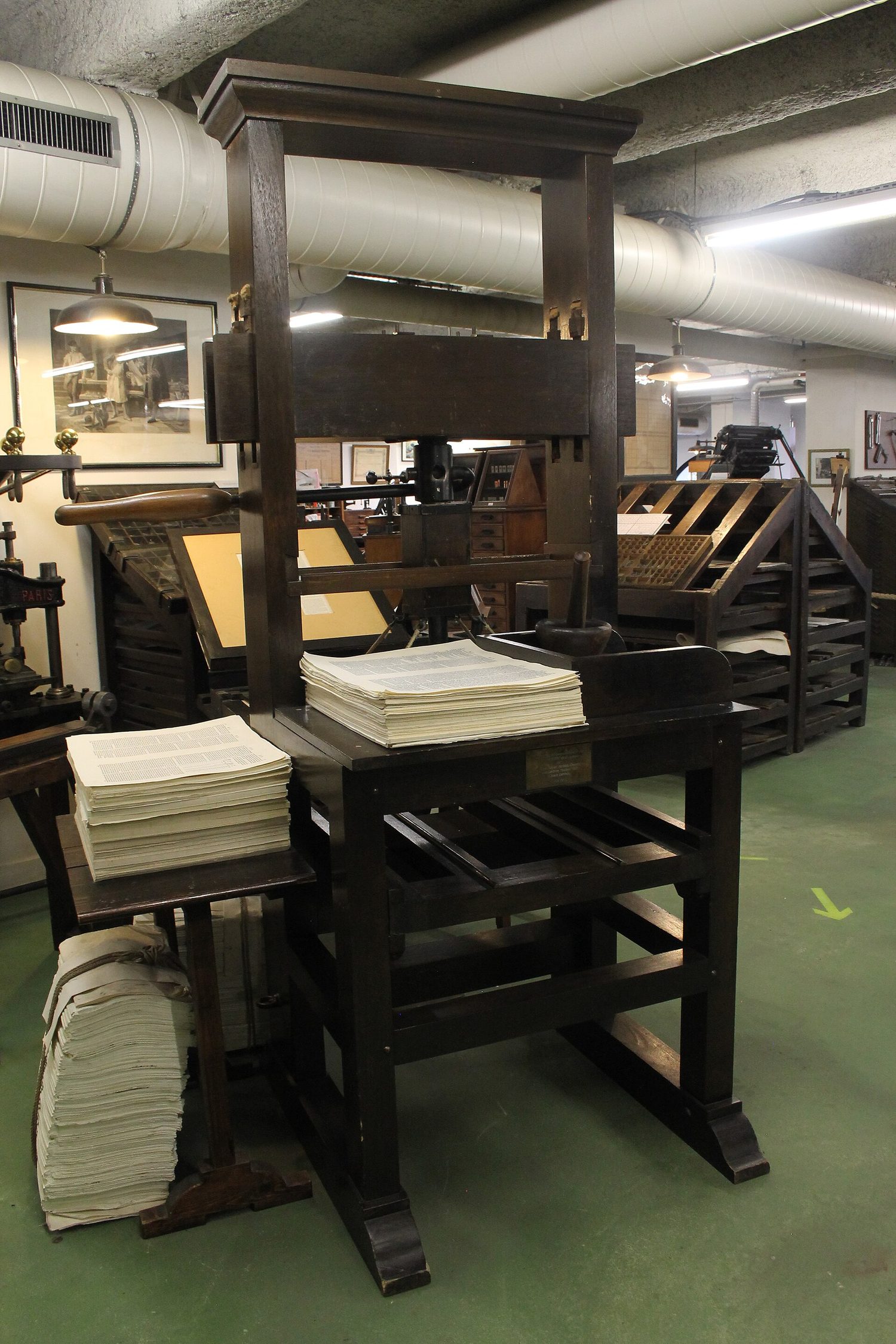
    The CED gives printing a topic of its own for a reason: the invention of printing promoted the dissemination of new ideas.

    Printing is best understood as an amplifier rather than a cause. It did not create humanism, religious dissent, or political argument - but it changed their speed, reach, and cost, which is what allowed ideas to escape the control of the institutions that had previously governed which texts circulated.

    العربية

    CED يعطي الطباعة موضوعاً خاصاً لسبب: اختراع الطباعة عزز انتشار الأفكار الجديدة.

    أفضل فهم للطباعة هو أنها مضخم بدلاً من سبب. لم تخلق الإنسانية، أو Dissent الديني، أو الجدال السياسي - لكنها غيرت سرعتها ووصولها وتكلفتها، وهو ما سمح للأفكار بالخروج من سيطرة المؤسسات التي كانت تحكم سابقاً أي نصوص تنتشر.

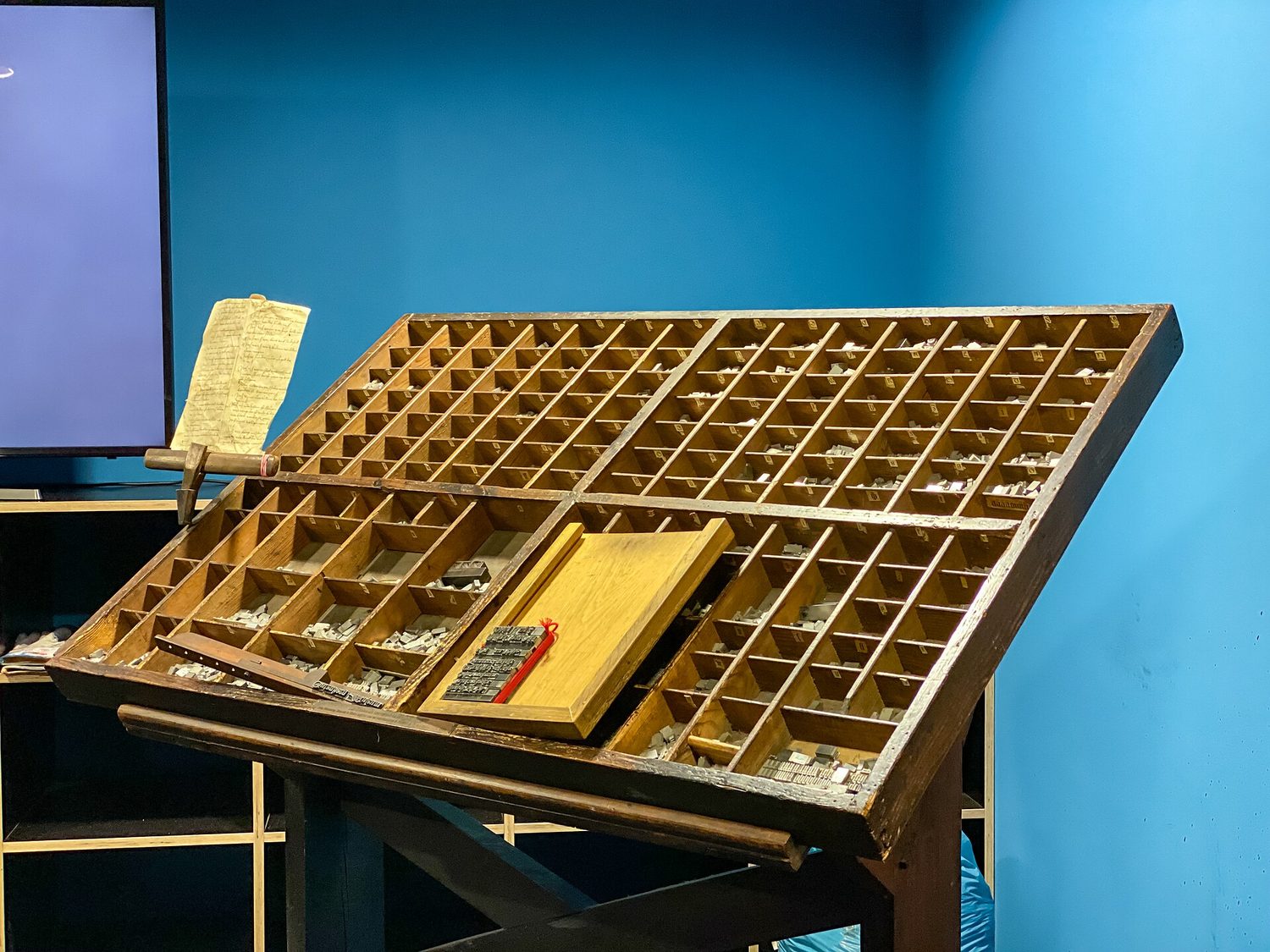
    الطباعة ضاعفت الأفكار بدلاً من تزويد بها - لا يعمل عامل واحد وحده
    آلة مطبوعة يدوية من تصميم غوتنبرغ - الآلة وراء المضخم
    صندوق نوع المكون - القطع القابلة لإعادة الاستخدام التي جعلت النسخ المتطابقة رخيصة
    1.5

    New Monarchies · ⁨الممالك الجديدة⁩

    Syllabus · ⁨المنهج⁩
    English

    1.5 New Monarchies

    Thematic Focus (SOP): States and Other Institutions of Power — European states and nations developed governmental and civil institutions from 1450 to the present to organize society and consolidate political power, with a variety of social, cultural, and economic effects.

    Learning Objective Unit 1.F: Explain the causes and effects of the development of political institutions from 1450 to 1648.

    • KC-1.2.II.A Monarchs and princes, including the English rulers Henry VIII and Elizabeth I, initiated religious reform from the top down in an effort to exercise greater control over religious life and morality.
    • KC-1.5.I.A New monarchies laid the foundation for the centralized modern state by establishing monopolies on tax collection, employing military force, dispensing justice, and gaining the right to determine the religion of their subjects.
    • KC-1.5.I.C Across Europe, commercial and professional groups gained in power and played a greater role in political affairs.
    • KC-1.5.I.D Continued political fragmentation in Renaissance Italy provided a background for the development of new concepts of the secular state.

    Illustrative examples:

    • State actions to control religion and morality:
      • Spanish Inquisition
      • Concordat of Bologna
      • Book of Common Prayer
      • Peace of Augsburg
    • Monarchical control:
      • Ferdinand and Isabella of Spain consolidating control of the military
      • Star Chamber
      • Concordat of Bologna
      • Peace of Augsburg
      • Edict of Nantes
    • Commercial and professional groups that gained in power:
      • Merchants and financiers in Renaissance Italy and northern Europe
      • Nobles of the robe in France
    • Secular political theorists:
      • Jean Bodin
      • Hugo Grotius
      • Niccolò Machiavelli
    العربية

    1.5 الممالك الجديدة

    التركيز الموضوعي (SOP): الدول والمؤسسات الأخرى للسلطة — طورت الدول الأوروبية والأمم مؤسسات حكومية ومدنية من عام 1450 إلى الوقت الحاضر لتنظيم المجتمع وتجميع السلطة السياسية، مع تأثيرات اجتماعية وثقافية واقتصادية متنوعة.

    هدف التعلم الوحدة 1.F: اشرح أسباب ونتائج تطور المؤسسات السياسية من عام 1450 إلى 1648.

    • KC-1.2.II.A بدأ الملوك والأمراء، بما في ذلك الحكام الإنجليز هنري الثامن وإليزابيث الأولى، إصلاحاً دينياً من الأعلى سعياً منهم لممارسة سيطرة أكبر على الحياة الدينية والأخلاق.
    • KC-1.5.I.A وضعت الممالك الجديدة الأساس للدولة المركزية الحديثة من خلال إنشاء احتكارات على جمع الضرائب، واستخدام القوة العسكرية، وتطبيق العدالة، والحصول على الحق في تحديد دين رعاياها.
    • KC-1.5.I.C عبر أوروبا، اكتسبت المجموعات التجارية والمهنية قوة أكبر وشاركت بدور أكبر في الشؤون السياسية.
    • KC-1.5.I.D وفر التفكك السياسي المستمر في إيطاليا الرنسانسية خلفية لتطوير مفاهيم جديدة للدولة العلمانية.

    أمثلة توضيحية:

    • إجراءات الدولة للسيطرة على الدين والأخلاق:
      • المحاكم الإسبانية المقدسة
      • اتفاقية بولونيا
      • كتاب الصلاة المشترك
      • صلح أوغسبورغ
    • التحكم الملكي:
      • فرديناند وإيزابيل من إسبانيا يجمعان سيطرة الجيش
      • المحكمة النجمية
      • اتفاقية بولونيا
      • صلح أوغسبورغ
      • مرسوم نانت
    • مجموعات تجارية ومهنية اكتسبت قوة:
      • التجار والممولون في إيطاليا الرنسانسية وأوروبا الشمالية
      • نبلاء القماش في فرنسا
    • مفكرون سياسيون علمانيون:
      • جان بودين
      • هوجو غروتيوس
      • نيكولو ماكيافيلي

    Source: College Board AP Course and Exam Description · ⁨المصدر: وصف دورة وامتحان College Board AP⁩

    English

    The new monarchies 新君主国 laid the foundation for the centralised modern state by:

    • establishing monopolies on tax collection 征税垄断权;
    • employing military force 军事力量 under royal control;
    • and taking increasing control of law and administration.

    Two counterweights are also examinable. Commercial and professional groups gained power across Europe and played a greater role in political affairs. And continued political fragmentation in Renaissance Italy provided the background for new concepts of the secular state 世俗国家 - the theory came from the place where centralisation had failed, not succeeded.

    Some monarchs, including Henry VIII and Elizabeth I, also initiated religious reform from the top down to strengthen royal control - a point that belongs to both this unit and the next.

    العربية

    الممالك الجديدة وضعت الأساس للدولة الحديثة المركزية من خلال:

    • إنشاء امتيازات لجمع الضرائب;
    • استخدام القوة العسكرية تحت سيطرة ملكية;
    • وأخذ سيطرة متزايدة على القانون والإدارة.

    وزنين مضادين قابلين للفحص أيضاً. جماعات تجارية ومهنية اكتسبت سلطة عبر أوروبا ولعبت دوراً أكبر في الشؤون السياسية. والتفكك السياسي المستمر في إيطاليا الريفنايسان丝 قدم خلفية لمفاهيم جديدة عن الدولة العلمانية - جاءت النظرية من المكان الذي فشلت فيه المركزية، وليس نجحت فيه.

    بعض الملوك، بما في ذلك هنري الثامن وإليزابيث الأولى، أيضاً بدأوا الإصلاح الديني من الأعلى إلى الأسفل لتعزيز السيطرة الملكية - نقطة تنتمي لكل من هذه الوحدة والوحدة التالية.

    ما الذي يجعل المملكة 'جديدة': أربعة أدوات، كل منها مأخوذ من شخص محدد
    Explore · ⁨استكشف⁩

    Sort each instrument, and say who lost by it · ⁨صنّف كل أداة، وقل من خسر بها⁩

    Centralisation is a transfer. Name who lost the power the crown gained and the claim stops being a description. · ⁨اللامركزية هي نقل. سمّ من خسر السلطة التي اكتسبتها التاج وكيف توقف الادعاء عن كونه وصفاً.⁩

    Vocabulary · ⁨مفردات⁩ Train · ⁨تدريب⁩
    English العربية
    rediscovery of classical works/ˌriːdɪˈskʌvəri ɒv ˈklæsɪkl wɜːks/ إعادة اكتشاف الأعمال الكلاسيكية
    Indigenous populations/ɪnˈdɪdʒənəs ˌpɒpjʊˈleɪʃnz/ السكان الأصليون
    commercial and agricultural capitalism/kəˈmɜːʃl ænd ˌæɡrɪˈkʌltʃərəl ˈkæpɪtəlɪzəm/ الرأسمالية التجارية والزراعية
    struggle for sovereignty/ˈstrʌɡl fɔː ˈsɒvərɪnti/ النضال من أجل السيادة
    Italian Renaissance humanists/ɪˈtælɪən rɪˈneɪsəns ˈhjuːmənɪsts/ إنسانيو النهضة الإيطالية
    Petrarch/ˈpetrɑːk/ بيترارك
    philological/ˌfɪləˈlɒdʒɪkl/ لغوي
    printing press/ˈprɪntɪŋ pres/ آلة الطباعة
    civic humanism/ˈsɪvɪk ˈhjuːmənɪzəm/ الإنسانية المدنية
    enhancing their prestige/enˈhænsɪŋ ðeə preˈstiːʒ/ تعزيز مكانتهم
    human-centred naturalism/ˈhjuːmən ˈsentəd ˈnætʃərəlɪzəm/ الإنسانية الطبيعية المتمحورة حول الإنسان
    Christian humanism/ˈkrɪstʃn ˈhjuːmənɪzəm/ الإنسانية المسيحية
    Erasmus/ɪˈræzməs/ إيراسموس
    religious reform/rɪˈlɪdʒəs rɪˈfɔːm/ الإصلاح الديني
    new monarchies/njuː ˈmɒnəkiz/ الممالك الجديدة
    monopolies on tax collection/məˈnɒpəliz ɒn tæks kəˈlekʃn/ امتيازات تحصيل الضرائب
    employing military force/emˈplɔɪɪŋ ˈmɪlɪtəri fɔːs/ باستخدام القوة العسكرية
    secular state/ˈsekjʊlə steɪt/ دولة علمانية
    mercantilism/ˈmɜːkæntəlɪzəm/ المركانتيلية
    Christianity was a stimulus/ˌkrɪstɪˈænɪti wʌzə ˈstɪmjʊləs/ كان المسيحية دافعاً
    through coercion and negotiation/θruː ˌkəʊˈɜːʃn ænd nɪˌɡəʊʃɪˈeɪʃn/ عبر الإكراه والتفاوض
    Columbian Exchange/kəˈlʌmbɪən eksˈtʃeɪndʒ/ التبادل الكولومبي
    plantation economy/plænˈteɪʃn ɪˈkɒnəmi/ اقتصاد المزارع
    Subsistence agriculture/sʌbˈsɪstəns ˈæɡrɪkʌltʃə/ الزراعة المعيشية
    three-crop rotation/θriː krɒp rəʊˈteɪʃn/ دورة ثلاث محاصيل
    two-crop rotation/tuː krɒp rəʊˈteɪʃn/ دورة مزدوجة للمحاصيل
    sanitation/ˌsænɪˈteɪʃn/ الصرف الصحي
    overpopulation/ˌəʊvəˌpɒpjʊˈleɪʃn/ الزيادة السكانية
    morality/mɒˈrælɪti/ الأخلاق
    money economy/ˈmʌni ɪˈkɒnəmi/ اقتصاد النقود
    free peasantry/friː ˈpezəntri/ الفلاحون الأحرار
    serfdom was codified/ˈsɜːfdəm wɒz ˈkəʊdɪfaɪd/ تم تدوين عبودية القرويين
    revolt/rɪˈvəʊlt/ التمرد
    Little Ice Age/ˈlɪtl aɪs eɪdʒ/ العصر الجليدي الصغير
    1.6

    Technological Advances and the Age of Exploration · ⁨التقدم التكنولوجي وعصر الاستكشاف⁩

    Syllabus · ⁨المنهج⁩
    English

    1.6 Technological Advances and the Age of Exploration

    Thematic Focus (TSI): Technological and Scientific Innovation — Scientific and technological innovations have increased efficiency, improved daily life, and shaped human development and interactions, having both intended and unintended consequences.

    Learning Objective Unit 1.G: Explain the technological factors that facilitated European exploration and expansion from 1450 to 1648. THEMATIC FOCUS Interaction of Europe and the World INT Motivated by a variety of factors, Europe’s interaction with the world led to political, economic, social, and cultural exchanges that influenced both European and non-European societies. LEARNING OBJECTIVE

    • KC-1.3.II Advances in navigation, cartography, and military technology enabled Europeans to establish overseas colonies and empires. HISTORICAL DEVELOPMENTS

    Learning Objective Unit 1.H: Explain the motivations for and effects of European exploration and expansion from 1450 to 1648.

    • KC-1.3.I.A European states sought direct access to gold, spices, and luxury goods to enhance personal wealth and state power.
    • KC-1.3.I.B The rise of mercantilism gave the state a new role in promoting commercial development and the acquisition of colonies overseas.
    • KC-1.3.I.C Christianity was a stimulus for exploration as governments and religious authorities sought to spread the faith, and for some it served as a justification for the subjugation of indigenous civilizations.

    Illustrative examples:

    • Navigational technology:
      • Compass
      • Sternpost rudder
      • Portolani
      • Quadrant and astrolabe
      • Lateen rig
    • Military technology:
      • Guns and gunpowder
    • States seeking access to luxury goods:
      • Spanish in the New World
      • Portuguese in the Indian Ocean World
      • Dutch in the East Indies/Asia
    • Mercantilist policies employed by the state:
      • Jean-Baptiste Colbert
    • Religion and exploration:
      • Jesuit activities
    العربية

    1.6 التقدم التكنولوجي وعصر الاستكشاف

    التركيز الموضوعي (TSI): الابتكار التكنولوجي والعلمي — أدت الابتكارات العلمية والتكنولوجية إلى زيادة الكفاءة، وتحسين الحياة اليومية، وتشكيل التطور البشري والتفاعلات البشرية، ولها عواقب مقصودة وغير مقصودة.

    هدف التعلم الوحدة 1.G: اشرح العوامل التكنولوجية التي سهّرت الاستكشاف الأوروبي والتوسع من عام 1450 إلى 1648. التركيز الموضوعي: تفاعل أوروبا والعالم دافعاً عن مجموعة متنوعة من العوامل، أدى تفاعل أوروبا مع العالم إلى تبادل سياسي واجتماعي وثقافي أثر في كل من المجتمعات الأوروبية وغير الأوروبية. هدف التعلم

    • KC-1.3.II مكّنت التقدم في الملاحة وخرائط الكارته والتكنولوجيا العسكرية الأوروبيين من تأسيس مستعمرات وإمبراطوريات ما وراء البحار. التطورات التاريخية

    هدف التعلم الوحدة 1.H: اشرح الدوافع والنتائج للاستكشاف والتوسع الأوروبي من عام 1450 إلى 1648.

    • KC-1.3.I.A سعت الدول الأوروبية للحصول على وصول مباشر إلى الذهب والتوابل والسلع الفاخرة لتعزيز الثروة الشخصية وسلطة الدولة.
    • KC-1.3.I.B أتاح صعود الميركانتيلية للدولة دوراً جديداً في تعزيز التنمية التجارية واكتساب المستعمرات ما وراء البحار.
    • KC-1.3.I.C كان المسيحية محفزاً للاستكشاف حيث سعت الحكومات والسلطات الدينية إلى نشر الدين، وبالنسبة للبعض خدمت كتبرير لاستعباد الحضارات الأصلية.

    أمثلة توضيحية:

    • تكنولوجيا الملاحة:
      • البوصلة
      • مجاذيف الذيل
      • الخرائط البحرية (بولوتاني)
      • الربع والنجوم
      • الإبحار الشراعي الثلاثي الأضلاع
    • التكنولوجيا العسكرية:
      • البنادق والبارود
    • دول تسعى للوصول إلى السلع الفاخرة:
      • الإسبان في العالم الجديد
      • البرتغاليون في عالم المحيط الهندي
      • الهولنديون في جزر الهند الشرقية/آسيا
    • سياسات ميركانتالية استخدمتها الدولة:
      • جان باتيست كولبير
    • الدين والاستكشاف:
      • أنشطة اليسوعيين

    Source: College Board AP Course and Exam Description · ⁨المصدر: وصف دورة وامتحان College Board AP⁩

    English

    Advances in navigation, cartography, and military technology enabled Europeans to establish overseas colonies and empires. Technology is the enabling condition; the CED then gives the motives separately:

    • European states sought direct access to gold, spices, and luxury goods to enhance personal wealth and state power.
    • The rise of mercantilism 重商主义 gave the state a new role in promoting commercial development and acquiring colonies.
    • Christianity was a stimulus 宗教动因 for exploration, as governments and religious authorities sought to spread the faith - and for some it also served as a justification.

    Keep enabling conditions and motives in separate categories. A question asking "why" wants motives; a question asking "how it became possible" wants the technology.

    العربية

    التقدم في الملاحة، الخرائط، والتكنولوجيا العسكرية مكن الأوروبيين من إنشاء مستعمرات وإمبراطوريات عبر البحار. التكنولوجيا هي الشرط المُمَكّن؛CED يعطي الحوافز بشكل منفصل بعد ذلك:

    • سعت الدول الأوروبية إلى الحصول المباشر على الذهب والتوابل والسلع الفاخرة لتعزيز الثروة الشخصية وسلطة الدولة.
    • صعود المركانتيلية أعطى الدولة دوراً جديداً في تعزيز التنمية التجارية واكتساب المستعمرات.
    • المسيحية كانت دافعاً للاستكشاف، حيث سعت الحكومات والسلطات الدينية إلى نشر الدين - وبالنسبة للبعض خدمت أيضاً كتبرير.

    حافظ على الشروط المُمَكِنة والحوافز في فئات منفصلة. سؤال يسأل "لماذا" يريد الحوافز؛ سؤال يسأل "كيف أصبح ممكناً" يريد التكنولوجيا.

    1.7

    Rivals on the World Stage · ⁨المنافسون على المسرح العالمي⁩

    Syllabus · ⁨المنهج⁩
    English

    1.7 Rivals on the World Stage

    Thematic Focus (ECD): Economic and Commercial Developments — Economic development, especially the development of capitalism, played an important role in Europe’s history, often having significant social, political, and cultural effects.

    Learning Objective Unit 1.I: Explain how and why trading networks and colonial expansion affected relations between and among European states.

    • KC-1.3.III Europeans established overseas empires and trade networks through coercion and negotiation.
      • KC-1.3.III.B The Spanish established colonies across the Americas, the Caribbean, and the Pacific, which made Spain a dominant state in Europe in the 16th century.
      • KC-1.3.III.C The Atlantic nations of France, England, and the Netherlands followed by establishing their own colonies and trading networks to compete with Portuguese and Spanish dominance in the 17th century.
      • KC-1.3.III.D The competition for trade led to conflicts and rivalries among European powers in the 17th and 18th centuries.

    Illustrative examples:

    • Colonial conflicts and rivalries:
      • Asiento
      • War of the Spanish Succession
      • Seven Years’ War
      • Treaty of Tordesillas
    العربية

    1.7 المنافسون على المسرح العالمي

    التركيز الموضوعي (ECD): التطورات الاقتصادية والتجارية — لعب التطور الاقتصادي، لا سيما تطور الرأسمالية، دورًا مهمًا في تاريخ أوروبا، وغالبًا ما كان له تأثيرات اجتماعية وسياسية وثقافية كبيرة.

    هدف التعلم الوحدة 1.I: اشرح كيف ولماذا أثرت شبكات التجارة والتوسع الاستعماري على العلاقات بين وبين الدول الأوروبية.

    • KC-1.3.III أسس الأوروبيون إمبراطوريات ما وراء البحار وشبكات التجارة من خلال القهر والتفاوض.
      • KC-1.3.III.B أسست إسبانيا مستعمرات عبر الأمريكتين، ومنطقة البحر الكاريبي، والمحيط الهادئ، مما جعلها دولة مسيطرة في أوروبا في القرن 16.
      • KC-1.3.III.C اتبعت الدول الأوروبية في الأطلسي، مثل فرنسا وإنجلترا وهولندا، إنشاء مستعمراتها وشبكات تجارتها الخاصة للتنافس مع هيمنة البرتغال وإسبانيا في القرن 17.
      • KC-1.3.III.D أدّت المنافسة التجارية إلى صراعات وتنافسات بين القوى الأوروبية في القرنين 17 و18.

    أمثلة توضيحية:

    • الصراعات والاستكشافات الاستعمارية:
      • أسينتو
      • حرب الخلافة الإسبانية
      • حرب السنوات السبع
      • معاهدة توردسياس

    Source: College Board AP Course and Exam Description · ⁨المصدر: وصف دورة وامتحان College Board AP⁩

    English

    Europeans established overseas empires and trade networks through coercion and negotiation 强制与谈判 - both, not one. Where local states were strong, Europeans negotiated for trading rights; where they were not, coercion followed.

    Competition among European states for these networks reshaped relations at home. Commercial rivalry became a standing cause of European war, which is a continuity that runs all the way to Unit 7.

    العربية

    أ建立了 الأوروبيون إمبراطوريات عبر البحار وشبكات التجارة من خلال الإكراه والتفاوض - كلاهما، ليس واحداً. حيث كانت الدول المحلية قوية، تفاوض الأوروبيون للحصول على حقوق التجارة؛ حيث لم يكونوا كذلك، تبع الإكراه.

    المنافسة بين الدول الأوروبية على هذه الشبكات أعادت تشكيل العلاقات في الداخل. أصبحت المنافسة التجارية سبباً دائماً للحروب الأوروبية، وهو استمرارية تمتد حتى الوحدة 7.

    1.8

    Colonial Expansion and Columbian Exchange · ⁨التوسع الاستعماري والتبادل الكولومبي⁩

    Syllabus · ⁨المنهج⁩
    English

    1.8 Colonial Expansion and Columbian Exchange

    Thematic Focus (ECD): Economic and Commercial Developments — Economic development, especially the development of capitalism, played an important role in Europe’s history, often having significant social, political, and cultural effects.

    Thematic Focus (INT): Interaction of Europe and the World — Motivated by a variety of factors, Europe’s interaction with the world led to political, economic, social, and cultural exchanges that influenced both European and non-European societies.

    Learning Objective Unit 1.J: Explain the economic impact of European colonial expansion and development of trade networks.

    • KC-1.3.III.A The Portuguese established a commercial network along the African coast, in South and East Asia, and in South America in the late 15th and throughout the 16th centuries.
    • KC-1.3.IV.i Europe’s colonial expansion led to a global exchange of goods, flora, and fauna; a shift toward European dominance; and the expansion of the trade in enslaved persons.
    • KC-1.3.IV.A The exchange of goods shifted the center of economic power in Europe from the Mediterranean to the Atlantic states and brought the latter into an expanding world economy.
    • KC-1.3.IV.B.i The exchange of new plants, animals, and diseases—the Columbian Exchange—created economic opportunities for Europeans.

    Learning Objective Unit 1.K: Explain the social and cultural impact of European colonial expansion and development of trade networks.

    • KC-1.3.IV.ii Europe’s colonial expansion led to a global exchange of goods, flora, fauna, cultural practices, and diseases, resulting in the destruction of some indigenous civilizations, a shift toward European dominance, and the expansion of the trade in enslaved persons.
    • KC-1.3.IV.B.ii The exchange of new plants, animals, and diseases—the Columbian Exchange—in some cases facilitated European subjugation and destruction of indigenous peoples, particularly in the Americas.

    Illustrative examples:

    • Important Atlantic port cities:
      • London
      • Bristol
      • Amsterdam
      • Antwerp
    • New plants, animals, and diseases (from Europe to the Americas):
      • Wheat
      • Cattle
      • Horses
      • Pigs
      • Sheep
      • Smallpox
      • Measles
    • New plants, animals, and diseases (from the Americas to Europe):
      • Tomatoes
      • Potatoes
      • Squash
      • Corn
      • Tobacco
      • Turkeys
    العربية

    1.8 التوسع الاستعماري والتبادل الكولومبي

    التركيز الموضوعي (ECD): التطورات الاقتصادية والتجارية — لعب التطور الاقتصادي، لا سيما تطور الرأسمالية، دورًا مهمًا في تاريخ أوروبا، وغالبًا ما كان له تأثيرات اجتماعية وسياسية وثقافية كبيرة.

    **التركيز الموضوعي (INT): تفاعل أوروبا والعالم—أدى تفاعل أوروبا مع العالم، بدافع مجموعة متنوعة من العوامل، إلى تبادل سياسي واقتصادي واجتماعي وثقافي أثر في كل من المجتمعات الأوروبية وغير الأوروبية.

    هدف التعلم الوحدة 1.J: اشرح الأثر الاقتصادي للتوسع الاستعماري الأوروبي وتطور شبكات التجارة.

    • KC-1.3.III.A أسست البرتغال شبكة تجارية على طول الساحل الأفريقي، وجنوب شرق آسيا، وجنوب أمريكا في أواخر القرن 15 طوال القرن 16.
    • KC-1.3.IV.i أدى التوسع الاستعماري الأوروبي إلى تبادل عالمي للسلع والنباتات والحيوانات؛ وانحياز نحو الهيمنة الأوروبية؛ وتوسيع تجارة العبيد.
    • KC-1.3.IV.A نقل التبادل التجاري لمركز القوة الاقتصادية في أوروبا من حوض البحر الأبيض المتوسط إلى الدول المطلة على المحيط الأطلسي وأدخل تلك الأخيرة في اقتصاد عالمي متوسع.
    • KC-1.3.IV.B.i خلق تبادل النباتات والحيوانات والأمراض الجديدة—التبادل الكولومبي—فرص اقتصادية للأوروبيين.

    هدف التعلم الوحدة 1.K: اشرح الأثر الاجتماعي والثقافي للتوسع الاستعماري الأوروبي وتطور شبكات التجارة.

    • KC-1.3.IV.ii أدى التوسع الاستعماري الأوروبي إلى تبادل عالمي للسلع والنباتات والحيوانات والممارسات الثقافية والأمراض، مما نتج عنه تدمير بعض الحضارات الأصلية، وانحياز نحو الهيمنة الأوروبية، وتوسيع تجارة العبيد.
    • KC-1.3.IV.B.ii ساهم تبادل النباتات والحيوانات والأمراض الجديدة—التبادل الكولومبي—في بعض الحالات في خضوع شعوب أصلية وتدميرها، لا سيما في الأمريكتين.

    أمثلة توضيحية:

    • مدن الموانئ المهمة في المحيط الأطلسي:
      • لندن
      • بريستول
      • أمستردام
      • أنتويرب
    • نباتات وحيوانات وأمراض جديدة (من أوروبا إلى الأمريكتين):
      • القمح
      • الماشية
      • الخيول
      • الخنازير
      • الأغنام
      • الجدري الصغير
      • الحصبة
    • نباتات وحيوانات وأمراض جديدة (من الأمريكتين إلى أوروبا):
      • الطماطم
      • البطاطا
      • اليقطين
      • الذرة
      • التبغ
      • الدجاج الهندي

    Source: College Board AP Course and Exam Description · ⁨المصدر: وصف دورة وامتحان College Board AP⁩

    English

    The Portuguese established a commercial network along the African coast and in South and East Asia in the late fifteenth and sixteenth centuries; other states followed.

    The Columbian Exchange 哥伦布大交换 - the exchange of new plants, animals, and diseases - is presented by the CED with deliberate double vision, and both halves are examinable:

    • It created economic opportunities for Europeans.
    • It facilitated European subjugation and the destruction of Indigenous societies, chiefly through disease.

    Economically, the exchange of goods shifted the centre of economic power in Europe from the Mediterranean to the Atlantic states. That shift explains why the leading powers of Unit 3 are not the leading powers of Unit 1.

    العربية

    البرتغاليون أنشأوا شبكة تجارية على طول الساحل الأفريقي وجنوب وشرق آسيا في أواخر القرن الخامس عشر والسادس عشر؛ اتبعتهم دول أخرى.

    التبادل الكولومبي - تبادل النباتات والحيوانات والأمراض الجديدة - يقدمهCED مع رؤية مزدوجة مقصودة، وكلا الجانبين قابلان للفحص:

    • أنه خلق فرص اقتصادية للأوروبيين.
    • أنه سهّل خضوع الأوروبيين وتدمير المجتمعات الأصلية، بشكل رئيسي من خلال الأمراض.

    من الناحية الاقتصادية، أدى تبادل البضائع إلى نقل مركز القوة الاقتصادية في أوروبا من حوض البحر المتوسط إلى دول المحيط الأطلسي. يفسر هذا التحول لماذا لا تمثل القوى الرائدة في الوحدة 3 نفس القوى الرائدة في الوحدة 1.

    لماذا غادرت القوة الاقتصادية حوض البحر المتوسط - إن التحول ادعاء نسبي
    Explore · ⁨استكشف⁩

    Follow economic power out of the Mediterranean · ⁨تابع القوة الاقتصادية خارج البحر المتوسط⁩

    A shift is a relative claim: the Italian cities did not shrink, the share moved. · ⁨الإزاحة ادعاء نسبي: لم تنكمش المدن الإيطالية، بل انتقلت الحصة.⁩

    1.9

    The Slave Trade · ⁨تجارة العبيد⁩

    Syllabus · ⁨المنهج⁩
    English

    1.9 The Slave Trade

    Thematic Focus (INT): Interaction of Europe and the World — Motivated by a variety of factors, Europe’s interaction with the world led to political, economic, social, and cultural exchanges that influenced both European and non-European societies.

    Learning Objective Unit 1.L: Explain the causes for and the development of the slave trade.

    • KC-1.3.IV.C Europeans expanded the trade of enslaved Africans in response to the establishment of a plantation economy in the Americas and demographic catastrophes among indigenous peoples.

    Illustrative examples:

    • Slave trade developments:
      • Middle Passage
      • Planter society
    العربية

    1.9 تجارة الرقيق

    **التركيز الموضوعي (INT): تفاعل أوروبا والعالم—أدى تفاعل أوروبا مع العالم، بدافع مجموعة متنوعة من العوامل، إلى تبادل سياسي واقتصادي واجتماعي وثقافي أثر في كل من المجتمعات الأوروبية وغير الأوروبية.

    هدف التعلم الوحدة 1.L: اشرح أسباب وتطور تجارة الرقيق.

    • KC-1.3.IV.C وسّع الأوروبيون تجارة العبيد الأفارقة استجابةً لتأسيس نظام مزارع في الأمريكتي والكوارث الديموغرافية التي لحقت بالشعوب الأصلية.

    أمثلة توضيحية:

    • تطورات تجارة الرقيق:
      • العبور الأوسط
      • مجتمع المزارعين

    Source: College Board AP Course and Exam Description · ⁨المصدر: وصف دورة وامتحان College Board AP⁩

    English

    Europeans expanded the trade of enslaved Africans in response to the establishment of a plantation economy 种植园经济 in the Americas and to demographic collapse among Indigenous populations.

    The causal chain is explicit in the CED and should be reproduced as a chain: plantation agriculture demanded labour on a scale the Americas' devastated population could not supply, and that demand was met by an expanded Atlantic trade in enslaved people.

    العربية

    وسّع الأوروبيون تجارة الأفارقة المستعبدين استجابةً لتأسيس اقتصاد مزارع في الأمريكتين ولانهيار ديموغرافي بين السكان الأصليين.

    سلسلة الأسباب صريحة في CED ويجب إعادة إنتاجها كسلسلة: زراعة المزارع تطلبت عمالة على نطاق لم تستطع سكان الأمريكتين المتضررين تزويدها، وتم تلبية هذه الطلبات من خلال توسيع التجارة الأطلسية في الأشخاص المستعبدين.

    1.4 1.5 1.10

    How Most Europeans Actually Lived · ⁨كيف عاش معظم الأوروبيين فعليًا⁩

    Syllabus · ⁨المنهج⁩
    English

    1.4 Printing

    Thematic Focus (TSI): Technological and Scientific Innovation — Scientific and technological innovations have increased efficiency, improved daily life, and shaped human development and interactions, having both intended and unintended consequences.

    Learning Objective Unit 1.E: Explain the influence of the printing press on cultural and intellectual developments in modern European history.

    • KC-1.1.II The invention of printing promoted the dissemination of new ideas.
      • KC-1.1.II.A The invention of the printing press in the 1450s helped spread the Renaissance beyond Italy and encouraged the growth of vernacular literature, which would eventually contribute to the development of national cultures.
    العربية

    1.4 الطباعة

    التركيز الموضوعي (TSI): الابتكار التكنولوجي والعلمي — أدت الابتكارات العلمية والتكنولوجية إلى زيادة الكفاءة، وتحسين الحياة اليومية، وتشكيل التطور البشري والتفاعلات البشرية، ولها عواقب مقصودة وغير مقصودة.

    هدف التعلم الوحدة 1.E: اشرح تأثير آلة الطباعة على التطورات الثقافية والفكرية في التاريخ الأوروبي الحديث.

    • KC-1.1.II ساهمت اختراع الطباعة في نشر الأفكار الجديدة.
      • KC-1.1.II.A ساعد اختراع المطبعة في 1450s على نشر النهضة خارج إيطاليا وشجع نمو الأدب العامي، مما ساهم لاحقًا في تطوير الثقافات الوطنية.
    English

    1.5 New Monarchies

    Thematic Focus (SOP): States and Other Institutions of Power — European states and nations developed governmental and civil institutions from 1450 to the present to organize society and consolidate political power, with a variety of social, cultural, and economic effects.

    Learning Objective Unit 1.F: Explain the causes and effects of the development of political institutions from 1450 to 1648.

    • KC-1.2.II.A Monarchs and princes, including the English rulers Henry VIII and Elizabeth I, initiated religious reform from the top down in an effort to exercise greater control over religious life and morality.
    • KC-1.5.I.A New monarchies laid the foundation for the centralized modern state by establishing monopolies on tax collection, employing military force, dispensing justice, and gaining the right to determine the religion of their subjects.
    • KC-1.5.I.C Across Europe, commercial and professional groups gained in power and played a greater role in political affairs.
    • KC-1.5.I.D Continued political fragmentation in Renaissance Italy provided a background for the development of new concepts of the secular state.

    Illustrative examples:

    • State actions to control religion and morality:
      • Spanish Inquisition
      • Concordat of Bologna
      • Book of Common Prayer
      • Peace of Augsburg
    • Monarchical control:
      • Ferdinand and Isabella of Spain consolidating control of the military
      • Star Chamber
      • Concordat of Bologna
      • Peace of Augsburg
      • Edict of Nantes
    • Commercial and professional groups that gained in power:
      • Merchants and financiers in Renaissance Italy and northern Europe
      • Nobles of the robe in France
    • Secular political theorists:
      • Jean Bodin
      • Hugo Grotius
      • Niccolò Machiavelli
    العربية

    1.5 الممالك الجديدة

    التركيز الموضوعي (SOP): الدول والمؤسسات الأخرى للسلطة — طورت الدول الأوروبية والأمم مؤسسات حكومية ومدنية من عام 1450 إلى الوقت الحاضر لتنظيم المجتمع وتجميع السلطة السياسية، مع تأثيرات اجتماعية وثقافية واقتصادية متنوعة.

    هدف التعلم الوحدة 1.F: اشرح أسباب ونتائج تطور المؤسسات السياسية من عام 1450 إلى 1648.

    • KC-1.2.II.A بدأ الملوك والأمراء، بما في ذلك الحكام الإنجليز هنري الثامن وإليزابيث الأولى، إصلاحاً دينياً من الأعلى سعياً منهم لممارسة سيطرة أكبر على الحياة الدينية والأخلاق.
    • KC-1.5.I.A وضعت الممالك الجديدة الأساس للدولة المركزية الحديثة من خلال إنشاء احتكارات على جمع الضرائب، واستخدام القوة العسكرية، وتطبيق العدالة، والحصول على الحق في تحديد دين رعاياها.
    • KC-1.5.I.C عبر أوروبا، اكتسبت المجموعات التجارية والمهنية قوة أكبر وشاركت بدور أكبر في الشؤون السياسية.
    • KC-1.5.I.D وفر التفكك السياسي المستمر في إيطاليا الرنسانسية خلفية لتطوير مفاهيم جديدة للدولة العلمانية.

    أمثلة توضيحية:

    • إجراءات الدولة للسيطرة على الدين والأخلاق:
      • المحاكم الإسبانية المقدسة
      • اتفاقية بولونيا
      • كتاب الصلاة المشترك
      • صلح أوغسبورغ
    • التحكم الملكي:
      • فرديناند وإيزابيل من إسبانيا يجمعان سيطرة الجيش
      • المحكمة النجمية
      • اتفاقية بولونيا
      • صلح أوغسبورغ
      • مرسوم نانت
    • مجموعات تجارية ومهنية اكتسبت قوة:
      • التجار والممولون في إيطاليا الرنسانسية وأوروبا الشمالية
      • نبلاء القماش في فرنسا
    • مفكرون سياسيون علمانيون:
      • جان بودين
      • هوجو غروتيوس
      • نيكولو ماكيافيلي
    English

    1.10 The Commercial Revolution

    Thematic Focus (ECD): Economic and Commercial Developments — Economic development, especially the development of capitalism, played an important role in Europe’s history, often having significant social, political, and cultural effects.

    Thematic Focus (SCD): Social Organization and Development — Economic, political, and cultural factors have influenced the form and status of family, class, and social groups in European history, which has, in turn, affected both the individual and society.

    Learning Objective Unit 1.M: Explain European commercial and agricultural developments and their economic effects from 1450 to 1648.

    • KC-1.4.I.A Innovations in banking and finance promoted the growth of urban financial centers and a money economy.
    • KC-1.4.II Most Europeans derived their livelihood from agriculture and oriented their lives around the seasons, the village, or the manor, although economic changes began to alter rural production and power.
      • KC-1.4.II.A Subsistence agriculture was the rule in most areas, with three-crop field rotation in the north and two-crop rotation in the Mediterranean; in many cases, farmers paid rent and labor services for their lands.
      • KC-1.4.II.B The price revolution contributed to the accumulation of capital and the expansion of the market economy through the commercialization of agriculture, which benefited large landowners in western Europe.
      • KC-1.4.III.A Population recovered to its pre-Great Plague level in the 16th century, and continuing population pressures contributed to uneven price increases; agricultural commodities increased more sharply than wages, reducing living standards for some.

    Learning Objective Unit 1.N: Explain European commercial and agricultural developments and their social effects from 1450 to 1648.

    • KC-1.4.I Economic change produced new social patterns, while traditions of hierarchy and status continued.
      • KC-1.4.I.B The growth of commerce produced a new economic elite, which related to traditional land-holding elites in different ways in Europe’s various geographic regions.
    • KC-1.4.II.C As western Europe moved toward a free peasantry and commercial agriculture, serfdom was codified in the east, where nobles continued to dominate economic life on large estates.
    • KC-1.4.II.D The attempts of landlords to increase their revenues by restricting or abolishing the traditional rights of peasants led to revolt.
    • KC-1.4.III.B Migrants to the cities challenged the ability of merchant elites and craft guilds to govern, and strained resources.
    • KC-1.4.IV.C From the late 16th century on, Europeans responded to economic and environmental challenges, such as the Little Ice Age, by delaying marriage and childbearing. This European marriage pattern restrained population growth and ultimately improved the economic condition of families.

    Illustrative examples:

    • Innovations in banking and finance:
      • Double-entry bookkeeping
      • Bank of Amsterdam
      • The Dutch East India Company
      • The British East India Company
    • The commercialization of agriculture:
      • Enclosure movement
      • Restricted use of the village common
      • Freehold tenure
    • New economic elites:
      • Italian merchant princes
      • Nobles of the robe in France
    • The way new migrants challenged urban elites:
      • Sanitation problems caused by overpopulation
      • Employment
      • Poverty
      • Crime
    العربية

    1.10 الثورة التجارية

    التركيز الموضوعي (ECD): التطورات الاقتصادية والتجارية — لعب التطور الاقتصادي، لا سيما تطور الرأسمالية، دورًا مهمًا في تاريخ أوروبا، وغالبًا ما كان له تأثيرات اجتماعية وسياسية وثقافية كبيرة.

    التركيز الموضوعي (SCD): التنظيم الاجتماعي والتنمية — أثرت العوامل الاقتصادية والسياسية والثقافية على شكل ومكانة الأسرة والطبقة والمجموعات الاجتماعية في تاريخ أوروبا، مما أثر بدوره على الفرد والمجتمع.

    هدف التعلم الوحدة 1.M: اشرح التطورات التجارية والزراعية الأوروبية وتأثيراتها الاقتصادية من عام 1450 إلى 1648.

    • KC-1.4.I.A أدت الابتكارات في مجال البنوك والتمويل إلى نمو المراكز المالية الحضرية واقتصاد النقود.
    • KC-1.4.II استمد معظم الأوروبيين معيشاتهم من الزراعة ووجهوا حياتهم حول الفصول، أو القرية، أو الإقطاع، على الرغم من أن التغيرات الاقتصادية بدأت في تغيير الإنتاج والسلطة الريفية.
      • KC-1.4.II.A كانت الزراعة المعيشية هي السائد في معظم المناطق، مع نظام تدوير ثلاثي للمحاصيل في الشمال وتدور ثنائي في حوض البحر الأبيض المتوسط؛ وفي العديد من الحالات، دفع المزارعون إيجاراً وخدمات عمل مقابل أراضيهم.
      • KC-1.4.II.B ساهمت ثورة الأسعار في تراكم رأس المال وتوسع الاقتصاد التجاري من خلال تجنيد الزراعة، مما أتاح فوائد للملاك الكبار للأراضي في غرب أوروبا.
      • KC-1.4.III.A تعافت السكان إلى مستواهم قبل الطاعون العظيم في القرن 16، وساهمت ضغوط السكان المتزايدة في ارتفاع غير متساوٍ للأسعار؛ إذ ارتفعت سلع المحاصيل الزراعية بشكل حاد مقارنة بالأجور، مما قلل من مستوى المعيشة لبعض الفئات.

    هدف التعلم الوحدة 1.N: اشرح التطورات التجارية والزراعية الأوروبية وتأثيراتها الاجتماعية من عام 1450 إلى 1648.

    • KC-1.4.I أنتجت التغيرات الاقتصادية أنماطاً اجتماعية جديدة، بينما استمرت تقاليد الهيمنة والرتبة.
      • KC-1.4.I.B أدى نمو التجارة إلى ظهور نخبة اقتصادية جديدة، والتي ارتبطت بالنخبات التقليدية المالكة للأرض بطرق مختلفة في مختلف المناطق الجغرافية لأوروبا.
    • KC-1.4.II.C مع تحرك غرب أوروبا نحو فلاحية حرة وزراعة تجارية، تم تشريع العبودية في الشرق، حيث استمر النبلاء في الهيمنة على الحياة الاقتصادية في المزارع الكبيرة.
    • KC-1.4.II.D أدت محاولات ملاكي الأراضي لزيادة إيراداتهم عن طريق تقييد أو إلغاء الحقوق التقليدية للفلاحين إلى اندلاع الثورات.
    • KC-1.4.III.B تحدى المهاجرون إلى المدن قدرة النخب التجارية والنقابات الحرفية على الحكم، وضغطت على الموارد.
    • KC-1.4.IV.C بدءًا من أواخر القرن 16، استجاب الأوروبيون للتحديات الاقتصادية والبيئية، مثل العصر الجليدي الصغير، بالتأخر في الزواج والإنجاب. هذا النمط الأوروبي للزواج حدّ من نمو السكان وحسّن في النهاية الوضع الاقتصادي للأسر.

    أمثلة توضيحية:

    • ابتكارات في مجال البنوك والتمويل:
      • المحاسبة المزدوجة
      • بنك أمستردام
      • شركة الهند الشرقية الهولندية
      • شركة الهند الشرقية البريطانية
    • تجنيد الزراعة:
      • حركة الحصر (إغلاق الأراضي)
      • الاستخدام المقيد لمراعي القرية المشتركة
      • امتلاك حر للأرض
    • نخب اقتصادية جديدة:
      • أمراء التجار الإيطاليون
      • نبلاء القماش في فرنسا
    • الطريقة التي تحدى بها المهاجرون الجدد النخب الحضرية:
      • مشاكل الصرف الصحي الناتجة عن فرط الكثافة السكانية
      • فرص العمل
      • الفقر
      • الجريمة

    Source: College Board AP Course and Exam Description · ⁨المصدر: وصف دورة وامتحان College Board AP⁩

    English

    The Renaissance and the voyages are the visible half of this unit; the CED also asks for the economic base underneath them, because it is what the later units change.

    Subsistence agriculture 自给农业 was the rule almost everywhere: a family grew what it ate, with little surplus to sell. Land was worked in open fields and rotated to keep it fertile — a three-crop rotation 三圃轮作 in the north, where wetter summers allowed a spring sowing as well as an autumn one, and a two-crop rotation 二圃轮作 around the Mediterranean, where the dry summer forced half the land to lie fallow each year. Most peasants did not own the land; they paid rent to a landholder, in produce, in money, or in labour service.

    That base explains the fragility of the period: a single failed harvest meant famine, because there was almost no stored surplus and little trade in grain over long distances.

    Towns grew faster than they could cope. Urban populations rose through the sixteenth century, and sanitation 卫生 did not keep pace: waste ran in the streets, water was drawn from contaminated wells, and overpopulation 人口过剩 in the poorer quarters made epidemic disease spread quickly. Plague outbreaks stayed a recurring feature of European life for this whole period.

    States acted on religion and morality, not only on taxes. Governments and city councils regulated public behaviour: attendance at worship, permitted forms of belief, marriage, drinking, gambling and morality 道德 offences generally. This is worth remembering because it is the same instrument the confessional states of the next unit use on a larger scale — the machinery existed before the Reformation gave it a new purpose.

    العربية

    العصر النهضة والرحلات هي النصف الظاهر لهذه الوحدة؛ كما يطالب CED بالأساس الاقتصادي الكامن تحتهما، لأنه ما يُحدث التغيير في الوحدات اللاحقة.

    الزراعة المعيشية كانت القاعدة في كل مكان تقريبًا: حيث تنمو الأسرة ما تأكله، مع فائض ضئيل للبيع. كان تُعمل الأراضي في حقول مفتوحة وتُدار بالتناوب للحفاظ على خصوبتها — تناوب ثلاث محاصيل في الشمال، حيث سمحت صيفات رطبة بموسم زراعي في الربيع بالإضافة إلى موسم في الخريف، وتناوب محصّلين حول حوض البحر المتوسط، حيث أجبر الجفاف الصيفي نصف الأراضي على الاستراحة كل عام. لم يكن معظم الفلاحيين يملكون الأرض؛ بل كانوا يدفعون إيجارًا لمالك الأرض، سواء بالمنتجات أو بالنقود أو بخدمات العمل.

    يشرح هذا الأساس هشاشة تلك الفترة: ففشل محصول واحد تعني المجاعة، بسبب عدم وجود فائض مخزن تقريبًا وقلة التجارة في الحبوب لمسافات طويلة.

    نمت المدن أسرع مما استطاعت استيعابه. ارتفعت السكان الحضرية طوال القرن السادس عشر، ولم يتبعها تطوير النظافة العامة: حيث جرت النفايات في الشوارع، وكان يتم سحب المياه من آبار ملوثة، وأدى فرط الكثافة السكانية في الأحياء الفقيرة إلى انتشار الأمراض الوبائية بسرعة. ظلت تفشيات الطاعون سمة متكررة للحياة الأوروبية طوال تلك الفترة.

    تصرفت الدول بناءً على الدين والأخلاق، وليس فقط الضرائب. نظّمت الحكومات ومجالس المدن السلوك العام: الحضور في العبادة، الأشكال المسموح بها من العقائد، الزواج، الشرب، القمار، وجرائم الأخلاق بشكل عام. يستحق ذلك التذكر لأن نفس الآلية استخدمتها الدول التي تعتمد على الاعتراف في الوحدة التالية على نطاق أوسع — إذ كانت هذه الآليات موجودة قبل أن يمنح الإصلاح الدينيها غرضًا جديدًا.

    1.10

    The Commercial Revolution · ⁨الثورة التجارية⁩

    Syllabus · ⁨المنهج⁩
    English

    1.10 The Commercial Revolution

    Thematic Focus (ECD): Economic and Commercial Developments — Economic development, especially the development of capitalism, played an important role in Europe’s history, often having significant social, political, and cultural effects.

    Thematic Focus (SCD): Social Organization and Development — Economic, political, and cultural factors have influenced the form and status of family, class, and social groups in European history, which has, in turn, affected both the individual and society.

    Learning Objective Unit 1.M: Explain European commercial and agricultural developments and their economic effects from 1450 to 1648.

    • KC-1.4.I.A Innovations in banking and finance promoted the growth of urban financial centers and a money economy.
    • KC-1.4.II Most Europeans derived their livelihood from agriculture and oriented their lives around the seasons, the village, or the manor, although economic changes began to alter rural production and power.
      • KC-1.4.II.A Subsistence agriculture was the rule in most areas, with three-crop field rotation in the north and two-crop rotation in the Mediterranean; in many cases, farmers paid rent and labor services for their lands.
      • KC-1.4.II.B The price revolution contributed to the accumulation of capital and the expansion of the market economy through the commercialization of agriculture, which benefited large landowners in western Europe.
      • KC-1.4.III.A Population recovered to its pre-Great Plague level in the 16th century, and continuing population pressures contributed to uneven price increases; agricultural commodities increased more sharply than wages, reducing living standards for some.

    Learning Objective Unit 1.N: Explain European commercial and agricultural developments and their social effects from 1450 to 1648.

    • KC-1.4.I Economic change produced new social patterns, while traditions of hierarchy and status continued.
      • KC-1.4.I.B The growth of commerce produced a new economic elite, which related to traditional land-holding elites in different ways in Europe’s various geographic regions.
    • KC-1.4.II.C As western Europe moved toward a free peasantry and commercial agriculture, serfdom was codified in the east, where nobles continued to dominate economic life on large estates.
    • KC-1.4.II.D The attempts of landlords to increase their revenues by restricting or abolishing the traditional rights of peasants led to revolt.
    • KC-1.4.III.B Migrants to the cities challenged the ability of merchant elites and craft guilds to govern, and strained resources.
    • KC-1.4.IV.C From the late 16th century on, Europeans responded to economic and environmental challenges, such as the Little Ice Age, by delaying marriage and childbearing. This European marriage pattern restrained population growth and ultimately improved the economic condition of families.

    Illustrative examples:

    • Innovations in banking and finance:
      • Double-entry bookkeeping
      • Bank of Amsterdam
      • The Dutch East India Company
      • The British East India Company
    • The commercialization of agriculture:
      • Enclosure movement
      • Restricted use of the village common
      • Freehold tenure
    • New economic elites:
      • Italian merchant princes
      • Nobles of the robe in France
    • The way new migrants challenged urban elites:
      • Sanitation problems caused by overpopulation
      • Employment
      • Poverty
      • Crime
    العربية

    1.10 الثورة التجارية

    التركيز الموضوعي (ECD): التطورات الاقتصادية والتجارية — لعب التطور الاقتصادي، لا سيما تطور الرأسمالية، دورًا مهمًا في تاريخ أوروبا، وغالبًا ما كان له تأثيرات اجتماعية وسياسية وثقافية كبيرة.

    التركيز الموضوعي (SCD): التنظيم الاجتماعي والتنمية — أثرت العوامل الاقتصادية والسياسية والثقافية على شكل ومكانة الأسرة والطبقة والمجموعات الاجتماعية في تاريخ أوروبا، مما أثر بدوره على الفرد والمجتمع.

    هدف التعلم الوحدة 1.M: اشرح التطورات التجارية والزراعية الأوروبية وتأثيراتها الاقتصادية من عام 1450 إلى 1648.

    • KC-1.4.I.A أدت الابتكارات في مجال البنوك والتمويل إلى نمو المراكز المالية الحضرية واقتصاد النقود.
    • KC-1.4.II استمد معظم الأوروبيين معيشاتهم من الزراعة ووجهوا حياتهم حول الفصول، أو القرية، أو الإقطاع، على الرغم من أن التغيرات الاقتصادية بدأت في تغيير الإنتاج والسلطة الريفية.
      • KC-1.4.II.A كانت الزراعة المعيشية هي السائد في معظم المناطق، مع نظام تدوير ثلاثي للمحاصيل في الشمال وتدور ثنائي في حوض البحر الأبيض المتوسط؛ وفي العديد من الحالات، دفع المزارعون إيجاراً وخدمات عمل مقابل أراضيهم.
      • KC-1.4.II.B ساهمت ثورة الأسعار في تراكم رأس المال وتوسع الاقتصاد التجاري من خلال تجنيد الزراعة، مما أتاح فوائد للملاك الكبار للأراضي في غرب أوروبا.
      • KC-1.4.III.A تعافت السكان إلى مستواهم قبل الطاعون العظيم في القرن 16، وساهمت ضغوط السكان المتزايدة في ارتفاع غير متساوٍ للأسعار؛ إذ ارتفعت سلع المحاصيل الزراعية بشكل حاد مقارنة بالأجور، مما قلل من مستوى المعيشة لبعض الفئات.

    هدف التعلم الوحدة 1.N: اشرح التطورات التجارية والزراعية الأوروبية وتأثيراتها الاجتماعية من عام 1450 إلى 1648.

    • KC-1.4.I أنتجت التغيرات الاقتصادية أنماطاً اجتماعية جديدة، بينما استمرت تقاليد الهيمنة والرتبة.
      • KC-1.4.I.B أدى نمو التجارة إلى ظهور نخبة اقتصادية جديدة، والتي ارتبطت بالنخبات التقليدية المالكة للأرض بطرق مختلفة في مختلف المناطق الجغرافية لأوروبا.
    • KC-1.4.II.C مع تحرك غرب أوروبا نحو فلاحية حرة وزراعة تجارية، تم تشريع العبودية في الشرق، حيث استمر النبلاء في الهيمنة على الحياة الاقتصادية في المزارع الكبيرة.
    • KC-1.4.II.D أدت محاولات ملاكي الأراضي لزيادة إيراداتهم عن طريق تقييد أو إلغاء الحقوق التقليدية للفلاحين إلى اندلاع الثورات.
    • KC-1.4.III.B تحدى المهاجرون إلى المدن قدرة النخب التجارية والنقابات الحرفية على الحكم، وضغطت على الموارد.
    • KC-1.4.IV.C بدءًا من أواخر القرن 16، استجاب الأوروبيون للتحديات الاقتصادية والبيئية، مثل العصر الجليدي الصغير، بالتأخر في الزواج والإنجاب. هذا النمط الأوروبي للزواج حدّ من نمو السكان وحسّن في النهاية الوضع الاقتصادي للأسر.

    أمثلة توضيحية:

    • ابتكارات في مجال البنوك والتمويل:
      • المحاسبة المزدوجة
      • بنك أمستردام
      • شركة الهند الشرقية الهولندية
      • شركة الهند الشرقية البريطانية
    • تجنيد الزراعة:
      • حركة الحصر (إغلاق الأراضي)
      • الاستخدام المقيد لمراعي القرية المشتركة
      • امتلاك حر للأرض
    • نخب اقتصادية جديدة:
      • أمراء التجار الإيطاليون
      • نبلاء القماش في فرنسا
    • الطريقة التي تحدى بها المهاجرون الجدد النخب الحضرية:
      • مشاكل الصرف الصحي الناتجة عن فرط الكثافة السكانية
      • فرص العمل
      • الفقر
      • الجريمة

    Source: College Board AP Course and Exam Description · ⁨المصدر: وصف دورة وامتحان College Board AP⁩

    English

    Innovations in banking and finance promoted the growth of urban financial centres and a money economy 货币经济. Economic change produced new social patterns, while traditions of hierarchy and status continued - the two coexisted, which is the CED's own framing.

    Most Europeans still derived their livelihood from agriculture and organised life around the seasons, the village, or the manor. Within that, a sharp divergence opened:

    • Western Europe moved toward a free peasantry 自由农民 and commercial agriculture.
    • In the east, serfdom was codified 农奴制被法典化 as nobles continued to dominate the rural economy.

    The same commercial pressure produced opposite outcomes, and that is exactly why it is examinable. Two related consequences: landlords attempting to increase revenues by restricting traditional peasant rights provoked revolt 反抗; and migrants to the cities strained resources and challenged the ability of merchant elites and craft guilds to govern.

    Finally, from the late sixteenth century Europeans responded to economic and environmental pressure - including the Little Ice Age 小冰期 - by delaying marriage and childbearing, a demographic adaptation worth knowing because it is unusual evidence.

    العربية
    نفس القرن دفع أوروبا الغربية والشرقية في اتجاهين متعاكسين — ويطلب CED عن ذلك
    أفلحت الزراعة التجارية الفلاحيين في الغرب ورابقتهم في الشرق

    الابتكارات في البنوك والمالية عززت نمو المراكز المالية الحضرية والاقتصاد النقدي. أنتجت التغييرات الاقتصادية أنماطًا اجتماعية جديدة، بينما استمرت تقاليد التسلسل الهرمي والمكانة — حيث تعايش الاثنان، وهو ما يعكس إطار عمل CED نفسه.

    لا يزال معظم الأوروبيين يحصلون على معيشتهم من الزراعة وينظمون حياتهم حول الفصول، القرية، أو الإقطاعية. وفي ظل ذلك، انفتحت فجوة حادة:

    • اتجهت أوروبا الغربية نحو فلاحة حرة وزراعة تجارية.
    • في الشرق، تم تدوين العبودية الزراعية (السيرف) مع استمرار النبلاء في الهيمنة على الاقتصاد الريفي.

    أدى نفس الضغط التجاري إلى نتائج متعاكسة، وهذا هو السبب الدقيق لكونه موضوع اختبار. نتيجتان مرتبطتان: حاول أصحاب الأراضي زيادة إيراداتهم عن طريق تقييد حقوق الفلاحين التقليدية، مما أثار ثورة؛ والمهاجرون إلى المدن ضغطوا الموارد和挑战了 ability of merchant elites and craft guilds to govern.

    أخيرًا، منذ أواخر القرن السادس عشر، رد الأوروبيون على الضغوط الاقتصادية والبيئية — بما في ذلك العصر الجليدي الصغير — من خلال تأخير الزواج وإنجاب الأطفال، وهي تكيف ديموغرافي يستحق المعرفة لأنه دليل غير معتاد.

    1.11

    Causation in the Renaissance and Age of Discovery · ⁨السببية في عصر النهضة وعصر الاكتشافات⁩

    Syllabus · ⁨المنهج⁩
    English

    1.11 Causation in the Renaissance and Age of Discovery

    Learning Objective Unit 1.O: Explain the causes and consequences of the Renaissance and Age of Discovery.

    • KC-1.1 The rediscovery of works from ancient Greece and Rome and observation of the natural world changed many Europeans’ view of their world.
      • KC-1.1.I A revival of classical texts led to new methods of scholarship and new values in both society and religion.
      • KC-1.1.III The visual arts incorporated the new ideas of the Renaissance and were used to promote personal, political, and religious goals.
    • KC-1.3 Europeans explored and settled overseas territories, encountering and interacting with indigenous populations.
      • KC-1.3.I European nations were driven by commercial and religious motives to explore overseas territories and establish colonies.
    • KC-1.4 European society and the experiences of everyday life were increasingly shaped by commercial and agricultural capitalism, notwithstanding the continued existence of medieval social and economic structures.
      • KC-1.4.I Economic change produced new social patterns, while traditions of hierarchy and status continued.
      • KC-1.4.II Most Europeans derived their livelihood from agriculture and oriented their lives around the seasons, the village, or the manor, although economic changes began to alter rural production and power.
    • KC-1.5 The struggle for sovereignty within and among states resulted in varying degrees of political centralization.
      • KC-1.5.I The new concept of the sovereign state and secular systems of law played a central role in the creation of new political institutions.
    العربية

    1.11 السببية في عصر النهضة وعصر الاكتشافات

    هدف التعلم الوحدة 1.O: اشرح أسباب وعواقب عصر النهضة وعصر الاكتشافات.

    • KC-1.1 أعاد اكتشاف الأعمال من اليونان القديمة وروما ورصد الطبيعة غيّر منظور الكثيرين من الأوروبيين لعالمهم.
      • KC-1.1.I أدى إحياء النصوص الكلاسيكية إلى ظهور طرق جديدة للدراسة الأكاديمية وقيم جديدة في المجتمع والدين.
      • KC-1.1.III شملت الفنون البصرية الأفكار الجديدة للنهضة واستُخدمت لتعزيز أهداف شخصية وسياسية ودينية.
    • KC-1.3 استكشف الأوروبيون واستقروا في أراضي ما وراء البحار، وتواصلوا وتفاعلوا مع السكان الأصليين.
      • KC-1.3.I دافع الدوافع التجارية والدينية الدول الأوروبية لاستكشاف الأراضي عبر البحار وإقامة المستعمرات.
    • KC-1.4 شكل الرأسمالية التجارية والزراعية بشكل متزايد المجتمع الأوروبي وتجارب الحياة اليومية، على الرغم من استمرار الهياكل الاجتماعية والاقتصادية الوسطى.
      • KC-1.4.I أنتجت التغيرات الاقتصادية أنماطًا اجتماعية جديدة، بينما استمرت تقاليد التسلسل الهرمي والمكانة.
      • KC-1.4.II اشتقت معظم_sources الأوروبيين سبل عيشهم من الزراعة ونظموا حياتهم حول الفصول، أو القرية، أو المزرعة الملكية، على الرغم من أن التغيرات الاقتصادية بدأت في تغيير الإنتاج والسلطة في الريف.
    • KC-1.5 أدت الصراعات من أجل السيادة داخل وبين الدول إلى درجات متفاوتة من المركزية السياسية.
      • KC-1.5.I لعب المفهوم الجديد للدولة السيادية والأنظمة القانونية العلمانية دورًا محوريًا في إنشاء مؤسسات سياسية جديدة.
    Source: College Board AP Course and Exam Description · ⁨المصدر: وصف دورة وامتحان College Board AP⁩

    English

    The unit's reasoning skill is causation.

    Worked example (a real AP exam question). AP European History short-answer questions in this unit ask, for example, to "Explain one way in which the development of printing affected European intellectual life in the period 1450 to 1648." A full-mark answer gives the mechanism, not the fact: "Printing allowed humanist editions of Greek and Roman texts to be reproduced cheaply and identically, so scholars across Europe could read and compare the same critical editions. This weakened the control that universities and the Church had exercised over which texts circulated, and made it far harder to suppress an argument once it was in print." Notice the shape: affected requires a consequence traced through a process.

    العربية

    مهارة التفكير في هذه الوحدة هي السببية.

    مثال محلل (سؤال حقيقي من امتحان AP). أسئلة الإجابة القصيرة في تاريخ أوروبا AP في هذه الوحدة تطلب، على سبيل المثال، "اشرح طريقة واحدة أثر فيها تطور الطباعة على الحياة الفكرية الأوروبية في الفترة 1450 إلى 1648." الإجابة الكاملة ذات الدرجة الكاملة تقدم الآلية، لا مجرد حقيقة: "أ允许的 printing humanist editions of Greek and Roman texts to be reproduced cheaply and identically, so scholars across Europe could read and compare the same critical editions. This weakened the control that universities and the Church had exercised over which texts circulated, and made it far harder to suppress an argument once it was in print." لاحظ الشكل: أثر يتطلب نتيجة يتم تتبعها عبر عملية.

    1.11

    Exam tips · ⁨نصائح للامتحان⁩

    English
    • "Varying degrees" is the CED's own phrase for centralisation. Compare how far, not merely whether.
    • Renaissance art is political evidence. Patronage was a claim to prestige and legitimacy.
    • Treat printing as an amplifier, not a first cause. That framing answers most printing questions.
    • Separate technological enablers from motives for exploration. Questions ask for one or the other.
    • The Columbian Exchange has two sides - European opportunity and Indigenous destruction. Give both.
    • The east-west divergence in serfdom is high-value and frequently missed. One cause, two opposite outcomes.
    العربية
    • "درجات متفاوتة" هو مصطلح CED الخاص بالمركزية. قارن مدى، لا فقط هل.
    • فن عصر النهضة هو دليل سياسي. كانت الرعاية الفنية مطالبة بالهيبة والشرعية.
    • تعامل مع الطباعة كـ مُضخم، ليس كسبب أولي. هذا الإطار يجيب عن معظم أسئلة الطباعة.
    • افصل بين المتطلبات التكنولوجية والدوافع للاستكشاف. الأسئلة تطلب أحدهما أو الآخر.
    • التبادل الكولومبي له وجهان — فرصةوروبية ودمار للسكان الأصليين. قدم كليهما.
    • الفصل الشرقي-الغربي في العبودية الزراعية ذو قيمة عالية وغالبًا ما يُخطئ فيه الطلاب. سبب واحد، ونتائج متعاكسة.
  • 2

    Age of Reformation · ⁨عصر الإصلاح الديني⁩

    Watch lesson · ⁨شاهد الدرس⁩
    2.1

    Contextualizing 16th- and 17th-Century Challenges · ⁨وضع تحديات القرنين 16 و17 في سياقها التاريخي⁩

    Syllabus · ⁨المنهج⁩
    English

    2.1 Contextualizing 16th- and 17th-Century Challenges and Developments

    Learning Objective Unit 2.A: Explain the context in which the religious, political, and cultural developments of the 16th and 17th centuries took place.

    • KC-1.2 Religious pluralism challenged the concept of a unified Europe.
      • KC-1.2.I The Protestant and Catholic reformations fundamentally changed theology, religious institutions, culture, and attitudes toward wealth and prosperity.
      • KC-1.2.II Religious reform both increased state control of religious institutions and provided justifications for challenging state authority.
      • KC-1.2.III Conflicts among religious groups overlapped with political and economic competition within and among states.
    • KC-1.4 European society and the experiences of everyday life were increasingly shaped by commercial and agricultural capitalism, notwithstanding the continued existence of medieval social and economic structures.
      • KC-1.4.III Population shifts and growing commerce caused the expansion of cities, which often placed stress on their traditional political and social structures.
      • KC-1.4.IV The family remained the primary social and economic institution of early modern Europe and took several forms, including the nuclear family.
      • KC-1.4.V Popular culture, leisure activities, and rituals reflecting the continued popularity of folk ideas reinforced and sometimes challenged communal ties and norms.
    • KC-1.5 The struggle for sovereignty within and among states resulted in varying degrees of political centralization.
      • KC-1.5.I The new concept of the sovereign state and secular systems of law played a central role in the creation of new political institutions.
    العربية

    2.1 وضع تحديات وتطورات القرنين 16 و17 في السياق التاريخي

    هدف التعلم الوحدة 2.أ: شرح السياق الذي حدثت فيه التطورات الدينية والسياسية والثقافية خلال القرنين 16 و17.

    • KC-1.2 طرّح التعددية الدينية مفهوم أوروبا الموحدة.
      • KC-1.2.I غيّرت الإصلاحات البروتستانتية والكاثوليكية بشكل جذري اللاهوت والمؤسسات الدينية والثقافة ومواقف الثروة والازدهار.
      • KC-1.2.II زادت الإصلاحات الدينية من سيطرة الدولة على المؤسسات الدينية وقدمت مبررات لتحدي سلطة الدولة.
      • KC-1.2.III تداخلت الصراعات بين المجموعات الدينية مع المنافسة السياسية والاقتصادية داخل الدول وبينها.
    • KC-1.4 شكل الرأسمالية التجارية والزراعية بشكل متزايد المجتمع الأوروبي وتجارب الحياة اليومية، على الرغم من استمرار الهياكل الاجتماعية والاقتصادية الوسطى.
      • KC-1.4.III تسببت التحركات السكانية وتزايد التجارة في توسع المدن، والتي وضفت غالبًا ضغطًا على هياكلها السياسية والاجتماعية التقليدية.
      • KC-1.4.IV ظلّت الأسرة المؤسسة الاجتماعية والاقتصادية الرئيسية لأوروبا الحديثة المبكرة واتخذت أشكالًا متعددة، بما في ذلك الأسرة النووية.
      • KC-1.4.V عززت ثقافة الشعب وأنشطة الترفيه والطقوس التي تعكس الاستمرار في شعبية الأفكار الشعبية الروابط والمعايير المجتمعية، وفي بعض الأحيان تحدتها.
    • KC-1.5 أدت الصراعات من أجل السيادة داخل وبين الدول إلى درجات متفاوتة من المركزية السياسية.
      • KC-1.5.I لعب المفهوم الجديد للدولة السيادية والأنظمة القانونية العلمانية دورًا محوريًا في إنشاء مؤسسات سياسية جديدة.

    Source: College Board AP Course and Exam Description · ⁨المصدر: وصف دورة وامتحان College Board AP⁩

    English

    Unit 2 covers the Reformation and the wars of religion, and the CED frames the whole period around one claim: religious pluralism challenged the concept of a unified Europe.

    Two other threads run alongside it and are examined together with religion - the reshaping of daily life by commercial and agricultural capitalism, and the struggle for sovereignty producing varying degrees of political centralisation. The unit's characteristic question asks how religious change and political change acted on each other, so keeping them in separate mental boxes is the main way students lose marks here.

    العربية

    تغطي الوحدة 2 الإصلاح الديني وحروب الدين، ويُحدد CED الإطار العام لكل تلك الفترة حول ادعاء واحد: **التعددية الدينية挑战 concept of a unified Europe.

    يتم تشغيل خيطين آخرين بالتوازي مع هذا الخيط ويتم فحصهما مع الدين - إعادة تشكيل الحياة اليومية من خلال الرأسمالية التجارية والزراعية، والنضال من أجل السيادة الذي أنتج درجات متفاوتة من المركزية السياسية. السؤال المميز للوحدة يسأل كيف أثرت التغيرات الدينية والسياسية على بعضها البعض، لذا فإن الاحتفاظ بهما في صناديق عقلية منفصلة هو الطريقة الرئيسية التي يفقد بها الطلاب علامات هنا.

    2.2

    Luther and the Protestant Reformation · ⁨لوثر والإصلاح البروتستانتي⁩

    Syllabus · ⁨المنهج⁩
    English

    2.2 Luther and the Protestant Reformation

    Thematic Focus (CID): Cultural and Intellectual Developments — The creation and transmission of knowledge, including the relationship between traditional sources of authority and the development of differing world views, had significant political, intellectual, economic, cultural, and social effects on European and world societies.

    Learning Objective Unit 2.B: Explain how and why religious belief and practices changed from 1450 to 1648.

    • KC-1.2.I.B Reformers Martin Luther and John Calvin criticized Catholic abuses and established new interpretations of Christian doctrine and practice. Responses to Luther and Calvin included religious radicals, including the Anabaptists, and other groups, such as German peasants.
    • KC-1.2.I.C Some Protestant groups sanctioned the notion that wealth accumulation was a sign of God’s favor and a reward for hard work.

    Illustrative examples:

    • New Protestant interpretations of Christian doctrine and practice:
      • Priesthood of all believers
      • Primacy of scripture §Bullet Predestination §Bullet Salvation by faith alone
    • Protestants who viewed wealth as signs of God’s favor: §Bullet Calvinists
    العربية

    2.2 لوثر والإصلاح البروتستانتي

    تركيز موضوعي (CID): التطورات الثقافية والفكرية — كان خلق المعرفة ونشرها، بما في ذلك العلاقة بين مصادر السلطة التقليدية وتطوير آلهة نظر مختلفة، له تأثيرات سياسية وفكرية واقتصادية وثقافية واجتماعية كبيرة على المجتمعات الأوروبية والعالمية.

    هدف التعلم الوحدة 2.B: اشرح كيف ولماذا تغيرت المعتقدات والممارسات الدينية من عام 1450 إلى 1648.

    • KC-1.2.I.B انتقد المصلحون مارتن لوثر وجون كالفين الإساءات الكاثوليكية وأقاموا تفسيرات جديدة للمذهب والممارسة المسيحية. وشملت ردود الفعل على لوثر وكالفين المتطرفون الدينيون، بما في ذلك المعمدانيين، ومجموعات أخرى مثل الفلاحين الألمان.
    • KC-1.2.I.C صوّغت بعض المجموعات البروتستانتية فكرة أن تراكم الثروة علامة على نعمة الله ومكافأة للعمل الجاد.

    أمثلة توضيحية:

    • تفسيرات بروتستانتية جديدة للمذهب والممارسة المسيحية:
      • كهنة جميع المؤمنين
      • سيادة الكتاب المقدس §Bullet القدرية المسبقة §Bullet الخلاص بالإيمان وحده
    • بروتستانت نظروا إلى الثروة على أنها علامات لنعمة الله: §Bullet الكالفينيون

    Source: College Board AP Course and Exam Description · ⁨المصدر: وصف دورة وامتحان College Board AP⁩

    English

    Reformers Martin Luther 马丁·路德 and John Calvin 加尔文 criticised Catholic abuses and established new interpretations of Christian doctrine and practice. The CED's emphasis is on interpretation: what changed was not only conduct but the account of how salvation works and where religious authority lies.

    A second, more social claim is examinable and often forgotten: some Protestant groups sanctioned the notion that the accumulation of wealth was a sign of God's favour and a reward for hard work. That is the link between the Reformation and the commercial developments of Unit 1, and it is worth having ready for economic questions.

    العربية

    انتقد المصلحون مارتن لوثر وجون كالفن إساءات الكاثوليكية وأسسوا تفسيرات جديدة للعقيدة والممارسة المسيحية. يركز CED على التفسير: ما تغير لم يكن السلوك فحسب بل أيضًا الرواية حول كيفية عمل الخلاص وأين تقع السلطة الدينية.

    ادعاء ثانٍ أكثر اجتماعية يمكن اختباره وغالبًا ما يُنسى: بعض المجموعات البروتستانتية أيدت فكرة أن تراكم الثروة كان علامة على بركة الله ومكافأة للعمل الجاد. هذا هو الرابط بين الإصلاح والتطورات التجارية في الوحدة 1، ومن الجيد أن يكون جاهزًا للأسئلة الاقتصادية.

    2.3

    Protestant Reform Continues · ⁨الاستمرار في الإصلاح البروتستانتي⁩

    Syllabus · ⁨المنهج⁩
    English

    2.3 Protestant Reform Continues

    Thematic Focus (CID): Cultural and Intellectual Developments — The creation and transmission of knowledge, including the relationship between traditional sources of authority and the development of differing world views, had significant political, intellectual, economic, cultural, and social effects on European and world societies.

    Learning Objective Unit 2.B: Explain how and why religious belief and practices changed from 1450 to 1648.

    • KC-1.1.II.B Protestant reformers used the printing press to disseminate their ideas, which spurred religious reform and helped it to become widely established.
    • KC-1.2.II.B Some Protestants, including Calvin and the Anabaptists, refused to recognize the subordination of the church to the secular state.
    • KC-1.2.II.C Religious conflicts became a basis for challenging the monarchs’ control of religious institutions.

    Illustrative examples:

    • Reformers using press to disseminate ideas: §Bullet Martin Luther §Bullet Vernacular Bibles Religious conflicts caused by groups challenging the monarch’s control of religious institutions:
      • Huguenots
      • Puritans
      • Nobles in Poland
    العربية

    2.3 استمرار الإصلاح البروتستانتي

    تركيز موضوعي (CID): التطورات الثقافية والفكرية — كان خلق المعرفة ونشرها، بما في ذلك العلاقة بين مصادر السلطة التقليدية وتطوير آلهة نظر مختلفة، له تأثيرات سياسية وفكرية واقتصادية وثقافية واجتماعية كبيرة على المجتمعات الأوروبية والعالمية.

    هدف التعلم الوحدة 2.B: اشرح كيف ولماذا تغيرت المعتقدات والممارسات الدينية من عام 1450 إلى 1648.

    • KC-1.1.II.B استخدم المصلحون البروتستانت المطبعة لنشر أفكارهم، مما حفّز الإصلاح الديني وساعد على ترسيخه على نطاق واسع.
    • KC-1.2.II.B رفض بعض البروتستانت، بما في ذلك كالفين والمعمدانيين، الاعتراف بخضوع الكنيسة للدولة العلمانية.
    • KC-1.2.II.C أصبحت الصراعات الدينية أساسًا لتحدي سيطرة الملوك على المؤسسات الدينية.

    أمثلة توضيحية:

    • مصلحون استخدموا المطبعة لنشر الأفكار: §Bullet مارتن لوثر §Bullet كتب مقدسة بالعامية الصراعات الدينية الناجمة عن مجموعات تحدي سيطرة الملك على المؤسسات الدينية:
      • Huguenots
      • Puritans
      • النبلاء في بولندا

    Source: College Board AP Course and Exam Description · ⁨المصدر: وصف دورة وامتحان College Board AP⁩

    English

    Three developments carry the Reformation past its first generation:

    • Protestant reformers used the printing press 印刷机 to disseminate their ideas, which spurred reform and helped it become permanent. Printing again functions as the amplifier - it is why this movement did not end as earlier ones had.
    • Some Protestants, including Calvin and the Anabaptists 再洗礼派, refused to recognise the subordination of the church to the secular state.
    • Religious conflicts became a basis for challenging monarchs' control of religious institutions.

    The last two are political claims dressed in religious language, and the CED treats them that way. Once religious authority is contestable, so is the authority of whoever claims to control it.

    العربية

    ثلاثة تطورات تأخذ الإصلاح عبر جيله الأول:

    • استخدم المصلحون البروتستانت الطابعة لنشر أفكارهم، مما حفز الإصلاح وساعد في جعله دائمًا. تعمل الطباعة مجددًا كمضخم - ولهذا السبب لم ينتهِ هذا الحركة كما فعلت الحركات السابقة.
    • رفض بعض البروتستانت، بما في ذلك كالفن والأنابتيستيين، الاعتراف بخضوع الكنيسة للدولة العلمانية.
    • أصبحت النزاعات الدينية أساسًا لتحدي سيطرة الملوك على المؤسسات الدينية.

    الأخيران ادعاءات سياسية ملبوسة بلغة دينية، ويعاملها CED بهذه الطريقة. بمجرد أن تصبح السلطة الدينية قابلة للنزاع، تصبح أيضًا سلطة أي شخص يدعي التحكم فيها قابلة للنزاع.

    كيف تحول خلاف عقائدي إلى تهديد سياسي: الصحافة واستقلال الكنيسة
    Explore · ⁨استكشف⁩

    Follow doctrine to a political threat · ⁨اتبع العقيدة لتحويلها لتهديد سياسي⁩

    Doctrine alone threatens nobody. The press and the claim that the church is not the monarch's are the examinable steps. · ⁨العقيدة وحدها لا تهدد أحداً. الصحافة والادعاء بأن الكنيسة ليست ملكاً هو للملك هما الخطوتين القابلتين للامتحان.⁩

    2.4

    Wars of Religion · ⁨حروب الدين⁩

    Syllabus · ⁨المنهج⁩
    English

    2.4 Wars of Religion

    Thematic Focus (SOP): States and Other Institutions of Power — European states and nations developed governmental and civil institutions from 1450 to the present to organize society and consolidate political power, with a variety of social, cultural, and economic effects.

    Learning Objective Unit 2.C: Explain how matters of religion influenced and were influenced by political factors from 1450 to 1648.

    • KC-1.2.III.A Issues of religious reform exacerbated conflicts between the monarchy and the nobility, as in the French wars of religion.
    • KC-1.2.III.B Habsburg rulers confronted an expanded Ottoman Empire while attempting unsuccessfully to restore Catholic unity across Europe.
    • KC-1.2.III.C States exploited religious conflicts to promote political and economic interests.
    • KC-1.2.III.D A few states, such as France with the Edict of Nantes, allowed religious pluralism in order to maintain domestic peace.
    • KC-1.5.I.B The Peace of Westphalia (1648), which marked the effective end of the medieval ideal of universal Christendom, accelerated the decline of the Holy Roman Empire by granting princes, bishops, and other local leaders control over religion.

    Illustrative examples:

    • Key factors in the French wars of religion:
      • Catherine de’ Medici
      • St. Bartholomew’s Day massacre
      • War of the Three Henrys
      • Henry IV
    • Habsburg rulers: §Bullet Charles V State exploitation of religious conflicts:
      • Catholic Spain and Protestant England
      • France, Sweden, and Denmark in the Thirty Years’ War
    • States allowing religious pluralism:
      • Poland
      • The Netherlands
    العربية

    2.4 الحروب الدينية

    التركيز الموضوعي (SOP): الدول والمؤسسات الأخرى للسلطة — طورت الدول الأوروبية والأمم مؤسسات حكومية ومدنية من عام 1450 إلى الوقت الحاضر لتنظيم المجتمع وتجميع السلطة السياسية، مع تأثيرات اجتماعية وثقافية واقتصادية متنوعة.

    هدف التعلم الوحدة 2.ج: اشرح كيف أثرت قضايا الدين على العوامل السياسية وكيف تأثرت بها من 1450 إلى 1648.

    • KC-1.2.III.A أدت قضايا الإصلاح الديني إلى تفاقم الصراعات بين الملكة والنبلاء، كما حدث في حروب الدين الفرنسية.
    • KC-1.2.III.B واجه حكام هابسبورغ إمبراطورية عثمانية متوسعة بينما حاولوا بلا جدوى استعادة الوحدة الكاثوليكية عبر أوروبا.
    • KC-1.2.III.C استغل الدول الصراعات الدينية لتعزيز المصالح السياسية والاقتصادية.
    • KC-1.2.III.D سمحت دول قليلة، مثل فرنسا بإعصار نانت، بالتعددية الدينية للحفاظ على السلم الداخلي.
    • KC-1.5.I.B ساهمت صلح وستفاليا (1648)، الذي مثّل النهاية الفعلية للمثالية القروسطية للكنيسة المسيحية العالمية، في تسريع decline الإمبراطورية الرومانية المقدسة من خلال منح الأمراء والأساقرة والقادة المحليين الآخرين السيطرة على الدين.

    أمثلة توضيحية:

    • العوامل الرئيسية في حروب الدين الفرنسية:
      • كاترين دي ميديشي
      • مذبحة يوم سان بارثولوميو
      • حرب الثلاثة هنري
      • هنري الرابع
    • حكام هابسبورغ: §Bullet Charles V استغلال الدولة للصراعات الدينية:
      • إسبانيا الكاثوليكية وإنجلترا البروتستانتية
      • فرنسا، السويد، والدنمارك في الحرب الثلاثين عامًا
    • الدول التي سمحت بالتعددية الدينية:
      • بولندا
      • هولندا

    Source: College Board AP Course and Exam Description · ⁨المصدر: وصف دورة وامتحان College Board AP⁩

    English

    The CED gives four state responses to religious division, and a strong answer treats them as a set:

    • Restore unity by force - Habsburg rulers attempted to restore Catholic unity across Europe and failed, while simultaneously confronting an expanded Ottoman Empire 奥斯曼帝国.
    • Exploit the conflict - states used religious disputes to promote political and economic interests rather than to settle doctrine.
    • Permit pluralism - a few states, such as France with the Edict of Nantes 南特敕令, allowed religious pluralism in order to maintain domestic peace.
    • Reform from the top down - monarchs, including Henry VIII and Elizabeth I, initiated religious reform themselves to strengthen control over the church within their realm.

    Religious reform also exacerbated conflicts between monarchy and nobility, as in the French wars of religion - religion supplied the language, and existing political rivalry supplied the force.

    The settlement matters as much as the wars: the Peace of Westphalia (1648) 威斯特伐利亚和约 marked the effective end of the medieval ideal of universal Christendom 普世基督教世界 and accelerated the decline of the Holy Roman Empire. That is the hinge on which Unit 3 opens.

    العربية
    أربع طرق استجابة الدولة للانقسام الديني في القرن السادس عشر - وCED يذكر جميعها
    فقط واحد من هذه النهايات ينهي الصراع، وليس الأكثر محاولةً من قبل الحكام

    يقدم CED أربع استجابات للدولة للانقسام الديني، والإجابة القوية تعاملها كمجموعة:

    • استعادة الوحدة بالقوة - حاول حكام هابسبورغ استعادة الوحدة الكاثوليكية عبر أوروبا وفشلوا، بينما واجهوا في الوقت نفسه الإمبراطورية العثمانية الموسعة.
    • استغلال الصراع - استخدمت الدول النزاعات الدينية لـ تعزيز المصالح السياسية والاقتصادية بدلاً من تسوية العقيدة.
    • السماح بالتعددية - سمحت دول قليلة، مثل فرنسا مع مرسوم نانتس، بالتعددية الدينية من أجل الحفاظ على السلام الداخلي.
    • الإصلاح من الأعلى إلى الأسفل - بدأ الملوك، بما في ذلك هنري الثامن وإليزابيث الأولى، الإصلاح الديني بأنفسهم لتعزيز السيطرة على الكنسة داخل ممالكهم.

    أدى الإصلاح الديني أيضًا إلى تفاقم الصراعات بين الملكية والنبلاء، كما في حروب الدين الفرنسية - حيث وفر الدين اللغة، وقدم المنافسة السياسية القائمة القوة.

    يعتبر التسوية مهمًا بنفس قدر الحروب: معاهدة وستفاليا (1648) حددت النهاية الفعلية للمثالية القروسطية لـ المسيحية العالمية وسرعت من تدهور الإمبراطورية الرومانية المقدسة. هذا هو المحور الذي تنفتح منه الوحدة 3.

    Explore · ⁨استكشف⁩

    Sort each state's answer to religious division · ⁨صنّف إجابة كل دولة على الانقسام الديني⁩

    Four answers, and they are strategies rather than degrees of tolerance. · ⁨أربع إجابات، وهي استراتيجيات بدلاً من درجات التسامح.⁩

    2.5

    The Catholic Reformation · ⁨الإصلاح الكاثوليكي⁩

    Syllabus · ⁨المنهج⁩
    English

    2.5 The Catholic Reformation

    Thematic Focus (CID): Cultural and Intellectual Developments — The creation and transmission of knowledge, including the relationship between traditional sources of authority and the development of differing world views, had significant political, intellectual, economic, cultural, and social effects on European and world societies.

    Learning Objective Unit 2.D: Explain the continuities and changes in the role of the Catholic Church from 1450 to 1648.

    • KC-1.2.I.D The Catholic Reformation, exemplified by the Jesuit Order and the Council of Trent, revived the church but cemented division within Christianity.

    Illustrative examples:

    • The Catholic Reformation:
      • St. Teresa of Avila
      • Ursulines
      • Roman Inquisition
      • Index of Prohibited Books
    العربية

    2.5 الإصلاح الكاثوليكي

    تركيز موضوعي (CID): التطورات الثقافية والفكرية — كان خلق المعرفة ونشرها، بما في ذلك العلاقة بين مصادر السلطة التقليدية وتطوير آلهة نظر مختلفة، له تأثيرات سياسية وفكرية واقتصادية وثقافية واجتماعية كبيرة على المجتمعات الأوروبية والعالمية.

    هدف التعلم الوحدة 2.د: اشرح الاستمرارات والتغيرات في دور الكنيسة الكاثوليكية من 1450 إلى 1648.

    • KC-1.2.I.D أعاد الإصلاح الكاثوليكي، المتمثل في رهبنة اليسوعيين ومجمع ترنت، إحياء الكنيسة لكنه رسخ الانقسام داخل المسيحية.

    أمثلة توضيحية:

    • الإصلاح الكاثوليكي:
      • سانتا تيريزا من أفيل
      • الأورسولين
      • محاكم التفتيش الرومانية
      • قائمة الكتب المحظورة

    Source: College Board AP Course and Exam Description · ⁨المصدر: وصف دورة وامتحان College Board AP⁩

    English

    The Catholic Reformation 天主教改革, exemplified by the Jesuit Order 耶稣会 and the Council of Trent 特伦特会议, revived the church but cemented the division within Christianity.

    Both halves of that sentence are the answer to a continuity-and-change question. The Church renewed its institutions, doctrine, education, and missionary reach - and in defining its doctrine precisely, it made reunion impossible. Revival and permanent division were the same act.

    العربية

    أحيى الإصلاح الكاثوليكي، المتمثل في الجمهورية اليسوعية ومجلس ترينت، الكنيسة لكنه رسخ الانقسام داخل المسيحية.

    كلا جزئي من تلك الجملة هما إجابة على سؤال الاستمرارية والتغير. تجددت الكنسة مؤسساتها وعقيدتها وتعليمها ووصولها التبشيري - وفي تعريف عقيدتها بدقة، جعلت التوحيد مستحيلًا. كان الإحياء والانقسام الدائم نفس الفعل.

    برنامج إصلاح واحد، نتيجتان متعاكسان - تحديد العقيدة عرّف من هو خارجها
    Vocabulary · ⁨مفردات⁩ Train · ⁨تدريب⁩
    English العربية
    Martin Luther/ˈmɑːtɪn ˈluːðə/ مارتن لوثر
    John Calvin/dʒɒn ˈkælvɪn/ جون كالفن
    used the printing press/juːzd ðə ˈprɪntɪŋ pres/ استخدم آلة الطباعة
    Calvin and the Anabaptists/ˈkælvɪn ænd ðɪ ˈænəbæptɪsts/ كالفين والمعمدانيون الجدد
    expanded Ottoman Empire/ekˈspændɪd ˈɒtəmən ˈempaɪə/ توسع الإمبراطورية العثمانية
    Edict of Nantes/ˈiːdɪkt ɒv nænts/ مرسوم نانت
    Peace of Westphalia (1648)/piːs ɒv westˈfeɪlɪə/ سلام فستفاليا (1648)
    universal Christendom/ˌjuːnɪˈvɜːsl ˈkrɪsəndəm/ المسيحية العالمية
    Catholic Reformation/ˈkæθlɪk rɪfɔːˈmeɪʃn/ إصلاح الكاثوليكية
    Jesuit Order/ˈdʒezjuːɪt ˈɔːdə/ اليسوعيين
    Council of Trent/ˈkaʊnsl ɒv trent/ مجلس ترنت
    2.6

    16th-Century Society and Politics · ⁨المجتمع والسياسة في القرن 16⁩

    Syllabus · ⁨المنهج⁩
    English

    2.6 16th-Century Society and Politics

    Thematic Focus (SCD): Social Organization and Development — Economic, political, and cultural factors have influenced the form and status of family, class, and social groups in European history, which has, in turn, affected both the individual and society.

    Learning Objective Unit 2.E: Explain how economic and intellectual developments from 1450 to 1648 affected social norms and hierarchies.

    • KC-1.4.I.C Established hierarchies of class, religion, and gender continued to define social status and perceptions in rural and urban settings.
    • KC-1.4.IV.A Rural and urban households worked as units, with men and women engaged in separate but complementary tasks.
    • KC-1.4.IV.B The Renaissance and Reformation raised debates about female education and women’s roles in the family, church, and society.
    • KC-1.4.III.C Social dislocation, coupled with the shifting authority of religious institutions during the Reformation, left city governments with the task of regulating public morals.
    • KC-1.4.V.A Leisure activities continued to be organized according to the religious calendar and the agricultural cycle, and remained communal in nature.
    • KC-1.4.V.B Local and church authorities continued to enforce communal norms through rituals of public humiliation.
    • KC-1.4.V.C Reflecting folk ideas and social and economic upheaval, accusations of witchcraft peaked between 1580 and 1650.

    Illustrative examples:

    • Continued social hierarchies:
      • Prestige of land ownership
      • Aristocratic privileges regarding taxes, fees for services, and legal protections
      • Political exclusion of women
    • Debates about female roles:
      • Women’s intellect and education
      • Women as preachers
      • La Querelle des Femmes
    • Regulating public morals:
      • New secular laws regulating private life
      • Stricter codes on prostitution and begging
      • Abolishing or restricting Carnival
    • Communal leisure activities:
      • Saint’s day festivities
      • Carnival
      • Blood sports
    • Rituals of public humiliation:
      • Charivari
      • Stocks
      • Public whipping and branding
    • Factors in witchcraft accusations:
      • Prominence of women
      • Regional variation
      • Social upheaval
    العربية

    2.6 المجتمع والسياسة في القرن 16

    التركيز الموضوعي (SCD): التنظيم الاجتماعي والتنمية — أثرت العوامل الاقتصادية والسياسية والثقافية على شكل ومكانة الأسرة والطبقة والمجموعات الاجتماعية في تاريخ أوروبا، مما أثر بدوره على الفرد والمجتمع.

    هدف التعلم الوحدة 2.هـ: اشرح كيف أثرت التطورات الاقتصادية والفكرية من 1450 إلى 1648 على المعايير والهرميات الاجتماعية.

    • KC-1.4.I.C استمرت الهرميات الراسخة للطبقات والدين والجنس في تحديد Status الاجتماعي والإدراكات في البيئات الريفية والحضرية.
    • KC-1.4.IV.A عملت الأسر الريفية والحضرية كوحدات، حيث كان الرجال والنساء يشاركون في مهام منفصلة ولكن متكاملة.
    • KC-1.4.IV.B أثار عصر النهضة والإصلاح نقاشات حول تعليم النساء وأدوارهن في الأسرة والكنيسة والمجتمع.
    • KC-1.4.III.C تركت الاضطراب الاجتماعي، مقترنًا بتغير سلطات المؤسسات الدينية خلال الإصلاح، الحكومات البلدية مهمة تنظيم الأخلاق العامة.
    • KC-1.4.V.A استمرت أنشطة الترفيه في التنظيم وفقًا للتقويم الديني والدورة الزراعية، وظلت ذات طابع جماعي.
    • KC-1.4.V.B واصلت السلطات المحلية والكنائس فرض المعايير الجماعية من خلال طقوس الإذلال العام.
    • KC-1.4.V.C انعكاسًا للأفكار الشعبية والاضطرابات الاجتماعية والاقتصادية، بلغت اتهامات السحر ذروتها بين 1580 و1650.

    أمثلة توضيحية:

    • استمرار الهرميات الاجتماعية:
      • مكانة امتلاك الأراضي
      • الامتيازات الأرستقراطية فيما يتعلق بالضرائب، رسوم الخدمات، والحماية القانونية
      • الاستبعاد السياسي للنساء
    • نقاشات حول أدوار النساء:
      • عقلية المرأة وتعليمها
      • النساء كمُعلّمات
      • صراع النساء (La Querelle des Femmes)
    • تنظيم الأخلاق العامة:
      • قوانين علمانية جديدة تنظم الحياة الخاصة
      • قواعد أكثر صرامة على البغاء والتسول
      • إلغاء أو تقييد الكرنفال
    • أنشطة الترفيه الجماعية:
      • احتفالات أيام القديسين
      • الكرنفال
      • الرياضات الدامية
    • طقوس الإذلال العام:
      • الشاريڤاري
      • العنقوز
      • الضرب بالسوط والعقاب بالحرق في الأماكن العامة
    • عوامل اتهامات السحر:
      • بروز النساء
      • الاختلافات الإقليمية
      • الاضطراب الاجتماعي

    Source: College Board AP Course and Exam Description · ⁨المصدر: وصف دورة وامتحان College Board AP⁩

    English

    This is the unit's social-history topic, and it is dense with examinable content that essays rarely use:

    • Established hierarchies of class, religion, and gender continued to define social status in both rural and urban settings.
    • Rural and urban households worked as units, with men and women engaged in separate but complementary tasks 分工互补.
    • The Renaissance and Reformation raised debates about female education and women's roles in family, church, and society.
    • Social dislocation 社会失序, together with the shifting authority of religious institutions, left city governments to address the problems it created.
    • Leisure remained organised by the religious calendar and the agricultural cycle, and remained communal.
    • Local and church authorities enforced communal norms through rituals of public humiliation 公开羞辱.
    • Reflecting folk belief and social and economic upheaval, accusations of witchcraft peaked between 1580 and 1650.

    The witchcraft peak is worth holding precisely because of its dates: it coincides with the period of maximum religious conflict and economic strain, which is what makes it usable as evidence rather than as an anecdote.

    العربية

    هذا هو الموضوع التاريخي الاجتماعي للوحدة، وهو كثيف بالمحتوى القابل للاختبار الذي نادراً ما تستخدمه المقالات:

    • استمرت الهرميات الاجتماعية الراسخة للطبقات والدين والجندر في تحديد المكانة الاجتماعية في كل من الريف والحضر.
    • عملت البيوت الريفية والحضرية وحدات، وكان الرجال والنساء مشغولين بـ مهام منفصلة但又互补. (Note: The original text says 'separate but complementary tasks', the Arabic placeholder in thought process was a typo, corrected to standard Arabic). -> عملت البيوت الريفية والحضرية وحدات، وكان الرجال والنساء مشغولين بـ مهام منفصلة ولكن مكملة.
    • رفعت النهضة والإصلاح النقاشات حول تعليم النساء ودورهن في الأسرة والكنيسة والمجتمع.
    • ترك الاضطراب الاجتماعي، جنبًا إلى جنب مع انتقال سلطة المؤسسات الدينية، حكومات المدن لتناول المشاكل التي خلقته.
    • ظل الترفيه منظمًا وفقًا للتقويم الديني والدورة الزراعية، وبقي جماعيًا.
    • فرضت السلطات المحلية والكنسية المعايير الجماعية من خلال طقوس الإذلال العام.
    • انعكاسًا للاعتقاد الشعبي والاضطراب الاجتماعي والاقتصادي، بلغ اتهامات السحر ذروته بين عامي 1580 و1650.

    ذروة السحر تستحق الحفظ بالضبط بسبب تواريخها: تتوافق مع فترة أقصى صراع ديني وضغط اقتصادي، وهو ما يجعلها قابلة للاستخدام作为 evidence بدلاً من anecdote. (Note: Correcting to pure Arabic based on instructions). -> ذروة السحر تستحق الحفظ بالضبط بسبب تواريخها: تتوافق مع فترة أقصى صراع ديني وضغط اقتصادي، وهو ما يجعلها قابلة للاستخدام كشاهد بدلاً من مجرد حكاية.

    ثلاث استجابات لضغط واحد: رسمية وغير رسمية وقاتلة
    Vocabulary · ⁨مفردات⁩ Train · ⁨تدريب⁩
    English العربية
    separate but complementary tasks/ˈseprət bʌt ˌkɒmplɪˈmentəri tæsks/ مهام منفصلة ولكن مكملة
    Social dislocation/ˈsəʊʃl dɪsləʊˈkeɪʃn/ الاضطراب الاجتماعي
    rituals of public humiliation/ˈrɪtʃuːəlz ɒv ˈpʌblɪk ˌhjuːmɪlɪˈeɪʃn/ طقوس الإذلال العام
    Mannerist and Baroque/ˈmænərɪst ænd bəˈrəʊk/ المانييريزم والباروكي
    distortion, drama, and illusion/dɪˈstɔːʃn ˈdrɑːmə ænd ɪˈluːʒn/ التشويه، الدراما، والوهم
    2.7

    Art of the 16th Century: Mannerism and Baroque · ⁨فن القرن 16: المانييريزم والباروك⁩

    Syllabus · ⁨المنهج⁩
    English

    2.7 Art of the 16th Century: Mannerism and Baroque Art

    Thematic Focus (CID): Cultural and Intellectual Developments — The creation and transmission of knowledge, including the relationship between traditional sources of authority and the development of differing world views, had significant political, intellectual, economic, cultural, and social effects on European and world societies.

    Learning Objective Unit 2.F: Explain how and why artistic expression changed from 1450 to 1648.

    • KC-1.1.III.C Mannerist and Baroque artists employed distortion, drama, and illusion in their work. Monarchies, city-states, and the church commissioned these works as a means of promoting their own stature and power.

    Illustrative examples:

    • Mannerist and Baroque artists whose art was used in new public buildings:
      • El Greco
      • Artemisia Gentileschi
      • Gian Bernini
      • Peter Paul Rubens
    العربية

    2.7 فن القرن 16: المانييريزم والفن الباروكي

    تركيز موضوعي (CID): التطورات الثقافية والفكرية — كان خلق المعرفة ونشرها، بما في ذلك العلاقة بين مصادر السلطة التقليدية وتطوير آلهة نظر مختلفة، له تأثيرات سياسية وفكرية واقتصادية وثقافية واجتماعية كبيرة على المجتمعات الأوروبية والعالمية.

    هدف التعلم الوحدة 2.و: اشرح كيف ولماذا تغير التعبير الفني من 1450 إلى 1648.

    • KC-1.1.III.C استخدم فنانو المنارة والباروك التشويه، والدراما، والوهم في أعمالهم. أمرت الملوكيات ودول المدن والكنيسة بهذه الأعمال كوسيلة لتعزيز مكانتها وقوتها الخاصة.

    أمثلة توضيحية:

    • فنانو المنارة والباروك whose art was used in new public buildings:
      • إل غريكو
      • أرمينيا جينيتيسكي
      • جان بيرنيني
      • بيتر باول روبنس

    Source: College Board AP Course and Exam Description · ⁨المصدر: وصف دورة وامتحان College Board AP⁩

    English

    Mannerist and Baroque 手法主义与巴洛克 artists employed distortion, drama, and illusion 变形、戏剧性与幻觉. Monarchies, city-states, and the church commissioned these works.

    The examinable point is the same as in Unit 1, one step further: art was commissioned to persuade. Baroque drama in a Catholic church and Baroque grandeur at a royal court are doing the same work in different directions - asserting the authority of the patron in an age when authority was contested.

    العربية

    استخدم فنانو المنهجية والباروك التشويه والدراما والوهم. طلبت الملوكيات ودول المدن والكنيسة هذه الأعمال.

    النقطة القابلة للاختبار هي نفسها في الوحدة 1، ولكن بخطوة أعمق: كان الفن مُطلبًا لإقناع الناس. فالدراما الباروكية في الكنائس الكاثوليكية والفخامة الباريوكية في المحاكم الملكية تقوم بنفس الوظيفة في اتجاهين مختلفين - وهما التأكيد على سلطة الممول في عصر كانت فيه السلطة محل جدل.

    2.8

    Causation in the Age of Reformation · ⁨السببية في عصر الإصلاح⁩

    Syllabus · ⁨المنهج⁩
    English

    2.8 Causation in the Age of Reformation and the Wars of Religion

    Learning Objective Unit 2.G: Explain how the religious, political, and cultural developments of the 16th and 17th centuries affected European society from 1450 to 1648.

    • KC-1.2 Religious pluralism challenged the concept of a unified Europe.
      • KC-1.2.I The Protestant and Catholic reformations fundamentally changed theology, religious institutions, culture, and attitudes toward wealth and prosperity.
      • KC-1.2.II Religious reform both increased state control of religious institutions and provided justifications for challenging state authority.
      • KC-1.2.III Conflicts among religious groups overlapped with political and economic competition within and among states.
    • KC-1.4 European society and the experiences of everyday life were increasingly shaped by commercial and agricultural capitalism, notwithstanding the continued existence of medieval social and economic structures.
      • KC-1.4.III Population shifts and growing commerce caused the expansion of cities, which often placed stress on their traditional political and social structures.
      • KC-1.4.IV The family remained the primary social and economic institution of early modern Europe and took several forms, including the nuclear family.
      • KC-1.4.V Popular culture, leisure activities, and rituals reflecting the continued popularity of folk ideas reinforced and sometimes challenged communal ties and norms.
    • KC-1.5 The struggle for sovereignty within and among states resulted in varying degrees of political centralization.
      • KC-1.5.I The new concept of the sovereign state and secular systems of law played a central role in the creation of new political institutions.
    العربية

    2.8 التسبب في عصر الإصلاح وحروب الدين

    هدف التعلم الوحدة 2.غ: شرح كيف أثرت التطورات الدينية والسياسية والثقافية في القرنين 16 و17 على المجتمع الأوروبي من 1450 إلى 1648.

    • KC-1.2 طرّح التعددية الدينية مفهوم أوروبا الموحدة.
      • KC-1.2.I غيّرت الإصلاحات البروتستانتية والكاثوليكية بشكل جذري اللاهوت والمؤسسات الدينية والثقافة ومواقف الثروة والازدهار.
      • KC-1.2.II زادت الإصلاحات الدينية من سيطرة الدولة على المؤسسات الدينية وقدمت مبررات لتحدي سلطة الدولة.
      • KC-1.2.III تداخلت الصراعات بين المجموعات الدينية مع المنافسة السياسية والاقتصادية داخل الدول وبينها.
    • KC-1.4 شكل الرأسمالية التجارية والزراعية بشكل متزايد المجتمع الأوروبي وتجارب الحياة اليومية، على الرغم من استمرار الهياكل الاجتماعية والاقتصادية الوسطى.
      • KC-1.4.III تسببت التحركات السكانية وتزايد التجارة في توسع المدن، والتي وضفت غالبًا ضغطًا على هياكلها السياسية والاجتماعية التقليدية.
      • KC-1.4.IV ظلّت الأسرة المؤسسة الاجتماعية والاقتصادية الرئيسية لأوروبا الحديثة المبكرة واتخذت أشكالًا متعددة، بما في ذلك الأسرة النووية.
      • KC-1.4.V عززت ثقافة الشعب وأنشطة الترفيه والطقوس التي تعكس الاستمرار في شعبية الأفكار الشعبية الروابط والمعايير المجتمعية، وفي بعض الأحيان تحدتها.
    • KC-1.5 أدت الصراعات من أجل السيادة داخل وبين الدول إلى درجات متفاوتة من المركزية السياسية.
      • KC-1.5.I لعب المفهوم الجديد للدولة السيادية والأنظمة القانونية العلمانية دورًا محوريًا في إنشاء مؤسسات سياسية جديدة.

    Source: College Board AP Course and Exam Description · ⁨المصدر: وصف دورة وامتحان College Board AP⁩

    English

    The unit's reasoning skill is causation.

    Worked example (a real AP exam question). AP European History short-answer questions here ask, for example, to "Explain one way in which political developments in the sixteenth century were influenced by religious change." A full-mark answer names both sides of the influence: "Religious reform gave the nobility a language and a justification for resisting royal authority, as in the French wars of religion, where noble families used confessional allegiance to organise opposition to the crown. The monarchy's response - eventually the Edict of Nantes - was therefore a political settlement of a religious dispute, granting toleration in order to restore royal control." Notice that the answer moves in both directions, because the CED's own framing does.

    العربية

    مهارة التفكير في هذه الوحدة هي السببية.

    مثال محلول (سؤال حقيقي من امتحان AP). أسئلة الإجابة القصيرة في تاريخ أوروبا AP تطلب هنا، على سبيل المثال، "اشرح طريقة واحدة تأثرت بها التطورات السياسية في القرن السادس عشر بالتغير الديني." الإجابة الكاملة ذات الدرجة الكاملة تذكر كلا جانبين من التأثير: "أعطى الإصلاح الديني النبلاء لغة ومبرراً للمقاومة ضد السلطة الملكية، كما حدث في الحروب الدينية الفرنسية، حيث استخدمت العائلات النبيلة الولاء المذهبي لتنظيم المعارضة ضد العرش. وكان رد فعل الملكية - وفي النهاية مرسوم نانت - تسوية سياسية لنزاع ديني، منح التسامح استعادةً للتحكم الملكي." لاحظ أن الإجابة تتحرك في كلا الاتجاهين، لأن صياغة CED نفسها تفعل ذلك.

    2.8

    Exam tips · ⁨نصائح للامتحان⁩

    English
    • Never separate religion and politics in this unit. Nearly every question tests the interaction.
    • The four state responses - force, exploitation, toleration, top-down reform - make an excellent answer skeleton for any wars-of-religion question.
    • Westphalia is the hinge: the end of universal Christendom, the start of the sovereign state system.
    • The Catholic Reformation revived and divided at the same time. Both halves earn the mark.
    • Toleration was a political tool, not a moral position. The Edict of Nantes bought domestic peace.
    • Use the witchcraft peak (1580-1650) as dated evidence of social and religious strain, not as colour.
    العربية
    • لا تفصل أبداً بين الدين والسياسة في هذه الوحدة. كل سؤال يختبر التفاعل بينهما.
    • استجابات الدول الأربعة - القوة، الاستغلال، التسامح، الإصلاح من الأعلى - تشكل هيكلاً ممتازاً للإجابة على أي سؤال يتعلق بالحروب الدينية.
    • ويستفاليا هي المفصل: نهاية المسيحية العالمية وبداية نظام الدولة السيادية.
    • أثار الإصلاح الكاثوليكي إحياءً وانقساماً في آن واحد. كلا الجانبين يستحقان العلامة.
    • التسامح كان أداة سياسية، وليس موقفاً أخلاقياً. مرسوم نانت اشترى السلام الداخلي.
    • استخدم ذروة تعاقب الساحرات (1580-1650) كدليل مؤرخ على الضغط الاجتماعي والديني، وليس كمجرد لون أو خلفية.
  • 3

    Absolutism and Constitutionalism · ⁨الاستبداد والدستورية⁩

    Watch lesson · ⁨شاهد الدرس⁩
    3.1

    Contextualizing State Building · ⁨وضع بناء الدولة في سياقها⁩

    Syllabus · ⁨المنهج⁩
    English

    3.1 Contextualizing State Building

    Learning Objective Unit 3.A: Explain the context in which different forms of political power developed from 1648 to 1815.

    • KC-1.5 The struggle for sovereignty within and among states resulted in varying degrees of political centralization.
      • KC-1.5.I The new concept of the sovereign state and secular systems of law played a central role in the creation of new political institutions.
      • KC-1.5.III The competition for power between monarchs and corporate and minority language groups produced different distributions of governmental authority in European states.
      • KC-1.5.III.B Monarchies seeking enhanced power faced challenges from nobles who wished to retain traditional forms of shared governance and regional autonomy.
      • KC-1.5.III.C Within states, minority local and regional identities based on language and culture led to resistance against the dominant national group.
    • KC-2.1 Different models of political sovereignty affected the relationship among states and between states and individuals.
      • KC-2.1.I In much of Europe, absolute monarchy was established over the course of the 17th and 18th centuries.
      • KC-2.1.II Challenges to absolutism resulted in alternative political systems.

    Illustrative examples:

    • Competition between monarchs and nobles:
      • Louis XIII and Cardinal Richelieu §Bullet
      • The Fronde in France
      • The Catalan Revolts in Spain
    • Competition between minority and dominant national groups:
      • Celtic regions of Scotland, Ireland, and France
      • Dutch resistance in the Spanish Netherlands
      • Czech identity in the Holy Roman Empire/ Jan Hus/Defenestration
    العربية

    3.1 سياق بناء الدولة

    هدف التعلم الوحدة 3.أ: اشرح السياق الذي تطورت فيه أشكال مختلفة من السلطة السياسية من 1648 إلى 1815.

    • KC-1.5 أدت الصراعات من أجل السيادة داخل وبين الدول إلى درجات متفاوتة من المركزية السياسية.
      • KC-1.5.I لعب المفهوم الجديد للدولة السيادية والأنظمة القانونية العلمانية دورًا محوريًا في إنشاء مؤسسات سياسية جديدة.
      • KC-1.5.III أنتجت المنافسة على السلطة بين الملوك والمجموعات Corporate والأقلية اللغوية توزيعات مختلفة للسلطة الحكومية في دول أوروبا.
      • KC-1.5.III.B واجهت الملوكية الساعية لتعزيز قوتها تحديات من النبلاء الذين أرادوا الاحتفاظ بالأشكال التقليدية للحكم المشترك والاستقلالية الإقليمية.
      • KC-1.5.III.C داخل الدول، أدت الهويات المحلية والإقليمية الأقلية القائمة على اللغة والثقافة إلى مقاومة المجموعة الوطنية المهيمنة.
    • KC-2.1 أثرت نماذج مختلفة من السيادة السياسية على العلاقات بين الدول وبين الدول والأفراد.
      • KC-2.1.I في أجزاء كثيرة من أوروبا، تأسس الحكم المطلق خلال 17th و 18th القرون.
      • KC-2.1.II أدت التحديات إلى الاستبداد إلى ظهور أنظمة سياسية بديلة.

    أمثلة توضيحية:

    • المنافسة بين الملوك والنخبة:
      • لويس الثالث عشر والكاردينال ريشليو §Bullet
      • الفوند في فرنسا
      • تمردات الكتالونيا في إسبانيا
    • المنافسة بين المجموعات القومية الأقلية والمجموعات المهيمنة:
      • المناطق الكلتية في اسكتلندا وإيرلندا وفرنسا
      • مقاومة الهولنديين في الأراضي المنخفضة الإسبانية
      • الهوية التشيكية في الإمبراطورية الرومانية المقدسة / جان هوس / طرد النوافذ

    Source: College Board AP Course and Exam Description · ⁨المصدر: وصف دورة وامتحان College Board AP⁩

    English

    Unit 3 covers 1648 to 1815, and its organising claim is that different models of political sovereignty affected the relationship among states, and between states and individuals.

    The struggle for sovereignty continued to produce varying degrees of political centralisation - but after Westphalia the competition happens between states that recognise each other as sovereign, which is a different game from the one played in Units 1 and 2. Everything in this unit follows from that: the state must now raise revenue, field armies, and manage an economy in permanent competition with rivals who are doing the same.

    العربية

    تغطي الوحدة 3 الفترة من 1648 إلى 1815، ومبدأها التنظيمي هو أن نماذج السيادة السياسية المختلفة أثرت على العلاقات بين الدول، وعلى العلاقات بين الدول والأفراد.

    استمرت المعركة من أجل السيادة في إنتاج درجات متفاوتة من المركزية السياسية - ولكن بعد ويستفاليا، يتم التنافس بين دول تعترف ببعضها البعض كدول سيادية، وهو أمر مختلف عن اللعبة التي جري她在 في الوحدات 1 و 2. كل شيء في هذه الوحدة ينبع من ذلك: يجب على الدولة الآن جمع الإيرادات، وتعبئة الجيوش، وإدارة الاقتصاد في تنافس دائم مع منافسين يقومون بنفس الشيء.

    Vocabulary · ⁨مفردات⁩ Train · ⁨تدريب⁩
    English العربية
    English Civil War/ˈɪŋɡlɪʃ ˈsɪvl wɔː/ الحرب الأهلية الإنجليزية
    Glorious Revolution/ˈɡlɔːrɪəs ˌrevəˈluːʃn/ الثورة المجيدة
    Parliament/ˈpɑːləmənt/ البرلمان
    Agricultural Revolution/ˌæɡrɪˈkʌltʃərəl ˌrevəˈluːʃn/ الثورة الزراعية
    freed from traditional restrictions/friːd frɒm trəˈdɪʃənl rɪˈstrɪkʃnz/ محررة من القيود التقليدية
    cottage industry/ˈkɒtɪdʒ ˈɪndʌstri/ الصناعة المنزلية
    Mercantilism/ˈmɜːkæntəlɪzəm/ المercantilism (الmercantilism)
    Dutch Republic/dʌtʃ rɪˈpʌblɪk/ الجمهورية الهولندية
    competitive state system/kəmˈpetɪtɪv steɪt ˈsɪstəm/ نظام دولي تنافسي
    Poland's partition/ˈpəʊləndz pɑːˈtɪʃn/ تقسيم بولندا
    Louis XIV/ˈluːi ðə ˌfɔːˈtiːnθ/ لويس الرابع عشر
    Jean-Baptiste Colbert/dʒiːn bæpˈtiːst ˈkəʊlbət/ جان باتيست كولبير
    Peter the Great/ˈpiːtə ðə ɡreɪt/ بيتر العظيم
    Catherine the Great/ˈkæθrɪn ðə ɡreɪt/ كاترينا العظيمة
    3.2

    The English Civil War and the Glorious Revolution · ⁨الحرب الأهلية الإنجليزية والثورة المجيدة⁩

    Syllabus · ⁨المنهج⁩
    English

    3.2 The English Civil War and the Glorious Revolution

    Thematic Focus (SOP): States and Other Institutions of Power — European states and nations developed governmental and civil institutions from 1450 to the present to organize society and consolidate political power, with a variety of social, cultural, and economic effects.

    Learning Objective Unit 3.B: Explain the causes and consequences of the English Civil War.

    • KC-1.5.III.A The English Civil War—a conflict among the monarchy, Parliament, and other elites over their respective roles in the political structure— exemplified the competition for power among monarchs and competing groups.
    • KC-2.1.II.A The outcome of the English Civil War and the Glorious Revolution protected the rights of gentry and aristocracy from absolutism through assertions of the rights of Parliament.

    Illustrative examples:

    • Competitors for power in the English Civil War:
      • James I
      • Charles I
      • Oliver Cromwell
    • Outcomes of the English Civil War and the Glorious Revolution:
      • English Bill of Rights
      • Parliamentary sovereignty
    العربية

    3.2 الحرب الأهلية الإنجليزية والثورة المجيدة

    التركيز الموضوعي (SOP): الدول والمؤسسات الأخرى للسلطة — طورت الدول الأوروبية والأمم مؤسسات حكومية ومدنية من عام 1450 إلى الوقت الحاضر لتنظيم المجتمع وتجميع السلطة السياسية، مع تأثيرات اجتماعية وثقافية واقتصادية متنوعة.

    هدف التعلم الوحدة 3.ب: اشرح أسباب وعواقب الحرب الأهلية الإنجليزية.

    • KC-1.5.III.A تمثلت الحرب الأهلية الإنجليزية—وهي صراع بين الملكية والبرلمان وغيرهم من النخب حول أدوارهم المختلفة في البنية السياسية—في المنافسة على السلطة بين الملوك والمجموعات المتنافسة.
    • KC-2.1.II.A أضمنت نتائج الحرب الأهلية الإنجليزية والثورة المجيدة حقوق النبلاء والأرستقراطية ضد المطلقية من خلال التأكيد على حقوق البرلمان.

    أمثلة توضيحية:

    • المنافسون على السلطة في الحرب الأهلية الإنجليزية:
      • جيمس الأول
      • تشارلز الأول
      • أوليفر كرومويل
    • نتائج الحرب الأهلية الإنجليزية والثورة المجيدة:
      • وثيقة الحقوق الإنجليزية
      • سيادة البرلمان

    Source: College Board AP Course and Exam Description · ⁨المصدر: وصف دورة وامتحان College Board AP⁩

    English

    The English Civil War 英国内战 was a conflict among the monarchy, Parliament, and other elites over their respective roles in the political structure - not a conflict between the crown and the people.

    Its outcome, together with the Glorious Revolution 光荣革命, protected the rights of the gentry and aristocracy from absolutism by asserting the rights of Parliament 议会.

    Read that carefully, because it is easy to overstate. The settlement protected the rights of a propertied elite against royal power. It did not create popular government, and an answer that treats 1688 as democratic has misread the CED.

    العربية

    كانت الحرب الأهلية الإنجليزية صراعاً بين الملكية، البرلمان، والنخب الأخرى حول أدوارهم المقابلة في البنية السياسية - وليست صراعاً بين التاج والشعب.

    نتيجتها، مجتمعة مع الثورة المجيدة، حمت حقوق الطبقة الراقية والنبلاء من الاستبداد من خلال إقرار حقوق البرلمان.

    اقرأ هذا بعناية، لأنه من السهل المبالغة. الضمان يحمي حقوق نخبة possessing للأموال ضد السلطة الملكية. لم ينشئ حكومة شعبية، والإجابة التي تعامل عام 1688 على أنها ديمقراطية قد أسأت فهم CED.

    3.3

    Continuities and Changes to Economic Practice · ⁨الاستمرارات والتغيرات في الممارسة الاقتصادية⁩

    Syllabus · ⁨المنهج⁩
    English

    3.3 Continuities and Changes to Economic Practice and Development

    Thematic Focus (ECD): Economic and Commercial Developments — Economic development, especially the development of capitalism, played an important role in Europe’s history, often having significant social, political, and cultural effects.

    Learning Objective Unit 3.C: Explain the continuities and changes in commercial and economic developments from 1648 to 1815.

    • KC-2.2.I.B The Agricultural Revolution raised productivity and increased the supply of food and other agricultural products.
    • KC-2.2.II.D The importation and transplantation of agricultural products from the Americas contributed to an increase in the food supply in Europe.
    • KC-2.2.I.A Labor and trade in commodities were increasingly freed from traditional restrictions imposed by governments and corporate entities.
    • KC-2.2.I.C The putting-out system, or cottage industry, expanded as increasing numbers of laborers in homes or workshops produced for markets through merchant intermediaries or workshop owners.
    • KC-2.2.I.D The development of the market economy led to new financial practices and institutions.
    • KC-2.2.I Early modern Europe developed a market economy that provided the foundation for its global role.

    Illustrative examples:

    • New financial practices and institutions: § Insurance § Banking institutions for turning private savings into venture capital § New definitions of property rights and protections against confiscation § Bank of England
    العربية

    3.3 الاستمرالات والتغيرات في الممارسات والتنمية الاقتصادية

    التركيز الموضوعي (ECD): التطورات الاقتصادية والتجارية — لعب التطور الاقتصادي، لا سيما تطور الرأسمالية، دورًا مهمًا في تاريخ أوروبا، وغالبًا ما كان له تأثيرات اجتماعية وسياسية وثقافية كبيرة.

    هدف التعلم الوحدة 3.ج: اشرح الاستمرالات والتغيرات في التطورات التجارية والاقتصادية من عام 1648 إلى 1815.

    • KC-2.2.I.B رفعت الثورة الزراعية الإنتاجية وزادت إمدادات الغذاء والمنتجات الزراعية الأخرى.
    • KC-2.2.II.D ساهم استيراد وتبني المنتجات الزراعية من الأمريكتين في زيادة إمدادات الغذاء في أوروبا.
    • KC-2.2.I.A أُحرقت العمل والتجارة في السلع تدريجيًا من القيود التقليدية التي تفرضها الحكومات والكيانات Corporate.
    • KC-2.2.I.C توسع نظام وضع العمل (أو الصناعة المنزلية) حيث أنتج عدد متزايد من العمال في منازلهم أو ورشهم للسوق عبر وسطاء تجاريين أو مالكي الورش.
    • KC-2.2.I.D أدى تطور الاقتصاد السوقي إلى ممارسات ومؤسسات مالية جديدة.
    • KC-2.2.I طورت أوروبا الحديثة المبكرة اقتصادًا سوقيًا وفر الأساس لدورها العالمي.

    أمثلة توضيحية:

    • ممارسات ومؤسسات مالية جديدة: § التأمين § مؤسسات بنكية لتحويل المدخرات الخاصة إلى رأس مال استثماري § تعريفات جديدة لحقوق الملكية والحماية من مصادرة الممتلكات § بنك إنجلترا

    Source: College Board AP Course and Exam Description · ⁨المصدر: وصف دورة وامتحان College Board AP⁩

    English

    Early modern Europe developed a market economy that provided the foundation for its global role. The CED lists the components, and questions reward naming several:

    • The Agricultural Revolution 农业革命 raised productivity and increased the supply of food and other agricultural products.
    • The importation and transplantation of American crops contributed further to the food supply.
    • Labour and trade in commodities were increasingly freed from traditional restrictions 传统限制 imposed by governments and corporate bodies such as guilds.
    • The putting-out system, or cottage industry 家庭手工业, expanded as more labourers produced for market in homes and workshops.
    • The market economy produced new financial practices and institutions.

    The chain worth holding: more food supports more people, freed labour and cottage industry let those people produce for market, and new finance moves the resulting capital. Each link is separately examinable, and together they are the foundation on which Unit 6's industrialisation is built.

    العربية

    طورت أوروبا الحديثة المبكرة اقتصاد سوق وفر الأساس لدورها العالمي. يسرد CED المكونات، وتكافئ الأسئلة تسمية عدة منها:

    • رفعت الثورة الزراعية الإنتاجية وزادت إمدادات الغذاء والمنتجات الزراعية الأخرى.
    • ساهمت استيراد ونقل المحاصيل الأمريكية بشكل أكبر في إمدادات الغذاء.
    • أصبح العمل والتجارة في السلع محروماً increasingly من القيود التقليدية التي فرضتها الحكومات والهيئات Corporate مثل النقابات.
    • توسع نظام التوزيع الخارجي، أو الصناعة المنزلية، حيث أنتج المزيد من العمال للسوق في المنازل والمصانع الصغيرة.
    • أنتج اقتصاد السوق ممارسات ومؤسسات مالية جديدة.

    السلسلة التي يجب حفظها: الطعام الأكثر يدعم عددًا أكبر من الناس، والعمل الحر والصناعة المنزلية يسمحون لهؤلاء بالانتاج للسوق، والمالية الجديدة تنقل رأس المال الناتج. كل حلقة قابلة للاختبار بشكل منفصل، ومعًا هم الأساس الذي تُبنى عليه industrialization الوحدة 6.

    أربع روابط بين التغيير الزراعي والدور العالمي - الروابط هي الحجة
    Explore · ⁨استكشف⁩

    Build Britain's market economy from the ground up · ⁨بناء اقتصاد السوق البريطاني من الصفر⁩

    'Britain had a market economy' is the conclusion. These four links are the argument, and the argument is what is marked. · ⁨'كان لدى بريطانيا اقتصاد سوق' هو الاستنتاج. هذه الروابط الأربعة هي الحجة، والحجة هي ما يتم تقييمه.⁩

    3.4

    Economic Development and Mercantilism · ⁨التنمية الاقتصادية والمركantilism⁩

    Syllabus · ⁨المنهج⁩

    3.4 Economic Development and Mercantilism

    Thematic FocusLearning ObjectiveHistorical Developments

    ECD
    Economic and Commercial Developments — Economic development, especially the development of capitalism, played an important role in Europe’s history, often having significant social, political, and cultural effects.

    Unit 3.C
    Explain the continuities and changes in commercial and economic developments from 1648 to 1815.

    • KC-2.2.II The European-dominated worldwide economic network contributed to the agricultural, industrial, and consumer revolutions in Europe.
      • KC-2.2.II.A European states followed mercantilist policies by drawing resources from colonies in the New World and elsewhere.
      • KC-2.2.II.B The transatlantic slave-labor system expanded in the 17th and 18th centuries as demand for New World products increased.
      • KC-2.2.II.C Overseas products and influences contributed to the development of a consumer culture in Europe.
      • KC-2.2.II.D The importation and transplantation of agricultural products from the Americas contributed to an increase in the food supply in Europe.
      • KC-2.2.II.E Foreign lands provided raw materials, finished goods, laborers, and markets for the commercial and industrial enterprises in Europe.

    Illustrative examples:

    • Transatlantic slave-labor systems:
      • Middle Passage
      • Triangle trade
    • Overseas products:
      • Sugar
      • Tea
      • Silks and other fabrics
      • Tobacco
      • Rum
      • Coffee

    Source: College Board AP Course and Exam Description · ⁨المصدر: وصف دورة وامتحان College Board AP⁩

    English

    The European-dominated worldwide economic network contributed to the agricultural, industrial, and consumer revolutions in Europe.

    Mercantilism 重商主义 is the policy frame: the state promotes exports, restricts imports, and acquires colonies to supply raw materials and buy finished goods. Note the direction of causation the CED asserts - the global network is what fed the European transformations, so answers confined to Europe's internal development are incomplete.

    العربية

    ساهم الشبكة الاقتصادية العالمية المهيمنة من قبل الأوروبيين في الثورات الزراعية والصناعية والاستهلاكية في أوروبا.

    المركantilism هو الإطار السياسي: الدولة تعزز الصادرات، وتقييد الواردات، وتكتسب المستعمرات لتوفير المواد الخام وشراء البضائع المصنعة. لاحظ اتجاه السببية الذي يدعي CED - الشبكة العالمية هي ما غذى التحولات الأوروبية، لذا فإن الإجابات المحدودة بالتطور الداخلي لأوروبا غير مكتملة.

    3.5

    The Dutch Golden Age · ⁨العصر الذهبي الهولندي⁩

    Syllabus · ⁨المنهج⁩
    English

    3.5 The Dutch Golden Age

    Thematic Focus (SOP): States and Other Institutions of Power — European states and nations developed governmental and civil institutions from 1450 to the present to organize society and consolidate political power, with a variety of social, cultural, and economic effects.

    Learning Objective Unit 3.D: Explain the factors that contributed to the development of the Dutch Republic.

    • KC-2.1.II.B The Dutch Republic, established by a Protestant revolt against the Habsburg monarchy, developed an oligarchy of urban gentry and rural landholders to promote trade and protect traditional rights.
    العربية

    3.5 العصر الذهبي الهولندي

    التركيز الموضوعي (SOP): الدول والمؤسسات الأخرى للسلطة — طورت الدول الأوروبية والأمم مؤسسات حكومية ومدنية من عام 1450 إلى الوقت الحاضر لتنظيم المجتمع وتجميع السلطة السياسية، مع تأثيرات اجتماعية وثقافية واقتصادية متنوعة.

    هدف التعلم الوحدة 3.د: اشرح العوامل التي ساهمت في تطور جمهورية هولندا.

    • KC-2.1.II.B طورت جمهورية هولندا، التي تأسست تمردًا بروتستانتيًا ضد ملكية هابسبورغ، oligarchy من نبلاء المدن وملاك الأراضي الريفية لتعزيز التجارة وحماية الحقوق التقليدية.

    Source: College Board AP Course and Exam Description · ⁨المصدر: وصف دورة وامتحان College Board AP⁩

    English

    The Dutch Republic 荷兰共和国, established by a Protestant revolt against the Habsburg monarchy, developed an oligarchy of urban gentry and rural landholders to promote trade and religious toleration.

    The Dutch case matters because it is neither absolutism nor English constitutionalism - a third model, commercially dominant, that shows political form and economic success were not tied together in a single formula.

    العربية

    طورت جمهورية هولندا، التي أسستها تمرد بروتستانتي ضد monarchy هابسبورغ، oligarchy من الطبقة الراقية الحضرية وأصحاب الأراضي الريفية لتعزيز التجارة والتسامح الديني.

    حالة هولندا مهمة لأنها ليست استبدادًا ولا دستورية إنجليزية - نموذج ثالث، مهيمن تجاريًا، يظهر أن الشكل السياسي والنجاح الاقتصادي لم يكونا مرتبطين معًا في معادلة واحدة.

    3.6

    Balance of Power · ⁨موازنة القوى⁩

    Syllabus · ⁨المنهج⁩

    3.6 Balance of Power

    Thematic FocusLearning ObjectiveHistorical Developments

    SOP
    States and Other Institutions of Power — European states and nations developed governmental and civil institutions from 1450 to the present to organize society and consolidate political power, with a variety of social, cultural, and economic effects.

    Unit 3.E
    Explain how European states attempted to establish and maintain a balance of power on the continent throughout the period from 1648 to 1815.

    • KC-1.5.II The competitive state system led to new patterns of diplomacy and new forms of warfare.
      • KC-1.5.II.A Following the Peace of Westphalia, religion declined in importance as a cause for warfare among European states; the concept of the balance of power played an important role in structuring diplomatic and military objectives.
    • KC-2.1.I.D The inability of the Polish monarchy to consolidate its authority over the nobility led to Poland’s partition by Prussia, Russia, and Austria, and its disappearance from the map of Europe.
    • KC-2.1.III After 1648, dynastic and state interests, along with Europe’s expanding colonial empires, influenced the diplomacy of European states and frequently led to war.
      • KC-2.1.III.B After the Austrian defeat of the Turks in 1683 at the Battle of Vienna, the Ottomans ceased their westward expansion.
      • KC-2.1.III.C Louis XIV’s nearly continuous wars, pursuing both dynastic and state interests, provoked a coalition of European powers opposing him. HISTORICAL DEVELOPMENTS

    Unit 3.F
    Explain how advances in technology contributed to a developing balance of power on the continent throughout the period from 1648 to 1815.

    • KC-1.5.II.B Advances in military technology led to new forms of warfare, including greater reliance on infantry, firearms, mobile cannon, and more elaborate fortifications, all financed by heavier taxation and requiring a larger bureaucracy. New military techniques and institutions (i.e., the military revolution) tipped the balance of power toward states able to marshal sufficient resources for the new military environment.

    Illustrative examples:

    • Louis XIV’s nearly continuous wars:
      • Dutch War
      • Nine Years’ War
      • War of the Spanish Succession
    • States that benefited from the military revolution:
      • Spain under the Habsburgs §Bullet Sweden under Gustavus Adolphus §Bullet France

    Source: College Board AP Course and Exam Description · ⁨المصدر: وصف دورة وامتحان College Board AP⁩

    English

    The competitive state system 竞争性国家体系 led to new patterns of diplomacy and new forms of warfare. After 1648, dynastic and state interests, along with expanding colonial empires, drove European diplomacy.

    Two specifics are examinable. Advances in military technology produced new forms of warfare - greater reliance on infantry, firearms, and mobile cannon, and larger standing armies that only a centralising state could pay for. And the inability of the Polish monarchy to consolidate authority over its nobility led to Poland's partition 波兰被瓜分 by Prussia, Russia, and Austria - the clearest demonstration in the course that failure to centralise had a price.

    العربية
    مقارنة الوحدة كاملة في إطار واحد - ومهمة التفكير الخاصة بـCED هي مقارنتهم
    احتفظ كلا النموذجين بالنخبة في مكانها؛ اختلفوا حول أين تكمن السيادة

    أدى نظام الدولة التنافسي إلى أنماط جديدة من الدبلوماسية وأشكال جديدة من الحرب. بعد عام 1648، مصالح السلالة والدولة، بالإضافة إلى الإمبراطوريات الاستعمارية المتوسعة، دفعت الدبلوماسية الأوروبية.

    يتم اختبار عنصرين محددَين. التطور التكنولوجي العسكري أفرز أشكالًا جديدة من الحروب - اعتمادًا متزايدًا على المشاة، الأسلحة النارية، والمدافع المتنقلة، وجيوش نظامية أكبر لم يستطع سوى الدولة المركزية تمويلها. وعدم قدرة الملكية البولندية على توطيد سلطتها على النبلاء أدى إلى تجزئة بولندا بواسطة بروسيا وروسيا والنمسا - وهو الدليل الأوضح في المقرر على أن فشل المركزية له ثمن.

    نظام المكافآت كان يرسخ التوحيد - بولندا هي الدليل، وليست موضوعًا منفصلًا
    3.7

    Absolutist Approaches to Power · ⁨نهج المطلقين للسلطة⁩

    Syllabus · ⁨المنهج⁩
    English

    3.7 Absolutist Approaches to Power

    Thematic Focus (SOP): States and Other Institutions of Power — European states and nations developed governmental and civil institutions from 1450 to the present to organize society and consolidate political power, with a variety of social, cultural, and economic effects.

    Learning Objective Unit 3.G: Explain how absolutist forms of rule affected social and political development from 1648 to 1815.

    • KC-2.1.I.A Absolute monarchies limited the nobility’s participation in governance but preserved the aristocracy’s social position and legal privileges.
    • KC-2.1.I.B Louis XIV and his finance minister, Jean-Baptiste Colbert, extended the administrative, financial, military, and religious control of the central state over the French population.
    • KC-2.1.I.E Peter the Great “westernized” the Russian state and society, transforming political, religious, and cultural institutions; Catherine the Great continued this process.

    Illustrative examples:

    • Absolute monarchs:
      • James I of England
      • Peter the Great of Russia
      • Philip II, III, and IV of Spain
    • Extended power of the state: §Bullet Intendants §Bullet Modernized, state-controlled military Russian westernization: §Bullet Russian Academy of Sciences §Bullet Education §Bullet Western fashion §Bullet Expanded military
    العربية

    3.7 نهج الاستبداد في السلطة

    التركيز الموضوعي (SOP): الدول والمؤسسات الأخرى للسلطة — طورت الدول الأوروبية والأمم مؤسسات حكومية ومدنية من عام 1450 إلى الوقت الحاضر لتنظيم المجتمع وتجميع السلطة السياسية، مع تأثيرات اجتماعية وثقافية واقتصادية متنوعة.

    هدف التعلم الوحدة 3.G: اشرح كيف أثرت أشكال الحكم الاستبدادي على التطور الاجتماعي والسياسي من عام 1648 إلى 1815.

    • KC-2.1.I.A حدّت الممالك المطلقة مشاركة النبلاء في الحكم لكنها حافظت على الوضع الاجتماعي للمحليين وامتيازاتهم القانونية.
    • KC-2.1.I.B وسّع لويس الرابع عشر ووزير ماليته جان-باتيست كولبير التحكم الإداري والمالي والعسكري والديني للدولة المركزية على السكان الفرنسيين.
    • KC-2.1.I.E قام بطرس الأكبر بـ "الت westernization" الدولة الروسية والمجتمع، محولًا المؤسسات السياسية والدينية والثقافية؛ واستمرت كاترينا العظيمة هذه العملية.

    أمثلة توضيحية:

    • الملوك المطلقيون:
      • جيمس الأول من إنجلترا
      • بطرس الأكبر من روسيا
      • فيليب الثاني والثالث والرابع من إسبانيا
    • توسع سلطة الدولة: §نقطة بولندية المدراء العامون §نقطة بولندية الجيش الحديث الخاضع لسيطرة الدولة westernization الروسية: §نقطة بولندية أكاديمية العلوم الروسية §نقطة بولندية التعليم §نقطة بولندية الأزياء الغربية §نقطة بولندية توسع الجيش

    Source: College Board AP Course and Exam Description · ⁨المصدر: وصف دورة وامتحان College Board AP⁩

    English

    Absolute monarchies limited the nobility's participation in governance but preserved the aristocracy's social position and legal privileges. That trade is the single most useful sentence in the unit: absolutism bought political obedience by leaving social hierarchy untouched.

    The CED's named cases:

    • Louis XIV 路易十四 and his finance minister Jean-Baptiste Colbert 柯尔贝尔 extended administrative, financial, military, and religious control over the French state.
    • Peter the Great 彼得大帝 "westernised" the Russian state and society, transforming political, religious, and cultural institutions; Catherine the Great 叶卡捷琳娜大帝 continued that programme.
    العربية

    حدّلت الملوكيات المطلقة مشاركة النبلاء في الحكم لكنها حافظت على المكانة الاجتماعية والامتيازات القانونية للأرستقراطية. هذه المقايضة هي الجملة الأكثر فائدة في الوحدة: لقد اشترى المطلقية الطاعة السياسية بتسوية الهرم الاجتماعي دون تغييره.

    الحالات التي ذكرتها CED:

    • لويس الرابع عشر ووزير ماليته جان-باتيستي كولبير وسّعا السيطرة الإدارية والمالية والعسكرية والدينية على الدولة الفرنسية.
    • بيتر العظيم "أورّب" الدولة الروسية والمجتمع، وحوّل المؤسسات السياسية والدينية والثقافية؛ وكاترينا العظيمة استمرت في هذا البرنامج.
    المطلوبية كانت صفقة، ليس هزيمة: تم التنازل عن السلطة، لكن تم الحفاظ على المنزلة
    قاعة المرايا في فرساي - المطلوقية كعمارة
    Explore · ⁨استكشف⁩

    Sort what absolutism took from what it left alone · ⁨صنّف ما أخذته الاستبداد وما تركه دون لمس⁩

    Absolute monarchs limited the nobility's share in governing and preserved its social position — which is why it held. · ⁨حدّ الملوك المطلقون من حصة النبلاء في الحكم وحافظوا على وضعهم الاجتماعي — وهذا هو سبب استمرار امتلاكهم له.⁩

    3.8

    Comparison in the Age of Absolutism · ⁨المقارنة في عصر المطلوقية⁩

    Syllabus · ⁨المنهج⁩
    English

    3.8 Comparison in the Age of Absolutism and Constitutionalism

    Learning Objective Unit 3.H: Compare the different forms of political power that developed in Europe from 1648 to 1815.

    • KC-1.5 The struggle for sovereignty within and among states resulted in varying degrees of political centralization.
      • KC-1.5.I The new concept of the sovereign state and secular systems of law played a central role in the creation of new political institutions.
      • KC-1.5.III The competition for power between monarchs and corporate and minority language groups produced different distributions of governmental authority in European states.
      • KC-1.5.III.B Monarchies seeking enhanced power faced challenges from nobles who wished to retain traditional forms of shared governance and regional autonomy.
      • KC-1.5.III.C Within states, minority local and regional identities based on language and culture led to resistance against the dominant national group.
    • KC-2.1 Different models of political sovereignty affected the relationship among states and between states and individuals.
      • KC-2.1.I In much of Europe, absolute monarchy was established over the course of the 17th and 18th centuries.
      • KC-2.1.II Challenges to absolutism resulted in alternative political systems.
    • KC-2.2 The expansion of European commerce accelerated the growth of a worldwide economic network.
      • KC-2.2.I Early modern Europe developed a market economy that provided the foundation for its global role.
      • KC-2.2.II The European-dominated worldwide economic network contributed to the agricultural, industrial, and consumer revolutions in Europe.
    العربية

    3.8 المقارنة في عصر الاستبداد والدستورية

    هدف التعلم الوحدة 3.H: قارن الأشكال المختلفة للسلطة السياسية التي تطورت في أوروبا من عام 1648 إلى 1815.

    • KC-1.5 أدت الصراعات من أجل السيادة داخل وبين الدول إلى درجات متفاوتة من المركزية السياسية.
      • KC-1.5.I لعب المفهوم الجديد للدولة السيادية والأنظمة القانونية العلمانية دورًا محوريًا في إنشاء مؤسسات سياسية جديدة.
      • KC-1.5.III أنتجت المنافسة على السلطة بين الملوك والمجموعات Corporate والأقلية اللغوية توزيعات مختلفة للسلطة الحكومية في دول أوروبا.
      • KC-1.5.III.B واجهت الملوكية الساعية لتعزيز قوتها تحديات من النبلاء الذين أرادوا الاحتفاظ بالأشكال التقليدية للحكم المشترك والاستقلالية الإقليمية.
      • KC-1.5.III.C داخل الدول، أدت الهويات المحلية والإقليمية الأقلية القائمة على اللغة والثقافة إلى مقاومة المجموعة الوطنية المهيمنة.
    • KC-2.1 أثرت نماذج مختلفة من السيادة السياسية على العلاقات بين الدول وبين الدول والأفراد.
      • KC-2.1.I في أجزاء كثيرة من أوروبا، تأسس الحكم المطلق خلال 17th و 18th القرون.
      • KC-2.1.II أدت التحديات إلى الاستبداد إلى ظهور أنظمة سياسية بديلة.
    • KC-2.2 أدى توسع التجارة الأوروبية إلى تسريع نمو الشبكة الاقتصادية العالمية.
      • KC-2.2.I طورت أوروبا الحديثة المبكرة اقتصاد سوق شكل الأساس لدورها العالمي.
      • KC-2.2.II ساهمت الشبكة الاقتصادية العالمية التي تهيمن عليها أوروبا في الثورات الزراعية والصناعية والاستهلاكية في أوروبا.

    Source: College Board AP Course and Exam Description · ⁨المصدر: وصف دورة وامتحان College Board AP⁩

    English

    The unit's reasoning skill is comparison - the CED's own task is to compare the different forms of political power that developed from 1648 to 1815.

    Worked example (a real AP exam question). AP European History short-answer questions here ask, for example, to "Explain one difference between absolutist and constitutionalist forms of government in the period 1648 to 1815." A full-mark answer states the difference in terms that apply to both: "They differed in where sovereignty was located. In absolutist France, Louis XIV concentrated administrative, financial, and military authority in the crown and excluded the nobility from governance. In constitutionalist England, the outcome of the Civil War and the Glorious Revolution located sovereignty in the crown together with Parliament, so that taxation and law required the consent of the propertied elite represented there." Notice the structure: one axis of comparison, then each case measured on it.

    العربية

    مهارة التفكير في الوحدة هي المقارنة - والمهمة الخاصة بـ CED هي مقارنة الأشكال المختلفة للسلطة السياسية التي تطورت من 1648 إلى 1815.

    مثال محلول (سؤال حقيقي من امتحان AP). أسئلة الإجابة القصيرة لتاريخ أوروبا في AP تطلب، على سبيل المثال، "شرح فرق واحد بين شكلَي الحكم المطلق والدستوري في الفترة 1648 إلى 1815." الإجابة الكاملة تحدد الفرق بمصطلحات تنطبق على كلتا الحالتين: "اختلفوا في مكان السيادة. في فرنسا المطلقة، ركز لويس XIV السلطة الإدارية والمالية والعسكرية في التاج واستبعد النبلاء من الحكم. في إنجلترا الدستورية، أدّت نتائج الحرب الأهلية والثورة المجيدة إلى وضع السيادة في التاج مع البرلمان، بحيث تطلبت الضرائب والقوانين موافقة النخبة المملوكة للممتلكات المُمثَّلة هناك." لاحظ البنية: محور مقارن واحد، ثم يُقيَّم كل حالة عليه.

    3.8

    Exam tips · ⁨نصائح للامتحان⁩

    English
    • The English Civil War was a conflict among elites about their roles. Do not turn 1688 into democracy.
    • Absolutism limited political participation but preserved social privilege. That trade answers many questions.
    • Keep a third model ready - the Dutch Republic. It breaks the simple two-way comparison and shows examiners you know the period.
    • Poland's partition is the cost of failing to centralise. It is the counter-example the other cases need.
    • The economic topics are a chain: agriculture, freed labour, cottage industry, finance. Name several links, not one.
    • For comparison questions, choose one axis and measure both cases on it. Two separate descriptions are not a comparison.
    العربية
    • كانت الحرب الأهلية الإنجليزية صراعاً بين النخب حول أدوارهم. لا تحوّل عام 1688 إلى ديمقراطية.
    • المطلوقية حدّت المشاركة السياسية لكنها حافظت على الامتياز الاجتماعي. تلك المقايضة تجيب عن العديد من الأسئلة.
    • احتفظ بـ نموذج ثالث جاهزاً - الجمهورية الهولندية. فهي تكسر المقارنة الثنائية البسيطة وتُظهر للممتحنين أنك تعرف تلك الحقبة.
    • تجزئة بولندا هي ثمن الفشل في المركزية. وهي المثال المضاد الذي تحتاجه الحالات الأخرى.
    • المواضيع الاقتصادية تشكل سلسلة: الزراعة، العمل الحر، الصناعة المنزلية، التمويل. اذكر عدة حلقات، وليس واحدة فقط.
    • لأسئلة المقارنة، اختر محوراً واحداً وقيّم كلتا الحالتين عليه. الوصفان المنفصلان لا يُعدّان مقارنة.
  • 4

    Scientific, Philosophical, and Political Developments · ⁨التطورات العلمية والفلسفية والسياسية⁩

    Watch lesson · ⁨شاهد الدرس⁩
    4.1

    Contextualizing the Scientific Revolution and the Enlightenment · ⁨سياقية الثورة العلمية والإنارة⁩

    Syllabus · ⁨المنهج⁩

    4.1 Contextualizing the Scientific Revolution and the Enlightenment

    Learning ObjectivePreview: Unit 4 Key Concepts

    Unit 4.A
    Explain the context in which the Scientific Revolution and Enlightenment developed in Europe.

    • KC-1.1 The rediscovery of works from ancient Greece and Rome and observation of the natural world changed many Europeans’ view of their world.
      • KC-1.1.IV New ideas in science based on observation, experimentation, and mathematics challenged classical views of the cosmos, nature, and the human body, although existing traditions of knowledge and the universe continued.
    • KC-2.3 The spread of Scientific Revolution concepts and practices and the Enlightenment’s application of these concepts and practices to political, social, and ethical issues led to an increased but not unchallenged emphasis on reason in European culture.
      • KC-2.3.I Enlightenment thought, which focused on concepts such as empiricism, skepticism, human reason, rationalism, and classical sources of knowledge, challenged the prevailing patterns of thought with respect to social order, institutions of government, and the role of faith.
      • KC-2.3.II New public venues and print media popularized Enlightenment ideas.
      • KC-2.3.III New political and economic theories challenged absolutism and mercantilism.
      • KC-2.3.IV During the Enlightenment, the rational analysis of religious practices led to natural religion and the demand for religious toleration.
    • KC-2.4 The experiences of everyday life were shaped by demographic, environmental, medical, and technological changes.
      • KC-2.4.III By the 18th century, family and private life reflected new demographic patterns and the effects of the commercial revolution.

    Source: College Board AP Course and Exam Description · ⁨المصدر: وصف دورة وامتحان College Board AP⁩

    English

    Unit 4 rests on one claim, and it is worth learning in the CED's own words: the spread of Scientific Revolution 科学革命 concepts and practices, and the Enlightenment's application of those concepts and practices to political, social, and ethical issues, fostered debate about the role of the individual in relation to the state and society.

    That sentence contains the whole unit. A method developed for studying nature was turned on human institutions, and the result was a set of arguments about what a government owes the people it rules.

    Running alongside it: everyday experience was shaped by demographic, environmental, medical, and technological changes - which is why this unit pairs high intellectual history with population statistics and consumer goods.

    العربية

    تستند الوحدة 4 إلى ادعاء واحد، ومن المفيد تعلمه بكلمات وثيقة الإطار التعليمي (CED) نفسها: إن انتشار مفاهيم وممارسات الانقلاب العلمي، وتطبيق التنوير لتلك المفاهيم والممارسات على القضايا السياسية والاجتماعية والأخلاقية، قد عزز النقاش حول دور الفرد في علاقته بالدولة والمجتمع.

    تحتوي تلك الجملة على جوهر الوحدة. طريقة طُوِّرت لدراسة الطبيعة استُخدمت على المؤسسات البشرية، وكانت النتيجة مجموعة من الحجج حول ما تدين به الحكومة لشعبها المحكوم.

    تسير جنباً إلى جنب معها: كانت التجربة اليومية تتشكل بسبب تغيرات ديموغرافية وبيئية وطبية وتكنولوجية - ولهذا السبب تربط هذه الوحدة تاريخ الفكر الرفيع بإحصائيات السكان والسلع الاستهلاكية.

    4.2

    The Scientific Revolution · ⁨الثورة العلمية⁩

    Syllabus · ⁨المنهج⁩
    English

    4.2 The Scientific Revolution

    Thematic Focus (TSI): Technological and Scientific Innovation — Scientific and technological innovations have increased efficiency, improved daily life, and shaped human development and interactions, having both intended and unintended consequences.

    Learning Objective Unit 4.B: Explain how understanding of the natural world developed and changed during the Scientific Revolution and Enlightenment.

    • KC-1.1.IV.A New ideas and methods in astronomy led individuals, including Copernicus, Galileo, and Newton, to question the authority of the ancients and traditional knowledge, and to develop a heliocentric view of the cosmos.
    • KC-1.1.IV.B Anatomical and medical discoveries by physicians, including William Harvey, presented the body as an integrated system, challenging the traditional humoral theory of the body and of disease espoused by Galen.
    • KC-1.1.IV.C Francis Bacon and René Descartes defined inductive and deductive reasoning and promoted experimentation and the use of mathematics, which would ultimately shape the scientific method.
    • KC-1.1.IV.D Alchemy and astrology continued to appeal to elites and some natural philosophers, in part because they shared with the new science the notion of a predictable and knowable universe. At the same time, many people continued to believe that the cosmos was governed by spiritual forces.

    Illustrative examples:

    • Additional physicians who challenged Galen:
      • Paracelsus
      • Andreas Vesalius
    • Natural philosophers who continued to hold traditional views of alchemy and astrology:
      • Paracelsus
      • Johannes Kepler
      • Sir Isaac Newton
    العربية

    4.2 الثورة العلمية

    التركيز الموضوعي (TSI): الابتكار التكنولوجي والعلمي — أدت الابتكارات العلمية والتكنولوجية إلى زيادة الكفاءة، وتحسين الحياة اليومية، وتشكيل التطور البشري والتفاعلات البشرية، ولها عواقب مقصودة وغير مقصودة.

    هدف التعلم الوحدة 4.B: اشرح كيف تطور فهم العالم الطبيعي وتغير خلال الثورة العلمية والنهضة.

    • KC-1.1.IV.A أدت الأفكار والطرق الجديدة في علم الفلك إلى تشكيك أفراد، بما فيهم كوبرنيكوس وجاليليو ونيوتن، في سلطة القدماء والمعرفة التقليدية، وتطوير رؤية مركزية للكون.
    • KC-1.1.IV.B قدّمت الاكتشافات التشريحية والطبية الأطباء، بما فيهم ويليام هارفي، الجسم كنظام متكامل، مشككة نظرية الأمراز التقليدية للجسم والمرض التي أسسها غالينوس.
    • KC-1.1.IV.C عرّف فرانسيس بيكون ورينيه ديكارت الاستدلال الاستنتاجي والاستنتاجي ونشرا التجربة واستخدام الرياضيات، مما سيشكل في النهاية المنهج العلمي.
    • KC-1.1.IV.D استمر الكيمياء وعلم التنجيم في جذب النخب وبعض الفلاسفة الطبيعيين، جزئيًا لأنهما شاركوا مع العلم الجديد فكرة كون قابل للتنبؤ وقابل للمعرفة. وفي الوقت نفسه، ظل الكثير من الناس يعتقدون أن الكون يحكمه قوى روحية.

    أمثلة توضيحية:

    • أطباء آخرون تحدى غالينوس:
      • باراكلسوس
      • أندرياس فيزيوس
    • فلاسفة طبيعيون استمروا في الحفاظ على وجهات نظر تقليدية حول الكيمياء وعلم التنجيم:
      • باراكلسوس
      • يوهانز كيبلر
      • السير إسحاق نيوتن

    Source: College Board AP Course and Exam Description · ⁨المصدر: وصف دورة وامتحان College Board AP⁩

    English

    New ideas and methods in astronomy led Copernicus 哥白尼, Galileo 伽利略, and Newton 牛顿 to question the authority of the ancients and develop a heliocentric view of the cosmos.

    Alongside astronomy:

    • Anatomical and medical discoveries by physicians including William Harvey 哈维 presented the body as an integrated system 整体系统, challenging inherited medical theory.
    • Francis Bacon 培根 and René Descartes 笛卡尔 defined inductive and deductive reasoning 归纳与演绎推理 and promoted experimentation and the use of mathematics.

    The CED then adds a point students find surprising and examiners like: alchemy and astrology continued to appeal to elites and to some natural philosophers, partly because they shared with the new science the assumption that the natural world is governed by discoverable rules. The Scientific Revolution was not a clean break, and saying so demonstrates real understanding of continuity.

    العربية

    أدت الأفكار والطرق الجديدة في علم الفلك بـ كوبرنيكوس وغاليليو ونيوتن إلى الشك في سلطة القدماء وتطوير رؤية مركزية للكون.

    إلى جانب علم الفلك:

    • قدمت اكتشافات تشريحية وطبية أطباء مثل ويليام هارفي الجسم كنظام متكامل، مما تحدى النظرية الطبية المتوارثة.
    • عرّف فرانسيس بيكون ورينيه ديكارت الاستدلال الاستنتاجي والاستقرائي ونشرا التجريبية واستخدام الرياضيات.

    تضيف CED بعد ذلك نقطة يجدها الطلاب مفاجئة ويحبها الممتحنون: استمر الخيمياء والفلك في جذب النخب وبعض الفلاسفة الطبيعيين، جزئياً لأنهم شاركوا العلم الجديد افتراض أن العالم الطبيعي يحكمه قواعد قابلة للاكتشاف. لم تكن الثورة العلمية انقطاعاً نظيفاً، وقول ذلك يُظهر فهماً حقيقياً للاستمرارية.

    الاستقراء والاستنتاج يسيران في اتجاهين متعاكسين - ما يجمعهما هو الهدف
    Explore · ⁨استكشف⁩

    Sort each step to induction or deduction · ⁨صنّف كل خطوة نحو الاستقراء أو الاستنتاج⁩

    Bacon and Descartes run in opposite directions. What they share is the target: neither settles a question by citing the ancients. · ⁨باكون وديكارت يسيران في اتجاهين متعاكسين. ما يجمعهما هو الهدف: لا منهما يحسم سؤالاً بالاستشهاد بالقدماء.⁩

    4.3

    The Enlightenment · ⁨الإنارة⁩

    Syllabus · ⁨المنهج⁩
    English

    4.3 The Enlightenment

    Thematic Focus (SCD): Social Organization and Development — Economic, political, and cultural factors have influenced the form and status of family, class, and social groups in European history, which has, in turn, affected both the individual and society.

    Thematic Focus (CID): Cultural and Intellectual Developments — The creation and transmission of knowledge, including the relationship between traditional sources of authority and the development of differing world views, had significant political, intellectual, economic, cultural, and social effects on European and world societies.

    Learning Objective Unit 4.C: Explain the causes and consequences of Enlightenment thought on European society from 1648 to 1815.

    • KC-2.3.I.A Intellectuals, including Voltaire and Diderot, began to apply the principles of the Scientific Revolution to society and human institutions.
    • KC-2.3.I.B Locke and Rousseau developed new political models based on the concept of natural rights and the social contract.
    • KC-2.3.I.C Despite the principles of equality espoused by the Enlightenment and the French Revolution, intellectuals such as Rousseau offered controversial arguments for the exclusion of women from political life.

    Learning Objective Unit 4.D: Explain the influence of Enlightenment thought on European intellectual development from 1648 to 1815.

    • KC-2.3.II.A A variety of institutions, including salons, explored and disseminated Enlightenment culture.
    • KC-2.3.III.A Political theories, including John Locke’s, conceived of society as composed of individuals driven by self-interest and argued that the state originated in the consent of the governed (i.e., a social contract) rather than in divine right or tradition.
    • KC-2.3.III.B Mercantilist theory and practice were challenged by new economic ideas, including Adam Smith’s, which espoused free trade and a free market.
    • KC-2.3.I Enlightenment thought, which focused on concepts such as empiricism, skepticism, human reason, rationalism, and classical sources of knowledge, challenged the prevailing patterns of thought with respect to social order, institutions of government, and the role of faith.
    • KC-2.3.IV.A Intellectuals, including Voltaire and Diderot, developed new philosophies of deism, skepticism, and atheism.
    • KC-2.3.IV.B Religion was viewed increasingly as a matter of private rather than public concern.

    Illustrative examples:

    • Works applying scientific principles to society:
      • Montesquieu’s The Spirit of the Laws
      • Cesare Beccaria’s On Crimes and Punishments
    • Individuals who challenged Rousseau’s position on women:
      • Mary Wollstonecraft
      • Marquis de Condorcet
    • Institutions that broadened the audience for new ideas:
      • Coffeehouses Academies Bullet Bullet Lending libraries
      • Masonic lodges
    • Proponents of new economic ideas:
      • Physiocrats
      • Francois Quesnay
      • Anne Robert Jacques Turgot
    • Intellectuals: §Bullet David Hume
      • Baron d’Holbach
    • Religious developments:
      • Revival of German Pietism
    العربية

    4.3 النهضة

    التركيز الموضوعي (SCD): التنظيم الاجتماعي والتنمية — أثرت العوامل الاقتصادية والسياسية والثقافية على شكل ومكانة الأسرة والطبقة والمجموعات الاجتماعية في تاريخ أوروبا، مما أثر بدوره على الفرد والمجتمع.

    تركيز موضوعي (CID): التطورات الثقافية والفكرية — كان خلق المعرفة ونشرها، بما في ذلك العلاقة بين مصادر السلطة التقليدية وتطوير آلهة نظر مختلفة، له تأثيرات سياسية وفكرية واقتصادية وثقافية واجتماعية كبيرة على المجتمعات الأوروبية والعالمية.

    هدف التعلم الوحدة 4.C: اشرح أسباب وعواقب الفكر النهضي على المجتمع الأوروبي من عام 1648 إلى 1815.

    • KC-2.3.I.A بدأ المثقفون، بما فيهم فولتير وديدرو، في تطبيق مبادئ الثورة العلمية على المجتمع والمؤسسات البشرية.
    • KC-2.3.I.B طور لوك وروسو نماذج سياسية جديدة مبنية على مفهوم الحقوق الطبيعية والعقد الاجتماعي.
    • KC-2.3.I.C على الرغم من مبادئ المساواة التي نادى بها عصر التنوير والثورة الفرنسية، قدم مثقفون مثل روسو حججًا جدلية لاستبعاد المرأة من الحياة السياسية.

    هدف التعلم الوحدة 4.D: اشرح تأثير أفكار عصر التنوير على التطور الفكري الأوروبي من 1648 إلى 1815.

    • KC-2.3.II.A استكشفت ونشرت مجموعة متنوعة من المؤسسات، بما في ذلك الصالونات، ثقافة عصر التنوير.
    • KC-2.3.III.A صممت النظريات السياسية، بما في ذلك نظرية جون لوك، المجتمع على أنه يتكون من أفراد محكومين بالأنانية، وجادلت بأن الدولة نشأت من رضا المحكوم (أي العقد الاجتماعي) بدلاً من الحق الإلهي أو التقاليد.
    • KC-2.3.III.B تم تحدي النظرية والممارسة المركانتيلية بأفكار اقتصادية جديدة، بما في ذلك أفكار آدم سميث، التي نادت بالتجارة الحرة والسوق الحرة.
    • KC-2.3.I حطمت أفكار عصر التنوير، التي ركزت على مفاهيم مثل التجريبية، الشك، العقل البشري، العقلانية، ومصادر المعرفة الكلاسيكية، الأنماط السائدة في التفكير فيما يتعلق بالترتيب الاجتماعي، مؤسسات الحكم، ودور الإيمان.
    • KC-2.3.IV.A طور المثقفون، بما في ذلك فولتير وديرو، فلسفات جديدة للدييزمية، الشك، والإلحاد.
    • KC-2.3.IV.B أصبحت الدين يُنظر إليه بشكل متزايد كموضوع خاص وليس عامًا.

    أمثلة توضيحية:

    • أعمال تطبق المبادئ العلمية على المجتمع:
      • روح القوانين لمونتسكيو
      • على الجرائم والعقوبيات لكيساري بيكراريا
    • الأفراد الذين تحدوا موقف روسو بشأن المرأة:
      • ماري وولستونكرافت
      • مارquis دي كوندورسيه
    • مؤسسات وسعت الجمهور للأفكار الجديدة:
      • المقاهي الأكاديميات المكتبات المعارة
      • جمعيات الماسونية
    • مؤيدو الأفكار الاقتصادية الجديدة:
      • الفيزيوقراطيون
      • فرانسوا كوسني
      • آن روبرت جاك تورغو
    • مثقفون: §Bullet ديفيد هيوم
      • بارون دو هولباخ
    • التطورات الدينية:
      • نهضة البيتيزية الألمانية

    Source: College Board AP Course and Exam Description · ⁨المصدر: وصف دورة وامتحان College Board AP⁩

    English

    Enlightenment 启蒙运动 thought focused on empiricism, scepticism, human reason, rationalism, and classical sources of knowledge. Its outputs group into four kinds:

    • Political: Locke 洛克 and Rousseau 卢梭 developed new political models based on natural rights 天赋权利 and the social contract 社会契约. Locke's theory conceived society as composed of individuals driven by self-interest, and argued the state's role was to protect their rights.
    • Economic: mercantilist theory and practice were challenged by new ideas, including Adam Smith's 亚当·斯密, which espoused free trade 自由贸易 and a limited role for the state in the economy.
    • Religious: intellectuals including Voltaire 伏尔泰 and Diderot 狄德罗 developed deism, scepticism, and atheism 自然神论、怀疑主义与无神论, and religion came to be seen increasingly as a private rather than a public concern.
    • Social: a variety of institutions, notably salons 沙龙, explored and disseminated Enlightenment culture.

    One limit is examinable and should never be omitted: despite the principles of equality the Enlightenment espoused, intellectuals such as Rousseau offered controversial arguments about the proper role of women in society. An answer that presents the Enlightenment as uniformly egalitarian is not the answer the CED wants.

    The names the CED expects you to cite

    An essay scores for specific evidence, so learn one work per thinker rather than a list of surnames:

    Thinker Work The argument, in one line
    Montesquieu 孟德斯鸠 The Spirit of the Laws power must be divided between branches of government so that each checks the others
    Cesare Beccaria 贝卡里亚 On Crimes and Punishments punishment should deter rather than avenge; torture and the death penalty do neither well
    Anne Robert Jacques Turgot 杜尔哥 as Louis XVI's controller-general free the grain trade and abolish the guilds — reform from inside the state, and it failed against entrenched interests
    Adam Smith The Wealth of Nations the division of labour and free exchange produce more than mercantilist regulation

    Where the ideas were exchanged matters as much as who wrote them, because it explains how a small readership became a public: coffeehouses, academies, lending libraries and salons put print and conversation in front of people who owned few books. The CED groups these as the institutions of Enlightenment sociability.

    ⚠️ Not everyone answered with reason. The same century saw a revival of German Pietism 虔敬主义 and other movements of emotional, personal faith — a reaction against rationalism, not a survival of the old order. A question about the Enlightenment's limits usually wants that, together with the controversial views on women that the section above records.

    العربية
    الخطوة المركزية للوحدة: طريقة بُنيت للطبيعة استُخدمت على المجتمع
    هذا ما تقصده CED بتطبيق الإنارة للثورة العلمية على المؤسسات البشرية

    ركزت أفكار الإنارة على الэмبيرية، الشكوكية، العقل البشري، العقلمية، ومصادر المعرفة الكلاسيكية. تنقسم نتاجاتها إلى أربعة أنواع:

    • سياسية: طور لوك وروسو نماذج سياسية جديدة مبنية على الحقوق الطبيعية والعقد الاجتماعي. تصورت نظرية لوك المجتمع كمجموعة من الأفراد مدفوعين بالمصلحة الذاتية، وجادلت بأن دور الدولة هو حماية حقوقهم.
    • اقتصادي: واجهت النظرية والممارسة الميركانتيلية أفكاراً جديدة، بما في ذلك آدم سميث، التي دعت إلى التجارة الحرة ودور محدود للدولة في الاقتصاد.
    • ديني: طوّر مفكرون مثل فولتير وديدرو الإلهاة، والشك، واللاإلهية، وأصبح الدين يُنظر إليه بشكل متزايد على أنه قضية خاصة而非 عامة.
    • اجتماعي: استكشفت ونشرت مجموعة متنوعة من المؤسسات، لا سيما الصالونات، ثقافة التنوير.

    واحد من الحدود القابلة للاختبار والذي يجب ألا يُستبعد أبداً: على الرغم من مبادئ المساواة التي دعا إليها التنوير، قدم مفكرون مثل روسو حججًا مثيرة للجدل حول الدور المناسب للمرأة في المجتمع. الإجابة التي تقدم التنوير كمساوي تمامًا ليست الإجابة التي تريدها CED.

    طريقة واحدة، ثلاث مجالات - المصدر يجادل دائمًا داخل واحد منها

    الأسماء التي تتوقع منك CED الاستشهاد بها

    تُدرَج المقالات درجات بناءً على أدلة محددة، لذا ادرس عملًا واحدًا لكل مفكر بدلاً من قائمة بألقاب العائلات:

    المفكر العمل الحجة في سطر واحد
    مونتسكيو روح القوانين يجب تقسيم السلطة بين فروع الحكومة بحيث يتحقق كل فرع من صحة الآخرين
    تشيزاري بيكاريا حول الجرائم والعقوبات العقوبة يجب أن تردع وليس تنتقم؛ التعذيب وعقوبة الموت لا يفعلان أيًا منهما جيدًا
    آن روبرت جاك تورغو كوزير عام للملك لويس السادس عشر حرر تجار الحبوب وألغى النقابات — إصلاح من داخل الدولة، وفشل أمام المصالح المتجذرة
    آدم سميث ثروة الأمم تقسيم العمل والتبادل الحر ينتجان أكثر مما تنتجه التنظيمات الميركانتيلية

    أين تم تبادل الأفكار مهم بنفس قدر من كتبها، لأنه يوضح كيف أصبح قارئ صغير جمهورًا: مقاهي، أكاديميات، مكتبات للإعارة، وصالونات وضعت المطبوعات والمحادثات أمام أشخاص امتلكوا القليل من الكتب. تصنف CED هذه على أنها مؤسسات اجتماعية التنوير.

    ⚠️ لم يرد الجميع بعقلانية. شهد نفس القرن نهضة البييتية الألمانية وحركات أخرى للإيمان العاطفي الشخصي — رد فعل ضد العقلانية، وليس بقاء للنظام القديم. السؤال عن حدود التنوير عادة ما يطلب ذلك، جنبًا إلى جنب مع الآراء المثيرة للجدل حول النساء المسجلة في القسم السابق.

    Vocabulary · ⁨مفردات⁩ Train · ⁨تدريب⁩
    English العربية
    Scientific Revolution/saɪənˈtɪfɪk ˌrevəˈluːʃn/ الثورة العلمية
    Copernicus/ˈkəʊpənɪkəs/ كوبيرنيكوس
    Galileo/ˌɡælɪˈleɪəʊ/ جاليليو
    Newton/ˈnjuːtn/ نيوتن
    William Harvey/ˈwɪlɪəm ˈhɑːvi/ ويليام هارفي
    integrated system/ˈɪntɪɡreɪtɪd ˈsɪstəm/ نظام متكامل
    Francis Bacon/ˈfrænsɪs ˈbeɪkən/ فرانسيس بيكون
    inductive and deductive reasoning/ɪnˈdʌktɪv ænd dɪˈdʌktɪv ˈriːzənɪŋ/ الاستدلال الاستقرائي والاستنباطي
    Enlightenment/enˈlaɪtənmənt/ النهضة الفكرية
    Locke/lɒk/ لوك
    Rousseau/ˈraʊsəʊ/ روسو
    natural rights/ˈnætʃərəl raɪts/ حقوق طبيعية
    social contract/ˈsəʊʃl ˈkɒntrækt/ العقد الاجتماعي
    Adam Smith's/ˈædəm smɪθz/ آدم سميث
    free trade/friː treɪd/ التجارة الحرة
    Voltaire/vəʊlˈteə/ فولتير
    Diderot/ˈdaɪdrɒt/ ديدرو
    deism, scepticism, and atheism/ˈdeɪzəm ˈskeptɪsɪzəm ænd ˈeɪθɪɪzəm/ الإلهاية، الشك، والإلحاد
    salons/ˈsælɒnz/ الصالونات الأدبية
    Montesquieu/ˈmɒntɪskwɪuː/ مونتسكيو
    Cesare Beccaria/ˈseseə beˈkeərɪə/ تشيزاري بيكاريا
    Anne Robert Jacques Turgot/æn ˈrɒbət ʒæk ˈtɜːɡət/ آن روبرت جاك تورجو
    revival of German Pietism/rɪˈvaɪvl ɒv ˈdʒɜːmən ˈpaɪətɪzəm/ نهضة البietatabase الألمانية
    European marriage pattern/ˌjʊərəˈpɪən ˈmærɪdʒ ˈpætn/ النمط الأوروبي للزواج
    inoculation/ɪˌnɒkjʊˈleɪʃn/ التطعيم
    censorship/ˈsensəʃɪp/ رقابة
    literate public/ˈlɪtərət ˈpʌblɪk/ الجمهور القارئ
    consumer revolution/kənˈsuːmə ˌrevəˈluːʃn/ ثورة المستهلكين
    privacy/ˈprɪvəsi/ الخصوصية
    4.4

    18th-Century Society and Demographics · ⁨المجتمع والديموغرافيا في القرن 18⁩

    Syllabus · ⁨المنهج⁩

    4.4 18th-Century Society and Demographics

    Thematic FocusLearning ObjectiveHistorical Developments

    SCD
    Social Organization and Development — Economic, political, and cultural factors have influenced the form and status of family, class, and social groups in European history, which has, in turn, affected both the individual and society.

    Unit 4.E
    Explain the factors contributing to and the consequences of demographic changes from 1648 to 1815.

    • KC-2.4.I In the 17th century, small landholdings, low-productivity agricultural practices, poor transportation, and adverse weather limited and disrupted the food supply, causing periodic famines. By the 18th century, the balance between population and the food supply stabilized, resulting in steady population growth.
      • KC-2.4.I.A By the middle of the 18th century, higher agricultural productivity and improved transportation increased the food supply, allowing populations to grow and reducing the number of demographic crises (a process known as the Agricultural Revolution).
      • KC-2.4.I.B In the 18th century, plague disappeared as a major epidemic disease, and inoculation reduced smallpox mortality.
    • KC-2.4.III.A Although the rate of illegitimate births increased in the 18th century, population growth was limited by the European marriage pattern, and in some areas by various birth control methods.
    • KC-2.4.III.B As infant and child mortality decreased, and commercial wealth increased, families dedicated more space and resources to children and child-rearing, as well as private life and comfort.
    • KC-2.4.IV Cities offered economic opportunities, which attracted increasing migration from rural areas, transforming urban life and creating challenges for the new urbanites and their families.
      • KC-2.4.IV.A The Agricultural Revolution produced more food using fewer workers; as a result, people migrated from rural areas to the cities in search of work.
      • KC-2.4.IV.B The growth of cities eroded traditional communal values, and city governments strained to provide protection and a healthy environment.
      • KC-2.4.IV.C The concentration of the poor in cities led to a greater awareness of poverty, crime, and prostitution as social problems, and prompted increased efforts to police marginal groups.

    Illustrative examples:

    • Inoculation and disease control:
      • Lady Mary Wortley Montagu
    • Increased emphasis on childhood: §Bullet Jean-Jacques Rousseau
      • Education in Napoleonic France and Austria
      • Painting and portraiture

    Source: College Board AP Course and Exam Description · ⁨المصدر: وصف دورة وامتحان College Board AP⁩

    English

    The demographic story has a clear before and after:

    • In the seventeenth century, small landholdings, low-productivity agriculture, poor transportation, and adverse weather limited population growth and caused periodic subsistence crises.
    • Although the rate of illegitimate births rose in the eighteenth century, growth was still limited by the European marriage pattern 欧洲婚姻模式 - late marriage and a significant proportion never marrying.
    • As infant and child mortality decreased and commercial wealth increased, families dedicated more space and resources to children and their education.
    • Cities offered economic opportunities, which attracted migration from rural areas, transforming urban life and creating new social problems.

    Inoculation and disease control belong to this story too: the spread of inoculation 接种 against smallpox — and later Jenner's vaccination — together with better sanitation and the retreat of plague, is part of why mortality fell. It is the clearest case in the unit of a scientific method producing a demographic effect.

    العربية

    القصة الديموغرافية لها قبل وبعيد واضح:

    • في القرن السابع عشر، الممتلكات الأرضية الصغيرة، والزراعة منخفضة الإنتاجية، وسوء النقل، والأرصاد الجوية المعادية حدّت من نمو السكان وتسببت في أزمات عيش دورية.
    • على الرغم من ارتفاع معدل المواليد غير الشرعيين في القرن الثامن عشر، إلا أن النمو ظل مقيدًا بـالنموذج الزواج الأوروبي - التأخر في الزواج ونسبة كبيرة لم تتزوج أبدًا.
    • مع انخفاض وفيات الرضع والأطفال وزيادة الثروة التجارية، خصصت العائلات مساحة وموارد أكبر لـالأطفال وتعليمهم.
    • قدمت المدن فرص اقتصادية، مما جذب الهجرة من المناطق الريفية، محولًا الحياة الحضرية ومخلقًا مشاكل اجتماعية جديدة.
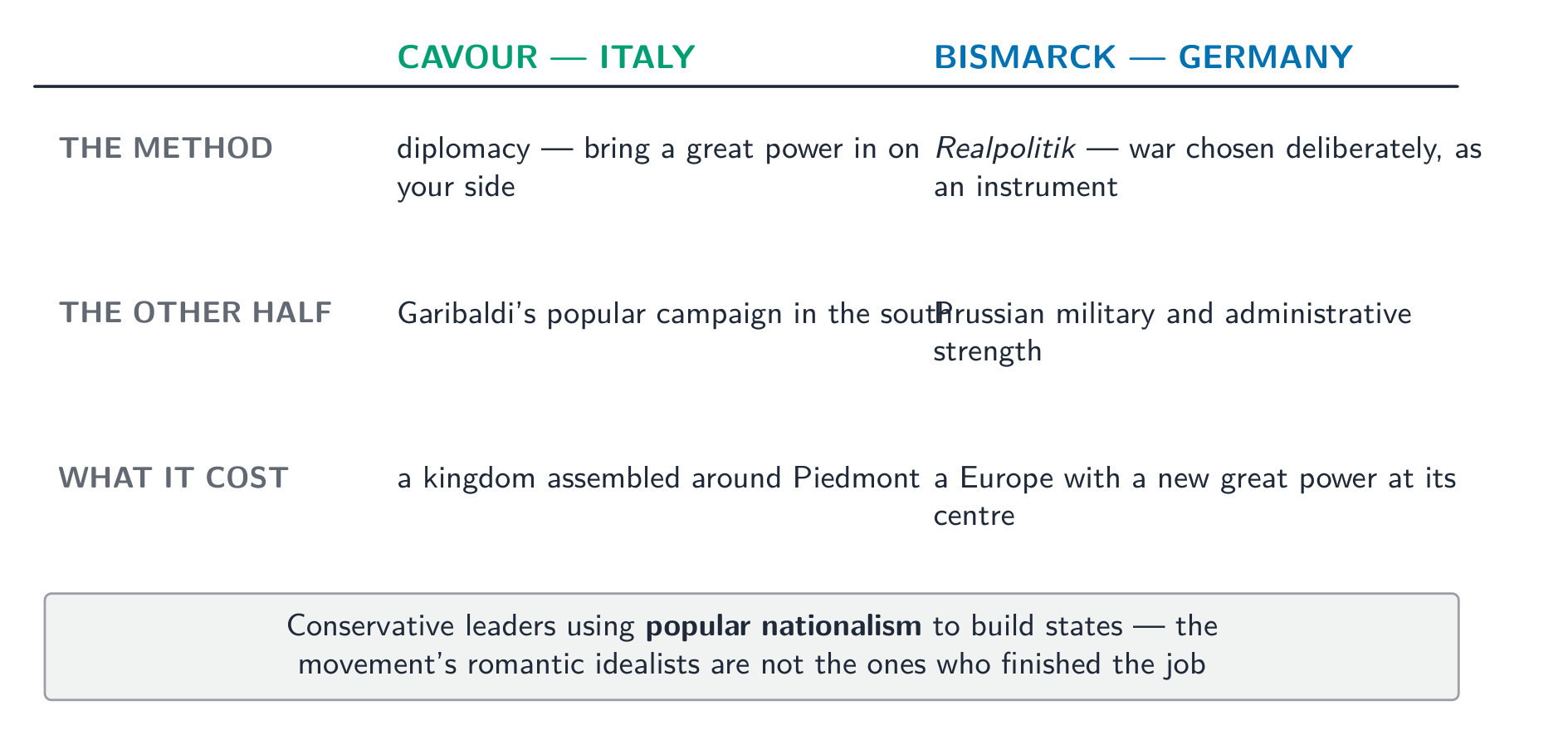
    التلقيح ومكافحة الأمراض تنتمي أيضًا إلى هذه القصة: انتشار التلقيح ضد الجدري — ولاحقًا تطعيم جنر — جنبًا إلى تحسين الصرف الصحي وانسحاب الطاعون، هو جزء من سبب انخفاض الوفيات. إنه أوضح مثال في الوحدة على منهجية علمية تنتج تأثيرًا ديموغرافيًا.

    4.5

    18th-Century Culture and Arts · ⁨الثقافة والفنون في القرن 18⁩

    Syllabus · ⁨المنهج⁩

    4.5 18th-Century Culture and Arts

    Thematic FocusLearning ObjectiveHistorical Developments

    CID
    Cultural and Intellectual Developments — The creation and transmission of knowledge, including the relationship between traditional sources of authority and the development of differing world views, had significant political, intellectual, economic, cultural, and social effects on European and world societies.

    Unit 4.F
    Explain how European cultural and intellectual life was maintained and changed throughout the period from 1648 to 1815.

    • KC-2.3.II.B Despite censorship, increasingly numerous and varied printed materials served a growing literate public and led to the development of public opinion.
    • KC-2.3.II.C Natural sciences, literature, and popular culture increasingly exposed Europeans to representations of peoples outside Europe and, on occasion, challenges to accepted social norms.
    • KC-2.3.V The arts moved from the celebration of religious themes and royal power to an emphasis on private life and the public good.
      • KC-2.3.V.A Until about 1750, Baroque art and music promoted religious feeling and was employed by monarchs to illustrate state power.
      • KC-2.3.V.B 18th-century art and literature increasingly reflected the outlook and values of commercial and bourgeois society. Neoclassicism expressed new Enlightenment ideals of citizenship and political participation.
    • KC-2.4.II The consumer revolution of the 18th century was shaped by a new concern for privacy, encouraged the purchase of new goods for homes, and created new venues for leisure activities.

    Illustrative examples:

    • Printed materials:
      • Newspapers
      • Periodicals
      • Books
      • Pamphlets
      • The Encyclopédie
    • Baroque artists and musicians who promoted religion or glorified monarchy:
      • Diego Velásquez
      • Gian Bernini
      • George Frideric Handel
      • J. S. Bach
    • Artistic movements that reflected commercial society or Enlightenment ideals:
      • Dutch painting
      • Rembrandt
      • Jan Vermeer
      • Jacques-Louis David
      • Pantheon in Paris
    • Literature that reflected commercial society or Enlightenment ideals:
      • Daniel Defoe
      • Samuel Richardson
      • Henry Fielding
      • Johann Wolfgang von Goethe
      • Jane Austen (CONT’D) A new concern for privacy:
      • Homes built to include private retreats, such as the boudoir §Bullet Novels that encouraged a reflection on private emotion New consumer goods for homes: §Bullet Porcelain dishes
      • Cotton and linens for home décor §Bullet Mirrors
      • Prints New leisure venues: §Bullet Coffeehouses §Bullet Taverns §Bullet Theaters and opera houses

    Source: College Board AP Course and Exam Description · ⁨المصدر: وصف دورة وامتحان College Board AP⁩

    English
    • Despite censorship 审查, increasingly numerous and varied printed materials served a growing literate public 识字公众 and produced a public sphere in which opinion could form outside the state.
    • Natural sciences, literature, and popular culture increasingly exposed Europeans to representations of peoples outside Europe.
    • The arts moved from the celebration of religious themes and royal power to an emphasis on private life and the public good - a shift in subject that tracks the shift in authority.
    • The consumer revolution 消费革命 of the eighteenth century was shaped by a new concern for privacy 隐私 and encouraged the purchase of new goods for the home.
    العربية
    • على الرغم من الرقابة، خدمت المواد المطبوعة increasingly المتزايدة والمتنوعة جمهورًا متعلمًا وأنتجت ساحة عامة يمكن فيها تشكيل الرأي خارج الدولة.
    • العلوم الطبيعية، والأدب، والثقافة الشعبية تعرضت increasingly الأوروبيين إلى تمثيلات لشعوب خارج أوروبا.
    • انتقلت الفنون من الاحتفال بالمشاهد الدينية وسلطة الملوك إلى التركيز على الحياة الخاصة والمنفعة العامة - تغيير في الموضوع يتبع التغير في السلطة.
    • شكلت الثورة الاستهلاكية في القرن الثامن عشر اهتمامًا جديدًا بـالخصوصية وشجعت شراء سلع جديدة للمنزل.
    4.6

    Enlightened and Other Approaches to Power · ⁨النهج المستنير والنهج الأخرى للقوة⁩

    Syllabus · ⁨المنهج⁩
    English

    4.6 Enlightened and Other Approaches to Power

    Thematic Focus (SOP): States and Other Institutions of Power — European states and nations developed governmental and civil institutions from 1450 to the present to organize society and consolidate political power, with a variety of social, cultural, and economic effects.

    Learning Objective Unit 4.G: Explain how different forms of political power were influenced by Enlightenment thought from 1648 to 1815. THEMATIC FOCUS National and European Identity NEI Definitions and perceptions of regional, cultural, national, and European identity have developed and been challenged over time, with varied and often profound effects on the political, social, and cultural order in Europe. LEARNING OBJECTIVE

    • KC-2.1.I.C In the 18th century, a number of states in eastern and central Europe experimented with enlightened absolutism.
    • KC-2.3.IV.C By 1800, most governments in western and central Europe had extended toleration to Christian minorities and, in some states, civil equality to Jews. HISTORICAL DEVELOPMENTS

    Learning Objective Unit 4.H: Explain how and why political and religious developments challenged or reinforced the idea of a unified Europe from 1648 to 1815.

    • KC-2.1.III.A As a result of the Holy Roman Empire’s limitation of sovereignty in the Peace of Westphalia, Prussia rose to power, and the Habsburgs, centered in Austria, shifted their empire eastward.

    Illustrative examples:

    • Enlightened monarchs: §Bullet Frederick II of Prussia §Bullet Joseph II of Austria Prussian and Habsburg rulers:
      • Maria Theresa of Austria
      • Frederick William I of Prussia
      • Frederick II of Prussia
    العربية

    4.6 نهج التنوير والنهج الأخرى للسلطة

    التركيز الموضوعي (SOP): الدول والمؤسسات الأخرى للسلطة — طورت الدول الأوروبية والأمم مؤسسات حكومية ومدنية من عام 1450 إلى الوقت الحاضر لتنظيم المجتمع وتجميع السلطة السياسية، مع تأثيرات اجتماعية وثقافية واقتصادية متنوعة.

    هدف التعلم الوحدة 4.G: اشرح كيف أثرت أشكال مختلفة من السلطة السياسية على الفكر التنويري من 1648 إلى 1815. التركيز الموضوعي الهوية الوطنية والأوروبية تطورت تعريفات وإدراكات الهوية الإقليمية والثقافية والوطنية والأوروبية عبر الزمن، وتم تحديها، مما أدى إلى آثار متنوعة وغالبًا ما تكون عميقة على النظام السياسي والاجتماعي والثقافي في أوروبا. هدف التعلم

    • KC-2.1.I.C في القرن 18، جربت عدة دول في أوروبا الشرقية والوسطى نموذج الاستبداد المنير.
    • KC-2.3.IV.C بحلول عام 1800، مدّت معظم الحكومات في غرب وأوسط أوروبا التسامح مع الأقليات المسيحية، وفي بعض الدول، المساواة المدنية لليهود. التطورات التاريخية

    هدف التعلم الوحدة 4.H: اشرح كيف ولماذا和挑战ت أو عززت التطورات السياسية والدينية فكرة أوروبا الموحدة من 1648 إلى 1815.

    • KC-2.1.III.A نتيجة لتقييد الإمبراطورية الرومانية المقدسة للسيادة في صلح وستفاليا، صعدت بروسيا إلى موقع القوة، وانتقلت أسرة هابسبورغ، المتمركزة في النمسا، إمبراطوريتها نحو الشرق.

    أمثلة توضيحية:

    • ملوك منيرون: §فردريك الثاني ملك بروسيا §جوزيف الثاني ملك النمسا حكام بروسيا وهابسبورغ:
      • ماريا تيريزا من النمسا
      • فردريك وليام الأول من بروسيا
      • فردريك الثاني من بروسيا

    Source: College Board AP Course and Exam Description · ⁨المصدر: وصف دورة وامتحان College Board AP⁩

    English

    In the eighteenth century a number of states in eastern and central Europe experimented with enlightened absolutism 开明专制 - rulers adopting Enlightenment-inspired reforms in law, education, and administration while retaining absolute authority. The tension in that phrase is the examinable point.

    By 1800 most governments in western and central Europe had extended toleration to Christian minorities, and in some states civil rights as well.

    And as a result of the Holy Roman Empire's limitation of sovereignty at Westphalia, Prussia rose to power 普鲁士 while the Habsburgs turned toward their eastern lands - a structural consequence of Unit 2's settlement arriving a century later.

    العربية

    في القرن الثامن عشر، جربت عدد من الدول في شرق أوروبا ووسط أوروبا الاستبداد المستنير - حكام يتبنون إصلاحات مستوحاة من التنوير في القانون والتعليم والإدارة مع الحفاظ على السلطة المطلقة. التوتر في تلك العبارة هو نقطة الاختبار.

    بحلول عام 1800، كانت معظم الحكومات في غرب أوروبا ووسط أوروبا قد وسعت التسامح للأقليات المسيحية، وفي بعض الدول الحقوق المدنية أيضًا.

    ونتيجة لتقييد إمبراطورية الرومان المقدسة للسيادة في وستفاليا، ارتفعت البروسية إلى قوة بينما توجه هابسبورغ نحو أراضيهم الشرقية - نتيجة هيكلية ل settling الوحدة 2 وصلت بعد قرن.

    ما تم تبنيه، وما لم يُتنازل عنه أبدًا
    Explore · ⁨استكشف⁩

    Sort what was adopted from what was never given up · ⁨صنّف ما تم تبنيه وما لم يُستسلم له أبداً⁩

    The CED's clause is 'while retaining absolute authority', and the marks are in that clause. · ⁨عبارة CED هي 'مع الاحتفاظ بالسلطة المطلقة'، والدرجات تكمن في تلك العبارة.⁩

    Vocabulary · ⁨مفردات⁩ Train · ⁨تدريب⁩
    English العربية
    enlightened absolutism/enˈlaɪtnd ˈæbsəluːtɪzəm/ الاستبداد المستنير
    Prussia rose to power/ˈprʌʃə rəʊz tə ˈpaʊə/ ارتفعت براند في السلطة
    René Descartes/rɪˈneɪ dɪˈskɑːts/ رينيه ديكارت
    4.7

    Causation in the Age of the Enlightenment · ⁨السببية في عصر التنوير⁩

    Syllabus · ⁨المنهج⁩

    4.7 Causation in the Age of the Scientific Revolution and the Enlightenment

    Learning ObjectiveReview: Unit 4 Key Concepts

    Unit 4.I
    Explain how and why the Scientific Revolution and Enlightenment challenged the existing European order and understanding of the world.

    • KC-1.1 The rediscovery of works from ancient Greece and Rome and observation of the natural world changed many Europeans’ view of their world.
      • KC-1.1.IV New ideas in science based on observation, experimentation, and mathematics challenged classical views of the cosmos, nature, and the human body, although existing traditions of knowledge and the universe continued.
    • KC-2.3 The spread of Scientific Revolution concepts and practices and the Enlightenment’s application of these concepts and practices to political, social, and ethical issues led to an increased but not unchallenged emphasis on reason in European culture.
      • KC-2.3.I Enlightenment thought, which focused on concepts such as empiricism, skepticism, human reason, rationalism, and classical sources of knowledge, challenged the prevailing patterns of thought with respect to social order, institutions of government, and the role of faith.
      • KC-2.3.II New public venues and print media popularized Enlightenment ideas.
      • KC-2.3.III New political and economic theories challenged absolutism and mercantilism.
      • KC-2.3.IV During the Enlightenment, the rational analysis of religious practices led to natural religion and the demand for religious toleration.
    • KC-2.4 The experiences of everyday life were shaped by demographic, environmental, medical, and technological changes.
      • KC-2.4.III By the 18th century, family and private life reflected new demographic patterns and the effects of the commercial revolution.

    Source: College Board AP Course and Exam Description · ⁨المصدر: وصف دورة وامتحان College Board AP⁩

    English

    The unit's reasoning skill is causation, applied to how these movements challenged the existing European worldview.

    Worked example (a real AP exam question). AP European History short-answer questions here ask, for example, to "Explain one way in which Enlightenment thought challenged existing political authority in the eighteenth century." A full-mark answer identifies the challenge and traces it: "Locke's theory of natural rights and the social contract held that government exists to protect the rights of individuals and derives its authority from their consent. This directly undermined the claim that a monarch's authority came from God, because it made obedience conditional on the ruler's performance rather than unconditional." Notice the mechanism: the answer shows how one argument displaces another, rather than listing thinkers.

    العربية

    مهارة التفكير في الوحدة هي السببية، مطبقة على كيف تحدى هذه الحركات العالمية الأوروبية القائمة.

    مثال محلول (سؤال حقيقي من امتحان AP). أسئلة الإجابة القصيرة في تاريخ أوروبا في امتحانات AP تطلب هنا، على سبيل المثال، "اشرح طريقة واحدة التي تحدى بها الفكر التنويري السلطة السياسية القائمة في القرن الثامن عشر." إجابة الدرجة الكاملة تحدد التحدي وتتبعه: "نصت نظرية لوك في الحقوق الطبيعية والعقد الاجتماعي على أن الحكومة موجودة لحماية حقوق الأفراد وتشتق سلطتها من موافقتهم. هذا أضعف بشكل مباشر ادعاء أن سلطة الملك تأتي من الله، لأنه جعل الطاعة مشروطة بأداء الحاكم بدلاً من أن تكون غير مشروطة." لاحظ الآلية: الإجابة تُظهر كيف يحل حجة محل أخرى، بدلاً من مجرد سرد المفكرين.

    4.7

    Exam tips · ⁨نصائح للامتحان⁩

    English
    • Learn the CED's own sentence: the Enlightenment applied Scientific Revolution methods to political, social, and ethical issues. Many questions are answered by unpacking it.
    • The Scientific Revolution was not a clean break - alchemy and astrology persisted. Continuity points score.
    • Group Enlightenment outputs as political, economic, religious, social. Four labelled kinds beat a list of names.
    • Always note the limits on equality, especially regarding women. The CED names them explicitly.
    • Enlightened absolutism is a tension, not a contradiction: reform without surrendering authority.
    • The public sphere - print, literacy, salons - is the mechanism by which ideas became political. Use it to explain, not just to describe.
    العربية
    • احفظ جملة CED الخاصة: التنوير طبق طرق الثورة العلمية على القضايا السياسية والاجتماعية والأخلاقية. يمكن الإجابة على العديد من الأسئلة عن طريق تفكيك هذه الجملة.
    • لم تكن الثورة العلمية انقطاعاً كاملاً - فقد استمرت الخيمياء وعلم النجوم. نقاط الاستمرار تحصل على درجات.
    • صنف مخرجات التنوير إلى سياسية واقتصادية ودينية واجتماعية. أربعة أنواع محددة أفضل من قائمة بالأسماء.
    • دائماً اذكر القيود على المساواة، لا سيما فيما يتعلق بالنساء. يذكر CED ذلك صراحة.
    • الاستبداد المنير هو توتر، وليس تناقضاً: إصلاح دون التنازل عن السلطة.
    • المجال العام - الطباعة، القراءة والكتابة، الصالونات - هو الآلية التي أصبحت عبرها الأفكار سياسية. استخدمه للشرح، ليس فقط للوصف.
  • 5

    Conflict, Crisis, and Reaction in the Late 18th Century · ⁨الصراع والأزمات والاستجابة في أواخر القرن 18-ي⁩

    Watch lesson · ⁨شاهد الدرس⁩
    5.1

    Contextualizing 18th-Century States · ⁨وضع دول القرن 18 في سياقها التاريخي⁩

    Syllabus · ⁨المنهج⁩
    English

    5.1 Contextualizing 18th-Century States

    Learning Objective Unit 5.A: Explain the context in which the European states experienced crisis and conflict from 1648 to 1815.

    • KC-2.1 Different models of political sovereignty affected the relationship among states and between states and individuals.
      • KC-2.1.IV The French Revolution posed a fundamental challenge to Europe’s existing political and social order.
      • KC-2.1.V Claiming to defend the ideals of the French Revolution, Napoleon Bonaparte imposed French control over much of the European continent, which eventually provoked a nationalistic reaction.
    • KC-2.2 The expansion of European commerce accelerated the growth of a worldwide economic network.
      • KC-2.2.III Commercial rivalries influenced diplomacy and warfare among European states in the early modern era.
    • KC-2.3 The spread of Scientific Revolution concepts and practices and the Enlightenment’s application of these concepts and practices to political, social, and ethical issues led to an increased but not unchallenged emphasis on reason in European culture.
      • KC-2.3.VI While Enlightenment values dominated the world of European ideas and culture, they were challenged by the revival of public expression of emotions and feeling.
      • KC-2.3.VI.D Revolution, war and rebellion demonstrated the emotional power of mass politics and nationalism.
    العربية

    5.1 وضع دول القرن 18 في سياقها التاريخي

    هدف التعلم الوحدة 5.A: اشرح السياق الذي شهدت فيه الدول الأوروبية أزمة وصراعًا من 1648 إلى 1815.

    • KC-2.1 أثرت نماذج مختلفة من السيادة السياسية على العلاقات بين الدول وبين الدول والأفراد.
      • KC-2.1.IV شكلت الثورة الفرنسية تحديًا جذريًا للنظام السياسي والاجتماعي القائم في أوروبا.
      • KC-2.1.V ادعاء الدفاع عن مبادئ الثورة الفرنسية، فرض نابليون بونابرت السيطرة الفرنسية على جزء كبير من القارة الأوروبية، مما أثار في النهاية رد فعل قومي.
    • KC-2.2 أدى توسع التجارة الأوروبية إلى تسريع نمو الشبكة الاقتصادية العالمية.
      • KC-2.2.III أثرت المنافسة التجارية على الدبلوماسية والحروب بين الدول الأوروبية في العصر الحديث المبكر.
    • KC-2.3 أدى انتشار مفاهيم وممارسات الثورة العلمية وتطبيق النهض لهذه المفاهيم والممارسات على القضايا السياسية والاجتماعية والأخلاقية إلى زيادة التركيز على العقل في الثقافة الأوروبية، وإن لم يكن هذا التركيز بلا تحديات.
      • KC-2.3.VI بينما هيمنت قيم التنوير على عالم الأفكار والثقافة الأوروبية، تم تحديدها من خلال إعادة إحياء التعبير العام عن العواطف والمشاعر.
      • KC-2.3.VI.D أثبتت الثورة والحرب والتمرد القوة العاطفية للسياسة الجماعية والقومية.

    Source: College Board AP Course and Exam Description · ⁨المصدر: وصف دورة وامتحان College Board AP⁩

    English

    Unit 5 covers the crisis of the old order: global commercial competition, the French Revolution, Napoleon, and the settlement that followed. Three of the course's key concepts converge here - models of political sovereignty, the expansion of European commerce into a worldwide network, and the spread of Enlightenment ideas.

    The unit is best held as a single argument: commercial rivalry strained state finances, Enlightenment ideas supplied a language for challenging authority, and where the two met a revolution followed.

    العربية

    الوحدة 5 تغطي أزمة النظام القديم: المنافسة التجارية العالمية، والثورة الفرنسية، ونابليون، والتسوية التي أعقبتها. ثلاثة مفاهيم رئيسية في المقرر تتقاطع هنا - نماذج السيادة السياسية، توسع التجارة الأوروبية لتصبح شبكة عالمية، وانتشار أفكار التنوير.

    أفضل طريقة للإدراك هي كحجة واحدة: المنافسة التجارية ضغطت على موارد الدولة المالية، وفكر التنوير قدم لغة لتحدي السلطة، وفي نقطة التقاء الاثنين حدثت ثورة.

    5.2

    The Rise of Global Markets · ⁨صعود الأسواق العالمية⁩

    Syllabus · ⁨المنهج⁩

    5.2 The Rise of Global Markets

    Thematic FocusLearning ObjectiveHistorical Developments

    ECD
    Economic and Commercial Developments — Economic development, especially the development of capitalism, played an important role in Europe’s history, often having significant social, political, and cultural effects.

    Unit 5.B
    Explain the causes and consequences of European maritime competition from 1648 to 1815.

    • KC-2.2 The expansion of European commerce accelerated the growth of a worldwide economic network.
      • KC-2.2.III Commercial rivalries influenced diplomacy and warfare among European states in the early modern era.
      • KC-2.2.III.A European sea powers vied for Atlantic influence throughout the 18th century.
      • KC-2.2.III.B Portuguese, Dutch, French, and British rivalries in Asia culminated in British domination in India and Dutch control of the East Indies.

    Source: College Board AP Course and Exam Description · ⁨المصدر: وصف دورة وامتحان College Board AP⁩

    English

    The expansion of European commerce accelerated the growth of a worldwide economic network. Maritime competition among European states was no longer a side-show to European politics - overseas trade and colonies were now where European power was won and lost.

    العربية

    توسع التجارة الأوروبية أسرع نمو شبكة اقتصادية عالمية. لم تعد المنافسة البحرية بين الدول الأوروبية مجرد عرض جانبي للسياسة الأوروبية - بل كانت التجارة الخارجية والمستعمرات الآن حيث تُكسب وتُفقَد القوة الأوروبية.

    5.3

    Britain's Ascendency · ⁨صعود بريطانيا⁩

    Syllabus · ⁨المنهج⁩
    English

    5.3 Britain’s Ascendency

    Thematic Focus (SOP): States and Other Institutions of Power — European states and nations developed governmental and civil institutions from 1450 to the present to organize society and consolidate political power, with a variety of social, cultural, and economic effects.

    Learning Objective Unit 5.C: Explain the economic and political consequences of the rivalry between Britain and France from 1648 to 1815.

    • KC-2.1.III.D Rivalry between Britain and France resulted in world wars fought both in Europe and in the colonies, with Britain supplanting France as the greatest European power.

    Illustrative examples:

    • Conflict between the French and the British: §Bullet Seven Years’ War §Bullet American Revolution
    العربية

    5.3 تصاعد بريطانيا

    التركيز الموضوعي (SOP): الدول والمؤسسات الأخرى للسلطة — طورت الدول الأوروبية والأمم مؤسسات حكومية ومدنية من عام 1450 إلى الوقت الحاضر لتنظيم المجتمع وتجميع السلطة السياسية، مع تأثيرات اجتماعية وثقافية واقتصادية متنوعة.

    هدف التعلم الوحدة 5.C: اشرح العواقب الاقتصادية والسياسية للمنافسة بين بريطانيا وفرنسا من 1648 إلى 1815.

    • KC-2.1.III.D أدت المنافسة بين بريطانيا وفرنسا إلى حروب عالمية شُنت في أوروبا وفي المستعمرات، حيث حلّت بريطانيا محل فرنسا لتكون أكبر قوة أوروبية.

    أمثلة توضيحية:

    • الصراع بين الفرنسيين والبريطانيين: §حرب السنوات السبع §الثورة الأمريكية

    Source: College Board AP Course and Exam Description · ⁨المصدر: وصف دورة وامتحان College Board AP⁩

    English

    Rivalry between Britain and France resulted in world wars fought both in Europe and in the colonies, with Britain supplanting France as the greatest European power.

    Two consequences follow, and both are examinable. Britain gained commercial and naval dominance that shaped the next century. And France, having spent enormously on those wars, entered the 1780s with a fiscal crisis 财政危机 - which is the direct link between this topic and the next.

    العربية

    المنافسة بين بريطانيا وفرنسا نتج عنها حروب عالمية شُنت في أوروبا وفي المستعمرات، مع استبدال بريطانيا لفرنسا كأعظم قوة أوروبية.

    يتبع ذلك نتيجتان، وكلاهما قابلان للاختبار. فقد اكتسبت بريطانيا هيمنة تجارية وبحرية شكلت القرن التالي. وفرنسا، التي أنفقت مبالغ طائلة على تلك الحروب، دخلت فترة 1780 مع أزمة مالية - وهي الرابط المباشر بين هذا الموضوع والموضوع الذي يليه.

    5.4

    The French Revolution · ⁨الثورة الفرنسية⁩

    Syllabus · ⁨المنهج⁩
    English

    5.4 The French Revolution

    Thematic Focus (SOP): States and Other Institutions of Power — European states and nations developed governmental and civil institutions from 1450 to the present to organize society and consolidate political power, with a variety of social, cultural, and economic effects.

    Learning Objective Unit 5.D: Explain the causes, events, and consequences of the French Revolution.

    • KC-2.1.IV.A The French Revolution resulted from a combination of long-term social and political causes, as well as Enlightenment ideas, exacerbated by short-term fiscal and economic crises.
    • KC-2.1.IV.B The first, or liberal, phase of the French Revolution established a constitutional monarchy, increased popular participation, nationalized the Catholic Church, and abolished hereditary privileges.
    • KC-2.1.IV.C After the execution of Louis XVI, the radical Jacobin republic led by Robespierre responded to opposition at home and war abroad by instituting the Reign of Terror, fixing prices and wages, and pursuing a policy of de-Christianization.
    • KC-2.1.IV.D Revolutionary armies, raised by mass conscription, sought to bring the changes initiated in France to the rest of Europe.
    • KC-2.1.IV.E Women enthusiastically participated in the early phases of the revolution; however, while there were brief improvements in the legal status of women, citizenship in the republic was soon restricted to men.

    Illustrative examples:

    • Causes of the French Revolution: §Bullet Peasant and bourgeois grievances §Bullet Bread shortages §Bullet French involvement in American Revolution Actions taken during the moderate phase of the French Revolution: §Bullet Declaration of the Rights of Man and Citizen §Bullet Civil Constitution of the Clergy §Bullet Constitution of 1791 §Bullet Abolition of provinces and division of France into departments Radical Jacobin leaders and institutions: §Bullet Georges Danton §Bullet Jean-Paul Marat §Bullet Committee of Public Safety Mass conscription: §Bullet Levée en masse Female involvement in the revolution: §Bullet October March on Versailles §Bullet Olympe de Gouges §Bullet Society of Republican Revolutionary Women
    العربية

    5.4 الثورة الفرنسية

    التركيز الموضوعي (SOP): الدول والمؤسسات الأخرى للسلطة — طورت الدول الأوروبية والأمم مؤسسات حكومية ومدنية من عام 1450 إلى الوقت الحاضر لتنظيم المجتمع وتجميع السلطة السياسية، مع تأثيرات اجتماعية وثقافية واقتصادية متنوعة.

    هدف التعلم الوحدة 5.D: اشرح أسباب وأحداث وعواقب الثورة الفرنسية.

    • KC-2.1.IV.A نتجت الثورة الفرنسية عن مزيج من الأسباب الاجتماعية والسياسية طويلة الأمد، بالإضافة إلى أفكار التنوير، والتي تفاقم بسبب أزمات مالية واقتصادية قصيرة الأمد.
    • KC-2.1.IV.B أسست المرحلة الأولى أو الليبرالية من الثورة الفرنسية ملكية دستورية، وزادت المشاركة الشعبية، وأوملت الكنيسة الكاثوليكية، وألغت الامتيازات الوراثية.
    • KC-2.1.IV.C بعد تنفيذ لويس السادس عشر، استجابةً للجمهورية الجاكوبينية المتطرفة بقيادة روبسبير، للopposition الداخلية والحروب الخارجية بتأسيس فترة الرعب، وتثبيت الأسعار والأجور، وممارسة سياسة إزالة المسيحية.
    • KC-2.1.IV.D سعت الجيوش الثورية، التي نُشِئت عبر التجنيد الجماعي، إلى نشر التغييرات التي بدأت في فرنسا إلى بقية أوروبا.
    • KC-2.1.IV.E شاركت النساء بحماس في المراحل الأولى من الثورة؛ ومع ذلك، ورغم وجود تحسينات مؤقتة في الوضع القانوني للمرأة، فقد قُيدت المواطنة في الجمهورية بسرعة على الرجال فقط.

    أمثلة توضيحية:

    • أسباب الثورة الفرنسية: § Bullet استياء الفلاحين والبرجوازية § Bullet نقص الخبز § Bullet involvement الفرنسي في الثورة الأمريكية الإجراءات المتخذة خلال المرحلة المعتدلة للثورة الفرنسية: § Bullet إعلان حقوق الإنسان والمواطن § Bullet الدستور المدني للكنيسة § Bullet دستور 1791 § Bullet إلغاء المقاطعات وتقسيم فرنسا إلى أقاليم القادة والح institutions الجاكوبينية الراديكالية: § Bullet جورج دانتون § Bullet جان بول مارا § Bullet لجنة النجاة العامة التجنيد الجماعي: § Bullet Levée en masse مشاركة المرأة في الثورة: § Bullet مسيرة أكتوبر إلى فرساي § Bullet أوليمب دي غوج § Bullet جمعية النساء الثوريات الجمهوريات

    Source: College Board AP Course and Exam Description · ⁨المصدر: وصف دورة وامتحان College Board AP⁩

    English

    The Revolution resulted from a combination of long-term social and political causes, as well as Enlightenment ideas, exacerbated by short-term fiscal and economic crises. That formula - long-term causes plus ideas plus a short-term trigger - is the CED's own and works for almost any causes question.

    The CED then divides the Revolution into phases, and the distinction between them earns marks:

    • The first, or liberal, phase 自由派阶段 established a constitutional monarchy 君主立宪, increased popular participation, nationalised the Catholic Church, and abolished hereditary privileges 世袭特权.
    • After the execution of Louis XVI, the radical Jacobin republic 雅各宾共和国 led by Robespierre 罗伯斯庇尔 responded to opposition at home and war abroad by instituting the Reign of Terror 恐怖统治, fixing prices and wages, and pursuing a policy of de-Christianisation 去基督教化.
    • Revolutionary armies, raised by mass conscription 大规模征兵, sought to bring the changes begun in France to the rest of Europe.

    Women's participation is examinable and specific: women participated enthusiastically in the early phases, and while there were brief improvements in their legal status, they were later excluded from political participation. Both halves of that sentence are needed.

    العربية
    مراحل الثورة الأربعة وما غيّره كل منها - العمود الفقري لكل الوحدة
    السؤال تقريباً ما يسمي مرحلة؛ معرفة أي مرحلة يُقصد بها هو نصف الإجابة

    الثورة نتجت عن مزيج من أسباب اجتماعية وسياسية طويلة الأمد، بالإضافة إلى أفكار التنوير، التي تفاقمها أزمات مالية واقتصادية قصيرة الأمد. هذه المعادلة - أسباب طويلة الأمد زائد أفكار زائد مؤثر قصير الأمد - هي الخاصة بـCED وتعمل معgp almost any causes question.

    يقسم CED بعد ذلك الثورة إلى مراحل، والتمييز بينها يحصل على درجات:

    • المرحلة الأولى، أو الليبرالية، أسست ملكية دستورية، وزادت المشاركة الشعبية، وقامت بتأميم الكنيسة الكاثوليكية، وألغت المزايا الوراثية.
    • بعد تنفيذ لويس السادس عشر، رد الجمهورية الجاكوبينية الراديكالية بقيادة روبسبير على المعارضة الداخلية والحرب الخارجية بفرض عصر الرعب، وتثبيت الأسعار والأجور، وممارسة سياسة إزالة المسيحية.
    • الجيش الثوري، الذي تم تجنيده بالخدمة العسكرية الإلزامية الجماعية، سعى لجلب التغييرات التي بدأت في فرنسا إلى بقية أوروبا.

    مشاركة المرأة قابلة للاختبار ومحددة: نساء شاركن بحماس في المراحل الأولى، وفي حين كان هناك تحسينات مؤقتة في وضعهن القانوني، إلا أنه تم استبعادهن لاحقاً من المشاركة السياسية. كلاجزء من تلك الجملة ضروري.

    ظروف ومؤثر: الأزمة المالية تفاقم أسباباً كانت موجودة بالفعل
    Explore · ⁨استكشف⁩

    Separate the conditions from the trigger · ⁨افصل الشروط عن المحفز⁩

    The CED distinguishes long-term causes and Enlightenment ideas from the short-term crises that exacerbated them. · ⁨يميز CED بين الأسباب طويلة المدى وأفكار التنوير والأزمات قصيرة المدى التي زادت حدتها.⁩

    5.5

    The French Revolution's Effects · ⁨آثار الثورة الفرنسية⁩

    Syllabus · ⁨المنهج⁩
    English

    5.5 The French Revolution’s Effects

    Thematic Focus (SCD): Social Organization and Development — Economic, political, and cultural factors have influenced the form and status of family, class, and social groups in European history, which has, in turn, affected both the individual and society.

    Learning Objective Unit 5.E: Explain how the events and developments of the French Revolution influenced political and social ideas from 1648 to 1815.

    • KC-2.1.IV.F Revolutionary ideals inspired a revolt of enslaved people led by Toussaint L’Ouverture in the French colony of Saint-Domingue, which became the independent nation of Haiti in 1804.
    • KC-2.1.IV.G While many were inspired by the revolution’s emphasis on equality and human rights, others condemned its violence and disregard for traditional authority.

    Illustrative examples:

    • Opponents of the revolution: §Bullet Edmund Burke
    العربية

    5.5 تأثيرات الثورة الفرنسية

    التركيز الموضوعي (SCD): التنظيم الاجتماعي والتنمية — أثرت العوامل الاقتصادية والسياسية والثقافية على شكل ومكانة الأسرة والطبقة والمجموعات الاجتماعية في تاريخ أوروبا، مما أثر بدوره على الفرد والمجتمع.

    هدف التعلم الوحدة 5.E: اشرح كيف أثرت أحداث وتطورات الثورة الفرنسية على الأفكار السياسية والاجتماعية من عام 1648 إلى 1815.

    • KC-2.1.IV.F ألهمت المثال الثورية تمرداً للعبيد بقيادة توسان لوفرتور في المستعمرة الفرنسية سان دومينغ، والتي أصبحت دولة هايتي المستقلة في عام 1804.
    • KC-2.1.IV.G بينما أُلهم العديد من تركيز الثورة على المساواة وحقوق الإنسان، أدان آخرون عنفها وتجاهلها للسلطة التقليدية.

    أمثلة توضيحية:

    • معادو الثورة: § Bullet إدموند بيركي

    Source: College Board AP Course and Exam Description · ⁨المصدر: وصف دورة وامتحان College Board AP⁩

    English
    • Revolutionary ideals inspired a revolt of enslaved people led by Toussaint L'Ouverture 卢维杜尔 in the French colony of Saint-Domingue, which became independent Haiti. This is the CED's demonstration that revolutionary principles, once stated universally, could not be confined to Europe.
    • While many were inspired by the Revolution's emphasis on equality and human rights, others condemned its violence and its disregard for traditional authority - the origin of modern conservatism as a political position.
    العربية
    • ألهمت المثاليات الثورية تمرداً للعبيد يقوده توسان لوفوتور في مستعمرة سان دومينغ الفرنسية، والتي أصبحت هايتي المستقلة. هذا هو إثبات CED بأن المبادئ الثورية، بمجرد نصها عالمياً، لم تستطع أن تُحصر في أوروبا.
    • بينما تأثرت الكثيرين بالتأكيد على المساواة وحقوق الإنسان في الثورة، دان آخرون عنفها وإهمتها للسلطة التقليدية - مصدر المحافظية الحديثة كموقف سياسي.
    5.6

    Napoleon's Rise, Dominance, and Defeat · ⁨صعود نابليون، هيمنته، وهزيمته⁩

    Syllabus · ⁨المنهج⁩
    English

    5.6 Napoleon’s Rise, Dominance, and Defeat

    Thematic Focus (SOP): States and Other Institutions of Power — European states and nations developed governmental and civil institutions from 1450 to the present to organize society and consolidate political power, with a variety of social, cultural, and economic effects.

    Learning Objective Unit 5.F: Explain the effects of Napoleon’s rule on European social, economic, and political life. THEMATIC FOCUS National and European Identity NEI Definitions and perceptions of regional, cultural, national, and European identity have developed and been challenged over time, with varied and often profound effects on the political, social, and cultural order in Europe. LEARNING OBJECTIVE

    • KC-2.1.V.A As first consul and emperor, Napoleon undertook a number of enduring domestic reforms while often curtailing some rights and manipulating popular impulses behind a façade of representative institutions.
    • KC-2.1.V.B Napoleon’s new military tactics allowed him to exert direct or indirect control over much of the European continent, spreading the ideals of the French Revolution across Europe. HISTORICAL DEVELOPMENTS

    Learning Objective Unit 5.G: Explain the nationalist responses to Napoleon’s rule in Europe.

    • KC-2.1.V.C Napoleon’s expanding empire created nationalist responses throughout Europe.

    Illustrative examples:

    • Reforms under Napoleon: §Bullet Careers open to talent §Bullet Educational system §Bullet Centralized bureaucracy §Bullet Civil Code §Bullet Concordat of 1801 Curtailment of rights under Napoleon: §Bullet Secret police §Bullet Censorship §Bullet Limitation of women’s rights Nationalist responses to Napoleon: §Bullet Student protest in German states §Bullet Guerilla war in Spain §Bullet Russian scorched earth policy
    العربية

    5.6 صعود نابليون وسيطرته وهزيمته

    التركيز الموضوعي (SOP): الدول والمؤسسات الأخرى للسلطة — طورت الدول الأوروبية والأمم مؤسسات حكومية ومدنية من عام 1450 إلى الوقت الحاضر لتنظيم المجتمع وتجميع السلطة السياسية، مع تأثيرات اجتماعية وثقافية واقتصادية متنوعة.

    هدف التعلم الوحدة 5.F: اشرح تأثير حكم نابليون على الحياة الاجتماعية والاقتصادية والسياسية في أوروبا. التركيز الموضوعي الهوية الوطنية والأوروبية: تطورت تعريفات وإدراكات الهوية الإقليمية والثقافية والوطنية والأوروبية وتعرضت للتحدي عبر الزمن، مع آثار متنوعة وغالباً ما تكون عميقة على النظام السياسي والاجتماعي والثقافي في أوروبا. هدف التعلم

    • KC-2.1.V.A كقنصل أول وإمبراطور، قام نابليون بعدة إصلاحات داخلية دائمة بينما كان يقيّد بعض الحقوق ويدير الدوافع الشعبية خلف قناع لمؤسسات تمثيلية.
    • KC-2.1.V.B سمحت تكتيكات نابليون العسكرية الجديدة له بممارسة سيطرة مباشرة أو غير مباشرة على أجزاء كبيرة من القارة الأوروبية، ونشر مثالي الثورة الفرنسية عبر أوروبا. التطورات التاريخية

    هدف التعلم الوحدة 5.G: اشرح الاستجابات القومية لحكم نابليون في أوروبا.

    • KC-2.1.V.C خلق إمبراطورية نابيون المتوسعة استجابات قومية في جميع أنحاء أوروبا.

    أمثلة توضيحية:

    • الإصلاحات تحت نابليون: § Bullet openings الوظائف للموهبة § Bullet نظام التعليم § Bullet بيروقراطية مركزية § Bullet القانون المدني § Bullet Concordat of 1801 تقييد الحقوق تحت نابليون: § Bullet الشرطة السرية § Bullet الرقابة § Bullet تقييد حقوق المرأة الاستجابات القومية لنابليون: § Bullet احتجاج الطلاب في الدول الألمانية § Bullet حرب العصابات في إسبانيا § Bullet سياسة الأرض المحترقة الروسية

    Source: College Board AP Course and Exam Description · ⁨المصدر: وصف دورة وامتحان College Board AP⁩

    English

    As first consul and emperor, Napoleon 拿破仑 undertook enduring domestic reforms 持久的国内改革 - legal codification, administrative and financial reorganisation, a religious settlement - while often curtailing rights and manipulating popular opinion.

    His new military tactics allowed him to exert direct or indirect control over much of the European continent, spreading the reforms of the Revolution to the territories he governed.

    And his expanding empire created nationalist responses throughout Europe - people defined themselves against French rule, which is how the Revolution's own principle of the nation was turned against France. That irony is the topic's best essay material.

    العربية

    كمدير أول وإمبراطور، نابليون قام بإصلاحات داخلية دائمة - تدوين القوانين، إعادة التنظيم الإداري والمالي، تسوية دينية - مع تقييد الحقوق غالباً والتلاعب برأي الجمهور.

    أعطته تكتيكاته العسكرية الجديدة القدرة على ممارسة سيطرة مباشرة أو غير مباشرة على جزء كبير من القارة الأوروبية، منتشراً إصلاحات الثورة إلى الأراضي التي حكمها.

    وإمبراطوريته المتوسعة ولدت ردود فعل قومية في جميع أنحاء أوروبا - حيث عرّف الناس أنفسهم ضد الحكم الفرنسي، وهذا هو كيف تم تحويل مبدأ الثورة الخاص بالأمة ضدها. هذه المفارقة هي المادة الأفضل للمقال حول هذا الموضوع.

    ثلاثة تأثيرات متزامنة - الاندفاع القومي ناتج عن انتشار الإصلاحات
    Explore · ⁨استكشف⁩

    Sort Napoleon's three simultaneous effects · ⁨رتب التأثيرات الثلاثة المتزامنة لنابليون⁩

    The reforms, the curtailment and the nationalist backlash are simultaneous, not phases — which is what makes an evaluation possible. · ⁨الإصلاحات والتقييد ورد الفعل القومي هي متزامنة، وليست مراحل — وهو ما يجعل التقييم ممكنًا.⁩

    Vocabulary · ⁨مفردات⁩ Train · ⁨تدريب⁩
    English العربية
    fiscal crisis/ˈfɪskl ˈkraɪsɪs/ أزمة مالية
    first, or liberal, phase/fɜːst ɔː ˈlɪbərəl feɪz/ المرحلة الأولى أو الليبرالية
    constitutional monarchy/ˌkɒnstɪˈtjuːʃənl ˈmɒnəki/ الملك الدستوري
    hereditary privileges/həˈredɪtəri ˈprɪvɪlɪdʒɪz/ امتيازات وراثية
    radical Jacobin republic/ˈrædɪkl ˈdʒækəbɪn rɪˈpʌblɪk/ جمهورية جاكوبنية متطرفة
    Robespierre/ˈrəʊbspɪeə/ روبسبيير
    Reign of Terror/reɪn ɒv ˈterə/ دور الرعب
    de-Christianisation/də ˌkrɪstʃənaɪˈzeɪʃn/ التنسيح
    mass conscription/mæs kɒnˈskrɪpʃn/ ال التجنيد الإلزامي الجماعي
    Toussaint L'Ouverture/ˈtaʊseɪnt ˈeluːvɜːtʃə/ توسان لوفرتور
    Napoleon/nəˈpəʊlɪən/ نابليون
    enduring domestic reforms/enˈdjʊərɪŋ dəˈmestɪk rɪˈfɔːmz/ إصلاحات محلية دائمة
    Congress of Vienna (1814-1815)/ˈkɒŋɡres ɒv vɪˈenə/ kongرس فيينا (1814-1815)
    5.7

    The Congress of Vienna · ⁨مؤتمر فيينا⁩

    Syllabus · ⁨المنهج⁩
    English

    5.7 The Congress of Vienna

    Thematic Focus (SOP): States and Other Institutions of Power — European states and nations developed governmental and civil institutions from 1450 to the present to organize society and consolidate political power, with a variety of social, cultural, and economic effects.

    Learning Objective Unit 5.H: Explain how states responded to Napoleonic rule in Europe and the consequences of the response.

    • KC-2.1.V.D After the defeat of Napoleon by a coalition of European powers, the Congress of Vienna (1814–1815) attempted to restore the balance of power in Europe and contain the danger of revolutionary or nationalistic upheavals in the future.
    العربية

    5.7 مؤتمر فيينا

    التركيز الموضوعي (SOP): الدول والمؤسسات الأخرى للسلطة — طورت الدول الأوروبية والأمم مؤسسات حكومية ومدنية من عام 1450 إلى الوقت الحاضر لتنظيم المجتمع وتجميع السلطة السياسية، مع تأثيرات اجتماعية وثقافية واقتصادية متنوعة.

    هدف التعلم الوحدة 5.H: اشرح كيف استجابت الدول لحكم نابليون في أوروبا وما هي عواقب هذه الاستجابة.

    • KC-2.1.V.D بعد هزيمة نابليون من قبل تحالف من القوى الأوروبية، حاول مؤتمر فيينا (1814–1815) استعادة توازن القوى في أوروبا وتقييد خطر الاضطرابات الثورية أو القومية في المستقبل.

    Source: College Board AP Course and Exam Description · ⁨المصدر: وصف دورة وامتحان College Board AP⁩

    English

    After Napoleon's defeat by a coalition of European powers, the Congress of Vienna (1814-1815) 维也纳会议 attempted to restore the balance of power and contain the danger of revolutionary or nationalistic upheavals in the future.

    Note the two aims, because they are different things: a settlement among states, and a defence against a kind of politics. Unit 7 is largely the story of the second aim failing.

    العربية

    بعد هزيمة نابليون من قبل تحالف من القوى الأوروبية، سعى مؤتمر فيينا (1814-1815) إلى استعادة التوازن في القوة واحتواء خطر الاضطرابات الثورية أو القومية مستقبلاً.

    لاحظ الهدفَين، لأنهما شيئان مختلفان: الأول هو التوصل إلى تسوية بين الدول، والثاني هو الدفاع ضد نوع معين من السياسة. وتتمثل الوحدة 7 بشكل كبير في قصة فشل الهدف الثاني.

    5.8

    Romanticism · ⁨الرومانسية⁩

    Syllabus · ⁨المنهج⁩
    English

    5.8 Romanticism

    Thematic Focus (CID): Cultural and Intellectual Developments — The creation and transmission of knowledge, including the relationship between traditional sources of authority and the development of differing world views, had significant political, intellectual, economic, cultural, and social effects on European and world societies.

    Learning Objective Unit 5.I: Explain how and why the Romantic Movement and religious revival challenged Enlightenment thought from 1648 to 1815.

    • KC-2.3.VI.A Rousseau questioned the exclusive reliance on reason and emphasized the role of emotions in the moral improvement of self and society.
    • KC-2.3.VI.B Romanticism emerged as a challenge to Enlightenment rationality.
    • KC-2.3.VI.C Consistent with the Romantic Movement, religious revival occurred in Europe and included notable movements such as Methodism, founded by John Wesley.
    • KC-2.3.VI.D Revolution, war, and rebellion demonstrated the emotional power of mass politics and nationalism.
    العربية

    5.8 الرومانسية

    تركيز موضوعي (CID): التطورات الثقافية والفكرية — كان خلق المعرفة ونشرها، بما في ذلك العلاقة بين مصادر السلطة التقليدية وتطوير آلهة نظر مختلفة، له تأثيرات سياسية وفكرية واقتصادية وثقافية واجتماعية كبيرة على المجتمعات الأوروبية والعالمية.

    هدف التعلم الوحدة 5.I: اشرح كيف ولماذا挑战ت حركة الرومانسية والإحياء الديني الفكر التنويري من عام 1648 إلى 1815.

    • KC-2.3.VI.A طرح روسو تساؤلات حول الاعتماد الحصري على العقل وأكد على دور العواطف في التحسين الأخلاقي للفرد والمجتمع.
    • KC-2.3.VI.B ظهرت الرومانسية كتحدٍ لعقلانية التنوير.
    • KC-2.3.VI.C تتفق مع حركة الرومانسية، حدث الإحياء الديني في أوروبا وشمل حركات بارزة مثل الميثودية، التي أسسها جون ويسلي.
    • KC-2.3.VI.D أظهرت الثورة والحرب والتمرد القوة العاطفية للسياسة الجماهيرية والقومية.

    Source: College Board AP Course and Exam Description · ⁨المصدر: وصف دورة وامتحان College Board AP⁩

    English

    Romanticism 浪漫主义 emerged as a challenge to Enlightenment rationality 对启蒙理性的挑战. The CED grounds it precisely:

    • Rousseau questioned the exclusive reliance on reason and emphasised the role of emotions 情感 in the moral improvement of self and society - so the challenge begins inside the Enlightenment itself.
    • Consistent with Romanticism, religious revival 宗教复兴 occurred in Europe, including movements such as Methodism 循道宗.
    • Revolution, war, and rebellion demonstrated the emotional power of mass politics and nationalism.

    That last point is why Romanticism belongs in this unit rather than in an art chapter: the period had just proved that political movements run on feeling as much as on argument.

    العربية

    ظهرت الرومانسية كتحدٍ لعقلانية التنوير. وقد أسست وثيقة الإطار التعليمي (CED) مفهومها بدقة:

    • طعن روسو في الاعتماد الحصري على العقل وشدد على دور العواطف في التحسن الأخلاقي للفرد والمجتمع - لذا فإن التحدي يبدأ من داخل التنوير نفسه.
    • طعن روسو في الاعتماد الحصري على العقل وأكد على دور العواطف في التحسين الأخلاقي للذات والمجتمع - لذا يبدأ التحدي داخل التنوير نفسه.
    • يتماشى مع الرومانسية، حدث نهضة دينية في أوروبا، بما في ذلك حركات مثل الميثودية.

    هذا هو السبب في أن نقطة أخيرة تنتمي الرومانسية لهذه الوحدة بدلاً من فصل الفنون: لقد أثبتت تلك الحقبة للتو أن الحركات السياسية تُدفع بالمشاعر كما تُدفع بالحجج.

    الرومانسية كجدل مع التنوير، مدعومًا بأدلة حديثة
    Vocabulary · ⁨مفردات⁩ Train · ⁨تدريب⁩
    English العربية
    Romanticism/rəʊˈmæntɪsɪzəm/ الرومانسية
    challenge to Enlightenment rationality/ˈtʃælɪndʒ tʊ enˈlaɪtənmənt ˌræʃəˈnælɪti/ تحدي لعقلانية التنوير
    emotions/ɪˈməʊʃnz/ عواطف
    religious revival/rɪˈlɪdʒəs rɪˈvaɪvl/ النهضة الدينية
    Methodism/ˈmeθəʊdɪzəm/ الميثودية
    5.9

    Continuity and Change in 18th-Century States · ⁨الاستمرارية والتغير في 18-عصري⁩

    Syllabus · ⁨المنهج⁩
    English

    5.9 Continuity and Change in 18th-Century States

    Learning Objective Unit 5.J: Explain how the developments and challenges to the political order resulted in change in the period from 1648 to 1815.

    • KC-2.1 Different models of political sovereignty affected the relationship among states and between states and individuals.
      • KC-2.1.IV The French Revolution posed a fundamental challenge to Europe’s existing political and social order.
      • KC-2.1.V Claiming to defend the ideals of the French Revolution, Napoleon Bonaparte imposed French control over much of the European continent, which eventually provoked a nationalistic reaction.
    • KC-2.2 The expansion of European commerce accelerated the growth of a worldwide economic network.
      • KC-2.2.III Commercial rivalries influenced diplomacy and warfare among European states in the early modern era.
    • KC-2.3 The spread of Scientific Revolution concepts and practices and the Enlightenment’s application of these concepts and practices to political, social, and ethical issues led to an increased but not unchallenged emphasis on reason in European culture.
      • KC-2.3.VI While Enlightenment values dominated the world of European ideas and culture, they were challenged by the revival of public expression of emotions and feeling.
      • KC-2.3.VI.D Revolution, war and rebellion demonstrated the emotional power of mass politics and nationalism.
    العربية

    5.9 الاستمرارية والتغير في دول القرن 18

    هدف التعلم الوحدة 5.J: اشرح كيف أدت التطورات والتحديات للنظام السياسي إلى تغيير في الفترة من 1648 إلى 1815.

    • KC-2.1 أثرت نماذج مختلفة من السيادة السياسية على العلاقات بين الدول وبين الدول والأفراد.
      • KC-2.1.IV شكلت الثورة الفرنسية تحديًا جذريًا للنظام السياسي والاجتماعي القائم في أوروبا.
      • KC-2.1.V ادعاء الدفاع عن مبادئ الثورة الفرنسية، فرض نابليون بونابرت السيطرة الفرنسية على جزء كبير من القارة الأوروبية، مما أثار في النهاية رد فعل قومي.
    • KC-2.2 أدى توسع التجارة الأوروبية إلى تسريع نمو الشبكة الاقتصادية العالمية.
      • KC-2.2.III أثرت المنافسة التجارية على الدبلوماسية والحروب بين الدول الأوروبية في العصر الحديث المبكر.
    • KC-2.3 أدى انتشار مفاهيم وممارسات الثورة العلمية وتطبيق النهض لهذه المفاهيم والممارسات على القضايا السياسية والاجتماعية والأخلاقية إلى زيادة التركيز على العقل في الثقافة الأوروبية، وإن لم يكن هذا التركيز بلا تحديات.
      • KC-2.3.VI بينما هيمنت قيم التنوير على عالم الأفكار والثقافة الأوروبية، تم تحديدها من خلال إعادة إحياء التعبير العام عن العواطف والمشاعر.
      • KC-2.3.VI.D أثبتت الثورة والحرب والتمرد القوة العاطفية للسياسة الجماعية والقومية.

    Source: College Board AP Course and Exam Description · ⁨المصدر: وصف دورة وامتحان College Board AP⁩

    English

    The unit's reasoning skill is continuity and change.

    Worked example (a real AP exam question). AP European History short-answer questions here ask, for example, to "Explain one way in which the French Revolution changed European political life in the period 1789 to 1815." A full-mark answer names the change and traces the mechanism: "The Revolution established the principle that sovereignty belonged to the nation rather than to a monarch, and revolutionary armies raised by mass conscription carried that principle across Europe. Even where French rule was resented, populations began to define themselves as nations with a claim to govern themselves, so the idea outlasted Napoleon's defeat." Notice that the answer survives 1815: a change question wants something that persisted.

    العربية

    مهارة التفكير في الوحدة هي الاستمرارية والتغير.

    مثال محلول (سؤال حقيقي من امتحان AP). أسئلة الإجابة القصيرة في تاريخ أوروبا في امتحانات AP تطلب هنا على سبيل المثال "اشرح طريقة واحدة تغير بها الثورة الفرنسية الحياة السياسية الأوروبية في الفترة 1789 إلى 1815." إجابة الدرجة الكاملة تذكر التغيير وتتبع الآلية: "أقرت الثورة المبدأ بأن السيادة تعود للأمة بدلاً من الملك، وجيوش الثورة التي تم تجنيدها بالخدمة العسكرية الجماعية نقلت هذا المبدأ عبر أوروبا. حتى في الأماكن التي كان فيها الحكم الفرنسي مستبداً، بدأت الشعوب تتعرف على نفسها كأمم لها حق حكم الذات، لذلك بقيت الفكرة سائدة بعد هزيمة نابليون." لاحظ أن الإجابة تتجاوز 1815: سؤال التغيير يتطلب شيئاً استمر.

    5.9

    Exam tips · ⁨نصائح للامتحان⁩

    English
    • Use the CED's causes formula: long-term causes + Enlightenment ideas + short-term fiscal crisis.
    • Identify which phase a question is about. Liberal, radical, Napoleonic and the Vienna settlement did very different things.
    • On women, give both halves - enthusiastic early participation, later exclusion.
    • Haiti shows the Revolution's principles escaping Europe. It is high-value and frequently omitted.
    • Napoleon is a both/and: enduring reforms and curtailed rights. Neither alone is the answer.
    • Romanticism's challenge begins inside the Enlightenment, with Rousseau. That connection is more sophisticated than treating it as a simple reaction.
    العربية
    • استخدم معادلة أسباب CED: أسباب طويلة الأمد + أفكار التنوير + أزمة مالية قصيرة الأمد.
    • استخدم معادلة أسباب CED: أسباب طويلة الأمد + أفكار التنوير + أزمة مالية قصيرة الأمد.
    • حدد أي مرحلة يتعلق بها السؤال. الليبرالية، الراديكالية، نابوليونية وتسوية فيينا فعلت أشياء مختلفة جداً.
    • بالنسبة للنساء، قدم الجانبين - المشاركة المتحمسة في البداية، والاستبعاد لاحقاً.
    • هايتي تظهر مبادئ الثورة تهرب من أوروبا. وهي قيمة عالية وغالباً ما يتم تجاهلها.
    • نابليون هو كلا الجانبين: إصلاحات دائمة و حقوق مقيدة. لا يمكن لأي منهما وحده أن يكون الإجابة.
  • 6

    Industrialization and Its Effects, c. 1815 to c. 1914 · ⁨ال industrialization وآثارها، حوالي 1815 إلى حوالي 1914⁩

    Watch lesson · ⁨شاهد الدرس⁩
    6.1

    Contextualizing Industrialization · ⁨وضع التصنيع في سياقه⁩

    Syllabus · ⁨المنهج⁩
    English

    6.1 Contextualizing Industrialization and Its Origins and Effects

    Learning Objective Unit 6.A: Explain the context in which industrialization originated, developed, and spread in Europe.

    • KC-3.1 The Industrial Revolution spread from Great Britain to the continent, where the state played a greater role in promoting industry.
      • KC-3.1.I Great Britain established its industrial dominance through the mechanization of textile production, iron and steel production, and new transportation systems in conjunction with uniquely favorable political and social climates.
      • KC-3.1.II Following the British example, industrialization took root in continental Europe, sometimes with state sponsorship.
    • KC-3.2 The experiences of everyday life were shaped by industrialization, depending on the level of industrial development in a particular location.
      • KC-3.2.I Industrialization promoted the development of new classes in the industrial regions of Europe.
      • KC-3.2.II Europe experienced rapid population growth and urbanization, leading to social dislocations.
      • KC-3.2.III Over time, the Industrial Revolution altered the family structure and relations for bourgeois and working-class families.
    • KC-3.3 Political revolutions and the complications resulting from industrialization triggered a range of ideological, governmental, and collective responses.
      • KC-3.3.I Ideologies developed and took root throughout society as a response to industrial and political revolutions.
      • KC-3.3.II Governments, at times based on the pressure of political or social organizations, responded to problems created or exacerbated by industrialization.
    العربية

    6.1 السياق التاريخي للصناعة وأصولها وآثارها

    هدف التعلم الوحدة 6.A: اشرح السياق الذي نشأت فيه الصناعة وتطورت وانتشرت في أوروبا.

    • KC-3.1 انتشرت الثورة الصناعية من بريطانيا العظمى إلى القارة، حيث لعبت الدولة دوراً أكبر في تعزيز الصناعة.
      • KC-3.1.I أسست بريطانيا العظمى هيمنتها الصناعية من خلال ميكانيكية إنتاج المنسوجات وإنتاج الحديد والصلب وأنظمة النقل الجديدة بالتزامن مع أوضاع سياسية واجتماعية فريدة ومواتية.
      • KC-3.1.II following the British example، ترسخت الصناعة في أوروبا القارية، أحياناً برعاية الدولة.
    • KC-3.2 شكلت تجارب الحياة اليومية بسبب الصناعة، اعتماداً على مستوى التطور الصناعي في موقع معين.
      • KC-3.2.I عززت الصناعة تطوير طبقات جديدة في المناطق الصناعية لأوروبا.
      • KC-3.2.II شهدت أوروبا نمواً سريعاً للسكان والتحضر، مما أدى إلى اضطرابات اجتماعية.
      • KC-3.2.III مع مرور الوقت، غيّرت الثورة الصناعية البنية العائلية والعلاقات الأسرية للعائلات البرجوازية وعائلات طبقة العمال.
    • KC-3.3 أدّت الثورات السياسية والتعقبات الناجمة عن التحضر إلى ظهور مجموعة متنوعة من الاستجابات الأيدولوجية والحكومية والجماعية.
      • KC-3.3.I تطورت الأيدولوجيات وتبنت جذورها في جميع أنحاء المجتمع استجابة للثورة الصناعية والثورة السياسية.
      • KC-3.3.II استجابت الحكومات، أحياناً بناءً على ضغط من المنظمات السياسية أو الاجتماعية، إلى المشكلات التي سببتها التحضر أو زادت حدة.

    Source: College Board AP Course and Exam Description · ⁨المصدر: وصف دورة وامتحان College Board AP⁩

    English

    Unit 6 covers c. 1815 to c. 1914 and rests on three claims the CED states as key concepts:

    • The Industrial Revolution spread from Great Britain to the continent, where the state played a greater role in promoting industry.
    • Everyday experience was shaped by industrialisation depending on the level of industrial development in a particular location - so the answer to "what was life like" is always where, and how far along.
    • Political revolutions and the complications of industrialisation triggered a range of ideological, governmental, and collective responses.

    That third claim is the unit's spine. Industrialisation created problems; the ideologies and reforms of the nineteenth century are the answers people proposed to them.

    العربية

    تغطي الوحدة 6 حوالي 1815 إلى حوالي 1914 وتستند إلى ثلاثة ادعاءات يدرجها CED كمفاهيم رئيسية:

    • انتشرت الثورة الصناعية من بريطانيا إلى القارة، حيث لعب الدولة دوراً أكبر في تعزيز الصناعة.
    • انتشرت الثورة الصناعية من بريطانيا إلى القارة، حيث لعب الدولة دوراً أكبر في تعزيز الصناعة.
    • شكلت التجربة اليومية التأثير Industrialisation اعتماداً على مستوى التطور الصناعي في موقع معين - لذا فإن إجابة "ما كانت عليه الحياة" دائماً أين، وكم وصلت.

    هذا الادعاء الثالث هو عمود الفقري للوحدة. خلق التصنيع مشاكل؛ فالأيديولوجيات والإصلاحات في القرن التاسع عشر كانت الإجابات التي اقترحها الناس عليها.

    Vocabulary · ⁨مفردات⁩ Train · ⁨تدريب⁩
    English العربية
    less social dislocation/les ˈsəʊʃl dɪsləʊˈkeɪʃn/ اضطراب اجتماعي أقل
    second industrial revolution/ˈsekənd ɪnˈdʌstrɪəl ˌrevəˈluːʃn/ الثورة الصناعية الثانية
    railroads/ˈreɪlrəʊdz/ السكك الحديدية
    promoted population growth/prəˈməʊtɪd ˌpɒpjʊˈleɪʃn ɡrəʊθ/ شجعت النمو السكاني
    heightened consumerism/ˈhaɪtnd kənˈsuːmərɪzəm/ استهلاك متزايد
    Class identity/klæs aɪˈdentɪti/ الهوية الطبقية
    urban overcrowding/ˈɜːbən ˌəʊvəˈkraʊdɪŋ/ الاكتظاظ الحضري
    cult of domesticity/kʌlt ɒv dəmɪˈstɪsɪti/ عبادة المنزل
    companionate marriage/kəmˈpænɪəneɪt ˈmærɪdʒ/ الزواج التوافقي
    Concert of Europe/ˈkɒnsət ɒv ˈjʊərəp/ توافق أوروبا
    Conservatism/kənˈsɜːvətɪzəm/ ال консерватизм
    revolutions of 1848/ˌrevəˈluːʃnz ɒv wɒn ˈθaʊznd ˈeɪthʌndrɪdn ˈfɔːti eɪt/ ثوريات 1848
    emancipation of the serfs/ɪˌmænsɪˈpeɪʃn ɒvðə sɜːfs/ إعفاء الفلاحين
    Liberals/ˈlɪbərəlz/ الليبراليون
    universal male suffrage/ˌjuːnɪˈvɜːsl meɪl ˈsʌfrɪdʒ/ حق الاقتراع العام للرجال
    Socialists/ˈsəʊʃəlɪsts/ الاشتراكيون
    Marx's scientific socialism/ˈmɑːksɪz saɪənˈtɪfɪk ˈsəʊʃəlɪzəm/ الاشتراكية العلمية لماركس
    Anarchists/ˈænɑːkɪsts/ أناركيون
    compulsory public education/kəmˈpʌlsəri ˈpʌblɪk ˌedʒuːˈkeɪʃn/ التعليم العام الإجباري
    6.2

    The Spread of Industry Throughout Europe · ⁨انتشار الصناعة في جميع أنحاء أوروبا⁩

    Syllabus · ⁨المنهج⁩
    English

    6.2 The Spread of Industry Throughout Europe

    Thematic Focus (ECD): Economic and Commercial Developments — Economic development, especially the development of capitalism, played an important role in Europe’s history, often having significant social, political, and cultural effects.

    Learning Objective Unit 6.B: Explain the factors that influenced the development of industrialization in Europe from 1815 to 1914.

    • KC-3.1.I.A Britain’s ready supplies of coal, iron ore, and other essential raw materials promoted industrial growth.
    • KC-3.1.I Great Britain established its industrial dominance through the mechanization of textile production, iron and steel production, and new transportation systems in conjunction with uniquely favorable political and social climates.
    • KC-3.1.I.B Economic institutions and human capital such as engineers, inventors, and capitalists helped Britain lead the process of industrialization, largely through private initiative.
    • KC-3.1.I.C Britain’s parliamentary government promoted commercial and industrial interests because those interests were represented in Parliament.
    • KC-3.1.II.A France moved toward industrialization at a more gradual pace than Great Britain, with government support and with less dislocation of traditional methods of production.
    • KC-3.1.II.C A combination of factors, including geography, lack of resources, the dominance of traditional landed elites, the persistence of serfdom in some areas, and inadequate government sponsorship, accounted for eastern and southern Europe’s lag in industrial development.
    • KC-3.2.V Because of the continued existence of more primitive agricultural practices and land-owning patterns, some areas of Europe lagged in industrialization while facing famine, debt, and land shortages.

    Illustrative examples:

    • Britain’s leadership: §Bullet The Crystal Palace at the Great Exhibition of 1851 §Bullet Banks §Bullet Government financial awards to inventors Commercial interest in government: §Bullet Repeal of the Corn Laws Government support of industrialization: §Bullet Canals §Bullet Railroads §Bullet Trade agreements Geographic factors in eastern and southern Europe: §Bullet Lack of resources §Bullet Lack of adequate transportation Primitive agricultural practices and famines: §Bullet The “Hungry ’40s” §Bullet Irish potato famine §Bullet Russian serfdom
    العربية

    6.2 انتشار الصناعة في جميع أنحاء أوروبا

    التركيز الموضوعي (ECD): التطورات الاقتصادية والتجارية — لعب التطور الاقتصادي، لا سيما تطور الرأسمالية، دورًا مهمًا في تاريخ أوروبا، وغالبًا ما كان له تأثيرات اجتماعية وسياسية وثقافية كبيرة.

    هدف التعلم الوحدة 6.B: اشرح العوامل التي أثرت على تطور التحضر في أوروبا من عام 1815 إلى 1914.

    • KC-3.1.I.A ساهمت الإمدادات الوفيرة لبريطانيا من الفحم وخام الحديد ومواد خام أساسية أخرى في تعزيز النمو الصناعي.
    • KC-3.1.I أرست بريطانيا هيمنتها الصناعية من خلال ميكانيكية إنتاج المنسوجات وإنتاج الحديد والصلب وأنظمة النقل الجديدة، جنبا إلى جنب مع بيئات سياسية واجتماعية فريدة ومواتية.
    • KC-3.1.I.B ساعدت المؤسسات الاقتصادية ورأس المال البشري مثل المهندسين والمخترعين والرأسماليين بريطانيا على قيادة عملية التحضر، وذلك بشكل رئيسي من خلال المبادرة الخاصة.
    • KC-3.1.I.C عزّزت الحكومة البرلمانية البريطانية المصالح التجارية والصناعية لأن تلك المصالح كانت ممثلة في البرلمان.
    • KC-3.1.II.A اتجهت فرنسا نحو التحضر بوتيرة أكثر تدريجية من بريطانيا، مدعومة بالحكومة وأقل اضطراباً للطرق التقليدية للإنتاج.
    • KC-3.1.II.C ترجع أسباب تأخر أوروبا الشرقية والجنوبية في التنمية الصناعية إلى مزيج من العوامل بما في ذلك الجغرافيا، ونقص الموارد، وسيادة النخب الزراعية التقليدية، واستمرار القنانة في بعض المناطق، وضعف الدعم الحكومي.
    • KC-3.2.V بسبب استمرار ممارسات زراعية بدائية وأنماط ملكية الأراضي، تأخرت بعض مناطق أوروبا في التحضر بينما واجهت المجاعة والديون ونقص الأراضي.

    أمثلة توضيحية:

    • قيادة بريطانيا: §Bullet القصر البلوري في المعرض الكبير لـ 1851 §Bullet البنوك §Bullet المكافآت المالية الحكومية للمخترعين الاهتمام التجاري في الحكومة: §Bullet إلغاء قوانين الحبوب دعم الحكومة للصناعة: §Bullet القنوات الملاحية §Bullet السكك الحديدية §Bullet اتفاقيات التجارة العوامل الجغرافية في أوروبا الشرقية والجنوبية: §Bullet نقص الموارد §Bullet عدم وجود وسائل نقل كافية الممارسات الزراعية البدائية والمجاعات: §Bullet "سنوات الجوع '40" §Bullet مجاعة البطاطس الأيرلندية §Bullet عبودية الفلاحين الروس

    Source: College Board AP Course and Exam Description · ⁨المصدر: وصف دورة وامتحان College Board AP⁩

    English

    Britain led, and the CED gives the reasons as a set:

    • Ready supplies of coal, iron ore, and other raw materials.
    • Mechanisation of textile production, iron and steel, and the development of machine tools.
    • Economic institutions and human capital - engineers, inventors, and capitalists.
    • A parliamentary government that promoted commercial and industrial interests because those interests were represented in Parliament - the political condition, and the one students leave out.

    The continent then diverged, which is the examinable comparison:

    • France industrialised more gradually, with government support and with less social dislocation 社会失序 than Britain.
    • Elsewhere, a combination of geography, lack of resources, the dominance of traditional landed elites, and the persistence of serf-like labour relations slowed industrialisation.
    • Because more primitive agricultural practices and landholding patterns persisted, some areas of Europe lagged behind entirely.
    العربية

    بريطانيا كانت الرائدة، وتقدمCED الأسباب ك مجموعة:

    • إمدادات جاهزة من الفحم وحديد الخام والمواد الخام الأخرى.
    • إمدادات جاهزة من الفحم، خام الحديد، والمواد الخام الأخرى.
    • آليات إنتاج النسيج، الحديد والفولاذ، وتطوير آلات الأدوات.
    • المؤسسات الاقتصادية ورأس المال البشري - المهندسون، المخترعون، والرأسماليون.

    ثم انقسمت القارة، وهو ما يمثل المقارنة القابلة للاختبار:

    • فرنسا صنعت بشكل أكثر تدريجياً، مدعومة بالحكومة وبتعرضها لاضطراب اجتماعي أقل مقارنة ببريطانيا.
    • فرنسا industrialised بشكل أكثر تدريجياً، مع دعم الحكومة وتقليل التشتت الاجتماعي مقارنة ببريطانيا.
    • في مكان آخر، مزيج من الجغرافيا، نقص الموارد، هيمنة النخب الأرضية التقليدية، واستمرار علاقات العمل الشبيهة بالعبيدية أبطأت Industrialisation.
    كلا نصفَي السؤال: ما تملكته بريطانيا وما الذي عرقل الآخرين
    كلا جانبين للسؤال: ما كانت تمتلكه بريطانيا، وما أبطأ الآخرين
    Explore · ⁨استكشف⁩

    Sort each factor: British advantage or continental obstacle · ⁨صنّف كل عامل: ميزة بريطانية أو عائق قاري⁩

    'Why Britain first' needs both halves. France is a different path, not a failure. · ⁨'لماذا بريطانيا أولاً' تحتاج إلى كلا الجزأين. فرنسا تمثل مساراً مختلفاً، وليس فشلاً.⁩

    6.3

    Second Wave Industrialization · ⁨موجة التصنيع الثانية⁩

    Syllabus · ⁨المنهج⁩
    English

    6.3 Second Wave Industrialization and Its Effects

    Thematic Focus (TSI): Technological and Scientific Innovation — Scientific and technological innovations have increased efficiency, improved daily life, and shaped human development and interactions, having both intended and unintended consequences.

    Thematic Focus (ECD): Economic and Commercial Developments — Economic development, especially the development of capitalism, played an important role in Europe’s history, often having significant social, political, and cultural effects.

    Learning Objective Unit 6.C: Explain how innovations and advances in technology during the Industrial Revolutions led to economic and social change.

    • KC-3.1.III.A Mechanization and the factory system became the predominant modes of production by 1914.
    • KC-3.1.III.B New technologies and means of communication and transportation—including railroads— resulted in more fully integrated national economies, a higher level of urbanization, and a truly global economic network.
    • KC-3.2.IV.B New, efficient methods of transportation and other innovations created new industries, improved the distribution of goods, increased consumerism, and enhanced quality of life.

    Learning Objective Unit 6.D: Explain how industrialization influenced economic and political development throughout the period from 1815 to 1914.

    • KC-3.1.III During the second industrial revolution (c. 1870–1914), more areas of Europe experienced industrial activity, and industrial processes increased in scale and complexity.
      • KC-3.1.III.C Volatile business cycles in the last quarter of the 19th century led corporations and governments to try to manage the market through a variety of methods, including monopolies, banking practices, and tariffs.
    • KC-3.2.II.A Along with better harvests caused in part by the commercialization of agriculture, industrialization promoted population growth, longer life expectancy, and lowered infant mortality.
    • KC-3.2.IV A heightened consumerism developed as a result of the second industrial revolution.
      • KC-3.2.IV.A Industrialization and mass marketing increased both the production and demand for a new range of consumer goods— including clothing, processed foods, and labor-saving devices—and created more leisure opportunities.
      • KC-3.2.IV.A Industrialization in Prussia allowed that state to become the leader of a unified Germany, which subsequently underwent rapid industrialization under government sponsorship.

    Illustrative examples:

    • Factory production: §Bullet Manchester, England §Bullet The Krupp family (Essen, Germany) New technologies: §Bullet Bessemer process §Bullet Mass production §Bullet Electricity §Bullet Chemicals Developments in communication and transportation: §Bullet Telegraph §Bullet Steamship §Bullet Streetcars or trolley cars §Bullet Telephones §Bullet Internal combustion engine §Bullet Airplane §Bullet Radio New, efficient methods of transportation and other innovations: §Bullet Steamships §Bullet Railroads §Bullet Refrigerated rail cars §Bullet Ice boxes §Bullet Streetcars §Bullet Bicycles New industries: §Bullet Chemical industry §Bullet Electricity and utilities §Bullet Automobile §Bullet Leisure travel §Bullet Professional and leisure sport (CONT’D) Mass marketing: §Bullet Advertising §Bullet Department stores §Bullet Catalogs Industrialization in Prussia: §Bullet Zollverein §Bullet Investment in transportation network §Bullet Adoption of improved methods of manufacturing §Bullet Friedrich List’s National System
    العربية

    6.3 موجة التحضر الثانية وتأثيراتها

    التركيز الموضوعي (TSI): الابتكار التكنولوجي والعلمي — أدت الابتكارات العلمية والتكنولوجية إلى زيادة الكفاءة، وتحسين الحياة اليومية، وتشكيل التطور البشري والتفاعلات البشرية، ولها عواقب مقصودة وغير مقصودة.

    التركيز الموضوعي (ECD): التطورات الاقتصادية والتجارية — لعب التطور الاقتصادي، لا سيما تطور الرأسمالية، دورًا مهمًا في تاريخ أوروبا، وغالبًا ما كان له تأثيرات اجتماعية وسياسية وثقافية كبيرة.

    هدف التعلم الوحدة 6.C: اشرح كيف أدّت الابتكارات والتقدم التكنولوجي خلال ثورتي التحضر إلى تغيير اقتصادي واجتماعي.

    • KC-3.1.III.A أصبحت الميكانيكية والنظام المصنع هي الطرق السائدة للإنتاج بحلول عام 1914.
    • KC-3.1.III.B أدّت التقنيات الجديدة ووسائل الاتصال والنقل—including السكك الحديدية- إلى اقتصادات وطنية أكثر تكاملاً، ومستوى أعلى من التحضر، وشبكة اقتصادية عالمية حقاً.
    • KC-3.2.IV.B خلقت طرق نقل جديدة وكفاءة وابتكارات أخرى صناعات جديدة، وحسّنت توزيع السلع، وزادت الاستهلاك، وعززت جودة الحياة.

    هدف التعلم الوحدة 6.D: اشرح كيف أثر التحضر على التطور الاقتصادي والسياسي طوال الفترة من 1815 إلى 1914.

    • KC-3.1.III خلال الثورة الصناعية الثانية (حوالي 1870–1914)، شهدت المزيد من مناطق أوروبا نشاطاً صناعياً، وتزايدت规模和 وتعقيد العمليات الصناعية.
      • KC-3.1.III.C أدّت دورات الأعمال المتقلبة في الربع الأخير من القرن 19 إلى محاولة الشركات والحكومات إدارة السوق عبر طرق متنوعة، منها الاحتكارات، والممارسات المصرفية، والحصون الجمركية.
    • KC-3.2.II.A جنبا إلى جنب مع تحسن المحاصيل الذي ساهم فيه جزء منه تجارة الزراعة، عزز التحضر النمو السكاني، وطول العمر المتوقع، وانخفاض معدل وفيات الرضع.
    • KC-3.2.IV نشأ استهلاك متزايد نتيجة للثورة الصناعية الثانية.
      • KC-3.2.IV.A زاد التحضر والتسويق الجماعي من كل من الإنتاج والطلب على طيف جديد من سلع المستهلك—بما في ذلك الملابس والأطعمة المصنعة والأجهزة الموفرة للعمل—وخلق فرص أكثر للترفيه.
      • KC-3.2.IV.A سمح التحضر في بروسيا لذلك الدولة بأن تصبح قائدًا لألمانيا الموحدة، والتي خضعت لاحقًا لتحضر سريع بدعم حكومي.

    أمثلة توضيحية:

    • الإنتاج في المصانع: §Bullet مانشستر، إنجلترا §Bullet عائلة كروب (إسن، ألمانيا) تقنيات جديدة: §Bullet عملية بيسيمر §Bullet الإنتاج الضخم §Bullet الكهرباء §Bullet المواد الكيميائية تطورات في الاتصالات والنقل: §Bullet التلغراف §Bullet السفن البخارية §Bullet عربات الشارع أو الترام §Bullet الهواتف §Bullet المحرك الاحتراق الداخلي §Bullet الطائرة §Bullet الراديو طرق نقل جديدة وفعالة وابتكارات أخرى: §Bullet السفن البخارية §Bullet السكك الحديدية §Bullet عربات السكك الحديدية المبردة §Bullet صناديق الثلج §Bullet عربات الشارع §Bullet الدراجات الصناعات الجديدة: §Bullet الصناعة الكيميائية §Bullet الكهرباء والمرافق §Bullet السيارات §Bullet السياحة الترفيهية §Bullet الرياضة المهنية والترفيهية (تكملة) التسويق الجماعي: §Bullet الإعلانات §Bullet المتاجر الكبيرة §Bullet الكتالوجات التصنيع في بروسيا: §Bullet زولفيرين §Bullet الاستثمار في شبكة النقل §Bullet اعتماد طرق تصنيع محسنة §Bullet النظام الوطني لفريدريش ليست

    Source: College Board AP Course and Exam Description · ⁨المصدر: وصف دورة وامتحان College Board AP⁩

    English

    By 1914 mechanisation and the factory system had become the predominant modes of production. During the second industrial revolution 第二次工业革命 (c. 1870-1914) industrial activity spread across more of Europe, and:

    • New technologies and means of communication and transport - notably railroads 铁路 - produced more fully integrated national economies.
    • Efficient transport and other innovations created new industries and improved the distribution of goods.
    • Together with better harvests from the commercialisation of agriculture, industrialisation promoted population growth 人口增长.
    • A heightened consumerism 消费主义 developed.
    العربية

    بحلول 1914 أصبحت الميكانيكا ونظام المصنع هما الواسطان المهيمنان للإنتاج. وخلال الثورة الصناعية الثانية (حوالي 1870-1914) انتشرت الأنشطة الصناعية في أجزاء أكثر من أوروبا، و:

    • أدّت التقنيات الجديدة ووسائل الاتصال والنقل - لا سيما السكك الحديدية - إلى اقتصادات وطنية متكاملة بشكل أكبر.
    • تقنيات جديدة ووسائل التواصل والنقل - لا سيما السكك الحديدية - أنتجت اقتصادات وطنية أكثر تكاملاً.
    • النقل الفعال والابتكارات الأخرى أنشأت صناعات جديدة وتحسنت توزيع السلع.
    • مع المحاصيل أفضل من التجارية الزراعة، Industrialisation يعزز النمو السكاني.
    الموجة الثانية كسلسلة: السكك الحديدية تربط الأسواق، ويتبع ذلك الباقي
    قصر الكريستال، 1851 - الحديد والزجاج بمقياس لم يكن ممكناً إلا الإنتاج الصناعي
    6.4

    Social Effects of Industrialization · ⁨الآثار الاجتماعية للصناعة⁩

    Syllabus · ⁨المنهج⁩
    English

    6.4 Social Effects of Industrialization

    Thematic Focus (SCD): Social Organization and Development — Economic, political, and cultural factors have influenced the form and status of family, class, and social groups in European history, which has, in turn, affected both the individual and society.

    Learning Objective Unit 6.E: Explain the causes and consequences of social developments resulting from industrialization.

    • KC-3.2.I.A In industrialized areas of Europe (i.e., western and northern Europe), socioeconomic changes created divisions of labor that led to the development of self-conscious classes, including the proletariat and the bourgeoisie.
    • KC-3.2.I.B In some of the less industrialized areas of Europe, the dominance of agricultural elites continued into the 20th century.
    • KC-3.2.I.C Class identity developed and was reinforced through participation in philanthropic, political, and social associations among the middle classes, and in mutual aid societies and trade unions among the working classes.
    • KC-3.2.II.B With migration from rural to urban areas in industrialized regions, cities experienced overcrowding, while affected rural areas suffered declines in available labor as well as weakened communities.
    • KC-3.2.III.A Bourgeois families became focused on the nuclear family and the cult of domesticity, with distinct gender roles for men and women.
    • KC-3.2.III.B By the end of the century, higher wages, laws restricting the labor of children and women, social welfare programs, improved diet, and increased access to birth control affected the quality of life for the working class.
    • KC-3.2.III.C Economic motivations for marriage, while still important for all classes, diminished as the middle-class notion of companionate marriage began to be adopted by the working classes.
    • KC-3.2.III.D Leisure time centered increasingly on the family or small groups, concurrent with the development of activities and spaces to use that time.

    Illustrative examples:

    • Laws restricting the labor of children and women: §Bullet Factory Act of 1833 §Bullet Mines Act of 1842 §Bullet Ten Hours Act of 1847 Leisure time activities and spaces: §Bullet Parks §Bullet Sports clubs and arenas §Bullet Beaches §Bullet Department stores §Bullet Museums §Bullet Theaters §Bullet Opera houses
    العربية

    6.4 الآثار الاجتماعية للصناعة

    التركيز الموضوعي (SCD): التنظيم الاجتماعي والتنمية — أثرت العوامل الاقتصادية والسياسية والثقافية على شكل ومكانة الأسرة والطبقة والمجموعات الاجتماعية في تاريخ أوروبا، مما أثر بدوره على الفرد والمجتمع.

    هدف التعلم الوحدة 6.E: اشرح أسباب وعواقب التطورات الاجتماعية الناجمة عن الصناعة.

    • KC-3.2.I.A في المناطق الصناعية من أوروبا (أي غرب وشمال أوروبا)، أدت التغييرات socioeconomic إلى انقسام العمل مما أدى إلى ظهور طبقات واعية ذاتيًا، بما في ذلك البروليتاريا والبرجوازية.
    • KC-3.2.I.B في بعض المناطق الأوروبية الأقل صناعية، استمر هيمنة النخب الزراعية حتى القرن 20.
    • KC-3.2.I.C تطورت الهوية الطبقية وتعززت من خلال المشاركة في الجمعيات الخيرية والسياسية والاجتماعية بين الطبقة الوسطى، وفي جمعيات المساعدة المتبادلة والنقابات العمالية بين طبقة العمال.
    • KC-3.2.II.B مع الهجرة من الريف إلى المدن في المناطق الصناعية، عانت المدن من الاكتظاظ، بينما عانت المناطق الريفية المتأثرة من انخفاض القوى العاملة المتاحة وضعف المجتمعات.
    • KC-3.2.III.A أصبحت العائلات البرجوازية مركزة على الأسرة النووية وعبادة المنزل، مع أدوار جندرية مميزة للرجال والنساء.
    • KC-3.2.III.B بحلول نهاية القرن، أثرت الأجور الأعلى والقوانين التي تقيد عمل الأطفال والنساء وبرامج الرفاه الاجتماعي وتحسين التغذية وزيادة الوصول إلى وسائل منع الحمل على جودة حياة طبقة العمال.
    • KC-3.2.III.C قلّت الدوافع الاقتصادية للزواج، رغم أنها لا تزال مهمة لجميع الطبقات، حيث بدأت مفاهيم الزوجة الشريكة لدى الطبقة الوسطى تُتبنى من قبل طبقة العمال.
    • KC-3.2.III.D تركز وقت الفراغ بشكل متزايد على العائلة أو المجموعات الصغيرة، بالتزامن مع تطوير الأنشطة والمساحات لاستخدام هذا الوقت.

    أمثلة توضيحية:

    • قوانين تقيد عمل الأطفال والنساء: §Bullet قانون المصنعين لعام 1833 §Bullet قانون المناجم لعام 1842 §Bullet قانون عشر ساعات لعام 1847 أنشطة وفضاءات وقت الفراغ: §Bullet الحدائق §Bullet أندية الرياضات وأصلياتها §Bullet الشواطئ §Bullet المتاجر الكبيرة §Bullet المتاحف §Bullet المسارح §Bullet بيوت الأوبرا

    Source: College Board AP Course and Exam Description · ⁨المصدر: وصف دورة وامتحان College Board AP⁩

    English
    • In industrialised western and northern Europe, socioeconomic change created divisions of labour leading to an entrepreneurial and professional middle class and an industrial working class.
    • In less industrialised areas, the dominance of agricultural elites continued into the twentieth century.
    • Class identity 阶级认同 developed and was reinforced through participation in philanthropic, political, and social associations.
    • Rural-to-urban migration produced urban overcrowding 城市拥挤 while affected rural areas suffered population loss.
    • Bourgeois families focused on the nuclear family and the cult of domesticity 家庭崇拜, with distinct gender roles.
    • By the century's end, higher wages, laws restricting the labour of children and women, social welfare programmes, and improved diet raised living standards.
    • Economic motives for marriage diminished as the middle-class notion of companionate marriage 伴侣式婚姻 spread.
    • Leisure time centred increasingly on the family or small groups, with new activities and spaces built for it.
    العربية
    • في غرب وشمال أوروبا المصنعة، خلق التغيير الاجتماعي والاقتصادي تقسيم العمل مما أدى إلى ظهور طبقة وسطى ريادة ومهنية وطبقة عاملة صناعية.
    • في المناطق الأقل تصنيعاً، استمر هيمنة النخب الزراعية حتى القرن العشرين.
    • تطورت الهوية الطبقية وتعززت من خلال المشاركة في جمعيات خيرية وسياسية واجتماعية.
    • أدانت الهجرة من الريف إلى المدينة إلى الاكتظاظ الحضري، بينما عانت المناطق الريفية المتأثرة من فقدان السكان.
    • ركزت العائلات البرجوازية على النواة العائلية وثقافة المنزل، مع أدوار جندرية متميزة.
    • بحلول نهاية القرن، أديرت الأجور الأعلى، والقوانين التي تقيد عمل الأطفال والنساء، وبرامج الرعاية الاجتماعية، وتحسن النظام الغذائي إلى رفع مستوى المعيشة.
    • تراجعت الدوافع الاقتصادية للزواج مع انتشار مفهوم الطبقة الوسطى لـ الزواج الشريكي.
    • تركزت وقت الفراغ بشكل متزايد على العائلة أو المجموعات الصغيرة، مع أنشطة ومساحات جديدة بُنيت لهذا الغرض.
    6.5

    The Concert of Europe and European Conservatism · ⁨الكونسيرت الأوروبي والليبرالية الأوروبية⁩

    Syllabus · ⁨المنهج⁩
    English

    6.5 The Concert of Europe and European Conservatism

    Thematic Focus (SOP): States and Other Institutions of Power — European states and nations developed governmental and civil institutions from 1450 to the present to organize society and consolidate political power, with a variety of social, cultural, and economic effects.

    Learning Objective Unit 6.F: Explain how the European political order was maintained and challenged from 1815 to 1914.

    • KC-3.3.I.C Conservatives developed a new ideology in support of traditional political and religious authorities, which was based on the idea that human nature was not perfectible.
    • KC-3.4.I The Concert of Europe (or Congress System) sought to maintain the status quo through collective action and adherence to conservatism.
      • KC-3.4.I.A Metternich, architect of the Concert of Europe, used it to suppress nationalist and liberal revolutions.
      • KC-3.4.I.B Conservatives reestablished control in many European states and attempted to suppress movements for change and, in some areas, to strengthen adherence to religious authorities.

    Illustrative examples:

    • Influential conservative influences: §Bullet Edmund Burke §Bullet Joseph de Maistre §Bullet Klemens von Metternich
    العربية

    6.5 مؤتمر أوروبا والحفظ الأوروبي

    التركيز الموضوعي (SOP): الدول والمؤسسات الأخرى للسلطة — طورت الدول الأوروبية والأمم مؤسسات حكومية ومدنية من عام 1450 إلى الوقت الحاضر لتنظيم المجتمع وتجميع السلطة السياسية، مع تأثيرات اجتماعية وثقافية واقتصادية متنوعة.

    هدف التعلم الوحدة 6.F: اشرح كيف تم الحفاظ على الترتيب السياسي الأوروبي ومواجهته من عام 1815 إلى 1914.

    • KC-3.3.I.C طور المحافظون أيديولوجية جديدة تدعم السلطات السياسية والدينية التقليدية، والتي كانت مبنية على فكرة أن الطبيعة البشرية غير قابلة للتطوير.
    • KC-3.4.I سعى مؤتمر أوروبا (أو نظام الكونغرس) إلى الحفاظ على الوضع الراهن من خلال العمل الجماعي والالتزام بالحفظ.
      • KC-3.4.I.A استخدم ميترنش، مصمم مؤتمر أوروبا، هذه الآلية لقمع الثورات القومية الليبرالية.
      • KC-3.4.I.B أعاد المحافظون تأسيس السيطرة في العديد من الدول الأوروبية وحاولوا قمع حركات التغيير، وفي بعض المناطق، تعزيز الالتزام بالسلطات الدينية.

    أمثلة توضيحية:

    • تأثيرات محافظة مؤثرة: §Bullet إدموند بيرك §Bullet جوزيف دي ماستر §Bullet كليمنس فون ميترنش

    Source: College Board AP Course and Exam Description · ⁨المصدر: وصف دورة وامتحان College Board AP⁩

    English

    The Concert of Europe 欧洲协调, or Congress System, sought to maintain the status quo through collective action and adherence to conservative principles.

    Conservatism 保守主义 in this period is a genuine ideology, not merely resistance: it supported traditional political and religious authorities on the ground that society is an organic whole with a natural hierarchy, which cannot be redesigned by abstract reason without harm.

    العربية

    سعى الكوتير الأوروبي، أو نظام المؤتمرات، إلى الحفاظ على الوضع الراهن من خلال الإجراء الجماعي والالتزام بالمبادئ الليبرالية.

    الليبرالية في هذه الفترة هي أيديولوجية حقيقية، وليست مجرد مقاومة: فقد دعمت السلطات السياسية والدينية التقليدية على أساس أن المجتمع كيان عضوي ذاتي التسلسل الهرمي الطبيعي، لا يمكن إعادة تصميمه بالعقل المجرد دون ضرر.

    6.6

    Reactions and Revolutions · ⁨ردود الأفعال والثورات⁩

    Syllabus · ⁨المنهج⁩
    English

    6.6 Reactions and Revolutions

    Thematic Focus (SOP): States and Other Institutions of Power — European states and nations developed governmental and civil institutions from 1450 to the present to organize society and consolidate political power, with a variety of social, cultural, and economic effects.

    Learning Objective Unit 6.G: Explain how and why various groups reacted against the existing order from 1815 to 1914.

    • KC-3.4.I.C In the first half of the 19th century, revolutionaries attempted to destroy the status quo.
    • KC-3.4.I.D The revolutions of 1848, triggered by economic hardship and discontent with the political status quo, challenged conservative politicians and governments and led to the breakdown of the Concert of Europe.
    • KC-3.4.II.D In Russia, autocratic leaders pushed through a program of reform and modernization, including the emancipation of the serfs, which gave rise to revolutionary movements and eventually the Russian Revolution of 1905.

    Illustrative examples:

    • Early 19th-century political revolts: §Bullet War of Greek Independence §Bullet Decembrist revolt in Russia §Bullet Polish rebellion §Bullet July Revolution in France Reformers in Russia: §Bullet Alexander II §Bullet Sergei Witte §Bullet Peter Stolypin
    العربية

    6.6 ردود الفعل والثورات

    التركيز الموضوعي (SOP): الدول والمؤسسات الأخرى للسلطة — طورت الدول الأوروبية والأمم مؤسسات حكومية ومدنية من عام 1450 إلى الوقت الحاضر لتنظيم المجتمع وتجميع السلطة السياسية، مع تأثيرات اجتماعية وثقافية واقتصادية متنوعة.

    هدف التعلم الوحدة 6.G: اشرح كيف ولماذا رد مختلف المجموعات ضد الترتيب القائم من عام 1815 إلى 1914.

    • KC-3.4.I.C في النصف الأول من القرن 19، حاول الثوار هدم الوضع الراهن.
    • KC-3.4.I.D تحدى ثورات 1848، التي أثارها الشقاء الاقتصادي والاستياء من الوضع السياسي الراهن، السياسيين المحافظين والحكومات وأدت إلى انهيار مؤتمر أوروبا.
    • KC-3.4.II.D في روسيا، دفع قادة استبداديون عبر برنامج للإصلاح والحداثة، بما في ذلك تحرير الفلاحين، مما أدى إلى ظهور حركات ثورية وأدى في النهاية إلى الثورة الروسية عام 1905.

    أمثلة توضيحية:

    • الثورات السياسية المبكرة في 19th: §Bullet حرب استقلال اليونان §Bullet تمرد الديسمبريين في روسيا §Bullet التمرد البولندي §Bullet ثورة يوليو في فرنسا المصلحون في روسيا: §Bullet ألكسندر الثاني §Bullet سيرجي ويتي §Bullet بيتر ستوليبين

    Source: College Board AP Course and Exam Description · ⁨المصدر: وصف دورة وامتحان College Board AP⁩

    English

    In the first half of the nineteenth century, revolutionaries attempted to destroy the status quo. The revolutions of 1848 1848年革命, triggered by economic hardship and discontent with the political order, challenged conservative power across Europe - and largely failed, which is itself examinable.

    In Russia, autocratic leaders pushed through reform and modernisation from above, including the emancipation of the serfs 农奴解放 - reform used as an alternative to revolution rather than a concession to it.

    العربية

    في النصف الأول من القرن التاسع عشر، حاول الثوريون هدم الوضع الراهن. ثورات 1848 1848، التي دُفعت بـ الصعوبات الاقتصادية والاستياء من النظام السياسي، تحدى السلطة الليبرالية عبر أوروبا - وفشل largely، وهو ما هو قابل للفحص بنفسه.

    في روسيا، دفع القادة الاستبداديون نحو الإصلاح والحداثة من الأعلى، بما في ذلك إعفاء الفلاحين من العبودية - الإصلاح الذي استخدم كبديل للثورة بدلاً من تنازل عنها.

    6.7

    Ideologies of Change and Reform Movements · ⁨أيديولوجيات التغيير وحركات الإصلاح⁩

    Syllabus · ⁨المنهج⁩
    English

    6.7 Ideologies of Change and Reform Movements

    Thematic Focus (CID): Cultural and Intellectual Developments — The creation and transmission of knowledge, including the relationship between traditional sources of authority and the development of differing world views, had significant political, intellectual, economic, cultural, and social effects on European and world societies.

    Learning Objective Unit 6.H: Explain how and why different intellectual developments challenged the political and social order from 1815 to 1914.

    • KC-3.3.I.A Liberals emphasized popular sovereignty, individual rights, and enlightened self-interest but debated the extent to which all groups in society should actively participate in its governance.
    • KC-3.3.I.B Radicals in Britain and republicans on the continent demanded universal male suffrage and full citizenship without regard to wealth and property ownership; some argued that such rights should be extended to women.
    • KC-3.3.I.D Socialists called for the redistribution of society’s resources and wealth and evolved from a utopian to a Marxist scientific critique of capitalism.
    • KC-3.6.II.C Marx’s scientific socialism provided a systematic critique of capitalism and a deterministic analysis of society and historical evolution.
    • KC-3.3.I.E Anarchists asserted that all forms of governmental authority were unnecessary and should be overthrown and replaced with a society based on voluntary cooperation.

    Illustrative examples:

    • Liberals: §Bullet Jeremy Bentham §Bullet Anti-Corn Law League §Bullet John Stuart Mill Advocates of suffrage: §Bullet Chartists §Bullet Flora Tristan Utopian socialists: §Bullet Henri de Saint-Simon §Bullet Charles Fourier §Bullet Robert Owen Marxists: §Bullet Friedrich Engels §Bullet Clara Zetkin §Bullet Rosa Luxemburg Anarchists: §Bullet Mikhail Bakunin §Bullet Georges Sorel
    العربية

    6.7 أيديولوجيات التغيير وحركات الإصلاح

    تركيز موضوعي (CID): التطورات الثقافية والفكرية — كان خلق المعرفة ونشرها، بما في ذلك العلاقة بين مصادر السلطة التقليدية وتطوير آلهة نظر مختلفة، له تأثيرات سياسية وفكرية واقتصادية وثقافية واجتماعية كبيرة على المجتمعات الأوروبية والعالمية.

    هدف التعلم الوحدة 6.H: اشرح كيف ولماذا تحدت التطورات الفكرية المختلفة الترتيب السياسي والاجتماعي من عام 1815 إلى 1914.

    • KC-3.3.I.A ركز الليبراليون على سيادة الشعب وحقوق الفرد والمصلحة الذاتية المنيرة، لكنهم ناقشوا مدى مشاركة جميع جماعات المجتمع في حكمه.
    • KC-3.3.I.B طالب الراديكاليون في بريطانيا والجمهوريون في القارة بالإقتراع العام للرجال والمواطنة الكاملة دون النظر إلى الثروة وامتلاك الممتلكات؛جادل البعض بأن هذه الحقوق يجب أن تمتد إلى النساء.
    • KC-3.3.I.D دعت الاشتراكيون إلى إعادة توزيع موارد المجتمع وثروته وتطوروا من انتقاد يوتوبي (مثالي) إلى نقد ماركسي علمي للرأسمالية.
    • KC-3.6.II.C وفّر الماركسية العلمية للماركس تحليلًا منهجيًا للرأسمالية وتحليلًا حتميًا للمجتمع والتطور التاريخي.
    • KC-3.3.I.E أكد الأناركيون أن جميع أشكال السلطة الحكومية غير ضرورية ويجب الإطاحة بها واستبدالها بمجتمع مبني على التعاون الطوعي.

    أمثلة توضيحية:

    • الليبراليون: §Bullet جيريمي بينثام §Bullet رابطة مكافحة قانون الحبوب §Bullet جون ستيوارت ميل دعاة حق الاقتراع: §Bullet الشارتيون §Bullet فلورا تريسان الاشتراويون المثاليون: §Bullet هنري دي سان-سيمون §bullet شارل فورييه §Bullet روبرت أوين الماركسيون: §Bullet فريدريك إنجلز §Bullet كلارا زتكين §Bullet روزا لوكسمبورغ الأناركيون: §Bullet ميخائيل باكوتنين §bullet جيورج سوريل

    Source: College Board AP Course and Exam Description · ⁨المصدر: وصف دورة وامتحان College Board AP⁩

    English

    The CED names five positions, and they are best learned as answers to one question: who should hold power, and what should the state do?

    • Liberals 自由主义者 emphasised popular sovereignty, individual rights, and enlightened self-interest, but debated how far all groups should share political power.
    • Radicals in Britain and republicans on the continent demanded universal male suffrage 男性普选权 and full citizenship without regard to wealth.
    • Socialists 社会主义者 called for the redistribution of society's resources and wealth, evolving from utopian to Marxist scientific socialism.
    • Marx's scientific socialism 科学社会主义 provided a systematic critique of capitalism and a deterministic analysis of society and historical change.
    • Anarchists 无政府主义者 asserted that all forms of governmental authority were unnecessary and should be replaced by a society based on voluntary cooperation.
    العربية
    جدل القرن، موضح - كل أيديولوجية تجيب على نفس السؤال بطرق مختلفة
    تطلب الأسئلة التمييز بين هذه، لذا تعلموها كمجموعة وليس واحداً تلو الآخر

    يحدد CED خمس مواقف، وهي الأفضل للتعلم كإجابات على سؤال واحد: من يجب أن يمسك السلطة، وماذا يجب أن تفعل الدولة؟

    • ركز الليبراليون على سيادة الشعب، وحقوق الفرد، والمصلحة الذاتية المنيرة، لكنهم ناقشوا مدى مشاركة جميع المجموعات في السلطة السياسية.
    • طالب المتطرفون في بريطانيا والجمهوريةيون في القارة بـ الامتداد العام للتصويت الذكوري والمواطنة الكاملة بغض النظر عن الثروة.
    • دعا الاشتراكيون إلى إعادة توزيع موارد المجتمع وثروته، وتطوروا من الاشتراكية المثالية إلى الاشتراكية العلمية الماركسية.
    • قدم الاشتراكية العلمية لماركس نقداً منظماً للرأسمالية وتحليلاً حتمياً للمجتمع والتغير التاريخي.
    • أكد الأناركيون أن جميع أشكال السلطة الحكومية غير ضرورية ويجب استبدالها بمجتمع قائم على التعاون الطوعي.
    6.8 6.9

    19th-Century Social Reform and Institutional Responses · ⁨الإصلاح الاجتماعي استجابة 19th-المؤسسية⁩

    Syllabus · ⁨المنهج⁩
    English

    6.8 19th-Century Social Reform

    Thematic Focus (SCD): Social Organization and Development — Economic, political, and cultural factors have influenced the form and status of family, class, and social groups in European history, which has, in turn, affected both the individual and society.

    Learning Objective Unit 6.I: Explain the various movements and calls for social reform that resulted from intellectual developments from 1815 to 1914.

    • KC-3.3.III Political movements and social organizations responded to problems of industrialization.
      • KC-3.3.III.A Mass-based political parties emerged as sophisticated vehicles for social, economic, and political reform.
      • KC-3.3.III.B Workers established labor unions and movements promoting social and economic reforms that also developed into political parties.
      • KC-3.3.III.C Feminists pressed for legal, economic, and political rights for women as well as improved working conditions.
      • KC-3.3.III.D Various nongovernmental reform movements, many of them religious, assisted the poor and worked to end serfdom and slavery.

    Illustrative examples:

    • Mass-based political parties: §Bullet Conservatives and Liberals in Great Britain §Bullet Conservatives and Socialists in France §Bullet Social Democratic Party in Germany Political parties representing workers: §Bullet German Social Democratic Party §Bullet British Labour Party §Bullet Russian Social Democratic Party Feminists and feminist movements: §Bullet Flora Tristan §Bullet British Women’s Social and Political Union §Bullet Pankhurst family §Bullet Barbara Smith Bodichon Reform movements and social reformers: §Bullet The Sunday School movement §Bullet The temperance movement §Bullet British abolitionist movement §Bullet Josephine Butler
    العربية

    6.8 إصلاح اجتماعي في القرن 19

    التركيز الموضوعي (SCD): التنظيم الاجتماعي والتنمية — أثرت العوامل الاقتصادية والسياسية والثقافية على شكل ومكانة الأسرة والطبقة والمجموعات الاجتماعية في تاريخ أوروبا، مما أثر بدوره على الفرد والمجتمع.

    هدف التعلم الوحدة 6.I: اشرح الحركات المختلفة والدعوات للإصلاح الاجتماعي التي نتجت عن التطورات الفكرية من عام 1815 إلى 1914.

    • KC-3.3.III استجابت الحركات السياسية والمنظمات الاجتماعية لمشاكل الصناعة.
      • KC-3.3.III.A ظهرت أحزاب سياسية قائمة على الجماهير كوسائط متطورة للإصلاح الاجتماعي والاقتصادي والسياسي.
      • KC-3.3.III.B أسس العمال نقابات عمالية وحركات تعزز الإصلاحات الاجتماعية والاقتصادية والتي تطورت أيضًا إلى أحزاب سياسية.
      • KC-3.3.III.C ضغطت النسويات للحصول على حقوق قانونية واقتصادية وسياسية للنساء بالإضافة إلى تحسين ظروف العمل.
      • KC-3.3.III.D ساعدت حركات إصلاحية متنوعة غير حكومية، الكثير منها ديني، الفقراء وعملت لإنهاء العبودية والرقيقية.

    أمثلة توضيحية:

    • الأحزاب السياسية القائمة على قاعدة جماهيرية: §Bullet المحافظون والليبراليون في بريطانيا §Bullet المحافظون والاشتراكيون في فرنسا §Bullet الحزب الديمقراطي الاجتماعي في ألمانيا أحزاب تمثل العمال: §Bullet الحزب الديمقراطي الاجتماعي الألماني §Bullet حزب العمل البريطاني §Bullet الحزب الديمقراطي الاجتماعي الروسي النسويات وحركات النسوية: §Bullet فلورا تريسان §Bullet الاتحاد الاجتماعي والسياسي للنساء البريطاني §Bullet عائلة بانكرهست §bullet باربرا سميث بوديشون حركات الإصلاح والحكام الاجتماعيين: §Bullet حركة المدارس الأحدية §Bullet حركة الامتناع عن الكحول §Bullet حركة إلغاء العبودية البريطانية §Bullet جوزفين باتلر
    English

    6.9 Institutional Responses and Reform

    Thematic Focus (SOP): States and Other Institutions of Power — European states and nations developed governmental and civil institutions from 1450 to the present to organize society and consolidate political power, with a variety of social, cultural, and economic effects.

    Learning Objective Unit 6.J: Explain how and why governments and other institutions responded to challenges resulting from industrialization.

    • KC-3.3.II.A Liberalism shifted from laissez-faire to interventionist economic and social policies in response to the challenges of industrialization.
    • KC-3.3.II.B Reforms transformed unhealthy and overcrowded cities by modernizing infrastructure, regulating public health, reforming prisons, and establishing modern police forces. The reforms were enacted by governments motivated by such forces as public opinion, prominent individuals, and charity organizations.
    • KC-3.3.II.C Reformers promoted compulsory public education to advance the goals of public order, nationalism, and economic growth.

    Illustrative examples:

    • Modernizing infrastructure: §Bullet Sewage and water systems §Bullet Public lighting §Bullet Public housing §Bullet Urban redesign §Bullet Parks §Bullet Public transportation §Bullet Edwin Chadwick §Bullet Georges Haussmann
    العربية

    6.9 الاستجابات المؤسسية والإصلاح

    التركيز الموضوعي (SOP): الدول والمؤسسات الأخرى للسلطة — طورت الدول الأوروبية والأمم مؤسسات حكومية ومدنية من عام 1450 إلى الوقت الحاضر لتنظيم المجتمع وتجميع السلطة السياسية، مع تأثيرات اجتماعية وثقافية واقتصادية متنوعة.

    هدف التعلم الوحدة 6.J: اشرح كيف ولماذا استجابت الحكومات والمؤسسات الأخرى للتحديات الناتجة عن الصناعة.

    • KC-3.3.II.A تحول الليبرالية من سياسة laissez-faire إلى سياسات اقتصادية واجتماعية تدخلية استجابة لتحديات الصناعة.
    • KC-3.3.II.B حولت الإصلاحات المدن غير الصحية والمزدحمة عن طريق تحديث البنية التحتية، وتنظيم الصحة العامة، وإصلاح السجون، وإنشاء قوات شرطة حديثة. تم سن هذه الإصلاحات من قبل حكومات تحركتها قوى مثل الرأي العام، والأفراد البارزين، ومنظمات الخيرية.
    • KC-3.3.II.C روج المصلحون للتعليم العام الإلزامي لتعزيز أهداف النظام العام، والوطني، والنمو الاقتصادي.

    أمثلة توضيحية:

    • تحديث البنية التحتية: §بوند أنظمة الصرف الصحي ومياه الشرب §بوند الإضاءة العامة §بوند السكن العام §بوند إعادة تصميم المدن §بوند الحدائق §بوند النقل العام §بوند Edwin Chadwick §بوند Georges Haussmann

    Source: College Board AP Course and Exam Description · ⁨المصدر: وصف دورة وامتحان College Board AP⁩

    English

    Political movements and social organisations responded to the problems of industrialisation. The institutional side is equally examinable:

    • Liberalism shifted from laissez-faire to interventionist economic and social policies in response to industrialisation's challenges. This is the unit's most important intellectual change - the ideology that began by wanting the state out ended by using it.
    • Reforms transformed unhealthy and overcrowded cities by modernising infrastructure, regulating public health, and reforming prisons.
    • Reformers promoted compulsory public education 义务教育 to advance public order, nationalism, and economic growth. Note all three motives - the CED lists them, and none is purely benevolent.
    العربية

    استجابت الحركات السياسية والمنظمات الاجتماعية لمشاكل الصناعة. الجانب المؤسسي قابل للفحص أيضاً:

    • تحول الليبرالية من عدم التدخل إلى سياسات اقتصادية واجتماعية تدخلية استجابة لتحديات الصناعة. هذا هو أهم تغيير فكري في الوحدة - الأيديولوجية التي بدأت برغبة الدولة في الخروج انتهت باستخدامها.
    • حولت الإصلاحات المدن غير الصحية والمكتظة بالسكان من خلال تحديث البنية التحتية، وتنظيم الصحة العامة، وإصلاح السجون.
    • دعّم المصلحون التعليم العام الإلزامي لتعزيز النظام العام، والوطنية، والنمو الاقتصادي. لاحظ الدوافع الثلاثة - CED يسردها، ولا يوجد منها ما هو خيري بحت.
    الكلمة نفسها، سياستان متعاكستان - تاريخ المصطلح أو المقال يتناقض مع نفسه
    Explore · ⁨استكشف⁩

    Watch liberalism change sides · ⁨شاهد الليبرالية تغير أطرافها⁩

    'Liberal' in 1830 and in 1900 recommend contradictory things. Date the word or the essay will argue against itself. · ⁨'ليبرالي' في 1830 وفي 1900 يوصيان بأشياء متناقضة. تحديد تاريخ الكلمة أو ستجادل المقالة ضد نفسها.⁩

    6.10

    Causation in the Age of Industrialization · ⁨الأسباب في عصر الصناعة⁩

    Syllabus · ⁨المنهج⁩
    English

    6.10 Causation in the Age of Industrialization

    Learning Objective Unit 6.K: Explain the influence of innovations and technological developments in Europe from 1815 to 1914.

    • KC-3.1 The Industrial Revolution spread from Great Britain to the continent, where the state played a greater role in promoting industry.
      • KC-3.1.I Great Britain established its industrial dominance through the mechanization of textile production, iron and steel production, and new transportation systems in conjunction with uniquely favorable political and social climates.
      • KC-3.1.II Following the British example, industrialization took root in continental Europe, sometimes with state sponsorship.
    • KC-3.2 The experiences of everyday life were shaped by industrialization, depending on the level of industrial development in a particular location.
      • KC-3.2.I Industrialization promoted the development of new classes in the industrial regions of Europe.
      • KC-3.2.II Europe experienced rapid population growth and urbanization, leading to social dislocations.
      • KC-3.2.III Over time, the Industrial Revolution altered the family structure and relations for bourgeois and working-class families.
    • KC-3.3 Political revolutions and the complications resulting from industrialization triggered a range of ideological, governmental, and collective responses.
      • KC-3.3.I Ideologies developed and took root throughout society as a response to industrial and political revolutions.
      • KC-3.3.II Governments, at times based on the pressure of political or social organizations, responded to problems created or exacerbated by industrialization.
    العربية

    6.10 التسبب في عصر التحضر

    هدف التعلم الوحدة 6.K: اشرح تأثير الابتكارات والتطورات التكنولوجية في أوروبا من عام 1815 إلى 1914.

    • KC-3.1 انتشرت الثورة الصناعية من بريطانيا العظمى إلى القارة، حيث لعبت الدولة دوراً أكبر في تعزيز الصناعة.
      • KC-3.1.I أسست بريطانيا العظمى هيمنتها الصناعية من خلال ميكانيكية إنتاج المنسوجات وإنتاج الحديد والصلب وأنظمة النقل الجديدة بالتزامن مع أوضاع سياسية واجتماعية فريدة ومواتية.
      • KC-3.1.II following the British example، ترسخت الصناعة في أوروبا القارية، أحياناً برعاية الدولة.
    • KC-3.2 شكلت تجارب الحياة اليومية بسبب الصناعة، اعتماداً على مستوى التطور الصناعي في موقع معين.
      • KC-3.2.I عززت الصناعة تطوير طبقات جديدة في المناطق الصناعية لأوروبا.
      • KC-3.2.II شهدت أوروبا نمواً سريعاً للسكان والتحضر، مما أدى إلى اضطرابات اجتماعية.
      • KC-3.2.III مع مرور الوقت، غيّرت الثورة الصناعية البنية العائلية والعلاقات الأسرية للعائلات البرجوازية وعائلات طبقة العمال.
    • KC-3.3 أدّت الثورات السياسية والتعقبات الناجمة عن التحضر إلى ظهور مجموعة متنوعة من الاستجابات الأيدولوجية والحكومية والجماعية.
      • KC-3.3.I تطورت الأيدولوجيات وتبنت جذورها في جميع أنحاء المجتمع استجابة للثورة الصناعية والثورة السياسية.
      • KC-3.3.II استجابت الحكومات، أحياناً بناءً على ضغط من المنظمات السياسية أو الاجتماعية، إلى المشكلات التي سببتها التحضر أو زادت حدة.

    Source: College Board AP Course and Exam Description · ⁨المصدر: وصف دورة وامتحان College Board AP⁩

    English

    The unit's reasoning skill is causation.

    Worked example (a real AP exam question). AP European History short-answer questions here ask, for example, to "Explain one way in which industrialisation contributed to the development of new political ideologies in the nineteenth century." A full-mark answer traces the link: "Industrialisation created a large urban working class with common conditions and no political representation, which gave socialists a constituency and an argument: that the wealth produced by industry was distributed by ownership rather than by labour. Marx's scientific socialism turned that observation into a systematic critique of capitalism, and the concentration of workers in factories and cities made organising around it possible." Notice that the answer explains why the idea found an audience, not only that it existed.

    العربية

    مهارة التفكير في هذه الوحدة هي السببية.

    مثال محلول (سؤال حقيقي من امتحان AP). أسئلة الإجابة القصيرة في تاريخ أوروبا AP هنا تطلب، على سبيل المثال، "اشرح طريقة واحدة ساهمت بها الصناعة في تطوير أيديولوجيات سياسية جديدة في القرن التاسع عشر." إجابة كاملة الدرجة تتبع الرابط: "أدت الصناعة إلى إنشاء طبقة عاملة حضرية كبيرة بظروف مشتركة وتمثيل سياسي معدوم، مما منح الاشتراكيين قاعدة منتخبة وحجة: أن الثروة الناتجة عن الصناعة يتم توزيعها عبر الملكية بدلاً من العمل. حولت الاشتراكية العلمية لماركس تلك الملاحظة إلى نقد منظما للرأسمالية، وجعل تركيز العمال في المصانع والمدن تنظيمها أمراً ممكناً." لاحظ أن الإجابة تشرح لماذا وجدت الفكرة جمهوراً، ليس فقط أنها كانت موجودة.

    6.10

    Exam tips · ⁨نصائح للامتحان⁩

    English
    • Britain's advantages include a political one - industrial interests were represented in Parliament. Most answers list only resources.
    • France industrialised gradually with state support and less dislocation. That contrast answers many comparison questions.
    • Learn the five ideologies as a set, distinguished by who holds power and what the state does.
    • Liberalism's shift from laissez-faire to intervention is the century's key ideological change. Name it.
    • Compulsory education had three motives - order, nationalism, growth. Give all three.
    • Living standards rose by the end of the century, after decades of hardship. Timing is the mark.
    العربية
    • تشمل مزايا بريطانيا ميزة سياسية - تم تمثيل المصالح الصناعية في البرلمان. معظم الإجابات تذكر الموارد فقط.
    • فرنسا صنعت تدريجياً بدعم دولي وأقل اضطراباً. هذا التناقض يجيب على العديد من أسئلة المقارنة.
    • احفظ الأيديولوجيات الخمسة كمجموعة، مميزة حسب من يمسك السلطة وما تفعله الدولة.
    • تحول الليبرالية من عدم التدخل إلى التدخل هو التغيير الأيديولوجي الرئيسي في هذا القرن. سمّه.
    • كان للتعليم الإلزامي ثلاثة دوافع - النظام، القومية، النمو. اذكر الثلاثة جميعاً.
    • ارتفعت مستويات المعيشة بحلول نهاية القرن، بعد عقود من الشقاء. التوقيت هو العلامة.
  • 7

    19th-Century Perspectives and Political Developments, c. 1815 to c. 1914 · ⁨وجهات النظر والتطورات السياسية في القرن 19-ي، حوالي 1815 إلى حوالي 1914⁩

    Watch lesson · ⁨شاهد الدرس⁩
    7.1

    Contextualizing 19th-Century Perspectives · ⁨السياق منظور 19th-Century⁩

    Syllabus · ⁨المنهج⁩
    English

    7.1 Contextualizing 19th-Century Perspectives and Political Developments

    Learning Objective Unit 7.A: Explain the context in which nationalistic and imperialistic sentiments developed in Europe from 1815 to 1914.

    • KC-3.4 European states struggled to maintain international stability in an age of nationalism and revolutions.
      • KC-3.4.II The breakdown of the Concert of Europe opened the door for movements of national unification in Italy and Germany as well as liberal reforms elsewhere.
      • KC-3.4.III The unification of Italy and Germany transformed the European balance of power and led to efforts to construct a new diplomatic order.
    • KC-3.5 A variety of motives and methods led to the intensification of European global control and increased tensions among the Great Powers.
      • KC-3.5.II Industrial and technological developments (e.g., the second industrial revolution) facilitated European control of global empires.
    • KC-3.6 European ideas and culture expressed a tension between objectivity and scientific realism on one hand, and subjectivity and individual expression on the other.
      • KC-3.6.II Following the revolutions of 1848, Europe turned toward a realist and materialist worldview.
    العربية

    7.1 سياق وجهات نظر القرن 19 والتطورات السياسية

    هدف التعلم الوحدة 7.A: اشرح السياق الذي نشأت فيه المشاعر القومية والإمبريالية في أوروبا من عام 1815 إلى 1914.

    • KC-3.4 تكافحت الدول الأوروبية للحفاظ على الاستقرار الدولي في عصر القومية والثورات.
      • KC-3.4.II أدى انهيار نظام التناغم الأوروبي إلى فتح الباب أمام حركات توحيد الوطني في إيطاليا وألمانيا وكذلك الإصلاحات الليبرالية في أماكن أخرى.
      • KC-3.4.III غيّر توحيد إيطاليا وألمانيا توازن القوى في أوروبا وأدى إلى محاولات بناء نظام دبلوماسي جديد.
    • KC-3.5 أدت مجموعة متنوعة من الدوافع والأساليب إلى تشديد السيطرة العالمية الأوروبية وزيادة التوترات بين القوى العظمى.
      • KC-3.5.II سهّلت التطورات الصناعية والتكنولوجية (مثل الثورة الصناعية الثانية) سيطرة أوروبا على الإمبراطوريات العالمية.
    • KC-3.6 عبرت الأفكار والثقافة الأوروبية عن توتر بين الموضوعية والواقعية العلمية من جهة، والذاتية والتعبير الفردي من جهة أخرى.
      • KC-3.6.II بعد ثورات عام 1848، توجهت أوروبا نحو رؤية واقعية ومادية للعالم.

    Source: College Board AP Course and Exam Description · ⁨المصدر: وصف دورة وامتحان College Board AP⁩

    English

    Unit 7 runs over the same years as Unit 6 - c. 1815 to c. 1914 - but follows politics, empire, and ideas rather than industry. Three key concepts frame it:

    • European states struggled to maintain international stability in an age of nationalism and revolutions.
    • A variety of motives and methods led to the intensification of European global control and increased tensions among the Great Powers.
    • European ideas and culture expressed a tension between objectivity and scientific realism on one hand and subjectivity and individual expression 主观性与个人表达 on the other.

    That third tension is the unit's cultural thread, and it explains why Romanticism, realism, positivism, and modern art all belong in the same unit rather than in a separate art history.

    العربية

    الوحدة 7 تغطي نفس السنوات التي تغطيها الوحدة 6 - حوالي 1815 إلى حوالي 1914 - لكنها تتابع السياسة والإمبراطورية والأفكار بدلاً من الصناعة. ثلاثة مفاهيم رئيسية تحدد إطارها:

    • واجهت الدول الأوروبية صعوبة في الحفاظ على الاستقرار الدولي في عصر القومية والثورات.
    • تنوع الدوافع والأساليب أدى إلى تشديد التحكم العالمي الأوروبي وزيادة التوترات بين القوى العظمى.
    • عبرت الأفكار والثقافة الأوروبية عن توتر بين الموضوعية والواقعية العلمية من جهة وذاتية والتعبير الفردي من جهة أخرى.

    هذا التوتر الثالث هو الخيط الثقافي للوحدة، ويشرح لماذا تنتمي الرومانسية والواقعية والإيجابية والفن الحديث جميعاً إلى نفس الوحدة بدلاً من تاريخ الفن المستقل.

    Vocabulary · ⁨مفردات⁩ Train · ⁨تدريب⁩
    English العربية
    subjectivity and individual expression/ˌsʌbdʒɪkˈtɪvɪti ænd ˌɪndɪˈvɪdʒuːəl ekˈspreʃn/ ذاتية التعبير الفردي
    romantic idealism/rəʊˈmæntɪk aɪˈdɪəlɪzəm/ الرومانسية المثالية
    Napoleon III/nəˈpəʊliən ðə θɜːd/ نابليون الثالث
    Cavour/kəˈvɜː/ كافور
    Bismarck/ˈbɪsmɑːk/ بسمارك
    Zionism/ˈzaɪənɪzəm/ الصهيونية
    dual monarchy of Austria-Hungary/ˈdjuːəl ˈmɒnəki ɒv ˈɒstrɪə ˈhʌŋɡəri/ المملكة المزدوجة لنمسا-هنغاريا
    Crimean War/kraɪˈmɪən wɔː/ الحرب القرمية
    Garibaldi's/ˌɡɑːrɪˈbɔːldiz/ جارibaldi
    Bismarck used Realpolitik/ˈbɪsmɑːk juːzd ˈrɪəlpəlɪtɪk/ استخدم بسمارك Realpolitik
    complex system of alliances/ˈkɒmpleks ˈsɪstəm ɒv əˈlaɪənsɪz/ نظام معقد من التحالفات
    mutually antagonistic alliances/ˈmjuːtʃuːəli ænˈtæɡənɪstɪk əˈlaɪənsɪz/ تحالفات متنافرة
    Charles Darwin/tʃɑːlz ˈdɑːwɪn/ تشارلز داروين
    Social Darwinism/ˈsəʊʃl ˈdɑːwɪnɪzəm/ الدياروينيزمية الاجتماعية
    Positivism/ˈpɒzɪtɪvɪzəm/ الإيجابية
    new relativism in values/njuː ˈrelətɪvɪzəm ɪn ˈvæljuːz/ نسبية جديدة في القيم
    modernism/ˈmɒdənɪzəm/ الحداثة
    Communication and transportation technologies/kəˌmjuːnɪˈkeɪʃn ænd trænspɔːˈteɪʃn tekˈnɒlədʒiz/ تقنيات الاتصال والنقل
    Advances in medicine/ədˈvænsɪz ɪn ˈmedsn/ تقدم في الطب
    Realist and materialist/ˈrɪəlɪst ænd məˈtɪərɪəlɪst/ واقعي ومادي
    Impressionism, Post-Impressionism, and Cubism/ɪmˈpreʃənɪzəm pəʊst ɪmˈpreʃənɪzəm ænd ˈkjuːbɪzəm/ الانطباعية، ما بعد الانطباعية، والكوبيزية
    7.2

    Nationalism · ⁨القومية⁩

    Syllabus · ⁨المنهج⁩
    English

    7.2 Nationalism

    Thematic Focus (NEI): National and European Identity — Definitions and perceptions of regional, cultural, national, and European identity have developed and been challenged over time, with varied and often profound effects on the political, social, and cultural order in Europe.

    Learning Objective Unit 7.B: Explain how the development and spread of nationalism affected Europe from 1815 to 1914.

    • KC-3.3.I.F Nationalists encouraged loyalty to the nation in a variety of ways, including romantic idealism, liberal reform, political unification, racialism with a concomitant anti-Semitism, and chauvinism justifying national aggrandizement.
    • KC-3.3.I.G While during the 19th century western European Jews became more socially and politically acculturated, Zionism, a form of Jewish nationalism, developed late in the century as a response to growing anti-Semitism throughout Europe.
    • KC-3.4.II.B A new generation of conservative leaders, including Napoleon III, Cavour, and Bismarck, used popular nationalism to create or strengthen the state.
    • KC-3.4.II.C The creation of the dual monarchy of Austria-Hungary, which recognized the political power of the largest ethnic minority, was an attempt to stabilize the state by reconfiguring national unity.

    Illustrative examples:

    • Nationalists: §Bullet J. G. Fichte §Bullet Grimm Brothers §Bullet Giuseppe Mazzini §Bullet Pan-Slavists Anti-Semitism: §Bullet Dreyfus affair §Bullet Christian Social Party in Germany §Bullet Karl Lueger, mayor of Vienna Zionists: §Bullet Theodor Herzl
    العربية

    7.2 القومية

    التركيز الموضوعي (NEI): الهوية الوطنية والأوروبية — تطورت تعريفات وإدراكات الهوية الإقليمية والثقافية والوطنية والأوروبية وتعرضت للتحدي مع مرور الوقت، مما كان له تأثيرات متنوعة وغالبًا ما تكون عميقة على النظام السياسي والاجتماعي والثقافي في أوروبا.

    هدف التعلم الوحدة 7.B: اشرح كيف أثرت تطور وانتشار القومية على أوروبا من عام 1815 إلى 1914.

    • KC-3.3.I.F شجعت القوميون الولاء للوطن بطرق متعددة، بما في ذلك المثالية الرومانسية، والإصلاح الليبرالي، والتوحيد السياسي، والعنصرية مع معاداة اليهودية المصاحبة لها، والقومية العنيفة التي تبرر التوسع الوطني.
    • KC-3.3.I.G بينما أصبح اليهود في غرب أوروبا أكثر اندماجاً اجتماعياً وسياسياً خلال القرن 19، تطور الصهيونية، وهي شكل من أشكال القومية اليهودية، في أواخر هذا Century كرد فعل على تصاعد المعاداة للسامية في جميع أنحاء أوروبا.
    • KC-3.4.II.B جيل جديد من القادة المحافظين، بما في ذلك نابليون الثالث وكافور وبيسمارك، استخدم القومية الشعبية لإنشاء أو تعزيز الدولة.
    • KC-3.4.II.C إنشاء الإمبراطورية المزدوجة للنمسا-المجر، والتي اعترفت بالقوة السياسية لأكثر الأقلية العرقية حجمًا، كان محاولة لتثبيت الدولة عن طريق إعادة هيكلة الوحدة الوطنية.

    أمثلة توضيحية:

    • القوميون: §Bullet J. G. Fichte §Bullet Grimm Brothers §Bullet Giuseppe Mazzini §Bullet Pan-Slavists معاداة السامية: §Bullet قضية دريفوس §Bullet الحزب الاجتماعي المسيحي في ألمانيا §Bullet Karl Lueger، عمدة فيينا صهيونيون: §Bullet Theodor Herzl

    Source: College Board AP Course and Exam Description · ⁨المصدر: وصف دورة وامتحان College Board AP⁩

    English

    Nationalists encouraged loyalty to the nation in a variety of ways, including romantic idealism 浪漫主义理想, liberal reform, political unification, and racialism - so nationalism has no single political colour and can be attached to very different programmes.

    The turn that matters most: a new generation of conservative leaders, including Napoleon III 拿破仑三世, Cavour 加富尔, and Bismarck 俾斯麦, used popular nationalism to create or strengthen states. Before 1848 nationalism was mainly a revolutionary threat to the settlement of Vienna; after 1848 it became a tool of state-building in conservative hands. If you learn one thing from this unit, learn that reversal.

    Two further points are examinable:

    • While western European Jews became more socially and politically acculturated during the century, Zionism 犹太复国主义 - a form of Jewish nationalism - developed in response to continued exclusion.
    • The creation of the dual monarchy of Austria-Hungary 奥匈二元帝国, which recognised the political power of the largest ethnic minority, was an attempt to manage nationalism within a multi-ethnic empire rather than to suppress it.
    العربية
    الدوران الذي يحدد الوحدة: نفس القوة، استخدمها الطرف المعاكس
    قبل عام 1848، تهدد القومية النظام؛ بعد 1848، يبني المحافظون دولاً بها

    شجّع القوميون الولاء للوطن بطرق متنوعة، بما في ذلك المثالية الرومانسية، والإصلاح الليبرالي، والتوحيد السياسي، والعنصرية - لذا لا لون سياسياً واحداً للقومية ويمكن ربطها ببرامج مختلفة تماماً.

    النقطة المحورية الأكثر أهمية: جيل جديد من القادة المحافظين، بما في ذلك نابوليون الثالث وكافور وبسمارك، استخدم القومية الشعبية لإنشاء أو تعزيز الدول. قبل عام 1848 كانت القومية تهديداً ثورياً بشكل أساسي لتسوية فيينا؛ بعد 1848 أصبحت أداة لبناء الدولة في أيدي المحافظين. إذا تعلمت شيئاً واحداً من هذه الوحدة، فتعلم هذا الانقلاب.

    نقطتان إضافيتين يمكن اختبارهما:

    • بينما أصبح اليهود في أوروبا الغربية أكثر اندماجاً اجتماعياً وسياسياً خلال القرن، تطورت الصهيونية - كشكل من أشكال القومية اليهودية - استجابة للاستبعاد المستمر.
    • إنشاء الإمبراطورية المزدوجة النمسا-المجر، التي اعترفت بالقوة السياسية لأكبر أقلية عرقية، كان محاولة لإدارة القومية داخل إمبراطورية متعددة الأعراق بدلاً من قمعها.
    مقارنة كافور وبسمارك في المنهج - المحافظون يستخدمون القومية الشعبية
    7.3

    National Unification and Diplomatic Tensions · ⁨التوحيد القومي والتوترات الدبلوماسية⁩

    Syllabus · ⁨المنهج⁩
    English

    7.3 National Unification and Diplomatic Tensions

    Thematic Focus (NEI): National and European Identity — Definitions and perceptions of regional, cultural, national, and European identity have developed and been challenged over time, with varied and often profound effects on the political, social, and cultural order in Europe.

    Thematic Focus (SOP): States and Other Institutions of Power — European states and nations developed governmental and civil institutions from 1450 to the present to organize society and consolidate political power, with a variety of social, cultural, and economic effects.

    Learning Objective Unit 7.C: Explain the factors that resulted in Italian unification and German unification.

    • KC-3.4.II.A The Crimean War demonstrated the weakness of the Ottoman Empire and contributed to the breakdown of the Concert of Europe, thereby creating the conditions in which Italy and Germany could be unified after centuries of fragmentation.
    • KC-3.4.III.A Cavour’s diplomatic strategies, combined with the popular Garibaldi’s military campaigns, led to the unification of Italy.
    • KC-3.4.III.B Bismarck used Realpolitik, employing diplomacy, industrialized warfare, weaponry, and the manipulation of democratic mechanisms to unify Germany.

    Learning Objective Unit 7.D: Explain how nationalist sentiment and political alliances led to tension between and among European powers from 1815 to 1914.

    • KC-3.4.III.C After 1871, Bismarck attempted to maintain the balance of power through a complex system of alliances directed at isolating France.
    • KC-3.4.III.D Bismarck’s dismissal in 1890 eventually led to a system of mutually antagonistic alliances and heightened international tensions.
    • KC-3.4.III.E Nationalist tensions in the Balkans drew the Great Powers into a series of crises, leading up to World War I.

    Illustrative examples:

    • Bismarck’s alliances: §Bullet Three Emperors’ League §Bullet Triple Alliance §Bullet Reinsurance Treaty Nationalist tensions in the Balkans: §Bullet Congress of Berlin in 1878 §Bullet Growing influence of Serbia §Bullet Bosnia-Herzegovina annexation crisis (1908) §Bullet First Balkan War §Bullet Second Balkan War
    العربية

    7.3 توحيد القوميات والتوترات الدبلوماسية

    التركيز الموضوعي (NEI): الهوية الوطنية والأوروبية — تطورت تعريفات وإدراكات الهوية الإقليمية والثقافية والوطنية والأوروبية وتعرضت للتحدي مع مرور الوقت، مما كان له تأثيرات متنوعة وغالبًا ما تكون عميقة على النظام السياسي والاجتماعي والثقافي في أوروبا.

    التركيز الموضوعي (SOP): الدول والمؤسسات الأخرى للسلطة — طورت الدول الأوروبية والأمم مؤسسات حكومية ومدنية من عام 1450 إلى الوقت الحاضر لتنظيم المجتمع وتجميع السلطة السياسية، مع تأثيرات اجتماعية وثقافية واقتصادية متنوعة.

    هدف التعلم الوحدة 7.C: اشرح العوامل التي أدت إلى توحيد إيطاليا وألمانيا.

    • KC-3.4.II.A أظهرت حرب القرم ضعف الإمبراطورية العثمانية وساهمت في انهيار النظام الأوروبي، مما خلق الظروف التي سمحت بتوحيد إيطاليا وألمانيا بعد قرون من التفتت.
    • KC-3.4.III.A استراتيجيات كافور الدبلوماسية، مقترنة بحملات غاريبالدي العسكرية الشعبية، أدت إلى توحيد إيطاليا.
    • KC-3.4.III.B استخدم بيسمارك الواقعية السياسية، مستعينًا بالدبلوماسية والحرب الصناعية والأسلحة والتلاعب بالآليات الديمقراطية لتوحيد ألمانيا.

    هدف التعلم الوحدة 7.D: اشرح كيف أدت المشاعر القومية والتحالفات السياسية إلى نشوء توترات بين القوى الأوروبية وبينها البعض من عام 1815 إلى 1914.

    • KC-3.4.III.C بعد عام 1871، حاول بيسمارك الحفاظ على توازن القوى من خلال نظام معقد من التحالفات يهدف إلى عزل فرنسا.
    • KC-3.4.III.D استقالة بيسمارك في عام 1890 أدت في النهاية إلى نظام تحالفات متضادة ومتصاعدة التوترات الدولية.
    • KC-3.4.III.E أدت التوترات القومية في البلقان إلى تورط القوى العظمى في سلسلة من الأزمات، مما أدى إلى الحرب العالمية الأولى.

    أمثلة توضيحية:

    • تحالفات بيسمارك: §Bullet تحالف ثلاثة أمراء §Bullet التحالف الثلاثي §Bullet معاهدة إعادة التأمين التوترات القومية في البلقان: §Bullet مؤتمر برلين عام 1878 §Bullet زيادة نفوذ صربيا §Bullet أزمة ضم البوسنة والهرسك (1908) §Bullet الحرب البلقانية الأولى §Bullet الحرب البلقانية الثانية

    Source: College Board AP Course and Exam Description · ⁨المصدر: وصف دورة وامتحان College Board AP⁩

    English

    The Crimean War 克里米亚战争 demonstrated the weakness of the Ottoman Empire and contributed to the breakdown of the Concert of Europe - which is what made unification possible, because the system designed to prevent territorial change no longer functioned.

    • Italy: Cavour's diplomatic strategies, combined with Garibaldi's 加里波第 popular military campaigns, led to unification. Diplomacy plus popular movement - two mechanisms, and the CED names both.
    • Germany: Bismarck used Realpolitik 现实政治, employing diplomacy, industrialised warfare and weaponry, and the manipulation of democratic mechanisms to achieve unification under Prussia.

    Then the diplomatic consequences, which run directly into Unit 8:

    • After 1871 Bismarck attempted to maintain the balance of power through a complex system of alliances 联盟体系 aimed at isolating France.
    • Bismarck's dismissal in 1890 eventually produced a system of mutually antagonistic alliances 彼此敌对的联盟 and heightened international tension.
    • Nationalist tensions in the Balkans drew the Great Powers into a series of crises leading up to the First World War.
    العربية

    أظهرت الحرب الكريمية ضعف الإمبراطورية العثمانية وساهمت في انهيار نظام المؤتمرات الأوروبية - وهو ما جعل التوحيد ممكناً، لأن النظام المصمم لمنع التغيير الإقليمي لم يعد يعمل.

    • إيطاليا: أدّت الاستراتيجيات الدبلوماسية لكافور، مقترنةً بـالحملات العسكرية الشعبية لجاريبالدي، إلى التوحيد. الدبلوماسية بالإضافة إلى الحركة الشعبية - آليتان، وكلاهما مذكور في CED.
    • ألمانيا: استخدم بسمارك الواقعية السياسية، مستخدماً الدبلوماسية والحرب الآلية والأسلحة، والتلاعب بالآليات الديمقراطية لتحقيق التوحيد تحت قيادة البروسية.

    ثم النتائج الدبلوماسية، والتي تمتد مباشرة إلى الوحدة 8:

    • بعد عام 1871، حاول بسمارك الحفاظ على توازن القوى من خلال نظام معقد من التحالفات يهدف إلى عزل فرنسا.
    • إقالة بسمارك في عام 1890 أنتجت في النهاية نظاماً من تحالفات متعارضة وتوتيراً دولياً متزايداً.
    • التوترات القومية في البلقان دفعت القوى العظمى إلى سلسلة من الأزمات التي سبقت الحرب العالمية الأولى.
    نظام بُني للحفاظ على السلام يتحول إلى كتلتين عدويتين - النقطة المحورية هي الإقالة
    Explore · ⁨استكشف⁩

    Follow a peace system into two hostile blocs · ⁨اتباع نظام سلام إلى كتلتين متحاربتين⁩

    Bismarck's alliances were built to prevent a general war. The turning point is a dismissal, not a treaty. · ⁨تحالفات بسمارك بُنيت لمنع حرب شاملة. نقطة التحول هي الاستقالة، وليست المعاهدة.⁩

    7.4

    Darwinism and Social Darwinism · ⁨داروينية وعلم الاجتماع البيولوجي⁩

    Syllabus · ⁨المنهج⁩
    English

    7.4 Darwinism, Social Darwinism

    Thematic Focus (TSI): Technological and Scientific Innovation — Scientific and technological innovations have increased efficiency, improved daily life, and shaped human development and interactions, having both intended and unintended consequences.

    Learning Objective Unit 7.E: Explain how Darwin’s theories influenced scientific and social developments from 1815 to 1914.

    • KC-3.6.II.B Charles Darwin provided a scientific and material account of biological change and the development of human beings as a species, and inadvertently, a justification for racialist theories that became known as Social Darwinism.
    العربية

    7.4 نظرية التطور وداروينية اجتماعية

    التركيز الموضوعي (TSI): الابتكار التكنولوجي والعلمي — أدت الابتكارات العلمية والتكنولوجية إلى زيادة الكفاءة، وتحسين الحياة اليومية، وتشكيل التطور البشري والتفاعلات البشرية، ولها عواقب مقصودة وغير مقصودة.

    هدف التعلم الوحدة 7.E: اشرح كيف أثرت نظريات داروين على التطورات العلمية والاجتماعية من عام 1815 إلى 1914.

    • KC-3.6.II.B قدم تشارلز داروين حسابًا علميًا وماديًا للتغير البيولوجي وتطور البشر كنوع، وبشكل غير مقصود، تبريرًا للنظرية العرقية التي عرفت لاحقًا باسم داروينية اجتماعية.

    Source: College Board AP Course and Exam Description · ⁨المصدر: وصف دورة وامتحان College Board AP⁩

    English

    Charles Darwin 达尔文 provided a scientific and material account of biological change and of the development of human beings as a species.

    His theory was then applied well beyond biology. Social Darwinism 社会达尔文主义 took the language of competition and selection and used it to justify racial, national, and class hierarchies - and, in the next topic, imperial expansion. Keep the distinction sharp in an essay: Darwin's biology and Social Darwinism are not the same claim, and the second does not follow from the first.

    العربية

    تشارلز داروين قدّم حساباً علمياً ومادياً للتغير البيولوجي وتطور البشر كنوع.

    تم تطبيق نظريته لاحقاً خارج نطاق بيولوجيا. أخذ علم الاجتماع البيولوجي لغة المنافسة والانتقاء واستخدمها لتبرير التدرجات العرقية والوطنية والطبقية - وفي الموضوع التالي، التوسع الإمبريالي. حافظ على التمييز حاداً في مقال: بيولوجيا داروين وعلم الاجتماع البيولوجي ليسا ادعاء واحد، والثاني لا ينتج عن الأول.

    7.5

    The Age of Progress and Modernity · ⁨عصر التقدم والحداثة⁩

    Syllabus · ⁨المنهج⁩
    English

    7.5 The Age of Progress and Modernity

    Thematic Focus (TSI): Technological and Scientific Innovation — Scientific and technological innovations have increased efficiency, improved daily life, and shaped human development and interactions, having both intended and unintended consequences.

    Learning Objective Unit 7.F: Explain how science and other intellectual disciplines developed and changed throughout the period from 1815 to 1914.

    • KC-3.6.II.A Positivism, or the philosophy that science alone provides knowledge, emphasized the rational and scientific analysis of nature and human affairs.
    • KC-3.6.III In the later 19th century, a new relativism in values and the loss of confidence in the objectivity of knowledge led to modernism in intellectual and cultural life.
      • KC-3.6.III.A Philosophy largely moved from rational interpretations of nature and human society to an emphasis on irrationality and impulse, a view that contributed to the belief that conflict and struggle led to progress.
      • KC-3.6.III.B Freudian psychology offered a new account of human nature that emphasized the role of the irrational and the struggle between the conscious and subconscious.
      • KC-3.6.III.C Developments in the natural sciences, such as quantum mechanics and Einstein’s theory of relativity, undermined the primacy of Newtonian physics as an objective description of nature.

    Illustrative examples:

    • Philosophers who emphasized the irrational: §Bullet Friedrich Nietzsche §Bullet Georges Sorel §Bullet Henri Bergson Scientists who undermined the notion that Newtonian physics provided an objective knowledge of nature: §Bullet Max Planck
    العربية

    7.5 عصر التقدم والحداثة

    التركيز الموضوعي (TSI): الابتكار التكنولوجي والعلمي — أدت الابتكارات العلمية والتكنولوجية إلى زيادة الكفاءة، وتحسين الحياة اليومية، وتشكيل التطور البشري والتفاعلات البشرية، ولها عواقب مقصودة وغير مقصودة.

    هدف التعلم الوحدة 7.F: اشرح كيف تطورت وتغيرت العلوم والمعارف الأخرى طوال الفترة من عام 1815 إلى 1914.

    • KC-3.6.II.A positivism، أو الفلسفة التي ترى أن العلم وحده يوفر المعرفة، أكد على التحليل العقلاني والعلمي للطبيعة والشؤون البشرية.
    • KC-3.6.III في أواخر القرن 19، أدى النسبية الجديدة في القيم وفقدان الثقة في موضوعية المعرفة إلى ظهور الحداثة في الحياة الفكرية والثقافية.
      • KC-3.6.III.A انتقلت الفلسفة بشكل كبير من التفسيرات العقلانية للطبيعة والمجتمع البشري إلى التركيز على اللاعقلانية والدفعات الغريزية، وهو ما ساهم في الاعتقاد بأن الصراع والنضال يؤديان إلى التقدم.
      • KC-3.6.III.B قدمت علم النفس الفرويدي حسابًا جديدًا للطبيعة البشرية أكد على دور اللاعقلانية والصراع بين الواعي واللاواعي.
      • KC-3.6.III.C أدت التطورات في العلوم الطبيعية، مثل ميكانيكا الكم ونظرية النسبية لأينشتاين، إلى تقويض هيمنة الفيزياء النيوتونية كوصف موضوعي للطبيعة.

    أمثلة توضيحية:

    • فلاسفة ركزوا على اللاعقلانية: §Bullet Friedrich Nietzsche §Bullet Georges Sorel §Bullet Henri Bergson علماء دحضوا فكرة أن الفيزياء النيوتونية توفر معرفة موضوعية بالطبيعة: §Bullet Max Planck

    Source: College Board AP Course and Exam Description · ⁨المصدر: وصف دورة وامتحان College Board AP⁩

    English

    Positivism 实证主义 - the philosophy that science alone provides knowledge - emphasised the rational and scientific analysis of nature and human affairs, and represents the confident pole of the century's thinking.

    Then, in the later nineteenth century, a new relativism in values 价值相对主义 and a loss of confidence in the objectivity of knowledge led to modernism 现代主义. The two together are the tension named in 7.1: the same culture produced both the belief that science would explain everything and the suspicion that objectivity itself was an illusion.

    العربية

    الإيجابية - الفلسفة التي تقدم العلم وحده المعرفة - ركزت على التحليل العقلاني والعلمي للطبيعة والشؤون البشرية، وتمثل القطب الواثق من تفكير القرن.

    ثم، في أواخر القرن التاسع عشر، أدى تجديد نسبي جديد في القيم وفقدان الثقة في موضوعية المعرفة إلى ظهور الحداثة. الاثنان معاً هما التوتر المذكور في 7.1: نفس الثقافة أنتجت كل من الإيمان بأن العلم سيشرح كل شيء والشك في أن الموضوعية نفسها وهم.

    7.6

    New Imperialism: Motivations and Methods · ⁨الإمبريالية الجديدة: الدوافع والأساليب⁩

    Syllabus · ⁨المنهج⁩
    English

    7.6 New Imperialism: Motivations and Methods

    Thematic Focus (INT): Interaction of Europe and the World — Motivated by a variety of factors, Europe’s interaction with the world led to political, economic, social, and cultural exchanges that influenced both European and non-European societies.

    Thematic Focus (TSI): Technological and Scientific Innovation — Scientific and technological innovations have increased efficiency, improved daily life, and shaped human development and interactions, having both intended and unintended consequences.

    Learning Objective Unit 7.G: Explain the motivations that led to European imperialism in the period from 1815 to 1914.

    • KC-3.5.I European nations were driven by economic, political, and cultural motivations in their new imperial ventures in Asia and Africa.
      • KC-3.5.I.A European national rivalries and strategic concerns fostered imperial expansion and competition for colonies.
      • KC-3.5.I.B The search for raw materials and markets for manufactured goods, as well as strategic and nationalistic considerations, drove Europeans to colonize Africa and Asia, even as European colonies in the Americas broke free politically, if not economically.
      • IKC-3.5.I.C European imperialists justified overseas expansion and rule by claiming cultural and racial superiority.

    Learning Objective Unit 7.H: Explain how technological advances enabled European imperialism from 1815 to 1914.

    • KC-3.5.II.A The development of advanced weaponry ensured the military advantage of Europeans over colonized areas.
    • KC-3.5.II.B Communication and transportation technologies facilitated the creation and expansion of European empires.
    • KC-3.5.II.C Advances in medicine enabled European survival in Africa and Asia.

    Illustrative examples:

    • Ideas of cultural and racial superiority: §Bullet “The White Man’s Burden” §Bullet Mission civilisatrice §Bullet Social Darwinism Advanced weaponry: §Bullet Minié ball (bullet) §Bullet Breech-loading rifle §Bullet Machine gun Communication and transportation technologies: §Bullet Steamships
      • Telegraph
      • Photography
    • Advances in medicine: §Bullet Louis Pasteur’s germ theory of disease §Bullet Anesthesia and antiseptics §Bullet Public health projects §Bullet Quinine
    العربية

    7.6 الإمبريالية الجديدة: الدوافع والطرق

    **التركيز الموضوعي (INT): تفاعل أوروبا والعالم—أدى تفاعل أوروبا مع العالم، بدافع مجموعة متنوعة من العوامل، إلى تبادل سياسي واقتصادي واجتماعي وثقافي أثر في كل من المجتمعات الأوروبية وغير الأوروبية.

    التركيز الموضوعي (TSI): الابتكار التكنولوجي والعلمي — أدت الابتكارات العلمية والتكنولوجية إلى زيادة الكفاءة، وتحسين الحياة اليومية، وتشكيل التطور البشري والتفاعلات البشرية، ولها عواقب مقصودة وغير مقصودة.

    هدف التعلم الوحدة 7.G: اشرح الدوافع التي أدت إلى الإمبريالية الأوروبية في الفترة من عام 1815 إلى 1914.

    • KC-3.5.I دُفعت الدول الأوروبية بدوافع اقتصادية وسياسية وثقافية في مبادراتها الإمبريالية الجديدة في آسيا وأفريقيا.
      • KC-3.5.I.A fostered التنافسات الوطنية الأوروبية والمخاوف الاستراتيجية توسع إمبريالي والمنافسة على المستعمرات.
      • KC-3.5.I.B البحث عن المواد الخام وأسواق السلع المصنعة، بالإضافة إلى الاعتبارات الاستراتيجية والوطنية، دفع الأوروبيين لاستعمار أفريقيا وآسيا، حتى بينما تحررت المستعمرات الأوروبية في الأمريكتين سياسيًا، إن لم تكن اقتصادية.
      • IKC-3.5.I.C برر المستعمرون الأوروبيون التوسع والإدارة في الخارج ادعاءات التفوق الثقافي والعنصري.

    هدف التعلم الوحدة 7.H: اشرح كيف مكنت التقدم التكنولوجي الإمبريالية الأوروبية من عام 1815 إلى 1914.

    • KC-3.5.II.A أدى تطوير الأسلحة المتقدمة إلى ضمان التفوق العسكري للأوروبيين على المناطق المستعمرة.
    • KC-3.5.II.B سهّلت تقنيات الاتصال والنقل إنشاء وتوسيع الإمبراطوريات الأوروبية.
    • KC-3.5.II.C مكّنت التطورات الطبية Europeans من البقاء في أفريقيا وآسيا.

    أمثلة توضيحية:

    • أفكار التفوق الثقافي والعنصري: §Bullet "عبء الرجل الأبيض" §Bullet Mission civilisatrice §Bullet Social Darwinism أسلحة متقدمة: §Bullet Minié ball (bullet) §Bullet Breech-loading rifle §Bullet Machine gun تقنيات الاتصال والنقل: §Bullet Steamships
      • التلغراف
      • التصوير الفوتوغرافي
    • تقدم الطب: §نظرية الميكروبات للمرض لويس باستور §التخدير والمضادات الحيوية §مشاريع الصحة العامة §الكينين

    Source: College Board AP Course and Exam Description · ⁨المصدر: وصف دورة وامتحان College Board AP⁩

    English

    European nations were driven by economic, political, and cultural motivations in their new imperial ventures in Asia and Africa.

    The CED then gives the enabling technologies separately, and there are exactly three:

    • Advanced weaponry ensured European military advantage over colonised areas.
    • Communication and transportation technologies 通信与运输技术 made empires possible to create and administer.
    • Advances in medicine 医学进步 enabled European survival in Africa and Asia - the one students forget, and often the decisive factor.
    العربية

    دُفعت الدول الأوروبية بـدوافع اقتصادية وسياسية وثقافية في مغامراتها الإمبريالية الجديدة في آسيا وأفريقيا.

    يعطي CED بعد ذلك التقنيات المُمَكِّنة بشكل منفصل، وهناك بالضبط ثلاثة منها:

    • الأسلحة المتقدمة ضمانت التفوق العسكري الأوروبي على المناطق المُستعمَرَة.
    • تقنيات الاتصال والنقل جعلت من الممكن إنشاء الإمبراطويات وإدارتها.
    • التقدم في الطب مكّن Europeans من البقاء في أفريقيا وآسيا - وهو ما ينساه الطلاب غالباً، وغالباً ما يكون العامل الحاسم.
    الدوافع قديمة، القدرة جديدة - العمود الثاني فقط يفسر التوقيت
    Explore · ⁨استكشف⁩

    Separate wanting to from being able to · ⁨فصل الرغبة عن القدرة على الفعل⁩

    Motives for empire are old; capability is new. Only the second column explains why this happens in the 1870s. · ⁨دوافع الإمبراطورية قديمة؛ والقدرات جديدة. العمود الثاني فقط يفسر لماذا يحدث هذا في 1870s.⁩

    7.7

    Imperialism's Global Effects · ⁨الآثار العالمية للإمبريالية⁩

    Syllabus · ⁨المنهج⁩
    English

    7.7 Imperialism’s Global Effects

    Thematic Focus (INT): Interaction of Europe and the World — Motivated by a variety of factors, Europe’s interaction with the world led to political, economic, social, and cultural exchanges that influenced both European and non-European societies.

    Learning Objective Unit 7.I: Explain how European imperialism affected both European and non-European societies.

    • KC-3.5.III Imperial endeavors significantly affected society, diplomacy, and culture in Europe and created resistance to foreign control abroad.
      • KC-3.5.III.A Imperialism created diplomatic tensions among European states that strained alliance systems.
      • KC-3.5.III.B Imperial encounters with non-European peoples influenced the styles and subject matter of artists and writers and provoked debate over the acquisition of colonies.
      • KC-3.5.III.C Especially as non-Europeans became educated in Western values, they challenged European imperialism through nationalist movements and by modernizing local economies and societies.

    Illustrative examples:

    • Diplomatic tensions: §Bullet Berlin Conference (1884–1885) §Bullet Fashoda crisis (1898) §Bullet Moroccan crises (1905, 1911) Participants in the imperialism debate: §Bullet Pan-German League §Bullet J. A. Hobson’s and Vladimir Lenin’s anti-imperialism §Bullet Congo Reform Association Responses to European imperialism: §Bullet Indian Congress Party §Bullet Zulu Resistance §Bullet India’s Sepoy Mutiny §Bullet China’s Boxer Rebellion §Bullet Japan’s Meiji Restoration
    العربية

    7.7 الآثار العالمية للإمبريالية

    **التركيز الموضوعي (INT): تفاعل أوروبا والعالم—أدى تفاعل أوروبا مع العالم، بدافع مجموعة متنوعة من العوامل، إلى تبادل سياسي واقتصادي واجتماعي وثقافي أثر في كل من المجتمعات الأوروبية وغير الأوروبية.

    هدف التعلم الوحدة 7.I: اشرح كيف أثرت الإمبريالية الأوروبية على المجتمعات الأوروبية وغير الأوروبية.

    • KC-3.5.III أثرت الجهود الإمبريالية بشكل كبير على المجتمع والدبلوماسية والثقافة في أوروبا، وولّدت مقاومة للسلطة الأجنبية في الخارج.
      • KC-3.5.III.A أوجدت الإمبريالية توترات دبلوماسية بين الدول الأوروبية أضعفت أنظمة التحالف.
      • KC-3.5.III.B أثرت اللقاءات مع الشعوب غير الأوروبية على أساليب ومواضيع الفنانين والكتاب وأثارت جدلاً حول الاستحواذ على المستعمرات.
      • KC-3.5.III.C خاصة عندما أصبح غير الأوروبيين متعلمين بالقيم الغربية، تحدى الإمبريالية الأوروبية من خلال الحركات القومية ومن خلال تحديث الاقتصادات والمجتمعات المحلية.

    أمثلة توضيحية:

    • التوترات الدبلوماسية: §مؤتمر برلين (1884–1885) §أزمة فاشودا (1898) §أزمات المغرب (1905، 1911) مشاركون في نقاش الإمبريالية: §الرابطة البان-ألمانية §معارضة الإمبريالية عند جاي إيه هوبسون وفلاديمير لينين §جمعية إصلاح الكونغو ردود الفعل على الإمبريالية الأوروبية: §الحزب الوطني الهندي §مقاومة الزولو §تمرد الجنود السيوي في الهند # rebellion of the Boxers in China §استعادة ميجي في اليابان

    Source: College Board AP Course and Exam Description · ⁨المصدر: وصف دورة وامتحان College Board AP⁩

    English

    Imperial endeavours significantly affected society, diplomacy, and culture in Europe, and created resistance to foreign control abroad.

    Both directions matter. In Europe, empire fed nationalism, shaped popular culture, and turned colonial disputes into Great Power crises. Abroad, it produced organised resistance. An answer that treats imperialism as something Europe did to other places, with no return effect and no response, is incomplete on both counts.

    العربية

    أثرت المبادرات الإمبريالية بشكل كبير على المجتمع والدبلوماسية والثقافة في أوروبا، وأثارت مقاومة للسيطرة الأجنبية في الخارج.

    كلا الاتجاهين مهمان. في أوروبا، غذى الإمبريالي القومية وشكل الثقافة الشعبية وحول النزاعات الاستعمارية إلى أزمات القوى العظمى. أما في الخارج، فقد أنتج مقاومة منظمة. الإجابة التي تتعامل مع الإمبريالي كشيء قامت به أوروبا ضد أماكن أخرى، دون تأثير عكسي أو استجابة، هي غير مكتملة من كلا الجانبين.

    7.8

    19th-Century Culture and Arts · ⁨ثقافة 19th-Century والفنون⁩

    Syllabus · ⁨المنهج⁩
    English

    7.8 19th-Century Culture and Arts

    Thematic Focus (CID): Cultural and Intellectual Developments — The creation and transmission of knowledge, including the relationship between traditional sources of authority and the development of differing world views, had significant political, intellectual, economic, cultural, and social effects on European and world societies.

    Learning Objective Unit 7.J: Explain the continuities and changes in European artistic expression from 1815 to 1914.

    • KC-3.6.I Romanticism broke with Neoclassical forms of artistic representation and with rationalism, placing more emphasis on intuition and emotion.
    • KC-3.6.I.A Romantic artists and composers broke from classical artistic forms to emphasize emotion, nature, individuality, intuition, the supernatural, and national histories in their works.
    • KC-3.6.I.B Romantic writers expressed similar themes while responding to the Industrial Revolution and to various political revolutions.
    • KC-3.6.II.D Realist and materialist themes and attitudes influenced art and literature as painters and writers depicted the lives of ordinary people and drew attention to social problems.
    • KC-3.6.III.D Modern art, including Impressionism, Post-Impressionism, and Cubism, moved beyond the representational to the subjective, abstract, and expressive and often provoked audiences that believed that art should reflect shared and idealized values, including beauty and patriotism.

    Illustrative examples:

    • Romantic artists: §Bullet Francisco Goya §Bullet Caspar David Friedrich §Bullet J. M. W. Turner §Bullet John Constable §Bullet Eugène Delacroix Romantic composers: §Bullet Ludwig van Beethoven §Bullet Frédéric Chopin §Bullet Richard Wagner §Bullet Pyotr Ilyich Tchaikovsky Romantic writers: §Bullet Johann Wolfgang von Goethe §Bullet William Wordsworth §Bullet Lord Byron §Bullet Percy Shelley §Bullet John Keats §Bullet Mary Shelley §Bullet Victor Hugo Realist artists and authors: §Bullet Honoré de Balzac §Bullet Honoré Daumier §Bullet Charles Dickens §Bullet George Eliot (Mary Ann Evans) §Bullet Gustave Courbet §Bullet Fyodor Dostoevsky §Bullet Jean-François Millet §Bullet Leo Tolstoy §Bullet Émile Zola §Bullet Thomas Hardy (CONT’D) Modern artists: §Bullet Claude Monet §Bullet Paul Cézanne §Bullet Henri Matisse §Bullet Edgar Degas §Bullet Pablo Picasso §Bullet Vincent Van Gogh
    العربية

    7.8 ثقافة وفنون القرن 19

    تركيز موضوعي (CID): التطورات الثقافية والفكرية — كان خلق المعرفة ونشرها، بما في ذلك العلاقة بين مصادر السلطة التقليدية وتطوير آلهة نظر مختلفة، له تأثيرات سياسية وفكرية واقتصادية وثقافية واجتماعية كبيرة على المجتمعات الأوروبية والعالمية.

    هدف التعلم الوحدة 7.J: اشرح الاستمرارية والتغيرات في التعبير الفني الأوروبي من عام 1815 إلى 1914.

    • KC-3.6.I كسر الرومانسية الأشكال التجريدية الكلاسيكية للتعبير الفني ومع الرacionalية، مما وضع تركيزاً أكبر على الحدس والعاطفة.
    • KC-3.6.I.A انطلق الفنانون والمؤلفون الرومانسيون من الأشكال الفنية الكلاسيكية لتأكيد العاطفة والطبيعة والذاتية والحدس والقوى الخارقة للطبيعة والتاريخ القومي في أعمالهم.
    • KC-3.6.I.B عبر الكتاب الرومانسيون عن مواضيع مماثلة بينما استجابوا للثورة الصناعية والثورات السياسية المختلفة.
    • KC-3.6.II.D أثرت الموضوعات والمواقف الواقعية والمادية على الفن والأدب حيث صوّر الرسامون والكاتبون حياة الناس العاديين ولفتوا الانتباه إلى المشاكل الاجتماعية.
    • KC-3.6.III.D انتقل الفن الحديث، بما في ذلك الانطباعية وما بعد الانطباعية والتكعيبية، من التمثيل إلى الذاتي والمجرد والتعبيري وغالباً ما أثار الجمهور الذي اعتقد أن الفن يجب أن يعكس القيم المشتركة والمثالية، بما في ذلك الجمال والوطنية.

    أمثلة توضيحية:

    • فنانو الرومانسية: §فرانسيسكو غويا §كازبر ديفيد فريدرش §جاي إم دبليو ترنر §جون كونستبل §يوجين ديلاكروا مؤلفون الرومانسية: §لويد فان بيثوفن §فريدريك شوبان §ريتشارد فاجنر §بيوتار إيليتش تشايكوفسكي كتاب الرومانسية: §يوهان فولفغانغ فون غوته §ويليام ووردزورث §لورد بايون §بيرسي شييلي §جون كيتس §ماري شييلي §فيكتور هوغو الفنانون والكتاب الواقعيون: §أنوريه دو بلزاك §أنوريه دوميه §تشارلز ديكنز §جورج إليوت (ماري آن إيفانز) §غوستاف كوربيه §فيودور دوستويفسكي §جان فرانشوا ميليه §ليو تولستوي §إيميل زولا §توماس هاردي (تكملة) فنيون حديثون: §كلود مونيه §بول سيزان §هنري ماتيس §إيدغار ديغاس §بابلو بيكاسو §فينسن فان جوخ

    Source: College Board AP Course and Exam Description · ⁨المصدر: وصف دورة وامتحان College Board AP⁩

    English

    The century's art tracks its intellectual tension exactly:

    • Romanticism broke with Neoclassical forms and with rationalism, emphasising intuition, emotion, nature, individuality, and the supernatural; Romantic writers expressed the same themes while responding to the Industrial Revolution and to political revolution.
    • Realist and materialist 现实主义与唯物主义 themes influenced art and literature, as painters and writers depicted the lives of ordinary people.
    • Modern art - Impressionism, Post-Impressionism, and Cubism 印象派、后印象派与立体主义 - moved beyond the representational to the subjective, abstract, and expressive.
    العربية

    تتبع فنون هذا العصر توتره الفكري بدقة:

    • الرومانسية: قطعت الصلة بالأشكال النيوكلاسيكية والعقلانية، مؤكدةً على الحدس والعاطفة والطبيعة والفردية والروحاني؛ وعبر الكُتّاب الرومانسيون عن نفس الموضوعات بينما ردوا على الثورة الصناعية والثورة السياسية.
    • تأثرت themes الواقعية والمادية بالفن والأدب، حيث صوّر الفنانون والكُتّاب حياة الناس العاديين.
    • الفن الحديث - الإنطباعية، ما بعد الإنطباعية، والتكعيبية - انتقل ما وراء التمثيل إلى ما هو ذاتي مجرد ومعبر.
    7.9

    Causation in 19th-Century Developments · ⁨السببية في 19th-Century التطورات⁩

    Syllabus · ⁨المنهج⁩
    English

    7.9 Causation in 19th-Century Perspectives and Political Developments

    Learning Objective Unit 7.K: Explain the influence of nationalist and imperialist movements on European and global stability.

    • KC-3.4 European states struggled to maintain international stability in an age of nationalism and revolutions.
      • KC-3.4.II The breakdown of the Concert of Europe opened the door for movements of national unification in Italy and Germany as well as liberal reforms elsewhere.
      • KC-3.4.III The unification of Italy and Germany transformed the European balance of power and led to efforts to construct a new diplomatic order.
    • KC-3.5 A variety of motives and methods led to the intensification of European global control and increased tensions among the Great Powers.
      • KC-3.5.II Industrial and technological developments (e.g., the second industrial revolution) facilitated European control of global empires.
    • KC-3.6 European ideas and culture expressed a tension between objectivity and scientific realism on one hand, and subjectivity and individual expression on the other.
      • KC-3.6.II Following the revolutions of 1848, Europe turned toward a realist and materialist worldview.
    العربية

    7.9 التسبب في وجهات نظر القرن 19 والتطورات السياسية

    هدف التعلم الوحدة 7.K: اشرح تأثير الحركات القومية والإمبريالية على الاستقرار الأوروبي والعالمي.

    • KC-3.4 تكافحت الدول الأوروبية للحفاظ على الاستقرار الدولي في عصر القومية والثورات.
      • KC-3.4.II أدى انهيار نظام التناغم الأوروبي إلى فتح الباب أمام حركات توحيد الوطني في إيطاليا وألمانيا وكذلك الإصلاحات الليبرالية في أماكن أخرى.
      • KC-3.4.III غيّر توحيد إيطاليا وألمانيا توازن القوى في أوروبا وأدى إلى محاولات بناء نظام دبلوماسي جديد.
    • KC-3.5 أدت مجموعة متنوعة من الدوافع والأساليب إلى تشديد السيطرة العالمية الأوروبية وزيادة التوترات بين القوى العظمى.
      • KC-3.5.II سهّلت التطورات الصناعية والتكنولوجية (مثل الثورة الصناعية الثانية) سيطرة أوروبا على الإمبراطوريات العالمية.
    • KC-3.6 عبرت الأفكار والثقافة الأوروبية عن توتر بين الموضوعية والواقعية العلمية من جهة، والذاتية والتعبير الفردي من جهة أخرى.
      • KC-3.6.II بعد ثورات عام 1848، توجهت أوروبا نحو رؤية واقعية ومادية للعالم.

    Source: College Board AP Course and Exam Description · ⁨المصدر: وصف دورة وامتحان College Board AP⁩

    English

    The unit's reasoning skill is causation.

    Worked example (a real AP exam question). AP European History short-answer questions here ask, for example, to "Explain one way in which nationalism contributed to the unification of Germany or Italy in the nineteenth century." A full-mark answer names the mechanism rather than the sentiment: "Bismarck used popular nationalist feeling as an instrument of Prussian state-building: by presenting wars against Denmark, Austria, and France as national causes, he made the smaller German states' rulers politically unable to resist unification under Prussia, and turned a dynastic expansion into a national one." Notice the shape: nationalism is shown doing something, not merely existing.

    العربية

    مهارة التفكير في هذه الوحدة هي السببية.

    مثال محلول (سؤال حقيقي من امتحان AP). أسئلة الإجابة القصيرة في تاريخ أوروبا في امتحانات AP تطلب، على سبيل المثال: "اشرح طريقة واحدة ساهمت بها القومية في توحيد ألمانيا أو إيطاليا في القرن التاسع عشر." الإجابة الكاملة تحدد الآلية بدلاً من المشاعر: "استخدم بسمارك الشعور القومي الشعبي كأداة لبناء الدولة البروسية: من خلال تقديم الحروب ضد الدنمارك والنمسا وفرنسا كأسباب وطنية، جعل حكام الدول الألمانية الصغيرة عاجزين سياسياً عن مقاومة التوحيد تحت قيادة بروسيا، حول توسعاً ديناستياً إلى واحد وطني." لاحظ الشكل: تُظهر القومية أنها تفعل شيئاً، وليس فقط وجودها.

    7.9

    Exam tips · ⁨نصائح للامتحان⁩

    English
    • The reversal is the unit: before 1848 nationalism threatens the order; after 1848 conservatives use it to build states.
    • The breakdown of the Concert of Europe after Crimea is what made unification possible. Name it as the enabling condition.
    • Italy needed both Cavour's diplomacy and Garibaldi's campaigns. Germany needed Bismarck's Realpolitik. Different mechanisms, same outcome.
    • Give three enabling technologies of imperialism - weaponry, transport and communication, and medicine.
    • Keep Darwin and Social Darwinism apart. The second is a use of the first, not a consequence of it.
    • Imperialism acted on Europe as well as abroad, and it produced resistance. Both are examinable.
    العربية
    • الانعكاس هو الوحدة: قبل عام 1848 تهدد القومية النظام؛ وبعد عام 1848 يستخدم المحافظونها القومية لبناء الدول.
    • انهيار نظام مؤتمرات أوروبا بعد حرب القرم هو ما جعل التوحيد ممكناً. اذكره كشرط تمكيني.
    • احتاجت إيطاليا إلى دبلوماسية كافور وحملات جاريبالدي. احتاجت ألمانيا إلى Realpolitik الخاص ببسمارك. آليات مختلفة، ونفس النتيجة.
    • قدم ثلاثة تقنيات تمكينية للإمبريالي - الأسلحة، النقل والاتصالات، والطب.
    • حافظ على الفصل بين داروين والداروينية الاجتماعية. الثانية هي استخدام للأولى، وليست نتيجة لها.
    • عمل الإمبريالي على أوروبا وكذلك في الخارج، وأنتج مقاومة. كلاهما قابل للاختبار.
  • 8

    20th-Century Global Conflicts, c. 1914 to present · ⁨النزاعات العالمية في القرن 20، حوالي 1914 إلى الوقت الحاضر⁩

    Watch lesson · ⁨شاهد الدرس⁩
    8.1

    Contextualizing 20th-Century Global Conflicts · ⁨السياق 20th-Century الصراعات العالمية⁩

    Syllabus · ⁨المنهج⁩
    English

    8.1 Contextualizing 20th-Century Global Conflicts

    Learning Objective Unit 8.A: Explain the context in which global conflict developed in the 20th century.

    • KC-4.1 Total war and political instability in the first half of the 20th century gave way to a polarized state order during the Cold War and eventually to efforts at transnational union.
      • KC-4.1.I World War I, caused by a complex interaction of long- and short-term factors, resulted in immense losses and disruptions for both victors and vanquished.
      • KC-4.1.II The conflicting goals of the peace negotiators in Paris pitted diplomatic idealism against the desire to punish Germany, producing a settlement that satisfied few.
      • KC-4.1.III In the interwar period, fascism, extreme nationalism, racist ideologies, and the failure of appeasement resulted in the catastrophe of World War II, presenting a grave challenge to European civilization.
    • KC-4.2 The stresses of economic collapse and total war engendered internal conflicts within European states and created conflicting conceptions of the relationship between the individual and the state, as demonstrated in the ideological battle between and among democracy, communism, and fascism.
    • KC-4.3 During the 20th century, diverse intellectual and cultural movements questioned the existence of objective knowledge, the ability of reason to arrive at truth, and the role of religion in determining moral standards.
      • KC-4.3.II Science and technology yielded impressive material benefits but also caused immense destruction and posed challenges to objective knowledge.
    • KC-4.4 Demographic changes, economic growth, total war, disruptions of traditional social patterns, and competing definitions of freedom and justice altered the experiences of everyday life.
      • KC-4.4.I The 20th century was characterized by large-scale suffering brought on by warfare and genocide, but also by tremendous improvements in the standard of living.
    العربية

    8.1 سياق النزاعات العالمية في القرن 20

    هدف التعلم الوحدة 8.A: اشرح السياق الذي نشأت فيه النزاعات العالمية في القرن 20.

    • KC-4.1 حلت الحروب الشاملة وعدم الاستقرار السياسي في النصف الأول من 20th century بترتيب دولي قطبي خلال الحرب الباردة، وأدى ذلك في النهاية إلى محاولات التكتل عبر الحدود.
      • KC-4.1.I أدت الحرب العالمية الأولى، الناتجة عن تفاعل معقد لعوامل طويلة الأمد وقصيرة الأمد، إلى خسائر واضطرابات هائلة لكل من المنتصرين والمهزمين.
      • KC-4.1.II دفعت الأهداف المتناقضة لمفاوضي السلام في باريس المثالية الدبلوماسية ضد الرغبة في معاقبة ألمانيا، مما نتج عنه تسوية لم ترضِ الكثيرين.
      • KC-4.1.III في الفترة ما بين الحربين، أدت الفاشية، والجنونية القومية المتطرفة، والأيدولوجيات العرقية، وفشل سياسة التسوية إلى كارثة الحرب العالمية الثانية، مما شكل تحدياً خطيراً للحضارة الأوروبية.
    • KC-4.2 أفرزت ضغوط انهيار الاقتصاد والحرب الشاملة نزاعات داخلية داخل الدول الأوروبية وولّدت تصورات متعارضة للعلاقة بين الفرد والدولة، كما تمCASE في المعركة الأيدولوجية بين الديمقراطية والشيوعية والفاشية.
    • KC-4.3 خلال 20th century، طرحت الحركات الفكرية والثقافية المتنوعة أسئلة حول وجود المعرفة الموضوعية، وقدرة العقل على الوصول إلى الحقيقة، ودور الدين في تحديد المعايير الأخلاقية.
      • KC-4.3.II حققت العلوم والتكنولوجيا فوائد مادية مذهلة ولكنها تسببت أيضاً في دمار هائل وطرح تحديات أمام المعرفة الموضوعية.
    • KC-4.4 غيرت التغيرات الديموغرافية والنمو الاقتصادي والحرب الشاملة واضطراب الأنماط الاجتماعية التقليدية والتعاريف المتنافسة للحرية والعدالة تجارب الحياة اليومية.
      • KC-4.4.I تميز 20th century بالألم الواسع النطاق الذي تسببت فيه الحروب والإبادة الجماعية، ولكنه تميز أيضًا بتحسينات هائلة في مستوى المعيشة.

    Source: College Board AP Course and Exam Description · ⁨المصدر: وصف دورة وامتحان College Board AP⁩

    English

    Unit 8 covers c. 1914 to the present as a story of conflict, and four key concepts frame it:

    • Total war and political instability in the first half of the century gave way to a polarised state order during the Cold War.
    • The stresses of economic collapse and total war produced internal conflicts within European states and conflicting conceptions of the relationship between the individual and the state.
    • Diverse intellectual and cultural movements questioned the existence of objective knowledge and the authority that had rested on it.
    • Demographic change, economic growth, total war, and competing definitions of freedom and justice altered the experience of everyday life.
    العربية

    تغطي الوحدة 8 حوالي عام 1914 حتى الآن كقصة للصراع، وتربط أربعة مفاهيم رئيسية بينها:

    • أعقب الحرب الشاملة وعدم الاستقرار السياسي في النصف الأول من القرن نظام دولي مستقطب خلال الحرب الباردة.
    • أدّت ضغوط انهيار اقتصادي وحرب شاملة إلى صراعات داخلية داخل الدول الأوروبية وتصورات متعارضة للعلاقة بين الفرد والدولة.
    • شكّلت الحركات الفكرية والثقافية المتنوعة وجود المعرفة الموضوعية والسلطة التي كانت قائمة عليها.
    • غيّرت التغيرات الديموغرافية والنمو الاقتصادي والحرب الشاملة والتعارف بين تعريفات الحرية والعدالة تجربة الحياة اليومية.
    8.2

    World War I · ⁨الحرب العالمية الأولى⁩

    Syllabus · ⁨المنهج⁩
    English

    8.2 World War I

    Thematic Focus (SOP): States and Other Institutions of Power — European states and nations developed governmental and civil institutions from 1450 to the present to organize society and consolidate political power, with a variety of social, cultural, and economic effects.

    Thematic Focus (TSI): Technological and Scientific Innovation — Scientific and technological innovations have increased efficiency, improved daily life, and shaped human development and interactions, having both intended and unintended consequences.

    Learning Objective Unit 8.B: Explain the causes and effects of World War I.

    • KC-4.1.I World War I, caused by a complex interaction of long- and short-term factors, resulted in immense losses and disruptions for both victors and vanquished.
      • KC-4.1.I.A A variety of factors—including nationalism, military plans, the alliance system, and imperial competition—turned a regional dispute in the Balkans into World War I.

    Learning Objective Unit 8.C: Explain how new technology altered the conduct of World War I. THEMATIC FOCUS Interaction of Europe and the World INT Motivated by a variety of factors, Europe’s interaction with the world led to political, economic, social, and cultural exchanges that influenced both European and non-European societies. LEARNING OBJECTIVE

    • KC-4.1.I.B New technologies confounded traditional military strategies and led to trench warfare and massive troop losses. HISTORICAL DEVELOPMENTS

    Learning Objective Unit 8.D: Explain how the developments of World War I changed political and diplomatic interactions between and among nations.

    • KC-4.1.I.C The effects of military stalemate, national mobilization, and total war led to protest and insurrection in the belligerent nations and eventually to revolutions that changed the international balance of power.
    • KC-4.1.I.D The war in Europe quickly spread to non-European theaters, transforming the war into a global conflict.
    • KC-4.1.I.E The relationship of Europe to the world shifted significantly with the globalization of the conflict, the emergence of the United States as a world power, and the overthrow of European empires.

    Illustrative examples:

    • New technologies: §Bullet Machine gun §Bullet Barbed wire §Bullet Submarine §Bullet Airplane §Bullet Poison gas §Bullet Tank Discontent and revolution: §Bullet Mutinies in armies §Bullet Easter Rebellion in Ireland §Bullet Russian Revolution Non-European theaters of conflict: §Bullet Armenian Genocide §Bullet Arab revolt against the Turks §Bullet Japanese aggression in the Pacific and on the Chinese mainland Collapse of European empires: §Bullet Mandate system §Bullet Creation of modern Turkey §Bullet Dissolution of Austro-Hungarian Empire
    العربية

    8.2 الحرب العالمية الأولى

    التركيز الموضوعي (SOP): الدول والمؤسسات الأخرى للسلطة — طورت الدول الأوروبية والأمم مؤسسات حكومية ومدنية من عام 1450 إلى الوقت الحاضر لتنظيم المجتمع وتجميع السلطة السياسية، مع تأثيرات اجتماعية وثقافية واقتصادية متنوعة.

    التركيز الموضوعي (TSI): الابتكار التكنولوجي والعلمي — أدت الابتكارات العلمية والتكنولوجية إلى زيادة الكفاءة، وتحسين الحياة اليومية، وتشكيل التطور البشري والتفاعلات البشرية، ولها عواقب مقصودة وغير مقصودة.

    هدف التعلم الوحدة 8.B: اشرح أسباب وآثار الحرب العالمية الأولى.

    • KC-4.1.I أدت الحرب العالمية الأولى، الناتجة عن تفاعل معقد لعوامل طويلة وقصيرة الأمد، إلى خسائر واضطرابات هائلة لكل من المنتصرين والمهزومين.
      • KC-4.1.I.A حوّل مجموعة متنوعة من العوامل – بما في ذلك القومية، والخطط العسكرية، ونظام التحالفات، والمنافسة الإمبريالية – نزاعًا إقليميًا في البلقان إلى حرب عالمية أولى.

    هدف التعلم الوحدة 8.C: اشرح كيف غيّرت التكنولوجيا الجديدة سير الحرب العالمية الأولى. التركيز الموضوعي: تفاعل أوروبا والعالم دافعًا عن مجموعة متنوعة من العوامل، أدى تفاعل أوروبا مع العالم إلى تبادلات سياسية واقتصادية واجتماعية وثقافية أثرت على كل من المجتمعات الأوروبية وغير الأوروبية. هدف التعلم

    • KC-4.1.I.B أفشلت التقنيات الجديدة الاستراتيجيات العسكرية التقليدية وأدت إلى حرب الخنادق وخسائر بشرية فادحة. التطورات التاريخية

    هدف التعلم الوحدة 8.D: اشرح كيف غيرت تطورات الحرب العالمية الأولى التفاعلات السياسية والدبلوماسية بين الدول وبينها.

    • KC-4.1.I.C أدت آثار التعادل العسكري، والحشد الوطني، والحرب الشاملة إلى احتجاجات وتمرد في الدول المتحاربة، وفي النهاية إلى ثورات غيرت ميزان القوى الدولي.
    • KC-4.1.I.D انتشرت الحرب في أوروبا بسرعة إلى مسارح غير أوروبية، مما حول الصراع إلى نزاع عالمي.
    • KC-4.1.I.E تغيرت علاقة أوروبا بالعالم بشكل كبير مع عولمة الصراع وظهور الولايات المتحدة كقوة عالمية وإسقاط الإمبراطوريات الأوروبية.

    أمثلة توضيحية:

    • تقنيات جديدة: §القناصة الآلية §أسلاك الشائكة §الغواصات §الطائرات §الغازات السامة §الدبابات استياء وتمرد: §تمردات في الجيوش §التمرد في عيد الفصح في إيرلندا §الثورة الروسية مسارح النزاعات غير الأوروبية: §الإبادة الجماعية الأرمنية §التمرد العربي ضد الأتراك §العدوان الياباني في المحيط الهادئ وعلى البر الصيني الرئيسي انهيار الإمبراطوريات الأوروبية: §نظام الوصاية §إنشاء تركيا الحديثة §إذعان الإمبراطورية النمساوية المجرية

    Source: College Board AP Course and Exam Description · ⁨المصدر: وصف دورة وامتحان College Board AP⁩

    English

    The war was caused by a complex interaction of long- and short-term factors and produced immense losses and disruption. The CED's specific claims:

    • New technologies confounded traditional military strategies, leading to trench warfare 堑壕战 and massive troop losses.
    • The effects of military stalemate, national mobilisation, and total war led to protest and insurrection 抗议与起义 in the belligerent nations - the war turned inward on the societies fighting it.
    • The war spread quickly to non-European theatres, becoming a global conflict.
    • The relationship of Europe to the world shifted significantly with that globalisation, and with the emergence of new powers.
    العربية

    كانت الحرب نتيجة تفاعل معقد لعوامل طويلة وقصيرة الأمد وأدت إلى خسائر هائلة واضطراب. الادعاءات المحددة لـ CED:

    • أعطت التقنيات الجديدة Traditional military strategies (الاستراتيجيات العسكرية التقليدية) trench warfare (الحرب الخنادق) وخسائر ضخمة في القوات.
    • أدّت نتائج تعادل عسكري، والحشد الوطني، والحرب الشاملة إلى المظاهرات والتمرد في الدول المتحاربة - تحولت الحرب نحو الداخل في المجتمعات التي تخوضها.
    • انتشرت الحرب بسرعة في المسارح غير الأوروبية، لتصبح صراعاً عالمياً.
    • تحولت علاقة أوروبا بالعالم بشكل ملحوظ مع ذلك العولمة وظهور قوى جديدة.
    لماذا أصبحت الحرب شاملة: التكنولوجيا، ثم التعادل، ثم المجتمعات بأكملها
    خندق في سوم، 1916 - التعادل الذي كان الحشد الوطني هو الحل له
    Explore · ⁨استكشف⁩

    Follow technology to total war · ⁨تابع التكنولوجيا إلى الحرب الشاملة⁩

    Technology, then stalemate, then national mobilisation, then total war — the 'because' at each step is what is marked. · ⁨التكنولوجيا، ثم التعثر، ثم Mobilisation الوطني، ثم الحرب الشاملة — و"السبب" في كل مرحلة هو ما يتم تمييزه.⁩

    Vocabulary · ⁨مفردات⁩ Train · ⁨تدريب⁩
    English العربية
    trench warfare/trentʃ ˈwɔːfeə/ الحرب الخنادق
    protest and insurrection/ˈprəʊtest ænd ɪnsəˈrekʃn/ الاحتجاج والتمرد
    Russian Revolution/ˈrʌʃn ˌrevəˈluːʃn/ الثورة الروسية
    Marxist-Leninist theory/ˈmɑːksɪst ˈlenɪnɪst ˈθɪəri/ النظرية الماركسية-اللينينية
    League of Nations/liːɡ ɒv ˈneɪʃnz/ رابطة الأمم
    8.3

    The Russian Revolution and Its Effects · ⁨الثورة الروسية وآثارها⁩

    Syllabus · ⁨المنهج⁩
    English

    8.3 The Russian Revolution and Its Effects

    Thematic Focus (SOP): States and Other Institutions of Power — European states and nations developed governmental and civil institutions from 1450 to the present to organize society and consolidate political power, with a variety of social, cultural, and economic effects.

    Learning Objective Unit 8.E: Explain the causes and effects of the Russian Revolution.

    • KC-4.2.I The Russian Revolution created a regime based on Marxist–Leninist theory.
      • KC-4.2.I.A In Russia, World War I exacerbated long-term problems of political stagnation, social inequality, incomplete industrialization, and food and land distribution, all while creating support for revolutionary change.
      • KC-4.2.I.B Military and worker insurrections, aided by the revived Soviets, undermined the Provisional Government and set the stage for Lenin’s long-planned Bolshevik Revolution and establishment of a communist state.
      • KC-4.2.I.C The Bolshevik takeover prompted a protracted civil war between communist forces and their opponents, who were aided by foreign powers.
      • KC-4.2.I.D.i In order to improve economic performance, Lenin compromised communist principles and employed some free-market principles under the New Economic Policy.

    Illustrative examples:

    • Revolutionary change in Russia:
      • February/March Revolution
      • Petrograd Soviet
    العربية

    8.3 الثورة الروسية وآثارها

    التركيز الموضوعي (SOP): الدول والمؤسسات الأخرى للسلطة — طورت الدول الأوروبية والأمم مؤسسات حكومية ومدنية من عام 1450 إلى الوقت الحاضر لتنظيم المجتمع وتجميع السلطة السياسية، مع تأثيرات اجتماعية وثقافية واقتصادية متنوعة.

    هدف التعلم الوحدة 8.E: اشرح أسباب وآثار الثورة الروسية.

    • KC-4.2.I خلقت الثورة الروسية نظامًا قائمًا على النظرية الماركسية–اللينينية.
      • KC-4.2.I.A في روسيا، زادت الحرب العالمية الأولى من مشاكل طويلة الأمد مثل الركود السياسي، وعدم المساواة الاجتماعية، وعدم اكتمال الصناعة، وتوزيع الغذاء والأراضي، وكل هذا في وقت واحد، مما خلق دعمًا للتغيير الثوري.
      • KC-4.2.I.B أدت التمردات العسكرية والعاملية، المدعومة من السوفيت المنهضة، إلى إضعاف الحكومة المؤقتة ووضعت المسرح للثورة البلشفية الطويلة التخطيط لها ولينين وإنشاء دولة شيوعية.
      • KC-4.2.I.C أدى takeover البلشفي إلى حرب أهلية مطولة بين القوات الشيوعية ومعارضيها، الذين ساعدتهم القوى الأجنبية.
      • KC-4.2.I.D.i لتحسين الأداء الاقتصادي، تنازل لينين عن المبادئ الشيوعية واستخدم بعض مبادئ السوق الحرة تحت سياسة الاقتصاد الجديد.

    أمثلة توضيحية:

    • التغيير الثوري في روسيا:
      • ثورة فبراير/مارس
      • سوفيت بتروغراد

    Source: College Board AP Course and Exam Description · ⁨المصدر: وصف دورة وامتحان College Board AP⁩

    English

    The Russian Revolution 俄国革命 created a regime based on Marxist-Leninist theory 马克思列宁主义 - the first state to be founded explicitly on that programme, which is what makes it a turning point rather than a national event.

    العربية

    أدت الثورة الروسية إلى إنشاء نظام قائم على النظرية الماركسية-اللينينية - أول دولة تأسست صراحةً على هذا البرنامج، وهو ما يجعلها نقطة تحول بدلاً من حدث وطني.

    8.4

    Versailles Conference and Peace Settlement · ⁨مؤتمر فرساي وتسوية السلام⁩

    Syllabus · ⁨المنهج⁩
    English

    8.4 Versailles Conference and Peace Settlement

    Thematic FocusLearning ObjectiveHistorical Developments

    SOP
    States and Other Institutions of Power — European states and nations developed governmental and civil institutions from 1450 to the present to organize society and consolidate political power, with a variety of social, cultural, and economic effects.

    Unit 8.F
    Explain how and why the settlement of World War I failed to effectively resolve the political, economic, and diplomatic challenges of the early 20th century.

    • KC-4.1.II The conflicting goals of the peace negotiators in Paris pitted diplomatic idealism against the desire to punish Germany, producing a settlement that satisfied few.
      • KC-4.1.II.A Wilsonian idealism clashed with postwar realities in both the victorious and the defeated states. Democratic successor states emerged from former empires and eventually succumbed to significant political, economic, and diplomatic crises.
      • KC-4.1.II.B The League of Nations, created to prevent future wars, was weakened from the outset by the nonparticipation of major powers, including the U.S., Germany, and the Soviet Union.
      • KC-4.1.II.C The Versailles settlement, particularly its provisions on the assignment of guilt and reparations for the war, hindered the German Weimar Republic’s ability to establish a stable and legitimate political and economic system.
    • KC-4.1.VI.B The League of Nations distributed former German and Ottoman possessions to France and Great Britain through the mandate system, thereby altering the imperial balance of power and creating a strategic interest in the Middle East and its oil.

    Illustrative examples:

    • Democratic successor states:
      • Poland §Bullet Czechoslovakia §Bullet Hungary
      • Yugoslavia
    • Mandate territories:
      • Lebanon and Syria
      • Iraq
      • Palestine
    العربية

    8.4 مؤتمر فرساي واتفاقية السلام

    التركيز الموضوعي (SOP): الدول والمؤسسات الأخرى للسلطة — طورت الدول الأوروبية والأمم مؤسسات حكومية ومدنية من عام 1450 إلى الوقت الحاضر لتنظيم المجتمع وتجميع السلطة السياسية، مع تأثيرات اجتماعية وثقافية واقتصادية متنوعة.

    Learning ObjectiveHistorical Developments

    Unit 8.F
    اشرح كيف ولماذا فشل تسوية الحرب العالمية الأولى في حل التحديات السياسية والاقتصادية والدبلوماسية بشكل فعال في أوائل 20th century.

    • KC-4.1.II أدت الأهداف المتناقضة للمفاوضين على السلام في باريس إلى صراع بين المثالية الدبلوماسية والرغبة في معاقبة ألمانيا، مما أنتج تسوية لم تُرضِ قلة.
      • KC-4.1.II.A تعارض المثالية الويلسونية مع واقع ما بعد الحرب في كل من الدول المنتصرة والمهزومة. ظهرت دول خلف ديمقراطية من الإمبراطوريات السابقة وتعرضت في النهاية لأزمات سياسية واقتصادية ودبلوماسية خطيرة.
      • KC-4.1.II.B ارتبطت عصبة الأمم، التي أُنشئت لمنع الحروب المستقبلية، بالضعف منذ البداية بسبب عدم مشاركة القوى العظمى، بما في ذلك الولايات المتحدة وألمانيا والاتحاد السوفيتي.
      • KC-4.1.II.C عرقل تسوية فرساي، لا سيما أحكامها المتعلقة بوضع اللوم والإصلاحات الحربية، قدرة جمهورية فايمر الألمانية على إنشاء نظام سياسي واقتصادي مستقر ومشرع.
    • KC-4.1.VI.B وزعت عصبة الأمم الممتلكات الألمانية والعثمانية السابقة على فرنسا وبريطانيا العظمى من خلال نظام الانتداب، مما غيّر التوازن الإمبراطوري للقوى وخلق مصلحة استراتيجية في الشرق الأوسط وبترول.

    أمثلة توضيحية:

    • دول خلف ديمقراطية:
      • بولندا §بوند تشيكوسلوفاكيا §بوند المجر
      • يوغوسلافيا
    • أراضي الانتداب:
      • لبنان وسوريا
      • العراق
      • فلسطين

    Source: College Board AP Course and Exam Description · ⁨المصدر: وصف دورة وامتحان College Board AP⁩

    English

    The conflicting goals of the peace negotiators in Paris pitted diplomatic idealism against the desire to punish Germany, and the resulting settlement satisfied neither aim fully.

    The League of Nations 国际联盟 distributed former German and Ottoman possessions to France and Great Britain through the mandate system 委任统治, which extended imperial control under a new name - a point worth making because it connects the settlement to decolonisation later in the course.

    العربية
    السلسلة التي تُبنى عليها الوحدة - كل حلقة ادعاء قابل للاختبار بشكل منفصل
    تتضمن الأسئلة حلقة واحدة؛ الإجابات الأقوى تظهر مكانها في السلسلة

    الأهداف المتعارضة لمفاوضي السلام في باريس وضعت المثالية الدبلوماسية مقابل الرغبة في معاقبة ألمانيا، وتسوية السلام الناتجة لم تحقق أيًا من الهدفين بالكامل.

    رابطة الأمم وزعت الممتلكات الألمانية والعثمانية السابقة على فرنسا وبريطانيا العظمى عبر نظام الوصاية، مما وسع السيطرة الإمبريالية تحت اسم جديد - نقطة تستحق الذكر لأنها تربط التسوية بالاستعمار لاحقاً في المنهج الدراسي.

    هدفان غير متوافقين، والتنازلات التي أنتجها كل منهما
    Explore · ⁨استكشف⁩

    Sort each outcome by the aim it served · ⁨رتب كل نتيجة حسب الغرض الذي خدمته⁩

    The settlement is a compromise between two incompatible aims, which is why it satisfied nobody. · ⁨الاتفاقية تمثل تنازلاً بين غرضين غير متوافقين، ولهذا السبب لم يرضِ أياً منهما.⁩

    8.5

    Global Economic Crisis · ⁨الأزمة الاقتصادية العالمية⁩

    Syllabus · ⁨المنهج⁩
    English

    8.5 Global Economic Crisis

    Thematic FocusLearning ObjectiveHistorical Developments

    ECD
    Economic and Commercial Developments — Economic development, especially the development of capitalism, played an important role in Europe’s history, often having significant social, political, and cultural effects.

    Unit 8.G
    Explain the causes and effects of the global economic crisis in the 1920s and 1930s.

    • KC-4.2.III The Great Depression, caused by weaknesses in international trade and monetary theories and practices, undermined Western European democracies and fomented radical political responses throughout Europe.
      • KC-4.2.III.A World War I debt, nationalistic tariff policies, overproduction, depreciated currencies, disrupted trade patterns, and speculation created weaknesses in economies worldwide.
      • KC-4.2.III.B Dependence on post-World War I American investment capital led to financial collapse when, following the 1929 stock market crash, the United States cut off capital flows to Europe.
      • KC-4.2.III.C Despite attempts to rethink economic theories and policies and forge political alliances, Western democracies failed to overcome the Great Depression and were weakened by extremist movements.

    Illustrative examples:

    • New economic theories and policies:
      • Keynesianism in Britain
      • Cooperative social action in Scandinavia
      • Popular Front policies in France
    • Political alliance:
      • National government in Britain
      • Popular Fronts in France and Spain
    العربية

    8.5 الأزمة الاقتصادية العالمية

    التركيز الموضوعي (ECD): التطورات الاقتصادية والتجارية — لعب التطور الاقتصادي، لا سيما تطور الرأسمالية، دورًا مهمًا في تاريخ أوروبا، وغالبًا ما كان له تأثيرات اجتماعية وسياسية وثقافية كبيرة.

    Learning ObjectiveHistorical Developments

    Unit 8.G
    اشرح أسباب وآثار الأزمة الاقتصادية العالمية في 1920s و1930s.

    • KC-4.2.III أدّت الكساد العظيم، الناجم عن ضعف التجارة الدولية والنظريات والممارسات النقدية، إلى تقويض الديمقراطيات الأوروبية الغربية وإثارة استجابات سياسية متطرفة في جميع أنحاء أوروبا.
      • KC-4.2.III.A أدّت ديون الحرب العالمية الأولى، والسياسات الجمركية القومية، والإنتاج الزائد، وانخفاض قيمة العملات، واضطراب أنماط التجارة، والتضاربات إلى خلق ضعفات في الاقتصادات العالمية.
      • KC-4.2.III.B أدى الاعتماد على رأس المال الاستثماري الأمريكي ما بعد الحرب العالمية الأولى إلى انهيار مالي عندما، بعد انهيار سوق الأسهم عام 1929، قطعت الولايات المتحدة تدفق رأس المال إلى أوروبا.
      • KC-4.2.III.C رغم محاولات إعادة التفكير في النظريات والسياسات الاقتصادية وبناء تحالفات سياسية، فشلت الديمقراطيات الغربية في التغلب على الكساد العظيم وضعفتها الحركات المتطرفة.

    أمثلة توضيحية:

    • نظريات وسياسات اقتصادية جديدة:
      • Keynesianism في بريطانيا
      • العمل الاجتماعي التعاوني في Scandinavia
      • سياسات الجبهة الشعبية في فرنسا
    • تحالف سياسي:
      • حكومة وطنية في بريطانيا
      • الجبهات الشعبية في فرنسا وإسبانيا

    Source: College Board AP Course and Exam Description · ⁨المصدر: وصف دورة وامتحان College Board AP⁩

    English

    The Great Depression 大萧条, caused by weaknesses in international trade and in monetary theory and practice, undermined Western European democracies 削弱西欧民主国家 and fostered radical political responses across Europe.

    This is the pivot of the unit. The Depression is what turned interwar bitterness into a political opportunity for movements that had existed since before 1914 but had not previously been able to win power.

    العربية

    الكساد العظيم، الناجم عن ضعف التجارة الدولية والنظرية والممارسة النقدية، هزّ الديمقراطية في غرب أوروبا ونشر استجابات سياسية متطرفة في جميع أنحاء أوروبا.

    هذا هو محور الوحدة. كانت الكساد الكبير هو ما حول مرارة ما بين الحربين إلى فرصة سياسية لحركات كانت موجودة منذ ما قبل عام 1914 لكنها لم تستطع الفوز بالسلطة من قبل.

    8.6

    Fascism and Totalitarianism · ⁨الفاشية والاستبداد الشامل⁩

    Syllabus · ⁨المنهج⁩
    English

    8.6 Fascism and Totalitarianism

    Thematic Focus (SOP): States and Other Institutions of Power — European states and nations developed governmental and civil institutions from 1450 to the present to organize society and consolidate political power, with a variety of social, cultural, and economic effects.

    Learning Objective Unit 8.H: Explain the factors that led to the development of fascist and totalitarian regimes in the aftermath of World War I.

    • KC-4.2.II The ideology of fascism, with roots in the pre-World War I era, gained popularity in an environment of postwar bitterness, the rise of communism, uncertain transitions to democracy, and economic instability.
      • KC-4.2.II.A Fascist dictatorships used modern technology and propaganda that rejected democratic institutions, promoted charismatic leaders, and glorified war and nationalism to attract the disillusioned.
      • KC-4.2.II.B Mussolini and Hitler rose to power by exploiting postwar bitterness and economic instability, using terror, and manipulating the fledgling and unpopular democracies in their countries.
      • KC-4.2.II.C Franco’s alliance with Italian and German fascists in the Spanish Civil War—in which the Western democracies did not intervene—represented a testing ground for World War II and resulted in authoritarian rule in Spain from 1936 to the mid-1970s.
      • KC-4.2.II.D After failures to establish functioning democracies, authoritarian dictatorships took power in central and eastern Europe during the interwar period. HISTORICAL DEVELOPMENTS

    Learning Objective Unit 8.I: Explain the consequences of Stalin’s economic policies and totalitarian rule in the Soviet Union.

    • KC-4.2.I.D.ii After Lenin’s death, Stalin undertook a centralized program of rapid economic modernization, often with severe repercussions for the population.
    • KC-4.2.I.E Stalin’s economic modernization of the Soviet Union came at a high price, including the liquidation of the kulaks (the land-owning peasantry) and other perceived enemies of the state, devastating famine in the Ukraine, purges of political rivals, and, ultimately, the creation of an oppressive political system.

    Illustrative examples:

    • Fascist propaganda: §Bullet §Bullet Joseph Goebbels
      • Leni Riefenstahl §Bullet Architecture §Bullet
    • Authoritarian dictatorship in central and eastern Europe: §Bullet Poland
      • Hungary
      • Romania
    • The Soviet Union’s rapid economic modernization:
      • Collectivization §Bullet Five Year Plan
    • The Soviet Union’s oppressive political system: §Bullet Great purges §Bullet
      • Secret police
    العربية

    8.6 الفاشية والاستبداد الشامل

    التركيز الموضوعي (SOP): الدول والمؤسسات الأخرى للسلطة — طورت الدول الأوروبية والأمم مؤسسات حكومية ومدنية من عام 1450 إلى الوقت الحاضر لتنظيم المجتمع وتجميع السلطة السياسية، مع تأثيرات اجتماعية وثقافية واقتصادية متنوعة.

    هدف التعلم الوحدة 8.H: اشرح العوامل التي أدت إلى ظهور الأنظمة الفاشية والاستبدادية في أعقاب الحرب العالمية الأولى.

    • KC-4.2.II اكتسبت أيديولوجية الفاشية، ذات الجذور في ما قبل الحرب العالمية الأولى، شعبية في بيئة مريرة ما بعد الحرب، وصعود الشيوعية، وانتقالات غير مؤكدة نحو الديمقراطية، وعدم الاستقرار الاقتصادي.
      • KC-4.2.II.A استخدمت الديكتاتوريات الفاشية التكنولوجيا الحديثة والدعاية التي رفوضت المؤسسات الديمقراطية، وعززت القادة الجذابين، ومجّدت الحرب والوطنية لجذب المستاءين.
      • KC-4.2.II.B صعد موسوليني وهتلر إلى السلطة باستغلال المرارة ما بعد الحرب وعدم الاستقرار الاقتصادي، واستخدام الرعب، والتلاعب بالديمقراطيات الناشئة وغير المحبوبة في بلدهم.
      • KC-4.2.II.C تمثل تحالف فرانكو مع الفاشيين الإيطاليين والألمان في الحرب الأهلية الإسبانية –التي لم تتدخل فيها الديمقراطيات الغربية– مختبرًا للتجربة للحرب العالمية الثانية، وأدى إلى حكم استبدادي في إسبانيا من 1936 حتى منتصف 1970s.
      • KC-4.2.II.D بعد فشل إنشاء ديمقراطيات تعمل، استحوذت الديكتاتوريات الاستبدادية على السلطة في وسط وشرق أوروبا خلال الفترة بين الحربين. التطورات التاريخية

    هدف التعلم الوحدة 8.I: اشرح عواقب السياسات الاقتصادية وحكم ستالين الاستبدادي في الاتحاد السوفيتي.

    • KC-4.2.I.D.ii بعد وفاة لينين، شدد ستالين برنامجاً مركزيًا للمحدثة الاقتصادية السريعة، غالبًا ما كانت له عواقب وخيمة على السكان.
    • KC-4.2.I.E جاءت محدثة ستالين الاقتصادية للاتحاد السوفيتي بثمن باهظ، بما في ذلك تصفية الكولاك (الفلاحين المالكين للأرض) وغيرهم من الأعداء المُدرَكين للدولة، والجفاف المدمر في أوكرانيا، ونزع political rivals، وفي النهاية إنشاء نظام سياسي قمعي.

    أمثلة توضيحية:

    • دعاية فاشية: §بوند §بوند Joseph Goebbels
      • Leni Riefenstahl §بوند العمارة §بوند
    • دكتاتورية استبدادية في وسط وشرق أوروبا: §بوند بولندا
      • المجر
      • رومانيا
    • المحدثة الاقتصادية السريعة للاتحاد السوفيتي:
      • Kollektivization §بوند Five Year Plan
    • النظام السياسي القمعي للاتحاد السوفيتي: §بوند Great purges §بوند
      • شرطة سرية

    Source: College Board AP Course and Exam Description · ⁨المصدر: وصف دورة وامتحان College Board AP⁩

    English

    The ideology of fascism 法西斯主义, with roots in the pre-war era, gained popularity in an environment of postwar bitterness, the rise of communism, uncertain transitions to democracy, and economic instability. That four-part environment is the CED's own answer to "why then", and it is better than any single cause.

    On the Soviet side, after Lenin's death Stalin 斯大林 undertook a centralised programme of rapid economic modernisation, often with severe repression. The CED states the cost explicitly: modernisation came at a high price, including the liquidation of the kulaks 富农 and a catastrophic famine 饥荒.

    The comparison the unit invites is structural rather than ideological: both regimes claimed total authority over the relationship between individual and state, which is the second key concept doing its work.

    العربية

    Ideology of fascism, with roots in the pre-war era, gained popularity in an environment of postwar bitterness, the rise of communism, uncertain transitions to democracy, and economic instability. That four-part environment is the CED's own answer to "why then", and it is better than any single cause.

    On the Soviet side, after Lenin's death Stalin undertook a centralised programme of rapid economic modernisation, often with severe repression. The CED states the cost explicitly: modernisation came at a high price, including the liquidation of the kulaks and a catastrophic famine.

    The comparison the unit invites is structural rather than ideological: both regimes claimed total authority over the relationship between individual and state, which is the second key concept doing its work.

    Conditions are not a cause on their own - the order had already failed twice
    Vocabulary · ⁨مفردات⁩ Train · ⁨تدريب⁩
    English العربية
    fascism/ˈfæʃɪzəm/ الفاشية
    Stalin/ˈstɑːlɪn/ ستالين
    liquidation of the kulaks/ˌlɪkwɪˈdeɪʃn ɒvðə ˈkjʊlæks/ التخلص من الكولاكس
    catastrophic famine/ˌkætəˈstrɒfɪk ˈfæmɪn/ مجاعة كارثية
    8.7

    Europe During the Interwar Period · ⁨أوروبا خلال فترة ما بين الحربين⁩

    Syllabus · ⁨المنهج⁩
    English

    8.7 Europe During the Interwar Period

    Thematic Focus (SOP): States and Other Institutions of Power — European states and nations developed governmental and civil institutions from 1450 to the present to organize society and consolidate political power, with a variety of social, cultural, and economic effects.

    Learning Objective Unit 8.J: Explain how and why various political and ideological factors resulted in the catastrophe of World War II.

    • KC-4.1.III.A French and British fears of another war, American isolationism, and deep distrust between Western democratic, capitalist nations and the authoritarian, communist Soviet Union allowed fascist states to rearm and expand their territory.
    • KC-4.1.III In the interwar period, fascism, extreme nationalism, racist ideologies, and the failure of appeasement resulted in the catastrophe of World War II, presenting a grave challenge to European civilization.

    Illustrative examples:

    • Fascist states’ expansion allowed by European powers:
      • Remilitarization of the Rhineland
      • Italian invasion of Ethiopia
      • Annexation of Austria
      • Munich Agreement and its violation
      • Nazi–Soviet Non-Aggression Pact
    العربية

    8.7 أوروبا خلال الفترة بين الحربين

    التركيز الموضوعي (SOP): الدول والمؤسسات الأخرى للسلطة — طورت الدول الأوروبية والأمم مؤسسات حكومية ومدنية من عام 1450 إلى الوقت الحاضر لتنظيم المجتمع وتجميع السلطة السياسية، مع تأثيرات اجتماعية وثقافية واقتصادية متنوعة.

    هدف التعلم الوحدة 8.J: اشرح كيف ولماذا أدّت عوامل سياسية وأيديولوجية متنوعة إلى كارثة الحرب العالمية الثانية.

    • KC-4.1.III.A أخافت فرنسا وبريطانيا من حرب أخرى، وعزلت الولايات المتحدة، والشكوك العميقة بين الدول الديمقراطية الرأسمالية الغربية والاتحاد السوفيتي الاستبدادي الشيوعي سمحت للدول الفاشية بإعادة التسلح وتوسيع أراضيها.
    • KC-4.1.III في الفترة بين الحربين، أدّت الفاشية، والوطنية المتطرفة، والأيدولوجيات العنصرية، وفشل سياسة التسوية إلى كارثة الحرب العالمية الثانية، مما طرح تحديًا خطيرًا لحضارة أوروبا.

    أمثلة توضيحية:

    • توسع الدول الفاشية الذي مكنته القوى الأوروبية:
      • إعادة عسكرية منطقة الراين
      • الغزو الإيطالي لإثيوبيا
      • ضمم النمسا
      • اتفاقية ميونيخ وانتهاكها
      • اتفاقية عدم الاعتداء النازية السوفيتية

    Source: College Board AP Course and Exam Description · ⁨المصدر: وصف دورة وامتحان College Board AP⁩

    English

    The failure to prevent a second war has named causes:

    • French and British fears of another war, American isolationism 美国孤立主义, and deep distrust between Western democratic, capitalist nations and the Soviet communist regime prevented an effective response.
    • Fascism, extreme nationalism, racist ideologies, and the failure of appeasement resulted in the Second World War.
    العربية

    The failure to prevent a second war has named causes:

    • French and British fears of another war, American isolationism, and deep distrust between Western democratic, capitalist nations and the Soviet communist regime prevented an effective response.
    • Fascism, extreme nationalism, racist ideologies, and the failure of appeasement resulted in the Second World War.
    Vocabulary · ⁨مفردات⁩ Train · ⁨تدريب⁩
    English العربية
    American isolationism/əˈmerɪkən ˌaɪsəˈleɪʃənɪzəm/ العزلة الأمريكية
    8.8

    World War II · ⁨الحرب العالمية الثانية⁩

    Syllabus · ⁨المنهج⁩
    English

    8.8 World War II

    Thematic FocusLearning ObjectiveHistorical Developments

    TSI
    Technological and Scientific Innovation — Scientific and technological innovations have increased efficiency, improved daily life, and shaped human development and interactions, having both intended and unintended consequences.

    Unit 8.K
    Explain how technology and innovation affected the course of World War II and the 20th century.

    • KC-4.1.III.B Germany’s Blitzkrieg warfare in Europe, combined with Japan’s attacks in Asia and the Pacific, brought the Axis powers early victories.
    • KC-4.1.III.C American and British industrial, scientific, and technological power, cooperative military efforts under the strong leadership of individuals such as Winston Churchill, the resistance of civilians, and the all-out military commitment of the USSR contributed critically to the Allied victories.
    • KC-4.3.II.C Military technologies made possible industrialized warfare, genocide, nuclear proliferation, and the risk of global nuclear war.

    Illustrative examples:

    • Blitzkrieg:
      • Polish campaign of 1939
      • Operation Barbarossa
      • Surrender of France
    العربية

    8.8 الحرب العالمية الثانية

    التركيز الموضوعي (TSI): الابتكار التكنولوجي والعلمي — أدت الابتكارات العلمية والتكنولوجية إلى زيادة الكفاءة، وتحسين الحياة اليومية، وتشكيل التطور البشري والتفاعلات البشرية، ولها عواقب مقصودة وغير مقصودة.

    Learning ObjectiveHistorical Developments

    Unit 8.K
    اشرح كيف أثرت التكنولوجيا والابتكار على مجرى الحرب العالمية الثانية و20th century.

    • KC-4.1.III.B جلبت حرب البرق النازية في أوروبا، مقترنة بهجمات اليابان في آسيا والمحيط الهادئ، انتصارات مبكرة لقوات المحور.
    • KC-4.1.III.C ساهمت القوة الصناعية والعلمية والتكنولوجية الأمريكية والبريطانية، والجهود العسكرية التعاونية تحت القيادة القوية لشخصيات مثل ونستون تشرشل، ومقاومة المدنيين، والالتزام العسكري الكامل للاتحاد السوفيتي بشكل حاسم في انتصارات الحلفاء.
    • KC-4.3.II.C مكنت التقنيات العسكرية من الحرب الميكانيكية، والإبادة الجماعية، وانتشار الأسلحة النووية، وخطر الحرب النووية العالمية.

    أمثلة توضيحية:

    • حرب البرق:
      • الحملة البولندية عام 1939
      • عملية بارباروسا
      • استسلام فرنسا

    Source: College Board AP Course and Exam Description · ⁨المصدر: وصف دورة وامتحان College Board AP⁩

    English
    • Germany's Blitzkrieg 闪电战 warfare in Europe, combined with Japan's attacks in Asia and the Pacific, brought the Axis powers early victories.
    • American and British industrial, scientific, and technological power, cooperative military efforts under strong leadership, and the Soviet Union's vast manpower and resources eventually defeated the Axis.
    • Military technologies made possible industrialised warfare, genocide, nuclear proliferation, and the risk of global nuclear war.
    العربية
    • Germany's Blitzkrieg warfare in Europe, combined with Japan's attacks in Asia and the Pacific, brought the Axis powers early victories.
    • American and British industrial, scientific, and technological power, cooperative military efforts under strong leadership, and the Soviet Union's vast manpower and resources eventually defeated the Axis.
    • Military technologies made possible industrialised warfare, genocide, nuclear proliferation, and the risk of global nuclear war.
    Vocabulary · ⁨مفردات⁩ Train · ⁨تدريب⁩
    English العربية
    Blitzkrieg/ˈblɪtskrɪɡ/ الحرب البرقية
    8.9

    The Holocaust · ⁨المحرقة⁩

    Syllabus · ⁨المنهج⁩
    English

    8.9 The Holocaust

    Thematic Focus (NEI): National and European Identity — Definitions and perceptions of regional, cultural, national, and European identity have developed and been challenged over time, with varied and often profound effects on the political, social, and cultural order in Europe.

    Learning Objective Unit 8.L: Explain how and why cultural and national identities were affected by war and the rise of fascist/totalitarian powers in the period from 1914 to the present.

    • KC-4.1.III.D Fueled by racism and anti-Semitism, Nazi Germany—with the cooperation of some of the other Axis powers and collaborationist governments—sought to establish a “new racial order” in Europe, which culminated with the Holocaust.
    • KC-4.4.I.B World War II decimated a generation of Russian and German men; virtually destroyed European Jewry; resulted in the murder of millions in other groups targeted by the Nazis including Roma, homosexuals, people with disabilities, and others; forced large-scale migrations; and undermined prewar class hierarchies.

    Illustrative examples:

    • Nazi establishment of a new racial order: §Bullet Nuremberg Laws
      • Wannsee Conference
      • Auschwitz and other death camps
    العربية

    8.9 الهولوكوست

    التركيز الموضوعي (NEI): الهوية الوطنية والأوروبية — تطورت تعريفات وإدراكات الهوية الإقليمية والثقافية والوطنية والأوروبية وتعرضت للتحدي مع مرور الوقت، مما كان له تأثيرات متنوعة وغالبًا ما تكون عميقة على النظام السياسي والاجتماعي والثقافي في أوروبا.

    هدف التعلم الوحدة 8.L: اشرح كيف ولماذا تأثرت الهويات الثقافية والوطنية بالحرب وصعود القوى الفاشية/الاستبدادية في الفترة من 1914 إلى الآن.

    • KC-4.1.III.D مدفوعة بالعنصرية ومعاداة اليهودية، سعت ألمانيا النازية – بالتعاون مع بعض قوى المحور الأخرى والحكومات التعاونية– إلى إنشاء "نظام عرقي جديد" في أوروبا، مما تجلى في الهولوكوست.
    • KC-4.4.I.B دمرت الحرب العالمية الثانية جيلًا من الرجال الروس والألمان؛ وأدّت عمليًا إلى إبادة اليهود الأوروبيين؛ وأسفرت عن مقتل ملايين آخرين من المجموعات التي استهدفتها النازية بما في ذلك الروما، والمثليين جنسيًا، والأشخاص ذوي الإعاقة، وغيرهم؛ وفرضت هجرات واسعة النطاق؛ وأضعفت التسلسلات الطبقية ما قبل الحرب.

    أمثلة توضيحية:

    • تأسيس النازيين لنظام عرقي جديد: §قوانين نورنبيرغ
      • مؤتمر وانسيه
      • أوشفيتيز ومخيمات الموت الأخرى

    Source: College Board AP Course and Exam Description · ⁨المصدر: وصف دورة وامتحان College Board AP⁩

    English

    Fuelled by racism and anti-Semitism 种族主义与反犹主义, Nazi Germany - with the cooperation of some other Axis powers and collaborators - used industrial technology and bureaucratic structures to carry out the systematic murder of European Jewish people and other targeted groups.

    The CED's framing is precise and should be reproduced: what distinguishes this from earlier mass violence is the use of the modern state's own instruments - industry, bureaucracy, transport, record-keeping - as the means. That is why this topic belongs with the technology and total-war themes rather than standing apart from them.

    The demographic consequence is stated directly: the Second World War decimated a generation of Russian and German men, virtually destroyed European Jewry, and killed millions of others.

    العربية

    Fuelled by racism and anti-Semitism, Nazi Germany - with the cooperation of some other Axis powers and collaborators - used industrial technology and bureaucratic structures to carry out the systematic murder of European Jewish people and other targeted groups.

    The CED's framing is precise and should be reproduced: what distinguishes this from earlier mass violence is the use of the modern state's own instruments - industry, bureaucracy, transport, record-keeping - as the means. That is why this topic belongs with the technology and total-war themes rather than standing apart from them.

    The demographic consequence is stated directly: the Second World War decimated a generation of Russian and German men, virtually destroyed European Jewry, and killed millions of others.

    Vocabulary · ⁨مفردات⁩ Train · ⁨تدريب⁩
    English العربية
    racism and anti-Semitism/ˈreɪsɪzəm ænd ˈænti ˈsemɪtɪzəm/ العنصرية ومعاداة اليهودية
    8.10

    20th-Century Cultural and Intellectual Developments · ⁨20 التغيرات الثقافية والفكرية في القرن⁩

    Syllabus · ⁨المنهج⁩
    English

    8.10 20th-Century Cultural, Intellectual, and Artistic Developments

    Thematic FocusLearning ObjectiveHistorical Developments

    CID
    Cultural and Intellectual Developments — The creation and transmission of knowledge, including the relationship between traditional sources of authority and the development of differing world views, had significant political, intellectual, economic, cultural, and social effects on European and world societies.

    Unit 8.M
    Explain how the events of the first half of the 20th century challenged existing social, cultural, and intellectual understandings.

    • KC-4.3.I.i The widely held belief in progress characteristic of much of 19th-century thought began to break down before World War I.
    • KC-4.3.I.A When World War I began, Europeans were generally confident in the ability of science and technology to address human needs and problems despite the uncertainty created by the new scientific theories and psychology.
    • KC-4.3.II.A The challenge to the certainties of the Newtonian universe in physics opened the door to uncertainty in other fields by undermining faith in objective knowledge while also providing the knowledge necessary for the development of nuclear weapons and power.
    • KC-4.4.I.A World War I created a “lost generation” and fostered disillusionment and cynicism, while it transformed the lives of women, and democratized societies.
    • KC-4.4.II.A During the world wars, women became increasingly involved in military and political mobilization, as well as in economic production.

    Illustrative examples:

    • Physicists: §Bullet Albert Einstein §Bullet Werner Heisenberg §Bullet Erwin Schrödinger §Bullet Enrico Fermi
      • Niels Bohr
    العربية

    8.10 20th-Century Cultural, Intellectual, and Artistic Developments

    تركيز موضوعي (CID): التطورات الثقافية والفكرية — كان خلق المعرفة ونشرها، بما في ذلك العلاقة بين مصادر السلطة التقليدية وتطوير آلهة نظر مختلفة، له تأثيرات سياسية وفكرية واقتصادية وثقافية واجتماعية كبيرة على المجتمعات الأوروبية والعالمية.

    Learning ObjectiveHistorical Developments

    Unit 8.M
    اشرح كيف أدّت أحداث النصف الأول من 20th century إلى تحدي الفهم الاجتماعي والثقافي والفكري السائد.

    • KC-4.3.I.i بدأ الاعتقاد الواسع النطاق بالتقدم، وهو سمة بارزة لفكر 19th century، يتآكل قبل الحرب العالمية الأولى.
    • KC-4.3.I.A عندما بدأت الحرب العالمية الأولى، كان الأوروبيون بشكل عام واثقين من قدرة العلوم والتكنولوجيا على تلبية الاحتياجات البشرية وحل المشاكل، على الرغم من الشكوك التي أثارها النظريات العلمية الجديدة وعلم النفس.
    • KC-4.3.II.A أدى التحدي ليقينيات الكون النيوتني في الفيزياء إلى فتح باب الشك في مجالات أخرى من خلال تقويض الثقة في المعرفة الموضوعية، بينما وفر في نفس الوقت المعرفة اللازمة لتطوير الأسلحة والطاقة النووية.
    • KC-4.4.I.A خلقت الحرب العالمية الأولى "الجيل المفقود" ونشأت مشاعر بالإحباط والسخرية، بينما حولت حياة النساء ودمقرطت المجتمعات.
    • KC-4.4.II.A خلال الحروب العالمية، أصبحت النساء أكثر انخراطًا في الحشد العسكري والسياسي، وكذلك في الإنتاج الاقتصادي.

    أمثلة توضيحية:

    • علماء الفيزياء: §ألبيرت أينشتاين §فيرنر هايزنبرغ §إرفين شرودنجر §إنريكو فيرمي
      • نيلز بور

    Source: College Board AP Course and Exam Description · ⁨المصدر: وصف دورة وامتحان College Board AP⁩

    English
    • The belief in progress characteristic of much nineteenth-century thought began to break down before World War I and collapsed after it.
    • When the war began, Europeans were generally confident in the ability of science and technology to address human needs; the war and then the Depression undermined that confidence.
    • The challenge to the certainties of the Newtonian universe in physics opened the door to uncertainty in other fields.
    • The war created a "lost generation" 迷惘的一代 and fostered disillusionment and cynicism 幻灭与犬儒.
    • During both wars, women became increasingly involved in military and political mobilisation and in economic production.
    العربية
    • The belief in progress characteristic of much nineteenth-century thought began to break down before World War I and collapsed after it.
    • When the war began, Europeans were generally confident in the ability of science and technology to address human needs; the war and then the Depression undermined that confidence.
    • The challenge to the certainties of the Newtonian universe in physics opened the door to uncertainty in other fields.
    • The war created a "lost generation" and fostered disillusionment and cynicism.
    • During both wars, women became increasingly involved in military and political mobilisation and in economic production.
    Vocabulary · ⁨مفردات⁩ Train · ⁨تدريب⁩
    English العربية
    "lost generation" "الجيل المفقود"
    disillusionment and cynicism/dɪsɪˈluːʒənmənt ænd ˈsɪnɪsɪzəm/ الخيبة وال.sikeyanism
    8.11

    Continuity and Change in an Age of Global Conflict · ⁨الاستمرارية والتغير في عصر الصراع العالمي⁩

    Syllabus · ⁨المنهج⁩
    English

    8.11 Continuity and Changes in an Age of Global Conflict

    Learning Objective Unit 8.N: Explain how economic challenges and ideological beliefs influenced prior conceptions about the relationship between the individual and the state.

    • KC-4.1 Total war and political instability in the first half of the 20th century gave way to a polarized state order during the Cold War and eventually to efforts at transnational union.
      • KC-4.1.I World War I, caused by a complex interaction of long- and short-term factors, resulted in immense losses and disruptions for both victors and vanquished.
      • KC-4.1.II The conflicting goals of the peace negotiators in Paris pitted diplomatic idealism against the desire to punish Germany, producing a settlement that satisfied few.
      • KC-4.1.III In the interwar period, fascism, extreme nationalism, racist ideologies, and the failure of appeasement resulted in the catastrophe of World War II, presenting a grave challenge to European civilization.
    • KC-4.2 The stresses of economic collapse and total war engendered internal conflicts within European states and created conflicting conceptions of the relationship between the individual and the state, as demonstrated in the ideological battle between and among democracy, communism, and fascism.
    • KC-4.3 During the 20th century, diverse intellectual and cultural movements questioned the existence of objective knowledge, the ability of reason to arrive at truth, and the role of religion in determining moral standards.
      • KC-4.3.II Science and technology yielded impressive material benefits but also caused immense destruction and posed challenges to objective knowledge.
    • KC-4.4 Demographic changes, economic growth, total war, disruptions of traditional social patterns, and competing definitions of freedom and justice altered the experiences of everyday life.
      • KC-4.4.I The 20th century was characterized by large-scale suffering brought on by warfare and genocide, but also by tremendous improvements in the standard of living.
    العربية

    8.11 الاستمرارية والتغيرات في عصر النزاعات العالمية

    هدف التعلم الوحدة 8.N: اشرح كيف أثرت التحديات الاقتصادية والمعتقدات الأيديولوجية على التصورات السابقة للعلاقة بين الفرد والدولة.

    • KC-4.1 حلت الحروب الشاملة وعدم الاستقرار السياسي في النصف الأول من 20th century بترتيب دولي قطبي خلال الحرب الباردة، وأدى ذلك في النهاية إلى محاولات التكتل عبر الحدود.
      • KC-4.1.I أدت الحرب العالمية الأولى، الناتجة عن تفاعل معقد لعوامل طويلة الأمد وقصيرة الأمد، إلى خسائر واضطرابات هائلة لكل من المنتصرين والمهزمين.
      • KC-4.1.II دفعت الأهداف المتناقضة لمفاوضي السلام في باريس المثالية الدبلوماسية ضد الرغبة في معاقبة ألمانيا، مما نتج عنه تسوية لم ترضِ الكثيرين.
      • KC-4.1.III في الفترة ما بين الحربين، أدت الفاشية، والجنونية القومية المتطرفة، والأيدولوجيات العرقية، وفشل سياسة التسوية إلى كارثة الحرب العالمية الثانية، مما شكل تحدياً خطيراً للحضارة الأوروبية.
    • KC-4.2 أفرزت ضغوط انهيار الاقتصاد والحرب الشاملة نزاعات داخلية داخل الدول الأوروبية وولّدت تصورات متعارضة للعلاقة بين الفرد والدولة، كما تمCASE في المعركة الأيدولوجية بين الديمقراطية والشيوعية والفاشية.
    • KC-4.3 خلال 20th century، طرحت الحركات الفكرية والثقافية المتنوعة أسئلة حول وجود المعرفة الموضوعية، وقدرة العقل على الوصول إلى الحقيقة، ودور الدين في تحديد المعايير الأخلاقية.
      • KC-4.3.II حققت العلوم والتكنولوجيا فوائد مادية مذهلة ولكنها تسببت أيضاً في دمار هائل وطرح تحديات أمام المعرفة الموضوعية.
    • KC-4.4 غيرت التغيرات الديموغرافية والنمو الاقتصادي والحرب الشاملة واضطراب الأنماط الاجتماعية التقليدية والتعاريف المتنافسة للحرية والعدالة تجارب الحياة اليومية.
      • KC-4.4.I تميز 20th century بالألم الواسع النطاق الذي تسببت فيه الحروب والإبادة الجماعية، ولكنه تميز أيضًا بتحسينات هائلة في مستوى المعيشة.

    Source: College Board AP Course and Exam Description · ⁨المصدر: وصف دورة وامتحان College Board AP⁩

    English

    The unit's reasoning skill is continuity and change.

    Worked example (a real AP exam question). AP European History short-answer questions here ask, for example, to "Explain one way in which the peace settlement of 1919 contributed to political instability in Europe in the 1920s and 1930s." A full-mark answer traces a mechanism: "The settlement combined punitive terms against Germany with an appeal to national self-determination it could not deliver consistently. That left a German republic burdened with reparations and blamed for accepting them, which gave nationalist and fascist movements a grievance they could use, and which the economic collapse of 1929 turned into mass support." Notice that the answer runs the chain forward to the point the question asks about.

    العربية

    مهارة التفكير في الوحدة هي الاستمرارية والتغير.

    Worked example (a real AP exam question). AP European History short-answer questions here ask, for example, to "Explain one way in which the peace settlement of 1919 contributed to political instability in Europe in the 1920s and 1930s." A full-mark answer traces a mechanism: "The settlement combined punitive terms against Germany with an appeal to national self-determination it could not deliver consistently. That left a German republic burdened with reparations and blamed for accepting them, which gave nationalist and fascist movements a grievance they could use, and which the economic collapse of 1929 turned into mass support." Notice that the answer runs the chain forward to the point the question asks about.

    8.11

    Exam tips · ⁨نصائح للامتحان⁩

    • Learn the chain: war, settlement, economic collapse, radical movements, failed appeasement, war again. Most questions ask about one link.
    • The CED gives fascism a four-part environment - postwar bitterness, fear of communism, unstable democracies, economic instability. Use all four.
    • The Depression is the pivot. Movements that existed before 1929 could not win power until it happened.
    • On the Holocaust, the examinable point is the use of the modern state's own instruments. State it precisely.
    • The mandate system is imperial control renamed. Saying so links the settlement to decolonisation.
    • The collapse of confidence in progress and objectivity connects the political and cultural halves of the unit. Examiners reward that connection.
    Vocabulary · ⁨مفردات⁩ Train · ⁨تدريب⁩
    English العربية
    mandate system/ˈmændeɪt ˈsɪstəm/ نظام الانتداب
    Great Depression/ɡreɪt dɪˈpreʃn/ الكساد الكبير
    undermined Western European democracies/ˌʌndəˈmaɪnd ˈwestn ˌjʊərəˈpɪən dɪˈmɒkrəsiz/ ضعفت الديمقراطيات الأوروبية الغربية
  • 9

    Cold War and Contemporary Europe · ⁨الحرب الباردة وأوروبا المعاصرة⁩

    Watch lesson · ⁨شاهد الدرس⁩
    9.1

    Contextualizing Cold War and Contemporary Europe · ⁨وضع الحرب الباردة وأوروبا المعاصرة في سياقها التاريخي⁩

    Syllabus · ⁨المنهج⁩
    English

    9.1 Contextualizing Cold War and Contemporary Europe

    Learning Objective Unit 9.A: Explain the context in which the Cold War developed, spread, and ended in Europe.

    • KC-4.1 Total war and political instability in the first half of the 20th century gave way to a polarized state order during the Cold War and eventually to efforts at transnational union.
      • KC-4.1.IV As World War II ended, a Cold War between the liberal democratic West and the communist East began, lasting nearly half a century.
    • KC-4.2 The stresses of economic collapse and total war engendered internal conflicts within European states and created conflicting conceptions of the relationship between the individual and the state, as demonstrated in the ideological battle between and among democracy, communism, and fascism.
    • KC-4.3 During the 20th century, diverse intellectual and cultural movements questioned the existence of objective knowledge, the ability of reason to arrive at truth, and the role of religion in determining moral standards.
      • KC-4.3.I.ii The experience of war intensified a sense of anxiety that permeated many facets of thought and culture, giving way by the century’s end to a plurality of intellectual frameworks.
    • KC-4.4 Demographic changes, economic growth, total war, disruptions of traditional social patterns, and competing definitions of freedom and justice altered the experiences of everyday life.
      • KC-4.4.III New voices gained prominence in political, intellectual, and social discourse.
    العربية

    9.1 وضع الحرب الباردة وأوروبا المعاصرة في سياقها التاريخي

    هدف التعلم الوحدة 9.A: اشرح السياق الذي تطورت فيه الحرب الباردة وانتشرت وانتهت في أوروبا.

    • KC-4.1 حلت الحروب الشاملة وعدم الاستقرار السياسي في النصف الأول من 20th century بترتيب دولي قطبي خلال الحرب الباردة، وأدى ذلك في النهاية إلى محاولات التكتل عبر الحدود.
      • KC-4.1.IV مع انتهاء الحرب العالمية الثانية، بدأت حرب باردة بين الغرب الديمقراطي الليبرالي والشرق الشيوعي، استمرت nearly نصف قرن.
    • KC-4.2 أفرزت ضغوط انهيار الاقتصاد والحرب الشاملة نزاعات داخلية داخل الدول الأوروبية وولّدت تصورات متعارضة للعلاقة بين الفرد والدولة، كما تمCASE في المعركة الأيدولوجية بين الديمقراطية والشيوعية والفاشية.
    • KC-4.3 خلال 20th century، طرحت الحركات الفكرية والثقافية المتنوعة أسئلة حول وجود المعرفة الموضوعية، وقدرة العقل على الوصول إلى الحقيقة، ودور الدين في تحديد المعايير الأخلاقية.
      • KC-4.3.I.ii عززت تجربة الحرب شعورًا بالقلق انتشر في جوانب متعددة من الفكر والثقافة، لتُفسح مجالها في نهاية القرن لتعدد الأطر الفكرية.
    • KC-4.4 غيرت التغيرات الديموغرافية والنمو الاقتصادي والحرب الشاملة واضطراب الأنماط الاجتماعية التقليدية والتعاريف المتنافسة للحرية والعدالة تجارب الحياة اليومية.
      • KC-4.4.III اكتسبت أصوات جديدة بروزًا في الخطاب السياسي والفكري والاجتماعي.

    Source: College Board AP Course and Exam Description · ⁨المصدر: وصف دورة وامتحان College Board AP⁩

    English

    Unit 9 takes Europe from 1945 to the present. The same four key concepts as Unit 8 apply, but the emphasis shifts: a polarised state order, competing conceptions of the individual and the state, continued questioning of objective knowledge, and demographic and economic change reshaping everyday life.

    The unit has two halves that must be held together - division until 1991, and integration running alongside and then beyond it.

    العربية

    الوحدة 9 تأخذك من 1945 إلى الوقت الحالي. نفس المفاهيم الأربعة الرئيسية كما في الوحدة 8 تنطبق، لكن التركيز يتغير: نظام دولي قطبي، مفاهيم متنافسة عن الفرد والدولة، استمرار التشكيك في المعرفة الموضوعية، والتغيرات الديموغرافية والاقتصادية إعادة تشكيل الحياة اليومية.

    تتكون الوحدة من نصفين يجب أن يتم الحفاظ عليهما معاً - الانقسام حتى 1991، والتكامل الذي سار جنباً إلى جنب وبعدها.

    9.2

    Rebuilding Europe · ⁨إعادة بناء أوروبا⁩

    Syllabus · ⁨المنهج⁩
    English

    9.2 Rebuilding Europe

    Thematic Focus (ECD): Economic and Commercial Developments — Economic development, especially the development of capitalism, played an important role in Europe’s history, often having significant social, political, and cultural effects.

    Learning Objective Unit 9.B: Explain how economic developments resulted in economic, political, and cultural change in the period after World War II.

    • KC-4.2.IV.A Marshall Plan funds from the United States financed an extensive reconstruction of industry and infrastructure and stimulated an extended period of growth in Western and Central Europe, often referred to as an “economic miracle,” which increased the economic and cultural importance of consumerism.
    العربية

    9.2 إعادة بناء أوروبا

    التركيز الموضوعي (ECD): التطورات الاقتصادية والتجارية — لعب التطور الاقتصادي، لا سيما تطور الرأسمالية، دورًا مهمًا في تاريخ أوروبا، وغالبًا ما كان له تأثيرات اجتماعية وسياسية وثقافية كبيرة.

    هدف التعلم الوحدة 9.B: اشرح كيف أدّت التطورات الاقتصادية إلى تغييرات اقتصادية وسياسية وثقافية في الفترة التي تلا الحرب العالمية الثانية.

    • KC-4.2.IV.A مولّت أموال خطة مارشال الأمريكية إعادة بناء واسعة للصناعة والبنية التحتية حفزت فترة ممتدة من النمو في غرب وأوسط أوروبا، وهي ما يُعرف غالباً بـ "المعجزة الاقتصادية"، والتي زادت من الأهمية الاقتصادية والثقافية للاستهلاك.

    Source: College Board AP Course and Exam Description · ⁨المصدر: وصف دورة وامتحان College Board AP⁩

    English

    Marshall Plan 马歇尔计划 funds from the United States financed an extensive reconstruction of industry and infrastructure and stimulated an economic revival in Western Europe.

    The Marshall Plan is examinable in two directions at once: it rebuilt Western Europe, and by being refused for the Soviet bloc it helped harden the division that defines the rest of the unit.

    العربية

    خطة مارشال من الولايات المتحدة مولت إعادة بناء واسعة للقطاع الصناعي والبنية التحتية وحفزت انتعاشاً اقتصادياً في غرب أوروبا.

    خطة مارشال قابلة للاختبار من اتجاهين في آن واحد: فقد أعادت بناء غرب أوروبا، وبكونها مرفوضة من قبل الكتلة السوفيتية ساعدت في ترسيخ الانقسام الذي يميز باقي الوحدة.

    9.3

    The Cold War · ⁨الحرب الباردة⁩

    Syllabus · ⁨المنهج⁩
    English

    9.3 The Cold War

    Thematic Focus (INT): Interaction of Europe and the World — Motivated by a variety of factors, Europe’s interaction with the world led to political, economic, social, and cultural exchanges that influenced both European and non-European societies.

    Learning Objective Unit 9.C: Explain the causes, events, and effects of the Cold War in the period following World War II.

    • KC-4.1.IV.A Despite efforts to maintain international cooperation through the newly created United Nations, deep-seated tensions between the USSR and the West led to the division of Europe, which was referred to in the West as the Iron Curtain.
    • KC-4.1.IV.B The Cold War played out on a global stage and involved propaganda campaigns; covert actions; limited “hot wars” in Asia, Africa, Latin America, and the Caribbean; and an arms race, with the threat of a nuclear war.

    Illustrative examples:

    • Hot wars outside of Europe in which the United States and the USSR supported opposite sides:
      • Korean War
      • Vietnam War
      • Yom Kippur War
      • Soviet invasion of Afghanistan
    العربية

    9.3 الحرب الباردة

    **التركيز الموضوعي (INT): تفاعل أوروبا والعالم—أدى تفاعل أوروبا مع العالم، بدافع مجموعة متنوعة من العوامل، إلى تبادل سياسي واقتصادي واجتماعي وثقافي أثر في كل من المجتمعات الأوروبية وغير الأوروبية.

    هدف التعلم الوحدة 9.C: اشرح أسباب وأحداث وآثار الحرب الباردة في الفترة التي تلا الحرب العالمية الثانية.

    • KC-4.1.IV.A على الرغم من الجهود المبذولة للحفاظ على التعاون الدولي من خلال الأمم المتحدة المنشأة حديثاً، إلا أن التوترات الجذرية بين الاتحاد السوفيتي والغرب أدى إلى انقسام أوروبا، والذي عُرف في الغرب باسم "الستارة الحديدية".
    • KC-4.1.IV.B دارت الحرب الباردة على مسرح عالمي وشملت حملات دعائية؛ أعمالاً سرية؛ "حروب ساخنة" محدودة في آسيا وأفريقيا وأمريكا اللاتينية وكاريبي؛ وسباقاً للأسلحة، مع تهديد بحرب نووية.

    أمثلة توضيحية:

    • الحروب الساخنة خارج أوروبا حيث دعمت الولايات المتحدة والاتحاد السوفيتي أطرافاً متعاكسة:
      • حرب كوريا
      • حرب فيتنام
      • حرب يوم الغفران
      • الغزو السوفيتي لأفغانستان

    Source: College Board AP Course and Exam Description · ⁨المصدر: وصف دورة وامتحان College Board AP⁩

    English

    Despite efforts to maintain international cooperation through the newly created United Nations 联合国, deep-seated tensions between the two blocs produced the Cold War.

    The CED lists how it was actually conducted, and the list is worth memorising because questions ask for methods:

    • propaganda campaigns 宣传战;
    • covert actions 秘密行动;
    • limited "hot wars" 有限热战 in other regions;
    • an arms race 军备竞赛.

    Note what is absent: direct war between the principals. The methods list is the answer to "how could a conflict this intense produce no direct war".

    العربية

    على الرغم من محاولات الحفاظ على التعاون الدولي من خلال الأمم المتحدة التي أنشئت حديثاً، إلا أن التوترات العميقة بين الكتلتين أنتجت الحرب الباردة.

    يوضح CED كيف تم تنفيذ ذلك فعلياً، والقائمة تستحق الحفظ لأن الأسئلة تطلب الأساليب:

    • حملات الدعاية;
    • أفعال سرية;
    • حروب "ساخنة" محدودة في مناطق أخرى;
    • سباق تسلح.

    لاحظ الغائب: الحرب المباشرة بين الأطراف الرئيسية. قائمة الأساليب هي إجابة السؤال "كيف يمكن لصراع بهذا الشدة أن لا ينتج حرباً مباشرة؟"

    شكل كل أسلوب بفرضية واحدة: عدم وجود حرب مباشرة بين الأطراف الرئيسية
    9.4

    Two Superpowers Emerge · ⁨ظهور قوتين عظميين⁩

    Syllabus · ⁨المنهج⁩
    English

    9.4 Two Super Powers Emerge

    Thematic Focus (ECD): Economic and Commercial Developments — Economic development, especially the development of capitalism, played an important role in Europe’s history, often having significant social, political, and cultural effects.

    Learning Objective Unit 9.D: Explain the economic and political consequences of the Cold War for Europe.

    • KC-4.1.IV.C The United States exerted a strong military, political, and economic influence in Western Europe, leading to the creation of world monetary and trade systems and geopolitical alliances, including NATO.
    • KC-4.1.IV.D Countries east of the Iron Curtain came under the military, political, and economic domination of the Soviet Union within the Council for Mutual Economic Assistance (COMECON) and the Warsaw Pact.
    • KC-4.2.V.A Central and Eastern European nations within the Soviet bloc followed an economic model based on central planning, extensive social welfare, and specialized production among bloc members. This brought with it the restriction of individual rights and freedoms, suppression of dissent, and constraint of emigration for the various populations within the Soviet bloc.
    • KC-4.2.V Eastern European nations were bound by their relationships with the Soviet Union, which oscillated between repression and limited reform, until the collapse of communist governments in Eastern Europe and the fall of the Soviet Union.
      • KC-4.2.V.B After 1956, Soviet leader Nikita Khrushchev’s de-Stalinization policies failed to meet their economic goals within the Soviet Union; combined with reactions to existing limitations on individual rights, this prompted revolts in Eastern Europe, which ended with a reimposition of Soviet rule and repressive totalitarian regimes.
    • KC-4.2.V.D.i The rise of new nationalisms in Central and Eastern Europe brought peaceful revolution in most countries but resulted in instability in some former Soviet republics.

    Illustrative examples:

    • The world monetary and trade system:
      • International Monetary Fund (IMF)
      • World Bank
      • General Agreement on Tariffs and Trade (GATT)
      • World Trade Organization (WTO)
    • Revolts against Soviet control:
      • Prague Spring
      • Hungarian Revolt
    العربية

    9.4 ظهور قوتين عظميين

    التركيز الموضوعي (ECD): التطورات الاقتصادية والتجارية — لعب التطور الاقتصادي، لا سيما تطور الرأسمالية، دورًا مهمًا في تاريخ أوروبا، وغالبًا ما كان له تأثيرات اجتماعية وسياسية وثقافية كبيرة.

    هدف التعلم الوحدة 9.D: اشرح الآثار الاقتصادية والسياسية للحرب الباردة على أوروبا.

    • KC-4.1.IV.C مارست الولايات المتحدة نفوذاً عسكرياً وسياسياً واقتصادياً قوياً في غرب أوروبا، مما أدى إلى إنشاء أنظمة نقدية وتجارية عالمية وتحالفات جيوسياسية، بما في ذلك حلف شمال الأطلسي (NATO).
    • KC-4.1.IV.D خضعت الدول الواقعة شرق الستارة الحديدية للسيطرة العسكرية والسياسية والاقتصادية للاتحاد السوفيتي ضمن مجلس التعاون الاقتصادي المتبادل (COMECON) وحلف وارسو.
    • KC-4.2.V.A اتبعت دول وسط وشرق أوروبا التابعة للمعسكر السوفيتي نموذجاً اقتصادياً قائماً على التخطيط المركزي، والرعاية الاجتماعية الواسعة، والإنتاج المتخصص بين أعضاء المعسكر. وقد رافق ذلك تقييد الحقوق والحريات الفردية، وقمع المعارضة، وتقييد الهجرة لمختلف populations داخل المعسكر السوفيتي.
    • KC-4.2.V كانت دول أوروبا الشرقية مرتبطة بعلاقاتها مع الاتحاد السوفيتي، والتي تتأرجح بين القمع والإصلاح المحدود، حتى انهيار الحكومات الشيوعية في أوروبا السوفيتية وسقوط الاتحاد السوفيتي.
      • KC-4.2.V.B بعد عام 1956، فشلت سياسات نيكيتا خروشيف لإزالة تأثير ستالين في تحقيق أهدافها الاقتصادية داخل الاتحاد السوفيتي؛ وبدمجها مع ردود الفعل تجاه القيود القائمة على الحقوق الفردية، هذا أثار ثورات في أوروبا الشرقية، والتي انتهت بإعادة فرض الحكم السوفيتي وأنظمة استبدادية قمعية.
    • KC-4.2.V.D.i أدى صعود القوميات الجديدة في وسط وشرق أوروبا إلى ثورة سلمية في معظم الدول، لكنها أدت إلى عدم الاستقرار في بعض الجمهوريات السوفيتية السابقة.

    أمثلة توضيحية:

    • النظام النقدي والتجاري العالمي:
      • صندوق النقد الدولي (IMF)
      • البنك الدولي
      • اتفاقية الجمارك والتجارة العامة (GATT)
      • منظمة التجارة العالمية (WTO)
    • الثورات ضد السيطرة السوفيتية:
      • ربيع براغ
      • تمرد المجر

    Source: College Board AP Course and Exam Description · ⁨المصدر: وصف دورة وامتحان College Board AP⁩

    English
    • The United States exerted strong military, political, and economic influence in Western Europe, leading to the creation of NATO 北约.
    • Countries east of the Iron Curtain 铁幕 came under the military, political, and economic domination of the Soviet Union.
    • Central and Eastern European nations within the Soviet bloc followed an economic model based on central planning 中央计划 and extensive social welfare provision.
    • Those nations' relationship with the Soviet Union oscillated between repression and reform - which is the CED's own phrase and a better answer than either alone.
    • The rise of new nationalisms in Central and Eastern Europe eventually brought peaceful revolution in most countries, but violent conflict in some.
    العربية
    أوروبا اثنتان في نفس الصفوف - المقارنة التي صُممت الوحدة لطرحها
    يدوم هذا التقسيم لأربعين عاماً، ثم يواجه كلا النصفين نفس الأسئلة
    • مارس الولايات المتحدة نفوذاً عسكرياً وسياسياً واقتصادياً قوياً في غرب أوروبا، مما أدى إلى إنشاء الناتو.
    • دخلت الدول الواقعة شرق السور الحديدي تحت الهيمنة العسكرية والسياسية والاقتصادية لـ الاتحاد السوفيتي.
    • اتبعت دول أوروبا الوسطى والشرقية ضمن الكتلة السوفيتية نموذجاً اقتصادياً قائماً على التخطيط المركزي وتوفير رفاهية اجتماعية واسعة النطاق.
    • كانت علاقة تلك الدول بالاتحاد السوفيتي تتذبذب بين القمع والإصلاح - وهي عبارة خاصة بـCED وتعتبر إجابة أفضل من أي منهما وحده.
    • أدت ظهور قومية جديدة في أوروبا الوسطى والشرقية في النهاية إلى ثورة سلمية في معظم الدول، لكن صراعاً عنيفاً في بعض الدول.
    9.5

    Postwar Nationalism, Ethnic Conflict, and Atrocities · ⁨القومية ما بعد الحرب، والصراع العرقي، والمذابح⁩

    Syllabus · ⁨المنهج⁩
    English

    9.5 Postwar Nationalism, Ethnic Conflict, and Atrocities

    Thematic Focus (NEI): National and European Identity — Definitions and perceptions of regional, cultural, national, and European identity have developed and been challenged over time, with varied and often profound effects on the political, social, and cultural order in Europe.

    Learning Objective Unit 9.E: Explain the causes and effects of mass atrocities in the period following World War II to the present.

    • KC-4.1.V Nationalist and separatist movements, along with ethnic conflict and ethnic cleansing, periodically disrupted the post-World War II peace.
      • KC-4.2.V.D.ii New nationalisms in central and eastern Europe resulted in war and genocide in the Balkans.

    Illustrative examples:

    • Nationalist violence:
      • Ireland
      • Chechnya
    • Separatist movements:
      • Basque (ETA)
      • Flemish
    • Ethnic cleansing: §Bullet Bosnian Muslims
      • Albanian Muslims of Kosovo
    العربية

    9.5 القومية ما بعد الحرب، والنزاعات العرقية، والجرائم الفظيعة

    التركيز الموضوعي (NEI): الهوية الوطنية والأوروبية — تطورت تعريفات وإدراكات الهوية الإقليمية والثقافية والوطنية والأوروبية وتعرضت للتحدي مع مرور الوقت، مما كان له تأثيرات متنوعة وغالبًا ما تكون عميقة على النظام السياسي والاجتماعي والثقافي في أوروبا.

    هدف التعلم الوحدة 9.E: اشرح أسباب ونتائج جرائم القتل الجماعي في الفترة التي أعقبت الحرب العالمية الثانية حتى الوقت الحاضر.

    • KC-4.1.V عطلت الحركات القومية والفصالية، جنباً إلى جانب النزاعات العرقية والتطهير العرقي، السلام الذي أعقب الحرب العالمية الثانية بشكل متكرر.
      • KC-4.2.V.D.ii نتجت القوميات الجديدة في وسط وشرق أوروبا عن حرب وإبادة جماعية في البلقان.

    أمثلة توضيحية:

    • العنف القومي:
      • إيرلندا
      • الشيشان
    • الحركات الانفصالية:
      • الباسك (ETA)
      • الفلمنكية
    • التطهير العرقي: §قصف البوسنة للمسلمين
      • المسلمين الألبان من كوسوفو

    Source: College Board AP Course and Exam Description · ⁨المصدر: وصف دورة وامتحان College Board AP⁩

    English

    Nationalist and separatist movements, along with ethnic conflict and ethnic cleansing, periodically disrupted the post-war order. The examinable point is that 1945 did not end the problem of nationalism in Europe; it suppressed it in some places and postponed it in others.

    العربية

    الحركات القومية والفصلية، بالإضافة إلى الصراع العرقي والتطهير العرقي، اضطرت النظام ما بعد الحرب بشكل متكرر. النقطة القابلة للاختبار هي أن عام 1945 لم ينهِ مشكلة القومية في أوروبا؛ بل قمعتها في بعض الأماكن وأجلتها في أماكن أخرى.

    9.6

    Contemporary Western Democracies · ⁨الديمقراطيات الغربية المعاصرة⁩

    Syllabus · ⁨المنهج⁩
    English

    9.6 Contemporary Western Democracies

    Thematic Focus (ECD): Economic and Commercial Developments — Economic development, especially the development of capitalism, played an important role in Europe’s history, often having significant social, political, and cultural effects.

    Learning Objective Unit 9.F: Explain state-based economic developments following World War II and the responses to these developments.

    • KC-4.2.IV Postwar economic growth supported an increase in welfare benefits; however, subsequent economic stagnation led to criticism and limitation of the welfare state.
      • KC-4.2.IV.B The expansion of cradle-to-grave social welfare programs in the aftermath of World War II, accompanied by high taxes, became a contentious domestic political issue as the budgets of European nations came under pressure in the late 20th century.
    العربية

    9.6 الديمقراطيات الغربية المعاصرة

    التركيز الموضوعي (ECD): التطورات الاقتصادية والتجارية — لعب التطور الاقتصادي، لا سيما تطور الرأسمالية، دورًا مهمًا في تاريخ أوروبا، وغالبًا ما كان له تأثيرات اجتماعية وسياسية وثقافية كبيرة.

    هدف التعلم الوحدة 9.F: اشرح التطورات الاقتصادية القائمة على الدولة ما بعد الحرب العالمية الثانية وردود الفعل对这些 التطورات.

    • KC-4.2.IV دعم النمو الاقتصادي ما بعد الحرب زيادة في المنافع الاجتماعية؛ ومع ذلك، أدى ركود الاقتصاد اللاحق إلى انتقادات وتقييد دولة الرفاه.
      • KC-4.2.IV.B بات توسيع برامج الرعاية الاجتماعية "من المهد إلى القبر" في أعقاب الحرب العالمية الثانية، المصاحبة لارتفاع الضرائب، قضية سياسية داخلية مثيرة للجدل عندما تعرضت ميزانيات الدول الأوروبية لضغوط في أواخر 20th century.

    Source: College Board AP Course and Exam Description · ⁨المصدر: وصف دورة وامتحان College Board AP⁩

    English

    Postwar economic growth supported an increase in welfare benefits 福利待遇; subsequent economic stagnation 经济停滞 led to criticism and scaling back of the welfare state 福利国家.

    Hold both halves. Growth funded the welfare state; the end of growth is what put it under argument - which is a causal claim, not just a sequence of events.

    العربية

    دعم النمو الاقتصادي ما بعد الحرب زيادة المنافع الاجتماعية؛ بينما أدى التراكم الاقتصادي اللاحق إلى نقد وتقليص الدولة الرفاهية.

    احتفظ بكلا النصفين. funding النمو للدولة الرفاهية؛ كان نهاية النمو هو ما وضعها تحت الجدل - وهو ادعاء سببي، وليس مجرد تسلسل للأحداث.

    9.7

    The Fall of Communism · ⁨سقوط الشيوعية⁩

    Syllabus · ⁨المنهج⁩
    English

    9.7 The Fall of Communism

    Thematic Focus (SOP): States and Other Institutions of Power — European states and nations developed governmental and civil institutions from 1450 to the present to organize society and consolidate political power, with a variety of social, cultural, and economic effects.

    Learning Objective Unit 9.G: Explain the causes and effects of the end of the Cold War.

    • KC-4.2.V.C Following a long period of economic stagnation, Mikhail Gorbachev’s internal reforms of perestroika and glasnost, designed to make the Soviet system more flexible, failed to stave off the collapse of the Soviet Union and the end of its hegemonic control over Eastern and Central European satellites.
    • KC-4.1.IV.E The collapse of the USSR in 1991 ended the Cold War and led to the establishment of capitalist economies throughout Eastern Europe. Germany was reunited, the Czechs and the Slovaks parted, Yugoslavia dissolved, and the European Union was enlarged through the admission of former Eastern bloc countries.

    Illustrative examples:

    • Collapse of Soviet Union and satellites:
      • Fall of the Berlin Wall
      • Polish elections in 1989
    العربية

    9.7 سقوط الشيوعية

    التركيز الموضوعي (SOP): الدول والمؤسسات الأخرى للسلطة — طورت الدول الأوروبية والأمم مؤسسات حكومية ومدنية من عام 1450 إلى الوقت الحاضر لتنظيم المجتمع وتجميع السلطة السياسية، مع تأثيرات اجتماعية وثقافية واقتصادية متنوعة.

    هدف التعلم الوحدة 9.G: اشرح أسباب ونتائج نهاية الحرب الباردة.

    • KC-4.2.V.C بعد فترة طويلة من الركود الاقتصادي، فشلت الإصلاحات الداخلية لميخائيل غورباتشوف المتمثلة في البيروستروكا والglasnost، والمصممة لجعل النظام السوفيتي أكثر مرونة، في صد انهيار الاتحاد السوفيتي ونهاية هيمنته على دويلات وسط وشرق أوروبا.
    • KC-4.1.IV.E أنهى انهيار الاتحاد السوفيتي عام 1991 الحرب الباردة وأدى إلى إنشاء اقتصادات رأسمالية في جميع أنحاء أوروبا الشرقية. تم إعادة توحيد ألمانيا، انفصل التشيكيون والسلوفاك، انحلت يوغوسلافيا، وتم توسيع الاتحاد الأوروبي من خلال قبول دول المعسكر الشرقي السابق.

    أمثلة توضيحية:

    • انهيار الاتحاد السوفيتي والدويلات التابعة له:
      • سقوط جدار برلين
      • الانتخابات البولندية عام 1989

    Source: College Board AP Course and Exam Description · ⁨المصدر: وصف دورة وامتحان College Board AP⁩

    English

    Following a long period of economic stagnation, Mikhail Gorbachev's 戈尔巴乔夫 internal reforms of perestroika 改革 and glasnost 开放 - despite being intended to strengthen the system - contributed to its collapse.

    The collapse of the USSR in 1991 ended the Cold War and led to the establishment of capitalist economies throughout Eastern Europe.

    The shape of the argument matters: reform intended to save a system helped end it. That is the kind of claim an evaluation question rewards.

    العربية

    بعد فترة طويلة من التراكم الاقتصادي، ساهمت الإصلاحات الداخلية لـ ميخائيل غورباتشوف الخاصة بـ البروستروكا والغلاسnost - على الرغم من أنها كانت تهدف إلى تقوية النظام - في انهياره.

    أدى انهيار الاتحاد السوفيتي في عام 1991 إلى نهاية الحرب الباردة وإلى إنشاء اقتصادات رأسمالية في جميع أنحاء أوروبا الشرقية.

    شكل الحجة مهم: الإصلاح المصمم لإنقاذ نظام ساعد في إنهائه. هذا هو النوع من الادعاء الذي تكافئه أسئلة التقييم.

    نفس السبب، نهايتان - يضع CED 'سلمية في معظم' قبل 'عنيفة في بعض'
    Explore · ⁨استكشف⁩

    Trace the collapse, then split its ending · ⁨تتبع الانهيار، ثم تحليل نهاية كل جزء منه⁩

    The CED pairs 'peaceful revolution in most countries' with 'violent conflict in some'. Students drop the second half. · ⁨ترتبط الـ CED 'الثورة السلمية في معظم الدول' بـ'الصراع المسلح في بعض الدول'. يترك الطلاب الجزء الثاني.⁩

    9.8

    20th-Century Feminism · ⁨20 النسوية في القرن⁩

    Syllabus · ⁨المنهج⁩
    English

    9.8 20th-Century Feminism

    Thematic Focus (SCD): Social Organization and Development — Economic, political, and cultural factors have influenced the form and status of family, class, and social groups in European history, which has, in turn, affected both the individual and society.

    Learning Objective Unit 9.H: Explain how women’s roles and status developed and changed throughout the 20th and 21st centuries.

    • KC-4.4.II The lives of women were defined by family and work responsibilities, economic changes, and feminism.
      • KC-4.4.II.B In Western Europe through the efforts of feminists, and in Eastern Europe and the Soviet Union through government policy, women finally gained the vote, greater educational opportunities, and access to professional careers, even while continuing to face social inequalities.
      • KC-4.4.II.D New modes of marriage, partnership, motherhood, divorce, and reproduction gave women more options in their personal lives.
      • KC-4.4.II.E Women attained high political office and increased their representation in legislative bodies in many nations.

    Illustrative examples:

    • Feminists and feminism: §Bullet Simone de Beauvoir
      • Second-wave feminism
    • New modes of managing reproduction:
      • Birth control pill
      • Scientific means of fertilization
    • Women who attained high political office:
      • Margaret Thatcher of Great Britain
      • Mary Robinson of Ireland
      • Édith Cresson of France
    العربية

    9.8 20th-Century Feminism

    التركيز الموضوعي (SCD): التنظيم الاجتماعي والتنمية — أثرت العوامل الاقتصادية والسياسية والثقافية على شكل ومكانة الأسرة والطبقة والمجموعات الاجتماعية في تاريخ أوروبا، مما أثر بدوره على الفرد والمجتمع.

    هدف التعلم الوحدة 9.H: اشرح كيف تطورت أدوار المرأة ومكانتها وتغيرت على طول القرنين 20 و 21.

    • KC-4.4.II كانت حياة النساء محددّة بمسؤوليات الأسرة والعمل، والتغيرات الاقتصادية، والنسوية.
      • KC-4.4.II.B في غرب أوروبا بفضل جهود النسويات، وفي شرق أوروبا والاتحاد السوفيتي بسبب سياسة الحكومة، حصلت النساء أخيراً على حق الاقتراع، وفرص تعليمية أكبر، والوصول إلى المسار المهني، حتى أثناء استمرارهن في مواجهة عدم المساواة الاجتماعية.
      • KC-4.4.II.D منح الأساليب الجديدة للزواج والشراكة والأمومة والطلاق والإنجاب النساء خيارات أكثر في حياتهن الشخصية.
      • KC-4.4.II.E حققت النساء مناصب سياسية رفيعة وزادتم تمثيلهن في الهيئات التشريعية في العديد من الدول.

    أمثلة توضيحية:

    • النسويات والنسوية: §سيمون دي بوفوار
      • النسوية الموجة الثانية
    • أساليب جديدة لإدارة الإنجاب:
      • حبوب منع الحمل
      • الوسائل العلمية للتخصيب
    • النساء اللواتي حققن مناصب سياسية رفيعة:
      • مارجaret تاتشر من بريطانيا العظمى
      • ماري روبنسون من إيرلندا
      • إديث كريسون من فرنسا

    Source: College Board AP Course and Exam Description · ⁨المصدر: وصف دورة وامتحان College Board AP⁩

    English

    The lives of women were defined by family and work responsibilities, economic changes, and feminism. Across the century: expanding participation in paid work, especially during both wars; the extension of political rights; and organised movements that changed law and expectation in the postwar decades.

    العربية

    تم تعريف حياة النساء بـ مسؤوليات الأسرة والعمل، والتغيرات الاقتصادية، والنسوية. عبر Century: توسع المشاركة في العمل المدفوع الأجر، لا سيما خلال الحربين؛ وتمديد الحقوق السياسية؛ والحركات المنظمة التي غيرت القانون والتوقعات في عقود ما بعد الحرب.

    9.9

    Decolonization · ⁨الاستعمار⁩

    Syllabus · ⁨المنهج⁩

    9.9 Decolonization

    Thematic FocusLearning ObjectiveHistorical Developments

    INT
    Interaction of Europe and the World — Motivated by a variety of factors, Europe’s interaction with the world led to political, economic, social, and cultural exchanges that influenced both European and non-European societies.

    Unit 9.I
    Explain the various ways in which colonial groups around the world sought independence from colonizers in the 20th and 21st centuries.

    • KC-4.1.VI The process of decolonization occurred over the course of the century with varying degrees of cooperation, interference, or resistance from European imperialist states.
      • KC-4.1.VI.A At the end of World War I, U.S. President Woodrow Wilson’s principle of national self-determination raised expectations in the non-European world for new policies and freedoms.
      • KC-4.1.VI.C Despite indigenous nationalist movements, independence for many African and Asian territories was delayed until the mid- and even late 20th century by the imperial powers’ reluctance to relinquish control, threats of interference from other nations, unstable economic and political systems, and Cold War strategic alignments.

    Illustrative examples:

    • Indigenous nationalist movements:
      • Indian National Congress
      • Algeria’s National Liberation Front (FLN)
      • Ho Chi Minh’s Viet Minh
      • Sukarno and Indonesian nationalism

    Source: College Board AP Course and Exam Description · ⁨المصدر: وصف دورة وامتحان College Board AP⁩

    English

    The process of decolonisation 去殖民化 occurred over the course of the century with varying degrees of cooperation, interference, or resistance from the European imperial powers.

    The consequence for Europe itself is the part students omit: losing empire changed what a European state was, and it produced the migration examined two topics below.

    العربية

    حدثت عملية إزالة الاستعمار على مدار Century مع درجات متفاوتة من التعاون أو التدخل أو المقاومة من قبل القوى الإمبراطورية الأوروبية.

    النتيجة لأوروبا نفسها هي الجزء الذي يتجاهله الطلاب: فقدان الإمبراطورية غيّر ماهية الدولة الأوروبية، وأنتج الهجرة التي يتم فحصها في موضوعين أدناه.

    9.10

    The European Union · ⁨الاتحاد الأوروبي⁩

    Syllabus · ⁨المنهج⁩
    English

    9.10 The European Union

    Thematic Focus (ECD): Economic and Commercial Developments — Economic development, especially the development of capitalism, played an important role in Europe’s history, often having significant social, political, and cultural effects.

    Thematic Focus (NEI): National and European Identity — Definitions and perceptions of regional, cultural, national, and European identity have developed and been challenged over time, with varied and often profound effects on the political, social, and cultural order in Europe.

    Learning Objective Unit 9.J: Explain how the formation and existence of the European Union influenced economic developments throughout the period following World War II to the present.

    • KC-4.4.IV European states began to set aside nationalist rivalries in favor of economic and political integration, forming a series of transnational unions that grew in size and scope over the second half of the 20th century.
      • KC-4.4.IV.A As the economic alliance known as the European Coal and Steel Community, envisioned as a means to spur postwar economic recovery, developed into the European Economic Community (EEC or Common Market) and the European Union (EU), Europe experienced increasing economic and political integration and efforts to establish a shared European identity.

    Learning Objective Unit 9.K: Explain how the European Union affected national and European identity throughout the period following World War II to the present.

    • KC-4.4.IV.B EU member nations continue to balance questions of national sovereignty with the responsibilities of membership in an economic and political union.

    Illustrative examples:

    • Challenges to national sovereignty within the EU:
      • The euro
      • European Parliament
      • Issue of remaining in the EU (e.g., Britain’s “Brexit”)
      • Free movement across borders
    العربية

    9.10 الاتحاد الأوروبي

    التركيز الموضوعي (ECD): التطورات الاقتصادية والتجارية — لعب التطور الاقتصادي، لا سيما تطور الرأسمالية، دورًا مهمًا في تاريخ أوروبا، وغالبًا ما كان له تأثيرات اجتماعية وسياسية وثقافية كبيرة.

    التركيز الموضوعي (NEI): الهوية الوطنية والأوروبية — تطورت تعريفات وإدراكات الهوية الإقليمية والثقافية والوطنية والأوروبية وتعرضت للتحدي مع مرور الوقت، مما كان له تأثيرات متنوعة وغالبًا ما تكون عميقة على النظام السياسي والاجتماعي والثقافي في أوروبا.

    هدف التعلم الوحدة 9.J: اشرح كيف أثرت تكوين الوجود الاتحادي الأوروبي على التطورات الاقتصادية طوال الفترة ما بعد الحرب العالمية الثانية حتى الآن.

    • KC-4.4.IV بدأت الدول الأوروبية في التخلي عن المنافسة القومية لصالح التكامل الاقتصادي والسياسي، مشكّلة سلسلة من الكتل عبر الحدود التي توسعت في حجمها ونطاقها خلال النصف الثاني من 20th century.
      • KC-4.4.IV.A مع تحول التحالف الاقتصادي المعروف باسم مجتمع الفحم والصلب الأوروبي، الذي صُمم كوسيلة لتحفيز التعافي الاقتصادي بعد الحرب، إلى.original Community (EEC) أو السوق المشتركة.original Union (EU)، شهدت أوروبا تكاملاً اقتصاديًا وسياسيًا متزايدًا ومحاولات لتكوين هوية أوروبية مشتركة.

    هدف التعلم الوحدة 9.K: اشرح كيف أثر الاتحاد الأوروبي على الهوية الوطنية والأوروبية طوال الفترة ما بعد الحرب العالمية الثانية حتى الآن.

    • KC-4.4.IV.B تستمر دول الأعضاء في الاتحاد الأوروبي في الموازنة بين قضايا السيادة الوطنية ومسؤوليات الانضمام إلى اتحاد اقتصادي وسياسي.

    أمثلة توضيحية:

    • تحديات السيادة الوطنية داخل الاتحاد الأوروبي:
      • اليورو
      • البرلمان الأوروبي
      • قضية البقاء في الاتحاد الأوروبي (مثل "بريكسيت" البريطاني)
      • حرية الحركة عبر الحدود

    Source: College Board AP Course and Exam Description · ⁨المصدر: وصف دورة وامتحان College Board AP⁩

    English

    European states began to set aside nationalist rivalries in favour of economic and political integration, forming a series of institutions that became the European Union 欧盟.

    And the tension the CED names explicitly: EU member nations continue to balance questions of national sovereignty against the responsibilities of membership in an international body. That balance is the examinable issue, not the institutional history.

    العربية

    بدأت الدول الأوروبية في تخفيف المنافسة القومية لصالح التكامل الاقتصادي والسياسي، مشكّلة سلسلة من المؤسسات أصبحت الاتحاد الأوروبي.

    والتوتر الذي يحدده CED صراحة: تستمر دول الأعضاء في الاتحاد الأوروبي في موازنة مسائل السيادة الوطنية ضد مسؤوليات العضوية في هيئة دولية. هذه الموازنة هي Issue القابلة للاختبار، وليست التاريخ المؤسسي.

    موازنة غير محلولة - إجابة تحلها أجابت عن سؤال مختلف
    Explore · ⁨استكشف⁩

    Weigh membership against sovereignty · ⁨موازنة العضوية مع السيادة⁩

    The CED says members 'continue to balance' these — it is an unresolved tension, and an answer that resolves it has answered a different question. · ⁨تشير الـ CED إلى أن الأعضاء 'يستمرّون في الموازنة' بين هذين الأمرين — وهو توتر غير محلول، وإجابة تحل هذا التوتر تكون إجابة على سؤال مختلف.⁩

    9.11

    Migration and Immigration · ⁨الهجرة والاستيطان⁩

    Syllabus · ⁨المنهج⁩
    English

    9.11 Migration and Immigration

    Thematic Focus (SCD): Social Organization and Development — Economic, political, and cultural factors have influenced the form and status of family, class, and social groups in European history, which has, in turn, affected both the individual and society.

    Learning Objective Unit 9.L: Explain the causes and effects of changes to migration within and immigration to Europe throughout the period following World War II to the present.

    • KC-4.3.III.C Increased immigration into Europe altered Europe’s religious makeup, causing debate and conflict over the role of religion in social and political life.
    • KC-4.4.III.D Because of the economic growth of the 1950s and 1960s, migrant workers from southern Europe, Asia, and Africa immigrated to western and central Europe; however, after the economic downturn of the 1970s, these workers and their families often became targets of anti-immigrant agitation and extreme nationalist political parties.

    Illustrative examples:

    • Anti-immigration, conservative parties:
      • French National Front
      • Austrian Freedom Party
    العربية

    9.11 الهجرة والترحال

    التركيز الموضوعي (SCD): التنظيم الاجتماعي والتنمية — أثرت العوامل الاقتصادية والسياسية والثقافية على شكل ومكانة الأسرة والطبقة والمجموعات الاجتماعية في تاريخ أوروبا، مما أثر بدوره على الفرد والمجتمع.

    هدف التعلم الوحدة 9.L: اشرح أسباب وآثار التغييرات في الهجرة داخل أوروبا والهجرة إليها طوال الفترة ما بعد الحرب العالمية الثانية حتى الآن.

    • KC-4.3.III.C غيرت زيادة الهجرة إلى أوروبا التركيب الديني لأوروبا، مما أثار جدلًا وصراعًا حول دور الدين في الحياة الاجتماعية والسياسية.
    • KC-4.4.III.D بسبب النمو الاقتصادي في 1950s و1960s، هاجر العمال المهاجرون من جنوب أوروبا وآسيا وأفريقيا إلى غرب وأوروبا الوسطى؛ ومع ذلك، بعد الانكماش الاقتصادي في 1970s، أصبح هؤلاء العمال وعائلاتهم غالبًا هدفًا للتحريض المضاد للمهاجرين والأحزاب السياسية اليمينية المتطرفة.

    أمثلة توضيحية:

    • الأحزاب المحافظة المعادة للهجرة:
      • الجبهة الوطنية الفرنسية
      • حزب الحرية النمساوي

    Source: College Board AP Course and Exam Description · ⁨المصدر: وصف دورة وامتحان College Board AP⁩

    English
    • Because of the economic growth of the 1950s and 1960s, migrant workers 外来劳工 from southern Europe, Asia, and Africa immigrated to northern and western Europe.
    • Increased immigration altered Europe's religious makeup 宗教构成, causing debate and conflict over the role of religion in public life.

    Note the CED's own causal order: economic growth created labour demand, and migration followed it. The debates came afterwards.

    العربية
    • بسبب النمو الاقتصادي في 1950s و 1960s، هاجر العاملون المهاجرون من جنوب أوروبا وآسيا وأفريقيا إلى أوروبا الشمالية والغربية.
    • غيّر زيادة الاستيطان التركيب الديني لأوروبا، مما تسبب في جدل وصراع حول دور الدين في الحياة العامة.

    لاحظ الترتيب السببي الخاص بـCED نفسه: خلق النمو الاقتصادي طلباً على العمالة، وجاء الهجرة بعده. جاءت المناقشات لاحقاً.

    9.12 9.13

    Technology and Globalization · ⁨التكنولوجيا والعولمة⁩

    Syllabus · ⁨المنهج⁩
    English

    9.12 Technology

    Thematic Focus (TSI): Technological and Scientific Innovation — Scientific and technological innovations have increased efficiency, improved daily life, and shaped human development and interactions, having both intended and unintended consequences.

    Learning Objective Unit 9.M: Explain how innovation and advances in technology influenced cultural and intellectual developments in the period 1914 to the present.

    • KC-4.3.II.B Medical theories and technologies extended life but posed social and moral questions that eluded consensus and crossed religious, political, and philosophical perspectives.

    Illustrative examples:

    • Medical theories and technologies:
      • Birth control
      • Abortion
      • Fertility treatments
      • Genetic engineering
    العربية

    9.12 التكنولوجيا

    التركيز الموضوعي (TSI): الابتكار التكنولوجي والعلمي — أدت الابتكارات العلمية والتكنولوجية إلى زيادة الكفاءة، وتحسين الحياة اليومية، وتشكيل التطور البشري والتفاعلات البشرية، ولها عواقب مقصودة وغير مقصودة.

    هدف التعلم الوحدة 9.M: اشرح كيف أثرت الابتكارات والتطورات التكنولوجية على التطورات الثقافية والفكرية في الفترة من 1914 إلى الآن.

    • KC-4.3.II.B وسّعت النظريات والتكنولوجيا الطبية عمر الإنسان، لكنها طرحت أسئلة اجتماعية وأخلاقية لم تتوصل إلى إجماع عليها وعبرت عن اختلافات دينية وسياسية وفلسفية.

    أمثلة توضيحية:

    • النظريات والتكنولوجيا الطبية:
      • منع الحمل
      • الإجهاض
      • علاجات الخصوبة
      • الهندسة الوراثية
    English

    9.13 Globalization

    Thematic Focus (TSI): Technological and Scientific Innovation — Scientific and technological innovations have increased efficiency, improved daily life, and shaped human development and interactions, having both intended and unintended consequences.

    Learning Objective Unit 9.N: Explain the technological and cultural causes and consequences of increasing European globalization in the period from 1914 to the present.

    • KC-4.3.IV.C Increased imports of U.S. technology and popular culture after World War II generated both enthusiasm and criticism.
    • KC-4.4.I.D New communication and transportation technologies multiplied the connections across space and time, transforming daily life and contributing to the proliferation of ideas and to globalization.
    • KC-4.4.III.A Green parties in Western and Central Europe challenged consumerism, urged sustainable development, and, by the late 20th century, cautioned against globalization.

    Illustrative examples:

    • New communication technologies:
      • Telephone
      • Radio
      • Television
      • Computer
      • Cell phone
      • Internet
    العربية

    9.13 العولمة

    التركيز الموضوعي (TSI): الابتكار التكنولوجي والعلمي — أدت الابتكارات العلمية والتكنولوجية إلى زيادة الكفاءة، وتحسين الحياة اليومية، وتشكيل التطور البشري والتفاعلات البشرية، ولها عواقب مقصودة وغير مقصودة.

    هدف التعلم الوحدة 9.N: اشرح الأسباب والتداعيات التكنولوجية والثقافية لزيادة عولمة أوروبا في الفترة من 1914 إلى الآن.

    • KC-4.3.IV.C أدّت زيادة واردات التكنولوجيا والثقافة الشعبية الأمريكية بعد الحرب العالمية الثانية إلى كل من الحماس والنقد.
    • KC-4.4.I.D أدّت التقنيات الجديدة للاتصال والنقل إلى مضاعفة الروابط عبر الزمان والمكان، مما غيّر الحياة اليومية وساهم في انتشار الأفكار وفي العولمة.
    • KC-4.4.III.A تحدت الأحزاب الخضراء في غرب وأوروبا الوسطى الاستهلاكية، ودعت إلى التنمية المستدامة، وبحلول أواخر 20th century، حذّرت من العولمة.

    أمثلة توضيحية:

    • تقنيات الاتصال الجديدة:
      • الهاتف
      • الراديو
      • التلفاز
      • الحاسوب
      • الهاتف المحمول
      • الإنترنت

    Source: College Board AP Course and Exam Description · ⁨المصدر: وصف دورة وامتحان College Board AP⁩

    English
    • Medical theories and technologies extended life but posed social and moral questions that eluded consensus 未能形成共识.
    • Increased imports of US technology and popular culture after the war generated both enthusiasm and criticism 既受欢迎也遭批评.
    • New communication and transportation technologies multiplied connections across space and time, transforming daily life.
    • Green parties 绿党 in Western and Central Europe challenged consumerism and urged sustainable development 可持续发展.
    العربية
    • النظريات والتكنولوجيا الطبية مددت عمر الإنسان لكنها طرحت أسئلة اجتماعية وأخلاقية لم تصل إلى إجماع.
    • زادت استيرادات التكنولوجيا والثقافة الشعبية الأمريكية بعد الحرب مما أثار كل من الحماس والنقد.
    • مضخت تقنيات الاتصالات والنقل الجديدة الروابط عبر الزمان والمكان، محوّلة الحياة اليومية.
    • الأحزاب الخضراء في غرب وأوروبا الوسطى تحدى الاستهلاك ودعت إلى التنمية المستدامة.
    9.14

    Culture, Arts, and Demographic Trends · ⁨الثقافة، الفنون، والاتجاهات الديموغرافية⁩

    Syllabus · ⁨المنهج⁩
    English

    9.14 20th- and 21st-Century Culture, Arts, and Demographic Trends

    Thematic Focus (CID): Cultural and Intellectual Developments — The creation and transmission of knowledge, including the relationship between traditional sources of authority and the development of differing world views, had significant political, intellectual, economic, cultural, and social effects on European and world societies.

    Learning Objective Unit 9.O: Explain how and why European culture changed from the period following World War II to the present.

    • KC-4.3.I.B The effects of world war and economic depression undermined this confidence in science and human reason, giving impetus to existentialism and producing postmodernism in the post-1945 period.
    • KC-4.3.III Organized religion continued to play a role in European social and cultural life despite the challenges of military and ideological conflict, modern secularism, and rapid social changes.
      • KC-4.3.III.A The challenges of totalitarianism and communism in central and eastern Europe brought mixed responses from the Christian churches.
      • KC-4.3.III.B Reform in the Catholic Church found expression in the Second Vatican Council, which redefined the church’s doctrine and practices and started to redefine its relations with other religious communities.
    • KC-4.3.IV During the 20th century, the arts were defined by experimentation, self-expression, subjectivity, and the increasing influence of the United States in both elite and popular culture.
      • KC-4.3.IV.A New movements in the visual arts, architecture, and music radically shifted existing aesthetic standards, explored subconscious and subjective states, and satirized Western society and its values.
      • KC-4.3.IV.B Throughout the century, a number of writers challenged traditional literary conventions, questioned Western values, and addressed controversial social and political issues.
    • KC-4.4.I.C Mass production, new food technologies, and industrial efficiency increased disposable income and created a consumer culture in which greater domestic comforts such as electricity, indoor plumbing, plastics, and synthetic fibers became available.
    • KC-4.4.II.C With economic recovery after World War II, the birth rate increased dramatically (the baby boom), often promoted by government policies.
    • KC-4.4.III.B Various movements, including women’s movements, political and social movements, gay and lesbian movements, and others, worked for expanded civil rights, in some cases obtaining the goals they sought, and in others facing strong opposition.
    • KC-4.4.III.C Intellectuals and youth reacted against perceived bourgeois materialism and decadence, most significantly with the revolts of 1968.

    Illustrative examples:

    • Christian responses to totalitarianism:
      • Dietrich Bonhoeffer
      • Martin Niemöller
      • Pope John Paul II
      • Solidarity
    • New movements in the visual arts:
      • Cubism
      • Futurism
      • Dadaism
      • Surrealism
      • Abstract Expressionism
      • Pop Art
    • New architectural movements:
      • Bauhaus
      • Modernism
      • Postmodernism
    • New movements in music:
      • Igor Stravinsky
      • Arnold Schoenberg
      • Richard Strauss
    • Writers:
      • Franz Kafka
      • James Joyce
      • Erich Maria Remarque
      • Virginia Woolf
      • Jean-Paul Sartre
    • Government policies promoting population growth: §Bullet Neonatalism
      • Childcare facilities
    العربية

    9.14 20th- and 21st-Century Culture, Arts, and Demographic Trends

    تركيز موضوعي (CID): التطورات الثقافية والفكرية — كان خلق المعرفة ونشرها، بما في ذلك العلاقة بين مصادر السلطة التقليدية وتطوير آلهة نظر مختلفة، له تأثيرات سياسية وفكرية واقتصادية وثقافية واجتماعية كبيرة على المجتمعات الأوروبية والعالمية.

    هدف التعلم الوحدة 9.O: اشرح كيف ولماذا تغيرت الثقافة الأوروبية منذ فترة ما بعد الحرب العالمية الثانية حتى الآن.

    • KC-4.3.I.B أدّت آثار الحرب العالمية والأزمة الاقتصادية إلى إضعاف الثقة في العلم والعقل البشري، مما دفع بالوجودية إلى الأمام وأنتج(postmodernism) في الحقبة ما بعد عام 1945.
    • KC-4.3.III واصلت الديانات المنظمة لعبور دور في الحياة الاجتماعية والثقافية الأوروبية على الرغم من تحديات الصراعات العسكرية والأيديولوجية والعلمانية الحديثة والتغيرات الاجتماعية السريعة.
      • KC-4.3.III.A جلبت تحديات الاستبداد والشيوعية في أوروبا الوسطى والشرقية ردود فعل مختلطة من الكنائس المسيحية.
      • KC-4.3.III.B تجلّى الإصلاح في الكنيسة الكاثوليكية في المجمع البابوي الثاني، الذي أعاد صياغة عقيدة وممارسات الكنيسة وبدأ في إعادة تعريف علاقاتها مع المجتمعات الدينية الأخرى.
    • KC-4.3.IV خلال 20th century، اتسمت الفنون بالتجريبية والتعبير الذاتي والذاتية، وازداد تأثير الولايات المتحدة في كل من الثقافة النخبوية والشعبية.
      • KC-4.3.IV.A غيرت الحركات الجديدة في الفنون المرئية والعمارة والموسيقى المعايير الجمالية القائمة جذرياً، واستكشفت الحالات اللاواعية والذاتية، وسخرت من المجتمع الغربي وقيمه.
      • KC-4.3.IV.B طوال هذا القرن، تحدّى عدد من الكتاب التقاليد الأدبية التقليدية، وطعنوا في القيم الغربية، وتناولوا قضايا اجتماعية وسياسية مثيرة للجدل.
    • KC-4.4.I.C زادت الإنتاج الضخم وتقنيات الغذاء الجديدة والكفاءة الصناعية من الدخل القابل للإنفاق وخلقوا ثقافة استهلاكية أصبحت فيها راحة منزلية أكبر مثل الكهرباء والسباكة الداخلية وال بلاستيك والألياف الاصطناعية متاحة.
    • KC-4.4.II.C مع التعافي الاقتصادي بعد الحرب العالمية الثانية، ارتفعت معدل المواليد بشكل كبير (طفرة المواليد)، وغالباً ما تم الترويج لذلك من قبل سياسات حكومية.
    • KC-4.4.III.B عملت حركات متنوعة، بما في ذلك حركات المرأة والحركات السياسية والاجتماعية وحركات المثليين والمثليات وغيرها، من أجل توسيع الحقوق المدنية، وفي بعض الحالات حققت الأهداف التي سعت إليها، وفي حالات أخرى واجهت معارضة قوية.
    • KC-4.4.III.C رد المفكرون والشباب ضد المادية البرجوازية والفساد المُدرَك، لا سيما من خلال ثورات عام 1968.

    أمثلة توضيحية:

    • ردود الفعل المسيحية تجاه الاستبداد:
      • ديتريش بونهوفر
      • مارتن نيمولر
      • بابا روما يوحنا بولس الثاني
      • solidity
    • حركات جديدة في الفنون المرئية:
      • التكعيبية
      • المستقبلية
      • الدادائية
      • السريالية
      • التعبير التجريدية
      • فن البوب
    • حركات معمارية جديدة:
      • باوهاوس
      • الحداثة
      • ما بعد الحداثة
    • حركات موسيقية جديدة:
      • إيغور سترافينسكي
      • أرنولد شونبرغ
      • ريتشارد شتراوس
    • كُتّاب:
      • فرانتز كافكا
      • جيمس جويس
      • إريك ماريا ريمارك
      • فيرجينيا وولف
      • جان بول سارتر
    • سياسات حكومية تعزز النمو السكاني: §ناتاليزم
      • مرافق رعاية الأطفال

    Source: College Board AP Course and Exam Description · ⁨المصدر: وصف دورة وامتحان College Board AP⁩

    English
    • The effects of world war and economic depression undermined confidence in science and human reason, giving impetus to new intellectual currents.
    • Organised religion continued to play a role in European social and cultural life despite these challenges - a continuity worth stating, because answers tend to assume simple secularisation.
    • The arts were defined by experimentation, self-expression, subjectivity, and increasing global influence.
    • Mass production, new food technologies, and industrial efficiency increased disposable income and created a consumer culture 消费文化.
    • With postwar recovery the birth rate rose dramatically - the baby boom 婴儿潮 - often promoted by government policy.
    • Various movements - women's movements, political and social movements, gay and lesbian movements - pressed for rights and recognition.
    • Intellectuals and youth reacted against perceived bourgeois materialism, most significantly in the movements of the later 1960s.
    العربية
    • أدّت آثار الحرب العالمية والانهيار الاقتصادي إلى تقويض الثقة في العلم والعقل البشري، مما دفع عجلة ظهور تيارات فكرية جديدة.
    • استمرت الديانات organized في لعب دور في الحياة الاجتماعية والثقافية الأوروبية على الرغم من هذه التحديات - وهو استمرار يستحق التأكيد، لأن الإجابات تميل إلى افتراض علمانية بسيطة.
    • اتسمت الفنون بـ التجريب والتعبير عن الذات والموضوعية، وتزايد تأثيرها عالميًا.
    • الإنتاج الضخم، وتقنيات الغذاء الجديدة، والكفاءة الصناعية زادت الدخل المتاح وأوجدت ثقافة استهلاكية.
    • مع التعافي ما بعد الحرب ارتفع معدل المواليد بشكل كبير - الطفرة الديموغرافية (Baby Boom) - والتي روج لها غالبًا سياسات حكومية.
    • دفعت حركات متنوعة - حركات المرأة، والحركات السياسية والاجتماعية، وحركات المثليين ومثليات الجنس - نحو الحقوق والاعتراف بها.
    • رد المثقفون والشباب على المادية البرجوازية المُدركة، لا سيما في حركات أواخر 1960s.
    Vocabulary · ⁨مفردات⁩ Train · ⁨تدريب⁩
    English العربية
    Marshall Plan/ˈmɑːʃl plæn/ خطة مارشال
    United Nations/juːˈnaɪtɪd ˈneɪʃnz/ الأمم المتحدة
    propaganda campaigns/ˌprɒpəˈɡændə kæmˈpeɪnz/ حملات الدعاية
    covert actions/kəʊˈvɜːt ˈækʃnz/ عمليات سرية
    limited "hot wars"/ˈlɪmɪtɪd hɒt wɔːz/ حروب 'ساخنة' محدودة
    arms race/ɑːmz reɪs/ سباق التسلح
    NATO/ˈneɪtəʊ/ الناتو
    Iron Curtain/ˈaɪən ˈkɜːtn/ الستارة الحديدية
    central planning/ˈsentrəl ˈplænɪŋ/ التخطيط المركزي
    increase in welfare benefits/ˈɪŋkriːs ɪn ˈwelfeə ˈbenɪfɪts/ زيادة المساعدات الاجتماعية
    economic stagnation/ˌiːkəˈnɒmɪk stæɡˈneɪʃn/ توقف اقتصادي
    welfare state/ˈwelfeə steɪt/ دولة الرفاه
    Mikhail Gorbachev's/ˈmɪkaɪl ˈɡɔːbəʃevz/ ميخائيل غورباتشوف
    perestroika/ˈperɪstrɔɪkə/ البناء الجديد
    glasnost/ˈɡlæsnɒst/ الشفافية
    decolonisation/dɪˌkɒlənaɪˈzeɪʃn/ إزالة الاستعمار
    European Union/ˌjʊərəˈpɪən ˈjuːnɪən/ الاتحاد الأوروبي
    migrant workers/ˈmaɪɡrənt ˈwɜːkəz/ عمال مهاجرون
    altered Europe's religious makeup/ˈɒltəd ˈjʊərəps rɪˈlɪdʒəs ˈmeɪkʌp/ غيّرت التركيبة الدينية لأوروبا
    eluded consensus/ɪˈluːdɪd kənˈsensəs/ تجنب الإجماع
    both enthusiasm and criticism/bəʊθ enˈθjuːziæzəm ænd ˈkrɪtɪsɪzəm/ فرحة ونقد معاً
    Green parties/ɡriːn ˈpɑːtiz/ الأحزاب الخضراء
    sustainable development/səˈsteɪnəbl dɪˈveləpmənt/ التنمية المستدامة
    consumer culture/kənˈsuːmə ˈkʌltʃə/ ثقافة الاستهلاك
    baby boom/ˈbeɪbi buːm/ طفرة المواليد
    9.15

    Continuity and Change in the 20th and 21st Centuries · ⁨الاستمرارية والتغير في 20th و 21st القرون⁩

    Syllabus · ⁨المنهج⁩
    English

    9.15 Continuity and Change in the 20th and 21st Centuries

    Learning ObjectiveReview: Unit 9 Key Concepts

    Unit 9.P
    Explain how the challenges of the 20th century influenced what it means to be European.

    • KC-4.1 Total war and political instability in the first half of the 20th century gave way to a polarized state order during the Cold War and eventually to efforts at transnational union.
      • KC-4.1.IV As World War II ended, a Cold War between the liberal democratic West and the communist East began, lasting nearly half a century.
      • KC-4.1.V Nationalist and separatist movements, along with ethnic conflict and ethnic cleansing, periodically disrupted the post-World War II peace.
    • KC-4.2 The stresses of economic collapse and total war engendered internal conflicts within European states and created conflicting conceptions of the relationship between the individual and the state, as demonstrated in the ideological battle between and among democracy, communism, and fascism.
    • KC-4.3 During the 20th century, diverse intellectual and cultural movements questioned the existence of objective knowledge, the ability of reason to arrive at truth, and the role of religion in determining moral standards.
      • KC-4.3.I.ii The experience of war intensified a sense of anxiety that permeated many facets of thought and culture, giving way by the century’s end to a plurality of intellectual frameworks.
    • KC-4.4 Demographic changes, economic growth, total war, disruptions of traditional social patterns, and competing definitions of freedom and justice altered the experiences of everyday life.
      • KC-4.4.III New voices gained prominence in political, intellectual, and social discourse.
    العربية

    9.15 Continuity and Change in the 20th and 21st Centuries

    Learning ObjectiveReview: Unit 9 Key Concepts

    Unit 9.P
    اشرح كيف أثرت تحديات 20th century على مفهوم الانتماء الأوروبي.

    • KC-4.1 حلت الحروب الشاملة وعدم الاستقرار السياسي في النصف الأول من 20th century بترتيب دولي قطبي خلال الحرب الباردة، وأدى ذلك في النهاية إلى محاولات التكتل عبر الحدود.
      • KC-4.1.IV مع انتهاء الحرب العالمية الثانية، بدأت حرب باردة بين الغرب الديمقراطي الليبرالي والشرق الشيوعي، استمرت nearly نصف قرن.
      • KC-4.1.V قطّعت الحركات القومية والفصالية، بالإضافة إلى النزاعات العرقية والتطهير العرقي، السلام المتبوع بالحرب العالمية الثانية بشكل متكرر.
    • KC-4.2 أفرزت ضغوط انهيار الاقتصاد والحرب الشاملة نزاعات داخلية داخل الدول الأوروبية وولّدت تصورات متعارضة للعلاقة بين الفرد والدولة، كما تمCASE في المعركة الأيدولوجية بين الديمقراطية والشيوعية والفاشية.
    • KC-4.3 خلال 20th century، طرحت الحركات الفكرية والثقافية المتنوعة أسئلة حول وجود المعرفة الموضوعية، وقدرة العقل على الوصول إلى الحقيقة، ودور الدين في تحديد المعايير الأخلاقية.
      • KC-4.3.I.ii عززت تجربة الحرب شعورًا بالقلق انتشر في جوانب متعددة من الفكر والثقافة، لتُفسح مجالها في نهاية القرن لتعدد الأطر الفكرية.
    • KC-4.4 غيرت التغيرات الديموغرافية والنمو الاقتصادي والحرب الشاملة واضطراب الأنماط الاجتماعية التقليدية والتعاريف المتنافسة للحرية والعدالة تجارب الحياة اليومية.
      • KC-4.4.III اكتسبت أصوات جديدة بروزًا في الخطاب السياسي والفكري والاجتماعي.

    Source: College Board AP Course and Exam Description · ⁨المصدر: وصف دورة وامتحان College Board AP⁩

    English

    The unit's reasoning skill is continuity and change.

    Worked example (a real AP exam question). AP European History short-answer questions here ask, for example, to "Explain one way in which European integration after 1945 represented a change from earlier European international relations." A full-mark answer states the change against what it replaced: "Before 1945 European states pursued national interest through competing alliances and, repeatedly, war. After 1945 states began to set aside those rivalries in favour of shared institutions, accepting binding common rules on trade and law - so a dispute between members became a matter for negotiation within an institution rather than a matter for the balance of power." Notice that a change claim needs the prior state of affairs to be named.

    العربية

    مهارة التفكير في الوحدة هي الاستمرارية والتغير.

    مثال محلول (سؤال حقيقي من امتحان AP). أسئلة الإجابة القصيرة في تاريخ أوروبا لـ AP تطلب هنا، على سبيل المثال: "اشرح طريقة واحدة تمثل فيها التكامل الأوروبي بعد عام 1945 تغييرًا عن العلاقات الدولية الأوروبية السابقة." إجابة كاملة تحصل على الدرجة الكاملة تذكر التغيير مقابل ما حلّه: "قبل عام 1945، سعت الدول الأوروبية لتحقيق مصالحها الوطنية من خلال تحالفات متنافسة، وبشكل متكرر، من خلال الحروب. بعد عام 1945، بدأت الدول بوضع تلك المنافسة جانباً لصالح مؤسسات مشتركة، وقبول قواعد ملزمة موحدة في التجارة والقانون - بحيث أصبح النزاع بين الأعضاء مسألة تفاوض داخل مؤسسة بدلاً من مسألة موازنة القوى." لاحظ أن ادعاء التغيير يتطلب ذكر الحالة السابقة للأشياء صراحةً.

    9.15

    Exam tips · ⁨نصائح للامتحان⁩

    English
    • The unit has two simultaneous stories - division until 1991 and integration throughout. Weak answers tell only one.
    • Memorise the Cold War's methods: propaganda, covert action, limited hot wars, arms race. The absence of direct war is the point.
    • "Oscillated between repression and reform" is the CED's phrase for the Soviet bloc. It beats either half alone.
    • Gorbachev's reforms were intended to strengthen the system. That irony is what an evaluation question is looking for.
    • The welfare state grew on growth and was questioned when growth stopped. State the causal link.
    • Migration followed labour demand created by the postwar boom. Get the causal order right before discussing the debates.
    العربية
    • يحتوي الوحدة على قصة متزامنتين - الانقسام حتى عام 1991 والتكامل طوال الفترة. الإجابات الضعيفة تروي قصة واحدة فقط.
    • احفظ طرق الحرب الباردة: الدعاية، والعمل السري، والحروب المحدودة الساخنة، وسباق التسلح. غياب الحرب المباشرة هو النقطة الأساسية.
    • phrase "تذبذبت بين القمع والإصلاح" هي عبارة CED الخاصة بالحلف السوفيتي. وهي أفضل من أي نصف منها بمفرده.
    • كانت إصلاحات غورباتشوف مقصودة لتقوية النظام. هذا التناقض هو ما تبحث عنه سؤال التقييم.
    • نمت الدولة الرعاة بناءً على النمو وظهرت عليها الشكوك عندما توقف النمو. اذكر الرابط السببي.
    • تبع الهجرة الطلب على العمالة الذي خلقه الازدهار ما بعد الحرب. حدد الترتيب السببي الصحيح قبل مناقشة النقاشات.

Log in or create account · ⁨تسجيل الدخول أو إنشاء حساب⁩

IGCSE, A-Level & AP