English
| Core | Supplement |
|---|---|
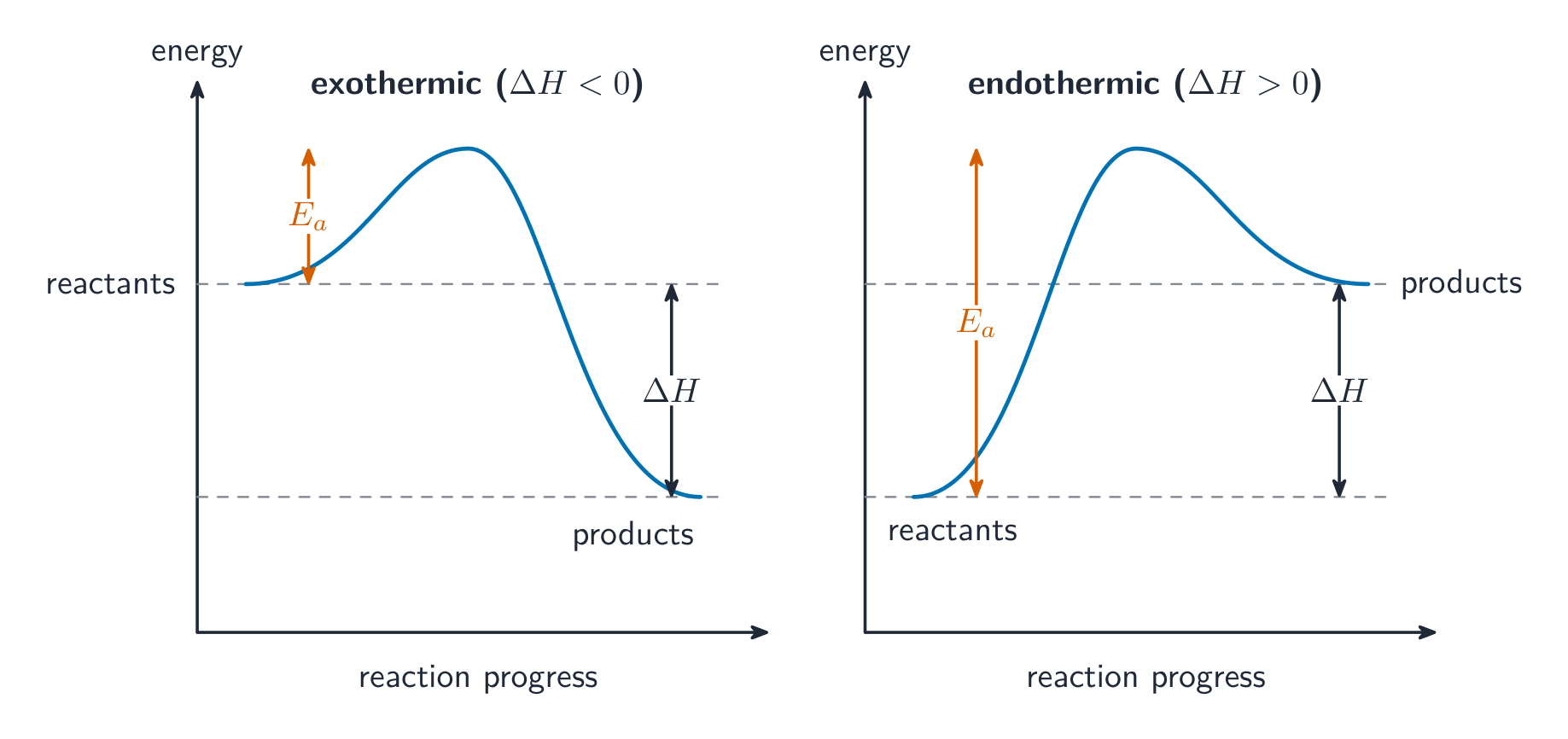
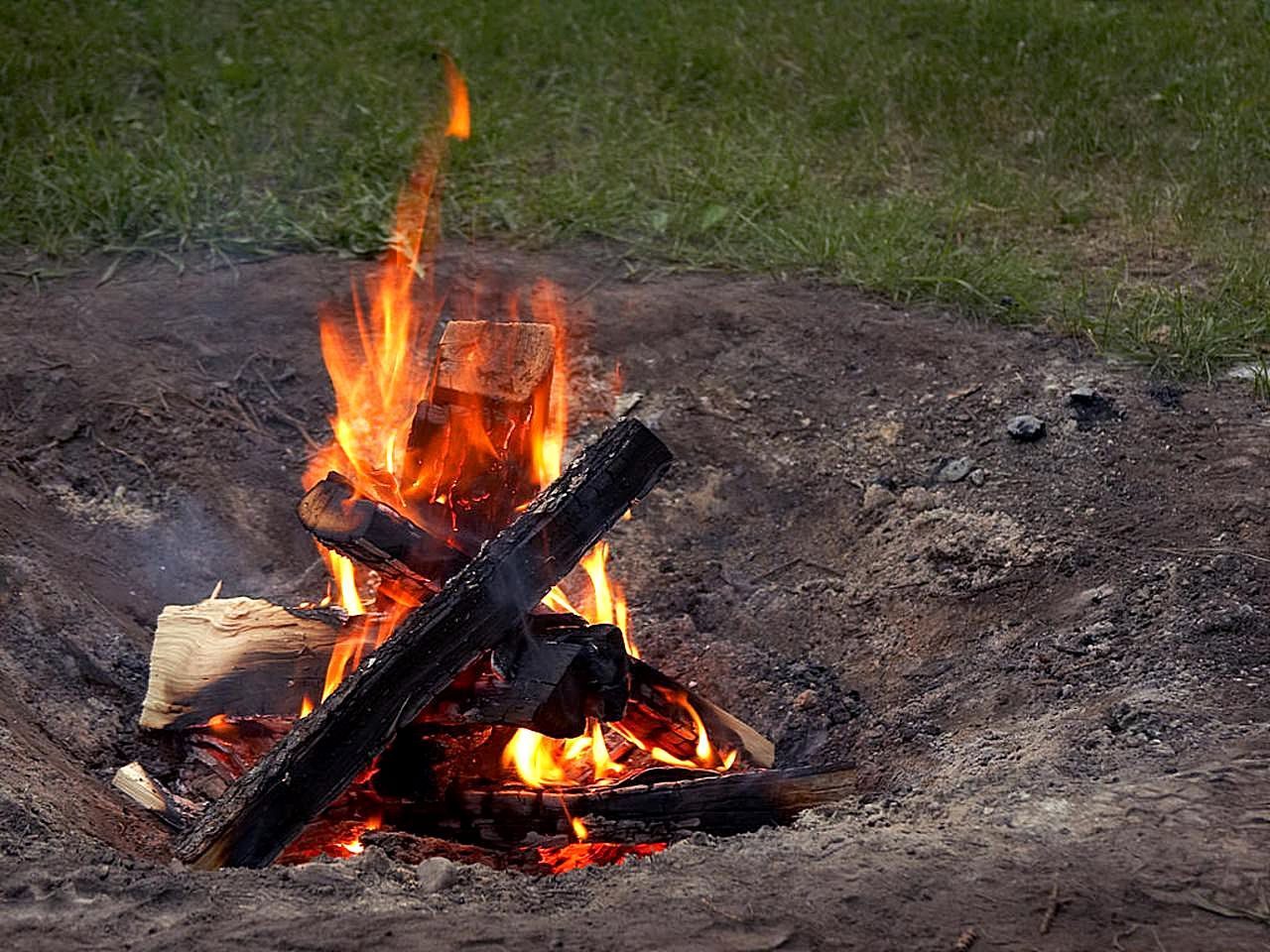
| 1 State that an exothermic reaction transfers thermal energy to the surroundings leading to an increase in the temperature of the surroundings | 4 State that the transfer of thermal energy during a reaction is called the enthalpy change, $\Delta H$, of the reaction. $\Delta H$ is negative for exothermic reactions and positive for endothermic reactions |
| 2 State that an endothermic reaction takes in thermal energy from the surroundings leading to a decrease in the temperature of the surroundings | |
| 5 Define activation energy, $E_a$, as the minimum energy that colliding particles must have to react | |
| 3 Interpret reaction pathway diagrams showing exothermic and endothermic reactions | 6 Draw and label reaction pathway diagrams for exothermic and endothermic reactions using information provided, to include: (a) reactants (b) products (c) enthalpy change of the reaction, $\Delta H$ (d) activation energy, $E_a$ |
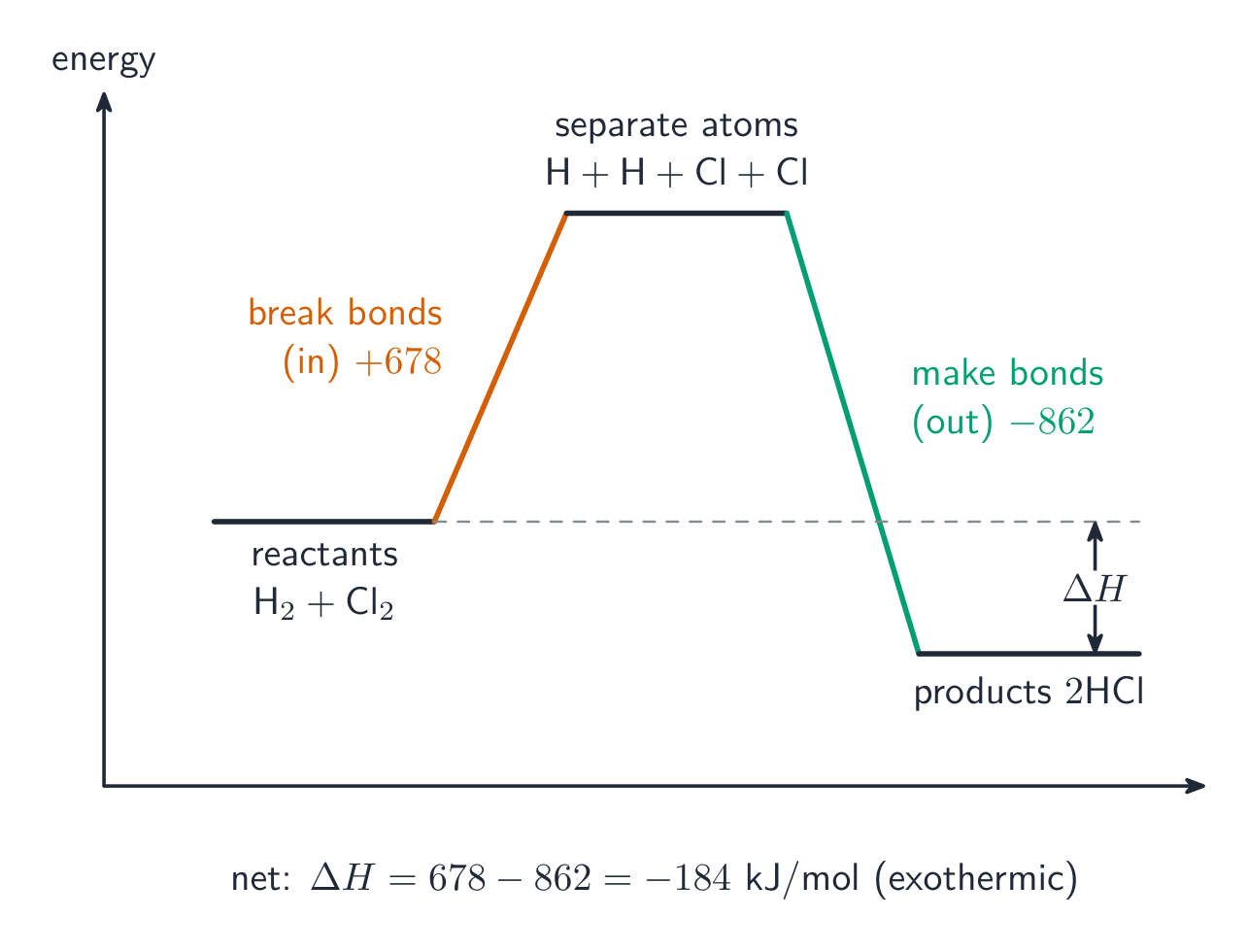
| 7 State that bond breaking is an endothermic process and bond making is an exothermic process and explain the enthalpy change of a reaction in terms of bond breaking and bond making | |
| 8 Calculate the enthalpy change of a reaction using bond energies |
Français
| Fondamental | Supplémentaire |
|---|---|
| 1 Affirmer qu'une réaction exothermique transfère de l'énergie thermique vers l'environnement, entraînant une augmentation de la température de celui-ci | 4 Affirmer que le transfert d'énergie thermique lors d'une réaction est appelé la variation d'enthalpie, $\Delta H$, de la réaction. $\Delta H$ est négatif pour les réactions exothermiques et positif pour les réactions endothermiques |
| 2 Affirmer qu'une réaction endothermique absorbe de l'énergie thermique de l'environnement, entraînant une diminution de la température de celui-ci | |
| 5 Définir l'énergie d'activation, $E_a$, comme l'énergie minimale que doivent avoir les particules en collision pour réagir | |
| 3 Interpréter les diagrammes de parcours de réaction montrant des réactions exothermiques et endothermiques | 6 Tracer et légender des diagrammes de parcours de réaction pour des réactions exothermiques et endothermiques en utilisant les informations fournies, en incluant : (a) les réactifs (b) les produits (c) la variation d'enthalpie de la réaction, $\Delta H$ (d) l'énergie d'activation, $E_a$ |
| 7 Affirmer que la rupture de liaisons est un processus endothermique et la formation de liaisons est un processus exothermique, et expliquer la variation d'enthalpie d'une réaction en termes de rupture et de formation de liaisons | |
| 8 Calculer la variation d'enthalpie d'une réaction en utilisant les énergies de liaison |