Skip to content · ⁨Saltar al contenido⁩

Drogas

IGCSE Biología · Topic 15 · ⁨Tema 15⁩

Train · ⁨Entrenar⁩
Video lesson for this topic · ⁨Lección de video para este tema⁩ Open the video page · ⁨Abrir la página de video⁩
4:37

Drogas y Antibióticos

Pide antibióticos a un médico cuando tengas un resfriado y te dirá que no. No porque sea difícil—porque simplemente no funcionaría, y porque…

English narration · English + 中文 subtitles burned in · ⁨Narración en inglés · Subtítulos en inglés + 中文 quemados en pantalla⁩

15.1

What a drug is · ⁨¿Qué es una droga⁩

Syllabus
English
Core Supplement
1 Describe a drug as any substance taken into the body that modifies or affects chemical reactions in the body
2 Describe the use of antibiotics for the treatment of bacterial infections
3 State that some bacteria are resistant to antibiotics which reduces the effectiveness of antibiotics 5 Explain how using antibiotics only when essential can limit the development of resistant bacteria such as MRSA
4 State that antibiotics kill bacteria but do not affect viruses
Español
Núcleo Complemento
1 Describir un fármaco como cualquier sustancia ingerida en el organismo que modifica o afecta las reacciones químicas del cuerpo
2 Describir el uso de antibióticos para el tratamiento de infecciones bacterianas
3 Indicar que algunas bacterias son resistentes a los antibióticos, lo cual reduce la eficacia de estos 5 Explicar cómo el uso exclusivo de antibióticos cuando es estrictamente necesario puede limitar el desarrollo de bacterias resistentes, como la MRSA
4 Indicar que los antibióticos matan las bacterias pero no afectan a los virus

Source: Cambridge International syllabus · ⁨Fuente: Plan de estudios Cambridge International⁩

English

A drug 药物 is any substance taken into the body that changes or affects the chemical reactions 化学反应 in the body. Many drugs are medicines that help to treat illness.

Español
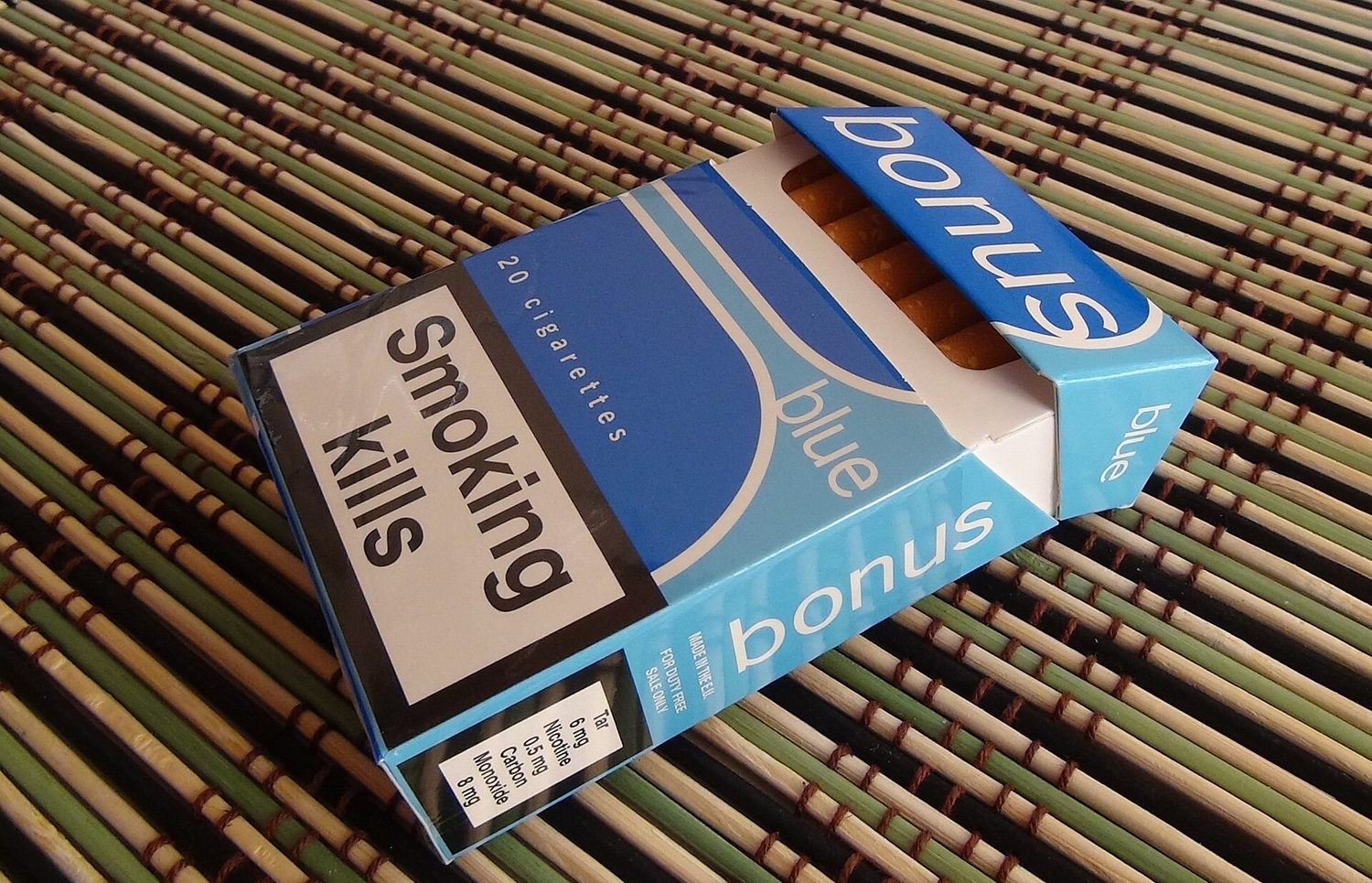
Un paquete de cigarrillos
Los cigarrillos contienen nicotina, una sustancia adictiva.

Una droga (o fármaco) es cualquier sustancia que se introduce en el cuerpo y que cambia o afecta las reacciones químicas del mismo. Muchas drogas son medicamentos que ayudan a tratar enfermedades.

Vocabulary · ⁨Vocabulario⁩ Train · ⁨Entrenar⁩
English · ⁨Inglés⁩ Chinese · ⁨Chino⁩ Pinyin
drug/drʌɡ/ 药物 yào wù
chemical reactions/ˈkemɪkl rɪˈækʃnz/ 化学反应 huà xué fǎn yìng
15.1

Antibiotics · ⁨Antibióticos⁩

English

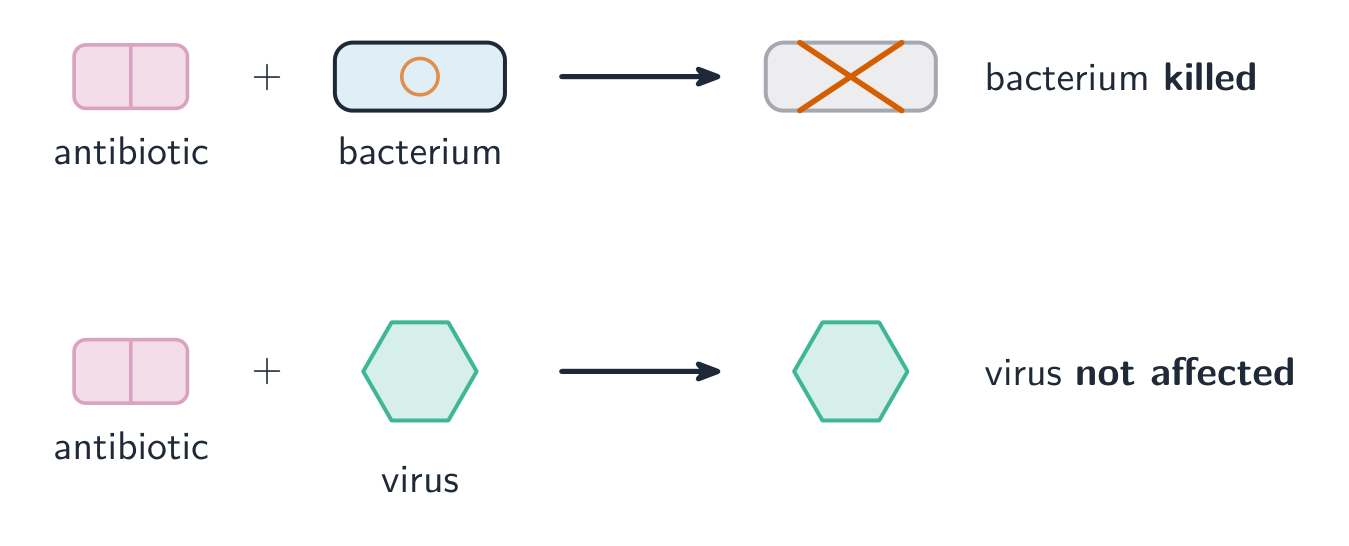
Antibiotics 抗生素 are drugs used to treat bacterial infections 感染. They kill bacteria 细菌, or stop them growing, but they do not affect viruses 病毒. This is why antibiotics cannot cure a cold or the flu, which are caused by viruses.

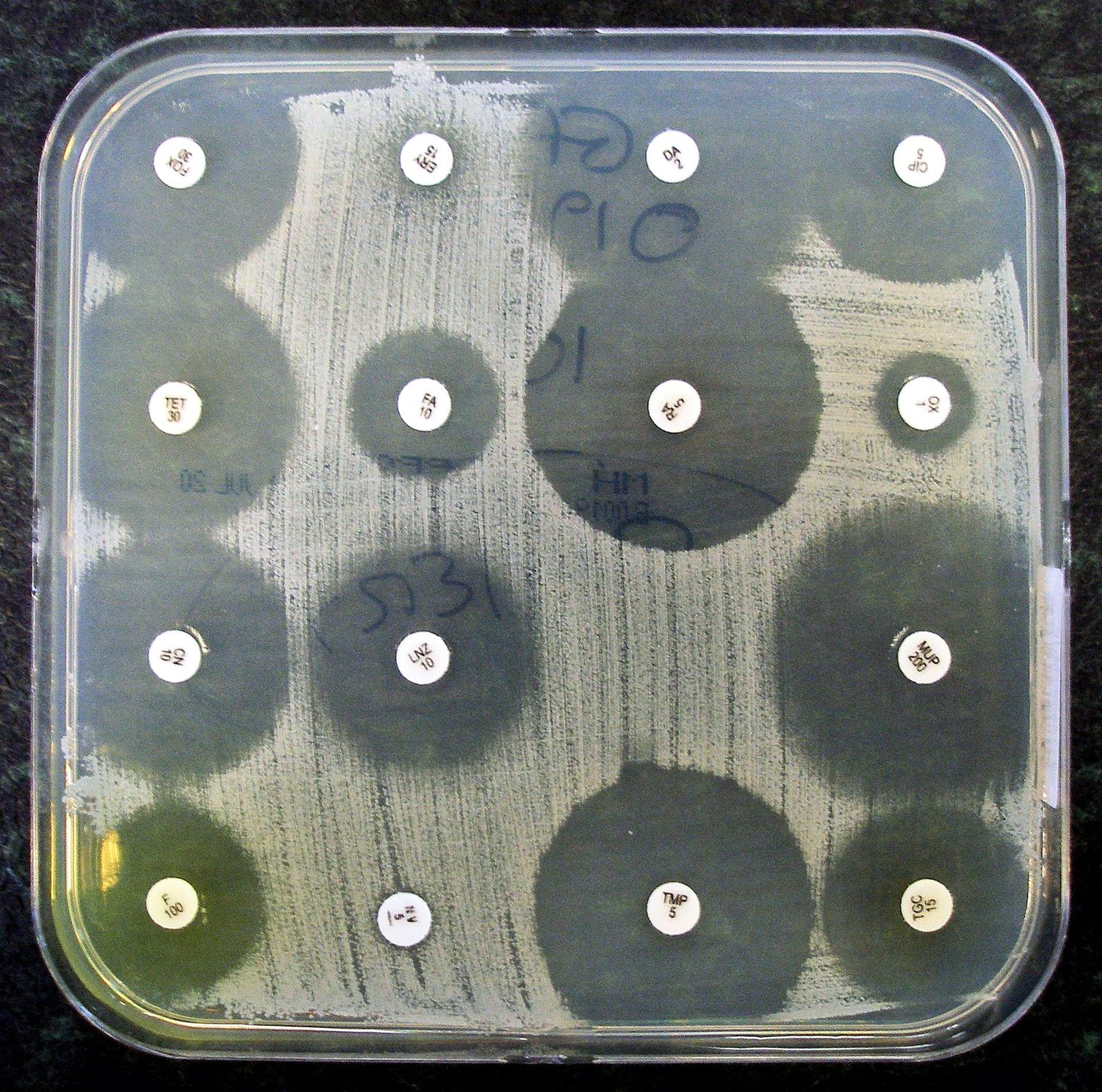
To test which antibiotic works best, small paper discs soaked in different antibiotics are placed on a plate covered with bacteria. Where an antibiotic kills the bacteria, a clear ring with no growth appears around the disc. A bigger ring means the antibiotic is more effective.

Español

Los antibióticos son fármacos utilizados para tratar infecciones bacterianas. Matan las bacterias o detienen su crecimiento, pero no afectan a los virus. Por esta razón, los antibióticos no curan un resfriado ni la gripe, ya que estos están causados por virus.

Un antibiótico más una bacteria conduce a la muerte de la bacteria, pero un antibiótico más un virus deja al virus sin efecto
Los antibióticos matan bacterias pero no tienen efecto sobre los virus

Para probar qué antibiótico funciona mejor, se colocan pequeños discos de papel impregnados con diferentes antibióticos sobre una placa cubierta de bacterias. Donde un antibiótico mata a las bacterias, aparece un anillo transparente sin crecimiento alrededor del disco. Un anillo más grande indica que el antibiótico es más efectivo.

Una placa de cultivo cubierta con un césped de bacterias, con pequeños discos de antibióticos distribuidos por ella; cada antibiótico efectivo ha aclarado una zona circular sin crecimiento bacteriano alrededor de su disco
Los anillos transparentes muestran dónde los antibióticos han matado a las bacterias en la placa
Explore · ⁨Explorar⁩

Laboratorio de drogas y antibióticos

Clasificar ejemplos médicos según lo que la droga puede y no puede hacer.

Vocabulary · ⁨Vocabulario⁩ Train · ⁨Entrenar⁩
English · ⁨Inglés⁩ Chinese · ⁨Chino⁩ Pinyin
antibiotics/ˌæntɪbaɪˈɒtɪks/ 抗生素 kàng shēng sù
infections/ɪnˈfekʃnz/ 感染 gǎn rǎn
bacteria/bækˈtɪərɪə/ 细菌 xì jūn
viruses/ˈvaɪrəsɪz/ 病毒 bìng dú
resistant/rɪˈzɪstənt/ 耐药 nài yào
15.1

Antibiotic resistance · ⁨Resistencia a los antibióticos⁩

English

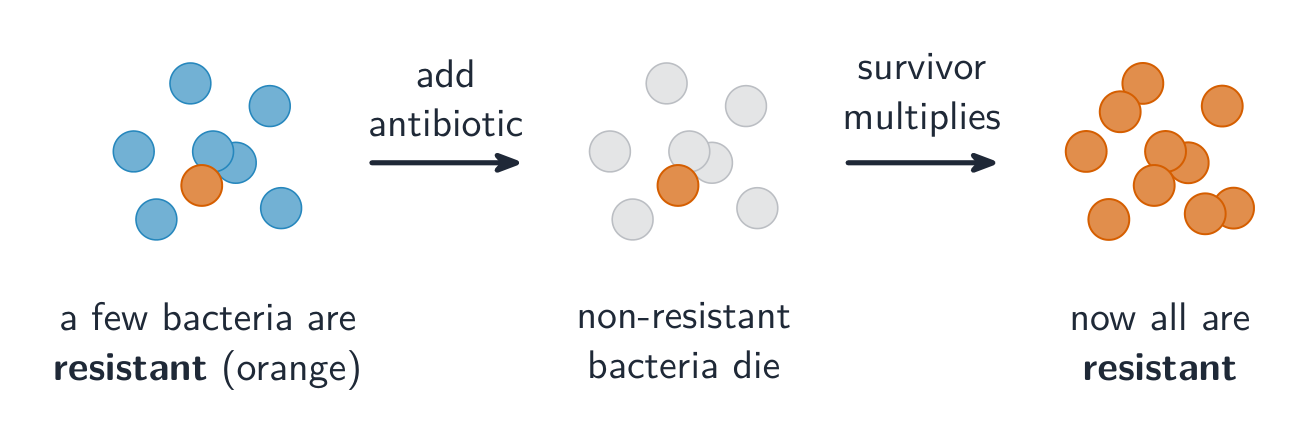
Some bacteria are resistant 耐药 to an antibiotic — the antibiotic no longer kills them. These bacteria survive and multiply, so the antibiotic slowly becomes less effective for everyone.

(Supplement) To slow this down, antibiotics should be used only when they are really needed, and the full course should always be finished. Using antibiotics too often lets resistant bacteria, such as MRSA, spread.

Worked example. A patient stops taking their antibiotic as soon as they feel better, and the infection comes back worse. Explain using resistance. In the starting population a few bacteria are already resistant, by chance. The antibiotic kills the non-resistant ones, so those few survive, multiply, and come to make up most of the population - and the antibiotic no longer works on it. Stopping early leaves behind exactly the bacteria that are hardest to kill. Say the resistant bacteria already existed and survived: writing that the antibiotic "made them resistant" is wrong and loses every mark.

Español

Algunas bacterias son resistentes a un antibiótico; es decir, el antibiótico ya no las mata. Estas bacterias sobreviven y se multiplican, por lo que el antibiótico se vuelve lentamente menos efectivo para todos.

(Suplemento) Para frenar este proceso, los antibióticos deben usarse solo cuando sean realmente necesarios, y siempre debe completarse el tratamiento completo. El uso excesivo de antibióticos permite que se propaguen bacterias resistentes, como la MRSA.

Tres etapas: una población de bacterias con algunas resistentes; después del antibiótico, solo sobreviven las bacterias resistentes; luego se multiplican hasta que toda la población es resistente
Las bacterias resistentes sobreviven al antibiótico y se multiplican, haciendo que la población sea resistente

Ejemplo resuelto. Un paciente deja de tomar su antibiótico tan pronto como se siente mejor, y la infección regresa peor. Explique esto usando el concepto de resistencia. En la población inicial, unas pocas bacterias ya son resistentes por azar. El antibiótico mata a las que no son resistentes, por lo que esas pocas sobreviven, se multiplican y llegan a formar la mayor parte de la población, haciendo que el antibiótico deje de funcionar contra ellas. Dejar el tratamiento a medias deja sobrevivir exactamente a las bacterias más difíciles de eliminar. Si se afirma que las bacterias resistentes "ya existían" y sobrevivieron: escribir que el antibiótico "las hizo resistentes" es incorrecto y se pierden todos los puntos.

15.1

Exam tips · ⁨Consejos para el examen⁩

English
  • A drug is any substance that changes the body's chemical reactions — not only illegal drugs.
  • Antibiotics kill bacteria only; they do not work on viruses (so they are useless against colds and flu).
  • Overusing antibiotics leads to resistant bacteria like MRSA. Use them only when needed, and finish the whole course.
Español
  • Una droga es cualquier sustancia que altera las reacciones químicas del cuerpo — no solo las drogas ilegales.
  • Los antibióticos matan solo bacterias; no actúan sobre virus (por lo que son inútiles contra resfriados y gripe).
  • El uso excesivo de antibióticos conduce a bacterias resistentes como la MRSA. Úselos solo cuando sea necesario y complete todo el tratamiento.

Interactive lessons on this topic · ⁨Lecciones interactivas sobre este tema⁩

Work through it step by step, with instant-check exercises. · ⁨Trátalo paso a paso, con ejercicios de verificación instantánea.⁩

Past Papers · ⁨Exámenes Anteriores⁩

More topics in IGCSE Biología · ⁨Más temas en IGCSE Biología⁩

Log in or create account · ⁨Iniciar sesión o crear cuenta⁩

IGCSE, A-Level & AP