Skip to content · ⁨الانتقال إلى المحتوى⁩

Principles of Design · ⁨مبادئ التصميم⁩

AP 2-D Art and Design · ⁨الفنون والتصميم AP 2-D⁩ · Topic 2 · ⁨الموضوع 2⁩

Video lesson for this topic · ⁨درس فيديو لهذا الموضوع⁩ Open the video page · ⁨افتح صفحة الفيديو⁩
7:20

مبادئ التصميم

انظر إلى هذه اللوحة لمدة ثلاث ثوانٍ. إلى أين ذهبت عينك أولاً؟ hampir الجميع ينظر إلى نفس المكان — الوجهين المضيئين في المنتصف. كان ذلك…

English narration · English + 中文 subtitles burned in · ⁨سرد باللغة الإنجليزية · ترجمة مدمجة بالإنجليزية + الصينية⁩

2.1

Balance · ⁨التوازن⁩

Syllabus · ⁨المنهج⁩
English

Focus: Balance is the visual distribution of weight in a composition so it feels stable.

  • Symmetrical (formal) balance mirrors both sides of a central axis — calm and orderly.
  • Asymmetrical (informal) balance uses different elements of equal visual weight — dynamic and lively.
  • Radial balance arranges elements around a central point.
  • Visual weight is affected by size, colour, value, texture, and position.
  • A large, dull shape can balance a small, bright one on the other side.
العربية

التركيز: التوازن هو التوزيع البصري للوزن في التكوين ليبدو مستقراً.

  • التوازن المتماثل (الرسمي) يعكس كلا جانبي محور مركزي — هادئ ومنظم.
  • التوازن غير المتماثل (غير الرسمي) يستخدم عناصر مختلفة ذات وزن بصري متساوي — ديناميكي وحيوي.
  • التوازن الشعاعي يرتب العناصر حول نقطة مركزية.
  • يتأثر الوزن البصري بالحجم، واللون، والقيمة، والملمس، والموضع.
  • يمكن لشكل كبير وباهت أن يوازن شكلاً صغيراً وزاهياً في الجانب الآخر.
Source: College Board AP Course and Exam Description · ⁨المصدر: وصف دورة وامتحان College Board AP⁩

English
Balance: symmetrical, asymmetrical, radial

The principles of design 设计原则 are the "rules" for arranging the elements of art. The first is balance 平衡 — the visual distribution of weight so a work feels stable.

  • Symmetrical (formal) balance 对称平衡 mirrors both sides of a central axis — calm and orderly.
  • Asymmetrical (informal) balance 非对称平衡 uses different elements of equal visual weight 视觉重量 — dynamic and lively.
  • Radial balance 辐射平衡 arranges elements around a central point.

Visual weight is affected by size, colour, value, and position: a small bright shape can balance a large dull one.

العربية
التوازن: المتماثل، غير المتماثل، الشعاعي

إن مبادئ التصميم هي "القواعد" لترتيب عناصر الفن. الأولى هي التوازن — التوزيع البصري للوزن حتى يبدو العمل ثابتاً.

أنواع ثلاثة من التوازن: المتماثل، غير المتماثل، والشعاعي
التوازن المتماثل يعكس محوراً مركزياً؛ التوازن غير المتماثل يزن عناصر مختلفة؛ التوازن الشعاعي يتجه من مركز
  • التوازن المتماثل (الرسمي) يعكس كلا جانبي محور مركزي — هادئ ومنظم.
  • التوازن غير المتماثل (غير الرسمي) يستخدم عناصر مختلفة ذات وزن بصري متساوٍ — ديناميكي وحيوي.
  • التوازن الشعاعي يرتب العناصر حول نقطة مركزية.

يتأثر الوزن البصري بالحجم واللون والقيمة والموقع: يمكن لشكل صغير مشرق موازنة شكل كبير باهت.

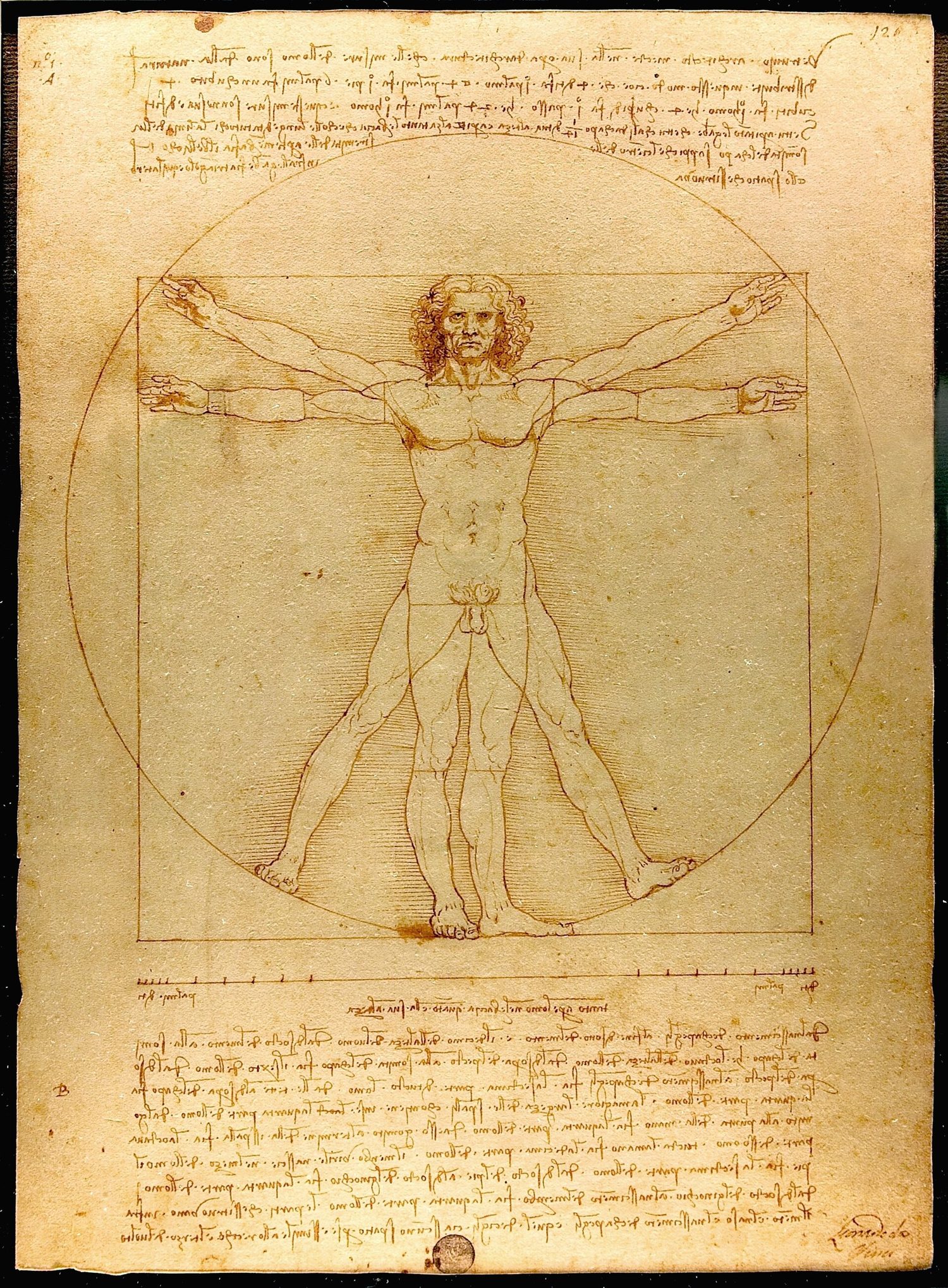
رسم الحبر لـ ليوناردو لرجل بأذرع وساقين ممدودتين، مدمج داخل دائرة ومربع
رجل فيتروفيوس لليوناردو: تم رسم الشخصية بتناظر شبه مثالي حول محور رأسي مركزي، والدائرة المحيطة تمنحه أيضاً تواناً شعاعياً
التكوين يوازن الضوء والكتل والاهتمام عبر المستوى البصري
Explore · ⁨استكشف⁩

Which kind of balance? · ⁨أي نوع من التوازن؟⁩

Symmetrical balance mirrors a central axis; asymmetrical balance weighs different elements of equal visual weight; radial balance radiates from a centre. · ⁨التوازن المتماثل يعكس محوراً مركزياً؛ التوازن غير المتماثل يزن عناصر مختلفة ذات وزن بصري متساوٍ؛ التوازن الشعاعي يشع من مركز.⁩

Vocabulary · ⁨مفردات⁩ Train · ⁨تدريب⁩
English العربية
principles of design/ˈprɪnsɪplz ɒv dɪˈzaɪn/ مبادئ التصميم
balance/ˈbæləns/ التوازن
Symmetrical (formal) balance/sɪˈmetrɪkl ˈbæləns/ التوازن المتماثل (الرسمي)
Asymmetrical (informal) balance/ˌeɪsɪˈmetrɪkl ˈbæləns/ التوازن اللامتماثل (غير الرسمي)
visual weight/ˈvɪʒuːəl weɪt/ الوزن البصري
Radial balance/ˈreɪdɪəl ˈbæləns/ التوازن الشعاعي
Emphasis/ˈemfəsɪs/ التركيز
focal point/ˈfəʊkl pɔɪnt/ نقطة التركيز
Subordination/ˌsʌbɔːdɪˈneɪʃn/ التضعيف
Contrast/ˈkɒntræst/ التباين
visual hierarchy/ˈvɪʒuːəl ˈhaɪərɑːki/ التسلسل الهرمي البصري
2.2

Emphasis and Focal Point · ⁨التركيز ونقطة التركيز⁩

Syllabus · ⁨المنهج⁩
English

Focus: Emphasis makes one part of a work stand out as the centre of interest (the focal point).

  • A focal point is where the eye is drawn first; emphasis creates it.
  • Emphasis is built through contrast — of size, colour, value, isolation, or placement.
  • Convergence (lines that point) and the rule of thirds help locate a strong focal point.
  • Subordination keeps other areas quieter so the focal point leads.
  • A work may have one dominant focal point and smaller secondary accents.
العربية

التركيز: التركيز يجعل جزءاً واحداً من العمل بارزاً كنقطة اهتمام (النقطة المركزية).

  • النقطة المركزية هي المكان الذي تنجذب إليه العين أولاً؛ والتركيز هو ما يخلقها.
  • يُبنى التركيز من خلال التباين — في الحجم، اللون، القيمة، العزل، أو الموضع.
  • التقارب (الخطوط التي تشير) وقاعدة الثلث يساعدان في تحديد نقطة مركزية قوية.
  • الإخضاع يحافظ على المناطق الأخرى أكثر هدوءاً حتى تقود النقطة المحورية.
  • قد يحتوي العمل على نقطة مركزية واحدة مسيطرة وعلامات ثانوية أصغر.

Source: College Board AP Course and Exam Description · ⁨المصدر: وصف دورة وامتحان College Board AP⁩

English

Emphasis 强调 makes one part of a work stand out as the centre of interest — the focal point 视觉焦点, where the eye is drawn first.

  • Emphasis is created through contrast — of size, colour, value, isolation, or placement.
  • Leading lines and the rule of thirds help place a strong focal point.
  • Subordination 从属 keeps other areas quieter so the focal point leads.
العربية

التركيز يجعل جزءاً واحداً من العمل بارزاً كمركز للاهتمام — نقطة التركيز، حيث ينجذب النظر أولاً.

  • يُخلق التركيز من خلال التباين — في الحجم، اللون، القيمة، العزل، أو الموقع.
  • الخطوط التوجيهية وقاعدة الثلث تساعد في وضع نقطة تركيز قوية.
  • الإخضاع يحافظ على المناطق الأخرى أكثر هدوءاً حتى تقود النقطة المحورية.
2.3

Contrast · ⁨التباين⁩

Syllabus · ⁨المنهج⁩
English

Focus: Contrast is the difference between elements — it creates energy, variety, and readability.

  • Contrast can be of value (light/dark), colour (complementary), shape, texture, or size.
  • Strong contrast attracts attention and defines a focal point.
  • Low contrast unifies a work and can feel calm, subtle, or moody.
  • Contrast in direction (horizontal vs diagonal) adds movement.
  • In graphic design, value and size contrast create clear visual hierarchy.
العربية

التركيز: التباين هو الفرق بين العناصر — ويخلق الطاقة، والتنوع، والوضوح.

  • يمكن أن يكون التباين في القيمة (فاتح/داكن)، اللون (تكميلي)، الشكل، الملمس، أو الحجم.
  • التباين القوي يجذب الانتباه ويحدد النقطة المحورية.
  • التباين المنخفض يوحّد العمل وقد يبدو هادئاً، ناعماً، أو حزيناً.
  • التباين في الاتجاه (أفقي مقابل قطري) يضيف حركة.
  • في التصميم الجرافيكي، يخلق تباين القيمة والحجم تسلسلاً هرمياً بصرياً واضحاً.

Source: College Board AP Course and Exam Description · ⁨المصدر: وصف دورة وامتحان College Board AP⁩

English

Contrast 对比 is the difference between elements — it creates energy, variety, and readability.

  • Contrast can be of value (light/dark), colour (complementary), shape, texture, or size.
  • Strong contrast attracts attention and defines a focal point; low contrast unifies and calms.
  • In design, value and size contrast create clear visual hierarchy 视觉层次.
العربية

التباين هو الفرق بين العناصر — فهو يخلق الطاقة والتنوع والقراءة.

  • يمكن أن يكون التباين في القيمة (فاتح/داكن)، اللون (متكامل)، الشكل، الملمس، أو الحجم.
  • التباين القوي يجذب الانتباه ويحدد نقطة التركيز؛ التباين المنخفض يوحّد ويهدئ.
  • في التصميم، يخلق التباين في القيمة والحجم تسلسلاً هرمياً بصرياً واضحاً.
2.4

Movement and Rhythm · ⁨الحركة والإيقاع⁩

Syllabus · ⁨المنهج⁩
English

Focus: Movement leads the viewer's eye through a work; rhythm is the repetition that creates a visual beat.

  • Movement is the path the eye takes, guided by line, edges, colour, and placement.
  • Rhythm is created by repeating elements with regular or varied spacing.
  • Types of rhythm: regular (even), flowing (curving), progressive (gradual change), and random.
  • Directional forces (leading lines, gazes, gestures) create implied motion.
  • Repetition with variation keeps rhythm interesting rather than monotonous.
العربية

التركيز: الحركة توجه عين المشاهد عبر العمل؛ والإيقاع هو التكرار الذي يخلق نبضة بصرية.

  • الحركة هي المسار الذي تتبعه العين، مُوجهة بواسطة الخطوط، الحواف، اللون، والموضع.
  • يُنشأ الإيقاع بتكرار العناصر بمسافات منتظمة أو متغيرة.
  • أنواع الإيقاع: منتظم (متساوٍ)، متدفق (منحني)، تدريجي (تغير تدريجي)، وعشوائي.
  • القوى الاتجاهية (الخطوط المؤدية، النظرات، الإيماءات) تحرك حركياً ضمنيًا.
  • التكرار مع التنوع يحافظ على الإيقاع جذاباً بدلاً من أن يكون مملاً.

Source: College Board AP Course and Exam Description · ⁨المصدر: وصف دورة وامتحان College Board AP⁩

English

Movement 动感 leads the viewer's eye through a work; rhythm 节奏 is the repetition that creates a visual "beat".

  • Movement is the path the eye takes, guided by line, edges, colour, and placement.
  • Rhythm types: regular (even), flowing (curving), progressive 渐进 (gradual change), and random.
  • Repetition with variation keeps rhythm interesting rather than monotonous.
العربية

الحركة توجه نظر المشاهد عبر العمل الفني؛ والإيقاع هو التكرار الذي ينشئ "إيقاعاً" بصرياً.

  • المسار الذي يسلكه العين موجه بواسطة الخطوط والحواف والألوان والموضع.
  • أنواع الإيقاع: منتظم (متساوٍ)، متدفق (منحني)، تدريجي (تغير تدريجي)، وعشوائي.
  • التكرار مع التنوع يحافظ على الإيقاع جذاباً بدلاً من أن يكون مملاً.
لوحة فان جوغ لسماء ليلية مليئة بدوامات ضوئية كبيرة دوارة فوق قرية هادئة
لوحة "الليلة النجمية" لفان جوغ: ضربات الفرشاة الدوارة توجه النظر عبر السماء (حركة)، والدوائر المكررة تمنحه إيقاعاً متداخلاً
Vocabulary · ⁨مفردات⁩ Train · ⁨تدريب⁩
English العربية
Movement/ˈmuːvmənt/ الحركة
rhythm/ˈrɪðəm/ الإيقاع
progressive/prəˈɡresɪv/ تدريجي
2.5

Pattern and Repetition · ⁨النمط والتكرار⁩

Syllabus · ⁨المنهج⁩
English

Focus: Repetition reuses an element; pattern is the repeated element arranged in a predictable way.

  • Repetition of shape, colour, or line builds unity and rhythm.
  • A pattern is a repeated motif — regular (grid, tessellation) or irregular.
  • Patterns can fill a shape, define a texture, or become the subject itself.
  • Motif is the single unit that repeats; changing scale or colour varies the pattern.
  • Too much repetition can feel monotonous; variation keeps it engaging.
العربية

التركيز: التكرار يعيد استخدام عنصر؛ والنمط هو العنصر المكرر المرتب بطريقة متوقعة.

  • التكرار للشكل، اللون، أو الخط يبني الوحدة والإيقاع.
  • النمط هو دافع مكرر — منتظم (شبكة، ترصيع) أو غير منتظم.
  • يمكن للنمط أن يملأ شكلاً، أو يُعرّف ملمساً، أو يصبح الموضوع نفسه.
  • النمط المتكرر (Motif) هو الوحدة المفردة التي تتكرر؛ فإن تغيير المقياس أو اللون يُغيّر النمط.
  • يمكن أن يبدو التكرار المفرط مملًا؛ بينما يحافظ التنوع على جاذبيته.

Source: College Board AP Course and Exam Description · ⁨المصدر: وصف دورة وامتحان College Board AP⁩

English

Repetition 重复 reuses an element; a pattern 图案 is the repeated element arranged in a predictable way.

  • Repetition of shape, colour, or line builds unity and rhythm.
  • A pattern is a repeated motif 母题 — regular (a grid or tessellation) or irregular.
  • Too much repetition feels monotonous; changing scale or colour adds variety.
العربية

التكرار يعيد استخدام عنصر ما؛ والنمط هو العنصر المكرر المرتب بطريقة متوقعة.

  • تكرار الشكل أو اللون أو الخط يبني الوحدة والإيقاع.
  • النمط هو دافع مكرر — منتظم (شبكة أو تزييج) أو غير منتظم.
  • كثرة التكرار قد تبدو مملة؛ وتغيير الحجم أو اللون يضيف تنوعاً.
قطعة قماش منقوشة بطيور زرقاء بين فراوات حمراء وأوراق خضراء، نفس الدافع يتكرر عبرها
"صائد الفراولة" لويليام موريس: دافع واحد لطيور بين الفراوات يتكرر بنمط منتظم عبر القماش بأكمله
Vocabulary · ⁨مفردات⁩ Train · ⁨تدريب⁩
English العربية
Repetition/ˌrepəˈtɪʃn/ التكرار
pattern/ˈpætn/ نمط
motif/məʊˈtiːf/ الدافع
Proportion/prəˈpɔːʃn/ النسبة
scale/skeɪl/ المقياس
Hierarchical scale/haɪəˈrɑːkɪkl skeɪl/ المقياس الهرمي
golden ratio/ˈɡəʊldn ˈreɪʃɪəʊ/ النسبة الذهبية
Unity/ˈjuːnɪti/ الوحدة
variety/vəˈraɪəti/ التنوع
proximity/prɒkˈsɪmɪti/ القرب
continuity/kɒntɪˈnjuːɪti/ استمرارية
Harmony/ˈhɑːməni/ التناغم
2.6

Proportion and Scale · ⁨التناسب والمقياس⁩

Syllabus · ⁨المنهج⁩
English

Focus: Proportion is the size relationship between parts; scale is the size of the work or an element relative to something else.

  • Proportion compares the sizes of parts within a work (e.g. head to body).
  • Scale compares an element to the whole, to the human body, or to the real world.
  • Hierarchical scale makes the most important element largest.
  • Exaggerated or distorted proportion can express emotion or draw attention.
  • The golden ratio and canon of proportions are historic guides to pleasing relationships.
العربية

التركيز: التناسب هو العلاقة بين أحجام الأجزاء؛ أما المقياس فهو حجم العمل أو العنصر بالنسبة إلى شيء آخر.

  • التناسب يقارن أحجام الأجزاء داخل العمل الفني (مثل الرأس مقابل الجسم).
  • المقياس يقارن عنصرًا ما بالكل، أو بالجسم البشري، أو بالعالم الحقيقي.
  • المقياس الهرمي يجعل العنصر الأكثر أهمية هو الأكبر حجمًا.
  • النسبة المبالغ فيها أو المشوهة يمكن أن تعبر عن العاطفة أو تجذب الانتباه.
  • النسبة الذهبية وقانون التناسبات هي إرشادات تاريخية لتحقيق علاقات بصرية مريحة.

Source: College Board AP Course and Exam Description · ⁨المصدر: وصف دورة وامتحان College Board AP⁩

English

Proportion 比例 is the size relationship between parts; scale 尺度 is the size of an element relative to something else.

  • Proportion compares the sizes of parts within a work (head to body).
  • Hierarchical scale 等级比例 makes the most important element the largest.
  • Exaggerated or distorted proportion can express emotion or draw attention. The golden ratio 黄金比例 is a historic guide to pleasing proportions.
العربية

التناسب هو علاقة الحجم بين الأجزاء؛ والمقياس هو حجم العنصر بالنسبة لشيء آخر.

أدوات التركيب: قاعدة الأثلاث والمقياس الهرمي
قاعدة الأثلاث تضع العناصر الرئيسية على خطوط الثلث؛ والمقياس الهرمي يجعل العنصر المهم هو الأكبر
  • يقارن التناسب أحجام الأجزاء داخل العمل (الرأس إلى الجسم).
  • المقياس الهرمي يجعل العنصر الأكثر أهمية هو الأكبر حجمًا.
  • التناسب المبالغ فيه أو المشوه يمكن أن يعبر عن مشاعر أو يجذب الانتباه. النسبة الذهبية دليل تاريخي لنسب جذابة.
Vocabulary · ⁨مفردات⁩ Train · ⁨تدريب⁩
English العربية
Composition/ˌkɒmpəˈzɪʃn/ التركيب
picture plane/ˈpɪktʃə pleɪn/ مستوى الصورة
format/ˈfɔːmæt/ الصيغة
rule of thirds/ruːl ɒv θɜːdz/ قاعدة الثلثات
Cropping/ˈkrɒpɪŋ/ القص
2.7

Unity and Variety · ⁨الوحدة والتنوع⁩

Syllabus · ⁨المنهج⁩
English

Focus: Unity holds a work together as a whole; variety adds interest so it is not dull. Good design balances the two.

  • Unity is a sense that all parts belong together (through repetition, proximity, and a limited palette).
  • Variety is difference that adds interest and prevents monotony.
  • Harmony comes from elements that are similar; tension from those that differ.
  • Proximity (grouping) and continuity (alignment) strengthen unity.
  • The best works achieve unity with variety — order that still surprises.
العربية

التركيز: الوحدة تربط عناصر العمل الفني معًا ككل؛ بينما يضيف التنوع الاهتمام حتى لا يكون العمل باهتًا. التصميم الجيد يوازن بين الاثنين.

  • الوحدة هي الإحساس بأن جميع الأجزاء تنتمي معًا (من خلال التكرار، القرب، ولوحة ألوان محدودة).
  • التنوع هو الاختلاف الذي يضيف اهتمامًا ويمنع الملل.
  • التناغم ينبع من العناصر المتشابهة؛ بينما ينشأ التوتر من العناصر المختلفة.
  • القرب (التجميع) والاستمرارية (المحاذاة) يعززان الوحدة.
  • أفضل الأعمال تحقق الوحدة مع التنوع — نظام لا يزال يفاجئ.

Source: College Board AP Course and Exam Description · ⁨المصدر: وصف دورة وامتحان College Board AP⁩

English

Unity 统一 holds a work together as a whole; variety 变化 adds interest so it is not dull. Good design balances the two.

  • Unity comes from repetition, proximity 邻近 (grouping), continuity 连续性 (aligning elements along a line or edge so they read as one group), and a limited palette.
  • Variety is difference that prevents monotony. Harmony 和谐 comes from similar elements.
  • The best works achieve unity with variety — order that still surprises.
العربية

الوحدة تربط العمل ككل؛ والتنوع يضيف اهتماماً حتى لا يكون مملاً. التصميم الجيد يوازن بين الاثنين.

  • تأتي الوحدة من التكرار، والقرب (التجميع)، والاتصال (محاذاة العناصر على خط أو حافة لتُقرأ كمجموعة واحدة)، ولوحة ألوان محدودة.
  • التنوع هو الفرق الذي يمنع الملل. يأتي التناغم من العناصر المتشابهة.
  • أفضل الأعمال تحقق الوحدة مع التنوع — نظام لا يزال يفاجئ.
2.8

Composition · ⁨التركيب⁩

Syllabus · ⁨المنهج⁩
English

Focus: Composition is how all the elements and principles are arranged within the picture plane.

  • The picture plane is the flat surface; its format (portrait, landscape, square) shapes the design.
  • The rule of thirds places key elements along thirds lines and their intersections.
  • Cropping decides what is included and what is cut, changing emphasis and tension.
  • Leading lines, framing, and balance guide the eye and hold the composition together.
  • A strong composition unifies the elements while creating a clear focal point.
العربية

التركيز: التركيب هو كيفية ترتيب جميع العناصر والمبادئ داخل مساحة اللوحة.

  • مساحة اللوحة هي السطح المسطح؛ وشكلها (عمودي، أفقي، مربع) يُشكّل التصميم.
  • قاعدة الثلثات تضع العناصر الرئيسية على خطوط الثلثات وتقاطعاتها.
  • القص يحدد ما يُشمل وما يُقطع، مما يغير التركيز والتوتر.
  • الخطوط المؤدية والإطار والتوازن توجه العين وتحافظ على تماسك التركيب.
  • التركيب القوي يوحد العناصر بينما يخلق نقطة تركيز واضحة.

Source: College Board AP Course and Exam Description · ⁨المصدر: وصف دورة وامتحان College Board AP⁩

English

Composition 构图 is how all the elements and principles are arranged within the picture plane 画面.

  • The format 画幅 (portrait, landscape, square) shapes the design.
  • The rule of thirds 三分法 places key elements along third-lines and their intersections.
  • Cropping 裁剪 decides what is included and what is cut, changing emphasis and tension.
  • A strong composition unifies the elements while creating a clear focal point — this is what the AP portfolio's 2-D skills are judged on.

Worked example (applying the concept). To explain balance in a composition: "The large dark shape on the left is balanced by three small bright shapes on the right — this is asymmetrical balance, which gives the piece visual weight on both sides while keeping it dynamic rather than static." A full answer names the principle, points to specific evidence in the work, and states the effect on the viewer.

العربية

التركيب هو كيفية ترتيب جميع العناصر والمبادئ داخل المستوى الصوري.

  • الصيغة (عمودية، أفقية، مربعة) تُشكل التصميم.
  • قاعدة الأثلاث تضع العناصر الرئيسية على خطوط الثلث وتقاطعاتها.
  • القص يحدد ما يُشمل وما يُقطع، مما يغير التركيز والتوتر.
  • التركيب القوي يوحد العناصر بينما ينشئ نقطة تركيز واضحة — وهذا ما يُحكم عليه في مهارات 2-D في محفظة AP.

مثال محلول (تطبيق المفهوم). لتوضيح التوازن في تركيب فني: "الشكل الداكن الكبير على اليسار مُوازَن بثلاثة أشكال صغيرة مضيئة على اليمين — هذا توازن غير متماثل، يمنح Piece ثقلًا بصريًا على كلا الجانبين مع الحفاظ على ديناميكيته بدلاً من سكونه." الإجابة الكاملة تذكر المبدأ، وتشير إلى أدلة محددة في العمل، وتُبيّن التأثير على المشاهد.

2.8

Exam tips · ⁨نصائح للامتحان⁩

English
  • For every work, state which principle organises it — balance, emphasis, contrast, movement, or unity.
  • Justify balance through visual weight, not just symmetry.
  • Ensure one clear focal point, and name the emphasis technique that creates it.
  • Aim for unity with variety — name the unifying device and the source of interest.
  • Plan composition with the rule of thirds and thumbnails before committing.
العربية
  • لكل عمل، اذكر أي مبدأ ينظمه — التوازن، التركيز، التباين، الحركة، أو الوحدة.
  • برر التوازن من خلال الثقل البصري، وليس فقط التماثل.
  • تأكد من وجود نقطة تركيز واحدة واضحة، وسمِّ تقنية التركيز التي تنشئها.
  • استهدف الوحدة مع التنوع — سمِّ الجهاز الموحد ومصدر الاهتمام.
  • خطّط للتركيب باستخدام قاعدة الأثلاث والنماذج الصغيرة قبل التنفيذ النهائي.

Interactive lessons on this topic · ⁨دروس تفاعلية حول هذا الموضوع⁩

Work through it step by step, with instant-check exercises. · ⁨ا-working عليه خطوة بخطوة، مع تمارين تحقق فوري.⁩

More topics in AP 2-D Art and Design · ⁨الفنون والتصميم AP 2-D⁩ · ⁨المزيد من المواضيع في AP 2-D Art and Design · ⁨الفنون والتصميم AP 2-D⁩⁩

Log in or create account · ⁨تسجيل الدخول أو إنشاء حساب⁩

IGCSE, A-Level & AP