Skip to content · ⁨コンテンツへスキップ⁩

Industrial and Economic Development Patterns and Processes · ⁨産業および経済発展のパターンとプロセス⁩

AP Human Geography · ⁨AP 人文地理学⁩ · Topic 7 · ⁨トピック 7⁩

View Slides · ⁨查看幻灯片⁩ Train · ⁨練習する⁩
Video lesson for this topic · ⁨このトピックのビデオレッスン⁩ Open the video page · ⁨動画ページを開く⁩
8:02

産業および経済発展のパターンとプロセス

あなたの周りにあるほとんどのものは工場で製造され、船によってここに運ばれた。250年前には、ほとんど誰もこのような生活を送っていなかった。しかし…

English narration · English + 中文 subtitles burned in · ⁨英語ナレーション・英語+中文字幕 burning-in⁩

7.1

The Industrial Revolution · ⁨産業革命⁩

Syllabus · ⁨シラバス⁩
English

Enduring Understanding (SPS-7): Industrialization, past and present, has facilitated improvements in standards of living, but it has also contributed to geographically uneven development.

Learning Objective SPS-7.A: Explain how the Industrial Revolution facilitated the growth and diffusion of industrialization.

  • SPS-7.A.1 Industrialization began as a result of new technologies and was facilitated by the availability of natural resources.
  • SPS-7.A.2 As industrialization spread it caused food supplies to increase and populations to grow; it allowed workers to seek new industrial jobs in the cities and changed class structures.
  • SPS-7.A.3 Investors in industry sought out more raw materials and new markets, a factor that contributed to the rise of colonialism and imperialism.
日本語

永続的理解 (SPS-7): 過去のものおよび現在のものを含む産業化は、生活水準の向上を促進したが、同時に地理的に偏った発展にも寄与した。

学習目標 SPS-7.A: 産業革命が産業化の成長と拡散をどのように促進したかを説明する。

  • SPS-7.A.1 産業化は新たな技術の導入によって始まり、天然資源の利用可能性によって促進された。
  • SPS-7.A.2 産業化が拡大するにつれ、食料供給が増加し人口が成長しました;労働者は都市で新しい工業職を求めるようになり、階級構造も変化しました。
  • SPS-7.A.3 工業への投資家はより多くの原料と新規市場を求めましたが、これは植民地主義や帝国主義の台頭の一因となりました。

Source: College Board AP Course and Exam Description · ⁨出典: College Board AP コースおよび試験説明書⁩

English

The Industrial Revolution 工业革命 (from the 1700s) shifted production from hand tools in homes to machines in factories, first in Britain and then worldwide. It transformed geography:

  • Industry clustered where resources (coal, iron) and transport (rivers, ports, railways) came together.
  • It powered urbanization as workers moved to factory cities, and it began the huge, uneven spread of wealth between world regions.
  • Break-of-bulk points 转运点 (ports, rail hubs where cargo changes transport) became key industrial locations.
日本語

産業革命(1700年代から)は、家庭での手作業による生産を工場内の機械による生産へ移行させ、まずイギリスで始まり、その後世界中に広がった。これは地理を変革した:

  • 工業は資源(石炭、鉄鉱石)と交通(河川、港湾、鉄道)が集まる場所に集中しました。
  • 労働者が工場の都市へ移住することで都市化を推進し、世界地域間の巨大で不均等な财富分布の始まりとなりました。
  • 荷役転換地点(港湾や貨物の輸送手段が変わる鉄道ハブなど)は重要な工業立地となりました。
繁忙な港湾で高いクレーンによって積み下ろされている巨大コンテナ船
コンテナ港:ここで船舶、クレーン、鉄道が接続し、貨物の輸送手段が変わります。このような荷役転換地点は主要な工業立地となりました
Vocabulary · ⁨語彙⁩ Train · ⁨練習する⁩
English 日本語
Industrial Revolution/ɪnˈdʌstrɪəl ˌrevəˈluːʃn/ 産業革命
Break-of-bulk points/breɪk ɒv bʌlk pɔɪnts/ 積み替え地点
Primary sector/ˈpraɪməri ˈsektə/ 一次産業
Secondary sector/ˈsekəndəri ˈsektə/ 二次産業
Tertiary sector/ˈtɜːʃjəri ˈsektə/ 三次産業
Quaternary/kwəˈtɜːnəri/ 四次
Weber's least-cost theory/ˈwebəz liːst kɒst ˈθɪəri/ ウェーバーの最少費用理論
Development/dɪˈveləpmənt/ 発展
Gross Domestic Product (GDP) per capita/ɡrəʊs dəˈmestɪk ˈprɒdʌkt pɜː ˈkæpɪtə/ 一人当り国内総生産(GDP)
Human Development Index (HDI)/ˈhjuːmən dɪˈveləpmənt ˈɪndeks/ 人間開発指数(HDI)
Gender Inequality Index (GII)/ˈdʒendə ɪniːˈkwɒlɪti ˈɪndeks/ 性別不平等指数(GII)
Gini coefficient/ˈdʒiːni ˌkəʊɪˈfɪʃənt/ ジニ係数
Microfinance/ˌmaɪkrəʊfaɪˈnæns/ マイクロファイナンス
Rostow's stages of growth/ˈrɒstəʊz ˈsteɪdʒɪz ɒv ɡrəʊθ/ ロストウの成長段階論
Wallerstein's world-systems theory/ˈwɒləstaɪnz wɜːld ˈsɪstəmz ˈθɪəri/ ウォーラーシュタインの世界体系論
core/kɔː/ コアー
periphery/pəˈrɪfəri/ ペリフェリー
semi-periphery/ˈsemi pəˈrɪfəri/ セミペリフェリー
dependency/dɪˈpendənsi/ 依存
Comparative advantage/kəmˈpærətɪv ədˈvæntɪdʒ/ 比較優位
Outsourcing/aʊtˈsɔːsɪŋ/ アウトソーシング
Special economic zones/ˈspeʃl ˌiːkəˈnɒmɪk zəʊnz/ 特別経済区域
Sustainable development/səˈsteɪnəbl dɪˈveləpmənt/ 持続可能な発展
Ecotourism/ˈekətʊərɪzəm/ エコツーリズム
Sustainable Development Goals (SDGs)/səˈsteɪnəbl dɪˈveləpmənt ɡəʊlz/ 持続可能な開発目標(SDGs)
7.2

Economic Sectors and Patterns · ⁨経済部門とパターン⁩

Syllabus · ⁨シラバス⁩
English

Enduring Understanding (SPS-7): Industrialization, past and present, has facilitated improvements in standards of living, but it has also contributed to geographically uneven development.

Learning Objective SPS-7.B: Explain the spatial patterns of industrial production and development.

  • SPS-7.B.1 The different economic sectors—including primary, secondary, tertiary, quaternary, and quinary—are characterized by distinct development patterns.
  • SPS-7.B.2 Labor, transportation (including shipping containers), the break-of-bulk point, least cost theory, markets, and resources influence the location of manufacturing such as core, semiperiphery, and periphery locations.
日本語

永続的理解 (SPS-7): 過去のものおよび現在のものを含む産業化は、生活水準の向上を促進したが、同時に地理的に偏った発展にも寄与した。

学習目標 SPS-7.B: 工業生産および開発の空間的パターンについて説明せよ。

  • SPS-7.B.1 一次産業、二次産業、三次産業、四次産業、五次産業といった異なる経済セクターは、それぞれ固有の発展パターンを示します。
  • SPS-7.B.2 労働力、輸送(コンテナを含む)、ブレイク・オブ・バルク地点、最小コスト理論、市場、および資源は、コア、半周縁、周縁といった製造業の立地に影響を与える。

Source: College Board AP Course and Exam Description · ⁨出典: College Board AP コースおよび試験説明書⁩

English
Weber's least cost theory

An economy's jobs fall into sectors, and the mix shifts as a country develops.

  • Primary sector 第一产业 — extracting raw materials (farming, mining, fishing).
  • Secondary sector 第二产业 — manufacturing raw materials into goods.
  • Tertiary sector 第三产业 — services (retail, transport, healthcare).
  • Quaternary 第四产业 and quinary sectors — information, research, and top decision-making.

Poorer economies lean on the primary sector; richer ones on the tertiary and quaternary. Weber's least-cost theory 韦伯最小成本理论 explains where factories locate, balancing the cost of transport, labour, and agglomeration.

Worked example (a real AP exam question). "Explain how deindustrialization has affected the economy of core countries." (2025) A full-mark answer: "As factories closed or moved abroad, core-country economies shifted away from manufacturing toward services and high-technology work, so many manufacturing workers lost their jobs while new tertiary and quaternary jobs grew." The command word Explain wants the mechanism: name the change (loss of manufacturing) and carry it through to its economic effect. A one-word answer like "unemployment" is not enough.

日本語
ウェーバーの最小費用論

経済の雇用は部門に分かれ、国が発達するにつれてその構成比は変化します。

国が発達するにつれて、一次部門から二次部門、三次部門へと雇用が移行する様子
開発が進むにつれ、労働者は一次部門(農業)から二次部門(製造業)へ、そして三次・四次部門(サービス)へ移動します
  • 一次部門 — 生資材の採掘(農業、鉱山、漁業)。
  • 二次部門 — 生資材を製造して製品にすること。
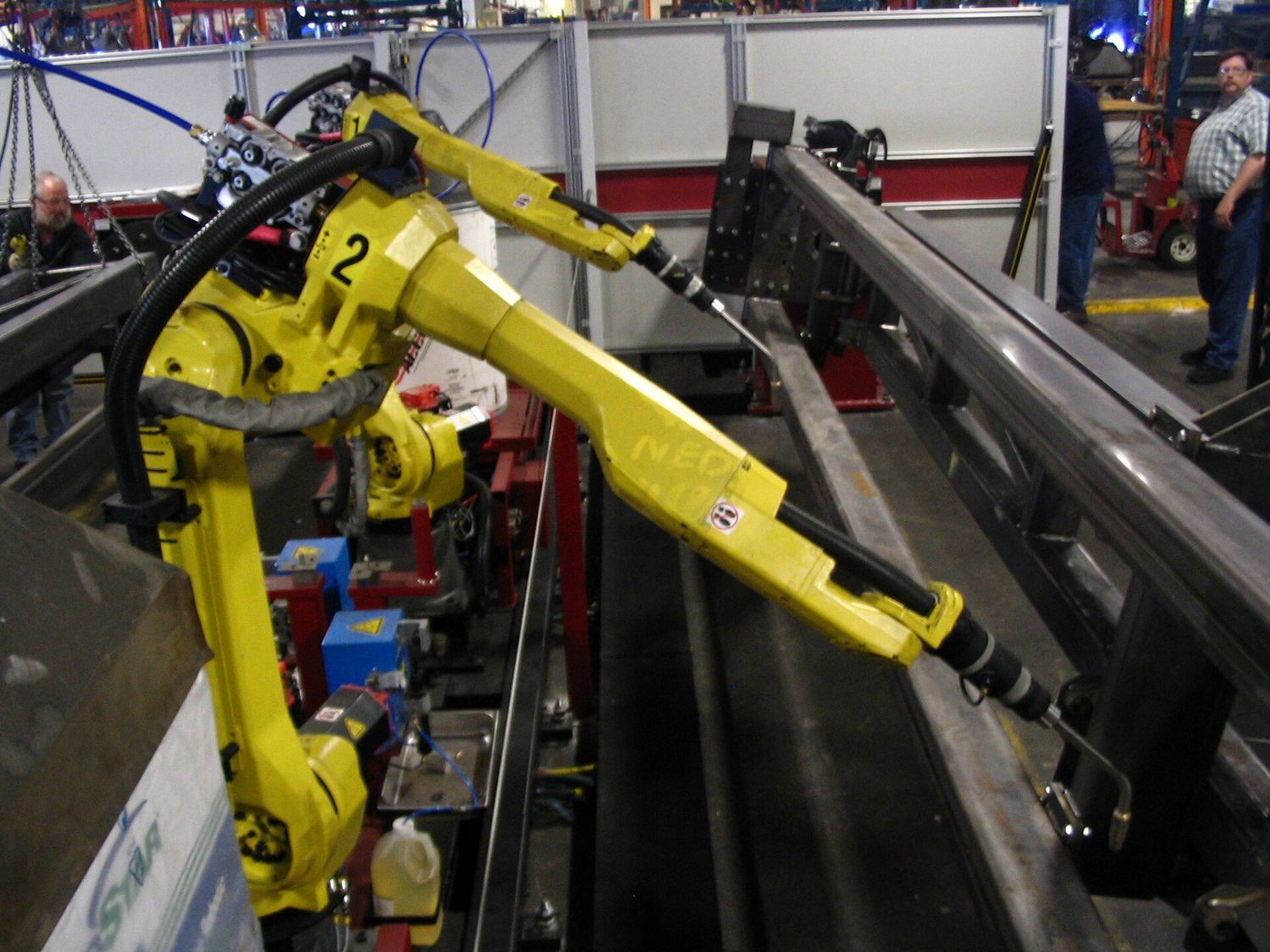
自動化された生産ライン上で金属部品を溶接している複数の鮮やかな黄色いロボットアーム
工場のラインで溶接を行うロボット:二次部門は生資材を完成品に変換し、 increasingly 自動化によって行われています
  • 三次部門 — サービス(小売、輸送、医療)。
  • 四次部門および五次部門 — 情報、研究、トップ意思決定。

貧しい経済は一次部門に依存し、豊かな経済は三次・四次部門に依存します。ウェーバーの最小費用論は、輸送費、労働力費、集積のバランスを取った結果として工場がどこに立地するかを説明します。

** worked example (a real AP exam question).** "脱工業化がコア国経済に与えた影響を説明せよ。" (2025年)満点回答: "工場が閉鎖または海外進出するにつれ、コア国の経済は製造業からサービスおよびハイテク作業へシフトし、多くの製造労働者が失職した一方、新しい三次・四次部門の雇用が増加した。" 命令語Explainはメカニズムを求めるものであり、変化(製造業の減少)を列挙しかつそれが経済的にどのような影響をもたらしたかを説明する必要があります。「失業」といった一unicのみでは不十分です。

Explore · ⁨探索⁩

Which economic sector? · ⁨どの経済部門か?⁩

The primary sector extracts raw materials; the secondary sector manufactures goods; the tertiary sector provides services; the quaternary sector handles information and research. · ⁨一次産業は原材料の採取を行い、二次産業は製造を行い、三次産業はサービスを提供し、四次産業は情報と研究を扱う。⁩

7.3

Measures of Development · ⁨発展の指標⁩

Syllabus · ⁨シラバス⁩
English

Enduring Understanding (SPS-7): Industrialization, past and present, has facilitated improvements in standards of living, but it has also contributed to geographically uneven development.

Learning Objective SPS-7.C: Describe social and economic measures of development.

  • SPS-7.C.1 Measures of social and economic development include Gross Domestic Product (GDP); Gross National Product (GNP); and Gross National Income (GNI) per capita; sectoral structure of an economy, both formal and informal; income distribution; fertility rates; infant mortality rates; access to health care; use of fossil fuels and renewable energy; and literacy rates.
  • SPS-7.C.2 Measures of gender inequality, such as the Gender Inequality Index (GII), include reproductive health, indices of empowerment, and labor-market participation.
  • SPS-7.C.3 The Human Development Index (HDI) is a composite measure used to show spatial variation among states in levels of development.
日本語

永続的理解 (SPS-7): 過去のものおよび現在のものを含む産業化は、生活水準の向上を促進したが、同時に地理的に偏った発展にも寄与した。

学習目標 SPS-7.C: 社会的および経済的な発展の指標について記述せよ。

  • SPS-7.C.1 社会的および経済的な発展の指標には、国内総生産(GDP)、国民総生産(GNP)、一人当たり国民総所得(GNI)、経済の部門別構造(公式および非公式)、所得分配、出生率、乳児死亡率、医療へのアクセス、化石燃料および再生可能エネルギーの使用、識字率が含まれる。
  • SPS-7.C.2 性不平等の指標である性不平等指数(GII)などには、生殖健康、権限強化指数、労働市場への参加度が含まれる。
  • SPS-7.C.3 人間開発指数(HDI)は、国家間の発展水準における空間的変動を示すために用いられる複合指標である。

Source: College Board AP Course and Exam Description · ⁨出典: College Board AP コースおよび試験説明書⁩

English

Development 发展 is the process of improving people's economic and social well-being. It is measured in several ways:

  • Gross Domestic Product (GDP) per capita 人均国内生产总值 — economic output per person; a common but incomplete measure.
  • The Human Development Index (HDI) 人类发展指数 combines income, education (years of schooling), and health (life expectancy) into one score from 0 to 1 — a fuller picture than money alone.
  • The Gender Inequality Index (GII) 性别不平等指数 and the Gini coefficient 基尼系数 (income inequality) add social detail.
日本語

発展とは、人々の経済的・社会的な福祉を向上させるプロセスである。その進捗は複数の指標で測定される:

  • 一人あたり国内総生産(GDP) — 一人あたりの経済生産量;一般的な指標ではあるが、完全ではない。
  • 人間開発指数(HDI) は、所得、教育(就学年数)、健康(平均寿命)を0から1のスコアに統合し、金銭のみによる評価よりも包括的な状況を示す。
  • 性格不平等指数(GII) および ジニ係数(所得格差)は、社会側の詳細を追加する。
7.4

Women and Economic Development · ⁨女性と経済発展⁩

Syllabus · ⁨シラバス⁩
English

Enduring Understanding (SPS-7): Industrialization, past and present, has facilitated improvements in standards of living, but it has also contributed to geographically uneven development.

Learning Objective SPS-7.D: Explain how and to what extent changes in economic development have contributed to gender parity.

  • SPS-7.D.1 The roles of women change as countries develop economically.
  • SPS-7.D.2 Although there are more women in the workforce, they do not have equity in wages or employment opportunities.
  • SPS-7.D.3 Microloans have provided opportunities for women to create small local businesses, which have improved standards of living.
日本語

永続的理解 (SPS-7): 過去のものおよび現在のものを含む産業化は、生活水準の向上を促進したが、同時に地理的に偏った発展にも寄与した。

学習目標 SPS-7.D: 経済的発展の変化がどのように、どの程度性別平等に寄与したか説明せよ。

  • SPS-7.D.1 国家が経済的に発展するにつれて、女性の役割は変化する。
  • SPS-7.D.2 尽管労働市場進出者数が増加しているものの、賃金や雇用機会においては平等性が確保されていない。
  • SPS-7.D.3 マイクロローンにより、女性が地域内の小規模事業を創設する機会を得られ、生活水準が向上した。

Source: College Board AP Course and Exam Description · ⁨出典: College Board AP コースおよび試験説明書⁩

English

The role of women is both a cause and a measure of development.

  • As economies develop, more women enter paid work and education, which raises household income and lowers fertility (linking back to the demographic transition).
  • Microfinance 小额信贷 — small loans, often to women — helps start businesses in poorer regions.
  • Gender gaps in pay, land ownership, and schooling hold development back; closing them is one of the UN's key goals.
日本語

女性の役割は、発展の原因であり、またその指標でもある。

  • 経済が発展するにつれて、より多くの女性が賃金労働や教育に従事し、世帯所得を増やし、出生率を下げる(人口転換への関わり)。
  • マイクロファイナンス — 小規模な融資、特に女性向け — は、貧困地域での起業を支援する。
  • 給与、土地所有、教育における性格格差は発展を阻害しており、それらの解消は国連の主要目標の一つである。
7.5

Theories of Development · ⁨発展理論⁩

Syllabus · ⁨シラバス⁩
English

Enduring Understanding (SPS-7): Industrialization, past and present, has facilitated improvements in standards of living, but it has also contributed to geographically uneven development.

Learning Objective SPS-7.E: Explain different theories of economic and social development.

  • SPS-7.E.1 Different theories, such as Rostow’s Stages of Economic Growth, Wallerstein’s World System Theory, dependency theory, and commodity dependence, help explain spatial variations in development.
日本語

永続的理解 (SPS-7): 過去のものおよび現在のものを含む産業化は、生活水準の向上を促進したが、同時に地理的に偏った発展にも寄与した。

学習目標 SPS-7.E: 経済的および社会的発展に関する異なる理論について説明せよ。

  • SPS-7.E.1 ロストウの経済成長段階論、ウォーラースターの世界体系理論、依存論、商品依存といった異なる理論は、発展における空間的変動を説明する上で有用である。

Source: College Board AP Course and Exam Description · ⁨出典: College Board AP コースおよび試験説明書⁩

English
Wallerstein's world-systems theory
Rostow's stages of economic growth

Two famous theories explain why some regions are rich and others poor.

  • Rostow's stages of growth 罗斯托发展阶段 — every country climbs through five stages: traditional society, preconditions for take-off, take-off, drive to maturity, and age of mass consumption. It is optimistic but assumes all countries can follow the same path.
  • Wallerstein's world-systems theory 沃勒斯坦世界体系理论 divides the world into a wealthy core 核心, a poorer periphery 边缘, and a middle semi-periphery 半边缘. The core stays rich partly by using the periphery's cheap labour and resources — a dependency 依附 view that challenges Rostow.
日本語
ウォーラスタースの世界体系論
ロストウの経済成長段階論

ある地域が富み、ある地域が貧しい理由を説明する二つの有名な理論がある。

ロストウの経済成長5段階
ロストウは発展を5段階の登り坂として捉えるが、批判者はこれが世界的格差を無視していると言う
  • ロストウの成長段階 — 各国は5つの段階を通過する:伝統社会、取っかかりのための前提条件、取っかかり、成熟への推進、大量消費の時代。楽観的だが、すべての国が同じ道筋をたどれると仮定している。
  • ウォーラスタースの世界体系論 は世界を豊かなコア、貧しいペリフェリー、中間のセミペリフェリーに分ける。コアはペリフェリーの安価な労働力と資源を利用することで富を維持しており、これはロストウに挑戦する依存の視点である。
7.6 7.7

Trade and the World Economy · ⁨貿易と世界経済⁩

Syllabus · ⁨シラバス⁩
English

Enduring Understanding (PSO-7): Economic and social development happen at different times and rates in different places.

Learning Objective PSO-7.A: Explain causes and geographic consequences of recent economic changes such as the increase in international trade, deindustrialization, and growing interdependence in the world economy.

  • PSO-7.A.1 Complementarity and comparative advantage establish the basis for trade.
  • PSO-7.A.2 Neoliberal policies, including free trade agreements, have created new organizations, spatial connections, and trade relationships, such as the EU, World Trade Organization (WTO), Mercosur, and OPEC, that foster greater globalization.
  • PSO-7.A.3 Government initiatives at all scales may affect economic development, including tariffs.
  • PSO-7.A.4 Global financial crises (e.g., debt crises), international lending agencies (e.g., the International Monetary Fund), and strategies of development (e.g., microlending) demonstrate how different economies have become more closely connected, even interdependent.
日本語

持続的認識(PSO-7): 経済的および社会的発展は、場所によって異なる時期と速度で起こる。

学習目標 PSO-7.A: 国際貿易の増加、産業空心化、世界経済における相互依存性の拡大といった最近の経済変化の原因と地理的結果について説明せよ。

  • PSO-7.A.1 相互補完性と比較優位性は、貿易の基礎を形成する。
  • PSO-7.A.2 自由貿易協定などの新自由主義政策は、EU、世界貿易機関(WTO)、メルコスール、OPECのような組織、空間的接続、貿易関係を新生させ、より一層のグローバル化を促進している。
  • PSO-7.A.3 政府によるあらゆるスケールの施策は、関税を含めて経済的発展に影響を与える可能性がある。
  • PSO-7.A.4 世界的金融危機(例えば債務危機)、国際貸付機関(例えば国際通貨基金)、発展戦略(例えばマイクロレンディング)は、異なる経済がより密接に、あるいは相互依存的な関係にあることを示している。
English

Enduring Understanding (PSO-7): Economic and social development happen at different times and rates in different places.

Learning Objective PSO-7.A: Explain causes and geographic consequences of recent economic changes such as the increase in international trade, deindustrialization, and growing interdependence in the world economy.

  • PSO-7.A.5 Outsourcing and economic restructuring have led to a decline in jobs in core regions and an increase in jobs in newly industrialized countries.
  • PSO-7.A.6 In countries outside the core, the growth of industry has resulted in the creation of new manufacturing zones—including special economic zones, free-trade zones, and export- processing zones—and the emergence of an international division of labor in which developing countries have lower-paying jobs.
  • PSO-7.A.7 The contemporary economic landscape has been transformed by post-Fordist methods of production, multiplier effects, economies of scale, agglomeration, just-in-time delivery, the emergence of service sectors, high technology industries, and growth poles.
日本語

持続的認識(PSO-7): 経済的および社会的発展は、場所によって異なる時期と速度で起こる。

学習目標 PSO-7.A: 国際貿易の増加、産業空心化、世界経済における相互依存性の拡大といった最近の経済変化の原因と地理的結果について説明せよ。

  • PSO-7.A.5 外注と経済再編は、コア地域での雇用の減少および Newly Industrialized Countries(NIEs)での雇用の増加をもたらした。
  • PSO-7.A.6 コア以外の国々では、産業の成長に伴い、新規製造ゾーン—including特別経済特区、自由貿易圏、加工輸出園)—の創出、および発展途上国が低賃金労働に就く国際的分業の出現が生じた。
  • PSO-7.A.7 現代の経済情勢は、フォード主義後の生産方法、乗数効果、規模の経済、集積、ジャストインタイム配送、サービス部門の登場、ハイテク産業、成長極によって変容した。

Source: College Board AP Course and Exam Description · ⁨出典: College Board AP コースおよび試験説明書⁩

English

Countries are linked by trade, which reshapes development.

  • Comparative advantage 比较优势 means each country gains by specialising in what it makes most efficiently and trading for the rest.
  • Complementarity and neoliberal free-trade policies, plus organisations like the WTO and trade blocs (EU, USMCA), have deepened globalization.
  • Outsourcing 外包 and global supply chains move manufacturing to lower-cost countries, changing where — and by whom — the world's goods are made. Special economic zones 经济特区 attract this investment with tax breaks.
日本語

国々は貿易によって結びついており、それが発展の再形成をもたらす。

  • 比較優位とは、各国が最も効率的に生産できる品目に特化して、他を貿易によって得ることで利益を得ることを意味する。
  • 相互補完性と新自由主義の自由貿易政策、およびWTOやEU、USMCAのような貿易ブロック组织は、グローバル化を深めた。
  • アウトソーシングとグローバルサプライチェーンは、製造業を低コスト国へ移転させ、世界の商品がどこで、誰によって作られるかを変えた。特別経済特区は税制優遇を通じてこの投資を引き寄せる。
コンテナ港が世界貿易を結びつける:商品、資本、思想が世界経済を通じて移動する
7.8

Sustainable Development · ⁨持続可能な発展⁩

Syllabus · ⁨シラバス⁩
English

Enduring Understanding (IMP-7): Environmental problems stemming from industrialization may be remedied through sustainable development strategies.

Learning Objective IMP-7.A: Explain how sustainability principles relate to and impact industrialization and spatial development.

  • IMP-7.A.1 Sustainable development policies attempt to remedy problems stemming from natural-resource depletion, mass consumption, the effects of pollution, and the impact of climate change.
  • IMP-7.A.2 Ecotourism is tourism based in natural environments—often environments that are threatened by looming industrialization or development—that frequently helps to protect the environment in question while also providing jobs for the local population.
  • IMP-7.A.3 The UN’s Sustainable Development Goals help measure progress in development, such as small-scale finance and public transportation projects.
日本語

持続的認識(IMP-7): 産業化に起因する環境問題は、持続可能な発展戦略を通じて解決できる。

学習目標 IMP-7.A: 持続可能性の原則が産業化および空間的発展とどのように関連し、影響するか説明せよ。

  • IMP-7.A.1 持続可能な発展政策は、天然資源の枯渇、大量消費、汚染の影響、気候変動の影響に起因する問題の解消を試みている。
  • IMP-7.A.2 エコツーリズムは、自然環境に基づいた観光であり、しばしば迫り来る産業化や開発によって脅かされている環境において行われる。これは対象とする環境の保護に貢献しつつ、地元住民に雇用を提供することが多い。
  • IMP-7.A.3 UNの持続可能な開発目標(SDGs)は、小規模金融や公共交通プロジェクトのような発展における進捗を測定するのに役立っている。

Source: College Board AP Course and Exam Description · ⁨出典: College Board AP コースおよび試験説明書⁩

English

Sustainable development 可持续发展 meets present needs without harming the ability of future generations to meet theirs.

  • It tries to balance economic growth, social fairness, and environmental protection — the "three pillars".
  • Ecotourism 生态旅游 and small-scale, renewable projects can develop an economy while protecting the environment.
  • The UN's Sustainable Development Goals (SDGs) 可持续发展目标 set shared targets for poverty, health, education, and climate — a common way to measure progress today.
日本語

持続可能な発展とは、将来の世代が自らのニーズを満たす能力を損なうことなく、現在のニーズを満たすことである。

  • 経済成長、社会的公正、環境保護のバランスを図ろうとする — これを「3つの柱」と呼ぶ。
  • エコツーリズムや小規模な再生可能エネルギープロジェクトは、経済を発展させながら環境を保護できる。
  • 国連の持続可能な開発目標(SDGs) は、貧困、健康、教育、気候に関する共通の目標を設定しており、今日の進捗を測るための共通の手法となっている。
太陽光発電所:持続可能な発展は成長と長期的な環境容量のバランスを取る
7.8

Exam tips · ⁨試験対策⁩

English
  • Classify jobs by sector (primary through quinary) and tie the mix to the development level.
  • Prefer the HDI over GDP per capita — it adds education and life expectancy.
  • Contrast Rostow's stages with world-systems (core and periphery) and dependency theory.
  • Use comparative advantage and the effect of tariffs in any trade answer.
  • Bring in sustainable development and the ecological footprint for evaluation marks.
日本語
  • 職業をセクター(一次から五次産業まで)に分類し、その構成比と発展レベルを関連付ける。
  • 一人あたりGDPよりもHDIを優先する — 教育と平均寿命を加味するためである。
  • ロストウの段階と世界体系(コアとペリフェリー)、そして依存理論を対比させる。
  • どの貿易問題の回答でも比較優位と関税の影響を用いる。
  • 評価点獲得のために持続可能な発展と生態フットプリントを引用する。

Interactive lessons on this topic · ⁨このトピックのインタラクティブ授業⁩

Work through it step by step, with instant-check exercises. · ⁨一歩ずつ進め、即時チェック付きの問題で学習します。⁩

Past Papers · ⁨過去問⁩

More topics in AP Human Geography · ⁨AP 人文地理学⁩ · ⁨AP Human Geography · ⁨AP 人文地理学⁩ の他のトピック⁩

Log in or create account · ⁨ログインまたはアカウント作成⁩

IGCSE, A-Level & AP