Skip to content · ⁨コンテンツへスキップ⁩

2-D Media, Materials, and Techniques · ⁨2次元メディア、素材、技法⁩

AP 2-D Art and Design · ⁨AP 2Dアート&デザイン⁩ · Topic 3 · ⁨トピック 3⁩

View Slides · ⁨查看幻灯片⁩ Train · ⁨練習する⁩
Video lesson for this topic · ⁨このトピックのビデオレッスン⁩ Open the video page · ⁨動画ページを開く⁩
8:00

2次元メディア、素材、技法

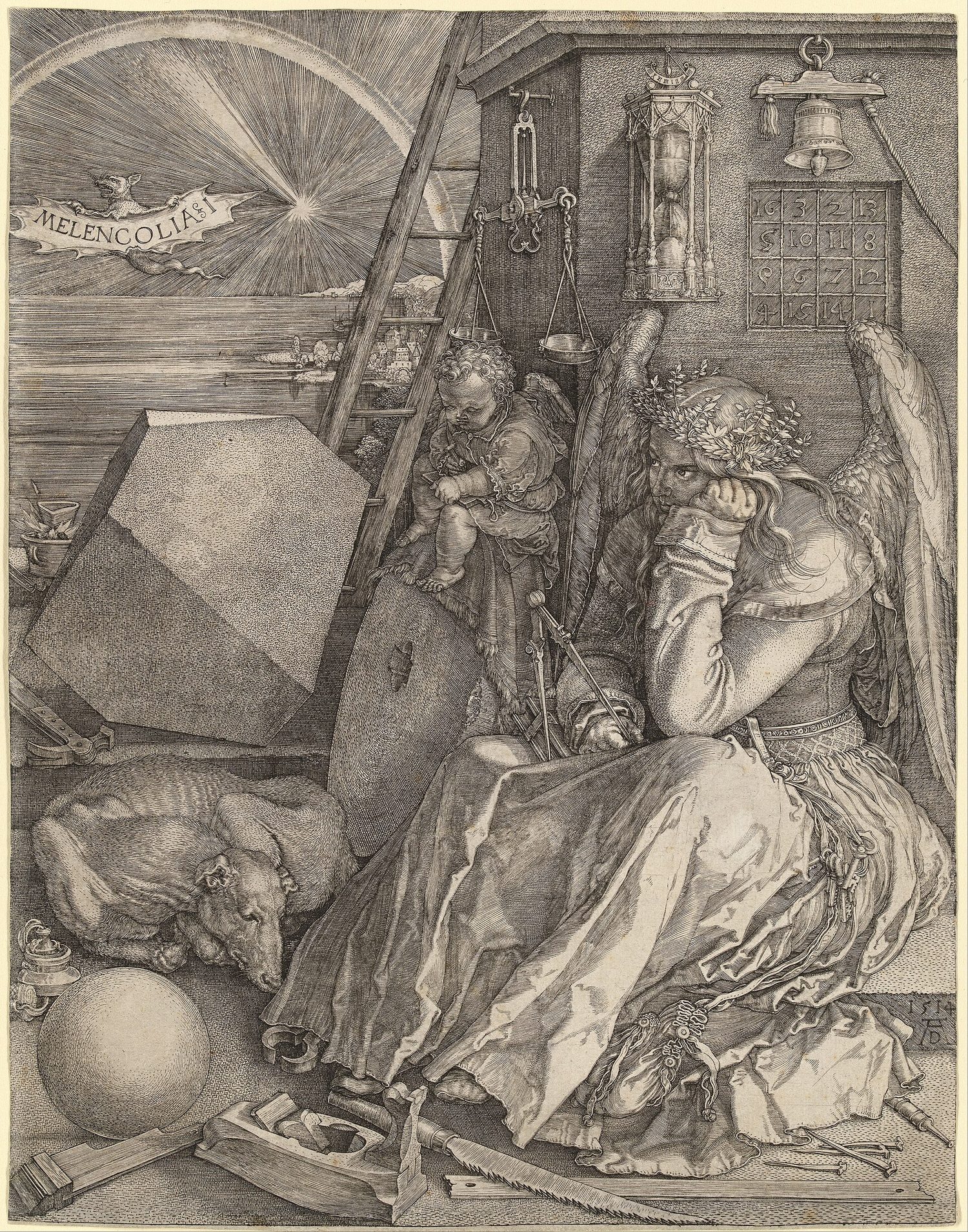
よく見てください。この絵に灰色のインクはありません。すべての柔らかな影は、隣り合って描かれた別々の線によって作られています。線が密集している場所…

English narration · English + 中文 subtitles burned in · ⁨英語ナレーション・英語+中文字幕 burning-in⁩

3.1

Drawing Media · ⁨ドローイング媒材⁩

Syllabus · ⁨シラバス⁩
English

Focus: Drawing media make marks directly on a surface — the foundation of most 2-D work.

  • Dry media: graphite (pencil), charcoal, conte, chalk and oil pastel, coloured pencil.
  • Wet media: pen and ink, brush and ink, markers.
  • Mark-making techniques: hatching, cross-hatching, stippling, blending, and scribbling.
  • Choice of media and paper (tooth/texture) changes the line and value possible.
  • Drawing is used both to investigate ideas (studies, sketches) and to make finished works.
日本語

焦点: ドローイング媒材は直接表面に痕跡を残すものであり、多くの2次元作品の基礎となります。

  • 乾式媒材:グラファイト(鉛筆)、チャコール、コンテ、チョーク、油パステル、カラーペンシル。
  • 湿式媒材:ペンとインク、ブラシとインク、マーカー。
  • 痕跡の描き方技法:ハッチング、クロスハッチング、スティップリング、ブレンド、スクラッチ。
  • 媒材と紙の選択(歯/テクスチャー)により、表現可能なラインやトーンが変わります。
  • ドローイングはアイデアの探究(スケッチ、習作)にも finished work の制作にも用いられます。

Source: College Board AP Course and Exam Description · ⁨出典: College Board AP コースおよび試験説明書⁩

English

Media 媒介 are the materials an artist works with. Drawing media make marks directly on a surface and are the foundation of most 2-D work.

  • Dry media 干性媒介: graphite (pencil), charcoal, conté, chalk and oil pastel, coloured pencil.
  • Wet media 湿性媒介: pen and ink, brush and ink, markers.
  • Mark-making techniques: hatching 排线, cross-hatching 交叉排线, stippling 点画, blending, and scribbling.
  • The tooth 纸纹 (texture) of the paper changes the line and value possible.

Drawing is used both to investigate ideas (studies and sketches) and to make finished works.

日本語

媒材とはアーティストが使用する材料である。ドローイング媒材は表面に直接マークをつけ、ほとんどの2D作品の基礎となる。

  • 乾式媒材:グラファイト(鉛筆)、炭、コンテ、チョーク、油性パステル、カラーペンシル。
  • 湿りメディア: ペンとインク、ブラシとインク、マーカー。
  • マーク-making技法:ハッチング、クロスハッチング、スティップリング、ブレンド、スクラッチング。
  • 紙の歯(質感)により、描けるラインと値が変わる。

ドローイングはアイデアを調査する(スタディやスケッチ)ために用いられる一方、完成作品を作るためにも用いられる。

3.2

Painting Media · ⁨ペインティング媒材⁩

Syllabus · ⁨シラバス⁩
English

Focus: Painting applies pigment suspended in a binder to a surface, building colour, value, and texture.

  • Common media: watercolour (transparent), gouache (opaque water-based), acrylic (fast-drying), oil (slow, blendable).
  • Support and ground (paper, canvas, board; primer/gesso) affect how paint behaves.
  • Techniques: washes, glazing, wet-on-wet, dry-brush, impasto, and layering.
  • Water-based paints dry quickly and clean with water; oils dry slowly and blend richly.
  • Brush choice, dilution, and paint thickness control mark, edge, and texture.
日本語

焦点: ペインティングはバインダーに懸濁された顔料を表面に塗布し、色味、トーン、テクスチャーを積み重ねていきます。

  • 一般的な媒材:水彩(透明)、ガッシュ(不透明水性)、アクリル(速乾性)、油彩(遅乾性で混合可能)。
  • サポーテ(支持体)とグラウンド(紙、キャンバス、ボード;プライマー/ジesso)はペイントの挙動に影響を与えます。
  • 技法:ワッシュ、グラージング、ウェットオンウェット、ドライブラシ、インパスト、レイヤーング。
  • 水性ペイントは速乾性で水で洗えます;油彩は遅乾性で豊かに混合できます。
  • ブラシの選択、希釈、ペイントの厚みによって痕跡、エッジ、テクスチャーが制御されます。

Source: College Board AP Course and Exam Description · ⁨出典: College Board AP コースおよび試験説明書⁩

English

Painting 绘画 applies pigment held in a binder 粘合剂 to a surface, building colour, value, and texture.

  • Watercolour 水彩 is transparent; gouache 水粉 is opaque and water-based; acrylic 丙烯 dries fast; oil 油画 dries slowly and blends richly.
  • The support 底材 and ground (paper, canvas, board; primer or gesso 石膏底料) affect how paint behaves.
  • Techniques include washes, glazing 罩染, wet-on-wet, dry-brush, and impasto.
日本語

ペインティングはバインダーに含まれる顔料を表面に塗布し、色、値、質感を構築する。

  • 水彩は透明、ガッシュは不透明で水性、アクリルは速乾性、油彩は遅乾性で豊かなブレンドが可能。
  • サポーテとグランド(紙、キャンバス、ボード;プライマーやゲッソ)はペイントの挙動に影響を与える。
  • 技法には、ウォッシュ、グレイジング、湿り画法、ドライブラシ、インパストが含まれます。
油彩は色を積み重ねていく:媒材の選択が表面、値、空間を形成する
Vocabulary · ⁨語彙⁩ Train · ⁨練習する⁩
English 日本語
Media/ˈmiːdiːə/ メディア
Dry media/draɪ ˈmiːdiːə/ ドライメディア
Wet media/wet ˈmiːdiːə/ ウェットメディア
hatching/ˈhætʃɪŋ/ ハッチング
cross-hatching/krɒs ˈhætʃɪŋ/ クロスハッチング
stippling/ˈstɪplɪŋ/ スティップリング
tooth/tuːθ/ 歯(トース)
Painting/ˈpeɪntɪŋ/ 絵画
binder/ˈbaɪndə/ バインダー
Watercolour/ˈwɔːtəkʌlə/ 水彩
gouache/ɡwɑːtʃ/ ガッシュ
acrylic/əˈkrɪlɪk/ アクリル
oil/ɔɪl/ 油彩
support/səˈpɔːt/ 支持体
gesso/ˈdʒesəʊ/ ゲッソ
glazing/ˈɡleɪzɪŋ/ グレイジング
3.3

Printmaking · ⁨プリントメーキング⁩

Syllabus · ⁨シラバス⁩
English

Focus: Printmaking transfers an image from a prepared surface (matrix) to paper, allowing multiple copies (an edition).

  • Relief (linocut, woodcut): ink the raised surface; the cut-away areas stay blank.
  • Intaglio (etching, engraving): ink sits in incised lines below the surface.
  • Planographic (lithography): image and non-image areas are on the same level, using grease and water.
  • Stencil (screen printing): ink is pushed through open areas of a mesh.
  • Prints are usually made in a numbered edition; the reversed matrix flips the image.
日本語

焦点: プリントメイキングは準備された表面(マトリックス)から画像を紙へ転写し、複数枚の限定版(エディション)を作成することを可能にします。

  • レリーフ(リノカット、ウッドカット):浮き上がった表面にインクを塗り、切り取られた部分は白のままにします。
  • エンタニャージュ(エッチング、エングレービング):表面より下に刻まれた溝にインクが入ります。
  • プラノグラフィック(リトグラフ):画像部分と非画像部分が同一平面にあり、油脂と水を利用します。
  • スタンプ(スクリーンプリント):インクはメッシュの開いた部分を通って押し出されます。
  • プリントは通常、番号付きのエディションとして制作され、裏返ったマトリックスによって画像が左右逆になります。

Source: College Board AP Course and Exam Description · ⁨出典: College Board AP コースおよび試験説明書⁩

English

Printmaking 版画 transfers an image from a prepared surface (the matrix 版) to paper, so many copies (an edition 版数) can be made.

  • Relief 凸版 (linocut, woodcut) — ink sits on the raised surface; cut-away areas stay blank.
  • Intaglio 凹版 (etching, engraving) — ink sits in lines cut below the surface.
  • Planographic 平版 (lithography) — image and non-image areas are on the same level, using grease and water.
  • Stencil 孔版 (screen printing) — ink is pushed through open areas of a mesh.

The matrix is reversed, so the printed image is a mirror of the plate.

日本語

プリントメーキングは準備された表面(マトリックス)から画像を紙へ転写するため、多くのコピー(エディション)を作成できる。

プリントメーキングの四つのファミリー:レリーフ、エンボス、プランオグラフィック、ステンシル
レリーフ印刷は隆起した表面から、エンボス印刷は彫り込み線から、プランオグラフィック印刷は平面的な油性画像から、ステンシル印刷はメッシュ Through にインクを通す
  • レリーフ(リノカット、木版画)—— インクは隆起した表面に乗る;切り取られた部分は白のまま残る。
  • エンボス(エッチング、グラビア)—— インクは表面より切り下げられた線に宿る。
  • プランオグラフィック(リトグラフ)—— 画像部と非画像部が同じレベルにあり、油脂と水を用いる。
  • ステンシル(スクリーンプリント)— インクがメッシュの開口部を通って押し出される。

マトリックスは反転しているため、印刷された画像は版の鏡像となる。

密で非常に詳細な座っている翼のある人物の古い版画、周囲には道具や象徴があり、すべて細かい彫刻線によって描かれている
デューラーの銅版画『Melencolia I』:凹版では線が金属版に切り込まれ、銅版画特有の細く密度の高い線が深い陰影と豊かなディテールを生み出す
Explore · ⁨探索⁩

Which printmaking process?

Relief prints from the raised surface; intaglio from lines cut below the surface; planographic from a flat greasy image; stencil pushes ink through a mesh. · ⁨レリーフ印刷は浮き彫りの表面から;インタリオ印刷は表面下の線刻みから;プレノグラフィック印刷は平面的な油性画像から;ステシル印刷はメッシュを通してインクを押す。⁩

Vocabulary · ⁨語彙⁩ Train · ⁨練習する⁩
English 日本語
Printmaking/ˈprɪntmeɪkɪŋ/ 印刷術
matrix/ˈmeɪtrɪks/ マトリックス
edition/ɪˈdɪʃn/ エディション
Relief/rɪˈliːf/ 浮き版
Intaglio/ɪnˈtæɡlɪəʊ/ 凹版
Planographic/ˌplænəˈɡræfɪk/ Planographic
Stencil/ˈstensl/ ステンシル
Collage/kɒˈlɑːʒ/ コラージュ
mixed media/mɪkst ˈmiːdiːə/ ミックスドメディア
3.4

Collage and Mixed Media · ⁨コラージュとミックスドメディア⁩

Syllabus · ⁨シラバス⁩
English

Focus: Collage assembles found materials onto a surface; mixed media combines two or more materials or processes.

  • Collage glues papers, photos, fabric, or found objects into a composition.
  • Mixed media layers, for example, drawing over paint, or print with stitching.
  • These processes add actual texture and unexpected juxtapositions of image and meaning.
  • Materials can carry meaning (a ticket, a map) beyond their visual role.
  • Good mixed-media work still uses the elements and principles to stay unified.
日本語

焦点: コラージュは found materials を表面に組み立てる手法であり、ミックスドメディアは2つ以上の材料やプロセスを組み合わせるものです。

  • コラージュは、紙、写真、布地、found objects を接着して構成を作ります。
  • ミックスドメディアは、例えばペイントの上にドローイングを重ねたり、プリントに刺し繍を加えたりするレイヤリングです。
  • これらのプロセスは実際のテクスチャーや、イメージと意味の予期せない並置を加えます。
  • 素材には視覚的な役割を超えた意味が含まれることがあります(チケット、地図など)。
  • 優れたミックス・メディア作品でも、統一感を保つために要素と原則を適切に活用する必要があります。

Source: College Board AP Course and Exam Description · ⁨出典: College Board AP コースおよび試験説明書⁩

English

Collage 拼贴 assembles found materials onto a surface; mixed media 综合媒介 combines two or more materials or processes.

  • Collage glues papers, photos, fabric, or found objects into a composition.
  • Mixed media layers processes — for example, drawing over paint, or print with stitching.
  • These add actual texture and unexpected meaning; a found material (a ticket, a map) can carry meaning beyond its look.
日本語

コラージュは見つかった素材を表面に組み立てる;ミックスドメディアは2つ以上の素材またはプロセスを組み合わせる。

  • コラージュは紙、写真、布地、あるいは見つかった物体を接着して構成を作る。
  • ミックスドメディアはプロセスを重ねる — 例えば、絵具の上に描画する、または刺繍付きのプリントなど。
  • これらは実際の質感と予期せぬ意味を加える;見つかった素材(切符、地図)は外見以上の意味を持つことがある。
3.5

Photography and Lens-Based Media · ⁨写真およびレンズメディア⁩

Syllabus · ⁨シラバス⁩
English

Focus: Photography makes images with light and a lens; the same elements and principles apply to the frame.

  • Key controls: framing/composition, focus, exposure (light), depth of field, and viewpoint.
  • The rule of thirds, leading lines, and negative space compose a photograph.
  • Light direction and quality (hard/soft) shape value, form, and mood.
  • Editing (cropping, contrast, colour) is part of the creative process, not just correction.
  • Digital and darkroom processes both count as lens-based 2-D art and design.
日本語

焦点: 写真は光とレンズを用いて画像を作成しますが、同じ要素と原理がフレームに適用されます。

  • 主な操作項目:フレーミング/構図、ピント、露出(光)、被写界深度、視点です。
  • 三分分割法、誘導線、ネガティブスペースが写真を構成します。
  • 光の方向と質感(ハード/ソフト)がトーン、形状、ムードを形成します。
  • エディティング(トリミング、コントラスト、カラー調整)は修正のためのものではなく、創造プロセスの一部です。
  • デジタル処理と暗室処理の両方がレンズベースの2次元アート&デザインに含まれます。

Source: College Board AP Course and Exam Description · ⁨出典: College Board AP コースおよび試験説明書⁩

English

Photography 摄影 makes images with light and a lens; the elements and principles apply to the frame just as in any 2-D work.

  • Key controls: framing, focus 对焦, exposure 曝光 (light), depth of field 景深, and viewpoint.
  • The rule of thirds, leading lines, and negative space compose a photograph.
  • Editing 后期 (cropping, contrast, colour) is part of the creative process, not just correction.
日本語

写真は光とレンズを使って画像を作成する;要素と原則は、他の2次元作品と同様にフレームに適用される。

乗客で混雑した船の白黒写真、階段状通路によって2つのレベルに分かれ、強い幾何学的形状を形成している
アルフレッド・スティ글リッツの『The Steerage』、有名な初期芸術写真:階段状通路、煙突、人物が強い幾何学的構成を形成するため、要素と原則は写真にも適用される
  • 主要な操作要素には、フレーミング、フォーカス(焦点)、エクスポージャー(露光:光の量)、ディプス・オブ・フィールド(被写界深度)、および視点が含まれます。
  • 三分割法、誘導線、ネガティブスペースが写真を構成する。
  • エディティング(トリミング、コントラスト、カラー調整)は修正のためのものではなく、創造プロセスの一部です。
Vocabulary · ⁨語彙⁩ Train · ⁨練習する⁩
English 日本語
Photography/fəˈtɒɡrəfi/ 写真
focus/ˈfəʊkəs/ 焦点
exposure/ekˈspəʊʒə/ 露光
depth of field/depθ ɒv fiːld/ 被写界深度
Editing/ˈedɪtɪŋ/ 編集
Digital media/ˈdɪdʒɪtl ˈmiːdiːə/ デジタルメディア
Raster/ˈræstə/ ラスタ
vector/ˈvektə/ ベクトル
Layers/ˈleɪəz/ 層
resolution/ˌrezəˈluːʃn/ 分解能
Graphic design/ˈɡræfɪk dɪˈzaɪn/ グラフィックデザイン
illustration/ˌɪləˈstreɪʃn/ イラストレーション
type/taɪp/ タイプ(文字)
Typography/taɪˈpɒɡrəfi/ タイポグラフィ
3.6

Digital Art and Design · ⁨デジタルアートとデザイン⁩

Syllabus · ⁨シラバス⁩
English

Focus: Digital tools create and edit images on a computer or tablet, working in layers and pixels or vectors.

  • Raster images are made of pixels (photo editing, painting apps); vector images use math paths (scalable).
  • Layers let an artist build, mask, and revise non-destructively.
  • Digital colour uses RGB (screen, additive) or CMYK (print, subtractive).
  • Resolution (DPI/PPI) affects print quality; keep files high-resolution for the portfolio.
  • The same elements and principles guide digital work as any other 2-D medium.
日本語

焦点: デジタルツールはコンピューターやタブレット上で画像を作成・編集し、レイヤー、ピクセル、ベクターを用います。

  • ラスタ画像はピクセルで構成され(フォトショップ、ペイントアプリ)、ベクター画像は数値経路(スケーラブル)を使用します。
  • レイヤーは、非破壊的に構築、マスク、修正を行うことを可能にします。
  • デジタルカラーは、画面表示用のRGB(加色混色)または印刷用のCMYK(減色混色)を使用します。
  • 解像度(DPI/PPI)は印刷品質に影響します;ポートフォリオには高解像度のファイルを保持してください。
  • デジタルワークも他の2次元媒材と同様に、同じ要素と原理が指導原则となります。

Source: College Board AP Course and Exam Description · ⁨出典: College Board AP コースおよび試験説明書⁩

English

Digital media 数字媒介 create and edit images on a computer or tablet, working in layers.

  • Raster 位图 images are made of pixels (photo editing, digital painting); vector 矢量 images use maths paths and scale without losing quality.
  • Layers 图层 let an artist build, mask, and revise without damaging earlier work.
  • Digital colour uses RGB (screen, additive) or CMYK (print, subtractive); keep files high-resolution 分辨率 for the portfolio.
日本語

デジタルメディアはコンピューターやタブレット上で画像を作成・編集し、レイヤー方式で作業する。

  • ラスタ画像はピクセルで構成される(フォト編集、デジタルペインティング);ベクトル画像は数学的パスを使用し、拡大しても品質を失わない。
  • レイヤーはアーティストが後続の作業を損なうことなく、構築、マスク作成、修正を行うことを可能にする。
  • デジタルカラーはRGB(画面、加色混合)またはCMYK(印刷、減色混合)を使用し、ポートフォリオには高-解像度のファイルを保持する。
加色混合と減色混合の比較
光を混ぜる(RGB)と白に近づき、顔料を混ぜる(CMY)と黒に近づく
3.7

Graphic Design and Illustration · ⁨グラフィックデザインとイラストレーション⁩

Syllabus · ⁨シラバス⁩
English

Focus: Graphic design communicates a message visually; illustration makes images that support or tell a story.

  • Design combines type, image, colour, and layout to communicate to a viewer or client.
  • Visual hierarchy (size, weight, contrast, placement) guides the eye to what matters first.
  • Typography — typeface, size, spacing, alignment — is a core design element.
  • Illustration serves a purpose: editorial, book, product, poster, or narrative.
  • Design and illustration are problem-solving: audience and message shape every choice.
日本語

焦点: グラフィックデザインは視覚的にメッセージを伝達し、イラストレーションはイメージを作り、補足したり物語を語ったりします。

  • デザインはタイポグラフィ、イメージ、色、レイアウトを組み合わせて、視聴者やクライアントに伝達します。
  • ビジュアル hierarchy(サイズ、重み、コントラスト、配置)は、まず注目すべきものを视线に導きます。
  • タイポグラフィ— フォント、サイズ、間隔、アライメント — はデザインの中心的な要素です。
  • イラストレーションには目的があります:エディトリアル、書籍、プロダクト、ポスター、またはナラティブ。
  • デザインとイラストレーションは問題解決です;ターゲットオーディエンスとメッセージがあらゆる選択を決定します。

Source: College Board AP Course and Exam Description · ⁨出典: College Board AP コースおよび試験説明書⁩

English

Graphic design 平面设计 communicates a message visually; illustration 插画 makes images that support or tell a story.

  • Design combines type 字体, image, colour, and layout to reach a viewer or client.
  • Visual hierarchy guides the eye to what matters first, through size, weight, and placement.
  • Typography 字体排印 — typeface, size, spacing, alignment — is a core design tool.
  • Design and illustration are problem-solving: the audience and message shape every choice.

Worked example (writing about process). When your written evidence must explain a material and process: "I used charcoal on toned paper because its soft, smudgeable line let me build deep shadow quickly, and I lifted highlights with an eraser to suggest form." Notice the shape — name the medium, say why you chose it, and connect it to the idea you were exploring. Listing a material with no reason earns little.

日本語

グラフィックデザインは視覚的にメッセージを伝達する;イラストレーションはサポートしたり物語を語ったりする画像を作成する。

  • デザインはタイポグラフィ、画像、色、レイアウトを組み合わせ、視聴者やクライアントに届ける。
  • 視覚階層はサイズ、太さ、配置を通じて、まず目に入る重要な要素へと視線を導く。
  • タイポグラフィ(フォント、サイズ、間隔、アライメント)は、デザインの核心的なツールの一つです。
  • デザインとイラストレーションは問題解決であり、対象者やメッセージがすべての選択を形作る。

** worked example(プロセスに関する記述)。** 文章による証拠で材料とプロセスを説明する必要がある場合:「トーン紙にチャコールを用いたのは、その柔らかく擦り付けやすい線が素早く深い陰影を作り出し、消しゴムでハイライトを取り除くことで立体感を表現できたからである」。この構造に注目されたい — 媒体名を明記し、なぜ選んだかを述べ、探索していたアイデアに結びつけること。理由なしに材料を列挙するだけでは評価は低くなる。

3.7

Exam tips · ⁨試験対策⁩

English
  • Match the medium to the intended effect, and justify the choice.
  • For printmaking, state relief versus intaglio, and remember the printed image reverses.
  • Explain transparent versus opaque paint, and layers and vector versus raster in digital work.
  • Treat collage and mixed media materials as meaning, not just texture.
  • In graphic design, show a clear visual hierarchy serving the message.
日本語
  • 意図する効果に合わせて媒体を選び、その選択を正当化すること。
  • 版画制作については、浮き彫りと凹版を区別し、印刷画像が反転することを忘れないようにする。
  • 透明塗料と不透明塗料の違い、およびデジタル作品におけるレイヤーとベクトル対ラスタについて説明する。
  • コラージュとミックスドメディアの素材を単なる質感ではなく、意味として扱う。
  • グラフィックデザインでは、メッセージに資する明確な視覚的階層を示す。

Interactive lessons on this topic · ⁨このトピックのインタラクティブ授業⁩

Work through it step by step, with instant-check exercises. · ⁨一歩ずつ進め、即時チェック付きの問題で学習します。⁩

More topics in AP 2-D Art and Design · ⁨AP 2Dアート&デザイン⁩ · ⁨AP 2-D Art and Design · ⁨AP 2Dアート&デザイン⁩ の他のトピック⁩

Log in or create account · ⁨ログインまたはアカウント作成⁩

IGCSE, A-Level & AP