Skip to content · ⁨الانتقال إلى المحتوى⁩

Networks of Exchange · ⁨شبكات التبادل⁩

AP World History: Modern · ⁨تاريخ العالم الحديث (AP)⁩ · Topic 2 · ⁨الموضوع 2⁩

Video lesson for this topic · ⁨درس فيديو لهذا الموضوع⁩ Open the video page · ⁨افتح صفحة الفيديو⁩
6:50

الوحدة 2: شبكات التبادل

الحرير، البورسلين، التوابل، الذهب، الملح. يقضي الطلاب ساعات في تعلم من traded ماذا، ثم تأتي سؤال يطلب لماذا ازدهار التجارة والقائمة لا تساعد على الإطلاق.…

English narration · English + 中文 subtitles burned in · ⁨سرد باللغة الإنجليزية · ترجمة مدمجة بالإنجليزية + الصينية⁩

2.1

What Made the Networks Grow · ⁨ما الذي جعل الشبكات تتوسع⁩

Syllabus · ⁨المنهج⁩
English

2.1 The Silk Roads

Thematic Focus (ECN): Economics Systems — As societies develop, they affect and are affected by the ways that they produce, exchange, and consume goods and services.

Learning Objective Unit 2.A: Explain the causes and effects of growth of networks of exchange after 1200.

  • KC-3.1.I.A.i Improved commercial practices led to an increased volume of trade and expanded the geographical range of existing trade routes— including the Silk Roads—promoting the growth of powerful new trading cities.
  • KC-3.1.I.C.i The growth of interregional trade in luxury goods was encouraged by innovations in previously existing transportation and commercial technologies, including the caravanserai, forms of credit, and the development of money economies.
  • KC-3.3.I.B Demand for luxury goods increased in Afro-Eurasia. Chinese, Persian, and Indian artisans and merchants expanded their production of textiles and porcelains for export; manufacture of iron and steel expanded in China.

Illustrative examples:

  • Trading cities:
    • Kashgar
    • Samarkand
  • New forms of credit and money economies:
    • Bills of exchange
    • Banking houses
    • Use of paper money
العربية

2.1 طرق الحرير

التركيز الموضوعي (ECN): أنظمة الاقتصاد — عندما تتطور المجتمعات، فإنها تؤثر وتتأثر بالطرق التي تنتج بها وتبادلها وتستهلك بها السلع والخدمات.

هدف التعلم الوحدة 2.A: اشرح أسباب وآثار نمو شبكات التبادل بعد عام 1200.

  • KC-3.1.I.A.i أدت تحسين الممارسات التجارية إلى زيادة حجم التجارة وتوسيع النطاق الجغرافي لطرق التجارة القائمة—بما في ذلك طرق الحرير—مما عزز ظهور مدن تجارية جديدة قوية.
  • KC-3.1.I.C.i شجع نمو التجارة بين المناطق للسلع الفاخرة من خلال ابتكارات في تقنيات النقل والتجارة الموجودة مسبقاً، بما في ذلك الخانات التجارية، وأشكال الائتمان، وتطوير اقتصادات نقدية.
  • KC-3.3.I.B زاد الطلب على السلع الفاخرة في أفريقيا وأوراسيا. وسّع الحرفيون والتجار الصينيون والفارسيون والهنود إنتاجهم من المنسوجات والأواني الخزفية للتصدير؛ توسع تصنيع الحديد والفولاذ في الصين.

أمثلة توضيحية:

  • المدن التجارية:
    • قاشغر
    • سامرند
  • أشكال جديدة من الائتمان واقتصادات النقد:
    • صناديق التحويل
    • بيوت البنوك
    • استخدام النقود الورقية

Source: College Board AP Course and Exam Description · ⁨المصدر: وصف دورة وامتحان College Board AP⁩

English

Unit 2 covers the three great exchange networks of 1200 to 1450 - the Silk Roads, the Indian Ocean, and the trans-Saharan routes - and asks the same question of each: what made trade grow, and what did that growth change?

Growth had three common causes, and naming them is worth more than listing goods:

  • Improved commercial practices 商业惯例的改进 - money economies 货币经济, credit 信贷, and forms of partnership that spread risk.
  • Improved transportation technologies 交通技术的改进 - better ships, saddles, and navigation.
  • State support 国家支持 - empires that secured routes and taxed the trade benefited from protecting it.

Demand mattered too: luxury goods 奢侈品 from Chinese, Persian, and Indian artisans found expanding markets across Afro-Eurasia, and producers increased output to meet that demand.

العربية

تغطي الوحدة 2 شبكات التبادل الثلاث العظيمة من 1200 إلى 1450 - طرق الحرير والمحيط الهندي والطرق عبر الصحراء الكبرى - وتطرح نفس السؤال عن كل منها: ما الذي جعل التجارة تنمو، وما الذي غيّر هذا النمو؟

كان للنمو ثلاثة أسباب مشتركة، وذكرها أعمق من مجرد سرد البضائع:

  • تحسين الممارسات التجارية - الاقتصاد النقدي، الائتمان، وأشكال الشراكة التي توزع المخاطر.
  • تحسين تقنيات النقل - سفن أفضل، سروج، وملاحة.
  • دعم الدولة - الإمبراطوريات التي آمنت الطرق وفرضت ضرائب على التجارة استفادت من حمايتها.

كان الطلب مهمًا أيضًا: وجدت البضائع الفاخرة من الحرفيين الصينيين والفارس والهنود أسواقًا متوسعة عبر أفريقيا وأوراسيا، وزاد المنتجون الإنتاج لتلبية هذا الطلب.

كل عامل تمكيني إزالة عائق محدد - هذا الاقتران هو ما يحول الوصف إلى شرح
Explore · ⁨استكشف⁩

Pair each enabler with the obstacle it removed · ⁨طابق كل عامل تمكين مع العقبة التي أزالها⁩

Growth is not a mood: each enabler removes a named obstacle, and that pairing turns description into explanation. · ⁨النمو ليس حالة نفسية: كل عامل تمكين يزيل عقبة محددة، وتلك المطابقة تحول الوصف إلى تفسير.⁩

2.1

The Silk Roads · ⁨طرق الحرير⁩

Syllabus · ⁨المنهج⁩
English

2.1 The Silk Roads

Thematic Focus (ECN): Economics Systems — As societies develop, they affect and are affected by the ways that they produce, exchange, and consume goods and services.

Learning Objective Unit 2.A: Explain the causes and effects of growth of networks of exchange after 1200.

  • KC-3.1.I.A.i Improved commercial practices led to an increased volume of trade and expanded the geographical range of existing trade routes— including the Silk Roads—promoting the growth of powerful new trading cities.
  • KC-3.1.I.C.i The growth of interregional trade in luxury goods was encouraged by innovations in previously existing transportation and commercial technologies, including the caravanserai, forms of credit, and the development of money economies.
  • KC-3.3.I.B Demand for luxury goods increased in Afro-Eurasia. Chinese, Persian, and Indian artisans and merchants expanded their production of textiles and porcelains for export; manufacture of iron and steel expanded in China.

Illustrative examples:

  • Trading cities:
    • Kashgar
    • Samarkand
  • New forms of credit and money economies:
    • Bills of exchange
    • Banking houses
    • Use of paper money
العربية

2.1 طرق الحرير

التركيز الموضوعي (ECN): أنظمة الاقتصاد — عندما تتطور المجتمعات، فإنها تؤثر وتتأثر بالطرق التي تنتج بها وتبادلها وتستهلك بها السلع والخدمات.

هدف التعلم الوحدة 2.A: اشرح أسباب وآثار نمو شبكات التبادل بعد عام 1200.

  • KC-3.1.I.A.i أدت تحسين الممارسات التجارية إلى زيادة حجم التجارة وتوسيع النطاق الجغرافي لطرق التجارة القائمة—بما في ذلك طرق الحرير—مما عزز ظهور مدن تجارية جديدة قوية.
  • KC-3.1.I.C.i شجع نمو التجارة بين المناطق للسلع الفاخرة من خلال ابتكارات في تقنيات النقل والتجارة الموجودة مسبقاً، بما في ذلك الخانات التجارية، وأشكال الائتمان، وتطوير اقتصادات نقدية.
  • KC-3.3.I.B زاد الطلب على السلع الفاخرة في أفريقيا وأوراسيا. وسّع الحرفيون والتجار الصينيون والفارسيون والهنود إنتاجهم من المنسوجات والأواني الخزفية للتصدير؛ توسع تصنيع الحديد والفولاذ في الصين.

أمثلة توضيحية:

  • المدن التجارية:
    • قاشغر
    • سامرند
  • أشكال جديدة من الائتمان واقتصادات النقد:
    • صناديق التحويل
    • بيوت البنوك
    • استخدام النقود الورقية

Source: College Board AP Course and Exam Description · ⁨المصدر: وصف دورة وامتحان College Board AP⁩

English

The Silk Roads 丝绸之路 carried high-value, low-bulk goods overland across Eurasia: silk, porcelain, spices, and precious metals.

Its enabling innovations were commercial as much as technical - caravanserai 商队旅馆 along the routes, the use of paper money 纸币 and bills of exchange 汇票 in China, and forms of credit that let merchants trade without carrying bullion.

The consequence for producers: Chinese artisans expanded output, and cities along the routes grew wealthy on the traffic passing through.

العربية

نقلت طرق الحرير بضائع عالية القيمة ومنخفضة الحجم عبر البر عبر أوراسيا: الحرير، الخزف، التوابل، والمعادن الثمينة.

كانت ابتكاراتها التمكينية تجارية بقدر ما هي تقنية - الخانات على طول الطرق، استخدام العملة الورقية وسندات الدفع في الصين، وأشكال الائتمان التي سمحت للتجار بالتجارة دون حمل المعادن الثمينة.

النتيجة للمنتجين: توسعت إنتاجية الحرفيين الصينيين، وتعددت ثروات المدن على طول الطرق من خلال حركة المرور العابرة إليها.

2.2

The Mongol Empire · ⁨الإمبراطورية المغولية⁩

Syllabus · ⁨المنهج⁩
English

2.2 The Mongol Empire and the Making of the Modern World

Thematic Focus (GOV): Governance — A variety of internal and external factors contribute to state formation, expansion, and decline. Governments maintain order through a variety of administrative institutions, policies, and procedures, and governments obtain, retain, and exercise power in different ways and for different purposes.

Thematic Focus (CDI): Cultural Developments and Interactions — The development of ideas, beliefs, and religions illustrates how groups in society view themselves, and the interactions of societies and their beliefs often have political, social, and cultural implications.

Learning Objective Unit 2.B: Explain the process of state building and decline in Eurasia over time. THEMATIC FOCUS Economics Systems ECN As societies develop, they affect and are affected by the ways that they produce, exchange, and consume goods and services. LEARNING OBJECTIVE

  • KC-3.2.I.B.iii Empires collapsed in different regions of the world and in some areas were replaced by new imperial states, including the Mongol khanates. HISTORICAL DEVELOPMENTS

Learning Objective Unit 2.C: Explain how the expansion of empires influenced trade and communication over time.

  • KC-3.1.I.E.i The expansion of empires—including the Mongols—facilitated Afro-Eurasian trade and communication as new people were drawn into their conquerors’ economies and trade networks.

Learning Objective Unit 2.D: Explain the significance of the Mongol Empire in larger patterns of continuity and change.

  • KC-3.2.II.A.ii Interregional contacts and conflicts between states and empires, including the Mongols, encouraged significant technological and cultural transfers.

Illustrative examples:

  • Technological and cultural transfers:
    • Transfer of Greco– Islamic medical knowledge to western Europe
    • Transfer of numbering systems to Europe
    • Adoption of Uyghur script
العربية

2.2 إمبراطورية المغول وصنع العالم الحديث

التركيز الموضوعي (GOV): الحكم — تساهم مجموعة متنوعة من العوامل الداخلية والخارجية في تشكيل الدولة وتوسعها وانهيارها. تحافظ الحكومات على النظام من خلال مجموعة متنوعة من المؤسسات والإجراءات والسياسات الإدارية، وتكتسب الحكومات وتحتفظ بالسلطة وتمارسها بطرق مختلفة ولأغراض مختلفة.

التركيز الموضوعي (CDI): التطورات والتفاعلات الثقافية — يعكس تطور الأفكار والمعتقدات والأديان كيف تنظر المجموعات في المجتمع إلى نفسها، وغالبًا ما يكون للتفاعلات بين المجتمعات ومعتقداتها عواقب سياسية واجتماعية وثقافية.

هدف التعلم الوحدة 2.B: اشرح عملية بناء الدول وتدهورها في أوراسيا عبر الزمن. التركيز الموضوعي: الاقتصاد الأنظمة ECN مع تطور المجتمعات، تؤثر على طرق إنتاجها وتبادلها واستهلاكها للسلع والخدمات وتتأثر بها. هدف التعلم

  • KC-3.2.I.B.iii انهارت الإمبراطوريات في مناطق مختلفة من العالم وفي بعض المناطق استُبدلت بدول إمبراطورية جديدة، بما في ذلك خانات المغول. التطورات التاريخية

هدف التعلم الوحدة 2.C: اشرح كيف أثرت توسع الإمبراطوريات على التجارة والاتصالات عبر الزمن.

  • KC-3.1.I.E.i سهّل توسع الإمبراطوريات –بما في ذلك المغول– التجارة والاتصالات بين أفريقيا وأوراسيا عندما تم استدعاء شعوب جديدة إلى اقتصادات شبكات التجارة التابعة لغزاتها.

هدف التعلم الوحدة 2.D: اشرح أهمية الإمبراطورية المغولية في أنماط الاستمرار والتغير الأوسع.

  • KC-3.2.II.A.ii شجّعت الاتصالات والصراعات بين الولايات والإمبراطوريات، بما في ذلك المغول، على انتقال تقني وثقافي كبير.

أمثلة توضيحية:

  • الانتقالات التقنية والثقافية:
    • نقل المعرفة الطبية اليونانية الإسلامية إلى غرب أوروبا
    • نقل أنظمة الترقيم إلى أوروبا
    • تبني خط الأويغور

Source: College Board AP Course and Exam Description · ⁨المصدر: وصف دورة وامتحان College Board AP⁩

English

Empires collapsed and were reconstituted in this period, and the largest transformation came from the Mongol Empire 蒙古帝国.

Mongol expansion facilitated Afro-Eurasian trade and communication by bringing much of the network under a single authority, which lowered the risk of long-distance travel - a period often called the Pax Mongolica 蒙古和平.

Interregional contacts and conflicts also encouraged technological and cultural transfers: gunpowder technology moved west, Chinese administrative and medical knowledge circulated, and scholars and craftsmen were relocated across the empire.

The Mongols illustrate the unit's central irony: conquest and destruction produced the conditions for exchange.

العربية

انهيارت الإمبراطوريات وأعيدت تشكيلها في هذه الفترة، وجاء أكبر تحول من الإمبراطورية المغولية.

سهّل التوسع المغولي التجارة والاتصالات الأفرو-أوراسية عن طريق وضع جزء كبير من الشبكة تحت سلطة واحدة، مما قلل مخاطر السفر لمسافات طويلة - وهي فترة تُعرف غالبًا باسم سلام المغول.

شجّعت الاتصالات والصراعات عبر المناطق أيضًا الت transfers التكنولوجية والثقافية: انتقلت تكنولوجيا البارود غربًا، ودور المعرفة الإدارية والطبية الصينية، وتم نقل العلماء والحرفاء عبر الإمبراطورية.

تُجسد المغوليةIrony المركزية للوحدة: أنتجت الغزو والتدمير ظروفًا للتبادل.

Irony المركزية للوحدة: سبب واحد، نتيجتان متعاكستان، والامتحان يريد كلاهما
2.3

The Indian Ocean · ⁨المحيط الهندي⁩

Syllabus · ⁨المنهج⁩
English

2.3 Exchange in the Indian Ocean

Thematic Focus (ECN): Economics Systems — As societies develop, they affect and are affected by the ways that they produce, exchange, and consume goods and services.

Thematic Focus (CDI): Cultural Developments and Interactions — The development of ideas, beliefs, and religions illustrates how groups in society view themselves, and the interactions of societies and their beliefs often have political, social, and cultural implications.

Learning Objective Unit 2.E: Explain the causes of the growth of networks of exchange after 1200.

  • KC-3.1.I.A.ii Improved transportation technologies and commercial practices led to an increased volume of trade and expanded the geographical range of existing trade routes, including the Indian Ocean, promoting the growth of powerful new trading cities.
  • KC-3.1.I.C.ii The growth of interregional trade in luxury goods was encouraged by significant innovations in previously existing transportation and commercial technologies, including the use of the compass, the astrolabe, and larger ship designs.
  • KC-3.1.I.A.iii The Indian Ocean trading network fostered the growth of states.

Learning Objective Unit 2.F: Explain the effects of the growth of networks of exchange after 1200. THEMATIC FOCUS Humans and the Environments ENV The environment shapes human societies, and as populations grow and change, these populations in turn shape their environments. LEARNING OBJECTIVE

  • KC-3.1.III.B In key places along important trade routes, merchants set up diasporic communities where they introduced their own cultural traditions into the indigenous cultures and, in turn, indigenous cultures influenced merchant cultures.
  • KC-3.2.II.A.iii Interregional contacts and conflicts between states and empires encouraged significant technological and cultural transfers, including during Chinese maritime activity led by Ming Admiral Zheng He. HISTORICAL DEVELOPMENTS

Learning Objective Unit 2.G: Explain the role of environmental factors in the development of networks of exchange in the period from c. 1200 to c. 1450.

  • KC-3.1.II.A.i The expansion and intensification of long-distance trade routes often depended on environmental knowledge, including advanced knowledge of the monsoon winds.

Illustrative examples:

  • Growth of states:
    • City-states of the Swahili Coast
    • Gujarat
    • Sultanate of Malacca
  • (CONT’D) Diasporic communities:
    • Arab and Persian communities in East Africa
    • Chinese merchant communities in Southeast Asia
    • Malay communities in the Indian Ocean basin
العربية

2.3 التبادل في المحيط الهندي

التركيز الموضوعي (ECN): أنظمة الاقتصاد — عندما تتطور المجتمعات، فإنها تؤثر وتتأثر بالطرق التي تنتج بها وتبادلها وتستهلك بها السلع والخدمات.

التركيز الموضوعي (CDI): التطورات والتفاعلات الثقافية — يعكس تطور الأفكار والمعتقدات والأديان كيف تنظر المجموعات في المجتمع إلى نفسها، وغالبًا ما يكون للتفاعلات بين المجتمعات ومعتقداتها عواقب سياسية واجتماعية وثقافية.

هدف التعلم الوحدة 2.E: اشرح أسباب نمو شبكات التبادل بعد عام 1200.

  • KC-3.1.I.A.ii أدّت تحسينات تقنيات النقل والممارسات التجارية إلى زيادة حجم التجارة وتوسيع النطاق الجغرافي لطرق التجارة القائمة، بما في ذلك المحيط الهندي، مما عزز نمو مدن تجارية جديدة قوية.
  • KC-3.1.I.C.ii شُجّع نمو التجارة بين الإقليمية للسلع الفاخرة بفضل ابتكارات بارزة في تقنيات النقل والتجارة القائمة سابقاً، بما في ذلك استخدام البوصلة والأسترلاب وتصاميم السفن الأكبر حجماً.
  • KC-3.1.I.A.iii رَعَّت شبكة التجارة في المحيط الهندي نمو الدُول.

هدف التعلم الوحدة 2.F: اشرح آثار نمو شبكات التبادل بعد عام 1200. التركيز الموضوعي: البشر والبيئات ENV يُشكّل البيئة المجتمعات البشرية، وكما تنمو السكان وتتغير، فإن هذه السكان بدورها تُشكّل بيئتها. هدف التعلم

  • KC-3.1.III.B في أماكن رئيسية على طول طرق التجارة المهمة، أسس التجار مجتمعات مشتتة حيث قدموا تقاليدهم الثقافية الخاصة إلى الثقافات المحلية، وفي المقابل أثّرت الثقافات المحلية على ثقافات التجار.
  • KC-3.2.II.A.iii شجّعت الاتصالات والصراعات بين الولايات والإمبراطوريات على انتقال تقني وثقافي كبير، بما في ذلك خلال النشاط البحري الصيني بقيادة الأدميرال تشنغ هي. التطورات التاريخية

هدف التعلم الوحدة 2.G: اشرح دور العوامل البيئية في تطوير شبكات التبادل في الفترة ما بين 1200 و1450 تقريباً.

  • KC-3.1.II.A.i غالباً ما اعتمد توسع وطرق التجارة الطويلة المسافة على المعرفة البيئية، بما في ذلك المعرفة المتقدمة بالرياح الموسمية.

أمثلة توضيحية:

  • نمو الدُول:
    • دول المدن في ساحل السواحيلي
    • غوجارات
    • سلطنة ملقا
  • (متابعة) المجتمعات المشتتة:
    • المجتمعات العربية والفارسية في شرق أفريقيا
    • مجتمعات التجار الصينيين في جنوب شرق آسيا
    • المجتمعات الماليزية في حوض المحيط الهندي

Source: College Board AP Course and Exam Description · ⁨المصدر: وصف دورة وامتحان College Board AP⁩

English

The Indian Ocean network moved bulkier goods than the Silk Roads - textiles, timber, grain, and spices - because ships carry more than camels.

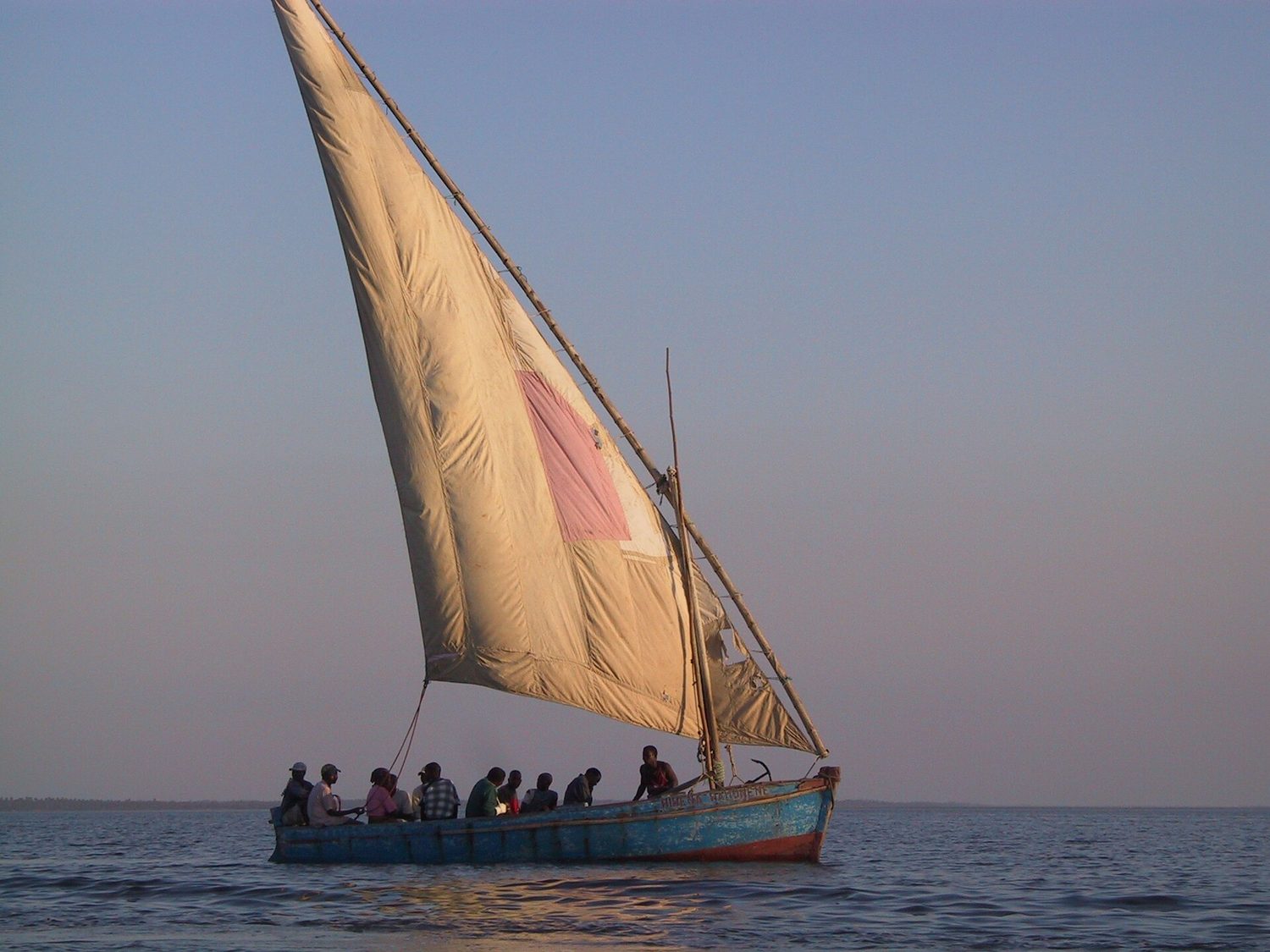
Its enabling technologies were maritime: knowledge of the monsoon winds 季风, the lateen sail 三角帆, the dhow 单桅帆船, and navigational tools including the compass 罗盘 and astrolabe 星盘.

Its consequences are the most examinable in the unit:

  • The network fostered the growth of states, such as the Swahili city-states on the East African coast and Srivijaya and Majapahit in Southeast Asia.
  • Merchants established diasporic communities 侨居社群 in key ports, introducing their own culture while adopting local ways.
  • Long-distance trade depended on and expanded coerced labour and on the movement of people as well as goods.
العربية
شبكات ثلاث مقارنات بناءً على ما تحملونه، وما مكنها، وما غيرته
ثلاث شبكات، إطار عمل واحد: البضائع، التكنولوجيا المُمَكِّنة، والعواقب هي ما تطلبه أسئلة المقارنة

نقل شبكة المحيط الهندي بضائع أكثر كثافة من طرق الحرير - الأقمشة، الأخشاب، الحبوب، والتوابل - لأن السفن تحمل أكثر من الجمال.

كانت تقنياتها المُمَكِّنة بحرية: معرفة رياح الموسم، الشراع المثلث، الدهو، وأدوات الملاحة بما في ذلك البوصلة والأسترلاب.

عواقبه هي الأكثر قابلية للاختبار في الوحدة:

  • عززت الشبكة نمو الدول، مثل مدن السواحل الشرقية الأفريقية وسريفيجايا وماجاباهيت في جنوب شرق آسيا.
  • أسس التجار مجتمعات مهجرة في الموانئ الرئيسية، مقدمين ثقافتهم الخاصة بينما اعتمدوا الأساليب المحلية.
  • اعتمدت التجارة لمسافات طويلة على العمل المكره وقامت بتوسيعه، بالإضافة إلى حركة الناس بالإضافة إلى البضائع.
دهو بشراع مثلث - الرigi الذي سمح للسفينة بالعمل عبر نظام الرياح الموسمية
Vocabulary · ⁨مفردات⁩ Train · ⁨تدريب⁩
English العربية
Improved commercial practices/ɪmˈpruːvd kəˈmɜːʃl ˈpræktɪsɪz/ تحسين الممارسات التجارية
money economies/ˈmʌni ɪˈkɒnəmiz/ الاقتصادات النقدية
credit/ˈkredɪt/ ائتمان
Improved transportation technologies/ɪmˈpruːvd trænspɔːˈteɪʃn tekˈnɒlədʒiz/ تطور تقنيات النقل
State support/steɪt səˈpɔːt/ الدعم الحكومي
luxury goods/ˈlʌkʃəri ɡʊdz/ البضائع الفاخرة
Silk Roads/sɪlk rəʊdz/ طرق الحرير
caravanserai/ˈkærəvænsəraɪ/ الكارافانسيراي
paper money/ˈpeɪpə ˈmʌni/ النقود الورقية
bills of exchange/bɪlz ɒv eksˈtʃeɪndʒ/ فواتير التبادل
Mongol Empire/ˈmɒŋɡɒl ˈempaɪə/ الإمبراطورية المغولية
Pax Mongolica/pæks mɒnˈɡɒlɪkə/ سلامة مغولية (Pax Mongolica)
monsoon winds/mɒnˈsuːn wɪndz/ رياح الموسم
lateen sail/ˈlætiːn seɪl/ الشراع الشبكي
dhow/ˈdiːhaʊ/ دو
compass/ˈkʌmpəs/ البوصلة
astrolabe/ˈæstrəleɪb/ الإسطرلاب
diasporic communities/ˌdaɪəˈspɒrɪk kəˈmjuːnɪtiz/ مجتمعات الشتات
camel saddle/ˈkæml ˈsædl/ سرج الجمل
caravans/ˈkærəvænz/ القوافل
salt/sɒlt/ ملح
Mali/ˈmɑːli/ مالي
diffusion/dɪˈfjuːʒn/ الانتشار
travellers/ˈtræveləz/ المسافرون
2.4

Trans-Saharan Trade · ⁨تجارة عبور الصحراء الكبرى⁩

Syllabus · ⁨المنهج⁩
English

2.4 Trans-Saharan Trade Routes

Thematic Focus (TEC): Technology and Innovation — Human adaptation and innovation have resulted in increased efficiency, comfort, and security, and technological advances have shaped human development and interactions with both intended and unintended consequences.

Thematic Focus (GOV): Governance — A variety of internal and external factors contribute to state formation, expansion, and decline. Governments maintain order through a variety of administrative institutions, policies, and procedures, and governments obtain, retain, and exercise power in different ways and for different purposes.

Learning Objective Unit 2.H: Explain the causes and effects of the growth of trans-Saharan trade.

  • KC-3.1.II.A.ii The growth of interregional trade was encouraged by innovations in existing transportation technologies.
  • KC-3.1.I.A.iv Improved transportation technologies and commercial practices led to an increased volume of trade and expanded the geographical range of existing trade routes, including the trans-Saharan trade network.

Learning Objective Unit 2.I: Explain how the expansion of empires influenced trade and communication over time.

  • KC-3.1.I.E.ii The expansion of empires—including Mali in West Africa–facilitated Afro-Eurasian trade and communication as new people were drawn into the economies and trade networks.

Illustrative examples:

  • Technologies encouraging interregional trade:
    • Camel saddle
    • Caravans
العربية

2.4 طرق التجارة عبر الصحراء الكبرى

التركيز الموضوعي (TEC): التكنولوجيا والابتكار – أدّى تكيف البشر وابتكاراتهم إلى زيادة الكفاءة والراحة والأمان، وشكّلت التطورات التكنولوجية التطور البشري وتفاعلاته مع عواقب مقصودة وغير مقصودة.

التركيز الموضوعي (GOV): الحكم — تساهم مجموعة متنوعة من العوامل الداخلية والخارجية في تشكيل الدولة وتوسعها وانهيارها. تحافظ الحكومات على النظام من خلال مجموعة متنوعة من المؤسسات والإجراءات والسياسات الإدارية، وتكتسب الحكومات وتحتفظ بالسلطة وتمارسها بطرق مختلفة ولأغراض مختلفة.

هدف التعلم الوحدة 2.H: اشرح أسباب وآثار نمو التجارة عبر الصحراء الكبرى.

  • KC-3.1.II.A.ii شُجّع نمو التجارة بين الإقليمية بفضل الابتكارات في تقنيات النقل القائمة.
  • KC-3.1.I.A.iv أدّت تحسينات تقنيات النقل والممارسات التجارية إلى زيادة حجم التجارة وتوسيع النطاق الجغوطي لطرق التجارة القائمة، بما في ذلك شبكة التجارة عبر الصحراء الكبرى.

هدف التعلم الوحدة 2.I: اشرح كيف أثرت توسع الإمبراطوريات على التجارة والاتصالات عبر الزمن.

  • KC-3.1.I.E.ii سهّل توسع الإمبراطوريات –بما في ذلك مالي في غرب أفريقيا– التجارة والاتصالات بين أفريقيا وأوراسيا عندما تم استدعاء شعوب جديدة إلى الاقتصادات وشبكات التجارة.

أمثلة توضيحية:

  • تكنولوجيات تعزز التجارة بين الإقليمية:
    • سرج الجمل
    • القوافل

Source: College Board AP Course and Exam Description · ⁨المصدر: وصف دورة وامتحان College Board AP⁩

English

The trans-Saharan routes crossed the desert on innovations in existing technology - above all the camel saddle 骆驼鞍 and organised caravans 商队.

Gold from West Africa moved north and salt 盐 moved south. The expansion of empires, including Mali 马里帝国, facilitated Afro-Eurasian trade by securing the routes and taxing them - and Mali's wealth and its ruler's famous pilgrimage advertised the region across the Islamic world.

العربية

عبرت طرق عبور الصحراء الكبرى الصحراء بفضل ابتكارات في التكنولوجيا القائمة - فوق كل شيء سرج الجمل والقوافل المنظمة.

انتقل الذهب من غرب أفريقيا شمالاً، وانتقلت الأملاح جنوباً. وسّعت الإمبراطوريات، بما في ذلك مالي، التجارة الأفريقية-الأوراسية من خلال تأمين الطرق وفرض الضرائب عليها - وأعلن ثراء مالي وحج حاكمها الشهير عن المنطقة عبر العالم الإسلامي.

2.5 2.6

Cultural and Environmental Consequences · ⁨العواقب الثقافية والبيئية⁩

Syllabus · ⁨المنهج⁩
English

2.5 Cultural Consequences of Connectivity

Thematic Focus (CDI): Cultural Developments and Interactions — The development of ideas, beliefs, and religions illustrates how groups in society view themselves, and the interactions of societies and their beliefs often have political, social, and cultural implications.

Learning Objective Unit 2.J: Explain the intellectual and cultural effects of the various networks of exchange in Afro-Eurasia from c. 1200 to c. 1450.

  • KC-3.1.III.D Increased cross-cultural interactions resulted in the diffusion of literary, artistic, and cultural traditions, as well as scientific and technological innovations.
  • KC-3.3.II The fate of cities varied greatly, with periods of significant decline and periods of increased urbanization, buoyed by rising productivity and expanding trade networks.
  • KC-3.1.III.C As exchange networks intensified, an increasing number of travelers within Afro-Eurasia wrote about their travels.

Illustrative examples:

  • Diffusion of cultural traditions:
    • The influence of Buddhism in East Asia
    • The spread of Hinduism and Buddhism into Southeast Asia
    • The spread of Islam in sub-Saharan Africa and Asia
  • Diffusion of scientific or technological innovations:
    • Gunpowder from China
    • Paper from China
  • Travelers:
    • Ibn Battuta
    • Margery Kempe
    • Marco Polo
العربية

2.5 العواقب الثقافية للاتصال

التركيز الموضوعي (CDI): التطورات والتفاعلات الثقافية — يعكس تطور الأفكار والمعتقدات والأديان كيف تنظر المجموعات في المجتمع إلى نفسها، وغالبًا ما يكون للتفاعلات بين المجتمعات ومعتقداتها عواقب سياسية واجتماعية وثقافية.

هدف التعلم الوحدة 2.J: اشرح الآثار الفكرية والثقافية لشبكات التبادل المختلفة في أفريقيا وأوراسيا ما بين 1200 و1450 تقريباً.

  • KC-3.1.III.D أدّت زيادة التفاعلات بين الثقافات إلى انتشار التقاليد الأدبية والفنية والثقافية، فضلاً عن الابتكارات العلمية والتكنولوجية.
  • KC-3.3.II اختلف مصير المدن بشكل كبير، مع فترات انخفاض ملحوظ وفترات ازدهار حضري، مدعومة بزيادة الإنتاجية وتوسيع شبكات التجارة.
  • KC-3.1.III.C ومع اشتداد شبكات التبادل، كتب عدد متزايد من المسافرين داخل أفريقيا وأوراسيا عن رحلاتهم.

أمثلة توضيحية:

  • انتشار التقاليد الثقافية:
    • تأثير البوذية في شرق آسيا
    • انتشار الهندوسية والبوذية في جنوب شرق آسيا
    • انتشار الإسلام في أفريقيا جنوب الصحراء وآسيا
  • انتشار الابتكارات العلمية أو التكنولوجية:
    • البودرة من الصين
    • الورق من الصين
  • المسافرين:
    • ابن بطوطة
    • مارجري كيمب
    • ماركو بولو
English

2.6 Environmental Consequences of Connectivity

Thematic Focus (ENV): Humans and the Environments — The environment shapes human societies, and as populations grow and change, these populations in turn shape their environments.

Learning Objective Unit 2.K: Explain the environmental effects of the various networks of exchange in Afro-Eurasia from c. 1200 to c. 1450.

  • KC-3.1.IV There was continued diffusion of crops and pathogens, with epidemic diseases, including the bubonic plague, along trade routes.

Illustrative examples:

  • Diffusion of crops:
    • Bananas in Africa
    • New rice varieties in East Asia
    • Spread of citrus in the Mediterranean
العربية

2.6 العواقب البيئية للاتصال

التركيز الموضوعي (ENV): البشر والبيئات — البيئة تُشكّل المجتمعات البشرية، وكما تنمو السكان وتتغير، فإنها بدورها تُشكّل بيئاتها.

هدف التعلم الوحدة 2.K: اشرح الآثار البيئية لشبكات التبادل المختلفة في أفريقيا-أوراسيا من حوالي عام 1200 إلى حوالي عام 1450.

  • KC-3.1.IV استمر انتشار المحاصيل والمسببات المرضية، مع الأمراض الوبائية، بما في ذلك الطاعون الدبقي، على طول طرق التجارة.

أمثلة توضيحية:

  • انتشار المحاصيل:
    • الموز في أفريقيا
    • أنواع جديدة من الأرز في شرق آسيا
    • انتشار الحمضيات في حوض البحر الأبيض المتوسط

Source: College Board AP Course and Exam Description · ⁨المصدر: وصف دورة وامتحان College Board AP⁩

English

Increased cross-cultural interaction produced diffusion 传播 of literary, artistic, scientific, and religious traditions - the spread of Islam along trade routes, Buddhist and Neo-Confucian influence in East Asia, and the movement of scientific and mathematical knowledge.

An increasing number of travellers 旅行者 moved within and between regions, and their accounts are the period's key evidence.

The fate of cities varied: some declined as routes shifted or invasions came, while others grew into major commercial centres.

The environmental consequences were as large as the cultural ones. There was continued diffusion of crops and pathogens, and epidemic disease travelled with trade - most catastrophically the Black Death 黑死病, which moved along the same routes that carried goods and killed a large share of the population of Afro-Eurasia.

العربية

أدى ازدياد التفاعل بين الثقافات إلى انتشار التقاليد الأدبية والفنية والعلمية والدينية - انتشار الإسلام على طول طرق التجارة، وتأثير البوذية والكونفوشيوسية الجديدة في شرق آسيا، ونقل المعرفة العلمية والرياضية.

انتقل عدد متزايد من المسافرين داخل المناطق وبينها، وتُعد رواياتهم الدليل الرئيسي لتلك الفترة.

تفاوت مصير المدن: انخفضت بعضها بسبب تحول الطرق أو المجاورات، بينما نمت أخرى لتصبح مراكز تجارية كبرى.

كانت العواقب البيئية بنفس حجم العواقب الثقافية. استمر انتشار المحاصيل والمسببات المرضية، وسافرت الأوبئة مع التجارة - وبشكل كارثي بشكل خاص داء الموت الأسود، الذي انتقل على نفس الطرق التي كانت تنقل البضائع وقتلت جزءًا كبيرًا من سكان أفرو-أوراسيا.

السبب المرضي انتقل لأن الشبكة تعمل - نفس الحجة مطبقة على الأمراض
Explore · ⁨استكشف⁩

Follow the network's most consequential cargo · ⁨اتبع حمولة الشبكة الأكثر تأثيراً⁩

The pathogens travelled because the network worked — the same argument the unit makes about goods, applied to disease. · ⁨انتقلت الأمراض لأن الشبكة تعمل — نفس الحجة التي يطرحها الوحدة حول البضائع، مطبقة على الأمراض.⁩

Vocabulary · ⁨مفردات⁩ Train · ⁨تدريب⁩
English العربية
Black Death/blæk deθ/ وباء الطاعون الأسود
2.7

Comparison of Economic Exchange · ⁨مقارنة التبادل الاقتصادي⁩

Syllabus · ⁨المنهج⁩
English

2.7 Comparison of Economic Exchange

Learning Objective Unit 2.L: Explain the similarities and differences among the various networks of exchange in the period from c. 1200 to c. 1450.

  • KC-3.1 A deepening and widening of networks of human interaction within and across regions contributed to cultural, technological, and biological diffusion within and between various societies.
    • KC-3.1.I.A.i Improved commercial practices led to an increased volume of trade and expanded the geographical range of existing trade routes—including the Silk Roads—promoting the growth of powerful new trading cities.
    • KC-3.1.I.C.i The growth of interregional trade in luxury goods was encouraged by innovations in previously existing transportation and commercial technologies, including the caravanserai, forms of credit, and the development of money economies.
  • KC-3.3 Changes in trade networks resulted from and stimulated increasing productive capacity, with important implications for social and gender structures and environmental processes.
    • KC-3.3.I.B Demand for luxury goods increased in Afro-Eurasia. Chinese, Persian, and Indian artisans and merchants expanded their production of textiles and porcelains for export; manufacture of iron and steel expanded in China.
العربية

2.7 مقارنة التبادل الاقتصادي

هدف التعلم الوحدة 2.L: اشرح أوجه التشابه والاختلاف بين شبكات التبادل المختلفة في الفترة من حوالي عام 1200 إلى حوالي عام 1450.

  • KC-3.1 ساهم تعميق وتوسيع شبكات التفاعل البشري داخل وبين المناطق في الانتشار الثقافي والتكنولوجي والبيولوجي داخل وبين مختلف المجتمعات.
    • KC-3.1.I.A.i أدت تحسينات الممارسات التجارية إلى زيادة حجم التجارة وتوسيع النطاق الجغرافي لطرق التجارة القائمة — بما في ذلك طرق الحرير — مما عزز نمو مدن تجارية جديدة قوية.
    • KC-3.1.I.C.i شُجّع نمو التجارة بين الإقليمية للسلع الفاخرة بسبب ابتكارات في تقنيات النقل والتجارة السابقة، بما في ذلك الكارافانسيراي، وأشكال الائتمان، وتطوير اقتصادات النقدية.
  • KC-3.3 نتجت تغييرات في شبكات التجارة عن زيادة الإنتاجية واستثارتها، مع آثار مهمة على الهياكل الاجتماعية والجنس والعمليات البيئية.
    • KC-3.3.I.B زاد الطلب على السلع الفاخرة في أفريقيا-أوراسيا. وسعت الحرفيون والتجار الصينيون والفارس والهنود إنتاجهم من المنسوجات والخزف للتصدير؛ توسعت صناعة الحديد والفولاذ في الصين.

Source: College Board AP Course and Exam Description · ⁨المصدر: وصف دورة وامتحان College Board AP⁩

English

The unit's reasoning skill is comparison. Compare the networks on what they carried, what made them possible, and what they changed - not on which was "most important".

Worked example (a real AP exam question). AP World short-answer questions frequently ask students to "Explain one similarity" or "Explain one difference" between two trade networks in this period. A full-mark answer names the feature and applies it to both, then explains: "Both the Silk Roads and the Indian Ocean network expanded because of improved commercial practices, but the Indian Ocean carried heavier, lower-value goods such as timber and grain because ships could transport far greater bulk than overland caravans." Notice the shape: the because clause is what turns a difference into an explanation, and without it the answer only describes.

العربية

مهارة الاستدلال في الوحدة هي المقارنة. قارن الشبكات فيما تحملته وما جعلها ممكنة وما غيرته - وليس أيهما كان "الأكثر أهمية".

مثال محلول (سؤال حقيقي من امتحان AP). غالبًا ما تطلب أسئلة الإجابة القصيرة في امتحان AP World من الطلاب "شرح تشابه واحد" أو "شرح اختلاف واحد" بين شبكتي تجارة في هذه الفترة. الإجابة الكاملة التي تحصل على الدرجة الكاملة تذكر الميزة وتطبقها على كلتا الشبكتين، ثم تشرح: "توسعت كل من طرق الحرير وشبكة المحيط الهندي بسبب تحسين الممارسات التجارية، لكن شبكة المحيط الهندي نقلت بضائع أثقل وأقل قيمة مثل الأخشاب والحبوب لأن السفن يمكنها نقل كميات أكبر بكثير من القوافل البرية." لاحظ الشكل: جملة لأن هي ما يحول الاختلاف إلى شرح، وبدونها لا تصف الإجابة سوى الجانب الظاهري.

2.7

Exam tips · ⁨نصائح للامتحان⁩

English
  • Explain growth with the three causes - commercial practices, transport technology, state support - rather than listing trade goods.
  • Match cargo to carrier: overland routes move high-value, low-bulk goods; maritime routes move bulk.
  • Learn the enabling technologies by network: caravanserai and credit; monsoons, lateen sail and dhow; the camel saddle.
  • The Mongols' examinable role is facilitating exchange, not conquest for its own sake.
  • The Black Death is the environmental consequence to name, and it travelled on the trade network itself.
  • On difference questions, always add the because. A stated difference without a cause is only half an answer.
العربية
  • اشرح النمو باستخدام الأسباب الثلاثة - الممارسات التجارية، تكنولوجيا النقل، دعم الدولة - بدلاً من سرد سلع التجارة.
  • طابق البضائع مع الناقل: الطرق البرية تنقل سلع عالية القيمة ومنخفضة الحجم؛ الطرق البحرية تنقل الكميات الضخمة.
  • تعلم التقنيات المُمَكِّنة حسب الشبكة: خانات السبيل والائتمان؛ الرياح الموسمية والشماعة الشراعية والشاحنة؛ سرج الجمل.
  • دور المغول القابل للاختبار هو تيسير التبادل، وليس الغزو لأجله.
  • داء الموت الأسود هو العاقبة البيئية التي يجب ذكرها، وقد انتقل على شبكة التجارة نفسها.
  • في أسئلة الاختلاف، أضف دائمًا لأن. الاختلاف المنسوب دون سبب هو نصف إجابة فقط.

Interactive lessons on this topic · ⁨دروس تفاعلية حول هذا الموضوع⁩

Work through it step by step, with instant-check exercises. · ⁨ا-working عليه خطوة بخطوة، مع تمارين تحقق فوري.⁩

Past Papers · ⁨أوراق الامتحانات السابقة⁩

More topics in AP World History: Modern · ⁨تاريخ العالم الحديث (AP)⁩ · ⁨المزيد من المواضيع في AP World History: Modern · ⁨تاريخ العالم الحديث (AP)⁩⁩

Log in or create account · ⁨تسجيل الدخول أو إنشاء حساب⁩

IGCSE, A-Level & AP