Skip to content · ⁨الانتقال إلى المحتوى⁩
Subjects · ⁨المواد⁩

AP World History: Modern · ⁨تاريخ العالم الحديث (AP)⁩

Tips

يتناول تاريخ العالم الحديث عبر AP تقريبًا من عام 1200 ميلادي إلى الآن في تسع وحدات - النسيج العالمي للمجتمعات حوالي عام 1200، وشبكات التبادل، والإمبراطوريات البرية، والروابط عبر المحيطات، والثورات، وعواقبIndustrialisation، والصراع العالمي، والحرب الباردة والتحرر الاستعماري، والعولمة.

النطاق عالمي، والفكر أيضًا. نادرًا ما تطلب الأسئلة عن دولة واحدة فقط. بل تطلب منك مقارنة المناطق، أو تتبع شبكة عبر القارات، أو شرح لماذا أنتجت ضغوط مماثلة نتائج مختلفة في أماكن مختلفة.

تشمل المواضيع عبر الدورة بأكملها: الحوكمة، والأنظمة الاقتصادية، والتطورات الثقافية، والتفاعلات والتنظيم الاجتماعي، والتكنولوجيا والابتكار، والإنسان والبيئة. كل موضوع يذكر الموضوع الذي ينتمي إليه، وهو أسرع طريقة لرؤية كيفية ارتباط الوحدات البعيدة.

تعلم العمليات، وليس فقط الأحداث. شبكات التجارة وتشكيل الدولة industrialisation والهجرة هي عمليات ذات أسباب وآليات ونتائج - وهي هذه البنية التي تُبنى عليها الإجابات الكتابية.

تتبع الملاحظات أدناه إطار College Board وحدةً تلو الأخرى، مع المفاهيم الرئيسية والأمثلة التوضيحية التي يقدمها الإطار نفسه.

  • 1

    The Global Tapestry · ⁨النسيج العالمي⁩

    Watch lesson · ⁨شاهد الدرس⁩
    1.1

    Reading the World in 1200 · ⁨قراءة العالم في 1200⁩

    Syllabus · ⁨المنهج⁩
    English

    1.1 Developments in East Asia from c. 1200 to c. 1450

    Thematic Focus (GOV): Governance — A variety of internal and external factors contribute to state formation, expansion, and decline. Governments maintain order through a variety of administrative institutions, policies, and procedures, and governments obtain, retain, and exercise power in different ways and for different purposes.

    Thematic Focus (CDI): Cultural Developments and Interactions — The development of ideas, beliefs, and religions illustrates how groups in society view themselves, and the interactions of societies and their beliefs often have political, social, and cultural implications.

    Learning Objective Unit 1.A: Explain the systems of government employed by Chinese dynasties and how they developed over time.

    • KC-3.2.I.A Empires and states in Afro-Eurasia and the Americas demonstrated continuity, innovation, and diversity in the 13th century. This included the Song Dynasty of China, which utilized traditional methods of Confucianism and an imperial bureaucracy to maintain and justify its rule.

    Learning Objective Unit 1.B: Explain the effects of Chinese cultural traditions on East Asia over time. THEMATIC FOCUS Economics Systems ECN As societies develop, they affect and are affected by the ways that they produce, exchange, and consume goods and services. LEARNING OBJECTIVE

    • KC-3.1.III.D.i Chinese cultural traditions continued, and they influenced neighboring regions.
    • KC-3.1.III.D.ii Buddhism and its core beliefs continued to shape societies in Asia and included a variety of branches, schools, and practices. HISTORICAL DEVELOPMENTS

    Learning Objective Unit 1.C: Explain the effects of innovation on the Chinese economy over time.

    • KC-3.3.III.A.i The economy of Song China became increasingly commercialized while continuing to depend on free peasant and artisanal labor.
    • KC-3.1.I.D The economy of Song China flourished as a result of increased productive capacity, expanding trade networks, and innovations in agriculture and manufacturing.

    Illustrative examples:

    • Cultural traditions:
      • Filial piety in East Asia
      • Influence of Neo-Confucianism and Buddhism in East Asia
      • Confucian traditions of both respect for and expected deference from women
      • Chinese literary and scholarly traditions and their spread to Heian Japan and Korea
    • Branches of Buddhism:
      • Theravada
      • Mahayana
      • Tibetan
    • Technological innovations:
      • Champa rice
      • Transportation innovations, like the Grand Canal expansion
      • Steel and iron production
      • Textiles and porcelains for export
    العربية

    1.1 تطورات في شرق آسيا من حوالي 1200 إلى حوالي 1450

    التركيز الموضوعي (GOV): الحكم — تساهم مجموعة متنوعة من العوامل الداخلية والخارجية في تشكيل الدولة وتوسعها وانهيارها. تحافظ الحكومات على النظام من خلال مجموعة متنوعة من المؤسسات والإجراءات والسياسات الإدارية، وتكتسب الحكومات وتحتفظ بالسلطة وتمارسها بطرق مختلفة ولأغراض مختلفة.

    التركيز الموضوعي (CDI): التطورات والتفاعلات الثقافية — يعكس تطور الأفكار والمعتقدات والأديان كيف تنظر المجموعات في المجتمع إلى نفسها، وغالبًا ما يكون للتفاعلات بين المجتمعات ومعتقداتها عواقب سياسية واجتماعية وثقافية.

    هدف التعلم الوحدة 1.A: اشرح أنظمة الحكم التي اعتمدتها السلالات الصينية وكيف تطورت مع مرور الوقت.

    • KC-3.2.I.A أظهرت الإمبراطوريات والدول في أفرو-أوراسيا والأمريكتين استمرارية وابتكاراً وتنوعاً في 13th القرن. شمل ذلك سلالة سونغ في الصين، والتي استخدمت أساليب الكونفوشيوسية التقليدية وإدارة إمبراطورية للحفاظ على حكمها وتبريره.

    هدف التعلم الوحدة 1.B: اشرح تأثير التقاليد الثقافية الصينية على شرق آسيا عبر الزمن. التركيز الموضوعي: الاقتصاد ECN随着社会的进步,它们影响并受到其生产、交换和消费商品和服务方式的影响。 LEARNING OBJECTIVE

    • KC-3.1.III.D.i استمرت التقاليد الثقافية الصينية، وأثرت على المناطق المجاورة.
    • KC-3.1.III.D.ii استمر البوذية ومبادئها الأساسية في تشكيل المجتمعات في آسيا وشملت مجموعة متنوعة من الفروع والمدارس والممارسات. التطورات التاريخية

    هدف التعلم الوحدة 1.C: اشرح تأثير الابتكار على الاقتصاد الصيني عبر الزمن.

    • KC-3.3.III.A.i أصبح اقتصاد صين سونغ أكثر تجارة بينما لا يزال يعتمد على العمل الحر للفلاحين والحرفيين.
    • KC-3.1.I.D ازدهر اقتصاد صين سونغ نتيجة لزيادة القدرة الإنتاجية، وتوسع شبكات التجارة، والابتكارات في الزراعة والتصنيع.

    أمثلة توضيحية:

    • التقاليد الثقافية:
      • الاحترام للأهل في شرق آسيا
      • تأثير الكونفوشيوسية الجديدة والبوذية في شرق آسيا
      • التقاليد الكونفوشيوسية من الاحترام والتوقع بامتثال النساء
      • التقاليد الأدبية والعلمية الصينية وانتشارها في اليابان هيآن وكوريا
    • فروع البوذية:
      • ثيرافادا
      • مهايانا
      • التبتية
    • الابتكارات التكنولوجية:
      • أرز تشامبا
      • ابتكارات النقل، مثل توسع القناة العظيمة
      • إنتاج الصلب والحديد
      • النسيج والسيراميك للتصدير
    Source: College Board AP Course and Exam Description · ⁨المصدر: وصف دورة وامتحان College Board AP⁩

    English

    Unit 1 surveys the major regions of the world around 1200 to 1450, just before the great connecting networks of Unit 2. Its purpose is comparison: by the end you should be able to say how any two of these societies were governed, what held them together, and how they made their living.

    Three questions apply everywhere, and answering them for each region is the whole unit:

    • How is the state organised? Who rules, through what officials, and paid for how?
    • What belief system shapes society? Religion supplies law, education, and legitimacy in every region here.
    • What is the economic base? Agriculture almost everywhere, but with very different labour systems and levels of trade.
    العربية

    تستعرض الوحدة 1 المناطق الرئيسية للعالم حول 1200 إلى 1450، قبل شبكات الاتصال العظيمة التي ستُناقش في الوحدة 2. هدفها هو المقارنة: وفي النهاية يجب أن تكون قادراً على شرح كيف حُكمت أي مجتمعين من هذين المجتمعات، وما الذي جمعهما معاً، وكيف كسبا عيشهما.

    ثلاثة أسئلة تنطبق في كل مكان، والإجابة عليها لكل منطقة تمثل جوهر الوحدة:

    • كيف يُنظم الدولة؟ من يحكم، عبر أي مسؤولين، وبأي شكل يُدفع له؟
    • ما نظام المعتقدات الذي يشكّل المجتمع؟ يوفر الدين القانون والتعليم والشرعية في كل هذه المناطق.
    • ما الأساس الاقتصادي؟ الزراعة في الغالب في كل مكان، ولكن مع أنظمة عمل ومستويات تجارة مختلفة جداً.
    1.1

    East Asia · ⁨شرق آسيا⁩

    Syllabus · ⁨المنهج⁩
    English

    1.1 Developments in East Asia from c. 1200 to c. 1450

    Thematic Focus (GOV): Governance — A variety of internal and external factors contribute to state formation, expansion, and decline. Governments maintain order through a variety of administrative institutions, policies, and procedures, and governments obtain, retain, and exercise power in different ways and for different purposes.

    Thematic Focus (CDI): Cultural Developments and Interactions — The development of ideas, beliefs, and religions illustrates how groups in society view themselves, and the interactions of societies and their beliefs often have political, social, and cultural implications.

    Learning Objective Unit 1.A: Explain the systems of government employed by Chinese dynasties and how they developed over time.

    • KC-3.2.I.A Empires and states in Afro-Eurasia and the Americas demonstrated continuity, innovation, and diversity in the 13th century. This included the Song Dynasty of China, which utilized traditional methods of Confucianism and an imperial bureaucracy to maintain and justify its rule.

    Learning Objective Unit 1.B: Explain the effects of Chinese cultural traditions on East Asia over time. THEMATIC FOCUS Economics Systems ECN As societies develop, they affect and are affected by the ways that they produce, exchange, and consume goods and services. LEARNING OBJECTIVE

    • KC-3.1.III.D.i Chinese cultural traditions continued, and they influenced neighboring regions.
    • KC-3.1.III.D.ii Buddhism and its core beliefs continued to shape societies in Asia and included a variety of branches, schools, and practices. HISTORICAL DEVELOPMENTS

    Learning Objective Unit 1.C: Explain the effects of innovation on the Chinese economy over time.

    • KC-3.3.III.A.i The economy of Song China became increasingly commercialized while continuing to depend on free peasant and artisanal labor.
    • KC-3.1.I.D The economy of Song China flourished as a result of increased productive capacity, expanding trade networks, and innovations in agriculture and manufacturing.

    Illustrative examples:

    • Cultural traditions:
      • Filial piety in East Asia
      • Influence of Neo-Confucianism and Buddhism in East Asia
      • Confucian traditions of both respect for and expected deference from women
      • Chinese literary and scholarly traditions and their spread to Heian Japan and Korea
    • Branches of Buddhism:
      • Theravada
      • Mahayana
      • Tibetan
    • Technological innovations:
      • Champa rice
      • Transportation innovations, like the Grand Canal expansion
      • Steel and iron production
      • Textiles and porcelains for export
    العربية

    1.1 تطورات في شرق آسيا من حوالي 1200 إلى حوالي 1450

    التركيز الموضوعي (GOV): الحكم — تساهم مجموعة متنوعة من العوامل الداخلية والخارجية في تشكيل الدولة وتوسعها وانهيارها. تحافظ الحكومات على النظام من خلال مجموعة متنوعة من المؤسسات والإجراءات والسياسات الإدارية، وتكتسب الحكومات وتحتفظ بالسلطة وتمارسها بطرق مختلفة ولأغراض مختلفة.

    التركيز الموضوعي (CDI): التطورات والتفاعلات الثقافية — يعكس تطور الأفكار والمعتقدات والأديان كيف تنظر المجموعات في المجتمع إلى نفسها، وغالبًا ما يكون للتفاعلات بين المجتمعات ومعتقداتها عواقب سياسية واجتماعية وثقافية.

    هدف التعلم الوحدة 1.A: اشرح أنظمة الحكم التي اعتمدتها السلالات الصينية وكيف تطورت مع مرور الوقت.

    • KC-3.2.I.A أظهرت الإمبراطوريات والدول في أفرو-أوراسيا والأمريكتين استمرارية وابتكاراً وتنوعاً في 13th القرن. شمل ذلك سلالة سونغ في الصين، والتي استخدمت أساليب الكونفوشيوسية التقليدية وإدارة إمبراطورية للحفاظ على حكمها وتبريره.

    هدف التعلم الوحدة 1.B: اشرح تأثير التقاليد الثقافية الصينية على شرق آسيا عبر الزمن. التركيز الموضوعي: الاقتصاد ECN随着社会的进步,它们影响并受到其生产、交换和消费商品和服务方式的影响。 LEARNING OBJECTIVE

    • KC-3.1.III.D.i استمرت التقاليد الثقافية الصينية، وأثرت على المناطق المجاورة.
    • KC-3.1.III.D.ii استمر البوذية ومبادئها الأساسية في تشكيل المجتمعات في آسيا وشملت مجموعة متنوعة من الفروع والمدارس والممارسات. التطورات التاريخية

    هدف التعلم الوحدة 1.C: اشرح تأثير الابتكار على الاقتصاد الصيني عبر الزمن.

    • KC-3.3.III.A.i أصبح اقتصاد صين سونغ أكثر تجارة بينما لا يزال يعتمد على العمل الحر للفلاحين والحرفيين.
    • KC-3.1.I.D ازدهر اقتصاد صين سونغ نتيجة لزيادة القدرة الإنتاجية، وتوسع شبكات التجارة، والابتكارات في الزراعة والتصنيع.

    أمثلة توضيحية:

    • التقاليد الثقافية:
      • الاحترام للأهل في شرق آسيا
      • تأثير الكونفوشيوسية الجديدة والبوذية في شرق آسيا
      • التقاليد الكونفوشيوسية من الاحترام والتوقع بامتثال النساء
      • التقاليد الأدبية والعلمية الصينية وانتشارها في اليابان هيآن وكوريا
    • فروع البوذية:
      • ثيرافادا
      • مهايانا
      • التبتية
    • الابتكارات التكنولوجية:
      • أرز تشامبا
      • ابتكارات النقل، مثل توسع القناة العظيمة
      • إنتاج الصلب والحديد
      • النسيج والسيراميك للتصدير

    Source: College Board AP Course and Exam Description · ⁨المصدر: وصف دورة وامتحان College Board AP⁩

    English

    Song China 宋朝中国 is the unit's benchmark state. Its economy became increasingly commercialized 商业化 while remaining largely agrarian 农业为主, supported by rising productive capacity - Champa rice 占城稻, iron and steel production, and transport improvements such as the expanded Grand Canal 大运河.

    Government ran through a bureaucracy 官僚体系 staffed by the civil service examination 科举制度, which recruited officials on merit and gave the state unusual administrative depth.

    Chinese cultural traditions continued and influenced neighbouring regions - Korea, Japan, and Vietnam adopted writing, bureaucratic models, and belief systems. Neo-Confucianism 新儒学 shaped society, including filial piety 孝道 and the expectation of women's deference. Buddhism 佛教 continued to shape Asian societies and spread further, in forms including Theravada 上座部佛教, Mahayana 大乘佛教, and Tibetan 藏传佛教 Buddhism.

    What Song China made, and why it matters later. The commercialised economy did not only feed itself: it produced textiles 纺织品, porcelains 瓷器 and iron for export, in workshops organised for volume rather than for a household's own use. Paper money and credit instruments circulated to pay for it. This is the supply side of the Indian Ocean trade you meet in the next unit — the demand for Chinese porcelain and silk is what put ships on those routes, so treat Song manufacturing as a cause of the trading world, not a detail about China.

    Confucian expectations cut both ways for women. Neo-Confucianism held that women were owed respect within the family and were morally central to it, while also expecting deference 顺从 to father, husband and son. Both halves are in the CED, and a question asking about continuity and change in women's status wants the tension between them rather than one side alone; the spread of foot binding 缠足 among elite families in this period is the usual evidence for the restrictive half.

    العربية

    الصين سونغ هي الدولة المرجعية للوحدة. أصبحت اقتصادها أكثر تجارية بينما ظلت بشكل كبير زراعية، مدعومة بزيادة القدرات الإنتاجية - أرز تشامبا، وإنتاج الحديد والصلب، وتحسينات النقل مثل توسيع القناة الكبرى.

    إدارة الدولة كانت تتم عبر بيروقراطية يتولىها اختبار الخدمة المدنية، والذي كان يوظف المسؤولين بناءً على الاستحقاق ويمنح الدولة عمقاً إدارياً غير معتاد.

    استمرت التقاليد الثقافية الصينية وأثرت في المناطق المجاورة - فقد تبعت كوريا واليابان وفيتنام الكتابة والنماذج البيروقرطية ونظام المعتقدات. شكّل الكونفيوشيوية الجديدة المجتمع، بما في ذلك برّ الوالدين وتوقع خضوع النساء. البوذية استمرت في تشكيل المجتمعات الآسيوية وانتشرت أكثر، بأشكال تشمل الثيرافادا، المهايانا، والبوذية التبتية.

    الصين سونغ كسلسلة واحدة: المكاسب الزراعية تدفع تكاليف البيروقراطية التي يوظفها الاختبار

    ما أنتجت الصين سونغ ولماذا كان ذلك مهماً لاحقاً. الاقتصاد التجاري لم يكن يكفي نفسه فحسب؛ بل أنتج النسيج، والخزف والحديد للصادرات، في ورش منظمة للإنتاج الضخم بدلاً للاستخدام المنزلي. انتشرت النقود الورقية وأدوات الائتمان لدفع تكاليف ذلك. هذا هو الجانب العرضي لتجارة المحيط الهندي التي ستلتقي بها في الوحدة التالية - فطلب الخزف الصيني والحرير هو ما وضع السفن على تلك الطرق، لذا تعامل مع تصنيع سونغ كـ سبب للعالم التجاري، وليس مجرد تفصيل عن الصين.

    توقعات الكونفيوشيوية تؤثر على النساء من اتجاهين. اعتقدت الكونفيوشيوية الجديدة أن للنساء حق الاحترام داخل الأسرة وأنهن جوهري أخلاقياً لها، بينما كانت تتوقع أيضاً الخضوع للأب والزوج والابن. كلا الجانبين موجودان في CED، والسؤال الذي يطلب谈论 الاستمرار والتغير في وضع المرأة يرغب في التوتر بينهما وليس جانباً واحداً فقط؛ الانتشار الشائع لـ ربط الأقدام بين الأسر النبيلة في هذه الفترة هو الدليل المعتاد للجانب المقيد.

    Explore · ⁨استكشف⁩

    Build the Song engine · ⁨بنِ محرك سونغ⁩

    Champa rice, the canal and the examination are one chain: agricultural gains pay for a bureaucracy that merit staffs. · ⁨الأرز تشامبا والقناة والامتحان سلسلة واحدة: المكاسب الزراعية تدفع تكاليف بيروقراطية توظف الكفاءات.⁩

    1.2

    Dar al-Islam · ⁨دار الإسلام⁩

    Syllabus · ⁨المنهج⁩
    English

    1.2 Developments in Dar al-Islam from c. 1200 to c. 1450

    Thematic Focus (CDI): Cultural Developments and Interactions — The development of ideas, beliefs, and religions illustrates how groups in society view themselves, and the interactions of societies and their beliefs often have political, social, and cultural implications.

    Learning Objective Unit 1.D: Explain how systems of belief and their practices affected society in the period from c. 1200 to c. 1450. THEMATIC FOCUS Governance GOV A variety of internal and external factors contribute to state formation, expansion, and decline. Governments maintain order through a variety of administrative institutions, policies, and procedures, and governments obtain, retain, and exercise power in different ways and for different purposes. LEARNING OBJECTIVE

    • KC-3.1.III.D.iii Islam, Judaism, Christianity, and the core beliefs and practices of these religions continued to shape societies in Africa and Asia. HISTORICAL DEVELOPMENTS

    Learning Objective Unit 1.E: Explain the causes and effects of the rise of Islamic states over time.

    • KC-3.2.I As the Abbasid Caliphate fragmented, new Islamic political entities emerged, most of which were dominated by Turkic peoples. These states demonstrated continuity, innovation, and diversity.
    • KC-3.1.III.A Muslim rule continued to expand to many parts of Afro-Eurasia due to military expansion, and Islam subsequently expanded through the activities of merchants, missionaries, and Sufis. HISTORICAL DEVELOPMENTS

    Learning Objective Unit 1.F: Explain the effects of intellectual innovation in Dar al-Islam.

    • KC-3.2.II.A.i Muslim states and empires encouraged significant intellectual innovations and transfers.

    Illustrative examples:

    • New Islamic political entities:
      • Seljuk Empire
      • Mamluk sultanate of Egypt
      • Delhi sultanates (CONT’D) Innovations:
      • Advances in mathematics (Nasir al-Din al-Tusi)
      • Advances in literature ('A'ishah al-Ba'uniyyah)
      • Advances in medicine Transfers:
      • Preservation and commentaries on Greek moral and natural philosophy
      • House of Wisdom in Abbasid Bagdad
      • Scholarly and cultural transfers in Muslim and Christian Spain
    العربية

    1.2 تطورات في دار الإسلام من حوالي 1200 إلى حوالي 1450

    التركيز الموضوعي (CDI): التطورات والتفاعلات الثقافية — يعكس تطور الأفكار والمعتقدات والأديان كيف تنظر المجموعات في المجتمع إلى نفسها، وغالبًا ما يكون للتفاعلات بين المجتمعات ومعتقداتها عواقب سياسية واجتماعية وثقافية.

    هدف التعلم الوحدة 1.D: اشرح كيف أثرت أنظمة المعتقد وممارساتها على المجتمع في الفترة من حوالي 1200 إلى حوالي 1450. التركيز الموضوعي: الحكم GOV تساهم مجموعة متنوعة من العوامل الداخلية والخارجية في تشكيل الدولة وتوسعها وانهيارها. تحافظ الحكومات على النظام من خلال مجموعة متنوعة من المؤسسات والإجراءات والسياسات الإدارية، وتكتسب الحكومات وتحتفظ بالسلطة وتمارسها بطرق مختلفة ولأغراض مختلفة. هدف التعلم

    • KC-3.1.III.D.iii استمر الإسلام واليهودية والمسيحية والمبادئ والممارسات الأساسية لهذه الأديان في تشكيل المجتمعات في أفريقيا وآسيا. التطورات التاريخية

    هدف التعلم الوحدة 1.E: اشرح أسباب ونتائج ظهور الدول الإسلامية عبر الزمن.

    • KC-3.2.I مع تفكك الخلافة العباسية، ظهرت كيانات سياسية إسلامية جديدة، معظمها كان يهيمن عليه شعوب الترك. أظهرت هذه الدول استمرارية وابتكارًا وتنوعًا.
    • KC-3.1.III.A استمر الحكم الإسلامي في التوسع إلى العديد من أجزاء أفرو-أوراسيا بسبب التوسع العسكري، وبالتالي انتشر الإسلام من خلال أنشطة التجار والمبشرين والصوفية. التطورات التاريخية

    هدف التعلم الوحدة 1.F: اشرح تأثير الابتكار الفكري في دار الإسلام.

    • KC-3.2.II.A.i شجعت الدول والإمبراطوريات المسلمة على الابتكارات الفكرية والنقل الكبير.

    أمثلة توضيحية:

    • الكيانات السياسية الإسلامية الجديدة:
      • إمبراطورية السلاجقة
      • سلطنة المماليك في مصر
      • سلطنات دلهي (متابعة) الابتكارات:
      • تقدم في الرياضيات (نصير الدين الطوسي)
      • تقدم في الأدب ('عائشة البونيّة)
      • تقدم في الطب النقل:
      • الحفاظ على الفلسفات الأخلاقية والطبيعية اليونانية والتعليقات عليها
      • بيت الحكمة في بغداد العباسية
      • النقل العلمي والثقافي في إسبانيا المسلمة والمسيحية

    Source: College Board AP Course and Exam Description · ⁨المصدر: وصف دورة وامتحان College Board AP⁩

    English

    As the Abbasid Caliphate 阿拔斯哈里发国 fragmented, new Islamic political entities emerged, most of them Turkic 突厥人 in origin - among them the Seljuk Empire 塞尔柱帝国, the Mamluk sultanate of Egypt 埃及马穆鲁克苏丹国, and the Delhi Sultanate 德里苏丹国.

    Muslim rule continued to expand across Afro-Eurasia through military expansion, merchant activity 商人活动, and the work of missionaries 传教士, especially Sufis 苏非派, whose adaptable practice helped Islam spread.

    Muslim states encouraged significant intellectual innovations and transfers 智识创新与传播: advances in mathematics, medicine, and astronomy, gathered in the House of Wisdom 智慧宫 in Abbasid Baghdad, and the preservation and extension of Greek learning that later moved into Europe.

    العربية

    مع تفتت الخلافة العباسية، ظهرت كيانات سياسية إسلامية جديدة، معظمها تركيا الأصل - من بينها الإمبراطورية السلجوقية، وسلطنة المماليك في مصر، وسلطنة دلهي.

    استمر الحكم الإسلامي في التوسع عبر Afro-Eurasia من خلال التوسع العسكري، وأنشطة التجار، وعمل المبشرين، خاصة الصوفيين،whose practice helps spread Islam.

    شجعت الدول الإسلامية على ابتكارات ونقلات فكرية كبيرة: تقدم في الرياضيات والطب والفلك، تم تجميعها في بيت الحكمة ببغداد العباسية، وحفظ وتمديد المعرفة اليونانية التي انتقلت لاحقاً إلى أوروبا.

    ثلاث آليات مختلفة للتوسع - أي منها يدعمه الدليل هو عادة السؤال
    Explore · ⁨استكشف⁩

    Match each expansion to its mechanism · ⁨طابق كل توسيع بآليته⁩

    Military expansion, merchant activity and Sufi missionaries leave different evidence — which one a region supports is usually the question. · ⁨التوسع العسكري ونشاط التجار والمبشرين الصوفيين يتركون أدلة مختلفة — أي نوع يدعمه منطقة ما هو عادةً السؤال.⁩

    1.3

    South and Southeast Asia · ⁨جنوب وشرق آسيا⁩

    Syllabus · ⁨المنهج⁩
    English

    1.3 Developments in South and Southeast Asia from c. 1200 to c. 1450

    Thematic Focus (CDI): Cultural Developments and Interactions — The development of ideas, beliefs, and religions illustrates how groups in society view themselves, and the interactions of societies and their beliefs often have political, social, and cultural implications.

    Learning Objective Unit 1.G: Explain how the various belief systems and practices of South and Southeast Asia affected society over time. THEMATIC FOCUS Governance GOV A variety of internal and external factors contribute to state formation, expansion, and decline. Governments maintain order through a variety of administrative institutions, policies, and procedures, and governments obtain, retain, and exercise power in different ways and for different purposes. LEARNING OBJECTIVE

    • KC-3.1.III.D.iv Hinduism, Islam, and Buddhism, and their core beliefs and practices, continued to shape societies in South and Southeast Asia. HISTORICAL DEVELOPMENTS

    Learning Objective Unit 1.H: Explain how and why various states of South and Southeast Asia developed and maintained power over time.

    • KC-3.2.I.B.i State formation and development demonstrated continuity, innovation, and diversity, including the new Hindu and Buddhist states that emerged in South and Southeast Asia.

    Illustrative examples:

    • Beliefs and practices:
      • Bhakti movement
      • Sufism
      • Buddhist monasticism
    • Hindu/Buddhist states:
      • Vijayanagara Empire
      • Srivijaya Empire
      • Rajput kingdoms
      • Khmer Empire
      • Majapahit
      • Sukhothai kingdom
      • Sinhala dynasties
    العربية

    1.3 تطورات في جنوب وجنوب شرق آسيا من حوالي 1200 إلى حوالي 1450

    التركيز الموضوعي (CDI): التطورات والتفاعلات الثقافية — يعكس تطور الأفكار والمعتقدات والأديان كيف تنظر المجموعات في المجتمع إلى نفسها، وغالبًا ما يكون للتفاعلات بين المجتمعات ومعتقداتها عواقب سياسية واجتماعية وثقافية.

    هدف التعلم الوحدة 1.G: اشرح كيف أثرت أنظمة المعتقدات والممارسات المختلفة في جنوب وجنوب شرق آسيا على المجتمع عبر الزمن. التركيز الموضوعي: الحكم GOV تساهم مجموعة متنوعة من العوامل الداخلية والخارجية في تشكيل الدولة وتوسعها وانهيارها. تحافظ الحكومات على النظام من خلال مجموعة متنوعة من المؤسسات والإجراءات والسياسات الإدارية، وتكتسب الحكومات وتحتفظ بالسلطة وتمارسها بطرق مختلفة ولأغراض مختلفة. هدف التعلم

    • KC-3.1.III.D.iv استمر الهندوسية والإسلام والبوذية ومبادئها وممارساتها الأساسية في تشكيل المجتمعات في جنوب وجنوب شرق آسيا. التطورات التاريخية

    هدف التعلم الوحدة 1.H: اشرح كيف ولماذا طورت وحافظت دول جنوب وجنوب شرق آسيا على قوتها عبر الزمن.

    • KC-3.2.I.B.i أظهرت تشكيل الدول وتطورها استمرارية وابتكاراً وتنوعاً، بما في ذلك الدول الهندوسية والبوذية الجديدة التي ظهرت في جنوب وجنوب شرق آسيا.

    أمثلة توضيحية:

    • المعتقدات والممارسات:
      • حركة الباختي
      • الصوفية
      • الرهبانية البوذية
    • الدول الهندوسية/البوذية:
      • إمبراطورية فيجايانغارا
      • إمبراطورية سرافيجايا
      • ممالك راجبوت
      • إمبراطورية الخمير
      • ماجاباهيت
      • مملكة سوكوثاي
      • السلالات سنهالية

    Source: College Board AP Course and Exam Description · ⁨المصدر: وصف دورة وامتحان College Board AP⁩

    English

    Hinduism 印度教, Islam, and Buddhism continued to shape the region, and their meeting produced new devotional forms - the bhakti movement 巴克提运动 in Hinduism and Sufism in Islam, both emphasising direct personal devotion.

    State formation showed the unit's theme of continuity and diversity: the Delhi Sultanate ruled much of the north, Vijayanagara 维查耶纳伽尔 arose in the south, and in Southeast Asia the sea-based Majapahit 满者伯夷 and the land-based Khmer Empire 高棉帝国 organised power in different ways.

    العربية

    الهندوسية، والإسلام، والبوذية استمروا في تشكيل المنطقة، واجتماعهم أنتج أشكال عبادة جديدة - حركة البهكتي في الهندوسية والصوفية في الإسلام، وكلاهما يؤكد على العبادة الشخصية المباشرة.

    أظهر تكوين الدول theme الوحدة من الاستمرار والتنوع: سلطنة دلهي حكمت الجزء الشمالي الكبير، وفيجاياناجارا نشأت في الجنوب، وفي جنوب شرق آسيا ماجاباهيت القائمة على البحر والإمبراطورية الخميرية القائمة على الأرض نظمت السلطة بطرق مختلفة.

    1.4 1.5

    The Americas and Africa · ⁨الأمريكتين وأفريقيا⁩

    Syllabus · ⁨المنهج⁩
    English

    1.4 State Building in the Americas

    Thematic Focus (GOV): Governance — A variety of internal and external factors contribute to state formation, expansion, and decline. Governments maintain order through a variety of administrative institutions, policies, and procedures, and governments obtain, retain, and exercise power in different ways and for different purposes.

    Learning Objective Unit 1.I: Explain how and why states in the Americas developed and changed over time.

    • KC-3.2.I.D.i In the Americas, as in Afro-Eurasia, state systems demonstrated continuity, innovation, and diversity, and expanded in scope and reach.

    Illustrative examples:

    • State systems in the Americas:
      • Maya city-states
      • Mexica
      • Inca
      • Chaco
      • Mesa Verde
      • Cahokia
    العربية

    1.4 بناء الدولة في الأمريكتين

    التركيز الموضوعي (GOV): الحكم — تساهم مجموعة متنوعة من العوامل الداخلية والخارجية في تشكيل الدولة وتوسعها وانهيارها. تحافظ الحكومات على النظام من خلال مجموعة متنوعة من المؤسسات والإجراءات والسياسات الإدارية، وتكتسب الحكومات وتحتفظ بالسلطة وتمارسها بطرق مختلفة ولأغراض مختلفة.

    هدف التعلم الوحدة 1.I: اشرح كيف ولماذا تطورت دول الأمريكتين وتغيرت عبر الزمن.

    • KC-3.2.I.D.i في الأمريكتين، كما في أفريقيا وأوراسيا، أظهرت النظم السياسية استمرارية وابتكاراً وتنوعاً، واتسعت نطاقها ونطاق نفوذها.

    أمثلة توضيحية:

    • النظم السياسية في الأمريكتين:
      • ولايات مايا المدن
      • ميكسيكا
      • إنكا
      • تشاكو
      • mesa verde (ميصا فيرد)
      • كاهوكيا
    English

    1.5 State Building in Africa

    Thematic Focus (GOV): Governance — A variety of internal and external factors contribute to state formation, expansion, and decline. Governments maintain order through a variety of administrative institutions, policies, and procedures, and governments obtain, retain, and exercise power in different ways and for different purposes.

    Learning Objective Unit 1.J: Explain how and why states in Africa developed and changed over time.

    • KC-3.2.I.D.ii In Africa, as in Eurasia and the Americas, state systems demonstrated continuity, innovation, and diversity and expanded in scope and reach.

    Illustrative examples:

    • State systems in Africa:
      • Great Zimbabwe
      • Ethiopia
      • Hausa kingdoms
    العربية

    1.5 بناء الدولة في أفريقيا

    التركيز الموضوعي (GOV): الحكم — تساهم مجموعة متنوعة من العوامل الداخلية والخارجية في تشكيل الدولة وتوسعها وانهيارها. تحافظ الحكومات على النظام من خلال مجموعة متنوعة من المؤسسات والإجراءات والسياسات الإدارية، وتكتسب الحكومات وتحتفظ بالسلطة وتمارسها بطرق مختلفة ولأغراض مختلفة.

    هدف التعلم الوحدة 1.J: اشرح كيف ولماذا تطورت دول أفريقيا وتغيرت عبر الزمن.

    • KC-3.2.I.D.ii في أفريقيا، كما في أوراسيا والأمريكتين، أظهرت النظم السياسية استمرارية وابتكاراً وتنوعاً واتسعت نطاقها ونطاق نفوذها.

    أمثلة توضيحية:

    • النظم السياسية في أفريقيا:
      • زيمبابوي العظمى
      • إثيوبيا
      • ممالك الهوسا

    Source: College Board AP Course and Exam Description · ⁨المصدر: وصف دورة وامتحان College Board AP⁩

    English

    In the Americas, state systems showed continuity, innovation, and diversity: the Maya 玛雅 city-states, the Mexica 墨西加人 (Aztec) with tribute-based expansion, and the Inca 印加 with a centralised administration, labour obligation, and road system.

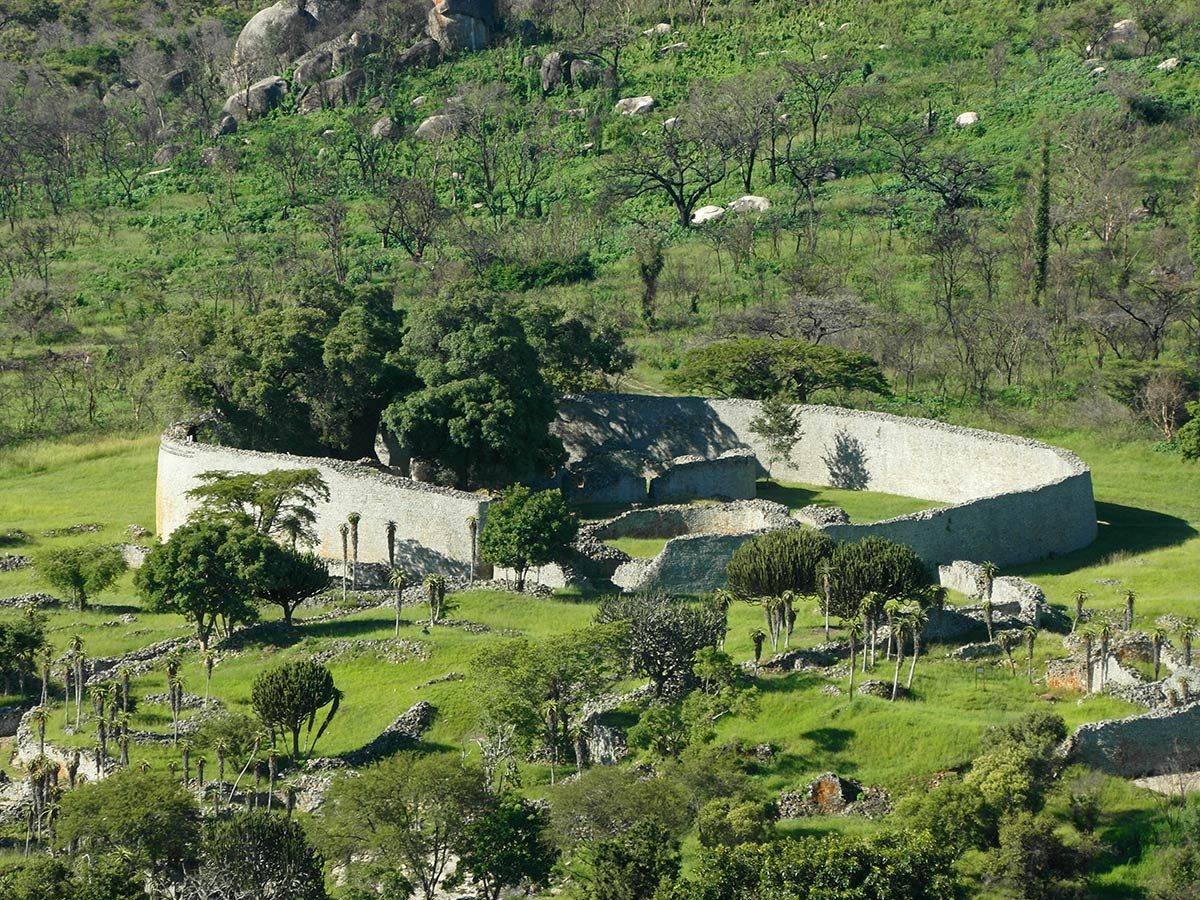
    In Africa, state systems likewise varied: Great Zimbabwe 大津巴布韦 grew on gold and cattle, Ethiopia 埃塞俄比亚 was a long-established Christian kingdom, and the Hausa Kingdoms 豪萨城邦 sat on trans-Saharan trade routes.

    العربية
    نفس الأسئلة الثلاثة مطبقة على ستة مناطق - المقارنة التي مبنية عليها الوحدة تدعمها
    إطار واحد، ستة مناطق: الدولة، نظام المعتقدات، والأساس الاقتصادي هي ما تسأل عنه أسئلة المقارنة فعلياً

    في الأمريكيتين، أظهرت أنظمة الدولة الاستمرار والابتكار والتنوع: دول مدن المايا، والميكسا (الأزتيك) مع التوسع القائم على الجزية، وإنكا مع إدارة مركزية، وواجبات العمل، ونظام طرق.

    في أفريقيا، اختلفت أنظمة الدولة أيضاً: نمت زيмбаوي العظيمة على الذهب والأبقار، وإثيوبيا كانت مملكة مسيحية قديمة الرصينة، وممالك هاوسا تقع على طرق التجارة عبر الصحراء الكبرى.

    الجدران الخارجية لزيimbaوي العظيمة - البناء الحجري الجاف، ودولة مبنية على تجارة الذهب
    Vocabulary · ⁨مفردات⁩ Train · ⁨تدريب⁩
    English العربية
    Song China/sɒŋ ˈtʃaɪnə/ سلالة سونغ
    commercialized/kəˈmɜːʃəlaɪzd/ تجاري
    agrarian/æˈɡreərɪən/ فلاحي
    Champa rice/ˈtʃæmpə raɪs/ أرز تشامبا
    Grand Canal/ɡrænd kəˈnæl/ القناة الكبرى
    bureaucracy/bjʊəˈrɒkrəsi/ البيروقراطية
    civil service examination/ˈsɪvl ˈsɜːvɪs eɡˌzæmɪˈneɪʃn/ امتحان الخدمة المدنية
    Neo-Confucianism/ˈniːəʊ kənˈfjuːʃɪənɪzəm/ الكونفوشيوسية الجديدة
    filial piety/ˈfɪlɪəl ˈpaɪəti/ البرّ بالوالدين
    Buddhism/ˈbʊdɪzəm/ البوذية
    Theravada/ðəræˈvɑːdə/ Theravada
    Mahayana/ˌmæheɪˈɑːnə/ Mahayana
    Tibetan/tɪˈbetn/ Tibetan
    textiles/ˈtekstaɪlz/ النسيج
    porcelains/ˈpɔːsɪlɪnz/ السيراميك (البورسلين)
    deference/ˈdefrəns/ احترام السلطة
    foot binding/fʊt ˈbaɪndɪŋ/ ربط القدمين
    Abbasid Caliphate/ˈæbeɪsɪd ˈkælɪfeɪt/ الخلافة العباسية
    Turkic/ˈtɜːkɪk/ تركي
    Seljuk Empire/ˈseldʒʌk ˈempaɪə/ إمبراطورية السلجوقية
    Mamluk sultanate of Egypt/ˈmæmlʌk ˈsʌltəneɪt ɒv ˈiːdʒɪpt/ سلطنة المماليك بمصر
    Delhi Sultanate/ˈdeli ˈsʌltəneɪt/ سلطنة دلهي
    merchant activity/ˈmɜːtʃənt ækˈtɪvɪti/ نشاط التجار
    missionaries/ˈmɪʃənəriz/ البُعثات التبشيرية
    Sufis/ˈsjuːfiz/ الصوفيون
    intellectual innovations and transfers/ˌɪntəˈlektʃuːəl ˌɪnəˈveɪʃnz ænd ˈtrænsfɜːz/ الابتكارات الفكرية والنقل
    House of Wisdom/haʊs ɒv ˈwɪzdəm/ بيت الحكمة
    Hinduism/ˈhɪndjuːɪzəm/ الهندوسية
    bhakti movement/ˈbʌkti ˈmuːvmənt/ حركة Bhakti
    Vijayanagara/ˌvɪdʒeɪˌænəˈɡɑːrə/ فيجاياناغارا
    Majapahit/ˈmædʒəpæhɪt/ ماجاباهيت
    Khmer Empire/kmɪə ˈempaɪə/ إمبراطورية الخمير
    Maya/ˈmaɪə/ Maya
    Mexica/ˈmeksɪkə/ الميكسا
    Inca/ˈɪŋkə/ الإنكا
    Great Zimbabwe/ɡreɪt zɪmˈbɑːbwi/ زيمبابوي العظيمة
    Ethiopia/ˌiːθɪˈəʊpɪə/ إثيوبيا
    Hausa Kingdoms/ˈhɔːsə ˈkɪŋdəmz/ ممالك Hausa
    politically fragmented/pəˈlɪtɪkli fræɡˈmentɪd/ متفكك سياسياً
    feudalism/ˈfjuːdəlɪzəm/ الإقطاعية
    Christianity/ˌkrɪstɪˈænɪti/ المسيحية
    Judaism/ˈdʒuːdeɪɪzəm/ اليهودية
    free and coerced labour/friː ænd ˌkəʊˈɜːst ˈleɪbə/ العمل الحر والإجباري
    1.6

    Europe · ⁨أوروبا⁩

    Syllabus · ⁨المنهج⁩
    English

    1.6 Developments in Europe from c. 1200 to c. 1450

    Thematic Focus (CDI): Cultural Developments and Interactions — The development of ideas, beliefs, and religions illustrates how groups in society view themselves, and the interactions of societies and their beliefs often have political, social, and cultural implications.

    Thematic Focus (SIO): Social Interactions and Organization — The process by which societies group their members and the norms that govern the interactions between these groups and between individuals influence political, economic, and cultural institutions and organization.

    Learning Objective Unit 1.K: Explain how the beliefs and practices of the predominant religions in Europe affected European society. THEMATIC FOCUS Governance GOV A variety of internal and external factors contribute to state formation, expansion, and decline. Governments maintain order through a variety of administrative institutions, policies, and procedures, and governments obtain, retain, and exercise power in different ways and for different purposes. LEARNING OBJECTIVE

    • KC-3.1.III.D.v Christianity, Judaism, Islam, and the core beliefs and practices of these religions continued to shape societies in Europe. HISTORICAL DEVELOPMENTS

    Learning Objective Unit 1.L: Explain the causes and consequences of political decentralization in Europe from c. 1200 to c. 1450.

    • KC-3.2.I.B.ii Europe was politically fragmented and characterized by decentralized monarchies, feudalism, and the manorial system.

    Learning Objective Unit 1.M: Explain the effects of agriculture on social organization in Europe from c. 1200 to c. 1450.

    • KC-3.3.III.C Europe was largely an agricultural society dependent on free and coerced labor, including serfdom.
    العربية

    1.6 التطورات في أوروبا من حوالي 1200 إلى حوالي 1450

    التركيز الموضوعي (CDI): التطورات والتفاعلات الثقافية — يعكس تطور الأفكار والمعتقدات والأديان كيف تنظر المجموعات في المجتمع إلى نفسها، وغالبًا ما يكون للتفاعلات بين المجتمعات ومعتقداتها عواقب سياسية واجتماعية وثقافية.

    التركيز الموضوعي (SIO): التفاعلات الاجتماعية والتنظيم — عملية تجميع المجتمعات لأعضائها والمعايير التي تحكم التفاعل بين هذه المجموعات وبين الأفراد تؤثر على المؤسسات والهيكل السياسي والاقتصادي والثقافي.

    هدف التعلم الوحدة 1.K: اشرح كيف أثرت المعتقدات والممارسات للأديان السائدة في أوروبا على المجتمع الأوروبي. التركيز الموضوعي: الحوكمة GOV تساهم مجموعة متنوعة من العوامل الداخلية والخارجية في تشكيل الدولة وتوسعها وتدهورها. تحافظ الحكومات على النظام من خلال مجموعة متنوعة من المؤسسات والإدارات والسياسات والإجراءات، وتحصل الحكومات على السلطة تحتفظ بها وتمارسها بطرق مختلفة ولأغراض مختلفة. هدف التعلم

    • KC-3.1.III.D.v استمرت المسيحية واليهودية والإسلام والمعتقدات والممارسات الأساسية لهذه الأديان في تشكيل مجتمعات أوروبا. التطورات التاريخية

    هدف التعلم الوحدة 1.L: اشرح أسباب وعواقب اللامركزية السياسية في أوروبا من حوالي 1200 إلى حوالي 1450.

    • KC-3.2.I.B.ii كانت أوروبا مت fragmentation سياسياً وتتميز بالملوكية اللامركزية والإقطاعية والنظام الإقطاعي (مانوري).

    هدف التعلم الوحدة 1.M: اشرح آثار الزراعة على التنظيم الاجتماعي في أوروبا من حوالي 1200 إلى حوالي 1450.

    • KC-3.3.III.C كانت أوروبا مجتمعاً زراعياً في الغالب معتمدًا على العمل الحر والمقهر، بما في ذلك نظام العبودية الزراعية (السيرف).

    Source: College Board AP Course and Exam Description · ⁨المصدر: وصف دورة وامتحان College Board AP⁩

    English

    Europe was politically fragmented 政治上分裂, characterised by decentralised monarchies and by feudalism 封建制度 - a system of land held in exchange for service. Monarchs slowly consolidated power, but nothing here approached the administrative reach of Song China.

    Christianity 基督教, Judaism 犹太教, and Islam all shaped European society, with the Church supplying law, learning, and legitimacy.

    Europe was largely agricultural, dependent on free and coerced labour 自由与强制劳动, including serfdom 农奴制.

    العربية

    كانت أوروبا مجزأة سياسياً، تتميز بالملوكية اللامركزية وبالإقطاعية - نظام امتلاك الأراضي مقابل الخدمة. توحد الملوك سلطاتهم ببطء، لكن لا شيء هنا اقترب من الوصول الإداري للصين سونغ.

    المسيحية، واليهودية، والإسلام جميعها شكلت المجتمع الأوروبي، مع تزويد الكنيسة بالقانون والمعرفة والشرعية.

    كانت أوروبا زراعية في الغالب، معتمدة على العمل الحر والمكروه، بما في ذلك العبودية الزراعية (Serfdom).

    Vocabulary · ⁨مفردات⁩ Train · ⁨تدريب⁩
    English العربية
    serfdom/ˈsɜːfdəm/ العبودية الأرضية (المزارعين المرتبطين بالأرض)
    comparison/kəmˈpærɪsn/ مقارنة
    1.7

    Comparison in the Period · ⁨المقارنة في الفترة⁩

    Syllabus · ⁨المنهج⁩
    English

    1.7 Comparison in the Period from c. 1200 to c. 1450

    Learning Objective Unit 1.N: Explain the similarities and differences in the processes of state formation from c. 1200 to c. 1450.

    • KC-3.2 State formation and development demonstrated continuity, innovation, and diversity in various regions.
      • KC-3.2.I As the Abbasid Caliphate fragmented, new Islamic political entities emerged, most of which were dominated by Turkic peoples. These states demonstrated continuity, innovation, and diversity.
      • KC-3.2.I.A Empires and states in Afro-Eurasia and the Americas demonstrated continuity, innovation, and diversity in the 13th century. This included the Song Dynasty of China, which utilized traditional methods of Confucianism and an imperial bureaucracy to maintain and justify its rule.
      • KC-3.2.I.B.i State formation and development demonstrated continuity, innovation, and diversity, including the new Hindu and Buddhist states that emerged in South and Southeast Asia.
      • KC-3.2.I.D.i In the Americas, as in Afro-Eurasia, state systems demonstrated continuity, innovation, and diversity, and expanded in scope and reach.
      • KC-3.2.I.D.ii In Africa, as in Eurasia and the Americas, state systems demonstrated continuity, innovation, and diversity, and expanded in scope and reach.
    العربية

    1.7 المقارنة في الفترة من حوالي 1200 إلى حوالي 1450

    هدف التعلم الوحدة 1.N: اشرح أوجه التشابه والاختلاف في عمليات تشكيل الدولة من حوالي 1200 إلى حوالي 1450.

    • KC-3.2 أظهر تشكيل الدول وتطورها استمرارية وابتكاراً وتنوعاً في مختلف المناطق.
      • KC-3.2.I مع تفكك الخلافة العباسية، ظهرت كيانات سياسية إسلامية جديدة، معظمها كان يهيمن عليه شعوب تركية. أظهرت هذه الدول استمرارية وابتكاراً وتنوعاً.
      • KC-3.2.I.A أظهرت الإمبراطوريات والدول في أفرو-أوراسيا والأمريكتين استمرارية وابتكاراً وتنوعاً في 13th القرن. شمل ذلك سلالة سونغ في الصين، والتي استخدمت أساليب الكونفوشيوسية التقليدية وإدارة إمبراطورية للحفاظ على حكمها وتبريره.
      • KC-3.2.I.B.i أظهرت تشكيل الدول وتطورها استمرارية وابتكاراً وتنوعاً، بما في ذلك الدول الهندوسية والبوذية الجديدة التي ظهرت في جنوب وجنوب شرق آسيا.
      • KC-3.2.I.D.i في الأمريكتين، كما في أفريقيا وأوراسيا، أظهرت النظم السياسية استمرارية وابتكاراً وتنوعاً، واتسعت نطاقها ونطاق نفوذها.
      • KC-3.2.I.D.ii في أفريقيا، كما في أوراسيا والأمريكتين، أظهرت النظم السياسية استمرارية وابتكاراً وتنوعاً، واتسعت نطاقها ونطاق نفوذها.

    Source: College Board AP Course and Exam Description · ⁨المصدر: وصف دورة وامتحان College Board AP⁩

    English

    The unit's reasoning skill is comparison 比较. The productive comparisons are structural rather than evaluative:

    • Centralised administration (Song China, Inca) against fragmented or decentralised rule (Europe, post-Abbasid Islamic states).
    • Recruitment by examination against recruitment by birth.
    • States funded by tribute (Mexica) against states funded by taxation (Song China).

    Worked example (a real AP exam question). AP World short-answer questions regularly ask students to "Identify one similarity" or "Explain one difference" between two regions in a period. A full-mark answer for this unit names the feature and applies it to both: "Both Song China and the Inca Empire used a centralised bureaucracy to govern a large territory, but Song China recruited officials through a competitive examination system while the Inca staffed administration through hereditary elites and a labour obligation." Notice the shape: a comparison must be one feature, two societies. Describing each society in turn and leaving the reader to infer the comparison does not earn the point.

    العربية

    مهارة التفكير في الوحدة هي المقارنة. المقاربات المثمرة هي هيكلية وليست تقييمية:

    • إدارة مركزية (الصين في سلالة سونغ، الإمبراطورية الإنكا) مقابل حكم متفرق أو لامركزي (أوروبا، الدول الإسلامية ما بعد العباسيين).
    • التوظيف عبر الامتحانات مقابل التوظيف عبر النسب.
    • دول تُموَّل بـ الإتاوات (الميكسيكا) مقابل دول تُموَّل بـ الضرائب (الصين في سلالة سونغ).

    مثال محلول (سؤال حقيقي من امتحان AP). أسئلة الإجابة القصيرة في تاريخ العالم في امتحانات AP تطلب من الطلاب غالبًا "تحديد تشابه واحد" أو "شرح فرق واحد" بين منطقتين في فترة زمنية معينة. الإجابة الكاملة التي تحصل على الدرجة الكاملة لهذه الوحدة تذكر السمة وتطبقها على كل من المنطقتين: "استخدمت كل من الصين في سلالة سونغ وإمبراطورية الإنكا بيروقراطية مركزية لحكم أراضي شاسعة، لكن الصين في سلالة سونغ وظفت المسؤولين عبر نظام امتحات تنافسية بينما عيَّنت الإنكا إدارتها عبر النخبة الوراثية والالتزام بالعمل." لاحظ الشكل: المقارنة يجب أن تكون سمة واحدة لمجتمعين. وصف كل مجتمع على حدة وترك القارئ يستنتج المقارنة لا يمنح النقطة.

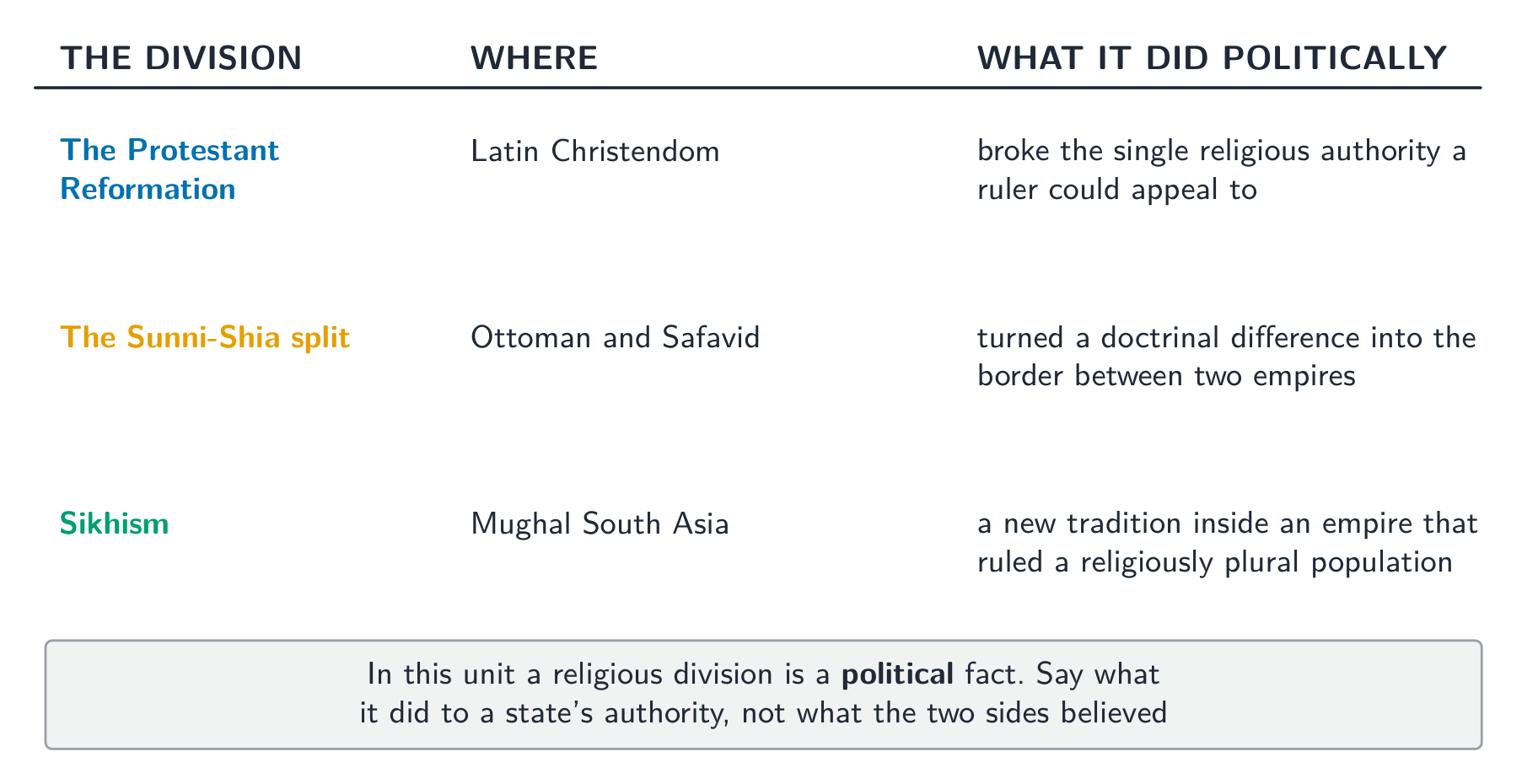
    أنظمة الاعتقاد بناءً على ما تقوم به لصالح السلطة، وليس بناءً على ما تدّرسه
    1.7

    Exam tips · ⁨نصائح للامتحان⁩

    English
    • Learn each region through the same three questions - state, belief system, economy - so any comparison question already has a structure.
    • Song China is the benchmark: examination-based bureaucracy, commercialised agriculture, and cultural influence on neighbours.
    • For Dar al-Islam, remember the pattern is fragmentation into new states plus continued expansion by trade and Sufi missionaries.
    • Give a named state for the Americas and Africa. Mexica tribute, Inca labour obligation, Mali and Great Zimbabwe gold are the reliable examples.
    • Europe's distinguishing features are fragmentation, feudalism, and coerced agricultural labour.
    • Write comparisons as one feature across two societies, never as two separate descriptions.
    العربية
    • ادرس كل منطقة عبر نفس الأسئلة الثلاثة - الدولة، نظام الاعتقاد، الاقتصاد - بحيث يكون أي سؤال مقارنة يمتلك بالفعل هيكلاً.
    • الصين في سلالة سونغ هي المعيار: البيروقراطية القائمة على الامتحانات، والزراعة التجارية، والتأثير الثقافي على الجيران.
    • بالنسبة للعالم الإسلامي، تذكر أن النمط هو التجزؤ إلى دول جديدة بالإضافة إلى استمرار التمدد عبر التجارة وبعثا الصوفية.
    • قدم دولة ذات اسم للأمريكيتين وأفريقيا. إيتاء الميكسيكا، الالتزام بالإنكا بالعمل، ماليه، وذهب زيمبابوي العظيمة هي أمثلة موثوقة.
    • ميزات أوروبا المميزة هي التجزؤ، القيصرية، والعمل الزراعي المكره.
    • اكتب المقارنات كـ سمة واحدة عبر مجتمعين، ولا تكتبها أبداً كوصفين منفصلين.
  • 2

    Networks of Exchange · ⁨شبكات التبادل⁩

    Watch lesson · ⁨شاهد الدرس⁩
    2.1

    What Made the Networks Grow · ⁨ما الذي جعل الشبكات تتوسع⁩

    Syllabus · ⁨المنهج⁩
    English

    2.1 The Silk Roads

    Thematic Focus (ECN): Economics Systems — As societies develop, they affect and are affected by the ways that they produce, exchange, and consume goods and services.

    Learning Objective Unit 2.A: Explain the causes and effects of growth of networks of exchange after 1200.

    • KC-3.1.I.A.i Improved commercial practices led to an increased volume of trade and expanded the geographical range of existing trade routes— including the Silk Roads—promoting the growth of powerful new trading cities.
    • KC-3.1.I.C.i The growth of interregional trade in luxury goods was encouraged by innovations in previously existing transportation and commercial technologies, including the caravanserai, forms of credit, and the development of money economies.
    • KC-3.3.I.B Demand for luxury goods increased in Afro-Eurasia. Chinese, Persian, and Indian artisans and merchants expanded their production of textiles and porcelains for export; manufacture of iron and steel expanded in China.

    Illustrative examples:

    • Trading cities:
      • Kashgar
      • Samarkand
    • New forms of credit and money economies:
      • Bills of exchange
      • Banking houses
      • Use of paper money
    العربية

    2.1 طرق الحرير

    التركيز الموضوعي (ECN): أنظمة الاقتصاد — عندما تتطور المجتمعات، فإنها تؤثر وتتأثر بالطرق التي تنتج بها وتبادلها وتستهلك بها السلع والخدمات.

    هدف التعلم الوحدة 2.A: اشرح أسباب وآثار نمو شبكات التبادل بعد عام 1200.

    • KC-3.1.I.A.i أدت تحسين الممارسات التجارية إلى زيادة حجم التجارة وتوسيع النطاق الجغرافي لطرق التجارة القائمة—بما في ذلك طرق الحرير—مما عزز ظهور مدن تجارية جديدة قوية.
    • KC-3.1.I.C.i شجع نمو التجارة بين المناطق للسلع الفاخرة من خلال ابتكارات في تقنيات النقل والتجارة الموجودة مسبقاً، بما في ذلك الخانات التجارية، وأشكال الائتمان، وتطوير اقتصادات نقدية.
    • KC-3.3.I.B زاد الطلب على السلع الفاخرة في أفريقيا وأوراسيا. وسّع الحرفيون والتجار الصينيون والفارسيون والهنود إنتاجهم من المنسوجات والأواني الخزفية للتصدير؛ توسع تصنيع الحديد والفولاذ في الصين.

    أمثلة توضيحية:

    • المدن التجارية:
      • قاشغر
      • سامرند
    • أشكال جديدة من الائتمان واقتصادات النقد:
      • صناديق التحويل
      • بيوت البنوك
      • استخدام النقود الورقية

    Source: College Board AP Course and Exam Description · ⁨المصدر: وصف دورة وامتحان College Board AP⁩

    English

    Unit 2 covers the three great exchange networks of 1200 to 1450 - the Silk Roads, the Indian Ocean, and the trans-Saharan routes - and asks the same question of each: what made trade grow, and what did that growth change?

    Growth had three common causes, and naming them is worth more than listing goods:

    • Improved commercial practices 商业惯例的改进 - money economies 货币经济, credit 信贷, and forms of partnership that spread risk.
    • Improved transportation technologies 交通技术的改进 - better ships, saddles, and navigation.
    • State support 国家支持 - empires that secured routes and taxed the trade benefited from protecting it.

    Demand mattered too: luxury goods 奢侈品 from Chinese, Persian, and Indian artisans found expanding markets across Afro-Eurasia, and producers increased output to meet that demand.

    العربية

    تغطي الوحدة 2 شبكات التبادل الثلاث العظيمة من 1200 إلى 1450 - طرق الحرير والمحيط الهندي والطرق عبر الصحراء الكبرى - وتطرح نفس السؤال عن كل منها: ما الذي جعل التجارة تنمو، وما الذي غيّر هذا النمو؟

    كان للنمو ثلاثة أسباب مشتركة، وذكرها أعمق من مجرد سرد البضائع:

    • تحسين الممارسات التجارية - الاقتصاد النقدي، الائتمان، وأشكال الشراكة التي توزع المخاطر.
    • تحسين تقنيات النقل - سفن أفضل، سروج، وملاحة.
    • دعم الدولة - الإمبراطوريات التي آمنت الطرق وفرضت ضرائب على التجارة استفادت من حمايتها.

    كان الطلب مهمًا أيضًا: وجدت البضائع الفاخرة من الحرفيين الصينيين والفارس والهنود أسواقًا متوسعة عبر أفريقيا وأوراسيا، وزاد المنتجون الإنتاج لتلبية هذا الطلب.

    كل عامل تمكيني إزالة عائق محدد - هذا الاقتران هو ما يحول الوصف إلى شرح
    Explore · ⁨استكشف⁩

    Pair each enabler with the obstacle it removed · ⁨طابق كل عامل تمكين مع العقبة التي أزالها⁩

    Growth is not a mood: each enabler removes a named obstacle, and that pairing turns description into explanation. · ⁨النمو ليس حالة نفسية: كل عامل تمكين يزيل عقبة محددة، وتلك المطابقة تحول الوصف إلى تفسير.⁩

    2.1

    The Silk Roads · ⁨طرق الحرير⁩

    Syllabus · ⁨المنهج⁩
    English

    2.1 The Silk Roads

    Thematic Focus (ECN): Economics Systems — As societies develop, they affect and are affected by the ways that they produce, exchange, and consume goods and services.

    Learning Objective Unit 2.A: Explain the causes and effects of growth of networks of exchange after 1200.

    • KC-3.1.I.A.i Improved commercial practices led to an increased volume of trade and expanded the geographical range of existing trade routes— including the Silk Roads—promoting the growth of powerful new trading cities.
    • KC-3.1.I.C.i The growth of interregional trade in luxury goods was encouraged by innovations in previously existing transportation and commercial technologies, including the caravanserai, forms of credit, and the development of money economies.
    • KC-3.3.I.B Demand for luxury goods increased in Afro-Eurasia. Chinese, Persian, and Indian artisans and merchants expanded their production of textiles and porcelains for export; manufacture of iron and steel expanded in China.

    Illustrative examples:

    • Trading cities:
      • Kashgar
      • Samarkand
    • New forms of credit and money economies:
      • Bills of exchange
      • Banking houses
      • Use of paper money
    العربية

    2.1 طرق الحرير

    التركيز الموضوعي (ECN): أنظمة الاقتصاد — عندما تتطور المجتمعات، فإنها تؤثر وتتأثر بالطرق التي تنتج بها وتبادلها وتستهلك بها السلع والخدمات.

    هدف التعلم الوحدة 2.A: اشرح أسباب وآثار نمو شبكات التبادل بعد عام 1200.

    • KC-3.1.I.A.i أدت تحسين الممارسات التجارية إلى زيادة حجم التجارة وتوسيع النطاق الجغرافي لطرق التجارة القائمة—بما في ذلك طرق الحرير—مما عزز ظهور مدن تجارية جديدة قوية.
    • KC-3.1.I.C.i شجع نمو التجارة بين المناطق للسلع الفاخرة من خلال ابتكارات في تقنيات النقل والتجارة الموجودة مسبقاً، بما في ذلك الخانات التجارية، وأشكال الائتمان، وتطوير اقتصادات نقدية.
    • KC-3.3.I.B زاد الطلب على السلع الفاخرة في أفريقيا وأوراسيا. وسّع الحرفيون والتجار الصينيون والفارسيون والهنود إنتاجهم من المنسوجات والأواني الخزفية للتصدير؛ توسع تصنيع الحديد والفولاذ في الصين.

    أمثلة توضيحية:

    • المدن التجارية:
      • قاشغر
      • سامرند
    • أشكال جديدة من الائتمان واقتصادات النقد:
      • صناديق التحويل
      • بيوت البنوك
      • استخدام النقود الورقية

    Source: College Board AP Course and Exam Description · ⁨المصدر: وصف دورة وامتحان College Board AP⁩

    English

    The Silk Roads 丝绸之路 carried high-value, low-bulk goods overland across Eurasia: silk, porcelain, spices, and precious metals.

    Its enabling innovations were commercial as much as technical - caravanserai 商队旅馆 along the routes, the use of paper money 纸币 and bills of exchange 汇票 in China, and forms of credit that let merchants trade without carrying bullion.

    The consequence for producers: Chinese artisans expanded output, and cities along the routes grew wealthy on the traffic passing through.

    العربية

    نقلت طرق الحرير بضائع عالية القيمة ومنخفضة الحجم عبر البر عبر أوراسيا: الحرير، الخزف، التوابل، والمعادن الثمينة.

    كانت ابتكاراتها التمكينية تجارية بقدر ما هي تقنية - الخانات على طول الطرق، استخدام العملة الورقية وسندات الدفع في الصين، وأشكال الائتمان التي سمحت للتجار بالتجارة دون حمل المعادن الثمينة.

    النتيجة للمنتجين: توسعت إنتاجية الحرفيين الصينيين، وتعددت ثروات المدن على طول الطرق من خلال حركة المرور العابرة إليها.

    2.2

    The Mongol Empire · ⁨الإمبراطورية المغولية⁩

    Syllabus · ⁨المنهج⁩
    English

    2.2 The Mongol Empire and the Making of the Modern World

    Thematic Focus (GOV): Governance — A variety of internal and external factors contribute to state formation, expansion, and decline. Governments maintain order through a variety of administrative institutions, policies, and procedures, and governments obtain, retain, and exercise power in different ways and for different purposes.

    Thematic Focus (CDI): Cultural Developments and Interactions — The development of ideas, beliefs, and religions illustrates how groups in society view themselves, and the interactions of societies and their beliefs often have political, social, and cultural implications.

    Learning Objective Unit 2.B: Explain the process of state building and decline in Eurasia over time. THEMATIC FOCUS Economics Systems ECN As societies develop, they affect and are affected by the ways that they produce, exchange, and consume goods and services. LEARNING OBJECTIVE

    • KC-3.2.I.B.iii Empires collapsed in different regions of the world and in some areas were replaced by new imperial states, including the Mongol khanates. HISTORICAL DEVELOPMENTS

    Learning Objective Unit 2.C: Explain how the expansion of empires influenced trade and communication over time.

    • KC-3.1.I.E.i The expansion of empires—including the Mongols—facilitated Afro-Eurasian trade and communication as new people were drawn into their conquerors’ economies and trade networks.

    Learning Objective Unit 2.D: Explain the significance of the Mongol Empire in larger patterns of continuity and change.

    • KC-3.2.II.A.ii Interregional contacts and conflicts between states and empires, including the Mongols, encouraged significant technological and cultural transfers.

    Illustrative examples:

    • Technological and cultural transfers:
      • Transfer of Greco– Islamic medical knowledge to western Europe
      • Transfer of numbering systems to Europe
      • Adoption of Uyghur script
    العربية

    2.2 إمبراطورية المغول وصنع العالم الحديث

    التركيز الموضوعي (GOV): الحكم — تساهم مجموعة متنوعة من العوامل الداخلية والخارجية في تشكيل الدولة وتوسعها وانهيارها. تحافظ الحكومات على النظام من خلال مجموعة متنوعة من المؤسسات والإجراءات والسياسات الإدارية، وتكتسب الحكومات وتحتفظ بالسلطة وتمارسها بطرق مختلفة ولأغراض مختلفة.

    التركيز الموضوعي (CDI): التطورات والتفاعلات الثقافية — يعكس تطور الأفكار والمعتقدات والأديان كيف تنظر المجموعات في المجتمع إلى نفسها، وغالبًا ما يكون للتفاعلات بين المجتمعات ومعتقداتها عواقب سياسية واجتماعية وثقافية.

    هدف التعلم الوحدة 2.B: اشرح عملية بناء الدول وتدهورها في أوراسيا عبر الزمن. التركيز الموضوعي: الاقتصاد الأنظمة ECN مع تطور المجتمعات، تؤثر على طرق إنتاجها وتبادلها واستهلاكها للسلع والخدمات وتتأثر بها. هدف التعلم

    • KC-3.2.I.B.iii انهارت الإمبراطوريات في مناطق مختلفة من العالم وفي بعض المناطق استُبدلت بدول إمبراطورية جديدة، بما في ذلك خانات المغول. التطورات التاريخية

    هدف التعلم الوحدة 2.C: اشرح كيف أثرت توسع الإمبراطوريات على التجارة والاتصالات عبر الزمن.

    • KC-3.1.I.E.i سهّل توسع الإمبراطوريات –بما في ذلك المغول– التجارة والاتصالات بين أفريقيا وأوراسيا عندما تم استدعاء شعوب جديدة إلى اقتصادات شبكات التجارة التابعة لغزاتها.

    هدف التعلم الوحدة 2.D: اشرح أهمية الإمبراطورية المغولية في أنماط الاستمرار والتغير الأوسع.

    • KC-3.2.II.A.ii شجّعت الاتصالات والصراعات بين الولايات والإمبراطوريات، بما في ذلك المغول، على انتقال تقني وثقافي كبير.

    أمثلة توضيحية:

    • الانتقالات التقنية والثقافية:
      • نقل المعرفة الطبية اليونانية الإسلامية إلى غرب أوروبا
      • نقل أنظمة الترقيم إلى أوروبا
      • تبني خط الأويغور

    Source: College Board AP Course and Exam Description · ⁨المصدر: وصف دورة وامتحان College Board AP⁩

    English

    Empires collapsed and were reconstituted in this period, and the largest transformation came from the Mongol Empire 蒙古帝国.

    Mongol expansion facilitated Afro-Eurasian trade and communication by bringing much of the network under a single authority, which lowered the risk of long-distance travel - a period often called the Pax Mongolica 蒙古和平.

    Interregional contacts and conflicts also encouraged technological and cultural transfers: gunpowder technology moved west, Chinese administrative and medical knowledge circulated, and scholars and craftsmen were relocated across the empire.

    The Mongols illustrate the unit's central irony: conquest and destruction produced the conditions for exchange.

    العربية

    انهيارت الإمبراطوريات وأعيدت تشكيلها في هذه الفترة، وجاء أكبر تحول من الإمبراطورية المغولية.

    سهّل التوسع المغولي التجارة والاتصالات الأفرو-أوراسية عن طريق وضع جزء كبير من الشبكة تحت سلطة واحدة، مما قلل مخاطر السفر لمسافات طويلة - وهي فترة تُعرف غالبًا باسم سلام المغول.

    شجّعت الاتصالات والصراعات عبر المناطق أيضًا الت transfers التكنولوجية والثقافية: انتقلت تكنولوجيا البارود غربًا، ودور المعرفة الإدارية والطبية الصينية، وتم نقل العلماء والحرفاء عبر الإمبراطورية.

    تُجسد المغوليةIrony المركزية للوحدة: أنتجت الغزو والتدمير ظروفًا للتبادل.

    Irony المركزية للوحدة: سبب واحد، نتيجتان متعاكستان، والامتحان يريد كلاهما
    2.3

    The Indian Ocean · ⁨المحيط الهندي⁩

    Syllabus · ⁨المنهج⁩
    English

    2.3 Exchange in the Indian Ocean

    Thematic Focus (ECN): Economics Systems — As societies develop, they affect and are affected by the ways that they produce, exchange, and consume goods and services.

    Thematic Focus (CDI): Cultural Developments and Interactions — The development of ideas, beliefs, and religions illustrates how groups in society view themselves, and the interactions of societies and their beliefs often have political, social, and cultural implications.

    Learning Objective Unit 2.E: Explain the causes of the growth of networks of exchange after 1200.

    • KC-3.1.I.A.ii Improved transportation technologies and commercial practices led to an increased volume of trade and expanded the geographical range of existing trade routes, including the Indian Ocean, promoting the growth of powerful new trading cities.
    • KC-3.1.I.C.ii The growth of interregional trade in luxury goods was encouraged by significant innovations in previously existing transportation and commercial technologies, including the use of the compass, the astrolabe, and larger ship designs.
    • KC-3.1.I.A.iii The Indian Ocean trading network fostered the growth of states.

    Learning Objective Unit 2.F: Explain the effects of the growth of networks of exchange after 1200. THEMATIC FOCUS Humans and the Environments ENV The environment shapes human societies, and as populations grow and change, these populations in turn shape their environments. LEARNING OBJECTIVE

    • KC-3.1.III.B In key places along important trade routes, merchants set up diasporic communities where they introduced their own cultural traditions into the indigenous cultures and, in turn, indigenous cultures influenced merchant cultures.
    • KC-3.2.II.A.iii Interregional contacts and conflicts between states and empires encouraged significant technological and cultural transfers, including during Chinese maritime activity led by Ming Admiral Zheng He. HISTORICAL DEVELOPMENTS

    Learning Objective Unit 2.G: Explain the role of environmental factors in the development of networks of exchange in the period from c. 1200 to c. 1450.

    • KC-3.1.II.A.i The expansion and intensification of long-distance trade routes often depended on environmental knowledge, including advanced knowledge of the monsoon winds.

    Illustrative examples:

    • Growth of states:
      • City-states of the Swahili Coast
      • Gujarat
      • Sultanate of Malacca
    • (CONT’D) Diasporic communities:
      • Arab and Persian communities in East Africa
      • Chinese merchant communities in Southeast Asia
      • Malay communities in the Indian Ocean basin
    العربية

    2.3 التبادل في المحيط الهندي

    التركيز الموضوعي (ECN): أنظمة الاقتصاد — عندما تتطور المجتمعات، فإنها تؤثر وتتأثر بالطرق التي تنتج بها وتبادلها وتستهلك بها السلع والخدمات.

    التركيز الموضوعي (CDI): التطورات والتفاعلات الثقافية — يعكس تطور الأفكار والمعتقدات والأديان كيف تنظر المجموعات في المجتمع إلى نفسها، وغالبًا ما يكون للتفاعلات بين المجتمعات ومعتقداتها عواقب سياسية واجتماعية وثقافية.

    هدف التعلم الوحدة 2.E: اشرح أسباب نمو شبكات التبادل بعد عام 1200.

    • KC-3.1.I.A.ii أدّت تحسينات تقنيات النقل والممارسات التجارية إلى زيادة حجم التجارة وتوسيع النطاق الجغرافي لطرق التجارة القائمة، بما في ذلك المحيط الهندي، مما عزز نمو مدن تجارية جديدة قوية.
    • KC-3.1.I.C.ii شُجّع نمو التجارة بين الإقليمية للسلع الفاخرة بفضل ابتكارات بارزة في تقنيات النقل والتجارة القائمة سابقاً، بما في ذلك استخدام البوصلة والأسترلاب وتصاميم السفن الأكبر حجماً.
    • KC-3.1.I.A.iii رَعَّت شبكة التجارة في المحيط الهندي نمو الدُول.

    هدف التعلم الوحدة 2.F: اشرح آثار نمو شبكات التبادل بعد عام 1200. التركيز الموضوعي: البشر والبيئات ENV يُشكّل البيئة المجتمعات البشرية، وكما تنمو السكان وتتغير، فإن هذه السكان بدورها تُشكّل بيئتها. هدف التعلم

    • KC-3.1.III.B في أماكن رئيسية على طول طرق التجارة المهمة، أسس التجار مجتمعات مشتتة حيث قدموا تقاليدهم الثقافية الخاصة إلى الثقافات المحلية، وفي المقابل أثّرت الثقافات المحلية على ثقافات التجار.
    • KC-3.2.II.A.iii شجّعت الاتصالات والصراعات بين الولايات والإمبراطوريات على انتقال تقني وثقافي كبير، بما في ذلك خلال النشاط البحري الصيني بقيادة الأدميرال تشنغ هي. التطورات التاريخية

    هدف التعلم الوحدة 2.G: اشرح دور العوامل البيئية في تطوير شبكات التبادل في الفترة ما بين 1200 و1450 تقريباً.

    • KC-3.1.II.A.i غالباً ما اعتمد توسع وطرق التجارة الطويلة المسافة على المعرفة البيئية، بما في ذلك المعرفة المتقدمة بالرياح الموسمية.

    أمثلة توضيحية:

    • نمو الدُول:
      • دول المدن في ساحل السواحيلي
      • غوجارات
      • سلطنة ملقا
    • (متابعة) المجتمعات المشتتة:
      • المجتمعات العربية والفارسية في شرق أفريقيا
      • مجتمعات التجار الصينيين في جنوب شرق آسيا
      • المجتمعات الماليزية في حوض المحيط الهندي

    Source: College Board AP Course and Exam Description · ⁨المصدر: وصف دورة وامتحان College Board AP⁩

    English

    The Indian Ocean network moved bulkier goods than the Silk Roads - textiles, timber, grain, and spices - because ships carry more than camels.

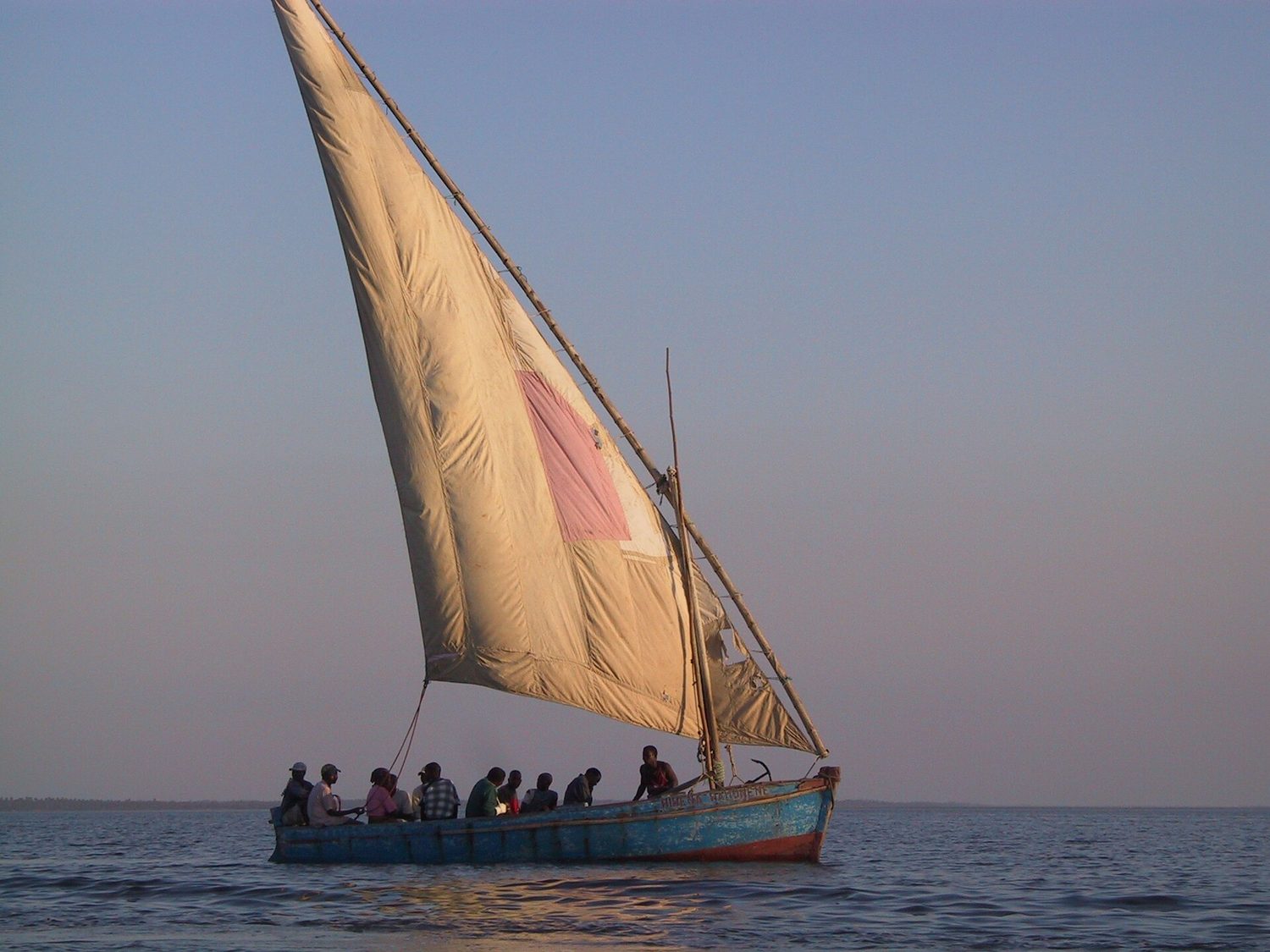
    Its enabling technologies were maritime: knowledge of the monsoon winds 季风, the lateen sail 三角帆, the dhow 单桅帆船, and navigational tools including the compass 罗盘 and astrolabe 星盘.

    Its consequences are the most examinable in the unit:

    • The network fostered the growth of states, such as the Swahili city-states on the East African coast and Srivijaya and Majapahit in Southeast Asia.
    • Merchants established diasporic communities 侨居社群 in key ports, introducing their own culture while adopting local ways.
    • Long-distance trade depended on and expanded coerced labour and on the movement of people as well as goods.
    العربية
    شبكات ثلاث مقارنات بناءً على ما تحملونه، وما مكنها، وما غيرته
    ثلاث شبكات، إطار عمل واحد: البضائع، التكنولوجيا المُمَكِّنة، والعواقب هي ما تطلبه أسئلة المقارنة

    نقل شبكة المحيط الهندي بضائع أكثر كثافة من طرق الحرير - الأقمشة، الأخشاب، الحبوب، والتوابل - لأن السفن تحمل أكثر من الجمال.

    كانت تقنياتها المُمَكِّنة بحرية: معرفة رياح الموسم، الشراع المثلث، الدهو، وأدوات الملاحة بما في ذلك البوصلة والأسترلاب.

    عواقبه هي الأكثر قابلية للاختبار في الوحدة:

    • عززت الشبكة نمو الدول، مثل مدن السواحل الشرقية الأفريقية وسريفيجايا وماجاباهيت في جنوب شرق آسيا.
    • أسس التجار مجتمعات مهجرة في الموانئ الرئيسية، مقدمين ثقافتهم الخاصة بينما اعتمدوا الأساليب المحلية.
    • اعتمدت التجارة لمسافات طويلة على العمل المكره وقامت بتوسيعه، بالإضافة إلى حركة الناس بالإضافة إلى البضائع.
    دهو بشراع مثلث - الرigi الذي سمح للسفينة بالعمل عبر نظام الرياح الموسمية
    Vocabulary · ⁨مفردات⁩ Train · ⁨تدريب⁩
    English العربية
    Improved commercial practices/ɪmˈpruːvd kəˈmɜːʃl ˈpræktɪsɪz/ تحسين الممارسات التجارية
    money economies/ˈmʌni ɪˈkɒnəmiz/ الاقتصادات النقدية
    credit/ˈkredɪt/ ائتمان
    Improved transportation technologies/ɪmˈpruːvd trænspɔːˈteɪʃn tekˈnɒlədʒiz/ تطور تقنيات النقل
    State support/steɪt səˈpɔːt/ الدعم الحكومي
    luxury goods/ˈlʌkʃəri ɡʊdz/ البضائع الفاخرة
    Silk Roads/sɪlk rəʊdz/ طرق الحرير
    caravanserai/ˈkærəvænsəraɪ/ الكارافانسيراي
    paper money/ˈpeɪpə ˈmʌni/ النقود الورقية
    bills of exchange/bɪlz ɒv eksˈtʃeɪndʒ/ فواتير التبادل
    Mongol Empire/ˈmɒŋɡɒl ˈempaɪə/ الإمبراطورية المغولية
    Pax Mongolica/pæks mɒnˈɡɒlɪkə/ سلامة مغولية (Pax Mongolica)
    monsoon winds/mɒnˈsuːn wɪndz/ رياح الموسم
    lateen sail/ˈlætiːn seɪl/ الشراع الشبكي
    dhow/ˈdiːhaʊ/ دو
    compass/ˈkʌmpəs/ البوصلة
    astrolabe/ˈæstrəleɪb/ الإسطرلاب
    diasporic communities/ˌdaɪəˈspɒrɪk kəˈmjuːnɪtiz/ مجتمعات الشتات
    camel saddle/ˈkæml ˈsædl/ سرج الجمل
    caravans/ˈkærəvænz/ القوافل
    salt/sɒlt/ ملح
    Mali/ˈmɑːli/ مالي
    diffusion/dɪˈfjuːʒn/ الانتشار
    travellers/ˈtræveləz/ المسافرون
    2.4

    Trans-Saharan Trade · ⁨تجارة عبور الصحراء الكبرى⁩

    Syllabus · ⁨المنهج⁩
    English

    2.4 Trans-Saharan Trade Routes

    Thematic Focus (TEC): Technology and Innovation — Human adaptation and innovation have resulted in increased efficiency, comfort, and security, and technological advances have shaped human development and interactions with both intended and unintended consequences.

    Thematic Focus (GOV): Governance — A variety of internal and external factors contribute to state formation, expansion, and decline. Governments maintain order through a variety of administrative institutions, policies, and procedures, and governments obtain, retain, and exercise power in different ways and for different purposes.

    Learning Objective Unit 2.H: Explain the causes and effects of the growth of trans-Saharan trade.

    • KC-3.1.II.A.ii The growth of interregional trade was encouraged by innovations in existing transportation technologies.
    • KC-3.1.I.A.iv Improved transportation technologies and commercial practices led to an increased volume of trade and expanded the geographical range of existing trade routes, including the trans-Saharan trade network.

    Learning Objective Unit 2.I: Explain how the expansion of empires influenced trade and communication over time.

    • KC-3.1.I.E.ii The expansion of empires—including Mali in West Africa–facilitated Afro-Eurasian trade and communication as new people were drawn into the economies and trade networks.

    Illustrative examples:

    • Technologies encouraging interregional trade:
      • Camel saddle
      • Caravans
    العربية

    2.4 طرق التجارة عبر الصحراء الكبرى

    التركيز الموضوعي (TEC): التكنولوجيا والابتكار – أدّى تكيف البشر وابتكاراتهم إلى زيادة الكفاءة والراحة والأمان، وشكّلت التطورات التكنولوجية التطور البشري وتفاعلاته مع عواقب مقصودة وغير مقصودة.

    التركيز الموضوعي (GOV): الحكم — تساهم مجموعة متنوعة من العوامل الداخلية والخارجية في تشكيل الدولة وتوسعها وانهيارها. تحافظ الحكومات على النظام من خلال مجموعة متنوعة من المؤسسات والإجراءات والسياسات الإدارية، وتكتسب الحكومات وتحتفظ بالسلطة وتمارسها بطرق مختلفة ولأغراض مختلفة.

    هدف التعلم الوحدة 2.H: اشرح أسباب وآثار نمو التجارة عبر الصحراء الكبرى.

    • KC-3.1.II.A.ii شُجّع نمو التجارة بين الإقليمية بفضل الابتكارات في تقنيات النقل القائمة.
    • KC-3.1.I.A.iv أدّت تحسينات تقنيات النقل والممارسات التجارية إلى زيادة حجم التجارة وتوسيع النطاق الجغوطي لطرق التجارة القائمة، بما في ذلك شبكة التجارة عبر الصحراء الكبرى.

    هدف التعلم الوحدة 2.I: اشرح كيف أثرت توسع الإمبراطوريات على التجارة والاتصالات عبر الزمن.

    • KC-3.1.I.E.ii سهّل توسع الإمبراطوريات –بما في ذلك مالي في غرب أفريقيا– التجارة والاتصالات بين أفريقيا وأوراسيا عندما تم استدعاء شعوب جديدة إلى الاقتصادات وشبكات التجارة.

    أمثلة توضيحية:

    • تكنولوجيات تعزز التجارة بين الإقليمية:
      • سرج الجمل
      • القوافل

    Source: College Board AP Course and Exam Description · ⁨المصدر: وصف دورة وامتحان College Board AP⁩

    English

    The trans-Saharan routes crossed the desert on innovations in existing technology - above all the camel saddle 骆驼鞍 and organised caravans 商队.

    Gold from West Africa moved north and salt 盐 moved south. The expansion of empires, including Mali 马里帝国, facilitated Afro-Eurasian trade by securing the routes and taxing them - and Mali's wealth and its ruler's famous pilgrimage advertised the region across the Islamic world.

    العربية

    عبرت طرق عبور الصحراء الكبرى الصحراء بفضل ابتكارات في التكنولوجيا القائمة - فوق كل شيء سرج الجمل والقوافل المنظمة.

    انتقل الذهب من غرب أفريقيا شمالاً، وانتقلت الأملاح جنوباً. وسّعت الإمبراطوريات، بما في ذلك مالي، التجارة الأفريقية-الأوراسية من خلال تأمين الطرق وفرض الضرائب عليها - وأعلن ثراء مالي وحج حاكمها الشهير عن المنطقة عبر العالم الإسلامي.

    2.5 2.6

    Cultural and Environmental Consequences · ⁨العواقب الثقافية والبيئية⁩

    Syllabus · ⁨المنهج⁩
    English

    2.5 Cultural Consequences of Connectivity

    Thematic Focus (CDI): Cultural Developments and Interactions — The development of ideas, beliefs, and religions illustrates how groups in society view themselves, and the interactions of societies and their beliefs often have political, social, and cultural implications.

    Learning Objective Unit 2.J: Explain the intellectual and cultural effects of the various networks of exchange in Afro-Eurasia from c. 1200 to c. 1450.

    • KC-3.1.III.D Increased cross-cultural interactions resulted in the diffusion of literary, artistic, and cultural traditions, as well as scientific and technological innovations.
    • KC-3.3.II The fate of cities varied greatly, with periods of significant decline and periods of increased urbanization, buoyed by rising productivity and expanding trade networks.
    • KC-3.1.III.C As exchange networks intensified, an increasing number of travelers within Afro-Eurasia wrote about their travels.

    Illustrative examples:

    • Diffusion of cultural traditions:
      • The influence of Buddhism in East Asia
      • The spread of Hinduism and Buddhism into Southeast Asia
      • The spread of Islam in sub-Saharan Africa and Asia
    • Diffusion of scientific or technological innovations:
      • Gunpowder from China
      • Paper from China
    • Travelers:
      • Ibn Battuta
      • Margery Kempe
      • Marco Polo
    العربية

    2.5 العواقب الثقافية للاتصال

    التركيز الموضوعي (CDI): التطورات والتفاعلات الثقافية — يعكس تطور الأفكار والمعتقدات والأديان كيف تنظر المجموعات في المجتمع إلى نفسها، وغالبًا ما يكون للتفاعلات بين المجتمعات ومعتقداتها عواقب سياسية واجتماعية وثقافية.

    هدف التعلم الوحدة 2.J: اشرح الآثار الفكرية والثقافية لشبكات التبادل المختلفة في أفريقيا وأوراسيا ما بين 1200 و1450 تقريباً.

    • KC-3.1.III.D أدّت زيادة التفاعلات بين الثقافات إلى انتشار التقاليد الأدبية والفنية والثقافية، فضلاً عن الابتكارات العلمية والتكنولوجية.
    • KC-3.3.II اختلف مصير المدن بشكل كبير، مع فترات انخفاض ملحوظ وفترات ازدهار حضري، مدعومة بزيادة الإنتاجية وتوسيع شبكات التجارة.
    • KC-3.1.III.C ومع اشتداد شبكات التبادل، كتب عدد متزايد من المسافرين داخل أفريقيا وأوراسيا عن رحلاتهم.

    أمثلة توضيحية:

    • انتشار التقاليد الثقافية:
      • تأثير البوذية في شرق آسيا
      • انتشار الهندوسية والبوذية في جنوب شرق آسيا
      • انتشار الإسلام في أفريقيا جنوب الصحراء وآسيا
    • انتشار الابتكارات العلمية أو التكنولوجية:
      • البودرة من الصين
      • الورق من الصين
    • المسافرين:
      • ابن بطوطة
      • مارجري كيمب
      • ماركو بولو
    English

    2.6 Environmental Consequences of Connectivity

    Thematic Focus (ENV): Humans and the Environments — The environment shapes human societies, and as populations grow and change, these populations in turn shape their environments.

    Learning Objective Unit 2.K: Explain the environmental effects of the various networks of exchange in Afro-Eurasia from c. 1200 to c. 1450.

    • KC-3.1.IV There was continued diffusion of crops and pathogens, with epidemic diseases, including the bubonic plague, along trade routes.

    Illustrative examples:

    • Diffusion of crops:
      • Bananas in Africa
      • New rice varieties in East Asia
      • Spread of citrus in the Mediterranean
    العربية

    2.6 العواقب البيئية للاتصال

    التركيز الموضوعي (ENV): البشر والبيئات — البيئة تُشكّل المجتمعات البشرية، وكما تنمو السكان وتتغير، فإنها بدورها تُشكّل بيئاتها.

    هدف التعلم الوحدة 2.K: اشرح الآثار البيئية لشبكات التبادل المختلفة في أفريقيا-أوراسيا من حوالي عام 1200 إلى حوالي عام 1450.

    • KC-3.1.IV استمر انتشار المحاصيل والمسببات المرضية، مع الأمراض الوبائية، بما في ذلك الطاعون الدبقي، على طول طرق التجارة.

    أمثلة توضيحية:

    • انتشار المحاصيل:
      • الموز في أفريقيا
      • أنواع جديدة من الأرز في شرق آسيا
      • انتشار الحمضيات في حوض البحر الأبيض المتوسط

    Source: College Board AP Course and Exam Description · ⁨المصدر: وصف دورة وامتحان College Board AP⁩

    English

    Increased cross-cultural interaction produced diffusion 传播 of literary, artistic, scientific, and religious traditions - the spread of Islam along trade routes, Buddhist and Neo-Confucian influence in East Asia, and the movement of scientific and mathematical knowledge.

    An increasing number of travellers 旅行者 moved within and between regions, and their accounts are the period's key evidence.

    The fate of cities varied: some declined as routes shifted or invasions came, while others grew into major commercial centres.

    The environmental consequences were as large as the cultural ones. There was continued diffusion of crops and pathogens, and epidemic disease travelled with trade - most catastrophically the Black Death 黑死病, which moved along the same routes that carried goods and killed a large share of the population of Afro-Eurasia.

    العربية

    أدى ازدياد التفاعل بين الثقافات إلى انتشار التقاليد الأدبية والفنية والعلمية والدينية - انتشار الإسلام على طول طرق التجارة، وتأثير البوذية والكونفوشيوسية الجديدة في شرق آسيا، ونقل المعرفة العلمية والرياضية.

    انتقل عدد متزايد من المسافرين داخل المناطق وبينها، وتُعد رواياتهم الدليل الرئيسي لتلك الفترة.

    تفاوت مصير المدن: انخفضت بعضها بسبب تحول الطرق أو المجاورات، بينما نمت أخرى لتصبح مراكز تجارية كبرى.

    كانت العواقب البيئية بنفس حجم العواقب الثقافية. استمر انتشار المحاصيل والمسببات المرضية، وسافرت الأوبئة مع التجارة - وبشكل كارثي بشكل خاص داء الموت الأسود، الذي انتقل على نفس الطرق التي كانت تنقل البضائع وقتلت جزءًا كبيرًا من سكان أفرو-أوراسيا.

    السبب المرضي انتقل لأن الشبكة تعمل - نفس الحجة مطبقة على الأمراض
    Explore · ⁨استكشف⁩

    Follow the network's most consequential cargo · ⁨اتبع حمولة الشبكة الأكثر تأثيراً⁩

    The pathogens travelled because the network worked — the same argument the unit makes about goods, applied to disease. · ⁨انتقلت الأمراض لأن الشبكة تعمل — نفس الحجة التي يطرحها الوحدة حول البضائع، مطبقة على الأمراض.⁩

    Vocabulary · ⁨مفردات⁩ Train · ⁨تدريب⁩
    English العربية
    Black Death/blæk deθ/ وباء الطاعون الأسود
    2.7

    Comparison of Economic Exchange · ⁨مقارنة التبادل الاقتصادي⁩

    Syllabus · ⁨المنهج⁩
    English

    2.7 Comparison of Economic Exchange

    Learning Objective Unit 2.L: Explain the similarities and differences among the various networks of exchange in the period from c. 1200 to c. 1450.

    • KC-3.1 A deepening and widening of networks of human interaction within and across regions contributed to cultural, technological, and biological diffusion within and between various societies.
      • KC-3.1.I.A.i Improved commercial practices led to an increased volume of trade and expanded the geographical range of existing trade routes—including the Silk Roads—promoting the growth of powerful new trading cities.
      • KC-3.1.I.C.i The growth of interregional trade in luxury goods was encouraged by innovations in previously existing transportation and commercial technologies, including the caravanserai, forms of credit, and the development of money economies.
    • KC-3.3 Changes in trade networks resulted from and stimulated increasing productive capacity, with important implications for social and gender structures and environmental processes.
      • KC-3.3.I.B Demand for luxury goods increased in Afro-Eurasia. Chinese, Persian, and Indian artisans and merchants expanded their production of textiles and porcelains for export; manufacture of iron and steel expanded in China.
    العربية

    2.7 مقارنة التبادل الاقتصادي

    هدف التعلم الوحدة 2.L: اشرح أوجه التشابه والاختلاف بين شبكات التبادل المختلفة في الفترة من حوالي عام 1200 إلى حوالي عام 1450.

    • KC-3.1 ساهم تعميق وتوسيع شبكات التفاعل البشري داخل وبين المناطق في الانتشار الثقافي والتكنولوجي والبيولوجي داخل وبين مختلف المجتمعات.
      • KC-3.1.I.A.i أدت تحسينات الممارسات التجارية إلى زيادة حجم التجارة وتوسيع النطاق الجغرافي لطرق التجارة القائمة — بما في ذلك طرق الحرير — مما عزز نمو مدن تجارية جديدة قوية.
      • KC-3.1.I.C.i شُجّع نمو التجارة بين الإقليمية للسلع الفاخرة بسبب ابتكارات في تقنيات النقل والتجارة السابقة، بما في ذلك الكارافانسيراي، وأشكال الائتمان، وتطوير اقتصادات النقدية.
    • KC-3.3 نتجت تغييرات في شبكات التجارة عن زيادة الإنتاجية واستثارتها، مع آثار مهمة على الهياكل الاجتماعية والجنس والعمليات البيئية.
      • KC-3.3.I.B زاد الطلب على السلع الفاخرة في أفريقيا-أوراسيا. وسعت الحرفيون والتجار الصينيون والفارس والهنود إنتاجهم من المنسوجات والخزف للتصدير؛ توسعت صناعة الحديد والفولاذ في الصين.

    Source: College Board AP Course and Exam Description · ⁨المصدر: وصف دورة وامتحان College Board AP⁩

    English

    The unit's reasoning skill is comparison. Compare the networks on what they carried, what made them possible, and what they changed - not on which was "most important".

    Worked example (a real AP exam question). AP World short-answer questions frequently ask students to "Explain one similarity" or "Explain one difference" between two trade networks in this period. A full-mark answer names the feature and applies it to both, then explains: "Both the Silk Roads and the Indian Ocean network expanded because of improved commercial practices, but the Indian Ocean carried heavier, lower-value goods such as timber and grain because ships could transport far greater bulk than overland caravans." Notice the shape: the because clause is what turns a difference into an explanation, and without it the answer only describes.

    العربية

    مهارة الاستدلال في الوحدة هي المقارنة. قارن الشبكات فيما تحملته وما جعلها ممكنة وما غيرته - وليس أيهما كان "الأكثر أهمية".

    مثال محلول (سؤال حقيقي من امتحان AP). غالبًا ما تطلب أسئلة الإجابة القصيرة في امتحان AP World من الطلاب "شرح تشابه واحد" أو "شرح اختلاف واحد" بين شبكتي تجارة في هذه الفترة. الإجابة الكاملة التي تحصل على الدرجة الكاملة تذكر الميزة وتطبقها على كلتا الشبكتين، ثم تشرح: "توسعت كل من طرق الحرير وشبكة المحيط الهندي بسبب تحسين الممارسات التجارية، لكن شبكة المحيط الهندي نقلت بضائع أثقل وأقل قيمة مثل الأخشاب والحبوب لأن السفن يمكنها نقل كميات أكبر بكثير من القوافل البرية." لاحظ الشكل: جملة لأن هي ما يحول الاختلاف إلى شرح، وبدونها لا تصف الإجابة سوى الجانب الظاهري.

    2.7

    Exam tips · ⁨نصائح للامتحان⁩

    English
    • Explain growth with the three causes - commercial practices, transport technology, state support - rather than listing trade goods.
    • Match cargo to carrier: overland routes move high-value, low-bulk goods; maritime routes move bulk.
    • Learn the enabling technologies by network: caravanserai and credit; monsoons, lateen sail and dhow; the camel saddle.
    • The Mongols' examinable role is facilitating exchange, not conquest for its own sake.
    • The Black Death is the environmental consequence to name, and it travelled on the trade network itself.
    • On difference questions, always add the because. A stated difference without a cause is only half an answer.
    العربية
    • اشرح النمو باستخدام الأسباب الثلاثة - الممارسات التجارية، تكنولوجيا النقل، دعم الدولة - بدلاً من سرد سلع التجارة.
    • طابق البضائع مع الناقل: الطرق البرية تنقل سلع عالية القيمة ومنخفضة الحجم؛ الطرق البحرية تنقل الكميات الضخمة.
    • تعلم التقنيات المُمَكِّنة حسب الشبكة: خانات السبيل والائتمان؛ الرياح الموسمية والشماعة الشراعية والشاحنة؛ سرج الجمل.
    • دور المغول القابل للاختبار هو تيسير التبادل، وليس الغزو لأجله.
    • داء الموت الأسود هو العاقبة البيئية التي يجب ذكرها، وقد انتقل على شبكة التجارة نفسها.
    • في أسئلة الاختلاف، أضف دائمًا لأن. الاختلاف المنسوب دون سبب هو نصف إجابة فقط.
  • 3

    Land-Based Empires · ⁨الإمبراطوريات البرية⁩

    Watch lesson · ⁨شاهد الدرس⁩
    3.1

    How the Land Empires Expanded · ⁨كيف توسعت الإمبراطوريات البرية⁩

    Syllabus · ⁨المنهج⁩
    English

    3.1 Empires Expand

    Thematic Focus (GOV): Governance — A variety of internal and external factors contribute to state formation, expansion, and decline. Governments maintain order through a variety of administrative institutions, policies, and procedures, and governments obtain, retain, and exercise power in different ways and for different purposes.

    Learning Objective Unit 3.A: Explain how and why various land-based empires developed and expanded from 1450 to 1750.

    • KC-4.3.II Imperial expansion relied on the increased use of gunpowder, cannons, and armed trade to establish large empires in both hemispheres.
    • KC-4.3.II.B Land empires included the Manchu in Central and East Asia; the Mughal in South and Central Asia; the Ottoman in Southern Europe, the Middle East, and North Africa; and the Safavids in the Middle East.
    • KC-4.3.III.i Political and religious disputes led to rivalries and conflict between states.

    Illustrative examples:

    • State rivalries:
      • Safavid–Mughal conflict
      • Songhai Empire’s conflict with Morocco
    العربية

    3.1 الإمبراطوريات تتوسع

    التركيز الموضوعي (GOV): الحكم — تساهم مجموعة متنوعة من العوامل الداخلية والخارجية في تشكيل الدولة وتوسعها وانهيارها. تحافظ الحكومات على النظام من خلال مجموعة متنوعة من المؤسسات والإجراءات والسياسات الإدارية، وتكتسب الحكومات وتحتفظ بالسلطة وتمارسها بطرق مختلفة ولأغراض مختلفة.

    هدف التعلم الوحدة 3.A: اشرح كيف ولماذا تطورت الإمبراطوريات البرية المختلفة وتوسعت من 1450 إلى 1750.

    • KC-4.3.II اعتمد التوسع الإمبراطوري على الاستخدام المتزايد لمسحوق المدفع والمدافع والتجارة المسلحة لإنشاء إمبراطوريات كبيرة في كلا نصفي الكرة الأرضية.
    • KC-4.3.II.B شملت الإمبراطوريات البرية المغوليين في وسط وشرق آسيا؛ المغول في جنوب ووسط آسيا؛ العثمانيين في جنوب أوروبا والشرق الأوسط وشمال أفريقيا؛ والصفاويين في الشرق الأوسط.
    • KC-4.3.III.i أدت النزاعات السياسية والدينية إلى منافسة وصراع بين الدول.

    أمثلة توضيحية:

    • المنافسة بين الدول:
      • الصراع الصفوي-المغولي
      • صراع إمبراطورية سونغهاي مع المغرب

    Source: College Board AP Course and Exam Description · ⁨المصدر: وصف دورة وامتحان College Board AP⁩

    English

    Unit 3 covers the great land-based empires 陆基帝国 of roughly 1450 to 1750. Four questions organise it: how they expanded, how they governed, how they paid for themselves, and how they used religion.

    Expansion relied on the increased use of gunpowder, cannons, and armed trade - which is why these are often called the gunpowder empires 火药帝国. Access to gunpowder weapons let a central ruler overpower regional rivals and fortified nobles, so military technology and political centralisation grew together.

    The empires to know:

    • The Manchu (Qing) 满清 in Central and East Asia.
    • The Mughal 莫卧儿 in South Asia.
    • The Ottoman 奥斯曼 in the eastern Mediterranean and beyond.
    • The Safavid 萨法维 in Persia.
    العربية

    تغطي الوحدة 3 الإمبراطوريات البرية الكبرى تقريبًا في الفترة من 1450 إلى 1750. أربعة أسئلة تنظمها: كيف توسعت، وكيف حكمت، وكيف دفعت تكاليفها، وكيف استخدمت الدين.

    اعتمد التوسع على الزيادة في استخدام البودرة المدفعية والمدافع والتجارة المسلحة - ولهذا السبب تُعرف غالبًا باسم الإمبراطوريات البودرية. سمحت الوصول إلى أسلحة البودرة للمركز الحاكم بالسيطرة على المنافسين الإقليميين والأرستقراطيين المحصنين، لذا نمت التكنولوجيا العسكرية والتركيز السياسي معًا.

    الإمبراطوريات التي يجب معرفتها:

    • مانشو (تشينغ) في آسيا الوسطى وشرق آسيا.
    • الموغول في جنوب آسيا.
    • العثمانيون في البحر الأبيض المتوسط الشرقي وما وراءه.
    • الصفاويون في فارس.
    لماذا تُسمى بالإمبراطوريات البودرية: نمت التكنولوجيا العسكرية والتركيز السياسي معًا
    Explore · ⁨استكشف⁩

    Assemble the gunpowder-empire claim · ⁨جمع ادعاء إمبراطورية البارود⁩

    Military technology and political centralisation grew together — and the mechanism is that a cannon ends a fortified lord's advantage. · ⁨تطورت التكنولوجيا العسكرية والتمركز السياسي معاً — والآلية هي أن المدفع ينهي ميزة اللورد المحصّن.⁩

    Vocabulary · ⁨مفردات⁩ Train · ⁨تدريب⁩
    English العربية
    land-based empires/lænd beɪst ˈempaɪəz/ الإمبراطوريات البرية
    gunpowder empires/ˈɡʌnpaʊdə ˈempaɪəz/ إمبراطوريات المسحوق
    Manchu (Qing)/ˈmæntʃuː/ مانشو (تشينغ)
    Mughal/ˈməʊɡl/ مغول
    Ottoman/ˈɒtəmən/ عثماني
    Safavid/ˈsæfəvɪd/ صفويون
    Recruitment of bureaucratic elites/rɪˈkruːtmənt ɒv ˌbjʊərəʊˈkrætɪk ɪˈliːts/ تجنيد النخب البيروقراطية
    military professionals/ˈmɪlɪtəri prəˈfeʃənlz/ المهنيين العسكريين
    devshirme/ˈdevʃɜːm/ ديشورمه
    janissaries/ˈdʒænɪsəriz/ الجانيشاري
    ghulams/ˈɡjʊlæmz/ غلّام
    tribute collection/ˈtrɪbjuːt kəˈlekʃn/ جمع الجزية
    tax farming/tæks ˈfɑːmɪŋ/ استئجار الضرائب
    zamindar/ˈzæmaɪndɑː/ زاميندار
    hard currency/hɑːd ˈkʌrənsi/ عملة صلبة
    Protestant Reformation/ˈprɒtɪstənt rɪfɔːˈmeɪʃn/ الإصلاح البروتستانتي
    Sunni-Shia split/ˈsʌni ʃɪə splɪt/ انقسام السني والشيعي
    Sikhism/ˈsiːkɪzəm/ السيخية
    3.2

    Administration · ⁨الإدارة⁩

    Syllabus · ⁨المنهج⁩
    English

    3.2 Empires: Administration

    Thematic Focus (GOV): Governance — A variety of internal and external factors contribute to state formation, expansion, and decline. Governments maintain order through a variety of administrative institutions, policies, and procedures, and governments obtain, retain, and exercise power in different ways and for different purposes.

    Learning Objective Unit 3.B: Explain how rulers used a variety of methods to legitimize and consolidate their power in land-based empires from 1450 to 1750.

    • KC-4.3.I.C Recruitment and use of bureaucratic elites, as well as the development of military professionals, became more common among rulers who wanted to maintain centralized control over their populations and resources.
    • KC-4.3.I.A Rulers continued to use religious ideas, art, and monumental architecture to legitimize their rule.
    • KC-4.3.I.D Rulers used tribute collection, tax farming, and innovative tax-collection systems to generate revenue in order to forward state power and expansion.

    Illustrative examples:

    • Bureaucratic elites or military professionals:
      • Ottoman devshirme
      • Salaried samurai
    • Religious ideas:
      • Mexica practice of human sacrifice
      • European notions of divine right
      • Songhai promotion of Islam
    • Art and monumental architecture:
      • Qing imperial portraits
      • Incan sun temple of Cuzco
      • Mughal mausolea and mosques
      • European palaces, such as Versailles
    • Tax-collection systems:
      • Mughal zamindar tax collection
      • Ottoman tax farming
      • Mexica tribute lists
      • Ming practice of collecting taxes in hard currency
    العربية

    3.2 الإمبراطوريات: الإدارة

    التركيز الموضوعي (GOV): الحكم — تساهم مجموعة متنوعة من العوامل الداخلية والخارجية في تشكيل الدولة وتوسعها وانهيارها. تحافظ الحكومات على النظام من خلال مجموعة متنوعة من المؤسسات والإجراءات والسياسات الإدارية، وتكتسب الحكومات وتحتفظ بالسلطة وتمارسها بطرق مختلفة ولأغراض مختلفة.

    هدف التعلم الوحدة 3.B: اشرح كيف استخدم الحكام مجموعة متنوعة من الأساليب لتبريد وتثبيت سلطتهم في الإمبراطوريات البرية من 1450 إلى 1750.

    • KC-4.3.I.C أصبح توظيف和使用 النخب البيروقراطية، بالإضافة إلى تطوير المحترفين العسكريين، أكثر شيوعًا بين الحكام الذين أرادوا الحفاظ على مركزية سيطرتهم على شعوبهم ومواردهم.
    • KC-4.3.I.A استمر الحكام في استخدام الأفكار الدينية والفن والمعمارية الضخمة لتبريد حكمهم.
    • KC-4.3.I.D استخدم الحكام جمع الجزية، والاستئجار الضريبي، وأنظمة جمع الضرائب المبتكرة لتوليد الإيرادات من أجل تعزيز سلطة الدولة والتوسع.

    أمثلة توضيحية:

    • النخب البيروقراطية أو المحترفون العسكريون:
      • ديفشيرме العثماني
      • ساموراي متقاضٍ راتبًا
    • الأفكار الدينية:
      • ممارسة المكسيكا للتضحية البشرية
      • مفاهيم الحق الإلهي الأوروبية
      • تشجيع سونغهاي للإسلام
    • الفن والمعمارية الضخمة:
      • لقطات إمبراطورية تشينغ
      • معبد الشمس الإنكي في كوزكو
      • ضريح ومساجد مغول
      • القصور الأوروبية، مثل فرساي
    • أنظمة جمع الضرائب:
      • جمع ضرائب زاميندار المغول
      • الاستئجار الضريبي العثماني
      • قوائم جزية مكسيكا
      • ممارسة مينغ لجمع الضرائب بالعملة الصلبة

    Source: College Board AP Course and Exam Description · ⁨المصدر: وصف دورة وامتحان College Board AP⁩

    English

    Rulers faced the same problem: how to control territory far from the capital. The CED names the tools they used.

    Recruitment of bureaucratic elites 官僚精英的选任 and the development of military professionals 职业军人 gave rulers officials who owed their position to the state rather than to birth. The clearest case is the Ottoman devshirme 德夫希尔梅 system, which recruited and trained administrators and soldiers, including the janissaries 耶尼切里; the Manchu continued China's examination system; the Safavids used ghulams 古拉姆.

    Revenue came through tribute collection 纳贡, tax farming 包税制, and innovative tax-collection systems. The Mughal zamindar 柴明达尔 system and Ottoman tax farming are the standard examples, and the Ming practice of collecting taxes in hard currency 硬通货 is another.

    العربية
    أربع إمبراطوريات، مجموعة واحدة من الأدوات: كيف وظّف كل منها المسؤولين وجمع الإيرادات ودعا شرعيته
    نفس المشاكل الثلاث - الكوادر، الإيرادات، الشرعية - حُلت بطرق مختلفة بواسطة كل إمبراطورية

    واجه الحكام نفس المشكلة: كيفية التحكم في الأراضي البعيدة عن العاصمة. يُسمّي CED الأدوات التي استخدموها.

    توظيف النخب البيروقراطية وتطوير المهنيين العسكريين منح الحكام مسؤولين مدينين بمناصبهم للدولة بدلاً من للنسب. الحالة الأكثر وضوحًا هي نظام ديوشيرме العثماني، الذي وظّف ومدرب الإداريين والجنود، بما في ذلك الجانيساريين؛ وواصل المانشو نظام الاختبارات الصيني؛ واستخدم الصفويون الغلوم.

    الإيرادات جاءت من تحصيل الجزية، واستئجار الضرائب، وأنظمة تحصيل ضريبية مبتكرة. يعتبر نظام زمندار الموغولي واستئجار الضرائب العثماني أمثلة قياسية، وممارسة جمع الضرائب بـ عملة صلبة في أسرة مينغ مثال آخر.

    3.3

    Legitimacy and Belief · ⁨الشرعية والمعتقد⁩

    Syllabus · ⁨المنهج⁩
    English

    3.3 Empires: Belief Systems

    Thematic Focus (CDI): Cultural Developments and Interactions — The development of ideas, beliefs, and religions illustrates how groups in society view themselves, and the interactions of societies and their beliefs often have political, social, and cultural implications.

    Learning Objective Unit 3.C: Explain continuity and change within the various belief systems during the period from 1450 to 1750.

    • KC-4.1.VI.i The Protestant Reformation marked a break with existing Christian traditions and both the Protestant and Catholic reformations contributed to the growth of Christianity.
    • KC-4.1.VI.ii Political rivalries between the Ottoman and Safavid empires intensified the split within Islam between Sunni and Shi’a.
    • KC-4.1.VI.iii Sikhism developed in South Asia in a context of interactions between Hinduism and Islam.
    العربية

    3.3 الإمبراطوريات: أنظمة الاعتقاد

    التركيز الموضوعي (CDI): التطورات والتفاعلات الثقافية — يعكس تطور الأفكار والمعتقدات والأديان كيف تنظر المجموعات في المجتمع إلى نفسها، وغالبًا ما يكون للتفاعلات بين المجتمعات ومعتقداتها عواقب سياسية واجتماعية وثقافية.

    هدف التعلم الوحدة 3.C: اشرح الاستمرارية والتغير داخل أنظمة الاعتقاد المختلفة خلال الفترة من 1450 إلى 1750.

    • KC-4.1.VI.i شكلت الإصلاح البروتستانتي انقطاعًا مع التقاليد المسيحية الحالية، وساهم كل من الإصلاح البروتستانتي والكاثوليكي في نمو المسيحية.
    • KC-4.1.VI.ii شددت المنافسة السياسية بين الإمبراطوريتين العثمانية والصفوية الانقسام داخل الإسلام بين السنة والشيع.
    • KC-4.1.VI.iii تطورت السيخية في جنوب آسيا في سياق تفاعلات بين الهندوسية والإسلام.

    Source: College Board AP Course and Exam Description · ⁨المصدر: وصف دورة وامتحان College Board AP⁩

    English

    Rulers continued to use religious ideas, art, and monumental architecture to legitimise their rule - Mughal mosques and mausolea, Ottoman mosque complexes, Qing imperial portraits, and European palaces such as Versailles all do the same work.

    Religious change also produced conflict:

    • The Protestant Reformation 新教改革 marked a break with existing Christian traditions and led to sustained religious and political conflict in Europe.
    • Political rivalry between the Ottoman and Safavid empires intensified the Sunni-Shia split 逊尼派与什叶派分裂, showing how state rivalry can deepen a religious division.
    • Sikhism 锡克教 developed in South Asia in a context of interaction between Hinduism and Islam.

    Political and religious disputes together produced rivalries and conflict between states across Eurasia.

    العربية

    استمرت الحكام في استخدام الأفكار الدينية والفنون والعمارة المعمارية لتبرير حكمهم - مساجد الموغول وضريحهم، ومعقدات المساجد العثمانية، وصور الإمبراطور تشينغ، والقصور الأوروبية مثل فرساي تقوم بنفس العمل.

    أنتجت التغييرات الدينية أيضًا صراعات:

    • الإصلاح البروتستانتي شكل قطيعًا مع التقاليد المسيحية القائمة وأدى إلى صراع ديني وسياسي مستمر في أوروبا.
    • اشتعل التنافس السياسي بين الإمبراطوريتين العثمانية والصفاوية الانقسام السني-الشيعي، مما يظهر كيف يمكن أن يعمق التنافس الحكومي الانقسام الديني.
    • تطورت السيخية في جنوب آسيا في سياق تفاعل بين الهندوسية والإسلام.

    أنتجت النزاعات السياسية والدينية معًا تنافسات وصراعات بين الدول عبر أوراسيا.

    ثلاثة أدوات للحاكم فوق شعب ليس له - استُخدمت بشكل مختلف بواسطة كل إمبراطورية
    ثلاث انقسامات دينية، اقرأ ما فعلته كل منها بسلطة الدولة
    مسجد سليمانية - العمارة التذكارية كأداة للتشريع
    تاج محل - نفس الأداة، استخدمها حاكم مغولي على مجتمع متعدد الديانات
    Explore · ⁨استكشف⁩

    Sort each instrument of legitimacy · ⁨صنّف كل أداة شرعية⁩

    These rulers governed people who shared neither their language nor their faith, so legitimacy had to be manufactured. · ⁨حكم هؤلاء الحكام شعوراً لم يشتركون معهم اللغة ولا الدين، لذا كان لا بد من صناعة الشرعية.⁩

    3.4

    Comparison in Land-Based Empires · ⁨المقارنة في الإمبراطوريات البرية⁩

    Syllabus · ⁨المنهج⁩
    English

    3.4 Comparison in Land-Based Empires

    Learning Objective Unit 3.D: Compare the methods by which various empires increased their influence from 1450 to 1750.

    • KC-4.1 The interconnection of the Eastern and Western Hemispheres made possible by transoceanic voyaging, transformed trade and had a significant social impact on the world.
      • KC-4.1.VI In some cases, the increase and intensification of interactions between newly connected hemispheres expanded the reach and furthered development of existing religions, and contributed to religious conflicts and the development of syncretic belief systems and practices.
    • KC-4.3 Empires achieved increased scope and influence around the world, shaping and being shaped by the diverse populations they incorporated.
      • KC-4.3.II Imperial expansion relied on the increased use of gunpowder, cannons, and armed trade to establish large empires in both hemispheres.
      • KC-4.3.II.B Land empires included the Manchu in Central and East Asia; Mughal in South and Central Asia; Ottoman in Southern Europe, the Middle East, and North Africa; and the Safavids in the Middle East.
      • KC-4.3.III.i Political and religious disputes led to rivalries and conflict between states.
    العربية

    3.4 المقارنة في الإمبراطوريات البرية

    هدف التعلم الوحدة 3.D: قارن الطرق التي استخدمتها إمبراطوريات مختلفة لزيادة نفوذها من 1450 إلى 1750.

    • KC-4.1 جعلت الترابط بين نصفي الكرة الأرضية الشرقي والغربي الذي أمكنه الإبحار عبر المحيطات التجارة ممكنة وكان لها تأثير اجتماعي كبير على العالم.
      • KC-4.1.VI في بعض الحالات، أدى الزيادة والتكثيف في التفاعلات بين نصفي الكرة الأرضية الموصولين حديثًا إلى توسيع نطاق ونشر الديانات القائمة، وساهم في النزاعات الدينية وتطور أنظمة الاعتقاد والممارسات المزيجية.
    • KC-4.3 حققت الإمبراطوريات نطاقًا ونفوذًا متزايدًا حول العالم، مشكّلةً ومُشكَّلة من قبل السكان المتنوعين الذين دمجوها.
      • KC-4.3.II اعتمد التوسع الإمبراطوري على الاستخدام المتزايد لمسحوق المدفع والمدافع والتجارة المسلحة لإنشاء إمبراطوريات كبيرة في كلا نصفي الكرة الأرضية.
      • KC-4.3.II.B شملت الإمبراطوريات البرية المانشو في آسيا الوسطى والشرقية؛ المغول في جنوب آسيا وآسيا الوسطى؛ العثمانيين في جنوب أوروبا والشرق الأوسط وشمال أفريقيا؛ والسافويون في الشرق الأوسط.
      • KC-4.3.III.i أدت النزاعات السياسية والدينية إلى منافسات وصراعات بين الدول.

    Source: College Board AP Course and Exam Description · ⁨المصدر: وصف دورة وامتحان College Board AP⁩

    English

    The unit's reasoning skill is comparison, and the productive comparisons are about method, not size:

    • Recruiting officials by examination (Qing) against by enslaved-elite systems (Ottoman devshirme, Safavid ghulams).
    • Tax farming (Ottoman) against land-revenue intermediaries (Mughal zamindars) against direct taxation (Ming hard currency).
    • Legitimacy through religious identity (Safavid Shi'ism as state religion) against through tolerance of diversity (Mughal policy under Akbar).

    Worked example (a real AP exam question). AP World short-answer questions in this unit typically ask students to "Explain one similarity" or "Explain one difference in how land-based empires maintained power." A full-mark answer names the method for both and explains the effect: "Both the Ottoman and Mughal empires used intermediaries to collect revenue rather than salaried tax officials, but the Ottomans used tax farming, which sold the right to collect for a fixed payment, while the Mughals relied on zamindars, hereditary landholders whose local standing gave them a permanent interest in the countryside." Notice the shape: the comparison is one function (raising revenue), performed two ways, with the consequence stated.

    العربية

    مهارة الاستدلال في الوحدة هي المقارنة، والمقاربات الإنتاجية تتعلق بـالطريقة وليس الحجم:

    • توظيفOfficials بـالاختبار (تشينغ) مقابل بـأنظمة النخبة المستعبدة (ديوشيرمي العثماني، غولام الصفوي).
    • استئجار الضرائب (عثماني) مقابل وسطاء عائدات الأراضي (زمندار المغول) مقابل الضرائب المباشرة (مينغ عملة صلبة).
    • التشريع من خلال الهوية الدينية (الشيعية الصفوية كدين للدولة) مقابل من خلال التسامح مع التنوع (سياسة المغول تحت أكبر).

    مثال محلول (سؤال حقيقي من امتحان AP). أسئلة الإجابة القصيرة في امتحان AP World في هذه الوحدة تطلب عادةً من الطلاب "شرح تشابه واحد" أو "شرح اختلاف واحد في كيفية حفاظ الإمبراطوريات البرية على السلطة." الإجابة الكاملة التي تحصل على الدرجة الكاملة تذكر الطريقة لكلتا الإمبراطوريتين وتشرح التأثير: "استخدمت كل من الإمبراطورية العثمانية والإمبراطورية المغولية وسطاء لجمع الإيرادات بدلاً من مسؤولي ضرائب متقاضين رواتب، لكن العثمانيين استخدموا استئجار الضرائب، الذي باع الحق في التحصيل مقابل دفعة ثابتة، بينما اعتمد المغول على الزمندار، أصحاب الأراضي الوراثيين الذين منحهم مكانتهم المحلية مصلحة دائمة في الريف." لاحظ الشكل: المقارنة هي وظيفة واحدة (رفع الإيرادات)، تنفذ بطريقتين، مع ذكر النتيجة.

    3.4

    Exam tips · ⁨نصائح للامتحان⁩

    English
    • Say why gunpowder mattered: it let central rulers overpower regional rivals, so military change and centralisation go together.
    • Learn the four empires by their administrative method, not their territory - devshirme, examinations, zamindars, ghulams.
    • Tax farming sells the right to collect; a zamindar is a hereditary landholder. Questions turn on that difference.
    • Monumental architecture is evidence of legitimation, not decoration. Say what it was doing.
    • The Ottoman-Safavid rivalry is the example of political conflict deepening a religious divide.
    • Comparisons should be one function performed two ways, with the consequence stated.
    العربية
    • قل لماذا كانت البودقة مهمة: سمحت للحكام المركزيين بالتغلب على المنافسين الإقليميين، لذا فإن التغيير العسكري والتركيز يمشيان جنبًا إلى جنب.
    • احفظ الإمبراطوريات الأربع بـالطريقة الإدارية، وليس بالمساحة - ديوشيرمي، الاختبارات، الزمندار، الغولام.
    • استئجار الضرائب يبيع الحق في التحصيل؛ والزمندار هو صاحب أراضي وراثي. تدور الأسئلة حول هذا الفرق.
    • العمارة التذكارية هي دليل على التشريع، ليست زينة. قل ما كانت تفعله.
    • المنافسة بين العثمانيين والصفويين هي مثال على صراع سياسي يعزز الانقسام الديني.
    • يجب أن تكون المقاربات وظيفة واحدة تُنفذ بطريقتين، مع ذكر النتيجة.
  • 4

    Transoceanic Interconnections · ⁨الترابطات عبر المحيطات⁩

    Watch lesson · ⁨شاهد الدرس⁩
    4.1 4.2

    Why Europeans Sailed · ⁨لماذا أبحر الأوروبيون⁩

    Syllabus · ⁨المنهج⁩
    English

    4.1 Technological Innovations from1450 to 1750

    Thematic Focus (TEC): Technology and Innovation — Human adaptation and innovation have resulted in increased efficiency, comfort, and security, and technological advances have shaped human development and interactions with both intended and unintended consequences.

    Learning Objective Unit 4.A: Explain how cross-cultural interactions resulted in the diffusion of technology and facilitated changes in patterns of trade and travel from 1450 to 1750.

    • KC-4.1.II Knowledge, scientific learning, and technology from the Classical, Islamic, and Asian worlds spread, facilitating European technological developments and innovation.
    • KC-4.1.II.A The developments included the production of new tools, innovations in ship designs, and an improved understanding of regional wind and currents patterns—all of which made transoceanic travel and trade possible.

    Illustrative examples:

    • Innovations in ship design:
      • Caravel
      • Carrack
      • Fluyt
    • European technological developments influenced by cross-cultural interactions with the Classical, Islamic, and Asian worlds:
      • Lateen sail
      • Compass
      • Astronomical charts
    العربية

    4.1 الابتكارات التكنولوجية من 1450 إلى 1750

    التركيز الموضوعي (TEC): التكنولوجيا والابتكار – أدّى تكيف البشر وابتكاراتهم إلى زيادة الكفاءة والراحة والأمان، وشكّلت التطورات التكنولوجية التطور البشري وتفاعلاته مع عواقب مقصودة وغير مقصودة.

    هدف التعلم الوحدة 4.A: اشرح كيف أدت التفاعلات عبر الثقافات إلى انتشار التكنولوجيا وسهّلت تغييرات في أنماط التجارة والسفر من 1450 إلى 1750.

    • KC-4.1.II انتشرت المعرفة والتعلم العلمي والتكنولوجيا من العالم الكلاسيكي والإسلامي والآسيوي، مما سهّل التطورات والابتكارات التكنولوجية الأوروبية.
    • KC-4.1.II.A شملت هذه التطورات إنتاج أدوات جديدة، وابتكارات في تصميم السفن، وفهم محسّن لأنماط الرياح والتيارات الإقليمية – وكلها جعلت السفر والتجارة عبر المحيطات ممكنًا.

    أمثلة توضيحية:

    • ابتكارات في تصميم السفن:
      • كaravel (كارافيل)
      • Carrack (كاراك)
      • Fluyt (فلوت)
    • تطورات تكنولوجية أوروبية متأثرة بالتفاعلات عبر الثقافات مع العالم الكلاسيكي والإسلامي والآسيوي:
      • sail lateen (شراع لاتيني)
      • البوصلة
      • Astronomical charts (خرائط فلكية)
    English

    4.2 Exploration: Causes and Events from 1450 to 1750

    Thematic Focus (GOV): Governance — A variety of internal and external factors contribute to state formation, expansion, and decline. Governments maintain order through a variety of administrative institutions, policies, and procedures, and governments obtain, retain, and exercise power in different ways and for different purposes.

    Learning Objective Unit 4.B: Describe the role of states in the expansion of maritime exploration from 1450 to 1750. THEMATIC FOCUS Economics Systems ECN As societies develop, they affect and are affected by the ways that they produce, exchange, and consume goods and services. LEARNING OBJECTIVE

    • KC-4.1.III New state-supported transoceanic maritime exploration occurred in this period. HISTORICAL DEVELOPMENTS

    Learning Objective Unit 4.C: Explain the economic causes and effects of maritime exploration by the various European states.

    • KC-4.1.III.A Portuguese development of maritime technology and navigational skills led to increased travel to and trade with Africa and Asia and resulted in the construction of a global trading-post empire.
    • KC-4.1.III.B Spanish sponsorship of the voyages of Columbus and subsequent voyages across the Atlantic and Pacific dramatically increased European interest in transoceanic travel and trade.
    • KC-4.1.III.C Northern Atlantic crossings were undertaken under English, French, and Dutch sponsorship, often with the goal of finding alternative sailing routes to Asia.
    العربية

    4.2 الاستكشاف: الأسباب والأحداث من 1450 إلى 1750

    التركيز الموضوعي (GOV): الحكم — تساهم مجموعة متنوعة من العوامل الداخلية والخارجية في تشكيل الدولة وتوسعها وانهيارها. تحافظ الحكومات على النظام من خلال مجموعة متنوعة من المؤسسات والإجراءات والسياسات الإدارية، وتكتسب الحكومات وتحتفظ بالسلطة وتمارسها بطرق مختلفة ولأغراض مختلفة.

    هدف التعلم الوحدة 4.B: صف دور الدول في توسيع الاستكشاف البحري من 1450 إلى 1750. التركيز الموضوعي: الاقتصاد ECN الأنظمة الاقتصادية When تتطور المجتمعات، فإنها تؤثر وتتأثر بالطرق التي تنتج بها وتبادلها وتستهلك بها السلع والخدمات. هدف التعلم

    • KC-4.1.III حدث استكشاف بحري عبر محيطي جديد مدعوم بالدولة خلال هذه الفترة. التطورات التاريخية

    هدف التعلم الوحدة 4.C: اشرح الأسباب والتأثيرات الاقتصادية للاستكشاف البحري الذي أجرته الدول الأوروبية المختلفة.

    • KC-4.1.III.A أدى تطوير البرتغاليين للتكنولوجيا البحرية ومهارات الملاحة إلى زيادة السفر والتجارة مع أفريقيا وآسيا، مما نتج عنه بناء إمبراطورية قواعد تجارية عالمية.
    • KC-4.1.III.B ساهمت رعاية الأسبان لرحلات كولومبوس والرحلات اللاحقة عبر الأطلسي والمحيط الهادئ في زيادة الاهتمام الأوروبي بشكل كبير بالسفر والتجارة عبر المحيطات.
    • KC-4.1.III.C تم إجراء عبور شمال المحيط الأطلسي تحت رعايا إنجلترا وفرنسا وهولندا، وغالبًا بهدف إيجاد طرق ملاحة بديلة إلى آسيا.

    Source: College Board AP Course and Exam Description · ⁨المصدر: وصف دورة وامتحان College Board AP⁩

    English

    Unit 4 covers 1450 to 1750 - the period in which the Eastern and Western Hemispheres are permanently joined, and the consequences of that joining.

    The voyages rested on borrowed knowledge. Learning and technology from the Classical, Islamic, and Asian worlds was gathered and applied in Europe: new tools, innovations in ship design 船舶设计, and better understanding of navigation 航海 - the caravel 卡拉维尔帆船, the astrolabe, the magnetic compass, and knowledge of wind patterns.

    State-supported maritime exploration 国家支持的海上探索 then followed:

    • Portuguese development of maritime technology and navigational skill led to the sea route around Africa to the Indian Ocean.
    • Spanish sponsorship of Columbus and subsequent voyages opened the Atlantic to the Americas.
    • English, French, and Dutch crossings of the northern Atlantic followed.

    Motives combined the search for wealth, competition between states, and religious mission.

    العربية

    تغطي الوحدة 4 الفترة من 1450 إلى 1750 - وهي الفترة التي ارتبط فيها نصف الكرة الشرقي والغربي بشكل دائم، وعواقب ذلك الارتباط.

    استندت الرحلات إلى معرفة مستعارة. تم جمع وتطبيق المعرفة والتكنولوجيا من العالمين الكلاسيكي والإسلامي والآسيوي في أوروبا: أدوات جديدة، وابتكارات في تصميم السفن، وفهم أفضل لـالملاحة - مثل الكaravelle، والأسترولاب، والبوصلة المغناطيسية، ومعرفة بأنماط الرياح.

    استكشاف بحري مدعوم من الدولة تلا ذلك:

    • أدى تطوير البرتغال للتكنولوجيا البحرية ومهارات الملاحة إلى إنشاء طريق بحري حول أفريقيا إلى المحيط الهندي.
    • دعم إسبانيا لكولومبس والرحلات اللاحقة فتح المحيط الأطلسي إلى الأمريكتين.
    • تلت ذلك عبور إنجلترا وفرنسا وهولندا للمحيط الأطلسي الشمالي.

    تضافرت الدوافع بين البحث عن الثروة، والمنافسة بين الدول، والبعثة الدينية.

    أربع شروط ضرورية، وليست دافعًا واحدًا - المعرفة والأدوات لا تزال تحتاج إلى راعٍ
    نسخة من الكaravelle - تصميم السفينة الذي جعل الرحلات عبر المحيطات ممكنًا
    Explore · ⁨استكشف⁩

    Collect the four conditions for a voyage · ⁨اجمع الشروط الأربعة لإبحار رحلة بحرية⁩

    Knowledge, ship design, navigation and a sponsor: any three without the fourth produces no voyage. · ⁨المعرفة، وتصميم السفن، والملاحة، والداعم: أي ثلاثة بدون الرابع لا يُنتج رحلة.⁩

    Vocabulary · ⁨مفردات⁩ Train · ⁨تدريب⁩
    English العربية
    ship design/ʃɪp dɪˈzaɪn/ تصميم السفن
    navigation/ˌnævɪˈɡeɪʃn/ الملاحة
    caravel/ˈkærævl/ caravel (كارافيل)
    State-supported maritime exploration/steɪt səˈpɔːtɪd ˈmærɪtaɪm eksplɔːˈreɪʃn/ استكشاف بحري مدعوم من الدولة
    4.3

    The Columbian Exchange · ⁨التبادل الكولومبي⁩

    Syllabus · ⁨المنهج⁩
    English

    4.3 Columbian Exchange

    Thematic Focus (ENV): Humans and the Environments — The environment shapes human societies, and as populations grow and change, these populations in turn shape their environments.

    Learning Objective Unit 4.D: Explain the causes of the Columbian Exchange and its effects on the Eastern and Western Hemispheres.

    • KC-4.1.V The new connections between the Eastern and Western Hemispheres resulted in the exchange of new plants, animals, and diseases, known as the Columbian Exchange.
    • KC-4.1.V.A European colonization of the Americas led to the unintentional transfer of disease vectors, including mosquitoes and rats, and the spread of diseases that were endemic in the Eastern Hemisphere, including smallpox, measles, and malaria. Some of these diseases substantially reduced the indigenous populations, with catastrophic effects in many areas.
    • KC-4.1.V.B American foods became staple crops in various parts of Europe, Asia, and Africa. Cash crops were grown primarily on plantations with coerced labor and were exported mostly to Europe and the Middle East.
    • KC-4.1.V.C Afro-Eurasian fruit trees, grains, sugar, and domesticated animals were brought by Europeans to the Americas, while other foods were brought by African enslaved persons.
    • KC-4.1.V.D Populations in Afro-Eurasia benefitted nutritionally from the increased diversity of American food crops.

    Illustrative examples:

    • Domesticated animals:
      • Horses
      • Pigs
      • Cattle
    • Foods brought by African enslaved persons:
      • Okra
      • Rice
    العربية

    4.3 التبادل الكولمبي

    التركيز الموضوعي (ENV): البشر والبيئات — البيئة تُشكّل المجتمعات البشرية، وكما تنمو السكان وتتغير، فإنها بدورها تُشكّل بيئاتها.

    هدف التعلم الوحدة 4.D: اشرح أسباب التبادل الكولمبي وتأثيراته على نصفي الكرة الأرضية الشرقي والغربي.

    • KC-4.1.V أدت الروابط الجديدة بين نصفي الكرة الأرضية الشرقي والغربي إلى تبادل نباتات وحيوانات وأمراض جديدة، يُعرف باسم التبادل الكولمبي.
    • KC-4.1.V.A أدى الاستعمار الأوروبي للأمريكاس إلى نقل غير مقصود لنواقل الأمراض، بما في ذلك البعوض والفئران، وانتشار أمراض كانت مستوطنة في الكرة الأرضية الشرقية، مثل الجدري والحصبة والملاريا. قلّلت بعض هذه الأمراض بشكل كبير من السكان الأصليين، مما تسبب في آثار كارثية في العديد من المناطق.
    • KC-4.1.V.B أصبحت الأطعمة الأمريكية محاصيل أساسية في مختلف أنحاء أوروبا وآسيا وأفريقيا. زُرع المحاصيل النقدية بشكل رئيسي على مزارع تعمل بالعمالة القسرية وتصدرت معظمها إلى أوروبا والشرق الأوسط.
    • KC-4.1.V.C جلب الأوروبيون الأشجار المثمرة والحبوب والسكر والحيوانات المستأنسة الأفريقية-الأوراسية إلى الأمريكتين، بينما جلب أخرى من قبل Africans enslaved persons.
    • KC-4.1.V.D استفادت populations in Afro-Eurasia غذائيًا من التنوع المتزايد للمحاصيل الغذائية الأمريكية.

    أمثلة توضيحية:

    • الحيوانات المستأنسة:
      • الخيول
      • الخنازير
      • الماشية
    • الأطعمة التي جلبها African enslaved persons:
      • Okra (خوخة)
      • Rice (أرز)

    Source: College Board AP Course and Exam Description · ⁨المصدر: وصف دورة وامتحان College Board AP⁩

    English

    New connections between the hemispheres produced the Columbian Exchange 哥伦布大交换, and the CED spells out four consequences.

    • European colonisation led to the unintentional transfer of disease 疾病的非蓄意传播 to the Americas, causing catastrophic population loss.
    • American foods 美洲作物 - maize, potatoes, cassava - became staple crops in parts of Europe, Asia, and Africa.
    • Afro-Eurasian fruit trees, grains, sugar, and domesticated animals 驯化动物 were brought to the Americas, reshaping its landscapes and economies.
    • Populations in Afro-Eurasia benefited nutritionally 营养状况改善 from a more diverse diet, contributing to population growth.

    The asymmetry is the examinable point: the same exchange raised population in Afro-Eurasia and destroyed it in the Americas.

    العربية
    التبادل الكولومبي في كلا الاتجاهين، مع العاقبة الديموغرافية التي دفعت تجارة الرقيق عبر الأطلس
    كان التبادل في كلا الاتجاهين، لكن العواقب لم تكن متماثلة

    أنتجت الروابط الجديدة بين نصفي الكرة التبادل الكولومبي، ويحدد CED أربع عواقب.

    • أدت الاستعمار الأوروبي إلى النقل غير المقصود للأمراض إلى الأمريكتين، مما تسبب في خسارة ديموغرافية كارثية.
    • أصبحت المحاصيل الأمريكية - الذرة، البطاطا، اليوكا - محاصيل أساسية في أجزاء من أوروبا وآسيا وأفريقيا.
    • تم إحضار أشجار الفاكهة الأفرو-أوراسية، والحبوب، والسكر، والحيوانات المنزلة إلى الأمريكتين، مما أعاد تشكيل مناظرها الطبيعي واقتصاداتها.
    • استفادت populations في أفرو-أوراسيا تغذويًا من نظام غذائي أكثر تنوعًا، مما ساهم في النمو السكاني.

    عدم التماثل هو النقطة القابلة للاختبار: نفس التبادل رفع السكان في أفرو-أوراسيا وأدمرها في الأمريكتين.

    Vocabulary · ⁨مفردات⁩ Train · ⁨تدريب⁩
    English العربية
    Columbian Exchange/kəˈlʌmbɪən eksˈtʃeɪndʒ/ التبادل الكولومبي
    unintentional transfer of disease/ˌʌnɪnˈtenʃənl ˈtrænsfɜː ɒv dɪˈziːz/ النقل غير المقصود للأمراض
    American foods/əˈmerɪkən fuːdz/ الأطعمة الأمريكية
    domesticated animals/dəˈmestɪkeɪtɪd ˈænɪmlz/ حيوانات مستأنسة
    benefited nutritionally/ˈbenɪfɪtɪd njuːˈtrɪʃənəli/ تحسن في التغذية
    trading posts/ˈtreɪdɪŋ pəʊsts/ مواقع تجارية
    rivalries/ˈraɪvəlriz/ الصراعات
    4.4

    Maritime Empires Established · ⁨تأسيس الإمبراطوريات البحرية⁩

    Syllabus · ⁨المنهج⁩
    English

    4.4 Maritime Empires Established

    Thematic Focus (GOV): Governance — A variety of internal and external factors contribute to state formation, expansion, and decline. Governments maintain order through a variety of administrative institutions, policies, and procedures, and governments obtain, retain, and exercise power in different ways and for different purposes.

    Thematic Focus (ECN): Economics Systems — As societies develop, they affect and are affected by the ways that they produce, exchange, and consume goods and services.

    Learning Objective Unit 4.E: Explain the process of state building and expansion among various empires and states in the period from 1450 to 1750.

    • KC-4.3.II.A.i Europeans established new trading posts in Africa and Asia, which proved profitable for the rulers and merchants involved in new global trade networks. Some Asian states sought to limit the disruptive economic and cultural effects of European-dominated long-distance trade by adopting restrictive or isolationist trade policies.
    • KC-4.3.II.C Driven largely by political, religious, and economic rivalries, European states established new maritime empires, including the Portuguese, Spanish, Dutch, French, and British.
    • KC-4.3.II.A.ii The expansion of maritime trading networks fostered the growth of states in Africa, including the Asante and the Kingdom of the Kongo, whose participation in trading networks led to an increase in their influence.

    Learning Objective Unit 4.F: Explain the continuities and changes in economic systems and labor systems from 1450 to 1750. THEMATIC FOCUS Social Interactions and Organization SIO The process by which societies group their members and the norms that govern the interactions between these groups and between individuals influence political, economic, and cultural institutions and organization. LEARNING OBJECTIVE

    • KC-4.3.II.A.iii Despite some disruption and restructuring due to the arrival of Portuguese, Spanish, and Dutch merchants, existing trade networks in the Indian Ocean continued to flourish and included intra-Asian trade and Asian merchants.
    • KC-4.2.II.D Newly developed colonial economies in the Americas largely depended on agriculture, utilized existing labor systems, including the Incan mit’a, and introduced new labor systems including chattel slavery, indentured servitude, and encomienda and hacienda systems. HISTORICAL DEVELOPMENTS

    Learning Objective Unit 4.G: Explain changes and continuities in systems of slavery in the period from 1450 to 1750.

    • KC-4.2.II.B Enslavement in Africa continued in its traditional forms, including incorporation of enslaved persons into households and the export of enslaved persons to the Mediterranean and the Indian Ocean regions.
    • KC-4.2.II.C The growth of the plantation economy increased the demand for enslaved labor in the Americas, leading to significant demographic, social, and cultural changes.

    Illustrative examples:

    • Asian states that adopted restrictive or isolationist trade policies:
      • Ming China
      • Tokugawa Japan
    • (CONT’D) Indian Ocean Asian merchants:
      • Swahili Arabs
      • Omanis
      • Gujaratis
      • Javanese
    العربية

    4.4 الإمبراطوريات البحرية المُؤسَّسة

    التركيز الموضوعي (GOV): الحكم — تساهم مجموعة متنوعة من العوامل الداخلية والخارجية في تشكيل الدولة وتوسعها وانهيارها. تحافظ الحكومات على النظام من خلال مجموعة متنوعة من المؤسسات والإجراءات والسياسات الإدارية، وتكتسب الحكومات وتحتفظ بالسلطة وتمارسها بطرق مختلفة ولأغراض مختلفة.

    التركيز الموضوعي (ECN): أنظمة الاقتصاد — عندما تتطور المجتمعات، فإنها تؤثر وتتأثر بالطرق التي تنتج بها وتبادلها وتستهلك بها السلع والخدمات.

    هدف التعلم الوحدة 4.E: اشرح عملية بناء الدولة والتوسع بين الإمبراطوريات والدول المختلفة في الفترة من 1450 إلى 1750.

    • KC-4.3.II.A.i أسس الأوروبيون قواعد تجارية جديدة في أفريقيا وآسيا، أثبتت أنها مربحة للحكام والتجار المشاركين في شبكات التجارة العالمية الجديدة. سعت بعض الدول الآسيوية إلى الحد من الآثار الاقتصادية والثقافية المدمرة للتجارة البعيدة المدى التي يهيمن عليها الأوروبيون من خلال اعتماد سياسات تجارية تقييدية أو انعزالية.
    • KC-4.3.II.C مدفوعة بشكل رئيسي بالتنافسات السياسية والدينية والاقتصادية، أسست الدول الأوروبية إمبراطوريات بحرية جديدة، تشمل البرتغاليين والأسبان والهولنديين والفرنسيين والبريطانيين.
    • KC-4.3.II.A.ii عززت توسع شبكات التجارة البحرية نمو الدول في أفريقيا، بما في ذلك Asante ومملكة الكونغو، حيث أدى مشاركتها في شبكات التجارة إلى زيادة نفوذها.

    هدف التعلم الوحدة 4.F: اشرح الاستمراريات والتغيرات في الأنظمة الاقتصادية وأنظمة العمل من 1450 إلى 1750. التركيز الموضوعي: التفاعلات الاجتماعية والتنظيم SIO العملية التي تُجمّع فيها المجتمعات أعضائها والقواعد التي تحكم التفاعلات بين هذه المجموعات وبين الأفراد تؤثر على المؤسسات التنظيمية والسياسية والاقتصادية والثقافية. هدف التعلم

    • KC-4.3.II.A.iii على الرغم من بعض الاضطرابات وإعادة الهيكلة بسبب وصول التجار البرتغاليين والأسبان والهولنديين، استمرت شبكات التجارة القائمة في المحيط الهندي في الازدهار وشملت التجارة داخل آسيا والتجار الآسيويين.
    • KC-4.2.II.D اعتمدت الاقتصادات الاستعمارية الجديدة في الأمريكتين بشكل كبير على الزراعة، واستخدمت أنظمة العمل القائمة بما في ذلك نظام "ميوتا" الإنكي، وقدمت أنظمة عمل جديدة تشمل العبودية كعقار، والعمل بالتعاقد، وأنظمة الإنكوميندا والهاكندا. التطورات التاريخية

    هدف التعلم الوحدة 4.G: اشرح التغيرات والاستمرارية في أنظمة العبودية في الفترة من 1450 إلى 1750.

    • KC-4.2.II.B استمرت العبودية في أفريقيا بصيغتها التقليدية، بما في ذلك دمج الأشخاص المستعبدين في الأسر وتصديرهم إلى مناطق البحر الأبيض المتوسط ومحيط الهند.
    • KC-4.2.II.C أدى نمو اقتصاد المزارع إلى زيادة الطلب على العمالة المستعبدة في الأمريكتين، مما نتج عنه تغييرات ديموغرافية واجتماعية وثقافية كبيرة.

    أمثلة توضيحية:

    • الدول الآسيوية التي تبنت سياسات تجارية تقييدية أو معزولة:
      • الصين في عهد مينغ
      • اليابان في عهد توكوغاوا
    • (متصل) تجار المحيط الهندي الآسيويون:
      • العرب السواحيليون
      • العمانيون
      • الغوجاراتيون
      • الجافنيون

    Source: College Board AP Course and Exam Description · ⁨المصدر: وصف دورة وامتحان College Board AP⁩

    English

    Europeans established trading posts 商站 in Africa and Asia, which proved profitable, and pursued colonisation in the Americas driven by political, religious, and economic rivalries 对抗.

    Where existing states were strong, Europeans traded rather than conquered: despite disruption caused by Portuguese arrival, existing trade networks in the Indian Ocean continued, and Asian states largely dictated the terms.

    In the Americas the pattern was different. Colonial economies depended on agriculture and on coerced labour 强制劳动:

    • Enslavement in Africa continued in its traditional forms, including incorporation into households.
    • The growth of the plantation economy 种植园经济 increased demand for enslaved labour, and the Atlantic slave trade expanded enormously to supply it.
    • Systems such as the encomienda and mita 米塔制 compelled Indigenous labour.
    العربية

    أسس الأوروبيون مراكز تجارية في أفريقيا وآسيا، أثبتت أنها مربحة، وسعوا نحو الاستعمار في الأمريكتين مدفوعين بالمنافسات السياسية والدينية والاقتصادية.

    حيث كانت الدول القائمة قوية، تاجر الأوروبيون بدلاً من غزوهم: على الرغم من الاضطراب الناتج عن وصول البرتغال، استمرت شبكات التجارة القائمة في المحيط الهندي، وحكمت الدول الآسيوية largely الشروط.

    في الأمريكتين كان النمط مختلفًا. اعتمدت الاقتصادات الاستعمارية على الزراعة والعمل الإجباري:

    • استمر الاسترقاق في أفريقيا بصيغه التقليدية، بما في ذلك الدمج داخل الأسر.
    • أدى نمو اقتصاد المزارع إلى زيادة الطلب على العمل المستعبد، وتم توسيع تجارة الرقيق عبر الأطلس بشكل هائل لتوفيره.
    • أنظمة مثل الإنكوميندا والميتا أجبرت Indigenous على العمل.
    أربعة أنظمة للعمل الإجباري تتميز بمن، أين، وماذا توفر كل منها
    سيررو ريكو في بوتوسي - الجبل الذي تم تنظيم نظام عمل الميتا للتعدين فيه
    Explore · ⁨استكشف⁩

    Tell the coerced-labour systems apart · ⁨فرّق بين أنظمة العمل القسري⁩

    'Coerced labour' is a category, not an answer: name the system, its people and its purpose. · ⁨'العمل القسري' فئة، ليست إجابة: سمِّ النظام، وشعبه، وغرضه.⁩

    Vocabulary · ⁨مفردات⁩ Train · ⁨تدريب⁩
    English العربية
    coerced labour/ˌkəʊˈɜːst ˈleɪbə/ العمل القسري
    plantation economy/plænˈteɪʃn ɪˈkɒnəmi/ اقتصاد المزارع
    mita/ˈmiːtə/ ميثا
    Mercantilist/ˈmɜːkæntɪlɪst/ mercantilist (ميركانتيلي)
    Atlantic trading system/ətˈlæntɪk ˈtreɪdɪŋ ˈsɪstəm/ نظام التجارة الأطلنطي
    social hierarchies/ˈsəʊʃl ˈhaɪərɑːkiz/ التدرجات الاجتماعية
    4.5 4.7

    Maritime Empires Maintained · ⁨الحفاظ على الإمبراطوريات البحرية⁩

    Syllabus · ⁨المنهج⁩
    English

    4.5 Maritime Empires Maintained and Developed

    Thematic Focus (GOV): Governance — A variety of internal and external factors contribute to state formation, expansion, and decline. Governments maintain order through a variety of administrative institutions, policies, and procedures, and governments obtain, retain, and exercise power in different ways and for different purposes.

    Thematic Focus (ECN): Economics Systems — As societies develop, they affect and are affected by the ways that they produce, exchange, and consume goods and services.

    Thematic Focus (CDI): Cultural Developments and Interactions — The development of ideas, beliefs, and religions illustrates how groups in society view themselves, and the interactions of societies and their beliefs often have political, social, and cultural implications.

    Learning Objective Unit 4.H: Explain how rulers employed economic strategies to consolidate and maintain power throughout the period from 1450 to 1750.

    • KC-4.1.IV.C Mercantilist policies and practices were used by European rulers to expand and control their economies and claim overseas territories. Joint-stock companies, influenced by these mercantilist principles, were used by rulers and merchants to finance exploration and were used by rulers to compete against one another in global trade.
    • KC-4.3.III.ii Economic disputes led to rivalries and conflict between states.

    Learning Objective Unit 4.I: Explain the continuities and changes in networks of exchange from 1450 to 1750. THEMATIC FOCUS Social Interactions and Organization SIO The process by which societies group their members and the norms that govern the interactions between these groups and between individuals influence political, economic, and cultural institutions and organization. LEARNING OBJECTIVE

    • KC-4.1.IV.D.i The Atlantic trading system involved the movement of goods, wealth, and labor, including enslaved persons.
    • KC-4.1.IV The new global circulation of goods was facilitated by chartered European monopoly companies and the global flow of silver, especially from Spanish colonies in the Americas, which was used to purchase Asian goods for the Atlantic markets and satisfy Chinese demand for silver. Regional markets continued to flourish in Afro-Eurasia by using established commercial practices and new transoceanic and regional shipping services developed by European merchants.
    • KC-4.2.II.A Peasant and artisan labor continued and intensified in many regions as the demand for food and consumer goods increased. HISTORICAL DEVELOPMENTS

    Learning Objective Unit 4.J: Explain how political, economic, and cultural factors affected society from 1450 to 1750.

    • KC-4.2.III.C Some notable gender and family restructuring occurred, including demographic changes in Africa that resulted from the trade of enslaved persons.
    • KC-4.1.IV.D.ii The Atlantic trading system involved the movement of labor—including enslaved persons and the mixing of African, American, and European cultures and peoples, with all parties contributing to this cultural synthesis.

    Learning Objective Unit 4.K: Explain the similarities and differences in how various belief systems affected societies from 1450 to 1750.

    • KC-4.1.VI In some cases, the increase and intensification of interactions between newly connected hemispheres expanded the reach and furthered development of existing religions, and contributed to religious conflicts and the development of syncretic belief systems and practices.

    Illustrative examples:

    • Competition over trade routes:
      • Muslim–European rivalry in the Indian Ocean
      • Moroccan conflict with the Songhai Empire
    • (CONT’D) Increased peasant and artisan labor:
      • Western Europe— wool and linen
      • India—cotton
      • China—silk
    العربية

    4.5 الإمبراطوريات البحرية: الحفاظ عليها وتطويرها

    التركيز الموضوعي (GOV): الحكم — تساهم مجموعة متنوعة من العوامل الداخلية والخارجية في تشكيل الدولة وتوسعها وانهيارها. تحافظ الحكومات على النظام من خلال مجموعة متنوعة من المؤسسات والإجراءات والسياسات الإدارية، وتكتسب الحكومات وتحتفظ بالسلطة وتمارسها بطرق مختلفة ولأغراض مختلفة.

    التركيز الموضوعي (ECN): أنظمة الاقتصاد — عندما تتطور المجتمعات، فإنها تؤثر وتتأثر بالطرق التي تنتج بها وتبادلها وتستهلك بها السلع والخدمات.

    التركيز الموضوعي (CDI): التطورات والتفاعلات الثقافية — يعكس تطور الأفكار والمعتقدات والأديان كيف تنظر المجموعات في المجتمع إلى نفسها، وغالبًا ما يكون للتفاعلات بين المجتمعات ومعتقداتها عواقب سياسية واجتماعية وثقافية.

    هدف التعلم الوحدة 4.H: اشرح كيف استخدم الحكام استراتيجيات اقتصادية لتثبيت السلطة والحفاظ عليها طوال الفترة من 1450 إلى 1750.

    • KC-4.1.IV.C استخدم الحكام الأوروبيون السياسات والممارساتMercantilist لتوسيع اقتصاداتهم والتحكم فيها وادعاء الأراضي عبر البحار. تم استخدام شركات الأسهم المشتركة، المتأثرة بمبادئ Mercantilist هذه، من قبل الحكام والتجار لتمويل الاستكشاف، واستخدمها الحكام للتنافس ضد بعضهم البعض في التجارة العالمية.
    • KC-4.3.III.ii أدت النزاعات الاقتصادية إلى منافسة وصراع بين الدول.

    هدف التعلم الوحدة 4.I: اشرح الاستمرارية والتغيرات في شبكات التبادل من 1450 إلى 1750. التركيز الموضوعي: التفاعلات الاجتماعية والتنظيم SIO هي العملية التي تجمع بها المجتمعات أعضائها والقواعد التي تحكم التفاعلات بين هذه المجموعات وبين الأفراد والتي تؤثر على المؤسسات السياسية والاقتصادية والثقافية والتنظيم. هدف التعلم

    • KC-4.1.IV.D.i تضمن النظام التجاري الأطلسي حركة البضائع والثروة والعمل، بما في ذلك الأشخاص المستعبدين.
    • KC-4.1.IV تم تسهيل الدوران العالمي الجديد للبضائع من قبل الشركات الأوروبية ذات الامتيازات التجارية وحركة الفضة العالمية، لا سيما من المستعمرات الإسبانية في الأمريكتين، والتي استُخدمت لشراء البضائع الآسيوية لأسواق المحيط الأطلسي وتلبية الطلب الصيني على الفضة. استمر ازدهار الأسواق الإقليمية في أفريقيا وأوراسيا باستخدام ممارسات تجارية راسخة وخدمات شحن عابرة للمحارن وإقليمية جديدة طورها التجار الأوروبيون.
    • KC-4.2.II.A استمر عمل الفلاحين والحرفيين وت intensifies في العديد من المناطق مع زيادة الطلب على الغذاء والبضائع الاستهلاكية. التطورات التاريخية

    هدف التعلم الوحدة 4.J: اشرح كيف أثرت العوامل السياسية والاقتصادية والثقافية على المجتمع من 1450 إلى 1750.

    • KC-4.2.III.C حدث إعادة هيكلة ملحوظة للجنس والعائلة، بما في ذلك التغيرات الديموغرافية في أفريقيا التي نتجت عن تجارة الأشخاص المستعبدين.
    • KC-4.1.IV.D.ii تضمن النظام التجاري الأطلسي حركة العمل—بما في ذلك الأشخاص المستعبدين ومزج الثقافات والشعوب الأفريقية والأمريكية والأوروبية، مع مساهمة جميع الأطراف في هذا المزيج الثقافي.

    هدف التعلم الوحدة 4.K: اشرح أوجه التشابه والاختلاف في كيفية تأثير مختلف الأنظمة العقائدية على المجتمعات من 1450 إلى 1750.

    • KC-4.1.VI في بعض الحالات، أدى الزيادة وتكثيف التفاعلات بين نصفي الكرة الأرضية المرتبطين حديثاً إلى توسيع نطاق الأديان القائمة وتعزيز تطورها، وساهم في الصراعات الدينية وتطور الأنظمة العقائدية والممارسات المختلطة.

    أمثلة توضيحية:

    • المنافسة على طرق التجارة:
      • المنافسة المسلمة–الأوروبية في المحيط الهندي
      • الصراع المغربي مع إمبراطورية سونغهاي
    • (متصل) زيادة عمل الفلاحين والحرفيين:
      • أوروبا الغربية—الصوف والكتان
      • الهند—القطن
      • الصين—الحرير
    English

    4.7 Changing Social Hierarchies from1450 to 1750

    Thematic Focus (SIO): Social Interactions and Organization — The process by which societies group their members and the norms that govern the interactions between these groups and between individuals influence political, economic, and cultural institutions and organization.

    Learning Objective Unit 4.M: Explain how social categories, roles, and practices have been maintained or have changed over time.

    • KC-4.3.I.B Many states, such as the Mughal and Ottoman empires, adopted practices to accommodate the ethnic and religious diversity of their subjects or to utilize the economic, political, and military contributions of different ethnic or religious groups. In other cases, states suppressed diversity or limited certain groups’ roles in society, politics, or the economy.
    • KC-4.2.III.A Imperial conquests and widening global economic opportunities contributed to the formation of new political and economic elites, including in China with the transition to the Qing Dynasty and in the Americas with the rise of the Casta system.
    • KC-4.2.III.B The power of existing political and economic elites fluctuated as the elites confronted new challenges to their ability to affect the policies of the increasingly powerful monarchs and leaders.

    Illustrative examples:

    • Differential treatment of groups in society, politics, and the economy:
      • Expulsion of Jews from Spain and Portugal; the acceptance of Jews in the Ottoman Empire
      • Restrictive policies against Han Chinese in Qing China
      • Varying status of different classes of women within the Ottoman Empire
    • Existing elites:
      • Ottoman timars
      • Russian boyars
      • European nobility
    العربية

    4.7 التسلسلات الهرمية الاجتماعية المتغيرة من 1450 إلى 1750

    التركيز الموضوعي (SIO): التفاعلات الاجتماعية والتنظيم — عملية تجميع المجتمعات لأعضائها والمعايير التي تحكم التفاعل بين هذه المجموعات وبين الأفراد تؤثر على المؤسسات والهيكل السياسي والاقتصادي والثقافي.

    هدف التعلم الوحدة 4.M: اشرح كيف تم الحفاظ على فئات الأدوار والممارسات الاجتماعية أو تغيرت بمرور الوقت.

    • KC-4.3.I.B تبعت العديد من الدول، مثل الإمبراطوريتين المغولية والعثمانية، ممارسات لاستيعاب التنوع العرقي والديني لمواطنيها أو لاستخدام المساهمات الاقتصادية والسياسية والعسكرية لمجموعات عرقية أو دينية مختلفة. وفي حالات أخرى، قمعت الدول التنوع أو حدت من أدوار مجموعات معينة في المجتمع أو السياسة أو الاقتصاد.
    • KC-4.2.III.A ساهمت الغزو الإمبراطوري وتوسيع الفرص الاقتصادية العالمية في تشكيل نخبات سياسية واقتصادية جديدة، بما في ذلك في الصين مع الانتقال إلى أسرة تشينغ وفي الأمريكتين مع ظهور نظام الكاستا.
    • KC-4.2.III.B تذبذبت سلطة النخابات السياسية والاقتصادية القائمة عندما واجهت هذه النخابات تحديات جديدة لقدرتها على التأثير في سياسات الملوك والقادة الذين أصبحوا أكثر قوة.

    أمثلة توضيحية:

    • المعاملة المتفاوتة للمجموعات في المجتمع والسياسة والاقتصاد:
      • طرد اليهود من إسبانيا والبرتغال؛ وقبول اليهود في الدولة العثمانية
      • السياسات التقييدية ضد الصينيين الهان في صين أسرة تشينغ
      • الاختلاف في وضع طبقات النساء المختلفة داخل الدولة العثمانية
    • النخابات القائمة:
      • التيمارات العثمانية
      • البويارات الروس
      • النبلاء الأوروبيون

    Source: College Board AP Course and Exam Description · ⁨المصدر: وصف دورة وامتحان College Board AP⁩

    English

    Mercantilist 重商主义 policies were used by European rulers to expand and control their economies: colonies existed to supply raw materials and buy finished goods, and trade was directed through the mother country.

    The Atlantic trading system 大西洋贸易体系 moved goods, wealth, and people between Europe, Africa, and the Americas - the pattern usually taught as triangular trade, though real routes were more complex.

    Economic disputes led to rivalries and conflict between states, and commercial competition became a standing cause of European war.

    Colonial societies developed new social hierarchies 社会等级, defined by ancestry and by place of birth - the Spanish casta system being the most formally codified.

    العربية

    استُخدمت السياسات المركانتيلية من قِبل القادة الأوروبيين لتوسيع اقتصاداتهم والسيطرة عليها: كانت المستعمرات موجودة لتوفير المواد الخام وشراء البضائع المصنعة، وكان التجارة موجهة عبر الدولة الأم.

    نظام التجارة في المحيط الأطلسي نقل البضائع والثروة والأشخاص بين أوروبا وأفريقيا والأميركتين - وهو النمط الذي يُدرَّس عادةً كتجارة مثلثة، على الرغم من أن المسارات الحقيقية كانت أكثر تعقيداً.

    أدت النزاعات الاقتصادية إلى منافسات وصراعات بين الدول، وأصبحت المنافسة التجارية سبباً مستمراً للحروب الأوروبية.

    طورت المجتمعات الاستعمارية هرميات اجتماعية جديدة، مُعرَّفة بالأنساب ومكان الميلاد - حيث كان نظام الكاستا الإسباني هو الأكثر تقييداً بشكل رسمي.

    4.6

    Internal and External Challenges · ⁨تحديات داخلية وخارجية⁩

    Syllabus · ⁨المنهج⁩
    English

    4.6 Internal and External Challenges to State Power from 1450 to 1750

    Thematic Focus (GOV): Governance — A variety of internal and external factors contribute to state formation, expansion, and decline. Governments maintain order through a variety of administrative institutions, policies, and procedures, and governments obtain, retain, and exercise power in different ways and for different purposes.

    Learning Objective Unit 4.L: Explain the effects of the development of state power from 1450 to 1750.

    • KC-4.3.III.iii State expansion and centralization led to resistance from an array of social, political, and economic groups on a local level.
    • KC-5.3.III.C Enslaved persons challenged existing authorities in the Americas through organized resistance.

    Illustrative examples:

    • Local resistance:
      • Pueblo Revolts
      • Fronde
      • Cossack revolts
      • Maratha conflict with Mughals
      • Ana Nzinga’s resistance (as ruler of Ndongo and Matamba)
      • Metacom’s War (King Philip’s War)
    • Resistance of enslaved persons:
      • The establishment of Maroon societies in the Caribbean and Brazil
      • Resistance of enslaved persons in North America
    العربية

    4.6 التحديات الداخلية والخارجية لسلطة الدولة من 1450 إلى 1750

    التركيز الموضوعي (GOV): الحكم — تساهم مجموعة متنوعة من العوامل الداخلية والخارجية في تشكيل الدولة وتوسعها وانهيارها. تحافظ الحكومات على النظام من خلال مجموعة متنوعة من المؤسسات والإجراءات والسياسات الإدارية، وتكتسب الحكومات وتحتفظ بالسلطة وتمارسها بطرق مختلفة ولأغراض مختلفة.

    هدف التعلم الوحدة 4.L: اشرح آثار تطوير سلطة الدولة من 1450 إلى 1750.

    • KC-4.3.III.iii أدى توسع الدولة وتSubmit إليها إلى مقاومة من مجموعة متنوعة من الجماعات الاجتماعية والسياسية والاقتصادية على المستوى المحلي.
    • KC-5.3.III.C تحدى الأشخاص المستعبدون السلطات القائمة في الأمريكتين من خلال المقاومة المنظمة.

    أمثلة توضيحية:

    • المقاومة المحلية:
      • تمردات بويبليو
      • فرند
      • تمردات الكوزاك
      • صراع الماراتا مع المغول
      • مقاومة آنا نزينجا (كحاكمة لندونغو وماتامبا)
      • حرب ميتاكوم (حرب الملك فيليب)
    • مقاومة الأشخاص المستعبدين:
      • تأسيس مجتمعات المارون في الكاريبي وبرازيل
      • مقاومة الأشخاص المستعبدين في أمريكا الشمالية

    Source: College Board AP Course and Exam Description · ⁨المصدر: وصف دورة وامتحان College Board AP⁩

    English

    Rulers everywhere faced resistance. Enslaved people resisted through rebellion 起义 and maroon communities 逃奴社群; Indigenous peoples resisted colonial demands; peasants and religious groups challenged state power across Eurasia.

    العربية

    واجه الحكام في كل مكان مقاومة. قاوم العبيد من خلال الثورة ومجتمعات الهرباء (مارون)؛ قاوم الشعوب الأصلية المطالب الاستعمارية؛ وتحدى الفلاحون والمجموعات الدينية سلطة الدولة عبر أوراسيا.

    الثورة والهروب هي ردود فعل مختلفة على نظام مفروض
    4.8

    Continuity and Change from 1450 to 1750 · ⁨الاستمرارية والتغير من 1450 إلى 1750⁩

    Syllabus · ⁨المنهج⁩
    English

    4.8 Continuity and Change from 1450 to 1750

    Learning Objective Unit 4.N: Explain how economic developments from 1450 to 1750 affected social structures over time.

    • KC-4.1 The interconnection of the Eastern and Western Hemispheres, made possible by transoceanic voyaging, transformed trade and had a significant social impact on the world.
      • KC-4.1.II Knowledge, scientific learning, and technology from the Classical, Islamic, and Asian worlds spread, facilitating European technological developments and innovation.
      • KC-4.1.II.A The developments included the production of new tools, innovations in ship designs, and an improved understanding of regional wind and currents patterns—all of which made transoceanic travel and trade possible.
    • KC-4.2 Although the world’s productive systems continued to be heavily centered on agriculture, major changes occurred in agricultural labor, the systems and locations of manufacturing, gender and social structures, and environmental processes.
      • KC-4.2.II The demand for labor intensified as a result of the growing global demand for raw materials and finished products. Traditional peasant agriculture increased and changed in nature, plantations expanded, and the Atlantic slave trade developed and intensified.
    • KC-4.3 Empires achieved increased scope and influence around the world, shaping and being shaped by the diverse populations they incorporated.
      • KC-4.3.III.ii Economic disputes led to rivalries and conflict between states.
    العربية

    4.8 الاستمرارية والتغير من 1450 إلى 1750

    هدف التعلم الوحدة 4.N: اشرح كيف أثرت التطورات الاقتصادية من 1450 إلى 1750 على الهياكل الاجتماعية بمرور الوقت.

    • KC-4.1 أدى ترابط نصفي الكرة الأرضية الشرقي والغربي، الذي تمكّن منه الإبحار عبر المحيطات، إلى تحويل التجارة ولعب تأثيرًا اجتماعيًا كبيرًا على العالم.
      • KC-4.1.II انتشرت المعرفة والتعلم العلمي والتقنية من worlds Classical و Islamic و Asian، مما سهّل التطورات التقنية والابتكار الأوروبي.
      • KC-4.1.II.A شملت هذه التطورات إنتاج أدوات جديدة، وابتكارات في تصميم السفن، وفهم محسّن لأنماط الرياح والمحيطات الإقليمية — وكلها جعلت السفر والتجارة عبر المحيطات ممكنًا.
    • KC-4.2 وعلى الرغم من أن الأنظمة الإنتاجية العالمية لا تزال ترتكز بشكل كبير على الزراعة، إلا أن تغييرات جوهرية حدثت في العمل الزراعي، وأنظمة ومواقع التصنيع، والهياكل الجندرية والاجتماعية، والعمليات البيئية.
      • KC-4.2.II اشتدت حاجة العمالة نتيجة للطلب العالمي المتزايد على المواد الخام والمنتجات المصنعة. زادت الزراعة التقليدية للعمال الفلاحيين وتغيرت بطبيعتها، وتمتدعت المزارع الزراعية، وتطور تجارة الرقيق عبر الأطلسي واشتدت حدة نشاطه.
    • KC-4.3 حققت الإمبراطوريات نطاقًا ونفوذًا متزايدًا حول العالم، مشكّلةً ومُشكَّلة من قبل السكان المتنوعين الذين دمجوها.
      • KC-4.3.III.ii أدت النزاعات الاقتصادية إلى منافسات وصراعات بين الدول.

    Source: College Board AP Course and Exam Description · ⁨المصدر: وصف دورة وامتحان College Board AP⁩

    English

    The unit's reasoning skill is continuity and change. The strongest answers hold both: connection between hemispheres was genuinely new, while the dominance of agriculture, coerced labour, and land empires continued.

    Worked example (a real AP exam question). AP World short-answer questions in this unit ask, for example, to "Explain one effect of the Columbian Exchange on the Americas" and "…on Afro-Eurasia." A full-mark pair states the effect and the mechanism for each: "In the Americas, transferred diseases such as smallpox caused a demographic collapse, which created the labour shortage that European colonisers met by expanding the Atlantic slave trade. In Afro-Eurasia, American crops such as the potato and maize improved nutrition and contributed to population growth." Notice the shape: effect questions want the consequence traced, and the two halves must not be the same answer twice.

    العربية

    مهارة الاستدلال في الوحدة هي الاستمرارية والتغير. الإجابات الأقوى تمسك بالكلاهما: فكان الاتصال بين نصفي الكرة الأرضي جديداً حقاً، بينما استمرت هيمنة الزراعة، والعمل القسري، والإمبراطوريات البرية.

    مثال محلول (سؤال حقيقي من امتحان AP). أسئلة الإجابة القصيرة في امتحان AP World في هذه الوحدة تطلب مثلاً "شرح أحد تأثيرات التبادل الكولومبي على الأمريكتين" و "...على أفريقيا-أوراسيا". مجموعة إجابات الدرجة الكاملة تذكر التأثير وآلية الحدوث لكل منهما: "في الأمريكتين، تسببت الأمراض المنقولة مثل الجدري في انهيار ديموغرافي، مما خلق نقصاً في العمالة الذي واجهه المستعمرون الأوروبيون عن طريق توسيع تجارة الرقيق في المحيط الأطلسي. وفي أفريقيا-أوراسيا، أدنت المحاصيل الأمريكية مثل البطاطا والذرة التحسن الغذائي وساهمت في نمو السكان." لاحظ الشكل: أسئلة التأثير تريد تتبع العواقب، ولا يجب أن تكون النصفان نفس الإجابة مرتين.

    4.8

    Exam tips · ⁨نصائح للامتحان⁩

    English
    • Explain the voyages with borrowed technology plus state support, not with individual explorers.
    • Keep the Columbian Exchange two-directional and asymmetrical: population fell in the Americas and rose in Afro-Eurasia.
    • Where Asian states were strong, Europeans traded; where disease had shattered societies, they conquered. That contrast answers many questions.
    • Mercantilism is the policy, the Atlantic system is the flow, and coerced labour is what made the plantation economy work.
    • Always include resistance - rebellion, maroon communities, Indigenous refusal - since it is examinable and often omitted.
    • On effect questions, trace the consequence. A named change with no mechanism is only half the mark.
    العربية
    • اشرح الرحلات بـ تقنيات مستعارة بالإضافة إلى دعم دولي، لا بأفراد المستكشفين.
    • احتفظ بالتبادل الكولومبي ثنائي الاتجاه وغير متماثل: انخفض السكان في الأمريكتين وزادوا في أفريقيا-أوراسيا.
    • حيثما كانت الدول الآسيوية قوية، تجارت الأوروبيون؛ حيثما أدمر المرض المجتمعات، غزوا. هذا التناقض يجيب عن الكثير من الأسئلة.
    • المركانتيلية هي السياسة، والنظام الأطلسي هو التدفق، والعمل القسري هو ما جعل اقتصاد المزارع يعمل.
    • يجب دائمًا تضمين المقاومة - التمرد، والمجتمعات الجارية، ورفض الشعوب الأصلية - لأنها خاضعة للاختبار وغالبًا ما يتم تجاهلها.
    • always include resistance - rebellion, maroon communities, Indigenous refusal - since it is examinable and often omitted.
    Vocabulary · ⁨مفردات⁩ Train · ⁨تدريب⁩
    English العربية
    rebellion/rɪˈbelɪən/ الثورة
    maroon communities/məˈruːn kəˈmjuːnɪtiz/ مجتمعات المارون
  • 5

    Revolutions · ⁨الثورات⁩

    Watch lesson · ⁨شاهد الدرس⁩
    5.1

    The Enlightenment · ⁨الإنارة⁩

    Syllabus · ⁨المنهج⁩
    English

    5.1 The Enlightenment

    Thematic Focus (CDI): Cultural Developments and Interactions — The development of ideas, beliefs, and religions illustrates how groups in society view themselves, and the interactions of societies and their beliefs often have political, social, and cultural implications.

    Thematic Focus (SIO): Social Interactions and Organization — The process by which societies group their members and the norms that govern the interactions between these groups and between individuals influence political, economic, and cultural institutions and organization.

    Learning Objective Unit 5.A: Explain the intellectual and ideological context in which revolutions swept the Atlantic world from 1750 to 1900.

    • KC-5.3.I.A Enlightenment philosophies applied new ways of understanding and empiricist approaches to both the natural world and human relationships; they also reexamined the role that religion played in public life and emphasized the importance of reason. Philosophers developed new political ideas about the individual, natural rights, and the social contract.
    • KC-5.3.I The rise and diffusion of Enlightenment thought that questioned established traditions in all areas of life often preceded revolutions and rebellions against existing governments.
    • KC-5.3.II.i Nationalism also became a major force shaping the historical development of states and empires.

    Learning Objective Unit 5.B: Explain how the Enlightenment affected societies over time.

    • KC-5.3.I.C Enlightenment ideas and religious ideals influenced various reform movements. These reform movements contributed to the expansion of rights, as seen in expanded suffrage, the abolition of slavery, and the end of serfdom.
    • KC-5.3.IV.B Demands for women’s suffrage and an emergent feminism challenged political and gender hierarchies.

    Illustrative examples:

    • Demands:
      • Mary Wollstonecraft’s A Vindication of the Rights of Woman
      • Olympe de Gouges’s Declaration of the Rights of Woman and of the Female Citizen
      • Seneca Falls Conference (1848) organized by Elizabeth Cady Stanton and Lucretia Mott
    العربية

    5.1 عصر التنوير

    التركيز الموضوعي (CDI): التطورات والتفاعلات الثقافية — يعكس تطور الأفكار والمعتقدات والأديان كيف تنظر المجموعات في المجتمع إلى نفسها، وغالبًا ما يكون للتفاعلات بين المجتمعات ومعتقداتها عواقب سياسية واجتماعية وثقافية.

    التركيز الموضوعي (SIO): التفاعلات الاجتماعية والتنظيم — عملية تجميع المجتمعات لأعضائها والمعايير التي تحكم التفاعل بين هذه المجموعات وبين الأفراد تؤثر على المؤسسات والهيكل السياسي والاقتصادي والثقافي.

    هدف التعلم الوحدة 5.A: اشرح السياق الفكري والأيدولوجي الذي اندفعت خلاله الثورات عبر عالم الأطلسي من 1750 إلى 1900.

    • KC-5.3.I.A طبّقت فلسفات عصر التنوير طرقًا جديدة للفهم والنهج التجريبي على كل من العالم الطبيعي والعلاقات الإنسانية؛ كما أعادت النظر في الدور الذي تلعبه الدين في الحياة العامة وأكدت على أهمية العقل. وطوّر المفكرون أفكارًا سياسية جديدة حول الفرد والحقوق الطبيعية والعقد الاجتماعي.
    • KC-5.3.I غالبًا ما سبق صعود وانتشار أفكار عصر التنوير التي شكّكت في التقاليد الراسخة في جميع مجالات الحياة الثورات والثورات ضد الحكومات القائمة.
    • KC-5.3.II.i أصبح القومية أيضًا قوة رئيسية تُشكّل التطور التاريخي للدول والإمبراطوريات.

    هدف التعلم الوحدة 5.B: اشرح كيف أثر عصر التنوير على المجتمعات بمرور الوقت.

    • KC-5.3.I.C أثرت أفكار عصر التنوير والمثالية الدينية على مختلف حركات الإصلاح. وساهمت هذه الحركات في توسيع الحقوق، كما هو واضح في توسيع حق الانتخاب، وإلغاء الرق، وإنهاء العبودية.
    • KC-5.3.IV.B أدّت مطالب حق المرأة في الاقتراع والنسوية الناشئة إلى تحدي الهرميات السياسية والجندرية.

    أمثلة توضيحية:

    • المطالب:
      • "الدفاع عن حقوق المرأة" لماري وولستونكرافت
      • "إعلان حقوق المرأة وحقوق المواطن" لأوليمب دي غوج
      • مؤتمر سينيكافال (1848) الذي نظّمته إليزابيث كادي ستانتون ولوكريتيا موت

    Source: College Board AP Course and Exam Description · ⁨المصدر: وصف دورة وامتحان College Board AP⁩

    English

    Unit 5 covers 1750 to 1900, and it has two engines running at once: an intellectual revolution that changed how people justified political authority, and an industrial revolution that changed how societies produced and lived. Most questions ask you to connect them.

    Enlightenment 启蒙运动 philosophies applied new ways of understanding and empirical approaches 实证方法 to both the natural world and human relationships. From that came ideas that questioned established traditions:

    • Individualism 个人主义, natural rights 天赋权利, and the social contract 社会契约.
    • Calls for religious tolerance 宗教宽容 and limits on established authority.

    Those ideas influenced reform movements 改革运动: the expansion of suffrage, the abolition of slavery, and demands for women's suffrage 妇女选举权诉求 alongside an emergent feminism 女权主义 that challenged political and gender hierarchies.

    العربية

    تغطي الوحدة 5 1750 إلى 1900، ولديها محركان يعملان في وقت واحد: ثورة فكرية غيرت الطريقة التي يبرر بها الناس السلطة السياسية، وثورة صناعية غيرت كيفية إنتاج المجتمعات وعيشها. معظم الأسئلة تطلب منك ربطهما معًا.

    طبقت فلسفات النور طرقاً جديدة للفهم ونهجاً تجريبياً على كل من العالم الطبيعي والعلاقات الإنسانية. ومن ذلك نشأت أفكار تشكك في التقاليد الراسخة:

    • الفردية، والحقوق الطبيعية، والعقد الاجتماعي.
    • دعوات إلى التسامح الديني والحدود على السلطة الراسخة.

    أثرت تلك الأفكار على الحركات الإصلاحية: توسيع حق الاقتراع، وإلغاء الرق، والمطالبة بحقوق التصويت للمرأة جنباً إلى جنب ظهور النسوية التي تحدت الهرميات السياسية والجندرية.

    فكرة، عقلانية، حركة - العمود الأوسط هو حيث تقع الدرجات
    Explore · ⁨استكشف⁩

    Trace an idea to a movement · ⁨تتبع فكرة إلى حركة⁩

    'Enlightenment ideas led to revolution' is the claim. The reason in the middle is the explanation. · ⁨'أدت أفكار التنوير إلى الثورة' هو الادعاء. السبب في المنتصف هو التفسير.⁩

    Vocabulary · ⁨مفردات⁩ Train · ⁨تدريب⁩
    English العربية
    Enlightenment/enˈlaɪtənmənt/ النهضة الفكرية
    empirical approaches/emˈpɪrɪkl əˈprəʊtʃɪz/ المنهج التجريبي
    Individualism/ˌɪndɪˈvɪdʒuːəlɪzəm/ الفردية
    natural rights/ˈnætʃərəl raɪts/ حقوق طبيعية
    social contract/ˈsəʊʃl ˈkɒntrækt/ العقد الاجتماعي
    religious tolerance/rɪˈlɪdʒəs ˈtɒlərəns/ التسامح الديني
    reform movements/rɪˈfɔːm ˈmuːvmənts/ الحركات الإصلاحية
    demands for women's suffrage/dɪˈmændz fɔː ˈwɪmɪnz ˈsʌfrɪdʒ/ مطالب حق المرأة في الاقتراع
    feminism/ˈfemɪnɪzəm/ النسوية
    Nationalism/ˈnæʃənəlɪzəm/ الوطنية
    commonality/ˌkɒməˈnælɪti/ التشابه
    5.2

    Nationalism and Revolution · ⁨القومية والثورة⁩

    Syllabus · ⁨المنهج⁩
    English

    5.2 Nationalism and Revolutions in the Period from 1750 to 1900

    Thematic Focus (GOV): Governance — A variety of internal and external factors contribute to state formation, expansion, and decline. Governments maintain order through a variety of administrative institutions, policies, and procedures, and governments obtain, retain, and exercise power in different ways and for different purposes.

    Learning Objective Unit 5.C: Explain causes and effects of the various revolutions in the period from 1750 to 1900.

    • KC-5.3.II.ii People around the world developed a new sense of commonality based on language, religion, social customs, and territory. This was sometimes harnessed by governments to foster a sense of unity.
    • KC-5.3 The 18th century marked the beginning of an intense period of revolution and rebellion against existing governments, leading to the establishment of new nation-states around the world.
    • KC-5.3.IV.A.i Discontent with monarchist and imperial rule encouraged the development of systems of government and various ideologies, including democracy and 19th-century liberalism.
    • KC-5.3.III.B Colonial subjects in the Americas led a series of rebellions inspired by democratic ideals. The American Revolution, and its successful establishment of a republic, the United States of America, was a model and inspiration for a number of the revolutions that followed. The American Revolution, the Haitian Revolution, and the Latin American independence movements facilitated the emergence of independent states in the Americas.
    • KC-5.3.I.B The ideas of Enlightenment philosophers, as reflected in revolutionary documents— including the American Declaration of Independence during the American Revolution, the French “Declaration of the Rights of Man and of the Citizen” during the French Revolution, and Bolívar’s “Letter from Jamaica” on the eve of the Latin American revolutions— influenced resistance to existing political authority, often in pursuit of independence and democratic ideals.
    • KC-5.3.II.iii Newly imagined national communities often linked this new national identity with borders of the state, and in some cases, nationalists challenged boundaries or sought unification of fragmented regions.

    Illustrative examples:

    • Call for national unification or liberation:
      • Propaganda Movement in the Philippines
      • Maori nationalism and the New Zealand wars in New Zealand
      • Puerto Rico—writings of Lola Rodríguez de Tió
      • German and Italian unifications
      • Balkan nationalisms
      • Ottomanism
    العربية

    5.2 القومية والثورات في الفترة من 1750 إلى 1900

    التركيز الموضوعي (GOV): الحكم — تساهم مجموعة متنوعة من العوامل الداخلية والخارجية في تشكيل الدولة وتوسعها وانهيارها. تحافظ الحكومات على النظام من خلال مجموعة متنوعة من المؤسسات والإجراءات والسياسات الإدارية، وتكتسب الحكومات وتحتفظ بالسلطة وتمارسها بطرق مختلفة ولأغراض مختلفة.

    هدف التعلم الوحدة 5.C: اشرح أسباب وآثار الثورات المختلفة في الفترة من 1750 إلى 1900.

    • KC-5.3.II.ii طور الناس في جميع أنحاء العالم شعوراً جديداً بالانتماء المشترك استناداً إلى اللغة والدين والعادات الاجتماعية والأراضي. واستخدمت الحكومات هذا أحياناً لتعزيز شعور الوحدة.
    • KC-5.3 حدد 18th القرن بداية فترة مكثفة من الثورات والتمرد ضد الحكومات القائمة، مما أدى إلى إنشاء دول قومية جديدة حول العالم.
    • KC-5.3.IV.A.i شجع الاستياء من الحكم الملكي والإمبراطوري على تطوير أنظمة حكومية وأيدولوجيات مختلفة، بما في ذلك الديمقراطية و либерализм 19th القرن.
    • KC-5.3.III.B قاد رعايا المستعمرات في الأمريكتين سلسلة من الثورات المستوحاة من المبادئ الديمقراطية. وكانت الثورة الأمريكية وإنشاء جمهورية الولايات المتحدة الأمريكية نموذجاً ومصدر إلهام لعدد من الثورات التي أعقبتها. وقد ساهمت الثورة الأمريكية والثورة الهايتية وحركات الاستقلال في أمريكا اللاتينية في ظهور دول مستقلة في الأمريكتين.
    • KC-5.3.I.B أثرت أفكار فلاسفة التنوير، كما تجلّت في الوثائق الثورية—بما في ذلك إعلان الاستقلال الأمريكي خلال الثورة الأمريكية، وإعلان حقوق الإنسان والمواطن الفرنسي خلال الثورة الفرنسية، و"رسالة بوليفار من جامايكا" قبل يومين من ثورات أمريكا اللاتينية—في مقاومة السلطة السياسية القائمة، وغالباً بهدف تحقيق الاستقلال والمبادئ الديمقراطية.
    • KC-5.3.II.iii ربطت المجتمعات الوطنية المتخيلة حديثاً هذه الهوية الوطنية الجديدة بحدود الدولة، وفي بعض الحالات، تحدى الوطنيون الحدود أو سعى إلى توحيد المناطق المجزأة.

    أمثلة توضيحية:

    • طلب التوحيد الوطني أو التحرر:
      • حركة الدعاية في الفلبين
      • القومية الماوري والحروب النيوزيلندية في نيوزيلندا
      • بورتوريكو—أعمال لولا رودريغيز دي تييو
      • توحد ألمانيا وإيطاليا
      • القوميات البلقانية
      • العثمانية

    Source: College Board AP Course and Exam Description · ⁨المصدر: وصف دورة وامتحان College Board AP⁩

    English

    Nationalism 民族主义 became a major force shaping historical developments. People developed a new sense of commonality 共同体意识 based on language, religion, social customs, and territory, and these newly imagined national communities were often linked to state-building.

    Discontent with monarchist and imperial rule encouraged revolution 革命. Enlightenment ideas, as reflected in revolutionary documents, justified those movements, and colonial subjects in the Americas led a series of rebellions inspired by them - the examinable set being the American, French, Haitian, and Latin American revolutions.

    The pattern to hold: an idea (rights, consent, nation) plus a grievance (taxation, exclusion, slavery, colonial rule) produces a movement. Answers that give only the idea, or only the grievance, explain nothing.

    العربية

    أصبحت القومية قوة رئيسية في تشكيل التطورات التاريخية. طور الناس شعوراً جديداً بـ التشابه بناءً على اللغة، والدين، والعادات الاجتماعية، والأرض، وغالباً ما ارتبطت هذه المجتمعات الوطنية المتخيلة حديثاً ببناء الدولة.

    أثار الاستياء من الحكم الملكي والإمبراطوري الثورة. برزت أفكار النور، كما انعكست في الوثائق الثورية، لتبرير تلك الحركات، وقاد Subjects الاستعمار في الأمريكتين سلسلة من الثورات مستوحاة منها - المجموعة القابلة للاختبار وهي ثورات أمريكا، وفرنسا، وهايتي، وأمريكا اللاتينية.

    النمط الذي يجب حفظه: فكرة (حقوق، رضا، أمة) بالإضافة إلى ظلم (ضرائب، استبعاد، رق، حكم استعماري) ينتج عنه حركة. الإجابات التي تقدم الفكرة فقط أو الظلم فقط لا تفسر شيئاً.

    5.3

    The Industrial Revolution Begins · ⁨بداية الثورة الصناعية⁩

    Syllabus · ⁨المنهج⁩
    English

    5.3 Industrial Revolution Begins

    Thematic Focus (ENV): Humans and the Environments — The environment shapes human societies, and as populations grow and change, these populations in turn shape their environments.

    Learning Objective Unit 5.D: Explain how environmental factors contributed to industrialization from 1750 to 1900.

    • KC-5.1.I.A A variety of factors contributed to the growth of industrial production and eventually resulted in the Industrial Revolution, including: Bullet Proximity to waterways; access to rivers and canals Bullet Geographical distribution of coal, iron, and timber Bullet Urbanization Bullet Improved agricultural productivity Bullet Legal protection of private property Bullet Access to foreign resources Bullet Accumulation of capital
    • KC-5.1.I.C The development of the factory system concentrated production in a single location and led to an increasing degree of specialization of labor.
    العربية

    5.3 بداية الثورة الصناعية

    التركيز الموضوعي (ENV): البشر والبيئات — البيئة تُشكّل المجتمعات البشرية، وكما تنمو السكان وتتغير، فإنها بدورها تُشكّل بيئاتها.

    هدف التعلم للوحدة 5.D: اشرح كيف ساهمت العوامل البيئية في عملية التصنيع من عام 1750 إلى 1900.

    • KC-5.1.I.A ساهم مجموعة متنوعة من العوامل في نمو الإنتاج الصناعي وأدت في النهاية إلى الثورة الصناعية، وتشمل: • القرب من طرق الملاحة؛ الوصول إلى الأنهار والقنوات • التوزيع الجغرافي للفحم والحديد والخشب • التحضر • تحسين الإنتاجية الزراعية • الحماية القانونية للملكية الخاصة • الوصول إلى الموارد الأجنبية • تراكم رأس المال
    • KC-5.1.I.C أدى تطور نظام المصنع إلى تركيز الإنتاج في مكان واحد وأدى إلى زيادة درجة تخصص العمل.

    Source: College Board AP Course and Exam Description · ⁨المصدر: وصف دورة وامتحان College Board AP⁩

    English

    A variety of factors contributed to the growth of industrial production: access to coal 煤炭 and iron 铁, navigable rivers and canals, agricultural productivity 农业生产率 that freed labour, capital 资本 and legal protection for it, urbanisation, and access to raw materials and markets through overseas empire.

    The factory system 工厂制度 concentrated production in a single location under supervision, replacing dispersed household production. That change - as much organisational as technical - is what made the scale of output possible.

    العربية
    لماذا بريطانيا أولاً: العوامل التي يذكرها CED وما يوفره كل واحد منها
    التصنيع يحتاج إلى عدة شروط في آن واحد - وهذا هو سبب كون السؤال دائماً "لماذا هنا، ولماذا الآن"

    ساهم تنوع من العوامل في نمو الإنتاج الصناعي: الوصول إلى الفحم والحديد، والأنهار والقنوات الملاحية، والإنتاجية الزراعية التي أفرجت عن العمالة، والرأس المال والحماية القانونية له، والحضرنة، والوصول إلى المواد الخام والأسواق من خلال الإمبراطورية الخارجية.

    ركز نظام المصنع الإنتاج في موقع واحد تحت إشراف، مستبدلاً الإنتاج المنزلي المشتت. هذا التغيير - كونه تنظيمياً بقدر ما هو تقني - هو ما جعل حجم الإنتاج ممكناً.

    محرك بخاري من بولتون ووט - قوة لا تعتمد على نهر، أو ريح، أو حيوان
    Vocabulary · ⁨مفردات⁩ Train · ⁨تدريب⁩
    English العربية
    steam engine/stiːm ˈendʒɪn/ محرك بخاري
    internal combustion engine/ɪnˈtɜːnl kəmˈbʌstʃn ˈendʒɪn/ محرك الاحتراق الداخلي
    second industrial revolution/ˈsekənd ɪnˈdʌstrɪəl ˌrevəˈluːʃn/ الثورة الصناعية الثانية
    railroads/ˈreɪlrəʊdz/ السكك الحديدية
    steamships/ˈstiːmʃɪps/ السفن البخارية
    telegraph/ˈtelɪɡræf/ التلغراف
    states sponsored industrialisation/steɪts ˈspɒnsəd ɪnˌdʌstrɪəlaɪˈzeɪʃn/ دول دعم Industrialisation
    free trade/friː treɪd/ التجارة الحرة
    transnational businesses/trænˈsnæʃənl ˈbɪznəsɪz/ الشركات عبر الوطنية
    labour unions/ˈleɪbə ˈjuːnɪənz/ النقابات العمالية
    socialism/ˈsəʊʃəlɪzəm/ الاشتراكية
    communism/ˈkɒmjuːnɪzəm/ الاشتراكية
    anarchism/ˈænəkɪzəm/ الأناركية
    reform legislation/rɪˈfɔːm ˌledʒɪˈsleɪʃn/ التشريعات الإصلاحية
    internal reform movements/ɪnˈtɜːnl rɪˈfɔːm ˈmuːvmənts/ الحركات الإصلاحية الداخلية
    social classes/ˈsəʊʃl ˈklæsɪz/ الطبقات الاجتماعية
    middle class/ˈmɪdl klæs/ الطبقة الوسطى
    industrial working class/ɪnˈdʌstrɪəl ˈwɜːkɪŋ klæs/ الطبقة العاملة الصناعية
    urbanisation/ˌɜːbənaɪˈzeɪʃn/ التحضر
    family structure/ˈfæmɪli ˈstrʌktʃə/ الهيكل العائلي
    standards of living/ˈstændədz ɒv ˈlɪvɪŋ/ مستويات المعيشة
    5.4 5.5

    Industrialisation Spreads · ⁨انتشار التصنيع⁩

    Syllabus · ⁨المنهج⁩
    English

    5.4 Industrialization Spreads in the Period from 1750 to 1900

    Thematic Focus (TEC): Technology and Innovation — Human adaptation and innovation have resulted in increased efficiency, comfort, and security, and technological advances have shaped human development and interactions with both intended and unintended consequences.

    Learning Objective Unit 5.E: Explain how different modes and locations of production have developed and changed over time.

    • KC-5.1.II.B The rapid development of steam-powered industrial production in European countries and the U.S. contributed to the increase in these regions’ share of global manufacturing during the first Industrial Revolution. While Middle Eastern and Asian countries continued to produce manufactured goods, these regions’ share in global manufacturing declined.
    • KC-5.1.I.D As new methods of industrial production became more common in parts of northwestern Europe, they spread to other parts of Europe and the United States, Russia, and Japan.

    Illustrative examples:

    • Decline of Middle Eastern and Asian share in global manufacturing:
      • Shipbuilding in India and Southeast Asia
      • Iron works in India
      • Textile production in India and Egypt
    العربية

    5.4 انتشار التصنيع في الفترة من 1750 إلى 1900

    التركيز الموضوعي (TEC): التكنولوجيا والابتكار – أدّى تكيف البشر وابتكاراتهم إلى زيادة الكفاءة والراحة والأمان، وشكّلت التطورات التكنولوجية التطور البشري وتفاعلاته مع عواقب مقصودة وغير مقصودة.

    هدف التعلم للوحدة 5.E: اشرح كيف تطورت وتغيرت أنماط ومواقع الإنتاج عبر الزمن.

    • KC-5.1.II.B ساهم التطور السريع للإنتاج الصناعي المعتمد على الطاقة البخارية في الدول الأوروبية والولايات المتحدة في زيادة حصتها من التصنيع العالمي خلال الثورة الصناعية الأولى. بينما استمرت دول الشرق الأوسط وآسيا في إنتاج البضائع المصنعة، انخفضت حصتها في التصنيع العالمي.
    • KC-5.1.I.D مع شيوع طرق جديدة للإنتاج الصناعي في أجزاء من شمال غرب أوروبا، انتشرت إلى أجزاء أخرى من أوروبا والولايات المتحدة وروسيا واليابان.

    أمثلة توضيحية:

    • انخفاض الحصة الآسيوية والشرقية في التصنيع العالمي:
      • بناء السفن في الهند وجنوب شرق آسيا
      • مصانع الحديد في الهند
      • إنتاج النسيج في الهند ومصر
    English

    5.5 Technology of the Industrial Age

    Thematic Focus (TEC): Technology and Innovation — Human adaptation and innovation have resulted in increased efficiency, comfort, and security, and technological advances have shaped human development and interactions with both intended and unintended consequences.

    Learning Objective Unit 5.F: Explain how technology shaped economic production over time.

    • KC-5.1.I.B The development of machines, including steam engines and the internal combustion engine, made it possible to take advantage of both existing and vast newly discovered resources of energy stored in fossil fuels, specifically coal and oil. The fossil fuels revolution greatly increased the energy available to human societies.
    • KC-5.1.I.E The “second industrial revolution” led to new methods in the production of steel, chemicals, electricity, and precision machinery during the second half of the 19th century.
    • KC-5.1.IV Railroads, steamships, and the telegraph made exploration, development, and communication possible in interior regions globally, which led to increased trade and migration.
    العربية

    5.5 تكنولوجيا العصر الصناعي

    التركيز الموضوعي (TEC): التكنولوجيا والابتكار – أدّى تكيف البشر وابتكاراتهم إلى زيادة الكفاءة والراحة والأمان، وشكّلت التطورات التكنولوجية التطور البشري وتفاعلاته مع عواقب مقصودة وغير مقصودة.

    هدف التعلم للوحدة 5.F: اشرح كيف شكّلت التكنولوجيا الإنتاج الاقتصادي عبر الزمن.

    • KC-5.1.I.B جعل تطوير الآلات، بما في ذلك المحركات البخارية ومحرك الاحتراق الداخلي، من الممكن الاستفادة من الموارد الحالية والكبيرة المكتشفة حديثاً للطاقة المخزنة في الوقود الأحفوري، وتحديداً الفحم والنفط. زادت ثورة الوقود الأحفوري بشكل كبير من الطاقة المتاحة للمجتمعات البشرية.
    • KC-5.1.I.E أدت "الثورة الصناعية الثانية" إلى طرق جديدة في إنتاج الصلب والمواد الكيميائية والكهرباء والآلات الدقيقة خلال النصف الثاني من 19th القرن.
    • KC-5.1.IV مكّنت السكك الحديدية والسفن البخارية والتلغراف من الاستكشاف والتطوير والاتصال في المناطق الداخلية حول العالم، مما أدى إلى زيادة التجارة والهجرة.

    Source: College Board AP Course and Exam Description · ⁨المصدر: وصف دورة وامتحان College Board AP⁩

    English

    The rapid development of steam-powered 蒸汽动力 industrial production in Europe spread to other regions, and as new methods became common, states that industrialised gained enormous advantages in wealth and military power over those that did not.

    Technology compounded the change: the steam engine 蒸汽机 and later the internal combustion engine 内燃机; the second industrial revolution 第二次工业革命 in steel, chemicals, and electricity; and railroads 铁路, steamships 蒸汽船, and the telegraph 电报, which made exploration, colonisation, and administration at a distance possible.

    العربية

    انتشار التطور السريع للإنتاج الصناعي المحرّك بالبخار في أوروبا إلى مناطق أخرى، وبما أن الأساليب الجديدة أصبحت شائعة، اكتسبت الدول التي صنعت أفضلات هائلة في الثروة والسلطة العسكرية على تلك التي لم تصنع.

    التكنولوجيا ساهمت في هذا التغيير: الآلة البخارية ولاحقاً محرك الاحتراق الداخلي؛ الثورة الصناعية الثانية في الصلب والكيماويات والكهرباء؛ والسكك الحديدية والسفن البخارية والتلغراف، التي جعلت الاستكشاف والاستعمار والإدارة عن بُعد أمراً ممكناً.

    الثورة الصناعية الأولى والثانية، مفصولتان حتى يمكن تأريخ الأدلة
    Vocabulary · ⁨مفردات⁩ Train · ⁨تدريب⁩
    English العربية
    revolution/ˌrevəˈluːʃn/ الثورة
    coal/kəʊl/ الفحم
    iron/ˈaɪən/ الحديد
    agricultural productivity/ˌæɡrɪˈkʌltʃərəl ˌprɒdəkˈtɪvɪti/ الإنتاجية الزراعية
    capital/ˈkæpɪtl/ رأس المال
    factory system/ˈfæktəri ˈsɪstəm/ نظام المصنع
    steam-powered/stiːm ˈpaʊəd/ قوة البخار
    5.6 5.7 5.8

    Government, Economy, and Reaction · ⁨الحكومة والاقتصاد ورد الفعل⁩

    Syllabus · ⁨المنهج⁩
    English

    5.6 Industrialization: Government’s Role from 1750 to 1900

    Thematic Focus (GOV): Governance — A variety of internal and external factors contribute to state formation, expansion, and decline. Governments maintain order through a variety of administrative institutions, policies, and procedures, and governments obtain, retain, and exercise power in different ways and for different purposes.

    Learning Objective Unit 5.G: Explain the causes and effects of economic strategies of different states and empires.

    • KC-5.1.V.C As the influence of the Industrial Revolution grew, a small number of states and governments promoted their own state-sponsored visions of industrialization.
    • KC-5.2.II.A The expansion of U.S. and European influence in Asia led to internal reform in Japan that supported industrialization and led to the growing regional power of Japan in the Meiji Era.

    Illustrative examples:

    • State-sponsored visions of industrialization:
      • Muhammad Ali’s development of a cotton textile industry in Egypt
    العربية

    5.6 التصنيع: دور الحكومة من 1750 إلى 1900

    التركيز الموضوعي (GOV): الحكم — تساهم مجموعة متنوعة من العوامل الداخلية والخارجية في تشكيل الدولة وتوسعها وانهيارها. تحافظ الحكومات على النظام من خلال مجموعة متنوعة من المؤسسات والإجراءات والسياسات الإدارية، وتكتسب الحكومات وتحتفظ بالسلطة وتمارسها بطرق مختلفة ولأغراض مختلفة.

    هدف التعلم للوحدة 5.G: اشرح أسباب وآثار الاستراتيجيات الاقتصادية للدول والإمبراطوريات المختلفة.

    • KC-5.1.V.C مع ازدياد تأثير الثورة الصناعية، شجعت عدد قليل من الدول والحكومات رؤى للصناعة تدعمها الدولة.
    • KC-5.2.II.A أدى توسع النفوذ الأمريكي والأوروبي في آسيا إلى إصلاحات داخلية في اليابان دعمت التصنيع وأدت إلى صعود قوة اليابان الإقليمية في عصر ميجي.

    أمثلة توضيحية:

    • رؤى الصناعة المدعومة من الدولة:
      • تطوير محمد علي لصناعة نسيج القطن في مصر
    English

    5.7 Economic Developments and Innovations in the Industrial Age

    Thematic Focus (ECN): Economics Systems — As societies develop, they affect and are affected by the ways that they produce, exchange, and consume goods and services.

    Learning Objective Unit 5.H: Explain the development of economic systems, ideologies, and institutions and how they contributed to change in the period from 1750 to 1900.

    • KC-5.1.III.A Western European countries began abandoning mercantilism and adopting free trade policies, partly in response to the growing acceptance of Adam Smith’s theories of laissez-faire capitalism and free markets.
    • KC-5.1.III.B The global nature of trade and production contributed to the proliferation of large-scale transnational businesses that relied on new practices in banking and finance.
    • KC-5.1 The development of industrial capitalism led to increased standards of living for some, and to continued improvement in manufacturing methods that increased the availability, affordability, and variety of consumer goods.

    Illustrative examples:

    • Transnational businesses:
      • Hong Kong and Shanghai Banking Corporation (HSBC)
      • Unilever based in England and the Netherlands and operating in British West Africa and the Belgian Congo
    • Financial instruments:
      • Stock markets
      • Limited-liability corporations
    العربية

    5.7 التطورات والابتكارات الاقتصادية في العصر الصناعي

    التركيز الموضوعي (ECN): أنظمة الاقتصاد — عندما تتطور المجتمعات، فإنها تؤثر وتتأثر بالطرق التي تنتج بها وتبادلها وتستهلك بها السلع والخدمات.

    هدف التعلم للوحدة 5.H: اشرح تطور الأنظمة والأيدولوجيات والمؤسسات الاقتصادية وكيف ساهمت في التغيير في الفترة من 1750 إلى 1900.

    • KC-5.1.III.A بدأت دول غرب أوروبا في التخلي عن الميركانتيلية واعتماد سياسات التجارة الحرة، جزئياً استجابة للقبول المتزايد لنظريات آدم سمي الرأسمالية غير الم干预ة والأسواق الحرة.
    • KC-5.1.III.B ساهم الطابع العالمي للتجارة والإنتاج في انتشار الشركات متعددة الجنسيات الكبيرة التي اعتمدت على ممارسات جديدة في مجالي البنوك والتمويل.
    • KC-5.1 أدى تطور الرأسمالية الصناعية إلى زيادة معايير المعيشة للبعض، واستمرار التحسين في أساليب التصنيع الذي زاد من التوافر والمتاح والتنوع في السلع الاستهلاكية.

    أمثلة توضيحية:

    • الشركات متعددة الجنسيات:
      • بنك هونغ كونغ وشانغهاي (HSBC)
      • يونيليفر، المقر فيها إنجلترا وهولندا، وتعمل في غرب أفريقيا البريطانية وكونغو البلجيكية
    • الأدوات المالية:
      • أسواق الأسهم
      • الشركات ذات المسؤولية المحدودة
    English

    5.8 Reactions to the Industrial Economy from 1750 to 1900

    Thematic Focus (SIO): Social Interactions and Organization — The process by which societies group their members and the norms that govern the interactions between these groups and between individuals influence political, economic, and cultural institutions and organization.

    Learning Objective Unit 5.I: Explain the causes and effects of calls for changes in industrial societies from 1750 to 1900.

    • KC-5.1.V.D In response to the social and economic changes brought about by industrial capitalism, some governments, organizations, and individuals promoted various types of political, social, educational, and urban reforms.
    • KC-5.1.V.A In industrialized states, many workers organized themselves, often in labor unions, to improve working conditions, limit hours, and gain higher wages. Workers’ movements and political parties emerged in different areas, promoting alternative visions of society.
    • KC-5.3.IV.A.ii Discontent with established power structures encouraged the development of various ideologies, including those espoused by Karl Marx, and the ideas of socialism and communism.
    • KC-5.1.V.B In response to the expansion of industrializing states, some governments in Asia and Africa, including the Ottoman Empire and Qing China, sought to reform and modernize their economies and militaries. Reform efforts were often resisted by some members of government or established elite groups.
    العربية

    5.8 ردود الفعل على الاقتصاد الصناعي من 1750 إلى 1900

    التركيز الموضوعي (SIO): التفاعلات الاجتماعية والتنظيم — عملية تجميع المجتمعات لأعضائها والمعايير التي تحكم التفاعل بين هذه المجموعات وبين الأفراد تؤثر على المؤسسات والهيكل السياسي والاقتصادي والثقافي.

    هدف التعلم الوحدة 5.I: اشرح أسباب وآثار المطالبات بإجراء تغييرات في المجتمعات الصناعية من 1750 إلى 1900.

    • KC-5.1.V.D استجابةً للتغيرات الاجتماعية والاقتصادية التي أحدثها الرأسمالية الصناعية، شجعت بعض الحكومات والمنظمات والأفراد أنواعًا مختلفة من الإصلاحات السياسية والاجتماعية والتعليمية والحضرية.
    • KC-5.1.V.A في الدول الصناعية، نظم العديد من العمال أنفسهم، غالبًا عبر نقابات عمالية، لتحسين ظروف العمل، وتقليل ساعاته، والحصول على أجور أعلى. ظهرت حركات عمالية وأحزاب سياسية في مناطق مختلفة، تروج لرؤى بديلة للمجتمع.
    • KC-5.3.IV.A.ii أثار الاستياء من الهياكل القائمة للسلطة تطوير أيديولوجيات متنوعة، بما في ذلك تلك التي نادى بها كارل ماركس، وأفكار الاشتراكية والشيوعية.
    • KC-5.1.V.B استجابةً لتوسع الدول التي تمر بالتحول الصناعي، سعت بعض حكومات آسيا وأفريقيا، بما في ذلك الدولة العثمانية والصين في عهد سلالة تشينغ، إلى إصلاح وحداثة اقتصاداتها وجيوشها. وغالبًا ما واجهت جهود الإصلاح معارضة من بعض أعضاء الحكومة أو المجموعات النخبوية القائمة.

    Source: College Board AP Course and Exam Description · ⁨المصدر: وصف دورة وامتحان College Board AP⁩

    English

    As industrial influence grew, a small number of states sponsored industrialisation 国家推动工业化 directly - the standard examples being Meiji Japan, Russia under state-led programmes, and Egypt under Muhammad Ali.

    Western European countries began abandoning mercantilism and adopting free trade 自由贸易 policies, and the global nature of trade and production contributed to the proliferation of transnational businesses 跨国企业 and new financial instruments.

    Reaction came from several directions:

    • Workers organised, often in labour unions 工会, and pressed for shorter hours, safety, and wages.
    • Alternative visions of society emerged - socialism 社会主义, communism 共产主义, and anarchism 无政府主义 - as critiques of industrial capitalism.
    • Some governments passed reform legislation 改革立法 on working conditions, child labour, and public health.
    • The expansion of industrialising states led to internal reform movements 内部改革运动 elsewhere in Asia, as states tried to respond to new pressure.
    العربية

    مع تزايد التأثير الصناعي، قام عدد قليل من الدول بدعم عملية industrialisation بشكل مباشر - ومن الأمثلة النموذجية اليابان في عهد ميجي، وروسيا تحت برامج تقودها الدولة، ومصر تحت محمد علي.

    بدأت دول أوروبا الغربية في التخلي عن المercantilism وتبني سياسات التجارة الحرة، وساهم الطابع العالمي للتجارة والإنتاج في انتشار الشركات عبر الوطنية وأدوات مالية جديدة.

    جاء رد الفعل من عدة اتجاهات:

    • نظم العمال، غالباً في النقابات العمالية، وطالبوا بوقت عمل أقصر، وسلامة، وأجور.
    • ظهرت رؤى بديلة للمجتمع - الاشتراكية، والشيوعية، والفوضوية - كنقد للرأسمالية الصناعية.
    • سنّت بعض الحكومات تشريعات إصلاحية تتعلق بظروف العمل، وعمالة الأطفال، والصحة العامة.
    • أدى توسع الدول الصناعية إلى حركات إصلاح داخلية في أماكن أخرى من آسيا، حيث حاولت الدول الاستجابة لضغوط جديدة.
    أربعة ردود مقسمة بسؤال واحد: هل المجتمع الصناعي صحيح، أم يجب إنهاءه؟
    Explore · ⁨استكشف⁩

    Sort each response by what it wants · ⁨صنّف كل استجابة حسب ما تطمح إليه⁩

    Unions, socialism, communism, anarchism and reform legislation split on one question: correct industrial society, or end it? · ⁨النقابات، الاشتراكية، الشيوعية، الأناركية والتشريعات الإصلاحية تنقسم على سؤال واحد: إصلاح المجتمع الصناعي أم إنهائه؟⁩

    5.9

    Society in the Industrial Age · ⁨المجتمع في العصر الصناعي⁩

    Syllabus · ⁨المنهج⁩
    English

    5.9 Society and the Industrial Age

    Thematic Focus (SIO): Social Interactions and Organization — The process by which societies group their members and the norms that govern the interactions between these groups and between individuals influence political, economic, and cultural institutions and organization.

    Learning Objective Unit 5.J: Explain how industrialization caused change in existing social hierarchies and standards of living.

    • KC-5.1.VI.A New social classes, including the middle class and the industrial working class, developed.
    • KC-5.1.VI.B While women and often children in working class families typically held wage-earning jobs to supplement their families’ income, middle-class women who did not have the same economic demands to satisfy were increasingly limited to roles in the household or roles focused on child development.
    • KC-5.1.VI.C The rapid urbanization that accompanied global capitalism at times led to a variety of challenges, including pollution, poverty, increased crime, public health crises, housing shortages, and insufficient infrastructure to accommodate urban growth.
    العربية

    5.9 المجتمع وعصر الصناعة

    التركيز الموضوعي (SIO): التفاعلات الاجتماعية والتنظيم — عملية تجميع المجتمعات لأعضائها والمعايير التي تحكم التفاعل بين هذه المجموعات وبين الأفراد تؤثر على المؤسسات والهيكل السياسي والاقتصادي والثقافي.

    هدف التعلم الوحدة 5.J: اشرح كيف أدت عملية industrialization إلى تغيير في الهرميات الاجتماعية الموجودة ومعايير المعيشة.

    • KC-5.1.VI.A تطورت طبقات اجتماعية جديدة، بما في ذلك الطبقة الوسطى والطبقة العاملة الصناعية.
    • KC-5.1.VI.B بينما كانت النساء وغالبًا الأطفال في عائلات الطبقة العاملة يشغلون وظائف مدفوعة الأجر عادةً لإضافة دخل لعائلاتهم، فقد قُيدت النساء من الطبقة الوسطى اللواتي لم يكن لديهن نفس المتطلبات الاقتصادية للإرضاء بشكل متزايد بأدوار داخل المنزل أو أدوار تركز على تنمية الطفل.
    • KC-5.1.VI.C أدى التمدن السريع الذي رافق الرأسمالية العالمية في بعض الأحيان إلى مجموعة متنوعة من التحديات، بما في ذلك التلوث والفقر وزيادة الجريمة والأزمات الصحية العامة ونقص الإسكان وعدم كفاية البنية التحتية لاستيعاب النمو الحضري.

    Source: College Board AP Course and Exam Description · ⁨المصدر: وصف دورة وامتحان College Board AP⁩

    English

    New social classes 社会阶级 formed, including a middle class 中产阶级 and an industrial working class 工业工人阶级, each with its own culture and politics.

    Other changes are examinable: rapid urbanisation 城市化 with overcrowding and disease; changes in family structure 家庭结构 and in women's work as production left the home; and rising standards of living 生活水平 over the long run, unevenly distributed and reached only after decades of hardship.

    العربية

    تشكلت فئات اجتماعية جديدة، بما في ذلك الطبقة الوسطى والطبقة العاملة الصناعية، لكل منها ثقافتها وسياساتها الخاصة.

    تغيرات أخرى قابلة للفحص: الحضر السريع مع الازدحام والأمراض؛ تغيرات في هيكل الأسرة وعمل المرأة مع انتقال الإنتاج خارج المنزل؛ وارتفاع مستويات المعيشة على المدى الطويل، بتوزيع غير متساوٍ ولم يُتحقق إلا بعد عقود من الشقاء.

    5.10

    Continuity and Change in the Industrial Age · ⁨الاستمرارية والتغير في العصر الصناعي⁩

    Syllabus · ⁨المنهج⁩
    English

    5.10 Continuity and Change in the Industrial Age

    Learning Objective Unit 5.K: Explain the extent to which industrialization brought change from 1750 to 1900.

    • KC-5.1 The development of industrial capitalism led to increased standards of living for some, and to continued improvement in manufacturing methods that increased the availability, affordability, and variety of consumer goods.
      • KC-5.1.IV Railroads, steamships, and the telegraph made exploration, development, and communication possible in interior regions globally, which led to increased trade and migration.
    • KC-5.3 The 18th century marked the beginning of an intense period of revolution and rebellion against existing governments, leading to the establishment of new nation-states around the world.
      • KC-5.3.I.A Enlightenment philosophies applied new ways of understanding and empiricist approaches to both the natural world and human relationships; they also reexamined the role that religion played in public life and emphasized the importance of reason. Philosophers developed new political ideas about the individual, natural rights, and the social contract.
      • KC-5.3.I The rise and diffusion of Enlightenment thought that questioned established traditions in all areas of life often preceded revolutions and rebellions against existing governments.
      • KC-5.3.II.i Nationalism also became a major force shaping the historical development of states and empires
    العربية

    5.10 الاستمرارية والتغير في العصر الصناعي

    هدف التعلم الوحدة 5.K: اشرح مدى إحداث Industrialization للتغير من 1750 إلى 1900.

    • KC-5.1 أدى تطور الرأسمالية الصناعية إلى زيادة معايير المعيشة للبعض، واستمرار التحسين في أساليب التصنيع الذي زاد من التوافر والمتاح والتنوع في السلع الاستهلاكية.
      • KC-5.1.IV جعلت السكك الحديدية والسفن البخارية والتلغراف استكشاف المناطق الداخلية وتنميتها والاتصال بها أمراً ممكناً على مستوى العالم، مما أدى إلى زيادة التجارة والهجرة.
    • KC-5.3 حدد 18th القرن بداية فترة مكثفة من الثورات والتمرد ضد الحكومات القائمة، مما أدى إلى إنشاء دول قومية جديدة حول العالم.
      • KC-5.3.I.A طبّقت فلسفات عصر التنوير طرقًا جديدة للفهم والنهج التجريبي على كل من العالم الطبيعي والعلاقات الإنسانية؛ كما أعادت النظر في الدور الذي تلعبه الدين في الحياة العامة وأكد على أهمية العقل. وطوّر المفكرون أفكارًا سياسية جديدة حول الفرد والحقوق الطبيعية والعقد الاجتماعي.
      • KC-5.3.I غالبًا ما سبق صعود وانتشار أفكار عصر التنوير التي شكّكت في التقاليد الراسخة في جميع مجالات الحياة الثورات والثورات ضد الحكومات القائمة.
      • KC-5.3.II.i أصبحت القومية أيضًا قوة رئيسية تُشكّل التطور التاريخي للدول والإمبراطوريات

    Source: College Board AP Course and Exam Description · ⁨المصدر: وصف دورة وامتحان College Board AP⁩

    English

    The unit's reasoning skill is continuity and change. Production and class structure changed fundamentally, while imperial competition, coerced labour in colonised regions, and inequality persisted in new forms.

    Worked example (a real AP exam question). AP World short-answer questions here ask, for example, to "Explain one way in which industrialisation changed social structures" between 1750 and 1900. A full-mark answer names the change and traces it: "Industrialisation created a large industrial working class, because the factory system concentrated production in single locations and drew rural labourers into cities to work for wages, replacing household production and the rural social order that depended on it." Notice the shape: explain requires the mechanism - factory system, urban migration, wage labour - not just the statement that new classes appeared.

    العربية

    مهارة التفكير في الوحدة هي الاستمرارية والتغير. تغير الإنتاج وهيكل الطبقات جذرياً، بينما استمرت المنافسة الإمبريالية، والعمل القسري في المناطق المستعمرة، وعدم المساواة بأشكال جديدة.

    مثال محلول (سؤال حقيقي من امتحان AP). أسئلة الإجابة القصيرة في AP World تطلب هنا، على سبيل المثال، "اشرح طريقة واحدة غيّرت بها Industrialisation الهياكل الاجتماعية" بين 1750 و1900. الإجابة الكاملة ذات الدرجة الكاملة تذكر التغيير وتتبعه: "أدت Industrialisation إلى ظهور طبقة عاملة صناعية كبيرة، لأن نظام المصنع ركز الإنتاج في مواقع واحدة وجذب عمال الريف إلى المدن للعمل مقابل أجر، مما حل محل إنتاج الأسر والنظام الاجتماعي الريفي الذي اعتمد عليه." لاحظ الشكل: الشرح يتطلب الآلية - نظام المصنع، الهجرة الحضرية، العمل الأجر - وليس مجرد عبارة بأن فئاتاً جديدة ظهرت.

    5.10

    Exam tips · ⁨نصائح للامتحان⁩

    English
    • Answer "why Britain first" with several factors at once - coal, capital, agriculture, empire - not one cause.
    • The factory system is an organisational change; say what it replaced.
    • For revolutions, pair an idea with a grievance. Either alone explains nothing.
    • State-sponsored industrialisation (Meiji Japan, Russia, Egypt) is the contrast to the British pattern.
    • Give the reactions as a set: unions, socialism and communism, and reform legislation.
    • Living standards rose eventually and unevenly. Saying so is what makes an answer an evaluation.
    العربية
    • أجب عن "لماذا بريطانيا أولاً" بـ عدة عوامل في وقت واحد - الفحم، رأس المال، الزراعة، الإمبراطورية - وليس سبباً واحداً.
    • نظام المصنع هو تغيير تنظيمي؛ قل ما كان يحل محله.
    • بالنسبة للثورات، اربط فكرة مع مظلمة. لا يفسر أي منهما بمفرده شيئاً.
    • Industrialisation المدعوم من الدولة (اليابان ميجي، روسيا، مصر) هو التناقض مع النمط البريطاني.
    • قدّم ردود الفعل كمجموعة: النقابات، والاشتراكية والشيوعية، والتشريعات الإصلاحية.
    • ارتفعت مستويات المعيشة في النهاية وبشكل غير متساوٍ. قول ذلك هو ما يجعل الإجابة تقييم.
  • 6

    Consequences of Industrialization · ⁨عواقب التصنيع⁩

    Watch lesson · ⁨شاهد الدرس⁩
    6.1

    Justifying Empire · ⁨تبرير الإمبراطورية⁩

    Syllabus · ⁨المنهج⁩
    English

    6.1 Rationales for Imperialism from1750 to 1900

    Thematic Focus (CDI): Cultural Developments and Interactions — The development of ideas, beliefs, and religions illustrates how groups in society view themselves, and the interactions of societies and their beliefs often have political, social, and cultural implications.

    Learning Objective Unit 6.A: Explain how ideologies contributed to the development of imperialism from 1750 to 1900.

    • KC-5.2.III A range of cultural, religious, and racial ideologies were used to justify imperialism, including Social Darwinism, nationalism, the concept of the civilizing mission, and the desire to religiously convert indigenous populations.
    العربية

    6.1 المبررات للاستعمار من 1750 إلى 1900

    التركيز الموضوعي (CDI): التطورات والتفاعلات الثقافية — يعكس تطور الأفكار والمعتقدات والأديان كيف تنظر المجموعات في المجتمع إلى نفسها، وغالبًا ما يكون للتفاعلات بين المجتمعات ومعتقداتها عواقب سياسية واجتماعية وثقافية.

    هدف التعلم الوحدة 6.A: اشرح كيف ساهمت الأيديولوجيات في تطور الاستعمار من 1750 إلى 1900.

    • KC-5.2.III تم استخدام طيف من الأيديولوجيات الثقافية والدينية والعرقية لتبرير الاستعمار، بما في ذلك داروينية اجتماعية، والوطنية، ومفهوم المهمة الحاضنة، والرغبة في تحويل السكان الأصليين دينيًا.

    Source: College Board AP Course and Exam Description · ⁨المصدر: وصف دورة وامتحان College Board AP⁩

    English

    Unit 6 covers the consequences of industrialisation, 1750 to 1900: why industrial states expanded, how people resisted, how the world economy reorganised, and who moved.

    A range of cultural, religious, and racial ideologies were used to justify imperialism. The examinable ones are the civilising mission 文明教化使命, missionary activity, Social Darwinism 社会达尔文主义 applied to nations and peoples, and nationalism - the claim that colonies proved a state's greatness.

    These are justifications, not causes. Naming them as ideology, and separating them from the economic and strategic motives in the next sections, is what a strong answer does.

    العربية

    تغطي الوحدة 6 نتائج Industrialisation، 1750 إلى 1900: لماذا توسعت الدول الصناعية، وكيف قاوم الناس، وكيف أعيد تنظيم الاقتصاد العالمي، ومن انتقل.

    استُخدمت مجموعة من الأيدولوجيات الثقافية والدينية والعرقية لتبرير الاستعمار. تلك القابلة للفحص هي المهمة الحضارية، والنشاط التبشيري، وDarwinism الاجتماعي المطبق على الدول والشعوب، والقومية - ادعاء أن المستعمرات تثبت عظمة الدولة.

    هذه تبريرات، وليست أسباباً. تسمية هذه الأيدولوجيات وفصلها عن الدوافع الاقتصادية والاستراتيجية في الأقسام التالية هو ما تفعله الإجابة القوية.

    ثلاثة تبريرات يطرحون ثلاث ادعاءات مختلفة: واجب، قانون طبيعي، شهرة
    Explore · ⁨استكشف⁩

    Match each justification to the claim it makes · ⁨طابق كل تبرير بالادعاء الذي يطرحه⁩

    They are not one bundle of ideas: a duty, a law of nature and a matter of prestige are three different arguments. · ⁨ليست مجموعة واحدة من الأفكار: واجب، وقانون طبيعة، ومسألة شرف هي ثلاث حجج مختلفة.⁩

    6.2

    State Expansion · ⁨توسع الدولة⁩

    Syllabus · ⁨المنهج⁩
    English

    6.2 State Expansion from 1750 to 1900

    Thematic Focus (GOV): Governance — A variety of internal and external factors contribute to state formation, expansion, and decline. Governments maintain order through a variety of administrative institutions, policies, and procedures, and governments obtain, retain, and exercise power in different ways and for different purposes.

    Learning Objective Unit 6.B: Compare processes by which state power shifted in various parts of the world from 1750 to 1900.

    • KC-5.2.I.A Some states with existing colonies strengthened their control over those colonies and in some cases assumed direct control over colonies previously held by non-state entities.
    • KC-5.2.I.B European states as well as the United States and Japan acquired territories throughout Asia and the Pacific, while Spanish and Portuguese influence declined.
    • KC-5.2.I.C Many European states used both warfare and diplomacy to expand their empires in Africa.
    • KC-5.2.I.D Europeans established settler colonies in some parts of their empires.
    • KC-5.2.II.B The United States, Russia, and Japan expanded their land holdings by conquering and settling neighboring territories.

    Illustrative examples:

    • Non-state to state colonial control:
      • Shift from the private ownership of the Congo by King Leopold II to the Belgium government
      • Shift from the Dutch East India Company to Dutch government control in Indonesia and Southeast Asia
    • European states that expanded empires in Africa:
      • Britain in West Africa
      • Belgium in the Congo
      • French in West Africa
    • Settler colonies established in empires:
      • New Zealand
    العربية

    6.2 توسع الدولة من 1750 إلى 1900

    التركيز الموضوعي (GOV): الحكم — تساهم مجموعة متنوعة من العوامل الداخلية والخارجية في تشكيل الدولة وتوسعها وانهيارها. تحافظ الحكومات على النظام من خلال مجموعة متنوعة من المؤسسات والإجراءات والسياسات الإدارية، وتكتسب الحكومات وتحتفظ بالسلطة وتمارسها بطرق مختلفة ولأغراض مختلفة.

    هدف التعلم الوحدة 6.B: قارن العمليات التي انتقلت خلالها سلطة الدولة في مختلف أنحاء العالم من 1750 إلى 1900.

    • KC-5.2.I.A عززت بعض الدول ذات المستعمرات القائمة سيطرتها على تلك المستعمرات وفي بعض الحالات تولت سيطرة مباشرة على مستعمرات كانت سابقًا تحت سيطرة كيانات غير دولية.
    • KC-5.2.I.B اكتسبت الدول الأوروبية بالإضافة إلى الولايات المتحدة واليابان أراضي في جميع أنحاء آسيا والمحيط الهادئ، بينما تراجع影响 الإسبانية والبرتغالية.
    • KC-5.2.I.C استخدمت العديد من الدول الأوروبية كلًا من الحرب والدبلوماسية لتوسيع إمبراطورياتها في أفريقيا.
    • KC-5.2.I.D أسس الأوروبيون مستعمرات استيطانية في بعض أجزاء إمبراطورياتهم.
    • KC-5.2.II.B توسعت الولايات المتحدة وروسيا واليابان في مساحاتها الأرضية عن طريق غزو واستيطان الأراضي المجاورة.

    أمثلة توضيحية:

    • من سيطرة غير دولية إلى سيطرة دولة:
      • الانتقال من الملكية الخاصة لكونغو من قبل الملك ليوبولد الثاني إلى حكومة بلجيكا
      • الانتقال من شركة الهند الشرقية الهولندية إلى سيطرة الحكومة الهولندية في إندونيسيا وجنوب شرق آسيا
    • دول أوروبية وسعت إمبراطورياتها في أفريقيا:
      • بريطانيا في غرب أفريقيا
      • بلجيكا في الكونغو
      • فرنسا في غرب أفريقيا
    • مستعمرات استيطانية أقيمت في الإمبراطوريات:
      • نيوزيلندا

    Source: College Board AP Course and Exam Description · ⁨المصدر: وصف دورة وامتحان College Board AP⁩

    English

    Expansion took several forms, and the CED distinguishes them:

    • Some states strengthened control over existing colonies, converting trading relationships into direct rule.
    • European states, the United States, and Japan acquired new territory, showing that imperialism was not only European.
    • Many European states used both warfare and diplomacy 战争与外交 to expand - conquest, but also treaties, protectorates, and partition agreements made in Europe.
    • Europeans established settler colonies 定居殖民地 in some places, which displaced Indigenous populations far more thoroughly than administrative rule.
    • The United States, Russia, and Japan expanded by taking contiguous land rather than overseas territory.
    العربية

    تم التوسع بأشكال متعددة، ويُميز CED بينها:

    • عززت بعض الدول سيطرتها على المستعمرات القائمة، محولة العلاقات التجارية إلى حكم مباشر.
    • الدول الأوروبية، الولايات المتحدة، واليابان اكتسبت أراضي جديدة، مما أظهر أن الاستعمار لم يكن أوروبياً فقط.
    • استخدمت العديد من الدول الأوروبية كلًا من الحرب والدبلوماسية للتوسع - الغزو، ولكن أيضًا المعاهدات، والحماية، واتفاقيات التقسيم المبرمة في أوروبا.
    • أسس الأوروبيون مستعمرات مستوطنة في بعض الأماكن، مما أدى إلى إزاحة السكان الأصليين بشكل أعمق بكثير من الحكم الإداري.
    • توسعت الولايات المتحدة وروسيا واليابان عن طريق استيلاءها على أراضي متجاورة بدلاً من الأراضي عبر البحار.
    6.3

    Resistance · ⁨المقاومة⁩

    Syllabus · ⁨المنهج⁩
    English

    6.3 Indigenous Responses to State Expansion from 1750 to 1900

    Thematic Focus (GOV): Governance — A variety of internal and external factors contribute to state formation, expansion, and decline. Governments maintain order through a variety of administrative institutions, policies, and procedures, and governments obtain, retain, and exercise power in different ways and for different purposes.

    Learning Objective Unit 6.C: Explain how and why internal and external factors have influenced the process of state building from 1750 to 1900.

    • KC-5.3.III.D Increasing questions about political authority and growing nationalism contributed to anticolonial movements.
    • KC-5.2.II.C Anti-imperial resistance took various forms, including direct resistance within empires and the creation of new states on the peripheries.
    • KC-5.3.III.E Increasing discontent with imperial rule led to rebellions, some of which were influenced by religious ideas.

    Illustrative examples:

    • Direct resistance:
      • Túpac Amaru II’s rebellion in Peru
      • Samory Touré’s military battles in West Africa
      • Yaa Asantewaa War in West Africa
      • 1857 rebellion in India
    • New states:
      • Establishment of independent states in the Balkans
      • Sokoto Caliphate in modern-day Nigeria
      • Cherokee Nation
      • Zulu Kingdom
    • Rebellions:
      • Ghost Dance in the U.S.
      • Xhosa Cattle-Killing Movement in Southern Africa
      • Mahdist wars in Sudan
    العربية

    6.3 ردود فعل الشعوب الأصلية على توسع الدولة من 1750 إلى 1900

    التركيز الموضوعي (GOV): الحكم — تساهم مجموعة متنوعة من العوامل الداخلية والخارجية في تشكيل الدولة وتوسعها وانهيارها. تحافظ الحكومات على النظام من خلال مجموعة متنوعة من المؤسسات والإجراءات والسياسات الإدارية، وتكتسب الحكومات وتحتفظ بالسلطة وتمارسها بطرق مختلفة ولأغراض مختلفة.

    هدف التعلم الوحدة 6.C: اشرح كيف ولماذا أثرت العوامل الداخلية والخارجية على عملية بناء الدولة من 1750 إلى 1900.

    • KC-5.3.III.D ساهمت الأسئلة المتزايدة حول السلطة السياسية والنمو الوطني في ظهور الحركات المناهضة للاستعمار.
    • KC-5.2.II.C اتخذت المقاومة المناهضة للاستعمار أشكالًا متنوعة، بما في ذلك المقاومة المباشرة داخل الإمبراطوريات وإنشاء دول جديدة على الهوامش.
    • KC-5.3.III.E أدى الاستياء المتزايد من الحكم الاستعماري إلى تمردات، بعضها تأثر بالأفكار الدينية.

    أمثلة توضيحية:

    • مقاومة مباشرة:
      • تمرد تواباك أمارو الثاني في بيرو
      • المعارك العسكرية لساموري توريه في غرب أفريقيا
      • حرب يا آسانتيوا في غرب أفريقيا
      • تمرد عام 1857 في الهند
    • دول جديدة:
      • إنشاء دول مستقلة في البلقان
      • الخلافة الصوفية في نيجيريا الحديثة
      • أمة الشيراكي
      • مملكة الزولو
    • تمردات:
      • رقصة الأرواح في الولايات المتحدة
      • حركة قتل الماشية الخوسا في جنوب أفريقيا
      • حروب المهديين في السودان

    Source: College Board AP Course and Exam Description · ⁨المصدر: وصف دورة وامتحان College Board AP⁩

    English

    Anti-imperial resistance 抵抗 took various forms, and listing only armed revolt loses marks:

    • Direct resistance 直接抵抗 - armed rebellion against colonial authority.
    • Creation of new states 建立新国家 by leaders organising against imperial power.
    • Religious and cultural movements 宗教与文化运动 that reasserted local identity against colonial rule.

    Increasing questions about political authority and growing nationalism in colonised regions led to rebellions, some of which were sustained enough to change imperial policy. The important point: resistance is continuous throughout the period, not a late reaction.

    The examples the CED names, one per form

    An essay needs a case, not a category. These are the ones the CED lists, sorted by the form of resistance they illustrate:

    Case Where Form it illustrates
    Samory Touré's 萨莫里·杜尔 military campaigns West Africa direct armed resistance, sustained for years against the French
    Yaa Asantewaa War 雅阿·阿散蒂瓦战争 Asante, West Africa direct resistance led by a woman, in defence of a sacred symbol of sovereignty
    Sokoto Caliphate 索科托哈里发国 modern-day Nigeria the creation of a NEW state, founded in a religious reform movement

    The Congo shows how the argument about empire changed. The territory was first held as the private property of King Leopold II of Belgium rather than as a colony of Belgium at all; the atrocities of the rubber regime became an international scandal, and in 1908 ownership was transferred to the Belgian government. It is the clearest case in the unit of imperial practice being altered by publicity and criticism — useful evidence in any question about how empire was justified or challenged.

    العربية

    اتخذت المقاومة المضادة للاستعمار أشكالاً متنوعة، وذكر التمرد المسلح فقط يفقد الدرجات:

    • المقاومة المباشرة - تمرد مسلح ضد السلطة الاستعمارية.
    • إنشاء دول جديدة من قبل قادة ينظمون ضد القوة الاستعمارية.
    • الحركات الدينية والثقافية التي تعيد تأكيد الهوية المحلية ضد الحكم الاستعماري.

    أدى التساؤل المتزايد حول السلطة السياسية ونمو القومية في المناطق المستعمرة إلى تمردات، بعضها استمر لفترة كافية لتغيير السياسة الإمبريالية. النقطة المهمة: المقاومة مستمرة طوال الفترة، وليست رداً متأخراً.

    أخذت المقاومة ثلاثة أشكال، كان القومية تتخلل جميعها

    الأمثلة التي تدرجها CED، مثال واحد لكل شكل

    المقال يحتاج إلى حالة دراسية وليس مجرد فئة. هذه هي الحالات التي تدرجها CED، مرتبة حسب شكل المقاومة الذي تجسده:

    الحالة الموقع الشكل الذي يجسده
    حملات ساموري توريه العسكرية غرب أفريقيا مقاومة مسلحة مباشرة، استمرت لسنوات ضد الفرنسيين
    حرب يا أسانتيفا أسانت، غرب أفريقيا مقاومة مباشرة يقودها رجل، للدفاع عن رمز مقدس للسيادة
    خلافة صوكوتو نيجيريا الحديثة إنشاء دولة جديدة، تأسست في حركة إصلاح ديني

    تُظهر الكونغو كيف تغير الجدل حول الإمبراطورية. تم احتلال المنطقة في البداية كممتلكات خاصة للملك ليوبولد الثاني بلجيكا بدلاً من كونها مستعمرة لبلجيكا على الإطلاق؛ وأصبحت مآسي نظام المطاط cause scandal دوليًا، وفي عام 1908 تم نقل الملكية إلى الحكومة البلجيكية. إنها أوضح حالة في الوحدة بأن الممارسة الإمبراطورية قد تُغيّر بواسطة الصحافة والنقد — وهو دليل مفيد في أي سؤال حول كيفية تبرير الإمبراطورية أو تحديها.

    Vocabulary · ⁨مفردات⁩ Train · ⁨تدريب⁩
    English العربية
    civilising mission/ˈsɪvəlaɪzɪŋ ˈmɪʃn/ المهمة الحضارية
    Social Darwinism/ˈsəʊʃl ˈdɑːwɪnɪzəm/ الدياروينيزمية الاجتماعية
    warfare and diplomacy/ˈwɔːfeə ænd dɪˈpləʊməsi/ الحرب والدبلوماسية
    settler colonies/ˈsetlə ˈkɒləniz/ مستعمرات المستوطنين
    resistance/rɪˈzɪstəns/ المقاومة
    Direct resistance/daɪˈrekt rɪˈzɪstəns/ المقاومة المباشرة
    Creation of new states/kriːˈeɪʃn ɒv njuː steɪts/ إنشاء دول جديدة
    Religious and cultural movements/rɪˈlɪdʒəs ænd ˈkʌltʃərəl ˈmuːvmənts/ الحركات الدينية والثقافية
    Samory Touré's/ˈsæməri tʊəˈreɪz/ صموئيل توري
    Yaa Asantewaa War/jɑː əˈsæntjuːɑː wɔː/ حرب يا أسانتيفا
    Sokoto Caliphate/səˈkəʊtəʊ ˈkælɪfeɪt/ خلافة سوكوتو
    raw materials/rɔː məˈtɪərɪəlz/ المواد الخام
    food supplies/fuːd səˈplaɪz/ إمدادات الغذاء
    cash crops/kæʃ krɒps/ المحاصيل النقدية
    extractive industries/ekˈstræktɪv ˈɪndʌstriz/ الصناعات الاستخراجية
    6.4 6.5

    The Global Economy · ⁨الاقتصاد العالمي⁩

    Syllabus · ⁨المنهج⁩
    English

    6.4 Global Economic Development from1750 to 1900

    Thematic Focus (ENV): Humans and the Environments — The environment shapes human societies, and as populations grow and change, these populations in turn shape their environments.

    Learning Objective Unit 6.D: Explain how various environmental factors contributed to the development of the global economy from 1750 to 1900.

    • KC-5.1.II.A The need for raw materials for factories and increased food supplies for the growing population in urban centers led to the growth of export economies around the world that specialized in commercial extraction of natural resources and the production of food and industrial crops. The profits from these raw materials were used to purchase finished goods.

    Illustrative examples:

    • Resource export economies:
      • Cotton production in Egypt
      • Rubber extraction in the Amazon and the Congo basin
      • The palm oil trade in West Africa
      • The guano industries in Peru and Chile
      • Meat from Argentina and Uruguay
      • Diamonds from Africa
    العربية

    6.4 التنمية الاقتصادية العالمية من 1750 إلى 1900

    التركيز الموضوعي (ENV): البشر والبيئات — البيئة تُشكّل المجتمعات البشرية، وكما تنمو السكان وتتغير، فإنها بدورها تُشكّل بيئاتها.

    الهدف التعليمي للوحدة 6.د: اشرح كيف ساهمت عوامل بيئية متنوعة في تطور الاقتصاد العالمي من عام 1750 إلى 1900.

    • KC-5.1.II.A أدى الحاجة إلى المواد الخام للمصانع وزيادة إمدادات الغذاء للسكان المتزاين في المراكز الحضرية إلى نمو اقتصاديات التصدير حول العالم التي تخصصت في الاستخراج التجاري للموارد الطبيعية وإنتاج المحاصيل الغذائية والصناعية. استُخدمت أرباح هذه المواد الخام لشراء البضائع المصنعة.

    أمثلة توضيحية:

    • اقتصاديات تصدير الموارد:
      • إنتاج القطن في مصر
      • استخراج المطاط في الأمازون وحوض الكونغو
      • تجارة زيت النخيل في غرب أفريقيا
      • صناعات الغنمو في بيرو وشيلي
      • اللحوم من الأرجنتين والأوروغواي
      • الألماس من أفريقيا
    English

    6.5 Economic Imperialism from 1750 to 1900

    Thematic Focus (ECN): Economics Systems — As societies develop, they affect and are affected by the ways that they produce, exchange, and consume goods and services.

    Learning Objective Unit 6.E: Explain how various economic factors contributed to the development of the global economy from 1750 to 1900.

    • KC-5.2.I.E Industrialized states and businesses within those states practiced economic imperialism primarily in Asia and Latin America.
    • KC-5.1.II.C Trade in some commodities was organized in a way that gave merchants and companies based in Europe and the U.S. a distinct economic advantage.

    Illustrative examples:

    • Industrialized states practicing economic imperialism:
      • Britain and France expanding their influence in China through the Opium Wars
      • The construction of the Port of Buenos Aires with the support of British firms
    • Commodities that contributed to European and American economic advantage:
      • Opium produced in the Middle East or South Asia and exported to China
      • Cotton grown in South Asia and Egypt and exported to Great Britain and other European countries
      • Palm oil produced in sub-Saharan Africa and exported to European countries
      • Copper extracted in Chile
    العربية

    6.5 الإمبريالية الاقتصادية من 1750 إلى 1900

    التركيز الموضوعي (ECN): أنظمة الاقتصاد — عندما تتطور المجتمعات، فإنها تؤثر وتتأثر بالطرق التي تنتج بها وتبادلها وتستهلك بها السلع والخدمات.

    الهدف التعليمي للوحدة 6.هـ: اشرح كيف ساهمت عوامل اقتصادية متنوعة في تطور الاقتصاد العالمي من عام 1750 إلى 1900.

    • KC-5.2.I.E طبّقت الدول المصنّعة والشركات داخل تلك الدول الإمبريالية الاقتصادية بشكل أساسي في آسيا وأمريكا اللاتينية.
    • KC-5.1.II.C نُظّم التجارة في بعض السلع بطريقة منحت التجار والشركات القائمة في أوروبا والولايات المتحدة ميزة اقتصادية واضحة.

    أمثلة توضيحية:

    • دول مصنّعة تطبّق الإمبريالية الاقتصادية:
      • بريطانيا وفرنسا توسّع نفوذها في الصين خلال حروب الأفيون
      • بناء ميناء بوينس آيرس بدعم من شركات بريطانية
    • سلع ساهمت في الميزة الاقتصادية الأوروبية والأمريكية:
      • الأفيون المُنتَج في الشرق الأوسط أو جنوب آسيا والمُصدَّر إلى الصين
      • القطن المزروع في جنوب آسيا ومصر والمُصدَّر إلى بريطانيا ودول أوروبية أخرى
      • زيت النخيل المُنتَج في أفريقيا جنوب الصحراء والمُصدَّر إلى الدول الأوروبية
      • النحاس المستخرج في شيلي

    Source: College Board AP Course and Exam Description · ⁨المصدر: وصف دورة وامتحان College Board AP⁩

    English

    The need for raw materials 原材料 for factories and increased food supplies 粮食供应 for growing urban populations reorganised production across the world. Colonies and dependent regions were pushed toward cash crops 经济作物 and extractive industries 采掘业, often at the cost of food production for local use.

    The commodities are worth knowing by name and origin, because a question usually supplies one and expects you to place it: cotton from Egypt and India, rubber from the Congo and the Amazon, palm oil from West Africa, sugar from the Caribbean, guano from Peru, and meat from Argentina and Uruguay — the last made possible by refrigerated shipping, which turned distant grassland into a supplier for European cities.

    Economic imperialism 经济帝国主义 is the examinable distinction. Industrialised states and their businesses exercised control through investment, loans, and trade dominance without necessarily taking political control - so a region could be economically dominated while remaining formally independent.

    Trade in some commodities was organised so that merchants and firms in industrialised states held disproportionate power 不成比例的权力 over producers, setting prices and terms.

    العربية
    الحالات الصناعية كانت بحاجة إلى مواد خام وأسواق؛ أعاد تنظيم المستعمرات لتزويدها
    لم يتطلب الاستعمار الاقتصادي دائمًا سيطرة سياسية - ولهذا يجب التمييز بينهما

    الحاجة إلى مواد خام للمصانع وازدياد إمدادات الغذاء للسكان الحضريين المتزايدة أعادت تنظيم الإنتاج عبر العالم. دُفعت المستعمرات والمناطق التابعة نحو المحاصيل النقدية والصناعات الاستخراجية، غالبًا على حساب إنتاج الغذاء للاستخدام المحلي.

    من المهم معرفة هذه السلع بأسمائها ومواقعها، لأن السؤال عادة ما يورد واحدًا ويتوقع منك تحديد موقعه: القطن من مصر والهند، المطاط من الكونغو والأمازون، زيت النخيل من غرب أفريقيا، السكر من الكاريبي، غوانو من بيرو، واللحم من الأرجنتين وأوروغواي — مما جعله ممكناً بفضل الشحن المبرد، الذي حوّل السافانا البعيدة إلى مورد للمدن الأوروبية.

    الاستعمار الاقتصادي هو التمييز المطلوب في الامتحان. مارست الدول الصناعية وشركاتها سيطرتها من خلال الاستثمار، والقروض، وهيمنة التجارة دونضرورةTaking political control - so a region could be economically dominated while remaining formally independent.

    تم تنظيم التجارة في بعض السلع بحيث احتكر التجار والشركات في الدول الصناعية سلطة disproportionate على المنتجين، بتحديد الأسعار والشروط.

    Vocabulary · ⁨مفردات⁩ Train · ⁨تدريب⁩
    English العربية
    Economic imperialism/ˌiːkəˈnɒmɪk ɪmˈpɪərɪəlɪzəm/ الإمبريالية الاقتصادية
    disproportionate power/ˌdɪsprəˈpɔːʃənət ˈpaʊə/ سلطة غير متناسبة
    modes of transportation/məʊdz ɒv trænspɔːˈteɪʃn/ وسائط النقل
    temporary or seasonal/ˈtemprəri ɔː ˈsiːzənl/ مؤقت أو موسمي
    coerced and semi-coerced labour/ˌkəʊˈɜːst ænd ˈsemi ˌkəʊˈɜːst ˈleɪbə/ العمل الإجباري وشبه الإجباري
    indentured servitude/ˌɪnˈdentʃəd ˈsɜːvɪtjuːd/ العمل المؤجر
    ethnic enclaves/ˈeθnɪk ˈeŋkleɪvz/ الأحياء العرقية
    6.6

    Migration · ⁨الهجرة⁩

    Syllabus · ⁨المنهج⁩
    English

    6.6 Causes of Migration in an Interconnected World

    Thematic Focus (ENV): Humans and the Environments — The environment shapes human societies, and as populations grow and change, these populations in turn shape their environments.

    Thematic Focus (ECN): Economics Systems — As societies develop, they affect and are affected by the ways that they produce, exchange, and consume goods and services.

    Learning Objective Unit 6.F: Explain how various environmental factors contributed to the development of varied patterns of migration from 1750 to 1900.

    • KC-5.4.I Migration in many cases was influenced by changes in demographics in both industrialized and unindustrialized societies that presented challenges to existing patterns of living.
    • KC-5.4.I.B Because of the nature of new modes of transportation, both internal and external migrants increasingly relocated to cities. This pattern contributed to the significant global urbanization of the 19th century. The new methods of transportation also allowed for many migrants to return, periodically or permanently, to their home societies.

    Learning Objective Unit 6.G: Explain how various economic factors contributed to the development of varied patterns of migration from 1750 to 1900.

    • KC-5.4.II.A Many individuals chose freely to relocate, often in search of work.
    • KC-5.4.II.B The new global capitalist economy continued to rely on coerced and semicoerced labor migration, including enslavement Chinese and Indian indentured servitude, and convict labor.

    Illustrative examples:

    • Return of migrants:
      • Japanese agricultural workers in the Pacific
      • Lebanese merchants in the Americas
      • Italian industrial workers in Argentina
    • (CONT’D) Migrants:
      • Irish to the United States
      • British engineers and geologists to South Asia and Africa
    العربية

    6.6 أسباب الهجرة في عالم مترابط

    التركيز الموضوعي (ENV): البشر والبيئات — البيئة تُشكّل المجتمعات البشرية، وكما تنمو السكان وتتغير، فإنها بدورها تُشكّل بيئاتها.

    التركيز الموضوعي (ECN): أنظمة الاقتصاد — عندما تتطور المجتمعات، فإنها تؤثر وتتأثر بالطرق التي تنتج بها وتبادلها وتستهلك بها السلع والخدمات.

    الهدف التعليمي للوحدة 6.و: اشرح كيف ساهمت عوامل بيئية متنوعة في تطور أنماط هجرة متنوعة من عام 1750 إلى 1900.

    • KC-5.4.I تأثرت الهجرة في كثير من الحالات بالتغيرات الديموغرافية في كل من المجتمعات الصناعية وغير الصناعية، والتي طرحَتْ تحديات لأنماط الحياة القائمة.
    • KC-5.4.I.B بسبب طبيعة وسائل النقل الجديدة، انتقلت المهاجرون الداخليون والخارجون بشكل متزايد إلى المدن. ساهم هذا النمط في التحضر العالمي الكبير في 19th القرن. سمحت وسائل النقل الجديدة أيضاً للعديد من المهاجرين بالعودة، بشكل دوري أو دائم، إلى مجتمعاتهم الأصلية.

    الهدف التعليمي للوحدة 6.ز: اشرح كيف ساهمت عوامل اقتصادية متنوعة في تطور أنماط هجرة متنوعة من عام 1750 إلى 1900.

    • KC-5.4.II.A اختار العديد من الأفراد بحرية الانتقال، غالبًا بحثًا عن العمل.
    • KC-5.4.II.B استمرت الاقتصاد الرأسمالي الجديد العالمي في الاعتماد على الهجرة العمالية المجبرة وشبه المجبرة، بما في ذلك العبودية، وخدمة العقود الصينية والهندية، وعمل السجناء.

    أمثلة توضيحية:

    • عودة المهاجرين:
      • عمال زراعيون يابانيون في المحيط الهادئ
      • تاجرون لبنانيون في الأمريكتين
      • عمال صناعيون إيطاليون في الأرجنتين
    • (تكملة) المهاجرون:
      • الآيرلنديون إلى الولايات المتحدة
      • مهندسون وجيولوجيون بريطانيون إلى جنوب آسيا وأفريقيا

    Source: College Board AP Course and Exam Description · ⁨المصدر: وصف دورة وامتحان College Board AP⁩

    English

    Migration in this period was shaped by demographic change in both sending and receiving societies, and by new modes of transportation 交通方式 - steamships and railways - which made long-distance and often temporary or seasonal 临时或季节性 movement possible for the first time.

    Two kinds must be distinguished:

    • Many people chose freely to relocate, usually in search of work.
    • The global capitalist economy continued to rely on coerced and semi-coerced labour 强制与半强制劳动, including indentured servitude 契约劳工 and convict labour, after the legal end of the slave trade.
    العربية

    تشكلت الهجرة في هذه الفترة بسبب التغير الديموغرافي في كل من المجتمعات المُرسلة والمستقبلة، وبسبب وسائل نقل جديدة - السفن البخارية والسكك الحديدية - والتي مكّنت لأول مرة الحركة لمسافات طويلة وغالباً ما تكون مؤقتة أو موسمية.

    يجب التمييز بين نوعين:

    • اختار العديد من الناس الت relocation بحرية، عادةً بحثًا عن عمل.
    • استمر الاقتصاد الرأسمالي العالمي في الاعتماد على العمل المجبر وشبه المجبر، بما في ذلك العبودية المتعاونة وعمل المدانين، بعد النهاية القانونية لتجارة العبودية.
    6.7

    Effects of Migration · ⁨آثار الهجرة⁩

    Syllabus · ⁨المنهج⁩
    English

    6.7 Effects of Migration

    Thematic Focus (SIO): Social Interactions and Organization — The process by which societies group their members and the norms that govern the interactions between these groups and between individuals influence political, economic, and cultural institutions and organization.

    Learning Objective Unit 6.H: Explain how and why new patterns of migration affected society from 1750 to 1900.

    • KC-5.4.III.A Migrants tended to be male, leaving women to take on new roles in the home society that had been formerly occupied by men.
    • KC-5.4.III.B Migrants often created ethnic enclaves in different parts of the world that helped transplant their culture into new environments.
    • KC-5.4.III.C Receiving societies did not always embrace immigrants, as seen in the various degrees of ethnic and racial prejudice and the ways states attempted to regulate the increased flow of people across their borders.

    Illustrative examples:

    • Migrant ethnic enclaves:
      • Chinese in Southeast Asia, the Caribbean, South America, and North America
      • Indians in East and Southern Africa, the Caribbean, and Southeast Asia
      • Irish in North America
      • Italians in North and South America
    • Regulation of immigrants:
      • Chinese Exclusion Act
      • White Australia policy
    العربية

    6.7 آثار الهجرة

    التركيز الموضوعي (SIO): التفاعلات الاجتماعية والتنظيم — عملية تجميع المجتمعات لأعضائها والمعايير التي تحكم التفاعل بين هذه المجموعات وبين الأفراد تؤثر على المؤسسات والهيكل السياسي والاقتصادي والثقافي.

    الهدف التعليمي للوحدة 6.ح: اشرح كيف ولماذا أثرت أنماط الهجرة الجديدة على المجتمع من عام 1750 إلى 1900.

    • KC-5.4.III.A كان المهاجرون يميلون إلى الذكور، مما ترك النساء يتحملن أدوارًا جديدة في المجتمع الأصلي كانت تشغلها الرجال سابقًا.
    • KC-5.4.III.B غالبًا ما أنشأ المهاجرون أحياءً عرقية في أجزاء مختلفة من العالم ساعدت في نقل ثقافتهم إلى بيئات جديدة.
    • KC-5.4.III.C لم تستقبل المجتمعات المضيفة المهاجرين دائمًا، كما يظهر في درجات التحيز العرقي والعنصري المختلفة وكيفية محاولة الدول تنظيم التدفق المتزايد للأشخاص عبر حدودها.

    أمثلة توضيحية:

    • الأحياء العرقية للمهاجرين:
      • الصينيون في جنوب شرق آسيا، البحر الكاريبي، أمريكا الجنوبية، وأمريكا الشمالية
      • الهنود في شرق وجنوب أفريقيا، البحر الكاريبي، وجنوب شرق آسيا
      • الآيرلنديون في أمريكا الشمالية
      • الإيطاليون في أمريكا الشمالية والجنوبية
    • تنظيم المهاجرين:
      • قانون استبعاد الصينيين
      • سياسة أستراليا البيضاء

    Source: College Board AP Course and Exam Description · ⁨المصدر: وصف دورة وامتحان College Board AP⁩

    English

    Three effects are named directly in the CED:

    • Migrants tended to be male, leaving women to take on new roles in the home societies they left.
    • Migrants created ethnic enclaves 族裔聚居区 in destination societies, transplanting and adapting their cultures.
    • Receiving societies did not always embrace immigrants, and the examinable evidence is legal exclusion - most clearly the restriction of Chinese and other Asian migration in several countries.
    العربية

    ثلاثة تأثيرات مذكورة صراحة في CED:

    • كان المهاجرون يميلون إلى أن يكونوا رجالاً، مما ترك النساء يتكبدن أدواراً جديدة في المجتمعات الأصلية التي تركنها.
    • أنشأ المهاجرون جماعات عرقية معزولة في المجتمعات المستقبلة، ناقلين ثقافاتهم وقامون بتكييفها.
    • لم تستقبل المجتمعات المستقبلة المهاجرين دائمًا، والدليل المطلوب في الامتحان هو الاستبعاد القانوني - أكثر وضوحًا في تقييد هجرة الصينيين والآسيويين الآخرين في عدة بلدان.
    نوعان من الحركات، مجموعة واحدة من التأثيرات - تنبع من تركيب التدفق
    Explore · ⁨استكشف⁩

    Sort the two kinds of movement and their effects · ⁨رتِّب نوعي الحركة وتأثيراتهما⁩

    The effects follow from the composition of the flow, not from whether it was voluntary — which is why they are the same on both sides. · ⁨تنبع التأثيرات من تركيب التدفق، لا من كونه طوعياً — ولهذا السبب متطابقة على كلا الجانبين.⁩

    6.8

    Causation in the Imperial Age · ⁨التسبب في العصر الإمبراطوري⁩

    Syllabus · ⁨المنهج⁩
    English

    6.8 Causation in the Imperial Age

    Learning Objective Unit 6.I: Explain the relative significance of the effects of imperialism from 1750 to 1900.

    • KC-5.1 The development of industrial capitalism led to increased standards of living for some, and to continued improvement in manufacturing methods that increased the availability, affordability, and variety of consumer goods.
    • KC-5.2 As states industrialized, they also expanded existing overseas empires and established new colonies and transoceanic relationships.
    • KC-5.3 The 18th century marked the beginning of an intense period of revolution and rebellion against existing governments, leading to the establishment of new nation-states around the world.
    • KC-5.4 As a result of the emergence of transoceanic empires and a global capitalist economy, migration patterns changed dramatically, and the numbers of migrants increased significantly.
    العربية

    6.8 التسبب في عصر الإمبريالية

    الهدف التعليمي للوحدة 6.إ: اشرح الأهمية النسبية لآثار الإمبريالية من عام 1750 إلى 1900.

    • KC-5.1 أدى تطور الرأسمالية الصناعية إلى زيادة معايير المعيشة للبعض، واستمرار التحسين في أساليب التصنيع الذي زاد من التوافر والمتاح والتنوع في السلع الاستهلاكية.
    • KC-5.2 مع تصنّع الدول، توسعت أيضًا الإمبراطوريات الخارجية القائمة وأقامت مستعمرات جديدة وعلاقات عبر المحيطات.
    • KC-5.3 حدد 18th القرن بداية فترة مكثفة من الثورات والتمرد ضد الحكومات القائمة، مما أدى إلى إنشاء دول قومية جديدة حول العالم.
    • KC-5.4 نتيجة ظهور الإمبراطوريات عبر المحيطات واقتصاد رأسمالي عالمي، تغيرت أنماط الهجرة بشكل كبير، وزادت أعداد المهاجرين زيادة كبيرة.

    Source: College Board AP Course and Exam Description · ⁨المصدر: وصف دورة وامتحان College Board AP⁩

    English

    The unit's reasoning skill is causation. The strongest chain: industrial production created demand for raw materials and markets, which drove expansion; expansion required justification, which ideology supplied; and both produced resistance and mass migration.

    Worked example (a real AP exam question). AP World short-answer questions here ask, for example, to "Explain one way in which industrialisation contributed to imperialism" between 1750 and 1900. A full-mark answer traces the mechanism: "Industrial factories required raw materials such as cotton and rubber that could not be produced in Europe, so industrial states took political or economic control of regions that could supply them, reorganising those economies around export crops." Notice the shape: the mark is for the link, not for asserting that industrialisation and imperialism are connected.

    العربية

    مهارة التفكير المطلوبة في الوحدة هي التسبب. أقوى سلسلة: الإنتاج الصناعي خلق طلبًا على المواد الخام والأسواق، مما دفع التوسع؛ وتطلب التوسع تبريرًا، وفرته الأيديولوجيا؛ وكلاهما أنتج مقاومة وهجرة جماعية.

    مثال محلول (سؤال حقيقي من امتحان AP). أسئلة الإجابة القصيرة في امتحانات AP World تطلب هنا، على سبيل المثال، "اشرح طريقة واحدة ساهمت بهاIndustrialisation toward imperialism" بين 1750 و1900. إجابة كاملة الدرجة تتبع الآلية: "كانت المصانع الصناعية تحتاج إلى مواد خام مثل القطن والمطاط التي لا يمكن إنتاجها في أوروبا، لذلك تولت الدول الصناعية سيطرة سياسية أو اقتصادية على المناطق التي يمكنها تزويدها، وإعادة تنظيم تلك الاقتصادات حول المحاصيل للتصدير." لاحظ الشكل: الدرجة تُعطى للـ الربط، وليس للإقرار بأن Industrialisation والإمبراطورية مرتبطتان.

    6.8

    Exam tips · ⁨نصائح للامتحان⁩

    English
    • Separate justifications (civilising mission, Social Darwinism) from causes (raw materials, markets, strategy). Questions often ask for one and reward not confusing it with the other.
    • Economic imperialism works without political control; that distinction answers many questions on its own.
    • Give three kinds of resistance - direct, new states, religious and cultural movements.
    • Migration questions want the split between free and coerced or semi-coerced movement.
    • For effects, use the CED's own three: male migration changing home societies, ethnic enclaves, and exclusion laws.
    • Causation answers must trace a mechanism. Asserting a connection is not explaining one.
    العربية
    • افصل بين التبريرات (المهمة الحضارية، داروينية اجتماعية) والأسباب (المواد الخام، الأسواق، الاستراتيجية). غالبًا ما يطلب السؤال أحدهما ويكافئ عدم الخلط بينه والآخر.
    • الاستعمار الاقتصادي يعمل بدون سيطرة سياسية؛ هذا التمييز يجيب عن许多 questions بمفرده.
    • قدم ثلاثة أنواع من المقاومة - المباشرة، الدويل الجديدة، والحركات الدينية والثقافية.
    • أسئلة الهجرة تريد التمييز بين الحركة الحرة والمجبرة أو شبه المجبرة.
    • بالنسبة للتأثيرات، استخدم الثلاثة الخاصة بـ CED: الهجرة الذكورية التي غيّرت المجتمعات الأصلية، الجماعات العرقية المعزولة، وقوانين الاستبعاد.
    • يجب أن تتبع إجابات التسبب آلية. الإقرار بوجود ارتباط لا يعني شرحه.
  • 7

    Global Conflict · ⁨الصراع العالمي⁩

    Watch lesson · ⁨شاهد الدرس⁩
    7.1

    Shifting Power After 1900 · ⁨تحول القوة بعد 1900⁩

    Syllabus · ⁨المنهج⁩
    English

    7.1 Shifting Power After 1900

    Thematic Focus (GOV): Governance — A variety of internal and external factors contribute to state formation, expansion, and decline. Governments maintain order through a variety of administrative institutions, policies, and procedures, and governments obtain, retain, and exercise power in different ways and for different purposes.

    Learning Objective Unit 7.A: Explain how internal and external factors contributed to change in various states after 1900.

    • KC-6.2.I The West dominated the global political order at the beginning of the 20th century, but both land-based and maritime empires gave way to new states by the century’s end.
    • KC-6.2.I.A The older, land-based Ottoman, Russian, and Qing empires collapsed due to a combination of internal and external factors. These changes in Russia eventually led to communist revolution.
    • KC-6.2.II.D States around the world challenged the existing political and social order, including the Mexican Revolution that arose as a result of political crisis.
    العربية

    7.1 تحول القوى بعد عام 1900

    التركيز الموضوعي (GOV): الحكم — تساهم مجموعة متنوعة من العوامل الداخلية والخارجية في تشكيل الدولة وتوسعها وانهيارها. تحافظ الحكومات على النظام من خلال مجموعة متنوعة من المؤسسات والإجراءات والسياسات الإدارية، وتكتسب الحكومات وتحتفظ بالسلطة وتمارسها بطرق مختلفة ولأغراض مختلفة.

    الهدف التعليمي للوحدة 7.أ: اشرح كيف ساهمت العوامل الداخلية والخارجية في تغيير مختلف الدول بعد عام 1900.

    • KC-6.2.I هيمنت الغرب على النظام السياسي العالمي في بداية القرن 20th، لكن كل من الإمبراطوريات البرية والبحرية أفسحت المجال لدول جديدة بحلول نهاية القرن.
    • KC-6.2.I.A انهارت الإمبراطوريات القديمة البرية مثل العثمانية والروسية والتشيانغ نتيجة مزيج من العوامل الداخلية والخارجية. أدّت هذه التغيرات في روسيا في النهاية إلى ثورة شيوعية.
    • KC-6.2.II.D عرّضت دول حول العالم النظام السياسي والاجتماعي القائم، بما في ذلك الثورة المكسيكية التي نشأت نتيجة لأزمة سياسية.

    Source: College Board AP Course and Exam Description · ⁨المصدر: وصف دورة وامتحان College Board AP⁩

    English

    Unit 7 covers global conflict from 1900, and its organising question is not "what happened in the wars" but why the political order that existed in 1900 collapsed, and what replaced it.

    At the start of the century the West dominated the global political order. Over the following decades both land-based and maritime empires gave way to new states, and the CED names the mechanism as a combination of internal and external factors 内外因素.

    • The older land-based Ottoman, Russian, and Qing empires collapsed under that combination - internal strain and pressure from outside at the same time.
    • States around the world challenged the existing political and social order, and the CED's named case is the Mexican Revolution 墨西哥革命, which arose from political and economic inequality.

    The examinable habit here is pairing. An answer that gives only internal weakness, or only external pressure, has given half the explanation.

    العربية

    تغطي الوحدة 7 الصراع العالمي منذ عام 1900، وسؤالها المنظم ليس "ماذا حدث في الحروب" بل لماذا انهار النظام السياسي الموجود في عام 1900، وماذا حل محله.

    في بداية القرن، سيطر الغرب على النظام السياسي العالمي. وخلال العقود التالية، أُطيح بكل من الإمبراطوريات البرية والبحرية بدول جديدة، ويصف CED الآلية بأنها مزيج من العوامل الداخلية والخارجية.

    • انهارت الإمبراطوريات البرية الأقدم العثمانية والروسية والتشينغية تحت هذا المزيج - الضغط الداخلي والضغوط الخارجية في نفس الوقت.
    • تحديت الدول حول العالم النظام السياسي والاجتماعي القائم، وحالة CED المحددة هي الثورة المكسيكية، التي نشأت عن عدم المساواة سياسية واقتصادية.

    المهارة القابلة للاختبار هنا هي الاقتران. الإجابة التي تعطي ضعفًا داخليًا فقط أو ضغطًا خارجيًا فقط قد قدمت نصف الشرح.

    Vocabulary · ⁨مفردات⁩ Train · ⁨تدريب⁩
    English العربية
    internal and external factors/ɪnˈtɜːnl ænd ekˈstɜːnl ˈfæktəz/ عوامل داخلية وخارجية
    Mexican Revolution/ˈmeksɪkən ˌrevəˈluːʃn/ الثورة المكسيكية
    Imperialist expansion/ɪmˈpɪərɪəlɪst ekˈspænʃn/ التوسع الاستعماري
    competition for resources/ˌkɒmpəˈtɪʃn fɔː rɪˈzɔːsɪz/ المنافسة على الموارد
    Territorial and regional conflicts/ˌterɪˈtɔːrɪəl ænd ˈriːdʒənl ˈkɒnflɪkts/ الصراعات الإقليمية والجيوسياسية
    flawed alliance system/flɔːd əˈlaɪəns ˈsɪstəm/ نظام تحالف معيب
    Intense nationalism/ɪnˈtens ˈnæʃənəlɪzəm/ الوطنية الشديدة
    escalation/ˌeskəˈleɪʃn/ التصاعد
    first total war/fɜːst ˈtəʊtl wɔː/ أول حرب شاملة
    Political propaganda/pəˈlɪtɪkl ˌprɒpəˈɡændə/ الدعاية السياسية
    Intensified forms of nationalism/ɪnˈtensɪfaɪd fɔːmz ɒv ˈnæʃənəlɪzəm/ أشكال متزايدة من القومية
    economies and populations/ɪˈkɒnəmiz ænd ˌpɒpjʊˈleɪʃnz/ الاقتصادات والسكان
    colonial subjects/kəˈləʊnɪəl ˈsʌbdʒekts/ الرعايا الاستعماريون
    Great Depression/ɡreɪt dɪˈpreʃn/ الكساد الكبير
    Soviet Union/ˈsəʊvɪət ˈjuːnɪən/ الاتحاد السوفيتي
    Five Year Plans/faɪv jɪə plænz/ خطط الخمس سنوات
    cost to the population/kɒst tə ðə ˌpɒpjʊˈleɪʃn/ التكلفة على السكان
    extent/ekˈstent/ المدى
    self-determination/self dɪˌtɜːmɪˈneɪʃn/ حق تقرير المصير
    unsustainable peace settlement/ʌnsəˈsteɪnəbl piːs ˈsetəlmənt/ اتفاق سلام غير مستدام
    global economic crisis/ˈɡləʊbl ˌiːkəˈnɒmɪk ˈkraɪsɪs/ أزمة اقتصادية عالمية
    Continued imperialist practices/kənˈtɪnjuːd ɪmˈpɪərɪəlɪst ˈpræktɪsɪz/ استمرار الممارسات الإمبريالية
    atomic bomb/əˈtɒmɪk bɒm/ القنبلة الذرية
    civilian/sɪˈvɪlɪən/ مدني
    extremist groups in power/ekˈstriːmɪst ɡruːps ɪn ˈpaʊə/ جماعات متطرفة في السلطة
    Holocaust/ˈhɒləkɔːst/ الهولوكوست
    relative significance/ˈrelətɪv sɪɡˈnɪfɪkəns/ الأهمية النسبية
    7.2

    Causes of World War I · ⁨أسباب الحرب العالمية الأولى⁩

    Syllabus · ⁨المنهج⁩
    English

    7.2 Causes of World War I

    Thematic Focus (GOV): Governance — A variety of internal and external factors contribute to state formation, expansion, and decline. Governments maintain order through a variety of administrative institutions, policies, and procedures, and governments obtain, retain, and exercise power in different ways and for different purposes.

    Learning Objective Unit 7.B: Explain the causes and consequences of World War I.

    • KC-6.2.IV.B.i The causes of World War I included imperialist expansion and competition for resources. In addition, territorial and regional conflicts combined with a flawed alliance system and intense nationalism to escalate the tensions into global conflict.
    العربية

    7.2 أسباب الحرب العالمية الأولى

    التركيز الموضوعي (GOV): الحكم — تساهم مجموعة متنوعة من العوامل الداخلية والخارجية في تشكيل الدولة وتوسعها وانهيارها. تحافظ الحكومات على النظام من خلال مجموعة متنوعة من المؤسسات والإجراءات والسياسات الإدارية، وتكتسب الحكومات وتحتفظ بالسلطة وتمارسها بطرق مختلفة ولأغراض مختلفة.

    هدف التعلم الوحدة 7.B: اشرح أسباب وعواقب الحرب العالمية الأولى.

    • KC-6.2.IV.B.i شملت أسباب الحرب العالمية الأولى التوسع الاستعماري والمنافسة على الموارد. بالإضافة إلى ذلك، أدّت النزاعات الإقليمية والterritorial إلى تصاعد التوترات إلى صراع عالمي من خلال نظام تحالفات معيب والوطني المتصاعد.

    Source: College Board AP Course and Exam Description · ⁨المصدر: وصف دورة وامتحان College Board AP⁩

    English

    The CED compresses the causes into one statement, and every element of it is worth marks:

    • Imperialist expansion 帝国主义扩张 and competition for resources 资源竞争.
    • Territorial and regional conflicts 领土与地区冲突.
    • A flawed alliance system 结盟体系 that turned a local conflict into a general one.
    • Intense nationalism 极端民族主义.

    Notice the shape of the claim: the first three supply the tension, and the alliance system supplies the escalation 升级. That distinction - between what made conflict likely and what made it global - is the single most useful thing to hold from this topic.

    العربية

    يكثف CED الأسباب في عبارة واحدة، وكل عنصر فيها يستحق الدرجات:

    • التوسع الاستعماري والمنافسة على الموارد.
    • النزاعات الإقليمية والأرضية.
    • نظام تحالف معيب حوّل نزاعًا محليًا إلى نزاع عام.
    • القومية الشرسة.

    لاحظ شكل الادعاء: الثلاثة الأولى توفر التوتر، ونظام التحالف يوفر التصاعد. هذا التمييز - بين ما جعل النزاع مرجحًا وما جعله عالميًا - هو أهم شيء يمكن استخلاصه من هذا الموضوع.

    أربع ظروف تتلاقى - ثلاثة تفسر التوتر، ونظام التحالف فقط يفسر التصاعد
    Explore · ⁨استكشف⁩

    Assemble the causes, then find the escalator · ⁨اجمع الأسباب، ثم ابحث عن مصعد التصاعد⁩

    Three conditions explain tension; only the alliance system explains how a local conflict became a general one. · ⁨ثلاثة شروط تفسّر التوتر؛ نظام التحالفات وحده يفسّر كيف تحول صراع محلي إلى عام.⁩

    7.3

    Conducting World War I · ⁨إدارة الحرب العالمية الأولى⁩

    Syllabus · ⁨المنهج⁩
    English

    7.3 Conducting World War I

    Thematic Focus (TEC): Technology and Innovation — Human adaptation and innovation have resulted in increased efficiency, comfort, and security, and technological advances have shaped human development and interactions with both intended and unintended consequences.

    Learning Objective Unit 7.C: Explain how governments used a variety of methods to conduct war.

    • KC-6.2.IV.A.i World War I was the first total war. Governments used a variety of strategies, including political propaganda, art, media, and intensified forms of nationalism, to mobilize populations (both in the home countries and the colonies) for the purpose of waging war.
    • KC-6.1.III.C.i New military technology led to increased levels of wartime casualties.
    العربية

    7.3 إدارة الحرب العالمية الأولى

    التركيز الموضوعي (TEC): التكنولوجيا والابتكار – أدّى تكيف البشر وابتكاراتهم إلى زيادة الكفاءة والراحة والأمان، وشكّلت التطورات التكنولوجية التطور البشري وتفاعلاته مع عواقب مقصودة وغير مقصودة.

    هدف التعلم الوحدة 7.C: اشرح كيف استخدمت الحكومات مجموعة متنوعة من الأساليب لإدارة الحرب.

    • KC-6.2.IV.A.i كانت الحرب العالمية الأولى أول حرب شاملة. استخدمت الحكومات استراتيجيات متنوعة، بما في ذلك الدعاية السياسية والفن والإعلام وأشكال الوطنية المعززة، لحشد السكان (في الدول الأم والمستعمرات) لغرض خوض الحرب.
    • KC-6.1.III.C.i أدى التكنولوجيا العسكرية الجديدة إلى زيادة مستويات الخسائر البشرية خلال الحرب.

    Source: College Board AP Course and Exam Description · ⁨المصدر: وصف دورة وامتحان College Board AP⁩

    English

    World War I was the first total war 总体战. The CED lists the methods governments used, and they are not only military:

    • Political propaganda 政治宣传, art, and media to sustain public support.
    • Intensified forms of nationalism 强化的民族主义.
    • Mobilisation of economies and populations 经济与人口动员 - conscription, war production, and the direction of labour.
    • Recruitment and use of colonial subjects 殖民地臣民 as soldiers and labourers.

    Alongside this, new military technology led to increased levels of wartime casualties. The technological point and the mobilisation point are separate marks, so give both.

    العربية
    الحرب الشاملة: ما يجب على الحكومة التحكم فيه عندما لا يصبح الحرب مسألة جيوش وحدها
    تظهر نفس الأدوات الأربعة في كلتا الحربين، ولهذا فإن سؤال المقارنة قابل للإجابة

    كانت الحرب العالمية الأولى أول حرب شاملة. يعدد CED الأساليب التي استخدمتها الحكومات، وهي ليست عسكرية فحسب:

    • الدعاية السياسية، والفن، والوسائط للحفاظ على الدعم العام.
    • أشكال مت intensifiedة من القومية.
    • تعبئة الاقتصادات والسكان - التجنيد، والإنتاج الحربي، وتوجيه العمل.
    • تجنيد واستخدام رعايا المستعمرات كجنود وعاملين.

    بجانب ذلك، أدت التكنولوجيا العسكرية الجديدة إلى مستويات أعلى من الخسائر wartime. النقطة التقنية ونقطة التعبئة درجتان منفصلتان، لذا قدم كليهما.

    7.4

    Economy in the Interwar Period · ⁨الاقتصاد في فترة ما بين الحربين⁩

    Syllabus · ⁨المنهج⁩
    English

    7.4 Economy in the Interwar Period

    Thematic Focus (ECN): Economics Systems — As societies develop, they affect and are affected by the ways that they produce, exchange, and consume goods and services.

    Learning Objective Unit 7.D: Explain how different governments responded to economic crisis after 1900.

    • KC-6.3.I.B Following World War I and the onset of the Great Depression, governments began to take a more active role in economic life.
    • KC-6.3.I.A.i In the Soviet Union, the government controlled the national economy through the Five Year Plans, often implementing repressive policies, with negative repercussions for the population.

    Illustrative examples:

    • Government intervention in the economy:
      • The New Deal
      • The fascist corporatist economy
      • Governments with strong popular support in Brazil and Mexico
    العربية

    7.4 الاقتصاد في الفترة بين الحروب

    التركيز الموضوعي (ECN): أنظمة الاقتصاد — عندما تتطور المجتمعات، فإنها تؤثر وتتأثر بالطرق التي تنتج بها وتبادلها وتستهلك بها السلع والخدمات.

    هدف التعلم الوحدة 7.D: اشرح كيف استجابت الحكومات المختلفة لأزمات ما بعد عام 1900.

    • KC-6.3.I.B بعد الحرب العالمية الأولى وبداية الكساد العظيم، بدأت الحكومات في لعب دور أكثر نشاطًا في الحياة الاقتصادية.
    • KC-6.3.I.A.i في الاتحاد السوفيتي، سيطرت الحكومة على الاقتصاد الوطني من خلال خطط الخمس سنوات، وغالبًا ما طبقت سياسات قمعية ذات تأثيرات سلبية على السكان.

    أمثلة توضيحية:

    • تدخل الحكومة في الاقتصاد:
      • خطة الإحياء الجديدة
      • الاقتصاد القمعي الفاشي
      • حكومات تتمتع بدعم شعبي قوي في البرازيل والمكسيك

    Source: College Board AP Course and Exam Description · ⁨المصدر: وصف دورة وامتحان College Board AP⁩

    English

    Following World War I and the onset of the Great Depression 大萧条, governments began to take a more active role in economic life. That is the general claim; the CED then supplies contrasting cases of how far that role went.

    In the Soviet Union 苏联, the government controlled the national economy through the Five Year Plans 五年计划, implementing repressive policies at significant cost to the population 人口代价 while achieving rapid industrialisation.

    The general pattern that makes this comparable across cases: economic crisis increased the state's claim on the economy everywhere, but the extent 程度 differed enormously - from regulation and public works at one end to full state control at the other. Questions about the interwar economy almost always reward that spectrum.

    العربية

    بعد الحرب العالمية الأولى وبداية الكساد العظيم، بدأت الحكومات في اتخاذ دور أكثر نشاطًا في الحياة الاقتصادية. هذا هو الادعاء العام؛ ثم يقدم CED حالات متضادة حول مدى ذل ك الدور.

    في الاتحاد السوفيتي، سيطرت الحكومة على الاقتصاد الوطني من خلال خطط السنوات الخمس، بتنفيذ سياسات قمعية بتكلفة كبيرة على السكان مع تحقيق تصنيع سريع.

    النمط العام الذي يجعل هذا قابلًا للمقارنة عبر الحالات: زاد الأزمة الاقتصادية مطالبة الدولة بالاقتصاد في كل مكان، لكن المدى اختلف بشكل كبير - من التنظيم وأعمال البناء العام في طرف إلى سيطرة الدولة الكاملة في الطرف الآخر. أسئلة اقتصاد ما بين الحربين غالبًا ما تكافئ هذا الطيف.

    دفعت الكساد دولاً مختلفة جدًا في اتجاه واحد، بمدى مختلف جدًا
    7.5

    Unresolved Tensions After World War I · ⁨التوترات غير المحلولة بعد الحرب العالمية الأولى⁩

    Syllabus · ⁨المنهج⁩
    English

    7.5 Unresolved Tensions After World War I

    Thematic Focus (GOV): Governance — A variety of internal and external factors contribute to state formation, expansion, and decline. Governments maintain order through a variety of administrative institutions, policies, and procedures, and governments obtain, retain, and exercise power in different ways and for different purposes.

    Learning Objective Unit 7.E: Explain the continuities and changes in territorial holdings from 1900 to the present.

    • KC-6.2.I.B Between the two world wars, Western and Japanese imperial states predominantly maintained control over colonial holdings; in some cases, they gained additional territories through conquest or treaty settlement and in other cases faced anti-imperial resistance.

    Illustrative examples:

    • Territorial gains:
      • Transfer of former German colonies to Great Britain and France under the system of League of Nations mandates
      • Manchukuo/Greater East Asia Co-Prosperity Sphere
    • Anti-imperial resistance:
      • Indian National Congress
      • West African resistance (strikes/congresses) to French rule
    العربية

    7.5 التوترات غير المحلولة بعد الحرب العالمية الأولى

    التركيز الموضوعي (GOV): الحكم — تساهم مجموعة متنوعة من العوامل الداخلية والخارجية في تشكيل الدولة وتوسعها وانهيارها. تحافظ الحكومات على النظام من خلال مجموعة متنوعة من المؤسسات والإجراءات والسياسات الإدارية، وتكتسب الحكومات وتحتفظ بالسلطة وتمارسها بطرق مختلفة ولأغراض مختلفة.

    هدف التعلم الوحدة 7.E: اشرح الاستمرارات والتغيرات في الممتلكات الإقليمية من عام 1900 إلى الوقت الحاضر.

    • KC-6.2.I.B بين الحربين العالميتين، حافظت الدول الإمبريالية الغربية واليابانية بشكل أساسي على سيطرتها على المستعمرات؛ وفي بعض الحالات، اكتسبت أراضي إضافية من خلال الغزو أو التسويات المعاهدات وفي حالات أخرى واجهت مقاومة مضادة للاستعمار.

    أمثلة توضيحية:

    • مكاسب إقليمية:
      • نقل المستعمرات الألمانية السابقة إلى بريطانيا وفرنسا تحت نظام انتدابات عصبة الأمم
      • مانشوكو/دائرة الازدهار المشترك للشرق الكبير
    • المقاومة المضادة للاستعمار:
      • الكونغرس الوطني الهندي
      • مقاومة غرب أفريقيا (الإضرابات/المؤتمرات) للحكم الفرنسي

    Source: College Board AP Course and Exam Description · ⁨المصدر: وصف دورة وامتحان College Board AP⁩

    English

    Between the two world wars, Western and Japanese imperial states predominantly maintained control over colonial holdings, and in some cases gained new territory. The hopes for self-determination 民族自决 raised by the peace settlement were largely not met for colonised peoples.

    This is the bridge topic: the tensions the settlement left unresolved feed directly into both the causes of the next war and the anti-imperial movements of Unit 8. Naming that link is what makes a continuity answer strong.

    العربية

    بين الحربين العالميتين، حافظت الدول الاستعمارية الغربية واليابانية بشكل رئيسي على السيطرة على الممتلكات الاستعمارية، وفي بعض الحالات اكتسبت أراضي جديدة. لم تتحقق آمال الحكم الذاتي التي أثارها تسوية السلام إلى حد كبير للشعوب المستعمرة.

    هذا هو موضوع الجسر: التوترات التي تركتها التسوية غير محلولة تغذي مباشرة كلًا من أسباب الحرب القادمة وحركات对抗 الاستعمار في الوحدة 8. تسمية هذا الرابط هي ما يجعل إجابة الاستمرارية قوية.

    7.6

    Causes of World War II · ⁨أسباب الحرب العالمية الثانية⁩

    Syllabus · ⁨المنهج⁩
    English

    7.6 Causes of World War II

    Thematic Focus (GOV): Governance — A variety of internal and external factors contribute to state formation, expansion, and decline. Governments maintain order through a variety of administrative institutions, policies, and procedures, and governments obtain, retain, and exercise power in different ways and for different purposes.

    Learning Objective Unit 7.F: Explain the causes and consequences of World War II.

    • KC-6.2.IV.B.ii The causes of World War II included the unsustainable peace settlement after World War I, the global economic crisis engendered by the Great Depression, continued imperialist aspirations, and especially the rise to power of fascist and totalitarian regimes that resulted in the aggressive militarism of Nazi Germany under Adolf Hitler.
    العربية

    7.6 أسباب الحرب العالمية الثانية

    التركيز الموضوعي (GOV): الحكم — تساهم مجموعة متنوعة من العوامل الداخلية والخارجية في تشكيل الدولة وتوسعها وانهيارها. تحافظ الحكومات على النظام من خلال مجموعة متنوعة من المؤسسات والإجراءات والسياسات الإدارية، وتكتسب الحكومات وتحتفظ بالسلطة وتمارسها بطرق مختلفة ولأغراض مختلفة.

    هدف التعلم الوحدة 7.F: اشرح أسباب وعواقب الحرب العالمية الثانية.

    • KC-6.2.IV.B.ii شملت أسباب الحرب العالمية الثانية تسوية السلام غير المستدامة بعد الحرب العالمية الأولى، والأزمة الاقتصادية العالمية الناجمة عن الكساد العظيم، واستمرار الطموحات الاستعمارية، لا سيما صعود الأنظمة الفاشية والشمولية إلى السلطة والتي أدت إلى العدوانية العسكرية لألمانيا النازية تحت قيادة أدولف هتلر.

    Source: College Board AP Course and Exam Description · ⁨المصدر: وصف دورة وامتحان College Board AP⁩

    English

    The CED again gives a compound cause, and each element is examinable:

    • The unsustainable peace settlement 和约 after World War I.
    • The global economic crisis 全球经济危机 produced by the Great Depression.
    • Continued imperialist practices 帝国主义行径.
    • The rise of fascism and extreme nationalism.

    Compare this with the World War I list and a real pattern appears: economic pressure and nationalism are common to both, while the specific additions in 1939 are the failed settlement and the new ideological regimes. A comparison question wants exactly that structure - shared causes named, then the differences.

    العربية

    يعطي CED مرة أخرى سببًا مركبًا، وكل عنصر قابل للاختبار:

    • تسوية السلام غير المستدامة بعد الحرب العالمية الأولى.
    • الأزمة الاقتصادية العالمية الناتجة عن الكساد العظيم.
    • استمرار الممارسات الاستعمارية.
    • ظهور الفاشية والقومية المتطرفة.

    قارن هذا بقائمة الحرب العالمية الأولى وستظهر نمط حقيقي: الضغط الاقتصادي والقومية مشتركان بين الاثنين، بينما الإضافات المحددة في 1939 هي التسوية الفاشلة والأنظمة الأيديولوجية الجديدة. سؤال المقارنة يريد هذه البنية تمامًا - تسمية الأسباب المشتركة، ثم الاختلافات.

    7.7

    Conducting World War II · ⁨إدارة الحرب العالمية الثانية⁩

    Syllabus · ⁨المنهج⁩
    English

    7.7 Conducting World War II

    Thematic Focus (GOV): Governance — A variety of internal and external factors contribute to state formation, expansion, and decline. Governments maintain order through a variety of administrative institutions, policies, and procedures, and governments obtain, retain, and exercise power in different ways and for different purposes.

    Learning Objective Unit 7.G: Explain similarities and differences in how governments used a variety of methods to conduct war.

    • KC-6.2.IV.A.ii World War II was a total war. Governments used a variety of strategies, including political propaganda, art, media, and intensified forms of nationalism, to mobilize populations (both in the home countries and the colonies or former colonies) for the purpose of waging war. Governments used ideologies, including fascism and communism to mobilize all of their state’s resources for war and, in the case of totalitarian states, to repress basic freedoms and dominate many aspects of daily life during the course of the conflicts and beyond.
    • KC-6.1.III.C.ii New military technology and new tactics, including the atomic bomb, fire-bombing, and the waging of “total war” led to increased levels of wartime casualties.

    Illustrative examples:

    • Western democracies mobilizing for war:
      • Great Britain under Winston Churchill
      • United States under Franklin Roosevelt
    • Totalitarian states mobilizing for war:
      • Germany under Adolf Hitler
      • USSR under Joseph Stalin
    العربية

    7.7 إدارة الحرب العالمية الثانية

    التركيز الموضوعي (GOV): الحكم — تساهم مجموعة متنوعة من العوامل الداخلية والخارجية في تشكيل الدولة وتوسعها وانهيارها. تحافظ الحكومات على النظام من خلال مجموعة متنوعة من المؤسسات والإجراءات والسياسات الإدارية، وتكتسب الحكومات وتحتفظ بالسلطة وتمارسها بطرق مختلفة ولأغراض مختلفة.

    هدف التعلم الوحدة 7.G: اشرح أوجه التشابه والاختلاف في كيفية استخدام الحكومات لمجموعة متنوعة من الأساليب لإدارة الحرب.

    • KC-6.2.IV.A.ii كانت الحرب العالمية الثانية حربًا شاملة. استخدمت الحكومات استراتيجيات متنوعة، بما في ذلك الدعاية السياسية والفن والإعلام وأشكال الوطنية المعززة، لحشد السكان (في الدول الأم والمستعمرات أو المستعمرات السابقة) لغرض خوض الحرب. استخدمت الحكومات أيديولوجيات، بما في ذلك الفاشية والشيوعية، لحشد جميع موارد الدولة للحرب، وفي حالة الدول الشاملة، لكبح الحريات الأساسية والسيطرة على جوانب متعددة من الحياة اليومية خلال صراعات ما وراءها.
    • KC-6.1.III.C.ii أدّت التكنولوجيا العسكرية الجديدة والتكتيكات الجديدة، بما في ذلك القنبلة الذرية والقصف بالنار وخوض "الحرب الشاملة"، إلى زيادة مستويات الخسائر البشرية خلال الحرب.

    أمثلة توضيحية:

    • الديمقراطيات الغربية حشدت للحرب:
      • بريطانيا تحت وينستون تشرشل
      • الولايات المتحدة تحت فرانكلين روزفلت
    • الدول الشاملة حشدت للحرب:
      • ألمانيا تحت أدولف هتلر
      • الاتحاد السوفيتي تحت جوزيف ستالين

    Source: College Board AP Course and Exam Description · ⁨المصدر: وصف دورة وامتحان College Board AP⁩

    English

    World War II was also a total war, and governments used the same broad categories of method: propaganda, art and media, intensified nationalism, and the mobilisation of economies and populations including colonial subjects.

    What changed was the technology and its scale. New military technology and new tactics - including the atomic bomb 原子弹, fire-bombing, and the waging of total war - led to increased levels of casualties, including a far higher proportion of civilian 平民 deaths than in the previous conflict.

    The examinable comparison is therefore: methods largely similar, scale and technology different. An answer that says only "both were total wars" has not compared them; an answer that says only "the second was more destructive" has not explained why.

    العربية

    كانت الحرب العالمية الثانية أيضًا حربًا شاملة، واستخدمت الحكومات نفس الفئات الواسعة من الأساليب: الدعاية، والفن والوسائط، والقومية المت intensedة، وتعبئة الاقتصادات والسكان بما في ذلك رعايا المستعمرات.

    ما تغير هو التكنولوجيا ومقياسها. تكنولوجيا عسكرية جديدة وتكتيكات جديدة - بما في ذلك القنبلة الذرية، والقصف الناري، وإدارة الحرب الشاملة - أدت إلى مستويات أعلى من الخسائر، بما في ذلك نسبة أعلى بكثير من المدنيين مقارنة بالنزاع السابق.

    المقارنة القابلة للاختبار هي بالتالي: أساليب مشابهة إلى حد كبير، مقياس وتكنولوجيا مختلف. إجابة تقول فقط "كلاهما كان حربًا شاملة" لم تقارن بينهما؛ إجابة تقول فقط "الثانية كانت أكثر دمارًا" لم تشرح لماذا.

    الحربان الشاملتان: استمرارية فوق القاعدة، تغيير تحتها
    Explore · ⁨استكشف⁩

    Sort each feature as continuity or change · ⁨صنّف كل ميزة على أنها استمرارية أو تغيير⁩

    The CED's own verdict: methods largely similar, scale and technology different. That is a continuity-and-change judgement. · ⁨حكم اللجنة الخاصة بنفسها: أساليب مشابهة إلى حد كبير، ونطاق وتكنولوجيا مختلفان. هذا حكم بين الاستمرارية والتغيير.⁩

    7.8

    Mass Atrocities After 1900 · ⁨جرائم إبادة جماعية بعد عام 1900⁩

    Syllabus · ⁨المنهج⁩
    English

    7.8 Mass Atrocities After 1900

    Thematic Focus (SIO): Social Interactions and Organization — The process by which societies group their members and the norms that govern the interactions between these groups and between individuals influence political, economic, and cultural institutions and organization.

    Learning Objective Unit 7.H: Explain the various causes and consequences of mass atrocities in the period from 1900 to the present.

    • KC-6.2.III.C The rise of extremist groups in power led to the attempted destruction of specific populations, notably the Nazi killing of the Jews in the Holocaust during World War II, and to other atrocities, acts of genocide, or ethnic violence.

    Illustrative examples:

    • Genocide, ethnic violence, or attempted destruction of specific populations:
      • Armenians in the Ottoman Empire during and after World War I
      • Cambodia during the late 1970s
      • Tutsi in Rwanda in the 1990s
      • Ukraine in the Soviet Union in the 1920s and 1930s
    العربية

    7.8 الجرائم الجماعية بعد عام 1900

    التركيز الموضوعي (SIO): التفاعلات الاجتماعية والتنظيم — عملية تجميع المجتمعات لأعضائها والمعايير التي تحكم التفاعل بين هذه المجموعات وبين الأفراد تؤثر على المؤسسات والهيكل السياسي والاقتصادي والثقافي.

    هدف التعلم الوحدة 7.H: اشرح الأسباب والعواقب المختلفة للجرائم الجماعية في الفترة من عام 1900 إلى الوقت الحاضر.

    • KC-6.2.III.C أدى صعود المجموعات المتطرفة إلى السلطة إلى محاولة تدمير populations محددة، لا سيما قتل النازيين لليهود في المحرقة خلال الحرب العالمية الثانية،以及其他 جرائم، أفعال إبادة جماعية، أو عنصرية.

    أمثلة توضيحية:

    • الإبادة الجماعية، العنف العرقي، أو محاولة تدمير populations محددة:
      • الأرمن في الإمبراطورية العثمانية أثناء وبعد الحرب العالمية الأولى
      • كمبوديا في أواخر 1970s
      • التوتسي في رواندا في 1990s
      • أوكرانيا في الاتحاد السوفيتي في 1920s و1930s

    Source: College Board AP Course and Exam Description · ⁨المصدر: وصف دورة وامتحان College Board AP⁩

    English

    This topic asks for causes and consequences of mass atrocities in the period from 1900 to the present. The CED's framing is that the rise of extremist groups in power 极端主义团体 led to the attempted destruction of specific populations, and it names the Holocaust 犹太人大屠杀 - the Nazi killing of Jewish people - as the principal case, alongside other twentieth-century genocides and mass killings.

    Handled as history, the examinable content is the pattern: an extremist regime takes state power, defines a population as outside the political community, and uses the machinery of the modern state - bureaucracy, transport, communication - to carry out destruction on a scale earlier regimes could not achieve. That last point connects this topic to the technology theme running through the whole unit.

    العربية

    يتطلب هذا الموضوع الأسباب والنتائج المباشرة للجرائم الجماعية في الفترة من عام 1900 حتى الوقت الحاضر. يحدد المنهج الدراسي (CED) أن صعود المجموعات المتطرفة إلى سدة الحكم أدى إلى محاولة إبادته لمجتمعات معينة، ويذكر الهولوكوست - وهو قتل النازيين لليهود - كحالة رئيسية، جنبًا إلى جين إبادة جماعية أخرى وجرائم جماعية في القرن العشرين.

    عُرضت كمحتوى تاريخي، يتسم المحتوى القابل للامتحان بنمط: حيث يستولي نظام متطرف على السلطة الدولة، ويعرف مجموعة سكانية أنها خارج المجتمع السياسي، ويستخدم آليات الدولة الحديثة - البيروقراطية، النقل، الاتصالات - لتنفيذ الدمار على نطاق لم تستطع الأنظمة السابقة تحقيقه. يرتبط هذا النقطة الأخيرة بموضوع التكنولوجيا الذي يمتد عبر الوحدة بأكملها.

    7.9

    Causation in Global Conflict · ⁨الأسباب في النزاعات العالمية⁩

    Syllabus · ⁨المنهج⁩
    English

    7.9 Causation in Global Conflict

    Learning Objective Unit 7.I: Explain the relative significance of the causes of global conflict in the period 1900 to the present.

    • KC-6.1 Rapid advances in science and technology altered the understanding of the universe and the natural world and led to advances in communication, transportation, industry, agriculture, and medicine.
    • KC-6.2 Peoples and states around the world challenged the existing political and social order in varying ways, leading to unprecedented worldwide conflicts.
      • KC-6.2.I The West dominated the global political order at the beginning of the 20th century, but both land-based and maritime empires gave way to new states by the century’s end.
      • KC-6.2.I.A The older, land-based Ottoman, Russian, and Qing empires collapsed due to a combination of internal and external factors. These changes in Russia eventually led to communist revolution.
      • KC-6.2.II.D States around the world challenged the existing political and social order, including the Mexican Revolution that arose as a result of political crisis.
    العربية

    7.9 السببية في الصراعات العالمية

    هدف التعلم الوحدة 7.I: اشرح الأهمية النسبية لأسباب الصراعات العالمية في الفترة من عام 1900 إلى الوقت الحاضر.

    • KC-6.1 أدت التطورات السريعة في العلوم والتكنولوجيا إلى تغيير فهم الكون والعالم الطبيعي وأدت إلى تقدم في الاتصالات والنقل والصناعة والزراعة والطب.
    • KC-6.2 عرّض شعوب ودول حول العالم النظام السياسي والاجتماعي القائم بطرق متنوعة، مما أدى إلى صراعات عالمية غير مسبوقة.
      • KC-6.2.I سيطر الغرب على النظام السياسي العالمي في بداية 20th القرن، ولكن كل من الإمبراطوريات البرية والبحرية تنازلت عن مكانها لدول جديدة بحلول نهاية القرن.
      • KC-6.2.I.A انهارت الإمبراطوريات العثمانية والروسية والتشينغ القديمة القائمة على اليابسة نتيجة مزيج من العوامل الداخلية والخارجية. أدّت هذه التغيرات في روسيا في النهاية إلى الثورة الشيوعية.
      • KC-6.2.II.D واجهت دول العالم النظام السياسي والاجتماعي السائد، بما في ذلك الثورة المكسيكية التي نشأت كنتيجة لأزمة سياسية.

    Source: College Board AP Course and Exam Description · ⁨المصدر: وصف دورة وامتحان College Board AP⁩

    English

    The unit's reasoning skill is causation, and specifically the relative significance 相对重要性 of causes. That word "relative" is the whole task: you are not listing causes, you are ranking them and defending the ranking.

    Worked example (a real AP exam question). AP World short-answer questions in this unit ask, for example, to "Explain one similarity between the ways governments conducted World War I and World War II." A full-mark answer names the similarity and supports it with specifics from both: "Both wars were total wars in which governments mobilised entire economies and populations. In both, states used propaganda and media to sustain public support, directed industrial production toward war material, and recruited soldiers and labourers from their colonies." Notice the requirement: a similarity claim must be evidenced on both sides. Evidence from one war only cannot demonstrate a similarity.

    العربية

    مهارة الاستدلال في الوحدة هي السببية، وتحديداً الأهمية النسبية للأسباب. كلمة "نسبي" تمثل المهمة بأكملها: فأنت لا تدرج الأسباب فحسب، بل تقوم بتصنيفها والدفاع عن هذا التصنيف.

    مثال محلل (سؤال حقيقي من امتحان AP). أسئلة الإجابة القصيرة في امتحانات AP World في هذه الوحدة تطلب، على سبيل المثال، "اشرح تشابهًا واحداً بين طرق conducts الحكومات للحرب العالمية الأولى والحرب العالمية الثانية." الإجابة الكاملة التي تحصل على الدرجة الكاملة تذكر التشابه وتدعمه بتفاصيل من كلا الجانبين: "كانتا كلتا الحربين حربًا شاملة حركت فيها الحكومات الاقتصادات والسكان بالكامل. وفي كلتيهما، استخدمت الدول الدعاية ووسائل الإعلام للحفاظ على الدعم العام، ووجهت الإنتاج الصناعي نحو المواد الحربية، وتجنّدت الجنود والعاملين من مستعمراتها." لاحظ الشرط: يجب أن يكون ادعاء التشابه مدعومًا بالأدلة من الجانبين. لا يمكن للأدلة من حرب واحدة فقط أن تثبت وجود تشابه.

    7.9

    Exam tips · ⁨نصائح للامتحان⁩

    English
    • For the collapse of the Ottoman, Russian, and Qing empires, always pair internal strain with external pressure. One alone is half an answer.
    • Separate what made World War I likely (imperial competition, nationalism, regional conflict) from what made it global (the alliance system).
    • Total war has a checklist: propaganda, nationalism, economic mobilisation, colonial recruitment. Use it for both wars and the comparison writes itself.
    • The interwar economy is a spectrum of state involvement, not a single policy. Say how far a state went, not just that it intervened.
    • Comparison questions need evidence on both sides. A detail about only one case cannot support a similarity or a difference.
    • "Relative significance" means rank and justify. A list of causes with no argument about which mattered most does not answer the question asked.
    العربية
    • بالنسبة لانهيار الإمبراطوريات العثمانية والروسية والتشينغ، اربط دائمًا الضغط الداخلي بالضغط الخارجي. أحدهما وحده هو نصف الإجابة.
    • افصل ما جعل الحرب العالمية الأولى محتملة (التنافس الإمبريالي، القومية، النزاعات الإقليمية) عن ما جعلها عالمية (نظام التحالفات).
    • الحرب الشاملة لها قائمة تحقق: الدعاية، القومية، Mobilisation الاقتصادية، التجنيد من المستعمرات. استخدمها لكلا الحربين وسيرتب المقارنة نفسها.
    • اقتصاد ما بعد الحرب هو طيف من involvement الدولة، وليس سياسة واحدة. قل مدى ذهاب دولة ما، وليس فقط أنها تدخّلت.
    • تتطلب أسئلة المقارنة أدلة على كلا الجانبين. لا يمكن لتفصيل حول حالة واحدة فقط دعم التشابه أو الاختلاف.
    • "الأهمية النسبية" تعني التصنيف والتبرير. قائمة بالأسباب بدون حجة حول أي منها كان الأكثر أهمية لا تجيب على السؤال المطروح.
  • 8

    Cold War and Decolonization · ⁨الحرب الباردة والتفكك الاستعماري⁩

    Watch lesson · ⁨شاهد الدرس⁩
    8.1

    Setting the Stage for the Cold War · ⁨تمهيد الطريق للحرب الباردة⁩

    Syllabus · ⁨المنهج⁩
    English

    8.1 Setting the Stage for the Cold War and Decolonization

    Thematic Focus (GOV): Governance — A variety of internal and external factors contribute to state formation, expansion, and decline. Governments maintain order through a variety of administrative institutions, policies, and procedures, and governments obtain, retain, and exercise power in different ways and for different purposes.

    Learning Objective Unit 8.A: Explain the historical context of the Cold War after 1945.

    • KC-6.2.II Hopes for greater self-government were largely unfulfilled following World War I; however, in the years following World War II, increasing anti-imperialist sentiment contributed to the dissolution of empires and the restructuring of states.
    • KC-6.2.IV.C.i Technological and economic gains experienced during World War II by the victorious nations shifted the global balance of power.
    العربية

    8.1 تمهيد الطريق لحرب البارد والتفكك الاستعماري

    التركيز الموضوعي (GOV): الحكم — تساهم مجموعة متنوعة من العوامل الداخلية والخارجية في تشكيل الدولة وتوسعها وانهيارها. تحافظ الحكومات على النظام من خلال مجموعة متنوعة من المؤسسات والإجراءات والسياسات الإدارية، وتكتسب الحكومات وتحتفظ بالسلطة وتمارسها بطرق مختلفة ولأغراض مختلفة.

    هدف التعلم الوحدة 8.A: اشرح السياق التاريخي لحرب البارد بعد عام 1945.

    • KC-6.2.II لم تتحقق آمال الحكم الذاتي بشكل كبير بعد الحرب العالمية الأولى؛ ومع ذلك، في السنوات التي أعقبت الحرب العالمية الثانية، ساهمت المشاعر المعادية للإمبريالية المتزايدة في تفكك الإمبراطوريات وإعادة هيكلة الدول.
    • KC-6.2.IV.C.i غيرت المكاسب التكنولوجية والاقتصادية التي حققتها الدول المنتصرة خلال الحرب العالمية الثانية التوازن العالمي للقوى.

    Source: College Board AP Course and Exam Description · ⁨المصدر: وصف دورة وامتحان College Board AP⁩

    English

    Unit 8 covers the period after 1945, and two processes run through it at once: a global ideological rivalry and the end of empire. Most of the unit's questions turn on how those two interacted.

    Hopes for greater self-government were largely unfulfilled after World War I. In the years following World War II, increasing anti-imperialist sentiment 反帝情绪 built momentum in colonised regions, and this time it produced independence rather than promises.

    At the same time, the technological and economic gains 技术与经济收益 made during World War II by the victorious nations shifted the global balance of power. This is the historical context the CED asks for: the war did not just destroy, it redistributed capability.

    العربية

    تغطي الوحدة 8 الفترة ما بعد عام 1945، وعملتان تجريان في وقت واحد: صراع أيديولوجي عالمي و نهاية الإمبراطورية. يدور معظم أسئلة الوحدة حول كيفية تفاعل هذين العاملين مع بعضهما البعض.

    كانت آمال الحكم الذاتي الأكبر غير محققة إلى حد كبير بعد الحرب العالمية الأولى. في السنوات التالية للحرب العالمية الثانية، تزايد Sentiment المعادي للإمبريالية زخمًا في المناطق المستعمرة، وهذه المرة أنتجت الاستقلال بدلاً من الوعود.

    في نفس الوقت، المنافع التكنولوجية والاقتصادية التي حققتها الدول المنتصرة خلال الحرب العالمية الثانية أزاحت توازن القوى العالمي. هذا هو السياق التاريخي الذي يطلبه المنهج الدراسي: فلم تكن الحرب مجرد دمار، بل أعاد توزيع القدرة.

    Vocabulary · ⁨مفردات⁩ Train · ⁨تدريب⁩
    English العربية
    increasing anti-imperialist sentiment/ɪnˈkriːsɪŋ ˈænti ɪmˈpɪərɪəlɪst ˈsentɪmənt/ تزايد مشاعر المعادية للإمبريالية
    technological and economic gains/ˌteknəˈlɒdʒɪkl ænd ˌiːkəˈnɒmɪk ɡeɪnz/ المنافع التكنولوجية والاقتصادية
    ideological struggle/ˌaɪdɪəˈlɒdʒɪkl ˈstrʌɡl/ الصراع الأيديولوجي
    Non-Aligned Movement/nɒn əˈlaɪnd ˈmuːvmənt/ حركة عدم الانحياز
    New military alliances/njuː ˈmɪlɪtəri əˈlaɪənsɪz/ تحالفات عسكرية جديدة
    NATO/ˈneɪtəʊ/ الناتو
    Warsaw Pact/ˈwɔːsɔː pækt/ حلف وارسو
    Nuclear proliferation/ˈnjuːklɪə prəˌlɪfəˈreɪʃn/ انتشار الأسلحة النووية
    Proxy wars/ˈprɒksi wɔːz/ الحروب البديلة
    internal tension/ɪnˈtɜːnl ˈtenʃn/ التوتر الداخلي
    Japanese aggression/ˌdʒæpəˈniːz əˈɡreʃn/ العدوان الياباني
    Great Leap Forward/ɡreɪt liːp ˈfɔːwəd/ القفزة العظيمة للأمام
    Nationalist leaders and parties/ˈnæʃənəlɪst ˈliːdəz ænd ˈpɑːtiz/ القادة والحزبات القومية
    inherited imperial boundaries/ɪnˈherɪtɪd ɪmˈpɪərɪəl ˈbaʊndəriz/ الحدود الإمبراطورية الموروثة
    Mohandas Gandhi/məʊˈhændəz ˈɡɑːndi/ موهنداس غاندي
    Martin Luther King Jr./ˈmɑːtɪn ˈluːðə kɪŋ ˌdʒeɪˈɑː/ مارتن لوثر كينغ جونيور.
    Nelson Mandela/ˈnelsn mænˈdelə/ نيلسون مانديلا
    promoted non-violence/prəˈməʊtɪd nɒn ˈvaɪələns/ تعزيز عدم العنف
    public discontent/ˈpʌblɪk dɪskənˈtent/ استياء الجمهور
    economic problems/ˌiːkəˈnɒmɪk ˈprɒbləmz/ المشاكل الاقتصادية
    8.2

    The Cold War · ⁨الحرب الباردة⁩

    Syllabus · ⁨المنهج⁩
    English

    8.2 The Cold War

    Thematic Focus (CDI): Cultural Developments and Interactions — The development of ideas, beliefs, and religions illustrates how groups in society view themselves, and the interactions of societies and their beliefs often have political, social, and cultural implications.

    Learning Objective Unit 8.B: Explain the causes and effects of the ideological struggle of the Cold War.

    • KC-6.2.IV.C.ii The global balance of economic and political power shifted during and after World War II and rapidly evolved into the Cold War. The democracy of the United States and the authoritarian communist Soviet Union emerged as superpowers, which led to ideological conflict and a power struggle between capitalism and communism across the globe.
    • KC-6.2.V.B Groups and individuals, including the Non-Aligned Movement, opposed and promoted alternatives to the existing economic, political, and social orders.

    Illustrative examples:

    • Non-Aligned Movement:
      • Sukarno in Indonesia
      • Kwame Nkrumah in Ghana
    العربية

    8.2 حرب البارد

    التركيز الموضوعي (CDI): التطورات والتفاعلات الثقافية — يعكس تطور الأفكار والمعتقدات والأديان كيف تنظر المجموعات في المجتمع إلى نفسها، وغالبًا ما يكون للتفاعلات بين المجتمعات ومعتقداتها عواقب سياسية واجتماعية وثقافية.

    هدف التعلم الوحدة 8.B: اشرح أسباب ونتائج الصراع الأيديولوجي في حرب البارد.

    • KC-6.2.IV.C.ii تحوّل التوازن العالمي للقوى الاقتصادية والسياسية خلال وبعد الحرب العالمية الثانية وتطور بسرعة إلى حرب البارد. برزت الديمقراطية الأمريكية والاتحاد السوفيتي الشيوعي السلطوي كقوتين عظميين، مما أدى إلى صراع أيديولوجي وصراع على السلطة بين الرأسمالية والشيوعية عبر العالم.
    • KC-6.2.V.B عارضت المجموعات والأفراد، بما في ذلك حركة عدم الانحياز، ونشّطوا بدائل للنظام الاقتصادي والسياسي والاجتماعي السائد.

    أمثلة توضيحية:

    • حركة عدم الانحياز:
      • سوكارنو في إندونيسيا
      • كوامي نكرumah في غانا

    Source: College Board AP Course and Exam Description · ⁨المصدر: وصف دورة وامتحان College Board AP⁩

    English

    The shifted balance rapidly evolved into the Cold War - a rivalry between the democracies led by the United States and the communist states led by the Soviet Union, conducted as an ideological struggle 意识形态斗争 rather than direct war between the two principals.

    The CED insists that this was not a world of only two options. Groups and individuals - including the Non-Aligned Movement 不结盟运动 - opposed and promoted alternatives to the existing economic, political, and social order. Leaving the non-aligned states out of an answer describes a two-sided world that did not exist.

    العربية

    تطور التوازن المزاح بسرعة إلى الحرب الباردة - صراع بين الديمقراطيات بقيادة الولايات المتحدة والدول الشيوعية بقيادة الاتحاد السوفيتي، أُجري كـ صراع أيديولوجي بدلاً من حرب مباشرة بين الطرفين الرئيسيين.

    يصري المنهج الدراسي على أن هذا لم يكن عالماً له خياران فقط. عارضت المجموعات والأفراد - بما في ذلك حركة عدم الانحياز - ونشّطوا بدائل للنظام الاقتصادي والسياسي والاجتماعي القائم. استبعاد الدول غير المنحازة من الإجابة يصف عالماً ثنائي الأوجه لم يكن موجودًا.

    8.3

    Effects of the Cold War · ⁨آثار الحرب الباردة⁩

    Syllabus · ⁨المنهج⁩
    English

    8.3 Effects of the Cold War

    Thematic Focus (GOV): Governance — A variety of internal and external factors contribute to state formation, expansion, and decline. Governments maintain order through a variety of administrative institutions, policies, and procedures, and governments obtain, retain, and exercise power in different ways and for different purposes.

    Learning Objective Unit 8.C: Compare the ways in which the United States and the Soviet Union sought to maintain influence over the course of the Cold War.

    • KC-6.2.IV.D The Cold War produced new military alliances, including NATO and the Warsaw Pact, and led to nuclear proliferation and proxy wars between and within postcolonial states in Latin America, Africa, and Asia.

    Illustrative examples:

    • Proxy wars:
      • Korean War
      • Angolan Civil War
      • Sandinista-Contras conflict in Nicaragua
    العربية

    8.3 آثار حرب البارد

    التركيز الموضوعي (GOV): الحكم — تساهم مجموعة متنوعة من العوامل الداخلية والخارجية في تشكيل الدولة وتوسعها وانهيارها. تحافظ الحكومات على النظام من خلال مجموعة متنوعة من المؤسسات والإجراءات والسياسات الإدارية، وتكتسب الحكومات وتحتفظ بالسلطة وتمارسها بطرق مختلفة ولأغراض مختلفة.

    هدف التعلم الوحدة 8.C: قارن الطرق التي سعت بها الولايات المتحدة والاتحاد السوفيتي للحفاظ على نفوذها طوال فترة حرب البارد.

    • KC-6.2.IV.D أنتجت حرب البارد تحالفات عسكرية جديدة، بما في ذلك حلف الناتو وحصار وارسو، وأدت إلى انتشار الأسلحة النووية والحروب الوكيلية بين وبين داخل الدول ما بعد الاستعمار في أمريكا اللاتينية وأفريقيا وآسيا.

    أمثلة توضيحية:

    • الحروب الوكيلية:
      • حرب كوريا
      • الحرب الأهلية الأنغولية
      • النزاع بين الساندينيستة والقونتراس في نيكاراغوا

    Source: College Board AP Course and Exam Description · ⁨المصدر: وصف دورة وامتحان College Board AP⁩

    English

    The rivalry produced concrete institutions and conflicts:

    • New military alliances 军事同盟 - NATO 北约 and the Warsaw Pact 华沙条约组织.
    • Nuclear proliferation 核扩散 - the spread of nuclear weapons to more states.
    • Proxy wars 代理人战争 between and within states, in which the two blocs supported opposing sides in conflicts elsewhere rather than fighting each other directly.

    The comparison this topic sets up is how each superpower maintained influence over other states - through alliances, aid, military support, and intervention. Both used all four, which is why the comparison question is answerable in both directions.

    العربية

    أدى الصراع إلى مؤسسات وصراعات ملموسة:

    • تحالفات عسكرية جديدة - الناتو و حلف وارسو.
    • انتشار الأسلحة النووية - انتشار الأسلحة النووية إلى المزيد من الدول.
    • الحروب الوكيلية بين الدول وداخلها، حيث دعم كتلان مختلفان أطرافاً متعارضة في نزاعات في أماكن أخرى بدلاً من القتال ضد بعضهم البعض مباشرة.

    المقارنة التي تطرحها هذه الموضوع هي كيف حافظت كل قوة عظمى على نفوذها فوق دول أخرى - من خلال التحالفات، المساعدات، الدعم العسكري، والتدخل. استخدم كلاهما جميع الخيارات الأربعة، ولهذا السبب يمكن الإجابة على سؤال المقارنة من كلا الاتجاهين.

    صراع بناة ثلاثة أشياء - وعدم الانحياز كان رد فعل على الثلاثة جميعهم
    Explore · ⁨استكشف⁩

    Follow the rivalry to what it built · ⁨تابع المنافسة حتى ما بنىته⁩

    A rivalry that never becomes a direct war produces alliances, proliferation and proxy wars instead — and non-alignment is a response to all three. · ⁨منافسة لا تتحول إلى حرب مباشرة تولد تحالفات وانتشاراً والحروب البديلة — والعدم الانحياز هو رد على الثلاثة معاً.⁩

    8.4

    Spread of Communism After 1900 · ⁨انتشار الشيوعية بعد عام 1900⁩

    Syllabus · ⁨المنهج⁩
    English

    8.4 Spread of Communism After 1900

    Thematic Focus (ECN): Economics Systems — As societies develop, they affect and are affected by the ways that they produce, exchange, and consume goods and services.

    Learning Objective Unit 8.D: Explain the causes and consequences of China’s adoption of communism. THEMATIC FOCUS Social Interactions and Organization SIO The process by which societies group their members and the norms that govern the interactions between these groups and between individuals influence political, economic, and cultural institutions and organization. LEARNING OBJECTIVE

    • KC-6.2.I.i As a result of internal tension and Japanese aggression, Chinese communists seized power. These changes in China eventually led to communist revolution.
    • KC-6.3.I.A.ii In communist China, the government controlled the national economy through the Great Leap Forward, often implementing repressive policies, with negative repercussions for the population. HISTORICAL DEVELOPMENTS

    Learning Objective Unit 8.E: Explain the causes and effects of movements to redistribute economic resources.

    • KC-6.2.II.D.i Movements to redistribute land and resources developed within states in Africa, Asia, and Latin America, sometimes advocating communism or socialism.

    Illustrative examples:

    • Land and resource redistribution:
      • Communist Revolution for Vietnamese independence
      • Mengistu Haile Mariam in Ethiopia
      • Land reform in Kerala and other states within India
      • White Revolution in Iran
    العربية

    8.4 انتشار الشيوعية بعد عام 1900

    التركيز الموضوعي (ECN): أنظمة الاقتصاد — عندما تتطور المجتمعات، فإنها تؤثر وتتأثر بالطرق التي تنتج بها وتبادلها وتستهلك بها السلع والخدمات.

    هدف التعلم الوحدة 8.D: اشرح أسباب وعواقب اعتماد الصين للشيوعية. التركيز الموضوعي: التفاعلات الاجتماعية والتنظيم SIO هو العملية التي تُجمّع فيها المجتمعات أعضائها والمعايير التي تحكم التفاعلات بين هذه المجموعات وبين الأفراد التي تؤثر على المؤسسات السياسية والاقتصادية والثقافية والتنظيم. هدف التعلم

    • KC-6.2.I.i كنتيجة للتوتر الداخلي والهجوم الياباني، استولت الشيوعيون الصينيون على السلطة. أدّت هذه التغيرات في الصين في النهاية إلى ثورة شيوعية.
    • KC-6.3.I.A.ii في الصين الشيوعية، سيطرت الحكومة على الاقتصاد الوطني من خلال القفز العظيم للأمام، وغالبًا ما طبّقت سياسات قمعية، مع عواقب سلبية على السكان. التطورات التاريخية

    هدف التعلم الوحدة 8.E: اشرح أسباب ونتائج حركات إعادة توزيع الموارد الاقتصادية.

    • KC-6.2.II.D.i تطورت حركات إعادة توزيع الأراضي والموارد داخل دول أفريقيا وآسيا وأمريكا اللاتينية، وأحيانًا دعت إلى الشيوعية أو الاشتراكية.

    أمثلة توضيحية:

    • إعادة توزيع الأراضي والموارد:
      • الثورة الشيوعية من أجل الاستقلال الفيتنامي
      • مينقست هايلا ماريام في إثيوبيا
      • إصلاح الأراضي في كيرالا ودول أخرى داخل الهند
      • الثورة البيضاء في إيران

    Source: College Board AP Course and Exam Description · ⁨المصدر: وصف دورة وامتحان College Board AP⁩

    English

    Two examinable threads run here. First, China: as a result of internal tension 内部矛盾 and Japanese aggression 日本侵略, Chinese communists seized power, and the CED notes this eventually contributed to communist revolutions elsewhere.

    Second, state control of the economy. As in the Soviet Five Year Plans of Unit 7, the Chinese government controlled the national economy through the Great Leap Forward 大跃进, implementing repressive policies with significant costs to the population. The CED presents these as a matched pair, which is exactly how a comparison question will ask for them.

    Beyond these, movements to redistribute land and resources developed within states in Africa, Asia, and Latin America, some advocating communism or socialism and some not. That distinction matters: land reform is not the same claim as revolution, and the CED separates them.

    العربية

    يوجد هنا خيطان قابلان للامتحان. أولاً، الصين: نتيجة للـ توتر الداخلي و العدوان الياباني، استولى الشيوعيون الصينيون على السلطة، وي noting المنهج الدراسي أن هذا ساهم في النهاية في الثورات الشيوعية في أماكن أخرى.

    ثانياً، السيطرة الحكومية على الاقتصاد. كما في خطط الخمس سنوات السوفيتية في الوحدة 7، سيطرت الحكومة الصينية على الاقتصاد الوطني من خلال القفزة العظيمة للأمام، بتنفيذ سياسات قمعية ذات تكاليف كبيرة للسكان. يعرض المنهج الدراسي هذين كزوج متطابق، وهو بالضبط كيف سيطلب سؤال المقارنة منهما.

    بeyond هذه، تطورت حركات لإعادة توزيع الأراضي والموارد داخل الدول في أفريقيا وآسيا وأمريكا اللاتينية، بعضها يدعو للشيوعية أو الاشتراكية وبعضها الآخر لا. هذا التمييز مهم: إصلاح الأراضي ليس نفس ادعاء الثورة، ويفصل المنهج بينهما.

    8.5

    Decolonization After 1900 · ⁨الاستعمار بعد عام 1900⁩

    Syllabus · ⁨المنهج⁩
    English

    8.5 Decolonization After 1900

    Thematic Focus (GOV): Governance — A variety of internal and external factors contribute to state formation, expansion, and decline. Governments maintain order through a variety of administrative institutions, policies, and procedures, and governments obtain, retain, and exercise power in different ways and for different purposes.

    Learning Objective Unit 8.F: Compare the processes by which various peoples pursued independence after 1900.

    • KC-6.2.II.A Nationalist leaders and parties in Asia and Africa sought varying degrees of autonomy within or independence from imperial rule.
    • KC-6.2.I.C After the end of World War II, some colonies negotiated their independence, while others achieved independence through armed struggle.
    • KC-6.2.II.B Regional, religious, and ethnic movements challenged colonial rule and inherited imperial boundaries. Some of these movements advocated for autonomy.

    Illustrative examples:

    • Nationalist leaders and parties:
      • Indian National Congress
      • Ho Chi Minh in French Indochina (Vietnam)
      • Kwame Nkrumah in British Gold Coast (Ghana)
      • Gamal Abdel Nasser in Egypt
    • Negotiated independence:
      • India from the British Empire
      • The Gold Coast from the British Empire
      • French West Africa
    • Independence through armed struggle:
      • Algeria from the French empire
      • Angola from the Portuguese empire
      • Vietnam from the French empire
    • Regional, religious, and ethnic movements:
      • Muslim League in British India
      • Québécois separatist movement in Canada
      • Biafra secessionist movement in Nigeria
    العربية

    8.5 التفكك الاستعماري بعد عام 1900

    التركيز الموضوعي (GOV): الحكم — تساهم مجموعة متنوعة من العوامل الداخلية والخارجية في تشكيل الدولة وتوسعها وانهيارها. تحافظ الحكومات على النظام من خلال مجموعة متنوعة من المؤسسات والإجراءات والسياسات الإدارية، وتكتسب الحكومات وتحتفظ بالسلطة وتمارسها بطرق مختلفة ولأغراض مختلفة.

    هدف التعلم الوحدة 8.F: قارن العمليات التي سعت بها شعوب مختلفة لتحقيق الاستقلال بعد عام 1900.

    • KC-6.2.II.A سعى قادة الأحزاب الوطنية في آسيا وأفريقيا إلى درجات متفاوتة من الاستقلالية داخل أو الاستقلال عن الحكم الإمبريالي.
    • KC-6.2.I.C بعد انتهاء الحرب العالمية الثانية،فاوضت بعض المستعمرات استقلالها، بينما حققت أخرى الاستقلال من خلال النضال المسلح.
    • KC-6.2.II.B和挑战 الاستعمار الحركات الإقليمية والدينية والإثنية الحدود الإمبريالية الموروثة. دعت بعض هذه الحركات إلى الاستقلالية.

    أمثلة توضيحية:

    • قادة الأحزاب الوطنية:
      • الكونغرس الوطني الهندي
      • هو تشي مين في الهند الصينية الفرنسية (فيتنام)
      • كوامي نكرumah في ساحل الذهب البريطاني (غانا)
      • جمال عبد الناصر في مصر
    • الاستقلال التفاوضي:
      • الهند من الإمبراطورية البريطانية
      • ساحل الذهب من الإمبراطورية البريطانية
      • غرب أفريقيا الفرنسية
    • الاستقلال من خلال النضال المسلح:
      • الجزائر من الإمبراطورية الفرنسية
      • أنغولا من الإمبراطورية البرتغالية
      • فيتنام من الإمبراطورية الفرنسية
    • الحركات الإقليمية والدينية والإثنية:
      • رابطة المسلمين في الهند البريطانية
      • حركة الانفصال الكيبكسية في كندا
      • حركة انفصال بيافرا في نيجيريا

    Source: College Board AP Course and Exam Description · ⁨المصدر: وصف دورة وامتحان College Board AP⁩

    English

    Nationalist leaders and parties 民族主义领袖与政党 in Asia and Africa sought varying degrees of autonomy within, or independence from, imperial rule. The examinable set of examples includes the Indian National Congress, Ho Chi Minh in French Indochina, Kwame Nkrumah in the Gold Coast, and Gamal Abdel Nasser in Egypt.

    After World War II, some colonies negotiated their independence while others achieved it through armed struggle. India and the Gold Coast are the standard negotiated cases; Angola, Vietnam, and Algeria the standard armed ones.

    A third strand is easily missed: regional, religious, and ethnic movements challenged both colonial rule and the inherited imperial boundaries 沿袭的帝国边界 those empires left behind. Those boundaries are the reason so many post-independence conflicts were about borders rather than about the departing power.

    العربية
    تقسيم CED الخاص به: كيف شكل وصول مستعمرة إلى الاستقلال ما ورثته الدولة الجديدة
    كلا المسارين ينتهيان بدولة جديدة - لكنهما لا ينتهيان بنفس الدولة الجديدة

    القادة والاحزاب القومية في آسيا وأفريقيا سعوا إلى درجات متفاوتة من الاستقلالية داخل، أو الاستقلال عن، الحكم الإمبراطوري. تشمل المجموعة القابلة للاختبار أمثلة مثل الكونغرس القومي الهندي، هو تشي مينه في الهند الصينية الفرنسية، كوامي نكرumah في ساحل الذهب، وجمال عبد الناصر في مصر.

    بعد الحرب العالمية الثانية، تفاوضت بعض المستعمرات على استقلالها، بينما حققتها أخرى من خلال النضال المسلح. تُعد الهند وساحل الذهب حالات التفاوض النموذجية؛ أما أنغولا وفيتنام والجزائر فهي الحالات المسلحة النموذجية.

    خيط ثالث يمكن تفويته بسهولة: الحركات الإقليمية والدينية والإثنية تحققت من كل من الحكم الاستعماري والحدود الإمبراطورية الموروثة التي تركتها تلك الإمبراطوريات خلفها. هذه الحدود هي السبب في أن الكثير من الصراعات ما بعد الاستقلال كانت تتعلق بالحدود بدلاً من القوة المغادرة.

    8.6

    Newly Independent States · ⁨الدول حديثة الاستقلال⁩

    Syllabus · ⁨المنهج⁩
    English

    8.6 Newly Independent States

    Thematic Focus (GOV): Governance — A variety of internal and external factors contribute to state formation, expansion, and decline. Governments maintain order through a variety of administrative institutions, policies, and procedures, and governments obtain, retain, and exercise power in different ways and for different purposes.

    Thematic Focus (ECN): Economics Systems — As societies develop, they affect and are affected by the ways that they produce, exchange, and consume goods and services.

    Learning Objective Unit 8.G: Explain how political changes in the period from c. 1900 to the present led to territorial, demographic, and nationalist developments.

    • KC-6.2.III.A.i The redrawing of political boundaries after the withdrawal of former colonial authorities led to the creation of new states.
    • KC-6.2.III.A.ii The redrawing of political boundaries in some cases led to conflict as well as population displacement and/or resettlements, including those related to the Partition of India and the creation of the state of Israel.

    Learning Objective Unit 8.H: Explain the economic changes and continuities resulting from the process of decolonization.

    • KC-6.3.I.C In newly independent states after World War II, governments often took on a strong role in guiding economic life to promote development.
    • KC-6.2.III.B The migration of former colonial subjects to imperial metropoles (the former colonizing country), usually in the major cities, maintained cultural and economic ties between the colony and the metropole even after the dissolution of empires.

    Illustrative examples:

    • States created by redrawing of political boundaries:
      • Israel
      • Cambodia
      • Pakistan
    • (CONT’D) Governments guiding economic life:
      • Gamal Abdel Nasser’s promotion of economic development in Egypt
      • Indira Gandhi's economic policies in India
      • Julius Nyerere’s modernization in Tanzania
      • Sirimavo Bandaranaike’s economic policies in Sri Lanka
    • Migrations:
      • South Asians to Britain
      • Algerians to France
      • Filipinos to the United States
    العربية

    8.6 الدول المستقلة حديثاً

    التركيز الموضوعي (GOV): الحكم — تساهم مجموعة متنوعة من العوامل الداخلية والخارجية في تشكيل الدولة وتوسعها وانهيارها. تحافظ الحكومات على النظام من خلال مجموعة متنوعة من المؤسسات والإجراءات والسياسات الإدارية، وتكتسب الحكومات وتحتفظ بالسلطة وتمارسها بطرق مختلفة ولأغراض مختلفة.

    التركيز الموضوعي (ECN): أنظمة الاقتصاد — عندما تتطور المجتمعات، فإنها تؤثر وتتأثر بالطرق التي تنتج بها وتبادلها وتستهلك بها السلع والخدمات.

    هدف التعلم الوحدة 8.G: اشرح كيف أدّت التغيرات السياسية في الفترة من حوالي عام 1900 إلى الوقت الحالي إلى تطورات إقليمية وديموغرافية وطنية.

    • KC-6.2.III.A.i أدى إعادة رسم الحدود السياسية بعد انسحاب السلطات الاستعمارية السابقة إلى إنشاء دول جديدة.
    • KC-6.2.III.A.ii أدى إعادة رسم الحدود السياسية في بعض الحالات إلى صراع أيضًا بالإضافة إلى تهجير السكان و/أو إعادة توطينهم، بما في ذلك تلك المتعلقة بتقسيم الهند وإنشاء دولة إسرائيل.

    هدف التعلم الوحدة 8.H: اشرح التغيرات والاستمرارية الاقتصادية الناجمة عن عملية التفكك الاستعماري.

    • KC-6.3.I.C في الدول المستقلة حديثًا بعد الحرب العالمية الثانية، غالبًا ما تولت الحكومات دورًا قويًا في توجيه الحياة الاقتصادية لتعزيز التنمية.
    • KC-6.2.III.B أدّت هجرة رعايا المستعمرات السابقة إلى المراكز الإمبراطورية (الدولة المستعمرة سابقًا)، عادةً في المدن الكبرى، إلى الحفاظ على الروابط الثقافية والاقتصادية بين المستعمرة والمركز الإمبراطوري حتى بعد تفكك الإمبراطوريات.

    أمثلة توضيحية:

    • دول نشأت عن إعادة رسم الحدود السياسية:
      • إسرائيل
      • كمبوديا
      • باكستان
    • (تابع) حكومات توجه الحياة الاقتصادية:
      • تشجيع جمال عبد الناصر للتنمية الاقتصادية في مصر
      • السياسات الاقتصادية لإنديرا غاندي في الهند
      • تحديث جوليس نييريري في تنزانيا
      • السياسات الاقتصادية لسيريمافو باندرانايكي في سريلانكا
    • الهجرات:
      • جنوب آسيا إلى بريطانيا
      • الجزائريون إلى فرنسا
      • الفلبينيون إلى الولايات المتحدة

    Source: College Board AP Course and Exam Description · ⁨المصدر: وصف دورة وامتحان College Board AP⁩

    English

    The redrawing of political boundaries after colonial withdrawal led to the creation of new states, and in some cases to conflict, population displacement, and resettlement. The partition of British India is the standard case of all three at once.

    Economically, governments in newly independent states often took a strong role in guiding economic life to promote development - a continuity with the interwar pattern of Unit 7, arrived at from a completely different direction.

    There was also a reverse flow of people: the migration of former colonial subjects to imperial metropoles - usually to major cities - which maintained cultural and economic ties between the former colony and the former colonial power long after independence.

    العربية

    أدى إعادة رسم الحدود السياسية بعد الانسحاب الاستعماري إلى إنشاء دول جديدة، وفي بعض الحالات إلى صراع، ونزوح سكاني، وإعادة استيطان. يُعد تقسيم الهند البريطانية الحالة النموذجية لجميع هذه العناصر معاً.

    من الناحية الاقتصادية، غالباً ما لعبت الحكومات في الدول حديثة الاستقلال دوراً قوياً في توجيه الحياة الاقتصادية لتعزيز التنمية - وهو استمرارية مع نمط ما بين الحربين في الوحدة 7، ولكن تم الوصول إليه من اتجاه مختلف تماماً.

    كان هناك أيضاً تدفق عكسي للسكان: هجرة الرعايا السابقين للمستعمرين إلى المراكز الإمبراطورية - عادةً إلى المدن الكبرى - مما حافظ على الروابط الثقافية والاقتصادية بين المستعمرة السابقة والقوة الاستعمارية السابقة حتى وقت طويل بعد الاستقلال.

    الاستقلال هو حيث تبدأ المشكلة: إرث واحد، ثلاثة نتائج
    Explore · ⁨استكشف⁩

    Sort what a new state inherited from what it then did · ⁨صنّف ما ورثه الدولة الجديدة عما فعلته لاحقاً⁩

    Independence is where the examinable problem starts: a boundary the new state did not draw produces the rest. · ⁨الاستقلال هو حيث تبدأ المشكلة القابلة للاختبار: الحدود التي لم ترسمها الدولة الجديدة تولد الباقي.⁩

    8.7

    Global Resistance to Established Power Structures · ⁨المقاومة العالمية للهياكل القائمة للسلطة⁩

    Syllabus · ⁨المنهج⁩
    English

    8.7 Global Resistance to Established Power Structures After 1900

    Thematic Focus (CDI): Cultural Developments and Interactions — The development of ideas, beliefs, and religions illustrates how groups in society view themselves, and the interactions of societies and their beliefs often have political, social, and cultural implications.

    Learning Objective Unit 8.I: Explain various reactions to existing power structures in the period after 1900.

    • KC-6.2.V Although conflict dominated much of the 20th century, many individuals and groups— including states—opposed this trend. Some individuals and groups, however, intensified the conflicts.
    • KC-6.2.V.A Groups and individuals challenged the many wars of the century, and some, such as Mohandas Gandhi, Martin Luther King Jr., and Nelson Mandela, promoted the practice of nonviolence as a way to bring about political change.
    • KC-6.2.V.C Militaries and militarized states often responded to the proliferation of conflicts in ways that further intensified conflict.
    • KC-6.2.V.D Some movements used violence against civilians in an effort to achieve political aims.

    Illustrative examples:

    • Responses that intensified conflict:
      • Chile under Augusto Pinochet
      • Spain under Francisco Franco
      • Uganda under Idi Amin
      • The buildup of the military–industrial complex and weapons trading
    • Movements that used violence:
      • Shining Path
      • Al-Qaeda
    العربية

    8.7 المقاومة العالمية لهياكل السلطة الراسخة بعد عام 1900

    التركيز الموضوعي (CDI): التطورات والتفاعلات الثقافية — يعكس تطور الأفكار والمعتقدات والأديان كيف تنظر المجموعات في المجتمع إلى نفسها، وغالبًا ما يكون للتفاعلات بين المجتمعات ومعتقداتها عواقب سياسية واجتماعية وثقافية.

    هدف التعلم الوحدة 8.I: اشرح مختلف ردود الفعل على هياكل السلطة القائمة في الفترة التي تلت عام 1900.

    • KC-6.2.V على الرغم من أن الصراع هيمن على جزء كبير من 20th القرن، عارض العديد من الأفراد والمجموعات - بما في ذلك الدول - هذا الاتجاه. ومع ذلك، شدد بعض الأفراد والمجموعات على الصراعات.
    • KC-6.2.V.A تحدى المجموعات والأفراد الحروب العديدة في القرن، وعزز البعض، مثل مهاتما غاندي ومارتن لوثر كينغ جونيور ونلسون مانديلا، ممارسة اللاعنف كوسيلة لتحقيق تغيير سياسي.
    • KC-6.2.V.C غالبًا ما استجابت الجيوش والدول العسكرية لتفشي الصراعات بطرق زادت من حدة الصراع.
    • KC-6.2.V.D استخدمت بعض الحركات العنف ضد المدنيين سعياً منها لتحقيق أهداف سياسية.

    أمثلة توضيحية:

    • ردود الأفعال التي زادت من حدة الصراع:
      • تشيلي تحت أوغستو بينيتش
      • إسبانيا تحت فرانسيسكو فرانكو
      • أوغندا تحت إيدي أمين
      • بناء المعقد العسكري-الصناعي وتجارة الأسلحة
    • حركات استخدمت العنف:
      • طريق الساطع
      • القاعدة

    Source: College Board AP Course and Exam Description · ⁨المصدر: وصف دورة وامتحان College Board AP⁩

    English

    Although conflict dominated much of the twentieth century, many individuals and groups - including states - opposed that trend. The CED names three distinct patterns, and they should not be blurred:

    • Groups and individuals challenged the wars of the century, and some - Mohandas Gandhi 甘地, Martin Luther King Jr. 马丁·路德·金, and Nelson Mandela 曼德拉 - promoted non-violence 非暴力 as a method of change.
    • Militaries and militarised states often responded to the proliferation of conflicts in ways that further intensified them.
    • Some movements used violence against civilians in an effort to achieve political aims.

    Both the third and second points are examinable content, not asides. A question on "reactions to existing power structures" expects the full range, not only the non-violent one.

    العربية

    على الرغم من أن الصراع هيمن على جزء كبير من القرن العشرين، إلا أن العديد من الأفراد والمجموعات - بما في ذلك الدول - عارضوا هذا الاتجاه. يحدد CED ثلاثة أنماط مختلفة، ولا ينبغي دمجها:

    • تحققت المجموعات والأفراد من الحروب في هذا القرن، وبعضهم - موهنداس غاندي، مارتن لوثر كينغ جونيور، ونيلسون مانديلا - روجوا للعنف كوسيلة للتغيير. (ملاحظة: النص الأصلي يقول non-violence أي عدم العنف) -> روجوا لعدم العنف كوسيلة للتغيير.
    • الجيوش والدول المزودة بالمسلحة غالباً ما استجابت لتوسع النزاعات بطرق أدت إلى تصعيدها أكثر. (ملاحظة: النص الأصلي says further intensified) -> أدت إلى تصعيدها أكثر.
    • استخدمت بعض الحركات العنف ضد المدنيين في محاولة لتحقيق أهداف سياسية.

    النقطتان الثالثة والثانية هما محتوى قابل للاختبار، وليسا مجرد إضافات. يتطلب سؤال حول "ردود الفعل على هياكل السلطة القائمة" النطاق الكامل، وليس فقط الجانب غير العنيف.

    كلاهما ردود فعل على السلطة القائمة - يحتوي القرن على كليهما معاً
    8.8

    End of the Cold War · ⁨نهاية الحرب الباردة⁩

    Syllabus · ⁨المنهج⁩
    English

    8.8 End of the Cold War

    Thematic Focus (GOV): Governance — A variety of internal and external factors contribute to state formation, expansion, and decline. Governments maintain order through a variety of administrative institutions, policies, and procedures, and governments obtain, retain, and exercise power in different ways and for different purposes.

    Learning Objective Unit 8.J: Explain the causes of the end of the Cold War.

    • KC-6.2.IV.E Advances in U.S. military and technological development, the Soviet Union’s costly and ultimately failed invasion of Afghanistan, and public discontent and economic weakness in communist countries led to the end of the Cold War and the collapse of the Soviet Union.
    العربية

    8.8 نهاية الحرب الباردة

    التركيز الموضوعي (GOV): الحكم — تساهم مجموعة متنوعة من العوامل الداخلية والخارجية في تشكيل الدولة وتوسعها وانهيارها. تحافظ الحكومات على النظام من خلال مجموعة متنوعة من المؤسسات والإجراءات والسياسات الإدارية، وتكتسب الحكومات وتحتفظ بالسلطة وتمارسها بطرق مختلفة ولأغراض مختلفة.

    هدف التعلم الوحدة 8.J: اشرح أسباب انتهاء الحرب الباردة.

    • KC-6.2.IV.E أدّت التطورات في التطور العسكري والتكنولوجي الأمريكي، والعدوان المكلف الذي فشل في النهاية في أفغانستان، وعدم الرضا العام وضعف الاقتصاد في الدول الشيوعية إلى نهاية الحرب الباردة وسقوط الاتحاد السوفيتي.

    Source: College Board AP Course and Exam Description · ⁨المصدر: وصف دورة وامتحان College Board AP⁩

    English

    The CED gives a compound cause here too: advances in United States military and technological development, the Soviet Union's costly and ultimately failed invasion of Afghanistan, public discontent 公众不满, and economic problems 经济困难 within the Soviet system.

    Notice that three of the four are internal to the Soviet Union. An answer that explains the end of the Cold War purely as external pressure has missed the CED's own weighting.

    العربية

    يعطي CED هنا سبباً مركباً أيضاً: التقدم في التطوير العسكري والتكنولوجي للولايات المتحدة، والغزو المكلف والفاشل في النهاية لأفغانستان من قبل الاتحاد السوفيتي، واستياء الجمهور، والمشاكل الاقتصادية داخل النظام السوفيتي.

    لاحظ أن ثلاثة من أصل أربعة أسباب تقع داخل الاتحاد السوفيتي. الإجابة التي تشرح نهاية الحرب الباردة كمجرد ضغط خارجي قد فواتت الوزن النسبي الذي وضعه CED.

    8.9

    Causation in the Age of the Cold War · ⁨التسبب في عصر الحرب الباردة⁩

    Syllabus · ⁨المنهج⁩
    English

    8.9 Causation in the Age of the Cold War and Decolonization

    Learning Objective Unit 8.K: Explain the extent to which the effects of the Cold War were similar in the Eastern and Western Hemispheres.

    • KC-6.2 Peoples and states around the world challenged the existing political and social order in varying ways, leading to unprecedented worldwide conflicts.
      • KC-6.2.II Hopes for greater self-government were largely unfulfilled following the World War I; however, in the years following the World War II, increasing anti-imperialist sentiment contributed to the dissolution of empires and the restructuring of states.
      • KC-6.2.IV.C The Cold War conflict extended beyond its basic ideological origins to have profound effects on economic, political, social, and cultural aspects of global events.
    • KC-6.3 The role of the state in the domestic economy varied, and new institutions of global association emerged and continued to develop throughout the century.
      • KC-6.3.I States responded in a variety of ways to the economic challenges of the 20th century.
    العربية

    8.9 التسبب في عصر الحرب الباردة والتحرر الاستعماري

    هدف التعلم الوحدة 8.K: اشرح مدى تشابه تأثيرات الحرب الباردة في نصفي الكرة الأرضية الشرقي والغربي.

    • KC-6.2 عرّض شعوب ودول حول العالم النظام السياسي والاجتماعي القائم بطرق متنوعة، مما أدى إلى صراعات عالمية غير مسبوقة.
      • KC-6.2.II لم تتحقق آمال الحكم الذاتي بشكل كبير بعد الحرب العالمية الأولى؛ ومع ذلك، ساهمت المشاعر المعادية للاستعمار المتزايدة في السنوات التي أعقبت الحرب العالمية الثانية في تفكك الإمبراطوريات وإعادة هيكلة الدول.
      • KC-6.2.IV.C امتد صراع الحرب الباردة beyond أصوله الأيدولوجية الأساسية ليحدث تأثيرات عميقة على الجوانب الاقتصادية والسياسية والاجتماعية والثقافية للأحداث العالمية.
    • KC-6.3 اختلف دور الدولة في الاقتصاد المحلي، وظهرت مؤسسات جديدة للترابط العالمي واستمرت في التطور طوال القرن.
      • KC-6.3.I استجابت الدول بطرق متنوعة للتحديات الاقتصادية للقرن 20th.

    Source: College Board AP Course and Exam Description · ⁨المصدر: وصف دورة وامتحان College Board AP⁩

    English

    The unit's reasoning task is to explain the extent to which the effects of the Cold War were similar in the Eastern and Western Hemispheres. "Extent" is a comparison word: it asks for similarity and difference, with a judgement about which dominates.

    Worked example (a real AP exam question). AP World short-answer questions here ask, for example, to "Explain one difference between the processes of decolonisation in two different regions after 1945." A full-mark answer names both cases and the difference between them: "In the Gold Coast, independence was achieved largely through negotiation, as nationalist parties won elections and Britain transferred power without a war. In Algeria, independence came through a prolonged armed struggle against France, which left the new state with a military-led government and a devastated economy." Notice what earns the mark: the difference is stated in terms that apply to both cases, and each side carries its own evidence.

    العربية

    المهمة المنطقية للوحدة هي شرح مدى similarity (تشابه) تأثيرات الحرب الباردة في الكوكبين الشرقي والغربي. كلمة "مدى" هي كلمة مقارنة: إنها تطلب التشابه و الاختلاف، مع حكم بشأن ما يطغى.

    مثال محلول (سؤال حقيقي من امتحان AP). أسئلة الإجابة القصيرة لـ AP World تطلب هنا، على سبيل المثال، "اشرح فرقاً واحداً بين عمليات إزالة الاستعمار في منطقتين مختلفتين بعد عام 1945." الإجابة الكاملة ذات العلامة الكاملة تذكر كلتا الحالتين والفرق بينهما: "في ساحل الذهب، تم تحقيق الاستقلال بشكل كبير من خلال التفاوض، حيث فازت الأحزاب القومية في الانتخابات ونقل بريطانيا السلطة دون حرب. أما في الجزائر، جاء الاستقلال من خلال نضال مسلح مطول ضد فرنسا، مما ترك الدولة الجديدة بحكومة يقودها الجيش واقتصاد مدمر." لاحظ ما يكتسب منه الدرجة: يتم صياغة الفرق بطريقة تنطبق على كلا الحالتين، ويحمل كل جانب دليله الخاص.

    8.9

    Exam tips · ⁨نصائح للامتحان⁩

    English
    • The Cold War was not two-sided. The Non-Aligned Movement is examinable content, and including it lifts an answer immediately.
    • Give the effects as the CED does: alliances, nuclear proliferation, proxy wars. Three named effects beat one described at length.
    • Negotiated versus armed independence is the highest-value comparison in the unit, because it explains what the new state inherited.
    • Inherited imperial boundaries explain post-independence conflict better than any other single factor. Use the phrase.
    • For resistance, give all three CED patterns - non-violence, militarised response, and violence against civilians.
    • The end of the Cold War was mostly internal to the Soviet system. Weight the causes that way and say why.
    العربية
    • لم تكن الحرب الباردة ذات وجهين. حركة عدم الانحياز هي محتوى قابل للاختبار، وتضمينها يرفع مستوى الإجابة فوراً.
    • قدم النتائج كما يفعل CED: التحالفات، الانتشار النووي، الحروب الوكيلية. ثلاث نتائج محددة تتفوق على واحدة موصوفة بتفصيل طويل.
    • الاستقلال المتفاوض عليه مقابل المسلح هو أعلى قيمة للمقارنة في الوحدة، لأنه يفسر ما ورثته الدولة الجديدة.
    • الحدود الإمبراطورية الموروثة تفسر صراعات ما بعد الاستقلال بشكل أفضل من أي عامل فردي آخر. استخدم هذه العبارة.
    • بالنسبة للمقاومة، قدم جميع أنماط CED الثلاثة - عدم العنف، والاستجابة العسكرية/المسلحة، والعنف ضد المدنيين.
    • كانت نهاية الحرب الباردة معظمها داخلية في النظام السوفيتي. وزّن الأسباب بهذا الشكل واذكر السبب.
  • 9

    Globalization · ⁨العولمة⁩

    Watch lesson · ⁨شاهد الدرس⁩
    9.1

    Advances in Technology and Exchange · ⁨التقدم التكنولوجي والتبادل⁩

    Syllabus · ⁨المنهج⁩
    English

    9.1 Advances in Technology and Exchange After 1900

    Thematic Focus (TEC): Technology and Innovation — Human adaptation and innovation have resulted in increased efficiency, comfort, and security, and technological advances have shaped human development and interactions with both intended and unintended consequences.

    Learning Objective Unit 9.A: Explain how the development of new technologies changed the world from 1900 to present.

    • KC-6.1.I.A New modes of communication—including radio communication, cellular communication, and the internet—as well as transportation, including air travel and shipping containers, reduced the problem of geographic distance.
    • KC-6.1.I.D Energy technologies, including the use of petroleum and nuclear power, raised productivity and increased the production of material goods.
    • KC-6.1.III.B More effective forms of birth control gave women greater control over fertility, transformed reproductive practices, and contributed to declining rates of fertility in much of the world.
    • KC-6.1.I.B The Green Revolution and commercial agriculture increased productivity and sustained the earth’s growing population as it spread chemically and genetically modified forms of agriculture.
    • KC-6.1.I.C Medical innovations, including vaccines and antibiotics, increased the ability of humans to survive and live longer lives.
    العربية

    9.1 تقدم التكنولوجيا والتبادل بعد عام 1900

    التركيز الموضوعي (TEC): التكنولوجيا والابتكار – أدّى تكيف البشر وابتكاراتهم إلى زيادة الكفاءة والراحة والأمان، وشكّلت التطورات التكنولوجية التطور البشري وتفاعلاته مع عواقب مقصودة وغير مقصودة.

    هدف التعلم الوحدة 9.A: اشرح كيف غير تطور التقنيات الجديدة العالم من عام 1900 إلى الوقت الحاضر.

    • KC-6.1.I.A قلّلت modes of communication الجديدة—including الاتصال عبر الراديو والاتصال الخلوي والإنترنت،以及 transportation包括航空旅行和集装箱,问题地理距离。
    • KC-6.1.I.D رفعت تقنيات الطاقة، بما في ذلك استخدام النفط والطاقة النووية، الإنتاجية وزادت من إنتاج السلع المادية.
    • KC-6.1.III.B أتاح أشكال أكثر فعالية لمنع الحمل للنساء سيطرة أكبر على الخصوبة، وحوّلت ممارسات الإنجاب، وساهمت في انخفاض معدلات الخصوبة في معظم أنحاء العالم.
    • KC-6.1.I.B زادت الثورة الخضراء والزراعة التجارية الإنتاجية وأبقَت على زيادة عدد سكان الأرض عندما انتشرت فيها أشكال الزراعة المعدلة كيميائيًا وجينيًا.
    • KC-6.1.I.C زادت الابتكارات الطبية، بما في ذلك اللقاحات والمضادات الحيوية، قدرة البشر على البقاء والعيش في حيات أطول.

    Source: College Board AP Course and Exam Description · ⁨المصدر: وصف دورة وامتحان College Board AP⁩

    English

    Unit 9 covers 1900 to the present, and its central move is evaluative rather than narrative: almost every development it names produced both a benefit and a cost, and questions reward answers that hold both.

    The CED names the advances directly:

    • New modes of communication 通信方式 - radio, cellular technology, and the internet.
    • Energy technologies 能源技术, including the use of petroleum 石油 and nuclear power 核能.
    • Medical innovations 医学创新, including vaccines 疫苗 and antibiotics 抗生素, which increased lifespans 寿命.
    • The Green Revolution 绿色革命 and commercial agriculture, which increased the global food supply.
    • More effective forms of birth control 节育, which gave women greater control over fertility 生育, transformed reproductive practices, and contributed to declining fertility rates in industrialised states.

    Note the last one carefully. It is a technological change with a demographic and a social consequence, which makes it unusually useful evidence in questions about the changing role of women.

    العربية

    تغطي الوحدة 9 الفترة من 1900 إلى الآن، وتحركها المركزي تقييمي بدلاً من سردي: تقريباً كل تطور يذكره أنتج فائدة وتكلفة، والأسئلة تكافئ الإجابات التي تحتفظ بكليهما.

    يسمّي CED التطورات مباشرة:

    • أنماط جديدة من الاتصال - الراديو، والتكنولوجيا الخلوية، والإنترنت.
    • تقنيات الطاقة، بما في ذلك استخدام البترول والطاقة النووية.
    • الابتكارات الطبية، بما في ذلك اللقاحات والمضادات الحيوية، والتي زادت من أمد الحياة.
    • الثورة الخضراء والزراعة التجارية، اللتين زادتا الإمداد الغذائي العالمي.
    • أشكال أكثر فعالية لـالتحكم في النسل، مما منح النساء سيطرة أكبر على الخصوبة، وحوّلت الممارسات الإنجابية، وساهمت في انخفاض معدلات الخصوبة في الدول الصناعية.

    لاحظ النقطة الأخيرة بعناية. إنه تغيير تقني له عواقب ديموغرافية واجتماعية، مما يجعله دليلاً مفيداً بشكل غير عادي في الأسئلة حول المتغير دور المرأة.

    Vocabulary · ⁨مفردات⁩ Train · ⁨تدريب⁩
    English العربية
    New modes of communication/njuː məʊdz ɒv kəˌmjuːnɪˈkeɪʃn/ أساليب اتصال جديدة
    Energy technologies/ˈenədʒi tekˈnɒlədʒiz/ تقنيات الطاقة
    petroleum/pəˈtrəʊliːəm/ النفط
    nuclear power/ˈnjuːklɪə ˈpaʊə/ الطاقة النووية
    Medical innovations/ˈmedɪkl ˌɪnəˈveɪʃnz/ الابتكارات الطبية
    vaccines/vækˈsiːnz/ اللقاحات
    antibiotics/ˌæntɪbaɪˈɒtɪks/ المضادات الحيوية
    increased lifespans/ɪnˈkriːst ˈlaɪfspænz/ زيادة متوسط العمر
    Green Revolution/ɡriːn ˌrevəˈluːʃn/ الثورة الخضراء
    birth control/bɜːθ kənˈtrəʊl/ تنظيم الأسرة
    fertility/fɜːˈtɪlɪti/ الخصوبة
    deforestation/diːˌfɒrɪˈsteɪʃn/ إزالة الغابات
    desertification/dɪˌzɜːtɪfɪˈkeɪʃn/ التصحّر
    decline in air quality/dɪˈklaɪn ɪn eə ˈkwɒlɪti/ تدهور جودة الهواء
    fresh water/freʃ ˈwɔːtə/ المياه العذبة
    greenhouse gases/ˈɡriːnhaʊs ˈɡæsɪz/ غازات الدفيئة
    debates about climate change/dɪˈbeɪts əˈbaʊt ˈklaɪmət tʃeɪndʒ/ الجدل حول تغير المناخ
    free-market economic policies/friː ˈmɑːkɪt ˌiːkəˈnɒmɪk ˈpɒlɪsiz/ سياسات السوق الحرة
    knowledge economies/ˈnɒlɪdʒ ɪˈkɒnəmiz/ اقتصادات المعرفة
    and regional trade agreements/ænd ˈriːdʒənl treɪd əˈɡriːmənts/ واتفاقيات التجارة الإقليمية
    Rights-based discourses/raɪts beɪst ˈdɪskɔːsɪz/ خطاب قائم على الحقوق
    access to education/ˈækses tʊ ˌedʒuːˈkeɪʃn/ الوصول إلى التعليم
    global integration/ˈɡləʊbl ˌɪntɪˈɡreɪʃn/ التكامل العالمي
    increasingly reflected global influence/ɪnˈkriːsɪŋli rɪˈflektɪd ˈɡləʊbl ˈɪnfluːəns/ انعكاس متزايد للنفوذ العالمي
    Consumer culture/kənˈsuːmə ˈkʌltʃə/ ثقافة المستهلك
    Religious and traditionalist movements/rɪˈlɪdʒəs ænd trəˈdɪʃənəlɪst ˈmuːvmənts/ الحركات الدينية والتقليدية
    New international organisations/njuː ˌɪntəˈnæʃənl ˌɔːɡənaɪˈzeɪʃnz/ منظمات دولية جديدة
    United Nations/juːˈnaɪtɪd ˈneɪʃnz/ الأمم المتحدة
    9.2

    Technological Advances and Limitations: Disease · ⁨تقدم وتقييد التقنيات: الأمراض⁩

    Syllabus · ⁨المنهج⁩
    English

    9.2 Technological Advances and Limitations After 1900: Disease

    Thematic Focus (ENV): Humans and the Environments — The environment shapes human societies, and as populations grow and change, these populations in turn shape their environments.

    Learning Objective Unit 9.B: Explain how environmental factors affected human populations over time.

    • KC-6.1.III Diseases, as well as medical and scientific developments, had significant effects on populations around the world.
    • KC-6.1.III.A Diseases associated with poverty persisted while other diseases emerged as new epidemics and threats to human populations, in some cases leading to social disruption. These outbreaks spurred technological and medical advances. Some diseases occurred at higher incidence merely because of increased longevity.

    Illustrative examples:

    • Diseases associated with poverty: § Malaria § Tuberculosis § Cholera Emergent epidemic diseases: § 1918 influenza pandemic § Ebola § HIV/AIDS Diseases associated with increased longevity: § Heart disease § Alzheimer’s disease
    العربية

    9.2 التقدم التكنولوجي وقيوده بعد عام 1900: الأمراض

    التركيز الموضوعي (ENV): البشر والبيئات — البيئة تُشكّل المجتمعات البشرية، وكما تنمو السكان وتتغير، فإنها بدورها تُشكّل بيئاتها.

    هدف التعلم الوحدة 9.B: اشرح كيف أثرت العوامل البيئية على السكان البشريين عبر الزمن.

    • KC-6.1.III كان للأمراض، بالإضافة إلى التطورات الطبية والعلمية، تأثيرات كبيرة على populations حول العالم.
    • KC-6.1.III.A استمرت الأمراض المرتبطة بالفقر بينما ظهرت أمراض أخرى كأوبئة جديدة وتهديدات للسكان البشريين، وفي بعض الحالات أدى ذلك إلى اضطراب اجتماعي. حفزت هذه التفشيات تقدمًا تكنولوجيًا وطبيًا. وقعت بعض الأمراض بحدوث أعلى مجرد بسبب زيادة متوسط العمر.

    أمثلة توضيحية:

    • أمراض مرتبطة بالفقر: § الملاريا § السل § الكوليرا. أمراض وبائية ناشئة: § جائحة إنفلونزا 1918 § إيبولا § فيروس نقص المناعة البشرية/الإيدز. أمراض مرتبطة بزيادة متوسط العمر: § أمراض القلب § مرض الزهايمر

    Source: College Board AP Course and Exam Description · ⁨المصدر: وصف دورة وامتحان College Board AP⁩

    English

    Diseases, as well as medical and scientific developments, had significant effects on populations across the century. The CED splits the effect in two:

    • Diseases associated with poverty persisted, while other diseases emerged as epidemics and pandemics.
    • Diseases associated with longer lifespans - conditions such as heart disease and neurological illnesses of old age - became more prominent precisely because medical advances extended life.

    That second point is the unit's logic in miniature: the success of one intervention produced the conditions for a different problem. It is not a contradiction, and saying so is what makes an answer analytical.

    العربية
    كل تقدم في هذه الوحدة يتكبد تكلفة، والامتحان يكافئ تسمية كلاهما
    لهذا السبب تطلب أسئلة الوحدة 9 منك التقييم بدلاً من الوصف

    الأمراض، بالإضافة إلى التطورات الطبية والعلمية، كان لها تأثيرات كبيرة على السكان عبر القرن. يقسم CED التأثير إلى قسمين:

    • استمرت الأمراض المرتبطة بالفقر، بينما ظهرت أمراض أخرى كأوبئة وجوائح.
    • أصبحت الأمراض المرتبطة بزيادة طول العمر - مثل أمراض القلب والأمراض العصبية الخاصة بكبار السن - أكثر بروزاً تحديداً لأن التقدم الطبي مدّد الحياة.

    النقطة الثانية هي منطق الوحدة مصغراً: نجح تدخل واحد وأنتج ظروفًا لمشكلة مختلفة.这不是 تناقض، وقول ذلك هو ما يجعل الإجابة تحليلية.

    9.3

    Debates About the Environment · ⁨نقاشات بشأن البيئة⁩

    Syllabus · ⁨المنهج⁩
    English

    9.3 Technological Advances: Debates About the Environment After 1900

    Thematic Focus (ENV): Humans and the Environments — The environment shapes human societies, and as populations grow and change, these populations in turn shape their environments.

    Learning Objective Unit 9.C: Explain the causes and effects of environmental changes in the period from 1900 to present.

    • KC-6.1.II.A As human activity contributed to deforestation, desertification, a decline in air quality, and increased consumption of the world’s supply of fresh water, humans competed over these and other resources more intensely than ever before.
    • KC-6.1.II.B The release of greenhouse gases and pollutants into the atmosphere contributed to debates about the nature and causes of climate change.
    العربية

    9.3 التقدم التكنولوجي: نقاشات بشأن البيئة بعد عام 1900

    التركيز الموضوعي (ENV): البشر والبيئات — البيئة تُشكّل المجتمعات البشرية، وكما تنمو السكان وتتغير، فإنها بدورها تُشكّل بيئاتها.

    هدف التعلم الوحدة 9.C: اشرح أسباب وتأثيرات التغيرات البيئية في الفترة من عام 1900 إلى الوقت الحاضر.

    • KC-6.1.II.A ساهمت الأنشطة البشرية في إزالة الغابات، والتصحّر، وتدهور جودة الهواء، وزيادة استهلاك إمدادات المياه العذبة العالمية، مما جعل البشر يتنافسون على هذه الموارد وأخرى بشكل أكثر حدة من أي وقت مضى.
    • KC-6.1.II.B ساهم انبعاث غازات الدفيئة والملاوثات في الغلاف الجوي في النقاشات حول طبيعة وأسباب التغير المناخي.

    Source: College Board AP Course and Exam Description · ⁨المصدر: وصف دورة وامتحان College Board AP⁩

    English

    Human activity contributed to deforestation 森林砍伐, desertification 荒漠化, a decline in air quality 空气质量下降, and increased consumption of the world's supply of fresh water 淡水.

    The release of greenhouse gases 温室气体 and pollutants into the atmosphere provoked debates about climate change 气候变化. The CED's word is debates - the examinable content is that the science and its policy implications became a subject of international argument, not a settled instruction.

    العربية

    ساهمت النشاط البشري في إزالة الغابات، والتصحّر، وتدهور جودة الهواء، وزيادة استهلاك إمدادات العالم من المياه العذبة.

    أدى انبعاث غازات الدفيئة والملوِّثات في الغلاف الجوي إلى نقاشات حول تغير المناخ. كلمة CED هي نقاشات - المحتوى القابل للاختبار هو أن العلم وعواقبه السياسية أصبحا موضوع جدل دولي، وليس تعليمات مستقرة.

    الضغوط تُقاس؛ الاستجابة تُجادل
    Explore · ⁨استكشف⁩

    Separate what is measured from what is argued · ⁨افصل بين ما يُقاس وما يُجادل⁩

    The pressures are measured; the response is argued. A question here is usually about the second and needs the first as evidence. · ⁨الضغوط تُقاس؛ الرد يُجادل. السؤال هنا عادةً يتعلق بالثاني ويحتاج الأول كدليل.⁩

    9.4

    Economics in the Global Age · ⁨الاقتصاد في العصر العالمي⁩

    Syllabus · ⁨المنهج⁩
    English

    9.4 Economics in the Global Age

    Thematic Focus (ECN): Economics Systems — As societies develop, they affect and are affected by the ways that they produce, exchange, and consume goods and services.

    Learning Objective Unit 9.D: Explain the continuities and changes in the global economy from 1900 to present.

    • KC-6.3.I.D In a trend accelerated by the end of the Cold War, many governments encouraged free-market economic policies and promoted economic liberalization in the late 20th century.
    • KC-6.3.I.E In the late 20th century, revolutions in information and communications technology led to the growth of knowledge economies in some regions, while industrial production and manufacturing were increasingly situated in Asia and Latin America.
    • KC-6.3.II.B Changing economic institutions, multinational corporations, and regional trade agreements reflected the spread of principles and practices associated with free-market economics throughout the world.

    Illustrative examples:

    • Governments’ increased encouragement of free-market policies: § The United States under Ronald Reagan § Britain under Margaret Thatcher § China under Deng Xiaoping § Chile under Augusto Pinochet Knowledge economies: § Finland § Japan § U.S. Asian production and manufacturing economies: § Vietnam
      • Bangladesh
    • Latin American production and manufacturing economies:
      • Mexico
      • Honduras
    • Economic institutions and regional trade agreements:
      • World Trade Organization (WTO)
      • North American Free Trade Agreement (NAFTA)
      • Association of Southeast Asian Nations (ASEAN)
    • Multinational corporations:
      • Nestlé
      • Nissan
      • Mahindra and Mahindra
    العربية

    9.4 الاقتصاد في العصر العالمي

    التركيز الموضوعي (ECN): أنظمة الاقتصاد — عندما تتطور المجتمعات، فإنها تؤثر وتتأثر بالطرق التي تنتج بها وتبادلها وتستهلك بها السلع والخدمات.

    هدف التعلم الوحدة 9.D: اشرح الاستمرارية والتغيرات في الاقتصاد العالمي من عام 1900 إلى الآن.

    • KC-6.3.I.D في اتجاه تسارع بسبب نهاية الحرب الباردة، شجعت العديد من الحكومات سياسات السوق الحرة وعززت التحرر الاقتصادي في أواخر 20th century.
    • KC-6.3.I.E في أواخر 20th century، أدت الثورات في تكنولوجيا المعلومات والاتصالات إلى نمو اقتصاديات المعرفة في بعض المناطق، بينما تمركز الإنتاج الصناعي والتصنيع بشكل متزايد في آسيا وأمريكا اللاتينية.
    • KC-6.3.II.B عكست المؤسسات الاقتصادية المتغيرة، والشركات متعددة الجنسيات، واتفاقيات التجارة الإقليمية انتشار المبادئ والممارسات المرتبطة بالاقتصاد الحر في جميع أنحاء العالم.

    أمثلة توضيحية:

    • زيادة تشجيع الحكومات للسياسات الحرة: § الولايات المتحدة تحت رونالد ريجان § بريطانيا تحت مارجريت ثاتشر § الصين تحت دنغ شياو بينغ § تشيلي تحت أوغوستو بينوشيه اقتصادات المعرفة: § فنلندا § اليابان § إنتاج وصادرات آسيا الأمريكية: § فيتنام
      • بنغلاديش
    • اقتصاديات الإنتاج والتصنيع في أمريكا اللاتينية:
      • المكسيك
      • هندوراس
    • المؤسسات الاقتصادية واتفاقيات التجارة الإقليمية:
      • منظمة التجارة العالمية (WTO)
      • اتفاقية التجارة الحرة لأمريكا الشمالية (NAFTA)
      • رابطة دول جنوب شرق آسيا (ASEAN)
    • الشركات متعددة الجنسيات:
      • نستله
      • نيسان
      • ماهيندرا وماهيندرا

    Source: College Board AP Course and Exam Description · ⁨المصدر: وصف دورة وامتحان College Board AP⁩

    English

    Three developments define the period's economic history, and all three accelerated after 1990:

    • Many governments encouraged free-market economic policies 自由市场政策, a trend accelerated by the end of the Cold War.
    • Revolutions in information and communications technology led to the growth of knowledge economies 知识经济 in some regions, while other regions remained centred on agriculture or manufacturing.
    • Changing economic institutions, multinational corporations, and regional trade agreements 区域贸易协定 reshaped how production and trade were organised across borders.

    The continuity worth naming: this is the same story as Unit 6's economic imperialism, in new institutional form. Firms in wealthy states again hold disproportionate influence over the terms on which producers elsewhere participate.

    العربية

    ثلاثة تطورات تُعرّف التاريخ الاقتصادي لهذه الفترة، وجميعها تسارعت بعد عام 1990:

    • شجعت الحكومات许多政府鼓励سياسات السوق الحرة، وهو اتجاه سرّعته نهاية الحرب الباردة.
    • أدت ثورات في تكنولوجيا المعلومات والاتصالات إلى نمو اقتصادات المعرفة في بعض المناطق، بينما ظلت مناطق أخرى مركزة على الزراعة أو التصنيع.
    • تغيير المؤسسات الاقتصادية، والشركات متعددة الجنسيات، واتفاقيات التجارة الإقليمية أعاد تشكيل كيفية تنظيم الإنتاج والتجارة عبر الحدود.

    الاتصال المستحق للتسمية: هذا هو نفس قصة الإمبريالية الاقتصادية في الوحدة 6، بصيغة مؤسسية جديدة. لا تزال الشركات في الدول الثرية تحتفظ بنفوذ مفرط على شروط مشاركة المنتجين في أماكن أخرى.

    9.5

    Calls for Reform and Responses · ⁨دعوات الإصلاح والاستجابات⁩

    Syllabus · ⁨المنهج⁩
    English

    9.5 Calls for Reform and Responses After 1900

    Thematic Focus (SIO): Social Interactions and Organization — The process by which societies group their members and the norms that govern the interactions between these groups and between individuals influence political, economic, and cultural institutions and organization.

    Learning Objective Unit 9.E: Explain how social categories, roles, and practices have been maintained and challenged over time.

    • KC-6.3.III.i Rights-based discourses challenged old assumptions about race, class, gender, and religion.
    • KC-6.3.III.ii In much of the world, access to education as well as participation in new political and professional roles became more inclusive in terms of race, class, gender, and religion.
    • KC-6.3.II.C Movements throughout the world protested the inequality of the environmental and economic consequences of global integration.

    Illustrative examples:

    • Challenges to assumptions about race, class, gender, and religion:
      • The U.N. Universal Declaration of Human Rights, especially as it sought to protect the rights of children, women, and refugees
      • Global feminism movements
      • Negritude movement
      • Liberation theology in Latin America
    • Increased access to education and political and professional roles:
      • The right to vote and/ or to hold public office granted to women in the United States (1920), Brazil (1932), Turkey (1934), Japan (1945), India (1947), and Morocco (1963)
      • The rising rate of female literacy and the increasing numbers of women in higher education, in most parts of the world
      • The U.S. Civil Rights Act of 1965
      • The end of apartheid
      • Caste reservation in India
    • Environmental movements:
      • Greenpeace
      • Professor Wangari Maathai’s Green Belt Movement in Kenya
    • Economic movements:
      • World Fair Trade Organization
    العربية

    9.5 دعوات الإصلاح والاستجابات بعد عام 1900

    التركيز الموضوعي (SIO): التفاعلات الاجتماعية والتنظيم — عملية تجميع المجتمعات لأعضائها والمعايير التي تحكم التفاعل بين هذه المجموعات وبين الأفراد تؤثر على المؤسسات والهيكل السياسي والاقتصادي والثقافي.

    هدف التعلم الوحدة 9.E: اشرح كيف تم الحفاظ على الفئات الاجتماعية والأدوار والممارسات وتحديها عبر الزمن.

    • KC-6.3.III.i تحدى الخطاب القائم على الحقوق الافتراضات القديمة حول العرق والطبقة والجنس والدين.
    • KC-6.3.III.ii في معظم أنحاء العالم، أصبح الوصول إلى التعليم بالإضافة إلى المشاركة في الأدوار السياسية والمهنية الجديدة أكثر شمولاً من حيث العرق والطبقة والجنس والدين.
    • KC-6.3.II.C احتجت حركات في جميع أنحاء العالم على عدم المساواة في العواقب البيئية والاقتصادية للتكامل العالمي.

    أمثلة توضيحية:

    • تحديات الافتراضات حول العرق والطبقة والجنس والدين:
      • الإعلان العالمي لحقوق الإنسان التابع للأمم المتحدة، لا سيما عندما سعى لحماية حقوق الأطفال والنساء واللاجئين
      • حركات النسوية العالمية
      • حركة النغريتود
      • اللاهوت التحرري في أمريكا اللاتينية
    • زيادة الوصول إلى التعليم والأدوار السياسية والمهنية:
      • منح المرأة حق التصويت و/أو شغل المناصب العامة في الولايات المتحدة (1920)، البرازيل (1932)، تركيا (1934)، اليابان (1945)، الهند (1947)، والمغرب (1963)
      • ارتفاع معدل أمية الإناث increasing numbers of women in higher education, in most parts of the world
      • قانون الحقوق المدنية الأمريكي لعام 1965
      • نهاية نظام الفصل العنصري
      • الحجز الطائفي في الهند
    • الحركات البيئية:
      • غرينبيس
      • حركة الحزام الأخضر للبروفيسورة وانغاري ماتاي في كينيا
    • الحركات الاقتصادية:
      • منظمة التجارة العادلة العالمية

    Source: College Board AP Course and Exam Description · ⁨المصدر: وصف دورة وامتحان College Board AP⁩

    English

    Rights-based discourses 权利话语 challenged old assumptions about race, class, gender, and religion. In much of the world, access to education 受教育机会 and participation in new political and professional roles became more inclusive - an uneven process, but a real one.

    At the same time, movements throughout the world protested the inequality of the environmental and economic consequences of global integration 全球一体化. Both halves are examinable: greater inclusion, and organised objection to how the benefits were distributed.

    العربية

    خطاب الحقوق تحدى الافتراضات القديمة حول العرق والطبقة والجندر والدين. في أجزاء كثيرة من العالم، أصبح الحصول على التعليم والمشاركة في أدوار سياسية ومهنية جديدة أكثر شمولية - عملية متباينة، لكنها حقيقية.

    في الوقت نفسه، احتجت حركات في جميع أنحاء العالم على عدم المساواة في النتائج البيئية والاقتصادية لـالتكامل العالمي. كلا الجانبين قابل للاختبار: الشمولية الأكبر، والاعتراض المنظم على كيفية توزيع المنافع.

    شكل واحد من أشكال الجدال، من قبل مجموعات مختلفة تماماً
    9.6

    Globalized Culture · ⁨الثقافة العالمية⁩

    Syllabus · ⁨المنهج⁩
    English

    9.6 Globalized Culture After 1900

    Thematic Focus (CDI): Cultural Developments and Interactions — The development of ideas, beliefs, and religions illustrates how groups in society view themselves, and the interactions of societies and their beliefs often have political, social, and cultural implications.

    Learning Objective Unit 9.F: Explain how and why globalization changed culture over time.

    • KC-6.3.IV.i Political and social changes of the 20th century led to changes in the arts and in the second half of the century, popular and consumer culture became more global.
    • KC-6.3.IV.ii Arts, entertainment, and popular culture increasingly reflected the influence of a globalized society.
    • KC-6.3.IV.iii Consumer culture became globalized and transcended national borders.

    Illustrative examples:

    • Global culture:
      • Music: Reggae
      • Movies: Bollywood
      • Social media: Facebook, Twitter
      • Television: BBC
      • Sports: World Cup soccer, the Olympics
    • Global consumerism:
      • Online commerce: Alibaba, eBay
      • Global brands: Toyota, Coca-Cola
    العربية

    9.6 الثقافة المعولمة بعد عام 1900

    التركيز الموضوعي (CDI): التطورات والتفاعلات الثقافية — يعكس تطور الأفكار والمعتقدات والأديان كيف تنظر المجموعات في المجتمع إلى نفسها، وغالبًا ما يكون للتفاعلات بين المجتمعات ومعتقداتها عواقب سياسية واجتماعية وثقافية.

    هدف التعلم الوحدة 9.F: اشرح كيف ولماذا غيرت العولمة الثقافة عبر الزمن.

    • KC-6.3.IV.i أدت التغيرات السياسية والاجتماعية في 20th century إلى تحولات في الفنون وفي النصف الثاني من القرن، أصبحت الثقافة الشعبية والاستهلاكية أكثر عالمية.
    • KC-6.3.IV.ii انعكست影響影响 increasingly reflected the influence of a globalized society.
    • KC-6.3.IV.iii أصبحت ثقافة المستهلك عالمية وتجاوزت الحدود الوطنية.

    أمثلة توضيحية:

    • الثقافة العالمية:
      • الموسيقى: ريغي
      • الأفلام: بوليوود
      • وسائل التواصل الاجتماعي: فيسبوك، تويتر
      • التلفزيون: بي بي سي
      • الرياضة: كأس العالم لكرة القدم، الألعاب الأولمبية
    • الاستهلاك العالمي:
      • التجارة الإلكترونية: علي بابا، eBay
      • العلامات التجارية العالمية: تويوتا، كوكاكولا

    Source: College Board AP Course and Exam Description · ⁨المصدر: وصف دورة وامتحان College Board AP⁩

    English

    The CED makes three separate claims about culture, and they are not the same claim:

    • Political and social changes of the twentieth century led to changes in the arts and other forms of cultural expression.
    • Arts, entertainment, and popular culture increasingly reflected global influence 全球影响 - forms borrowed, adapted, and recombined across regions.
    • Consumer culture 消费文化 became globalised and transcended national borders.

    The third is the strongest for essays because it is the most measurable: the same products, brands, and consumption patterns appearing across very different societies.

    العربية

    يقدم CED ثلاثة ادعاءات منفصلة حول الثقافة، وهي ليست ادعاءً واحداً:

    • أدت التغييرات السياسية والاجتماعية في القرن العشرين إلى تغييرات في الفنون وأشكال التعبير الثقافي الأخرى.
    • عكست الفنون والترفيه والثقافة الشعبية increasingly影响 عالمي - أشكال تم اقتباسها وتكييفها وإعادة تركيبها عبر المناطق.
    • أصبحت ثقافة المستهلك عالمية وتجاوزت الحدود الوطنية.

    الثالث هو الأقوى للمقالات لأنه الأكثر قابلية للقياس: نفس المنتجات والعلامات التجارية وأنماط الاستهلاك التي تظهر في مجتمعات مختلفة جداً.

    9.7

    Resistance to Globalization · ⁨مقاومة العولمة⁩

    Syllabus · ⁨المنهج⁩
    English

    9.7 Resistance to Globalization After 1900

    Thematic Focus (CDI): Cultural Developments and Interactions — The development of ideas, beliefs, and religions illustrates how groups in society view themselves, and the interactions of societies and their beliefs often have political, social, and cultural implications.

    Learning Objective Unit 9.G: Explain the various responses to increasing globalization from 1900 to present.

    • KC-6.3.IV.iv Responses to rising cultural and economic globalization took a variety of forms.

    Illustrative examples:

    • Responses to economic globalization:
      • Anti-IMF and anti-World Bank activism
      • Advent of locally developed social media (Weibo in China)
    العربية

    9.7 مقاومة العولمة بعد عام 1900

    التركيز الموضوعي (CDI): التطورات والتفاعلات الثقافية — يعكس تطور الأفكار والمعتقدات والأديان كيف تنظر المجموعات في المجتمع إلى نفسها، وغالبًا ما يكون للتفاعلات بين المجتمعات ومعتقداتها عواقب سياسية واجتماعية وثقافية.

    هدف التعلم الوحدة 9.G: اشرح الاستجابات المختلفة لزيادة العولمة من عام 1900 إلى الآن.

    • KC-6.3.IV.iv اتخذت الاستجابات لزيادة العولمة الثقافية والاقتصادية أشكالاً متنوعة.

    أمثلة توضيحية:

    • استجابات للعولمة الاقتصادية:
      • نشاط مع صندوق النقد الدولي ومصرف العالم
      • ظهور وسائل تواصل اجتماعي محلي التطوير (ويبو في الصين)

    Source: College Board AP Course and Exam Description · ⁨المصدر: وصف دورة وامتحان College Board AP⁩

    English

    Responses to rising cultural and economic globalisation took a variety of forms. The CED deliberately leaves the category broad, and a good answer fills it with distinct kinds rather than repeating one:

    • Movements defending local or national cultural identity against homogenising influence.
    • Organised opposition to trade agreements and international financial institutions on economic grounds.
    • Religious and traditionalist movements 宗教与传统主义运动 rejecting the social changes that accompanied integration.
    العربية

    استجابات للاندماج الثقافي والاقتصادي المتزايد اتخذت أشكالاً متنوعة. يترك CED عمداً الفئة واسعة، والإجابة الجيدة تملؤها بأنواع مختلفة بدلاً من تكرار نوع واحد:

    • حركات تدافع عن الهوية الثقافية المحلية أو الوطنية ضد تأثير التجانس.
    • معارضة منظمة لـاتفاقيات التجارة والمؤسسات المالية الدولية لأسباب اقتصادية.
    • الحركات الدينية والتقليدية ترفض التغييرات الاجتماعية التي رافقت الاندماج.
    رفض ثلاثة لأشياء مختلفة - 'مناهضة العولمة' طمسها في كلمة واحدة
    Explore · ⁨استكشف⁩

    Sort each refusal by what it defends · ⁨صنّف كل رفض بما يدافع عنه⁩

    'Anti-globalisation' collapses three refusals of three different things into one word. · ⁨'مناهضة العولمة' تطوي ثلاثة رفضات لأشياء مختلفة في كلمة واحدة.⁩

    9.8

    Institutions in a Globalized World · ⁨المؤسسات في عالم عالمي⁩

    Syllabus · ⁨المنهج⁩
    English

    9.8 Institutions Developing in a Globalized World

    Thematic Focus (GOV): Governance — A variety of internal and external factors contribute to state formation, expansion, and decline. Governments maintain order through a variety of administrative institutions, policies, and procedures, and governments obtain, retain, and exercise power in different ways and for different purposes.

    Learning Objective Unit 9.H: Explain how and why globalization changed international interactions among states.

    • KC-6.3.II.A New international organizations, including the United Nations, formed with the stated goal of maintaining world peace and facilitating international cooperation.
    العربية

    9.8 مؤسسات تتطور في عالم معولم

    التركيز الموضوعي (GOV): الحكم — تساهم مجموعة متنوعة من العوامل الداخلية والخارجية في تشكيل الدولة وتوسعها وانهيارها. تحافظ الحكومات على النظام من خلال مجموعة متنوعة من المؤسسات والإجراءات والسياسات الإدارية، وتكتسب الحكومات وتحتفظ بالسلطة وتمارسها بطرق مختلفة ولأغراض مختلفة.

    هدف التعلم الوحدة 9.H: اشرح كيف ولماذا غيرت العولمة التفاعلات الدولية بين الدول.

    • KC-6.3.II.A نشأت منظمات دولية جديدة، بما في ذلك الأمم المتحدة، بهدف stated goal of maintaining world peace and facilitating international cooperation.

    Source: College Board AP Course and Exam Description · ⁨المصدر: وصف دورة وامتحان College Board AP⁩

    English

    New international organisations 国际组织, including the United Nations 联合国, emerged to manage problems no single state could handle alone - security, health, refugees, trade, and the environment.

    This closes the arc of the course: Unit 7 opened with the collapse of an order and unprecedented conflict; Unit 9 ends with the institutions built in response, and with the argument - still unresolved - about how much authority they should hold.

    العربية

    منظمات دولية جديدة، بما في ذلك الأمم المتحدة، ظهرت لإدارة مشاكل لا يمكن لدولة واحدة التعامل معها وحدها - الأمن والصحة واللاجئين والتجارة والبيئة.

    هذا يغلق قوس الدورة: افتتحت الوحدة 7 بهبوط نظام وصراع غير مسبوق؛ تنتهي الوحدة 9 بالمؤسسات المبنية كرد فعل، وبالجدل - الذي لا يزال غير محلول - حول مقدار السلطة التي يجب أن تمتلكها.

    9.9

    Continuity and Change in a Globalized World · ⁨الاستمرار والتغير في عالم عالمي⁩

    Syllabus · ⁨المنهج⁩
    English

    9.9 Continuity and Change in a Globalized World

    Learning Objective Unit 9.I: Explain the extent to which science and technology brought change in the period from 1900 to the present.

    • KC-6.1 Rapid advances in science and technology altered the understanding of the universe and the natural world and led to advances in communication, transportation, industry, agriculture, and medicine.
      • KC-6.1.I.A New modes of communication— including radio communication, cellular communication, and the internet—as well as transportation, including air travel and shipping containers, reduced the problem of geographic distance.
      • KC-6.1.I.D Energy technologies, including the use of petroleum and nuclear power, raised productivity and increased the production of material goods.
      • KC-6.1.III.B More effective forms of birth control gave women greater control over fertility, transformed reproductive practices, and contributed to declining rates of fertility in much of the world.
      • KC-6.1.I.B The Green Revolution and commercial agriculture increased productivity and sustained the earth’s growing population as it spread chemically and genetically modified forms of agriculture.
      • KC-6.1.I.C Medical innovations, including vaccines and antibiotics, increased the ability of humans to survive and live longer lives.
    • KC-6.3.I States responded in a variety of ways to the economic challenges of the 20th century.
    • KC-6.3.III.i Rights-based discourses challenged old assumptions about race, class, gender, and religion.
    • KC-6.3.III.ii In much of the world, access to education as well as participation in new political and professional roles became more inclusive in terms of race, class, gender, and religion.
    • KC-6.3.IV.i Political and social changes of the 20th century led to changes in the arts and in the second half of the century, popular and consumer culture became more global.
    • KC-6.3.IV.ii Arts, entertainment, and popular culture increasingly reflected the influence of a globalized society.
    • KC-6.3.IV.iii Consumer culture became globalized and transcended national borders.
    العربية

    9.9 الاستمرارية والتغير في عالم معولم

    هدف التعلم الوحدة 9.I: اشرح مدى إحضار العلم والتكنولوجيا للتغير في الفترة من 1900 إلى الآن.

    • KC-6.1 أدت التطورات السريعة في العلوم والتكنولوجيا إلى تغيير فهم الكون والعالم الطبيعي وأدت إلى تقدم في الاتصالات والنقل والصناعة والزراعة والطب.
      • KC-6.1.I.A قللت أنماط جديدة من التواصل—بما في ذلك الاتصال الراديوي، والاتصال الخلوي، والإنترنت—فضلاً عن وسائل النقل، مثل الطيران وسلاسل الشحن، من مشكلة المسافة الجغرافية.
      • KC-6.1.I.D رفعت تقنيات الطاقة، بما في ذلك استخدام النفط والطاقة النووية، الإنتاجية وزادت إنتاج السلع المادية.
      • KC-6.1.III.B وفرت أشكال أكثر فعالية لوسائل منع الحمل للنساء سيطرة أكبر على الخصوبة، وحوّلت ممارسات الإنجاب، وساهمت في انخفاض معدلات الخصوبة في معظم أنحاء العالم.
      • KC-6.1.I.B زادت الثورة الخضراء والزراعة التجارية من الإنتاجية وأثبتت النمو السكاني للأرض مع انتشارها بصيغ زراعية معدلة كيميائياً وجينياً.
      • KC-6.1.I.C زادت الابتكارات الطبية، بما في ذلك اللقاحات والمضادات الحيوية، من قدرة البشر على البقاء والعيش لحياة أطول.
    • KC-6.3.I استجابت الدول بطرق متنوعة للتحديات الاقتصادية في 20th century.
    • KC-6.3.III.i تحدى الخطاب القائم على الحقوق الافتراضات القديمة حول العرق والطبقة والجنس والدين.
    • KC-6.3.III.ii في معظم أنحاء العالم، أصبح الوصول إلى التعليم بالإضافة إلى المشاركة في الأدوار السياسية والمهنية الجديدة أكثر شمولاً من حيث العرق والطبقة والجنس والدين.
    • KC-6.3.IV.i أدت التغيرات السياسية والاجتماعية في 20th century إلى تحولات في الفنون وفي النصف الثاني من القرن، أصبحت الثقافة الشعبية والاستهلاكية أكثر عالمية.
    • KC-6.3.IV.ii انعكست影響影响 increasingly reflected the influence of a globalized society.
    • KC-6.3.IV.iii أصبحت ثقافة المستهلك عالمية وتجاوزت الحدود الوطنية.

    Source: College Board AP Course and Exam Description · ⁨المصدر: وصف دورة وامتحان College Board AP⁩

    English

    The unit's reasoning skill is continuity and change, applied across the whole modern period.

    Worked example (a real AP exam question). AP World short-answer questions here ask, for example, to "Explain one way in which technological developments after 1900 affected the world's population." A full-mark answer names the development and traces its effect: "Medical innovations such as vaccines and antibiotics reduced deaths from infectious disease, which increased average lifespans and contributed to rapid population growth, particularly in regions where these treatments were introduced faster than birth rates fell." Notice the mechanism: a reason the population changed, not the statement that it did.

    العربية

    مهارة التفكير في الوحدة هي الاستمرار والتغير، مطبقة على كامل العصر الحديث.

    مثال محلول (سؤال حقيقي من امتحان AP). أسئلة الإجابة القصيرة في تاريخ العالم في AP تطلب، على سبيل المثال، "اشرح طريقة واحدة أثرت بها التطورات التكنولوجية بعد عام 1900 على سكان العالم." الإجابة الكاملة التي تحصل على الدرجة الكاملة تذكر التطور وتتبع تأثيره: "أدت الابتكارات الطبية مثل اللقاحات والمضادات الحيوية إلى تقليل الوفيات بسبب الأمراض المعدية، مما زاد من متوسط العمر المتوقع وساهم في النمو السكاني السريع، لا سيما في المناطق التي تم فيها إدخال هذه العلاجات بسرعة أكبر من انخفاض معدلات المواليد." لاحظ الآلية: السبب الذي جعل السكان يتغيرون، وليس مجرد stating أن ذلك حدث.",

    9.9

    Exam tips · ⁨نصائح للامتحان⁩

    English
    • Unit 9 questions are evaluative. For almost every advance, name the benefit and the cost. That single habit lifts most answers here.
    • Birth control is technological, demographic, and social evidence at once - unusually flexible in questions about women's changing roles.
    • The rise of diseases of longer life is caused by medical success. Say that explicitly; it demonstrates causal reasoning.
    • On climate, the CED's word is debates. Write about the argument, not a verdict.
    • Connect the global economy back to Unit 6: the same asymmetry, new institutions. Cross-period links score well on essays.
    • For resistance to globalisation, give distinct kinds - cultural, economic, religious - not one kind three times.
    العربية
    • أسئلة الوحدة 9 تقييمية. لكل تقدم، اذكر الفائدة و التكلفة. هذا العرف وحده يرفع معظم الإجابات هنا.
    • التحكم في الخصوبة هو دليل تقني وديموغرافي واجتماعي في آن واحد - مرن بشكل غير عادي في الأسئلة حول أدوار المرأة المتغيرة.
    • ارتفاع أمراض الطول سببه النجاح الطبي. قل ذلك صراحة؛ إنه يُظهر الاستدلال السببي.
    • في مجال المناخ، كلمة CED هي الجدل. اكتب عن الحجة، وليس الحكم النهائي.
    • وصل الاقتصاد العالمي بالوحدة 6: نفس عدم التماثل، مؤسسات جديدة. الروابط عبر الفترات تحظى بتقدير جيد في المقالات.
    • للمقاومة للعولمة، قدم أنواعًا مميزة - ثقافية واقتصادية ودينية - لا نوعًا واحدًا ثلاث مرات.

Log in or create account · ⁨تسجيل الدخول أو إنشاء حساب⁩

IGCSE, A-Level & AP