Skip to content · ⁨ข้ามไปยังเนื้อหา⁩

Revolutions

AP World History: Modern · ⁨AP ประวัติศาสตร์โลก: สมัยใหม่⁩ · Topic 5 · ⁨หัวข้อ 5⁩

Video lesson for this topic · ⁨บทเรียนวิดีโอสำหรับหัวข้อนี้⁩ Open the video page · ⁨เปิดหน้าวิดีโอ⁩
6:46

หน่วยที่ 5: การปฏิวัติ

หน่วยนี้มีกลไกหลักสองอย่างทำงานไปพร้อมกัน: การปฏิวัติทางปัญญาที่เปลี่ยนวิธีการอธิบายความชอบธรรมของอำนาจทางการเมือง และการปฏิวัติอุตสาหกรรมที่…

English narration · English + 中文 subtitles burned in · ⁨การบรรยายภาษาอังกฤษ · คำบรรยายภาษาอังกฤษ + 中文 ลอยตัวบนภาพ⁩

5.1

The Enlightenment · ⁨启蒙运动⁩

Syllabus · ⁨หลักสูตร⁩
English

5.1 The Enlightenment

Thematic Focus (CDI): Cultural Developments and Interactions — The development of ideas, beliefs, and religions illustrates how groups in society view themselves, and the interactions of societies and their beliefs often have political, social, and cultural implications.

Thematic Focus (SIO): Social Interactions and Organization — The process by which societies group their members and the norms that govern the interactions between these groups and between individuals influence political, economic, and cultural institutions and organization.

Learning Objective Unit 5.A: Explain the intellectual and ideological context in which revolutions swept the Atlantic world from 1750 to 1900.

  • KC-5.3.I.A Enlightenment philosophies applied new ways of understanding and empiricist approaches to both the natural world and human relationships; they also reexamined the role that religion played in public life and emphasized the importance of reason. Philosophers developed new political ideas about the individual, natural rights, and the social contract.
  • KC-5.3.I The rise and diffusion of Enlightenment thought that questioned established traditions in all areas of life often preceded revolutions and rebellions against existing governments.
  • KC-5.3.II.i Nationalism also became a major force shaping the historical development of states and empires.

Learning Objective Unit 5.B: Explain how the Enlightenment affected societies over time.

  • KC-5.3.I.C Enlightenment ideas and religious ideals influenced various reform movements. These reform movements contributed to the expansion of rights, as seen in expanded suffrage, the abolition of slavery, and the end of serfdom.
  • KC-5.3.IV.B Demands for women’s suffrage and an emergent feminism challenged political and gender hierarchies.

Illustrative examples:

  • Demands:
    • Mary Wollstonecraft’s A Vindication of the Rights of Woman
    • Olympe de Gouges’s Declaration of the Rights of Woman and of the Female Citizen
    • Seneca Falls Conference (1848) organized by Elizabeth Cady Stanton and Lucretia Mott
ไทย

5.1 Era of Enlightenment

ประเด็นเน้น (CDI): การพัฒนาและการปฏิสัมพันธ์ทางวัฒนธรรม — การพัฒนาของแนวคิด ความเชื่อ และศาสนาแสดงให้เห็นว่ากลุ่มคนในสังคมมองเห็นตนเองอย่างไร และการปฏิสัมพันธ์ระหว่างสังคมและความเชื่อของพวกเขา มักจะมีนัยสำคัญทางการเมือง สังคม และวัฒนธรรม

จุดเน้นเชิงประเด็น (SIO): ปฏิสัมพันธ์และการจัดระเบียบทางสังคม — กระบวนการที่สังคมรวมกลุ่มสมาชิกของตนและบรรทัดฐานที่ควบคุมการปฏิสัมพันธ์ระหว่างกลุ่มเหล่านี้และระหว่างบุคคลมีผลต่อสถาบันและการจัดระเบียบทางการเมือง เศรษฐกิจ และวัฒนธรรม

วัตถุประสงค์การเรียนรู้หน่วยที่ 5.A: อธิบายบริบททางปัญญาและอุดมการณ์ที่ทำให้การปฏิวัติแผ่กระจายทั่วโลกแอตแลนติกระหว่างปี ค.ศ. 1750 ถึง 1900

  • KC-5.3.I.A ปรัชญาแห่งยุค Enlightenment ได้นำแนวทางใหม่ในการทำความเข้าใจและวิธีการเชิงประจักษ์มาประยุกต์ใช้ทั้งกับธรรมชาติและความสัมพันธ์ระหว่างมนุษย์;他们还重新审视了宗教在公共生活中的作用并强调了理性的importance。哲学家们开发了关于个人、自然权利和社会契约的新政治思想。
  • KC-5.3.I การเกิดขึ้นและการแพร่กระจายของความคิดแห่งยุค Enlightenment ที่ตั้งคำถามต่อกำหนดการเดิมในทุกด้านของชีวิต มักเกิดขึ้นก่อนการปฏิวัติและการกบฏต่อรัฐบาลที่มีอยู่
  • KC-5.3.II.iNationalism also became a major force shaping the historical development of states and empires.

วัตถุประสงค์การเรียนรู้หน่วยที่ 5.B: อธิบายว่ายุค Enlightenment ส่งผลต่อสังคมอย่างไรตามกาลเวลา

  • KC-5.3.I.C ความคิดแห่งยุค Enlightenment และค่านิยมทางศาสนาได้ส่งผลกระทบต่อขบวนการปฏิรูปต่างๆ ขบวนการเหล่านี้มีส่วนร่วมในการขยายสิทธิ เช่น การขยายสิทธิ์เลือกตั้ง การเลิกทาส และการสิ้นสุดระบบทาส
  • KC-5.3.IV.B ความต้องการสิทธิ์ออกเสียงของสตรีและการเกิด Feminism ได้ท้าทายลำดับชั้นทางการเมืองและเพศ

ตัวอย่างประกอบ:

  • ความต้องการ:
    • A Vindication of the Rights of Woman โดย Mary Wollstonecraft
    • Declaration of the Rights of Woman and of the Female Citizen โดย Olympe de Gouges
    • Seneca Falls Conference (1848) จัดโดย Elizabeth Cady Stanton และ Lucretia Mott

Source: College Board AP Course and Exam Description · ⁨แหล่งที่มา: คำอธิบายหลักสูตรและข้อสอบ College Board AP⁩

English

Unit 5 covers 1750 to 1900, and it has two engines running at once: an intellectual revolution that changed how people justified political authority, and an industrial revolution that changed how societies produced and lived. Most questions ask you to connect them.

Enlightenment 启蒙运动 philosophies applied new ways of understanding and empirical approaches 实证方法 to both the natural world and human relationships. From that came ideas that questioned established traditions:

  • Individualism 个人主义, natural rights 天赋权利, and the social contract 社会契约.
  • Calls for religious tolerance 宗教宽容 and limits on established authority.

Those ideas influenced reform movements 改革运动: the expansion of suffrage, the abolition of slavery, and demands for women's suffrage 妇女选举权诉求 alongside an emergent feminism 女权主义 that challenged political and gender hierarchies.

ไทย

หน่วย 5 ครอบคลุม ปี ค.ศ. 1750 ถึง 1900 และมีสองเครื่องยนต์ทำงานพร้อมกัน: การปฏิวัติทางปัญญาที่เปลี่ยนวิธีการพิสูจน์ความชอบธรรมทางการเมือง และการปฏิวัติอุตสาหกรรมที่เปลี่ยนวิธีการผลิตและวิถีชีวิตของสังคม ส่วนใหญ่คำถามขอให้คุณเชื่อมโยงสิ่งเหล่านี้เข้าด้วยกัน

ปรัชญาแห่งยุคตรรกะ นำเสนอวิธีการเข้าใจใหม่และ แนวทางเชิงประจักษ์ ต่อทั้งโลกธรรมชาติและความสัมพันธ์ของมนุษย์ จากนั้นจึงเกิดแนวคิดที่ตั้งคำถามกับประเพณีเดิม:

  • อัตลักษณ์ส่วนบุคคล, สิทธิตามธรรมชาติ และ สัญญาสังคม
  • การเรียกร้องให้มีความ religious tolerance และการจำกัดอำนาจขององค์กรที่确立ไว้

แนวคิดเหล่านี้มีอิทธิพลต่อ ขบวนการปฏิรูป: การขยายสิทธิ์ออกเสียง, การยกเลิกการทาส, และ การเรียกร้องให้ผู้หญิงมีสิทธิออกเสียง พร้อมกับการเกิด เฟมินิซึม ที่ท้าทายลำดับชั้นทางการเมืองและเพศ

ความคิด สติปัญญา และขบวนการ - คอลัมน์ตรงกลางคือจุดที่ได้คะแนน
Explore · ⁨สำรวจ⁩

Trace an idea to a movement · ⁨ติดตามไอเดียไปสู่ movement (movement)⁩

'Enlightenment ideas led to revolution' is the claim. The reason in the middle is the explanation. · ⁨'Enlightenment ideas (Enlightenment_ideas) นำไปสู่ revolution (revolution)' คือ claims (claims). The reason (reason) ตรงกลางคือ explanation (explanation)⁩

Vocabulary · ⁨คำศัพท์⁩ Train · ⁨ฝึกฝน⁩
English ไทย
Enlightenment/enˈlaɪtənmənt/ ยุคแห่งแสงสว่าง (Enlightenment)
empirical approaches/emˈpɪrɪkl əˈprəʊtʃɪz/ แนวทางเชิงประจักษ์
Individualism/ˌɪndɪˈvɪdʒuːəlɪzəm/ Individualism (วัฒนธรรมแบบเน้นตัวบุคคล)
natural rights/ˈnætʃərəl raɪts/ สิทธิธรรมชาติ
social contract/ˈsəʊʃl ˈkɒntrækt/ สัญญาทางสังคม
religious tolerance/rɪˈlɪdʒəs ˈtɒlərəns/ ความอดทนต่อศาสนา
reform movements/rɪˈfɔːm ˈmuːvmənts/ ขบวนการปฏิรูป
demands for women's suffrage/dɪˈmændz fɔː ˈwɪmɪnz ˈsʌfrɪdʒ/ ข้อเรียกร้องให้ผู้หญิงมีสิทธิออกเสียง
feminism/ˈfemɪnɪzəm/ ฟ_teamism (feminism)
5.2

Nationalism and Revolution · ⁨ความรักชาติและการปฏิวัติ⁩

Syllabus · ⁨หลักสูตร⁩
English

5.2 Nationalism and Revolutions in the Period from 1750 to 1900

Thematic Focus (GOV): Governance — A variety of internal and external factors contribute to state formation, expansion, and decline. Governments maintain order through a variety of administrative institutions, policies, and procedures, and governments obtain, retain, and exercise power in different ways and for different purposes.

Learning Objective Unit 5.C: Explain causes and effects of the various revolutions in the period from 1750 to 1900.

  • KC-5.3.II.ii People around the world developed a new sense of commonality based on language, religion, social customs, and territory. This was sometimes harnessed by governments to foster a sense of unity.
  • KC-5.3 The 18th century marked the beginning of an intense period of revolution and rebellion against existing governments, leading to the establishment of new nation-states around the world.
  • KC-5.3.IV.A.i Discontent with monarchist and imperial rule encouraged the development of systems of government and various ideologies, including democracy and 19th-century liberalism.
  • KC-5.3.III.B Colonial subjects in the Americas led a series of rebellions inspired by democratic ideals. The American Revolution, and its successful establishment of a republic, the United States of America, was a model and inspiration for a number of the revolutions that followed. The American Revolution, the Haitian Revolution, and the Latin American independence movements facilitated the emergence of independent states in the Americas.
  • KC-5.3.I.B The ideas of Enlightenment philosophers, as reflected in revolutionary documents— including the American Declaration of Independence during the American Revolution, the French “Declaration of the Rights of Man and of the Citizen” during the French Revolution, and Bolívar’s “Letter from Jamaica” on the eve of the Latin American revolutions— influenced resistance to existing political authority, often in pursuit of independence and democratic ideals.
  • KC-5.3.II.iii Newly imagined national communities often linked this new national identity with borders of the state, and in some cases, nationalists challenged boundaries or sought unification of fragmented regions.

Illustrative examples:

  • Call for national unification or liberation:
    • Propaganda Movement in the Philippines
    • Maori nationalism and the New Zealand wars in New Zealand
    • Puerto Rico—writings of Lola Rodríguez de Tió
    • German and Italian unifications
    • Balkan nationalisms
    • Ottomanism
ไทย

5.2 Nationalism and Revolutions in the Period from 1750 to 1900

ประเด็นเน้น (GOV): การปกครอง — ปัจจัยภายในและภายนอกหลากหลายชนิดมีส่วนร่วมในการก่อตัว การขยายตัว และการล่มสลายของรัฐ รัฐบาลรักษาความสงบเรียบร้อยผ่านสถาบัน นโยบาย และขั้นตอนการบริหารจัดการที่หลากหลาย และรัฐบาลได้รับ รักษาส Powers และใช้อำนาจในรูปแบบและด้วยวัตถุประสงค์ที่แตกต่างกัน

วัตถุประสงค์การเรียนรู้หน่วยที่ 5.C: อธิบายสาเหตุและผลกระทบของการปฏิวัติต่างๆ ในช่วงปี ค.ศ. 1750 ถึง 1900

  • KC-5.3.II.ii ประชาชนทั่วโลกได้พัฒนาความรู้สึกเป็นหนึ่งเดียวกันใหม่โดยอาศัยภาษา ศาสนา ประเพณีทางสังคม และอาณาเขต บางครั้งรัฐบาลได้นำความรู้สึกนี้มาใช้เพื่อส่งเสริมความสามัคคี
  • KC-5.3 ศตวรรษที่ 18 เป็นจุดเริ่มต้นของช่วงเวลาแห่งการปฏิวัติและการกบฏอย่างเข้มข้นต่อรัฐบาลที่มีอยู่ นำไปสู่การสถาปนารัฐชาติใหม่ทั่วโลก
  • KC-5.3.IV.A.i ความไม่พอใจต่อการปกครองแบบสมบูรณสิทธิราชและจักรวรรดิได้กระตุ้นให้เกิดระบบการปกครองและอุดมการณ์ต่างๆ รวมถึงประชาธิปไตยและลัทธิเสรีนิยมในศตวรรษที่ 19
  • KC-5.3.III.B ชาวพื้นเมืองในทวีปอเมริกาได้นำการกบฏมาอย่างต่อเนื่องซึ่งได้รับแรงบันดาลใจจากอุดมการณ์ประชาธิปไตย การปฏิวัติอเมริกันและการสถาปนาสภา republic ของสหรัฐอเมริกา ซึ่งประสบความสำเร็จ จึงเป็นแบบอย่างและแหล่งแรงบันดาลใจสำหรับการปฏิวัติหลายครั้งต่อจากนั้น การปฏิวัติอเมริกัน การปฏิวัติไฮตี และการเคลื่อนไหวเพื่อความเอกราชของลาตินอเมริกา ได้เอื้อต่อการเกิดขึ้นของรัฐอิสระในทวีปอเมริกา
  • KC-5.3.I.B ความคิดของนักปรัชญายุคแสงสว่าง ซึ่งสะท้อนอยู่ในเอกสารการปฏิวัติ—including การประกาศเอกราชอเมริกันในช่วงการปฏิวัติอเมริกัน, "ประกาศสิทธิมนุษยชนและประชาชน" ของฝรั่งเศสในช่วงการปฏิวัติฝรั่งเศส, และ "จดหมายจากจาเมกา" ของโบลิ瓦尔ก่อนหน้าการปฏิวัติลาตินอเมริกา—มีอิทธิพลต่อการต่อต้านอำนาจทางการเมืองที่มีอยู่ มักมุ่งสู่เป้าหมายแห่งเอกราชและอุดมการณ์ประชาธิปไตย
  • KC-5.3.II.iii ชุมชนชาติที่จินตนาการขึ้นใหม่มักเชื่อมโยงอัตลักษณ์ชาติดังกล่าวกับพรมแดนของรัฐ และในบางกรณี ผู้รักชาติได้ท้าทายขอบเขตหรือพยายามรวมดินแดนที่แตกแยกเข้าด้วยกัน

ตัวอย่างประกอบ:

  • การเรียกร้องให้รวมชาติหรือปลดปล่อย:
    • การเคลื่อนไหว пропаганดาในฟิลิปปินส์
    • ลัทธิชาตินิยมมาוריและสงครามนิวซีแลนด์ในนิวซีแลนด์
    • ปูเอร์โตริโก—งานเขียนของโลลา โรดრიเกส เดอ ทิโอ
    • การรวมชาติเยอรมันและอิตาลี
    • ลัทธิชาตินิยมบอลکان
    • ออตโตมานนิซม

Source: College Board AP Course and Exam Description · ⁨แหล่งที่มา: คำอธิบายหลักสูตรและข้อสอบ College Board AP⁩

English

Nationalism 民族主义 became a major force shaping historical developments. People developed a new sense of commonality 共同体意识 based on language, religion, social customs, and territory, and these newly imagined national communities were often linked to state-building.

Discontent with monarchist and imperial rule encouraged revolution 革命. Enlightenment ideas, as reflected in revolutionary documents, justified those movements, and colonial subjects in the Americas led a series of rebellions inspired by them - the examinable set being the American, French, Haitian, and Latin American revolutions.

The pattern to hold: an idea (rights, consent, nation) plus a grievance (taxation, exclusion, slavery, colonial rule) produces a movement. Answers that give only the idea, or only the grievance, explain nothing.

ไทย

Nationalism กลายเป็นแรงสำคัญที่กำหนดการพัฒนาทางประวัติศาสตร์ คนได้พัฒนาความรู้สึกถึง ความเป็นหนึ่งเดียว ใหม่ ๆ บนพื้นฐานของภาษา ศาสนา วัฒนธรรมทางสังคม และดินแดน และชุมชนชาติที่จินตนาการขึ้นใหม่นี้มักเชื่อมโยงกับการสร้างรัฐ

ความไม่พอใจต่อการปกครองแบบกษัตริย์และจักรวรรดิกระตุ้น การปฏิวัติ ความคิดแห่งยุคตรรกะตามที่ปรากฏในเอกสารการปฏิวัติ เป็นเหตุผลสนับสนุนขบวนการเหล่านี้ และ ชนในอาณานิคมในอเมริกาได้นำการกบฏมา一连串 โดยได้รับแรงบันดาลใจจากสิ่งเหล่านี้ - ชุดข้อสอบที่ควรจำคือการปฏิวัติอเมริกัน ฝรั่งเศส ฮายตี และลาตินอเมริกา

รูปแบบที่ต้องจำ: แนวคิด (สิทธิ การยินยอม ชาติ) บวกกับ ความไม่ยุติธรรม (ภาษี การกีดกัน การทาส การปกครองอาณานิคม) สร้างขบวนการ คำตอบที่ให้เพียงแนวคิดหรือเพียงความไม่ยุติธรรมไม่สามารถอธิบายอะไรได้เลย

Vocabulary · ⁨คำศัพท์⁩ Train · ⁨ฝึกฝน⁩
English ไทย
Nationalism/ˈnæʃənəlɪzəm/ Nationalism (Nationalism)
commonality/ˌkɒməˈnælɪti/ ความคล้ายคลึงกัน
5.3

The Industrial Revolution Begins · ⁨การปฏิวัติอุตสาหกรรมเริ่มต้นขึ้น⁩

Syllabus · ⁨หลักสูตร⁩
English

5.3 Industrial Revolution Begins

Thematic Focus (ENV): Humans and the Environments — The environment shapes human societies, and as populations grow and change, these populations in turn shape their environments.

Learning Objective Unit 5.D: Explain how environmental factors contributed to industrialization from 1750 to 1900.

  • KC-5.1.I.A A variety of factors contributed to the growth of industrial production and eventually resulted in the Industrial Revolution, including: Bullet Proximity to waterways; access to rivers and canals Bullet Geographical distribution of coal, iron, and timber Bullet Urbanization Bullet Improved agricultural productivity Bullet Legal protection of private property Bullet Access to foreign resources Bullet Accumulation of capital
  • KC-5.1.I.C The development of the factory system concentrated production in a single location and led to an increasing degree of specialization of labor.
ไทย

5.3 การปฏิวัติอุตสาหกรรมเริ่มขึ้น

ประเด็นหลัก (ENV): มนุษย์และสิ่งแวดล้อม — สิ่งแวดล้อมมีผลต่อสังคมของมนุษย์ และเมื่อประชากรเพิ่มขึ้นหรือเปลี่ยนแปลง ประชากรเหล่านั้นก็จะส่งผลกลับไปยังสิ่งแวดล้อมในทางกลับกัน

วัตถุประสงค์การเรียนรู้หน่วย 5.D: อธิบายว่าปัจจัยด้านสิ่งแวดล้อมมีส่วนช่วยในการเกิดอุตสาหกรรมระหว่างปี ค.ศ. 1750 ถึง 1900 อย่างไร

  • KC-5.1.I.A ปัจจัยหลากหลายชนิดได้ contributing ต่อการเติบโตของการผลิตอุตสาหกรรมและนำไปสู่การปฏิวัติอุตสาหกรรมในที่สุด ได้แก่: Bullet ระยะใกล้กับเส้นทางน้ำ; การเข้าถึงแม่น้ำและคลอง Bullet การกระจายตัวของถ่านหิน เหล็ก และไม้ Bullet การขยายตัวของเมือง Bullet ผลผลิตทางการเกษตรที่ดีขึ้น Bullet การคุ้มครองทางกฎหมายสำหรับทรัพย์สินส่วนบุคคล Bullet การเข้าถึงทรัพยากรต่างประเทศ Bullet การสะสมทุน
  • KC-5.1.I.C การพัฒนาระบบโรงงานทำให้การผลิตกระจุกตัวอยู่ในสถานที่เดียวและนำไปสู่ระดับความเชี่ยวชาญของแรงงานที่เพิ่มขึ้น

Source: College Board AP Course and Exam Description · ⁨แหล่งที่มา: คำอธิบายหลักสูตรและข้อสอบ College Board AP⁩

English

A variety of factors contributed to the growth of industrial production: access to coal 煤炭 and iron 铁, navigable rivers and canals, agricultural productivity 农业生产率 that freed labour, capital 资本 and legal protection for it, urbanisation, and access to raw materials and markets through overseas empire.

The factory system 工厂制度 concentrated production in a single location under supervision, replacing dispersed household production. That change - as much organisational as technical - is what made the scale of output possible.

ไทย
ทำไมอังกฤษถึงก่อน: ปัจจัยที่ CED ระบุ และสิ่งที่แต่ละอย่างจัดหาให้
การทำให้เป็นอุตสาหกรรมต้องการหลายเงื่อนไขพร้อมกัน - นี่คือเหตุผลที่คำถาม همیشهเป็น "ทำไมที่นี่ และทำไมตอนนั้น"

ปัจจัยหลากหลาย มีส่วน促成การเติบโตของการผลิตอุตสาหกรรม: การเข้าถึง ถ่านหิน และ เหล็ก, แม่น้ำและคลองที่เรือล่องได้, ผลผลิตทางการเกษตร ที่ปลดปล่อยแรงงาน, ทุน และการคุ้มครองทางกฎหมายสำหรับมัน, การเป็นเมือง, และการเข้าถึงวัตถุดิบและตลาดผ่านจักรวรรดิต่างประเทศ

ระบบโรงงาน รวมการผลิตไว้ในสถานที่เดียวภายใต้การดูแล แทนที่การผลิตกระจาย在家中 การเปลี่ยนแปลงนี้ - ทั้งด้านการจัดระเบียบและด้านเทคนิค - คือสิ่งที่ทำให้ขนาดการผลิตที่เป็นไปได้

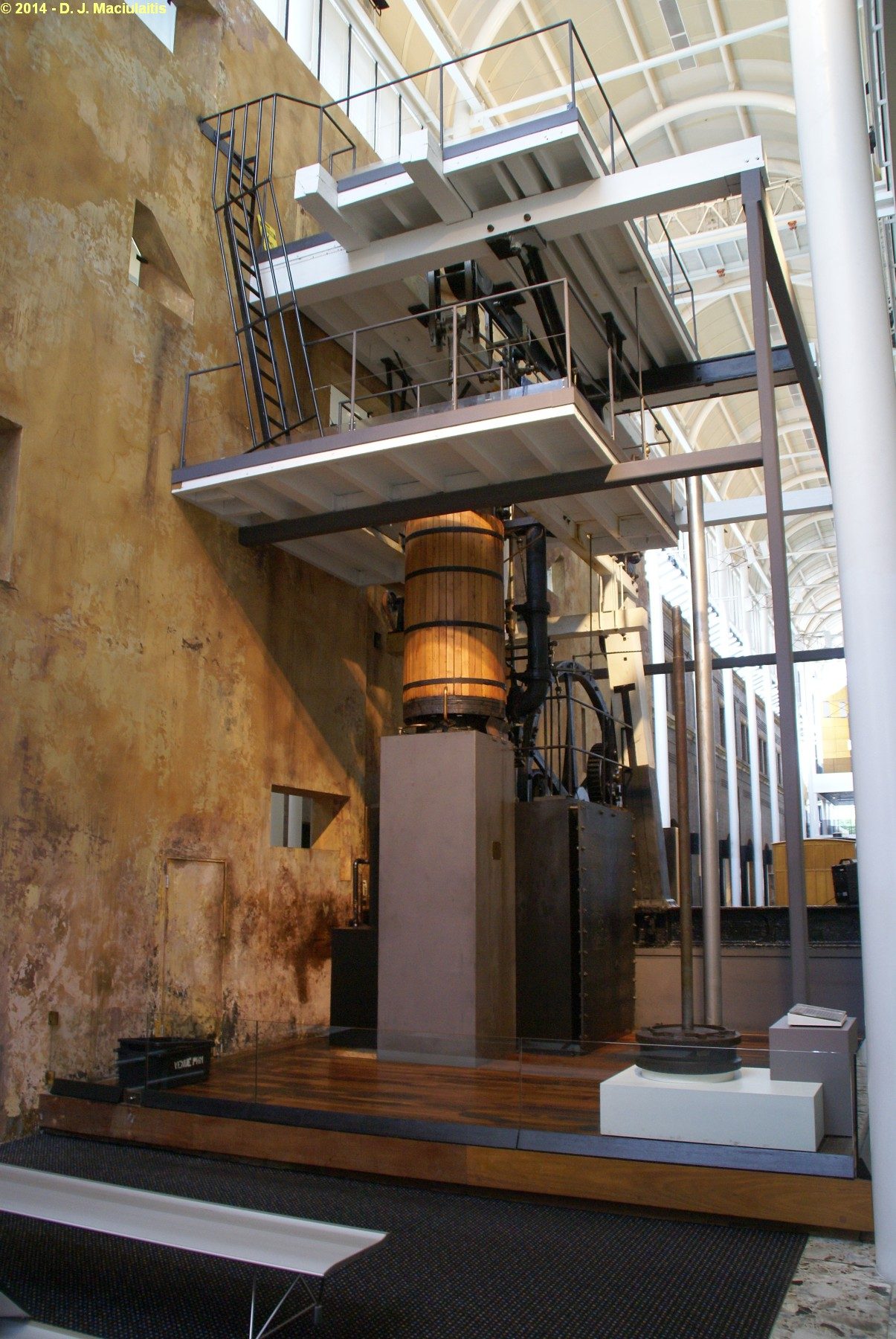
เครื่องดีเซล Boulton และ Watt - พลังที่ไม่ขึ้นอยู่กับแม่น้ำ ลม หรือสัตว์
Vocabulary · ⁨คำศัพท์⁩ Train · ⁨ฝึกฝน⁩
English ไทย
steam engine/stiːm ˈendʒɪn/ เครื่องจักรไอน้ำ
internal combustion engine/ɪnˈtɜːnl kəmˈbʌstʃn ˈendʒɪn/ เครื่องยนต์สันดาปภายใน
second industrial revolution/ˈsekənd ɪnˈdʌstrɪəl ˌrevəˈluːʃn/ การปฏิวัติอุตสาหกรรมครั้งที่สอง
railroads/ˈreɪlrəʊdz/ ระบบรถไฟ
steamships/ˈstiːmʃɪps/ เรือไอน้ำ
telegraph/ˈtelɪɡræf/ โทรเลข
states sponsored industrialisation/steɪts ˈspɒnsəd ɪnˌdʌstrɪəlaɪˈzeɪʃn/ รัฐสนับสนุนการอุตสาหกรรม
5.4 5.5

Industrialisation Spreads · ⁨การทำให้เป็นอุตสาหกรรมแพร่หลาย⁩

Syllabus · ⁨หลักสูตร⁩
English

5.4 Industrialization Spreads in the Period from 1750 to 1900

Thematic Focus (TEC): Technology and Innovation — Human adaptation and innovation have resulted in increased efficiency, comfort, and security, and technological advances have shaped human development and interactions with both intended and unintended consequences.

Learning Objective Unit 5.E: Explain how different modes and locations of production have developed and changed over time.

  • KC-5.1.II.B The rapid development of steam-powered industrial production in European countries and the U.S. contributed to the increase in these regions’ share of global manufacturing during the first Industrial Revolution. While Middle Eastern and Asian countries continued to produce manufactured goods, these regions’ share in global manufacturing declined.
  • KC-5.1.I.D As new methods of industrial production became more common in parts of northwestern Europe, they spread to other parts of Europe and the United States, Russia, and Japan.

Illustrative examples:

  • Decline of Middle Eastern and Asian share in global manufacturing:
    • Shipbuilding in India and Southeast Asia
    • Iron works in India
    • Textile production in India and Egypt
ไทย

5.4 การขยายตัวของอุตสาหกรรมในช่วงปี ค.ศ. 1750 ถึง 1900

จุดเน้นเชิงหัวข้อ (TEC): เทคโนโลยีและนวัตกรรม — การปรับตัวและนวัตกรรมของมนุษย์ได้ส่งผลให้ประสิทธิภาพ ความสบาย และความปลอดภัยเพิ่มขึ้น และการพัฒนาทางเทคโนโลยีได้กำหนดการพัฒนาของมนุษย์และการมีปฏิสัมพันธ์กับทั้งผลที่คาดหวังและไม่คาดคิด

วัตถุประสงค์การเรียนรู้หน่วย 5.E: อธิบายว่ารูปแบบและสถานที่ของการผลิตได้พัฒนาและเปลี่ยนแปลงไปตามกาลเวลาอย่างไร

  • KC-5.1.II.B การพัฒนาอย่างรวดเร็วของการผลิตอุตสาหกรรมที่ใช้พลังไอน้ำในประเทศยุโรปและสหรัฐฯ contribute ต่อการเพิ่มขึ้นของสัดส่วนการผลิตในภูมิภาคเหล่านี้during การปฏิวัติอุตสาหกรรมครั้งแรก ในขณะที่ประเทศตะวันออกกลางและเอเชียยังคงผลิตสินค้าอุตสาหกรรม แต่สัดส่วนการผลิตในภูมิภาคเหล่านี้ลดลง
  • KC-5.1.I.D เมื่อวิธีการผลิตอุตสาหกรรมใหม่ ๆ ปรากฏเป็นปกติใน部分地区ของยุโรปตะวันตก มันก็แพร่กระจายไปยัง部分地区ของยุโรป สหรัฐฯ รัสเซีย และญี่ปุ่น

ตัวอย่างประกอบ:

  • การลดลงของสัดส่วนการผลิตของตะวันออกกลางและเอเชียในระดับโลก:
    • การสร้างเรือในอินเดียและเอเชียตะวันออกเฉียงใต้
    • โรงงานเหล็กในอินเดีย
    • การผลิตสิ่งทอในอินเดียและอียิปต์
English

5.5 Technology of the Industrial Age

Thematic Focus (TEC): Technology and Innovation — Human adaptation and innovation have resulted in increased efficiency, comfort, and security, and technological advances have shaped human development and interactions with both intended and unintended consequences.

Learning Objective Unit 5.F: Explain how technology shaped economic production over time.

  • KC-5.1.I.B The development of machines, including steam engines and the internal combustion engine, made it possible to take advantage of both existing and vast newly discovered resources of energy stored in fossil fuels, specifically coal and oil. The fossil fuels revolution greatly increased the energy available to human societies.
  • KC-5.1.I.E The “second industrial revolution” led to new methods in the production of steel, chemicals, electricity, and precision machinery during the second half of the 19th century.
  • KC-5.1.IV Railroads, steamships, and the telegraph made exploration, development, and communication possible in interior regions globally, which led to increased trade and migration.
ไทย

5.5 เทคโนโลยีในยุคอุตสาหกรรม

จุดเน้นเชิงหัวข้อ (TEC): เทคโนโลยีและนวัตกรรม — การปรับตัวและนวัตกรรมของมนุษย์ได้ส่งผลให้ประสิทธิภาพ ความสบาย และความปลอดภัยเพิ่มขึ้น และการพัฒนาทางเทคโนโลยีได้กำหนดการพัฒนาของมนุษย์และการมีปฏิสัมพันธ์กับทั้งผลที่คาดหวังและไม่คาดคิด

วัตถุประสงค์การเรียนรู้หน่วย 5.F: อธิบายว่าเทคโนโลยีมีบทบาท shaping การผลิตทางเศรษฐกิจตามกาลเวลาอย่างไร

  • KC-5.1.I.B การพัฒนาเครื่องจักร รวมถึงเครื่องยนต์ไอน้ำและเครื่องยนต์สันดาปภายใน ทำให้สามารถใช้ประโยชน์จากแหล่งพลังงานที่มีอยู่และแหล่งพลังงานใหม่ที่ถูกค้นพบจำนวนมากที่เก็บอยู่ในเชื้อเพลิงฟอสซิล โดยเฉพาะถ่านหินและน้ำมัน การปฏิวัติเชื้อเพลิงฟอสซิลเพิ่มพลังงานที่มีให้แก่มนุษยชาติอย่างมาก
  • KC-5.1.I.E "การปฏิวัติอุตสาหกรรมครั้งที่สอง" นำไปสู่วิธีการใหม่ในการผลิตเหล็ก เคมีไฟฟ้า และเครื่องจักรความละเอียดสูงในช่วงครึ่งหลังของศตวรรษที่ 19
  • KC-5.1.IV ทางรถไฟ เรอกลำไอน้ำ และโทรเลขทำให้การสำรวจ การพัฒนา และการสื่อสารในพื้นที่ภายในของโลกเป็นไปได้ ซึ่งนำไปสู่การเพิ่มการค้าและการอพยพ

Source: College Board AP Course and Exam Description · ⁨แหล่งที่มา: คำอธิบายหลักสูตรและข้อสอบ College Board AP⁩

English

The rapid development of steam-powered 蒸汽动力 industrial production in Europe spread to other regions, and as new methods became common, states that industrialised gained enormous advantages in wealth and military power over those that did not.

Technology compounded the change: the steam engine 蒸汽机 and later the internal combustion engine 内燃机; the second industrial revolution 第二次工业革命 in steel, chemicals, and electricity; and railroads 铁路, steamships 蒸汽船, and the telegraph 电报, which made exploration, colonisation, and administration at a distance possible.

ไทย

การพัฒนาอย่างรวดเร็วของการผลิตอุตสาหกรรมที่ใช้ พลังดีเซล ในยุโรปแพร่ไปยังภูมิภาคอื่น ๆ และเมื่อวิธีการใหม่ ๆ กลายเป็นมาตรฐาน รัฐที่ทำอุตสาหกรรมได้จะมีความได้เปรียบมหาศาลในด้านความมั่งคั่งและอำนาจทหารเหนือรัฐที่ไม่ได้ทำ如此

เทคโนโลยี ทำให้การเปลี่ยนแปลงรุนแรงขึ้น: เครื่องจักรไอน้ำ และในภายหลังคือ เครื่องยนต์สันดาปภายใน; ปฏิวัติอุตสาหกรรมครั้งที่สอง ในด้านเหล็ก, เคมีภัณฑ์, และไฟฟ้า; รวมถึง ทางรถไฟ, เรือไอน้ำ, และ โทรเลข ซึ่งทำให้การสำรวจ การอาณานิคคม และการบริหารราชการจากที่ไกลๆ เป็นไปได้

การปฏิวัติอุตสาหกรรมครั้งแรกและครั้งที่สอง, วางแยกกันเพื่อให้สามารถระบุช่วงเวลาของหลักฐานได้
Vocabulary · ⁨คำศัพท์⁩ Train · ⁨ฝึกฝน⁩
English ไทย
revolution/ˌrevəˈluːʃn/ انقلاب
coal/kəʊl/ ถ่านหิน
iron/ˈaɪən/ เหล็ก
agricultural productivity/ˌæɡrɪˈkʌltʃərəl ˌprɒdəkˈtɪvɪti/ ผลผลิตทางการเกษตร
capital/ˈkæpɪtl/ ทุน (capital)
factory system/ˈfæktəri ˈsɪstəm/ ระบบโรงงาน
steam-powered/stiːm ˈpaʊəd/ ขับเคลื่อนด้วยไอน้ำ
5.6 5.7 5.8

Government, Economy, and Reaction · ⁨รัฐบาล เศรษฐกิจ และการตอบสนอง⁩

Syllabus · ⁨หลักสูตร⁩
English

5.6 Industrialization: Government’s Role from 1750 to 1900

Thematic Focus (GOV): Governance — A variety of internal and external factors contribute to state formation, expansion, and decline. Governments maintain order through a variety of administrative institutions, policies, and procedures, and governments obtain, retain, and exercise power in different ways and for different purposes.

Learning Objective Unit 5.G: Explain the causes and effects of economic strategies of different states and empires.

  • KC-5.1.V.C As the influence of the Industrial Revolution grew, a small number of states and governments promoted their own state-sponsored visions of industrialization.
  • KC-5.2.II.A The expansion of U.S. and European influence in Asia led to internal reform in Japan that supported industrialization and led to the growing regional power of Japan in the Meiji Era.

Illustrative examples:

  • State-sponsored visions of industrialization:
    • Muhammad Ali’s development of a cotton textile industry in Egypt
ไทย

5.6 อุตสาหกรรม: บทบาทของรัฐบาลระหว่างปี ค.ศ. 1750 ถึง 1900

ประเด็นเน้น (GOV): การปกครอง — ปัจจัยภายในและภายนอกหลากหลายชนิดมีส่วนร่วมในการก่อตัว การขยายตัว และการล่มสลายของรัฐ รัฐบาลรักษาความสงบเรียบร้อยผ่านสถาบัน นโยบาย และขั้นตอนการบริหารจัดการที่หลากหลาย และรัฐบาลได้รับ รักษาส Powers และใช้อำนาจในรูปแบบและด้วยวัตถุประสงค์ที่แตกต่างกัน

วัตถุประสงค์การเรียนรู้หน่วย 5.G: อธิบายสาเหตุและผลกระทบของกลยุทธ์ทางเศรษฐกิจของรัฐและจักรวรรดิต่างๆ

  • KC-5.1.V.C เมื่ออิทธิพลของการปฏิวัติอุตสาหกรรมเพิ่มขึ้น รัฐและรัฐบาลจำนวนเล็กน้อยได้ส่งเสริมวิสัยทัศน์การเกิดอุตสาหกรรมของตนเองภายใต้การสนับสนุนของรัฐ
  • KC-5.2.II.A การขยายอิทธิพลของสหรัฐฯ และยุโรปในเอเชียนำไปสู่การปฏิรูปภายในของญี่ปุ่นซึ่งสนับสนุนการเกิดอุตสาหกรรมและทำให้ญี่ปุ่นมีอำนาจเพิ่มขึ้นในภูมิภาค during ยุคเมจิ

ตัวอย่างประกอบ:

  • วิสัยทัศน์การเกิดอุตสาหกรรมภายใต้การสนับสนุนของรัฐ:
    • การพัฒนาอุตสาหกรรมสิ่งทอฝ้ายของมุฮัมหมัด อาลีในอียิปต์
English

5.7 Economic Developments and Innovations in the Industrial Age

Thematic Focus (ECN): Economics Systems — As societies develop, they affect and are affected by the ways that they produce, exchange, and consume goods and services.

Learning Objective Unit 5.H: Explain the development of economic systems, ideologies, and institutions and how they contributed to change in the period from 1750 to 1900.

  • KC-5.1.III.A Western European countries began abandoning mercantilism and adopting free trade policies, partly in response to the growing acceptance of Adam Smith’s theories of laissez-faire capitalism and free markets.
  • KC-5.1.III.B The global nature of trade and production contributed to the proliferation of large-scale transnational businesses that relied on new practices in banking and finance.
  • KC-5.1 The development of industrial capitalism led to increased standards of living for some, and to continued improvement in manufacturing methods that increased the availability, affordability, and variety of consumer goods.

Illustrative examples:

  • Transnational businesses:
    • Hong Kong and Shanghai Banking Corporation (HSBC)
    • Unilever based in England and the Netherlands and operating in British West Africa and the Belgian Congo
  • Financial instruments:
    • Stock markets
    • Limited-liability corporations
ไทย

5.7 การพัฒนาทางเศรษฐกิจและนวัตกรรมในยุคอุตสาหกรรม

จุดเน้นเชิงประเด็น (ECN): ระบบเศรษฐกิจ — เมื่อสังคมพัฒนาขึ้น จะส่งผลกระทบต่อและได้รับผลกระทบจากวิธีการผลิต แลกเปลี่ยน และบริโภคสินค้าและบริการ

วัตถุประสงค์การเรียนรู้หน่วย 5.H: อธิบายการพัฒนาของระบบเศรษฐกิจ อุดมการณ์ และสถาบัน以及如何 contribute ต่อการเปลี่ยนแปลงในช่วงปี ค.ศ. 1750 ถึง 1900

  • KC-5.1.III.A ประเทศยุโรปตะวันตกเริ่มละทิ้งลัทธิmercantilism และ Adopting นโยบายการค้าเสรีบางส่วนเพื่อตอบสนองต่อการยอมรับทฤษฎีทุนนิยม laissez-faire และตลาด آزادของอดาม สมิธที่เพิ่มขึ้น
  • KC-5.1.III.B ธรรมชาติของธุรกิจระหว่างประเทศและการผลิตได้ส่งผลให้เกิดการขยายตัวของธุรกิจข้ามชาติขนาดใหญ่ที่พึ่งพาแนวปฏิบัติใหม่ๆ ในด้านธนาคารและการเงิน
  • KC-5.1 การพัฒนา Capitalism ทางอุตสาหกรรมนำไปสู่มาตรฐานการใช้ชีวิตที่สูงขึ้นสำหรับบางคน และการปรับปรุงวิธีการผลิตอย่างต่อเนื่องซึ่งทำให้สินค้าอุปโภคบริโภคมีปริมาณมากขึ้น ราคาถูกลง และมีหลากหลายมากขึ้น

ตัวอย่างประกอบ:

  • ธุรกิจข้ามชาติ:
    • ธนาคารฮ่องกงและเซี่ยงไฮ้ (HSBC)
    • ยูนิเลเวอร์ ซึ่งมีฐานอยู่ในอังกฤษและเนเธอร์แลนด์ และดำเนินการในแอฟริกาตะวันตกของอังกฤษและคองโกเบลเยียม
  • เครื่องมือทางการเงิน:
    • ตลาดหุ้น
    • บริษัทจำกัด
English

5.8 Reactions to the Industrial Economy from 1750 to 1900

Thematic Focus (SIO): Social Interactions and Organization — The process by which societies group their members and the norms that govern the interactions between these groups and between individuals influence political, economic, and cultural institutions and organization.

Learning Objective Unit 5.I: Explain the causes and effects of calls for changes in industrial societies from 1750 to 1900.

  • KC-5.1.V.D In response to the social and economic changes brought about by industrial capitalism, some governments, organizations, and individuals promoted various types of political, social, educational, and urban reforms.
  • KC-5.1.V.A In industrialized states, many workers organized themselves, often in labor unions, to improve working conditions, limit hours, and gain higher wages. Workers’ movements and political parties emerged in different areas, promoting alternative visions of society.
  • KC-5.3.IV.A.ii Discontent with established power structures encouraged the development of various ideologies, including those espoused by Karl Marx, and the ideas of socialism and communism.
  • KC-5.1.V.B In response to the expansion of industrializing states, some governments in Asia and Africa, including the Ottoman Empire and Qing China, sought to reform and modernize their economies and militaries. Reform efforts were often resisted by some members of government or established elite groups.
ไทย

5.8 การตอบสนองต่อเศรษฐกิจอุตสาหกรรมจากปี 1750 ถึง 1900

จุดเน้นเชิงประเด็น (SIO): ปฏิสัมพันธ์และการจัดระเบียบทางสังคม — กระบวนการที่สังคมรวมกลุ่มสมาชิกของตนและบรรทัดฐานที่ควบคุมการปฏิสัมพันธ์ระหว่างกลุ่มเหล่านี้และระหว่างบุคคลมีผลต่อสถาบันและการจัดระเบียบทางการเมือง เศรษฐกิจ และวัฒนธรรม

วัตถุประสงค์การเรียนรู้หน่วย 5.I: อธิบายสาเหตุและผลกระทบของการเรียกร้องให้เปลี่ยนแปลงในสังคมอุตสาหกรรมตั้งแต่ปี 1750 ถึง 1900

  • KC-5.1.V.D เพื่อตอบสนองต่อการเปลี่ยนแปลงทางสังคมและเศรษฐกิจที่เกิดจากทุนนิยมอุตสาหกรรม รัฐบาล องค์กร และบุคคลบางกลุ่มได้ส่งเสริมการปฏิรูปทางการเมือง สังคม การศึกษา และเมืองรูปแบบต่างๆ
  • KC-5.1.V.A ในรัฐที่ผ่านกระบวนการอุตสาหกรรม คนงานจำนวนมากจัดตั้งตนเองขึ้น โดยมักอยู่ในสหภาพแรงงาน เพื่อปรับปรุงสภาพการทำงาน ลดชั่วโมงทำงาน และได้รับค่าจ้างที่สูงขึ้น การเคลื่อนไหวของคนงานและพรรคการเมืองเกิดขึ้นในพื้นที่ต่างๆ เพื่อเสนอวิสัยทัศน์ทางเลือกของสังคม
  • KC-5.3.IV.A.ii ความไม่พอใจต่อโครงสร้างอำนาจที่มีอยู่กระตุ้นให้เกิดการพัฒนาของอุดมการณ์ต่างๆ รวมถึงแนวคิดของคาร์ล มาร์กซ์ และแนวคิดสังคมนิยมและคอมมิวนิสต์
  • KC-5.1.V.B เพื่อตอบสนองต่อการขยายตัวของรัฐที่กำลังผ่านกระบวนการอุตสาหกรรม รัฐบาลบางแห่งในเอเชียและแอฟริกา بما帝國ออตโตมันและจีนราชวงศ์ชิง ได้พยายามปฏิรูปและพัฒนาเศรษฐกิจและทหารของตนเอง มาตรการปฏิรูปมักถูกต่อต้านโดยสมาชิกบางส่วนของรัฐบาลหรือกลุ่มชนชั้นสูงที่มีอำนาจ

Source: College Board AP Course and Exam Description · ⁨แหล่งที่มา: คำอธิบายหลักสูตรและข้อสอบ College Board AP⁩

English

As industrial influence grew, a small number of states sponsored industrialisation 国家推动工业化 directly - the standard examples being Meiji Japan, Russia under state-led programmes, and Egypt under Muhammad Ali.

Western European countries began abandoning mercantilism and adopting free trade 自由贸易 policies, and the global nature of trade and production contributed to the proliferation of transnational businesses 跨国企业 and new financial instruments.

Reaction came from several directions:

  • Workers organised, often in labour unions 工会, and pressed for shorter hours, safety, and wages.
  • Alternative visions of society emerged - socialism 社会主义, communism 共产主义, and anarchism 无政府主义 - as critiques of industrial capitalism.
  • Some governments passed reform legislation 改革立法 on working conditions, child labour, and public health.
  • The expansion of industrialising states led to internal reform movements 内部改革运动 elsewhere in Asia, as states tried to respond to new pressure.
ไทย

เมื่ออิทธิพลของการอุตสาหกรรมเพิ่มขึ้นรัฐขนาดเล็กบางแห่งจึง สนับสนุนการอุตสาหกรรมโดยตรง - ตัวอย่างมาตรฐานได้แก่ ญี่ปุ่นยุคเมจิ, รัสเซียภายใต้โครงการนำโดยรัฐ, และอียิปต์ภายใต้มุฮัมหมัด อลี

ประเทศยุโรปตะวันตกเริ่มละทิ้ง ** MERCANTILISM (นโยบาย保護主義 )** และ Adopting ** free trade (นโยบายการค้าเสรี )** และลักษณะระหว่างประเทศของการค้าและการผลิต contribute to the proliferation of transnational businesses (ธุรกิจข้ามชาติ) และเครื่องมือทางการเงินใหม่

การตอบสนองเกิดขึ้นจากหลายทิศทาง:

  • พนักงานจัดตั้งเป็น สหภาพแรงงาน และเรียกร้องให้ลดเวลาทำงาน เพิ่มความปลอดภัย และเพิ่มค่าจ้าง
  • แนวคิดทางเลือก ของสังคมปรากฏขึ้น - สังคมนิยม, คอมมิวนิสต์, และ อนารกิสต์ - ในฐานะการวิพากษ์วิจารณ์ทุนนิยมอุตสาหกรรม
  • รัฐบาลบางแห่งออก กฎหมายปฏิรูป เกี่ยวกับสภาพการทำงาน劳动เด็ก และสุขอนามัยสาธารณะ
  • การขยายตัวของรัฐที่กำลัง undergoing industrialisation นำไปสู่ ขบวนการปฏิรูปภายใน ในเอเชีย其他地区 как governments trying to respond to new pressure
สี่รูปแบบการตอบสนองที่ถูกแบ่งด้วยคำถามเดียว: สังคมอุตสาหกรรมที่ถูกต้อง หรือหยุดมัน?
Explore · ⁨สำรวจ⁩

Sort each response by what it wants · ⁨จำแนกการตอบสนองแต่ละอย่างตามสิ่งที่มันต้องการ⁩

Unions, socialism, communism, anarchism and reform legislation split on one question: correct industrial society, or end it? · ⁨Unions (Unions), socialism (socialism), communism (communism), anarchism (anarchism) และ reform legislation (reform_legislation) แตกแยกจากคำถามเดียว: แก้ไขสังคมอุตสาหกรรม หรือ ending it?⁩

Vocabulary · ⁨คำศัพท์⁩ Train · ⁨ฝึกฝน⁩
English ไทย
free trade/friː treɪd/ การค้าเสรี
transnational businesses/trænˈsnæʃənl ˈbɪznəsɪz/ ธุรกิจข้ามชาติ
labour unions/ˈleɪbə ˈjuːnɪənz/ สหภาพแรงงาน
socialism/ˈsəʊʃəlɪzəm/ socialism
communism/ˈkɒmjuːnɪzəm/ คอมมิวนิสต์
anarchism/ˈænəkɪzəm/ anarchism
reform legislation/rɪˈfɔːm ˌledʒɪˈsleɪʃn/ กฎหมายปฏิรูป
internal reform movements/ɪnˈtɜːnl rɪˈfɔːm ˈmuːvmənts/ ขบวนการปฏิรูปภายใน
social classes/ˈsəʊʃl ˈklæsɪz/ ชนชั้นทางสังคม
middle class/ˈmɪdl klæs/ ชนชั้นกลาง
industrial working class/ɪnˈdʌstrɪəl ˈwɜːkɪŋ klæs/ ชนชั้นแรงงานในภาคอุตสาหกรรม
urbanisation/ˌɜːbənaɪˈzeɪʃn/ การเป็นเมือง
family structure/ˈfæmɪli ˈstrʌktʃə/ โครงสร้างครอบครัว
standards of living/ˈstændədz ɒv ˈlɪvɪŋ/ มาตรฐานการดำรงชีวิต
5.9

Society in the Industrial Age · ⁨สังคมในยุคอุตสาหกรรม⁩

Syllabus · ⁨หลักสูตร⁩
English

5.9 Society and the Industrial Age

Thematic Focus (SIO): Social Interactions and Organization — The process by which societies group their members and the norms that govern the interactions between these groups and between individuals influence political, economic, and cultural institutions and organization.

Learning Objective Unit 5.J: Explain how industrialization caused change in existing social hierarchies and standards of living.

  • KC-5.1.VI.A New social classes, including the middle class and the industrial working class, developed.
  • KC-5.1.VI.B While women and often children in working class families typically held wage-earning jobs to supplement their families’ income, middle-class women who did not have the same economic demands to satisfy were increasingly limited to roles in the household or roles focused on child development.
  • KC-5.1.VI.C The rapid urbanization that accompanied global capitalism at times led to a variety of challenges, including pollution, poverty, increased crime, public health crises, housing shortages, and insufficient infrastructure to accommodate urban growth.
ไทย

5.9 สังคมและยุคอุตสาหกรรม

จุดเน้นเชิงประเด็น (SIO): ปฏิสัมพันธ์และการจัดระเบียบทางสังคม — กระบวนการที่สังคมรวมกลุ่มสมาชิกของตนและบรรทัดฐานที่ควบคุมการปฏิสัมพันธ์ระหว่างกลุ่มเหล่านี้และระหว่างบุคคลมีผลต่อสถาบันและการจัดระเบียบทางการเมือง เศรษฐกิจ และวัฒนธรรม

วัตถุประสงค์การเรียนรู้หน่วย 5.J: อธิบายว่ากระบวนการอุตสาหกรรมทำให้เกิดการเปลี่ยนแปลงในลำดับชั้นทางสังคมและมาตรฐานการดำรงชีวิตเดิมๆ อย่างไร

  • KC-5.1.VI.A ชนชั้นสังคมใหม่ เช่น ชนชั้นกลางและชนชั้นแรงงานอุตสาหกรรม ได้เกิดขึ้น
  • KC-5.1.VI.B ในขณะที่ผู้หญิงและมักจะเป็นเด็กในครอบครัวชนชั้นแรงงานมีงานทำเพื่อหาเงินมาช่วย家庭经济 ส่วนผู้หญิงชนชั้นกลางที่ไม่มีความต้องการทางเศรษฐกิจเท่ากัน increasingly ถูกจำกัดอยู่ในบทบาทในบ้านหรือบทบาทที่เกี่ยวข้องกับการเลี้ยงดูบุตร
  • KC-5.1.VI.C การเป็นเมืองอย่างรวดเร็วซึ่งมาพร้อมกับทุนนิยมระดับโลก บางครั้งนำไปสู่ความท้าทายหลากหลายรูปแบบ รวมถึง มลพิษ ความยากจนอาชญากรรมที่เพิ่มขึ้น วิกฤตสุขภาพสาธารณะ ความขาดแคลนที่อยู่อาศัย และโครงสร้างพื้นฐานที่ไม่เพียงพอต่อการรองรับการเติบโตของเมือง

Source: College Board AP Course and Exam Description · ⁨แหล่งที่มา: คำอธิบายหลักสูตรและข้อสอบ College Board AP⁩

English

New social classes 社会阶级 formed, including a middle class 中产阶级 and an industrial working class 工业工人阶级, each with its own culture and politics.

Other changes are examinable: rapid urbanisation 城市化 with overcrowding and disease; changes in family structure 家庭结构 and in women's work as production left the home; and rising standards of living 生活水平 over the long run, unevenly distributed and reached only after decades of hardship.

ไทย

กลุ่มสังคมใหม่เกิดขึ้นมา รวมถึง ชนชั้นกลาง และ ชนชั้นแรงงานอุตสาหกรรม แต่ละกลุ่มมีวัฒนธรรมและการเมืองของตนเอง

การเปลี่ยนแปลงอื่นๆ ที่สามารถสอบได้: การ reshape urbanization อย่างรวดเร็วพร้อมกับการแออัดและโรคระบาด; การเปลี่ยนแปลงใน โครงสร้างครอบครัว และงานของผู้หญิงเมื่อการผลิตออกจากบ้าน; และการเพิ่มขึ้นของ ระดับชีวิต ในระยะยาวซึ่งกระจายอย่างไม่สม่ำเสมอและเข้าถึงได้ก็ต่อหลังจากผ่านความยากลำบากมาหลายทศวรรษแล้วเท่านั้น

5.10

Continuity and Change in the Industrial Age · ⁨ความต่อเนื่องและการเปลี่ยนแปลงในยุคอุตสาหกรรม⁩

Syllabus · ⁨หลักสูตร⁩
English

5.10 Continuity and Change in the Industrial Age

Learning Objective Unit 5.K: Explain the extent to which industrialization brought change from 1750 to 1900.

  • KC-5.1 The development of industrial capitalism led to increased standards of living for some, and to continued improvement in manufacturing methods that increased the availability, affordability, and variety of consumer goods.
    • KC-5.1.IV Railroads, steamships, and the telegraph made exploration, development, and communication possible in interior regions globally, which led to increased trade and migration.
  • KC-5.3 The 18th century marked the beginning of an intense period of revolution and rebellion against existing governments, leading to the establishment of new nation-states around the world.
    • KC-5.3.I.A Enlightenment philosophies applied new ways of understanding and empiricist approaches to both the natural world and human relationships; they also reexamined the role that religion played in public life and emphasized the importance of reason. Philosophers developed new political ideas about the individual, natural rights, and the social contract.
    • KC-5.3.I The rise and diffusion of Enlightenment thought that questioned established traditions in all areas of life often preceded revolutions and rebellions against existing governments.
    • KC-5.3.II.i Nationalism also became a major force shaping the historical development of states and empires
ไทย

5.10 ความต่อเนื่องและการเปลี่ยนแปลงในยุคอุตสาหกรรม

วัตถุประสงค์การเรียนรู้หน่วยที่ 5.K: อธิบายขอบเขตของการเปลี่ยนแปลงที่เกิดจาก Industrialization ระหว่างปี ค.ศ. 1750 ถึง 1900

  • KC-5.1 การพัฒนา Capitalism ทางอุตสาหกรรมนำไปสู่มาตรฐานการใช้ชีวิตที่สูงขึ้นสำหรับบางคน และการปรับปรุงวิธีการผลิตอย่างต่อเนื่องซึ่งทำให้สินค้าอุปโภคบริโภคมีปริมาณมากขึ้น ราคาถูกลง และมีหลากหลายมากขึ้น
    • KC-5.1.IV ทางรถไฟ เรือไอน้ำ และโทรเลขทำให้การสำรวจ การพัฒนา และการสื่อสารในพื้นที่ภายในเป็นไปได้ทั่วโลก ซึ่งนำไปสู่การเพิ่มขึ้นของการค้าและการย้ายถิ่น
  • KC-5.3 ศตวรรษที่ 18 เป็นจุดเริ่มต้นของช่วงเวลาแห่งการปฏิวัติและการกบฏอย่างเข้มข้นต่อรัฐบาลที่มีอยู่ นำไปสู่การสถาปนารัฐชาติใหม่ทั่วโลก
    • KC-5.3.I.A ปรัชญาแห่งยุค Enlightenment ได้นำแนวทางใหม่ในการทำความเข้าใจและวิธีการเชิงประจักษ์มาประยุกต์ใช้ทั้งกับธรรมชาติและความสัมพันธ์ระหว่างมนุษย์;他们还重新审视了宗教在公共生活中的作用并强调了理性的importance。哲学家们开发了关于个人、自然权利和社会契约的新政治思想。
    • KC-5.3.I การเกิดขึ้นและการแพร่กระจายของความคิดแห่งยุค Enlightenment ที่ตั้งคำถามต่อกำหนดการเดิมในทุกด้านของชีวิต มักเกิดขึ้นก่อนการปฏิวัติและการกบฏต่อรัฐบาลที่มีอยู่
    • KC-5.3.II.i Nationalism also became a major force shaping the historical development of states and empires

Source: College Board AP Course and Exam Description · ⁨แหล่งที่มา: คำอธิบายหลักสูตรและข้อสอบ College Board AP⁩

English

The unit's reasoning skill is continuity and change. Production and class structure changed fundamentally, while imperial competition, coerced labour in colonised regions, and inequality persisted in new forms.

Worked example (a real AP exam question). AP World short-answer questions here ask, for example, to "Explain one way in which industrialisation changed social structures" between 1750 and 1900. A full-mark answer names the change and traces it: "Industrialisation created a large industrial working class, because the factory system concentrated production in single locations and drew rural labourers into cities to work for wages, replacing household production and the rural social order that depended on it." Notice the shape: explain requires the mechanism - factory system, urban migration, wage labour - not just the statement that new classes appeared.

ไทย

ทักษะการคิดของหน่วยนี้คือ ความต่อเนื่องและการเปลี่ยนแปลง การผลิตและโครงสร้างชนชั้นเปลี่ยนไปอย่างพื้นฐาน ในขณะที่การแข่งขันเชิงจักรวรรดิ แรงงายถูกบังคับในภูมิภาคอาณานิคม และความไม่เท่าเทียมยังคงอยู่ในรูปแบบใหม่

ตัวอย่างคำอธิบาย (ข้อสอบ AP จริง) ข้อสอบตอบสั้น AP World在这里 ask, for example, to "Explain one way in which industrialisation changed social structures" ระหว่างปี 1750 ถึง 1900 คำตอบเต็มคะแนนจะระบุการเปลี่ยนแปลงและติดตามผล: "การอุตสาหกรรมสร้างชนชั้นแรงงานอุตสาหกรรมขนาดใหญ่ขึ้น เพราะระบบโรงงานรวมการผลิตไว้ในสถานที่เดียวและดึงแรงงานชนบทเข้าเมืองเพื่อทำงานเพื่อค่าจ้าง แทนที่การผลิตในครัวเรือนและระเบียบสังคมชนบทที่พึ่งพามัน" ระวังรูปร่าง: explain ต้องการกลไก - ระบบโรงงาน, การย้ายถิ่นสู่เมือง, แรงงานเพื่อค่าจ้าง - ไม่ใช่แค่การระบุว่ามีการปรากฏขึ้นของกลุ่มชนชั้นใหม่

5.10

Exam tips · ⁨ข้อแนะนำสำหรับการสอบ⁩

English
  • Answer "why Britain first" with several factors at once - coal, capital, agriculture, empire - not one cause.
  • The factory system is an organisational change; say what it replaced.
  • For revolutions, pair an idea with a grievance. Either alone explains nothing.
  • State-sponsored industrialisation (Meiji Japan, Russia, Egypt) is the contrast to the British pattern.
  • Give the reactions as a set: unions, socialism and communism, and reform legislation.
  • Living standards rose eventually and unevenly. Saying so is what makes an answer an evaluation.
ไทย
  • ตอบ "ทำไมอังกฤษก่อน" ด้วย ปัจจัยหลายอย่างพร้อมกัน - ถ่านหิน, ทุน, การเกษตร, จักรวรรดิ - ไม่ใช่สาเหตุเดียว
  • ระบบโรงงาน เป็นการเปลี่ยนแปลงด้านการจัดระเบียบ; บอกว่ามันแทนที่อะไร
  • สำหรับการปฏิวัติ ให้จับคู่ แนวคิด กับ ข้อร้องเรียน ถ้ามีเพียงอย่างเดียวจะไม่อธิบายอะไรได้เลย
  • การอุตสาหกรรมที่สนับสนุนโดยรัฐ (ญี่ปุ่นยุคเมจิ, รัสเซีย, อียิปต์) คือความแตกต่างจากรูปแบบของอังกฤษ
  • ให้การตอบสนองเป็นชุด: สหภาพ, สังคมนิยมและคอมมิวนิสต์, และ กฎหมายปฏิรูป
  • ระดับชีวิตเพิ่มขึ้น ในที่สุดและไม่สม่ำเสมอ การบอกแบบนี้คือสิ่งที่ทำให้คำตอบเป็นการประเมิน

Interactive lessons on this topic · ⁨บทเรียนเชิงโต้ตอบสำหรับหัวข้อนี้⁩

Work through it step by step, with instant-check exercises. · ⁨ทำทีละขั้นตอน พร้อมแบบฝึกหัดตรวจสอบผลทันที⁩

Past Papers · ⁨ข้อสอบย้อนหลัง⁩

More topics in AP World History: Modern · ⁨AP ประวัติศาสตร์โลก: สมัยใหม่⁩ · ⁨หัวข้อเพิ่มเติมใน AP World History: Modern · ⁨AP ประวัติศาสตร์โลก: สมัยใหม่⁩⁩

Log in or create account · ⁨เข้าสู่ระบบหรือสร้างบัญชี⁩

IGCSE, A-Level & AP