Halogenoalkanes and nucleophilic substitution · Haloalcanos e substituição nucleofílica
| English | Português |
|---|---|
| halogenoalkane/ˈheɪləʊdʒnəʊlkeɪn/ | halogeneto de alcano |
| nucleophilic substitution/ˌnjuːklɪəˈfɪlɪk ˌsʌbstɪˈtjuːʃn/ | substituição nucleofílica |
| nitrile/ˈnaɪtraɪl/ | nitrila |
| amine/ˈæmaɪn/ | amina |
| reflux/ˈriːflʌks/ | refluxo |
Swapping out a halogen
- A halogenoalkane 卤代烷 is an alkane with a halogen in place of hydrogen (a C–X bond).
- The C–X bond is polar, which makes these compounds react.
- They come in three classes.
Trocando um halogênio
- Um haloalcano 卤代烷 é um alcano com um halogênio no lugar de hidrogênio (uma ligação C–X).
- A ligação C–X é polar, o que torna esses compostos reativos.
- Eles vêm em três classes.
A halogenoalkane is: · Um haloalcano é:
A halogenoalkane has a polar C–X bond, which is the reactive site. · Um haloalcano possui uma ligação polar C–X, que é o sítio reativo.
Halogenoalkanes react with aqueous hydroxide ions by: · Haloalcanos reagem com íons hidróxido aquosos por:
OH⁻ is a nucleophile replacing the halogen. · OH⁻ é um nucleófilo substituindo o halogênio.
Three classes
- primary, secondary or tertiary, set by how many carbons are joined to the carbon holding the halogen (one, two or three).
- Made by: free-radical substitution of an alkane, electrophilic addition to an alkene, or substitution of an alcohol.
The solvent decides whether a halogenoalkane substitutes or eliminates
Primary, secondary and tertiary halogenoalkanes
Três classes
- primário, secundário ou terciário, definidos por quantos carbonos estão ligados ao carbono que segura o halogênio (um, dois ou três).
- Feitos por: substituição por radicais livres de um alcano, adição eletrofílica a um alceno, ou substituição de um álcool.
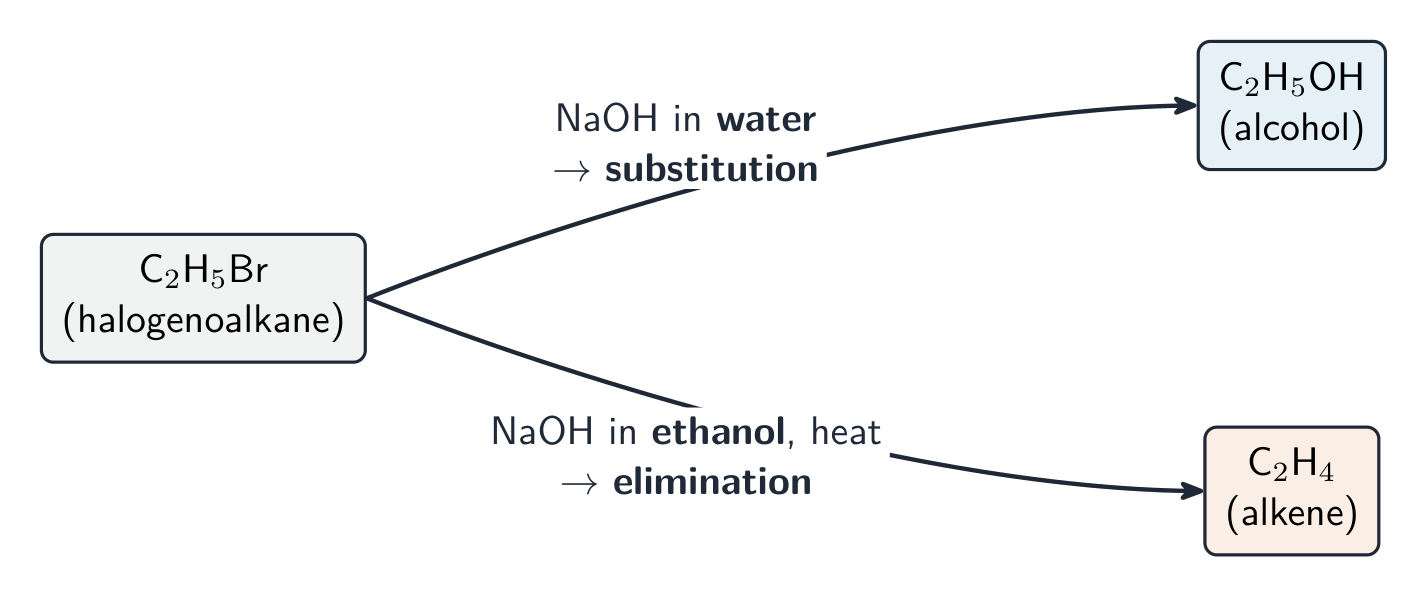
O solvente decide se um haloalcano substitui ou elimina
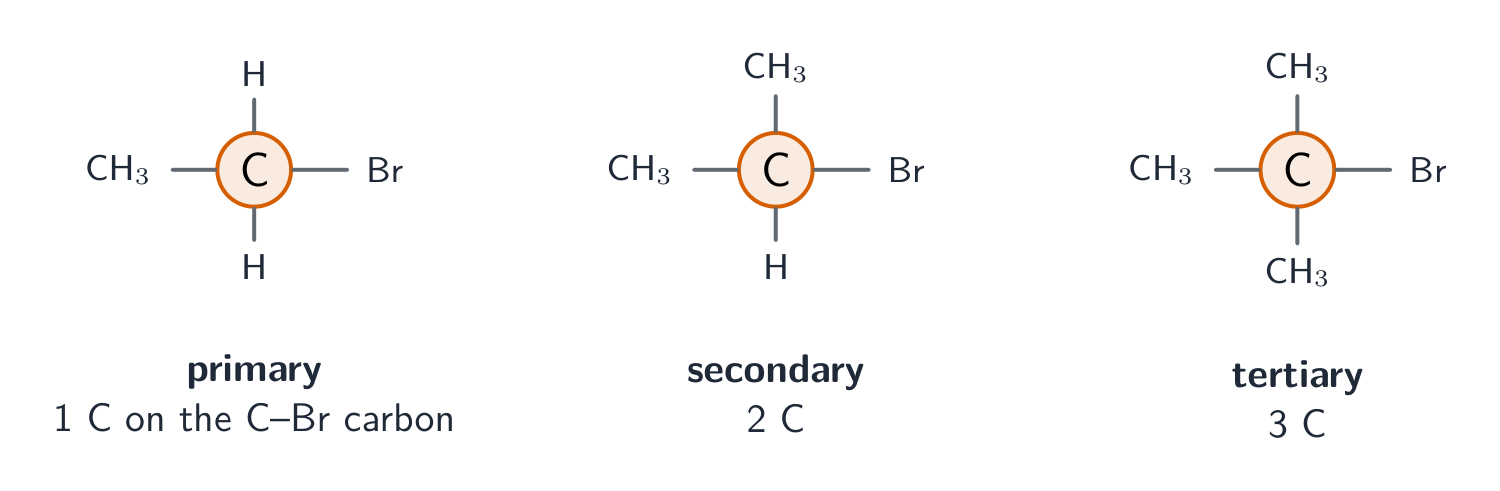
Haloalcanos primários, secundários e terciários
Nucleophilic substitution · Substituição nucleofílica
A nucleophile swaps in for the leaving group on a halogenoalkane. · Um nucleófilo entra no lugar do grupo de saída em um haloalcano.
A tertiary halogenoalkane has the halogen on a carbon joined to: · Um haloalcano terciário tem o halogênio ligado a um carbono conectado a:
Primary = 1 carbon attached, secondary = 2, tertiary = 3, on the carbon bearing the halogen. · Primário = 1 carbono ligado, secundário = 2, terciário = 3, no carbono que porta o halogênio.
Match each halogenoalkane idea. · Combine cada ideia sobre haloalcanos.
Each item links the term to its correct meaning. · Cada item associa o termo ao seu significado correto.
In nucleophilic substitution, OH⁻ attacks the δ+ carbon and the halogen leaves as a halide ion. · Na substituição nucleofílica, OH⁻ ataca o carbono δ+ e o halogênio sai como íon haleto.
The C–X bond is polar, so the carbon is δ+ — exactly where an electron-pair donor attacks. · A ligação C–X é polar, então o carbono é δ+ — exatamente onde um doador de par de elétrons ataca.
Nucleophilic substitution 亲核取代
- The C–X carbon is slightly positive, so a nucleophile (lone-pair species) attacks and replaces the halogen.
| Reagent | Product |
|---|---|
| $\text{NaOH(aq)}$, heat | an alcohol |
| $\text{KCN}$ in ethanol, heat | a nitrile 腈 (adds a carbon) |
| $\text{NH}_3$ in ethanol, heat + pressure | an amine 胺 |
Many halogenoalkane reactions are carried out by heating under reflux 回流.
Substituição nucleofílica 亲核取代
- O carbono C–X é ligeiramente positivo, então um nucleófilo (espécie com par solitário) ataca e substitui o halogênio.
| Reagente | Produto |
|---|---|
| $\text{NaOH(aq)}$, calor | um álcool |
| $\text{KCN}$ em etanol, calor | um nitrila 腈 (adiciona um carbono) |
| $\text{NH}_3$ em etanol, calor + pressão | uma amina 胺 |
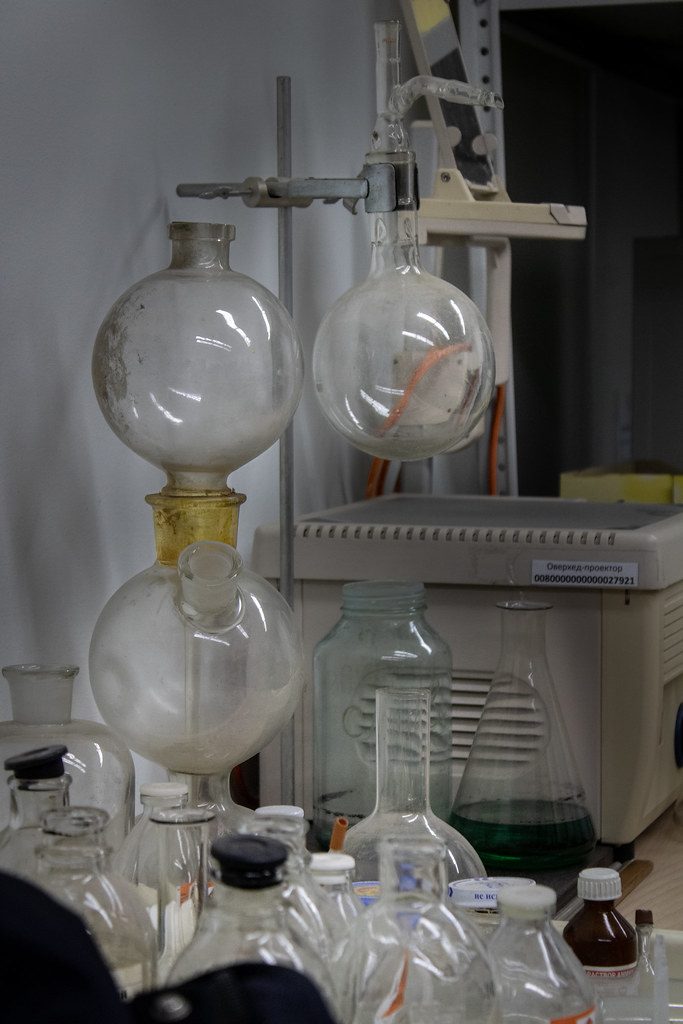
Muitas reações de haloalcanos são realizadas aquecendo sob refluxo 回流.
Warming a halogenoalkane with aqueous NaOH produces: · Aquecer um haloalcano com NaOH aquoso produz:
NaOH(aq) substitutes the halogen for –OH, giving an alcohol. · NaOH(aq) substitui o halogênio por –OH, dando um álcool.
Reaction with KCN in ethanol gives a nitrile, which is useful because it: · A reação com KCN em etanol forma uma nitrila, que é útil porque:
The CN group adds a carbon, lengthening the chain; NH₃ instead gives an amine. · O grupo CN adiciona um carbono, alongando a cadeia; NH₃ em vez disso dá uma amina.
Identifying the halogen
- Warm with silver nitrate in ethanol: a silver halide precipitate forms — white AgCl, cream AgBr, yellow AgI.
Volatile halogenoalkanes were once widely used as refrigerants and aerosol propellants.
Identificando o halogênio
- Aqueça com nitrato de prata em etanol: um precipitado de haleto de prata forma-se — branco AgCl, creme AgBr, amarelo AgI.
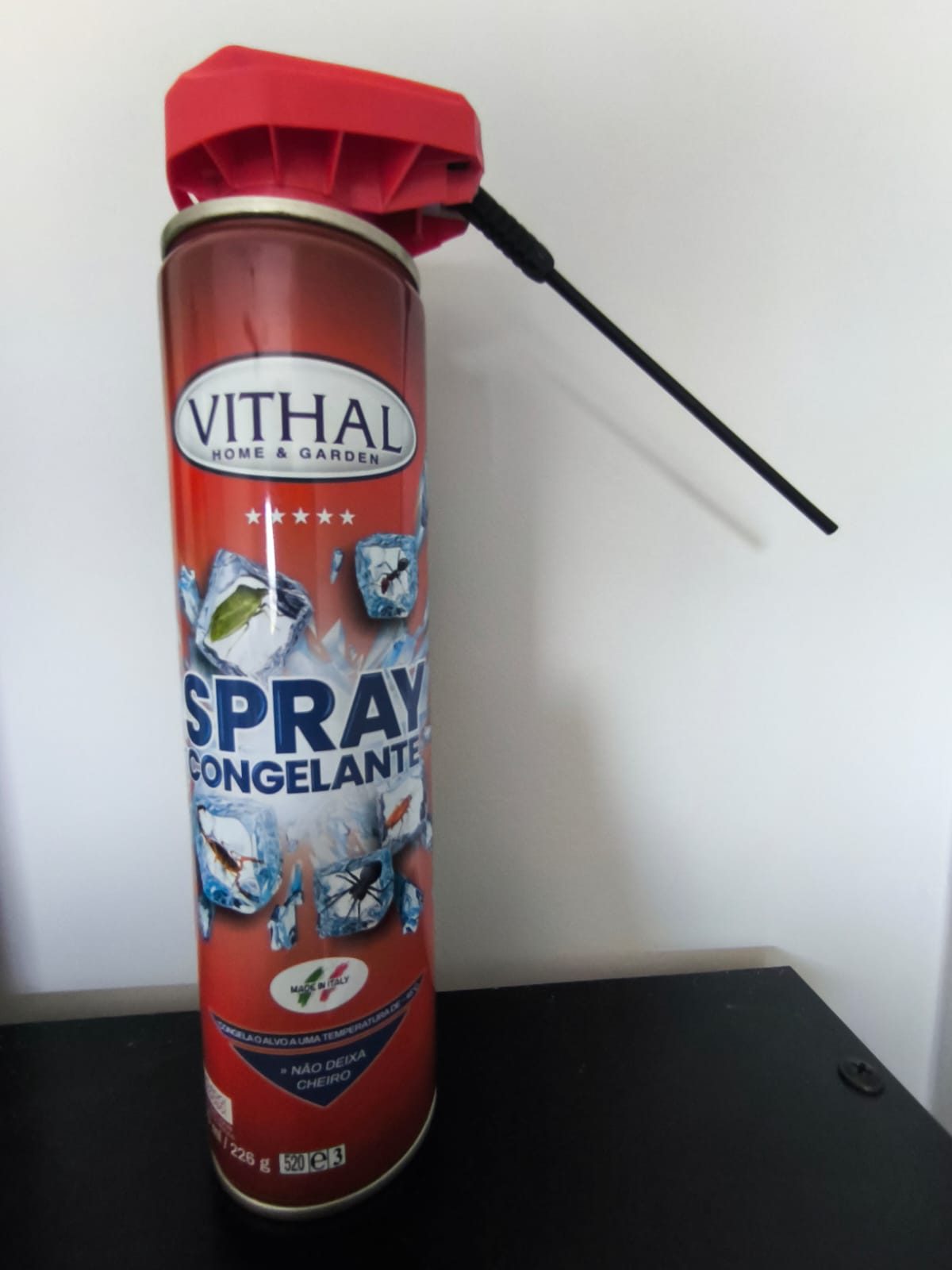
Halogenoalcanos voláteis eram amplamente utilizados como refrigerantes e propulsores de aerossóis.
You've got it
- a halogenoalkane has a polar C–X bond; classes are primary/secondary/tertiary
- nucleophilic substitution: NaOH(aq) → alcohol; KCN → nitrile (+1 carbon); NH₃ → amine
- identify the halogen with silver nitrate (white/cream/yellow precipitate)
Entendeu?
- um haloalcano possui uma ligação C–X polar; as classes são primário/secundário/terciário
- substituição nucleofílica: NaOH(aq) → álcool; KCN → nitrila (+1 carbono); NH₃ → amina
- identifique o halogênio com nitrato de prata (precipitado branco/creme/amarelo)