Skip to content · ⁨コンテンツへスキップ⁩

Writing an article · ⁨記事作成⁩

IGCSE English · ⁨IGCSE 英語⁩ · Topic 6 · ⁨トピック 6⁩

View Slides · ⁨查看幻灯片⁩ Train · ⁨練習する⁩
Video lesson for this topic · ⁨このトピックのビデオレッスン⁩ Open the video page · ⁨動画ページを開く⁩
7:49

記事を書く

二人の生徒が学校誌向けに睡眠についての記事を書いています。一つの書き出しは以下です:<slow>学生にとって睡眠は非常に重要です。この記事では私は……

English narration · English + 中文 subtitles burned in · ⁨英語ナレーション・英語+中文字幕 burning-in⁩

6.1

What an article is for · ⁨アーティクルの役割⁩

Syllabus · ⁨シラバス⁩
English
  1. recognise that an article is written for a general audience to inform or entertain
  2. choose a title and an opening that catch the reader's interest
  3. keep the reader engaged with questions, examples and a clear point of view
日本語
  1. 記事は一般読者向けに書かれ、情報提供や娯楽を目的としていることを認識する
  2. 読者の興味を惹きつけるタイトルと導入部を選ぶ
  3. 読者に関心を抱かせ続けるために、質問、具体例、明確な立場を使う

Source: Cambridge International syllabus · ⁨出典: Cambridge International シラバス⁩

English

An article 文章 is written for a magazine, a newspaper, or a website. Many people read it.

Purpose

  • An article informs 告知 or entertains 娱乐 a general reader.
  • You usually give your own view on a topic, with reasons.

Engage the reader

  • You must engage 吸引 the reader — make them want to keep reading.
  • A good title 标题 and a strong first line catch their interest 兴趣.
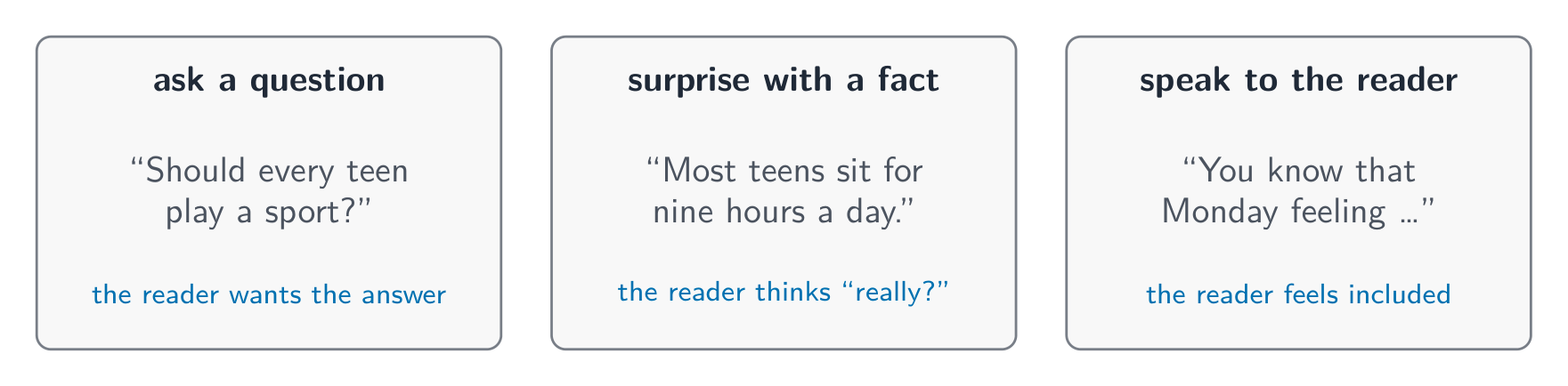
  • Ask the reader a question, or start with a surprising fact.
日本語
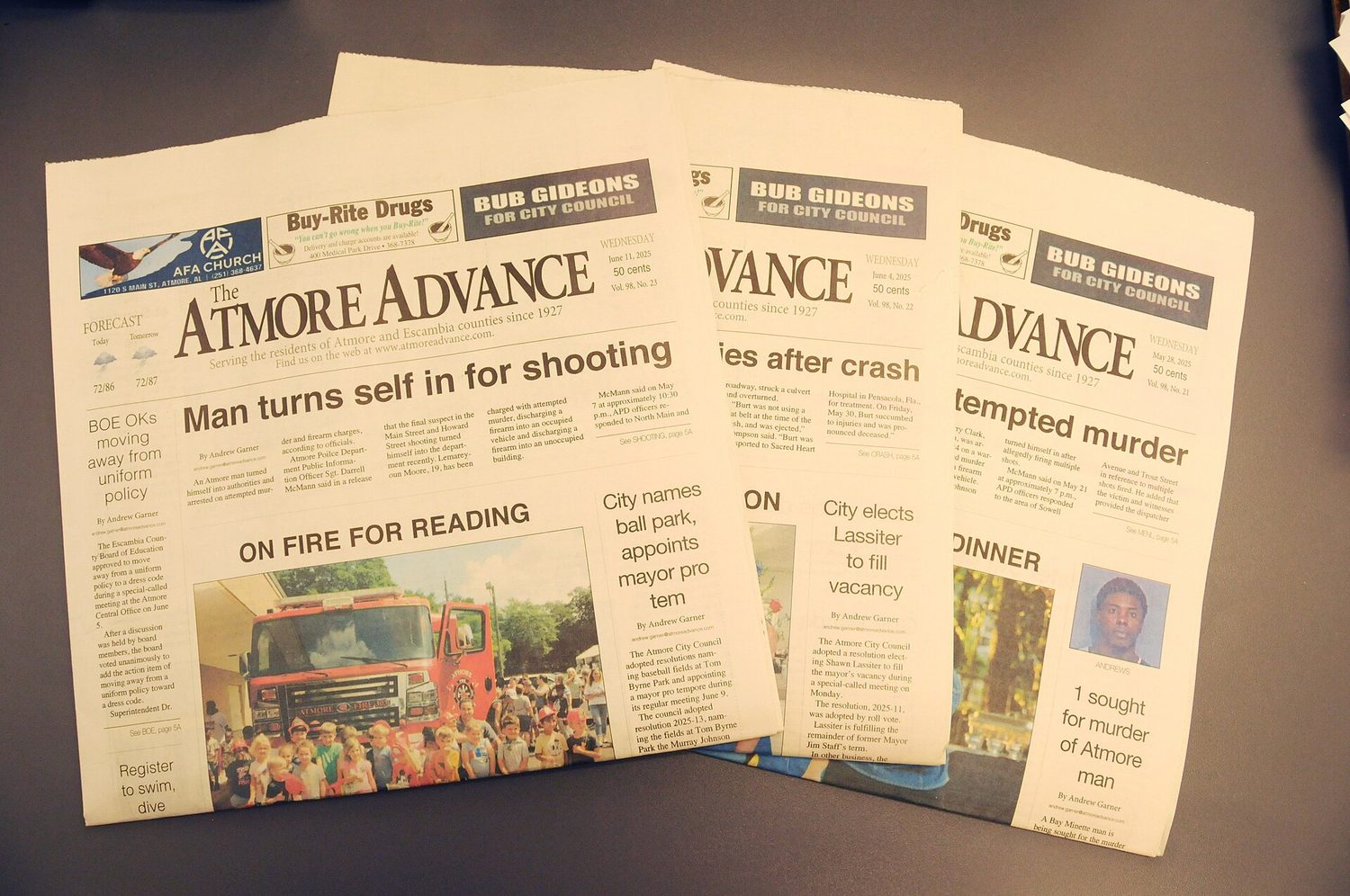
新聞スタンドに並ぶ多様な新聞の表紙が外側を向いている写真
新聞スタンド:これらのすべてが同じ読者を引きつけ合っているため、アーティクルはフックで読み手を惹きつける必要がある

アーティクルは雑誌、新聞、またはウェブサイト向けに書かれます。多くの人に読まれます。

目的

  • アーティクルは一般読者に対して情報提供やエンターテインメントを行う。
  • 通常、理由と共にテーマに対する自身の意見を示す。

読者の関心を引く

  • 読者の関心を引くことが必要であり、読み進めたいと思わせるようにする。
  • 良いタイトルと魅力的な冒頭一文が関心を惹きつける。
  • 読者に質問を投げかけたり、驚きの事実で始めたりする。
3つの導入手法と例:質問を投げる、事実で驚かせる、読者に直接語りかける
最初の数行で読者の興味を惹きつける3つの方法
新聞の表紙:記事は読者を惹きつけ、明確な視点で情報提供とエンターテインメントを行う
Vocabulary · ⁨語彙⁩ Train · ⁨練習する⁩
English 日本語
article/ˈɑːtɪkl/ article
informs/ɪnˈfɔːmz/ 通知する
entertains/ˌentəˈteɪnz/ 娯楽する
engage/enˈɡeɪdʒ/ 参加する / 関わる
title/ˈtaɪtl/ タイトル
interest/ˈɪntrest/ 利子
introduction/ˌɪntrəˈdʌkʃn/ 導入期
conclusion/kənˈkluːʒn/ 結論
varied/ˈveərid/ 多様な
phrases/ˈfreɪzɪz/ 句
flat/flæt/ フラット型
6.2

Writing a lively article · ⁨生き生きとしたアーティクルを書く⁩

Syllabus · ⁨シラバス⁩
English
  1. organise the article into an introduction, development and conclusion
  2. use lively, varied language and a consistent tone
  3. address the reader directly where it suits the topic
日本語
  1. 記事を序章、本論、結語の構成に整理する
  2. 生き生きとした多様な表現を使い、一貫したトーンを維持する
  3. トピックに適した箇所で読者に直接話しかける

Source: Cambridge International syllabus · ⁨出典: Cambridge International シラバス⁩

English

An article should sound interesting, not flat.

Structure

  • Begin with an introduction 引言 that names the topic.
  • Develop your points in the middle, one idea in each paragraph.
  • End with a short conclusion 结论 that leaves the reader thinking.

Lively language

  • Use varied 多样的 words and sentence lengths to keep the energy up.
  • You can speak to the reader directly with "you".
  • Keep the tone friendly, but not too casual.

Useful language

A few flexible phrases 短语 let you hook the reader and glide between ideas.

  • To open with energy: Have you ever…? / Imagine you… / Last week, something odd happened to me.
  • To move between ideas: What's more… / On the other hand… / The truth is…
  • To speak to the reader: You might think… / We all know that… / Be honest —…
  • To end memorably: So next time you… / Perhaps the real question is…

Vary how you open sentences. Ten sentences that all begin "I think" feel flat 平淡; mixing your openings keeps the reader awake.

A model opening

See how one opening hooks the reader, then points forward.

Have you ever tried to sleep with a phone glowing beside your pillow? Most of us have — and most of us wake up tired. This article asks a simple question: could a good night's sleep be the cheapest way to feel happier?

The question pulls the reader in, the honest detail keeps them, and the last line promises where the article is going. That is a lot of work for three sentences.

日本語

アーティクルは平坦ではなく、興味深い響きにするべきである。

ラベル付きのアーティクル:タイトルに質問、読者を惹きつける強力な冒頭、読者に語りかける単一ideaの段落、読者に考えさせる結末
生き生きとした記事の構造:読者を惹きつけ、留め、思索に導く

構造

  • テーマ名を含む引言で始める。
  • 本文では、各段落に1つのアイデアを据えて、論点を展開してください。
  • 読者に考えさせる短い結論で終わる。

生き生きとした言語

  • 多様な語彙や文の長さを使い、活気を出そう。
  • 「you」を使って読者に直接語りかけることもできる。
  • トーンは親しみやすく、しかし過度にカジュアルにしない。

便利な表現

いくつかの柔軟なフレーズで読者を惹きつけ、idea間の移動をスムーズに行える。

  • 活気ある導入: Have you ever…? / Imagine you… / Last week, something odd happened to me.(あなたは〜したことがありますか?/〜を想像してみてください/先週、不思議なことが私に起きた)
  • idea間の移動: What's more… / On the other hand… / The truth is…(さらに/一方/真実は〜だ)
  • 読者への呼びかけ: You might think… / We all know that… / Be honest —…(あなたは〜と思うかもしれない/私たちは皆〜を知っている/正直に言えば〜)
  • 印象に残る結び: 次の機会には… / 本当の問いは…

文の始め方を工夫しよう。「I think」で始める10文は、すべて同じ調子になり、平淡な印象を与えます。始め方を変えると、読者は飽きません。

見本となる導入部

一つの導入部がどうして読者の興味を惹きつけ、次に続く文章へと導いているか見てみましょう。

枕元で光るスマホに寝入ろうとしたことはありますか? 私たちの多くは経験があるでしょう——そして多くの人が、朝目覚めると疲れを感じます。この記事はシンプルな問いを投げかけます:良い眠りは、より幸せを感じるための最も安価な方法でしょうか?

問いは読者を引き込み、率直な詳細が留め置き、最後の一文が記事の方向性を約束します。これらは三つの文でこなすには大きな作業です。

6.2

Exam tips · ⁨試験対策⁩

English
  • Give the article a short, catchy title, then hook the reader with a question or surprise in the first lines.
  • Talk to the reader: "Have you ever…?" An article is the one formal task where personality wins marks.
  • One idea per paragraph, and make it real with a short example or a small story.
  • Numbers and small facts make an article feel true: "three out of five students…".
  • End with a line the reader remembers: a punchline, a question, or a call to act.
日本語
  • 記事に短くキャッチーなタイトルをつけ、最初の数行で問いや驚きを使って読者の興味を引きます。
  • 読者に語りかける:「あなたは曾经…?」 記事作成は唯一、個性が点数につながるフォーマルなタスクです。
  • 段落ごとに一つのアイデアを持ち、短い例や小さなエピソードで具体化しましょう。
  • 数字や小さな事実は、記事に説得力を与えます:「5人の生徒のうち3人…」など。
  • 読者が記憶に残る一言で締めくくりましょう:ジョーク、問い、または行動を促す呼びかけ。

Interactive lessons on this topic · ⁨このトピックのインタラクティブ授業⁩

Work through it step by step, with instant-check exercises. · ⁨一歩ずつ進め、即時チェック付きの問題で学習します。⁩

Past Papers · ⁨過去問⁩

More topics in IGCSE English · ⁨IGCSE 英語⁩ · ⁨IGCSE English · ⁨IGCSE 英語⁩ の他のトピック⁩

Log in or create account · ⁨ログインまたはアカウント作成⁩

IGCSE, A-Level & AP