Skip to content · ⁨الانتقال إلى المحتوى⁩

Make: Practice, Experimentation, and Revision · ⁨إنتاج: الممارسة والتجريب والمراجعة⁩

AP Drawing · ⁨الرسم (AP)⁩ · Topic 6 · ⁨الموضوع 6⁩

Video lesson for this topic · ⁨درس فيديو لهذا الموضوع⁩ Open the video page · ⁨افتح صفحة الفيديو⁩
7:31

إنتاج: الممارسة والتجريب والمراجعة

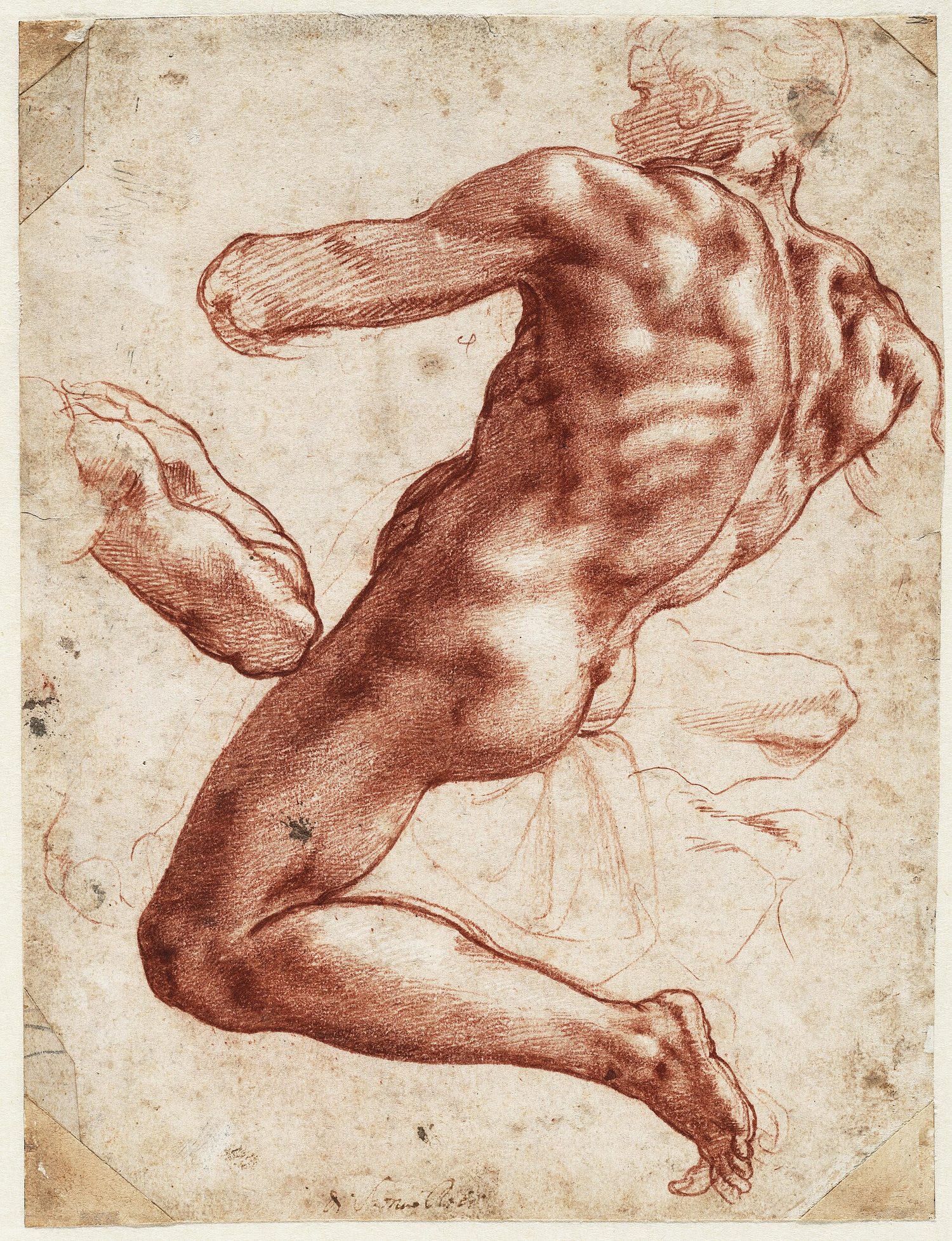
انظر إلى هذه الورقة. رسم ميكييل أنجيلو الشكل — ثم، حوله، عاد إلى الأجزاء التي قاومته: ذراع، يد، قدم، رأس، كل منها مرسوم مرة أخرى على…

English narration · English + 中文 subtitles burned in · ⁨سرد باللغة الإنجليزية · ترجمة مدمجة بالإنجليزية + الصينية⁩

6.1

The Sustained Investigation · ⁨التحقيق المستمر⁩

Syllabus · ⁨المنهج⁩
English

Focus: The Sustained Investigation is an inquiry-based, in-depth study of materials, processes, and ideas over time. (CED Big Idea 2)

  • It is a body of work — around 15 images — that grows from one stated question or idea.
  • Sustained means over time: works should show development, not fifteen versions of the same day.
  • Plan a rhythm: make → document → reflect → revise → make again, every one or two weeks.
  • The investigation is drawings and process: studies, tests, and revisions belong in it.
  • Depth beats breadth — one question pushed hard scores above ten unrelated good drawings.
  • Start early in the year; a rushed investigation is visible at a glance.
العربية

التركيز: التحقيق المستمر هو دراسة عميقة قائمة على الاستقصاء للمواد، والعمليات، والأفكار عبر الزمن. (الفكرة الكبرى في CED 2)

  • إنه مجموعة أعمال — حوالي 15 صورة — تنبع من سؤال واحد أو فكرة محددة.
  • يعني الاستمرار على مدى الزمن: يجب أن تظهر الأعمال تطوراً، لا خمسة عشر نسخة من نفس اليوم.
  • خطط للإيقاع: اصنع ← دوّن ← انعكس → عدّل ← أعد الإبداع، كل أسبوع أو أسبوعين.
  • التحقيق هو رسومات و عملية: الدراسات، والتجارب، والتعديلات تنتمي إليه.
  • العمق يفوق الاتساع — سؤال واحد تم دفعه بقوة يحقق درجة أعلى من عشرة رسومات جيدة غير مترابطة.
  • ابدأ مبكراً في العام؛ التحقيق المسرع يُكتشف بالعيان فوراً.

Source: College Board AP Course and Exam Description · ⁨المصدر: وصف دورة وامتحان College Board AP⁩

English

The Sustained Investigation 持续探究 is an inquiry-based, in-depth study of materials, processes, and ideas over time — CED Big Idea 2, and 60% of your AP score.

  • It is a body of work 系列作品 — around 15 images — that grows from one stated question or idea.
  • Sustained means over time: the works should show growth, not fifteen versions of the same afternoon.
  • Plan a rhythm: make, document, reflect, revise, make again — every one or two weeks.
  • The investigation is drawings and process: studies, tests, and revisions belong inside it.
  • Depth beats breadth. One question pushed hard scores above ten unrelated good drawings.
  • Start early in the year. A rushed investigation is visible at a glance.
العربية

البحث المستمر هو دراسة استقصائية عميقة للمواد والعمليات والأفكار عبر الزمن — الفكرة الكبرى لـ CED رقم 2، و60% من درجتك في AP.

  • إنه مجموعة أعمال — حوالي 15 صورة — تنمو من سؤال واحد أو فكرة محددة.
  • مستمر يعني عبر الزمن: يجب أن تُظهر الأعمال نمواً، وليس خمسة عشر نسخة من نفس فترة ما بعد الظهر.
  • خطت إيقاعاً: اصنع، دوّن، تأمل، عدّل، اصنع مجدداً — كل أسبوع أو أسبوعين.
  • البحث يتكون من رسومات وعملية: الدراسات، الاختبارات، والتعديلات تقع داخله.
  • العمق أفضل من الواسع. سؤال واحد مُدحوض بقوة يُصنف أعلى من عشرة رسومات جيدة غير ذات صلة.
  • ابدأ مبكراً في السنة. البحث المُسرع مرئي للعين.
6.2

Practice, Experimentation, and Revision · ⁨الممارسة، والتجريب، والمراجعة⁩

Syllabus · ⁨المنهج⁩
English

Focus: The CED's three engines of making: practice (repeat), experimentation (test), revision (modify and reimagine). (CED 2.A)

  • Practice repeats a skill until it is reliable — the tenth ellipse, the fiftieth hand.
  • Experimentation tests without needing success: new tool, new scale, new surface, new speed.
  • Revision returns to a work and changes it on purpose — crop, rework, redraw, or respond with a new version.
  • Show all three visibly across the portfolio: scorers must see them, not trust you.
  • Keep 'failed' experiments — annotated failures are stronger evidence than unexplained successes.
  • A revision pair (first state / revised state, with a sentence on what changed) is classic AP evidence.
العربية

التركيز: المحركات الثلاثة للتصنيع في CED: التدريب (التكرار)، التجريب (الاختبار)، التعديل (التغيير وإعادة التخيل). (CED 2.A)

  • التدريب يكرر مهارة حتى تصبح موثوقة — بيضا العشر، يد الخمسين.
  • التجريب يختبر دون الحاجة للنجاح: أداة جديدة، مقياس جديد، سطح جديد، سرعة جديدة.
  • العودة للعمل تعيد النظر فيه وتغيره بقصد — قص، إعادة العمل، إعادة الرسم، أو الاستجابة بنسخة جديدة.
  • أظهر الثلاثة بصرياً عبر المحفظة: يجب على المصححين رؤيتهم، لا الوثوق بك.
  • احتفظ بالتجارب 'الفاشلة' — الفشل الموصوف هو دليل أقوى من النجاح غير المفسّر.
  • زوج من حالات التعديل (الحالة الأولى / الحالة المعدلة، مع جملة تشرح التغيير) هو دليل كلاسيكي في AP.

Source: College Board AP Course and Exam Description · ⁨المصدر: وصف دورة وامتحان College Board AP⁩

English

The CED names three engines of making: practice 练习 (repeat), experimentation 实验 (test), and revision 修改 (modify and reimagine). (CED 2.A)

  • Practice repeats a skill until it is reliable — the tenth ellipse, the fiftieth hand.
  • Experimentation tests without needing success: a new tool, a new scale, a new surface, a new speed.
  • Revision returns to a work and changes it on purpose: crop it, rework it, redraw it, or answer it with a new version.
  • Show all three visibly across the portfolio — scorers must see them, not take your word.
  • Keep the failures. An annotated failed experiment is stronger evidence than an unexplained success.
  • A revision pair 修改前后对比 (first state and revised state, with one sentence on what changed) is classic AP evidence.
العربية

يُسمي CED ثلاثة محركات للإبداع: التدريب (التكرار)، التجريب (الاختبار)، والتعديل (التغيير وإعادة التصور). (CED 2.A)

التدريب، التجريب، والتعديل يقودون إبداع مجموعة الأعمال
ثلاثة محركات للإبداع: تكرار مهارة، اختبار شيء جديد، العودة والتغيير
  • التدريب يكرر مهارة حتى تصبح موثوقة — بيضا العشر، يد الخمسين.
  • التجريب يختبر دون الحاجة للنجاح: أداة جديدة، مقياس جديد، سطح جديد، سرعة جديدة.
  • التعديل يعود للعمل ويغيره بقصد: قصه، أعده، أعد رسمه، أو أجب عنه بنسخة جديدة.
  • أظهر الثلاثة بوضوح عبر المحفظة — يجب على المقيِّمين رؤيتهم، لا الاعتماد على قولك.
  • احتفظ بالفشل. تجربة فاشلة ملخصة بأدلة هي أقوى دليلاً من نجاح غير مفسَّر.
  • زوج التعديل (الحالة الأولى والحالة المعدَّلة، مع جملة واحدة عما تغير) هو دليل كلاسيكي في AP.
دراسة شكل لميكل أنجلو: التدريب والتعديل يبنيان مهارة الرسم من خلال البحث المتكرر
Explore · ⁨استكشف⁩

Practice, experimentation, or revision? · ⁨تدريب، تجريب، أم مراجعة؟⁩

Practice repeats a skill until it is reliable, experimentation tests something new without needing success, and revision returns to a work and changes it on purpose. Scorers must see all three. · ⁨الممارسة تكرار مهارة حتى تصبح موثوقة، التجريب اختبار شيء جديد دون الحاجة للنجاح، والمراجعة العودة إلى عمل وتغييره بقصد. يجب أن يرى المصححون الثلاثة.⁩

6.3

Synthesis of Materials, Processes, and Ideas · ⁨دمج المواد، والعمليات، والأفكار⁩

Syllabus · ⁨المنهج⁩
English

Focus: Synthesis means the three components fuse — the material and process choices are the idea. (CED 2.B)

  • Ask of each work: could this idea exist in any other medium? If yes, the synthesis can go deeper.
  • Burnt-edge charcoal drawings about wildfire; thread-stitched portraits about family ties — material as meaning.
  • Process can carry meaning too: obsessive stippling for time, blind contour for memory's uncertainty.
  • Synthesis is the highest row of the Sustained Investigation rubric — the 5-score discriminator.
  • It cannot be added at the end: it comes from experimenting early with materials that relate to the idea.
  • One sentence of written evidence should be able to name the link: 'I used X because the idea needed Y.'
العربية

التركيز: الدمج يعني اندماج المكونات الثلاثة — خيارات المادة والعملية هي الفكرة. (CED 2.B)

  • اسأل عن كل عمل: هل يمكن لهذه الفكرة أن توجد في أي وسيط آخر؟ إذا كان الجواب نعم، يمكن للتخليص أن يكون أعمق.
  • رسومات حواف الفحم المحترقة عن حرائق الغابات؛ بورتريهات مخيط خيطاً عن الروابط العائلية — المادة كدلالة.
  • يمكن أن تحمل العملية معنى أيضاً: التظليل المتكرر بتهور للوقت، والخطوط المجهولة للحروف للتعبير عن عدم يقين الذاكرة.
  • الدمج هو الصف الأعلى في معايير التحقيق المستمر — وهو المحدد لدرجة 5.
  • لا يمكن إضافته في النهاية: ينشأ من التجريب المبكر مع مواد ترتبط بالفكرة.
  • يجب أن تكون جملة واحدة من الدليل المكتوب قادرة على تحديد الرابط: 'استخدمت X لأن الفكرة كانت تحتاج Y'.

Source: College Board AP Course and Exam Description · ⁨المصدر: وصف دورة وامتحان College Board AP⁩

English

Synthesis 综合 means the three components fuse — the material and process choices are the idea. (CED 2.B)

  • Ask of each work: could this idea exist in any other medium? If yes, the synthesis can go deeper.
  • Charcoal drawings with burnt edges about wildfire; thread-stitched portraits about family ties — material as meaning.
  • Process can carry meaning too: obsessive stippling for time passing, blind contour for the uncertainty of memory.
  • Synthesis is the top row of the scoring guidelines — the discriminator between a 4 and a 5.
  • It cannot be added at the end. It grows from experimenting early with materials that relate to the idea.
  • One sentence of written evidence should name the link: "I used X because the idea needed Y."
العربية

التخليص يعني اندماج المكونات الثلاثة — خيارات المادة والعملية هي الفكرة. (CED 2.B)

المواد والعمليات والأفكار تندمج في المركز: التخليص
عندما تشرح المادة والعملية والفكرة بعضها البعض، يُطلق عليها المعيار التقييمي اسم التخليص
  • اسأل عن كل عمل: هل يمكن لهذه الفكرة أن توجد في أي وسيط آخر؟ إذا كان الجواب نعم، يمكن للتخليص أن يكون أعمق.
  • رسومات فحم بحواف محترقة حول حرائق الغابات؛ بورتريهات مطرزة بخيط عن الروابط العائلية — المادة كمعنى.
  • يمكن للعملية أن تحمل معنى أيضاً: النقش المتكرر بإلحاح لمرور الوقت، الخطوط المستمرة بالعمى لعدم اليقين في الذاكرة.
  • التخليص هو الصف العلوي من إرشادات التقييم — وهو العامل المميز بين الدرجة 4 و5.
  • لا يمكن إضافته في النهاية. ينمو من التجريب المبكر في مواد تتعلق بالفكرة.
  • جملة واحدة من الأدلة المكتوبة يجب أن تذكر العلاقة: "استخدمت X لأن الفكرة كانت تحتاج إلى Y."
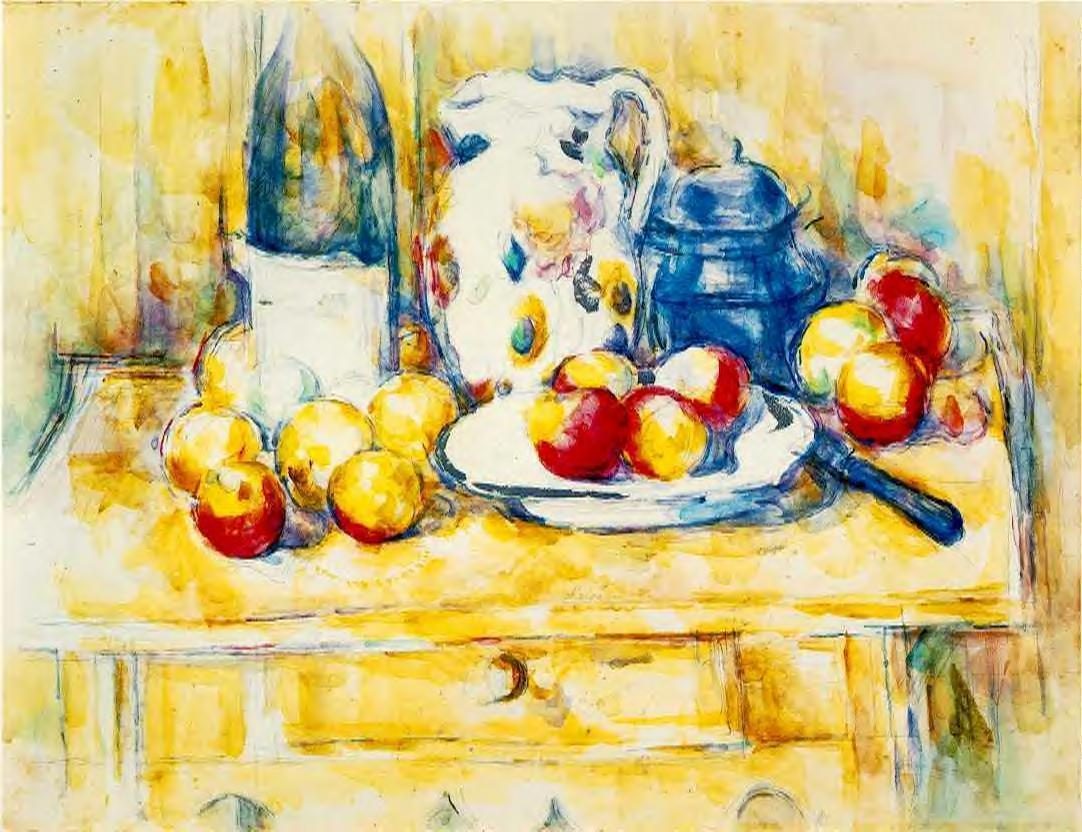
لاستيكازان still life: المواد والعمليات والأفكار تندمج في التكوين والعلامة
Vocabulary · ⁨مفردات⁩ Train · ⁨تدريب⁩
English العربية
Sustained Investigation/səˈsteɪnd ɪnˌvestɪˈɡeɪʃn/ البحث المستمر
body of work/ˈbɒdi ɒv wɜːk/ مجموعة أعمال
practice/ˈpræktɪs/ التدريب
experimentation/ekˌsperɪmənˈteɪʃn/ التجريب
revision/rɪˈvɪʒn/ التعديل
revision pair/rɪˈvɪʒn peə/ ثنائي المراجعة
synthesis/ˈsɪnθəsɪs/ التخليق
drawing skills/ˈdrɔːɪŋ skɪlz/ مهارات الرسم
visual evidence/ˈvɪʒuːəl ˈevɪdəns/ دليل بصري
thumbnail sketches/ˈθʌmneɪl ˈsketʃɪz/ رسومات مصغرة
craft/kræft/ الحرفية
scale/skeɪl/ المقياس
development/dɪˈveləpmənt/ التطور
variable/ˈveərɪəbl/ حدث
motif/məʊˈtiːf/ الدافع
6.4

Demonstrating Drawing Skills · ⁨إثبات مهارات الرسم⁩

Syllabus · ⁨المنهج⁩
English

Focus: The rubric's named drawing skills: mark-making, line, surface, space, light and shade, composition. (CED 2.C/2.D)

  • Audit your portfolio against the six skills — every one should appear strongly somewhere.
  • One work can carry several skills: a figure in a lit interior shows space, light and shade, and composition at once.
  • 'Good' scores need competent skills; '5' portfolios show advanced skills with visual evidence everywhere.
  • Skills must be visible in the image submitted — photograph well or the skill disappears.
  • Weak-skill areas are fixable with targeted practice blocks — see the craft topics of this course.
  • In written evidence, name skills with the CED's own words so scorers connect claim to image instantly.
العربية

التركيز: مهارات الرسم المحددة في المعايير: وضع العلامات، الخط، السطح، الفضاء، الضوء والظل، التركيب. (CED 2.C/2.D)

  • قوّم محفظتك مقابل المهارات الست — يجب أن يظهر كل منها بشكل قوي في مكان ما.
  • يمكن لعمل واحد حمل عدة مهارات: شخصية في غرفة مضاءة تظهر الفضاء والضوء والظل والتركيب في آنٍ واحد.
  • درجات 'جيدة' تتطلب مهارات كفء؛ محفظة '5' تظهر مهارات متقدمة بأدلة بصرية في كل مكان.
  • يجب أن تكون المهارات مرئية في الصورة المقدمة — صور بشكل جيد وإلا ستختفي المهارة.
  • مناطق المهارات الضعيفة قابلة للإصلاح بتدريبات مستهدفة — انظر مواضيع الحرفية في هذا المقرر.
  • في الدليل المكتوب، سمِّ المهارات بكلمات CED الخاصة بها حتى يربط المصححون الادعاء بالصورة فوراً.

Source: College Board AP Course and Exam Description · ⁨المصدر: وصف دورة وامتحان College Board AP⁩

English

The rubric names the drawing skills 绘画技能: mark-making, line, surface, space, light and shade, composition. (CED 2.C/2.D)

  • Audit your portfolio against the six skills — every one should appear strongly somewhere.
  • One work can carry several: a figure in a lit interior shows space, light and shade, and composition at once.
  • "Good" portfolios show competent skills; a 5 shows advanced skills with visual evidence 视觉证据 everywhere.
  • A skill only counts if it is visible in the submitted image — photograph well or the skill disappears.
  • Weak areas are fixable with targeted practice blocks — that is what the craft topics of this course are for.
  • In written evidence, name skills with the CED's own words, so the scorer connects claim to image instantly.
العربية

يُسمي المعيار التقييمي مهارات الرسم: صنع العلامات، الخط، السطح، المساحة، الضوء والظل، والتكوين. (CED 2.C/2.D)

  • قوّم محفظتك مقابل المهارات الست — يجب أن يظهر كل منها بشكل قوي في مكان ما.
  • يمكن لعمل واحد حمل عدة مهارات: شخصية في داخلي مضاء تُظهر المساحة والضوء والظل والتكوين في آنٍ واحد.
  • المحفظة "الجيدة" تُظهر مهارات كفء؛ الدرجة 5 تُظهر مهارات متقدمة مع أدلة بصرية في كل مكان.
  • المهارة لا تحسب إلا إذا كانت مرئية في الصورة المُرسَلة — صور جيداً وإلا ستختفي المهارة.
  • المناطق الضعيفة قابلة للإصلاح عبر كتل تدريب مستهدفة — وهذا هو الغرض من موضوعات الحرف في هذا المقرر.
  • في الأدلة المكتوبة، سمِّ المهارات بكلمات CED الخاصة بها، ليتمكن المقيّم من ربط الادعاء بالصورة فوراً.
الرجل فيتروفيان: التناسب وبناء الشكل كمهارات رسم أساسية
6.5

Composition and Craft in Making · ⁨التكوين والحرفية في الصنع⁩

Syllabus · ⁨المنهج⁩
English

Focus: Finished works are judged as made objects: composition designed, edges considered, surface controlled.

  • Plan with thumbnails and notan before committing — composition is decided before the first real mark.
  • Craft means physical care: clean margins where intended, controlled smudging, flat unwrinkled paper.
  • Damaged or dirty work photographs badly; protect drawings with cover sheets and fixative.
  • Consider scale as a decision: intimate A5 and commanding A1 are different statements of the same idea.
  • Unresolved corners betray hurry — finish or deliberately leave raw, and let the writing own the choice.
  • Craft is not fussiness: an expressive charcoal can be perfectly crafted expression.
العربية

التركيز: تُحكم على الأعمال النهائية كأشياء مصنوعة: تركيب مصمم، حواف مدروسة، سطح مُتحكم به.

  • خطط باستخدام الصور المصغرة ونيوتان قبل الالتزام — يتم تحديد التركيب قبل أول علامة حقيقية.
  • الحرفية تعني العناية المادية: هوامش نظيفة حيث أُريد ذلك، تشويش مُتحكم به، ورق مسطح غير مجعد.
  • الأعمال التالفة أو المتسخة تُصور بشكل سيء؛ احفظ الرسومات بأوراق غطاء ومثبت.
  • اعتبر الحجم قراراً: A5 حميمي وA1 طاغٍ هما عبارتان مختلفتان لنفس الفكرة.
  • الزوايا غير المحلولة تكشف عن التسرع — أكمل أو اتركها خاماً بقصد، ودع الكتابة تتحمل المسؤولية عن هذا الاختيار.
  • الحرفية ليست التفصيل المفرط: يمكن للكربون التعبيري أن يكون تعبيراً حرفياً مثالياً.

Source: College Board AP Course and Exam Description · ⁨المصدر: وصف دورة وامتحان College Board AP⁩

English

Finished works are judged as made objects: composition designed, edges considered, surface controlled.

  • Plan with thumbnail sketches 小稿 and notan before committing — composition is decided before the first real mark.
  • Craft 工艺 means physical care: clean margins where you intend them, controlled smudging, flat unwrinkled paper.
  • Damaged or dirty work photographs badly. Protect drawings with cover sheets and fixative.
  • Treat scale 尺度 as a decision: an intimate A5 and a commanding A1 are different statements of the same idea.
  • Unresolved corners betray hurry. Finish them — or leave them raw on purpose, and let the writing own the choice.
  • Craft is not fussiness: an expressive charcoal can be perfectly crafted expression.
العربية

الأعمال المنجزة تُحكم كأشياء مصنوعة: تكوين مُصمَّم، حواف مُرتبَة، وسطح مُتحكَّم.

  • خطّط بـ رسومات مصغرة وتوزيع الظلال قبل الالتزام — التكوين يُقرَّر قبل أول علامة حقيقية.
  • الحرفة تعني العناية المادية: هوامش نظيفة حيث تقصدها، تظليل مُتحكَّم، ورق مسطح غير مكشوطة.
  • الأعمال التالفة أو المتسخة تُصور بشكل سيئ. احفظ الرسومات بأوراق غطاء ومثبت.
  • تعامل مع المقياس كقرار: A5 حميمي وA1 هائل هما بيانان مختلفان لنفس الفكرة.
  • زوايا غير محلولة تكشف عن التسرع. أنهِها — أو اتركها خاماً بقصد، ودع الكتابة تتولى قرار ذلك.
  • الحرفية ليست التفصيل المفرط: يمكن للكربون التعبيري أن يكون تعبيراً حرفياً مثالياً.
6.6

Developing Ideas Over Time · ⁨تطوير الأفكار عبر الزمن⁩

Syllabus · ⁨المنهج⁩
English

Focus: Development — the furthering of an inquiry through in-depth exploration — is what 'sustained' looks like in the images.

  • Sequence matters: arrange works so the investigation's growth is readable from image 1 to image 15.
  • Development moves: change scale, change viewpoint, combine two earlier works, push one variable to its extreme.
  • Series thinking helps — variations on one motif show deliberate exploration, not repetition.
  • Mid-course turns are healthy when documented: 'the shadows became the subject' is development.
  • Compare your newest work to your first — if nothing changed (skill, idea, or ambition), push a variable.
  • Scorers explicitly look for works that show development, not fifteen isolated performances.
العربية

التركيز: التطوير — تمديد الاستقصاء من خلال استكشاف عميق — هو ما يظهره مفهوم "المثابرة" في الصور.

  • التسلسل مهم: رتب الأعمال بحيث يكون نمو التحقيق مقروءًا من الصورة 1 إلى الصورة 15.
  • حركات التطوير: تغيير المقياس، تغيير زاوية النظر، دمج عملين سابقين، أو دفع متغير واحد إلى حدّه الأقصى.
  • التفكير السلسلي يساعد — التغيرات على نمط واحد تُظهر استكشافًا مدبرًا، وليس تكرارًا.
  • الانعطافات في منتصف المسار صحية عند توثيقها: "أصبحت الظلال هي الموضوع" يُعدّ تطوراً.
  • قارن أحدث أعمالك بأول أعمالك — إذا لم يتغير شيء (مهارة، فكرة، أو طموح)، فادفع متغيرًا.
  • المصححون يبحثون صراحة عن أعمال تُظهر التطور، لا fifteen أداءً معزولاً.

Source: College Board AP Course and Exam Description · ⁨المصدر: وصف دورة وامتحان College Board AP⁩

English

Development 发展 — the furthering of an inquiry through in-depth exploration — is what "sustained" looks like in the images.

  • Sequence matters: arrange the works so the investigation's growth is readable from image 1 to image 15.
  • Development moves: change scale, change viewpoint, combine two earlier works, push one variable 变量 to its extreme.
  • Series thinking helps — variations on one motif 母题 show deliberate exploration, not repetition.
  • Mid-course turns are healthy when documented: "the shadows became the subject" is development.
  • Compare your newest work to your first. If nothing changed — skill, idea, or ambition — push a variable.
  • Scorers explicitly look for works that show development, not fifteen isolated performances.
العربية

التطوير — وهو تعميق الاستقصاء من خلال استكشاف مكثف — هو ما يمثله مفهوم "الاستمرارية" في الصور.

  • التسلسل مهم: رتب الأعمال بحيث يكون نمو الاستقصاء واضحاً من الصورة 1 إلى الصورة 15.
  • تحركات التطور: تغيير المقياس، تغيير وجهة النظر، دمج عملين سابقين، ودفع متغير واحد إلى حدّه الأقصى.
  • التفكير المتسلسل مفيد — التغيرات على موضوع واحد تُظهر استكشافاً مدروساً، وليس تكراراً.
  • الانعطافات في منتصف المسار صحية إذا تم توثيقها: أن "أصبحت الظلال هي الموضوع" يعني التطوير.
  • قارن أحدث أعمالك بأول أعمالك. إذا لم يحدث أي تغيير — في المهارة أو الفكرة أو الطموح — فاجعل متغيراً واحداً يتغير.
  • المصححون يبحثون صراحة عن أعمال تظهر التطوير، وليس fifteen أداءً معزولاً.
6.6

Exam tips · ⁨نصائح للامتحان⁩

English
  • Build the portfolio as a story: image 1 states the question, the middle images test and turn, the late images answer with authority. Scorers read the sequence.
  • Submit process images on purpose — two or three journal spreads, tests, or revision pairs among the 15 make practice, experimentation, and revision undeniable.
  • The 5-portfolios show synthesis: pick materials that mean something for your question, and say the link out loud in the written evidence.
  • Audit against the six drawing skills at mid-year, not in April — the gaps you find write your practice plan while there is still time.
  • Never pad with lookalikes. Fifteen near-identical drawings read as one idea repeated; variations must each move a variable.
العربية
  • بني المحفظة كقصة: الصورة 1 تطرح السؤال، والصور الوسطى تختبر وتتحول، والصور الأخيرة تجيب بسلطة. المصححون يقرأون التسلسل.
  • قدم صور العملية بقصد — صفحتان أو ثلاثتان من المذكرات، أو اختبارات، أو أزواج التعديلات ضمن الـ 15 تجعل الممارسة والتجربة والتعديل أمراً لا جدال فيه.
  • تُظهر محفظتا الـ 5 دمجاً: اختر مواد ذات دلالة لسؤالك، وصرح بالرباط بصوت عالٍ في الدليل المكتوب.
  • راجع ست مهارات الرسم في منتصف العام، لا في أبريل — الثغرات التي تكتشفها تكتب خطة practicing الخاصة بك بينما لا يزال هناك وقت.
  • لا تملأها بأعمال مشابهة. fifteen رسم متطابق تقريباً يُقرأ كفكرة واحدة مكررة؛ يجب أن ينقل كل تغيير متغيراً مختلفاً.

Interactive lessons on this topic · ⁨دروس تفاعلية حول هذا الموضوع⁩

Work through it step by step, with instant-check exercises. · ⁨ا-working عليه خطوة بخطوة، مع تمارين تحقق فوري.⁩

More topics in AP Drawing · ⁨الرسم (AP)⁩ · ⁨المزيد من المواضيع في AP Drawing · ⁨الرسم (AP)⁩⁩

Log in or create account · ⁨تسجيل الدخول أو إنشاء حساب⁩

IGCSE, A-Level & AP