Workers · 工人
| English | 中文 | Pinyin · 拼音 |
|---|---|---|
| wages/ˈweɪdʒɪz/ | 工资 | gōng zī |
| demand for labour/dɪˈmænd fɔː ˈleɪbə/ | 劳动需求 | láo dòng xū qiú |
| skills/skɪlz/ | 技能 | jì néng |
| qualifications/ˌkwɒlɪfɪˈkeɪʃnz/ | 资格 | zī gé |
| trade unions/treɪd ˈjuːnɪənz/ | 工会 | gōng huì |
| minimum wage/ˈmɪnɪməm weɪdʒ/ | 最低工资 | zuì dī gōng zī |
| non-wage factors/nɒn weɪdʒ ˈfæktəz/ | 非工资因素 | fēi gōng zī yīn sù |
Why some jobs pay more
- A surgeon earns far more than a cleaner. A footballer more than a teacher. Why?
- Wages 工资 are set by the demand for and supply of each kind of labour.
为什么有些工作付得更多
- 一个外科医生赚得比一个清洁工多得多。一个足球运动员比一个教师多。为什么?
- 工资由每种劳动的需求和供给设定。
Economics case lab · 经济学案例实验室
Classify real examples by the economic idea they show. · 根据所展示的经济学概念对真实案例进行分类。
In a free labour market, wages are determined by: · 在自由劳动力市场中,工资由:
Wages are the price of labour, set by demand and supply. · 工资是劳动力的价格,由供需决定。
How wages are determined
- Wages are a price — set where the demand for labour 劳动需求 meets the supply of it.
- High pay comes from high demand (valuable skills 技能) and low supply (few can do it).
A car assembly line is capital-intensive (many machines, few workers) and uses the division of labour — each worker repeats one task
工资如何决定
- 工资是一个价格——在对劳动的需求遇到它的供给的地方设定。
- 高报酬来自高需求(有价值的技能)和低供给(很少人能做)。
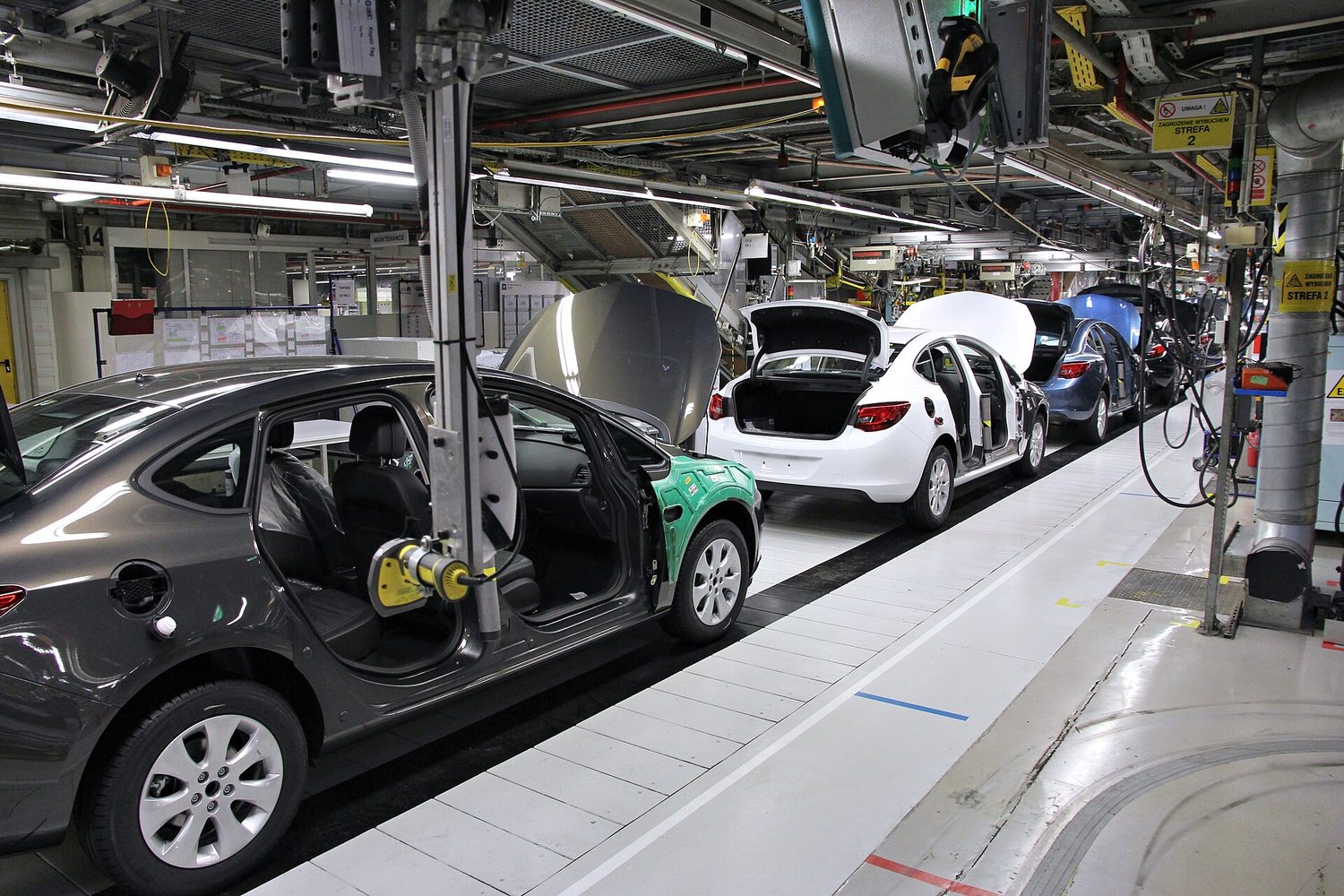
一条汽车装配线是资本密集的(许多机器、很少工人)并使用劳动分工——每个工人重复一个任务
A job is likely to pay highly when: · 当以下哪种情况出现时,一份工作的薪资很可能很高:
Scarce, in-demand skills command high wages. · 稀缺且需求量大的技能享有高薪。
A trade union may raise wages above the free-market level. · 工会可能会将工资提高到自由市场水平之上。
Unions bargain collectively to push pay above the market rate. · 工会集体谈判推动工资高于市场水平。
Training and qualifications raise pay partly by restricting the ______ of labour. · 培训和资格在一定程度上通过限制劳动力的______来提高薪资。
Fewer qualified workers means scarcer, better-paid labour. · 合格工人越少,劳动力越稀缺,薪酬也越高。
Why wages differ
- Skills and qualifications 资格: training restricts supply and raises pay.
- Danger, hours, responsibility: harder jobs may pay more to attract workers.
- Trade unions 工会 and the minimum wage 最低工资 can raise pay above the market rate.
Division of labour splits one big job into small repeated tasks, one per worker, raising output
为什么工资不同
- 技能和资格:培训限制供给并提高报酬。
- 危险、工时、责任:更难的工作可能付得更多以吸引工人。
- 工会(trade unions)和最低工资(minimum wage)能把报酬提高到市场水平之上。

劳动分工把一个大工作分成小的重复任务,每个工人一个,提高产出
Which are non-wage factors affecting job choice? (Select all that apply.) · 哪些是非工资因素影响职业选择?(选择所有适用项。)
Pay is the wage factor; the others are non-wage factors. · 薪酬是工资因素;其他是非工资因素。
Choosing a job
- People weigh pay against non-wage factors 非工资因素: job satisfaction, security, hours, location, prospects.
- This is why a well-paid but unpleasant job may still go unfilled.
Scarcity of skill, not effort, drives high pay. A job pays well when few people can do it and many employers want it — supply and demand, not how "hard" it feels.
选择一个工作
- 人们权衡报酬与非工资因素(non-wage factors):工作满意度、保障、工时、地点、前景。
- 这就是为什么一个高薪但不愉快的工作可能仍然空缺。
技能的稀缺,不是努力,驱动高报酬。 一个工作付得好,当很少人能做它而许多雇主想要它——供给和需求,不是它感觉多"难"。
You've got it
- wages are a price: set by labour demand and supply
- high pay = high demand (valuable skill) + low supply (scarce skill)
- non-wage factors (satisfaction, hours, security) also shape job choice
你掌握了
- 工资是一个价格:由劳动需求和供给设定
- 高报酬 = 高需求(有价值的技能)+ 低供给(稀缺的技能)
- 非工资因素(满意度、工时、保障)也塑造工作选择