Exothermic and endothermic reactions · 放热反应与吸热反应
| English | 中文 | Pinyin · 拼音 |
|---|---|---|
| exothermic/eɡzəˈðɜːmɪk/ | 放热反应 | fàng rè fǎn yìng |
| endothermic/ˌendəʊˈθɜːmɪk/ | 吸热反应 | xī rè fǎn yìng |
| combustion/kəmˈbʌstʃn/ | 燃烧 | rán shāo |
| neutralisation/ˌnjuːtrəlaɪˈzeɪʃn/ | 中和 | zhōng hé |
| thermal decomposition/ˈθɜːml ˌdiːkɒmpəˈzɪʃn/ | 热分解 | rè fēn jiě |
Reactions that heat or cool
- Strike a match and it gives out heat; dissolve some salts and the beaker turns cold.
- Reactions either release or absorb energy. These are exothermic 放热反应 and endothermic 吸热反应.
加热或冷却的反应
- 划一根火柴,它放出热;溶解一些盐,烧杯变冷。
- 反应要么释放要么吸收能量。这些是放热(exothermic)和吸热(endothermic)。
An exothermic reaction: · 一个放热反应:
Exothermic reactions release energy. · 放热反应释放能量。
Burning (combustion) is an example of a(n): · 燃烧是一个以下的例子:
Combustion releases heat — exothermic. · 燃烧释放热——放热。
In an exothermic reaction, the products are at a lower energy than the reactants. · 在一个放热反应中,产物在比反应物更低的能量。
The drop in energy is released to the surroundings. · 能量的下降被释放到周围环境。
Exothermic reactions
- An exothermic reaction releases energy to the surroundings (they get hotter).
- Examples: combustion 燃烧 (burning), neutralisation 中和, most everyday reactions.
In an exothermic reaction, the products are at lower energy than the reactants — energy is released.
放热反应
- 一个放热反应释放能量到周围环境(它们变得更热)。
- 例子:燃烧、中和、大多数日常反应。
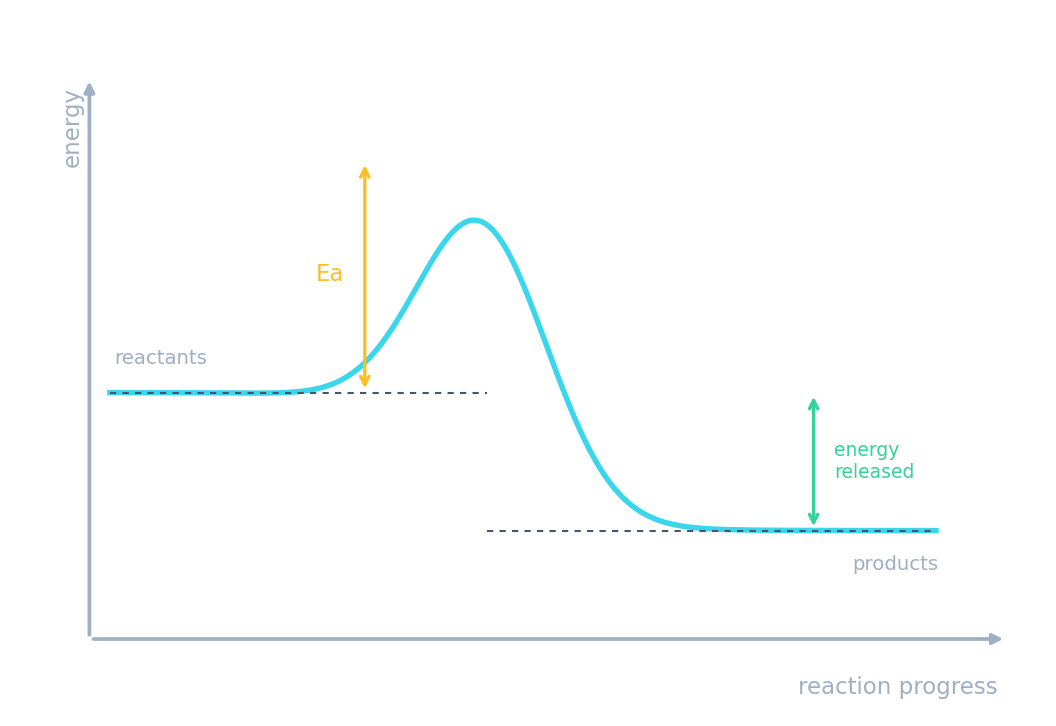
在一个放热反应中,产物在比反应物更低的能量——能量被释放。
Exothermic & endothermic · 放热与吸热
ΔH = products − reactants · ΔH = 产物 − 反应物
Exothermic drops to lower-energy products (releases heat); endothermic · 吸热反应 climbs to higher. · 放热下降到更低能量的产物(释放热);吸热爬到更高。
An endothermic reaction makes the surroundings: · 一个吸热反应使周围环境:
It absorbs energy, cooling the surroundings. · 它吸收能量,冷却周围环境。
A reaction that absorbs energy and cools its surroundings is . · 一个吸收能量并冷却它周围环境的反应是。
Endothermic reactions take in energy. · 吸热反应吸入能量。
Endothermic reactions
- An endothermic reaction absorbs energy from the surroundings (they get colder).
- Examples: thermal decomposition 热分解, photosynthesis, some dissolving.
Burning wood is exothermic, releasing heat to the surroundings
吸热反应
- 一个吸热反应从周围环境吸收能量(它们变得更冷)。
- 例子:热分解、光合作用、一些溶解。
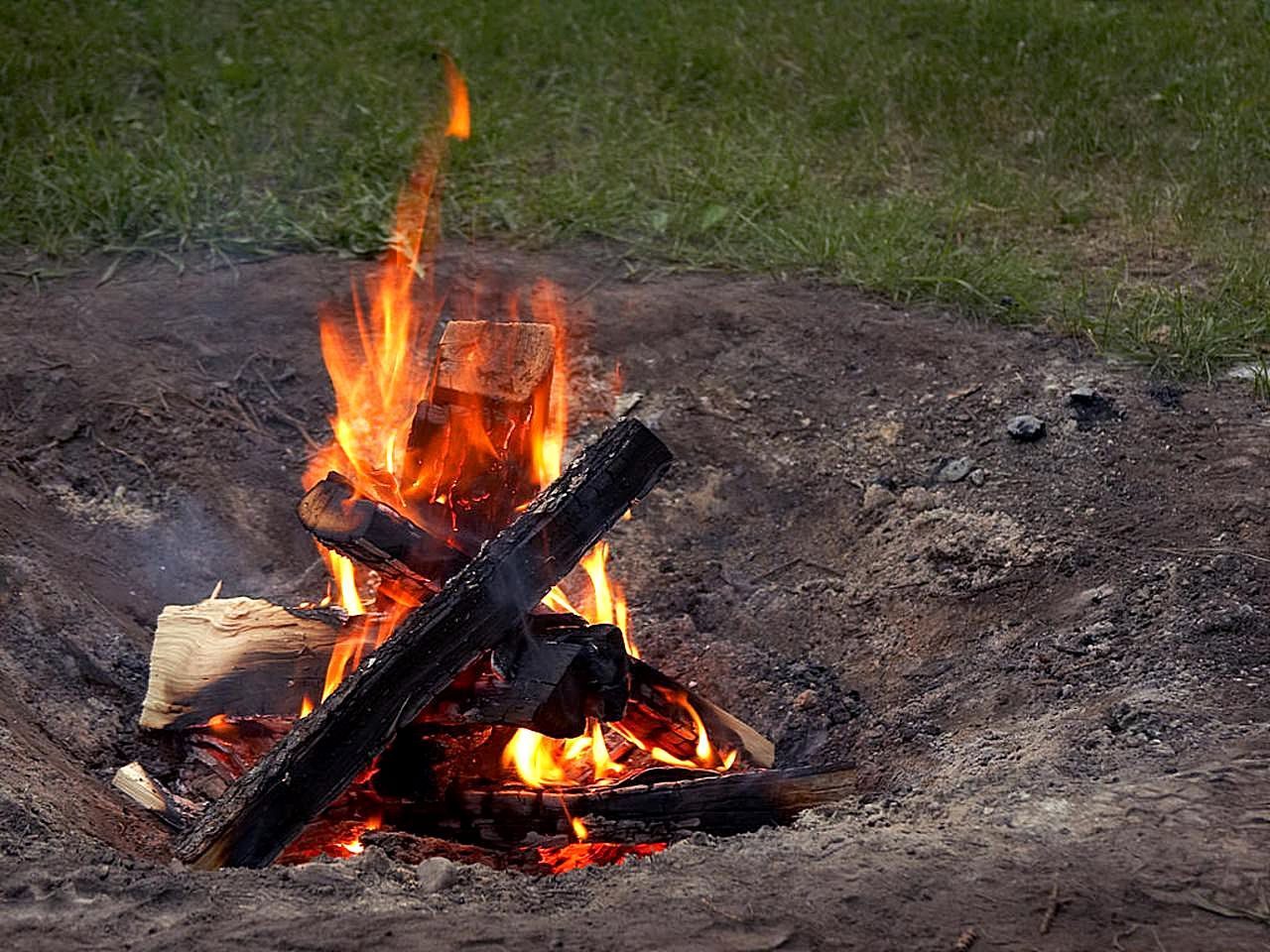
燃烧木头是放热的,把热释放到周围环境
Telling them apart
- Exothermic: surroundings warm up; products at lower energy than reactants.
- Endothermic: surroundings cool down; products at higher energy than reactants.
Exothermic = exits (releases) energy; endothermic = enters (absorbs). A quick check: if the beaker gets hot, energy is leaving the reaction (exothermic); if it gets cold, energy is being taken in (endothermic).
An exothermic reaction warms the surroundings; an endothermic reaction cools them
区分它们
- 放热:周围环境变暖;产物在比反应物更低的能量。
- 吸热:周围环境变冷;产物在比反应物更高的能量。
放热 = 退出(释放)能量;吸热 = 进入(吸收)。 一个快速检查:如果烧杯变热,能量正在离开反应(放热);如果它变冷,能量正在被吸入(吸热)。

一个放热反应温暖周围环境;一个吸热反应冷却它们
You've got it
- exothermic reactions release energy (surroundings get hotter; products lower energy)
- endothermic reactions absorb energy (surroundings get colder; products higher energy)
- combustion is exothermic; thermal decomposition is endothermic
你掌握了
- 放热反应释放能量(周围环境变得更热;产物更低能量)
- 吸热反应吸收能量(周围环境变得更冷;产物更高能量)
- 燃烧是放热;热分解是吸热