Simple molecules and covalent bonds · 简单分子与共价键
| English | 中文 | Pinyin · 拼音 |
|---|---|---|
| covalent bond/ˈkəʊvələnt bɒnd/ | 共价键 | gòng jià jiàn |
| molecules/ˈmɒlɪkjuːlz/ | 分子 | fèn zǐ |
| simple molecular/ˈsɪmpl məˈlekjʊlə/ | 简单分子 | jiǎn dān fèn zǐ |
Sharing, not giving
- Two non-metals can't both grab electrons — so instead they share them.
- Shared pairs of electrons form covalent bonds 共价键, holding atoms together in molecules 分子.
共享,不是给出
- 两个非金属不能都抢电子——所以它们改为共享它们。
- 共享的电子对形成共价键(covalent bonds),把原子凝聚在分子中。
A covalent bond is: · 一个共价键是:
Covalent bonding shares electrons. · 共价键合共享电子。
In a covalent bond, atoms ______ a pair of electrons. · 在一个共价键中,原子______一对电子。
Sharing lets both atoms fill their outer shells. · 共享让两个原子填满它们的外层。
Covalent bonds
- A covalent bond is a shared pair of electrons between two atoms.
- Sharing lets both atoms reach a full outer shell.
A model of a water molecule: atoms share electrons in covalent bonds
共价键
- 一个共价键是两个原子之间的一个共享电子对。
- 共享让两个原子都达到一个满的外层。
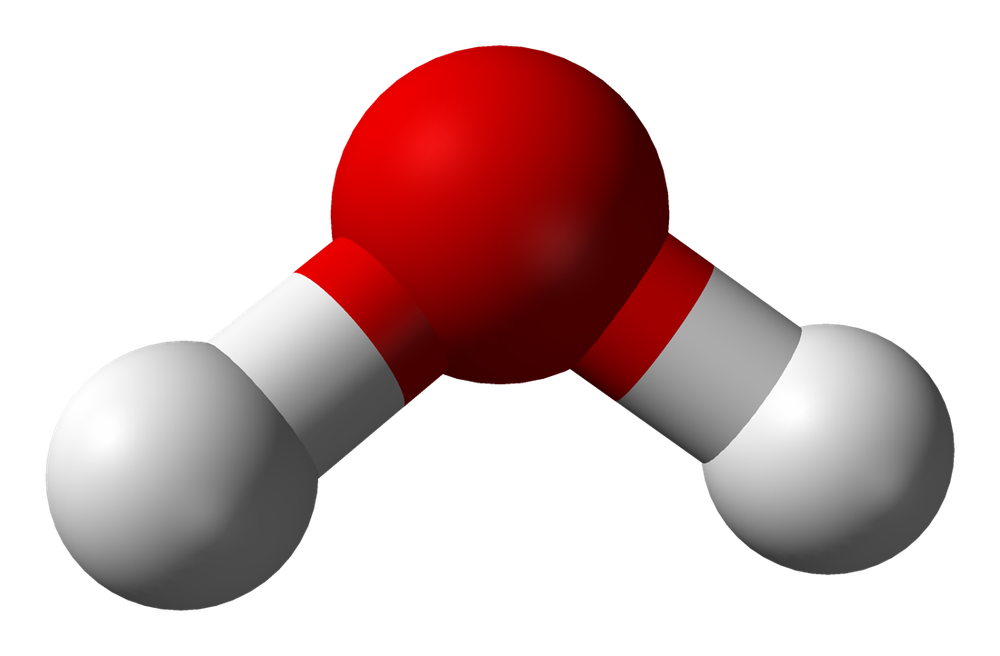
一个水分子的模型:原子在共价键中共享电子
Covalent bonding (sharing) · 共价键合(共享)
Step through it: two non-metal atoms overlap and share a pair of electrons — counting for both — so each reaches a full outer shell. That shared pair is the covalent bond; O₂ shares two pairs (a double bond). · 逐步看:两个非金属原子重叠并共享一对电子——对两者都算——所以每个达到一个满的外层。那个共享对是共价键;O₂ 共享两对(一个双键)。
Which is a simple molecule? · 哪个是一个简单分子?
CO₂ is a small covalent molecule. · CO₂ 是一个小的共价分子。
Match each idea about simple molecules. · 配对每个关于简单分子的想法。
Strong covalent bonds hold atoms inside a molecule, but only weak forces act between molecules. · 强的共价键把原子凝聚在一个分子内部,但只有弱的力作用在分子之间。
Simple molecules
- Simple molecular 简单分子 substances are small molecules (e.g. H₂O, CO₂, O₂).
- The bonds inside each molecule are strong, but the forces between molecules are weak.
简单分子
- 简单分子物质是小分子(例如 H₂O、CO₂、O₂)。
- 每个分子内部的键是强的,但分子之间的力是弱的。
Why a molecule has its shape · 为什么一个分子有它的形状
Shared electron pairs repel one another and spread out as far apart as they can. Four bonding pairs and no lone pairs gives a tetrahedral shape, like methane (CH4). · 共享的电子对互相排斥并尽可能远地散开。四个成键对和没有孤对给出一个四面体形状,像甲烷(CH4)。
Simple molecular substances have low melting points because: · 简单分子物质有低熔点,因为:
Only the weak intermolecular forces need breaking. · 只有弱的分子间力需要打破。
Simple molecular substances do not conduct electricity because they have: · 简单分子物质不导电,因为它们有:
No charged particles are free to move. · 没有带电粒子能自由移动。
Their properties
- Low melting and boiling points — only the weak forces between molecules need breaking.
- They don't conduct electricity (no free electrons or ions).
It's the weak forces between molecules that melt easily — not the bonds. The covalent bonds inside a molecule are strong; melting only separates the molecules, breaking the weak forces between them. That's why simple molecules melt at low temperatures.
它们的性质
- 低熔点和沸点——只有分子之间的弱力需要打破。
- 它们不导电(没有自由电子或离子)。
是分子之间容易熔化的弱力——不是键。 一个分子内部的共价键是强的;熔化只分离分子,打破它们之间的弱力。那就是为什么简单分子在低温熔化。
You've got it
- a covalent bond is a shared pair of electrons (lets atoms fill their outer shells)
- simple molecules have strong internal bonds but weak forces between molecules
- so they have low melting points and don't conduct electricity
你掌握了
- 一个共价键是一个共享电子对(让原子填满它们的外层)
- 简单分子有强的内部键但之间弱的力
- 所以它们有低熔点且不导电