Location decisions · 选址决策
| English | 中文 | Pinyin · 拼音 |
|---|---|---|
| location/ləʊˈkeɪʃn/ | 选址 | xuǎn zhǐ |
| transport links/ˈtrænspɔːt lɪŋks/ | 交通连接 | jiāo tōng lián jiē |
| incentives/ɪnˈsentɪvz/ | 激励 | jī lì |
| footfall/ˈfʊtfɔːl/ | 客流量 | kè liú liàng |
| raw materials/rɔː məˈtɪərɪəlz/ | 原材料 | yuán cái liào |
| relocate/rɪləʊˈkeɪt/ | 迁址 | qiān zhǐ |
Where to set up
- Two identical shops can succeed or fail purely on where they are.
- Choosing a location 选址 is one of the biggest decisions a business makes.
在哪里设立
- 两家完全相同的商店能纯粹因为它们在哪里而成功或失败。
- 选择一个位置(location)是一个企业做出的最大决定之一。
Location factor lab · 选址因素实验室
Classify why a business chooses one site over another. · 分类说明企业为何选择某一地点而非另一地点。
For a high-street shop, the most important location factor is usually: · 对于临街店铺,最重要的选址因素通常是:
Shops need footfall — closeness to customers. · 店铺需要客流量——靠近客户。
Which are location factors? (Select all that apply.) · 哪些是选址因素?(选择所有适用项。)
Transport, costs and incentives matter; the last does not. · 交通、成本和激励因素重要;最后一项不重要。
A retailer wants a location with high customer ______ (number of people passing). · 零售商想要一个具有高客户______(经过人数)的地点。
Footfall is the flow of potential customers past a shop. · 客流量是指经过商店的潜在顾客流。
Factors affecting location
- Closeness to customers (vital for shops and services).
- Closeness to materials (for heavy or perishable inputs).
- Costs of land and labour, transport links 交通连接, and government incentives 激励.
A distribution centre: where a business locates affects its costs and service
影响选址的因素
- 靠近顾客(对商店和服务至关重要)。
- 靠近材料(对沉重或易腐的投入)。
- 土地和劳动的成本、运输连接,以及政府激励。
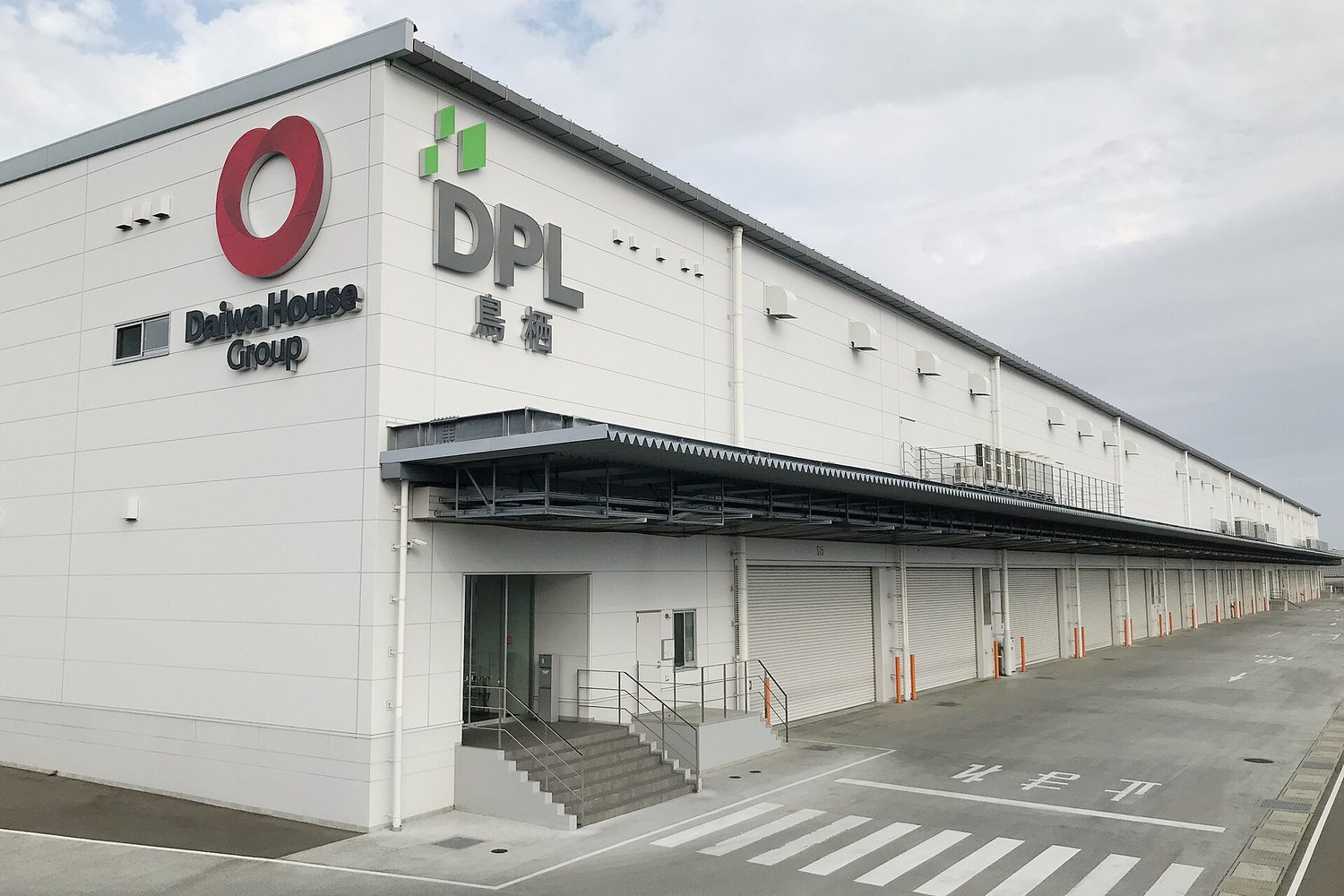
一个配送中心:一个企业选址在哪里影响它的成本和服务
A heavy manufacturer is most likely to locate near: · 重制造商最可能选址于:
Factories often locate near materials and transport to cut costs. · 工厂常选址于材料和运输附近以降低成本。
Different businesses, different needs
- A shop needs to be near its customers (high footfall 客流量).
- A factory may locate near raw materials 原材料, transport or cheap land.
Worked example. A coffee shop chooses a busy high street (near customers); a steel plant locates near a port and iron ore (near materials and transport). The best location depends on the business.
不同的企业,不同的需要
- 一家商店需要靠近它的顾客(高客流量)。
- 一个工厂可能选址靠近原材料、运输或便宜的土地。
例题。 一家咖啡店选择一条繁忙的商业街(靠近顾客);一家钢铁厂选址靠近一个港口和铁矿石(靠近材料和运输)。最好的位置取决于企业。
Relocating abroad can cut costs but adds risks of distance and control. · 海外 relocation 可降低成本,但增加了距离和控制的风险。
Offshoring trades savings for added complexity. · 外包用节省换取了增加的复杂性。
Location and the wider world
- Some businesses relocate 迁址 abroad to cut costs or reach new markets.
- This brings savings but also risks of distance, culture and control.
There is no single best location. It depends entirely on the type of business. Always link the location factors to the specific firm — a retailer and a factory want very different things.
选址与更广阔的世界
- 一些企业迁移到国外以削减成本或接触新市场。
- 这带来节省,但也有距离、文化和控制的风险。
没有单一的最佳位置。 它完全取决于企业的类型。总是把选址因素与具体的公司联系起来——一个零售商和一个工厂想要非常不同的东西。
You've got it
- location factors: closeness to customers/materials, costs, transport, incentives
- a shop locates near customers; a factory near materials/transport
- some firms relocate abroad for lower costs, accepting distance/control risks
你掌握了
- 选址因素:靠近顾客/材料、成本、运输、激励
- 一家商店选址靠近顾客;一个工厂靠近材料/运输
- 一些公司迁移到国外以求更低成本,接受距离/控制风险