Relationship between countries · 国家间关系
| English | 中文 | Pinyin · 拼音 |
|---|---|---|
| aid/eɪd/ | 援助 | yuán zhù |
| debt/det/ | 债务 | zhài wù |
| dependence/dɪˈpendəns/ | 依赖 | yī lài |
| foreign direct investment/ˈfɒrən daɪˈrekt ɪnˈvestmənt/ | 外国直接投资 | wài guó zhí jiē tóu zī |
| multinationals/ˌmʌltɪˈnæʃənlz/ | 跨国公司 | kuà guó gōng sī |
| tied aid/taɪd eɪd/ | 附带条件援助 | fù dài tiáo jiàn yuán zhù |
How countries help — and hinder — each other
- No economy develops alone. Trade, aid 援助, debt 债务 and foreign investment all link rich and poor countries, for better and worse.
- These relationships can speed development — or entrench dependence 依赖.
国家如何互相帮助——和阻碍
- 没有经济体独自发展。贸易、援助、债务和外国投资都连接富国和穷国,无论好坏。
- 这些关系能加速发展——或加深依赖。
Economics case lab · 经济学案例实验室
Classify real examples by the economic idea they show. · 根据所展示的经济学概念对真实案例进行分类。
Foreign direct investment by multinationals can bring a developing country: · 跨国公司的对外直接投资可以为发展中国家带来:
FDI brings capital, employment and know-how — though profits may flow abroad. · FDI带来资本、就业和专业知识——尽管利润可能流向国外。
Trade and investment
- Trade lets developing countries specialise and earn foreign exchange — but reliance on a few primary exports is risky.
- Foreign direct investment 外国直接投资 (FDI) by multinationals 跨国公司 brings capital, jobs and technology — but profits may flow abroad and bargaining power is uneven.
Countries trade, invest and lend across borders — global trade through a container port
贸易与投资
- 贸易让发展中国家专业化并赚取外汇——但对少数初级出口的依赖是冒险的。
- 多国公司(multinationals)的外国直接投资(foreign direct investment,FDI)带来资本、工作和技术——但利润可能流向国外且议价能力不均衡。
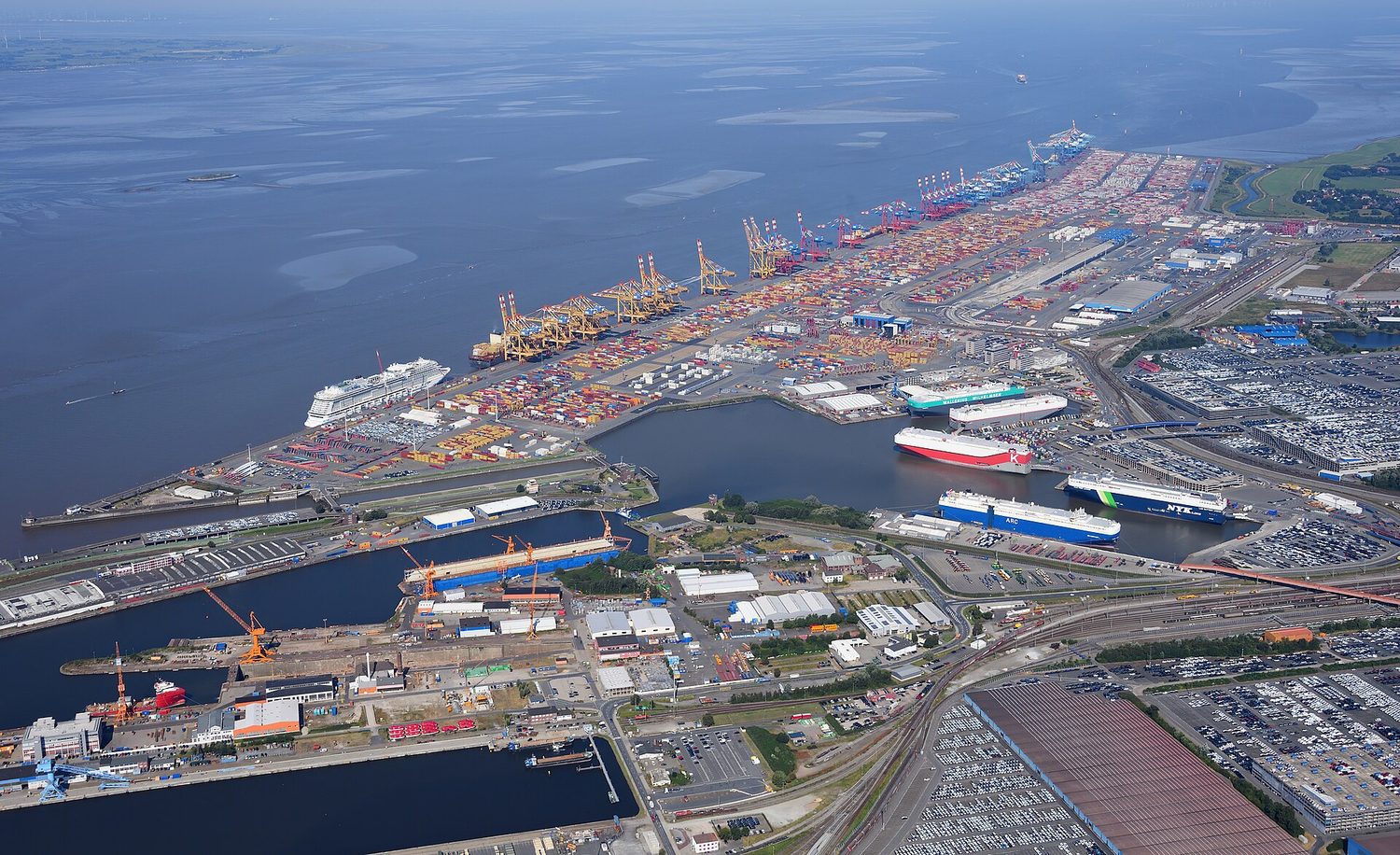
各国跨境进行贸易、投资和借贷——通过集装箱港口的全球贸易
A drawback of aid is that it can: · 援助的一个缺点是它可能导致:
Aid can foster dependence and may be "tied" to the donor's interests. · 援助可能滋生依赖性,且可能被“绑定”于捐助国的利益。
High debt repayments can divert a developing country's money away from health and education. · 高额债务偿还会将发展中国家的资金从医疗和教育领域转移出去。
Servicing large debts crowds out spending on development priorities. · 偿还大额债务会挤占对发展优先事项的支出。
Aid that must be spent on the donor's own goods is called ______ aid. · 必须用于购买捐助国自身商品的援助被称为______援助。
Tied aid benefits the donor and limits the recipient's choice. · 捆绑式援助有利于捐助国,并限制了受援国的选择。
Aid and debt
- Aid (grants and loans) can fund investment and relief — but can create dependence or come with strings attached.
- Debt can finance development, but high repayments can trap a country, diverting money from health and education.
Tied aid 附带条件援助. Aid that must be spent on the donor's goods/services ("tied aid") helps the donor's firms and limits the recipient's choice — less effective than untied aid.
援助与债务
- 援助(aid,赠款和贷款)能为投资和救济提供资金——但能制造依赖或附带条件。
- 债务(debt)能为发展融资,但高偿还能困住一个国家,把钱从健康和教育转移走。
附带条件的援助。 必须花在捐助者商品/服务上的援助("附带援助")帮助捐助者的企业并限制接受者的选择——比不附带的援助效果更差。
Match each relationship to a benefit or risk. · 将每种关系与相应的益处或风险进行匹配。
Each link is double-edged depending on its terms. · 每种联系都是双刃剑,取决于其条款。
The balance
- These relationships are double-edged: trade, FDI, aid and borrowing can all accelerate development or deepen dependence, depending on the terms.
平衡
- 这些关系是双刃的:贸易、FDI、援助和借款都能加速发展或加深依赖,取决于条款。
You've got it
- trade and FDI (multinationals) bring exchange, capital, jobs and tech — but with risks
- aid can fund development but risks dependence; debt can finance or trap a country
- each relationship is double-edged — the terms decide whether it helps or hinders
你掌握了
- 贸易和 FDI(多国公司)带来外汇、资本、工作和技术——但带有风险
- 援助能为发展融资但有依赖风险;债务能为一个国家融资或困住它
- 每个关系都是双刃的——条款决定它帮助还是阻碍