Globalisation · 全球化
| English | 中文 | Pinyin · 拼音 |
|---|---|---|
| globalisation/ˌɡləʊbəlaɪˈzeɪʃn/ | 全球化 | quán qiú huà |
| trade liberalisation/treɪd ˌlɪbərəlaɪˈzeɪʃn/ | 贸易自由化 | mào yì zì yóu huà |
| multinational corporations/ˌmʌltɪˈnæʃənl ˌkɔːpəˈreɪʃnz/ | 跨国公司 | kuà guó gōng sī |
| supply chains/səˈplaɪ tʃeɪnz/ | 供应链 | gōng yìng liàn |
| technology transfer/tekˈnɒlədʒi ˈtrænsfɜː/ | 技术转移 | jì shù zhuǎn yí |
| inequality/ɪniːˈkwɒlɪti/ | 不平等 | bù píng děng |
The shrinking world
- A phone designed in California, made in China from Korean chips, sold in Nigeria — that's globalisation 全球化: the deepening integration of the world's economies.
- It has lifted millions out of poverty and stirred fierce debate in equal measure.
缩小的世界
- 一部在加州设计、在中国用韩国芯片制造、在尼日利亚销售的手机——那就是全球化(globalisation):世界各经济体日益加深的一体化。
- 它把数百万人脱离贫困,也同样激起激烈的辩论。
Open economy lab · 开放经济实验室
See how trade or exchange-rate pressure changes domestic outcomes. · 观察贸易或汇率压力如何改变国内结果。
Which is a key driver of globalisation? · 哪项是全球化的关键驱动力?
Cheaper transport/communication, trade liberalisation and MNCs drive integration. · 更廉价的运输/通信、贸易自由化和跨国公司是推动一体化的力量。
Large firms operating across many countries, central to globalisation, are ______ corporations. · 在许多国家运营的大型企业,作为全球化的核心,是______公司。
Multinational corporations (MNCs) drive global supply chains. · 跨国公司(MNCs)驱动着全球供应链。
What drives it
- Falling transport and communication costs (containers, the internet),
- trade liberalisation 贸易自由化 (lower tariffs, trade agreements),
- the rise of multinational corporations 跨国公司 and global supply chains 供应链.
Globalisation: falling trade and transport costs tie national economies together
什么驱动它
- 下降的运输和通信成本(集装箱、互联网),
- 贸易自由化(更低的关税、贸易协定),
- 多国公司(multinational corporations)和全球供应链的崛起。
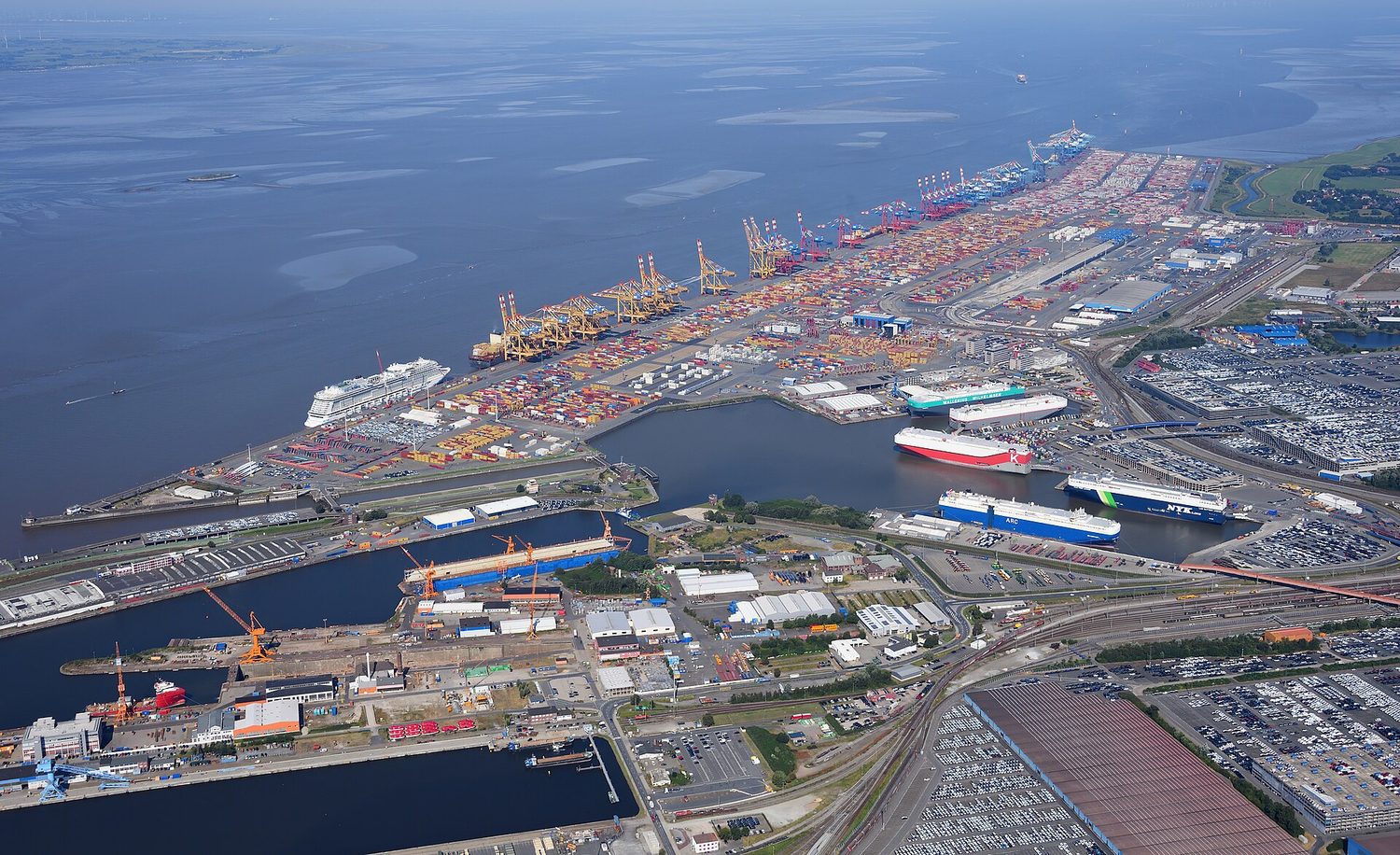
全球化:下降的贸易和运输成本把各国经济捆绑在一起
A benefit of globalisation is: · 全球化的一个好处是:
It lowers prices, widens markets, transfers technology and has cut poverty in places. · 它降低了价格,扩大了市场,转移了技术,并在某些地区减少了贫困。
Globalisation can cause job losses in industries that cannot compete internationally. · 全球化可能导致无法在国际竞争中生存的行业出现失业。
Uncompetitive domestic industries may shrink — a real cost of openness. · 缺乏竞争力的国内产业可能会萎缩——这是开放的真实代价。
Classify each effect of globalisation. · 对全球化的每项影响进行分类。
Globalisation brings both gains and losses — hence the debate. · 全球化既带来收益也带来损失——因此引发了争议。
Winners and losers
- Benefits: cheaper goods, access to bigger markets, technology transfer 技术转移, and millions lifted from poverty (e.g. East Asia).
- Costs: job losses in uncompetitive industries, widening inequality 不平等, environmental strain, and loss of cultural diversity.
Both at once. Globalisation cut consumer prices and grew developing-country exports, and hollowed out some manufacturing regions in rich countries — which is why the politics are so contested.
赢家与输家
- 利益:更便宜的商品、进入更大市场的途径、技术转移,以及数百万人脱离贫困(例如东亚)。
- 成本:无竞争力产业的工作损失、扩大的不平等、环境压力和文化多样性的丧失。
两者同时。 全球化削减了消费者价格并增长了发展中国家的出口,并且掏空了富国一些制造业地区——这就是为什么政治如此有争议。
The debate
- The question isn't whether to globalise but how: managing the losers (retraining, safety nets), the environment, and fair terms — so the gains are shared.
辩论
- 问题不是是否全球化,而是如何:管理输家(再培训、安全网)、环境和公平条款——这样收益被分享。
You've got it
- globalisation = deepening integration of economies (trade, finance, supply chains)
- driven by lower transport/communication costs, trade liberalisation, multinationals
- it has winners and losers — cheaper goods + poverty reduction vs job losses + inequality
你掌握了
- 全球化 = 各经济体日益加深的一体化(贸易、金融、供应链)
- 由更低的运输/通信成本、贸易自由化、多国公司驱动
- 它有赢家和输家——更便宜的商品 + 减贫 对 工作损失 + 不平等