Phenylamine and azo compounds · 苯胺和偶氮化合物
| English | 中文 | Pinyin · 拼音 |
|---|---|---|
| phenylamine/ˌfiːˈnaɪləmiːn/ | 苯胺 | běn àn |
| basicity/beɪˈsɪsɪti/ | 碱性 | jiǎn xìng |
| diazonium salt/ˌdaɪəˈzəʊnɪəm sɒlt/ | 重氮盐 | zhòng dàn yán |
| azo dye/ˈɑːzəʊ daɪ/ | 偶氮染料 | ǒu dàn rǎn liào |
| azo compound/ˈɑːzəʊ ˈkɒmpaʊnd/ | 偶氮化合物 | ǒu dàn huà hé wù |
Colour from the ring
- Phenylamine 苯胺 has an –NH₂ joined to a benzene ring.
- This affects both its basicity 碱性 and its ring chemistry.
- Its diazonium salt 重氮盐 makes brightly coloured azo dyes 偶氮染料.
来自环的颜色
- 苯胺(phenylamine)有一个 –NH₂ 连接到一个苯环。
- 这影响它的碱性和它的环化学两者。
- 它的重氮盐制造鲜艳着色的偶氮染料。
Phenylamine to azo dye route · 苯胺到偶氮染料途径
Follow phenylamine from diazotisation to coloured azo compound. · 跟随苯胺从重氮化到有色偶氮化合物。
Phenylamine can be used to make azo dyes via a diazonium salt. · 苯胺可以通过一个重氮盐用来制造偶氮染料。
Azo compounds are brightly coloured. · 偶氮化合物鲜艳着色。
Making and reacting
- Make it: nitrate benzene → nitrobenzene, then reduce (hot Sn / conc. HCl, then NaOH) → phenylamine.
- with bromine water (RT) → 2,4,6-tribromophenylamine (white precipitate) — the ring is activated.
- with HNO₂ (below 10 °C) → a diazonium salt; warming with water → phenol.
Methyl orange, a bright orange azo dye; its strong colour comes from the -N=N- azo group, which is why azo compounds 偶氮化合物 are widely used as dyes
制造和反应
- 制造它:硝化苯 → 硝基苯,然后还原(热 Sn / 浓 HCl,然后 NaOH)→ 苯胺。
- 与溴水(室温)→ 2,4,6-三溴苯胺(白色沉淀)——环被活化。
- 与 HNO₂(低于 10 °C)→ 一个重氮盐;与水加热 → 苯酚。
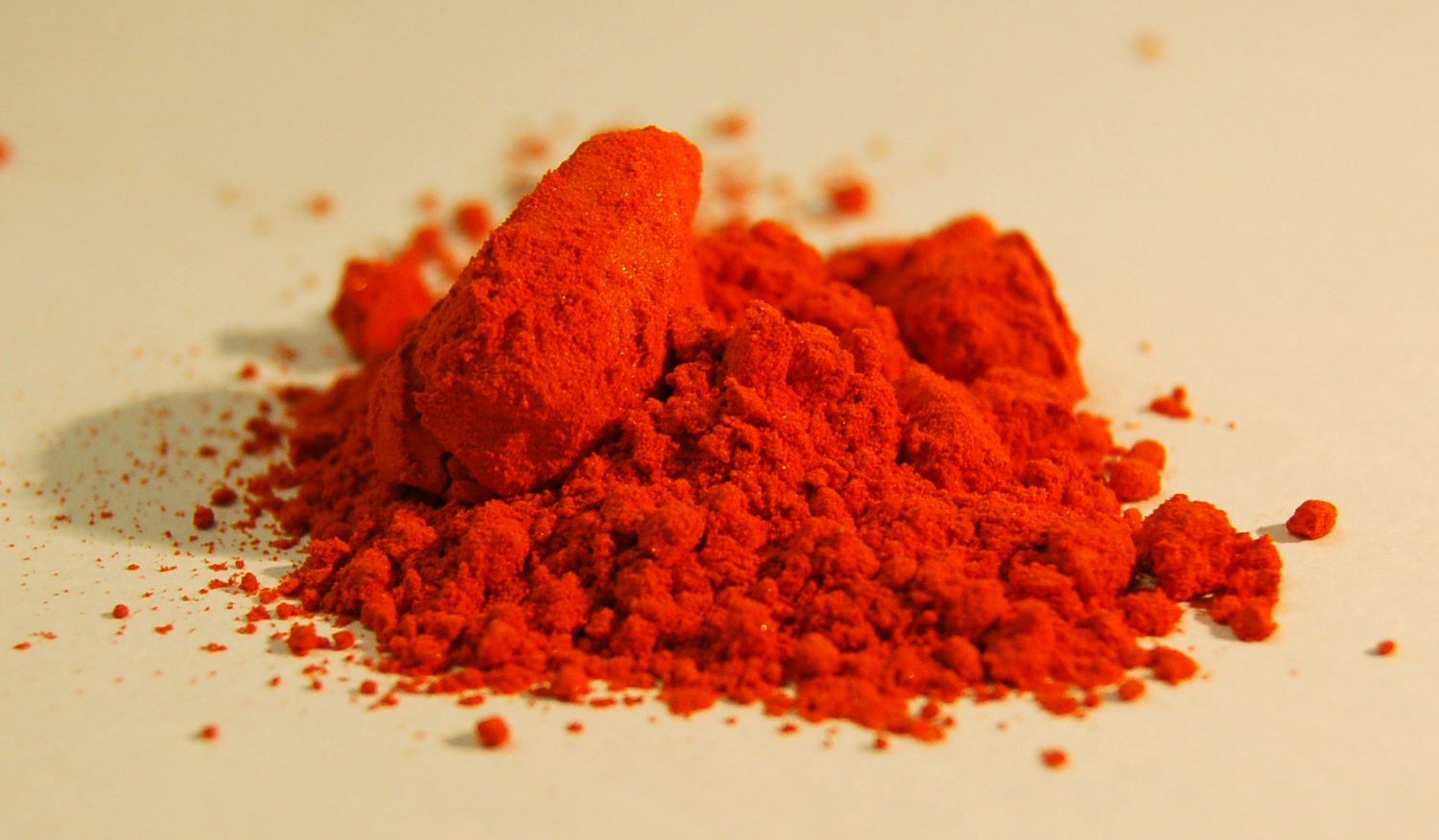
甲基橙,一种鲜橙色偶氮染料;它强烈的颜色来自 -N=N- 偶氮基团,这就是为什么偶氮化合物广泛用作染料
Phenylamine is made from benzene by: · 苯胺从苯通过以下方式制造:
Benzene → nitrobenzene (nitration) → phenylamine (reduction with tin and acid, then NaOH). · 苯 → 硝基苯(硝化)→ 苯胺(用锡和酸还原,然后 NaOH)。
Match each term to its meaning. · 匹配每个术语和它的含义。
Each item links the term to its correct meaning. · 每一项把术语链接到它正确的含义。
Basicity and azo dyes
- ethylamine is the strongest (its alkyl group pushes electrons onto N); phenylamine is the weakest (its lone pair is delocalised into the ring).
- a diazonium salt couples with phenol (in NaOH) → an azo compound (the –N=N– group) — brightly coloured dyes.
碱性和偶氮染料
- 乙胺最强(它的烷基把电子推到 N 上);苯胺最弱(它的孤对电子离域到环中)。
- 一个重氮盐与苯酚(在 NaOH 中)偶联 → 一个偶氮化合物(–N=N– 基团)——鲜艳着色的染料。
The order of basicity is: · 碱性顺序是:
Ethylamine's alkyl group makes its lone pair most available; phenylamine's lone pair is delocalised into the ring, so it is weakest. · 乙胺的烷基使它的孤对电子最可用;苯胺的孤对电子离域到环中,所以它最弱。
Phenylamine is the weakest base because its nitrogen lone pair is: · 苯胺是最弱的碱,因为它的氮孤对电子:
Delocalisation into the ring means the lone pair is less available to accept H⁺. · 离域到环中意味着孤对电子更不可用来接受 H⁺。
An azo compound is formed when a diazonium salt couples with phenol; it contains the: · 当一个重氮盐与苯酚偶联时形成一个偶氮化合物;它含有:
The –N=N– azo group gives strong colours, which is why azo compounds are used as dyes. · –N=N– 偶氮基团给出强烈的颜色,这就是为什么偶氮化合物用作染料。
Making azo dyes
- Phenylamine forms a diazonium salt at low temperature, which couples to give azo dyes.
- Azo compounds are intensely coloured and widely used as dyes.
制造偶氮染料
- 苯胺在低温下形成一个重氮盐,它偶联以给出偶氮染料。
- 偶氮化合物强烈着色并广泛用作染料。
You've got it
- phenylamine = –NH₂ on a benzene ring; made by nitrating then reducing benzene
- basicity: phenylamine < ammonia < ethylamine (ring pulls the lone pair away; alkyl pushes it in)
- diazonium salt + phenol → azo compound (–N=N–), used as dyes
你掌握了
- 苯胺 = 一个苯环上的 –NH₂;通过硝化然后还原苯制造
- 碱性:phenylamine < ammonia < ethylamine(环把孤对电子拉走;烷基把它推入)
- 重氮盐 + 苯酚 → 偶氮化合物(–N=N–),用作染料