การทำลายแหล่งอาศัย
คำศัพท์
| English | ไทย |
|---|---|
| habitats/ˈhæbɪtæts/ | ถิ่นที่อยู่ |
| habitat destruction/ˈhæbɪtæt dɪˈstrʌkʃn/ | habitat destruction |
| biodiversity/ˌbaɪəʊdaɪˈvɜːsɪti/ | ความหลากหลายทางชีวภาพ |
| deforestation/diːˌfɒrɪˈsteɪʃn/ | การตัดไม้ทำลายป่า |
| soil erosion/sɔɪl ɪˈrəʊʒn/ | การกัดเซาะของดิน |
| extinct/ekˈstɪŋkt/ | extinct |
English
Losing the living world
- As humans take more land for farms, cities and roads, wild habitats 栖息地 disappear.
- This habitat destruction 栖息地破坏 is a major threat to biodiversity 生物多样性.
สำรวจ
ลำดับเหตุการณ์การทำลายแหล่งอาศัย
ดูว่าการกำจัดแหล่งอาศัยก่อให้เกิดผลกระทบเชิงนิเวศอย่างไร
ฝึกฝน
การตัดไม้ทำลายป่าคือ:
การตัดไม้ทำลายป่ากำจัดป่า
ฝึกฝน
การทำลายแหล่งอาศัยลด:
ลดความหลากหลายของสิ่งมีชีวิต
English
What is lost
- Deforestation 森林砍伐 clears forests for timber, farming and building.
- It destroys habitats, reduces biodiversity, and threatens species with extinction.
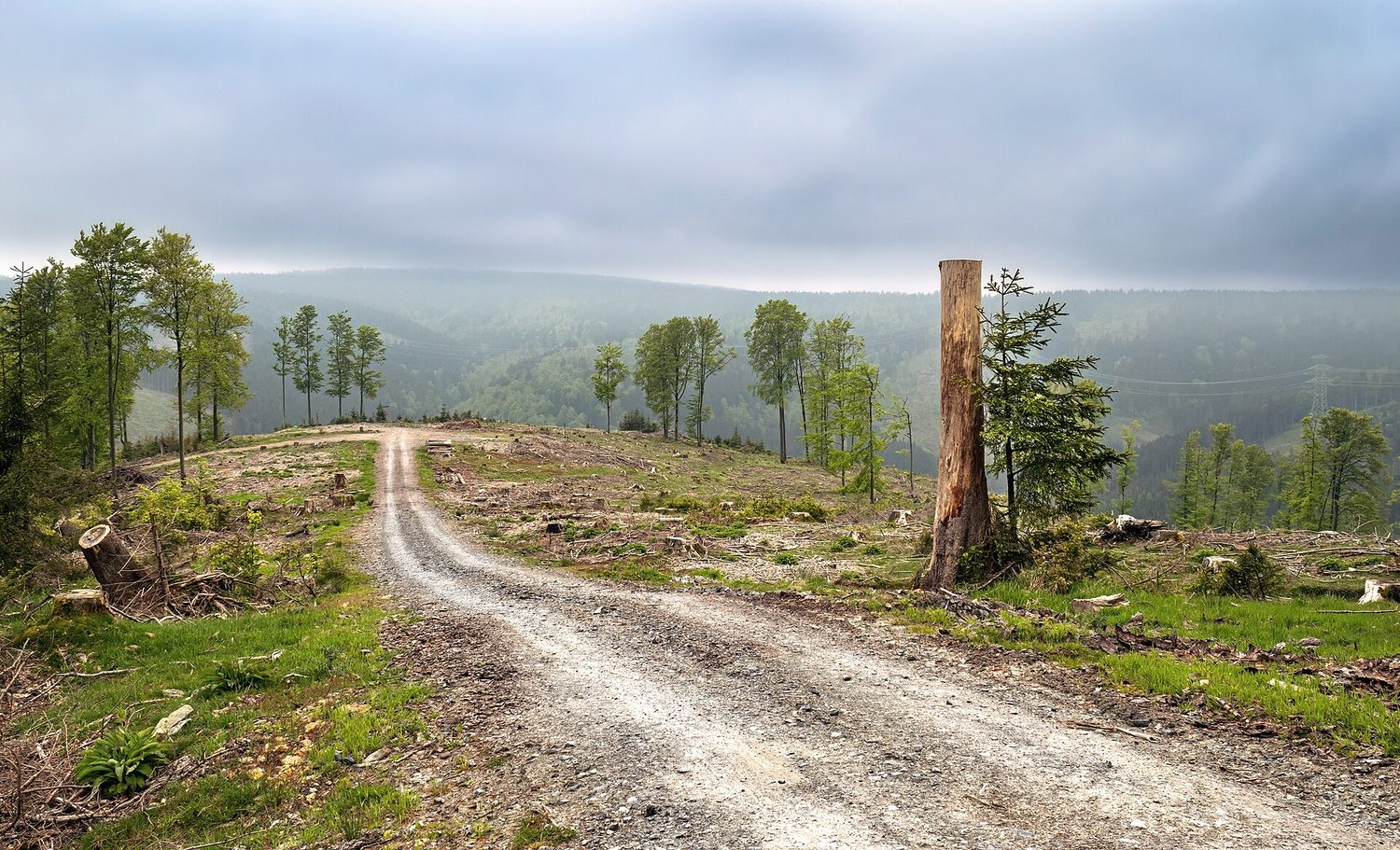
Clearing forest destroys habitats and reduces biodiversity
ฝึกฝน
อะไรเป็นผลจากการตัดไม้ทำลายป่า? (เลือกทุกข้อที่ถูกต้อง)
การตัดไม้ทำลายป่าลดความหลากหลายทางชีวภาพ ไม่ใช่เพิ่ม
English
Wider effects of deforestation
- Fewer trees means less photosynthesis, so more carbon dioxide stays in the air.
- It also causes soil erosion 土壤侵蚀 and disturbs the water cycle.
ฝึกฝน
เมื่อสปีชีส์สูญพันธุ์แล้ว จะไม่สามารถคืนกลับมาได้
การสูญพันธุ์เป็นสิ่งที่ถาวร
ฝึกฝน
ความหลากหลายของสปีชีส์ที่แตกต่างกันในพื้นที่เรียกว่า ______
ความหลากหลายทางชีวภาพสูงช่วยให้ระบบนิเวศมั่นคง
English
Why habitats matter
- Biodiversity keeps ecosystems stable and provides food, medicines and resources.
- Once a species is extinct 灭绝的, it is gone forever.
Watch out
Extinction is permanent. Habitat destruction can wipe out species we depend on — for food, medicine or a stable ecosystem — and unlike a damaged habitat, an extinct species can never be brought back.
English
You've got it
Key idea
- habitat destruction (e.g. deforestation) reduces biodiversity and causes extinction
- it lowers photosynthesis (more CO₂), erodes soil, and disturbs the water cycle
- biodiversity keeps ecosystems stable; extinction is permanent