English
| Core | Supplement |
|---|---|
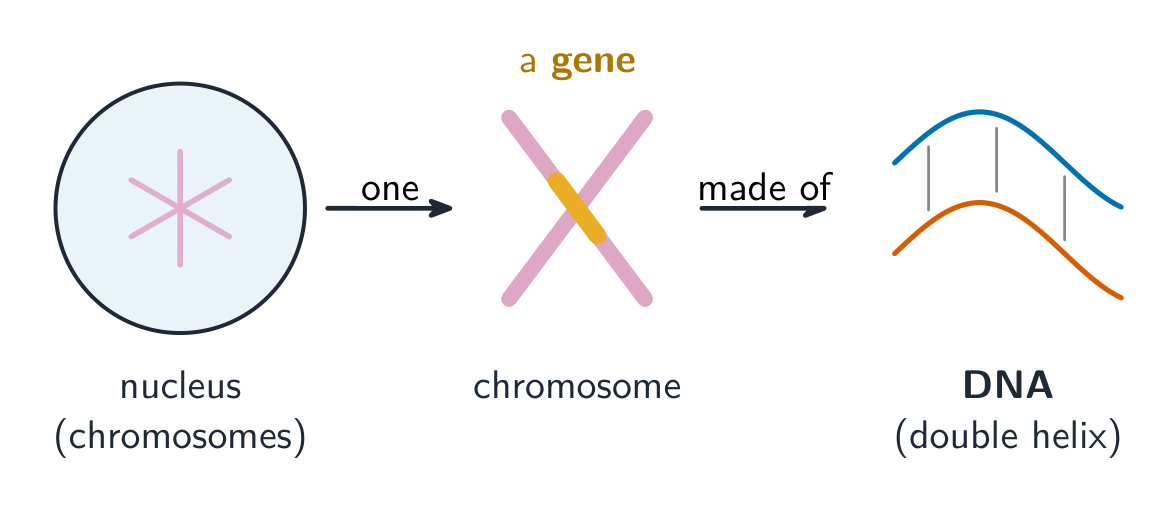
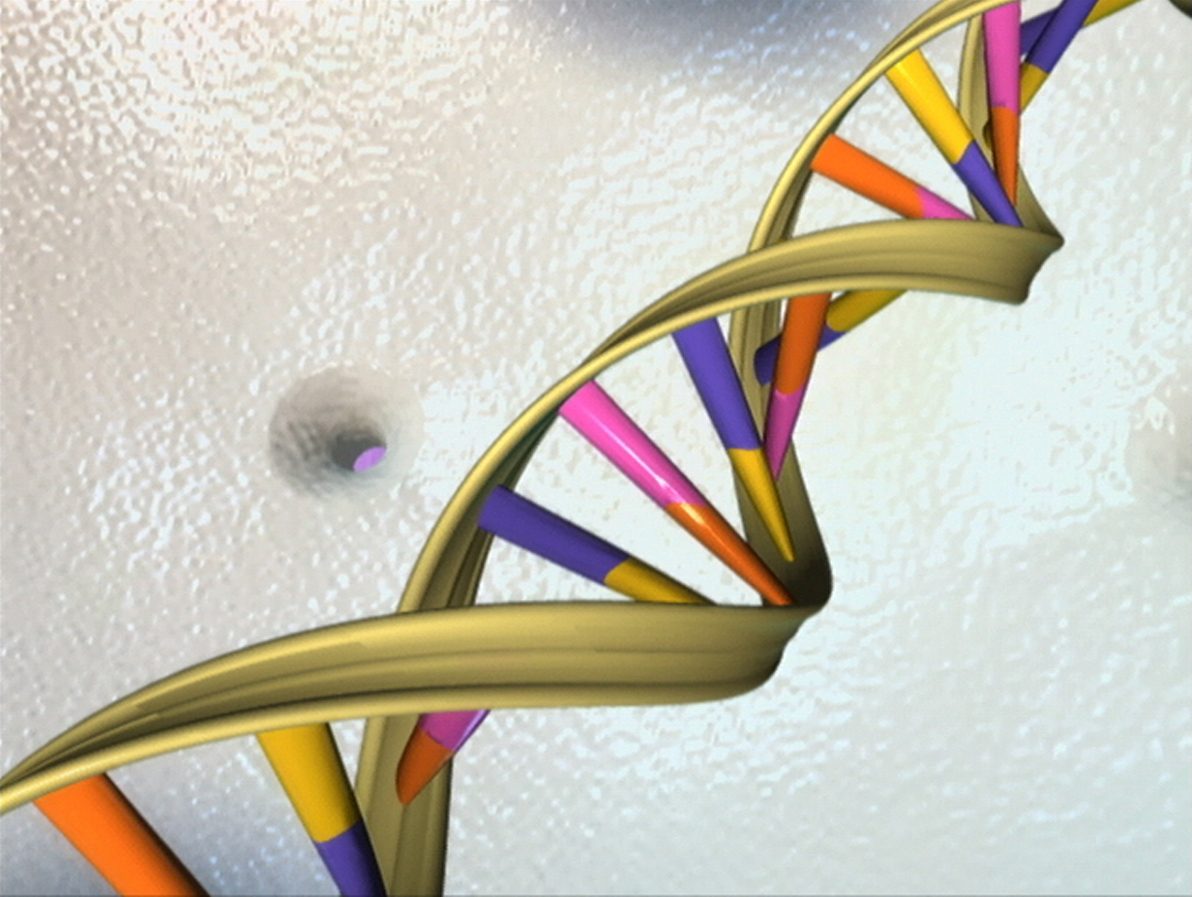
| 1 State that chromosomes are made of DNA, which contains genetic information in the form of genes | |
| 2 Define a gene as a length of DNA that codes for a protein | |
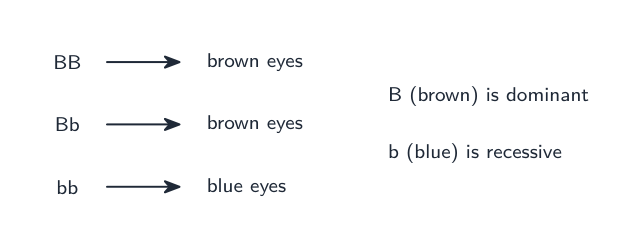
| 3 Define an allele as an alternative form of a gene | |
| 4 Describe the inheritance of sex in humans with reference to X and Y chromosomes | |
| 5 State that the sequence of bases in a gene determines the sequence of amino acids used to make a specific protein (knowledge of the details of nucleotide structure is not required) | |
| 6 Explain that different sequences of amino acids give different shapes to protein molecules | |
| 7 Explain that DNA controls cell function by controlling the production of proteins, including enzymes, membrane carriers and receptors for neurotransmitters | |
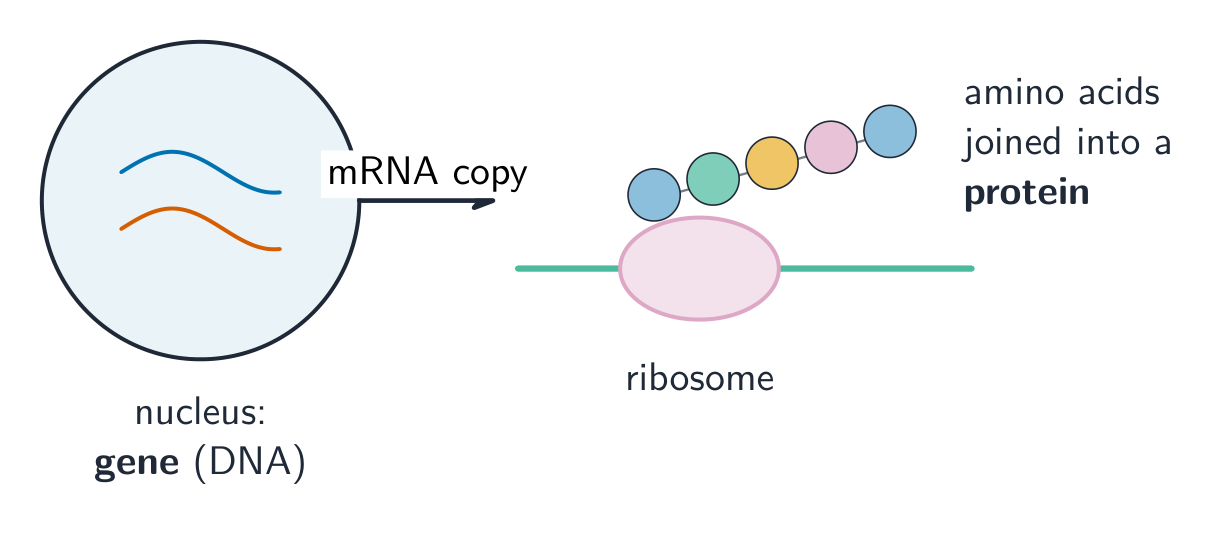
| 8 Explain how a protein is made, limited to: • the gene coding for the protein remains in the nucleus • messenger RNA (mRNA) is a copy of a gene • mRNA molecules are made in the nucleus and move to the cytoplasm • the mRNA passes through ribosomes • the ribosome assembles amino acids into protein molecules • the specific sequence of amino acids is determined by the sequence of bases in the mRNA (knowledge of the details of transcription or translation is not required) | |
| 9 Explain that most body cells in an organism contain the same genes, but many genes in a particular cell are not expressed because the cell only makes the specific proteins it needs | |
| 10 Describe a haploid nucleus as a nucleus containing a single set of chromosomes | |
| 11 Describe a diploid nucleus as a nucleus containing two sets of chromosomes | |
| 12 State that in a diploid cell, there is a pair of each type of chromosome and in a human diploid cell there are 23 pairs |
ไทย
| แก่น | เพิ่มเติม |
|---|---|
| 1 ระบุว่าโครโมโซมประกอบด้วย DNA ซึ่งมีข้อมูลทางพันธุกรรมอยู่ในรูปแบบของยีน | |
| 2 นิยามยีนว่าคือส่วนความยาวของ DNA ที่ทำหน้าที่สร้างโปรตีน | |
| 3 นิยามอัลลีลว่าเป็นรูปแบบทางเลือกหนึ่งของยีน | |
| 4 อธิบายการสืบทอดเพศในมนุษย์โดยอ้างอิงถึงโครโมโซม X และ Y | |
| 5 ระบุว่าลำดับเบสในยีนกำหนดลำดับกรดอะมิโนที่ใช้สร้างโปรตีนเฉพาะชนิดหนึ่ง (ไม่จำเป็นต้องรู้รายละเอียดโครงสร้างนิวคลีโอไทด์) | |
| 6 อธิบายว่าลำดับกรดอะมิโนที่แตกต่างกันจะทำให้โปรตีนมีรูปร่างแตกต่างกันไป | |
| 7 อธิบายว่า DNA ควบคุมการทำงานของเซลล์โดยการควบคุมการสร้างโปรตีน รวมถึงเอนไซม์ โปรตีนพาหนะบนเยื่อหุ้มเซลล์ และตัวรับสารสื่อประสาท | |
| 8 อธิบายกระบวนการสร้างโปรตีน โดยจำกัดไว้ที่: • ยีนที่ทำหน้าที่สร้างโปรตีนจะคงอยู่ในนิวเคลียส • messenger RNA (mRNA) เป็นสำเนาของยีน • โมเลกุล mRNA ถูกสร้างในนิวเคลียสและเคลื่อนที่ไปยังไซโตพลาซึม • mRNA ผ่านเข้าไปที่ไรโบโซม • ไรโบโซมประกอบกรดอะมิโนเข้าด้วยกันเป็นโมเลกุลโปรตีน • ลำดับกรดอะมิโนที่กำหนดขึ้นนั้นขึ้นอยู่กับลำดับเบสใน mRNA (ไม่จำเป็นต้องรู้รายละเอียดของการถอดรหัสหรือการแปลรหัส) | |
| 9 ระบุว่าเซลล์ในร่างกายส่วนใหญ่ของสิ่งมีชีวิตมียีนเหมือนกัน แต่ยีนจำนวนมากในเซลล์เฉพาะชนิดไม่ได้ถูกแสดงออก เนื่องจากเซลล์นั้นสร้างเพียงโปรตีนจำเพาะที่จำเป็นเท่านั้น | |
| 10 อธิบายนิวเคลียส haploid ว่าคือนิวเคลียสที่มีชุดโครโมโซมเพียงชุดเดียว | |
| 11 อธิบายนิวเคลียส diploid ว่าคือนิวเคลียสที่มีชุดโครโมโซมสองชุด | |
| 12 ระบุว่าในเซลล์ diploid จะมีคู่ของโครโมโซมแต่ละชนิด และมี 23 คู่ในเซลล์ diploid ของมนุษย์ |