Skip to content · ⁨ข้ามไปยังเนื้อหา⁩

Cultural Patterns and Processes · ⁨รูปแบบและกระบวนการทางวัฒนธรรม⁩

AP Human Geography · ⁨AP ภูมิศาสตร์มนุษย์⁩ · Topic 3 · ⁨หัวข้อ 3⁩

Video lesson for this topic · ⁨บทเรียนวิดีโอสำหรับหัวข้อนี้⁩ Open the video page · ⁨เปิดหน้าวิดีโอ⁩
7:50

รูปแบบและกระบวนการทางวัฒนธรรม

ประตูบานนี้ตั้งอยู่ริมถนนในเซาท์แคโรไลน่า สหรัฐอเมริกา แต่หลังคา สี และตัวอักษรทั้งหมดมาจากจีน ห่างออกไปเกือบสิบพันกิโลเมตร...

English narration · English + 中文 subtitles burned in · ⁨การบรรยายภาษาอังกฤษ · คำบรรยายภาษาอังกฤษ + 中文 ลอยตัวบนภาพ⁩

3.1

Introduction to Culture · ⁨บทนำเรื่องวัฒนธรรม⁩

Syllabus · ⁨หลักสูตร⁩
English

Enduring Understanding (PSO-3): Cultural practices vary across geographical locations because of physical geography and available resources.

Learning Objective PSO-3.A: Define the characteristics, attitudes, and traits that influence geographers when they study culture.

  • PSO-3.A.1 Culture comprises the shared practices, technologies, attitudes, and behaviors transmitted by a society.
  • PSO-3.A.2 Cultural traits include such things as food preferences, architecture, and land use.
  • PSO-3.A.3 Cultural relativism and ethnocentrism are different attitudes toward cultural difference.
ไทย

ความเข้าใจที่ยั่งยืน (PSO-3): praktikทางวัฒนธรรมแตกต่างกันไปตามตำแหน่งทางภูมิศาสตร์เนื่องจากภูมิประเทศกายภาพและทรัพยากรที่มีอยู่

วัตถุประสงค์การเรียนรู้ PSO-3.A: นิยามลักษณะทัศนคติและคุณสมบัติที่มีอิทธิพลต่อนักภูมิศาสตร์เมื่อพวกเขาศึกษาวัฒนธรรม

  • PSO-3.A.1 วัฒนธรรมประกอบด้วยประเพณี เทคโนโลยี ทัศนคติ และพฤติกรรมที่ร่วมกันและถ่ายทอดโดยสังคม
  • PSO-3.A.2 คุณสมบัติทางวัฒนธรรมรวมถึงความชอบอาหาร สถาปัตยกรรม และการใช้ที่ดิน
  • PSO-3.A.3 วัฒนธรรมสัมพัทธ์และชาตินิยมทางวัฒนธรรมคือทัศนคติที่แตกต่างกันต่อบทถาวัฒนธรรม

Source: College Board AP Course and Exam Description · ⁨แหล่งที่มา: คำอธิบายหลักสูตรและข้อสอบ College Board AP⁩

English

Culture 文化 is the shared set of beliefs, values, practices, and objects of a group of people. Geographers split it into two parts:

  • Material culture 物质文化 — the things people make and use (clothing, tools, food, buildings, art).
  • Nonmaterial culture 非物质文化 — the ideas people hold (language, religion, values, rules).

A cultural trait 文化特征 is a single element of culture (using chopsticks); a group of linked traits is a cultural complex. Cultural relativism 文化相对论 is the practice of judging a culture by its own standards rather than your own.

ไทย

วัฒนธรรม คือชุดความเชื่อ ค่านิยม กิจกรรม และวัตถุที่กลุ่มคนมีร่วมกัน นักภูมิศาสตร์แบ่งออกเป็นสองส่วน:

  • วัฒนธรรมเชิงวัตถุ — สิ่งที่มนุษย์สร้างและใช้ (เสื้อผ้า เครื่องมือ อาหาร อาคาร ศิลปะ)
  • วัฒนธรรมเชิงนามธรรม — ความคิดที่คนมี (ภาษา ศาสนา ค่านิยม กฎระเบียบ)

ลักษณะทางวัฒนธรรม คือองค์ประกอบเดียวของวัฒนธรรม (เช่นการใช้ตะเกียบ); กลุ่มของลักษณะที่เชื่อมโยงกันเรียกว่า องค์ประกอบทางวัฒนธรรม ส่วน ความสัมพัทธ์ทางวัฒนธรรม คือการประเมินวัฒนธรรมด้วยมาตรฐานของวัฒนธรรมนั้นเองแทนที่จะใช้มาตรฐานของคุณเอง

ป้ายย่านจีน: วัฒนธรรมคือกิจกรรม ค่านิยม และสัญลักษณ์ที่คนเรียนรู้และส่งต่อ
Vocabulary · ⁨คำศัพท์⁩ Train · ⁨ฝึกฝน⁩
English ไทย
Culture/ˈkʌltʃə/ วัฒนธรรม
Material culture/məˈtɪərɪəl ˈkʌltʃə/ วัฒนธรรมเชิงวัตถุ
Nonmaterial culture/ˌnɒnməˈtɪərɪəl ˈkʌltʃə/ วัฒนธรรมไม่เชิงวัตถุ
cultural trait/ˈkʌltʃərəl treɪt/ cultural trait
Cultural relativism/ˈkʌltʃərəl ˈrelətɪvɪzəm/ Cultural relativism (ความเป็นสัมพัทธ์ทางวัฒนธรรม)
3.2

Cultural Landscapes · ⁨ภูมิทัศน์ทางวัฒนธรรม⁩

Syllabus · ⁨หลักสูตร⁩
English

Enduring Understanding (PSO-3): Cultural practices vary across geographical locations because of physical geography and available resources.

Learning Objective PSO-3.B: Describe the characteristics of cultural landscapes.

  • PSO-3.B.1 Cultural landscapes are combinations of physical features, agricultural and industrial practices, religious and linguistic characteristics, evidence of sequent occupancy, and other expressions of culture including traditional and postmodern architecture and land-use patterns.

Learning Objective PSO-3.C: Explain how landscape features and land and resource use reflect cultural beliefs and identities.

  • PSO-3.C.1 Attitudes toward ethnicity and gender, including the role of women in the workforce; ethnic neighborhoods; and indigenous communities and lands help shape the use of space in a given society.
ไทย

ความเข้าใจที่ยั่งยืน (PSO-3): praktikทางวัฒนธรรมแตกต่างกันไปตามตำแหน่งทางภูมิศาสตร์เนื่องจากภูมิประเทศกายภาพและทรัพยากรที่มีอยู่

วัตถุประสงค์การเรียนรู้ PSO-3.B: อธิบายลักษณะของภูมิทัศน์ทางวัฒนธรรม

  • PSO-3.B.1 ภูมิทัศน์ทางวัฒนธรรมเป็นการผสมผสานของคุณลักษณะทางกายภาพ πραกติกทางการเกษตรและอุตสาหกรรม ลักษณะทางศาสนาและภาษา หลักฐานของการครอบครองต่อเนื่อง และการแสดงออกของวัฒนธรรมอื่นๆ بماสถาปัตยกรรมแบบดั้งเดิมและสมัยใหม่以及รูปแบบการใช้ที่ดิน

วัตถุประสงค์การเรียนรู้ PSO-3.C: อธิบายว่าลักษณะภูมิทัศน์และการใช้ที่ดินและทรัพยากรสะท้อนความเชื่อและอัตลักษณ์ทางวัฒนธรรมอย่างไร

  • PSO-3.C.1 มุมมองต่อชาติพันธุ์และเพศ รวมถึงบทบาทของผู้หญิงในตลาดแรงงาน; ชุมชนชาติพันธุ์; และชุมชนพื้นเมืองกับดินแดน ช่วยกำหนดการใช้พื้นที่ในสังคมใดสังคมหนึ่ง

Source: College Board AP Course and Exam Description · ⁨แหล่งที่มา: คำอธิบายหลักสูตรและข้อสอบ College Board AP⁩

English

The cultural landscape 文化景观 is the visible imprint of human activity on the land — buildings, farms, roads, signs, and monuments. It records the values of the people who made it.

  • Sequent occupance 承继占用 is the idea that each group who lives in a place leaves a layer on the landscape, so the landscape shows its whole history.
  • Ethnic enclaves 族裔聚居区, religious buildings, and language on signs are all readable clues to who lives there and what they value.
ไทย

ภูมิทัศน์ทางวัฒนธรรม คือรอย印ที่เห็นได้ชัดของกิจกรรมมนุษย์บนพื้นดิน — อาคาร życ業 ถนน ป้าย และอนุสรณ์สถาน มันบันทึกค่านิยมของผู้คนที่สร้างขึ้น

  • การครอบครองต่อเนื่อง (Sequent occupance) คือแนวคิดที่ว่าแต่ละกลุ่มที่อาศัยอยู่ในสถานที่จะทิ้งชั้นบางๆ ไว้บนภูมิทัศน์ ทำให้ภูมิทัศน์แสดงประวัติศาสตร์ทั้งหมดของมัน
  • ชุมชนชาติพันธุ์, buildings ศาสนา, และภาษาบนป้าย ล้วนเป็น clues ที่อ่านได้ว่าใครอาศัยอยู่ที่นี่และพวกเขาให้ความสำคัญกับอะไร
ประตูซุ้มแบบจีนดั้งเดิมขนาดใหญ่ตกแต่งอย่างสวยงามพร้อมหลังคากระเบื้องสีเขียวพาดผ่านถนน ทำหน้าที่เป็นทางเข้าสู่ย่านจีนของซีแอตเทิล
ประตูซุ้มย่านจีนในซีแอตเทิล: สถาปัตยกรรมและป้ายสองภาษาบ่งบอกถึงชุมชนชาติพันธุ์ ซึ่งเป็นรอย印ที่ชัดเจนของกลุ่มหนึ่งต่อภูมิทัศน์ทางวัฒนธรรม
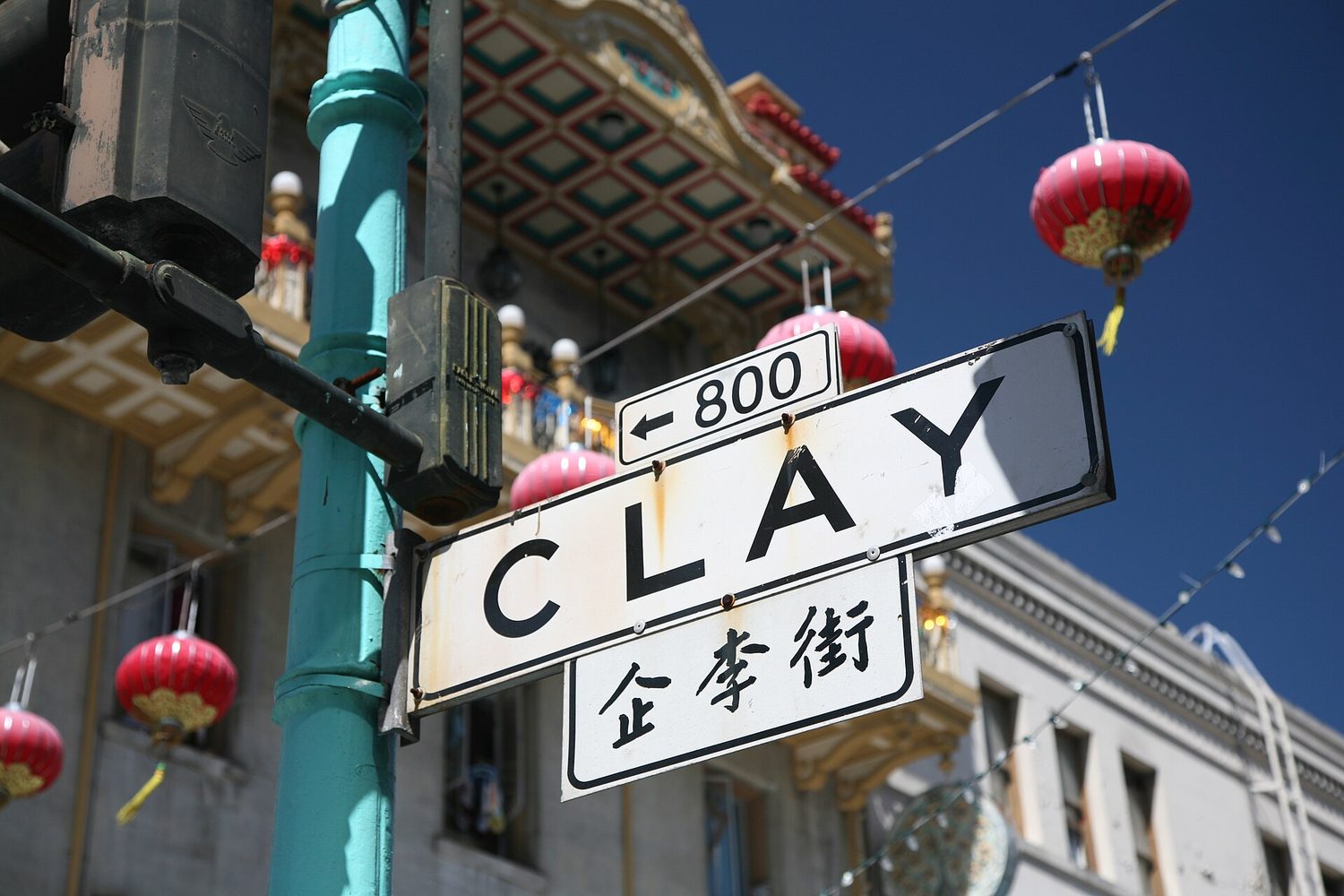
ป้ายถนนย่านจีน: ภูมิทัศน์ทางวัฒนธรรมและการแพร่กระจายทิ้งรูปแบบที่ยั่งยืนไว้ในเมือง
Vocabulary · ⁨คำศัพท์⁩ Train · ⁨ฝึกฝน⁩
English ไทย
cultural landscape/ˈkʌltʃərəl ˈlændskeɪp/ ภูมิทัศน์ทางวัฒนธรรม (Cultural landscape)
Sequent occupance/ˈsiːkwənt ˈɒkjʊpəns/ Sequent occupance
Ethnic enclaves/ˈeθnɪk ˈeŋkleɪvz/ ชุมชนชาติพันธุ์
3.3

Cultural Patterns · ⁨รูปแบบทางวัฒนธรรม⁩

Syllabus · ⁨หลักสูตร⁩
English

Enduring Understanding (PSO-3): Cultural practices vary across geographical locations because of physical geography and available resources.

Learning Objective PSO-3.D: Explain patterns and landscapes of language, religion, ethnicity, and gender.

  • PSO-3.D.1 Regional patterns of language, religion, and ethnicity contribute to a sense of place, enhance placemaking, and shape the global cultural landscape.
  • PSO-3.D.2 Language, ethnicity, and religion are factors in creating centripetal and centrifugal forces.
ไทย

ความเข้าใจที่ยั่งยืน (PSO-3): praktikทางวัฒนธรรมแตกต่างกันไปตามตำแหน่งทางภูมิศาสตร์เนื่องจากภูมิประเทศกายภาพและทรัพยากรที่มีอยู่

วัตถุประสงค์การเรียนรู้ PSO-3.D: อธิบายรูปแบบและภูมิทัศน์ของภาษา ศาสนา ชาติพันธุ์ และเพศ

  • PSO-3.D.1 รูปแบบระดับภูมิภาคของภาษา ศาสนา และชาติพันธุ์ gópส่วนสร้างความรู้สึกถึงสถานที่ เพิ่มความโดดเด่นในการจัดวางสถานที่ และกำหนดภูมิทัศน์ทางวัฒนธรรมระดับโลก
  • PSO-3.D.2 ภาษา ชาติพันธุ์ และศาสนาเป็นปัจจัยในการสร้างแรงดึงดูดและแรงผลัก

Source: College Board AP Course and Exam Description · ⁨แหล่งที่มา: คำอธิบายหลักสูตรและข้อสอบ College Board AP⁩

English

Cultures spread across space in patterns. Key ideas:

  • Centripetal forces 向心力 pull a group together (a shared language or religion); centrifugal forces 离心力 push it apart.
  • Acculturation 文化适应 (adopting some traits of another culture while keeping your own), assimilation 同化 (fully blending into another culture), and syncretism 融合 (two cultures blending into something new) describe how cultures change on contact.
  • A lingua franca 通用语 is a common language used between groups who speak different first languages.

Worked example (a real AP exam question). "Explain how food preferences can be a culture trait." (2023) A full-mark answer: "Many dishes use ingredients or ways of cooking that are unique to one culture group — for example a national dish — so choosing and eating that food expresses belonging to the group, which is what makes it a culture trait." The command word Explain needs a link, not a definition: connect the food preference to the idea of a shared culture. Simply listing foods earns zero.

ไทย

วัฒนธรรมแผ่ขยายข้ามพื้นที่ในรูปแบบต่างๆ แนวคิดสำคัญ:

  • แรงцентриเปตทิก (Centripetal forces) ดึงกลุ่มคนเข้าหากัน (เช่นภาษาร่วมหรือศาสนาเดียวกัน); แรงцентриฟิวจอล (Centrifugal forces) ผลักให้แยกออกจากกัน
  • การปรับตัวทางวัฒนธรรม (Acculturation) (การยอมรับลักษณะบางอย่างจากวัฒนธรรมอื่นwhileรักษาของตัวเอง), การรวมตัว (Assimilation) (การหลอมรวมเข้ากับวัฒนธรรมอื่นอย่างสมบูรณ์), และ การผสมผสาน (Syncretism) (วัฒนธรรมสองอย่างหลอมรวมกันเป็นสิ่งที่ใหม่) อธิบายถึงการเปลี่ยนแปลงของวัฒนธรรมเมื่อมีการสัมผัสกัน
  • ภาษาสากล (lingua franca) คือภาษาที่ใช้ร่วมกันระหว่างกลุ่มคนที่พูดภาษาแม่ต่างกัน
สามผลลัพธ์เมื่อวัฒนธรรมสองอย่างมาพบกัน
การปรับตัวทางวัฒนธรรมรักษาวัฒนธรรมตัวเอง, การรวมตัวแทนที่它以, และการผสมผสานหลอมรวมทั้งสองอย่างเป็นสิ่งใหม่

ตัวอย่างวิธีทำ (คำถามสอบ AP จริง). "อธิบายว่าความชอบอาหารสามารถเป็นลักษณะทางวัฒนธรรมได้อย่างไร" (2023) คำตอบเต็มคะแนน: "หลายเมนูใช้วัตถุดิบหรือวิธีการปรุงที่เป็นเอกลักษณ์ของกลุ่มวัฒนธรรมหนึ่ง — เช่นอาหารประจำชาติ — ดังนั้นการเลือกและทานอาหารนี้เป็นการแสดงความเป็นสมาชิกในกลุ่ม ซึ่งเป็นสิ่งที่ทำให้มันเป็นลักษณะทางวัฒนธรรม" คำสั่ง Explain ต้องการการเชื่อมโยง ไม่ใช่คำนิยาม: เชื่อม连ความชอบอาหาร กับ แนวคิดของวัฒนธรรมร่วมกัน การ列出เพียงรายการอาหารจะได้คะแนนศูนย์

Vocabulary · ⁨คำศัพท์⁩ Train · ⁨ฝึกฝน⁩
English ไทย
Centripetal forces/senˈtrɪpɪtl ˈfɔːsɪz/ แรงรวมศูนย์
centrifugal forces/ˌsentrɪˈfjuːɡl ˈfɔːsɪz/ แรงผลัก (Centrifugal forces)
Acculturation/əˌkʌltʃəˈreɪʃn/ Acculturation
assimilation/əˌsɪmɪˈleɪʃn/ การ InputStreamReader (Assimilation)
syncretism/ˈsɪŋkrɪtɪzəm/ การผสมผสานทางวัฒนธรรม (Syncretism)
lingua franca/ˈlɪŋɡjuːə ˈfræŋkə/ ภาษาสากล
3.4

Types of Diffusion · ⁨ประเภทของการแพร่กระจาย⁩

Syllabus · ⁨หลักสูตร⁩
English

Enduring Understanding (IMP-3): The interaction of people contributes to the spread of cultural practices.

Learning Objective IMP-3.A: Define the types of diffusion.

  • IMP-3.A.1 Relocation and expansion—including contagious, hierarchical, and stimulus expansion—are types of diffusion.
ไทย

ความเข้าใจที่ยั่งยืน (IMP-3): การมีปฏิสัมพันธ์ระหว่างมนุษย์ส่งผลต่อการแพร่กระจายของวัฒนธรรม

วัตถุประสงค์การเรียนรู้ IMP-3.A: นิยามประเภทของการแพร่กระจาย

  • IMP-3.A.1 การย้ายถิ่นและการขยายตัว—including การแพร่กระจายแบบติดต่อ, แบบลำดับชั้น และแบบกระตุ้น—are Types of diffusion.

Source: College Board AP Course and Exam Description · ⁨แหล่งที่มา: คำอธิบายหลักสูตรและข้อสอบ College Board AP⁩

English
The four types of diffusion

Diffusion 扩散 is the spread of a cultural trait from its hearth 源地 (place of origin) to new areas. There are two big families.

  • Relocation diffusion 迁移扩散 — the trait moves as people migrate, so it appears in the new place but may fade at the source.
  • Expansion diffusion 扩展扩散 — the trait spreads outward while staying strong at the source. It has three types:
    • Contagious 传染扩散 — spreads person-to-person to nearby people (like a viral video).
    • Hierarchical 等级扩散 — jumps from big, important places to other big places first (a fashion from major cities).
    • Stimulus 刺激扩散 — the underlying idea spreads even if the exact trait changes (a global brand adapting its menu locally).
ไทย
ประเภทของการแพร่กระจายทั้งสี่ชนิด

การแพร่กระจาย (Diffusion) คือการแพร่ของลักษณะทางวัฒนธรรมจาก แหล่งกำเนิด (hearth) ไปยังพื้นที่ใหม่ มีสองครอบครัวใหญ่

การแพร่กระจายด้วยการย้ายถิ่นและการแพร่ขยาย (contagious, hierarchical, stimulus)
การแพร่กระจายด้วยการย้ายถิ่นเคลื่อนที่ไปกับผู้ย้ายถิ่น; การแพร่กระจายแบบขยายจะpluginออกwhileยังคงอยู่ที่แหล่งกำเนิด
  • การแพร่กระจายด้วยการย้ายถิ่น (Relocation diffusion) — ลักษณะเคลื่อนที่ตาม การย้ายถิ่นของpeople,ดังนั้นมันปรากฏในพื้นที่ใหม่แต่อาจจางหายที่แหล่งกำเนิด
  • การแพร่กระจายแบบขยาย (Expansion diffusion) —ลักษณะpluginออกwhile ยังคงแข็งแรงที่แหล่งกำเนิด它有สามประเภท:
    • แบบติดต่อ (Contagious) —pluginจากperson-to-personไปยังpeopleใกล้เคียง (เช่นวิดีโอไวรัล)
    • แบบลำดับชั้น (Hierarchical) —กระโดดจากbig, important placesไปยังbig places อื่นๆ ก่อน (แฟชั่นจาก cities utama)
    • แบบกระตุ้น (Stimulus) —idea พื้นฐานpluginแม้ว่าลักษณะเฉพาะจะเปลี่ยนไป (brand โลกที่ปรับเมนูเป็นlocal)
Explore · ⁨สำรวจ⁩

Which type of diffusion is it? · ⁨เป็นการแพร่กระจายแบบใด?⁩

Relocation diffusion moves with migrants; contagious spreads to everyone nearby; hierarchical jumps between big places; stimulus spreads the idea while the form changes. · ⁨การแพร่กระจายด้วยการย้ายถิ่น ย้ายตามผู้ย้ายถิ่น; แบบติดต่อ แพร่ไปยังทุกคนโดยรอบ; แบบลำดับชั้น ข้ามระหว่างสถานที่ใหญ่ๆ; แบบกระตุ้น แพร่แนวคิดแต่รูปแบบเปลี่ยนไป⁩

Vocabulary · ⁨คำศัพท์⁩ Train · ⁨ฝึกฝน⁩
English ไทย
Diffusion/dɪˈfjuːʒn/ การแพร่กระจาย (Diffusion)
hearth/hɑːθ/ แหล่งกำเนิด
Relocation diffusion/rɪləʊˈkeɪʃn dɪˈfjuːʒn/ การแพร่กระจายด้วยการย้ายถิ่น
Expansion diffusion/ekˈspænʃn dɪˈfjuːʒn/ การแพร่กระจายแบบขยายตัว
Contagious/kənˈteɪdʒəs/ การติดต่อ蔓延
Hierarchical/haɪəˈrɑːkɪkl/ ลำดับชั้น
Stimulus/ˈstɪmjʊləs/ การกระตุ้น
colonialism/ˈkɒləʊnɪəlɪzəm/ อาณานิคม (Colonialism)
3.5 3.6

Causes of Diffusion · ⁨สาเหตุของการแพร่กระจาย⁩

Syllabus · ⁨หลักสูตร⁩
English

Enduring Understanding (SPS-3): Cultural ideas, practices, and innovations change or disappear over time.

Learning Objective SPS-3.A: Explain how historical processes impact current cultural patterns.

  • SPS-3.A.1 Interactions between and among cultural traits and larger global forces can lead to new forms of cultural expression; for example, creolization and lingua franca.
  • SPS-3.A.2 Colonialism, imperialism, and trade helped to shape patterns and practices of culture.
ไทย

ความเข้าใจที่ยั่งยืน (SPS-3): ความคิด วัฒนธรรม และนวัตกรรมทางวัฒนธรรมเปลี่ยนแปลงหรือหายไปตามกาลเวลา

วัตถุประสงค์การเรียนรู้ SPS-3.A: อธิบายว่ากระบวนการทางประวัติศาสตร์มีผลต่อรูปแบบทางวัฒนธรรมในปัจจุบันอย่างไร

  • SPS-3.A.1 การมีปฏิสัมพันธ์ระหว่างคุณลักษณะทางวัฒนธรรมและแรงกดดันระดับโลกที่ใหญ่ขึ้นสามารถนำไปสู่รูปแบบการแสดงออกทางวัฒนธรรมใหม่ ตัวอย่างเช่น การผสมผสานทางวัฒนธรรม และการใช้ภาษาสากล
  • SPS-3.A.2 อาณานิคม จักรวรรดิ และการค้า ช่วยกำหนดรูปแบบและแนวปฏิบัติทางวัฒนธรรม
English

Enduring Understanding (SPS-3): Cultural ideas, practices, and innovations change or disappear over time.

Learning Objective SPS-3.A: Explain how historical processes impact current cultural patterns.

  • SPS-3.A.3 Cultural ideas and practices are socially constructed and change through both small-scale and large-scale processes such as urbanization and globalization. These processes come to bear on culture through media, technological change, politics, economics, and social relationships.
  • SPS-3.A.4 Communication technologies, such as the internet and the time-space convergence, are reshaping and accelerating interactions among people; changing cultural practices, as in the increasing use of English and the loss of indigenous languages; and creating cultural convergence and divergence.
ไทย

ความเข้าใจที่ยั่งยืน (SPS-3): ความคิด วัฒนธรรม และนวัตกรรมทางวัฒนธรรมเปลี่ยนแปลงหรือหายไปตามกาลเวลา

วัตถุประสงค์การเรียนรู้ SPS-3.A: อธิบายว่ากระบวนการทางประวัติศาสตร์มีผลต่อรูปแบบทางวัฒนธรรมในปัจจุบันอย่างไร

  • SPS-3.A.3 ความคิดและแนวปฏิบัติทางวัฒนธรรมถูกสร้างขึ้นโดยสังคมและเปลี่ยนแปลงผ่านกระบวนการขนาดเล็กและขนาดใหญ่ เช่น การurbanization และการglobalization กระบวนการเหล่านี้ส่งผลกระทบต่อบรรทัดฐานทางวัฒนธรรมผ่านสื่อ เทคโนโลยี การเมือง เศรษฐกิจ และความสัมพันธ์ทางสังคม
  • SPS-3.A.4 เทคโนโลยีการสื่อสาร เช่น อินเทอร์เน็ต และการรวมตัวของเวลา-พื้นที่ กำลัง重塑และเร่งความเร็วการมีปฏิสัมพันธ์ระหว่างมนุษย์; เปลี่ยนแปลงแนวปฏิบัติทางวัฒนธรรม เช่น การใช้ภาษาอังกฤษที่เพิ่มขึ้นและการสูญเสียภาษาพื้นเมือง; และสร้างความรวมตัวและความแตกต่างทางวัฒนธรรม

Source: College Board AP Course and Exam Description · ⁨แหล่งที่มา: คำอธิบายหลักสูตรและข้อสอบ College Board AP⁩

English

Diffusion has both historical and contemporary causes.

  • Historical: colonialism 殖民主义, imperialism 帝国主义, trade, and the spread of religion carried culture across the world for centuries.
  • Contemporary: globalisation 全球化, the internet, transport, and time–space compression speed diffusion up enormously — a trend can now spread worldwide in hours.

These forces can spread culture but also threaten local traditions, raising debates about a global culture versus local identity.

ไทย

การแพร่กระจายมีทั้งสาเหตุ ทางประวัติศาสตร์ และ **สมัยใหม่

  • ทางประวัติศาสตร์: อาณานิคม, Imperialism, การค้า, และการpluginของศาสนา นำวัฒนธรรมpluginไปทั่วโลกตลอดหลายศตวรรษ
  • สมัยใหม่: Globalisation, Internet, การขนส่ง, และการบีบอัดเวลา–พื้นที่ (time–space compression) เร่งความเร็วการpluginอย่างมาก — เทรนด์หนึ่งpluginทั่วโลกได้ในไม่กี่ชั่วโมง

แรงเหล่านี้สามารถpluginวัฒนธรรมแต่ก็คุกคามประเพณีท้องถิ่น สร้างข้อถกเถียงเกี่ยวกับวัฒนธรรมโลกเทียบกับอัตลักษณ์ท้องถิ่น

Vocabulary · ⁨คำศัพท์⁩ Train · ⁨ฝึกฝน⁩
English ไทย
imperialism/ɪmˈpɪərɪəlɪzəm/ imperialism
globalisation/ˌɡləʊbəlaɪˈzeɪʃn/ globalisation
3.7

Diffusion of Religion and Language · ⁨การpluginของศาสนาและภาษา⁩

Syllabus · ⁨หลักสูตร⁩
English

Enduring Understanding (IMP-3): The interaction of people contributes to the spread of cultural practices.

Learning Objective IMP-3.B: Explain what factors lead to the diffusion of universalizing and ethnic religions.

  • IMP-3.B.1 Language families, languages, dialects, world religions, ethnic cultures, and gender roles diffuse from cultural hearths.
  • IMP-3.B.2 Diffusion of language families, including Indo-European, and religious patterns and distributions can be visually represented on maps, in charts and toponyms, and in other representations.
  • IMP-3.B.3 Religions have distinct places of origin from which they diffused to other locations through different processes. Practices and belief systems impacted how widespread the religion diffused.
  • IMP-3.B.4 Universalizing religions, including Christianity, Islam, Buddhism, and Sikhism, are spread through expansion and relocation diffusion.
  • IMP-3.B.5 Ethnic religions, including Hinduism and Judaism, are generally found near the hearth or spread through relocation diffusion.
ไทย

ความเข้าใจที่ยั่งยืน (IMP-3): การมีปฏิสัมพันธ์ระหว่างมนุษย์ส่งผลต่อการแพร่กระจายของวัฒนธรรม

วัตถุประสงค์การเรียนรู้ IMP-3.B: อธิบายปัจจัยที่ทำให้ศาสนาแบบสากลและศาสนาแบบชาติพันธุ์แพร่กระจาย

  • IMP-3.B.1 ครอบครัวภาษา ภาษา DIALECT ศาสนาโลก วัฒนธรรมชาติพันธุ์ และบทบาทเพศ แพร่กระจายจากแหล่งกำเนิดทางวัฒนธรรม
  • IMP-3.B.2 การแพร่กระจายของครอบครัวภาษา รวมถึงภาษาอินโด-ยุโรป และรูปแบบการกระจายของศาสนา สามารถแสดงบนแผนที่ กราฟ และชื่อสถานที่อื่น ๆ ได้อย่างชัดเจน
  • IMP-3.B.3 ศาสนามีแหล่งกำเนิดที่แตกต่างกันซึ่งได้แพร่กระจายไปยังสถานที่อื่นผ่านกระบวนการต่างๆ แนวปฏิบัติและระบบความเชื่อมีผลต่อการแพร่กระจายของศาสนา
  • IMP-3.B.4 ศาสนาแบบสากล ได้แก่ คริสต์ศาสนา อิสลาม พุทธศาสนา และซิกข์ สัมผัสกับการแพร่กระจายแบบขยายตัวและการย้ายถิ่น
  • IMP-3.B.5 ศาสนาแบบชาติพันธุ์ ได้แก่ ฮินดูศาสนาและยูดาย มักพบใกล้แหล่งกำเนิดหรือแพร่กระจายผ่านการย้ายถิ่น

Source: College Board AP Course and Exam Description · ⁨แหล่งที่มา: คำอธิบายหลักสูตรและข้อสอบ College Board AP⁩

English

Religions and languages are the two clearest examples of cultural diffusion.

  • Universalising religions 普世宗教 (Christianity, Islam, Buddhism) actively seek converts and spread widely by expansion and relocation diffusion. Ethnic religions 民族宗教 (Hinduism, Judaism) are tied to one group and spread mainly by relocation.
  • Languages belong to language families 语系; they spread with migration and trade, and can split into dialects 方言 or die out as speakers switch to a dominant language.
ไทย

ศาสนาและภาษาเป็นตัวอย่างที่ชัดเจนที่สุดของการpluginทางวัฒนธรรม

  • ศาสนาสากล (Universalising religions) (Christianity, Islam, Buddhism) actively seekers converts และpluginอย่างกว้างขวาง通过对 expansion และ relocation diffusion. ศาสนาชาติพันธุ์ (Ethnic religions) (Hinduism, Judaism) tied to one group และpluginหลัก通过对 relocation
  • ภาษาอยู่ในกลุ่มของ ครอบครัวภาษา; They กระจายตัวผ่านการอพยพและการค้า และสามารถแยกออกเป็น ภาษาถิ่น หรือสูญหายไปเมื่อผู้พูดเปลี่ยนไปใช้ภาษาที่มีอิทธิพลมากขึ้น
Vocabulary · ⁨คำศัพท์⁩ Train · ⁨ฝึกฝน⁩
English ไทย
Universalising religions/ˌjuːnɪˈvɜːsəlaɪzɪŋ rɪˈlɪdʒnz/ ศาสนาสากลนิยม
Ethnic religions/ˈeθnɪk rɪˈlɪdʒnz/ ศาสนาชาติพันธุ์
language families/ˈlæŋɡwɪdʒ ˈfæmɪliz/ ภาษา families
dialects/ˈdaɪəlekts/ dialects
Cultural convergence/ˈkʌltʃərəl kənˈvɜːdʒəns/ ความกลมกลืนทางวัฒนธรรม
Cultural divergence/ˈkʌltʃərəl daɪˈvɜːdʒəns/ ความแตกต่างทางวัฒนธรรม
3.8

Effects of Diffusion · ⁨ผลกระทบของการแพร่กระจาย⁩

Syllabus · ⁨หลักสูตร⁩
English

Enduring Understanding (SPS-3): Cultural ideas, practices, and innovations change or disappear over time.

Learning Objective SPS-3.B: Explain how the process of diffusion results in changes to the cultural landscape.

  • SPS-3.B.1 Acculturation, assimilation, syncretism, and multiculturalism are effects of the diffusion of culture.
ไทย

ความเข้าใจที่ยั่งยืน (SPS-3): ความคิด วัฒนธรรม และนวัตกรรมทางวัฒนธรรมเปลี่ยนแปลงหรือหายไปตามกาลเวลา

วัตถุประสงค์การเรียนรู้ SPS-3.B: อธิบายว่ากระบวนการแพร่กระจายส่งผลให้เกิดการเปลี่ยนแปลงในภูมิทัศน์ทางวัฒนธรรมอย่างไร

  • SPS-3.B.1 การปรับตัวทางวัฒนธรรม การ InputStreamReader การผสมผสานทางวัฒนธรรม และความหลากหลายทางวัฒนธรรม เป็นผลจากการแพร่กระจายของวัฒนธรรม

Source: College Board AP Course and Exam Description · ⁨แหล่งที่มา: คำอธิบายหลักสูตรและข้อสอบ College Board AP⁩

English

When cultures spread and meet, several outcomes follow:

  • Cultural convergence 文化趋同 — cultures become more alike as they share traits (global brands, English online).
  • Cultural divergence 文化分化 — a culture becomes more distinct, often to resist outside influence.
  • Diffusion can enrich a place with new food, music, and ideas, but can also erode local languages and traditions — a central tension of a globalising world.
ไทย

เมื่อวัฒนธรรมกระจายตัวและมาพบกัน จะเกิดผลลัพธ์หลายอย่าง:

  • ความเข้าหากันทางวัฒนธรรม — วัฒนธรรมมีความคล้ายคลึงกันมากขึ้นเมื่อแบ่งปันลักษณะร่วมกัน (แบรนด์ระดับโลก, ภาษาอังกฤษบนอินเทอร์เน็ต)
  • ความแตกต่างทางวัฒนธรรม — วัฒนธรรมมีความโดดเด่นขึ้น มักเพื่อต่อต้านอิทธิพลจากภายนอก
  • การแพร่กระจายสามารถเติมเต็มพื้นที่ด้วยอาหาร ดนตรี และแนวคิดใหม่ แต่ยังสามารถทำลายภาษาท้องถิ่นและประเพณีได้ — ซึ่งเป็นความขัดแย้งหลักของโลกที่กำลังเป็นโลกาภิวัตน์
3.8

Exam tips · ⁨ข้อแนะนำสำหรับการสอบ⁩

English
  • Distinguish relocation diffusion (people move) from expansion diffusion (the idea spreads and stays at its source).
  • Name the expansion sub-type precisely: contagious, hierarchical, or stimulus.
  • Separate universalizing religions (seek converts) from ethnic religions (spread mainly by birth).
  • Use the cultural landscape — architecture, toponyms, sequent occupance — as evidence of past groups.
  • For effects, keep acculturation, assimilation, and syncretism distinct; they are not the same.
ไทย
  • แยกแยะระหว่าง การแพร่กระจายด้วยการย้ายถิ่น (คนเคลื่อนย้าย) จาก การแพร่กระจายแบบขยาย (แนวคิดกระจายตัวและยังคงอยู่ที่แหล่งกำเนิด)
  • ชื่อนัยสำคัญย่อยของการแพร่กระจายแบบขยายให้ชัดเจน: แบบติดต่อ, แบบลำดับขั้น, หรือ แบบกระตุ้น
  • แยก ศาสนาที่แพร่หลาย (มองหาผู้ศรัทธา) ออกจาก ศาสนาชาติพันธุ์ (กระจายตัวโดยส่วนใหญ่จากการเกิด)
  • ใช้ ภูมิทัศน์ทางวัฒนธรรม — สถาปัตยกรรม, ชื่อสถานที่, การครอบครองต่อเนื่อง — เป็นหลักฐานของกลุ่มคนในอดีต
  • สำหรับผลกระทบ ให้แยก การปรับตัวทางวัฒนธรรม, การ InputStreamReader-ness, และ การผสมผสาน ออกจากกัน; พวกเขาไม่ใช่สิ่งเดียวกัน

Interactive lessons on this topic · ⁨บทเรียนเชิงโต้ตอบสำหรับหัวข้อนี้⁩

Work through it step by step, with instant-check exercises. · ⁨ทำทีละขั้นตอน พร้อมแบบฝึกหัดตรวจสอบผลทันที⁩

Past Papers · ⁨ข้อสอบย้อนหลัง⁩

More topics in AP Human Geography · ⁨AP ภูมิศาสตร์มนุษย์⁩ · ⁨หัวข้อเพิ่มเติมใน AP Human Geography · ⁨AP ภูมิศาสตร์มนุษย์⁩⁩

Log in or create account · ⁨เข้าสู่ระบบหรือสร้างบัญชี⁩

IGCSE, A-Level & AP