Human Impacts on Ecosystems
Introduced| English | Meaning |
|---|---|
| ecosystems/ˈiːkəʊsɪstəmz/ | A community of organisms interacting with each other and with their physical environment. |
| degraded/dɪˈɡreɪdɪd/ | degraded |
| services/ˈsɜːvɪsɪz/ | Activities performed to meet people's needs or wants rather than supplying a physical good. |
| Restoration/ˌrestəˈreɪʃn/ | Restoration |
Our mark on nature
- Humans change ecosystems 生态系统 everywhere we live.
- We clear land, pollute water, and hunt species.
- Some changes damage nature badly.
- But we can also protect and repair it.
How we damage ecosystems
- Pollution poisons water, soil, and air.
- Clearing forests and draining wetlands destroys habitat.
- Overhunting and overfishing strip out species.
- A damaged ecosystem becomes degraded 退化 — less able to support life.
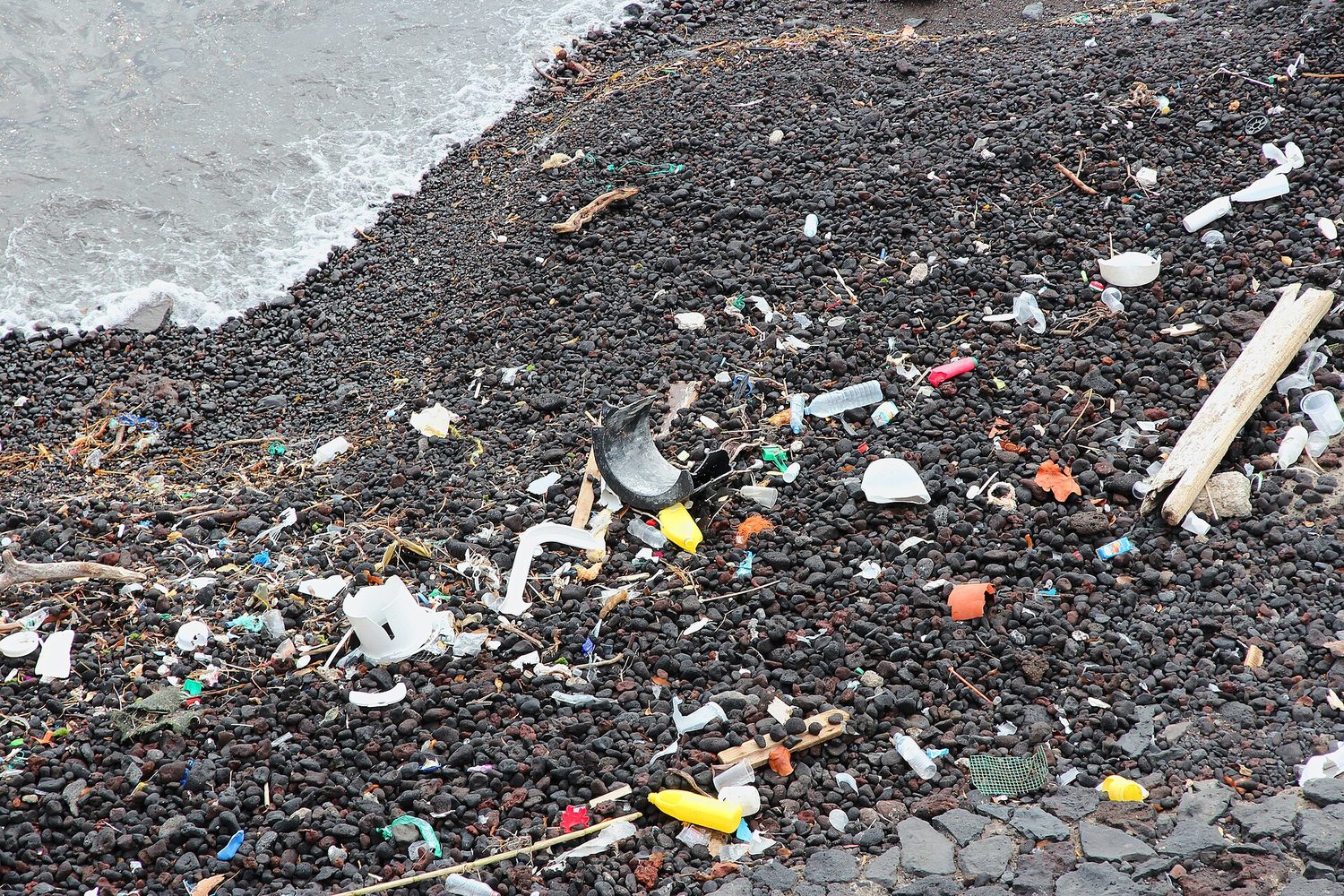
Plastic pollution is a major human impact on ecosystems
Which human activity most directly harms an ecosystem?
Difficulty 1/5 · 100 coins + a small bonus on first completion today
Dumping toxic waste poisons water and kills the organisms living in it — direct harm.
What we lose
- Healthy ecosystems give us free services 服务.
- They clean our water, pollinate crops, and control floods.
- They store carbon and provide food and medicine.
- When an ecosystem is degraded, we lose all of that.
Harms or helps an ecosystem?
Sort each human action by whether it damages ecosystems or helps protect them.
When an ecosystem is damaged and loses its ability to support life, it is…
Difficulty 1/5 · 100 coins + a small bonus on first completion today
A degraded ecosystem has lost health and productivity — it supports far less life than before.
Clean water, pollination, and flood control are examples of ecosystem ____.
Difficulty 1/5 · 100 coins + a small bonus on first completion today
Ecosystem services are the free benefits nature gives us — clean water, pollination, and more.
Repairing the damage
- Damage is not always permanent.
- Restoration 恢复 can bring a wrecked ecosystem back.
- We replant forests, clean up rivers, and reintroduce species.
- Protecting healthy ecosystems is cheaper than repairing broken ones.
Damaged ecosystems can sometimes be repaired through restoration.
Difficulty 1/5 · 100 coins + a small bonus on first completion today
Restoration — replanting, cleaning up, reintroducing species — can bring a damaged ecosystem back over time.
Select all human activities that harm ecosystems.
Difficulty 2/5 · 140 coins + a small bonus on first completion today
Pollution, deforestation, and overfishing all harm ecosystems. Restoring wetlands helps them.
Impacts stack up. A single pollutant, one cleared field, one overfished bay may seem small — but across a whole region they combine into degradation that unravels the ecosystem's services. The good news: many impacts are reversible with effort. The cheapest strategy, though, is always to protect a healthy ecosystem before it's damaged.
A river's decline and recovery:
- Factories dump waste, farms wash in fertilizer, and banks are cleared — the river becomes degraded, its fish gone and water foul.
- Then people act: waste is stopped, banks replanted, and fish reintroduced.
- Years of restoration later, the water runs clear and life returns — proof that damage can be undone, though at great cost.
Humans damage ecosystems through pollution, habitat destruction, and overexploitation, leaving them degraded and less able to provide their free services (clean water, pollination, flood control). Much of this damage can be reversed through restoration, but protecting healthy ecosystems is cheaper than repairing broken ones.