Impacts of Agricultural Practices
Introduced| English | Meaning |
|---|---|
| tillage/ˈtɪlɪdʒ/ | tillage |
| salinization/ˌseɪlɪnaɪˈzeɪʃn/ | salinization |
| fertiliser/ˈfɜːtəlaɪzə/ | fertiliser |
Farming's footprint
- Farming feeds the world, but it reshapes the land to do so.
- Ploughing, watering, and fertilising all leave their mark.
- Done carelessly, these practices damage soil and water.
- Understanding the impacts is the first step to farming better.
Damaging the soil
- Tillage 耕作 (ploughing) breaks up and bares the soil.
- Bare soil erodes far faster in wind and rain.
- Over-irrigating dry land leaves salt behind — salinization 盐碱化.
- Salty, eroded soil grows fewer and weaker crops.
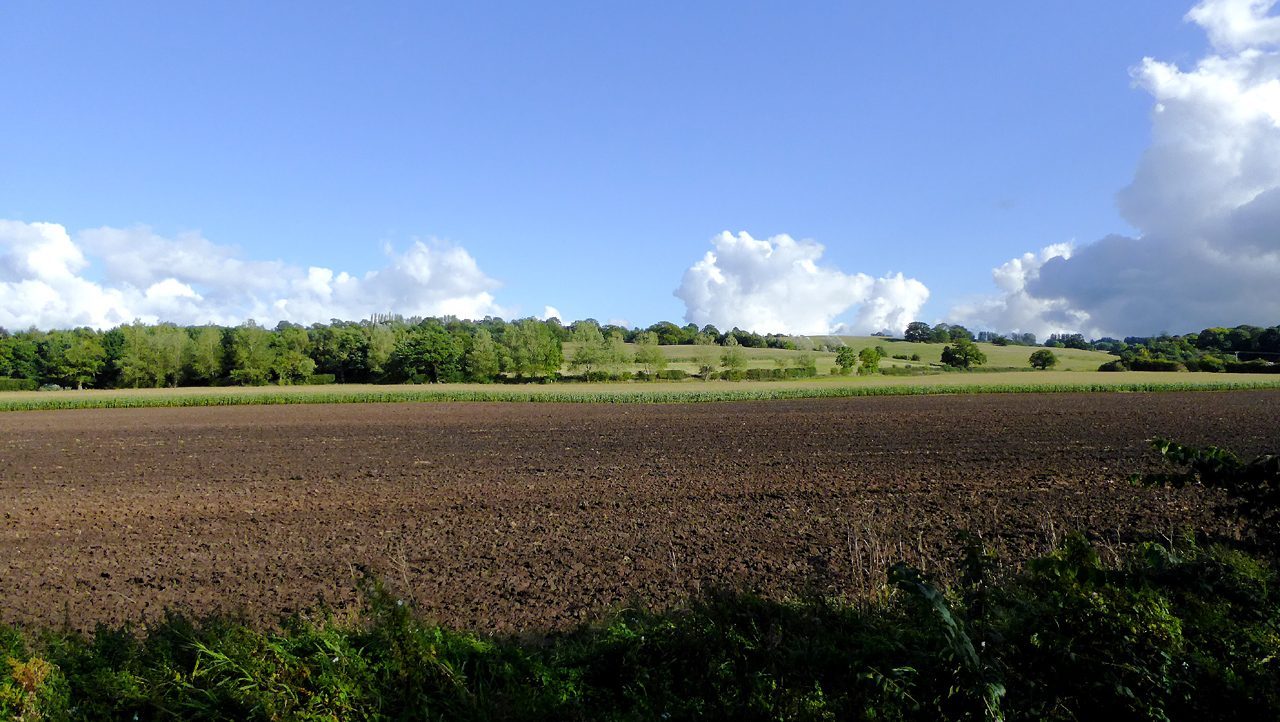
Intensive farmland: tillage, fertilisers 化肥 and monocultures raise yields but can erode soil and pollute water
How does heavy tillage (ploughing) harm soil?
Difficulty 1/5 · 100 coins + a small bonus on first completion today
Heavy tillage breaks up and bares the soil, letting wind and rain erode it faster.
Polluting the water
- Farmers add fertiliser to feed their crops.
- Rain washes the excess into rivers and lakes.
- There it feeds algae, causing blooms that starve the water of oxygen.
- Pesticides, too, can run off and poison aquatic life.
Fertiliser washing off fields into rivers causes…
Difficulty 1/5 · 100 coins + a small bonus on first completion today
Fertiliser runoff feeds algae, causing blooms that starve the water of oxygen — eutrophication.
When over-irrigation leaves salt building up in dry soils, it is called ____.
Difficulty 1/5 · 100 coins + a small bonus on first completion today
Salinization is salt building up in soil from irrigation, making it too salty for crops.
Using up the water
- Irrigation draws huge amounts of water from rivers and underground.
- Pumping groundwater faster than it refills depletes it.
- Wells run dry and rivers shrink.
- So farming can cause water shortage as well as water pollution.
Match the practice to its impact
Sort each farming practice by the environmental problem it can cause.
Farming feeds people but can damage soil and water if done carelessly.
Difficulty 1/5 · 100 coins + a small bonus on first completion today
Agriculture is essential, yet poor practices erode soil, pollute water, and deplete groundwater.
Select all true statements about agricultural impacts.
Difficulty 2/5 · 140 coins + a small bonus on first completion today
Careless farming can seriously harm the environment. The other three are correct.
Agriculture is essential, but its impacts are real. The goal is not to stop farming but to farm carefully — because poor practices erode soil, pollute water with fertiliser runoff, and drain groundwater. Every farming method is a balance between feeding people and protecting the land.
Fertiliser to algal bloom:
- A farmer spreads fertiliser to boost the harvest.
- Heavy rain washes the excess nutrients into a nearby lake.
- The nutrients feed an explosion of algae; when the algae die, decomposers use up the oxygen, and fish suffocate — a chain from field to dead fish.
Farming feeds people but can harm the environment. Tillage bares and erodes soil; over-irrigation causes salinization; fertiliser runoff pollutes water and feeds algal blooms; and heavy irrigation depletes groundwater. The aim is to keep the benefits of agriculture while reducing these impacts.