Introduction to Ecosystems
Introduced| English | Meaning |
|---|---|
| ecosystem/ˈiːkəʊsɪstəm/ | A community of organisms interacting with each other and with their physical environment. |
| biotic/baɪˈɒtɪk/ | Describes the living parts of an ecosystem. |
| abiotic/ˌæbɪˈɒtɪk/ | Describes the non-living parts of an ecosystem, such as sunlight, water and soil. |
A web of living and non-living
- A forest is more than its trees — it is trees, animals, soil, water, and sunlight together.
- All these parts interact, forming a working whole.
- That whole is called an ecosystem.
- Environmental science begins by understanding how its parts fit together.
What an ecosystem is
- An ecosystem 生态系统 is a community of living things plus their non-living environment.
- The living things interact — eating, competing, cooperating.
- They also depend on non-living conditions like sunlight and water.
- Together, the living and non-living parts form one connected system.
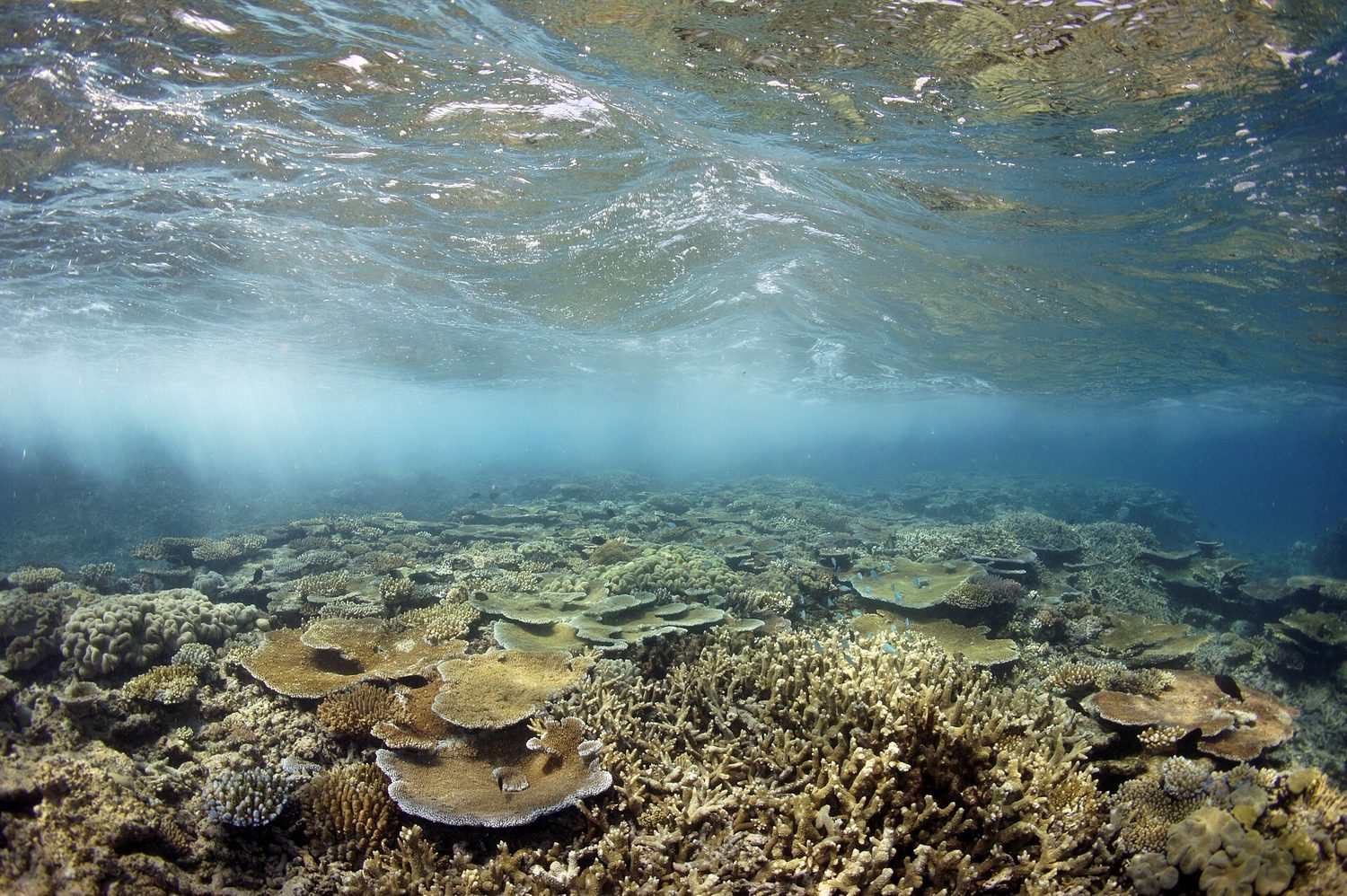
A coral reef ecosystem: living organisms interacting with water, light and nutrients
An ecosystem is…
Difficulty 1/5 · 100 coins + a small bonus on first completion today
An ecosystem is a community of living things interacting with each other and their non-living environment.
Biotic factors
- Biotic 生物的 factors are the living parts of an ecosystem.
- Plants, animals, fungi, and microbes are all biotic.
- They provide food, shelter, and competition for one another.
- Every biotic factor was once alive or is alive now.
Which is a biotic factor?
Difficulty 1/5 · 100 coins + a small bonus on first completion today
A biotic factor is living (like a fungus); sunlight, temperature and rain are abiotic (non-living).
Non-living parts of an ecosystem, like sunlight and water, are the ____ factors.
Difficulty 1/5 · 100 coins + a small bonus on first completion today
Abiotic factors are the non-living conditions and resources an ecosystem depends on.
Abiotic factors
- Abiotic 非生物的 factors are the non-living parts.
- Sunlight, temperature, water, air, and soil minerals are abiotic.
- They set the conditions that decide which species can live there.
- Change an abiotic factor, and the whole community can shift.
Living or non-living?
Sort each part of an ecosystem into its living (biotic) or non-living (abiotic) component.
In an ecosystem, living things interact with each other and with their non-living environment.
Difficulty 1/5 · 100 coins + a small bonus on first completion today
An ecosystem is defined by these interactions between biotic and abiotic parts.
Select all true statements about ecosystems.
Difficulty 2/5 · 140 coins + a small bonus on first completion today
An ecosystem includes non-living parts too, not only living things. The other three are correct.
An ecosystem is not just its living things. It always includes the abiotic environment too — sunlight, water, soil, and climate. Leave those out and you cannot explain why a desert and a rainforest hold such different life.
A pond as an ecosystem:
- Biotic: fish, frogs, algae, insects, and bacteria.
- Abiotic: the water, sunlight reaching it, temperature, and dissolved oxygen.
- Change one abiotic factor — say, the water warms — and the biotic community changes with it.
An ecosystem is a community of living things interacting with each other and with their non-living surroundings. Its biotic (living) factors — plants, animals, microbes — depend on its abiotic (non-living) factors — sunlight, water, temperature, soil. The two together make one connected system.