Writing About Your Work
Introduced| English | Meaning |
|---|---|
| written evidence/ˈrɪtn ˈevɪdəns/ | Written material used to support a claim, explain a process or demonstrate development of work. |
Short, factual, load-bearing
- The written evidence 书面证据 is short, factual, and load-bearing — it directs the scorer's attention (CED 3.D/3.E).
- State the inquiry as a question or clear statement in the first sentence.
- Use concrete nouns and verbs: "compressed charcoal on gessoed cardboard, lifted with erasers" beats "mixed media".
Written evidence completely unrelated to the works ____ the Selected Works score.
Difficulty 1/5 · 100 coins + a small bonus on first completion today
Relevance is a rubric rule — unrelated writing caps the score.
"Compressed charcoal, lifted with erasers" is better than "mixed media".
Difficulty 1/5 · 100 coins + a small bonus on first completion today
Concrete beats vague.
Connect writing to visible things
- Connect the writing to visible things: if you claim experimentation, the images must show it.
- Writing completely unrelated to the works caps the Selected Works score — relevance is a rule.
- Never claim a skill or process the picture does not display.
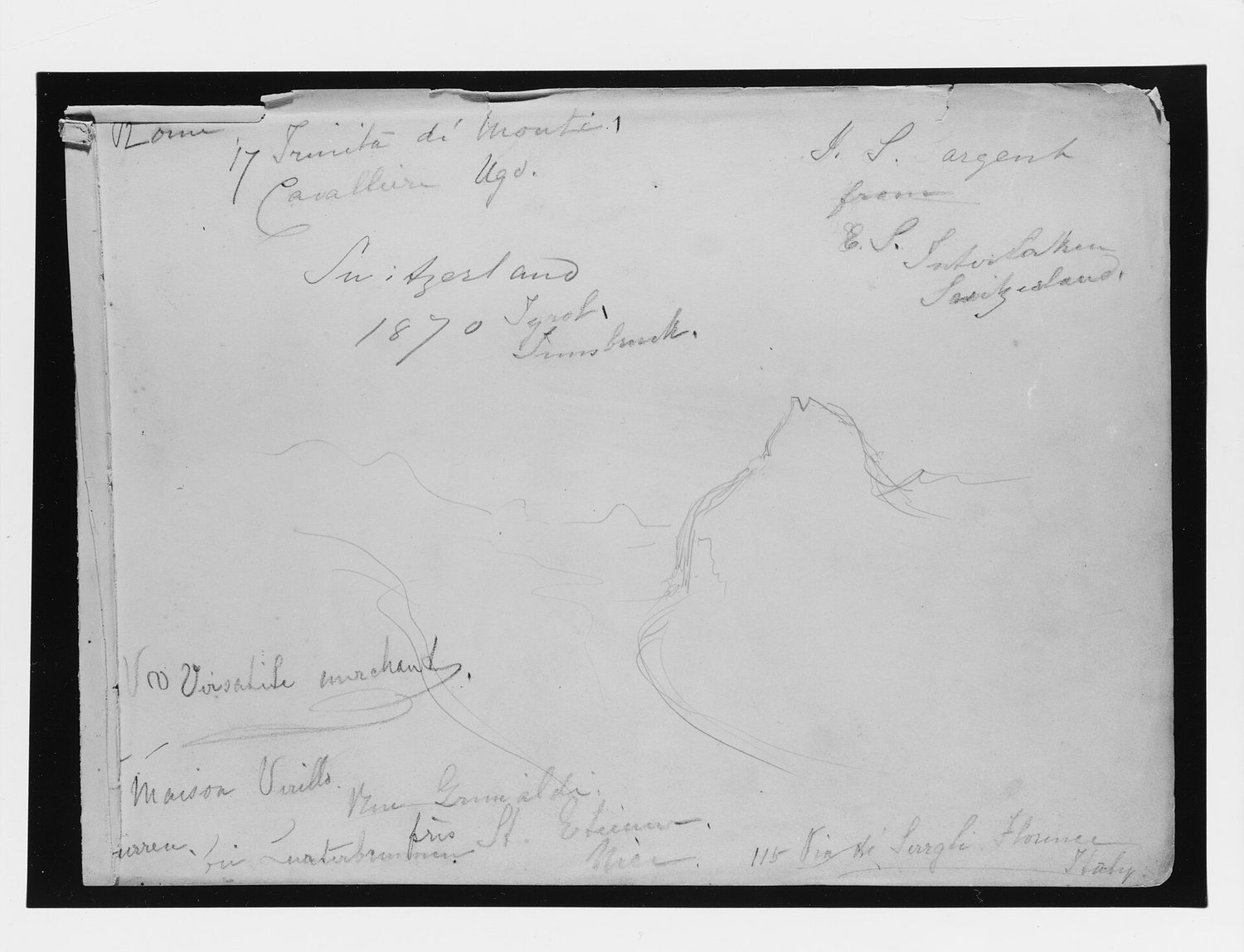
Written evidence starts in the journal: notes next to studies become portfolio text
Strong writing or vague art-speak?
Sort each sentence by whether it does scoring work.
Select all features of strong written evidence.
Difficulty 2/5 · 140 coins + a small bonus on first completion today
Generic art-speak scores nothing.
Draft early, cut hard
- Draft early and cut hard — character limits reward the specific and punish the vague.
- Have someone read the writing while viewing the images; wherever they ask "where?", revise.
- Every sentence should tie to something in the pictures.
If your writing would fit another student's portfolio unchanged, it is too ____.
Difficulty 1/5 · 100 coins + a small bonus on first completion today
Tie every line to your own images.
Match the writing to its quality.
Difficulty 2/5 · 140 coins + a small bonus on first completion today
Specific and visible wins.
Generic art-speak — "I explored my emotions through visual language" — could sit under anyone's portfolio and scores nothing. If your writing would fit another student's work unchanged, it is too vague. Tie every line to your images.
Weak: "I experimented with different materials to express feeling." Strong: "I ground charcoal into wet gesso so the marks sink in and blur, echoing how the memory itself is going soft." The second names material, process, and idea — and points at the image.
Written evidence is short, concrete, and load-bearing: state the inquiry, name materials/processes/ideas in the CED's words, tie every line to a visible thing, and cut anything that could fit another student's work.
Write from a note that names charcoal and hatching
- One label says only Untitled.
- Another names charcoal, hatching, and the question.
One label says only Untitled. Another names charcoal, hatching, and the question the drawing investigates. Which writing does a viewer need?
The words have to match the drawing.
Which writing is useful?
Difficulty 1/5 · 100 coins + a small bonus on first completion today
Materials, process, and idea are what the short note is for.