Documentation and the Process Journal
Introduced| English | Meaning |
|---|---|
| documentation/ˌdɒkjuːmənˈteɪʃn/ | A record of work, processes, decisions or development, using images, notes or other evidence. |
| process journal/ˈprəʊses ˈdʒɜːnl/ | A dated record of trials, choices, and revisions while making work. |
| lines of inquiry/laɪnz ɒv ɪnˈkwaɪəri/ | The questions an artist follows through a body of work. |
Recording the journey
- Documentation 记录 records information and becomes a resource for the investigation.
- It takes many forms: images, notes, diagrams, material samples, and reflection.
- Documenting as you go captures thinking you would otherwise forget.
A sketchbook that records questions, experiments, and revisions over time is a...
Difficulty 1/5 · 100 coins + a small bonus on first completion today
A process journal documents the development of the work.
Select all forms documentation can take.
Difficulty 2/5 · 140 coins + a small bonus on first completion today
Images, notes, and samples are documentation; recording nothing is not.
The process journal
- A process journal 创作日志 (sketchbook) records questions, experiments, and revisions over time.
- It shows the development of the work, not just the finished pieces.
- It is the natural home for your evolving inquiry.
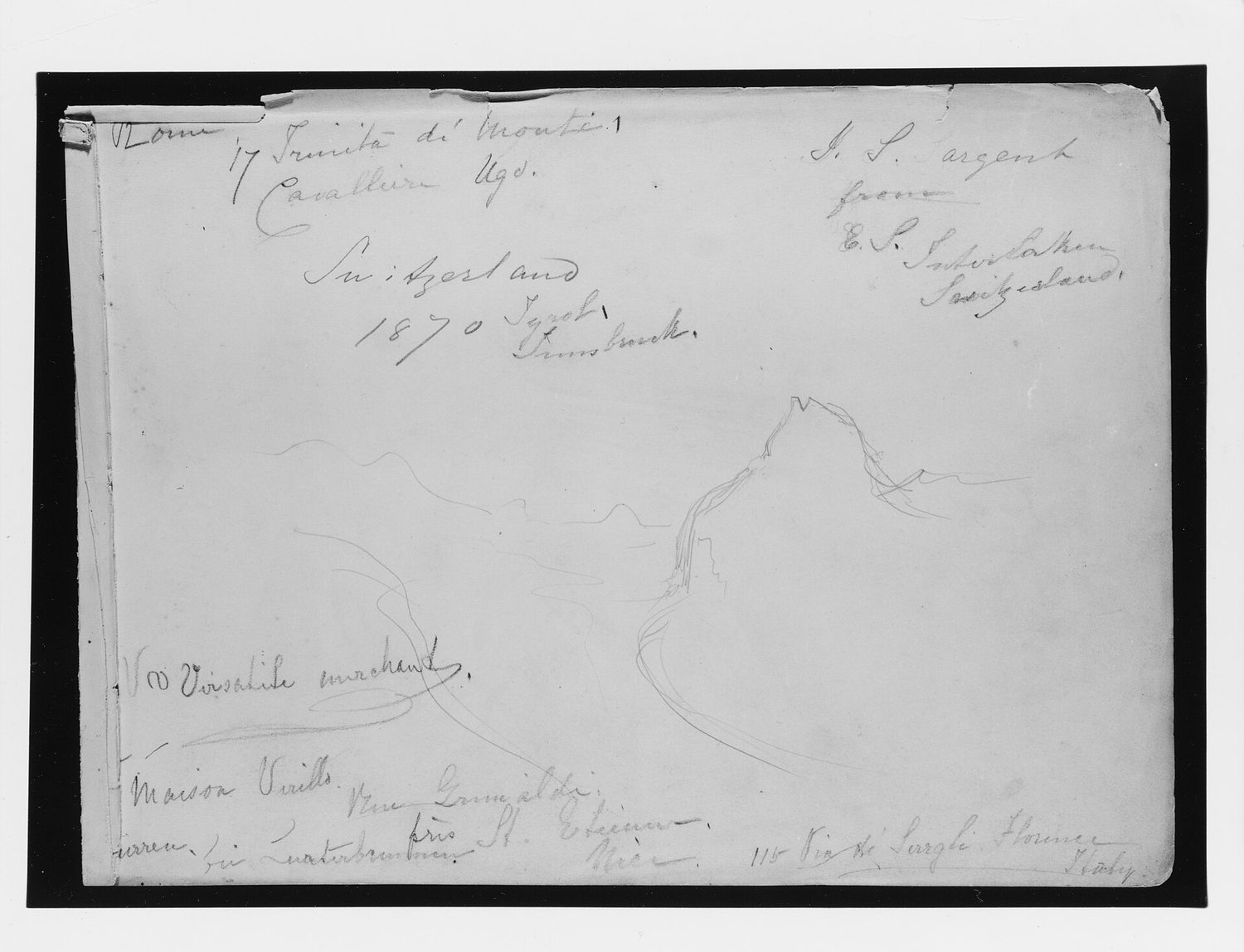
A process journal page: inquiry notes and small experiments document how ideas develop
Good documentation habit or not?
Sort each as good documentation practice or not.
Match each term to its meaning.
Difficulty 2/5 · 140 coins + a small bonus on first completion today
Documentation = records; process journal = sketchbook; lines of inquiry = questions.
Lines of inquiry
- Documenting your lines of inquiry 探究路径 shows how the investigation developed.
- It makes the story of your thinking visible to a viewer.
- Consistent documentation makes writing the portfolio far easier.
It is better to reconstruct your process at the end than to document it as you go.
Difficulty 1/5 · 100 coins + a small bonus on first completion today
False. Documenting as you go is honest and convincing; a reconstruction at the end tends to miss the real decisions.
The different questions and directions you explore are your ____ of inquiry.
Difficulty 1/5 · 100 coins + a small bonus on first completion today
Your lines of inquiry show how the investigation developed.
Keep the process journal as you go, not at the end. Trying to reconstruct your lines of inquiry after the work is finished is hard and looks fake. Regular, honest documentation of questions, experiments, and dead-ends is what makes a sustained investigation convincing.
A student's process journal shows: a first question, three material tests, a failed experiment, a note on why it failed, and a new direction. That visible chain of lines of inquiry makes the sustained investigation feel genuine — and makes the required writing almost write itself.
Documentation records the journey as a resource. A process journal captures questions, experiments, and revisions over time, showing development. Recording your lines of inquiry makes your thinking visible and makes writing the portfolio far easier. Do it as you go.
Write from 9 dated pages
- A journal has 9 dated pages, including a photo of a failed test.
- The student wonders if only finished work belongs there.
A process journal has 9 dated pages, and one page is a photo of a failed material test. Does that page belong, and why date the pages?
Dates show what happened first and what changed later.
What should the journal include?
Difficulty 1/5 · 100 coins + a small bonus on first completion today
A failed test is part of the record the dates put in order.