Skip to content · ⁨コンテンツへスキップ⁩

Poetry I · ⁨詩歌 I⁩

AP English Literature and Composition · ⁨AP 英語文学と作文⁩ · Topic 2 · ⁨トピック 2⁩

View Slides · ⁨查看幻灯片⁩ Train · ⁨練習する⁩
Video lesson for this topic · ⁨このトピックのビデオレッスン⁩ Open the video page · ⁨動画ページを開く⁩
6:10

単元2: 詩 I

単元2はコース最初の詩単元であり、単元1のツールキットに二つの要素を追加します:分析の対象としての構造、および…として扱われる比喩的表現です。

English narration · English + 中文 subtitles burned in · ⁨英語ナレーション・英語+中文字幕 burning-in⁩

2.1

What Textual Details Reveal About a Character · ⁨本文のディテールがキャラクターについて何を明らかにするか⁩

Syllabus · ⁨シラバス⁩
English

Enduring Understanding (CHR-1): Characters in literature allow readers to study and explore a range of values, beliefs, assumptions, biases, and cultural norms represented by those characters.

Learning Objective 1.A: Identify and describe what specific textual details reveal about a character, that character’s perspective, and that character’s motives.

  • CHR-1.E Characters reveal their perspectives and biases through the words they use, the details they provide in the text, the organization of their thinking, the decisions they make, and the actions they take.
日本語

永続的理解 (CHR-1): 文学作品中の登場人物は、その人物が表す多様な価値観、信念、前提、偏見、文化的規範について、読者が研究・探求するための手段となる。

学習目標 1.A: 特定の文本的细节が、登場人物、その人物の視点、およびその人物の動機について何を明らかにしているかを特定・記述する。

  • CHR-1.E キャラクターは、使用する言葉、テキストに提供する詳細、思考の構成、意思決定、および行動を通じて、自らの視点や偏りを表出する。

Source: College Board AP Course and Exam Description · ⁨出典: College Board AP コースおよび試験説明書⁩

English

Unit 2 is the course's first poetry unit, and it adds two things to Unit 1's toolkit: structure as an object of analysis, and figurative language 比喻性语言 handled precisely rather than by name-dropping.

One addition on character first: characters reveal their perspectives and biases through the words they use, the details they provide, and the details they omit.

That last item is the analytical opening. What a speaker does not mention, in a poem where everything is chosen, is evidence.

日本語

Unit 2 はコース最初の詩のユニットであり、Unit 1 のツールキットに2つの要素を追加します: 分析の対象としての structure と、単に名前を挙げるのではなく正確に扱われる figurative language です。

キャラクターに関する追加事項としてまず:characters reveal their perspectives and biases through the words they use, the details they provide, and the details they omit です。

最後の項目が分析的な入り口です。すべてのものが選ばれた詩において、話者が not 提及しないことは、証拠となります。

Vocabulary · ⁨語彙⁩ Train · ⁨練習する⁩
English 日本語
figurative language/ˈfɪɡjərətɪv ˈlæŋɡwɪdʒ/ 比喩的表現
2.2

The Function of Structure in a Text

Syllabus · ⁨シラバス⁩
English

Enduring Understanding (STR-1): The arrangement of the parts and sections of a text, the relationship of the parts to each other, and the sequence in which the text reveals information are all structural choices made by a writer that contribute to the reader’s interpretation of a text.

Learning Objective 3.C: Explain the function of structure in a text.

  • STR-1.D Line and stanza breaks contribute to the development and relationship of ideas in a poem.
  • STR-1.E The arrangement of lines and stanzas contributes to the development and relationship of ideas in a poem.
  • STR-1.F A text’s structure affects readers’ reactions and expectations by presenting the relationships among the ideas of the text via their relative positions and their placement within the text as a whole.
日本語

永続的理解 (STR-1): テキストの構成部分とセクションの配置、各部分同士の関係、そしてテキストが情報を開示する順序は、すべて作家による構造的選択であり、これらは読者によるテキストの解釈に寄与する。

学習目標 3.C: テキストにおける構造の機能を説明する。

  • STR-1.D 行と節の区切りは、詩における思想の発展と相互関係に寄与する。
  • STR-1.E 行と節の配置は、詩における思想の発展と相互関係に寄与する。
  • STR-1.F テキストの構造は、思想間の関係を相対的な位置や全体としての配置を通じて提示することで、読者の反応や期待に影響を与える。

Source: College Board AP Course and Exam Description · ⁨出典: College Board AP コースおよび試験説明書⁩

English
  • Line and stanza breaks 行与诗节的断开 contribute to the development and relationship of ideas in a poem.
  • The arrangement of lines and stanzas contributes to that development.
  • A text's structure affects readers' reactions and expectations by presenting the relationships among ideas.

Structure in poetry is not decoration; it is punctuation for thought. Where a line breaks decides which words sit at the ends of lines, and the end of a line is the most emphatic position available. A sentence that runs past a line break asks the reader to hold something unresolved; one that stops at the break closes it.

日本語
  • Line and stanza breaks contribute to the development and relationship of ideas in a poem.
  • The arrangement of lines and stanzas contributes to that development.
  • A text's structure affects readers' reactions and expectations by presenting the relationships among ideas.

詩における構造は装飾ではありません;それは思考のための句読点です。行の断ち切り(line break)在哪里决定哪些词位于行末,而行末是可用位置中最具强调性的。一个跨越行断的完整句子要求读者保持某种未解决的状态;而在断处结束的句子则将其封闭。

Describing the shape is not naming the function - say what the reader is made to do
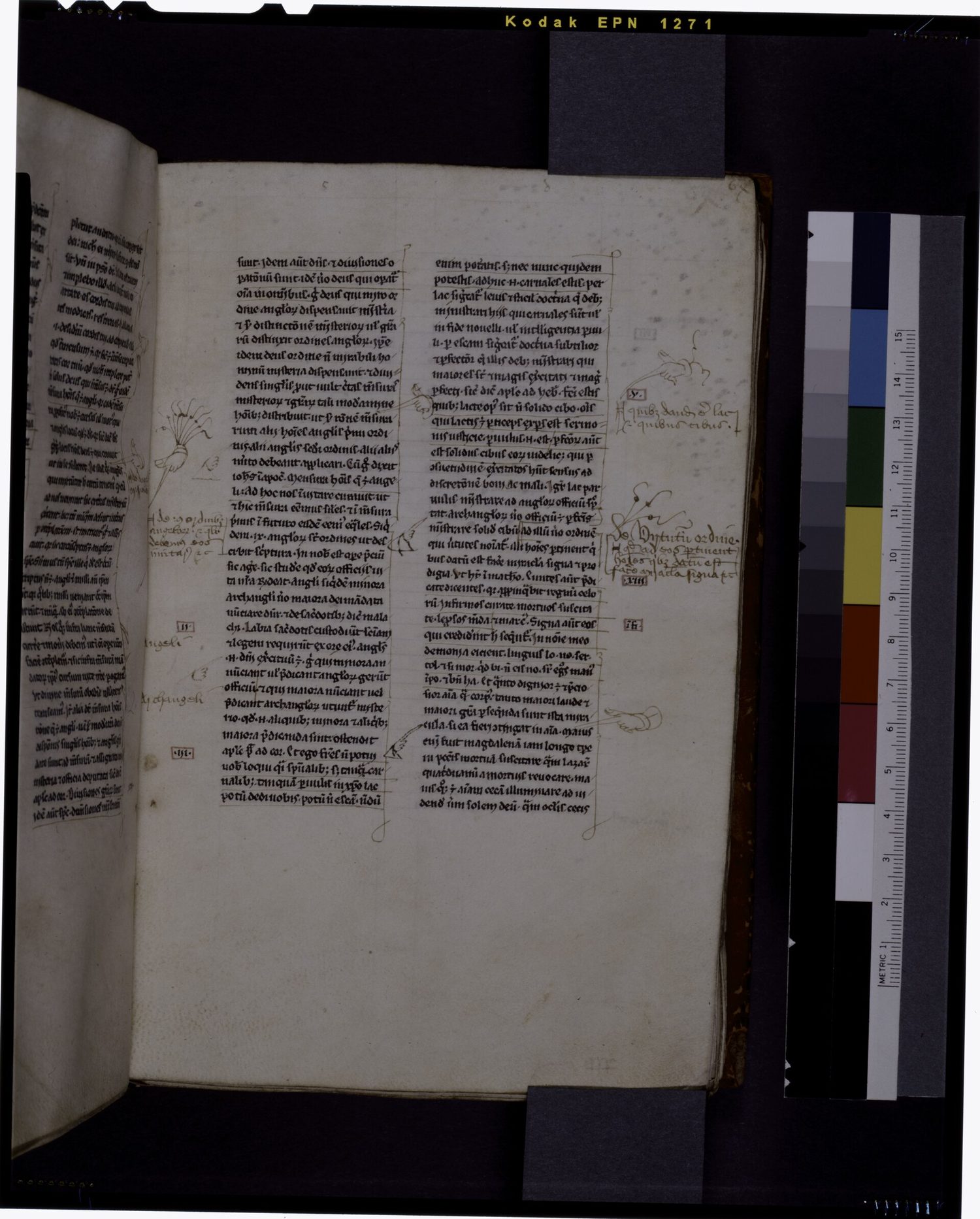
A page carrying its own commentary in the margins - close reading, several centuries early
Explore · ⁨探索⁩

Match each structural choice to its function · ⁨各構造的要因と機能を対応させる⁩

Describing the shape is not naming the function. Say what the reader is made to do, and where. · ⁨形を説明することは機能の名前来说えることではない。読者が何をさせられ、どこでさせられているかを述べよ。⁩

Vocabulary · ⁨語彙⁩ Train · ⁨練習する⁩
English 日本語
Line and stanza breaks/laɪn ænd ˈstænzə breɪks/ 行と節の区切り
2.3

The Function of Contrasts Within a Text

Syllabus · ⁨シラバス⁩
English

Enduring Understanding (STR-1): The arrangement of the parts and sections of a text, the relationship of the parts to each other, and the sequence in which the text reveals information are all structural choices made by a writer that contribute to the reader’s interpretation of a text.

Learning Objective 3.D: Explain the function of contrasts within a text.

  • STR-1.G Contrast can be introduced through focus; tone; point of view; character, narrator, or speaker perspective; dramatic situation or moment; settings or time; or imagery.
  • STR-1.H Contrasts are the result of shifts or juxtapositions or both.
  • STR-1.I Shifts may be signaled by a word, a structural convention, or punctuation.
  • STR-1.J Shifts may emphasize contrasts between particular segments of a text.
日本語

永続的理解 (STR-1): テキストの構成部分とセクションの配置、各部分同士の関係、そしてテキストが情報を開示する順序は、すべて作家による構造的選択であり、これらは読者によるテキストの解釈に寄与する。

学習目標 3.D: テキスト内の対比の機能を説明する。

  • STR-1.G 対比は、焦点;トーン;視点;キャラクター、語り手、または話者の視点;劇的な状況や瞬間;舞台設定や時間;あるいはイメージによって導入されることがある。
  • STR-1.H 対比は、転換や並置、あるいはその両方の結果として生じる。
  • STR-1.I 転換は、単語、構造上の慣習、または記号によって示されることがある。
  • STR-1.J 転換は、テキストの特定のセグメント間の対比を強調することがある。

Source: College Board AP Course and Exam Description · ⁨出典: College Board AP コースおよび試験説明書⁩

English
  • Contrast 对照 can be introduced through focus, tone, point of view, character or speaker perspective, and dramatic situation.
  • Contrasts are the result of shifts or juxtapositions or both.
  • Shifts may be signalled by a word, a structural convention, or punctuation.
  • Shifts may emphasise contrasts between particular segments of a text.

This is the most reliable route into an unseen poem. Find the shift - a but, a stanza break, a change of tense or address - and the poem divides into a before and an after. What changed, and what the change costs or gains, is very often the poem's argument.

日本語
  • Contrast can be introduced through focus, tone, point of view, character or speaker perspective, and dramatic situation。
  • Contrasts are the result of shifts or juxtapositions or both。
  • 転換は、ある言葉、構造的慣習、あるいは句読点によって合図されることがある。
  • Shifts may emphasise contrasts between particular segments of a text。

これは未知の詩への最も確実なアプローチです。シフトを見つけてください - but、詩節の断ち切り、時制や呼びかけの変化など - そうすると詩は「前」と「後」に分かれます。何が変化したか、そしてその変化が何を失ったかまたは何を得たかは、しばしば詩の論理そのものです。

Four places to look for contrast, not one
Explore · ⁨探索⁩

Find the contrast in four places, not one · ⁨一处ではなく四处の対比を見つける⁩

Students find the obvious pairing and stop — and the contrast inside a character usually carries the complexity question. · ⁨学生は明らかなペアリングを見つけると止まる — 人物内部の対比は通常、複雑さを問う問題に関わる。⁩

Vocabulary · ⁨語彙⁩ Train · ⁨練習する⁩
English 日本語
Contrast/ˈkɒntræst/ コントラスト
2.4

The Function of Specific Words and Phrases

Syllabus · ⁨シラバス⁩
English

Enduring Understanding (FIG-1): Comparisons, representations, and associations shift meaning from the literal to the figurative and invite readers to interpret a text.

Learning Objective 5.B: Explain the function of specific words and phrases in a text.

  • FIG-1.A An antecedent is a word, phrase, or clause that precedes its referent. Referents may include pronouns, nouns, phrases, or clauses.
  • FIG-1.B Referents are ambiguous if they can refer to more than one antecedent, which affects interpretation.
  • FIG-1.C Words or phrases may be repeated to emphasize ideas or associations.
  • FIG-1.D Alliteration is the repetition of the same letter sound at the beginning of adjacent or nearby words to emphasize those words and their associations or representations.
日本語

持続的理解(FIG-1): 比較、表現、連想は意味を字義から比喩へと移行させ、読者にテキストの解釈を促す。

学習目標 5.B: テキスト内の特定の単語や句の機能を説明する。

  • FIG-1.A 先行語とは、参照語の直前にある単語、句、または節である。参照語には代名詞、名詞、句、または節が含まれる。
  • FIG-1.B 参照語が複数の先行語を指しうる場合は曖昧であり、解釈に影響を与える。
  • FIG-1.C アイデアや連想を強調するために、単語や句が反復されることがある。
  • FIG-1.D 頭韻(alliteration)とは、隣接するまたは近い言葉の先頭に同じ音の文字を反復し、それらの言葉や連想・表現を強調することである。

Source: College Board AP Course and Exam Description · ⁨出典: College Board AP コースおよび試験説明書⁩

English
  • An antecedent 先行词 is a word, phrase, or clause that precedes its referent.
  • Referents are ambiguous if they can refer to more than one antecedent, which affects interpretation 影响阐释.
  • Words or phrases may be repeated to emphasise ideas or associations.
  • Alliteration 头韵 is the repetition of the same initial sound in adjacent or nearby words, emphasising those words.

Ambiguous reference is worth special attention. In prose it is usually a fault; in poetry it is often a device, and a pronoun that could point two ways may be holding both meanings deliberately.

日本語
  • An antecedent はその先行語(referent)の前に来る言葉、フレーズ、あるいは節です。
  • Referents が複数のantecedentを指せる場合は曖昧で、which affects interpretation します。
  • Words or phrases may be repeated to emphasise ideas or associations。
  • Alliteration は隣接または近接する言葉で同じ頭音の反復であり、それらの言葉を強調します。

曖昧な参照(ambiguous reference)は特別な注意が必要です。散文では通常、欠陥と見なされますが、詩ではしばしば手法として用いられ、二方向に指し示せる代名詞が意図的に両方の意味を保持していることがあります。

One chosen word is doing up to four things - 'powerful' is not one of them
Vocabulary · ⁨語彙⁩ Train · ⁨練習する⁩
English 日本語
antecedent/ˌæntɪˈsiːdənt/ antecedent(先行)
affects interpretation/əˈfekts ɪnˌtɜːprɪˈteɪʃn/ 解釈に影響を与える
Alliteration/əˌlɪtəˈreɪʃn/ 頭韻
2.5

The Function of a Simile

Syllabus · ⁨シラバス⁩
English

Enduring Understanding (FIG-1): Comparisons, representations, and associations shift meaning from the literal to the figurative and invite readers to interpret a text.

Learning Objective 6.A: Identify and explain the function of a simile.

  • FIG-1.E A simile uses the words “like” or “as” to liken two objects or concepts to each other.
  • FIG-1.F Similes liken two different things to transfer the traits or qualities of one to the other.
  • FIG-1.G In a simile, the thing being compared is the main subject; the thing to which it is being compared is the comparison subject.
日本語

持続的理解(FIG-1): 比較、表現、連想は意味を字義から比喩へと移行させ、読者にテキストの解釈を促す。

学習目標 6.A: 明喻の機能を特定し説明する。

  • FIG-1.E 明喻は「like」または「as」という言葉を使って、2つの物体や概念を互いに例える。
  • FIG-1.F 明喻は2つの異なるものを例え、片方の特徴や性質を他方に移転させる。
  • FIG-1.G 明喻において、比較対象となるものは主要な主題であり、それと比較されるものは比較の主題である。

Source: College Board AP Course and Exam Description · ⁨出典: College Board AP コースおよび試験説明書⁩

English
  • A simile 明喻 uses "like" or "as" to liken two objects or concepts.
  • Similes liken two different things to transfer the traits or qualities of one to the other.
  • In a simile, the thing being compared is the main subject; the thing to which it is compared is the comparison subject.

Those two terms are the whole method. A scoring answer names the main subject, names the comparison subject, and then says which quality was transferred - because that quality is the claim the poem is making.

日本語
The CED's own terms - and the transfer only runs one way
Name the main subject, name the comparison subject, then say which quality crossed over
  • A simile uses 「like」or「as」 を用いて2つの対象や概念を類似させます。
  • Similes are used to liken two different things to transfer the traits or qualities of one to the other。
  • A simileにおいて、thing being compared は main subject であり、thing to which it is compared は comparison subject です。

これらの2つの用語が手法全体です。高得点な答えはmain subjectを特定し、comparison subjectを特定し、その後 which quality was transferred を述べます。なぜなら、その品質こそが詩が主張していることだからです。

Vocabulary · ⁨語彙⁩ Train · ⁨練習する⁩
English 日本語
simile/ˈsɪmɪlɪ/ 比喩( simile )
metaphor/ˈmetəfɔː/ 隠喩
2.6

The Function of a Metaphor

Syllabus · ⁨シラバス⁩
English

Enduring Understanding (FIG-1): Comparisons, representations, and associations shift meaning from the literal to the figurative and invite readers to interpret a text.

Learning Objective 6.B: Identify and explain the function of a metaphor.

  • FIG-1.H A metaphor implies similarities between two (usually unrelated) concepts or objects in order to reveal or emphasize one or more things about one of them, though the differences between the two may also be revealing.
  • FIG-1.I In a metaphor, as in a simile, the thing being compared is the main subject; the thing to which it is being compared is the comparison subject.
  • FIG-1.J Comparisons between objects or concepts draw on the experiences and associations readers already have with those objects and concepts.
  • FIG-1.K Interpretation of a metaphor may depend on the context of its use; that is, what is happening in a text may determine what is transferred in the comparison.
日本語

持続的理解(FIG-1): 比較、表現、連想は意味を字義から比喩へと移行させ、読者にテキストの解釈を促す。

学習目標 6.B: 隠喩の機能を特定し説明する。

  • FIG-1.H 隠は、2つ(通常無関係な)概念や物体間の類似性を暗示し、そのうちの一つについて何かを明らかにしたり強調したりするためのものであるが、2つ間の相違点が明らかにされることもある。
  • FIG-1.I 隠喩においても、明喻と同様に、比較対象となるものは主要な主題であり、それと比較されるものは比較の主題である。
  • FIG-1.J 物体や概念間の比較は、読者がすでに持つこれらの物体や概念への経験や連想に基づいている。
  • FIG-1.K 隠喩の解釈は使用文脈に依存することがあり、つまりテキストで何が起こっているかが、比較で移転される内容を決定することがある。

Source: College Board AP Course and Exam Description · ⁨出典: College Board AP コースおよび試験説明書⁩

English
  • A metaphor 隐喻 implies similarities between two usually unrelated concepts to reveal or emphasise qualities of the main subject.
  • The same main-subject and comparison-subject structure applies.
  • Comparisons draw on the experiences and associations readers already have with the comparison subject - which is why a metaphor can fail with an audience that lacks those associations.
  • Interpretation of a metaphor may depend on the context of its use: what is happening in the text may determine which of the comparison subject's qualities is meant.

That last point protects you from the commonest error, which is importing every association a word has. If a poem calls grief a house, the relevant quality might be shelter, or confinement, or the fact that one must live inside it. The text decides which.

日本語
  • A metaphor implies similarities between two usually unrelated concepts to reveal or emphasise qualities of the main subject。
  • 同じmain-subjectおよびcomparison-subjectの構造が適用されます。
  • Comparisons draw on the experiences and associations readers already have with the comparison subject - which is why a metaphor can fail with an audience that lacks those associations。
  • Interpretation of a metaphor may depend on the context of its use: what is happening in the text may determine which of the comparison subject's qualities is meant。

その最後のポイントは、最も一般的な誤りを避けるためのものです。それは、ある言葉が持つすべての連想をそのまま取り込むことです。詩が悲しみ (a house) を「家」と呼んでいる場合、関連する特質は、保護、閉ざされた空間、あるいはそこに住まなければならないという事実のいずれかである可能性があります。本文がどの特質を指しているかを決定します。

2.7

Developing a Paragraph with Claim and Evidence · ⁨主張と証拠を含むパラグラフの構成⁩

Syllabus · ⁨シラバス⁩
English

Enduring Understanding (LAN-1): Readers establish and communicate their interpretations of literature through arguments supported by textual evidence.

Learning Objective 7.A: Develop a paragraph that includes 1) a claim that requires defense with evidence from the text and 2) the evidence itself.

  • LAN-1.A In literary analysis, writers read a text closely to identify details that, in combination, enable them to make and defend a claim about an aspect of the text.
  • LAN-1.B A claim is a statement that requires defense with evidence from the text.
  • LAN-1.C In literary analysis, the initial components of a paragraph are the claim and textual evidence that defends the claim.
日本語

持続的理解(LAN-1): 読者は、テキストの証拠で裏付けられた議論を通じて、文学作品の解釈を確立し伝達する。

学習目標 7.A: 1) テキストの証拠による擁護を必要とする主張と、2) その証拠自体を含む段落を作成する。

  • LAN-1.A 文学分析において、作家はテキストを精読し、組み合わさることでテキストのある側面に関する主張を立案し擁護できる詳細を特定する。
  • LAN-1.B 主張とは、テキストの証拠によって擁護を必要とする声明のことである。
  • LAN-1.C 文学分析において、段落の最初の要素は、主張を擁護するための主張とテキストの証拠である。

Source: College Board AP Course and Exam Description · ⁨出典: College Board AP コースおよび試験説明書⁩

English

Same three components as Unit 1: a claim requiring textual defence, the textual evidence, and details identified in combination.

Worked example (a real AP exam task). A poetry-analysis prompt asks how the speaker's use of comparison conveys their attitude. A weak answer: "The poet uses a metaphor comparing memory to a house, which is effective." A scoring answer uses the CED's terms and the context rule: "The main subject is memory and the comparison subject a house, but the poem withholds warmth from the comparison: the house has 'rooms she no longer enters'. The quality transferred is therefore not shelter but confinement by a structure one built oneself - so the speaker's attitude to her own past is presented as inhabiting something she can neither leave nor fully occupy." Main subject, comparison subject, transferred quality, and the attitude it conveys.

日本語

Unit 1と同じ3つの構成要素です:主張(本文による裏付けが必要)、本文の証拠、そして組み合わせて特定される詳細。

ワークドエグザム(実際のAP試験課題)。 詩の分析問題として、「話手が比喩を用いることで、自身の態度をどのように表現しているか」を問うたてつけがあります。弱い回答:「詩人は記憶を家と比較するメタファーを使用しており、これは効果的である。」採点基準に合格した回答は、CEDの用語と文脈のルールを用いています:「主要な対象は記憶であり、比較の対象は家だが、この詩では家に対する温かさを控えている。家は『彼女が入らない部屋』を持っている。したがって、移転された特質は保護ではなく、自身が造り出した構造物による閉ざされ方であり、話手の自身の過去への態度は、去ることも完全に占有することもできない何かに住むこととして提示されている。」主要な対象、比較の対象、移転された特質、およびそれが伝える態度。

2.7

Exam tips · ⁨試験対策⁩

English
  • What a speaker omits is evidence. In a poem, everything present was chosen.
  • Find the shift first. A but, a stanza break, a change of tense - the poem divides there.
  • Line endings are the emphatic position. Say which words the poet put there.
  • An ambiguous referent in poetry is usually a device, not an error.
  • Always name main subject and comparison subject, then the quality transferred. That quality is the claim.
  • Context decides which quality a metaphor imports. Do not list every association the word has.
日本語
  • 話手が省略していることも証拠となる。詩において、存在するものはすべて意図的に選ばれたものだからである。
  • まず変化点を見つける。butのような接続詞、段落の区切り、時制の変化など、詩が分割される場所がある。
  • 行末は強調される位置である。詩人がそこにどのような単語を配置したかを述べよ。
  • 詩における曖昧な参照先は、通常、誤りではなく、修辞的な装置である。
  • いつも主要な対象と比較の対象を挙げ、次に移転された特質を述べる。この特質こそが主張である。
  • 文脈によって、メタファーがどの特質を取り込むかが決まる。ある言葉が持つすべての連想を列挙してはならない。

Interactive lessons on this topic · ⁨このトピックのインタラクティブ授業⁩

Work through it step by step, with instant-check exercises. · ⁨一歩ずつ進め、即時チェック付きの問題で学習します。⁩

Past Papers · ⁨過去問⁩

More topics in AP English Literature and Composition · ⁨AP 英語文学と作文⁩ · ⁨AP English Literature and Composition · ⁨AP 英語文学と作文⁩ の他のトピック⁩

Log in or create account · ⁨ログインまたはアカウント作成⁩

IGCSE, A-Level & AP