Skip to content · ⁨דלג לתוכן⁩

Writing a formal letter or email · ⁨כתיבת מכתב רשמי או מייל⁩

IGCSE English · ⁨אנגלית IGCSE⁩ · Topic 4 · ⁨נושא 4⁩

Video lesson for this topic · ⁨שיעור וידאו לנושא זה⁩ Open the video page · ⁨פתח את עמוד הוידאו⁩
8:04

כתיבת מכתב או אימייל רשמי

תלמידה מגלה שהשעון החדש של האוטובוס גורם לה להתאחר על בית הספר כל בוקר. היא מחליטה לכתוב לחברת האוטובוסים. הגרסה הראשונה שלה אומרת: <slow>זו…

English narration · English + 中文 subtitles burned in · ⁨קריאת קול באנגלית · תרגום אנגלי + סינית שרוף בתוך הסרטון⁩

4.1

When to write formally · ⁨מתי לכתוב באופן רשמי⁩

Syllabus · ⁨סיילבוס⁩
English
  1. recognise when a task needs a formal or semi-formal response (for example, to a teacher or an event organiser)
  2. cover the purpose, format and audience information given in the task
  3. keep a polite, formal tone throughout
עברית
  1. זיהוי when a task needs a formal or semi-formal response (for example, to a teacher or an event organiser)
  2. כיסוי the purpose, format and audience information given in the task
  3. שמירה על גוון מכובד ורשמי לאורך כל הטקסט
Source: Cambridge International syllabus · ⁨מקור: הסיילבוס הבינלאומי של קמבריד'ג'⁩

English

The second writing task sometimes asks for a formal 正式 or semi-formal 半正式 letter or email.

Spot a formal task

  • A formal task is written to someone you do not know well — a head teacher 校长, a manager 经理, or an event organiser 活动组织者.
  • The task tells you the format 格式, the purpose 目的 and the reader. Use all three.

Keep a polite tone

  • Be polite 礼貌 and respectful. Do not use slang 俚语 or jokes.
  • Do not use short forms. Write "I am", not "I'm".
עברית

משימת הכתיבה השנייה לעיתים דורשת מכתב או מייל רשמי 正式 או סמי-רשמי 半正式.

זיהוי משימה רשמית

  • משימה רשמית נכתבת למישהו שאינו מוכר לך היטב — ראש בית ספר 校长, מנהל 经理, או מארגן אירוע 活动组织者.
  • המשימה מציינת את הפורמט 格式, את המטרה 目的 ואת הקורא. השתמש בשלושה אלמנטים אלו.
שולחן משרד מסודר עם מחשב, צמח ולוח שנה על הקיר, אין איש יושב בזה
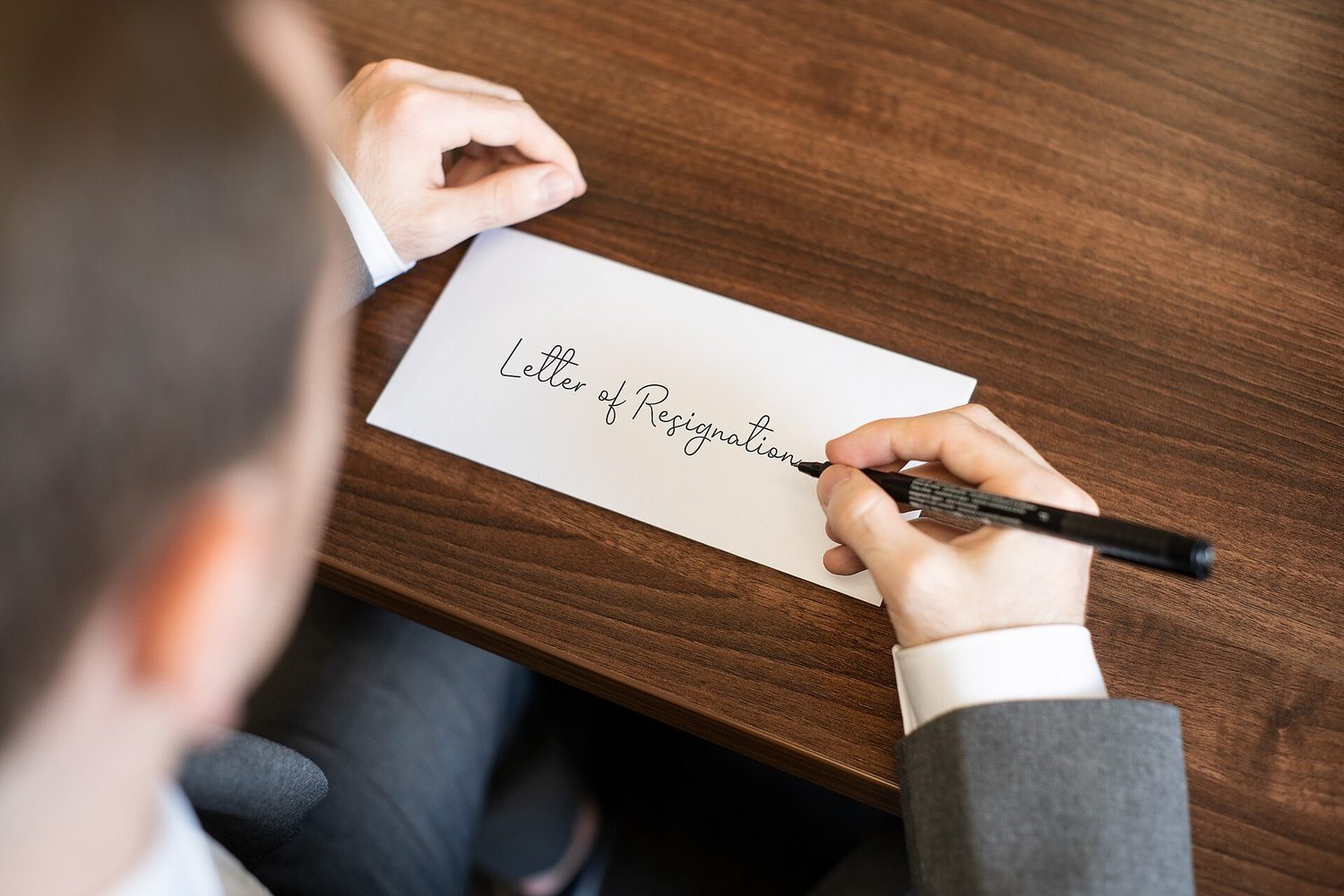
מכתב רשמי נקרא בשולחן כזה – על ידי מי שאינו מכיר אותך, והוא עסוק

שמירה על גוון מכובד

  • היה מכובד 礼貌 ומכבד. אל תשתמש בשלנג 俚语 או בבדיחות.
  • אל תשתמש בקיצורים. כתוב "I am", לא "I'm".
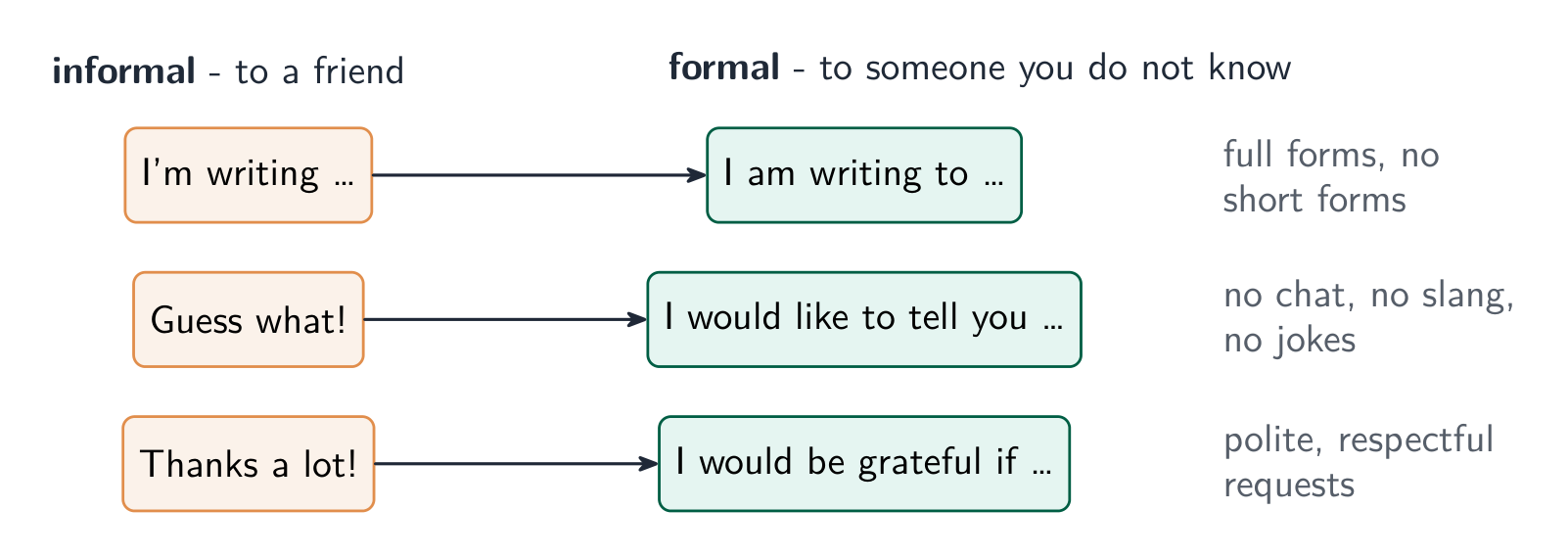
שלושה ביטויים לא-רשמיים הופכים לרשמיים: I'm writing הופך ל-I am writing to, Guess what הופך ל-I would like to tell you, Thanks a lot הופך ל-I would be grateful if
המרת ביטויים ידידותיים לביטויים רשמיים
מכתב רשמי: מבנה זהיר, גוון מכובד וסיבה ברורה לכתיבה
Vocabulary · ⁨מילון מונחים⁩ Train · ⁨אימון⁩
English עברית
formal/ˈfɔːml/ רשמי
semi-formal/ˈsemi ˈfɔːml/ סמי-רשמי
head teacher/hed ˈtiːtʃə/ מנהל מוסד לימודים
manager/ˈmænɪdʒə/ מנהל
event organiser/ɪˈvent ˈɔːɡənaɪzə/ ארגון אירועים
format/ˈfɔːmæt/ פורמט
purpose/ˈpɜːpəs/ מטרה
polite/pəˈlaɪt/ מוזג
slang/slæŋ/ גיגית
4.2

Building a formal letter or email · ⁨בניית מכתב רשמי או מייל⁩

Syllabus · ⁨סיילבוס⁩
English
  1. open and close a formal letter or email appropriately (for example: Dear … / Yours sincerely …)
  2. organise your points into clear paragraphs with a beginning, middle and end
  3. use formal language and avoid contractions and slang
עברית
  1. לפתוח ולסגור מכתב רשמי או מייל באופן מתאים (למשל: יקר … / בברכה …)
  2. לנסח את נקודותיך בפסקאות ברורות עם פתיחה, גוף וסיכום
  3. להשתמש בשפה רשמית ולהימנע מקיצורים ושפת סלנג

Source: Cambridge International syllabus · ⁨מקור: הסיילבוס הבינלאומי של קמבריד'ג'⁩

English

A formal letter follows a clear order.

Opening and closing

  • Open with Dear Sir/Madam, or Dear Mr Lee,
  • If you start with a name, close with Yours sincerely,. If you start with Sir/Madam, close with Yours faithfully,.

Clear paragraphs

  • First paragraph: say why you are writing.
  • Middle paragraphs: give your points, one idea in each.
  • Last paragraph: say what you would like to happen next.

Formal language

  • Use formal phrases: I would like to…, I am writing to…, I would be grateful 感激 if…
  • Keep sentences clear and complete. Check your grammar and spelling.

A model formal letter

See how a polite, complete opening sets the right tone.

Dear Sir or Madam,

I am writing to suggest an improvement to the town library. At present it closes at five o'clock, which is too early for students who finish school at four. I would be grateful if the council could consider opening it until seven in the evening on weekdays.

Thank you for taking the time to read my letter.

Yours faithfully, J. Chen

Notice the Dear Sir or Madam / Yours faithfully pair, the clear first line stating the purpose, the polite request, and the complete sentences with no short forms.

עברית

מכתב רשמי עוקב אחרי סדר ברור.

מכתב רשמי עם תוויות: הפרק הראשון אומר מדוע הכתב, הפרקים האמצעיים נותנים כל אחד נקודה אחת, הסוף אומר מה הוא רוצה שקיימה, ותיבה מראה ש-Dear Sir or Madam מתאים ל-Yours faithfully בעוד Dear Mr Lee מתאים ל-Yours sincerely
צורת המכתב הרשמי - והברכה קובעת את סיום המכתב

פתיחה וסיום

  • פתח ב-Dear Sir/Madam, או Dear Mr Lee,
  • אם התחלת בשם, סיים ב-Yours sincerely,. אם התחלת ב-Sir/Madam, סיים ב-Yours faithfully,.

פרקים ברורים

  • הפרגרף הראשון: אמר מדוע אתה כותב.
  • פרקי האמצע: העלה נקודות, רעיון אחד בכל פרק.
  • הפרגרף האחרון: אמר מה תרצה שתקרה בהמשך.

לשון רשמית

  • השתמש בביטויים רשמיים: I would like to…, I am writing to…, I would be grateful 感激 if…
  • שמור על משפטים ברורים ומלאים. בדוק את הדקדוק והכתיב שלך.

דוגמה למכתב רשמי

התבונן כיצד פתיחה מכובדת ומלאה קובעת את הטון הנכון.

מר או גברת יקרים,

אני כותב כדי להציע שיפור בספריות העיר. נכון לעתה היא סגורה בשעה חמש, שזה מוקדי מדי עבור תלמידים שמסיימים לימודים בשעה ארבע. הייתי מודה אם הוועדה תוכל לשקול לפתוח אותה עד השעה שבע בערב בימי חול.

תודה לך שלקחת זמן לקרוא את המכתב שלי.

בברכה, J. Chen

שים לב לזוג מר או גברת יקרים / בברכה, השורה הראשונה המבהירה במפורש את המטרה, הבקשה המכובדת והמשפטים המלאים ללא קיצורים.

Vocabulary · ⁨מילון מונחים⁩ Train · ⁨אימון⁩
English עברית
grateful/ˈɡreɪtfl/ תודהן
4.2

Exam tips · ⁨טיפים לבחינות⁩

English
  • Match the greeting to the ending: Dear Mr Lee → Yours sincerely; Dear Sir or Madam → Yours faithfully.
  • Say why you are writing in the first line: "I am writing to apply for…" saves words and sounds formal.
  • Do not use short forms: write "I am" and "do not", never "I'm" or "don't".
  • One paragraph per point, and end by naming the action you hope for: "I would be grateful if…".
  • Stay polite even in a complaint: "I was disappointed to find…" wins marks; "This is terrible!" loses the tone.
עברית
  • התאם את ההיכרות לסיום: מר לי → בברכה; מר או גברת יקרים → בברכה.
  • ציין מדוע אתה כותב בשורה הראשונה: "אני כותב כדי להתקבל…" חוסך מילים ונשמע רשמי.
  • אל תשתמש בקיצורים: כתוב "אני" ו"אינו", לעולם לא "אני'" או "לא'".
  • פרק אחד לכל נקודה, וגמר על ידי ציון הפעולה שתקווה: "הייתי מודה אם…".
  • שמור על כבוד גם בהצגת טענות: "התאכזבתי לגלות…" מביא נקודות; "זה נורא!" מאבד את הטון.

Interactive lessons on this topic · ⁨שיעורים אינטראקטיביים בנושא זה⁩

Work through it step by step, with instant-check exercises. · ⁨לעבור על הדברים צעד אחר צעד, עם תרגילים לבדיקה מיידית.⁩

Past Papers · ⁨מבחני עבר⁩

More topics in IGCSE English · ⁨אנגלית IGCSE⁩ · ⁨נושאים נוספים בIGCSE English · ⁨אנגלית IGCSE⁩⁩

Log in or create account · ⁨היכנס או צור חשבון⁩

IGCSE, A-Level & AP