Skip to content · ⁨דלג לתוכן⁩

Poetry I · ⁨שירה I⁩

AP English Literature and Composition · ⁨ספרות אנגלית וכתיבה יצירתית - AP⁩ · Topic 2 · ⁨נושא 2⁩

Video lesson for this topic · ⁨שיעור וידאו לנושא זה⁩ Open the video page · ⁨פתח את עמוד הוידאו⁩
6:10

יחידה 2: שירה I

יחידה 2 היא היחידה הראשונה לשירה בקורס, והיא מוסיפה שני אלמנטים לכלי העבודה של יחידה 1: מבנה כפריט ניתוח, ושפה מעוצבת המטופלת…

English narration · English + 中文 subtitles burned in · ⁨קריאת קול באנגלית · תרגום אנגלי + סינית שרוף בתוך הסרטון⁩

2.1

What Textual Details Reveal About a Character · ⁨מה פרטים טקסטואליים חושפים לגבי דמות⁩

Syllabus · ⁨סיילבוס⁩
English

Enduring Understanding (CHR-1): Characters in literature allow readers to study and explore a range of values, beliefs, assumptions, biases, and cultural norms represented by those characters.

Learning Objective 1.A: Identify and describe what specific textual details reveal about a character, that character’s perspective, and that character’s motives.

  • CHR-1.E Characters reveal their perspectives and biases through the words they use, the details they provide in the text, the organization of their thinking, the decisions they make, and the actions they take.
עברית

הבנה מתמשכת (CHR-1): דמויות בספרות מאפשרות לקוראים לעסוק בחקר ובחינוך מגוון ערכים, אמונות, הנחות בסיס, גיויים ונורמות תרבותיים המייצגות הדמויות הללו.

מטרות למידה 1.A: לזהות ולתאר מה פרטים טקסטואליים ספציפיים חושפים על דמות, על מבטא של הדמות ועל מנימיה של הדמות.

  • CHR-1.E דמויות חושפות את זווית הראייה והנטייה שלהן באמצעות המילים שהן משתמשות בהן, הפרטים שהן מספקות בטקסט, הארגון של מחשבתן, ההחלטות שהן מקבלות והפעולות שהן מבצעות.

Source: College Board AP Course and Exam Description · ⁨מקור: תיאור הקורס והמבחן של College Board AP⁩

English

Unit 2 is the course's first poetry unit, and it adds two things to Unit 1's toolkit: structure as an object of analysis, and figurative language 比喻性语言 handled precisely rather than by name-dropping.

One addition on character first: characters reveal their perspectives and biases through the words they use, the details they provide, and the details they omit.

That last item is the analytical opening. What a speaker does not mention, in a poem where everything is chosen, is evidence.

עברית

יחידה 2 היא היחידה הראשונה בספרה לימוד השירה, והיא מוסיפה כלים ליחידה 1: מבנה כאובייקט לניתוח, ושפה סמנטית 比喻性语言 מטופלת בדיוק ולא רק על ידי ציון שמותיה.

הוספה אחת בנושא אישיות תחילה: דמויות חושפות את נקודות המבט והשיפוטיות שלהן דרך המילים שהן משתמשות בהן, הפרטים שהן מספקות והפרטים שהן מתעלמות מהם.

הפריט האחרון הוא הפתיחה האנליטית. מה שדובר לא מזכיר, בשירה שבה הכל נבחר, הוא עדות.

2.2

The Function of Structure in a Text · ⁨תפקיד המבנה בטקסט⁩

Syllabus · ⁨סיילבוס⁩
English

Enduring Understanding (STR-1): The arrangement of the parts and sections of a text, the relationship of the parts to each other, and the sequence in which the text reveals information are all structural choices made by a writer that contribute to the reader’s interpretation of a text.

Learning Objective 3.C: Explain the function of structure in a text.

  • STR-1.D Line and stanza breaks contribute to the development and relationship of ideas in a poem.
  • STR-1.E The arrangement of lines and stanzas contributes to the development and relationship of ideas in a poem.
  • STR-1.F A text’s structure affects readers’ reactions and expectations by presenting the relationships among the ideas of the text via their relative positions and their placement within the text as a whole.
עברית

הבנה מתמשכת (STR-1) סידור החלקים והפרקים של טקסט, היחס בין החלקים זה לזה, והרצף שבו הטקסט חושף מידע הם כולם בחירות מבניות שנעשו על ידי סופר ותורמים לפירוש הטקסט על ידי הקורא.

מטרת למידה 3.C: הסבר תפקיד המבנה בטקסט.

  • STR-1.D שבירת שורה ושברת בת יוצרים תמיכה בהתפתחות ובקשר בין רעיונות בשירה.
  • STR-1.E סידור השורות והבתים תומך בהתפתחות ובקשר בין רעיונות בשירה.
  • STR-1.F המבנה של טקסט משפיע על תגובותיו וציפיות הקוראים על ידי הצגת הקשרים בין רעיונות הטקסט דרך מיקוםם היחסי והמיקום שלהם בתוך הטקסט ככלל.

Source: College Board AP Course and Exam Description · ⁨מקור: תיאור הקורס והמבחן של College Board AP⁩

English
  • Line and stanza breaks 行与诗节的断开 contribute to the development and relationship of ideas in a poem.
  • The arrangement of lines and stanzas contributes to that development.
  • A text's structure affects readers' reactions and expectations by presenting the relationships among ideas.

Structure in poetry is not decoration; it is punctuation for thought. Where a line breaks decides which words sit at the ends of lines, and the end of a line is the most emphatic position available. A sentence that runs past a line break asks the reader to hold something unresolved; one that stops at the break closes it.

עברית
  • שבירי שורה ושורות 行与诗节的断开 תורמים לפיתוח ולקשר בין רעיונות בשירה.
  • סידור השורות והשורות תורם לפיתוח זה.
  • מבנה הטקסט משפיע על תגובות וציפיות הקוראים על ידי הצגת הקשרים בין רעיונות.

מבנה בשירה אינו קישוט; הוא ניקוד לחשיבה. איפה שורה נשברת קובעת אילו מילים יושבות בקצוות השורות, וקצה שורה הוא המיקום המודגש ביותר הזמין. משפט שנמשך מעבר לשביר שורה מבקש מהקורא להחזיק משהו בלתי פתור; אחד שנעצר בשביר סוגר אותו.

Describing the shape is not naming the function - say what the reader is made to do
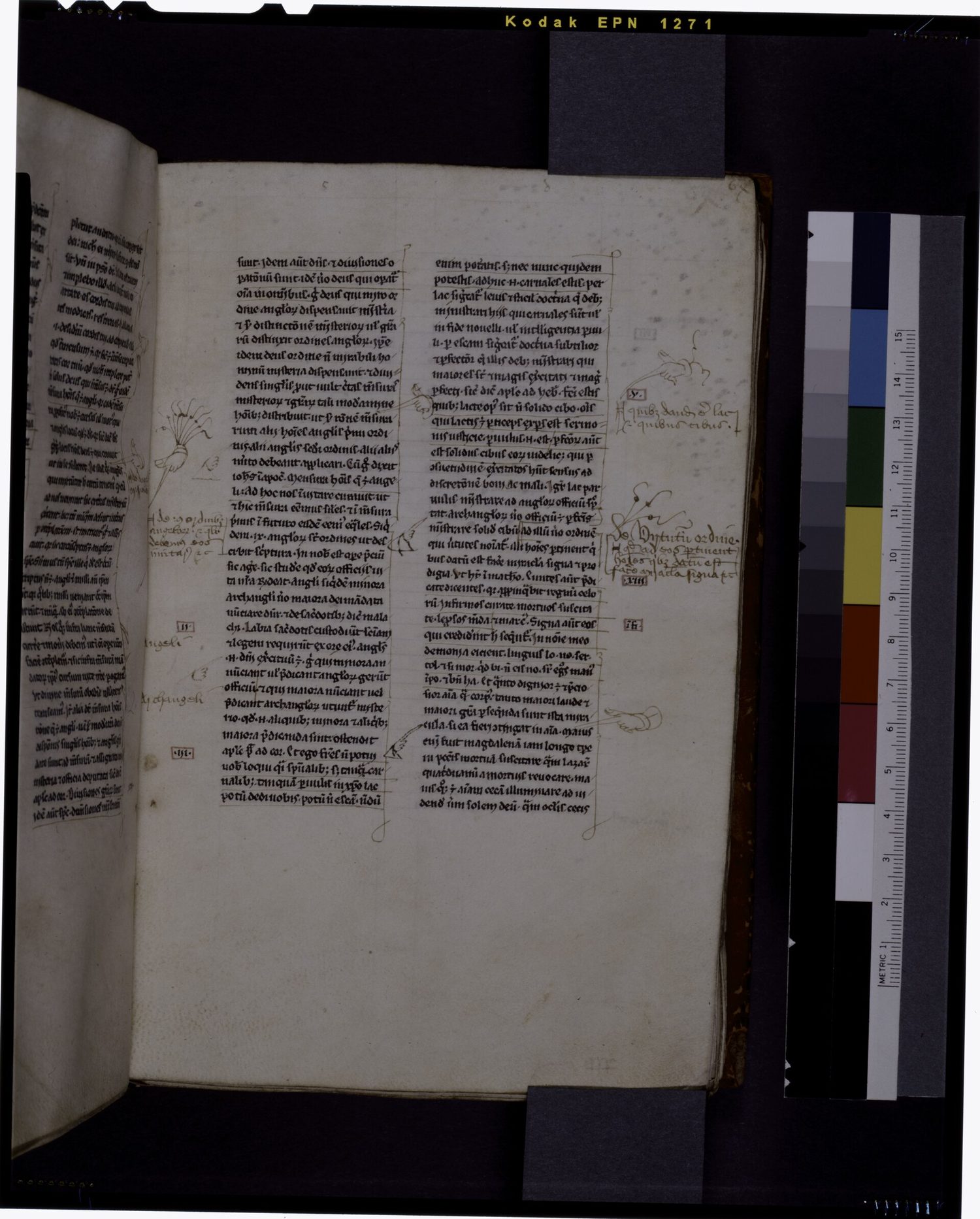
דף המכיל את ההערה שלו בשוליים - קריאה מעמיקה, מספר מאות שנים לפני זמנה
Explore · ⁨חקור⁩

Match each structural choice to its function · ⁨התאמו כל בחירה מבנית לתפקידה⁩

Describing the shape is not naming the function. Say what the reader is made to do, and where. · ⁨תיאור הצורה אינו שיווי תפקוד. יש לומר מה הקורא נדרש לעשות, ואיפה.⁩

2.3

The Function of Contrasts Within a Text · ⁨תפקיד ההבדלים בתוך הטקסט⁩

Syllabus · ⁨סיילבוס⁩
English

Enduring Understanding (STR-1): The arrangement of the parts and sections of a text, the relationship of the parts to each other, and the sequence in which the text reveals information are all structural choices made by a writer that contribute to the reader’s interpretation of a text.

Learning Objective 3.D: Explain the function of contrasts within a text.

  • STR-1.G Contrast can be introduced through focus; tone; point of view; character, narrator, or speaker perspective; dramatic situation or moment; settings or time; or imagery.
  • STR-1.H Contrasts are the result of shifts or juxtapositions or both.
  • STR-1.I Shifts may be signaled by a word, a structural convention, or punctuation.
  • STR-1.J Shifts may emphasize contrasts between particular segments of a text.
עברית

הבנה מתמשכת (STR-1) סידור החלקים והפרקים של טקסט, היחס בין החלקים זה לזה, והרצף שבו הטקסט חושף מידע הם כולם בחירות מבניות שנעשו על ידי סופר ותורמים לפירוש הטקסט על ידי הקורא.

מטרת למידה 3.D: הסבר תפקיד הניגודים בתוך טקסט.

  • STR-1.G ניגודים יכולים להיות מובאים באמצעות דגש; טון; נקודת מבט; דמות, מספר או דמות המרץ; מצב דרמטי או רגע; עיצובים או זמן; או ציוריות.
  • STR-1.H ניגודים הם תוצאה של מעברים או juxtapositions (הצבה צמודה) או שניהם יחד.
  • STR-1.I מעברים עשויים להיות מסומנים במילה, במסורת מבנית או בפיסוק.
  • STR-1.J מעברים עשויים להדגיש ניגודים בין חלקים ספציפיים של טקסט.

Source: College Board AP Course and Exam Description · ⁨מקור: תיאור הקורס והמבחן של College Board AP⁩

English
  • Contrast 对照 can be introduced through focus, tone, point of view, character or speaker perspective, and dramatic situation.
  • Contrasts are the result of shifts or juxtapositions or both.
  • Shifts may be signalled by a word, a structural convention, or punctuation.
  • Shifts may emphasise contrasts between particular segments of a text.

This is the most reliable route into an unseen poem. Find the shift - a but, a stanza break, a change of tense or address - and the poem divides into a before and an after. What changed, and what the change costs or gains, is very often the poem's argument.

עברית
  • הבדל (对照) יכול להופיע דרך דגש, גוון, נקודת מבט, דמות או נקודת מבט של הרואה, ומצב דרמטי.
  • הבדלים הם תוצאה של שינויים או הצבה זה לצד זה או שניהם יחד.
  • שינויים עשויים להיות מסומנים על ידי מילה, קונבנציה מבנית או פיסוק.
  • שינויים עשויים להדגיש הבדלים בין חלקים מסוימים בטקסט.

זוהי הדרך האמינה ביותר לקריאת שיר בלתי נראה. מצאו את השינוי – מילה "אבל", סיום בית משור, שינוי בזמן או בהפנייה – והשיר מתחלק ל"לפני" ו"אחרי". מה השתנה, ומה השינוי עולה או מרוויח ממנו, הוא לעיתים קרובות הטיעון של השיר.

ארבע מקומות לחפש בהם הבדל, ולא רק אחד
Explore · ⁨חקור⁩

Find the contrast in four places, not one · ⁨מצאו את ההבדל בארבע מקומות, ולא במקום אחד⁩

Students find the obvious pairing and stop — and the contrast inside a character usually carries the complexity question. · ⁨התלמידים מוצאים את הזוגיות הגלויה ועוצרים — וההבדל בתוך דמות בדרך כלל מכיל את שאלת המורכבות.⁩

Vocabulary · ⁨מילון מונחים⁩ Train · ⁨אימון⁩
English עברית
figurative language/ˈfɪɡjərətɪv ˈlæŋɡwɪdʒ/ שפה טבעית
Line and stanza breaks/laɪn ænd ˈstænzə breɪks/ שבירת שורה ופרק
Contrast/ˈkɒntræst/ ניגוד
antecedent/ˌæntɪˈsiːdənt/ קודם
affects interpretation/əˈfekts ɪnˌtɜːprɪˈteɪʃn/ משפיע על הפרשנות
Alliteration/əˌlɪtəˈreɪʃn/ אלליטרציה
2.4

The Function of Specific Words and Phrases · ⁨תפקיד מילים וביטויים ספציפיים⁩

Syllabus · ⁨סיילבוס⁩
English

Enduring Understanding (FIG-1): Comparisons, representations, and associations shift meaning from the literal to the figurative and invite readers to interpret a text.

Learning Objective 5.B: Explain the function of specific words and phrases in a text.

  • FIG-1.A An antecedent is a word, phrase, or clause that precedes its referent. Referents may include pronouns, nouns, phrases, or clauses.
  • FIG-1.B Referents are ambiguous if they can refer to more than one antecedent, which affects interpretation.
  • FIG-1.C Words or phrases may be repeated to emphasize ideas or associations.
  • FIG-1.D Alliteration is the repetition of the same letter sound at the beginning of adjacent or nearby words to emphasize those words and their associations or representations.
עברית

הבנה מתמשכת (FIG-1): השוואות, נציגויות וקישורים ממירים משמעות מהפשוט לפigurative ומזמינים לקוראים לפרש טקסט.

מטרת הלמידה 5.B: הסבר תפקידם של מילים וביטויים ספציפיים בטקסט.

  • FIG-1.A מקור (antecedent) הוא מילה, ביטוי או משפט שקדמו למפנה. המפניםות עשויות לכלול pronouns, שמות עצם, ביטויים או משפטים.
  • FIG-1.B מפנותות הן מעורבות אם הן יכולות להתייחס למקור אחד או יותר, מה שמשפיע על הפרשנות.
  • FIG-1.C ייתכן שיש חזרה על מילים או ביטויים כדי להדגיש רעיונות או קשרים.
  • FIG-1.D אללירציה היא חזרה על אותה צליל בראש מילים סמוכות או נספחות כדי להדגיש את המילים ואת הקשרים או ההצגות שלהן.

Source: College Board AP Course and Exam Description · ⁨מקור: תיאור הקורס והמבחן של College Board AP⁩

English
  • An antecedent 先行词 is a word, phrase, or clause that precedes its referent.
  • Referents are ambiguous if they can refer to more than one antecedent, which affects interpretation 影响阐释.
  • Words or phrases may be repeated to emphasise ideas or associations.
  • Alliteration 头韵 is the repetition of the same initial sound in adjacent or nearby words, emphasising those words.

Ambiguous reference is worth special attention. In prose it is usually a fault; in poetry it is often a device, and a pronoun that could point two ways may be holding both meanings deliberately.

עברית
  • מקדם (先行词) הוא מילה, ביטוי או משפט שאינו את הנרדף שלו.
  • הנרדפים הם מטושטשים אם הם יכולים להתייחס ליותר ממקדם אחד, מה שמשפיע על הפרשנות (影响阐释).
  • ייתכן שמילים או ביטויים יוחזרו כדי להדגיש רעיונות או קשרים.
  • אלליתרציה (头韵) היא חזרת אותו צליל ראשוני במילים סמוכות או קרובות, ומדגישה מילים אלו.

התייחסות מטושטמת שווה תשומת לב מיוחדת. בפרזה זהו לרוב פגם; בשירה זו לעיתים קרובות טכניקה, וה pronoun שעשוי להפנות לשני כיוונים עשוי לשאת שני המשמעויות באופן מכוון.

מילה אחת שנבחרת עושה עד ארבע דברים – 'עוצמתי' אינה אחת מהן
2.5

The Function of a Simile · ⁨תפקיד הדמיון⁩

Syllabus · ⁨סיילבוס⁩
English

Enduring Understanding (FIG-1): Comparisons, representations, and associations shift meaning from the literal to the figurative and invite readers to interpret a text.

Learning Objective 6.A: Identify and explain the function of a simile.

  • FIG-1.E A simile uses the words “like” or “as” to liken two objects or concepts to each other.
  • FIG-1.F Similes liken two different things to transfer the traits or qualities of one to the other.
  • FIG-1.G In a simile, the thing being compared is the main subject; the thing to which it is being compared is the comparison subject.
עברית

הבנה מתמשכת (FIG-1): השוואות, נציגויות וקישורים ממירים משמעות מהפשוט לפigurative ומזמינים לקוראים לפרש טקסט.

מטרת הלמידה 6.A: זיהוי והסבר תפקידו של דמיון.

  • FIG-1.E דמיון משתמש במילים "like" או "as" כדי ליישר בין שני אובייקטים או רעיונות זה עם זה.
  • FIG-1.F דמיון מיישר בין שני דברים שונים כדי להעביר מאפיינים או תכונות האחד לשני.
  • FIG-1.G בדמיון, הדבר הנשווה הוא הנושא הראשי; הדבר אליו הוא מושווה הוא נושא ההשוואה.

Source: College Board AP Course and Exam Description · ⁨מקור: תיאור הקורס והמבחן של College Board AP⁩

English
  • A simile 明喻 uses "like" or "as" to liken two objects or concepts.
  • Similes liken two different things to transfer the traits or qualities of one to the other.
  • In a simile, the thing being compared is the main subject; the thing to which it is compared is the comparison subject.

Those two terms are the whole method. A scoring answer names the main subject, names the comparison subject, and then says which quality was transferred - because that quality is the claim the poem is making.

עברית

המונחים של CED עצמו – וההעברה מתרחשת רק בכיוון אחד ציינו את הנושא הראשי, ציינו את נושא ההשוואה, ואז אמרו איזה תכונה עברת.

  • דמיון (明喻) משתמש ב**"כמו" או "כ"** כדי להשוות בין שני אובייקטים או מושגים.
  • דמיון משווה בין שני דברים שונים כדי להעביר את התכונות או המאפיינים של אחד לשני.
  • בדמיון, הדבר הנשווה הוא הנושא הראשי; הדבר אליו הוא מושווה הוא הנושא המשווה.

שני מושגים אלו הם כל השיטה. תשובה המיינת נקודות מזהה את הנושא הראשי, מזהה את נושא ההשוואה, ואז אומר איזה איכות הועברה - משום שאיכות זו היא הטענה שהשיר מעלה.

Vocabulary · ⁨מילון מונחים⁩ Train · ⁨אימון⁩
English עברית
simile/ˈsɪmɪlɪ/ דמיון
2.6

The Function of a Metaphor · ⁨הפונקציה של מטאפורה⁩

Syllabus · ⁨סיילבוס⁩
English

Enduring Understanding (FIG-1): Comparisons, representations, and associations shift meaning from the literal to the figurative and invite readers to interpret a text.

Learning Objective 6.B: Identify and explain the function of a metaphor.

  • FIG-1.H A metaphor implies similarities between two (usually unrelated) concepts or objects in order to reveal or emphasize one or more things about one of them, though the differences between the two may also be revealing.
  • FIG-1.I In a metaphor, as in a simile, the thing being compared is the main subject; the thing to which it is being compared is the comparison subject.
  • FIG-1.J Comparisons between objects or concepts draw on the experiences and associations readers already have with those objects and concepts.
  • FIG-1.K Interpretation of a metaphor may depend on the context of its use; that is, what is happening in a text may determine what is transferred in the comparison.
עברית

הבנה מתמשכת (FIG-1): השוואות, נציגויות וקישורים ממירים משמעות מהפשוט לפigurative ומזמינים לקוראים לפרש טקסט.

מטרת הלמידה 6.B: זיהוי והסבר תפקידו של מטאפרה.

  • FIG-1.H מטאפרה מרמזת על דמיון בין שני (בדרך כלל לא קשורים) רעיונות או אובייקטים כדי לחשוף או להדגיש משהו אחד או יותר על האחד מהם, אף שההבדלים בין השניים עשויים להיות גם הם חושפים.
  • FIG-1.I במטאפרה, כמו בדמיון, הדבר הנשווה הוא הנושא הראשי; הדבר אליו הוא מושווה הוא נושא ההשוואה.
  • FIG-1.J השוואות בין אובייקטים או רעיונות נשענות על ניסיונות ועמיתים שהקוראים כבר יש להם כלפי אובייקטים ורעיונות אלו.
  • FIG-1.K פרשנות של מטאפרה עשויה להסתמך על ההקשר של השימוש בה; כלומר, מה שקורה בטקסט עשוי לקבוע מה מועבר בהשוואה.

Source: College Board AP Course and Exam Description · ⁨מקור: תיאור הקורס והמבחן של College Board AP⁩

English
  • A metaphor 隐喻 implies similarities between two usually unrelated concepts to reveal or emphasise qualities of the main subject.
  • The same main-subject and comparison-subject structure applies.
  • Comparisons draw on the experiences and associations readers already have with the comparison subject - which is why a metaphor can fail with an audience that lacks those associations.
  • Interpretation of a metaphor may depend on the context of its use: what is happening in the text may determine which of the comparison subject's qualities is meant.

That last point protects you from the commonest error, which is importing every association a word has. If a poem calls grief a house, the relevant quality might be shelter, or confinement, or the fact that one must live inside it. The text decides which.

עברית
  • A metaphor 隐喻 מעלה השערה על דמיונות בין שני מושגים שאינם קשורים בדרך כלל כדי לחשוף או להדגיש איכויות של נושא ראשי.
  • אותו מבנה נושא ראשי ונושא השוואה חל גם כאן.
  • השוואות מושכות חלקן מהניסיונות והקשרים שהקוראים כבר יש להם בנושא ההשוואה - ולכן מטאפורה יכולה לכשל בקהל קוראים שאינו בעל קשרים אלו.
  • פרשנות של מטאפורה עשויה לתלות בהקשר שימושה: מה שקורה בטקסט עשוי לקבוע איזה מאפיין של נושא ההשוואה הכוונה.

נקודה זו מגנה עליך מהטעות הנפוצה ביותר, והיא ייבוא כל הקשר שכל מילה מחזיקה. אם שיר מכנה צער בית, האיכות הרלוונטית עשויה להיות מחסה, או גבילה, או העובדה שחיים בתוכו. הטקסט קובע את זה.

Vocabulary · ⁨מילון מונחים⁩ Train · ⁨אימון⁩
English עברית
metaphor/ˈmetəfɔː/ מטאפורה
2.7

Developing a Paragraph with Claim and Evidence · ⁨פיתוח פרק עם טענה ועדות⁩

Syllabus · ⁨סיילבוס⁩
English

Enduring Understanding (LAN-1): Readers establish and communicate their interpretations of literature through arguments supported by textual evidence.

Learning Objective 7.A: Develop a paragraph that includes 1) a claim that requires defense with evidence from the text and 2) the evidence itself.

  • LAN-1.A In literary analysis, writers read a text closely to identify details that, in combination, enable them to make and defend a claim about an aspect of the text.
  • LAN-1.B A claim is a statement that requires defense with evidence from the text.
  • LAN-1.C In literary analysis, the initial components of a paragraph are the claim and textual evidence that defends the claim.
עברית

הבנה מתמשכת (LAN-1): קוראים בונים ומגדירים את פרשנותם לספרות באמצעות טענות התומכות בעדויות מטקסט.

מטרת למידה 7.A: פתח פראגרף הכולל 1) טענה הדורשת הגנה באמצעות עדות מהטקסט ו-2) העדות עצמה.

  • LAN-1.A בניתוח ספרותי, כותבים קוראים טקסט בקפידה כדי לזהות פרטים שמאפשרים להם, בשילוב, לנסח ולהגן על טענה לגבי היבט כלשהו בטקסט.
  • LAN-1.B טענה היא הצהרה הדורשת הגנה באמצעות עדות מהטקסט.
  • LAN-1.C בניתוח ספרותי, המרכיבים ההתחלתיים של פראגרף הם הטענה והעדות הטקסטואלית התומכות בה.

Source: College Board AP Course and Exam Description · ⁨מקור: תיאור הקורס והמבחן של College Board AP⁩

English

Same three components as Unit 1: a claim requiring textual defence, the textual evidence, and details identified in combination.

Worked example (a real AP exam task). A poetry-analysis prompt asks how the speaker's use of comparison conveys their attitude. A weak answer: "The poet uses a metaphor comparing memory to a house, which is effective." A scoring answer uses the CED's terms and the context rule: "The main subject is memory and the comparison subject a house, but the poem withholds warmth from the comparison: the house has 'rooms she no longer enters'. The quality transferred is therefore not shelter but confinement by a structure one built oneself - so the speaker's attitude to her own past is presented as inhabiting something she can neither leave nor fully occupy." Main subject, comparison subject, transferred quality, and the attitude it conveys.

עברית

אותו שלושה רכיבים כמו ביחידה 1: טענה הדורשת הגנה טקסטואלית, הראיה הטקסטואלית, ופרטים שזוהו בשילוב.

Worked example (a real AP exam task). A poetry-analysis prompt asks how the speaker's use of comparison conveys their attitude. A weak answer: "The poet uses a metaphor comparing memory to a house, which is effective." A scoring answer uses the CED's terms and the context rule: "The main subject is memory and the comparison subject a house, but the poem withholds warmth from the comparison: the house has 'rooms she no longer enters'. The quality transferred is therefore not shelter but confinement by a structure one built oneself - so the speaker's attitude to her own past is presented as inhabiting something she can neither leave nor fully occupy." Main subject, comparison subject, transferred quality, and the attitude it conveys.

2.7

Exam tips · ⁨טיפים לבחינות⁩

English
  • What a speaker omits is evidence. In a poem, everything present was chosen.
  • Find the shift first. A but, a stanza break, a change of tense - the poem divides there.
  • Line endings are the emphatic position. Say which words the poet put there.
  • An ambiguous referent in poetry is usually a device, not an error.
  • Always name main subject and comparison subject, then the quality transferred. That quality is the claim.
  • Context decides which quality a metaphor imports. Do not list every association the word has.
עברית
  • מה שדיבור מחייך הוא ראיה. בשיר, כל מה שנמצא שם נבחר.
  • מצא את ההזזה קודם. נקודת חולש, הפסקת סטופה, שינוי בזמן - השיר מתחלק שם.
  • סופי שורות הם המיקום המדגיש. אמור אילו מילים הניח בהן המשורר.
  • מיוחס משמעותי כפול בשירה הוא לרוב מכשיר, לא טעות.
  • תמיד ציין את הנושא הראשי ואת נושא ההשוואה, ולאחר כך את האיכות המועברת. איכות זו היא הטענה.
  • ההקשר קובע איזה איכות המטאפורה מייבאת. אל תפרט כל הקשר שמילה זו עולה בראשך.

Interactive lessons on this topic · ⁨שיעורים אינטראקטיביים בנושא זה⁩

Work through it step by step, with instant-check exercises. · ⁨לעבור על הדברים צעד אחר צעד, עם תרגילים לבדיקה מיידית.⁩

Past Papers · ⁨מבחני עבר⁩

More topics in AP English Literature and Composition · ⁨ספרות אנגלית וכתיבה יצירתית - AP⁩ · ⁨נושאים נוספים בAP English Literature and Composition · ⁨ספרות אנגלית וכתיבה יצירתית - AP⁩⁩

Log in or create account · ⁨היכנס או צור חשבון⁩

IGCSE, A-Level & AP