لدى منهج دراسات الأعمال التجارية (IGCSE) (0450) ستة مواضيع: فهم النشاط التجاري، الأشخاص في العمل التجاري، التسويق، إدارة العمليات، المعلومات المالية والقرارات، والتأثيرات الخارجية. كلا الورقتين مبنيتان حول دراسات حالة قصيرة.
دراسة الحالة هي ورقة الامتحان. إجابة تُعرّف مصطلاحاً بشكل صحيح لكنها لم تذكر أبداً الشركة الواردة في نص السؤال تحصل على درجة المعرفة وتتوقف. نفس الإجابة المرتبطة تلك الشركة — بحجمها، بسوقها، بمركزها النقدي — تكسب درجات التطبيق والتحليل أيضاً.
اقرأ نص السؤال مرتين قبل الكتابة؛ التفاصيل الموجودة فيه هي الدرجات. المحتوى المالي — توقعات التدفق النقدي، نقطة التعادل، النسب البسيطة — هو الجزء الأكثر موثوقية للحصول عليه، لأنه إما صحيح أو خاطئ وليس محل تقدير.
What business activity is for · ما نشاط الأعمال من أجله
Syllabus · المنهج
English
understand the purpose of business activity: combining factors of production (land, labour, capital, enterprise) to make goods and services that satisfy people's needs and wants
understand the economic problem: needs and wants are unlimited but resources are scarce, so choices must be made
understand opportunity cost: the next best alternative given up when a choice is made
explain the concept of added value (selling price minus cost of bought-in materials) and how a business can increase added value
افهم الغرض من النشاط التجاري: دمج عوامل الإنتاج (الأرض، العمل، رأس المال، المبادرة) لإنتاج سلع وخدمات تلبي احتياجات ورغبات الناس
افهم المشكلة الاقتصادية: الاحتياجات والرغبات لا حدود لها بينما الموارد نادرة، لذا يجب اتخاذ خيارات
افهم تكلفة الفرصة البديلة: أفضل بديل يُترك عند اتخاذ قرار ما
اشرح مفهوم القيمة المضافة (سعر البيع ناقص تكلفة المواد المشتراة) وكيفية أن تزيد الشركة التجارية قيمتها المضافة
افهم أسباب نجاح الشركات أو فشلها (مثل: مهارة الإدارة، التمويل، المنافسة)
Source: Cambridge International syllabus · المصدر: منهج كامبريدج الدولي
English
A business 企业 is an organisation that makes goods 商品 or provides services 服务 for customers 顾客.
Goods are physical things you can touch — bread, phones, cars.
Services are useful actions done for you — a haircut, a bus ride, a doctor's visit.
The purpose of business activity is to use resources 资源 to make goods and services, so that people's needs 需要 and wants 欲望 are met.
Needs are things you must have to live: food, water, shelter, clothes.
Wants are things you would like but can live without: a holiday, a games console.
Factors of production
To produce anything, a business brings together four factors of production 生产要素 — the resources needed to make goods and services.
Factor
What it means
Example
land 土地
natural resources
farmland, water, oil, minerals
labour 劳动力
the work of people
workers, managers
capital 资本
money and the man-made tools bought with it
machines, factories, vehicles
enterprise 企业家才能
the skill to bring the other three together and take risks
the owner's idea and effort
The economic problem
People's needs and wants are unlimited. But resources are scarce 稀缺 — there are not enough of them for everything. This is the economic problem 经济问题.
Because resources are scarce, you must always choose. You cannot have everything.
Opportunity cost
When you choose one thing, you give up the next best thing. The opportunity cost 机会成本 is the next best choice you give up.
Example: a business has some money and spends it on a new machine. Now it cannot also spend that money on a bigger shop. The bigger shop is the opportunity cost.
Added value
Added value 增值 is the difference between the price a business sells a product for and the cost of the raw materials 原材料 bought in to make it.
$$\text{added value} = \text{selling price} - \text{cost of bought-in materials}$$
A business can increase added value by:
raising the price, often through a strong brand 品牌 or better design,
lowering the cost of materials, for example by finding cheaper suppliers,
improving the product so customers will pay more.
Worked example. A furniture maker buys the wood and fabric for a chair for £40 and sells the chair for £110. The factory rent is £6,000 a month. Find the added value per chair.
The rent is a deliberate distractor. Added value counts only the cost of the bought-in materials, so rent, wages and other running costs stay out of it - they matter for profit, not for added value. Subtract only what was bought in to make the product, and never treat added value as if it were profit.
Why businesses succeed or fail
A business is more likely to succeed when it has:
good management 管理 — skilled leaders who plan well,
enough finance 资金 — money to pay bills while it grows,
a product customers want, and an edge over the competition 竞争 (the other businesses selling similar things).
A business may fail and close down when it runs out of cash, manages money badly, or cannot compete. Weak management and poor cash control are the most common causes.
العربية
المتاجر التنافسية في شارع تجاري: الشركات تصنع سلعاً وخدمات لتلبية رغبات الناس.الشركات تصنع سلع وخدمات لتلبية احتياجات ورغبات الناس
الشركة هي مؤسسة تصنع سلعاً أو تقدم خدمات لـالعملاء.
الإيجار هنا موجه كعامل مشتت مقصود. تحسب القيمة المضافة فقط تكلفة المواد المشتراة، لذا فإن الإيجار والأجور وبقية تكاليف التشغيل تُستبعد منها - فهي مهمة لـ الربح، وليس للقيمة المضافة. اطرح فقط ما تم شراؤه لإنتاج المنتج، ولا تعامل القيمة المضافة أبدًا وكأنها ربح.
لماذا تنجح الشركات أو تفشل
تكون الشركة أكثر احتمالية للنجاح عندما تمتلك:
إدارة جيدة - قادة ماهرون يخططون جيدًا،
تمويل كافٍ - مال لدفع الفواتير أثناء النمو،
منتج يرغب فيه العملاء، وميزة تنافسية على المنافسين (الشركات الأخرى التي تبيع منتجات مشابهة).
قد تفشل الشركة وتغلق عند نفاد النقدية، أو سوء إدارة الأموال، أو عدم القدرة على المنافسة. الإدارة الضعيفة وسوء التحكم في التدفق النقدي هما السببان الأكثر شيوعًا.
Explore · استكشف
Value added lab · مختبر إضافة القيمة
Change the bought-in cost, the selling price and other costs to see how business activity creates value added. · غيّر تكلفة المشتريات وسعر البيع والتكاليف الأخرى لرؤية كيف يخلق النشاط التجاري القيمة المضافة.
classify business activity into primary, secondary and tertiary sectors with examples
understand the changing importance of business sectors (de-industrialisation) in developed and developing economies
distinguish the private sector and the public sector and give the features of each
العربية
صنف النشاط التجاري إلى قطاعات أولية، ثانوية وثانوية مع أمثلة
افهم تغير أهمية القطاعات التجارية (إزالة الصناعة) في الاقتصادات المتقدمة والنامية
ميّز بين القطاع الخاص والقطاع العام وأجب عن ميزات كل منهما
Source: Cambridge International syllabus · المصدر: منهج كامبريدج الدولي
English
The three sectors
We sort all business activity into three groups, by how far the work is from the final customer.
Sector
What it does
Examples
primary sector 第一产业
takes natural resources from the earth
farming, fishing, mining, oil drilling
secondary sector 第二产业
makes goods from raw materials
building, manufacturing 制造业, food processing
tertiary sector 第三产业
provides services
shops, banks, transport, tourism
How the sectors change
The importance of each sector changes as a country grows richer.
In a developing economy 发展中经济体 (a poorer country building up its industry), the primary sector is often large — many people farm.
As the country grows, the secondary sector grows too.
In a developed economy 发达经济体 (a rich, industrialised country), most people work in the tertiary sector.
De-industrialisation 去工业化 is when the secondary sector shrinks and the tertiary sector grows. This has happened in many developed economies as factories move abroad.
Private sector and public sector
The private sector 私营部门 is made up of businesses owned by private people and groups. Most aim to make a profit 利润. The public sector 公共部门 is made up of organisations owned by the government, which aim to provide a service to the public.
Private sector
Public sector
Owner
private people and companies
the government
Main aim
usually profit
provide services to everyone
Examples
shops, factories, private firms
state schools, public hospitals, the army
العربية
القطاعات الثلاثة
نصنف جميع أنشطة الأعمال إلى ثلاث مجموعات، بناءً على مدى بُعد العمل عن العميل النهائي.
القطاع
ما يقوم به
أمثلة
القطاع الأولي
يستخرج الموارد الطبيعية من الأرض
الزراعة، الصيد، التعدين، حفر النفط
القطاع الثانوي
يصنع سلعًا من مواد خام
البناء، التصنيع، معالجة الأطعمة
القطاع الثالثي
يقدم الخدمات
المتاجر، البنوك، النقل، السياحة
تبدأ أنشطة الأعمال من القطاع الأولي حتى تصل إلى القطاع الثالثي
كيف تتغير القطاعات
يتغير أهمية كل قطاع كلما زادت ثروة البلاد.
في اقتصاد نامٍ (بلد أفقر يبني صناعته)، يكون القطاع الأولي كبيرًا غالبًا - الكثير من الناس يعملون في الزراعة.
مع نمو البلاد، ينمو القطاع الثانوي أيضًا.
في اقتصاد متطور (بلد غني وصناعي)، يعمل معظم الناس في القطاع الثالثي.
إزالة التصنيع هي انكماش القطاع الثانوي ونمو القطاع الثالثي. هذا قد حدث في许多 economies متطورة حيث انتقلت المصانع إلى الخارج.
القطاع الخاص والقطاع العام
القطاع الخاص يتكون من شركات يملكها أشخاص ومجموعات خاصة. معظمها يهدف إلى تحقيق ربح. القطاع العام يتكون من مؤسسات يملكها الحكومة، والتي تهدف إلى تقديم خدمة للجمهور.
القطاع الخاص
القطاع العام
المالك
أشخاص وشركات خاصة
الحكومة
الهدف الرئيسي
عادة الربح
تقديم الخدمات للجميع
أمثلة
متاجر، مصانع، شركات خاصة
مدارس حكومية، مستشفيات عامة، الجيش
Explore · استكشف
Classify business activity · تصنيف النشاط التجاري
Sort real firms by the sector they mainly belong to. · صنّف الشركات الحقيقية حسب القطاع الذي تنتمي إليه بشكل رئيسي.
1.3
Enterprise, business growth and size · الريادة، نمو الشركات وحجمها
Syllabus · المنهج
English
describe the characteristics of a successful entrepreneur (risk-taker, hard-working, innovative, confident, organised)
explain the contents and purpose of a business plan and how it helps a business raise finance
explain why and how governments support business start-ups (grants, loans, training, advice)
measure the size of a business (number of employees, revenue/sales, capital employed) and the limitations of each measure
explain why some businesses remain small and why/how businesses grow (internal/organic growth and external growth: mergers and takeovers, horizontal, vertical and conglomerate integration)
explain economies and diseconomies of scale (purchasing, financial, managerial, technical, marketing)
العربية
صف خصائص رائد الأعمال الناجح (متحمل للمخاطر، مجتهد، مبتكر، واثق، منظم)
اشرح محتويات وغرض خطة العمل وكيف تساعد الشركة التجارية على جلب التمويل
اشرح لماذا وكيف تدعم الحكومات بدء الشركات التجارية (منح، قروض، تدريب، استشارات)
قِس حجم الشركة التجارية (عدد الموظفين، الإيرادات/المبيعات، رأس المال المُستثمَر) ومحدوديات كل قياس
اشرح لماذا تبقى بعض الشركات صغيرة ولماذا/كيف تنمو الشركات (النمو الداخلي/العضوي والنمو الخارجي: الاندماجات والاستحواذات، التكامل الأفقي، العمودي والمختلط)
اشرح اقتصاديات وأدى عدم اقتصاديات الحجم (الشراء، المالية، الإدارية، التقنية، التسويقية)
Source: Cambridge International syllabus · المصدر: منهج كامبريدج الدولي
English
The entrepreneur
An entrepreneur 企业家 is a person who sets up a business and takes the risk of running it. Successful entrepreneurs usually:
are willing to take risk 风险 — to risk their own money on a new idea,
work hard and do not give up,
are innovative 创新 — full of new ideas,
are confident and good at making decisions,
are well organised, able to manage time, money and people.
The business plan
A business plan 商业计划书 is a document that describes the business and its future. It usually contains the business idea and objectives, the product, the market 市场 it will sell to, who will run it, and a plan for the money.
A business plan has two main uses:
it makes the owner think carefully and plan ahead,
it helps the business raise finance 筹集资金 — banks and investors want to see a plan before they lend or invest.
Government support for start-ups
A start-up 初创企业 is a brand-new business. New businesses create jobs and help the economy grow, so governments often support them with:
grants 补助金 — money given that does not have to be paid back,
low-interest loans 贷款 — money lent on easy terms,
training and advice for new owners,
lower taxes in the first years.
Measuring the size of a business
You can measure how big a business is in several ways. Each one has a weakness.
Measure
How it works
Limitation
number of employees 员工
count the staff
a high-tech firm can have few staff but large output 产量
revenue 收入 (sales)
the value of everything sold
a firm selling cheap goods may sell a lot yet be small
capital employed 所用资本
the total money invested in the business
hard to compare between different industries
Staying small or growing
Some businesses stay small on purpose: the owner wants to keep control, the market is small, or the product is specialised.
Businesses that want to grow bigger — to achieve growth 增长 — can do it in two ways.
Internal growth 内部增长 (also called organic growth): the business grows by itself, by selling more, opening new branches, or adding new products. It is slower but lower-risk.
External growth 外部增长: the business joins with another business. This is faster. It happens through a merger 合并 (two businesses agree to join into one) or a takeover 收购 (one business buys control of another).
External growth is classified by the kind of business that is joined.
Type
What joins
Example
horizontal integration 横向一体化
two firms at the same stage of the same business
two car makers join
vertical integration 纵向一体化
two firms at different stages of the same business
a car maker buys a tyre maker
conglomerate integration 混合一体化
two firms in completely different businesses
a car maker buys a food company
Economies and diseconomies of scale
As a business grows, its cost per unit can fall. These savings are called economies of scale 规模经济.
Type
How the cost per unit falls
purchasing
buying large amounts of materials brings a lower price
financial
large firms can borrow money more cheaply
managerial
the firm can afford expert managers
technical
the firm can use large, efficient machines
marketing 营销
the cost of advertising 广告 is spread over more goods
If a business grows too big, the cost per unit can start to rise again. These are diseconomies of scale 规模不经济. They happen because communication 沟通 in a huge firm gets worse, workers feel less important and work less hard, and managers find the firm hard to control.
العربية
رائد الأعمال
رائد الأعمال هو شخص يؤسس لشركة ويتحمل خطر تشغيلها. رواد الأعمال الناجحون عادة ما يكونون:
مستعدين لتحمّل المخاطر - المخاطرة بأموالهم الخاصة على فكرة جديدة،
يعملون بجد ولا يستسلمون،
مبتكرون - مليئون بالأفكار الجديدة،
واثقون من أنفسهم وجيدون في اتخاذ القرارات،
منظمين جيدًا، قادرين على إدارة الوقت والمال والناس.
ما يبدو عليه رواد الأعمال الناجحون عادةً
خطة العمل
خطة العمل هي وثيقة تصف الشركة ومستقبلها. تحتوي عادةً على فكرة العمل والأهداف، والمنتج، والسوق الذي سيبيع له، ومن سيرأسها، وخطة للأموال.
لخطة العمل استخدامان رئيسيان:
تجعل المالك يفكر بعناية ويخطط مسبقًا،
تساعد الشركة على جذب التمويل - تريد البنوك والمستثمرون رؤية خطة قبل المقترض أو الاستثمار.
دعم الحكومة للشركات الناشئة
الشركة الناشئة هي شركة جديدة تمامًا. الشركات الجديدة تخلق فرص عمل وتساهم في نمو الاقتصاد، لذلك تدعم الحكوماتها غالبًا من خلال:
منح - أموال تُمنح ولا يُطلب سدادها،
قروض بفائدة منخفضة - أموال تُقترض بشروط سهلة
التدريب والنصيحة للمالكين الجدد،
ضرائب أقل في السنوات الأولى.
قياس حجم المنشأة
يمكنك قياس حجم المنشأة بعدة طرق. لكل منها نقطة ضعف.
المقياس
كيفية العمل
القيد
عدد الموظفين
عدّ الموظفين
قد يكون للشركة عالية التقنية عدد قليل من الموظفين ولكن إنتاجية كبيرة
الإيرادات (المبيعات)
قيمة جميع ما تم بيعه
قد تبيع الشركة سلعاً رخيصة كمية كبيرة وتظل صغيرة
رأس المال المستخدم
إجمالي الأموال المستثمرة في المنشأة
صعوبة المقارنة بين الصناعات المختلفة
البقاء صغيراً أو النمو
بعض المنشآت تظل صغيرة عمداً: يريد المالك الحفاظ على السيطرة، أو السوق صغير، أو المنتج متخصص.
المنشآت التي ترغب في التكبير — لتحقيق النمو — يمكنها القيام بذلك بطريقتين.
النمو الداخلي (يُسمى أيضاً النمو العضوي): تنمو المنشأة بنفسها، عن طريق زيادة المبيعات، فتح فروع جديدة، أو إضافة منتجات جديدة. وهو أبطأ ولكنه أقل مخاطرة.
النمو الخارجي: تنضم المنشأة إلى منشأة أخرى. وهذا أسرع. ويحدث ذلك عبر دمج (اتفاق منشأتين للاندماج في واحدة) أو استحواذ (شراء إحدى المنشئات لسيطرة على الأخرى).
يتم تصنيف النمو الخارجي بناءً على نوع المنشأة المندمجة.
النوع
ما ينضم
مثال
التكامل الأفقي
شركتان في نفس المرحلة من نفس النشاط التجاري
اندماج منتجي سيارات
التكامل الرأسي
شركتان في مراحل مختلفة من نفس النشاط التجاري
شراء منتج سيارات لمصنع للإطارات
التكامل التكتلي
شركتان في قطاعات تجارية مختلفة تمامًا
شراء شركة سيارات لشركة للأغذية
اقتصاديات وغير اقتصاديات الحجم
مع نمو الأعمال التجارية، قد ينخفض التكلفة لكل وحدة. تُسمى هذه الوفورات بـ اقتصاديات الحجم.
النوع
كيفية انخفاض التكلفة لكل وحدة
الشراء
شراء كميات كبيرة من المواد يؤدي إلى سعر أقل
مالية
يمكن للشركات الكبيرة الاقتراض بتكاليف أقل
إدارية
تستطيع الشركة توظيف مديربين خبراء
تقنية
تستطيع الشركة استخدام آلات كبيرة وفعالة
تسويق
يتم توزيع تكاليف الإعلانات على عدد أكبر من البضائع
إذا كبرت الأعمال التجارية بشكل مفرط، فقد تبدأ التكلفة لكل الوحدة في الارتفاع مجددًا. وتُعرف هذه الظاهرة بـ غير اقتصاديات الحجم. تحدث بسبب سوء التواصل داخل الشركة الضخمة، وشعور العمال بأهمية أقل مما يؤدي إلى قلة الجهد في العمل، وصعوبة إدارة الشركة من قبل المديرين.
*التكلفة المتوسطة للوحدة تنخفض (وفورات الحجم) ثم ترتفع (عيوب الحجم) مع نمو الشركة
Explore · استكشف
Business case lab · مختبر الحالة التجارية
Classify real decisions so the main business concept becomes concrete. · صنّف القرارات الحقيقية حتى تصبح الفكرة التجارية الرئيسية ملموسة.
Types of business organisation · أنواع التنظيمات التجارية
Syllabus · المنهج
English
describe the features, advantages and disadvantages of sole traders, partnerships, private limited companies and public limited companies
explain the difference between unlimited and limited liability and between incorporated and unincorporated businesses
describe franchises, joint ventures and social enterprises and their advantages and disadvantages
explain the features of public sector business organisations (public corporations)
العربية
صف مميزات ومزايا وعيوب أصحاب الأعمال المستقلة، الشراكات، الشركات المحدودة الخاصة والشركات المساهمة العامة
اشرح الفرق بين المسؤولية اللامحدودة والمسؤولية المحدودة وبين الشركات المسجلة وغير المسجلة
صف الامتيازات، المشاريع المشتركة والشركات الاجتماعية ومزاياها وعيوبها
اشرح مميزات المنظمات التجارية للقطاع العام (الشركات العامة)
Source: Cambridge International syllabus · المصدر: منهج كامبريدج الدولي
English
Liability
Liability 责任 means who must pay the debts 债务 if a business cannot pay them itself.
With unlimited liability 无限责任, the owner is personally responsible for all the debts. If the business fails, the owner may lose personal things, like a house or car, to pay them.
With limited liability 有限责任, the owner can only lose the money they put into the business. Their personal things are safe.
Incorporated and unincorporated
An incorporated 法人 business has a separate legal identity from its owners. The business itself can own things and be taken to court. Its owners get limited liability. Companies are incorporated.
An unincorporated 非法人 business is not separate from its owner in law. Sole traders and partnerships are unincorporated.
The four main types
A sole trader 独资企业 is a business owned by one person.
Advantages
Disadvantages
easy and cheap to set up
unlimited liability
the owner keeps all the profit
hard to raise finance
the owner makes all decisions
long hours, no one to share the work
private (accounts stay secret)
the business ends if the owner stops
A partnership 合伙企业 is owned by two or more people who share the work, the decisions and the profit. They usually sign a written agreement.
Advantages
Disadvantages
more owners bring more capital
unlimited liability (in most cases)
work and ideas are shared
the profit is shared
easy to set up
partners can disagree
one partner's mistake affects everyone
A private limited company 私人有限公司 (often "Ltd") is owned by shareholders 股东, but its shares cannot be sold to the public. The owners are often family and friends.
Advantages
Disadvantages
limited liability
more legal rules and paperwork
easier to raise capital than a sole trader
shares cannot be sold to the public
control stays in a small group
accounts must be shared with the government
A public limited company 公众有限公司 (often "plc") is a large company whose shares 股份 can be bought by the public on the stock exchange 证券交易所.
Advantages
Disadvantages
can raise very large amounts of capital
expensive and complex to set up
limited liability
accounts are fully public
well known, so easy to borrow
anyone can buy shares, so there is a risk of takeover
the original owners may lose control
Shareholders may receive a share of the profit, called a dividend 股息.
Other forms of organisation
Franchise 特许经营: a person (the franchisee 加盟商) pays to use the name, products and methods of an existing successful business (the franchisor 授权商). The franchisee gets a known brand, training and lower risk, but must pay fees and a share of the profit and has less freedom. Many fast-food chains work this way.
Joint venture 合资企业: two businesses agree to share the cost, risk and profit of one project, while staying separate companies.
Social enterprise 社会企业: a business that trades to help society or the environment, not only to make profit. Most of its profit is put back into its social aims.
Public sector organisation
A public corporation 国有企业 is a business owned and run by the government, such as a national rail or postal service. Its aims include giving an important service to everyone, not only making a profit.
العربية
مقر شركة: تتراوح الأعمال من أصحاب الأعمال الفردية إلى الشركات المساهمة العملاقة.
المسؤولية
المسؤولية تعني تحديد من يتحمل سداد الديون إذا لم تستطع الشركة دفعها بنفسها.
مع المسؤولية غير المحدودة، يكون المالك مسؤولًا شخصيًا عن جميع الديون. وفي حالة إفلاس الشركة، قد يفقد المالك ممتلكاته الشخصية مثل منزل أو سيارة لسداد الديون.
مع المسؤولية المحدودة، يمكن للمالك خسارة فقط الأموال التي استثمرتها في الشركة، بينما تكون ممتلكاته الشخصية آمنة.
الشركات المسجلة وغير المسجلة
الشركة المسجلة لها هوية قانونية مستقلة عن مالكيها. يمكن للشركة نفسها امتلاك الممتلكات ومقاضاتها في المحكمة. ويستفيد أصحابها من المسؤولية المحدودة. الشركات مسجلة.
المؤسسة غير المسجلة ليست كياناً مستقلاً عن مالكها قانونياً. يُعد التجار الفرديون والشراكات أمثلة على المؤسسات غير المسجلة.
الأنواع الأربعة الرئيسية
التاجر الفردي هو مؤسسة يملكها شخص واحد.
مميزات
عيوب
سهلة ورخيصة التأسيس
مسؤولية غير محدودة
يحتفظ المالك بجميع الأرباح
صعوبة في الحصول على التمويل
يتخذ المالك جميع القرارات
ساعات عمل طويلة، ولا يوجد من يشاركه العمل
خاصة (تبقى السجلات سرية)
تنتهي المؤسسة إذا توقف المالك
الشراكة هي مؤسسة يملكها شخصان أو أكثر يتقاسمون العمل والقرارات والأرباح. عادةً ما يوقعون اتفاقية مكتوبة.
مميزات
عيوب
وجود عدد أكبر من الملاك يجلب رأس مال أكبر
مسؤولية غير محدودة (في معظم الحالات)
يتم تقاسم العمل والأفكار
يتم تقاسم الأرباح
سهلة التأسيس
قد يختلف الشركاء
خطأ شريك واحد يؤثر على الجميع
الشركة المحدودة الخاصة (غالبًا "Ltd") تملكها مساهمون، ولكن لا يمكن بيع أسهمها للجمهور. غالبًا ما يكون المالكون من العائلة والأصدقاء.
مميزات
عيوب
مسؤولية محدودة
قواعد قانونية أكثر وأوراق إدارية أكثر
أسهل في جمع رأس المال من التاجر الفردي
لا يمكن بيع الأسهم للجمهور
يبقى التحكم في مجموعة صغيرة
يجب مشاركة السجلات المالية مع الحكومة
الشركة المحدودة العامة (غالبًا "plc") هي شركة كبيرة يمكن للجمهور شراء أسهمها فيها في بورصة الأوراق المالية.
مميزات
عيوب
يمكنها جمع مبالغ كبيرة جدًا من رأس المال
مكلفة ومعقدة التأسيس
مسؤولية محدودة
السجلات المالية عامة بالكامل
معروفة جيدًا، مما يسهل الاقتراض
يمكن لأي شخص شراء الأسهم، لذا هناك خطر الاستحواذ
قد يفقد المالكون الأصليون السيطرة
قد يحصل المساهمون على جزء من الأرباح، يُسمى توزيعات. (dividend)
أنواع الأعمال مقسمة حسب المسؤولية: غير مسجلة (غير محدودة) ومسجلة (محدودة)
أشكال تنظيم أخرى
الامتياز التجاري (Franchise): شخص (المُتَمَرِّس) يدفع مقابل استخدام اسم، ومنتجات، وطرق عمل شركة ناجحة قائمة (صاحب الامتياز). يحصل المُتَمَرِّس على علامة تجارية معروفة، وتدريب، ومخاطر أقل، لكنه يجب أن يدفع رسومًا وحصة من الأرباح، ويكون لديه حرية أقل. تعمل العديد من سلاسل مطاعم الوجبات السريعة بهذه الطريقة.
الشراكة المشتركة: تتفق شركتان على تقاسم التكاليف والمخاطر والأرباح لمشروع واحد، مع بقاء كل منهما شركة مستقلة.
المؤسسة الاجتماعية: هي مؤسسة تجاريّة تهدف إلى مساعدة المجتمع أو البيئة، وليس فقط تحقيق الربح. يتم إعادة معظم أرباحها نحو أهدافها الاجتماعية.
منظمة القطاع العام
الشركة العامة هي مؤسسة مملوكة وتشرف عليها الحكومة، مثل نظام السكك الحديدية الوطني أو خدمة البريد. تشمل أهدافها تقديم خدمة مهمة للجميع، وليس فقط تحقيق الربح.
Explore · استكشف
Choose the ownership form · اختر شكل الملكية
Compare ownership, control and liability in real business types. · قارن الملكية والسيطرة والمسؤولية في أنواع الشركات الحقيقية.
Added value = selling price − cost of bought-in materials. A business raises it with a strong brand, better design, or cheaper materials.
Know the three sectors: primary (extracts raw materials), secondary (makes goods), tertiary (services). As a country develops, employment shifts from primary towards tertiary.
Unlimited liability (sole traders, partnerships) puts the owner's personal things at risk; limited liability (Ltd, plc) limits any loss to the money invested.
A stakeholder is anyone affected by the business, and their objectives often conflict — owners want profit, workers want higher pay, the community wants less pollution.
Economies of scale cut the cost per unit as a firm grows; growing too big brings diseconomies of scale (cost per unit rises).
العربية
الإضافة القيمة = سعر البيع − تكلفة المواد المشتراة. ترفع المؤسسة قيمتها عبر علامة تجارية قوية، أو تصميم أفضل، أو مواد أرخص.
معرفة القطاعات الثلاثة: الأولي (استخراج المواد الخام)، الثانوي (تصنيع البضائع)، الثالثي (الخدمات). مع تطور البلاد، ينتقل العمالة من القطاع الأولي نحو القطاع الثالثي.
المسؤولية غير المحدودة (للمشاريع الفردية والشراكات) تعرض ممتلكات المالك الشخصية للمخاطر؛ بينما المسؤولية المحدودة (شركات Ltd, plc) تقتصر الخسارة على المبلغ المستثمر.
صاحب المصلحة هو أي شخص تتأثر به المؤسسة، وغالبًا ما تتعارض أهدافه — يريد الملاك الربح، العمال أجورًا أعلى، والمجتمع تقليل التلوث.
اقتصاديات الحجم تقلل التكلفة لكل وحدة عندما تكبر الشركة؛ والنمو الكبير جدًا يجلب عكس اقتصاديات الحجم (ترتفع التكلفة لكل وحدة).
صف الأساليب غير المالية: تدوير الوظائف، إثراء الوظيفة، توسيع الوظيفة، الاستقلالية، العمل الجماعي، التدريب، فرص الترقية
Source: Cambridge International syllabus · المصدر: منهج كامبريدج الدولي
English
Motivation 激励 is the drive that makes people want to work hard. A well-motivated workforce 员工队伍 — all the employees 员工 in a business — brings real benefits:
higher productivity 生产率 — each worker produces more,
lower absenteeism 缺勤 — fewer workers stay away from work,
lower labour turnover 员工流动率 — fewer workers leave, so the business spends less time and money hiring and training new staff.
Motivation theories
Three thinkers explain what makes workers work hard.
Thinker
Main idea
Taylor
Workers are mainly motivated by pay. Pay them more for more work (piece rate) and they work harder.
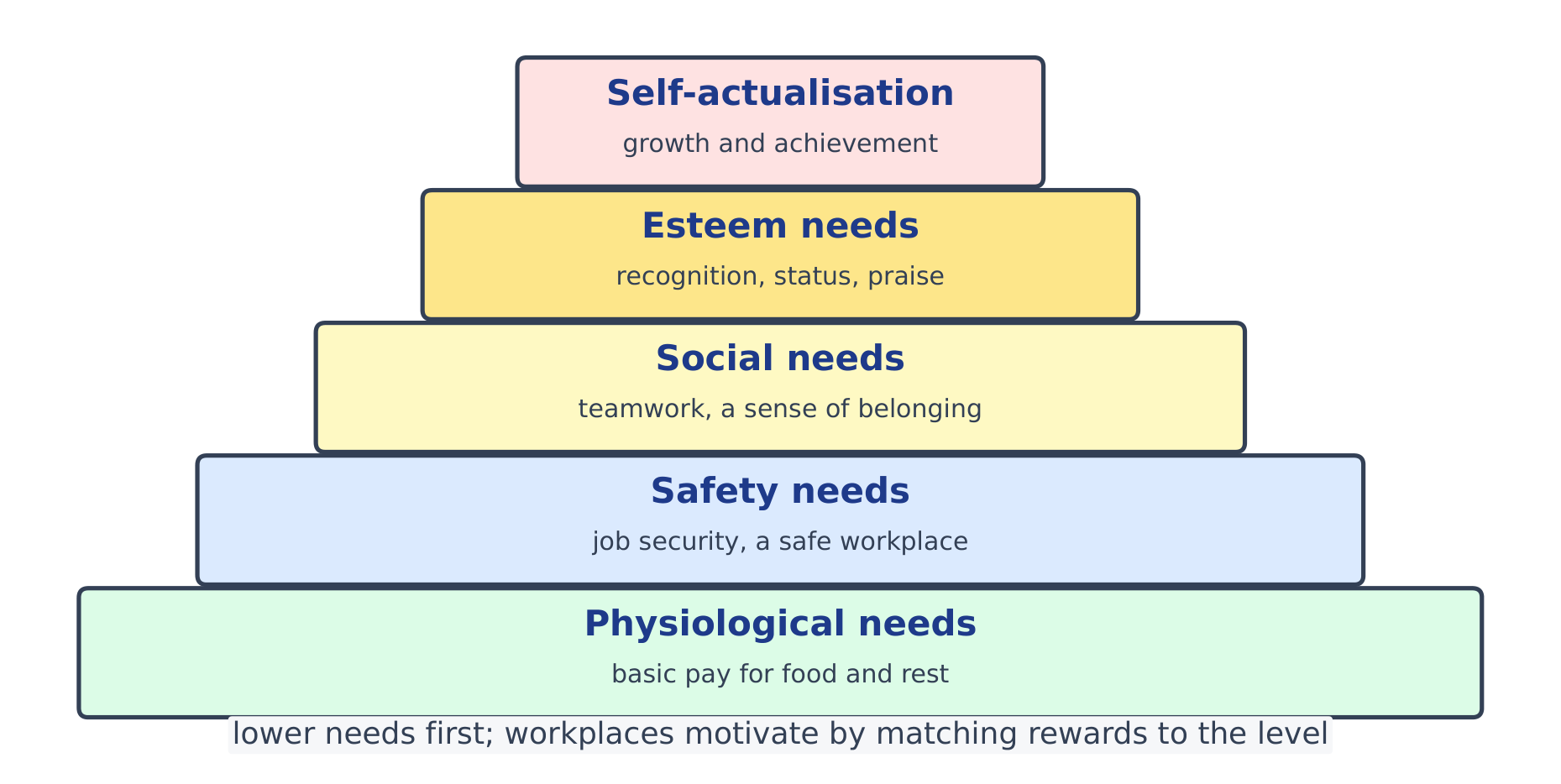
Maslow
People have a hierarchy of needs 需求层次: five levels, from basic pay and safety up to respect and reaching your full potential. You must meet the lower needs before the higher ones can motivate.
Herzberg
Two groups of factors. Hygiene factors 保健因素 (pay, conditions, rules) do not motivate, but poor ones cause unhappiness. Motivators 激励因素 (achievement and responsibility) truly drive people to work harder.
Financial methods of motivation
These reward workers with money.
Method
What it means
wage 工资
regular pay, often by the hour or week
time rate 计时工资
pay for each hour worked
piece rate 计件工资
pay for each item made
salary 薪金
a fixed yearly amount, paid monthly
commission 佣金
pay based on how much you sell
bonus 奖金
an extra payment for good work
profit sharing 利润分享
workers get a share of the company's profit
fringe benefits 额外福利
extras like a company car, free meals or health care
Worked example. A factory pays a piece rate of £3 per item. Anya makes 210 items in a week. Ben is on a time rate of £12 per hour for a 40-hour week. Who earns more, and what risk does the piece rate carry? Anya earns 210 × £3 = £630. Ben earns 40 × £12 = £480, so Anya earns £150 more. But paying for each item made tempts workers to rush, so quality may fall and more items are rejected - which is why a piece rate usually has to be paired with quality checks. Show the calculation, then judge it: a question that asks who earns more and for an evaluation gives marks for the number and for the drawback.
Non-financial methods of motivation
These motivate without extra money.
job rotation 工作轮换 — workers switch between different tasks, so work is less boring.
job enlargement 工作扩大化 — adding more tasks at the same level.
job enrichment 工作丰富化 — giving more challenging tasks and more responsibility.
autonomy 自主权 — letting workers make some of their own decisions.
teamworking 团队合作 — working in small groups.
training 培训 and chances for promotion 晋升 — helping workers improve and move up.
العربية
هرم ماسلو للاحتياجات، مع أمثلة من مكان العمل على كل مستوى.العاملون المحفزون يعملون بجد أكبر، مما يرفع الإنتاج
الدافع هو الزخم الذي يجعل الناس يرغبون في العمل بجدية. قوة عاملة ذات دافع عالي — جميع الموظفين في المؤسسة — توفر فوائد حقيقية:
إنتاجية أعلى — كل عامل ينتج المزيد،
غياب أقل — عدد أقل من العمال يبقى بعيدًا عن العمل،
دوران عمالة أقل — مغادرة fewer workers means less time and money spent hiring and training new staff.
نظريات الدافع
ثلاثة مفكرين يشرحون ما الذي يحفز العمال للعمل بجدية.
المفكر
الفكرة الرئيسية
تايلور
العمال يتحفزون بشكل رئيسي بالأجر. ادفع لهم أكثر عن العمل الإضافي (نظام القطعة) ويعملون بجدية أكبر.
ماسلو
للناس هرمية للحاجات: خمسة مستويات، من الأجر الأساسي والأمان حتى الاحترام وتحقيق إمكاناتهم الكاملة. يجب تلبية الحاجات الأدنى قبل أن تحفز الحاجات الأعلى.
هيرزبرغ
مجموعتان من العوامل. عوامل النظافة (الأجر، الظروف، القواعد) لا تحفز، لكن ضعفها يسبب عدم الرضا. العوامل المحفزة (إنجاز المسؤولية) تدفع حقًا الناس للعمل بجدية أكبر.
هرماسلو للاحتياجات: يلبي الناس الاحتياجات الأدنى قبل الأعلى
الطرق المالية للدافع
هذه الطرق تكافئ العمال بالمال.
الطريقة
معناها
الأجر
دفع منتظم، غالبًا بالساعة أو الأسبوع
معدل الوقت
الدفع مقابل كل ساعة عمل
معدل القطعة
الدفع مقابل كل عنصر مصنوع
الراتب
مبلغ سنوي ثابت، يُدفع شهريًا
العمولة
دفع بناءً على مقدار المبيعات
المكافأة
دفع إضافي عن العمل الجيد
تشارك الأرباح
يحصل العمال على جزء من أرباح الشركة
المزايا العينية
مميزات إضافية مثل سيارة الشركة، أو وجبات مجانية، أو رعاية صحية
مثال محلول. تدفع مصنع معدل قطع قدره 3 جنيهات لكل قطعة. أنتي صنعت 210 قطع في الأسبوع. بن على معدل زمني قدره 12 جنيهاً في الساعة لأسبوع عمل مدته 40 ساعة. من يكسب أكثر، وما هو الخطر المرتبط بمعدل القطع؟ تكسب أنتي 210 × 3 جنيهات = 630 جنيهاً. يكسب بن 40 × 12 = 480 جنيهاً، لذا تكسب أنتي 150 جنيهاً أكثر. لكن دفع الأجر مقابل كل قطعة مصنوعة يحفز العمال على التسرع، مما قد يؤدي إلى انخفاض الجودة ورفض المزيد من القطع - ولهذا السبب يجب عادةً ربط معدل القطع بفحوصات الجودة. اعرض الحساب، ثم قيّمه: سؤال يطلب من يربح أكثر و لتقييم يعطي درجات للرقم وللعيب.
طرق التحفيز غير المالية
هذه الطرق تحفز دون دفع أموال إضافية.
تدوير الوظائف — تبديل العمال بين مهام مختلفة، مما يجعل العمل أقل مللاً.
توسيع الوظيفة — إضافة مهام أكثر على نفس المستوى.
إثراء الوظيفة — تقديم مهام أكثر تحدياً ومسؤوليات أكبر.
الاستقلالية — السماح للعمال باتخاذ بعض قراراتهم الخاصة.
العمل الجماعي — العمل في مجموعات صغيرة.
التدريب وفرص الترقية — مساعدة العمال على تحسين مهاراتهم والتقدم.
Explore · استكشف
Maslow's hierarchy of needs · هرم الحاجات لماكلوف
People are motivated by a ladder of needs — a business motivates staff by helping them up it. · الأشخاص محفزون بواسطة سلم الاحتياجات — تحفز الشركة الموظفين من خلال مساعدتهم على الصعود فيه.
draw and interpret simple organisational charts; explain hierarchy, chain of command, span of control and delayering
explain the role and functions of management (planning, organising, coordinating, commanding, controlling)
describe leadership styles: autocratic, democratic and laissez-faire, and when each is appropriate
explain the role of trade unions in business
العربية
ارسم وفسر مخططات تنظيمية بسيطة؛ اشرح التسلسل الهرمي، سلسلة القيادة، نطاق الإشراف والتخفيف من الطبقات الإدارية
اشرح دور ووظائف الإدارة (التخطيط، التنظيم، التنسيق، القيادة، الرقابة)
صف أساليب القيادة: الاستبدادية، الديمقراطية، والحرية، ومتى يكون كل منها مناسبًا
اشرح دور النقابات العمالية في الأعمال التجارية
Source: Cambridge International syllabus · المصدر: منهج كامبريدج الدولي
English
Organisational charts
An organisational chart 组织结构图 is a diagram that shows how a business is organised — who reports to whom. It shows several ideas:
hierarchy 层级 — the levels of staff, from the top down.
chain of command 指挥链 — the line along which orders pass down from managers to workers.
span of control 管理幅度 — the number of subordinates 下属 (people directly below) that one manager controls.
delayering 扁平化 — removing one or more levels to cut costs and speed up messages.
A long chain of command (a "tall" structure) slows messages down. A wide span of control gives one manager many people to watch.
Functions of management
The five main jobs (functions) of management 管理 are:
planning 计划 — setting aims and deciding how to reach them,
organising 组织 — arranging people and resources,
coordinating 协调 — making different parts work together,
commanding 指挥 — giving instructions and guiding staff,
controlling 控制 — checking that targets are met.
Leadership styles
A leadership style 领导风格 is the way a manager leads people.
Style
How it works
Best when
autocratic 专制型
the leader decides alone and gives orders
a crisis, or with new and untrained staff
democratic 民主型
the leader asks staff for ideas before deciding
staff are skilled and want a say
laissez-faire 放任型
the leader sets goals, then lets staff work freely
creative, expert teams
Trade unions
A trade union 工会 is a group of workers who join together to protect their shared interests. A union can bargain for better pay and conditions, support a worker in a dispute, and push for safer work.
العربية
ينظم المدربون ويقودون القوى العاملة حتى يحقق المشروع أهدافه.
المخططات التنظيمية
المخطط التنظيمي هو رسم بياني يوضح كيفية تنظيم المشروع — من يُبلّغ لمن. يعرض عدة مفاهيم:
الهرمية — مستويات الموظفين، من الأعلى إلى الأسفل.
سلطة القيادة — الخط الذي تنتقل عبره الأوامر من المدربين إلى العمال.
نطاق الإشراف — عدد الموظفين التابعين (الأشخاص الذين يعملون مباشرة أسفله) الذين يديرهم مدرب واحد.
تقليص المستويات — إزالة مستوى أو أكثر لتقليل التكاليف وتسريع نقل الرسائل.
طويلة سلسلة القيادة (هيكل "مرتفع") تبطئ نقل الرسائل. نطاق إشراف واسع يمنح مدرباً واحداً عدداً كبيراً من الأشخاص لمراقبتهم.
يعرض المخطط التنظيمي سلسلة الأوامر ونطاق الإشراف لكل مدير
وظائف الإدارة
الوظائف الخمس الرئيسية (الوظائف) للإدارة هي:
التخطيط — وضع الأهداف والقرار حول كيفية تحقيقها،
التنظيم — ترتيب الأفراد والموارد،
التنسيق — جعل الأجزاء المختلفة تعمل معاً،
التوجيه — إصدار التعليمات وتوجيه الموظفين،
الرقابة — التحقق من تحقيق الأهداف.
أنماط القيادة
نمط القيادة هو الطريقة التي يقود بها المدرب الناس.
النمط
كيف يعمل
الأفضل عند
استبدادي
يتخذ القائد القرارات وحده ويصدر الأوامر
في حالة الطوارئ، أو مع موظفين جدد وغير مدربين
ديمقراطي
يستمع القائد لأفكار الموظفين قبل اتخاذ القرار
عندما يكون الموظفون ماهرين ويريدون المشاركة في القرار
التحرر (laissez-faire)
يضع القائد الأهداف، ثم يسمح للموظفين بالعمل بحرية
الفرق المبدعة والخبيرة
النقابات العمالية
النقابة العمالية هي مجموعة من العمال ينضمون معاً لحماية مصالحهم المشتركة. يمكن للنقبة التفاوض على أجور وظروف عمل أفضل، ودعم عامل في نزاع، والدعوة لبيئة عمل آمنة.
Explore · استكشف
Choose the ownership form · اختر شكل الملكية
Compare ownership, control and liability in real business types. · قارن الملكية والسيطرة والمسؤولية في أنواع الشركات الحقيقية.
Recruitment, selection and training · التوظيف، الاختيار والتدريب
Syllabus · المنهج
English
describe the recruitment process: job analysis, job description and person specification
compare internal and external recruitment and selection methods (application forms, CVs, interviews, tests)
describe types of training: induction, on-the-job and off-the-job, and their benefits/limitations
explain why a business may need to reduce its workforce (redundancy and dismissal) and the legal controls over employment
العربية
صف عملية التوظيف: تحليل الوظيفة، وصف الوظيفة، ومواصفات الشخص المطلوب
قارن بين طرق التوظيف والاختيار الداخلية والخارجية (استمارات الطلب، السيرة الذاتية، المقابلات، الاختبارات)
صف أنواع التدريب: التوجيه، داخل مكان العمل وخارج مكان العمل، وفوائدها/قيودها
اشرح لماذا قد تحتاج الشركة إلى تقليل عدد موظفيها (إلغاء الوظيفة والفصل) والضوابط القانونية على التوظيف
Source: Cambridge International syllabus · المصدر: منهج كامبريدج الدولي
English
The recruitment process
Recruitment 招聘 is finding and attracting people to apply for a job. Selection 选拔 is choosing the best person from those who apply. The process starts with three documents:
job analysis 工作分析 — studying what the job involves,
job description 工作描述 — a list of the duties and tasks of the job,
person specification 人员规格 — the skills, qualities and qualifications the right person needs.
Internal and external recruitment
Internal recruitment 内部招聘 fills the job with someone already in the business. It is cheaper and quicker, and the person is already known, but it brings in no new ideas.
External recruitment 外部招聘 fills the job from outside. It brings new ideas and skills, but it costs more and takes longer.
Common selection methods include the application form 申请表, the CV 简历 (a short summary of a person's education and work history), the interview 面试, and skills tests 测试.
Training
Training improves workers' skills. There are three main types.
induction training 入职培训 — given to new workers, to learn about the business and their role.
on-the-job training 在职培训 — learning while doing the job, beside an experienced worker.
off-the-job training 脱产培训 — learning away from the workplace, for example at a college.
Type
Benefits
Limitations
on-the-job
cheap; uses real tasks
the trainer stops their own work; bad habits can pass on
off-the-job
expert teaching; no work distractions
costs more; the skills may not fit the exact job
Reducing the workforce
Sometimes a business must cut staff numbers.
Redundancy 裁员 — the job is no longer needed, for example because a machine now does it. It is not the worker's fault.
Dismissal 解雇 — the worker is removed for a good reason, such as breaking rules or poor work.
Most countries have employment laws 劳动法 that protect workers. They cover a fair contract of employment 雇佣合同, safe conditions, fair pay, and protection from being sacked unfairly.
العربية
يجب على المشروع توظيف وتدريب وتحفيز عدد كافٍ من الأشخاص ذوي المهارات المناسبة.
عملية التوظيف
التوظيف هو إيجاد الجذب وإثارة اهتمام الناس للتقديم على وظيفة. الاختيار هو اختيار الشخص الأنسب من بين المتقدمين. تبدأ العملية بثلاثة وثائق:
تحليل الوظيفة — دراسة ما تتضمنه الوظيفة،
وصف الوظيفة — قائمة بالمهام والمسؤوليات المتعلقة بالوظيفة،
مواصفات الشخص — المهارات والسمات المؤهلات التي يحتاجها الشخص المناسب.
خطوات التوظيف والاختيار، بدءاً من تحليل الوظيفة وصولاً إلى اختيار الشخص الأنسب
التوظيف الداخلي والخارجي
التوظيف الداخلي يملأ الوظيفة بشخص موجود بالفعل داخل المشروع. إنه أرخص وأسرع، والشخص معروف مسبقاً، لكنه لا يجلب أفكاراً جديدة.
التوظيف الخارجي يملأ الوظيفة من الخارج. يجلب أفكاراً ومهارات جديدة، لكنه مكلف ويستغرق وقتاً أطول.
تشمل طرق الاختيار الشائعة استمارة الطلب، والسيرة الذاتية (ملخص قصير عن تعليم وسجل عمل الشخص)، والمقابلة الشخصية، واختبارات المهارات.
التدريب
التدريب يحسن مهارات العمال. هناك ثلاثة أنواع رئيسية.
تدريب التوجيه — يُقدم للعمال الجدد، للتعرف على المشروع ودورهم فيه.
التدريب أثناء العمل — التعلم أثناء أداء المهمة، بجانب عامل ذي خبرة.
التدريب خارج مكان العمل — التعلم بعيداً عن بيئة العمل، على سبيل المثال في كلية.
النوع
الفوائد
القيود
أثناء العمل
رخيص؛ يستخدم مهام حقيقية
يتوقف المدرب عن عمله الخاص؛ قد تنتقل العادات السيئة
خارج مكان العمل
تعليم خبير؛ عدم وجود مشتتات العمل
تكلفة أعلى؛ قد لا تتناسب المهارات تماماً مع الوظيفة المحددة
تقليص القوى العاملة
أحياناً يجب على المشروع تقليل عدد الموظفين.
الإعفاء من الخدمة — لم تعد الوظيفة ضرورية، على سبيل المثال لأن آلة تقوم بها الآن.这不是工人的错。
الفصل — يتم إزالة العامل لسبب وجوه، مثل انتهاك القواعد أو الأداء الضعيف.
تتمتع معظم الدول بـ قوانين العمل التي تحمي العمال. وهي تغطي عقد عمل عادل، وظروف آمنة، وأجراً عادلاً، والحماية من الفصل التعسفي.
Explore · استكشف
Human resources decision lab · معمل قرار الموارد البشرية
Classify HR actions by the job they do inside the workforce. · صنف إجراءات الموارد البشرية حسب الوظيفة التي تقوم بها داخل القوى العاملة.
explain the importance of effective communication and the features of good communication
compare one-way and two-way communication and internal and external communication
describe communication methods and barriers to effective communication and how to reduce them
العربية
اشرح أهمية الاتصال الفعال ومميزات الاتصال الجيد
قارن بين الاتصال أحادي الاتجاه والاتصال ثنائي الاتجاه والاتصال الداخلي والخارجي
صف وسائل الاتصال وعوائق الاتصال الفعال وكيفية الحد منها
Source: Cambridge International syllabus · المصدر: منهج كامبريدج الدولي
English
Why communication matters
Good communication 沟通 means information is sent, received and understood correctly. It helps workers know what to do, cuts mistakes, and makes people feel valued.
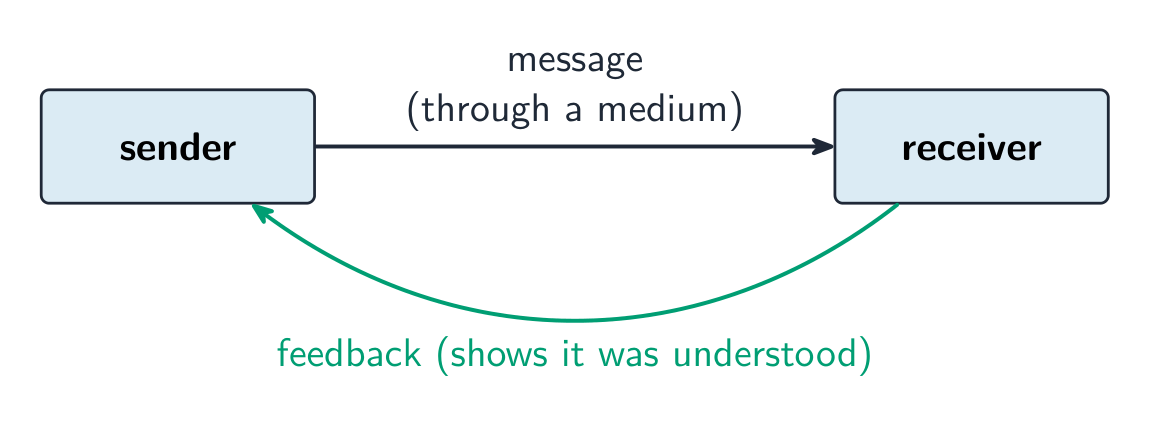
The communication process has five parts: a sender 发送者, a message 信息, a medium 媒介 (the way it is sent), a receiver 接收者, and feedback 反馈 (the receiver's reply, which shows the message was understood).
Types of communication
One-way communication 单向沟通 — information flows in one direction only, with no reply (for example, a public notice).
Two-way communication 双向沟通 — the receiver can reply and give feedback. It is usually better, because it checks understanding.
Internal communication 内部沟通 — between people inside the business.
External communication 外部沟通 — between the business and outside people, like customers 顾客 or suppliers 供应商.
Barriers to communication
A communication barrier 沟通障碍 is anything that stops a message getting through clearly. Common barriers include:
a message that is too long or unclear,
a poor medium, such as a weak phone line,
language differences between sender and receiver,
a receiver who is not paying attention.
To reduce barriers: keep messages short and clear, choose the right medium, and ask for feedback to check the message was understood.
العربية
أهمية التواصل
يعني الـ تواصل الجيد إرسال المعلومات واستقبالها وفهمها بشكل صحيح. فهو يساعد العمال على معرفة ما يجب عليهم فعله، ويقلل الأخطاء، ويجعل الناس يشعرون بالتقدير.
يتكون عملية التواصل من خمسة أجزاء: مرسل، ورسالة، ووسيلة (طريقة الإرسال)، ومستقبل، وردود الفعل (رد المستقبل الذي يدل على فهم الرسالة).
تتدفق الرسالة من المرسل إلى المستقبل، والتغذية الراجعة تؤكد فهمها
أنواع التواصل
التواصل أحادي الاتجاه — تتدفق المعلومات في اتجاه واحد فقط، دون رد (على سبيل المثال، إعلان عام).
التواصل ثنائي الاتجاه — يمكن للمستقبل الرد وتقديم ردود الفعل. وهو عادة أفضل لأنه يتحقق من الفهم.
التواصل الداخلي — بين الأشخاص داخل الشركة.
التواصل الخارجي — بين الشركة والأشخاص الخارجيين، مثل العملاء أو الموردين.
عوائق التواصل
حاجز التواصل هو أي شيء يمنع وصول الرسالة بوضوح. تشمل العوائق الشائعة:
رسالة طويلة جداً أو غير واضحة،
وسيلة سيئة، مثل خط هاتف ضعيف،
اختلافات لغوية بين المرسل والمستقبل،
مستقبل لا ينتبه.
لتقليل الحواجز: حافظ على الرسائل قصيرة وواضحة، واختر الوسيلة المناسبة، واطلب ردود الفعل للتأكد من فهم الرسالة.
Explore · استكشف
Communication route lab · مختبر مسار التواصل
Watch a message move from sender to feedback and see where noise can enter. · شاهد رسالة تنتقل من المرسل إلى التغذية الراجعة ورأى أين يمكن أن يتداخل الضوضاء.
Link motivation to its benefits: higher productivity, lower absenteeism, and lower labour turnover.
Match each theory: Taylor (pay / piece rate), Maslow (a hierarchy of needs — lower needs before higher), Herzberg (hygiene factors stop unhappiness; motivators drive real effort).
Separate financial methods (wage, piece rate, salary, commission, bonus) from non-financial ones (job rotation, job enlargement, job enrichment, autonomy).
On an organisation chart, know the chain of command (the line orders travel down) and the span of control (how many people report to one manager).
Distinguish redundancy (the job is no longer needed — not the worker's fault) from dismissal (the worker is removed for a reason such as breaking rules).
العربية
ربط الدافع بفوائده: زيادة الإنتاجية، وانخفاض غياب العمال، وانخفاض معدل دوران العمالة.
مطابقة كل نظرية: تايلور (الأجر / نظام القطعة)، ماسلو (هرامح الاحتياجات — الاحتياجات الدنيا قبل العليا)، هيرزبرغ (عوامل النظافة تمنع عدم الرضا؛ المحفزات تدفع للجهود الحقيقية).
فصل الطرق المالية (الأجر، نظام القطعة، الراتب، العمولة، المكافأة) عن الطرق غير المالية (دوران العمل، توسيع الوظيفة، إثراء الوظيفة، الاستقلالية).
في المخطط التنظيمي، تعرف على سلسلة الأوامر (خط الأوامر الذي ينزل للأسفل) ونطاق الإشراف (عدد الأشخاص الذين يقرؤون لمدير واحد).
التمييز بين إلغاء الوظيفة (لم تعد الوظيفة مطلوبة — وليست خطأ العامل) والفصل (يتم إزالة العامل لسبب مثل مخالفة القواعد).
explain the role of marketing: identifying and satisfying customer needs, maintaining/increasing sales and market share, building customer loyalty
explain why customers are important and the costs of losing them
distinguish niche and mass markets and explain market segmentation and its benefits
العربية
اشرح دور التسويق: تحديد احتياجات العملاء وإشباعها، والحفاظ على المبيعات وحصة السوق وبناء ولاء العملاء
اشرح لماذا يعتبر العملاء مهمين وتكاليف فقدانهم
ميّز بين الأسواق المتخصصة والأسواق الشاملة واشرح تقسيم السوق وفوائده
Source: Cambridge International syllabus · المصدر: منهج كامبريدج الدولي
English
Marketing 营销 is the work of finding out what customers 顾客 want, then making, pricing, selling and promoting products to meet those wants at a profit.
Marketing has several roles:
find out and satisfy what customers want,
keep and increase sales 销售额 and market share 市场份额,
build customer loyalty 顾客忠诚度 so buyers come back again.
Why customers matter
Customers bring in the money, so keeping them is vital. Losing customers is costly: the business loses their future spending, and it must spend a lot on advertising 广告 to win new ones. It is usually far cheaper to keep a customer than to find a new one.
Niche and mass markets
A market 市场 is all the buyers and sellers of a product.
A niche market 利基市场 is a small part of a market with special needs, for example left-handed tools.
A mass market 大众市场 is a large market with many similar buyers, for example soft drinks.
Market segmentation
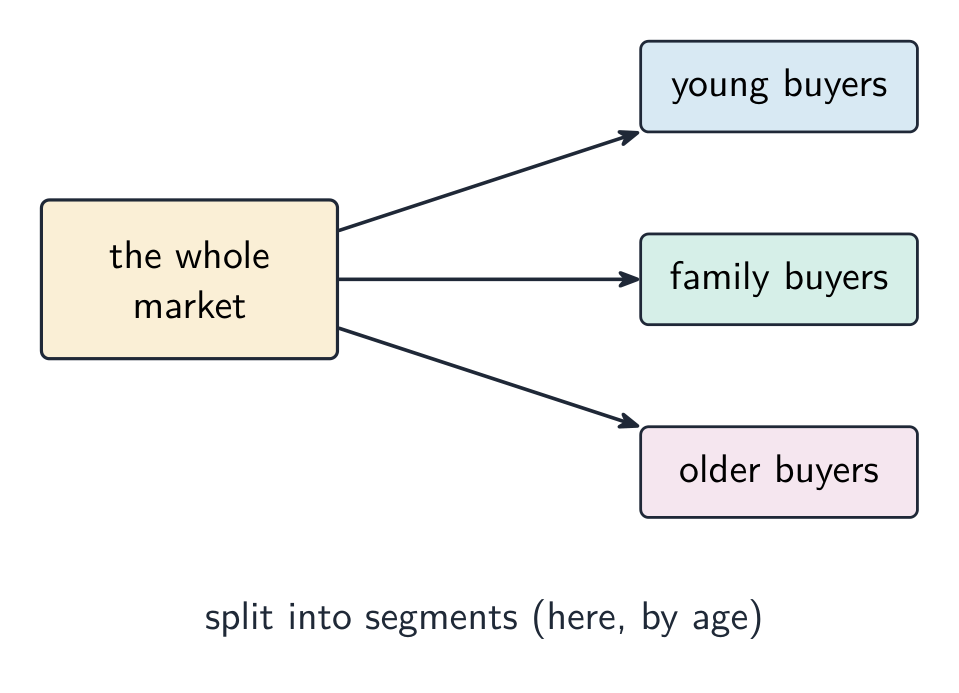
Market segmentation 市场细分 means splitting a market into groups of buyers who share something, such as age, income, gender or location. Its benefits:
the business can design a product to fit each group,
it can aim its advertising at the right people,
it can spot gaps in the market.
العربية
التسويق هو العمل الخاص بمعرفة ما يريده العملاء، ثم إنتاج وتسعير وبيع وترويج المنتجات لتلبية تلك الاحتياجات مع تحقيق ربح.
للتسويق أدوار متعددة:
اكتشاف وتلبية ما يريده العملاء،
الحفاظ على المبيعات وزيادة حصة السوق،
بناء ولاء العملاء حتى يعود المشترون مرة أخرى.
لماذا يهم العملاء
يجلب العملاء الأموال، لذا فإن الاحتفاظ بهم أمر حيوي. إن فقدان العملاء مكلف: تفقد الشركة مصاريفهم المستقبلية، ويجب عليها الإنفاق الكثير على الإعلانات لجذب عملاء جدد. وعادة ما يكون الاحتفاظ بعميل أوفر بكثير من البحث عن عميل جديد.
الأسواق المتخصصة والأسواق الواسعة
السوق هو جميع المشترين والبائعين لمنتج ما.
السوق المتخصص هو جزء صغير من السوق يتميز باحتياجات خاصة، على سبيل المثال أدوات المبتورو اليد.
السوق الواسع هو سوق كبير يحتوي على العديد من المشترين المتشابهين، على سبيل المثال المشروبات الغازية.
تقسيم السوق
تقسيم السوق يعني تقسيم السوق إلى مجموعات من المشترين يجمعهم شيء مشترك، مثل العمر أو الدخل أو الجنس أو الموقع. وفوائده:
يمكن للشركة تصميم منتج يناسب كل مجموعة،
يمكنها توجيه إعلاناتها للأشخاص المناسبين،
يمكنها تحديد الفجوات في السوق.
يقسم تقسيم السوق السوق الكلي إلى مجموعات من المشترين المتشابهين
Explore · استكشف
Marketing mix lab · مختبر المزيج التسويقي
See which part of the marketing mix changes in each real decision. · انظر إلى أي جزء من المزيج التسويقي يتغير في كل قرار حقيقي.
distinguish primary (field) and secondary (desk) market research and their methods
explain sampling and the need for accurate, reliable data
present and interpret market research data (tables, charts, graphs) to support decisions
العربية
ميّز بين أبحاث السوق الأولية (الميدانية) والثانوية (المكتبية) وطرقها
اشرح العينة وأهمية الحصول على بيانات دقيقة وموثوقة
قدم وفسر بيانات أبحاث السوق (جداول، رسوم بيانية، منحنيات) لدعم القرارات
Source: Cambridge International syllabus · المصدر: منهج كامبريدج الدولي
English
Market research 市场调研 is collecting information about customers, rivals and the market, to help make good decisions.
Primary and secondary research
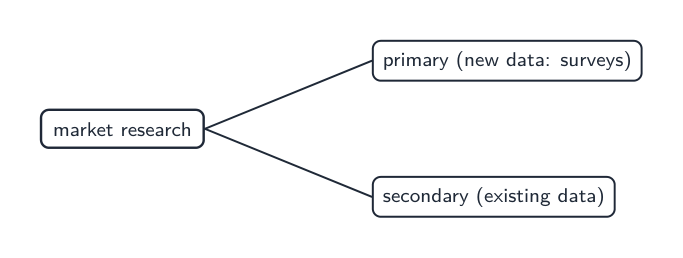
Primary research 一手调研 (also called field research) collects new information directly, for the first time. Methods include questionnaires 问卷, interviews, surveys and tests. It is up to date and fits the exact need, but costs time and money.
Secondary research 二手调研 (also called desk research) uses information that already exists, such as government reports, websites and past sales records. It is cheap and quick, but may be old or may not fit the need.
Sampling and reliable data
A business cannot ask everyone, so it asks a small group, called a sample. Sampling 抽样 must be done with care. If the sample is too small or not typical, the data 数据 will not be reliable, and decisions based on it may be wrong.
Using research data
Research results are shown in tables, charts and graphs. You should be able to read them — for example, find the most popular product, or see how sales change over time — and use them to support a decision.
العربية
بحث التسويق هو جمع معلومات حول العملاء والمنافسين والسوق، للمساعدة في اتخاذ قرارات جيدة.
يجمع البحث الأولي بيانات جديدة؛ بينما يستخدم البحث الثاني بيانات موجودة مسبقاً
البحث الأولي والثانوي
البحث الأولي (المعروف أيضاً بالبحث الميداني) يجمع معلومات جديدة مباشرة، لأول مرة. وتشمل طرقه استمارات الاستطلاع، والمقابلات، والاستطلاعات، والاختبارات. وهو حديث ويناسب الحاجة بدقة، لكنه يتطلب وقتاً ومالاً.
البحث الثانوي (المعروف أيضاً بالبحث المكتبي) يستخدم معلومات موجودة مسبقاً، مثل التقارير الحكومية، والمواقع الإلكترونية، وسجلات المبيعات السابقة. وهو رخيص وسريع، لكن قد يكون قديماً أو قد لا يناسب الحاجة.
العينات والبيانات الموثوقة
لا تستطيع الشركة سؤال الجميع، لذا تسأل مجموعة صغيرة تسمى العينة. يجب إجراء العينة بعناية. إذا كانت العينة صغيرة جداً أو ليست ممثلة، فلن تكون البيانات موثوقة، وقد تكون القرارات القائمة عليها خاطئة.
استخدام بيانات البحث
تُعرض نتائج البحث في جداول ومخططات بيانية. يجب أن تكون قادراً على قراءتها — على سبيل المثال، إيجاد المنتج الأكثر شعبية، أو رؤية كيف تتغير المبيعات بمرور الوقت — واستخدامها لدعم قرار.
Explore · استكشف
Market research cycle · دورة بحث السوق
Follow how a business turns customer data into a marketing decision. · تابع كيف تحول المؤسسة بيانات العملاء إلى قرار تسويقي.
explain the four elements of the marketing mix (product, price, place, promotion)
product: the product life cycle and extension strategies, branding and packaging
price: pricing methods (cost-plus, penetration, skimming, competitive, promotional, dynamic) and influences on price
place: channels of distribution (wholesaler, retailer, direct, e-commerce)
promotion: advertising, sales promotion and the role of technology (internet, social media) in the marketing mix
العربية
اشرح عناصر مزيج التسويق الأربعة (المنتج، السعر، المكان، الترويج)
المنتج: دورة حياة المنتج واستراتيجيات التمديد، العلامة التجارية والتغليف
السعر: طرق التسعير (上加价، الاختراق، التقطيع، التنافسي، الترويجي، الديناميكي) والعوامل المؤثرة في السعر
المكان: قنوات التوزيع (الجملة، التجزئة، المباشر، التجارة الإلكترونية)
الترويج: الإعلانات، الترويج للمبيعات ودور التكنولوجيا (الإنترنت، وسائل التواصل الاجتماعي) في مزيج التسويق
Source: Cambridge International syllabus · المصدر: منهج كامبريدج الدولي
English
The product life cycle
The marketing mix 营销组合 is the four main choices a business makes about a product. They are often called the four Ps: product, price, place and promotion.
Product
The product 产品 must meet customers' needs. Two ideas matter here.
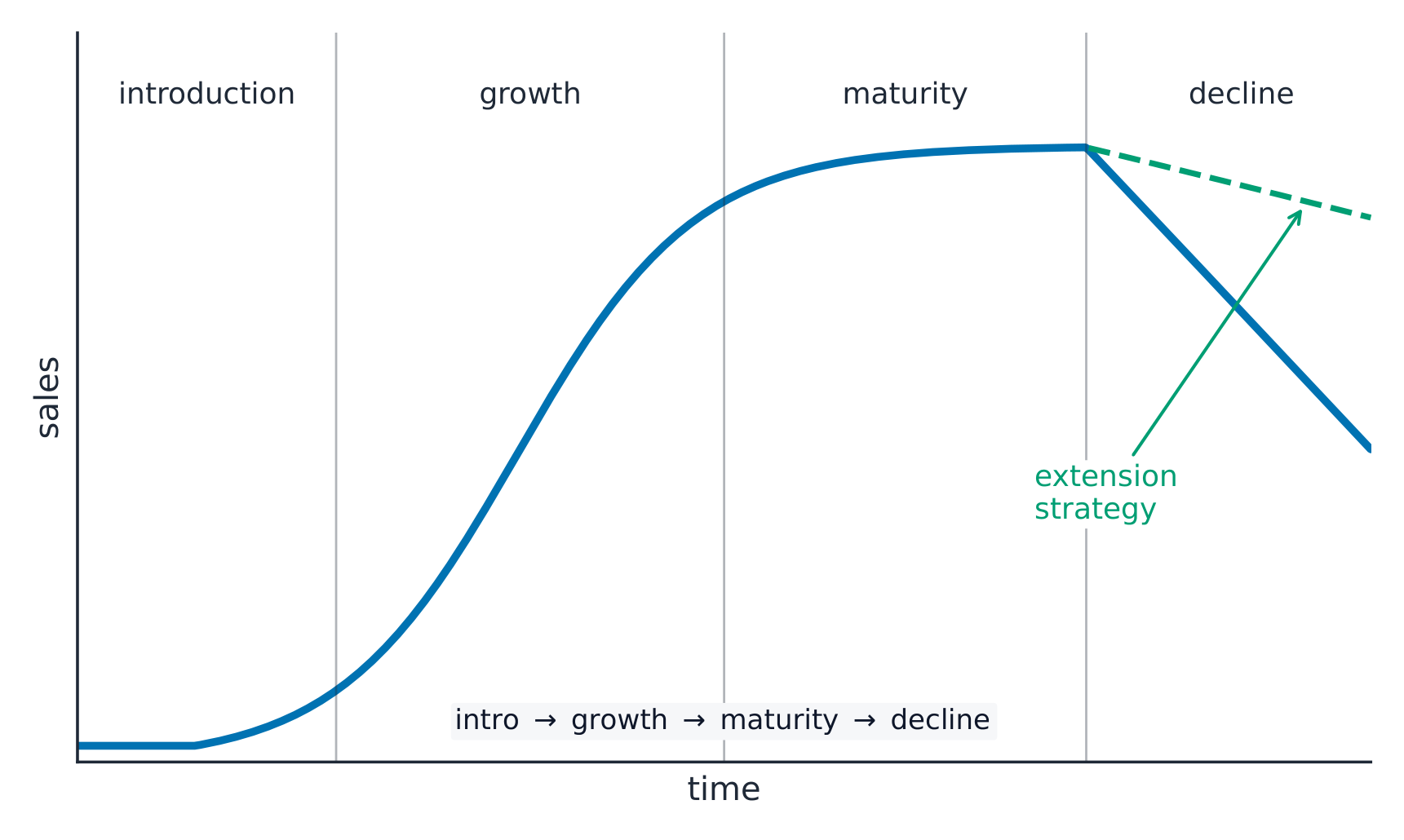
The product life cycle 产品生命周期 describes the sales of a product over time, in four stages: introduction, growth, maturity and decline. When sales begin to fall, a business can use an extension strategy 延长策略 — such as a new design, a new advert, or selling in a new market — to keep the product selling.
A strong brand 品牌 (a name, logo and image that customers recognise) and good packaging 包装 (the wrapping that protects the product and attracts buyers) both help a product sell. Building a brand is called branding.
Price
The price 价格 is what the customer pays. A business can choose from several pricing methods.
Method
How it works
cost-plus pricing 成本加成定价
add a fixed share of profit on top of the cost of making the item
penetration pricing 渗透定价
set a low price to enter a market and win customers fast
price skimming 撇脂定价
set a high price at first for a new, special product
competitive pricing 竞争定价
set a price close to rivals' prices
promotional pricing 促销定价
cut the price for a short time to lift sales
dynamic pricing 动态定价
change the price automatically as demand changes, as airlines do
The right price also depends on the cost of making the product, on what customers will pay, on rivals' prices, and on the product's stage in its life cycle.
Worked example. One firm launches a smartphone using technology no rival has. Another enters a crowded soft-drinks market. Which pricing method suits each, and why? The smartphone is new and special with no direct competition, so use price skimming: charge a high price at first to recover the development cost from customers who must have it, then lower it as rivals catch up. The soft drink faces many established rivals, so use penetration pricing: a low price wins customers quickly and buys market share, and it can be raised later. Match the method to the market conditions - a pricing strategy is only right or wrong relative to the competition and the product's stage in its life cycle.
Place
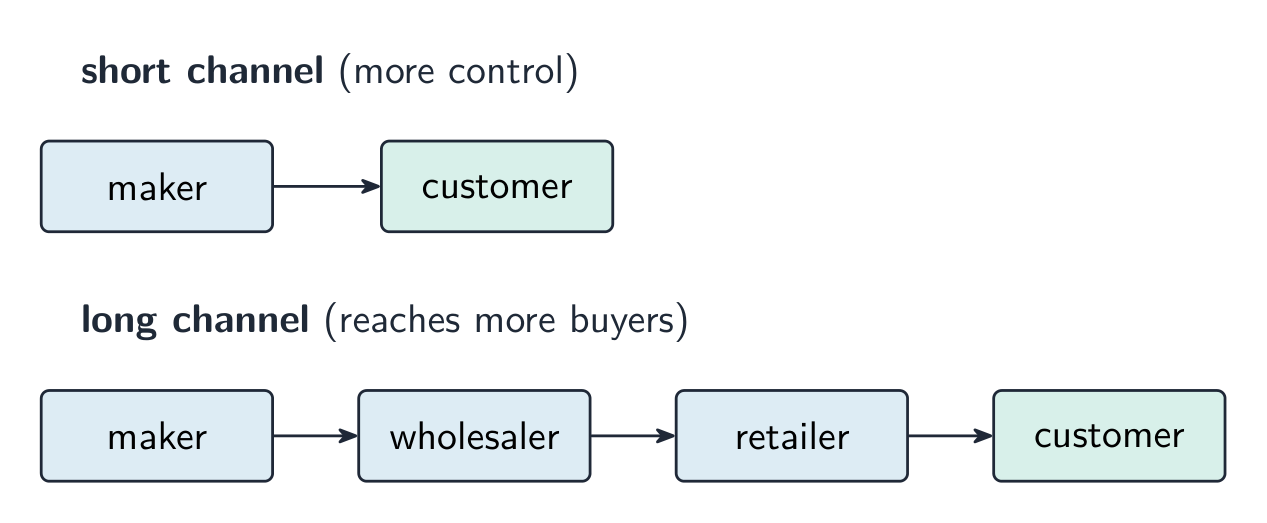
Place 地点 is about how and where the product is sold, so it reaches the customer at the right time. The route a product takes from maker to customer is called a channel of distribution 分销渠道.
Many channels use a wholesaler 批发商 (buys large amounts from makers and sells smaller amounts to shops) and a retailer 零售商 (a shop that sells to the final customer). A business can also sell directly 直销 to customers, or online through e-commerce 电子商务.
Promotion
Promotion 推广 means telling customers about a product and persuading them to buy it. It includes:
advertising — paid messages on TV, online, on posters and so on,
sales promotion 促销 — short-term offers like discounts, free gifts, or "buy one get one free".
Technology now plays a big part. The internet 互联网 and social media 社交媒体 let a business reach many people cheaply, target the right customers, and sell all over the world.
العربية
دورة حياة المنتجالإعلانات على الشاشات الضخمة — الترويج هو أحد عناصر المزيج التسويقي الأربعة.
المزيج التسويقي هو الخيارات الأربعة الرئيسية التي تتخذها الشركة بشأن منتج ما. وغالباً ما تُسمى العناصر الأربعة P: المنتج، السعر، المكان، والترويج.
مزيج التسويق يجمع بين الـ 4 P
المنتج
المنتج يجب أن يلبي احتياجات العملاء. فكرتان مهمتان هنا.
يصف دورة حياة المنتج مبيعات منتج معين بمرور الوقت، في أربع مراحل: الإدخال، النمو، النضج والانهيار. عندما تبدأ المبيعات في الانخفاض، يمكن للشركة استخدام استراتيجية التمدد — مثل تصميم جديد، أو إعلان جديد، أو البيع في سوق جديدة — للحفاظ على مبيعات المنتج.
مبيعات منتج عبر مراحل حياته الأربع، مع استراتيجية توسيع في مرحلة النضوج
يساعد العلامة التجارية القوية (اسم وشعار وصورة يتعرف عليها العملاء) والتغليف الجيد (الغلاف الذي يحمي المنتج ويجذب المشترين) في بيع المنتج. يُطلق بناء العلامة التجارية اسم العلامة التجارية (Branding).
السعر
السعر هو ما يدفعه العميل. يمكن للشركة الاختيار من بين عدة طرق لتحديد الأسعار.
الطريقة
كيفية عملها
تحديد الأسعار بتكلفة زائد هامش ربح ثابت
إضافة جزء ثابت من الربح فوق تكلفة تصنيع الصنف
تحديد أسعار الاختراق
تحديد سعر منخفض للدخول إلى السوق وجذب العملاء بسرعة
استراتيجية استخلاص القيمة (Price Skimming)
تحديد سعر مرتفع في البداية لمنتج جديد ومميز
التسعير التنافسي
تحديد سعر قريب من أسعار المنافسين
التسعير الترويجي
خفض السعر لفترة قصيرة لرفع المبيعات
التسعير الديناميكي
تغيير السعر تلقائياً مع تغير الطلب، كما تفعل شركات الطيران
يعتمد السعر المناسب أيضاً على تكلفة تصنيع المنتج، وما قد يدفعه العملاء، وأسعار المنافسين، والمرحلة التي يمر بها المنتج في دورة حياته.
مثال محلول. أطلقت إحدى الشركات هاتفاً ذكياً باستخدام تقنية لا يمتلكها أي منافس. دخلت شركة أخرى سوقاً مزدحماً بمشروبات الغاز. أي طريقة تسعير تناسب كل منهما ولماذا؟ الهاتف الذكي جديد ومميز ولا يوجد له منافس مباشر، لذا نستخدم استراتيجية استخلاص القيمة: تحديد سعر مرتفع في البداية لاسترداد تكاليف التطوير من العملاء الذين يحتاجونه حتماً، ثم خفضه عندما تلحق به المنافسون. أما مشروب الغاز فيتنافس مع العديد من المنافسين الراسخين، لذا نستخدم أسعار الاختراق: سعر منخفض يجذب العملاء بسرعة ويحقق حصّة سوقية، ويمكن رفعه لاحقاً. طابق الطريقة مع ظروف السوق — فالاستراتيجية التسعيرية تكون صحيحة أو خاطئة بالنسبة للمنافسة ومرحلة المنتج في دورة حياته.
المكان
المكان يتعلق بكيفية وأين يتم بيع المنتج ليصل إلى العميل في الوقت المناسب. تسمى المسار الذي يسلكه المنتج من المصنع إلى العميل بـ قناة التوزيع.
تستخدم العديد من القنوات وكيل تجارة بالجملة (يشتري كميات كبيرة من المصنّعين ويبيع كميات أصغر للمتاجر) وبائع بالتجزئة (متجر يبيع للعميل النهائي). يمكن للشركة أيضاً البيع مباشرة للعملاء، أو عبر الإنترنت من خلال التجارة الإلكترونية.
القناة القصيرة تمنح تحكماً أكبر؛ والقناة الأطول تصل إلى عدد أكبر من المشترين
الترويج
الترويج يعني إخبار العملاء بمنتج وإقناعهم بشرائه. ويشمل:
الإعلانات — رسائل مدفوعة على التلفزيون، والإنترنت، والملصقات وما إلى ذلك،
الترويج للمبيعات — عروض مؤقتة مثل الخصومات، أو الهدايا المجانية، أو "اشترِ واحدة واحصل على الثانية مجاناً".
تلعب التكنولوجيا دوراً كبيراً الآن. يسمح إنترنت ووسائل التواصل الاجتماعي للشركة بالوصول إلى عدد كبير من الناس بتكلفة منخفضة، واستهداف العملاء المناسبين، والبيع في جميع أنحاء العالم.
Explore · استكشف
The marketing mix (4 Ps) · مزيج التسويق (4Ps)
The marketing mix is the four decisions a business blends to sell a product well. · مزيج التسويق هو القرارات الأربعة التي تجمعها الشركة لبيع منتج بشكل جيد.
explain how a marketing mix can be used to achieve marketing objectives
explain legal controls related to marketing (consumer protection, misleading promotion)
explain the opportunities and problems of entering new markets in other countries
العربية
اشرح كيفية استخدام مزيج التسويق لتحقيق أهداف التسويق
اشرح الضوابط القانونية المتعلقة بالتسويق (حماية المستهلك، الترويج المضلل)
اشرح فرص ومشاكل الدخول إلى أسواق جديدة في دول أخرى
Source: Cambridge International syllabus · المصدر: منهج كامبريدج الدولي
English
A marketing strategy 营销策略 is a plan that uses the four Ps together to reach the business's objectives 目标. The four Ps must fit each other and fit the target customers. For example, a high-price luxury product needs high-quality packaging, expensive shops and image-based adverts.
Legal controls on marketing
Many countries have legal controls 法律管制 that protect buyers:
consumer protection 消费者保护 laws stop the sale of unsafe or faulty goods,
rules ban misleading 误导 promotion — adverts that lie about what a product can do.
Selling in other countries
A business can grow by entering an international market 国际市场 in another country.
Opportunities: many more customers, higher sales, and spreading risk across markets.
Problems: different languages and tastes, higher transport costs, foreign laws and tariffs 关税 (taxes on imports), and strong local competition 竞争.
العربية
نافذة متجر تحمل علامة تجارية: تساعد العلامة التجارية المنتج على التميز عن المنافسين.
استراتيجية التسويق هي خطة تستخدم الـ 4Ps معاً لتحقيق أهداف الشركة. يجب أن تتناسب الـ 4Ps مع بعضها البعض وتتناسب مع العملاء المستهدفين. على سبيل المثال، يتطلب منتج فاخر عالي السعر تغليفاً عالي الجودة ومتاجر باهظة الثمن وإعلانات تعتمد على الصورة.
الضوابط القانونية على التسويق
تمتلك许多国家有ضوابط قانونية تحمي المشترين:
قوانين حماية المستهلك تمنع بيع البضائع غير الآمنة أو المعيبة،
قواعد تحظر الترويج المضلل — الإعلانات التي تدعي كاذباً ما يمكن للمنتج فعله.
البيع في دول أخرى
يمكن للشركة النمو من خلال الدخول إلى سوق دولية في بلد آخر.
فرص: عملاء أكثر بكثير، ومبيعات أعلى، وتوزيع المخاطر عبر الأسواق.
مشاكل: لغات وأذواق مختلفة، وتكاليف نقل أعلى، وقوانين أجنبية وتعرفات جمركية (ضرائب على الواردات)، ومنافسة محلية قوية.
Explore · استكشف
Ansoff strategy lab · مختبر استراتيجية أنسوڤ
Sort growth choices by product and market risk. · رتب خيارات النمو حسب مخاطر المنتج والسوق.
3.4
Exam tips · نصائح للامتحان
English
Learn the four Ps of the marketing mix — product, price, place, promotion — and remember they must fit each other and the target customer.
Primary research collects new data (surveys, questionnaires; up to date but costly); secondary research uses existing data (cheap and quick but may be out of date).
Know the product life cycle (introduction, growth, maturity, decline) and that an extension strategy revives falling sales.
Match the pricing methods: penetration (low, to enter a market), skimming (high, for a new product), plus cost-plus, competitive, promotional and dynamic pricing.
A niche market is small and specialised; a mass market is large, with many similar buyers.
العربية
تعلم الـ 4Ps لمزيج التسويق — المنتج، السعر، المكان، الترويج — وتذكر أنه يجب أن تتناسب مع بعضها البعض ومع العميل المستهدف.
البحث الأولي يجمع بيانات جديدة (استطلاعات، استمارات؛ حديث لكنه مكلف)؛ البحث الثانوي يستخدم بيانات موجودة مسبقاً (رخيص وسريع لكن قد يكون قديماً).
معرفة دورة حياة المنتج (إدخال، نمو، نضج، انهيار) وأن استراتيجية التمدد تعيد إحياء انخفاض المبيعات.
مطابقة طرق التسعير: الاختراق (منخفض للدخول إلى سوق)، استخلاص القيمة (مرتفع لمنتج جديد)، بالإضافة إلى التسعير بتكلفة زائد هامش، التنافسي، الترويجي والديناميكي.
السوق niche market صغير ومتخصص؛ السوق الشامل mass market كبير، مع الكثير من المشترين المتشابهين.
describe the methods of production: job, batch and flow production, and their advantages/disadvantages
explain productivity and how it can be increased
explain lean production and just-in-time (JIT) inventory control and the management of inventory
explain how technology has changed production
العربية
صف طرق الإنتاج: الإنتاج الفردي، الإنتاج الدفعة الواحدة والإنتاج المتدفق، ومزاياه/عيوبه
اشرح الإنتاجية وكيفية زيادتها
اشرح الإنتاج النظيف والتحكم في المخزون عند الحاجة بالضبط وإدارة المخزون
اشرح كيف غيرت التكنولوجيا الإنتاج
Source: Cambridge International syllabus · المصدر: منهج كامبريدج الدولي
English
Stock control: the sawtooth chart
Production 生产 means turning materials and labour 劳动力 into finished goods and services 服务. There are three main methods.
Method
What it is
Good for
Drawback
job production 单件生产
making one item at a time, to order
special, one-off items: a wedding cake, a ship
slow and costly per item
batch production 批量生产
making a group of the same item, then switching to another group
bakeries, clothes in different sizes
machines stand idle while switching
flow production 流水线生产
making goods non-stop on a moving line
mass-made goods: cars, drinks
costly to set up; work can be boring
Productivity
Productivity 生产率 measures how much each worker or machine produces in a set time. Higher productivity lowers the cost per item. A business can raise productivity by:
training workers,
using better machines and technology 技术,
improving motivation 激励,
organising the work better.
Lean production and just-in-time
Lean production 精益生产 means cutting all waste — wasted time, materials, space and effort — while keeping quality.
One key method is just-in-time 准时制 (JIT). With JIT, materials arrive just as they are needed, and finished goods are sold quickly, so the business holds very little inventory 库存 (its stock of materials and goods). This saves storage cost, but one late delivery can stop production. Good management of inventory keeps enough stock to meet demand, but not so much that money is tied up or goods go out of date.
Technology in production
Technology has changed production. Automation 自动化 (machines and robots doing tasks), computer design and online ordering all make production faster, cheaper and more exact. But machines cost a lot to buy and can replace workers' jobs.
العربية
التحكم في المخزون: الرسم البياني المسنن
الإنتاج يعني تحويل المواد والعمالة إلى سلع وخدمات نهائية. هناك ثلاث طرق رئيسية.
خط تجميع سيارات: صنع العديد من المنتجات المتطابقة على خط متحرك
الطريقة
ما هي
مناسبة لـ
عيب
الإنتاج حسب الطلب (Job Production)
صنع صنف واحد في كل مرة، حسب الطلب
بنود خاصة وفريدة: كعكة زفاف، سفينة
بطيء ومكلف لكل صنف
الإنتاج الدفعة (Batch Production)
إنتاج مجموعة من نفس الصنف، ثم الانتقال إلى مجموعة أخرى
المخابز، الملابس بأحجام مختلفة
بق Machines inaktive أثناء التبديل
الإنتاج المتدفق (Flow Production)
manufacturing goods non-stop on a moving line
سلع ذات إنتاج ضخم: سيارات، مشروبات
مكلف للإعداد؛ العمل قد يكون مملاً
الطرق الثلاثة للإنتاج
الإنتاجية
الإنتاجية تقيس مقدار ما ينتجه كل عامل أو آلة في وقت محدد. الإنتاجية الأعلى تقلل التكلفة لكل عنصر. يمكن للشركة رفع الإنتاجية من خلال:
تدريب العمال،
استخدام آلات وتكنولوجيا أفضل،
تحسين الدافع،
تنظيم العمل بشكل أفضل.
الإنتاجية هي المخرجات لكل عامل في وقت محدد؛ رفعها يقلل التكلفة لكل عنصر
الإنتاج النحيف والوقت المناسب
الإنتاج النحيف يعني تقليل الهدر تماماً — الوقت الضائع، المواد، المساحة والجهد — مع الحفاظ على الجودة.
إحدى الطرق الرئيسية هي الوقت المناسب (JIT). مع الوقت المناسب، تصل المواد في اللحظة التي تحتاجها بالضبط، وتُباع البضائع الجاهزة بسرعة، لذلك تحتفظ الشركة بكمية ضئيلة جداً من المخزون (مخزونها من المواد والبضائع). هذا يوفر تكاليف التخزين، ولكن تأخير واحدة في التوصيل قد يوقف الإنتاج. الإدارة الجيدة للمخزون تحافظ على مخزون كافٍ لتلبية الطلب، لكن ليس كثيراً بحيث ترتبط الأموال أو تنتهي صلاحية البضائع.
الوقت المناسب يحتوي على مخزون قليل مع توصيلات متكررة؛ بينما نهج "في حال الحاجة" يحتوي على مخزون احتياطي
التكنولوجيا في الإنتاج
غيرت التكنولوجيا الإنتاج. الأتمتة (آلات وروبوتات تقوم بالمهام)، والتصميم بالكمبيوتر، والطلبات عبر الإنترنت تجعل الإنتاج أسرع وأرخص وأكثر دقة. لكن الآلات باهظة الثمن لشراءها ويمكن أن تحل محل وظائف العمال.
الأتمتة: روبوتات صناعية تلحم وتجمع هياكل السيارات — أسرع وأكثر دقة من اليدوية، لكنها باهظة الثمن وتحل محل بعض العمال
Explore · استكشف
Methods of production · طرق الإنتاج
A business picks job, batch or flow production to suit its product and order size. · تختار الشركة الإنتاج الوظيفي أو الدفعة أو التدفق لتتناسب مع منتجها وحجم الطلب.
Worked example. A factory has fixed costs of £8,000 and variable costs of £2 per unit, and makes 1,000 units. Find the total cost and the average cost per unit.
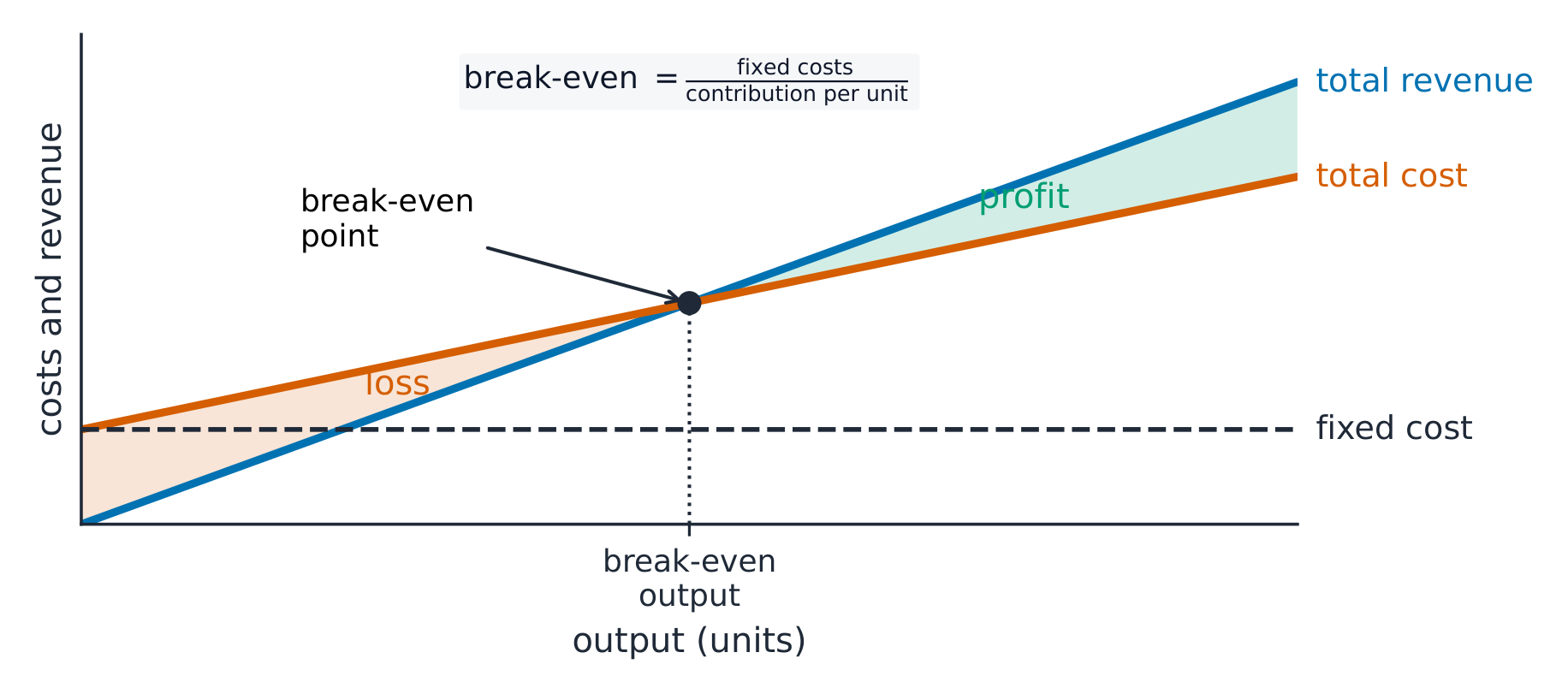
The break-even 盈亏平衡 point is the level of output where total revenue exactly equals total cost: the business makes no profit and no loss. Below it the business makes a loss; above it, a profit.
Each item sold gives an amount towards covering the fixed costs. This amount is the selling price minus the variable cost of one item (sometimes called the contribution 贡献 per unit).
$$\text{break-even output} = \frac{\text{fixed costs}}{\text{selling price per unit} - \text{variable cost per unit}}$$
A break-even chart 盈亏平衡图 plots total cost and total revenue against output. The two lines cross at the break-even point 盈亏平衡点.
The margin of safety 安全边际 is how far the actual output is above the break-even output.
$$\text{margin of safety} = \text{actual output} - \text{break-even output}$$
Worked example. A product sells for £15 with a variable cost of £5 per unit, and the firm's fixed costs are £8,000. Find the break-even output, and the margin of safety if the firm actually makes 1,200 units.
The contribution per unit is $\text{\pounds} 15 - \text{\pounds} 5 = \text{\pounds} 10$, so
A large margin of safety is safer, because sales can fall a long way before the business makes a loss.
Limits of break-even analysis. It assumes that all output is sold, and that the selling price and the costs stay the same at every level of output. In real life these often change, so break-even is only a guide.
العربية
وفورات الحجم: انخفاض التكلفة المتوسطةتحليل نقطة التعادل، مبني سطراً بسطر
أنواع التكاليف
للمؤسسة أنواع مختلفة من التكاليف.
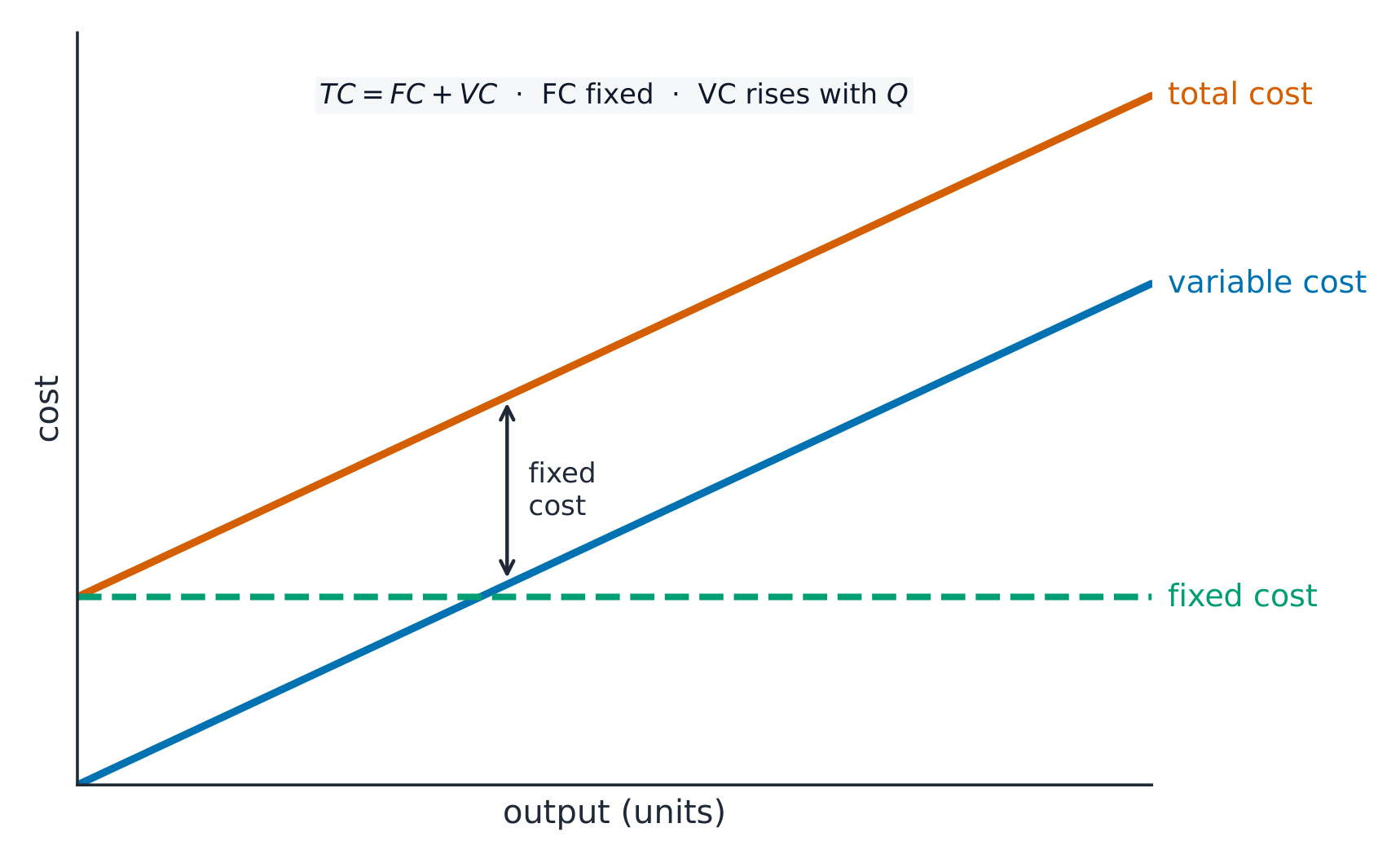
التكاليف الثابتة لا تتغير مع حجم الإنتاج — الإيجار، الرواتب، التأمين. تدفعها حتى لو لم تصنع شيئاً.
التكاليف المتغيرة تتغير حسب حجم الإنتاج — المواد، والأجر مقابل كل عنصر يتم تصنيعه. زيادة الإنتاج تعني زيادة التكاليف المتغيرة.
التكلفة الكلية هي التكاليف الثابتة زائد التكاليف المتغيرة.
متوسط التكلفة هو التكلفة الكلية مقسومة على عدد العناصر المنتجة.
نقطة التعادل هي مستوى الإنتاج حيث تساوي الإيرادات الكلية التكلفة الكلية تماماً: لا تحقق المؤسسة ربحاً ولا خسارة. أسفلها تخسر المؤسسة؛ فوقها، تحقق ربحاً.
يعطي كل عنصر مباع مبلغاً نحو تغطية التكاليف الثابتة. هذا المبلغ هو سعر البيع ناقص التكلفة المتغيرة لعنصر واحد (تسمى أحياناً المساهمة للوحدة الواحدة).
$$\text{break-even output} = \frac{\text{fixed costs}}{\text{selling price per unit} - \text{variable cost per unit}}$$
مخطط نقطة التعادل يرسم التكلفة الكلية والإيرادات الكلية مقابل حجم الإنتاج. يتقاطع الخطان عند نقطة التعادل.
نقطة التعادل هي حيث يساوي الإيراد الكلي التكلفة الكلية — يسارها خسارة، ويمنها ربح
هامش الأمان هو مدى تباعد الإنتاج الفعلي عن إنتاج نقطة التعادل.
$$\text{margin of safety} = \text{actual output} - \text{break-even output}$$
مثال محلول. منتج يُباع بسعر 15 جنيهاً مع تكلفة متغيرة قدرها 5 جنيهات للوحدة، وتكاليف ثابتة للشركة قدرها 8,000 جنيه. أوجد إنتاج نقطة التعادل، وهامش الأمان إذا أنتجت الشركة فعلياً 1,200 وحدة.
المساهمة للوحدة الواحدة هي $\text{\pounds} 15 - \text{\pounds} 5 = \text{\pounds} 10$، لذا
هامش أمان كبير أكثر أماناً، لأن المبيعات يمكن أن تنخفض لمسافة طويلة قبل أن تحقق المؤسسة خسارة.
حدود تحليل نقطة التعادل. يفترض أن جميع الإنتاج يُباع، وأن سعر البيع والتكاليف تظل ثابتة عند كل مستوى من مستويات الإنتاج. في الواقع هذه تتغير غالباً، لذا فإن نقطة التعادل هي مجرد دليل.
Explore · استكشف
Break-even · نقطة التعادل
Break-even is where total revenue crosses total cost. · نقطة التعادل هي حيث تتقاطع الإيرادات الكلية مع التكلفة الكلية.
explain the factors affecting the location decision of a manufacturing business and a service business
explain the factors a business considers when locating in another country and the role of legal controls
العربية
اشرح العوامل المؤثرة في قرار موقع شركة تصنيع وشركة خدمات
اشرح العوامل التي تأخذها الشركة في الاعتبار عند اختيار موقع في بلد آخر ودور الضوابط القانونية
Source: Cambridge International syllabus · المصدر: منهج كامبريدج الدولي
English
Locating a business
Where a business sits affects its costs and its sales. A manufacturing 制造业 business (one that makes goods) looks at:
nearness to raw materials 原材料, because heavy or bulky materials cost a lot to move,
nearness to customers and the market 市场,
the cost and size of the land,
a supply of suitable labour,
good transport links,
government grants offered in some areas.
A service business (one that sells services, such as a shop or a hair salon) looks more at being close to customers, passing foot traffic, nearby shops, and the rent.
Locating in another country
A business may produce or sell abroad in order to reach new customers and bigger markets, pay lower wages or rent, get nearer to raw materials, or avoid tariffs 关税 (taxes on imports) by making goods inside the country. But it must then deal with different laws, languages and customs, and follow the legal controls 法律管制 of both countries.
العربية
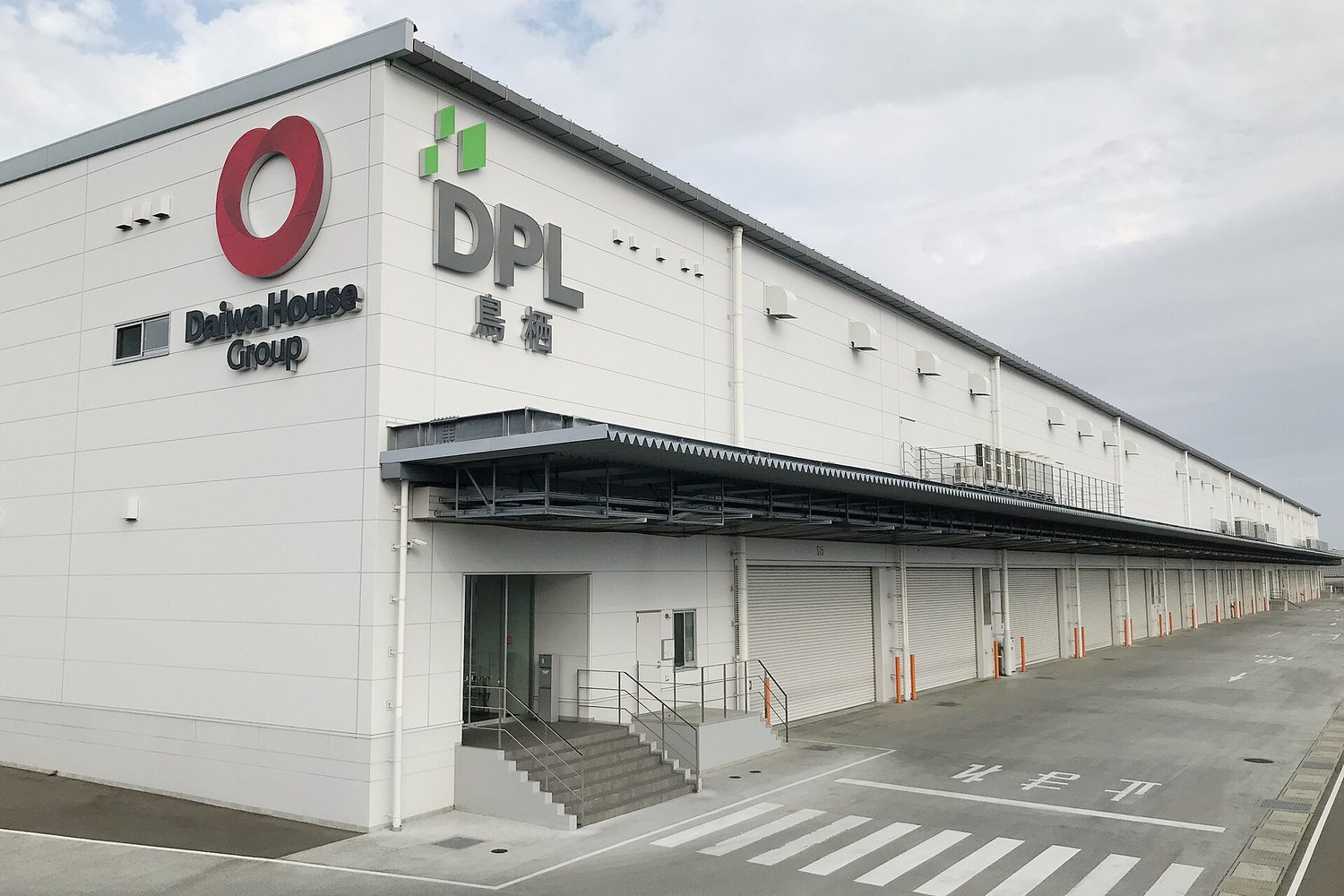
أين تقع المؤسسة — مثل مركز التوزيع هذا — يؤثر على تكاليفها وخدماتها.
تحديد موقع المؤسسة
مكان وجود المؤسسة يؤثر على تكاليفها ومبيعاتها. مؤسسة تصنيع (تصنع سلعاً) تنظر إلى:
القرب من المواد الخام، لأن المواد الثقيلة أو الكبيرة الحجم باهظة النقل،
القرب من العملاء والسوق،
تكلفة وحجم الأرض،
توفر عمالة مناسبة،
روابط نقل جيدة،
منح حكومية تُقدم في بعض المناطق.
تُركّز شركات الخدمات (التي تبيع خدمات، كمتجر أو صالون تجميل) بشكل أكبر على القرب من العملاء، وحركة المارة المتدفقة، والمتاجر المجاورة، والإيجار.
تحديد الموقع في بلد آخر
قد تُنتج الشركة أو تبيع خارجياً للوصول إلى عملاء جدد وأسواق أكبر، أو لدفع أجور أو إيجارات أقل، أو للقرب من المواد الخام، أو لتجنب الجمارك (ضرائب الاستيراد) عبر تصنيع البضائع داخل البلاد. ولكن عليها حينها التعامل مع قوانين ولغات وعادات مختلفة، واتباع الرقابة القانونية لكلا البلدين.
Explore · استكشف
Location factor lab · مختبر عامل الموقع
Classify why a business chooses one site over another. · صنف لماذا تختار شركة موقعًا معينًا بدلاً من آخر.
Match the production methods: job (one-off items to order), batch (a group, then switch to another), flow (non-stop mass production on a line).
Learn the formulas: total cost = fixed + variable; average cost = total cost ÷ output; total revenue = price × quantity; profit = total revenue − total cost.
Break-even output = fixed costs ÷ (selling price − variable cost per unit). How far actual output is above break-even is the margin of safety.
Break-even analysis assumes everything made is sold at one fixed price and cost, so it is only a guide.
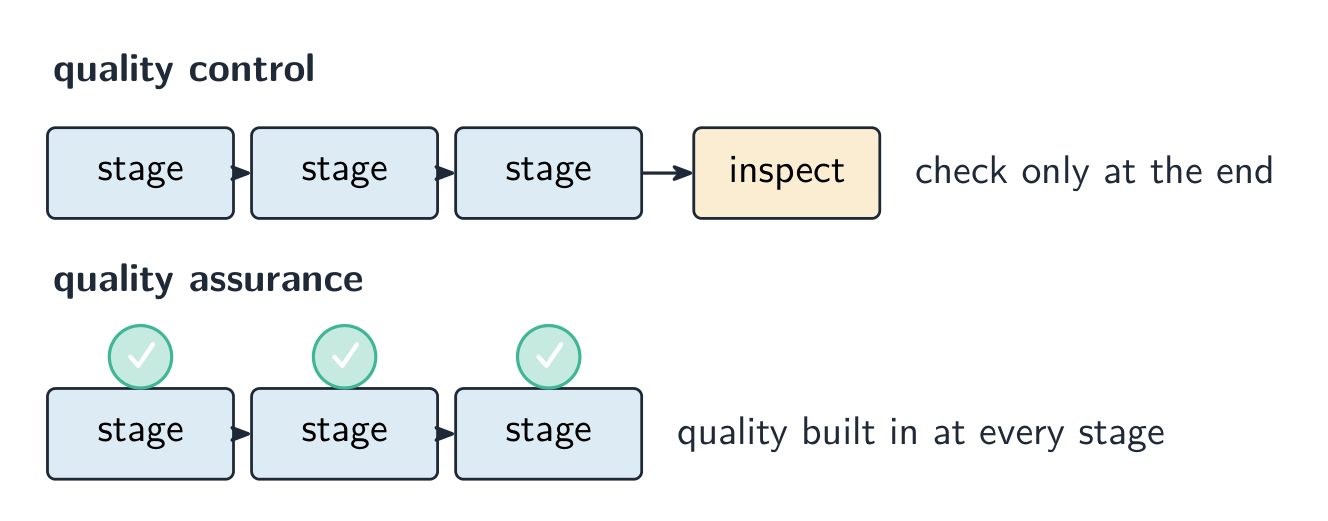
Quality control checks finished goods at the end; quality assurance builds quality in at every stage.
العربية
اربط طرق الإنتاج: التصنيع حسب الطلب (قطع مفردة حسب الطلب)، تشغيل الدفعات (مجموعة ثم التحول إلى أخرى)، الإنتاج المستمر (إنتاج جماعي غير متوقف على خط الإنتاج).
احفظ الصيغ: التكلفة الكلية = الثابتة + المتغيرة؛ متوسط التكلفة = التكلفة الكلية ÷ الإنتاج؛ الإيراد الكلي = السعر × الكمية؛ الربح = الإيراد الكلي − التكلفة الكلية.
إنتاج نقطة التعادل = التكاليف الثابتة ÷ (سعر البيع − التكلفة المتغيرة للوحدة). المسافة التي يتجاوز بها الإنتاج الفعلي نقطة التعادل هي هامش الأمان.
تفترض تحليل نقطة التعادل أن كل ما يتم إنتاجه يُباع بسعر وتكلفة ثابتين، لذا فهو مجرد دليل توجيهي.
مراقبة الجودة تفحص البضائع الجاهزة في النهاية؛ ضمان الجودة يدمج الجودة في كل مرحلة.
5
Financial information and decisions · المعلومات المالية والقرارات
Why businesses need finance · لماذا تحتاج الشركات إلى التمويل
Syllabus · المنهج
English
explain why businesses need finance (start-up capital, expansion, working capital, cash-flow problems)
distinguish short-term and long-term finance and internal and external sources of finance
describe sources of finance (retained profit, sale of assets, owners' savings, bank loan/overdraft, share issue, debentures, leasing, hire purchase, trade credit, microfinance, crowdfunding, government grants)
explain the factors that influence the choice of source of finance
العربية
اشرح لماذا تحتاج الشركات إلى التمويل (رأس المال الأولي، التوسع، رأس المال العامل، مشاكل التدفق النقدي)
ميّز بين التمويل قصير وطويل الأجل والمصادر الداخلية والخارجية للتمويل
صف مصادر التمويل (الأرباح المحتجزة، بيع الأصول، مدخرات المالكين، القروض البنكية/التجاوز، إصدار الأسهم، السندات، التأجير، الشراء بالتقسيط، الائتمان التجاري، التمويل الصغير، التمويل الجماعي، منح الحكومة)
اشرح العوامل التي تؤثر على اختيار مصدر التمويل
Source: Cambridge International syllabus · المصدر: منهج كامبريدج الدولي
English
Finance 资金 means the money a business needs. A business needs finance to:
start up — start-up capital 启动资金 to buy equipment and stock before it earns anything,
grow — money for expansion 扩张, such as new shops or machines,
run day to day — working capital 营运资金 to pay wages and suppliers while waiting for customers to pay,
survive a cash-flow 现金流 problem, when more money is going out than is coming in.
Sources of finance
Finance can be short-term 短期 (paid back within a year) or long-term 长期 (over several years). It can come from inside the business (internal) or from outside (external).
Source
Internal / external
Notes
retained profit 留存利润
internal
profit kept in the business, not paid out
sale of assets 资产
internal
selling things the business no longer needs
owners' savings
internal
the owners' own money
bank loan 贷款
external
borrowed money, repaid with interest 利息 over time
bank overdraft 透支
external
the bank lets the account go below zero, for short-term needs
issuing new shares 股份
external
only for limited companies; raises money but shares out control
debentures 债券
external
long-term loans to a company that pay interest
leasing 租赁
external
renting equipment instead of buying it
hire purchase 分期付款
external
buy now and pay in monthly parts
trade credit 贸易信贷
external
pay suppliers later, for example after 30 days
microfinance 小额信贷
external
small loans for tiny businesses in poorer areas
crowdfunding 众筹
external
many people each give a small amount, often online
government grants 补助金
external
money from the government that need not be repaid
Choosing a source
The best source depends on how much money is needed and for how long, the cost (interest and fees), the size and legal type of the business (only companies can sell shares), and how much risk and control the owners will accept.
العربية
تُعدّ البنوك مصدراً خارجياً رئيسياً لتمويل الشركات، من خلال القروض والخصومات.يحتاج التمويل للتأسيس، للتشغيل اليومي، وللتوسع
التمويل يعني الأموال التي تحتاجها الشركة. تحتاج الشركة إلى التمويل لـ:
بدء النشاط — رأس المال الأولي لشراء المعدات والمخزون قبل تحقيق أي أرباح،
النمو — أموال لـ التوسع، كمتاجر جديدة أو آلات،
التشغيل اليومي — رأس المال العامل لسداد الأجور والموردين أثناء انتظار دفع العملاء،
البقاء على قيد الحياة أمام مشكلة تدفق النقد، عندما يكون الخرج النقدي أكبر من الداخل.
مصادر التمويل
يمكن أن يكون التمويل قصير الأجل (يُرد خلال عام) أو طويل الأجل (على مدى عدة سنوات). وقد يأتي من داخل الشركة (داخلي) أو من خارجها (خارجي).
المصدر
داخلي / خارجي
ملاحظات
الأرباح المحتجزة
داخلي
أرباح تُحتفظ بها في الشركة ولا تُوزع
بيع الأصول
داخلي
بيع أشياء لم تعد الشركة بحاجة إليها
مدخرات الملاك
داخلي
أموال الملاك الخاصة
قرض بنكي
خارجي
أموال مقترضة تُرد مع فوائد بمرور الوقت
خصم بنكي
خارجي
يسمح البنك للحساب بالذهاب تحت الصفر، للاحتياجات قصيرة الأجل
إصدار أسهم جديدة
خارجي
للشركات المحدودة فقط؛ يجمع المال لكن يوزع السيطرة
السندات
خارجي
قروض طويلة الأجل لشركة تدفع فوائد
التأجير
خارجي
تأجير المعدات بدلاً من شراؤها
الشراء بالتقسيط
خارجي
الشراء الآن والدفع على أقساط شهرية
الائتمان التجاري
خارجي
دفع الموردين لاحقاً، مثلاً بعد 30 يوماً
التمويل الجماعي الصغير
خارجي
قروض صغيرة للشركات الصغيرة في المناطق الفقيرة
التمويل الجماعي
خارجي
عدد كبير من الناس يمنح كل منهم مبلغاً صغيراً، غالباً عبر الإنترنت
منح حكومية
خارجي
أموال من الحكومة لا حاجة لإعادتها
مصادر التمويل تأتي من داخل العمل التجاري (داخلية) أو خارجه (خارجية)
اختيار المصدر
يعتمد أفضل مصدر على مقدار المال المطلوب ولمدة زمنية، والتكلفة (الفوائد والرسوم)، وحجم ونوع الشركة القانوني (الشركات فقط يمكنها بيع الأسهم)، ومقدار المخاطر والسيطرة الذين يقبلهم الملاك.
Explore · استكشف
Sources of finance lab · مختبر مصادر التمويل
Choose the best type of finance by time, risk and ownership. · اختر أفضل نوع من التمويل حسب الوقت والمخاطر والملكية.
اشرح رأس المال العامل وكيف يمكن للشركة التغلب على مشاكل التدفق النقدي
Source: Cambridge International syllabus · المصدر: منهج كامبريدج الدولي
English
Cash-flow forecast
Cash is not the same as profit
Cash 现金 is the money a business can use right now. Profit 利润 is revenue 收入 minus costs over a period. A business can be making a profit yet still run out of cash — for example, if customers have not paid yet. Running out of cash can force even a profitable business to close.
The cash-flow forecast
A cash-flow forecast 现金流预测 predicts the money coming in and going out each month. It uses:
inflows 流入 — money coming in (sales, loans),
outflows 流出 — money going out (wages, rent, materials),
net cash flow 净现金流 — inflows minus outflows,
opening balance 期初余额 — the cash held at the start of the month,
closing balance 期末余额 — the cash held at the end of the month.
Worked example. A shop expects inflows of £12,000 and outflows of £9,000 next month, and starts the month with £2,000 in the bank. Find the net cash flow and the closing balance.
Working capital is the money available for day-to-day running. It is the current assets 流动资产 (cash and things soon turned into cash) minus the current liabilities 流动负债 (debts due within a year).
To overcome cash-flow problems, a business can arrange an overdraft, delay paying suppliers, ask customers to pay sooner, sell spare assets, or cut spending.
العربية
توقع تدفق نقدي
النقد ليس هو نفسه الربح
النقد هو الأموال التي يمكن للشركة استخدامها فوراً. الربح هو الإيرادات مطروحاً منها التكاليف خلال فترة معينة. قد تحقق الشركة ربحاً ومع ذلك تنفد سيولتها — على سبيل المثال، إذا لم يدفع العملاء بعد. نفاد السيولة قد يجبر حتى شركة مربحة على الإغلاق.
المبيعات بالائتمان تحقق ربحاً على الورق الآن - بينما arrives النقد وقتاً طويلاً لاحقاً
توقع التدفق النقدي
توقع التدفق النقدي يتنبأ بالأموال الداخلة والخارجة كل شهر. يستخدم:
يتتبع توقع التدفق النقدي الرصيد الختامي كل شهر، وينبه من النقص مبكراً
رأس المال العامل
رأس المال العامل هو الأموال المتاحة للتشغيل اليومي. وهو الأصول المتداولة (النقد والأشياء التي تتحول قريباً إلى نقد) مطروحاً منها الخصوم المتداولة (الديون المستحقة خلال سنة).
لتجاوز مشاكل التدفق النقدي، يمكن للشركة ترتيب خصم بنكي، تأخير سداد الموردين، طلب دفع العملاء مبكراً، بيع أصول فائضة، أو削减 الإنفاق.
رأس المال العامل: الأصول المتداولة مطروحاً منها الخصوم المتداولة
Explore · استكشف
Cash-flow forecasting · التنبؤ بالتدفق النقدي
A forecast of cash in and out each month warns a business of a cash shortage before it strikes. · توقع التدفقات النقدية الداخلة والخارجة كل شهر يحذر الشركة من نقص السيولة قبل وقوعه.
Drag the monthly cash in, cash out and the one-off oven purchase — does the bakery stay out of the red all six months? · اسحب التدفق النقدي الشهري الداخل والخارج وشراء الفرن مرة واحدة — هل تظل المخبز خاليًا من الديون طوال الأشهر الستة؟
Source: Cambridge International syllabus · المصدر: منهج كامبريدج الدولي
English
An income statement 损益表 shows how much profit a business made over a period, usually a year.
Line
Meaning
revenue
money from sales
cost of sales 销售成本
the cost of making or buying the goods that were sold
gross profit 毛利润
revenue minus cost of sales
expenses 费用
other running costs: rent, wages, advertising
profit for the year 年度利润
gross profit minus expenses
$$\text{gross profit} = \text{revenue} - \text{cost of sales}$$
$$\text{profit for the year} = \text{gross profit} - \text{expenses}$$
Worked example. A business has revenue of £200,000, cost of sales of £120,000 and expenses of £50,000. Find its gross profit and its profit for the year.
$$\text{profit for the year} = \text{\pounds} 80\,000 - \text{\pounds} 50\,000 = \text{\pounds} 30\,000$$
Income statements are used by stakeholders 利益相关者: owners check the profit, lenders check whether their loans are safe, and managers look for problems.
العربية
قائمة الدخل تُظهر مقدار الربح الذي حققته الشركة خلال فترة، عادةً سنة واحدة.
السطر
المعنى
الإيرادات
الأموال من المبيعات
تكلفة المبيعات
تكلفة صنع أو شراء البضائع التي تم بيعها
الربح الإجمالي
الإيرادات مطروحاً منها تكلفة المبيعات
المصروفات
تكاليف التشغيل الأخرى: الإيجار، الأجور، الإعلانات
الربح للعام
الربح الإجمالي مطروحاً منه المصروفات
$$\text{gross profit} = \text{revenue} - \text{cost of sales}$$
$$\text{profit for the year} = \text{gross profit} - \text{expenses}$$
مثال محلول. لدى شركة إيرادات بقيمة 200,000 جنيه إسترليني، وتكلفة مبيعات بقيمة 120,000 جنيه إسترليني، ومصروفات بقيمة 50,000 جنيه إسترليني. أوجد الربح الإجمالي والربح für the year (ربح السنة).
Statement of financial position · قائمة المركز المالي
Syllabus · المنهج
English
identify the main classifications in a statement of financial position: non-current and current assets, current and non-current liabilities, and owners' equity/capital
explain how the statement of financial position is used
العربية
تحديد التصنيفات الرئيسية في الميزانية العمومية: الأصول غير المتداولة والمتداولة، والالتزامات المتداولة وغير المتداولة، وحقوق الملكية/رأس المال
شرح كيفية استخدام الميزانية العمومية
Source: Cambridge International syllabus · المصدر: منهج كامبريدج الدولي
English
A statement of financial position 财务状况表 (also called a balance sheet) shows what a business owns and what it owes (its liabilities 负债) on one day.
non-current assets 非流动资产 — things kept for the long term: buildings, machines.
current assets — short-term items: inventory 库存, money owed by customers, and cash.
current liabilities — debts due within a year: an overdraft, money owed to suppliers.
non-current liabilities 非流动负债 — debts due after more than a year: a long-term loan.
owners' equity 所有者权益 — the money the owners put in, plus profit kept in the business.
It is used to check what the business is worth, how much it owes, and whether it can pay its debts.
العربية
بورصة الأسهم: ترفع الشركات المساهمة العامة رأس المال من خلال بيع الأسهم للمستثمرين.
قائمة المركز المالي (وتسمى أيضاً الميزانية العمومية) تُظهر ما تملكه الشركة وما عليها من التزامات (التزامات) في يوم واحد.
أصول غير متداولة — أشياء يتم الاحتفاظ بها على المدى الطويل: مباني، آلات.
أصول متداولة — عناصر قصيرة الأجل: المخزون، الأموال المستحقة من العملاء، والنقد.
التزامات متداولة — ديون مستحقة خلال سنة: عجز في الحساب البنكي، أموال مستحقة للموردين.
التزامات غير متداولة — ديون مستحقة بعد أكثر من سنة: قرض طويل الأمد.
حقوق الملكية — الأموال التي وضعها الملاك، زائد الربح المحتفظ به داخل الشركة.
تُستخدم للتحقق من قيمة الشركة، وكمية الديون عليها، وما إذا كانت قادرة على سداد ديونها.
الجانبان متوازنان دائمًا: الأصول تساوي الالتزامات زائد حقوق الملكية
gross profit margin 毛利率 — gross profit as a percentage of revenue.
profit margin 利润率 — profit for the year as a percentage of revenue.
return on capital employed 资本回报率 (ROCE) — profit as a percentage of the capital employed 所用资本 (money invested). It shows how well the investment is used.
A higher percentage is better for all three.
Worked example. The same business (revenue £200,000, gross profit £80,000, profit for the year £30,000) has capital employed of £150,000. Find its three profitability ratios.
$$\text{acid test ratio} = \frac{\text{current assets} - \text{inventory}}{\text{current liabilities}}$$
the current ratio 流动比率 compares current assets with current liabilities. Around 1.5 to 2 is healthy.
the acid test ratio 速动比率 is stricter: it leaves out inventory, because inventory is not yet sold.
Worked example. A business has current assets of £40,000 (including £10,000 of inventory) and current liabilities of £20,000. Find its current ratio and acid test ratio.
هامش الربح الإجمالي — الربح الإجمالي كنسبة مئوية من الإيرادات.
هامش الربح — ربح السنة كنسبة مئوية من الإيرادات.
العائد على رأس المال المشتغل (ROCE) — الربح كنسبة مئوية من رأس المال المشتغل (الأموال المستثمرة). يُظهر مدى كفاءة استخدام الاستثمار.
النسبة المئوية الأعلى أفضل لجميع النسب الثلاث.
مثال محلول. نفس الشركة (إيرادات 200,000 جنيه إسترليني، ربح إجمالي 80,000 جنيه إسترليني، ربح السنة 30,000 جنيه إسترليني) لديها رأس مال مشتغل قدره 150,000 جنيه إسترليني. أوجد نسب الربحية الثلاثة.
Cash is not profit: a profitable business can still run out of cash if customers pay late. Watch the closing balance on a cash-flow forecast.
Separate internal sources (retained profit, sale of assets, owners' savings) from external ones (bank loan, overdraft, shares, leasing, trade credit).
Key formulas: net cash flow = inflows − outflows; closing balance = opening balance + net cash flow; working capital = current assets − current liabilities.
Profitability ratios (gross margin, profit margin, ROCE) — higher is better. Liquidity: the current ratio (healthy ≈ 1.5–2) and the stricter acid test (which leaves out inventory).
Only limited companies can raise money by issuing shares; a sole trader or partnership cannot.
العربية
النقد ليس ربحاً: قد تكون الشركة مربحة لكن تنفد سيولتها إذا تأخر العملاء في الدفع. راقب الرصيد الختامي في توقع التدفق النقدي.
افصل بين المصادر الداخلية (الربح المحتفظ به، بيع الأصول، مدخرات الملاك) والمصادر الخارجية (القروض البنكية، العجز في الحساب، الأسهم، التأجير، الائتمان التجاري).
Every business is affected by external influences 外部影响 — things outside the business that it cannot control, such as the economy, the law and the environment. A good business watches these and plans for them.
Government and laws shape every firm: tax, interest rates and regulation are external influences
explain the business cycle (growth, boom, recession, slump/recovery) and its effects on business
explain government economic objectives and how taxation, interest rates, inflation, unemployment and exchange rates affect business
العربية
شرح الدورة الاقتصادية (النمو، الازدهار، الركود، الانهيار/الانتعاش) وتأثيراتها على الأعمال التجارية
شرح الأهداف الاقتصادية للحكومة وكيفية تأثير الضرائب وأسعار الفائدة والتضخم والبطالة ومعدلات الصرف على الأعمال التجارية
Source: Cambridge International syllabus · المصدر: منهج كامبريدج الدولي
Interest rates, taxes, unemployment and inflation all affect business
The business cycle
The economy does not grow at a steady pace. It moves in a repeating pattern called the business cycle 经济周期, with these stages.
Stage
What happens
Effect on business
growth 增长
the economy is rising; people spend more
sales and profit rise; firms expand and hire
boom 繁荣
spending is very high
prices and wages rise; shortages appear
recession 衰退
spending falls; the economy shrinks
sales and profit fall; firms cut jobs
slump 萧条
a deep, long recession
many firms close; high unemployment 失业
recovery 复苏
spending starts to rise again
sales slowly improve
The business cycle moves through growth, boom, recession, slump and recovery
In hard times a business may cut costs, lower prices, or sell cheaper products.
Government economic aims and how they affect business
Governments try to keep the economy healthy. Their main aims are stable prices, plenty of jobs, steady growth, and a stable currency. To manage the economy, a government uses or watches several economic factors. Each one affects every business.
Economic factor
What it is
Effect on business
taxation 税收
money the government takes from incomes and sales
higher tax leaves people with less to spend, and cuts business profit
interest rates 利率
the cost of borrowing money
higher rates make loans dearer, so firms borrow and invest less, and customers spend less
inflation 通货膨胀
a general rise in prices
costs rise; if wages chase prices, the country's goods can become too dear
unemployment
the number of people without work
high unemployment lowers sales, but workers are easier to hire
exchange rates 汇率
the price of one currency in another
a change makes imports and exports cheaper or dearer (see below)
explain external costs and external benefits of business activity and the meaning of sustainable development
explain how business activity can damage or protect the environment and the role of pressure groups
explain ethical business behaviour and the possible conflict between ethics and profit
العربية
شرح التكاليف والفوائد الخارجية للأنشطة التجارية ومعنى التنمية المستدامة
شرح كيف يمكن أن تضر الأنشطة التجارية بالبيئة أو تحميتها ودور جماعات الضغط
شرح السلوك التجاري الأخلاقي والصراع المحتمل بين الأخلاق والربح
Source: Cambridge International syllabus · المصدر: منهج كامبريدج الدولي
Business activity can harm the environment, raising ethical questions for firms and governments.
External costs and external benefits
When a business acts, other people can gain or lose.
external costs 外部成本 are costs paid by other people or by society, not by the business — for example pollution 污染, noise and heavy traffic.
external benefits 外部收益 are gains for others — for example new jobs and better roads.
A business activity can create external costs and external benefits felt by other people
Sustainable development
Sustainable development 可持续发展 means meeting today's needs without harming the ability of future people to meet their own needs. A business can harm the environment 环境 — through waste, pollution, and using up resources — or protect it, through recycling, clean energy and less packaging.
Pressure groups
A pressure group 压力团体 is a group that tries to influence businesses and governments, for example to cut pollution. Pressure groups use the media, protests and boycotts. A business may change its behaviour to avoid bad publicity.
Ethics and profit
Ethical behaviour 道德行为 means doing what is morally right, even when no law forces it — for example fair pay, safe products, and no child labour. Acting ethically can cost more in the short term, so it may conflict 冲突 with profit. But it can also win loyal customers and a good name, which raise profit in the long term.
explain globalisation, its importance to business and the reasons for it
explain the role of multinational companies and their benefits and drawbacks to a country
explain how changes in exchange rates affect businesses that import and export
العربية
شرح العولمة وأهميتها للأعمال التجارية وأسبابها
شرح دور الشركات متعددة الجنسيات وفوائدها ومخاطرها على الدولة
شرح كيف تؤثر تغيرات أسعار الصرف على الشركات التي تستورد وتصدر
Source: Cambridge International syllabus · المصدر: منهج كامبريدج الدولي
Shipping containers: businesses trade with the wider international economy.
Globalisation
Globalisation 全球化 is the growing trade and movement of goods, money and people between countries, so the world acts more and more like one single market. It has grown because of cheaper transport, better communication, the internet, and fewer trade barriers such as tariffs 关税 (taxes on imports).
Multinational companies
A multinational company 跨国公司 has operations — factories, branches, or offices — in more than one country. (Simply exporting to other countries is not enough; the firm must actually operate there.)
Benefits to a country
Drawbacks to a country
new jobs and training
profits may be sent out of the country
investment and new technology
local firms may be forced out of business
more choice and lower prices
resources may be used up, or the area polluted
more tax paid to the government
a large firm can have too much power
Exchange rates and trade
An exchange rate is the price of one currency in another. A change affects businesses that import 进口 (buy from abroad) and those that export 出口 (sell abroad).
If the currency gets stronger (rises), exports become dearer for foreign buyers, so they sell less, while imports become cheaper.
If the currency gets weaker (falls), exports become cheaper and sell more, while imports become dearer.
A useful memory aid is SPICED: Strong Pound → Imports Cheaper, Exports Dearer.
How a stronger or weaker currency changes the price of imports and exports
Worked example. A UK firm exports a machine priced at £20,000. The exchange rate moves from £1 = 1.50 USD to £1 = 1.20 USD. What happens to the price a US buyer pays, and is that good for the exporter? Convert the UK price at each rate: at the old rate 20,000 × 1.50 = 30,000 USD; at the new rate 20,000 × 1.20 = 24,000 USD. The pound has weakened, so the machine is 6,000 USD cheaper abroad and the firm should sell more - good for an exporter. Check it against SPICED: a weak pound is the reverse of it, so exports are cheaper. Convert the actual figures rather than only reciting the mnemonic, and notice that the UK price never changed at £20,000 - it is the foreign price that moves.
Explore · استكشف
International market lab · مختبر السوق الدولي
See how access to world markets changes quantity and price pressure. · انظر كيف يغير الوصول إلى الأسواق العالمية ضغط الكمية والسعر.
Learn the business cycle (growth, boom, recession, slump, recovery) and how each stage changes sales, profit and jobs.
Trace each economic factor to the business: higher interest rates → dearer loans, so less borrowing and spending; higher tax → people have less to spend; inflation → higher costs.
External costs (pollution, noise) fall on other people, not the business; external benefits (new jobs, better roads) help others.
Use SPICED for exchange rates: Strong Pound → Imports Cheaper, Exports Dearer.
Ethical behaviour can cost more in the short term (so it may conflict with profit), but it can win loyal customers and a good name that raise profit later.
Pick one and the site follows you — notes, papers, videos and practice all open on it. · اختر واحدًا وسيتبعك الموقع — الملاحظات، الأوراق، الفيديوهات والتدريب جميعها تفتح عليه.
Type to search notes, lessons, code, vocabulary and past-paper questions across every subject. · اكتب للبحث عن ملاحظات، دروس، أكواد، مفردات وأسئلة امتحانات سابقة عبر جميع المواد.


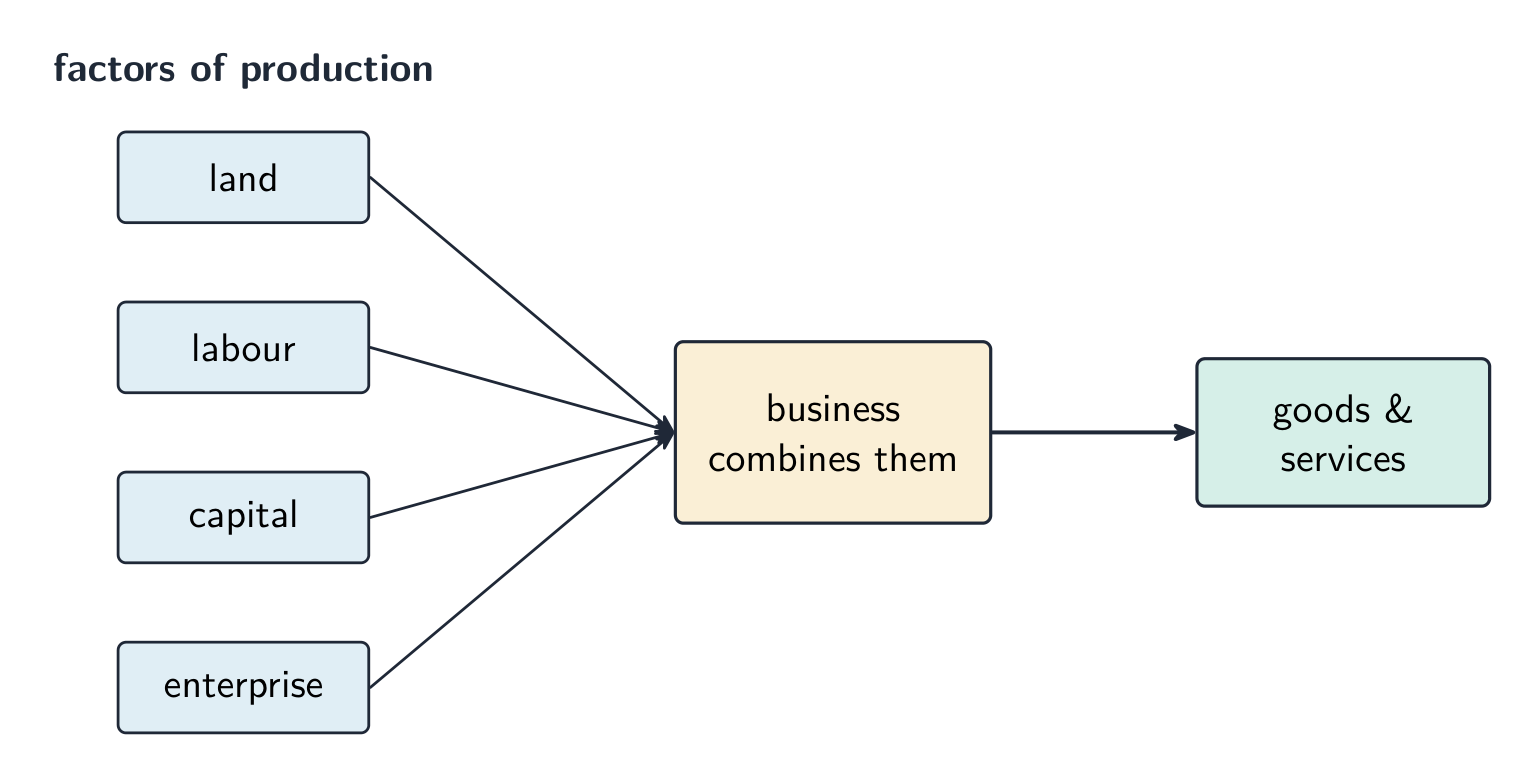


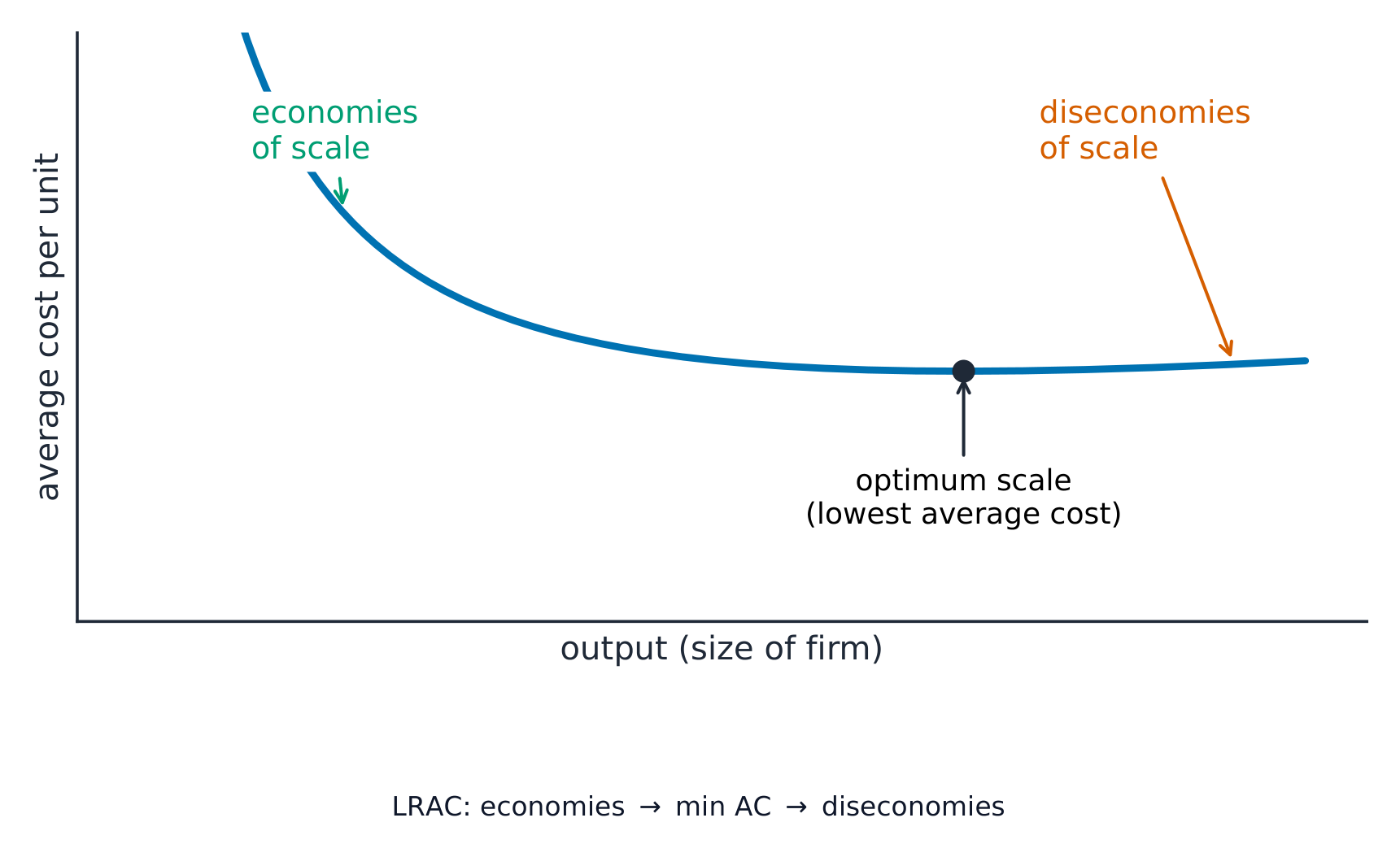 *التكلفة المتوسطة للوحدة تنخفض (وفورات الحجم) ثم ترتفع (عيوب الحجم) مع نمو الشركة