Skip to content · ⁨الانتقال إلى المحتوى⁩

Poetry I · ⁨الشعر I⁩

AP English Literature and Composition · ⁨الأدب والتأليف الإنجليزي (AP)⁩ · Topic 2 · ⁨الموضوع 2⁩

Video lesson for this topic · ⁨درس فيديو لهذا الموضوع⁩ Open the video page · ⁨افتح صفحة الفيديو⁩
6:10

الوحدة 2: الشعر I

الوحدة 2 هي الوحدة الأولى للشعر في المقرر، وتضيف شيئين إلى أدوات الوحدة 1: البنية كهدف للتحليل، واللغة المجازية المعالجة…

English narration · English + 中文 subtitles burned in · ⁨سرد باللغة الإنجليزية · ترجمة مدمجة بالإنجليزية + الصينية⁩

2.1

What Textual Details Reveal About a Character · ⁨ما تكشفه التفاصيل النصية عن الشخصية⁩

Syllabus · ⁨المنهج⁩
English

Enduring Understanding (CHR-1): Characters in literature allow readers to study and explore a range of values, beliefs, assumptions, biases, and cultural norms represented by those characters.

Learning Objective 1.A: Identify and describe what specific textual details reveal about a character, that character’s perspective, and that character’s motives.

  • CHR-1.E Characters reveal their perspectives and biases through the words they use, the details they provide in the text, the organization of their thinking, the decisions they make, and the actions they take.
العربية

فهم دائم (CHR-1): الشخصيات في الأدب تتيح للقراء دراسة واستكشاف مجموعة متنوعة من القيم والمعتقدات والفرضيات والتحيزات والأعراف الثقافية التي تمثلها تلك الشخصيات.

هدف التعلم 1.A: تحديد ووصف ما تكشفه التفاصيل النصية المحددة عن شخصية، وجهة نظر تلك الشخصية، ودوافعها.

  • CHR-1.E تكشف الشخصيات عن وجهات نظرها وتحيزاتها من خلال الكلمات التي تستخدمها، والتفاصيل التي تقدمها في النص، وتنظيم تفكيرها، والقرارات التي تتخذها، والأفعال التي تقوم بها.

Source: College Board AP Course and Exam Description · ⁨المصدر: وصف دورة وامتحان College Board AP⁩

English

Unit 2 is the course's first poetry unit, and it adds two things to Unit 1's toolkit: structure as an object of analysis, and figurative language 比喻性语言 handled precisely rather than by name-dropping.

One addition on character first: characters reveal their perspectives and biases through the words they use, the details they provide, and the details they omit.

That last item is the analytical opening. What a speaker does not mention, in a poem where everything is chosen, is evidence.

العربية

وحدتي 2 هي وحدة الشعر الأولى في المقرر، وتضيف شيئين إلى أدوات وحدتي 1: البنية كشيء للتحليل، واللغة المجازية比喻性语言 يتم التعامل معها بدقة بدلاً من مجرد ذكر الأسماء.

إضافة أخرى تتعلق بالشخصية أولاً: الكشوفات الشخصية تحدد وجهات نظرهم وتحيزاتهم من خلال الكلمات التي يستخدمونها، والتفاصيل التي يقدمونها، والتفاصيل التي يتركونها خارج نطاق الحديث.

هذا العنصر الأخير هو نقطة الانطلاق التحليلية. ما لا يذكره المتحدث، في قصيدة كل شيء فيها مُختار بعناية، هو دليل.

2.2

The Function of Structure in a Text · ⁨وظيفة البنية في النص⁩

Syllabus · ⁨المنهج⁩
English

Enduring Understanding (STR-1): The arrangement of the parts and sections of a text, the relationship of the parts to each other, and the sequence in which the text reveals information are all structural choices made by a writer that contribute to the reader’s interpretation of a text.

Learning Objective 3.C: Explain the function of structure in a text.

  • STR-1.D Line and stanza breaks contribute to the development and relationship of ideas in a poem.
  • STR-1.E The arrangement of lines and stanzas contributes to the development and relationship of ideas in a poem.
  • STR-1.F A text’s structure affects readers’ reactions and expectations by presenting the relationships among the ideas of the text via their relative positions and their placement within the text as a whole.
العربية

فهم دائم (STR-1): ترتيب أجزاء ونصوص النص، وعلاقة الأجزاء ببعضها البعض، والتسلسل الذي يكشف به النص عن المعلومات هي جميعًا اختيارات بنائية يقوم بها الكاتب تساهم في تفسير القارئ للنص.

هدف التعلم 3.C: اشرح وظيفة البنية في النص.

  • STR-1.E يساهم ترتيب الأسطر والقوافي في تطوير الأفكار وعلاقتها في القصيدة.
  • STR-1.F تؤثر بنية النص على ردود أفعال القراء وتوقعاتهم من خلال عرض العلاقات بين أفكار النص عبر مواقعها النسبية ومكانتها داخل النص ككل.
  • STR-1.F تؤثر بنية النص على ردود أفعال القراء وتوقعاتهم من خلال عرض العلاقات بين أفكار النص عبر مواقعها النسبية وموضعها داخل النص ككل.

Source: College Board AP Course and Exam Description · ⁨المصدر: وصف دورة وامتحان College Board AP⁩

English
  • Line and stanza breaks 行与诗节的断开 contribute to the development and relationship of ideas in a poem.
  • The arrangement of lines and stanzas contributes to that development.
  • A text's structure affects readers' reactions and expectations by presenting the relationships among ideas.

Structure in poetry is not decoration; it is punctuation for thought. Where a line breaks decides which words sit at the ends of lines, and the end of a line is the most emphatic position available. A sentence that runs past a line break asks the reader to hold something unresolved; one that stops at the break closes it.

العربية
  • كسر الشطر وقسط القصيدة 行与诗节的断开 يساهمان في تطور الأفكار وعلاقاتها داخل القصيدة.
  • ترتيب الأشرطة والقسط يساهم في هذا التطور.
  • بنية النص تؤثر على ردود أفعال القراء وتوقعاتهم من خلال عرض العلاقات بين الأفكار.

البنية في القصيدة ليست زينة؛ بل هي ترقيم للأفكار. المكان الذي ينقطع فيه الشطر يحدد الكلمات التي تأتي في نهايته، ونهاية الشطر هي الموقع الأكثر تأكيداً المتاح. الجملة التي تمتد عبر كسر شطر تدفع القارئ للإبقاء على شيء غير مكتمل؛ واحدة تتوقف عند الكسر تغلق الأمر.

وصف الشكل ليس تحديد الوظيفة - قل ما يُفعل بالقارئ
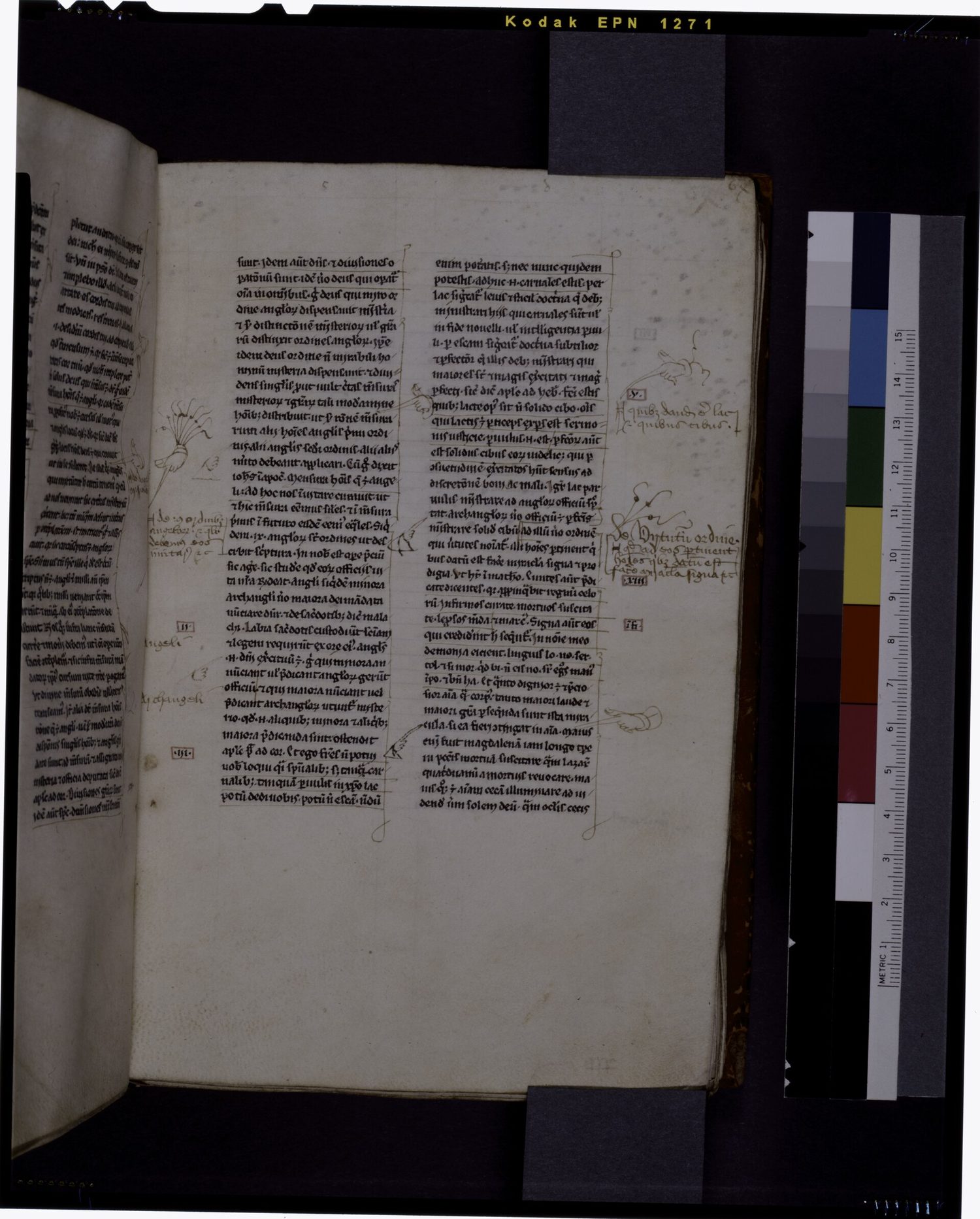
صفحة تحمل تعليقها الخاص في الهوامش - القراءة الدقيقة، قبل عدة قرون
Explore · ⁨استكشف⁩

Match each structural choice to its function · ⁨طابق كل اختيار بنيوي بوظيفته⁩

Describing the shape is not naming the function. Say what the reader is made to do, and where. · ⁨وصف الشكل ليس تسمية الوظيفة. اذكر ما يُطلب من القارئ فعله، وأين.⁩

2.3

The Function of Contrasts Within a Text · ⁨وظيفة التناقضات داخل النص⁩

Syllabus · ⁨المنهج⁩
English

Enduring Understanding (STR-1): The arrangement of the parts and sections of a text, the relationship of the parts to each other, and the sequence in which the text reveals information are all structural choices made by a writer that contribute to the reader’s interpretation of a text.

Learning Objective 3.D: Explain the function of contrasts within a text.

  • STR-1.G Contrast can be introduced through focus; tone; point of view; character, narrator, or speaker perspective; dramatic situation or moment; settings or time; or imagery.
  • STR-1.H Contrasts are the result of shifts or juxtapositions or both.
  • STR-1.I Shifts may be signaled by a word, a structural convention, or punctuation.
  • STR-1.J Shifts may emphasize contrasts between particular segments of a text.
العربية

فهم دائم (STR-1): ترتيب أجزاء ونصوص النص، وعلاقة الأجزاء ببعضها البعض، والتسلسل الذي يكشف به النص عن المعلومات هي جميعًا اختيارات بنائية يقوم بها الكاتب تساهم في تفسير القارئ للنص.

هدف التعلم 3.D: اشرح وظيفة التناقضات داخل النص.

  • STR-1.H التناقضات هي نتيجة للتغييرات أو الجuxtapositions أو كليهما.
  • STR-1.I قد تُشار إلى التغييرات بكلمة، أو تقليد بنيوي، أو علامات ترقيم.
  • STR-1.J قد تبرز التغييرات التناقضات بين أجزاء معينة من النص.
  • STR-1.J قد تبرز التحولات التناقضات بين أجزاء معينة من النص.

Source: College Board AP Course and Exam Description · ⁨المصدر: وصف دورة وامتحان College Board AP⁩

English
  • Contrast 对照 can be introduced through focus, tone, point of view, character or speaker perspective, and dramatic situation.
  • Contrasts are the result of shifts or juxtapositions or both.
  • Shifts may be signalled by a word, a structural convention, or punctuation.
  • Shifts may emphasise contrasts between particular segments of a text.

This is the most reliable route into an unseen poem. Find the shift - a but, a stanza break, a change of tense or address - and the poem divides into a before and an after. What changed, and what the change costs or gains, is very often the poem's argument.

العربية
  • التناقض 对照 يمكن إدخاله من خلال التركيز، والنبرة، وزاوية النظر، أو منظور الشخصية أو المتحدث، والحالة الدرامية.
  • التناقضات هي نتيجة انتقالات أو مواضع متقاربة أو كليهما.
  • قد تُعلَن التحولات بكلمة، أو تقليد هيكلي، أو علامات ترقيم.
  • قد تُبرز الانتقالات التناقضات بين أجزاء معينة من النص.

هذا هو المسار الأكثر موثوقية للدخول في قصيدة غير مألوفة. ابحث عن الانتقال - كلمة "لكن"، أو كسر قسط، أو تغيير في الزمن أو المخاطرة - وتنقسم القصيدة إلى قبل وبعد. ما تغير، وما يكلفه هذا التغيير أو يحققه، هو غالبًا حجة القصيدة.

أربعة أماكن للنظر إلى التناقض، وليس واحدًا
Explore · ⁨استكشف⁩

Find the contrast in four places, not one · ⁨ابحث عن التناقض في أربعة أماكن، وليس مكانًا واحدًا⁩

Students find the obvious pairing and stop — and the contrast inside a character usually carries the complexity question. · ⁨يجد الطلاب التوافق الواضح ويتوقفون — وعادةً ما يحمل التناقض الداخلي لشخصية واحدة سؤال التعقيد.⁩

Vocabulary · ⁨مفردات⁩ Train · ⁨تدريب⁩
English العربية
figurative language/ˈfɪɡjərətɪv ˈlæŋɡwɪdʒ/ اللغة المجازية
Line and stanza breaks/laɪn ænd ˈstænzə breɪks/ كسور الأسطر والأبيات
Contrast/ˈkɒntræst/ التباين
antecedent/ˌæntɪˈsiːdənt/ سابق
affects interpretation/əˈfekts ɪnˌtɜːprɪˈteɪʃn/ تؤثر على التفسير
Alliteration/əˌlɪtəˈreɪʃn/ الحروف المتشابهة
2.4

The Function of Specific Words and Phrases · ⁨وظيفة كلمات وعبارات محددة⁩

Syllabus · ⁨المنهج⁩
English

Enduring Understanding (FIG-1): Comparisons, representations, and associations shift meaning from the literal to the figurative and invite readers to interpret a text.

Learning Objective 5.B: Explain the function of specific words and phrases in a text.

  • FIG-1.A An antecedent is a word, phrase, or clause that precedes its referent. Referents may include pronouns, nouns, phrases, or clauses.
  • FIG-1.B Referents are ambiguous if they can refer to more than one antecedent, which affects interpretation.
  • FIG-1.C Words or phrases may be repeated to emphasize ideas or associations.
  • FIG-1.D Alliteration is the repetition of the same letter sound at the beginning of adjacent or nearby words to emphasize those words and their associations or representations.
العربية

فهم دائم (FIG-1): التحليلات والتصورات والروابط تحوّل المعنى من الحرفي إلى المجازي وتدعوا القراء لتفسير النص.

هدف التعلم 5.B: اشرح وظيفة كلمات وعبارات محددة في النص.

  • FIG-1.B تكون المرجعات غامضة إذا كانت تشير إلى أكثر من مسند واحد، مما يؤثر على التفسير.
  • FIG-1.C قد يتم تكرار الكلمات أو العبارات للتأكيد على الأفكار أو الروابط.
  • FIG-1.D التناغم هو تكرار نفس الصوت الحرفي في بداية كلمات متجاورة أو قريبة للتأكيد على تلك الكلمات وروابطها أو تمثيلاتها.
  • FIG-1.D التناغم هو تكرار نفس صوت الحرف في بداية كلمات متجاورة أو قريبة للتأكيد على تلك الكلمات وروابطها أو تصوراتها.

Source: College Board AP Course and Exam Description · ⁨المصدر: وصف دورة وامتحان College Board AP⁩

English
  • An antecedent 先行词 is a word, phrase, or clause that precedes its referent.
  • Referents are ambiguous if they can refer to more than one antecedent, which affects interpretation 影响阐释.
  • Words or phrases may be repeated to emphasise ideas or associations.
  • Alliteration 头韵 is the repetition of the same initial sound in adjacent or nearby words, emphasising those words.

Ambiguous reference is worth special attention. In prose it is usually a fault; in poetry it is often a device, and a pronoun that could point two ways may be holding both meanings deliberately.

العربية
  • المستند إليه 先行词 هو كلمة أو عبارة أو جملة تسبق مرجعها.
  • المراجع تكون غامضة إذا كانت تشير إلى أكثر من مستند إليه واحد، مما يؤثر على التفسير 影响阐释.
  • قد يتم تكرار الكلمات أو العبارات لتأكيد الأفكار أو الارتباطات.
  • التناغم الصوتي 头韵 هو تكرار نفس الصوت الأولي في كلمات مجاورة أو قريبة، مما يؤكد تلك الكلمات.

الإشارة الغامضة تستحق اهتمامًا خاصًا. في النثر عادة ما تكون عيبًا؛但在 القصيدة غالبًا ما تكون أداة، وقد يكون ضمير يمكنه الإشارة بطريقتين يحمل كلا المعنيين عمداً.

كلمة واحدة مختارة تقوم حتى أربعة أشياء - "قوي" ليس其中之一
2.5

The Function of a Simile · ⁨وظيفة التشبيه⁩

Syllabus · ⁨المنهج⁩
English

Enduring Understanding (FIG-1): Comparisons, representations, and associations shift meaning from the literal to the figurative and invite readers to interpret a text.

Learning Objective 6.A: Identify and explain the function of a simile.

  • FIG-1.E A simile uses the words “like” or “as” to liken two objects or concepts to each other.
  • FIG-1.F Similes liken two different things to transfer the traits or qualities of one to the other.
  • FIG-1.G In a simile, the thing being compared is the main subject; the thing to which it is being compared is the comparison subject.
العربية

فهم دائم (FIG-1): التحليلات والتصورات والروابط تحوّل المعنى من الحرفي إلى المجازي وتدعوا القراء لتفسير النص.

هدف التعلم 6.A: حدد واشرح وظيفة التشبيه.

  • FIG-1.F يشبه التشبيه شيئين مختلفين لنقل صفات أو خصائص أحدهما إلى الآخر.
  • FIG-1.G في التشبيه، الشيء المُقارَن هو الموضوع الرئيسي؛ والشيء الذي يُقارَن به هو موضوع المقارنة.
  • FIG-1.G في التشبيه، يكون الشيء المقارن هو الموضوع الرئيسي؛ والشيء الذي يتم مقارنته به هو موضوع المقارنة.

Source: College Board AP Course and Exam Description · ⁨المصدر: وصف دورة وامتحان College Board AP⁩

English
  • A simile 明喻 uses "like" or "as" to liken two objects or concepts.
  • Similes liken two different things to transfer the traits or qualities of one to the other.
  • In a simile, the thing being compared is the main subject; the thing to which it is compared is the comparison subject.

Those two terms are the whole method. A scoring answer names the main subject, names the comparison subject, and then says which quality was transferred - because that quality is the claim the poem is making.

العربية
مصطلحات CED الخاصة بها - والنقل يحدث في اتجاه واحد فقط
سمِّ الموضوع الرئيسي، وسمِّ موضوع المقارنة، ثم قل أي صفة انتقلت
  • التشبيه 明喻 يستخدم "مثل" أو "كـ" لمقارنة عنصرين أو مفهومين.
  • التشبيه يُشابه شيئين مختلفين لنقل سمات أو صفات أحدهما إلى الآخر.
  • في التشبيه، الشيء المقارَن به هو الموضوع الرئيسي؛ والشيء الذي يُقارَن به هو موضوع المقارنة.

هذان المصطلحان هما الطريقة كاملة. الإجابة الجيدة تسمى الموضوع الرئيسي، وتسمى موضوع المقارنة، ثم تقول أي صفة تم نقلها - لأن هذه الصفة هي الادعاء الذي تقدمه القصيدة.

Vocabulary · ⁨مفردات⁩ Train · ⁨تدريب⁩
English العربية
simile/ˈsɪmɪlɪ/ التشبيه
metaphor/ˈmetəfɔː/ استعارة
2.6

The Function of a Metaphor · ⁨وظيفة الاستعارة⁩

Syllabus · ⁨المنهج⁩
English

Enduring Understanding (FIG-1): Comparisons, representations, and associations shift meaning from the literal to the figurative and invite readers to interpret a text.

Learning Objective 6.B: Identify and explain the function of a metaphor.

  • FIG-1.H A metaphor implies similarities between two (usually unrelated) concepts or objects in order to reveal or emphasize one or more things about one of them, though the differences between the two may also be revealing.
  • FIG-1.I In a metaphor, as in a simile, the thing being compared is the main subject; the thing to which it is being compared is the comparison subject.
  • FIG-1.J Comparisons between objects or concepts draw on the experiences and associations readers already have with those objects and concepts.
  • FIG-1.K Interpretation of a metaphor may depend on the context of its use; that is, what is happening in a text may determine what is transferred in the comparison.
العربية

فهم دائم (FIG-1): التحليلات والتصورات والروابط تحوّل المعنى من الحرفي إلى المجازي وتدعوا القراء لتفسير النص.

هدف التعلم 6.B: حدد واشرح وظيفة الاستعارة.

  • FIG-1.I في الاستعارة، كما في التشبيه، الشيء المُقارَن هو الموضوع الرئيسي؛ والشيء الذي يُقارَن به هو موضوع المقارنة.
  • FIG-1.J تستند المقارنات بين الأشياء أو المفاهيم إلى تجارب القراء وروابطهم السابقة مع تلك الأشياء والمفاهيم.
  • FIG-1.K قد يعتمد تفسير الاستعارة على سياق استخدامها؛ أي أن ما يحدث في النص قد يحدد ما يتم نقله في المقارنة.
  • FIG-1.K قد يعتمد تفسير الاستعارة على سياق استخدامها؛ أي أن ما يحدث في النص قد يحدد ما يتم نقله في المقارنة.

Source: College Board AP Course and Exam Description · ⁨المصدر: وصف دورة وامتحان College Board AP⁩

English
  • A metaphor 隐喻 implies similarities between two usually unrelated concepts to reveal or emphasise qualities of the main subject.
  • The same main-subject and comparison-subject structure applies.
  • Comparisons draw on the experiences and associations readers already have with the comparison subject - which is why a metaphor can fail with an audience that lacks those associations.
  • Interpretation of a metaphor may depend on the context of its use: what is happening in the text may determine which of the comparison subject's qualities is meant.

That last point protects you from the commonest error, which is importing every association a word has. If a poem calls grief a house, the relevant quality might be shelter, or confinement, or the fact that one must live inside it. The text decides which.

العربية
  • الاستعارة 隐喻 تلمح إلى أوجه تشابه بين مفهوميين غير مترابطين عادة لكشف أو تأكيد صفات الموضوع الرئيسي.
  • نفس بنية الموضوع الرئيسي وموضوع المقارنة تنطبق.
  • استناد المقارنات إلى الخبرات والارتباطات التي يمتلكها الق ήδηون مسبقاً مع موضوع المقارنة - ولهذا السبب قد تفشل الاستعارة مع جمهور يفتقر إلى تلك الارتباطات.
  • قد يعتمد تفسير الاستعارة على سياق استخدامها: ما يحدث في النص قد يحدد أي من صفات موضوع المقارنة هو المقصود.

يحميك هذا النقطة الأخيرة من الخطأ الأكثر شيوعًا، وهو استيراد كل ارتباطات الكلمة. إذا وصف شاعر الحزن بـ «منزل»، فقد تكون الصفة ذات الصلة هي المأوى، أو القيد، أو حقيقة أنه يجب أن يعيش المرء بداخله. النص هو من يحدد ذلك.

2.7

Developing a Paragraph with Claim and Evidence · ⁨تطوير فقرة بالادعاء والدليل⁩

Syllabus · ⁨المنهج⁩
English

Enduring Understanding (LAN-1): Readers establish and communicate their interpretations of literature through arguments supported by textual evidence.

Learning Objective 7.A: Develop a paragraph that includes 1) a claim that requires defense with evidence from the text and 2) the evidence itself.

  • LAN-1.A In literary analysis, writers read a text closely to identify details that, in combination, enable them to make and defend a claim about an aspect of the text.
  • LAN-1.B A claim is a statement that requires defense with evidence from the text.
  • LAN-1.C In literary analysis, the initial components of a paragraph are the claim and textual evidence that defends the claim.
العربية

فهم دائم (LAN-1): يضع القارئ تفسيراتهم للأدب ويبلغون عنها من خلال حجج مدعومة بأدلة نصية.

هدف التعلم 7.A: تطوير فقرة تتضمن 1) ادعاء يتطلب الدفاع عنه بدليل من النص و2) الدليل نفسه.

  • LAN-1.B الادعاء هو عبارة تتطلب الدفاع عنها بدليل من النص.
  • LAN-1.C في التحليل الأدبي، تتكون المكونات الأولية للفقرة من الادعاء والدليل النصي الذي يدافع عنه.
  • LAN-1.C في التحليل الأدبي، تتكون المكونات الأولية للفقرة من الادعاء والدليل النصي الذي يدافع عن الادعاء.

Source: College Board AP Course and Exam Description · ⁨المصدر: وصف دورة وامتحان College Board AP⁩

English

Same three components as Unit 1: a claim requiring textual defence, the textual evidence, and details identified in combination.

Worked example (a real AP exam task). A poetry-analysis prompt asks how the speaker's use of comparison conveys their attitude. A weak answer: "The poet uses a metaphor comparing memory to a house, which is effective." A scoring answer uses the CED's terms and the context rule: "The main subject is memory and the comparison subject a house, but the poem withholds warmth from the comparison: the house has 'rooms she no longer enters'. The quality transferred is therefore not shelter but confinement by a structure one built oneself - so the speaker's attitude to her own past is presented as inhabiting something she can neither leave nor fully occupy." Main subject, comparison subject, transferred quality, and the attitude it conveys.

العربية

نفس المكونات الثلاثة كما في الوحدة 1: ادعاء يتطلب دفاعًا نصيًا، والدليل النصي، والتفاصيل المحددة بشكل متزامن.

مثال محلول (مهمة امتحان AP حقيقية). يطرح سؤال تحليل الشعر كيف ينقل استخدام المتحدث للتشابه موقفه. إجابة ضعيفة: «يستخدم الشاعر استعارة تشبه الذاكرة بالمنزل، وهو أمر مؤثر.» إجابة حاصلة على درجات تستخدم مصطلحات CED وقاعدة السياق: «الموضوع الرئيسي هو الذاكرة وموضوع التشبيه منزل، لكن الشعر ي withholding الدفء من التشبيه: المنزل به 'غرف لا تدخلها بعد الآن'. لذا فإن الصفة المنقولة ليست المأوى بل القيد بواسطة بنية بناها المرء بنفسه - مما يعني أن موقف المتحدث من ماضيه المقدم كسكن شيء لا يمكنه مغادرته ولا استيعابه تمامًا.'». الموضوع الرئيسي، موضوع التشبيه، الصفة المنقولة، والموقف الذي يعبر عنه.

2.7

Exam tips · ⁨نصائح للامتحان⁩

English
  • What a speaker omits is evidence. In a poem, everything present was chosen.
  • Find the shift first. A but, a stanza break, a change of tense - the poem divides there.
  • Line endings are the emphatic position. Say which words the poet put there.
  • An ambiguous referent in poetry is usually a device, not an error.
  • Always name main subject and comparison subject, then the quality transferred. That quality is the claim.
  • Context decides which quality a metaphor imports. Do not list every association the word has.
العربية
  • ما يغيبه المتحدث هو دليل. في القصيدة، كل ما هو موجود تم اختياره.
  • ابحث عن التحول أولاً. كلمة لكن، نهاية شطر، تغيير في الزمن - ينقسم الشعار هناك.
  • نهايات الأسطر هي الموضع المؤكد. حدد الكلمات التي وضعها الشاعر هناك.
  • المرجع الغامض في الشعر عادة ما يكون أداة، وليس خطأً.
  • سمِّ دائمًا الموضوع الرئيسي وموضوع التشبيه، ثم الصفة المنقولة. هذه الصفة هي الادعاء.
  • السياق يحدد أي صفة يستورد الاستعارة. لا تدرج كل ارتباطات الكلمة.

Interactive lessons on this topic · ⁨دروس تفاعلية حول هذا الموضوع⁩

Work through it step by step, with instant-check exercises. · ⁨ا-working عليه خطوة بخطوة، مع تمارين تحقق فوري.⁩

Past Papers · ⁨أوراق الامتحانات السابقة⁩

More topics in AP English Literature and Composition · ⁨الأدب والتأليف الإنجليزي (AP)⁩ · ⁨المزيد من المواضيع في AP English Literature and Composition · ⁨الأدب والتأليف الإنجليزي (AP)⁩⁩

Log in or create account · ⁨تسجيل الدخول أو إنشاء حساب⁩

IGCSE, A-Level & AP