Business and the international economy · 企业与国际经济
| English | 中文 | Pinyin · 拼音 |
|---|---|---|
| international economy/ˌɪntəˈnæʃənl ɪˈkɒnəmi/ | 国际经济 | guó jì jīng jì |
| globalisation/ˌɡləʊbəlaɪˈzeɪʃn/ | 全球化 | quán qiú huà |
| investment/ɪnˈvestmənt/ | 投资 | tóu zī |
| multinational company/ˌmʌltɪˈnæʃənl ˈkʌmpəni/ | 跨国公司 | kuà guó gōng sī |
| free trade/friː treɪd/ | 自由贸易 | zì yóu mào yì |
| tariffs/ˈtærɪfs/ | 关税 | guān shuì |
| quotas/ˈkwəʊtəz/ | 配额 | pèi é |
Business goes global
- A phone designed in one country, made in another, sold worldwide — that's the international economy 国际经济 at work.
- Trading across borders brings big opportunities and real risks.
企业走向全球
- 一部在一个国家设计、在另一个国家制造、在全世界出售的手机——那就是运作中的国际经济(international economy)。
- 跨境贸易带来巨大的机会和真实的风险。
International market lab · 国际市场实验室
See how access to world markets changes quantity and price pressure. · 观察进入世界市场如何改变数量和价格压力。
Globalisation refers to: · 全球化指的是:
Globalisation links economies through trade, investment and technology. · 全球化通过贸易、投资和技术将经济体联系起来。
Globalisation 全球化
- Globalisation is the growing connection of the world's economies through trade, investment 投资 and technology.
- It lets businesses sell to, and buy from, the whole world.
Shipping containers: businesses trade with the wider international economy
全球化
- 全球化(globalisation)是世界经济通过贸易、投资和技术日益增长的连接。
- 它让企业能向全世界销售,并从全世界购买。
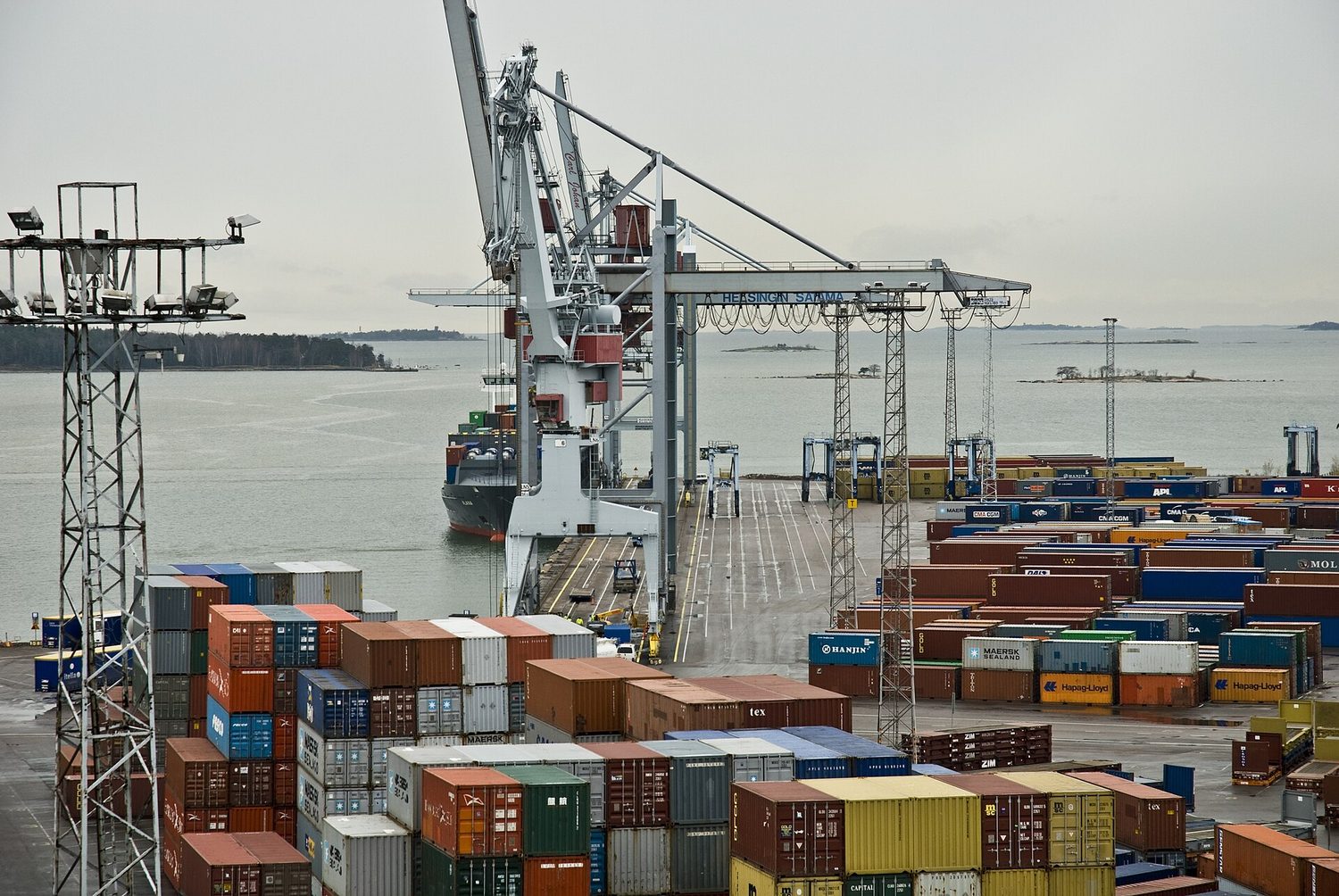
航运集装箱:企业与更广阔的国际经济进行贸易
A multinational company (MNC) is one that: · 跨国公司是指:
MNCs operate across several countries. · 跨国公司在多个国家运营。
A company that operates in many countries is called a ______ company. · 在许多国家运营的公司被称为______公司。
MNCs span many countries. · 跨国公司跨越许多国家。
Multinational companies
- A multinational company 跨国公司 (MNC) produces or sells in more than one country.
- MNCs bring jobs and investment, but are criticised over tax, wages and the environment.
Interest rates, taxes, unemployment and inflation all affect business
跨国公司
- 一家跨国公司(multinational company,MNC)在不止一个国家生产或销售。
- 跨国公司带来工作和投资,但因税收、工资和环境而受到批评。
A tariff is: · 关税是:
A tariff is an import tax; a quota is a quantity limit. · 关税是一种进口税;配额是一种数量限制。
Free trade tends to lower prices and increase choice for consumers. · 自由贸易往往降低价格并增加消费者的选择。
Removing barriers widens choice and lowers prices. · 消除壁垒可以扩大选择范围并降低价格。
Free trade 自由贸易 and protection
- Free trade lets goods cross borders without barriers — lower prices, more choice.
- Tariffs 关税 (import taxes) and quotas 配额 (import limits) protect home industries but raise prices.
Worked example. A clothing firm imports cheap fabric (benefiting from free trade) but faces a tariff when exporting to a country protecting its own makers — raising its price there and cutting sales.
自由贸易与保护
- 自由贸易(free trade)让商品无障碍地跨越边界——更低的价格、更多的选择。
- 关税(tariffs,进口税)和配额(quotas,进口限制)保护本国产业但提高价格。
例题。 一家服装公司进口便宜的布料(受益于自由贸易),但在出口到一个保护自己制造商的国家时面临一项关税——提高它在那里的价格并削减销售。
You've got it
- globalisation connects economies through trade, investment and technology
- a multinational (MNC) operates in many countries — bringing jobs but facing criticism
- free trade lowers prices; tariffs and quotas protect home industries but raise prices
你掌握了
- 全球化通过贸易、投资和技术连接经济
- 一家**跨国公司(MNC)**在许多国家运营——带来工作但面临批评
- 自由贸易降低价格;关税和配额保护本国产业但提高价格