Biotechnology in action · 生物技术实践
| English | 中文 | Pinyin · 拼音 |
|---|---|---|
| yeast/jiːst/ | 酵母 | jiào mǔ |
| baking/ˈbeɪkɪŋ/ | 烘焙 | hōng bèi |
| brewing/ˈbruːɪŋ/ | 酿造 | niàng zào |
| antibiotics/ˌæntɪbaɪˈɒtɪks/ | 抗生素 | kàng shēng sù |
| insulin/ˈɪnsjuːlɪn/ | 胰岛素 | yí dǎo sù |
| enzymes/ˈenzaɪmz/ | 酶 | méi |
Biotechnology in everyday life
- Biotechnology isn't just in laboratories — it's in your kitchen and medicine cabinet.
- Microbes make bread, yoghurt, medicines and more.
日常生活中的生物技术
- 生物技术不只在实验室里——它在你的厨房和药柜里。
- 微生物制造面包、酸奶、药物等等。
Biotechnology application lab · 生物技术应用实验室
Classify biotechnology examples by the problem they solve. · 根据解决的问题对生物技术示例进行分类。
Yeast makes bread rise by producing: · 酵母通过产生______使面包发酵膨胀:
CO₂ from yeast respiration makes dough rise. · 酵母呼吸产生的CO₂使面团膨胀。
Yoghurt is made from milk by: · 酸奶是通过以下方式由牛奶制成的:
Bacteria ferment milk into yoghurt. · 细菌发酵牛奶制成酸奶。
The microbe used in both baking and brewing is . · 烘焙和酿造中使用的微生物是。
Yeast produces CO₂ (bread) and alcohol (brewing). · 酵母产生CO₂(面包)和酒精(酿造)。
Food production
- Yeast 酵母 is used in baking 烘焙 (its CO₂ makes bread rise) and brewing 酿造 (it makes alcohol).
- Bacteria turn milk into yoghurt and cheese.
Fermentation tanks: microbes are grown at scale in biotechnology
食物生产
- 酵母(yeast)用于烘焙(它的 CO₂ 使面包发起)和酿造(它制造酒精)。
- 细菌把牛奶变成酸奶(yoghurt)和奶酪。
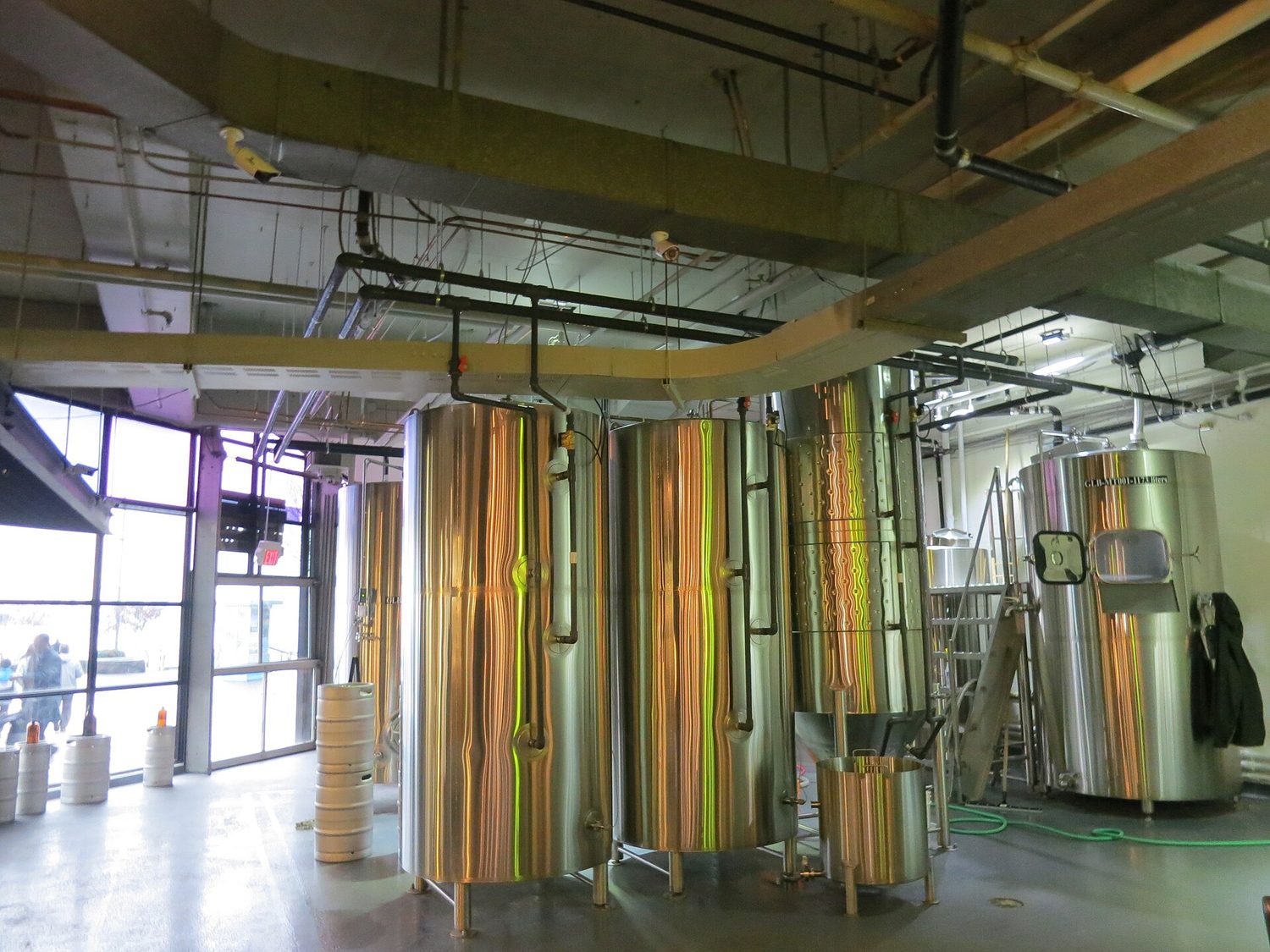
发酵罐:在生物技术中微生物被大规模培养
Which medicines are made using microbes? (Select all that apply.) · 哪些药物是使用微生物制造的?(选择所有适用项。)
Antibiotics, penicillin and insulin are made using microbes. · 抗生素、青霉素和胰岛素均使用微生物制造。
Medicines
- Microbes are used to make antibiotics 抗生素 (like penicillin from a fungus).
- GM microbes make insulin 胰岛素 and other medicines in large quantities.
Enzymes used in industry
药物
- 微生物用于制造抗生素(像来自一种真菌的青霉素)。
- GM 微生物大量制造胰岛素和其他药物。
Microbes can produce enzymes used in washing powders. · 微生物可以生产用于洗衣粉的酶。
These enzymes work at lower temperatures, saving energy. · 这些酶可在较低温度下工作,从而节约能源。
Enzymes 酶 from microbes
- Microbes produce enzymes used in industry — e.g. in washing powders and food processing.
- These enzymes work at lower temperatures, saving energy.
Worked example. Yeast added to dough respires anaerobically, producing carbon dioxide. The gas bubbles expand in the oven, making the bread rise — biotechnology you can eat.
来自微生物的酶
- 微生物产生工业中使用的酶——例如在洗衣粉和食品加工中。
- 这些酶在更低的温度下工作,节省能量。
例题。 加进面团的酵母无氧地进行呼吸作用,产生二氧化碳。气体气泡在烤箱中膨胀,使面包发起——你能吃的生物技术。
You've got it
- yeast makes bread rise (CO₂) and brews alcohol; bacteria make yoghurt and cheese
- microbes make medicines (antibiotics, insulin)
- microbes also make industrial enzymes (washing powders, food processing)
你掌握了
- 酵母使面包发起(CO₂)并酿造酒精;细菌制造酸奶和奶酪
- 微生物制造药物(抗生素、胰岛素)
- 微生物还制造工业酶(洗衣粉、食品加工)