Drugs and antibiotics · 药物和抗生素
| English | 中文 | Pinyin · 拼音 |
|---|---|---|
| drugs/drʌɡz/ | 药物 | yào wù |
| medicinal/məˈdɪsɪnl/ | 药用的 | yào yòng de |
| antibiotics/ˌæntɪbaɪˈɒtɪks/ | 抗生素 | kàng shēng sù |
| antibiotic resistance/ˌæntɪbaɪˈɒtɪk rɪˈzɪstəns/ | 抗生素耐药性 | kàng shēng sù nài yào xìng |
Helpful and harmful chemicals
- Some chemicals heal us; others harm us. Both are drugs 药物 — substances that change how the body works.
- Used well they save lives; misused they cause great damage.
Drug and antibiotic lab · 药物与抗生素实验室
Sort medical examples by what the drug can and cannot do.
A drug is a substance that:
A drug alters the body's chemistry; it can help or harm.
What a drug is
- A drug is a substance taken into the body that changes chemical reactions in it.
- Medicinal 药用的 drugs treat illness; recreational drugs are taken for their effects and can be harmful.
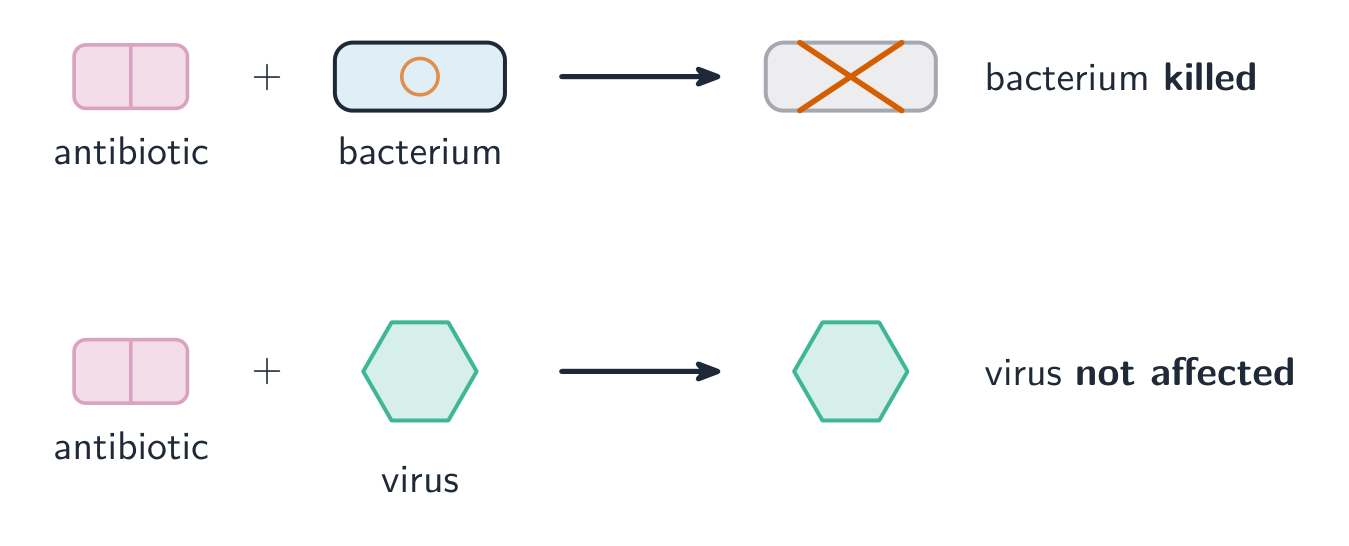
Antibiotics 抗生素 kill bacteria but have no effect on viruses
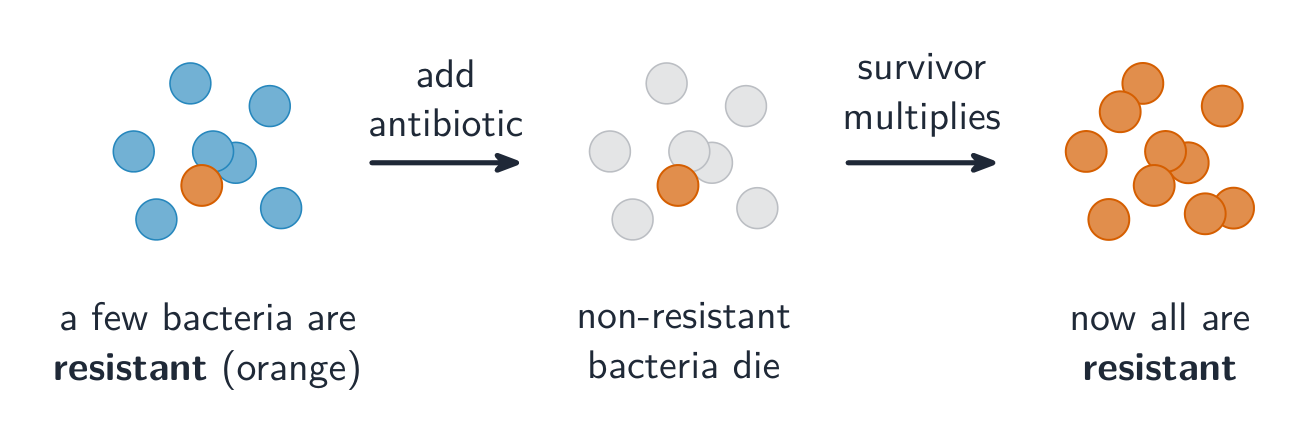
Resistant bacteria survive the antibiotic and multiply, so the whole population becomes resistant
Antibiotics are effective against:
Antibiotics kill bacteria, not viruses.
Antibiotics can cure a cold caused by a virus.
Colds are viral; antibiotics do not work on viruses.
Antibiotics
- Antibiotics kill bacteria (or stop them growing) inside the body.
- They do not work against viruses — so antibiotics can't cure a cold or flu.
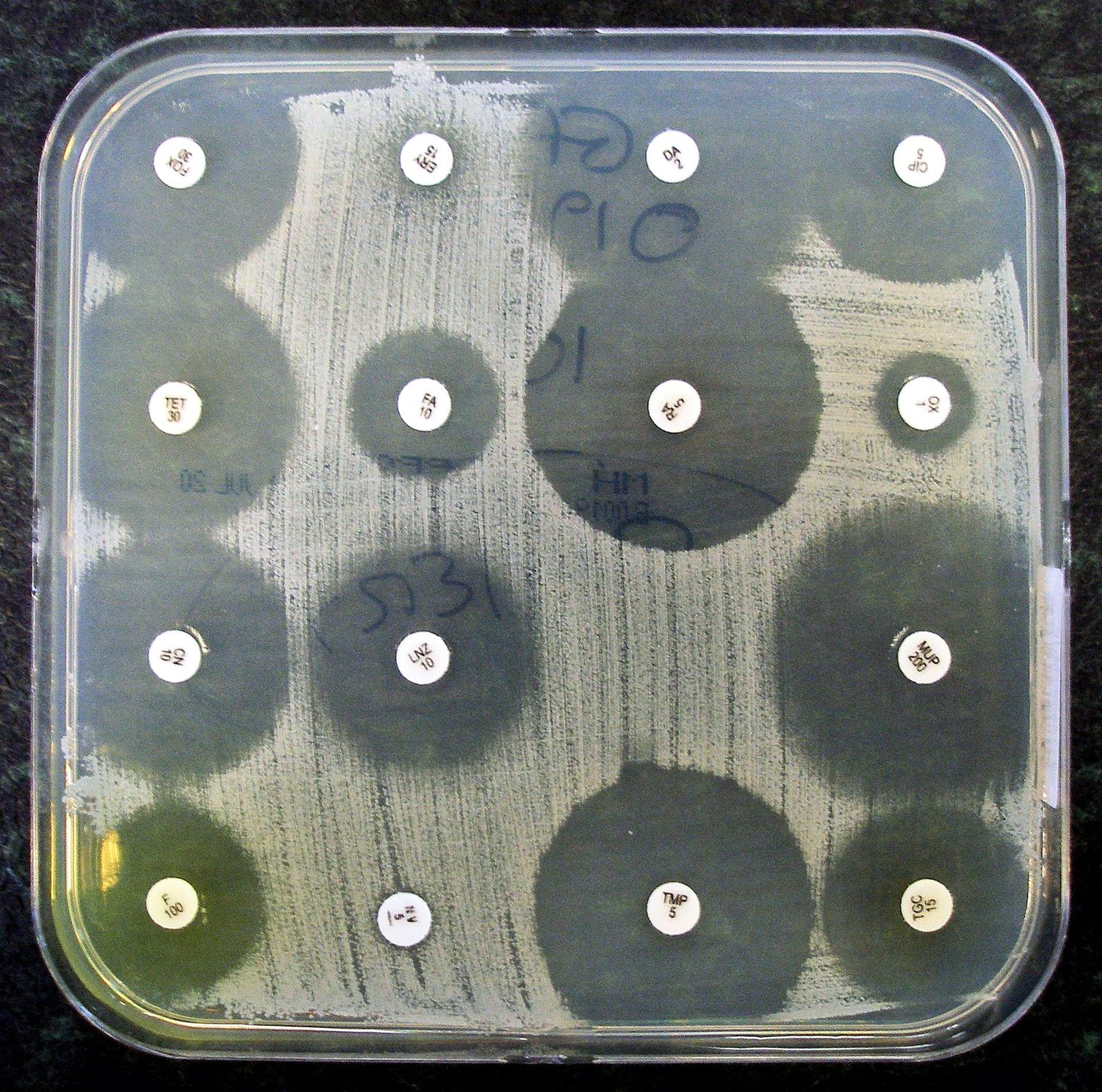
Clear rings show where antibiotics have killed the bacteria on the plate
Antibiotic resistance is made worse by:
Overuse lets resistant bacteria survive and spread.
Take antibiotics according to the instructions of the qualified health care ____.
Follow the prescribed dose and duration, and ask the health professional before changing treatment. Completing a course does not guarantee that every bacterium is killed.
Antibiotic resistance 抗生素耐药性
- Overusing antibiotics lets resistant bacteria survive and spread — antibiotic resistance.
- To slow it: only use antibiotics when prescribed and follow the health professional’s instructions about dose and duration.
Antibiotics don't work on viruses. A cold or flu is viral, so antibiotics won't help — taking them anyway just breeds resistant bacteria. Use them only for bacterial infections.
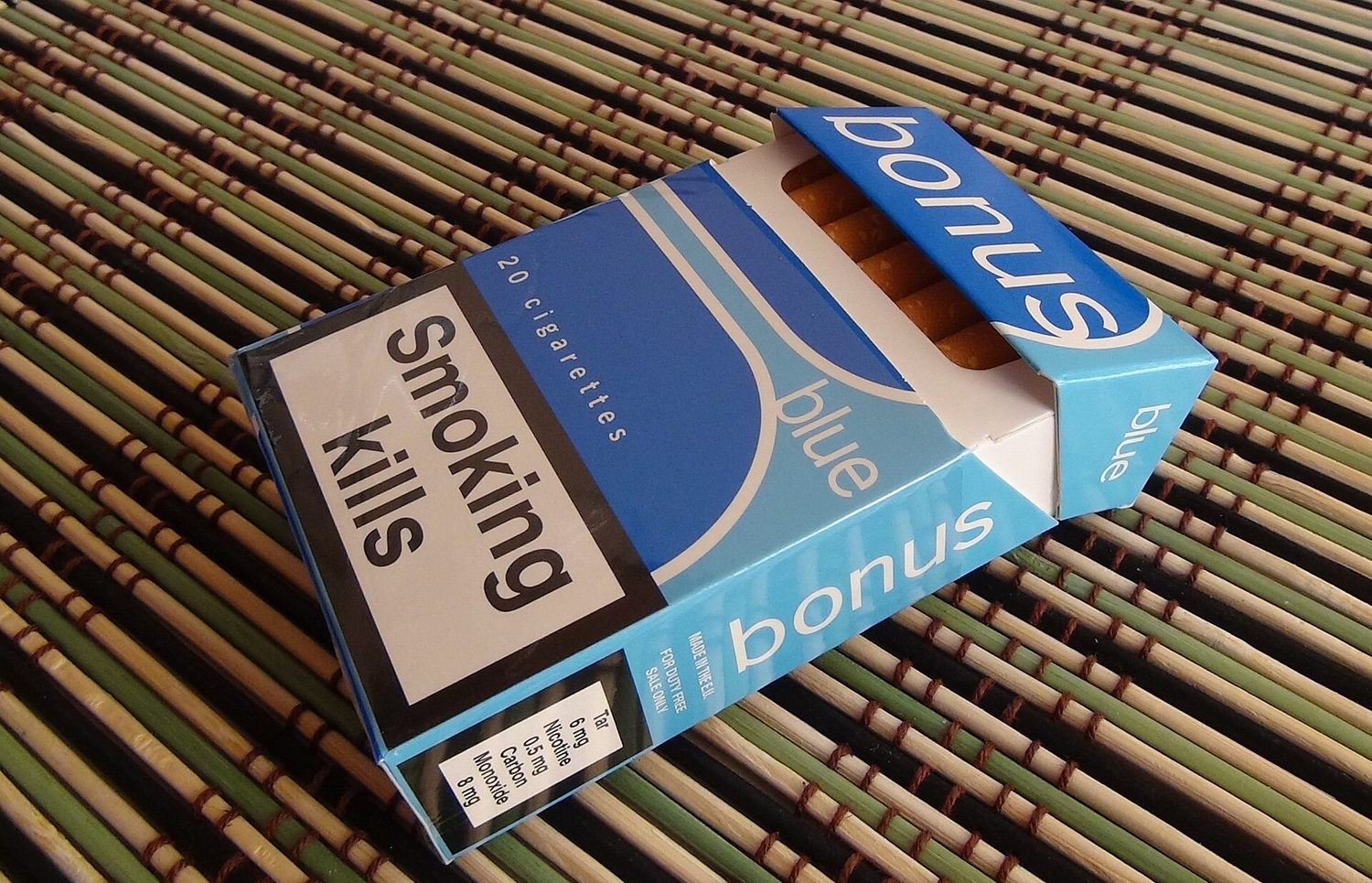
Cigarettes contain nicotine, an addictive drug
In antibiotic resistance, the bacteria are resistant, rather than the patient becoming immune to the medicine.
Resistant bacteria survive the treatment and reproduce; resistance is a bacterial property.
Worked example: selection changes a population
- A population contains susceptible bacteria and a few resistant bacteria. An antibiotic kills many susceptible bacteria; the resistant survivors reproduce and pass their resistance to descendants.
- The resistant bacteria become a greater fraction of the population. The medicine selects survivors; it does not make bacteria choose resistance, and it is the bacteria, not the patient, that are resistant.
After an antibiotic kills susceptible bacteria, why can resistant bacteria become a larger fraction of the population?
Selection favours resistant survivors. Bacteria do not become resistant because they decide they need to.
Antibiotics target bacteria; they do not kill ____.
Viruses do not have the same cellular targets as bacteria.
You've got it
- a drug changes the body's chemical reactions; medicinal drugs treat illness
- antibiotics kill bacteria but not viruses
- overuse causes antibiotic resistance — use only when prescribed and follow the prescribed instructions
Medicine-use guidance checked 2 October 2026: WHO on following the clinician’s instructions.