The heart · 心脏
| English | 中文 | Pinyin · 拼音 |
|---|---|---|
| atria/ˈeɪtrɪə/ | 心房 | xīn fáng |
| ventricle/ˈventrɪkl/ | 心室 | xīn shì |
| cardiac cycle/ˈkɑːdiæk ˈsaɪkl/ | 心动周期 | xīn dòng zhōu qī |
| systole/ˈsɪstəʊl/ | 收缩期 | shōu suō qī |
| diastole/ˈdaɪəstəʊl/ | 舒张期 | shū zhāng qī |
| sinoatrial node/sɪˈnəʊtrɪəl nəʊd/ | 窦房结 | dòu fáng jié |
| pacemaker/ˈpeɪsmeɪkə/ | 起搏点 | qǐ bó diǎn |
| atrioventricular node/ˌeɪtrɪˌəʊvənˈtrɪkjʊlə nəʊd/ | 房室结 | fáng shì jié |
| Purkyne tissue/ˈpɜːkaɪn ˈtɪʃuː/ | 浦肯野组织 | pǔ kěn yě zǔ zhī |
The pump that never rests
- The heart is a double pump with four chambers.
- Its walls are thicker where it must push blood further.
- And it sets its own rhythm — no outside command needed.
永不休息的泵
- 心脏是一个有 四个腔 的双泵。
- 它的壁在必须把血液推得 更远 的地方更厚。
- 而且它设定自己的节律——不需要外部命令。
Structure
- The two upper chambers are the atria 心房 — thin walls, because they only push blood down into the chambers below.
- The two lower chambers are the ventricles 心室 — thick muscular walls, because they pump blood out of the heart.
- The left ventricle wall is the thickest: it pumps blood all the way round the body (the right side only reaches the nearby lungs).
The internal structure of the human heart
结构
- 两个上腔是 心房(atria)——薄壁,因为它们只把血液 向下 推入下面的腔。
- 两个下腔是 心室(ventricles)——厚的肌肉壁,因为它们把血液泵 出 心脏。
- 左心室 壁 最厚:它把血液泵遍整个身体(右侧只到达附近的肺)。
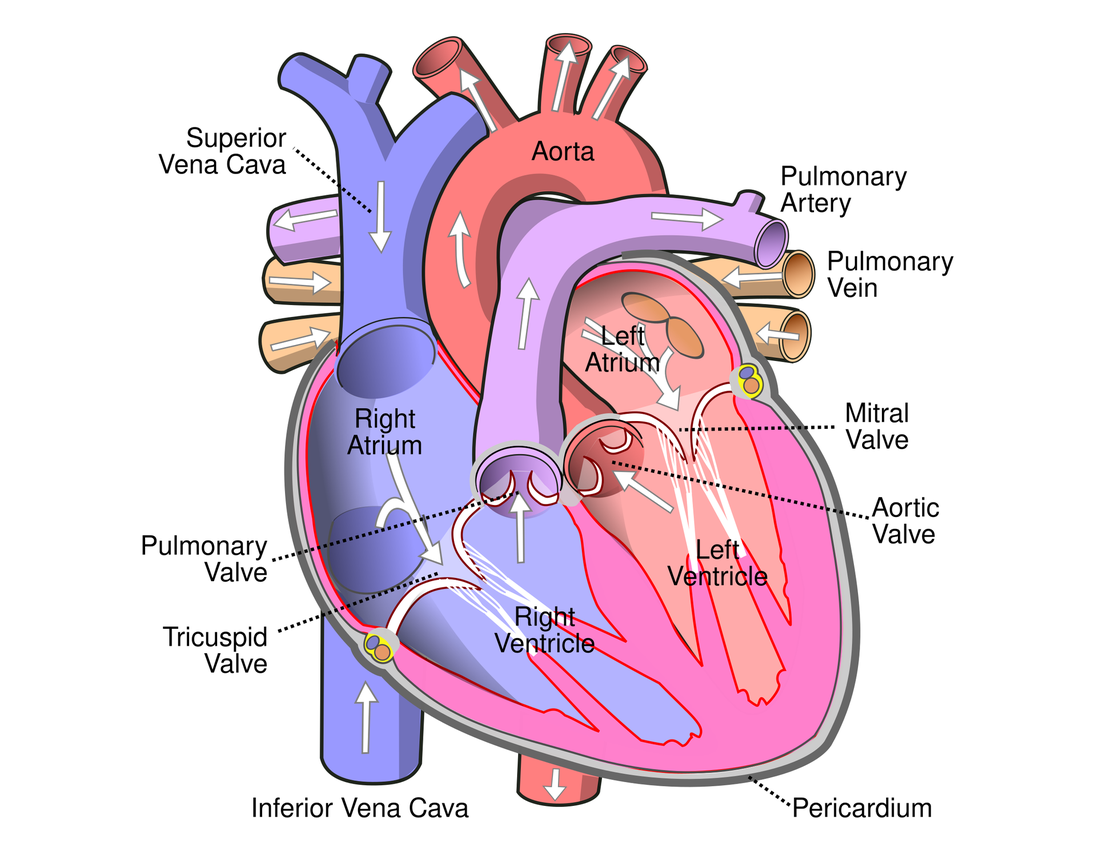
人心脏的内部结构
Explore the heart · 探索心脏
Tap each part. The right side pumps blood to the lungs; the thicker-walled left side pumps it round the whole body. · 点击每个部分。右侧把血液泵到肺;壁更厚的左侧把它泵遍整个身体。
Ventricles have thicker walls than atria because they: · 心室比心房有更厚的壁,因为它们:
Atria only push blood into the ventricles below; ventricles pump blood out, so need thick muscular walls. · 心房只把血液推入下面的心室;心室把血液泵出,所以需要厚的肌肉壁。
The thickest, most muscular chamber, which pumps blood around the whole body, is the left ______. · 最厚、最肌肉的腔,把血液泵遍整个身体,是左 ______。
The left ventricle drives the systemic circulation (whole body), so it needs the most muscle. · 左心室驱动体循环(整个身体),所以它需要最多的肌肉。
The cardiac cycle 心动周期
- One heartbeat is the cardiac cycle: systole 收缩期 (muscle contracts) and diastole 舒张期 (relaxes and fills).
- When a chamber contracts, the pressure inside rises.
- These pressure changes open and close the valves, so blood flows one way only.
Pressure rises and falls in the atria, ventricles and aorta through one cardiac cycle, working the valves
心动周期
- 一次心跳是 心动周期(cardiac cycle):收缩(systole)(肌肉收缩)和 舒张(diastole)(放松并充盈)。
- 当一个腔收缩,里面的压力 升高。
- 这些压力变化打开和关闭 瓣膜,所以血液 只向一个方向 流动。

在一个心动周期中,心房、心室和主动脉中的压力升降,操作瓣膜
The cardiac cycle · 心动周期
Step through one heartbeat — atria contract, then ventricles contract, then everything relaxes and refills. · 一步步走过一次心跳——心房收缩,然后心室收缩,然后一切放松并重新充盈。
In the cardiac cycle, systole is when the heart muscle: · 在心动周期中,收缩是当心肌:
Systole = contraction (pressure rises); diastole = relaxation and filling. · 收缩 = 收缩(压力升高);舒张 = 放松和充盈。
Match each stage of the cardiac cycle. · 配对心动周期的每个阶段。
Atria contract first, then ventricles, then everything relaxes; the valves keep blood moving one way. · 心房先收缩,然后心室,然后一切放松;瓣膜保持血液单向移动。
The semilunar valves stop blood flowing back into the ventricles from the arteries. · 半月瓣阻止血液从动脉流回心室。
When the ventricles relax, the semilunar valves (in the aorta and pulmonary artery) shut to stop backflow. · 当心室放松时,半月瓣(在主动脉和肺动脉中)关闭以阻止回流。
Controlling the heartbeat
- The sinoatrial node 窦房结 (SAN) in the right atrium is the pacemaker 起搏点 — its wave of excitation makes the atria contract.
- The atrioventricular node 房室结 (AVN) picks up the wave and delays it (so the atria empty first).
- The Purkyne tissue 浦肯野组织 carries the wave down and up the ventricle walls, so the ventricles contract from the bottom up.
The heart's electrical conduction system
控制心跳
- 右心房中的 窦房结(SAN) 是 起搏器(pacemaker)——它的兴奋波使 心房 收缩。
- 房室结(AVN) 接收这个波并 延迟 它(所以心房先排空)。
- 浦肯野组织(Purkyne tissue) 把波沿心室壁向下和向上传导,所以 心室 从底部向上 收缩。

心脏的电传导系统
The pacemaker that sets the heart's rhythm is the: · 设定心脏节律的起搏器是:
The SAN in the right atrium generates the wave of excitation that triggers each heartbeat. · 右心房中的 SAN 产生触发每次心跳的兴奋波。
Put the electrical conduction pathway in the correct order. · 把电传导通路按正确顺序排列。
SAN (pacemaker) → AVN (delay) → Purkyne tissue (ventricles contract from the bottom up). · SAN(起搏器)→ AVN(延迟)→ 浦肯野组织(心室从底部向上收缩)。
You've got it
- atria = thin walls (push blood down); ventricles = thick walls (pump out)
- left ventricle is thickest — it pumps to the whole body
- cardiac cycle = systole (contract) + diastole (relax/fill); pressure works the valves (one-way flow)
- rhythm: SAN (pacemaker) → atria; AVN (delay) → Purkyne → ventricles contract bottom-up
你掌握了
- 心房 = 薄壁(把血液向下推);心室 = 厚壁(泵出)
- 左心室 最厚——它泵向整个身体
- 心动周期 = 收缩(收缩)+ 舒张(放松/充盈);压力操作 瓣膜(单向流动)
- 节律:SAN(起搏器)→ 心房;AVN(延迟)→ 浦肯野 → 心室从底部向上收缩