| Core | Supplement |
|---|---|
| 1 Describe variation as differences between individuals of the same species | |
| 2 State that continuous variation results in a range of phenotypes between two extremes; examples include body length and body mass | |
| 3 State that discontinuous variation results in a limited number of phenotypes with no intermediates; examples include ABO blood groups, seed shape in peas and seed colour in peas | |
| 4 State that discontinuous variation is usually caused by genes only and continuous variation is caused by both genes and the environment | |
| 5 Investigate and describe examples of continuous and discontinuous variation | |
| 6 Describe mutation as genetic change | 9 Describe gene mutation as a random change in the base sequence of DNA |
| 7 State that mutation is the way in which new alleles are formed | 10 State that mutation, meiosis, random mating and random fertilisation are sources of genetic variation in populations |
| 8 State that ionising radiation and some chemicals increase the rate of mutation |
Variation and selection · ความแปรปรวนและการคัดเลือก
IGCSE Biology · Biology IGCSE · Topic 18 · หัวข้อ 18
 7:35
7:35
ความแปรปรวนและการคัดเลือก
ในปีค.ศ. 1800 มะเฟืองสีเทาเกือบทุกตัวในอังกฤษมีสีอ่อน ห้าสิบปีต่อมา ในเมืองที่มีควันพิษ почти ทุกตัวเป็นสีดำ ไม่มีmoth…
English narration · English + 中文 subtitles burned in · การบรรยายภาษาอังกฤษ · คำบรรยายภาษาอังกฤษ + 中文 ลอยตัวบนภาพ
18.1
Variation · ความหลากหลาย

Syllabus · หลักสูตร
Source: Cambridge International syllabus · แหล่งที่มา: หลักสูตร Cambridge International
English
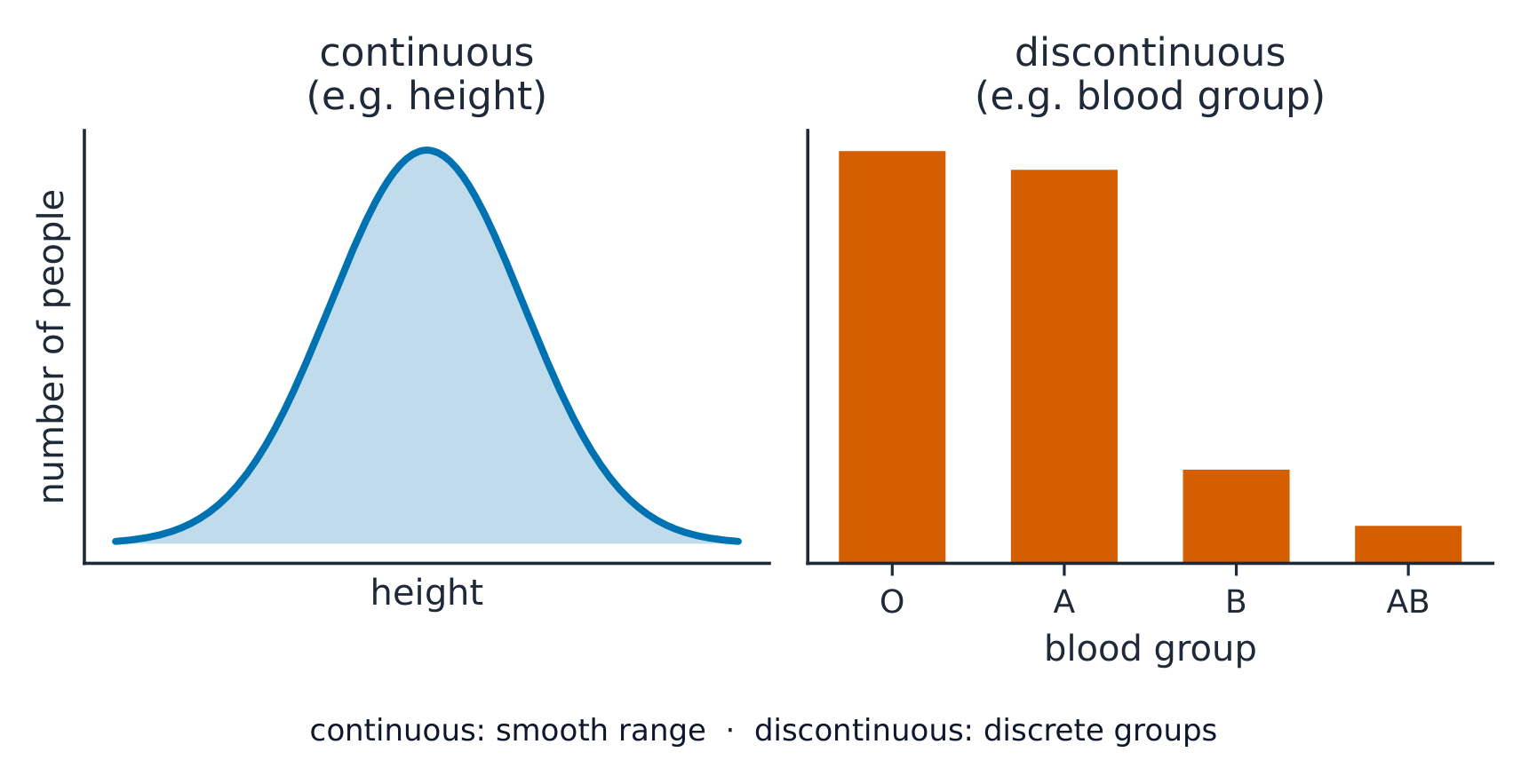
Variation 变异 means the differences between individuals of the same species 物种. There are two types:
- continuous variation 连续变异 — a smooth range of phenotypes 表现型 between two extremes (for example body length and body mass).
- discontinuous variation 不连续变异 — a few separate phenotypes with nothing in between (for example ABO blood groups 血型, or seed shape in peas).
Discontinuous variation is usually caused by genes 基因 only. Continuous variation is caused by both genes and the environment 环境 — for example, your height depends on your genes and also on your diet.
Mutation
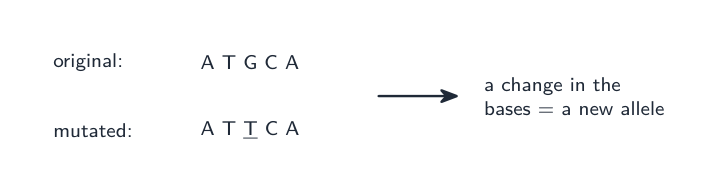
A mutation 突变 is a genetic change. Mutations are the way new alleles 等位基因 are made, so they are the original source of all variation. (Supplement) A gene mutation 基因突变 is a random change in the base sequence 碱基序列 of DNA.
Ionising radiation 电离辐射 (such as X-rays) and some chemicals raise the rate 速率 of mutation. (Supplement) Other sources of genetic variation are meiosis 减数分裂, random mating and random fertilisation 受精.
ไทย
Variation หมายถึงความแตกต่างระหว่างบุคคลใน ชนิด เดียวกัน มีสองประเภท:
- continuous variation — ช่วงต่อเนื่องของ phenotypes ระหว่างสองขั้ว (เช่น ความยาวร่างกายและมวลร่างกาย)
- discontinuous variation — phenotypes แยกกันไม่กี่รูปแบบ โดยไม่มีอะไรคั่นกลาง (เช่น หมู่เลือด ABO หรือรูปร่างเมล็ดถั่วลันเตา)
Discontinuous variation มักเกิดจาก ยีน เท่านั้น Continuous variation เกิดจากทั้ง ยีน และ สิ่งแวดล้อม — เช่น ความสูงของคุณขึ้นอยู่กับยีนและอาหาร
การกลายพันธุ์
Mutation คือการเปลี่ยนแปลงทางพันธุกรรม Mutations เป็นวิธีสร้าง อัลลีลใหม่ ดังนั้นจึงเป็นต้นกำเนิดของความหลากหลายทั้งหมด (ส่วนเสริม) Gene mutation คือการเปลี่ยนแปลงแบบสุ่มใน ลำดับเบส ของ DNA
รังสีไอออไนซ์ (เช่น รังสีเอ็กซ์) และสารเคมีบางชนิดเพิ่ม อัตราการ mutate (ส่วนเสริม) แหล่งความหลากหลายทางพันธุกรรมอื่น ๆ ได้แก่ meiosis, การจับคู่แบบสุ่ม และการ fertilisation แบบสุ่ม
Explore · สำรวจ
Variation lab · ห้องปฏิบัติการเรื่องความแปรปรวน
Classify examples of variation by pattern and cause. · จัดหมวดหมู่ตัวอย่างของความแปรปรวนตามรูปแบบและสาเหตุ
Vocabulary · คำศัพท์
Train · ฝึกฝน
| English | ไทย |
|---|---|
| variation/ˌveərɪˈeɪʃn/ | ความหลากหลาย (Variation) |
| species/ˈspiːsiːz/ | ชนิด (species) |
| continuous variation/kənˈtɪnjuːəs ˌveərɪˈeɪʃn/ | ความแปรปรวนต่อเนื่อง |
| phenotypes/ˈfenətaɪps/ | phenotypes |
| discontinuous variation/dɪskənˈtɪnjuːəs ˌveərɪˈeɪʃn/ | ความแปรปรวนไม่ต่อเนื่อง |
| ABO blood groups/ˌeɪ biː ˈəʊ blʌd ɡruːps/ | ABO Blood Groups |
| genes/dʒiːnz/ | ยีนส์ |
| environment/enˈvaɪrənmənt/ | สิ่งแวดล้อม |
| mutation/mjuːˈteɪʃn/ | mutation |
| alleles/əˈliːlz/ | อัลลีล |
| gene mutation/dʒiːn mjuːˈteɪʃn/ | การกลายพันธุ์ของยีน |
| base sequence/beɪs ˈsiːkwəns/ | base sequence |
| ionising radiation/ˈaɪənaɪzɪŋ ˌreɪdɪˈeɪʃn/ | รังสี ionizing |
| rate/reɪt/ | อัตราส่วน |
| meiosis/meɪˈəʊsɪs/ | meiosis |
| fertilisation/ˌfɜːtɪlaɪˈzeɪʃn/ | fertilisation |
18.2
Adaptive features · ลักษณะที่ปรับตัว

Syllabus · หลักสูตร
English
| Core | Supplement |
|---|---|
| 1 Describe an adaptive feature as an inherited feature that helps an organism to survive and reproduce in its environment | |
| 2 Interpret images or other information about a species to describe its adaptive features | |
| 3 Explain the adaptive features of hydrophytes and xerophytes to their environments |
ไทย
| แก่น | เพิ่มเติม |
|---|---|
| 1 อธิบายลักษณะปรับตัว (adaptive feature) sebagai ciri warisan yang membantu organisme bertahan hidup dan bereproduksi di lingkungannya | |
| 2 ตีความภาพหรือข้อมูลอื่นเกี่ยวกับสายพันธุ์เพื่อบรรยายลักษณะปรับตัวของมัน | |
| 3 อธิบายลักษณะที่ปรับตัวได้ของพืชน้ำและพืชแห้งแล้งต่อสภาพแวดล้อมของตน |
Source: Cambridge International syllabus · แหล่งที่มา: หลักสูตร Cambridge International
English
An adaptive feature 适应特征 is an inherited 遗传 feature that helps an organism to survive 生存 and reproduce 生殖 in its environment.
(Supplement)
- hydrophytes 水生植物 (water plants) have features such as air spaces to help them float, and stomata on the upper leaf surface.
- xerophytes 旱生植物 (desert plants) have features such as a thick waxy cuticle, few small stomata, and the ability to store water — all to reduce water loss.
ไทย
Adaptive feature คือ ลักษณะที่สืบทอด ที่ช่วยให้สิ่งมีชีวิต อยู่รอด และ สืบพันธุ์ ใน สิ่งแวดล้อม ของมัน
(ส่วนเสริม)
- hydrophytes (พืชในน้ำ) มีลักษณะเช่นช่องอากาศเพื่อช่วยลอยตัว และมี stomata บนผิวใบด้านบน
- xerophytes (พืชในทะเลทราย) มีลักษณะเช่น cuticle ขี้ผึ้งหนา, stomata น้อยและเล็ก และความสามารถในการเก็บน้ำ — ทั้งหมดเพื่อลดการสูญเสียพลังงาน
Explore · สำรวจ
Selection shapes adaptations · การคัดเลือกกำหนดลักษณะการปรับตัว
On a dark, sooty tree the better-camouflaged moths survive and breed, so the population shifts — adaptive features arise by natural selection. · บนต้นไม้สีดำที่มีเขม่า มะเลที่พรางตัวได้ดีกว่าจะรอดและสืบพันธุ์ ทำให้ประชากรเปลี่ยนไป — ลักษณะที่ช่วยในการปรับตัวเกิดขึ้นจากการคัดเลือกตามธรรมชาติ
Vocabulary · คำศัพท์
Train · ฝึกฝน
| English | ไทย |
|---|---|
| adaptive feature/əˈdæptɪv ˈfiːtʃə/ | ลักษณะที่ปรับตัว |
| inherited/ɪnˈherɪtɪd/ | ถูกส่งต่อ |
| survive/səˈvaɪv/ | รอดชีวิต |
| reproduce/rɪprəˈdjuːs/ | สืบพันธุ์ |
| hydrophytes/ˈhaɪdrəfaɪts/ | พืชในน้ำ |
| xerophytes/ˈzɪərəfaɪts/ | พืชทนแล้ง |
18.3
Natural selection · การคัดเลือกตามธรรมชาติ

Syllabus · หลักสูตร
English
| Core | Supplement |
|---|---|
| 1 Describe natural selection with reference to: (a) genetic variation within populations (b) production of many offspring (c) struggle for survival, including competition for resources (d) a greater chance of reproduction by individuals that are better adapted to the environment than others (e) these individuals pass on their alleles to the next generation | 4 Describe adaptation as the process, resulting from natural selection, by which populations become more suited to their environment over many generations |
| 5 Describe the development of strains of antibiotic resistant bacteria as an example of natural selection | |
| 2 Describe selective breeding with reference to: (a) selection by humans of individuals with desirable features (b) crossing these individuals to produce the next generation (c) selection of offspring showing the desirable features | |
| 3 Outline how selective breeding by artificial selection is carried out over many generations to improve crop plants and domesticated animals and apply this to given contexts | 6 Outline the differences between natural and artificial selection |
ไทย
| แก่น | เพิ่มเติม |
|---|---|
| 1 อธิบายการคัดเลือกโดยธรรมชาติโดยอ้างอิงถึง: (ก) ความหลากหลายทางพันธุกรรมภายในประชากร (ข) การสร้างลูกหลานจำนวนมาก (ค) การต่อสู้เพื่อเอาชีวิตรอด รวมถึงการแข่งขันเพื่อทรัพยากร (ง) โอกาสในการสืบพันธุ์ที่สูงขึ้นของบุคคลที่ปรับตัวเข้ากับสิ่งแวดล้อมได้ดีกว่า Others (จ) บุคคลเหล่านี้ส่งต่ออัลลีลไป还给รุ่นถัดไป | 4 อธิบายการปรับตัวว่าเป็นกระบวนการซึ่งเกิดจากการคัดเลือกโดยธรรมชาติ ที่ทำให้ประชากรมีความเหมาะสมกับสิ่งแวดล้อมมากขึ้นตลอดหลายรุ่น |
| 5 อธิบายการพัฒนาสายพันธุ์ของแบคทีเรียดื้อยาเป็นตัวอย่างของการคัดเลือกโดยธรรมชาติ | |
| 2 อธิบายการเพาะพันธุ์แบบเลือกสรร (selective breeding) โดยอ้างอิงถึง: (a) การเลือกโดยมนุษย์ของบุคคลที่มีคุณลักษณะที่ต้องการ (b) การผสมข้ามบุคคลเหล่านี้เพื่อสร้างรุ่นต่อไป (c) การเลือกลูกหลานที่แสดงคุณลักษณะที่ต้องการ | |
| 3 สรุปวิธีการเพาะพันธุ์ด้วยการคัดเลือกโดยมนุษย์ (Artificial Selection) ผ่านหลายรุ่นเพื่อปรับปรุงพืชผลทางการเกษตรและสัตว์เลี้ยง และนำไปประยุกต์ใช้ในบริบทที่กำหนดให้ | 6 สรุปความแตกต่างระหว่างการคัดเลือกโดยธรรมชาติและการคัดเลือกโดยมนุษย์ |
Source: Cambridge International syllabus · แหล่งที่มา: หลักสูตร Cambridge International
English
Natural selection 自然选择 explains how a species becomes better suited to its environment:
- there is genetic variation in a population (caused by mutation).
- organisms produce many offspring 后代 — more than can survive.
- there is a struggle to survive, with competition 竞争 for resources 资源 such as food and space.
- the individuals that are better adapted 适应 are more likely to survive and reproduce.
- they pass on their alleles, so the helpful alleles become more common in the next generation.
(Supplement) Over many generations this makes the population more suited to its environment; this process is called adaptation. A clear example is antibiotic 抗生素-resistant bacteria 细菌: a few bacteria carry a resistant 耐药 allele and survive the antibiotic, then multiply, until the whole population is resistant.
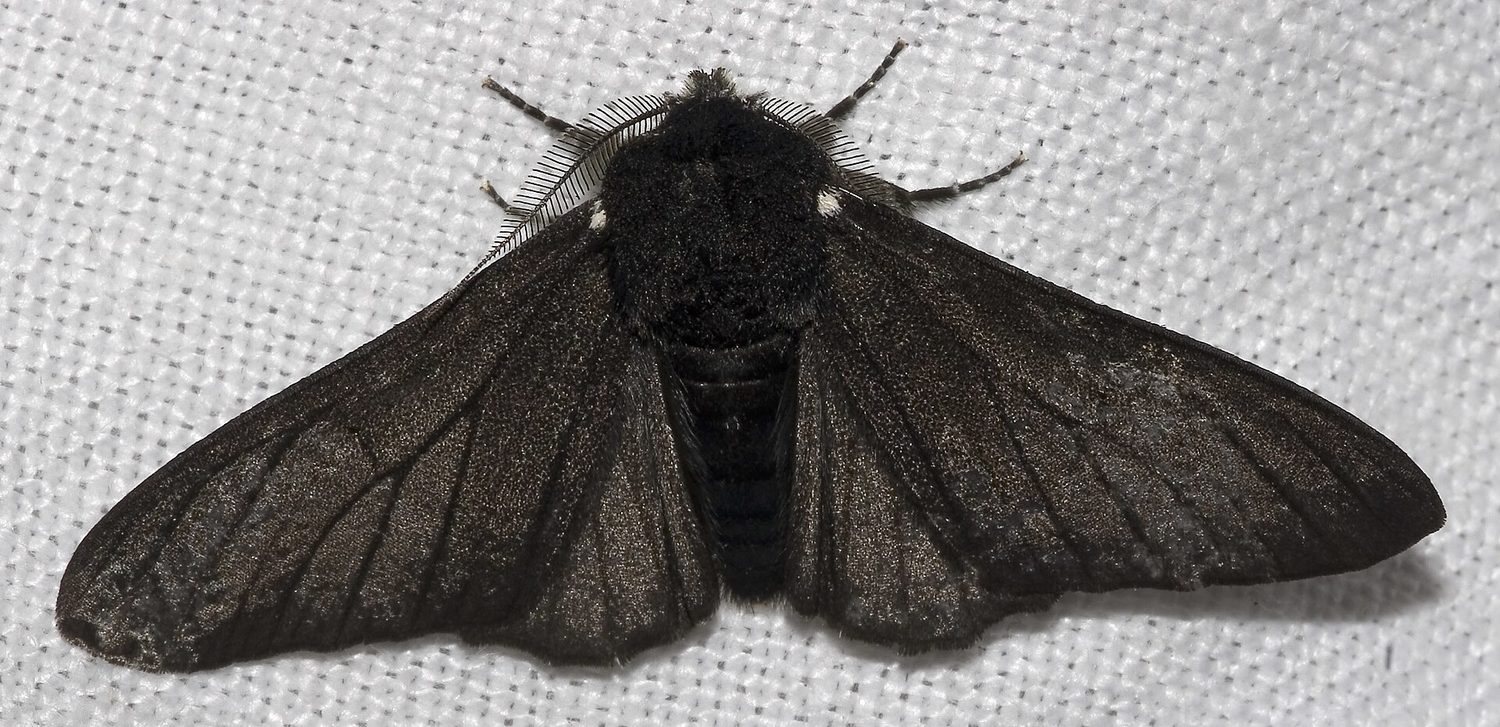
Worked example. A moth species is mostly pale. Soot darkens the tree trunks the moths rest on, and within a few decades most of the moths are dark. Explain by natural selection. Variation is already there: a few dark moths exist by chance, caused by mutation. On sooty bark the dark moths are better camouflaged, so birds eat fewer of them and they are more likely to survive. The survivors reproduce and pass the allele for dark colour to their offspring, so it becomes more common each generation until most moths are dark. Follow the chain: variation, survival, reproduction, the allele becomes more common. The moths did not turn dark in order to hide - the dark ones simply survived more often.
ไทย
Natural selection อธิบายว่าสายพันธุ์กลายเป็นที่เหมาะสมกับสิ่งแวดล้อมมากขึ้นได้อย่างไร:
- มีความหลากหลายทางพันธุกรรมในประชากร (เกิดจากการ mutate)
- สิ่งมีชีวิตผลิต ลูกหลานจำนวนมาก — มากกว่าที่จะอยู่รอดได้
- มีการต่อสู้เพื่อการอยู่รอด พร้อม การแข่งขัน สำหรับ ทรัพยากร เช่น อาหารและพื้นที่
- บุคคลที่ ปรับตัว ดีกว่ามีแนวโน้มที่จะอยู่รอดและสืบพันธุ์มากขึ้น
- พวกเขาส่งต่ออัลลีลของตน ทำให้อัลลีลที่เป็นประโยชน์มีจำนวนมากขึ้นในรุ่นถัดไป
(ส่วนเสริม) กระบวนการนี้ตลอดหลายรุ่นทำให้ประชากรเหมาะสมกับสิ่งแวดล้อมมากขึ้น กระบวนการนี้เรียกว่า adaptation ตัวอย่างที่ชัดเจนคือ แบคทีเรีย ที่ ต้านทานยาปฏิชีวนะ: แบคทีเรียบางตัวมี อัลลีลต้านทาน และอยู่รอดจากยาปฏิชีวนะ จากนั้นเพิ่มจำนวนขึ้น จนกระทั่งประชากรทั้งหมดมีความต้านทาน
ตัวอย่างวิธีทำ. สปีชีส์ของผีเสื้อส่วนใหญ่มีสีอ่อน. ฝุ่นถ่านทำให้ลำต้นไม้ที่ผีเสื้อพักอยู่มืดลง และภายในไม่กี่ทศวรรษ ผีเสื้อส่วนใหญ่จึงเป็นสีดำ อธิบายโดยกระบวนการคัดเลือกตามธรรมชาติ ความแตกต่าง มีอยู่แล้ว: ผีเสื้อสีดำบางตัวมีอยู่โดยบังเอิญ ซึ่งเกิดจาก การกลายพันธุ์. บนเปลือกไม้ที่มีฝุ่นถ่าน ผีเสื้อสีดำพรางตัวได้ดีกว่า ดังนั้นนกจึงกินพวกมันน้อยลง และมีโอกาส รอดชีวิต สูงขึ้น ผู้ที่รอด สืบพันธุ์ และส่งต่ออัลลีลสำหรับสีเข้มไปยังลูกหลาน ทำให้มันกลายเป็นลักษณะที่พบได้บ่อยขึ้นในทุกๆ รุ่น จนกระทั่งผีเสื้อส่วนใหญ่เป็นสีดำ ติดตามลำดับเหตุการณ์: ความแตกต่าง, การรอดชีวิต, การสืบพันธุ์, อัลลีลมีความถี่สูงขึ้น ผีเสื้อไม่ได้เปลี่ยนเป็นสีดำเพื่อซ่อนตัว - ผีเสื้อสีดำเพียงแต่รอดชีวิตได้มากกว่าเท่านั้น
Explore · สำรวจ
Natural selection · การคัดเลือกโดยธรรมชาติ
Individuals best suited to their environment survive and pass on their genes — so the population changes over time. · Individuals ที่เหมาะสมกับสภาพแวดล้อมมากที่สุดจะรอดและถ่ายทอดยีน — ทำให้ประชากรเปลี่ยนแปลงไปตามเวลา
Explore · สำรวจ
Natural selection · การคัดเลือกโดยธรรมชาติ
Run the generations: birds eat the moths that stand out, so the camouflaged ones survive and breed — the population shifts to match the forest. · จำลองหลายรุ่น: นกกินมะเลที่เด่นชัดทำให้มะเลที่พรางตัวรอดและสืบพันธุ์ — ประชากรเปลี่ยนไปให้ตรงกับป่า
Vocabulary · คำศัพท์
Train · ฝึกฝน
| English | ไทย |
|---|---|
| natural selection/ˈnætʃərəl sɪˈlekʃn/ | การคัดเลือกโดยธรรมชาติ |
| many offspring/ˈmeni ˈɒfsprɪŋ/ | ลูกจำนวนมาก |
| competition/ˌkɒmpəˈtɪʃn/ | การแข่งขัน |
| resources/rɪˈzɔːsɪz/ | ทรัพยากร |
| adapted/əˈdæptɪd/ | ปรับตัว |
| antibiotic/ˌæntɪbaɪˈɒtɪk/ | ยาปฏิชีวนะ |
| bacteria/bækˈtɪərɪə/ | แบคทีเรีย |
| resistant/rɪˈzɪstənt/ | ดื้อยา |
18.3
Selective breeding · การเลือกพันธุ์อย่างมีเป้าหมาย

English
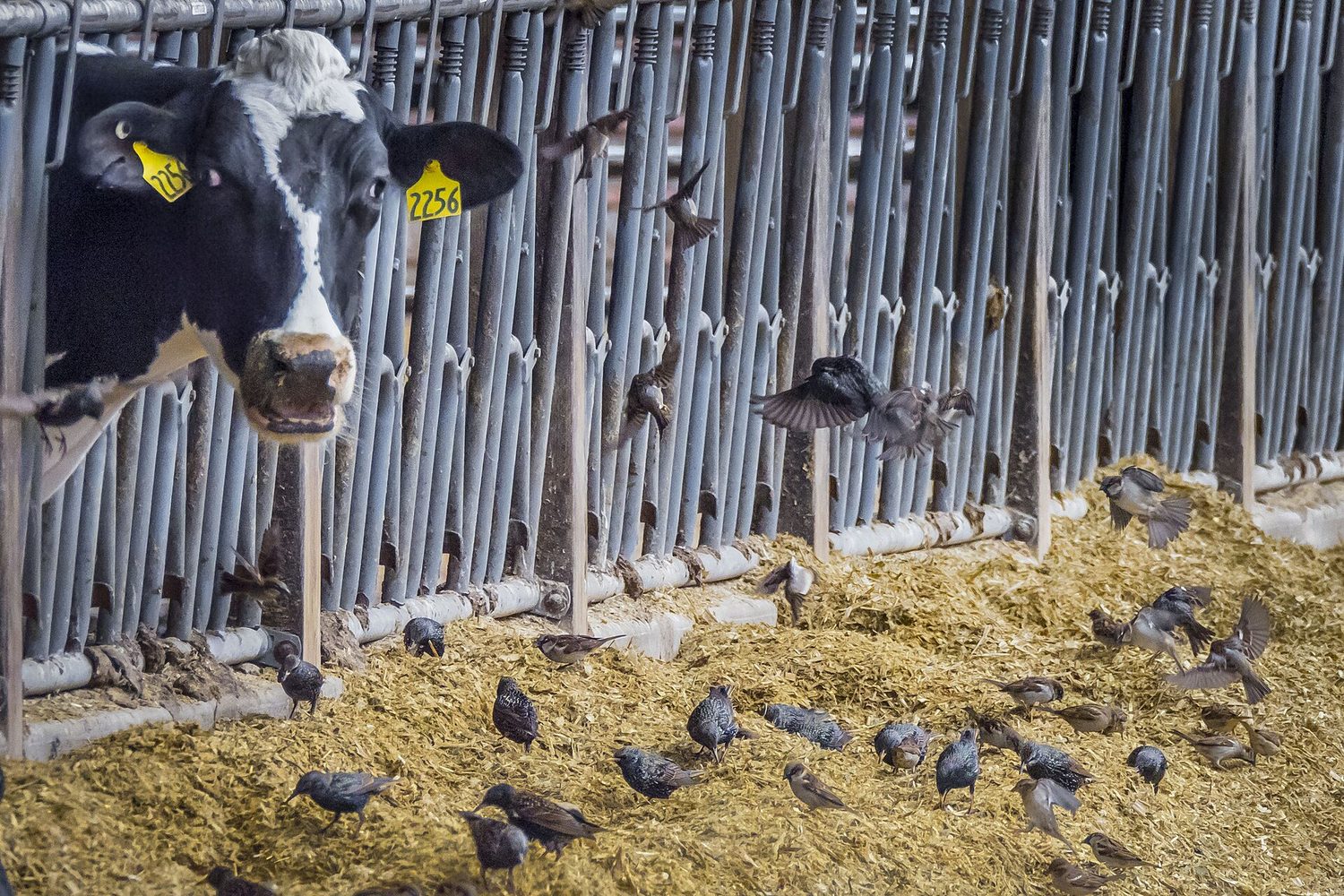
In selective breeding 选择育种 (also called artificial selection 人工选择), humans choose which organisms breed:
- choose the individuals that have the features you want.
- cross them to produce the next generation.
- choose the offspring that show those features, and repeat over many generations.
This is used to improve crops 农作物 (for example a higher yield) and farm animals (for example cows that give more milk).
(Supplement) The key difference: in natural selection the environment decides which individuals survive; in artificial selection humans decide.
ไทย
ใน การเลือกพันธุ์อย่างมีเป้าหมาย (หรือเรียกว่า การคัดเลือกแบบเทียม) มนุษย์จะเลือกสิ่งมีชีวิต哪些ที่จะผสมพันธุ์:
- เลือกบุคคลที่มีลักษณะที่คุณต้องการ.
- นำมาผสมพันธุ์กันเพื่อสร้างรุ่นถัดไป.
- เลือกลูกหลานที่มีลักษณะเหล่านั้น และทำซ้ำหลายรุ่น.
*ในการเพาะพันธุ์แบบคัดเลือก มนุษย์เลือกสิ่งมีชีวิตที่จะผสมพันธุ์ ผ่านหลายรุ่น
ใช้เพื่อปรับปรุง พืชผล (เช่น ให้ผลผลิตสูงขึ้น) และสัตว์ฟาร์ม (เช่น นมวัวที่ให้นมมากขึ้น).
(ส่วนเสริม) ข้อแตกต่างสำคัญ: ในกระบวนการคัดเลือกตามธรรมชาติ สิ่งแวดล้อม คือผู้ตัดสินว่าใครจะรอด; แต่ในการคัดเลือกแบบเทียม มนุษย์ คือผู้ตัดสินใจ.
Explore · สำรวจ
Selective breeding · การเพาะพันธุ์แบบคัดเลือก
Humans choose which organisms breed, to develop a useful feature over many generations. · มนุษย์เลือกสิ่งมีชีวิตที่จะสืบพันธุ์ เพื่อพัฒนาลักษณะที่มีประโยชน์ผ่านหลายรุ่น
Vocabulary · คำศัพท์
Train · ฝึกฝน
| English | ไทย |
|---|---|
| selective breeding/sɪˈlektɪv ˈbriːdɪŋ/ | การคัดเลือกพันธุ์ |
| artificial selection/ˌɑːtɪˈfɪʃl sɪˈlekʃn/ | artificial selection |
| crops/krɒps/ | พืชผล |
18.3
Exam tips · ข้อแนะนำสำหรับการสอบ
English
- Continuous variation = a range (genes + environment); discontinuous = separate groups (genes only).
- Mutation makes new alleles — the source of all variation. Radiation and some chemicals raise the mutation rate.
- Natural selection: variation → too many offspring → struggle and competition → the best-adapted survive and reproduce → they pass on their alleles.
- Antibiotic resistance in bacteria is natural selection in action.
- Selective breeding (artificial selection): humans pick the parents; in natural selection, the environment "picks".
ไทย
- ความแปรปรวนต่อเนื่อง = ช่วงค่า (ยีน + สิ่งแวดล้อม); ไม่ต่อเนื่อง = กลุ่มแยกต่างหาก (ยีนเท่านั้น).
- การกลายพันธุ์สร้างอัลลีลใหม่ — ซึ่งเป็นแหล่งกำเนิดของความแปรปรวนทั้งหมด รังสีและสารเคมีบางชนิดสามารถเพิ่มอัตราการกลายพันธุ์ได้.
- การคัดเลือกตามธรรมชาติ: ความแตกต่าง → ลูกหลานมากเกินไป → การต่อสู้และการแข่งขัน → ตัวที่ปรับตัวได้ดีที่สุดรอดและสืบพันธุ์ → ส่งต่ออัลลีลของตนให้รุ่นต่อไป.
- ความต้านทานยาปฏิชีวนะในแบคทีเรียคือการแสดงออกของการคัดเลือกตามธรรมชาติ.
- การเลือกพันธุ์อย่างมีเป้าหมาย (การคัดเลือกแบบเทียม): มนุษย์เป็นผู้เลือกพ่อแม่; ในกระบวนการคัดเลือกตามธรรมชาติ สิ่งแวดล้อม "เลือก" แทน.
Interactive lessons on this topic · บทเรียนเชิงโต้ตอบสำหรับหัวข้อนี้
Work through it step by step, with instant-check exercises. · ทำทีละขั้นตอน พร้อมแบบฝึกหัดตรวจสอบผลทันที
Past Papers · ข้อสอบย้อนหลัง
More topics in IGCSE Biology · Biology IGCSE · หัวข้อเพิ่มเติมใน IGCSE Biology · Biology IGCSE
- Characteristics and classification of living organisms · ลักษณะและจัดหมวดหมู่ของสิ่งมีชีวิต
- Organisation of the organism · การจัดองค์ประกอบของสิ่งมีชีวิต
- Movement into and out of cells · การเคลื่อนที่เข้าและออกจากเซลล์
- Biological molecules · โมเลกุลชีวภาพ (Biological molecules)
- Enzymes · เอนไซม์
- Plant nutrition · โภชนาการพืช