Skip to content · ⁨ข้ามไปยังเนื้อหา⁩

Operations management (A Level) · ⁨การจัดการการผลิต (A Level)⁩

A-Level Business · ⁨Business A-Level⁩ · Topic 9 · ⁨หัวข้อ 9⁩

Video lesson for this topic · ⁨บทเรียนวิดีโอสำหรับหัวข้อนี้⁩ Open the video page · ⁨เปิดหน้าวิดีโอ⁩
7:46

Operations management (A Level) · ⁨การจัดการการผลิต (A Level)⁩

A company promised its new factory in a hundred and fifteen weeks. It opened thirty weeks late, at a huge cost in wages and rent. One task slipped in the…

English narration · English + 中文 subtitles burned in · ⁨การบรรยายภาษาอังกฤษ · คำบรรยายภาษาอังกฤษ + 中文 ลอยตัวบนภาพ⁩

9.1

Location and relocation · ⁨สถานที่ตั้งและการย้ายสถานที่⁩

Syllabus · ⁨หลักสูตร⁩
English
  1. explain the factors influencing the location and relocation of a business (including international location)
  2. explain the optimum scale of operation and the significance of economies and diseconomies of scale
ไทย
  1. อธิบายปัจจัยที่มีผลต่อการ ที่ตั้ง และการ ย้ายสถานที่ ของธุรกิจ (รวมถึงการตั้งถิ่นฐานระหว่างประเทศ)
  2. อธิบาย ขนาดที่เหมาะสมที่สุด ของการดำเนินกิจการและความสำคัญของ เศรษฐกิจจากขนาด และ เศรษฐกิจไม่/fromขนาด
Source: Cambridge International syllabus · ⁨แหล่งที่มา: หลักสูตร Cambridge International⁩

English

Where a business sits affects its costs, its sales and its staff. Choosing a place is called location 选址; moving to a new place is relocation 迁址.

Factors that influence the choice fall into two groups:

  • quantitative factors 定量因素 — things you can measure in money, such as rent, wages, transport costs and government grants.
  • qualitative factors 定性因素 — things that are harder to measure, such as the skills of local workers, nearness to customers or suppliers, and the owner's own wishes.

A firm picks the place where the benefits, money and non-money together, are greatest.

ไทย

ตำแหน่งที่ตั้งของธุรกิจส่งผลต่อต้นทุน ยอดขาย และพนักงาน การเลือกสถานที่เรียกว่า การกำหนดสถานที่; การย้ายไปยังสถานที่ใหม่เรียกว่า การย้ายสถานที่

ปัจจัยที่มีอิทธิพลต่อการเลือกแบ่งออกเป็นสองกลุ่ม:

  • ปัจจัยเชิงปริมาณ — สิ่งที่วัดเป็นเงินได้ เช่น ค่าเช่า เงินเดือน ค่าขนส่ง และเงินอุดหนุนจากรัฐบาล
  • ปัจจัยเชิงคุณภาพ — สิ่งที่วัดได้ยากขึ้น เช่น ทักษะของแรงงานในพื้นที่ ระยะห่างจากลูกค้าหรือซัพพลายเออร์ และความต้องการของผู้ประกอบการเอง

องค์กรจะเลือกสถานที่ที่มีประโยชน์รวม ทั้งเงินและสิ่งที่ไม่ใช่เงิน สูงสุด

ปัจจัยเชิงปริมาณ (ค่าเช่า ค่าแรง ค่าขนส่ง เงินอุดหนุน) และปัจจัยเชิงคุณภาพ (ทักษะแรงงาน ระยะทาง ความต้องการของผู้เป็นเจ้าของ) ทั้งสองอย่างมีผลต่อการเลือกสถานที่ที่มีประโยชน์รวมมากที่สุด
การตัดสินใจเรื่องสถานที่พิจารณาทั้งปัจจัยทางการเงินและสิ่งที่วัดได้ยาก แล้วเลือกสถานที่ที่มีประโยชน์รวมสูงสุด
Explore · ⁨สำรวจ⁩

Location factor lab · ⁨ห้องปฏิบัติการปัจจัยตำแหน่งที่ตั้ง⁩

Classify why a business chooses one site over another. · ⁨จำแนกเหตุผลที่ธุรกิจเลือกสถานที่หนึ่งเหนืออีกแห่งหนึ่ง⁩

Vocabulary · ⁨คำศัพท์⁩ Train · ⁨ฝึกฝน⁩
English ไทย
location/ləʊˈkeɪʃn/ สถานที่
relocation/rɪləʊˈkeɪʃn/ การย้ายถิ่น
quantitative factors/ˈkwɒntɪteɪtɪv ˈfæktəz/ ปัจจัยเชิงปริมาณ
qualitative factors/ˈkwɒlɪteɪtɪv ˈfæktəz/ ปัจจัยเชิงคุณภาพ
9.1

International location · ⁨สถานที่ตั้งระหว่างประเทศ⁩

English

Many firms now locate abroad. Moving production to another country is offshoring 离岸外包. The reasons are often lower wages, nearness to new markets, fewer rules, or government help. The risks are longer supply lines, language and culture differences, and possible damage to the firm's image.

ไทย

องค์กรจำนวนมากตั้งฐานการผลิตต่างประเทศ การย้ายการผลิตไปยังประเทศอื่นเรียกว่า การย้ายฐานการผลิตต่างประเทศ (offshoring) เหตุผลมักจะเป็นค่าแรงต่ำกว่า ใกล้เคียงกับตลาดใหม่ กฎระเบียบที่น้อยกว่า หรือความช่วยเหลือจากรัฐบาล ความเสี่ยงได้แก่สายโซ่อุปทานที่ยาวขึ้น ความแตกต่างด้านภาษาและวัฒนธรรม และ可能的ความเสียหายต่อภาพลักษณ์ขององค์กร

Vocabulary · ⁨คำศัพท์⁩ Train · ⁨ฝึกฝน⁩
English ไทย
offshoring/ˈɒfʃərɪŋ/ การย้ายฐานการผลิตไปต่างประเทศ
9.1

The optimum scale of operation · ⁨ขนาดการผลิตที่เหมาะสมที่สุด⁩

English

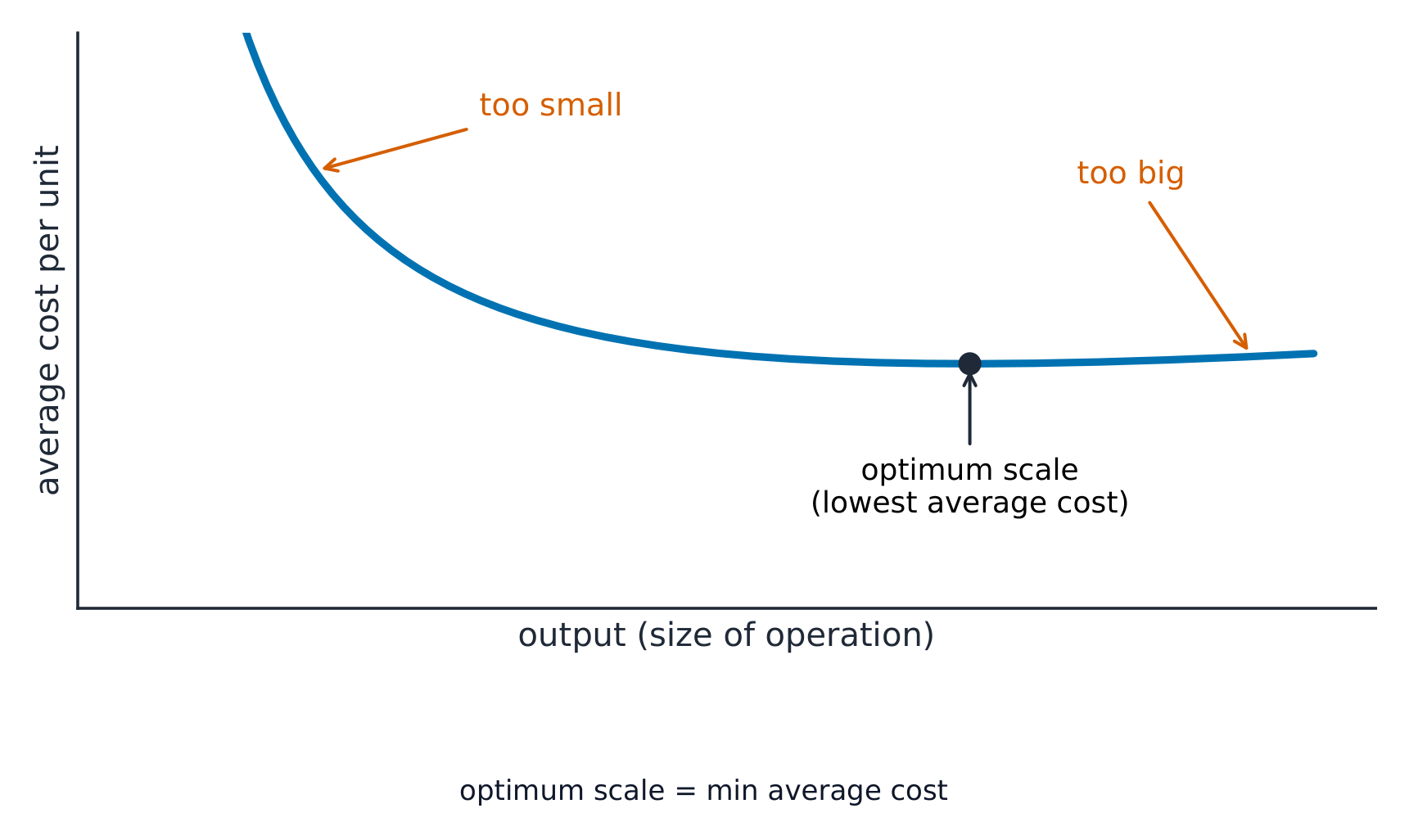
As a firm grows, its average cost first falls (from economies of scale) and later rises (from diseconomies of scale). The optimum scale 最优规模 is the size at which the average cost per unit is at its lowest.

  • economies of scale 规模经济 — cost savings from being larger (e.g. bulk buying).
  • diseconomies of scale 规模不经济 — rising average cost when a firm grows too big (e.g. poor communication).

A firm should try to grow up to its optimum scale, but not beyond it.

ไทย

เมื่อองค์กรขยายขนาด ต้นทุนเฉลี่ยจะลดลงก่อน (จากeconomies of scale) และเพิ่มขึ้นในภายหลัง (จากdiseconomies of scale) ขนาดที่เหมาะสมที่สุด คือขนาดที่ต้นทุนเฉลี่ยต่อหน่วยต่ำที่สุด

  • Economies of scale — การประหยัดต้นทุนจากการขยายขนาด (เช่น การซื้อจำนวนมาก)
  • Diseconomies of scale — ต้นทุนเฉลี่ยเพิ่มขึ้นเมื่อองค์กรขยายตัวใหญ่เกินไป (เช่น การสื่อสารที่ไม่ดี)

องค์กรควรพยายามขยายขนาดจนถึงขนาดที่เหมาะสมที่สุด แต่ไม่ควรเกินกว่านั้น

กราฟต้นทุนเฉลี่ยรูปตัว U: ต้นทุนลดลงเมื่อธุรกิจมีขนาดเล็กเกินไป ถึงจุดต่ำสุดที่ขนาดที่เหมาะสม แล้วเพิ่มขึ้นเมื่อธุรกิจมีขนาดใหญ่เกินไป
ขนาดที่เหมาะสมที่สุดคือระดับผลผลิตที่ต้นทุนเฉลี่ยต่อหน่วยต่ำที่สุด
Vocabulary · ⁨คำศัพท์⁩ Train · ⁨ฝึกฝน⁩
English ไทย
optimum scale/ˈɒptɪməm skeɪl/ ขนาดที่เหมาะสมที่สุด
economies of scale/ɪˈkɒnəmiz ɒv skeɪl/ ประหยัดขนาด
diseconomies of scale/ˌdɪsɪˈkɒnəmiz ɒv skeɪl/ diseconomies of scale
9.2

Why quality matters · ⁨ทำไมคุณภาพจึงสำคัญ⁩

Syllabus · ⁨หลักสูตร⁩
English
  1. explain the importance of quality and methods of managing quality (quality control, quality assurance, total quality management, benchmarking)
ไทย
  1. อธิบายความสำคัญของคุณภาพและวิธีการจัดการคุณภาพ (การควบคุมคุณภาพ, การรับประกันคุณภาพ, การจัดการคุณภาพรวม, การทำbenchmarking)

Source: Cambridge International syllabus · ⁨แหล่งที่มา: หลักสูตร Cambridge International⁩

English

Quality 质量 means how well a product meets the customer's needs. Good quality wins repeat custom, lets the firm charge more, protects its brand, and cuts the cost of waste and returns. Poor quality loses customers and damages the firm's name.

ไทย

คุณภาพ หมายถึงระดับที่ผลิตภัณฑ์ตอบสนองความต้องการของลูกค้าได้อย่างดีเยี่ยม คุณภาพที่ดีช่วยให้ลูกค้ากลับมาซื้อซ้ำ ทำให้บริษัทสามารถตั้งราคาได้สูงขึ้น ปกป้องแบรนด์ และลดต้นทุนจากของเสียและการคืนสินค้า ในทางตรงกันข้าม คุณภาพต่ำจะทำให้สูญเสียลูกค้าและทำลายชื่อเสียงของบริษัท

Explore · ⁨สำรวจ⁩

Leadership style lab · ⁨ห้องปฏิบัติการสไตล์การนำ⁩

Pick the management style that fits each situation. · ⁨เลือกสไตล์การจัดการที่เหมาะกับสถานการณ์แต่ละอย่าง⁩

9.2

Methods of managing quality · ⁨วิธีการจัดการคุณภาพ⁩

English
Method How it works
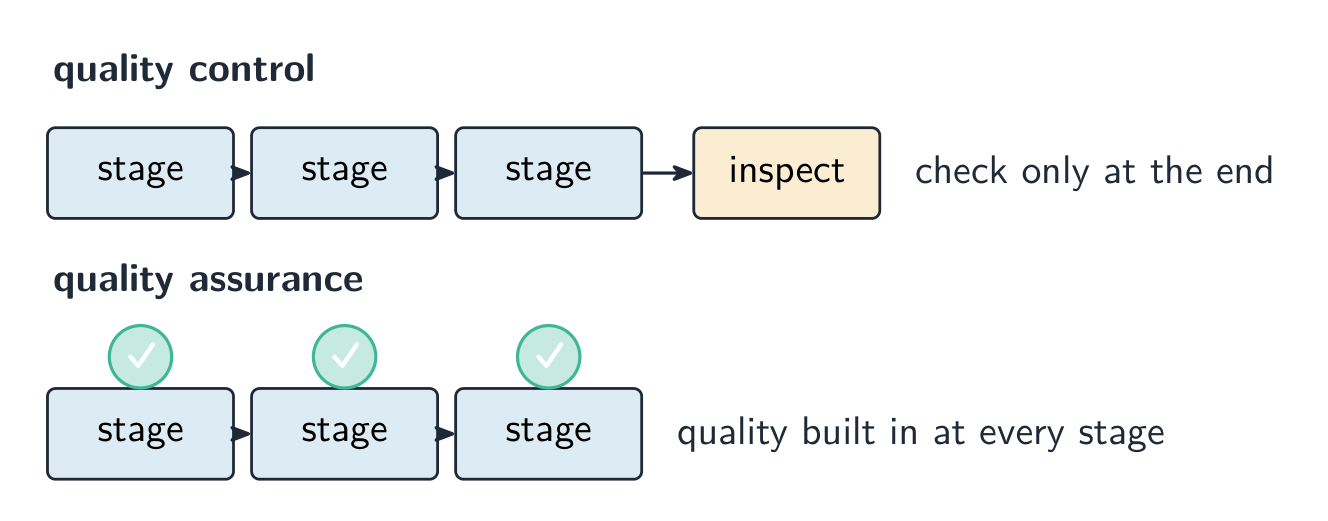
quality control 质量控制 check finished products and remove the faulty ones at the end
quality assurance 质量保证 build quality into every stage, so faults are prevented, not just found
total quality management 全面质量管理 (TQM) every worker takes responsibility for quality, aiming for zero faults
benchmarking 标杆管理 compare the firm's methods with the best firms, and copy what they do well

Quality control finds faults late, after money is already spent. Quality assurance and TQM try to stop faults happening, which is usually cheaper in the long run.

ไทย
วิธี หลักการทำงาน
การควบคุมคุณภาพ (quality control) ตรวจสอบสินค้าสำเร็จรูปและคัดแยกสินค้าที่มีข้อบกพร่องออกในขั้นตอนสุดท้าย
การรับประกันคุณภาพ (quality assurance) สร้างคุณภาพเข้าไปในทุกขั้นตอน เพื่อให้ข้อบกพร่องถูกป้องกันไว้ ไม่ใช่แค่ถูกค้นพบเท่านั้น
การจัดการคุณภาพแบบรวม (TQM) พนักงานทุกคนรับผิดชอบต่อคุณภาพ มุ่งหวังที่จะไม่มีข้อบกพร่องเลย
การเปรียบเทียบมาตรฐาน (benchmarking) เปรียบเทียบวิธีการของบริษัทกับบริษัทชั้นนำ และนำสิ่งที่ทำได้ดีมาปรับใช้

การควบคุมคุณภาพมักค้นพบข้อบกพร่องในภายหลัง เมื่อเงินลงทุนไปหมดแล้ว ในขณะที่การรับประกันคุณภาพและการจัดการคุณภาพแบบรวมพยายามหยุดยั้งความผิดพลาดตั้งแต่ต้น ซึ่งโดยทั่วไปแล้วประหยัดกว่าในระยะยาว

การควบคุมคุณภาพตรวจสอบเฉพาะสินค้าเสียในขั้นตอนสุดท้ายโดยผู้ตรวจสอบ ในขณะที่การรับประกันคุณภาพฝังการตรวจสอบคุณภาพไว้ในทุกขั้นตอนการผลิต
การควบคุมคุณภาพตรวจสอบในระยะสุดท้าย; การรับประกันคุณภาพสร้างคุณภาพเข้าไปในทุกขั้นตอน
Vocabulary · ⁨คำศัพท์⁩ Train · ⁨ฝึกฝน⁩
English ไทย
quality/ˈkwɒlɪti/ คุณภาพ
quality control/ˈkwɒlɪti kənˈtrəʊl/ การควบคุมคุณภาพ
quality assurance/ˈkwɒlɪti əˈʃʊərəns/ การรับประกันคุณภาพ
total quality management/ˈtəʊtl ˈkwɒlɪti ˈmænɪdʒmənt/ การจัดการคุณภาพรวม
benchmarking/ˈbentʃmɑːkɪŋ/ การเปรียบเทียบมาตรฐาน
9.3

Operations strategy: lean production · ⁨กลยุทธ์การผลิต: การผลิตแบบลีน⁩

Syllabus · ⁨หลักสูตร⁩
English
  1. explain operations decisions: lean production, capacity management, and the use of technology
  2. use critical path analysis (CPA) to plan and manage projects (EST, LFT, total float, critical path, minimum project duration)
ไทย
  1. อธิบายการตัดสินใจด้านการผลิต: การผลิตแบบลีน, การจัดการกำลังการผลิต และการใช้เทคโนโลยี
  2. ใช้ การวิเคราะห์เส้นทางวิกฤต (CPA) ในการวางแผนและจัดการโครงการ (EST, LFT, ระยะเวลาสำรองรวม, เส้นวิกฤต, ระยะเวลาโครงการขั้นต่ำ)

Source: Cambridge International syllabus · ⁨แหล่งที่มา: หลักสูตร Cambridge International⁩

English

Lean production 精益生产 means making products with the least possible waste 浪费 — of time, materials, space and effort. Methods like just-in-time and continuous improvement cut waste, lower cost, and raise quality. Less money is tied up in stock, and problems are fixed quickly.

ไทย
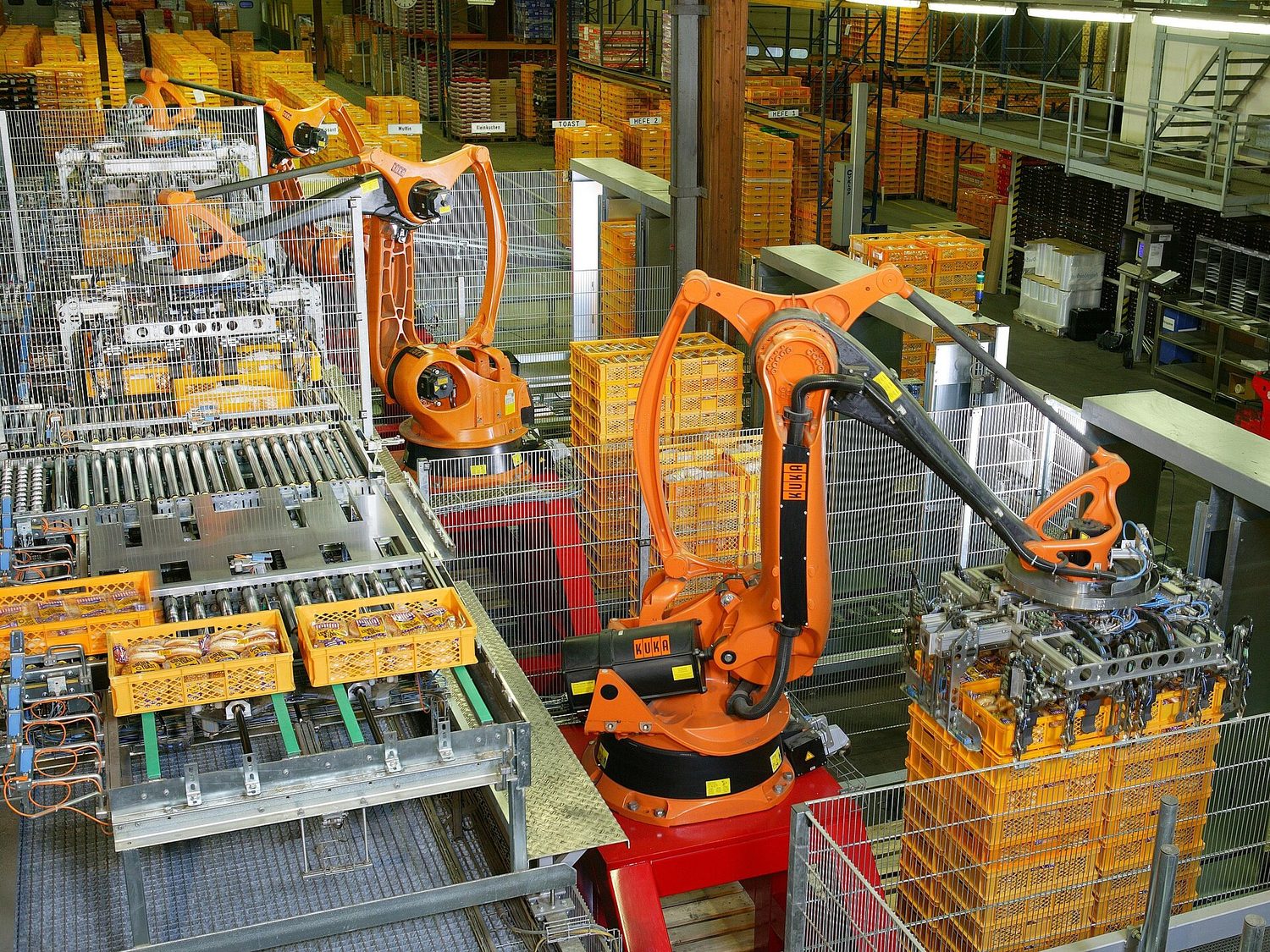
แขนหุ่นยนต์อัตโนมัติกำลังทำงานบนสายการผลิตในโรงงาน
ระบบอัตโนมัติในโรงงาน — กลยุทธ์การผลิตระดับ A-Level ครอบคลุมเรื่องการผลิตรุ่นลีน เทคโนโลยี และห่วงโซ่อุปทาน

การผลิตแบบลีน (Lean production) คือการทำผลิตภัณฑ์โดยใช้ ของเสีย น้อยที่สุดเท่าที่จะเป็นไปได้ ทั้งด้านเวลา วัสดุ พื้นที่ และแรงงาน วิธีการต่างๆ เช่น Just-in-time และการปรับปรุงอย่างต่อเนื่อง ช่วยลดของเสีย ลดต้นทุน และยกระดับคุณภาพ เงินลงทุนจะผูกอยู่ในสต็อกน้อยลง และปัญหาจะถูกแก้ไขอย่างรวดเร็ว

Explore · ⁨สำรวจ⁩

SWOT strategy lab · ⁨ห้องปฏิบัติการกลยุทธ์ SWOT⁩

Sort strategy evidence into internal and external factors. · ⁨จัดกลุ่มหลักฐานกลยุทธ์ออกเป็นปัจจัยภายในและภายนอก⁩

Vocabulary · ⁨คำศัพท์⁩ Train · ⁨ฝึกฝน⁩
English ไทย
lean production/liːn prəˈdʌkʃn/ การผลิตแบบ lean
waste/weɪst/ waste
capacity management/kəˈpæsɪti ˈmænɪdʒmənt/ การจัดการกำลังการผลิต
technology/tekˈnɒlədʒi/ เทคโนโลยี
critical path analysis/ˈkrɪtɪkl pæθ əˈnæləsɪs/ การวิเคราะห์เส้นทางสำคัญ
nodes/nəʊdz/ โหนด
earliest start time/ˈɜːlɪɪst stɑːt taɪm/ เวลาเริ่มเร็วสุด
latest finish time/ˈleɪtɪst ˈfɪnɪʃ taɪm/ เวลาสิ้นสุดช้าสุด
9.3

Capacity management and technology · ⁨การบริหารกำลังการผลิตและเทคโนโลยี⁩

English

Capacity management 产能管理 means matching what the firm can produce to the demand it faces. If demand is higher than capacity, the firm may add shifts, hire staff or outsource; if demand is lower, it may cut output or find new orders. New technology 技术, such as automation and data systems, helps a firm produce more, to a higher standard, at a lower cost.

ไทย

การบริหารกำลังการผลิต คือการจับคู่ปริมาณที่บริษัทสามารถผลิตได้กับความต้องการ หากความต้องการสูงกว่ากำลังผลิต บริษัทอาจเพิ่มกะงาน hiring พนักงาน หรือรับเหมาภายนอก; หากความต้องการต่ำกว่า อาจลดผลผลิตหรือหาคำสั่งซื้อใหม่ เทคโนโลยี ใหม่ เช่น ระบบอัตโนมัติและระบบข้อมูล ช่วยให้บริษัทผลิตได้มากขึ้น มีคุณภาพสูงขึ้น และต้นทุนต่ำลง

9.3

Critical path analysis · ⁨การวิเคราะห์เส้นทางวิกฤต⁩

English

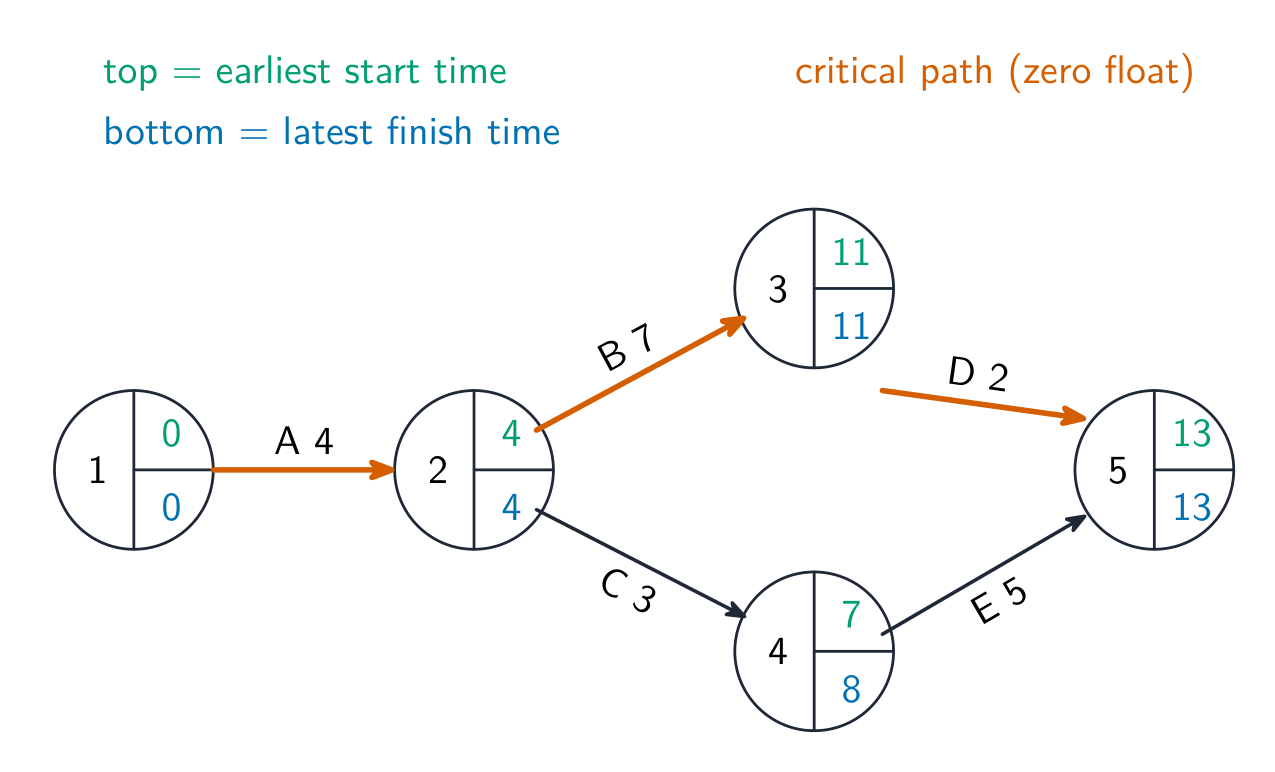
Critical path analysis 关键路径分析 (CPA) is a tool for planning a project made of many tasks. It draws the tasks as a network of arrows and nodes 节点 (circles), in the order they must happen. For each task it works out timings:

  • the earliest start time 最早开始时间 (EST) — the soonest a task can begin, once earlier tasks are done.
  • the latest finish time 最晚完成时间 (LFT) — the latest a task can finish without delaying the whole project.

From these comes the total float 总浮动时间 — the spare time a task has before it delays the project:

$$\text{total float} = \text{LFT} - \text{duration} - \text{EST}$$

The critical path 关键路径 is the chain of tasks with zero float. These tasks cannot be late, or the whole project is late. Adding up the times along this path gives the minimum project duration 最短项目工期 — the shortest time the project can take.

CPA helps managers find the tasks that matter most, order resources for the right time, and see where delays would hurt. But it is only as good as the time estimates it is built on.

Worked example. A task has an EST of 6 days, a duration of 4 days, and an LFT of 14 days. Find its total float, and say whether it lies on the critical path. Use the formula: total float = LFT − duration − EST = $14 - 4 - 6 =$ 4 days. So the task could start up to 4 days late, or overrun by 4 days, without delaying the project - and because its float is not zero, it is not on the critical path. Only tasks with zero float are critical. Two points carry the marks: float is the spare time on that task, so using it up makes the task critical; and shortening a non-critical task like this one does not shorten the project at all, because only the critical path sets the minimum project duration.

ไทย

การวิเคราะห์เส้นทางวิกฤต (CPA) เป็นเครื่องมือสำหรับการวางแผนโครงการที่ประกอบด้วยงานหลายอย่าง โดยวาดกิจกรรมเหล่านี้เป็นเครือข่ายลูกศรและ โหนด (วงกลม) ตามลำดับที่ต้องเกิดขึ้น สำหรับแต่ละงาน จะคำนวณช่วงเวลาดังนี้:

  • เวลาเริ่มต้นเร็วที่สุด (EST) — ช่วงเวลาที่งานสามารถเริ่มได้เร็วที่สุด เมื่องานก่อนหน้าเสร็จสิ้น
  • เวลาสิ้นสุดช้าสุด (LFT) — ช่วงเวลาที่งานสามารถสิ้นสุดได้ช้าสุดโดยไม่ทำให้โครงการทั้งหมดล่าช้า

จาก这些数据จะได้ ค่าเวลาslackรวม (total float) — ซึ่งเป็นเวลาว่างที่งานมีก่อนจะทำให้โครงการล่าช้า:

$$\text{total float} = \text{LFT} - \text{duration} - \text{EST}$$

เส้นทางวิกฤต คือลำดับงานที่มีค่าเวลา slack เป็นศูนย์ งานเหล่านี้ไม่สามารถล่าช้าได้เลย มิฉะนั้นโครงการทั้งหมดจะล่าช้า การรวมช่วงเวลาตามเส้นทางนี้จะให้ ระยะเวลาโครงการขั้นต่ำ — ซึ่งเป็นระยะเวลาสั้นที่สุดที่โครงการจะใช้เวลา

เครือข่ายเส้นทางวิกฤตประกอบด้วยโหนดห้าจุดเชื่อมต่อกันด้วยลูกศรที่ระบุชื่อกิจกรรม; แต่ละโหนดแสดงเวลาเริ่มต้นเร็วที่สุดและเวลาสิ้นสุดช้าสุด และเส้นทางการวิกฤตของกิจกรรมที่มีเวลา slack เป็นศูนย์ถูกเน้นสีไว้
เส้นทางวิกฤตคือลำดับกิจกรรมที่มีเวลา slack เป็นศูนย์ —它们是决定项目长度的关键

CPA ช่วยผู้บริหารค้นหางานที่สำคัญที่สุด จัดเตรียมทรัพยากรให้เหมาะสมกับเวลา และเห็นจุดที่ความล่าช้าจะส่งผลกระทบ แต่ประสิทธิภาพขึ้นอยู่กับประมาณการเวลาที่สร้างเครื่องมือนี้ขึ้น

ตัวอย่างวิธีทำ. งานหนึ่งมี EST เท่ากับ 6 วัน ระยะเวลา 4วัน และ LFT เท่ากับ 14 วัน จงหาค่าเวลา slack รวม และระบุว่างานนี้อยู่บนเส้นทางวิกฤตหรือไม่ ใช้สูตร: ค่าเวลา slack รวม = LFT − ระยะเวลา − EST = $14 - 4 - 6 =$ 4 วัน ดังนั้นงานนี้สามารถเริ่มช้าได้สูงสุดถึง 4 วัน หรือมี overrun ได้ 4 วันโดยไม่ทำให้โครงการล่าช้า - และเนื่องจากค่าเวลา slack ของมัน ไม่เป็นศูนย์ จึง ไม่ได้อยู่ บนเส้นทางวิกฤต เฉพาะงานที่มี เวลา slack เป็นศูนย์ เท่านั้นที่ถือเป็นวิกฤต จุดสำคัญสองประการที่ผู้ประเมินให้คะแนน: เวลา slack คือเวลาว่างของ งานนั้น การใช้หมดไปจะทำให้งานนั้นกลายเป็นวิกฤต; และการลดระยะเวลาของ งานที่ไม่ใช่วิกฤต แบบนี้ ไม่ ทำให้โครงการสั้นลงเลย เพราะเพียงเส้นทางวิกฤตเท่านั้นที่กำหนดระยะเวลาโครงการขั้นต่ำ

Explore · ⁨สำรวจ⁩

Critical path analysis · ⁨การวิเคราะห์เส้นทางวิกฤต (Critical Path Analysis)⁩

CPA finds the sequence of tasks that decides the shortest time a project can take. · ⁨CPA หาลำดับงานที่กำหนดระยะเวลาสั้นที่สุดที่โครงการสามารถดำเนินการได้⁩

Explore · ⁨สำรวจ⁩

Find the critical path · ⁨หาเส้นทางวิกฤต⁩

Drag the durations — the network rolls forward and back, the floats update, and the critical path jumps to whichever route is longest. · ⁨ลากช่วงเวลา — เครือข่ายจะคำนวณไปข้างหน้าและถอยหลัง ตัวแปรเวลาเปลี่ยน และเส้นทางวิกฤตจะย้ายไปยังเส้นทางที่ยาวที่สุด⁩

Vocabulary · ⁨คำศัพท์⁩ Train · ⁨ฝึกฝน⁩
English ไทย
total float/ˈtəʊtl fləʊt/ ช่วงเวลายืดหยุ่นทั้งหมด
critical path/ˈkrɪtɪkl pæθ/ เส้นทางวิกฤต
minimum project duration/ˈmɪnɪməm ˈprɒdʒekt djʊəˈreɪʃn/ ระยะเวลาโครงการขั้นต่ำ
9.3

Exam tips · ⁨ข้อแนะนำสำหรับการสอบ⁩

English
  • Compare quality methods: quality control (inspect at the end) versus quality assurance / TQM (build quality in at every stage).
  • Explain lean production (cutting waste — time, stock, defects) with a named method (kaizen, JIT).
  • On a critical path network, work out the EST/LFT, the float, and the critical activities (zero float) that set the minimum time.
ไทย
  • เปรียบเทียบวิธีการคุณภาพ: การควบคุมคุณภาพ (ตรวจสอบในท้าย) เทียบกับ การรับประกันคุณภาพ / TQM (สร้างคุณภาพ在每个环节).
  • อธิบาย การผลิตแบบลีน (การลดของเสีย — เวลา สต็อก ความผิดพลาด) พร้อมระบุชื่อวิธีการ (kaizen, JIT).
  • ในเครือข่าย เส้นทางวิกฤต คำนวณ EST/LFT ค่าเวลา slack และกิจกรรมวิกฤต (เวลา slack เป็นศูนย์) ที่กำหนดระยะเวลาขั้นต่ำ

Interactive lessons on this topic · ⁨บทเรียนเชิงโต้ตอบสำหรับหัวข้อนี้⁩

Work through it step by step, with instant-check exercises. · ⁨ทำทีละขั้นตอน พร้อมแบบฝึกหัดตรวจสอบผลทันที⁩

Past Papers · ⁨ข้อสอบย้อนหลัง⁩

More topics in A-Level Business · ⁨Business A-Level⁩ · ⁨หัวข้อเพิ่มเติมใน A-Level Business · ⁨Business A-Level⁩⁩

Log in or create account · ⁨เข้าสู่ระบบหรือสร้างบัญชี⁩

IGCSE, A-Level & AP