Ethics for computing professionals
| English | Chinese | Pinyin |
|---|---|---|
| ethics | 伦理 | lún lǐ |
| computing professional | 计算机专业人员 | jì suàn jī zhuān yè rén yuán |
| code of conduct | 行为准则 | xíng wéi zhǔn zé |
| confidentiality | 保密性 | bǎo mì xìng |
| conflicts of interest | 利益冲突 | lì yì chōng tū |
| intellectual property | 知识产权 | zhī shí chǎn quán |
| privacy | 隐私 | yǐn sī |
The machine that said everything was fine
- Between 1985 and 1987 a radiotherapy machine called the Therac-25 gave at least six patients massive overdoses of radiation. Three died.
- The cause was software: a race condition that let the machine fire its full-power beam while the screen reported a normal dose. The manufacturer's first response was that an overdose was impossible.
- Nobody outside the company could read the code. The patients had to trust the people who wrote it.
- That trust is what ethics 伦理 is for. This lesson is what the profession expects of you, why, and how to answer when the exam gives you a situation.
Why computing professionals need ethics
- A computing professional 计算机专业人员 builds software, systems, networks and data that affect other people. Because the work is technical, those people usually cannot tell whether it was done well or honestly.
- Trust: users and employers rely on professionals to act in their interest. Without it, software loses its credibility.
- Impact: software runs medical devices, banking, vehicles and elections. Careless or dishonest work hurts real people.
Why are ethics especially important for computing professionals?
Software runs critical systems and users can't easily verify it, so professionals are trusted to act honestly and competently.
Professional bodies and codes of conduct
- The syllabus names two: the BCS (British Computer Society) and the IEEE (Institute of Electrical and Electronics Engineers). The ACM is a third. Each publishes a code of conduct 行为准则 that members agree to follow.
- Benefits of joining, in the scheme's words: a set of ethical guidelines to follow, so decisions are not left to personal judgement; training, conferences and publications to keep skills current; a recognised professional status; a network of colleagues; and advice when a difficult case arises.
- Membership can be withdrawn from someone who breaks the code, which gives the code teeth.
The two professional bodies named in the syllabus are the BCS and the ____.
The British Computer Society and the Institute of Electrical and Electronics Engineers; both publish a code of conduct that members follow.
Which are benefits of joining a professional ethical body? Select all that apply.
A body offers guidance, development, status and support. It cannot place its members above the law.
The principles
- Public interest first: protect the safety, health and welfare of those affected.
- Honesty and competence: be honest about your skills and do not claim expertise you lack.
- Confidentiality 保密性: protect clients' and employers' private information. Avoid conflicts of interest 利益冲突: do not take work where your interest clashes with the client's.
- Respect intellectual property 知识产权 and privacy 隐私, keep your skills current, and treat colleagues fairly.
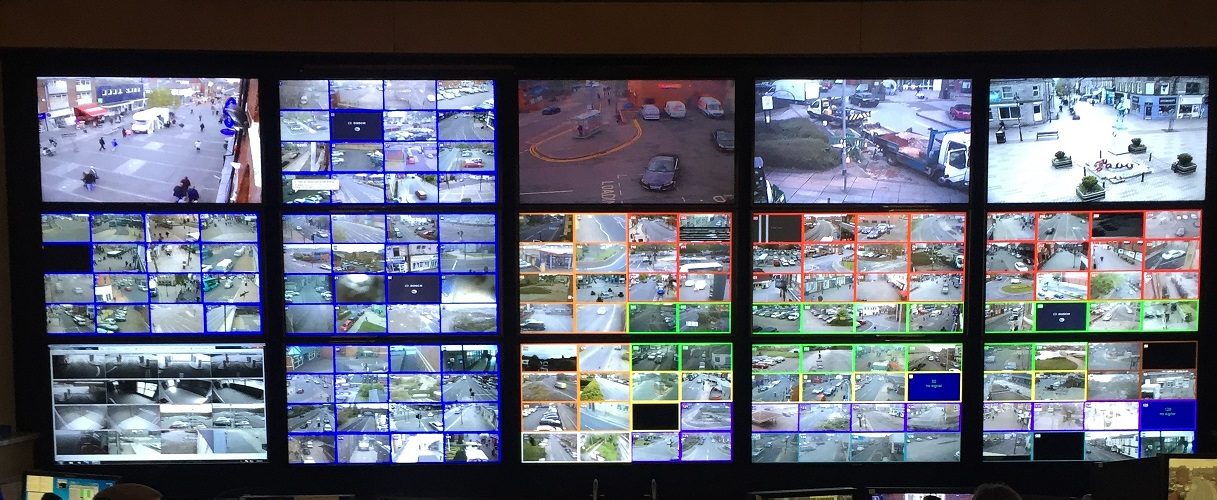
Privacy is one of the interests a professional is trusted to protect
Which is a core principle of professional ethics?
Codes of ethics put the public interest first, alongside honesty, competence and confidentiality.
Select all the genuine professional principles.
Honesty, confidentiality and avoiding conflicts of interest are principles; taking others' credit is unethical.
Match each professional principle to what it means.
Codes of ethics put the public first, with honesty, confidentiality and no conflicts of interest.
Worked example: colleagues and the public
- Explain why a programmer needs to act ethically towards colleagues and towards the public.
- Colleagues: treat them fairly and without discrimination; respect their work, ideas and confidential information; be honest about mistakes and give credit where it is due; support their development rather than undermine it.
- The public: protect their personal data and privacy; produce software that is safe, reliable and properly tested, because faults can cause harm; be honest about what the software does and does not do.
- Two audiences, two or three points each, every point a consequence for someone.
Which of these is acting ethically towards a colleague?
Credit where it is due is respect for a colleague's work. Hiding a bug harms users and breaks honesty; the other two breach privacy and honesty.
Acting ethically, acting unethically
- Acting ethically protects users, strengthens reputation, reduces legal risk and builds trust in the profession.
- Acting unethically, skipping testing, hiding bugs, misusing data, can harm real users, lead to dismissal or legal action, damage a reputation for years, and erode trust in technology generally.
- The exam gives a situation and asks for the impact of each choice. Name who is affected and how.
Risk and responsibility lab
Sort examples by the rule, risk or protection involved.
A likely consequence of acting unethically (e.g. hiding bugs) is:
Unethical conduct can hurt real users and lead to dismissal, legal liability and damaged trust.
Worked example: the hiring tool
- Your team's new AI hiring tool sorts CVs ten times faster, but you notice it rejects more older applicants. Shipping it pleases your manager.
- Who is affected: the applicants treated unfairly, the employer exposed to a discrimination claim, and the team's reputation.
- The code of conduct puts the public interest and fairness before short-term convenience, and the law forbids age discrimination.
- The ethical choice: hold the tool back until the bias is found and fixed, and tell the manager why. Speed does not outrank fairness.
Because the hiring tool is ten times faster, shipping it with a known bias against older applicants is an acceptable trade-off.
Public interest and fairness come first in every code of conduct, and age discrimination is unlawful. Speed is a convenience, not a justification.
Worked example: a student on the school network
- A student connects a personal laptop to the school network. Give three ways they should act ethically.
- Respect other people's privacy and data; do not try to access systems or accounts they are not allowed to.
- Do not download or share copyrighted material, and do not introduce malware.
- Use the network for the purpose it was provided, and do not use social media to bully or harass. Any three, each a specific behaviour.
Deciding a borderline case
- Identify whose interests are affected. Check the code of conduct and the law.
- Weigh the consequences of each option, for users first. Ask a trusted senior colleague if the answer is not clear.
- Choose the option that protects users over short-term convenience, and be able to explain why.
Put the steps for deciding a borderline ethical case in order.
People, rules, consequences, advice, decision. The last step is the one the exam marks: users before short-term convenience.
Marks that slip away
- "Legal" and "ethical" are not the same word. An action can be legal and still break the code of conduct.
- Confidentiality is about information you hold for others; privacy is about a person's own data. Do not swap them.
- Name the bodies: BCS and IEEE. "A professional organisation" earns nothing.
- Joining a body gives guidelines and support, not permission or protection. Say what it gives.
You've got it
- ethics matter because others must trust technical work they cannot judge, and because software has real impact
- BCS and IEEE publish codes of conduct; joining gives guidelines, training, status, a network and advice
- principles: public interest first, honesty and competence, confidentiality, no conflicts of interest, respect for IP and privacy, fairness to colleagues
- for a situation: name who is affected, apply the code and the law, weigh the consequences, and put users before convenience