Biotechnology in action
Introduced| English | Meaning |
|---|---|
| yeast/jiːst/ | A single-celled fungus, many species of which can ferment sugars to produce ethanol and carbon dioxide. |
| baking/ˈbeɪkɪŋ/ | baking |
| brewing/ˈbruːɪŋ/ | brewing |
| antibiotics/ˌæntɪbaɪˈɒtɪks/ | Medicines that kill bacteria or inhibit their growth. |
| insulin/ˈɪnsjuːlɪn/ | A hormone produced by pancreatic beta cells that helps lower blood glucose concentration. |
| enzymes/ˈenzaɪmz/ | Biological catalysts that increase reaction rates without being used up overall. |
Biotechnology in everyday life
- Biotechnology isn't just in laboratories — it's in your kitchen and medicine cabinet.
- Microbes make bread, yoghurt, medicines and more.
Biotechnology application lab
Classify biotechnology examples by the problem they solve.
Yeast makes bread rise by producing:
Difficulty 1/5 · 100 coins + a small bonus on first completion today
CO₂ from yeast respiration makes dough rise.
Yoghurt is made from milk by:
Difficulty 1/5 · 100 coins + a small bonus on first completion today
Bacteria ferment milk into yoghurt.
The microbe used in both baking and brewing is ______.
Difficulty 1/5 · 100 coins + a small bonus on first completion today
Yeast produces CO₂ (bread) and alcohol (brewing).
Food production
- Yeast 酵母 is used in baking 烘焙 (its CO₂ makes bread rise) and brewing 酿造 (it makes alcohol).
- Bacteria turn milk into yoghurt and cheese.
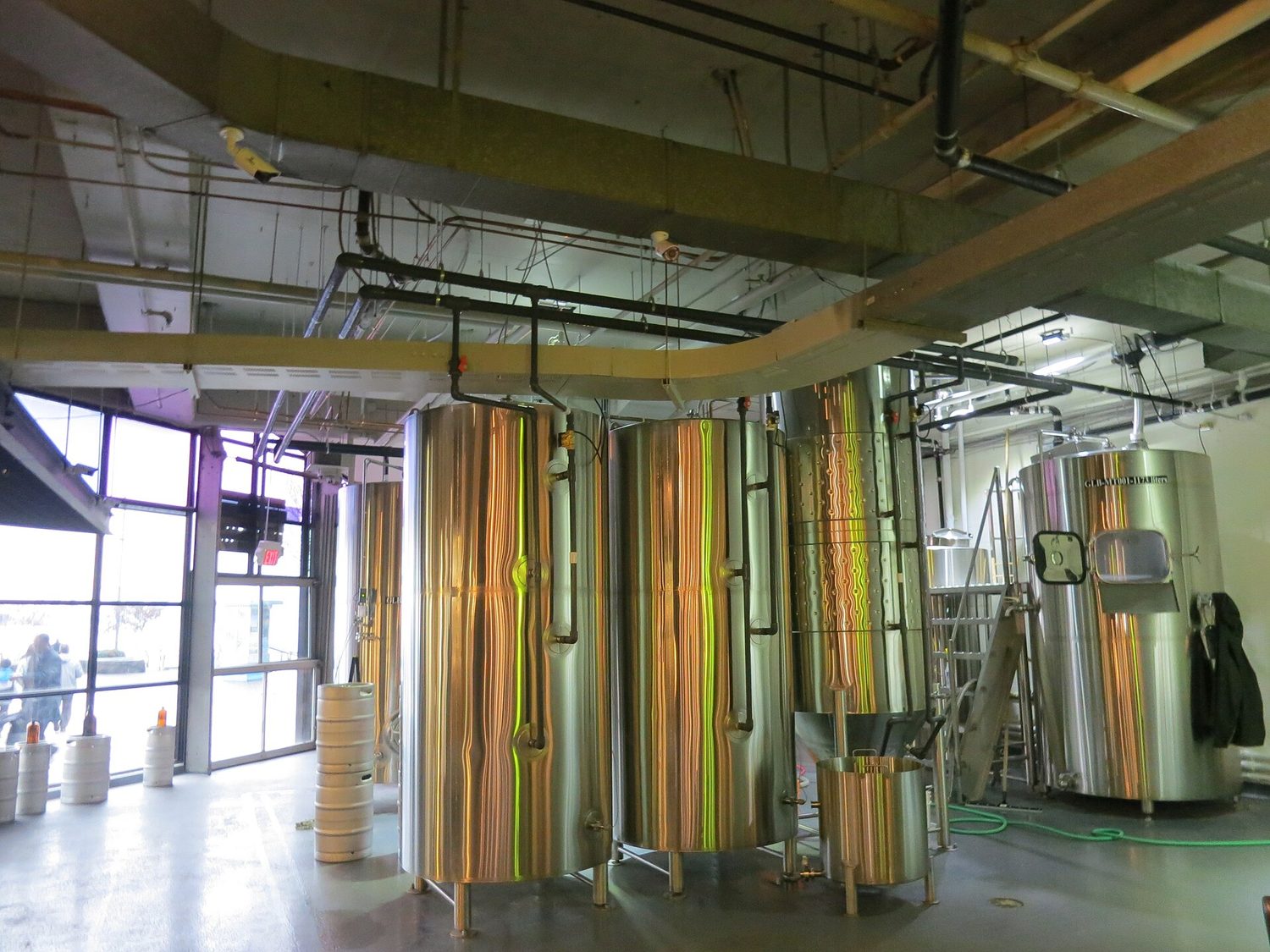
Fermentation tanks: microbes are grown at scale in biotechnology
Which medicines are made using microbes? (Select all that apply.)
Difficulty 2/5 · 140 coins + a small bonus on first completion today
Antibiotics, penicillin and insulin are made using microbes.
Medicines
- Microbes are used to make antibiotics 抗生素 (like penicillin from a fungus).
- GM microbes make insulin 胰岛素 and other medicines in large quantities.

Enzymes used in industry
Microbes can produce enzymes used in washing powders.
Difficulty 1/5 · 100 coins + a small bonus on first completion today
These enzymes work at lower temperatures, saving energy.
Enzymes 酶 from microbes
- Microbes produce enzymes used in industry — e.g. in washing powders and food processing.
- These enzymes work at lower temperatures, saving energy.
Worked example. Yeast added to dough respires anaerobically, producing carbon dioxide. The gas bubbles expand in the oven, making the bread rise — biotechnology you can eat.
You've got it
- yeast makes bread rise (CO₂) and brews alcohol; bacteria make yoghurt and cheese
- microbes make medicines (antibiotics, insulin)
- microbes also make industrial enzymes (washing powders, food processing)
Write from bread dough
- Yeast is mixed into dough and kept warm.
- The dough expands.
Which gas makes the dough rise, and what else do microbes make in this topic?
The bubbles of carbon dioxide lift the dough.
What gas from yeast makes bread rise?
Difficulty 1/5 · 100 coins + a small bonus on first completion today
Yeast respiration releases the carbon dioxide.