Skip to content · ⁨דלג לתוכן⁩

The internet and its uses · ⁨האינטרנט ושימושים בו⁩

IGCSE Computer Science · ⁨מדעי המחשב IGCSE⁩ · Topic 5 · ⁨נושא 5⁩

Video lesson for this topic · ⁨שיעור וידאו לנושא זה⁩ Open the video page · ⁨פתח את עמוד הוידאו⁩
9:52

האינטרנט והתחבורה

אתה מקליד כתובת באתר לוחץ על Enter. פחות משנייה אחרי כך, עמוד מופיע — עמוד שנמצא במחשב אולי עשרת אלפים קילומטר הרחוק. באותו…

English narration · English + 中文 subtitles burned in · ⁨קריאת קול באנגלית · תרגום אנגלי + סינית שרוף בתוך הסרטון⁩

5.1

The internet and the world wide web · ⁨האינטרנט והאינטרנט⁩

Syllabus · ⁨סיילבוס⁩
English
Candidates should be able to: Notes and guidance
1 Understand the difference between the internet and the world wide web • The internet is the infrastructure • The world wide web is the collection of websites and web pages accessed using the internet
2 Understand what is meant by a uniform resource locator (URL) • A URL is a text-based address for a web page; it can contain the protocol, the domain name and the web page/file name
3 Describe the purpose and operation of hypertext transfer protocol (HTTP) and hypertext transfer protocol secure (HTTPS)
4 Explain the purpose and functions of a web browser • The main purpose of a web browser is to render hypertext markup language (HTML) and display web pages • Functions include: – storing bookmarks and favourites – recording user history – allowing use of multiple tabs – storing cookies – providing navigation tools – providing an address bar
5 Describe how web pages are located, retrieved and displayed on a device when a user enters a URL • Including the role of: – the web browser – IP addresses – the domain name server (DNS) – the web server – HTML
6 Explain what is meant by cookies and how they are used, including session cookies and persistent cookies • Cookies are used for functions, including: – saving personal details – tracking user preferences – holding items in an online shopping cart – storing login details
עברית
המועמדים צריכים להיות מסוגלים: הערות והנחיות
1 הבנה ההבדל בין האינטרנט לבין האינטרנט • האינטרנט הוא התשתית • האינטרנט הוא קבוצת האתרים והדפים שנגישים באמצעות האינטרנט
2 הבנה על המשמעות של כתובת משאם אחיד (URL) • URL היא כתובת מבוססת טקסט לדף אתר; היא יכולה להכיל את הפרוטוקול, שם הדומיין ושם הדף/הקובץ
3 תארק את המטרה והפעולה של פרוטוקול העברת היפרטקסט (HTTP) ופרוטוקול העברת היפרטקסט מאובטח (HTTPS)
4 הסבר את המטרה והפונקציות של דפדפן אינטרנט • המטרה העיקרית של דפדפן היא לעבד שפת סימון היפרטקסט (HTML) ולהציג דפי רשת • פונקציות כוללות: – שמירת סמני עיון ואהובים – הקלדת היסטוריית משתמש – אפשרות לשימוש בכרטיסיות מרובות – אחסון קוקיס – אספקת כלי ניווט – אספקת שורת כתובת
5 תאר כיצד נמצאים, נשאלים ומוצגים דפי רשת על מכשיר כאשר משתמש מקליד כתובת URL • כולל את תפקידם של: – הדפדפן – כתובות IP – שרת שם התחום (DNS) – שרת האינטרנט – HTML
6 הסבר מה מתכוונים בקוקיס וכיצד הם משמשים, כולל קוקיי סेशन וקוקיי מתמשכים • קוקיס משמשים לפונקציות, ביניהן: – שמירת פרטים אישיים – מעקב אחר ההעדפות של המשתמש – החזקת פריטים בסל קניות אונליין – אחסנת פרטי כניסה

Source: Cambridge International syllabus · ⁨מקור: הסיילבוס הבינלאומי של קמבריד'ג'⁩

English

People often mix up these two terms, but they are not the same.

  • The internet 互联网 is the infrastructure 基础设施 — the huge worldwide network of computers and the cables, routers and connections that join them.
  • The world wide web 万维网 (WWW) is a collection of websites 网站 and web pages that you view using the internet.

So the internet is the network; the web is one of the things you use on that network.

עברית

לאנשים יש נוטה לבלבל בין שני המונחים הללו, אך הם אינם אותו דבר.

  • האינטרנט הוא תשתית — הרשת העולמית העצומה של מחשבים וכבלים, נתבים וחבורות המקשרים ביניהם.
  • האינטרנט (WWW) הוא אוסף אתרים ועמודי רשת שאתה צופה בהם באמצעות האינטרנט.

לכן, האינטרנט הוא הרשת; האינטרנט הוא אחד הדברים שאתה משתמש על הרשת הזו.

תיבה גדולה המסומנת "האינטרנט" המכילה שתי תיבות קטנות יותר: האינטרנט ושירותים אחרים כגון דוא"ל
האינטרנט הוא הרשת העולמית; האינטרנט הוא אחד הדברים שאתה משתמש עליו
נתב בצורת קופסה שחורה עם שלושה אנטנות גבוהות עומדות עליו
נתב מפגש את הרשת הביתית שלך לאינטרנט ושולח נתונים למיקום הנכון
Vocabulary · ⁨מילון מונחים⁩ Train · ⁨אימון⁩
English עברית
internet/ˈɪntənet/ אינטרנט
infrastructure/ˈɪnfrəstrʌktʃə/ תשתית
world wide web/wɜːld waɪd web/ רשת האינטרנט העולמית (World Wide Web)
websites/ˈwebsaɪts/ אתרי אינטרנט
uniform resource locator/ˈjuːnɪfɔːm rɪˈzɔːs ləʊˈkeɪtə/ כתובת משאם אחידה (URL)
web browser/web ˈbraʊzə/ דפדפן אינטרנט
rendering/ˈrendərɪŋ/ ביצוע / השחזה
hypertext markup language/ˈhaɪpətekst ˈmɑːkʌp ˈlæŋɡwɪdʒ/ שפת סימון היפרטקסט
IP address/ˌaɪ ˈpiː əˈdres/ כתובת IP
domain name service/dəˈmeɪn neɪm ˈsɜːvɪs/ שירות שם תחום
web server/web ˈsɜːvə/ שרת אינטרנט
session/ˈseʃn/ ישיבה
persistent/pəˈsɪstənt/ עמיד
user preferences/ˈjuːzə ˈprefrənsɪz/ העדפות משתמש
digital currency/ˈdɪdʒɪtl ˈkʌrənsi/ מטבע דיגיטלי
electronic form/ɪlekˈtrɒnɪk fɔːm/ טופס אלקטרוני
5.1

URL · ⁨כתובת URL⁩

English

A uniform resource locator 统一资源定位符 (URL) is a text-based address for a web page. You type it into a web browser 网页浏览器 to visit a page, for example https://www.example.com/index.html.

עברית

כתובת משאם אחיד (URL) היא כתובת טקסטית לדף באתר. כתיבים אותה בדפדפן אינטרנט כדי להיכנס לדף, למשל https://www.example.com/index.html.

ה-URL https://www.example.com/index.html מחולק לשלושה חלקים מסומנים: הפרוטוקול, שם הדומיין והמסלול
ל-URL יש שלושה חלקים: הפרוטוקול, שם הדומיין, ומסלול הדף על המשרת
5.1

The web browser · ⁨דפדפן האינטרנט⁩

English

A web browser is the program you use to view web pages. Its role includes:

  • rendering 渲染 the hypertext markup language 超文本标记语言 (HTML) — turning the page's code into what you see;
  • displaying web pages on the screen;
  • managing how a web page is presented — its layout, text and images.
עברית

דפדפן אינטרנט הוא התוכנה שבה משתמשים לצפייה בדפי אתר. תפקידו כולל:

  • רינדור של שפת סימון היפרטקסט (HTML) — המרת הקוד של הדף למה שרואים;
  • תצוגת דפי אתר במסך;
  • ניהול האופן שבו מוצג דף אתר — העיצוב, הטקסט והתמונות.
5.1

How a web page reaches you · ⁨כיצד דף אתר מגיע אליך⁩

English

When you type a URL and press enter, several steps happen:

  1. The browser needs the website's IP address 网际协议地址, but a URL uses a name, not a number.
  2. The browser asks a domain name service 域名服务 (DNS) — a system that stores the IP address for each web address.
  3. The DNS finds the matching IP address and sends it back to the browser.
  4. The browser uses the IP address to contact the web server 网页服务器 that stores the page.
  5. The web server sends the page's HTML back to the browser.
  6. The browser turns the HTML into the page and displays it.

If the DNS does not have the address, it asks another DNS server until the address is found.

Worked example. Break down the URL https://www.example.com/books/index.html. https is the protocol, the set of rules used to transfer the page (the s means the transfer is encrypted). www.example.com is the domain name, which identifies the web server and which a DNS server turns into an IP address. /books/index.html is the file path and file name of the resource stored on that server. Name each part together with its job: an answer that says "the first bit" and "the last bit" describes the URL without ever explaining it.

עברית

כשכותבים URL ולוחצים Enter, מתרחשים כמה צעדים:

  1. לדפדפן נדרשת כתובת IP של האתר, אך ה-URL משתמש בשם ולא במספר.
  2. הדפדפן שואל שירות שם דומיין (DNS) — מערכת שמאחסנת את כתובת ה-IP לכל כתובת אתר.
  3. ה-DNS מוצא את כתובת ה-IP המתאימה ושולח אותה חזרה לדפדפן.
  4. הדפדפן משתמש בכתובת ה-IP כדי ליצור קשר עם משרת האינטרנט שאוחסן בו הדף.
  5. משרת האינטרנט שולח את ה-HTML של הדף חזרה לדפדפן.
  6. הדפדפן ממיר את ה-HTML לדף ותורג אותו.
הדפדפן שואל שרת DNS על כתובת IP, לאחר מכן מבקש את הדף ממשרת האינטרנט וקיבל את ה-HTML חזרה
הדפדפן שואל את ה-DNS על כתובת ה-IP של האתר, לאחר מכן מבקש את הדף ממשרת האינטרנט, שמחזיר את ה-HTML

אם ה-DNS אינו מכיל את הכתובת, הוא שואל שרת DNS אחר עד שמצאו את הכתובת.

שורות ארוכות של שרתי מחשב בארונות מתכת, מוארים באור כחול, בתוך מרכז נתונים
מרכז נתונים מלא במשרתיים: מחשבים חזקים שאוחסנים אתרי אינטרנט ושולחים אותם אליך

דוגמה פתורה. פירקו את ה-URL https://www.example.com/books/index.html. https הוא ה-פרוטוקול, סדרת הכללים המשמשת להעברת העמוד (ה-s מעיד על כך שההעברה מוצפנת). www.example.com הוא שם התחום, המזהה את שרת האינטרנט ואשר שרת DNS ממיר לכתובת IP. /books/index.html הוא מסלול הקובץ ושמו של המשאב האחסון בשרת זה. קראו לכל חלק יחד עם המשימה שלו: תשובה שאומרת "החלק הראשון" ו"החלק האחרון" מתארת את ה-URL מבלי להסבירה לעולם.

Explore · ⁨חקור⁩

What happens when you load a web page · ⁨מה קורה כשטוענים דף רשת⁩

Step through it. The web address is just a name — DNS turns it into an IP address before the browser can ask the right server for the page. · ⁨לעבור על התהליך. כתובת האינטרנט היא רק שם — מערכת השם הדומיין (DNS) ממירה אותו לכתובת IP לפני שהדפדפן יכול לבקש את הדף מהשרת הנכון.⁩

5.1

Cookies · ⁨עוגיות⁩

English

A cookie is a small text file that a website stores on your device. It lets the website remember things about you. There are two types.

Type Kept when you close the browser? Used for
session 会话 cookie no — deleted when you close the browser short-term data, e.g. items in a shopping basket
persistent 持久 cookie yes — saved on the device remembering you between visits

Cookies are used to:

  • save personal details so you do not type them again (such as login or address);
  • track user preferences 用户偏好, such as your language or the things you like, so the site can suggest content.
עברית

עוגיית אינטרנט היא קובץ טקסט קטן שאתר מאחסן במכשיר שלך. היא מאפשרת לאתר לזכור דברים עליך. ישנם שני סוגים.

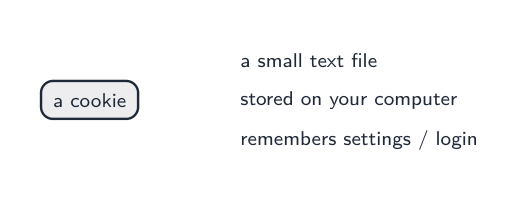
עוגיית אינטרנט היא קובץ טקסט קטן, מאוחסן במחשב שלך, הזוכר את ההגדרות או הסיגנאפ שלך
קוקי הוא קובץ טקסט קטן שנשמר במחשב שלך
סוג נשמר כאשר סוגרים את הדפדפן? משמש ל
עוגיית סשן לא — נמחקת כאשר סוגרים את הדפדפן נתונים לטווח קצר, למשל פריטים בסל קניות
עוגייה מתמשכת כן — מאוחסנת במכשיר זיכרון בינתי ביקורים

עוגיות משמשות ל:

  • שמירת פרטים אישיים כדי שלא תצטרך להקלידם שוב (כגון סיגנאפ או כתובת);
  • מעקב אחר העדפות משתמש, כגון השפה שלך או הדברים שאתה אוהב, כדי שהאתר יוכל להציע תוכן.
5.2

Digital currency · ⁨מטבע דיגיטלי⁩

Syllabus · ⁨סיילבוס⁩
English
Candidates should be able to: Notes and guidance
1 Understand the concept of a digital currency and how digital currencies are used • A digital currency is one that only exists electronically
2 Understand the process of blockchain and how it is used to track digital currency transactions • Blockchain, in its basic form, is a digital ledger, that is a time-stamped series of records that cannot be altered
עברית
המועמדים צריכים להיות מסוגלים: הערות והנחיות
1 הבן את המושג מטבע דיגיטלי וכיצד מטבעות דיגיטליים משמשים • מטבע דיגיטלי הוא אחד שקיים רק בצורה אלקטרונית
2 הבן את תהליך בלוקচেইן וכיצד הוא משמש למעקב אחר עסקאות במטבע דיגיטלי • בלוקচেইן, בצורתו הבסיסית, הוא ספר מחשב דיגיטלי, כלומר סדרה חותמת-זמן של רשומות שאין לשנות

Source: Cambridge International syllabus · ⁨מקור: הסיילבוס הבינלאומי של קמבריד'ג'⁩

English

A digital currency 数字货币 is money that exists only in electronic form 电子形式. There are no coins or notes. It is stored and moved between people using computers, and can be used to pay for things online.

A problem with digital money is trust: how do you stop someone spending the same money twice, or changing the records? Blockchain solves this.

עברית

מטבע דיגיטלי הוא כסף שקיים רק ב-צורה אלקטרונית. אין בו מטבעות או שטרות. הוא מאוחסן ומועבר בין אנשים באמצעות מחשבים, וניתן להשתמש בו לתשלום רכישה מקוונת.

בעיית המטבע הדיגיטלי היא האמון: איך מונעים מאדם להוציא אותו פעמיים, או לשנות את הרשומות? blockchain פותר בעיה זו.

Vocabulary · ⁨מילון מונחים⁩ Train · ⁨אימון⁩
English עברית
blockchain/ˈblɒktʃeɪn/ בלוקצ'יין
digital ledger/ˈdɪdʒɪtl ˈledʒə/ ספר מחשב דיגיטלי
transaction/trænˈsækʃn/ עסקה
5.2

Blockchain · ⁨blockchain⁩

English

A blockchain 区块链 is a digital ledger 数字账本 — a shared record of every transaction 交易. The record is copied across many computers, so no single person controls it and it is very hard to change.

The transactions are kept in blocks joined in a chain. Each block holds:

  • the data of the transaction (who paid whom, and how much);
  • a timestamp 时间戳 (the date and time);
  • a hash value 哈希值 — a special code worked out from the block's contents.

Each block also stores the hash of the block before it. If someone changes an old block, its hash changes, so it no longer matches the next block. This breaks the chain and the change is spotted at once. This is how blockchain tracks transactions safely.

עברית

blockchain הוא ספר מחשב דיגיטלי — רשומה משותפת של כל עסקה. הרשומה מופצת across MANY computers, כך שאף אחד לא שולט בה והיא קשה מאוד לשינוי.

העסקאות מוחסנות בבלוקים המחוברים בשרשרת. כל בלוק מכיל:

  • את הנתונים של העסקה (מי שלם למי, וכמה);
  • חותמת זמן (התאריך והשעה);
  • ערך גימול (Hash) — קוד מיוחד שמחושב מתוכן הגלווה.

לכל גלווה יש גם את ערך הגימול של הגלווה שקדמה לה. אם מישהו משנה גלווה ישנה, ערך הגימול שלה משתנה, ולכן אינו תואם לגלווה הבאה. הדבר מפריע לשרשרת והשינוי נחשף מיד. כך blockchain מעקב אחר עסקאות בצורה בטוחה.

Three blocks in a chain, each holding data, a timestamp and a hash, with each block also storing the previous block's hash
כל גלווה מאחסנת את ערך הגימול של הגלווה הקודמת, המקשרת את הגלוות; שינוי בגלווה אחת שובר את השרשרת
Explore · ⁨חקור⁩

Hashing behind a blockchain · ⁨השחזור מאחורי בלוך 체ইן⁩

A hash is one-way and a tiny change to the input flips much of the output — a blockchain chains these hashes so any tamper is obvious. · ⁨השחזור הוא חד-כיווני ושינוי קטן בקלט מהופך חלק גדול מהפלט — בלוך 체ইן מקשרים את ההשחורות הללו כך שכל עריכה תהיה גלויה.⁩

Vocabulary · ⁨מילון מונחים⁩ Train · ⁨אימון⁩
English עברית
timestamp/ˈtaɪmstæmp/ חותמת זמן
hash value/hæʃ ˈvæljuː/ ערך גישום (Hash value)
cyber security/ˈsaɪbə sɪˈkjʊərɪti/ אבטחת סייבר
brute force attack/bruːt fɔːs əˈtæk/ תקיפת כוח גס
data interception/ˈdeɪtə ˌɪntəˈsepʃn/ הצצה לנתונים
distributed denial of service/ˈdɪstrɪbjuːtɪd dɪˈnaɪəl ɒv ˈsɜːvɪs/ תקיפת סירוב שירות מפוזרת (DDoS)
hacking/ˈhækɪŋ/ התקפות אלקטרוניות
malware/ˈmælweə/ תוכנה רעה
pharming/ˈfɑːmɪŋ/ פורמינג
phishing/ˈfɪʃɪŋ/ דייפישינג
social engineering/ˈsəʊʃl ˌendʒɪˈnɪərɪŋ/ הנדסה חברתית
virus/ˈvaɪrəs/ וירוס
worm/wɜːm/ תולעת
Trojan horse/ˈtrəʊdʒn hɔːs/ סוס טרויאני
spyware/ˈspaɪweə/ תוכנת ריגול
adware/ˈædweə/ תוכנת פרסום
ransomware/ˈrænsəmweə/ תוכנת שחיתות
access levels/ˈækses ˈlevlz/ רמות גישה
anti-malware/ˈænti ˈmælweə/ אנטי-תוכנות רעות
anti-virus/ˈænti ˈvaɪrəs/ אנטי-וירוס
anti-spyware/ˈænti ˈspaɪweə/ אנטי-ספייware
authentication/ɔːˌθentɪˈkeɪʃn/ אימות
biometrics/ˌbaɪəʊˈmetrɪks/ ביומטריה
password/ˈpæswɜːd/ סיסמה
two-step verification/tuː step ˌverɪfɪˈkeɪʃn/ אימות דו-שלבי
5.3

Cyber security threats · ⁨איומי אבטחת מידע⁩

Syllabus · ⁨סיילבוס⁩
English
Candidates should be able to: Notes and guidance
1 Describe the processes involved in, and the aim of carrying out, a range of cyber security threats • Including: – brute-force attack – data interception – distributed denial of service (DDoS) attack – hacking – malware (virus, worm, Trojan horse, spyware, adware, ransomware) – pharming – phishing – social engineering
2 Explain how a range of solutions are used to help keep data safe from security threats • Including: – access levels – anti-malware, including anti-virus and anti-spyware – authentication (username and password, biometrics, two-step verification) – automating software updates – checking the spelling and tone of communications – checking the URL attached to a link – firewalls – privacy settings – proxy-servers – secure socket layer (SSL) security protocol
עברית
המועמדים צריכים להיות מסוגלים: הערות והנחיות
1 תאר את התהליכים המעורבים ובמטרה לבצע מגוון של איומי אבטחת סייבר • כולל: – תקיפת כוח גס – חריקת נתונים – תקימת סירוב שירות מפוזר (DDoS) – האקאה – תוכנה רעה (וירוס, זיה, סוס טרויאני, תוכנת ריגול, תוכנת פרסום, תוכנת חטיפה) – פארמינג – פישिंग – הנדסה חברתית
2 הסבר כיצד משמשים מגוון של פתרונות כדי לסייע בשמירה על הנתונים בטוחים מפני איומי אבטחה • כולל: – רמות גישה – אנטי-תוכנה רעה, כולל אנטי-וירוס ואנטי-ריגול – אימות (שם משתמש וסיסמה, ביומטריה, אימות בשלבים) – אוטומציה של עדכונות תוכנה – בדיקת הכתיב והטון של הודעות – בדיקת ה-URL המקושר לקישור – חומות מגן – הגדרות פרטיות – שרתי פרוקסי – פרוטוקול אבטחת שכבת חיבור מאובטחת (SSL)

Source: Cambridge International syllabus · ⁨מקור: הסיילבוס הבינלאומי של קמבריד'ג'⁩

English

Cyber security 网络安全 means keeping computers, networks and data safe from attack. You must know these threats.

Threat What it is
brute force attack 暴力破解 trying many passwords very quickly until the right one is found
data interception 数据拦截 "listening in" to steal data while it travels across a network
distributed denial of service 分布式拒绝服务 (DDoS) attack flooding a server with so many requests that it cannot respond, so the website goes down
hacking 黑客攻击 gaining access to a computer system without permission
malware 恶意软件 harmful software (see the table below)
pharming 域名欺骗 secret code sends you to a fake website even when you type the correct address
phishing 网络钓鱼 fake emails or messages that trick you into giving away private details
social engineering 社会工程 tricking a person (not a computer) into breaking security, e.g. pretending to be the boss

Types of malware

Malware is any software made to harm a computer. The main types are:

Malware What it does
virus 病毒 attaches to a file and copies itself when the file is opened; can delete or damage data
worm 蠕虫 copies itself across a network on its own, without needing a file to be opened
Trojan horse 特洛伊木马 pretends to be useful software, but harms the computer once installed
spyware 间谍软件 secretly records what you do, such as the keys you press
adware 广告软件 floods you with unwanted adverts
ransomware 勒索软件 locks your files and demands payment to unlock them

Impact of the threats

These attacks can steal personal data, delete or change files, stop a service from working, cost money, and make users lose trust in a company. For example, a DDoS attack can make an online shop unusable, so it loses sales.

עברית

אבטחת מידע פירושה שמירה על מחשבים, רשתות ומידע חסונים מפני התקפות. עליך לדעת על האיומים הללו.

איום מה זה
התקפת כוח גס ניסוי סיסמאות רבות במהירות רבה עד למציאת הנכונה
מעקב ורשימה "הקשבה" לגניבת מידע בעת העברתו דרך רשת
התקפת פינוי שירות מפוזר (DDoS) הצפה של שרת בביצועים כה רבים עד שאין לו יכולת לתגובה, ולכן האתר נופל
פרצות קבלת גישה למערכת מחשב ללא רשות
תוכנות זרות תוכנה מזיקה (ראו הטבלה למטה)
פארמינג קוד סודי מכוון אותך לאתר מזויף גם כאשר אתה מקליד את הכתובת הנכונה
פישינג דוא"ל או הודעות מזויפות המונעות ממך לחשוף פרטים פרטיים
הנדסה חברתית טרף לאדם (ולא למחשב) כדי לשבור אבטחה, למשל על ידי הסתדרות כמנהל

סוגי תוכנות זרות

תוכנה זרה היא כל תוכנה שנועדה לפגוע במחשב. הסוגים העיקריים הם:

תוכנה זרה מה היא עושה
וירוס נדבק לקובץ ומתייל עצמו כאשר הקובץ נפתח; יכול למחוק או לפגוע במידע
וירוס העתק עצמו ברשת ללא צורך בפתיחת קובץ
סוס טרויאני מתעלף בתוכנה מועילה, אך גורם נזק למחשב לאחר ההתקנה
תוכנת ריגול מקליטה סתרים את פעילותך, כגון המקשים שאתה לוחץ
תוכנת פרסום מטביעה אותך בפרסומות לא רצויות
תוכנת קפידה נועלת את הקבצים שלך ודורשת תשלום כדי לפתוח אותם

השפעת האיומים

תקיפות אלו יכולות לגנוב נתונים אישיים, מחק או לשנות קבצים, להפסיק שירות מעבודה, לגרור הוצאות כספיות ולהוביל למשכנים לאבד אמון בחברה. לדוגמה, התקפת DDoS עלולה להפוך חנות מקוונת לא זמינה, ולכן היא מאבדת מכירות.

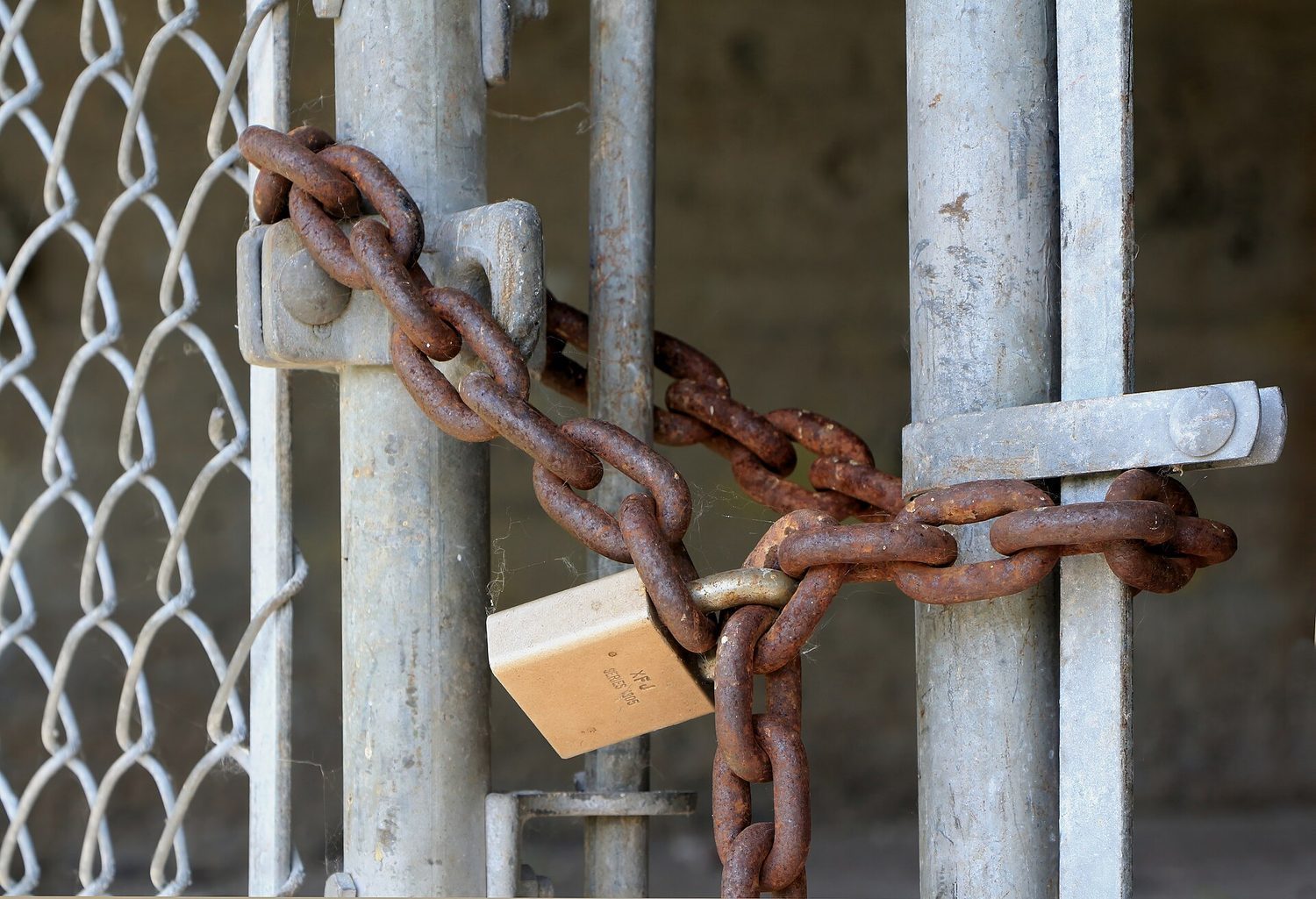
מנעול: אבטחת מחשוב נועלת נתונים ומערכות נגד תוכנות רעות, פישينג והתחברות בלתי מורשית
5.3

Keeping data safe · ⁨שמירה על בטיחות הנתונים⁩

English

You can protect data using these methods.

  • access levels 访问权限 — each user can only see or change the data they need, nothing more.
  • anti-malware 反恶意软件 software, including anti-virus 杀毒软件 and anti-spyware 反间谍软件 — scans for and removes harmful software.
  • authentication 身份验证 — proving who you are before you get access. Methods include:
    • biometrics 生物识别 (fingerprint or face),
    • a password 密码,
    • two-step verification 两步验证 (a code sent to your phone as well as a password).
  • automating software updates — updates fix weak points (bugs) in software automatically.
  • checking the spelling and tone of messages — bad spelling or an odd, urgent tone can show a message is fake (phishing).
  • checking the URL attached to a link — a wrong or strange web address warns you the link is unsafe.
  • firewall 防火墙 — checks data going in and out of a network and blocks anything not allowed.
  • privacy settings 隐私设置 — control who can see your information online.
  • proxy server 代理服务器 — sits between the user and the internet, hiding the user's IP address and filtering out unsafe content.
עברית

ניתן להגן על נתונים באמצעות שיטות אלו.

  • רמות גישה — כל משתמש יכול לראות או לשנות רק את הנתונים שהוא צריך, ולא יותר.
  • תוכנת אנטי-מלware, כולל אנטי-וירוס ואנטי-ריגול — סורקת ומסירה תוכנות מזיקות.
  • אימות — הוכחת זהותך לפני קבלת הגישה. שיטות כוללות:
    • ביומטריה (טביעת אצבע או פנים),
    • סיסמה,
    • אימות דו-שלבי (קוד שנשלח לטלפון שלך בנוסף לסיסמה).
  • אוטומציה של עדכוני תוכנה — עדכונים מתקנים נקודות תורפה (בגים) בתוכנה אוטומטית.
  • בדיקת הכתיבה והטון של הודעות — כתיב לקוי או טון מוזר, דחוף, עשוי להעיד על כך שההודעה היא מזויפת (פישין).
  • בדיקת ה-URL המצוטט בקישור — כתובת אתר שגויה או מוזרה מזהירה אותך שהקישור אינו בטוח.
  • חומת מגן — בודקת נתונים הנכנסים ויוצאים ממערך וחוסמת כל מה שאינו מותר.
  • הגדרות פרטיות — שליטה במי יכול לראות את המידע שלך ברשת.
חומת מגן בין האינטרנט ורשת פרטית, מאפשרת חיבור מורשה ומחסמת אחרים
חומת מגן יושבת בין האינטרנט החיצוני לרשת שלך, בודקת כל חיבור וחוסמת כל תנועה שאינה מותרת.
  • שרת פרוקסי — נמצא בין המשתמש לאינטרנט, מסתיר את כתובת ה-IP של המשתמש ומסנן תוכן לא בטוח.
Explore · ⁨חקור⁩

Encryption with a key · ⁨הצפנה עם מפתח⁩

Change the shift — that is the key. Each letter slides that many places to make ciphertext, and the same key slides it back. That is symmetric encryption. · ⁨להזיז את הסירוגין — זהו המפתח. כל אות זזה במקום כזה כדי ליצור טקסט מצופה, והמפתח עצמו מזיז אותו חזרה. זו הצפנה סימטרית.⁩

Vocabulary · ⁨מילון מונחים⁩ Train · ⁨אימון⁩
English עברית
firewall/ˈfaɪəwɔːl/ חומת אש
privacy settings/ˈprɪvəsi ˈsetɪŋz/ הגדרות פרטיות
proxy server/ˈprɒksi ˈsɜːvə/ שרת פרוקסי
5.3

Exam tips · ⁨טיפים לבחינות⁩

English
  • The internet is the worldwide network (the infrastructure); the world wide web is the pages you view on it — do not mix the two up.
  • Learn how a page loads: the browser asks a DNS for the site's IP address, then requests the page from the web server, which returns the HTML.
  • Match the malware types: virus (attaches to a file), worm (spreads by itself across a network), Trojan horse (pretends to be useful), spyware, ransomware.
  • Match each threat to a defence: phishing/pharming → check the URL; brute force → strong passwords + two-step verification; interception → encryption; hacking/DDoS → a firewall.
  • A session cookie is deleted when you close the browser; a persistent cookie is saved to remember you between visits.
עברית
  • האינטרנט הוא הרשת העולמית (התשתית); האתר העולמי הוא הדפים שצופים בו — אל תבלבלו ביניהם.
  • למדו איך עמוד נטען: הדפדפן מבקש מה-DNS את כתובת ה-IP של האתר, ולאחר מכן מבקש את העמוד מ-שרת האינטרנט, שמחזיר את קוד ה-HTML.
  • התאמו סוגי תוכנות רע: וירוס (מתחבר לקובץ), זחל (מתפשט לבד ברחבי רשת), סוס טרויאני (מסתיר עצמו בתוכן שימושי), תוכנת ריגול, תוכנת חטיפה.
  • התאמו כל איום להגנה: פישिंग/פורמינג → בדיקת כתובת URL; כוח גס → סיסמאות חזקות + אימות דו-שלבי; התערבות → הצפנה; האקינג/DDoS → חומת מגן.
  • Cookie של הסেশן נמחקת כאשר סוגרים את הדפדפן; Cookie קבועה נשמרת כדי לזכור אותך בין ביקורים.

Interactive lessons on this topic · ⁨שיעורים אינטראקטיביים בנושא זה⁩

Work through it step by step, with instant-check exercises. · ⁨לעבור על הדברים צעד אחר צעד, עם תרגילים לבדיקה מיידית.⁩

Past Papers · ⁨מבחני עבר⁩

More topics in IGCSE Computer Science · ⁨מדעי המחשב IGCSE⁩ · ⁨נושאים נוספים בIGCSE Computer Science · ⁨מדעי המחשב IGCSE⁩⁩

Log in or create account · ⁨היכנס או צור חשבון⁩

IGCSE, A-Level & AP