يضم الفيزياء IGCSE (0625) ستة مواضيع: الحركة والقوى والطاقة؛ الفيزياء الحرارية؛ الموجات؛ الكهرباء والمغناطيسية؛ الفيزياء النووية؛ فيزياء الفضاء.
تحقق من مستوى مستواك أولاً. توجد أوراق امتحان لستة مكونات، ويعتمد ما تجتازه على ما إذا كنت مسجلاً في أساسي أو متقدم. المحتوى المتخصص للمستوى المتقدم جزء كبير من المنهج وسيكون مراجعة ضائعة إذا كنت في المستوى الأساسي.
أكثر النقاط المفقودة شيوعاً هي الأرخص للإصلاح: وحدات القياس المفقودة، العدد الخاطئ لـالأرقام المعنوية، والإجابات التي تعطي رقماً دون الصيغة التي أنتجتها. التعريفات تُصحح بناءً على الصياغة الدقيقة — احفظها كما هي مكتوبة، لا كما تتذكرها.
1 Describe the use of rulers and measuring cylinders to find a length or a volume
2 Describe how to measure a variety of time intervals using clocks and digital timers
3 Determine an average value for a small distance and for a short interval of time by measuring multiples (including the period of oscillation of a pendulum)
4 Understand that a scalar quantity has magnitude (size) only and that a vector quantity has magnitude and direction
5 Know that the following quantities are scalars: distance, speed, time, mass, energy and temperature
6 Know that the following quantities are vectors: force, weight, velocity, acceleration, momentum, electric field strength and gravitational field strength
7 Determine, by calculation or graphically, the resultant of two vectors at right angles, limited to forces or velocities only
العربية
أساسي
تكميلي
1 صف استخدام المساطر وأسطوانات القياس لإيجاد الطول أو الحجم
2 صف كيفية قياس مجموعة متنوعة من الفترات الزمنية باستخدام الساعات والأجهزة الرقمية
3 حدد قيمة متوسطة لمسافة صغيرة وفترتا زمنية قصيرة عن طريق قياس مضاعفات (بما في ذلك فترة اهتزاز النواس)
4 افهم أن الكمية القياسية لها مقدار (حجم) فقط وأن الكمية المتجهة لها مقدار واتجاه
5 اعرف أن الكميات التالية هي كميات قياسية: المسافة، السرعة، الزمن، الكتلة، الطاقة ودرجة الحرارة
6 اعلم أن الكميات التالية هي كميات متجهة: القوة، الوزن، السرعة المتجهة، التسارع، الزخم، شدة المجال الكهربائي وشدة المجال الجاذبي
7 حدد، عن طريق الحساب أو بيانياً، المحصلة لمتجهين متعامدين، مقيداً بالقوى أو السرعات فقط
Source: Cambridge International syllabus · المصدر: منهج كامبريدج الدولي
Resolving a vector into components
Length and volume
Use a ruler 直尺 to measure length. Read the scale with your eye straight in front of the mark to avoid a reading error.
The water an irregular solid pushes up gives its volumeRead a measuring cylinder at the bottom of the meniscus, with your eye level
Use a measuring cylinder 量筒 to measure the volume of a liquid. Read the scale at the bottom of the curved surface (the meniscus 弯月面), with your eye level with it.
Measuring time
Use a stopwatch 秒表 or a digital timer 数字计时器 to measure a time interval. A clock is fine for long times (minutes or hours). A stopwatch is started and stopped by hand, so each reading has a reaction time 反应时间 error of about 0.2 s. To make this error matter less, time a long interval, or time many repeats and divide (see below).
Measuring small amounts
A single small length or a short time is hard to measure well. The trick is to measure many and divide 测多个再相除:
To find the thickness of one page, measure 100 pages and divide by 100.
To find the time for one swing of a pendulum 摆, measure the time for 20 swings and divide by 20. One full swing is called the period 周期.
This makes the uncertainty 不确定度 (the size of the error) much smaller.
Scalars and vectors
A scalar quantity 标量 has size (magnitude 大小) only. A vector quantity 矢量 has size and direction.
Scalars: distance, speed, time, mass 质量, energy 能量, temperature 温度.
Vectors: force 力, weight 重力, velocity 速度, acceleration 加速度, momentum 动量, electric field strength 电场强度, gravitational field strength 重力场强度.
To add two vectors at right angles (90°), draw them as two sides of a rectangle. The resultant 合矢量 is the diagonal. Find its size with Pythagoras and its direction with trigonometry.
$$R = \sqrt{a^2 + b^2}$$
Two vectors at right angles add to a resultant $R$, the diagonal of the rectangle
Explore · استكشف
Scalars & vectors · كميات قياسية ومتجهات
resultant = a + b · القوة المحصلة = a + b
Add two vectors tip-to-tail to find the resultant. · اجمع متجهين طرفاً للطرف لإيجاد المحصلة.
gravitational field strength/ˌɡrævɪˈteɪʃənl fiːld streŋθ/
شدة المجال الجاذبي
resultant/rɪˈzʌltənt/
محصلة
1.2
Motion 运动
Syllabus · المنهج
English
Core
Supplement
1 Define speed as distance travelled per unit time; recall and use the equation
$$v = \frac{s}{t}$$
2 Define velocity as speed in a given direction
3 Recall and use the equation
$$\text{average speed} = \frac{\text{total distance travelled}}{\text{total time taken}}$$
9 Define acceleration as change in velocity per unit time; recall and use the equation
$$a = \frac{\Delta v}{\Delta t}$$
4 Sketch, plot and interpret distance–time and speed–time graphs
5 Determine, qualitatively, from given data or the shape of a distance–time graph or speed–time graph when an object is: (a) at rest (b) moving with constant speed (c) accelerating (d) decelerating
10 Determine from given data or the shape of a speed–time graph when an object is moving with: (a) constant acceleration (b) changing acceleration
6 Calculate speed from the gradient of a straight-line section of a distance–time graph
11 Calculate acceleration from the gradient of a speed–time graph
7 Calculate the area under a speed–time graph to determine the distance travelled for motion with constant speed or constant acceleration
12 Know that a deceleration is a negative acceleration and use this in calculations
8 State that the acceleration of free fall $g$ for an object near to the surface of the Earth is approximately constant and is approximately $9.8\text{ m/s}^2$
13 Describe the motion of objects falling in a uniform gravitational field with and without air/ liquid resistance, including reference to terminal velocity
العربية
أساسي
تكميلي
1 عرّف السرعة القياسية بأنها المسافة المقطوعة لكل وحدة زمن؛ وتذكر واستخدم المعادلة
$$v = \frac{s}{t}$$
2 عرّف السرعة المتجهة بأنها سرعة في اتجاه معين
3 تذكر واستخدم المعادلة
$$\text{average speed} = \frac{\text{total distance travelled}}{\text{total time taken}}$$
9 عرّف التسارع بأنه التغير في السرعة المتجهة لكل وحدة زمن؛ وتذكر واستخدم المعادلة
5 حدد، بشكل نوعي، من البيانات المعطاة أو شكل مخطط المسافة–الزمن أو مخطط السرعة–الزمن متى يكون الجسم: (أ) ساكناً (ب) يتحرك بسرعة ثابتة (ج) في حالة تسارع (د) في حالة تباطؤ
10 حدد من البيانات المعطاة أو شكل مخطط السرعة–الزمن متى يكون الجسم متحركاً بـ: (أ) تسارع ثابت (ب) تسارع متغير
6 احسب السرعة من ميل جزء مستقيم في مخطط المسافة–الزمن
11 احسب التسارع من ميل مخطط السرعة–الزمن
7 احسب المساحة تحت مخطط السرعة–الزمن لتحديد المسافة المقطوعة لحركة ذات سرعة ثابتة أو تسارع ثابت
12 اعلم أن التباطؤ هو تسارع سالب واستخدم ذلك في الحسابات
8 أذكر أن تسارع السقوط الحر $g$ لجسم قريب من سطح الأرض هو تقريباً ثابت ويقدر بحوالي $9.8\text{ m/s}^2$
13 صف حركة الأجسام الساقطة في مجال جاذبي منتظم مع وجود مقاومة هواء/سائل ودونها، بما في ذلك الإشارة إلى السرعة النهائية
Source: Cambridge International syllabus · المصدر: منهج كامبريدج الدولي
Speed and velocity
Speed 速率 is the distance travelled per unit time.
$$v = \frac{s}{t}$$
Velocity is speed in a stated direction. So velocity is a vector but speed is a scalar.
A distance–time graph 距离-时间图 shows how far an object has gone:
A flat (horizontal) line means the object is at rest 静止.
A straight slope means constant speed. The gradient 斜率 (steepness) is the speed.
A curve that gets steeper means the object is speeding up.
The shape of a distance–time line: flat is at rest, a straight slope is constant speed, a rising curve is speeding up
A speed–time graph 速度-时间图 shows how fast an object is going:
A flat line means constant speed.
A straight slope means constant acceleration. The gradient is the acceleration.
The area under the line 线下面积 is the distance travelled.
On a velocity–time graph the gradient is the acceleration and the area under the line is the distance travelled
Falling objects
Near the Earth the gravitational field is uniform 均匀 (the same strength everywhere), so all objects speed up as they fall at the same rate. This is the acceleration of free fall 自由落体加速度, $g \approx 9.8\ \text{m/s}^2$.
When an object falls through air, air resistance 空气阻力 (a drag force) acts upward. As it speeds up, air resistance grows. When air resistance equals the weight, the resultant force is zero and the object stops speeding up. It then falls at a steady terminal velocity 收尾速度.
At first the weight is bigger than the air resistance, so the object speeds up; at terminal velocity the two are equal and the speed is steady
Explore · استكشف
Velocity–time graph · رسم السرعة–الزمن
Change u and a. The gradient is the acceleration; the area under the line is the distance travelled. · غيّر u و a. الميل هو التسارع؛ المساحة تحت الخط هي المسافة المقطوعة.
acceleration of free fall/əkˌseləˈreɪʃn ɒv friː fɔːl/
تسارع السقوط الحر
air resistance/eə rɪˈzɪstəns/
مقاومة الهواء
terminal velocity/ˈtɜːmɪnl vəˈlɒsɪti/
السرعة النهائية
1.3
Mass and weight
Syllabus · المنهج
English
Core
Supplement
1 State that mass is a measure of the quantity of matter in an object at rest relative to the observer
2 State that weight is a gravitational force on an object that has mass
5 Describe, and use the concept of, weight as the effect of a gravitational field on a mass
3 Define gravitational field strength as force per unit mass; recall and use the equation
$$g = \frac{W}{m}$$
and know that this is equivalent to the acceleration of free fall
4 Know that weights (and masses) may be compared using a balance
العربية
أساسي
تكميلي
1 أذكر أن الكتلة هي مقياس لكمية المادة في جسم ساكن بالنسبة للمراقب
2 أذكر أن الوزن هو قوة جذب تؤثر على جسم له كتلة
5 صف، واستخدم مفهوم، الوزن كنتيجة لمجال جاذبي作用于 كتلة
3 عرّف شدة المجال الجاذبي بأنها القوة لكل وحدة كتلة؛ وتذكر واستخدم المعادلة
$$g = \frac{W}{m}$$
واعلم أنها تعادل تسارع السقوط الحر
4 اعلم أنه يمكن مقارنة الأوزان (والكتل) باستخدام الميزان
Source: Cambridge International syllabus · المصدر: منهج كامبريدج الدولي
Mass is the amount of matter 物质 in an object. It is measured in kilograms (kg) and does not change when you move the object.
Weight is the force of gravity on a mass. It is measured in newtons (N). Weight can change: it is smaller on the Moon because the Moon's gravity is weaker.
Gravitational field strength is the force per unit mass:
$$g = \frac{W}{m}$$
This $g$ has the same value as the acceleration of free fall ($\approx 9.8\ \text{N/kg}$). You can compare masses with a balance 天平.
A laboratory balance measures mass; weight is the gravitational force on that mass
Explore · استكشف
Weight and mass · الوزن والكتلة
W = mg
Weight is proportional to mass — the gradient is the gravitational field strength g (about 10 N/kg on Earth). · الوزن يتناسب طردياً مع الكتلة — الميل هو شدة المجال الجاذبي g (حوالي 10 نيوتن/كجم على الأرض).
1 Define density as mass per unit volume; recall and use the equation
$$\rho = \frac{m}{V}$$
2 Describe how to determine the density of a liquid, of a regularly shaped solid and of an irregularly shaped solid which sinks in a liquid (volume by displacement), including appropriate calculations
3 Determine whether an object floats based on density data
4 Determine whether one liquid will float on another liquid based on density data given that the liquids do not mix
العربية
أساسي
تكميلي
1 عرّف الكثافة بأنها الكتلة لكل وحدة حجم؛ وتذكر واستخدم المعادلة
$$\rho = \frac{m}{V}$$
2 صف كيفية تحديد كثافة سائل، وصليب منتظم الشكل، وصليب غير منتظم الشكل يطفو في سائل (الحجم بالتزيح)، بما في ذلك الحسابات المناسبة
3 حدد ما إذا كان الجسم يطفو بناءً على بيانات الكثافة
4 حدد ما إذا كان أحد السوائل يطفو فوق سائل آخر بناءً على بيانات الكثافة بافتراض عدم اختلاط السوائل
Source: Cambridge International syllabus · المصدر: منهج كامبريدج الدولي
Density is the mass per unit volume.
$$\rho = \frac{m}{V}$$
The symbol $\rho$ is the Greek letter "rho". The unit is $\text{kg/m}^3$ or $\text{g/cm}^3$.
To find density: measure the mass with a balance, find the volume, then divide.
Regular solid 规则固体 (like a box): measure the sides and calculate the volume.
Irregular solid 不规则固体 (a strange shape): lower it into water in a measuring cylinder. The rise in water level is its volume. This is the displacement method 排水法.
Liquid: put an empty measuring cylinder on the balance and read its mass. Pour in the liquid, read the volume on the cylinder, and read the mass again. The mass of the liquid is the difference between the two mass readings.
An object floats 漂浮 if its density is less than the density of the liquid. It sinks if its density is greater. In the same way, one liquid floats on top of another (if the two do not mix) when its density is lower: oil floats on water.
Worked example. A stone of mass $54\ \text{g}$ is lowered into a measuring cylinder. The water level rises from $20\ \text{cm}^3$ to $40\ \text{cm}^3$. Find the density of the stone.
The volume of the stone is the rise in water level, $40 - 20 = 20\ \text{cm}^3$, so
An iceberg floats with most of its volume hidden: ice is slightly less dense than water
Explore · استكشف
Floating and density · الطفو والكثافة
Change the object's density and the liquid: it floats if it's less dense, and the denser it is the more sits underwater. Iron sinks in water but floats on mercury. · غيّر كثافة الجسم والسائل: يطفو إذا كانت كثافته أقل، وكلما كان أكثر كثافة غاص جزء أكبر منه تحت الماء. يغوص الحديد في الماء لكن يطفو على الزئبق.
1 Know that forces may produce changes in the size and shape of an object
9 Define the spring constant as force per unit extension; recall and use the equation
$$k = \frac{F}{x}$$
2 Sketch, plot and interpret load–extension graphs for an elastic solid and describe the associated experimental procedures
10 Define and use the term ‘limit of proportionality’ for a load–extension graph and identify this point on the graph (an understanding of the elastic limit is not required)
3 Determine the resultant of two or more forces acting along the same straight line
11 Recall and use the equation $F = ma$ and know that the force and the acceleration are in the same direction
4 Know that an object either remains at rest or continues in a straight line at constant speed unless acted on by a resultant force
5 State that a resultant force may change the velocity of an object by changing its direction of motion or its speed
12 Describe, qualitatively, motion in a circular path due to a force perpendicular to the motion as: (a) speed increases if force increases, with mass and radius constant (b) radius decreases if force increases, with mass and speed constant (c) an increased mass requires an increased force to keep speed and radius constant ($F = \frac{mv^2}{r}$ is not required)
6 Describe solid friction as the force between two surfaces that may impede motion and produce heating
7 Know that friction (drag) acts on an object moving through a liquid
8 Know that friction (drag) acts on an object moving through a gas (e.g. air resistance)
1.5.2 Turning effect of forces
Core
Supplement
1 Describe the moment of a force as a measure of its turning effect and give everyday examples
2 Define the moment of a force as $\text{moment} = \text{force} \times \text{perpendicular distance from the pivot}$; recall and use this equation
3 Apply the principle of moments to situations with one force each side of the pivot, including balancing of a beam
5 Apply the principle of moments to other situations, including those with more than one force each side of the pivot
4 State that, when there is no resultant force and no resultant moment, an object is in equilibrium
6 Describe an experiment to demonstrate that there is no resultant moment on an object in equilibrium
1.5.3 Centre of gravity
Core
Supplement
1 State what is meant by centre of gravity
2 Describe an experiment to determine the position of the centre of gravity of an irregularly shaped plane lamina
3 Describe, qualitatively, the effect of the position of the centre of gravity on the stability of simple objects
العربية
1.5.1 تأثيرات القوى
أساسي
تكميلي
1 اعلم أن القوى قد تسبب تغييرات في حجم وشكل الجسم
9 عرّف ثابت الزنبرك بأنه القوة لكل وحدة استطالة؛ وتذكر واستخدم المعادلة
10 عرّف واستخدم مصطلح 'حد التناسب' لمخطط الحمل–الاستطالة وحدد هذه النقطة على المخطط (فهم الحد المرن غير مطلوب)
3 حدد المحصلة لقوتين أو أكثر تعملان على خط مستقيم واحد
11 تذكر واستخدم المعادلة $F = ma$ واعلم أن القوة والتسارع في نفس الاتجاه
4 اعلم أن الجسم إما يبقى ساكناً أو يستمر في التحرك في خط مستقيم بسرعة ثابتة إلا إذا أثرت عليه محصلة قوى
5 أذكر أن المحصلة القوى قد تغير سرعة المتجه للجسم بتغيير اتجاه حركته أو سرعته
12 صف، بشكل نوعي، الحركة في مسار دائري بسبب قوة عمودية على الحركة كـ: (أ) تزداد السرعة إذا زادت القوة، مع ثبات الكتلة ونصف القطر (ب) ينقص نصف القطر إذا زادت القوة، مع ثبات الكتلة والسرعة (ج) تتطلب زيادة الكتلة قوة أكبر للحفاظ على ثبات السرعة ونصف القطر ($F = \frac{mv^2}{r}$ غير مطلوب)
6 صف احتكاك المواد الصلبة بأنه القوة بين سطحين قد تعيق الحركة وتنتج حرارة
7 اعلم أن الاحتكاك (السحب) يؤثر على جسم يتحرك خلال سائل
8 اعلم أن الاحتكاك (السحب) يؤثر على جسم يتحرك خلال غاز (مثل مقاومة الهواء)
1.5.2 تأثير العزم للقوى
أساسي
تكميلي
1 صف عزم القوة بأنه مقياس لتأثيره الدوار وأعط أمثلة يومية
2 تعريف عزم القوة كـ $\text{moment} = \text{force} \times \text{perpendicular distance from the pivot}$؛ تذكر واستخدام هذه المعادلة
3 طبق مبدأ العزوم على الحالات التي يكون فيها قوة واحدة على كل جانب من نقطة الارتكاز، بما في ذلك موازنة العارضة
5 طبق مبدأ العزوم على حالات أخرى، بما في ذلك تلك التي تحتوي على أكثر من قوة على كل جانب من نقطة الارتكاز
4 أذكر أنه عندما لا توجد محصلة قوى ولا محصلة عزوم، يكون الجسم في حالة توازن
6 صف تجربة لإثبات عدم وجود محصلة عزم على جسم في حالة توازن
1.5.3 مركز الثقل
أساسي
تكميلي
1 اشرح المقصود بـمركز الثقل
2 صف تجربة لتحديد موقع مركز ثقل صفيحة مستوية غير منتظمة الشكل
3 صف، بشكل نوعي، تأثير موقع مركز الثقل على استقرار الأجسام البسيطة
Source: Cambridge International syllabus · المصدر: منهج كامبريدج الدولي
The principle of momentsHooke's law & the elastic limit
A force is a push or a pull. A force can change the shape 形状, the speed, or the direction of an object.
Stretching (Hooke's law)
When you hang a load on a spring, it stretches. The stretch is called the extension 伸长量.
On a load–extension graph 载荷-伸长图 the line is straight at first: extension is proportional to load. The point where the line stops being straight is the limit of proportionality 比例极限.
Load is proportional to extension until the limit of proportionality, then the line curves
The experiment. Hang the spring from a clamp and stand a ruler beside it. Read the position of the bottom of the spring with no load: this is the original length. Add loads one at a time (for example 1 N each) and record the new length each time. The extension is the new length minus the original length. Plot load on the y-axis against extension on the x-axis.
The spring constant 弹簧常数 is the force per unit extension:
$$k = \frac{F}{x}$$
A large $k$ means a stiff spring.
Resultant force and Newton's laws
Add forces on a straight line to get the resultant force 合力 (forces one way are positive, the other way negative).
If the resultant force is zero, the object stays at rest or keeps moving in a straight line at constant speed. (Newton's first law.)
If the resultant force is not zero, the object accelerates in the direction of the force:
$$F = ma$$
A free-body diagram shows every force on the box as a labelled arrow
Worked example. A $1200\ \text{kg}$ car has a $3000\ \text{N}$ driving force and $600\ \text{N}$ of friction. Find its acceleration.
First find the resultant force: $3000 - 600 = 2400\ \text{N}$. Then
A resultant force at right angles to the motion does not change the speed. It changes the direction, so the object moves in a circle at a steady speed. This is circular motion 圆周运动. The force always points towards the centre of the circle: the pull of the string on a whirling ball, or the gravity of the Sun on a planet.
For an object moving in a circle:
a bigger force is needed to keep the same mass moving at a higher speed in a circle of the same radius 半径;
a bigger force makes the same mass at the same speed move in a smaller circle (a smaller radius);
a bigger mass needs a bigger force to keep the same speed and the same radius.
Friction
Friction 摩擦力 is the force between two surfaces that touch. It tries to stop motion and makes things heat up. Drag (friction in a liquid or gas, like air resistance) also slows objects down.
Moments — the turning effect
The moment 力矩 of a force is its turning effect about a pivot 支点.
$$\text{moment} = \text{force} \times \text{perpendicular distance from the pivot}$$
The unit is the newton metre (N m).
Principle of moments 力矩原理: when an object is balanced (in equilibrium 平衡),
An object is in equilibrium when there is no resultant force and no resultant moment.
The beam balances when the clockwise moment equals the anticlockwise moment
Worked example. A $30\ \text{N}$ weight sits $0.20\ \text{m}$ to the left of a pivot. How far to the right must a $20\ \text{N}$ weight sit to balance the beam?
Balanced, so anticlockwise moment $=$ clockwise moment:
$$30 \times 0.20 = 20 \times d \quad\Rightarrow\quad d = \frac{6.0}{20} = 0.30\ \text{m}$$
Checking the principle by experiment. Balance a metre rule at its centre on a pivot. Hang a known weight on each side and move them until the rule balances again. Measure each distance from the pivot. Force × distance on the left equals force × distance on the right, within the small errors of measurement, so there is no resultant moment on a balanced object.
Centre of gravity
The centre of gravity 重心 is the single point where all the weight of an object seems to act.
For a flat shape (lamina 薄片), hang it from a pin and let it settle; draw a vertical line down from the pin using a plumb line. Repeat from another point. The centre of gravity is where the lines cross.
The stability 稳定性 of an object depends on where its centre of gravity is. An object is more stable 稳定 when its centre of gravity is low and its base is wide. It tips over when a vertical line down from the centre of gravity passes outside the base.
Explore · استكشف
Forces & Newton's laws · القوى وقوانين نيوتن
F = ma (resultant) · F = ma (الحاصل)
The resultant force sets the acceleration; balanced forces ⇒ none. · القوة المحصلة تحدد التسارع؛ القوى المتوازنة ⇒ لا يوجد تسارع.
limit of proportionality/ˈlɪmɪt ɒv prəˌpɔːʃəˈnælɪti/
حد التناسب
spring constant/sprɪŋ ˈkɒnstənt/
ثابت الزنبرك
resultant force/rɪˈzʌltənt fɔːs/
القوة المحصلة
circular motion/ˈsɜːkjʊlə ˈməʊʃn/
الحركة الدائرية
radius/ˈreɪdɪəs/
نصف القطر
friction/ˈfrɪkʃn/
الاحتكاك
moment/ˈməʊmənt/
اللحظة
pivot/ˈpɪvət/
نقطة المحور
principle of moments/ˈprɪnsɪpl ɒv ˈməʊmənts/
العزوم
equilibrium/ˌiːkwɪˈlɪbrɪəm/
الاتزان
centre of gravity/ˈsentə ɒv ˈɡrævɪti/
مركز الثقل
lamina/ˈlæmɪnə/
رقاقة رقيقة
stability/stəˈbɪlɪti/
الاستقرار
stable/ˈsteɪbl/
استقراراً
1.6
Momentum
Syllabus · المنهج
English
Core
Supplement
1 Define momentum as mass $\times$ velocity; recall and use the equation $p = mv$
2 Define impulse as force $\times$ time for which force acts; recall and use the equation $\text{impulse} = F\Delta t = \Delta(mv)$
3 Apply the principle of the conservation of momentum to solve simple problems in one dimension
4 Define resultant force as the change in momentum per unit time; recall and use the equation $F = \frac{\Delta p}{\Delta t}$
العربية
أساسي
تكميلي
1 عرّف الزخم بأنه كتلة $\times$ السرعة المتجهة؛ وتذكر واستخدم المعادلة $p = mv$
2 عرّف الدفع على أنه قوة $\times$ زمن تتأثر فيه القوة؛ استذكر واستخدم المعادلة $\text{impulse} = F\Delta t = \Delta(mv)$
3 طبق مبدأ حفظ الزخم لحل مسائل بسيطة في بُعد واحد
4 عرّف القوة المحصلة على أنها التغير في الزخم لكل وحدة زمن؛ استذكر واستخدم المعادلة $F = \frac{\Delta p}{\Delta t}$
Source: Cambridge International syllabus · المصدر: منهج كامبريدج الدولي
Conservation of momentum in a collision
Momentum is mass times velocity. It is a vector.
$$p = mv$$
Impulse 冲量 is the force times the time it acts, and it equals the change in momentum:
$$\text{impulse} = F\,\Delta t = \Delta(mv)$$
So the resultant force is the change in momentum per unit time:
$$F = \frac{\Delta p}{\Delta t}$$
Conservation of momentum 动量守恒: when objects collide and no outside force acts, the total momentum before equals the total momentum after.
$$m_1 u_1 + m_2 u_2 = m_1 v_1 + m_2 v_2$$
(Here $u$ is a velocity before and $v$ is a velocity after.)
Worked example. A $2.0\ \text{kg}$ trolley moving at $3.0\ \text{m/s}$ hits a stationary $1.0\ \text{kg}$ trolley and they stick together. Find their common velocity afterwards.
conservation of momentum/ˌkɒnsəˈveɪʃn ɒv məʊˈmentəm/
حفظ الزخم
1.7
Energy, work and power
Syllabus · المنهج
English
1.7.1 Energy
Core
Supplement
1 State that energy may be stored as kinetic, gravitational potential, chemical, elastic (strain), nuclear, electrostatic and internal (thermal)
2 Describe how energy is transferred between stores during events and processes, including examples of transfer by forces (mechanical work done), electrical currents (electrical work done), heating, and by electromagnetic, sound and other waves
4 Recall and use the equation for kinetic energy $E_k = \frac{1}{2}mv^2$
5 Recall and use the equation for the change in gravitational potential energy $\Delta E_p = mg\Delta h$
3 Know the principle of the conservation of energy and apply this principle to simple examples including the interpretation of simple flow diagrams
6 Know the principle of the conservation of energy and apply this principle to complex examples involving multiple stages, including the interpretation of Sankey diagrams
1.7.2 Work
Core
Supplement
1 Understand that mechanical or electrical work done is equal to the energy transferred
2 Recall and use the equation for mechanical working $W = Fd = \Delta E$
1.7.3 Energy resources
Core
Supplement
1 Describe how useful energy may be obtained, or electrical power generated, from: (a) chemical energy stored in fossil fuels (b) chemical energy stored in biofuels (c) water, including the energy stored in waves, in tides and in water behind hydroelectric dams (d) geothermal resources (e) nuclear fuel (f) light from the Sun to generate electrical power (solar cells) (g) infrared and other electromagnetic waves from the Sun to heat water (solar panels) and be the source of wind energy including references to a boiler, turbine and generator where they are used
4 Know that radiation from the Sun is the main source of energy for all our energy resources except geothermal, nuclear and tidal
2 Describe advantages and disadvantages of each method in terms of renewability, availability, reliability, scale and environmental impact
5 Know that energy is released by nuclear fusion in the Sun
6 Know that research is being carried out to investigate how energy released by nuclear fusion can be used to produce electrical energy on a large scale
3 Understand, qualitatively, the concept of efficiency of energy transfer
7 Define efficiency as: (a) $(\%) \text{ efficiency} = \frac{\text{(useful energy output)}}{\text{(total energy input)}} (\times 100\%)$ (b) $(\%) \text{ efficiency} = \frac{\text{(useful power output)}}{\text{(total power input)}} (\times 100\%)$ recall and use these equations
1.7.4 Power
Core
Supplement
1 Define power as work done per unit time and also as energy transferred per unit time; recall and use the equations (a) $P = \frac{W}{t}$ (b) $P = \frac{\Delta E}{t}$
العربية
1.7.1 الطاقة
أساسي
تكميلي
1 أذكر أن الطاقة قد تُخزن كـ طاقة حركية، طاقة وضع جاذبية، طاقة كيميائية، طاقة مرنة (إجهاد)، طاقة نووية، كهربائية ساكنة وداخلية (حرارية)
2 صف كيف تنتقل الطاقة بين المخازن أثناء الأحداث والعمليات، بما في ذلك أمثلة على النقل بالقوى (الشغل الميكانيكي المبذول)، والتيارات الكهربائية (الشغل الكهربائي المبذول)، والتسخين، وبواسطة الموجات الكهرومغناطيسية والصوتية والموجات الأخرى
4 استذكر واستخدم معادلة الطاقة الحركية $E_k = \frac{1}{2}mv^2$
5 استذكر واستخدم معادلة التغير في طاقة الوضع الجاذبية $\Delta E_p = mg\Delta h$
3 اعرف مبدأ حفظ الطاقة وطبق هذا المبدأ على أمثلة بسيطة بما في ذلك تفسير مخططات التدفق البسيطة
6 اعرف مبدأ حفظ الطاقة وطبقه على أمثلة معقدة تتضمن مراحل متعددة، بما في ذلك تفسير مخططات سانكي
1.7.2 الشغل
أساسي
تكميلي
1 افهم أن الشغل الميكانيكي أو الكهربائي المبذول يساوي الطاقة المنقولة
1 صف كيفية الحصول على الطاقة المفيدة أو توليد القدرة الكهربائية من: (أ) الطاقة الكيميائية المخزنة في الوقود الأحفوري (ب) الطاقة الكيميائية المخزنة في الوقود الحيوي (ج) الماء، بما في ذلك الطاقة المخزنة في الأمواج وفي المد والجزر وفي الماء خلف السدود الكهرومائية (د) الموارد الحرارية الأرضية (هـ) الوقود النووي (و) ضوء الشمس لتوليد الكهرباء (الخلايا الشمسية) (ز) الأشعة تحت الحمراء والموجات الكهرومغناطيسية الأخرى من الشمس لتسخين الماء (الألواح الشمسية) ولتكون مصدرًا لطاقة الرياح بما في ذلك الإشارة إلى الغلاية والتوربين والمولد عند استخدامها
4 اعرف أن الإشعاع من الشمس هو المصدر الرئيسي للطاقة لجميع مواردنا الطاقة باستثناء الحرارية الأرضية والنووية والمد والجزر
2 صف مزايا وعيوب كل طريقة من حيث القابلية للتجدد، والتوافر، والموثوقية، والحجم والأثر البيئي
5 اعرف أن الطاقة تنطلق عن طريق الاندماج النووي في الشمس
6 اعرف أن الأبحاث جارية للتحقيق في كيفية استخدام الطاقة المنطلقة عن الاندماج النووي لإنتاج الطاقة الكهربائية على نطاق واسع
3 افهم، بشكل نوعي، مفهوم الكفاءة لنقل الطاقة
7 عرّف الكفاءة على النحو التالي: (أ) $(\%) \text{ efficiency} = \frac{\text{(useful energy output)}}{\text{(total energy input)}} (\times 100\%)$ (ب) $(\%) \text{ efficiency} = \frac{\text{(useful power output)}}{\text{(total power input)}} (\times 100\%)$ استذكر واستخدم هذه المعادلات
1.7.4 القدرة
أساسي
تكميلي
1 عرّف القدرة على أنها الشغل المبذول لكل وحدة زمن وأيضًا الطاقة المنقولة لكل وحدة زمن؛ استذكر واستخدم المعادلات (أ) $P = \frac{W}{t}$ (ب) $P = \frac{\Delta E}{t}$
Source: Cambridge International syllabus · المصدر: منهج كامبريدج الدولي
Energy stores
Energy can be stored 储存 in different ways: kinetic 动能, gravitational potential 重力势能, chemical 化学能, elastic (strain) 弹性势能, nuclear 核能, electrostatic 静电能, and internal (thermal) 内能.
Energy is transferred 转移 between stores by forces (mechanical work), by electric currents, by heating, and by waves (such as light and sound).
Wind turbines transfer energy from the kinetic store of the moving air to electricity
Kinetic and potential energy
Kinetic energy is the energy of a moving object:
$$E_k = \frac{1}{2}mv^2$$
The change in gravitational potential energy when an object goes up or down by a height $\Delta h$:
$$\Delta E_p = mg\,\Delta h$$
Conservation of energy
The principle of conservation of energy 能量守恒定律 says energy is never made or destroyed; it only moves between stores. A falling object turns gravitational potential energy into kinetic energy. A Sankey diagram 桑基图 shows how the input energy splits into useful energy and wasted 浪费 energy.
Energy moves between gravitational potential energy (at the highest points) and kinetic energy (at the lowest point)On a roller-coaster, gravitational potential energy stored at the top of the hill becomes kinetic energy as the cars speed down
Worked example. A $0.50\ \text{kg}$ ball is dropped from a height of $1.8\ \text{m}$. Ignoring air resistance, find its speed just before it lands. (Take $g = 10\ \text{m/s}^2$.)
All the gravitational potential energy becomes kinetic energy, so $\tfrac{1}{2}mv^2 = mg\,\Delta h$. The mass cancels, leaving $v^2 = 2g\,\Delta h$:
Because the mass cancels, every object dropped from this height would land at the same speed.
Work
Work done 做功 equals the energy transferred. When a force moves an object:
$$W = Fd = \Delta E$$
The unit of work and energy is the joule 焦耳 (J).
Power
Power 功率 is the work done (or energy transferred) per unit time.
$$P = \frac{W}{t} = \frac{\Delta E}{t}$$
The unit is the watt 瓦特 (W). $1\ \text{W} = 1\ \text{J/s}$.
Efficiency
Efficiency 效率 tells you how much of the input energy becomes useful energy.
$$\text{efficiency} = \frac{\text{useful energy output}}{\text{total energy input}} \times 100\%$$
Efficiency is always less than 100% because some energy is always wasted (usually as heat). The same idea works with power:
$$\text{efficiency} = \frac{\text{useful power output}}{\text{total power input}} \times 100\%$$
Worked example. A motor is supplied with $200\ \text{J}$ of electrical energy and lifts a load, giving it $150\ \text{J}$ of gravitational potential energy. Find its efficiency.
A Sankey diagram for this motor: the band widths are proportional to the energy, so the 200 J input splits into 150 J useful and 50 J wasted as heat
Energy resources
We generate electricity from many energy resources. Most spin a turbine that drives a generator – often by boiling water to make steam (fossil fuels, nuclear fuel, geothermal, biofuels), or directly by moving water or air (hydroelectric, waves, tides, wind). Solar cells make electricity from sunlight directly; solar panels heat water.
Resource
Renewable?
Notes
fossil fuels (coal, oil, gas)
no
reliable, high output, but CO₂ and pollution
nuclear fuel
no
huge output, no CO₂, but radioactive waste
biofuels
yes
roughly carbon-neutral if replanted
hydroelectric
yes
reliable, but a dam floods land
wind
yes
clean, but intermittent
solar
yes
clean, but only in daylight
geothermal / tidal
yes
reliable but limited to certain places
When you compare resources, use these five ideas: renewability 可再生性 (will it run out?), availability 可用性 (is it always there? the wind can drop and the Sun sets), reliability 可靠性 (does it give a steady output?), scale 规模 (how much energy can it supply?) and environmental impact 环境影响 (pollution, carbon dioxide, land flooded by a dam).
Most of these trace back to the Sun (fossil fuels are ancient stored sunlight; wind and waves come from solar heating) – the exceptions are geothermal, nuclear, and tidal energy. The Sun itself is powered by nuclear fusion 核聚变, joining hydrogen nuclei into helium. Scientists are researching how to use fusion in power stations on Earth, but no fusion reactor yet gives out more electrical energy than it uses.
Explore · استكشف
Energy flow & efficiency · تدفق الطاقة والكفاءة
Input energy splits into useful output and wasted energy; efficiency is the useful fraction, and the total is always conserved. · ينقسم الطاقة المدخلة إلى مخرجات مفيدة وطاقة ضائعة؛ الكفاءة هي الجزء المفيد، والمجموع دائماً محفوظ.
Explore · استكشف
Conservation of energy · حفظ الطاقة
Drop the object: GPE turns into KE, and the total stays the same when there's no friction. · أسقط الجسم: تتحول الطاقة الكامنة الجاذبية إلى طاقة حركية، ويبقى الإجمالي ثابتًا عند عدم وجود احتكاك.
principle of conservation of energy/ˈprɪnsɪpl ɒv ˌkɒnsəˈveɪʃn ɒv ˈenədʒi/
مبدأ حفظ الطاقة
Sankey diagram/ˈsæŋki ˈdaɪəɡræm/
مخطط سانكي
wasted/ˈweɪstɪd/
مهدر
work done/wɜːk dʌn/
الشغل المبذول
joule/dʒuːl/
جول.
power/ˈpaʊə/
قدرة
watt/wɒt/
واط.
efficiency/ɪˈfɪʃənsi/
الكفاءة
renewability/rɪˌnjuːəˈbɪlɪti/
الجدوى
availability/əˌveɪləˈbɪlɪti/
التوافر
reliability/rɪˌlaɪəˈbɪlɪti/
الموثوقية
scale/skeɪl/
المقياس
environmental impact/enˌvaɪrənˈmentl ˈɪmpækt/
التأثير البيئي
nuclear fusion/ˈnjuːklɪə ˈfjuːʒn/
اندماج نووي
1.8
Pressure 压强
Syllabus · المنهج
English
Core
Supplement
1 Define pressure as force per unit area; recall and use the equation $p = \frac{F}{A}$
2 Describe how pressure varies with force and area in the context of everyday examples
3 Describe, qualitatively, how the pressure beneath the surface of a liquid changes with depth and density of the liquid
4 Recall and use the equation for the change in pressure beneath the surface of a liquid $\Delta p = \rho g \Delta h$
العربية
أساسي
تكميلي
1 عرّف الضغط على أنه القوة لكل وحدة مساحة؛ استذكر واستخدم المعادلة $p = \frac{F}{A}$
2 صف كيف يتغير الضغط مع القوة والمساحة في سياق أمثلة يومية
3 صف، بشكل نوعي، كيف يتغير الضغط أسفل سطح السائل مع العمق وكثافة السائل
4 استذكر واستخدم معادلة التغير في الضغط أسفل سطح السائل $\Delta p = \rho g \Delta h$
Source: Cambridge International syllabus · المصدر: منهج كامبريدج الدولي
Pressure is the force per unit area.
$$p = \frac{F}{A}$$
The unit is the pascal 帕斯卡 (Pa). $1\ \text{Pa} = 1\ \text{N/m}^2$.
A small area gives a large pressure (a sharp knife cuts well). A large area gives a small pressure (snowshoes stop you sinking).
Pressure in a liquid
In a liquid, pressure increases with depth 深度 and with the liquid's density:
$$\Delta p = \rho g \,\Delta h$$
This is why a dam is built thicker at the bottom, where the water pressure is greatest. Pressure in a liquid acts in all directions.
The deeper the liquid, the greater the pressure, so the outward push on the wall grows with depthA real dam is built much thicker at the bottom, because the water pushes hardest where it is deepest
Worked example. Find the extra pressure at a depth of $2.0\ \text{m}$ in water (density $1000\ \text{kg/m}^3$, $g = 10\ \text{N/kg}$).
$$\Delta p = \rho g\,\Delta h = 1000 \times 10 \times 2.0 = 20\,000\ \text{Pa}$$
Explore · استكشف
Pressure · الضغط
p = ρg·h
Pressure in a liquid is proportional to depth. · ضغط السائل يتناسب طرديًا مع العمق.
On a distance–time graph the gradient is the speed; on a speed–time graph the gradient is the acceleration and the area under the line is the distance travelled. Never read one graph as if it were the other.
Mass (kg) is the amount of matter and is the same everywhere; weight (N) is the force of gravity, $W = mg$. On the Moon your mass is unchanged but your weight is smaller.
Speed is a scalar; velocity is a vector. Something moving at steady speed around a curve is still accelerating, because its direction keeps changing.
In Hooke's law, load is proportional to extension only up to the limit of proportionality. Use the extension (stretched length − original length), never the whole length.
Momentum$p = mv$ is conserved in a collision. Give each velocity a $+$ or $-$ sign for its direction before you add them.
Convert units first (cm → m, g → kg). Use $p = F/A$ for a solid pressing on a surface, but $p = \rho g h$ for the pressure inside a liquid — they are different formulas.
1 Know the distinguishing properties of solids, liquids and gases
2 Know the terms for the changes in state between solids, liquids and gases (gas to solid and solid to gas transfers are not required)
2.1.2 Particle model
Core
Supplement
1 Describe the particle structure of solids, liquids and gases in terms of the arrangement, separation and motion of the particles and represent these states using simple particle diagrams
6 Know that the forces and distances between particles (atoms, molecules, ions and electrons) and the motion of the particles affects the properties of solids, liquids and gases
2 Describe the relationship between the motion of particles and temperature, including the idea that there is a lowest possible temperature ($-273\,{}^{\circ}\text{C}$), known as absolute zero, where the particles have least kinetic energy
3 Describe the pressure and the changes in pressure of a gas in terms of the motion of its particles and their collisions with a surface
7 Describe the pressure and the changes in pressure of a gas in terms of the forces exerted by particles colliding with surfaces, creating a force per unit area
4 Know that the random motion of microscopic particles in a suspension is evidence for the kinetic particle model of matter
8 Know that microscopic particles may be moved by collisions with light fast-moving molecules and correctly use the terms atoms or molecules as distinct from microscopic particles
5 Describe and explain this motion (sometimes known as Brownian motion) in terms of random collisions between the microscopic particles in a suspension and the particles of the gas or liquid
2.1.3 Gases and the absolute scale of temperature
Core
Supplement
1 Describe qualitatively, in terms of particles, the effect on the pressure of a fixed mass of gas of: (a) a change of temperature at constant volume (b) a change of volume at constant temperature
3 Recall and use the equation $pV = \text{constant}$ for a fixed mass of gas at constant temperature, including a graphical representation of this relationship
2 Convert temperatures between kelvin and degrees Celsius; recall and use the equation $T\text{ (in K)} = \theta\text{ (in }^{\circ}\text{C)} + 273$
العربية
2.1.1 حالات المادة
أساسي
تكميلي
1 اعرف الخصائص المميزة لـ المواد الصلبة، السوائل والغازات
2 اعرف المصطلحات المتعلقة بالتغيرات في الحالة بين المواد الصلبة والسوائل والغازات (لا يُطلب انتقال الغاز إلى الصلب والصلب إلى الغاز)
2.1.2 نموذج الجسيمات
أساسي
تكميلي
1 صف بنية الجسيمات في المواد الصلبة والسوائل والغازات من حيث الترتيب والفصل وحركة الجسيمات وتمثل هذه الحالات باستخدام مخططات جسيمات بسيطة
6 اعرف أن القوى والمسافات بين الجسيمات (الذرات والجزيئات والأيونات والإلكترونات) وحركة الجسيمات تؤثر على خصائص المواد الصلبة والسوائل والغازات
2 صف العلاقة بين حركة الجسيمات ودرجة الحرارة، بما في ذلك فكرة وجود أدنى درجة حرارة ممكنة ($-273\,{}^{\circ}\text{C}$)، تُعرف بـ الصفر المطلق، حيث تكون للجسيمات أقل طاقة حركية
3 صف الضغط والتغيرات في ضغط الغاز من حيث حركة جسيماته وتصادماتها مع سطح ما
7 صف الضغط والتغيرات في ضغط الغاز من حيث القوى التي تبذلها الجسيمات المتصادمة مع الأسطح، مما ينتج عنه قوة لكل وحدة مساحة
4 اعرف أن الحركة العشوائية للجسيمات المجهرية في المعلق هي دليل على النموذج الجزيئي الحركي للمادة
8 اعرف أن الجسيمات المجهرية يمكن تحريكها بواسطة تصادمات مع جزيئات سريعة وسريعة الحركة، واستخدام المصطلحات الذرات أو الجزيئات بشكل صحيح كمصطلحات منفصلة عن الجسيمات المجهرية
5 صف واشرح هذه الحركة (المعروفة أحيانًا بـ الحركة البرونية) من خلال التصادمات العشوائية بين الجسيمات المجهرية في المعلق وجسيمات الغاز أو السائل
2.1.3 الغازات والمقياس المطلق لدرجة الحرارة
أساسي
تكميلي
1 صف، بشكل نوعي، من حيث الجسيمات، تأثير تغير درجة الحرارة على ضغط كتلة ثابتة من الغاز في: (أ) تغيير درجة الحرارة عند ثبات الحجم (ب) تغيير الحجم عند ثبات درجة الحرارة
3 استذكر واستخدم المعادلة $pV = \text{constant}$ لكتلة ثابتة من الغاز عند ثبات درجة الحرارة، بما في ذلك تمثيل بياني لهذه العلاقة
2 حول درجات الحرارة بين كلفن ودرجات مئوية؛ استذكر واستخدم المعادلة $T\text{ (in K)} = \theta\text{ (in }^{\circ}\text{C)} + 273$
Source: Cambridge International syllabus · المصدر: منهج كامبريدج الدولي
English
Kinetic theory: gas pressure
Matter exists in three states: solid 固体, liquid 液体 and gas 气体.
State
Shape
Volume
Particles
Solid
fixed
fixed
close together, in a regular pattern, vibrating
Liquid
takes the shape of the container
fixed
close together, no pattern, can move past each other
Gas
fills the container
changes
far apart, fast, random motion
The changes of state are: melting (solid → liquid), boiling/evaporating (liquid → gas), condensation 凝结 (gas → liquid) and solidification 凝固 (liquid → solid). In condensation the gas particles slow down and come close together to form a liquid. In solidification the liquid particles lose energy and settle into fixed positions.
العربية
النظرية الحركية: ضغط الغاز
توجد المادة في ثلاث حالات: صلبة، سائلة و غازية.
الحالة
الشكل
الحجم
الجسيمات
صلبة
ثابت
ثابت
متقاربة، بنمط منتظم، تهتز
سائلة
تأخذ شكل الوعاء
ثابت
متقاربة، بدون نمط، يمكن أن تمر فوق بعضها
غازية
تمتلئ الوعاء
متغير
بعيدة عن بعضها، سريعة، حركة عشوائية
تغيرات الحالة هي: الانصهار (صلب ← سائل)، الغليان/التبخر (سائل ← غاز)، التكثف (غاز ← سائل) والتجمد (سائل ← صلب). في التكثف، تتباطأ جزيئات الغاز وتتقارب لتكوين سائل. وفي التجمد، تفقد جزيئات السائل الطاقة وتستقر في مواضع ثابتة.
The kinetic particle model 分子动理论 · نموذج الجسيمات الحركية
English
All matter is made of tiny particles 粒子 that are always moving. This is the kinetic particle model.
In a solid the particles only vibrate 振动 about fixed positions.
In a liquid they are still close but can slide past each other.
In a gas they are far apart and move quickly in random directions.
Temperature and particle energy
When you heat a substance, its particles move faster, so they have more kinetic energy 动能. Temperature 温度 is a measure of the average kinetic energy of the particles.
The lowest possible temperature is absolute zero 绝对零度, $-273\,{}^{\circ}\text{C}$. At this point the particles have the least possible energy.
Gas pressure
Gas particles hit the walls of their container. Each hit is a tiny push. The pressure 压强 of the gas is the total force of these hits per unit area.
Heating a gas (at constant volume) makes particles move faster and hit harder and more often, so the pressure rises.
Squeezing a gas into a smaller volume (at constant temperature) means more hits per second on each unit of area, so the pressure rises.
For a fixed mass of gas at constant temperature:
$$pV = \text{constant}$$
So if the volume halves, the pressure doubles.
Worked example. A gas has a volume of $200\ \text{cm}^3$ at a pressure of $100\ \text{kPa}$. It is squeezed to $50\ \text{cm}^3$ at constant temperature. Find the new pressure.
If you look at smoke in air under a microscope, you see tiny specks moving in a jerky, random way. This is Brownian motion 布朗运动. The specks are pushed by fast, invisible air particles hitting them. It is strong evidence for the kinetic particle model.
The kelvin scale
Scientists often use the kelvin 开尔文 (K) temperature scale, which starts at absolute zero. To convert:
$$T\text{ (in K)} = \theta\text{ (in }^{\circ}\text{C}) + 273$$
So $0\,{}^{\circ}\text{C} = 273\ \text{K}$.
Worked example. Convert $25\,{}^{\circ}\text{C}$ to kelvin, and $200\ \text{K}$ to degrees Celsius.
إذا نظرت إلى الدخان في الهواء تحت المجهر، سترى بقعاً صغيرة تتحرك بطريقة متقطعة وعشوائية. هذه هي الحركة البراونية. البقع تدفعها جسيمات هواء سريعة وغير مرئية تصطدم بها. وهو دليل قوي على نموذج الجسيمات الحركية.
اصطدامات عشوائية من جسيمات هواء سريعة تدفع حبيبة دخان على طول مسار متقطع وعشوائي
مقياس كلفن
غالباً ما يستخدم العلماء مقياس كلفن (K) لدرجة الحرارة، والذي يبدأ من الصفر المطلق. للتحويل:
$$T\text{ (in K)} = \theta\text{ (in }^{\circ}\text{C}) + 273$$
إذن $0\,{}^{\circ}\text{C} = 273\ \text{K}$.
مثال محلول. حول $25\,{}^{\circ}\text{C}$ إلى كلفن، و$200\ \text{K}$ إلى درجات مئوية.
Squeeze a gas (Boyle's law) · ضغط الغاز (قانون بويل)
Slide the piston in to shrink the volume. The same particles get crammed into less space, so they hit the walls more often and the pressure climbs — while pressure × volume stays constant. · زوِّد المكبس للداخل لتقليص الحجم. نفس عدد الجزيئات يُضغط في حيز أقل، فتصطدم بالجدران بشكل متكرر أكثر فيرتفع الضغط — بينما يبقى حاصل ضرب الضغط × الحجم ثابتًا.
transfer of thermal energy/ˈtrænsfɜː ɒv ˈθɜːml ˈenədʒi/
انتقال الطاقة الحرارية
2.2
Thermal expansion 热膨胀 · التمدد الحراري
Syllabus · المنهج
English
2.2.1 Thermal expansion of solids, liquids and gases
Core
Supplement
1 Describe, qualitatively, the thermal expansion of solids, liquids and gases at constant pressure
3 Explain, in terms of the motion and arrangement of particles, the relative order of magnitudes of the expansion of solids, liquids and gases as their temperatures rise
2 Describe some of the everyday applications and consequences of thermal expansion
2.2.2 Specific heat capacity
Core
Supplement
1 Know that a rise in the temperature of an object increases its internal energy
2 Describe an increase in temperature of an object in terms of an increase in the average kinetic energies of all of the particles in the object
3 Define specific heat capacity as the energy required per unit mass per unit temperature increase; recall and use the equation
$$c = \frac{\Delta E}{m\Delta\theta}$$
4 Describe experiments to measure the specific heat capacity of a solid and a liquid
2.2.3 Melting, boiling and evaporation
Core
Supplement
1 Describe melting and boiling in terms of energy input without a change in temperature
6 Describe the differences between boiling and evaporation
2 Know the melting and boiling temperatures for water at standard atmospheric pressure
3 Describe condensation and solidification in terms of particles
4 Describe evaporation in terms of the escape of more-energetic particles from the surface of a liquid
7 Describe how temperature, surface area and air movement over a surface affect evaporation
5 Know that evaporation causes cooling of a liquid
8 Explain the cooling of an object in contact with an evaporating liquid
1 صف الانصهار والغليان من حيث إدخال الطاقة دون تغير في درجة الحرارة
6 صف الفروقات بين الغليان والتبخر
2 تعلم درجتي انصهار وغليان الماء عند الضغط الجوي القياسي
3 صف التكثف والتصلب من حيث الجسيمات
4 صف التبخر من حيث هروب الجسيمات الأعلى طاقة من سطح السائل
7 صف كيف تؤثر درجة الحرارة ومساحة السطح وحركة الهواء فوق السطح على التبخر
5 تعلم أن التبخر يسبب تبريد السائل
8 اشرح تبريد جسم في تلامس مع سائل يتبخر
Source: Cambridge International syllabus · المصدر: منهج كامبريدج الدولي
English
When matter is heated, its particles move more and take up more space, so the material expands. Gases expand the most, then liquids, then solids. This order comes from the forces between the particles: in a solid the particles are held tightly in a lattice 晶格 (a fixed pattern), so they can only vibrate a little more; in a liquid they are held less strongly; in a gas the forces are very weak, so the particles spread out much more.
Everyday examples: gaps are left between railway lines; bridges sit on rollers; a tight metal lid loosens when heated.
العربية
عند تسخين المادة، تتحرك جسيماتها أكثر وتشغل مساحة أكبر، sehingga يتمدد الجسم. يتمدد الغازات أكثر من السوائل، ثم المواد الصلبة. يأتي هذا الترتيب من القوى بين الجسيمات: في المادة الصلبة تكون الجسيمات مقيدة بإحكام في شبكة بلورية (نمط ثابت)، لذا يمكنها الاهتزاز قليلاً فقط؛ في السائل تكون مقيدة بقوة أقل؛ وفي الغاز تكون القوى ضعيفة جداً، لذا تنتشر الجسيمات بشكل كبير.
أمثلة من الحياة اليومية: تُترك فجوات بين قضبان السكك الحديدية؛ تقف الجسور على عجلات دوارة؛ يرخى غطاء معدني ضيق عند تسخينه.
تُترك فجوة صغيرة بين القضبان عندما تكون باردة، بحيث تغلق الفجوة بدلاً من انبعاج المسار عندما تتمدد في الحرارة
Explore · استكشف
Heating and specific heat capacity · التسخين والسعة الحرارية النوعية
Q = mcΔT
The heat energy needed is proportional to the temperature rise for a given mass of material. · كمية الطاقة الحرارية اللازمة تتناسب طرديًا مع الارتفاع في درجة الحرارة لكل كتلة معينة من المادة.
Internal energy and specific heat capacity · الطاقة الداخلية والسعة الحرارية النوعية
English
The internal energy 内能 of an object is the total energy of all its particles. Heating an object raises its internal energy and usually its temperature.
The specific heat capacity 比热容 is the energy needed to raise the temperature of 1 kg of a material by 1 °C.
$$c = \frac{\Delta E}{m\,\Delta\theta}$$
A material with a high specific heat capacity (like water) needs a lot of energy to warm up and cools down slowly.
Worked example. How much energy is needed to heat $2.0\ \text{kg}$ of water from $20\,{}^{\circ}\text{C}$ to $70\,{}^{\circ}\text{C}$? The specific heat capacity of water is $4200\ \text{J/(kg}\,{}^{\circ}\text{C)}$.
Rearranging $c = \frac{\Delta E}{m\,\Delta\theta}$ gives $\Delta E = mc\,\Delta\theta$, with $\Delta\theta = 70 - 20 = 50\,{}^{\circ}\text{C}$:
Measuring specific heat capacity. For a solid, use a metal block with two holes: one for an electric heater 加热器 and one for a thermometer 温度计. Measure the mass $m$ of the block. Switch on the heater for a measured time $t$ and record the current $I$ and the voltage $V$, so the energy supplied is $E = IVt$ (or read the energy from a joulemeter). Record the temperature rise $\Delta\theta$. Then $c = \dfrac{E}{m\,\Delta\theta}$. For a liquid, heat a measured mass of the liquid in a container and stir it, so the temperature is the same all through. Wrap the block or the container in insulating material 隔热材料, so less energy escapes to the air.
العربية
الطاقة الداخلية للجسم هي مجموع طاقة جميع جسيماته. رفع درجة حرارة جسم ما يزيد طاقته الداخلية وغالباً ما يرفع درجة حرارته.
السعة الحرارية النوعية هي الطاقة اللازمة لرفع درجة حرارة 1 كجم من مادة ما بمقدار 1 درجة مئوية.
$$c = \frac{\Delta E}{m\,\Delta\theta}$$
المادة ذات السعة الحرارية النوعية العالية (مثل الماء) تحتاج إلى الكثير من الطاقة لتسخينها وتبرد ببطء.
مثال محلول. كم مقدار الطاقة اللازمة لتسخين $2.0\ \text{kg}$ من الماء من $20\,{}^{\circ}\text{C}$ إلى $70\,{}^{\circ}\text{C}$؟ السعة الحرارية النوعية للماء هي $4200\ \text{J/(kg}\,{}^{\circ}\text{C)}$.
بإعادة ترتيب $c = \frac{\Delta E}{m\,\Delta\theta}$ نحصل على $\Delta E = mc\,\Delta\theta$، مع $\Delta\theta = 70 - 20 = 50\,{}^{\circ}\text{C}$:
قياس السعة الحرارية النوعية. بالنسبة للمواد الصلبة، استخدم كتلة معدنية بها ثقبان: واحد لمصعد كهربائي والآخر لـمقياس حرارة. قِس الكتلة $m$ للكتلة. شغّل المصعد لفترة زمنية محددة $t$ وسجل التيار الكهربائي $I$ والجهد الكهربائي $V$، بحيث تكون الطاقة المزودة هي $E = IVt$ (أو اقرأ الطاقة من جهاز قياس الجول). سجل الارتفاع في درجة الحرارة $\Delta\theta$. حينها $c = \dfrac{E}{m\,\Delta\theta}$. بالنسبة للسوائل، سخّن كتلة محددة من السائل في وعاء وأدهنه، لتكون درجة الحرارة موحدة في جميع أنحاءه. لف الكتلة أو الوعاء بـمواد عازلة لتقليل فقدان الطاقة إلى الهواء.
غليان الماء: الطاقة الداخلية ترتفع مع درجة الحرارة؛ السعة الحرارية النوعية هي الطاقة لكل كجم لكل درجة مئوية
Melting, boiling and evaporation · الانصهار والغليان والتبخر
English
Melting 熔化 and boiling 沸腾 need energy, but the temperature stays the same while the state changes. This energy breaks the forces between particles. For water at normal air pressure, melting is at $0\,{}^{\circ}\text{C}$ and boiling at $100\,{}^{\circ}\text{C}$.
Evaporation 蒸发 is when a liquid changes to a gas at its surface, below the boiling point. The fastest particles escape from the surface. Because the fastest (most energetic) particles leave, the average energy of those left behind falls, so the liquid cools down 冷却. An object touching an evaporating liquid also cools, because the liquid takes energy from it: this is why sweat cools your skin.
Evaporation is faster when the temperature is higher, the surface area is larger, and there is more air movement over the surface.
العربية
الانصهار والغليان يتطلبان طاقة، لكن درجة الحرارة تبقى ثابتة أثناء تغير الحالة. هذه الطاقة تكسر القوى بين الجزيئات. بالنسبة للماء عند الضغط الجوي العادي، يحدث الانصهار عند $0\,{}^{\circ}\text{C}$ والغليان عند $100\,{}^{\circ}\text{C}$.
بينما تذاب المادة وتغلي تبقى درجة الحرارة مستوية، رغم إضافة الطاقة
التبخر هو تحول السائل إلى غاز عند سطحه، تحت درجة غليانه. تهرب أسرع الجزيئات من السطح. وبسبب مغادرة أسرع الجزيئات (الأكثر طاقة)، تنخفض متوسط طاقة ما يتبقى، مما يؤدي إلى تبريد السائل. أي جسم يلامس سائلاً يتبخر يبرد أيضاً، لأن السائل يأخذ الطاقة منه: ولهذا السبب يعرق الجلد.
التبخر أسرع عندما تكون درجة الحرارة أعلى، ومساحة السطح أكبر، ويكون هناك حركة هوائية أكثر فوق السطح.
Explore · استكشف
The heating curve — watch the temperature pause · منحنى التسخين — راقب توقف درجة الحرارة مؤقتًا
While the substance is melting or boiling the temperature stays flat, even though heat is still going in — the energy breaks bonds instead of warming it. · بينما تتحول المادة أو تغلي، تظل درجة الحرارة ثابتة رغم استمرار إضافة الحرارة — فالطاقة تكسر الروابط بدلاً من رفع الحرارة.
2.3
Transfer of thermal energy 热能传递 · نقل الطاقة الحرارية
Syllabus · المنهج
English
2.3.1 Conduction
Core
Supplement
1 Describe experiments to demonstrate the properties of good thermal conductors and bad thermal conductors (thermal insulators)
2 Describe thermal conduction in all solids in terms of atomic or molecular lattice vibrations and also in terms of the movement of free (delocalised) electrons in metallic conductors
3 Describe, in terms of particles, why thermal conduction is bad in gases and most liquids
4 Know that there are many solids that conduct thermal energy better than thermal insulators but do so less well than good thermal conductors
2.3.2 Convection
Core
Supplement
1 Know that convection is an important method of thermal energy transfer in liquids and gases
2 Explain convection in liquids and gases in terms of density changes and describe experiments to illustrate convection
2.3.3 Radiation
Core
Supplement
1 Know that thermal radiation is infrared radiation and that all objects emit this radiation
2 Know that thermal energy transfer by thermal radiation does not require a medium
4 Know that for an object to be at a constant temperature it needs to transfer energy away from the object at the same rate that it receives energy
3 Describe the effect of surface colour (black or white) and texture (dull or shiny) on the emission, absorption and reflection of infrared radiation
5 Know what happens to an object if the rate at which it receives energy is less or more than the rate at which it transfers energy away from the object
6 Know how the temperature of the Earth is affected by factors controlling the balance between incoming radiation and radiation emitted from the Earth’s surface
7 Describe experiments to distinguish between good and bad emitters of infrared radiation
8 Describe experiments to distinguish between good and bad absorbers of infrared radiation
9 Describe how the rate of emission of radiation depends on the surface temperature and surface area of an object
2.3.4 Consequences of thermal energy transfer
Core
Supplement
1 Explain some of the basic everyday applications and consequences of conduction, convection and radiation, including: (a) heating objects such as kitchen pans (b) heating a room by convection
2 Explain some of the complex applications and consequences of conduction, convection and radiation where more than one type of thermal energy transfer is significant, including: (a) a fire burning wood or coal (b) a radiator in a car
2 صف التوصيل الحراري في جميع المواد الصلبة من اهتزاز الشبكة الذرية أو الجزيئية، وكذلك من خلال حركة الإلكترونات الحرة (غير الموضحة) في الموصلات المعدنية
3 صف، من حيث الجسيمات، لماذا يكون التوصيل الحراري سيئًا في الغازات ومعظم السوائل
4 تعلم وجود مواد صلبة كثيرة توصل الطاقة الحرارية أفضل من العوازل الحرارية ولكنها أقل كفاءة من الموصلات الحرارية الجيدة
2.3.2 الحمل الحراري
أساسي
تكميلي
1 تعلم أن الحمل الحراري طريقة مهمة لنقل الطاقة الحرارية في السوائل والغازات
2 اشرح الحمل الحراري في السوائل والغازات من حيث تغيرات الكثافة وصف تجارب لتوضيح الحمل الحراري
2.3.3 الإشعاع
أساسي
تكميلي
1 تعلم أن الإشعاع الحراري هو إشعاع تحت الأحمر وأن جميع الأجسام تشع هذا الإشعاع
2 تعلم أن نقل الطاقة الحرارية بالإشعاع الحراري لا يتطلب وسطًا
4 تعلم أنه لكي يكون الجسم في حالة ثبات حراري، يجب عليه نقل الطاقة منه بنفس معدل استقباله للطاقة
3 صف تأثير لون السطح (أسود أو أبيض) وملمسه (مطفي أو لامع) على انبعاث وامتصاص وانعكاس إشعاع تحت الأحمر
5 تعلم ما الذي يحدث لجسم إذا كان معدل استقباله للطاقة أقل أو أكثر من معدل نقله للطاقة منه
6 تعلم كيف تتأثر درجة حرارة الأرض بالعوامل التي تحكم التوازن بين الإشعاع الداخل والإشعاع المنبعث من سطح الأرض
7 صف تجارب للتمييز بين المشعّات الجيدة والمسيئة لإشعاع تحت الأحمر
8 صف تجارب للتمييز بين الممتصات الجيدة والمسيئة لإشعاع تحت الأحمر
9 صف كيف يعتمد معدل انبعاث الإشعاع على درجة حرارة السطح ومساحة سطح الجسم
2.3.4 تداعيات انتقال الطاقة الحرارية
أساسي
تكميلي
1 اشرح بعض التطبيقات والتداعيات الأساسية اليومية للتوصيل والحمل والإشعاع، بما في ذلك: (أ) تسخين أجسام مثل أواني المطبخ (ب) تسخين غرفة بالحمل الحراري
2 اشرح بعض التطبيقات والتداعيات المعقدة للتوصيل والحمل والإشعاع حيث يكون أكثر من نوع واحد من انتقال الطاقة الحرارية ذا أهمية، بما في ذلك: (أ) حريق الخشب أو الفحم (ب) مشع في السيارة
Source: Cambridge International syllabus · المصدر: منهج كامبريدج الدولي
English
Thermal energy moves from hotter places to colder places in three ways.
Conduction
Conduction 热传导 is the transfer of thermal energy through a material without the material moving. The particles in a solid sit in a lattice. Heated particles vibrate more and pass the energy to their neighbours. In metals, free electrons (delocalised electrons 自由电子) carry energy quickly, so metals are good thermal conductors 热导体.
Materials that conduct badly (like air, wood and plastic) are thermal insulators 热绝缘体.
Testing conductors. Fix a drawing pin with a little wax to one end of rods of copper, iron, glass and wood, and heat the other ends equally. The pin drops first from the copper rod, then from the iron rod, and last (or never) from the glass and the wood: metals are the best conductors. A metal rod held in a flame soon feels hot; a wooden rod does not.
Gases and most liquids are bad conductors because their particles are far apart and only pass on energy when they happen to collide. There is no lattice and there are no free electrons.
Convection
Convection 对流 happens in liquids and gases. When a fluid is heated it expands, becomes less dense, and rises. Cooler, denser fluid sinks to take its place. This circle of moving fluid is a convection current.
Showing convection. Drop a crystal of purple potassium permanganate 高锰酸钾 into a beaker of water and heat the beaker gently under the crystal. A coloured stream rises above the heat, spreads across the top and sinks at the sides. In air, a lit candle under one chimney of a smoke box pulls smoke down the other chimney and up above the flame.
Convection cannot happen in a solid because the particles cannot move from place to place.
Radiation
Thermal radiation 热辐射 is energy carried by infrared 红外线 waves. All objects emit it, and it needs no material to travel through — it can cross empty space (this is how energy reaches us from the Sun).
A surface that is dull 暗淡 and black is a good emitter 发射体 and a good absorber 吸收体 of infrared. A surface that is shiny and white is a poor emitter and a good reflector 反射体.
Comparing surfaces. Fill two cans, one dull black and one shiny silver, with hot water at the same temperature, and put a thermometer in each. The black can cools faster, so it is the better emitter. Then put the same two cans, full of cold water, at equal distances from a heater. The black can warms faster, so it is the better absorber. A Leslie cube 莱斯利立方体 (a metal box with one side of each finish) shows the same thing.
An object stays at a constant temperature when it emits energy at the same rate as it absorbs energy. The rate of emission is greater when the surface is hotter and larger. If an object absorbs energy faster than it emits it, its temperature rises; if it emits faster than it absorbs, its temperature falls.
The Earth's temperature. The Earth absorbs radiation from the Sun and emits infrared radiation back into space. Its average temperature stays constant only when the two rates are equal. Anything that changes this balance changes the temperature. Gases in the atmosphere 大气 such as carbon dioxide absorb some of the emitted infrared and send part of it back down, so more of these gases warms the Earth. Clouds and ice reflect incoming sunlight, so less ice means more energy is absorbed, and the Earth warms further.
Everyday examples
A kitchen pan has a metal base that conducts energy quickly to the food, and a plastic or wooden handle that is an insulator, so you can hold it.
A radiator 散热器 heats a room by convection: the air next to it warms, rises, and cooler air flows in to take its place, so the whole room warms.
Sitting near a fire you feel its radiation on your face at once; the air between you and the fire is a poor conductor.
A vacuum flask 保温瓶 keeps a drink hot by stopping all three transfers: the vacuum between its double walls stops conduction and convection, and its shiny silver surfaces stop radiation.
العربية
تنقل الطاقة الحرارية من الأماكن الساخنة إلى الباردة بثلاث طرق.
التوصيل الحراري
التوصيل الحراري هو نقل الطاقة الحرارية عبر مادة دون تحرك المادة نفسها. جزيئات المادة الصلبة ترتبط في شبكة بلورية. تهتز الجزيئات المسخنة بشكل أكبر وتنقل الطاقة لجيرانها. في المعادن، تحمل الإلكترونات الحرة (الإلكترونات اللامركزية) الطاقة بسرعة، لذلك تُعد المعادن موصلات حرارية جيدة.
المواد التي توصل الحرارة بشكل سيء (مثل الهواء والخشب والبلاستيك) تُعد عوازل حرارية.
اختبار الموصلات. ثبت دبوس رسم بإصبع من الشمع على أحد طرفي قضبان من النحاس والحديد والزجاج والخشب، وسخّن الأطراف الأخرى بالتساوي. يسقط الدبوس أولاً من قضيب النحاس، ثم من قضيب الحديد، وأخيراً (أو لا يسقط أبداً) من الزجاج والخشب: المعادن هي أفضل الموصلات. يصبح القضيب المعدني ساخناً بسرعة عند وضعه في لهب، بينما لا يسخن القضيب الخشبي.
الغازات ومعظم السوائل رديئة التوصيل لأن جسيماتها متباعدة وتنتقل الطاقة فقط عندما تتصادم صدفةً. لا توجد شبكة بلورية ولا إلكترونات حرة.
في التوصيل، تنقل الجسيمات المهتزة طاقتها إلى جيرانها، sehingga تتدفق الطاقة من الطرف الساخن إلى الطرف البارد
الحمل الحراري
الحمل الحراري يحدث في السوائل والغازات. عندما يُسخّن المائع يتمدد ويصبح أقل كثافة ويرتفع. ينخفض المائع الأبرد والأكثر كثافة ليحل محله. هذه الحلقة من المائع المتحرك تسمى تيار الحمل.
يرتفع المائع المُسخّن وينخفض المائع البارد، مما يُنشئ تيار حمل
إظهار الحمل الحراري. ألقِ بلورة من برمنجنات البوتاسيوم البنفسجية في كأس زجاجي به ماء وسخّن الكأس بلطف أسفل البلورة. يرتفع تيار ملون فوق منطقة التسخين، وينتشر عبر الأعلى وينخفض عند الجوانب. في الهواء، شمع مشتعل أسفل أحد مدخلات صندوق الدخان يسحب الدخان إلى الداخل من المدخل الآخر ويصعد فوق اللهب.
لا يمكن أن يحدث الحمل الحراري في المواد الصلبة لأن جسيماتها لا تستطيع التحرك من مكان إلى آخر.
الإشعاع
الإشعاع الحراري هو طاقة تُحمل بواسطة موجات الأشعة تحت الحمراء. تشعّه جميع الأجسام، ولا يحتاج إلى وسط مادي للانتقال — بل يمكنه عبور الفراغ (وهكذا تصل إلينا الطاقة من الشمس).
السطح الداكن والأسود هو مشعّ جيد وممتصّ جيد للأشعة تحت الحمراء. السطح اللامع والأبيض هو مشعّ ضعيف وعاكس جيد.
السطح الداكن غير اللامع يشعّ (ويمتص) الأشعة تحت الحمراء بشكل أفضل بكثير من السطح اللامع الأبيض
مقارنة الأسطح. املأ علبتين، إحداهما سوداء داكنة والأخرى فضية لامعة، بالماء الساخن عند نفس درجة الحرارة، وضع مقياس حرارة في كل منهما. تبرد العلبة السوداء أسرع، لذا فهي المشعّ الأفضل. ثم ضع نفس العلبتين، مليئتين بالماء البارد، على مسافات متساوية من مصدر تسخين. تسخن العلبة السوداء أسرع، لذا فهي الممتصّ الأفضل. يُظهر مكعب ليزلي (صندوق معدني بوجه واحد لكل نوع من الأسطح) نفس النتيجة.
تحول الكاميرا الحرارية (تحت الحمراء) الأشعة المنبعثة من يد دافئة إلى صورة؛ كلما كانت الصورة أكثر سطوعاً دل ذلك على ارتفاع درجة الحرارة
تبقى الجسم عند درجة حرارة ثابتة عندما يشعّ الطاقة بنفس معدل امتصاصه لها. يكون معدل الإشعاع أعلى عندما تكون السطح أكثر سخونة وكبراً. إذا امتص الجسم طاقة أسرع مما يشعّه، ترتفع درجة حرارته؛ وإذا شعّ أسرع مما يمتصه، تنخفض درجة حرارته.
درجة حرارة الأرض. تمتص الأرض الإشعاع من الشمس وتُشع إشعاعاً تحت الحمراء إلى الفضاء. تبقى درجة حرارتها المتوسطة ثابتة فقط عندما تتساوى معدلان الامتصاص والإشعاع. أي تغيير في هذا التوازن يُغير درجة الحرارة. تمتص الغازات في الغلاف الجوي مثل ثاني أكسيد الكربون جزءاً من الإشعاع المنبعث وتعيد جزءاً منه نحو الأسفل، مما يؤدي إلى ارتفاع درجة حرارة الأرض مع زيادة هذه الغازات. تعكس الغيوم والجليد ضوء الشمس الوارد، لذا فإن انخفاض الجليد يعني امتصاص طاقة أكبر، وارتفاع درجة حرارة الأرض أكثر.
أمثلة يومية
تحتوي مقلاة المطبخ على قاعدة معدنية توصل الطاقة بسرعة إلى الطعام، ومقبض بلاستيكي أو خشبي يعمل كمادة عازلة، مما يسمح لك بحملها بأمان.
يسخن المشع الغرفة عن طريق الحمل الحراري: تسخن الهواء المجاور له، فيتصاعد ويحل محله هواء أبرد، مما يؤدي لتسخين الغرفة بأكملها.
عند الجلوس قرب موقد النار، تشعر بإشعاعه على وجهك فوراً؛ لأن الهواء بينك وبين النار موصل ضعيف للحرارة.
يحافظ الزجاجة المعقبة على مشروب ساخن عن طريق منع جميع عمليات النقل الثلاث: يعيق الفراغ بين الجدران المزدوجة التوصيل والحمل الحراري، بينما تمنح الأسطح الفضية اللامعة الإشعاع.
Explore · استكشف
Heat transfer lab · مختبر نقل الحرارة
Compare the routes by which thermal energy moves. · قارن الطرق التي تنتقل بها الطاقة الحرارية.
In the kinetic particle model, heating a gas makes its particles move faster and hit the walls harder and more often, so the pressure rises. The particles themselves do not get bigger.
Evaporation happens only at the surface and at any temperature; boiling happens throughout the liquid at one fixed temperature. Evaporation cools the liquid left behind, because the fastest particles escape.
During melting and boiling the temperature stays constant even though energy is still being supplied — that energy breaks the forces between particles.
For specific heat capacity use $\Delta E = mc\,\Delta\theta$, where $\Delta\theta$ is the change in temperature, not the final temperature.
Dull black surfaces are the best emitters and absorbers of infrared; shiny, light surfaces are the best reflectors. Convection needs a fluid to flow, so it cannot happen in a solid.
العربية
في النموذج الحركي للجسيمات، يؤدي تسخين الغاز إلى زيادة سرعة جسيماته وضربها للجدران بقوة أكبر وبشكل متكرر، مما يرفع الضغط. لا تكبر الجسيمات نفسها.
يحدث التبخر فقط عند السطح وعند أي درجة حرارة؛ بينما يحدث الغليان عبر كامل السائل عند درجة حرارة ثابتة. يُبرد التبخر السائل المتبقي لأن أسرع الجسيمات تهرب.
أثناء الذوبان والغليان تظل درجة الحرارة ثابتة رغم استمرار تزويد الطاقة — هذه الطاقة تُكسر القوى بين الجسيمات.
لحساب السعة الحرارية النوعية استخدم $\Delta E = mc\,\Delta\theta$، حيث $\Delta\theta$ هو التغير في درجة الحرارة، وليس درجة الحرارة النهائية.
الأسطح السوداء المطفأة هي أفضل المشعّعات والممتصات للأشعة تحت الحمراء؛ أما الأسطح اللامعة والفاتحة فهي أفضل العاكسات. يحتاج الحمل الحراري إلى سائل أو غاز لتدفقه، لذا لا يمكن أن يحدث في المادة الصلبة.
1 Know that waves transfer energy without transferring matter
2 Describe what is meant by wave motion as illustrated by vibrations in ropes and springs, and by experiments using water waves
3 Describe the features of a wave in terms of wavefront, wavelength, frequency, crest (peak), trough, amplitude and wave speed
4 Recall and use the equation for wave speed $v = f \lambda$
5 Know that for a transverse wave, the direction of vibration is at right angles to the direction of propagation and understand that electromagnetic radiation, water waves and seismic S-waves (secondary) can be modelled as transverse
6 Know that for a longitudinal wave, the direction of vibration is parallel to the direction of propagation and understand that sound waves and seismic P-waves (primary) can be modelled as longitudinal
7 Describe how waves can undergo: (a) reflection at a plane surface (b) refraction due to a change of speed (c) diffraction through a narrow gap
9 Describe how wavelength and gap size affects diffraction through a gap
8 Describe the use of a ripple tank to show: (a) reflection at a plane surface (b) refraction due to a change in speed caused by a change in depth (c) diffraction due to a gap (d) diffraction due to an edge
10 Describe how wavelength affects diffraction at an edge
العربية
أساسي
تكميلي
1 تعلم أن الموجات تنقل الطاقة دون نقل المادة
2 صف ما يُقصد بحركة الموجات كما يظهر في الاهتزازات في الحبال والزنبركات، وفي التجارب باستخدام موجات الماء
3 صف ميزات الموجة من حيث وجه الموجة، الطول الموجي، التردد، القمة (الذروة)، الوتد، السعة وسرعة الموجة
4 استذكر واستخدم معادلة سرعة الموجة $v = f \lambda$
5 تعلم أنه بالنسبة للموجة العرضية، يكون اتجاه الاهتزاز عموديًا على اتجاه الانتشار، وت understands أن الإشعاع الكهرومغناطيسي وموجات الماء وموجات الزلزال S (الثانوية) يمكن نمذجتها كموجات عرضية
6 تعلم أنه بالنسبة للموجة الطولية، يكون اتجاه الاهتزاز موازيًا لاتجاه الانتشار، وت understands أن موجات الصوت وموجات الزلزال P (الأولية) يمكن نمذجتها كموجات طولية
7 صف كيف يمكن للموجات أن تخضع لـ: (أ) الانعكاس على سطح مستوٍ (ب) الكسر بسبب تغير السرعة (ج) الحيود عبر فتحة ضيقة
9 صف كيف يؤثر الطول الموجي وحجم الفتحة على الحيود عبر فتحة
8 صف استخدام خزان الأمواج لإظهار: (أ) الانعكاس على سطح مستوٍ (ب) الكسر بسبب تغير السرعة الناتج عن تغير العمق (ج) الحيود بسبب فتحة (د) الحيود بسبب حافة
10 صف كيف يؤثر الطول الموجي على الحيود عند الحافة
Source: Cambridge International syllabus · المصدر: منهج كامبريدج الدولي
Transverse vs longitudinal waves
A wave 波 carries energy 能量 from place to place without carrying matter. For example, a water wave makes a floating cork bob up and down, but the cork does not travel along with the wave. You can make a wave on a rope by shaking one end up and down, or on a long spring by pushing one end back and forth. In a ripple tank 波纹水槽 (a shallow tray of water with a light above it) you can watch water waves on a screen below.
Describing a wave
wavefront 波前: a line joining points on a wave that move together (for example, the top of one ripple)
wavelength 波长 ($\lambda$): the distance between two neighbouring wavefronts (one full wave)
frequency 频率 ($f$): the number of waves passing a point each second, measured in hertz (Hz)
crest 波峰 (also called the peak 峰, the top) and trough 波谷 (bottom)
amplitude 振幅: the largest distance a point moves from its rest position
wave speed 波速 ($v$): how fast a wavefront travels
The parts of a wave: wavelength, amplitude, crest and trough
These are linked by the wave equation:
$$v = f\lambda$$
The wavelength is the distance between two crests; the amplitude is the height from the rest position to a crest
Worked example. A sound wave travels at $340\ \text{m/s}$ and has a frequency of $170\ \text{Hz}$. Find its wavelength.
In a transverse wave 横波 the particles vibrate at right angles (90°) to the direction the wave travels (its propagation 传播). Light, water waves and seismic S-waves (the sideways shaking in an earthquake) are transverse.
In a longitudinal wave 纵波 the particles vibrate along the same direction as the wave travels. Sound and seismic P-waves are longitudinal.
In a transverse wave the particles vibrate across the travel direction; in a longitudinal wave they vibrate along it, making compressions and rarefactions
Wave behaviour
All waves can show three behaviours, which you can see in a ripple tank:
reflection 反射: the wave bounces off a surface.
refraction 折射: the wave changes speed (and usually direction) when it enters a different material or depth.
diffraction 衍射: the wave spreads out after passing through a gap or around an edge. The spreading is greatest when the gap is about the same size as the wavelength.
Plane waves passing through a narrow gap spread out into curved waves — diffraction is strongest when the gap is about one wavelength widePlane waves in a ripple tank reflect off a straight barrier: the reflected wavefronts leave at the same angle they arrived
Explore · استكشف
Properties of waves · خصائص الموجات
y = a sin(bx + c)
A wave: a is amplitude, b sets the wavelength. · الموجة: a تمثل السعة، وb تحدد الطول الموجي.
Flip between a transverse wave (particles bob up and down, like water and light) and a longitudinal one (particles slide back and forth, bunching into compressions, like sound). The wave moves; the particles stay put. · انتقل بين موجة مستعرضة (جسيمات تهتز للأعلى والأسفل، كالماء والضوء) وموجة طولية (جسيمات تنزلق يميناً ويساراً، متجمعة في انضغاطات، كالصوت). تتحرك الموجة، لكن الجسيمات تبقى في مكانها.
Explore · استكشف
Two waves overlapping · موجتان تتراكبان
Change the second wave. Where waves meet they add — sometimes reinforcing, sometimes cancelling. · غيّر الموجة الثانية. حيث يلتقي الموجان يتراكبان — أحيانًا يعززان بعضهما، وأحيانًا يلغيان بعضهما.
3 صف مرور الضوء عبر مادة شفافة (مقتصرًا على الحدود بين وسطين فقط)
7 تذكر واستخدم المعادلة
$$n = \frac{\sin i}{\sin r}$$
4 بيّن معنى الزاوية الحرجة
8 تذكر واستخدم المعادلة
$$n = \frac{1}{\sin c}$$
5 صف الانعكاس الداخلي والانعكاس الكلي الداخلي باستخدام أمثلة تجريبية وعملية يومية
9 صف استخدام الألياف البصرية، لا سيما في الاتصالات
3.2.3 العدسات الرقيقة
أساسي
تكميلي
1 صف تأثير العدسات الرقيقة المجمعة والعدسات الرقيقة المبثرة على شعاع ضوئي موازٍ
2 عرّف واستخدم المصطلحات البعد البؤري والمحور الرئيسي والبؤرة الرئيسية (النقطة البؤرية)
3 ارسم واستخدم مخططات الأشعة لتكوين صورة حقيقية بواسطة عدسة مجمعة
6 ارسم واستخدم مخططات الأشعة لتكوين صورة وهمية بواسطة عدسة مجمعة
4 صف خصائص الصورة باستخدام المصطلحات مكبرة/نفس الحجم/منقصة، قائمة/مقلوبة وحقيقية/وهمية
7 صف استخدام عدسة مفردة كمكبر
5 عرّف أن الصورة الوهمية تتكون عندما تُمدد الأشعة المبثرة إلى الخلف ولا تشكل مسقطًا مرئيًا على شاشة
8 صف استخدام العدسات المجمعة والمبثرة لتصحيح طول النظر وقصر النظر
3.2.4 تشتت الضوء
أساسي
تكميلي
1 صف تشتت الضوء كما هو موضح عن طريق انكسار الضوء الأبيض بواسطة منشور زجاجي
2 اعرف الألوان السبعة التقليدية للمجال المرئي مرتبة حسب التردد ومرتبة حسب الطول الموجي
3 تذكّر أن الضوء المرئي ذو تردد واحد يُوصف بأنه أحادي اللون
Source: Cambridge International syllabus · المصدر: منهج كامبريدج الدولي
A converging lens forms an imageTotal internal reflection
Reflection
When light hits a mirror, it reflects. We measure angles from the normal 法线 (a line at 90° to the surface).
The law of reflection: the angle of incidence 入射角 equals the angle of reflection 反射角.
A plane mirror 平面镜 forms an image that is the same size as the object, the same distance behind the mirror, and virtual (it cannot be caught on a screen).
At a plane mirror the angle of incidence $i$ equals the angle of reflection $r$, both measured from the normal
Refraction
When light passes from one material into another, it changes speed and bends. The angle in the second material is the angle of refraction 折射角.
Going from air into glass the light slows down and bends towards the normal, so $i > r$
Seeing refraction. Shine a narrow ray from a ray box 光线盒 into a rectangular glass block standing on paper. Mark the ray going in and the ray coming out, remove the block, and join the marks to draw the ray inside the glass. Draw the normal where the ray enters and measure the angle of incidence and the angle of refraction with a protractor. Repeat with a semicircular block or a prism: the ray always bends towards the normal on entering the glass and away from the normal on leaving.
The refractive index 折射率$n$ compares the speed of light in the two materials:
$$n = \frac{\sin i}{\sin r}$$
Worked example. A ray of light passes from air into glass. The angle of incidence is 60° and the angle of refraction is 35°. Find the refractive index of the glass. (Take $\sin i = 0.87$ and $\sin r = 0.57$.)
When light tries to leave glass or water and the angle is too large, it cannot get out and instead reflects completely. This is total internal reflection 全反射. It happens when the angle inside is bigger than the critical angle 临界角$c$:
$$n = \frac{1}{\sin c}$$
Below the critical angle the light refracts out; above it the light is totally internally reflected
This effect is used in optical fibres 光纤, thin glass threads that carry light signals for telephones and the internet.
Total internal reflection keeps light bouncing along each fibre until it shines out at the tip
Lenses
A converging lens 凸透镜 (fat in the middle) bends parallel rays inwards to a point called the principal focus 焦点. The principal axis 主光轴 is the straight line through the centre of the lens at right angles to it; the principal focus lies on this axis. The distance from the centre of the lens to the principal focus is the focal length 焦距. A diverging lens 凹透镜 (thin in the middle) spreads parallel rays out, as if they came from a focus on the incoming side.
A converging lens bends parallel rays to meet at the principal focus; the focal length $f$ is the lens-to-focus distance
A converging lens can form a real image 实像 (rays really meet; can be shown on a screen) or, when the object is very close, a virtual image 虚像 (rays only seem to come from it). Used close to the eye, a converging lens is a magnifying glass 放大镜.
Describe an image with three pairs of words: enlarged 放大的 or diminished 缩小的 (or the same size), upright 正立 or inverted 倒立 (upside down), and real or virtual. An object far beyond the focus gives a diminished, inverted, real image (as in a camera). An object between the focus and the lens gives an enlarged, upright, virtual image (a magnifying glass).
Correcting sight. A person with short-sightedness 近视 sees near things clearly but distant things are blurred: the eye focuses the light in front of the retina 视网膜 (the back of the eye). A diverging lens in front of the eye spreads the rays out first, so they focus on the retina. A person with long-sightedness 远视 sees distant things clearly but near things are blurred: the eye focuses the light behind the retina. A converging lens brings the rays together a little before they enter the eye.
Held away from the eye, a converging lens forms a real image – here the houses behind it appear upside down
Dispersion
A glass prism 棱镜 splits white light into the colours of the spectrum 光谱. This splitting is called dispersion 色散.
A prism refracts violet light most and red light least, so white light spreads into a spectrum
The order of colours is red, orange, yellow, green, blue, indigo, violet. Red light has the longest wavelength and the lowest frequency; violet is the opposite. Light of a single frequency (one pure colour) is monochromatic 单色.
White light entering a real glass prism spreads into the full spectrum of colours
Explore · استكشف
Bend a light ray · ثني شعاع الضوء
Shine light into water, glass or diamond and change the angle. The ray slows and bends toward the normal — the denser the material (higher n), the more it bends. That bending is why a straw looks broken in a glass, and why diamonds sparkle. · أضئ الضوء داخل الماء أو الزجاج أو الألماس وغيّر الزاوية. يتباطأ الشعاع وينحرف نحو العمودي — كلما كان المادة أكثر كثافةً (معامل n أعلى)، زادت زاوية الانحناء. وهذا الانحناء هو سبب ظهور قصبة المشروب مكسورة في الكأس، ولمعان الألماس.
Explore · استكشف
Image formation by a converging lens · تكوين الصورة بواسطة عدسة مقربة
Trace the three special rays from the object — where they meet is the image. Move the object closer than the focal point to flip it into a magnifying glass. · تتبع الأشعة الثلاثة الخاصة من الجسم — حيث تتقاطع هي الصورة. حرك الجسم closer than the focal point (أقرب من البؤرة) لتحويله إلى زجاج مكبر.
total internal reflection/ˈtəʊtl ɪnˈtɜːnl rɪˈflekʃn/
الانعكاس الكلي الداخلي
critical angle/ˈkrɪtɪkl ˈæŋɡl/
أرق (هواء)
optical fibre/ˈɒptɪkl ˈfaɪbə/
ليف بصري
converging lens/kənˈvɜːdʒɪŋ lenz/
عدسة محدبة
principal focus/ˈprɪnsɪpl ˈfəʊkəs/
البؤرة الرئيسية
principal axis/ˈprɪnsɪpl ˈæksɪs/
المحور الرئيسي
focal length/ˈfəʊkl leŋθ/
البعد البؤري
diverging lens/daɪˈvɜːdʒɪŋ lenz/
عدسة مقعرة
real image/rɪəl ˈɪmɪdʒ/
صورة حقيقية
virtual image/ˈvɜːtʃuːəl ˈɪmɪdʒ/
صورة وهمية
magnifying glass/ˈmæɡnɪfaɪɪŋ ɡlæs/
عدسة مكبرة
enlarged/enˈlɑːdʒd/
مُكَبَّر
diminished/dɪˈmɪnɪʃt/
مصغرة
upright/ˈʌpraɪt/
عمودية
inverted/ɪnˈvɜːtɪd/
مقلوبة
short-sightedness/ʃɔːt ˈsaɪtɪdnəs/
قصر النظر
retina/ˈretɪnə/
شبكية
long-sightedness/lɒŋ ˈsaɪtɪdnəs/
طول النظر
prism/ˈprɪzəm/
هرم مستقيم
spectrum/ˈspektrəm/
طيف
dispersion/dɪˈspɜːʃn/
تشتت
monochromatic/ˌmɒnəʊkrəʊˈmætɪk/
أحادية اللون
3.3
The electromagnetic spectrum 电磁波谱
Syllabus · المنهج
English
Core
Supplement
1 Know the main regions of the electromagnetic spectrum in order of frequency and in order of wavelength
2 Know that all electromagnetic waves travel at the same high speed in a vacuum
6 Know that the speed of electromagnetic waves in a vacuum is $3.0 \times 10^8\text{ m/s}$ and is approximately the same in air
3 Describe typical uses of the different regions of the electromagnetic spectrum including: (a) radio waves; radio and television transmissions, astronomy, radio frequency identification (RFID) (b) microwaves; satellite television, mobile phones (cell phones), microwave ovens (c) infrared; electric grills, short range communications such as remote controllers for televisions, intruder alarms, thermal imaging, optical fibres (d) visible light; vision, photography, illumination (e) ultraviolet; security marking, detecting fake bank notes, sterilising water (f) X-rays; medical scanning, security scanners (g) gamma rays; sterilising food and medical equipment, detection of cancer and its treatment
4 Describe the harmful effects on people of excessive exposure to electromagnetic radiation, including: (a) microwaves; internal heating of body cells (b) infrared; skin burns (c) ultraviolet; damage to surface cells and eyes, leading to skin cancer and eye conditions (d) X-rays and gamma rays; mutation or damage to cells in the body
5 Know that communication with artificial satellites is mainly by microwaves: (a) some satellite phones use low orbit artificial satellites (b) some satellite phones and direct broadcast satellite television use geostationary satellites
7 Know that many important systems of communications rely on electromagnetic radiation including: (a) mobile phones (cell phones) and wireless internet use microwaves because microwaves can penetrate some walls and only require a short aerial for transmission and reception (b) Bluetooth uses radio waves because radio waves pass through walls but the signal is weakened on doing so (c) optical fibres (visible light or infrared) are used for cable television and high-speed broadband because glass is transparent to visible light and some infrared; visible light and short wavelength infrared can carry high rates of data
8 Know the difference between a digital and analogue signal
9 Know that a sound can be transmitted as a digital or analogue signal
10 Explain the benefits of digital signalling including increased rate of transmission of data and increased range due to accurate signal regeneration
العربية
أساسي
تكميلي
1 اعرف المناطق الرئيسية لـالطيف الكهرومغناطيسي مرتبة حسب التردد ومرتبة حسب الطول الموجي
2 اعرف أن جميع الموجات الكهرومغناطيسية تسير بنفس السرعة العالية في الفراغ
6 اعرف أن سرعة الموجات الكهرومغناطيسية في الفراغ هي $3.0 \times 10^8\text{ m/s}$ وهي مقاربة جدًا في الهواء
3 صف الاستخدامات النموذجية لمناطق الطيف الكهرومغناطيسي المختلفة بما في ذلك: (أ) موجات الراديو؛ بث الراديو والتلفزيون، علم الفلك، تحديد الهوية بتردد الراديو (RFID) (ب) الموجات الدقيقة؛ تلفزيون الأقمار الصناعية، الهواتف المحمولة (الهواتف الخلوية)، أفران الميكروويف (ج) الأشعة تحت الحمراء؛ الشواوي الكهربائية، الاتصالات قصيرة المدى مثل أجهزة التحكم عن بعد للتلفزيون، كاشفات التسلل، التصوير الحراري، الألياف البصرية (د) الضوء المرئي؛ الرؤية، التصوير الفوتوغرافي، الإضاءة (هـ) الأشعة فوق البنفسجية؛ العلامات الأمنية، كشف الأوراق النقدية المزيفة، تعقيم المياه (و) أشعة إكس؛ التصوير الطبي، كاشفات الأمن (ز) أشعة غاما؛ تعقيم الطعام والمعدات الطبية، كشف السرطان وعلاجه
4 صف الآثار الضارة على البشر الناتجة عن التعرض المفرط للإشعاع الكهرومغناطيسي، بما في ذلك: (أ) الموجات الدقيقة؛ التسخين الداخلي لخلايا الجسم (ب) الأشعة تحت الحمراء؛ حروق الجلد (ج) الأشعة فوق البنفسجية؛ تلف الخلايا السطحية والعينين، مما يؤدي إلى سرطان الجلد وأمراض العين (د) أشعة إكس وأشعة غاما؛ طفرات أو تلف في خلايا الجسم
5 اعرف أن الاتصال مع الأقمار الصناعية الاصطناعية يتم بشكل رئيسي بواسطة الموجات الدقيقة: (أ) تستخدم بعض هواتف الأقمار الصناعية أقمارًا اصطناعية في مدار منخفض (ب) تستخدم بعض هواتف الأقمار الصناعية وتلفزيون البث المباشر بالأقمار الصناعية أقمارًا جغوستيونارية
7 اعرف أن العديد من أنظمة الاتصالات الهامة تعتمد على الإشعاع الكهرومغناطيسي بما في ذلك: (أ) الهواتف المحمولة (الخلوية) والإنترنت اللاسلكي يستخدمان الموجات الدقيقة لأن الموجات الدقيقة يمكنها اختراق بعض الجدران وتتطلب فقط هوائي قصير للإرسال والاستقبال (ب) البلوتوث يستخدم موجات الراديو لأن موجات الراديو تمر عبر الجدران ولكن الإشارة تضعف عند فعل ذلك (ج) تُستخدم الألياف البصرية (الضوء المرئي أو الأشعة تحت الحمراء) لتلفزيون الكابل والإنترنت عالي السرعة لأن الزجاج شفاف للضوء المرئي وبعض الأشعة تحت الحمراء؛ الضوء المرئي والأشعة تحت الحمراء ذات الطول الموجي القصير يمكنها نقل معدلات بيانات عالية
8 اعرف الفرق بين الإشارة الرقمية والإشارة التناظرية
9 اعرف أن الصوت يمكن إرساله كإشارة رقمية أو تناظرية
10 اشرح فوائد الإشارات الرقمية بما في ذلك زيادة معدل نقل البيانات وزيادة النطاق بسبب إعادة توليد الإشارة بدقة
Source: Cambridge International syllabus · المصدر: منهج كامبريدج الدولي
The electromagnetic spectrum is a family of waves that all travel at the same high speed in a vacuum 真空, $3.0 \times 10^8\ \text{m/s}$. In order from longest wavelength (lowest frequency) to shortest:
As you go from radio waves to gamma rays, the frequency rises, the wavelength falls, and the energy (and danger) rises. The speed of electromagnetic waves in air is almost the same as in a vacuum.
Satellites. Communication with artificial satellites 人造卫星 mainly uses microwaves, because they pass through the atmosphere. Some satellite phones use satellites in low orbit 低轨道, close to the Earth. Other satellite phones, and direct broadcast satellite television, use satellites in geostationary orbit 地球静止轨道, which stay above the same point on the Earth.
From radio waves to gamma rays the wavelength falls while the frequency and energy rise
Digital and analogue signals
Radio waves and microwaves carry information as signals, and a signal is either analogue 模拟 or digital 数字. An analogue signal varies continuously and can take any value; a digital signal is a stream of just two values, on or off (1 or 0). Sound can be sent as either kind of signal: a microphone gives an analogue signal, which can be turned into a digital one.
Modern communication prefers digital signalling for two reasons the exam asks for:
a higher rate of data transmission;
a greater range: a weak digital signal can be regenerated back to a clean 1/0 exactly, because only two levels have to be told apart, so noise picked up along the way is removed. An analogue signal cannot be cleaned up this way, so its noise builds up.
Explore · استكشف
Slide across the spectrum · مرر عبر الطيف
Radio waves, visible light and gamma rays are all the same wave — only the wavelength changes, and with it the frequency, photon energy and everyday use. · الموجات الراديوية والضوء المرئي وأشعة غاما كلها نفس الموجة — يتغير فقط الطول الموجي، ومع ذلك يتغير التردد وطاقة الفوتون والاستخدام اليومي.
1 Describe the production of sound by vibrating sources
2 Describe the longitudinal nature of sound waves
10 Describe compression and rarefaction
3 State the approximate range of frequencies audible to humans as 20Hz to 20000Hz
4 Know that a medium is needed to transmit sound waves
5 Know that the speed of sound in air is approximately 330–350m/s
11 Know that, in general, sound travels faster in solids than in liquids and faster in liquids than in gases
6 Describe a method involving a measurement of distance and time for determining the speed of sound in air
7 Describe how changes in amplitude and frequency affect the loudness and pitch of sound waves
8 Describe an echo as the reflection of sound waves
9 Define ultrasound as sound with a frequency higher than 20kHz
12 Describe the uses of ultrasound in non-destructive testing of materials, medical scanning of soft tissue and sonar including calculation of depth or distance from time and wave speed
العربية
أساسي
تكميلي
1 صف إنتاج الصوت بواسطة مصادر مهتزة
2 صف الطبيعة الطولية لموجات الصوت
10 صف التضاغط والتخفيف
3 بيّن النطاق التقريبي لترددات الصوت المسموعة للبشر كـ 20 هرتز إلى 20000 هرتز
4 اعرف أن وسطًا ما مطلوبًا لنقل موجات الصوت
5 اعرف أن سرعة الصوت في الهواء تقارب 330–350 متر/ثانية
11 اعرف أنه بشكل عام، يسافر الصوت بسرعة أكبر في المواد الصلبة منها في السوائل وأسرع منه في الغازات
6 صف طريقة تتضمن قياس المسافة والزمن لتحديد سرعة الصوت في الهواء
7 صف كيف تؤثر التغيرات في السعة والتردد على الضوضاء ونبرة موجات الصوت
8 صف الصدى كانعكاس لموجات الصوت
9 عرّف الموجات فوق الصوتية بأنها صوت بتردد أعلى من 20kHz
12 صف استخدامات الموجات فوق الصوتية في الفحص غير المدمج للمواد، والمسح الطبي للأنسجة الرخوة والسونار بما في ذلك حساب العمق أو المسافة بناءً على الزمن وسرعة الموجة
Source: Cambridge International syllabus · المصدر: منهج كامبريدج الدولي
Sound is made by a vibrating object. It is a longitudinal wave: the air is squeezed into a compression 压缩 (particles close together) and stretched into a rarefaction 稀疏 (particles far apart).
Sound needs a medium 介质 (a material) to travel through, so it cannot travel through a vacuum.
Humans can hear frequencies from about $20\ \text{Hz}$ to $20\,000\ \text{Hz}$.
Sound travels much slower than light (about $340\ \text{m/s}$ in air), and faster in liquids and solids than in gases.
A larger amplitude makes a louder sound (greater loudness 响度); a higher frequency makes a higher pitch 音调. So a dolphin's rapid clicks are high-pitched, and a hard drum-hit (big vibration) is loud.
A reflected sound is an echo 回声.
Measuring the speed of sound. Two students stand a known distance apart, for example 500 m, measured with a tape or a trundle wheel. One bangs two blocks of wood together. The other starts a stopwatch when they see the blocks hit and stops it when they hear the bang. Light arrives almost at once, so the time measured is the time the sound takes, and speed = distance ÷ time. Repeat and take an average to reduce the reaction-time error. The echo method needs one person: clap at a known distance from a large wall and time the reflected sound, remembering that the sound travels there and back.
Worked example. A student stands 85 m from a large wall and claps once. The echo returns 0.50 s later. Find the speed of sound.
The sound travels to the wall and back, a distance of $2 \times 85 = 170\ \text{m}$, in $0.50\ \text{s}$:
Ultrasound 超声波 is sound above $20\,000\ \text{Hz}$ – too high for humans to hear. Its uses rely on reflection: sonar measures water depth, medical scanning images a baby or soft tissue, and non-destructive testing finds cracks inside metal without cutting it open. Like an echo, an ultrasound pulse travels there and back, so halve the total distance to reach the object.
Worked example. A sonar pulse returns from the seabed $0.10\ \text{s}$ after it is sent; sound travels at $1500\ \text{m/s}$ in water. The pulse covers $s = v\times t = 1500\times0.10 = 150\ \text{m}$ there and back, so the sea is $150/2 = 75\ \text{m}$ deep.
A microphone converts sound vibrations in air into an electrical signal
Learn $v = f\lambda$ and be ready to rearrange it. Measure all angles of incidence, reflection and refraction from the normal (the line at 90° to the surface), never from the surface itself.
Transverse waves vibrate across the direction of travel (light, water); longitudinal waves vibrate along it (sound). Sound needs a medium, so it cannot cross a vacuum; light can.
Total internal reflection happens only when light travels from a denser material to a less dense one and the angle inside is bigger than the critical angle.
Know the electromagnetic spectrum in order — radio, microwave, infrared, visible, ultraviolet, X-ray, gamma. All travel at the same speed in a vacuum; frequency and energy rise from radio to gamma.
Going into a denser material (air → glass) light slows down and bends towards the normal; leaving it (glass → air) light speeds up and bends away.
4
Electricity and magnetism · الكهرباء والمغناطيسية
1 Describe the forces between magnetic poles and between magnets and magnetic materials, including the use of the terms north pole (N pole), south pole (S pole), attraction and repulsion, magnetised and unmagnetised
10 Explain that magnetic forces are due to interactions between magnetic fields
2 Describe induced magnetism
3 State the differences between the properties of temporary magnets (made of soft iron) and the properties of permanent magnets (made of steel
4 State the difference between magnetic and non-magnetic materials
5 Describe a magnetic field as a region in which a magnetic pole experiences a force
6 Draw the pattern and direction of magnetic field lines around a bar magnet
11 Know that the relative strength of a magnetic field is represented by the spacing of the magnetic field lines
7 State that the direction of a magnetic field at a point is the direction of the force on the N pole of a magnet at that point
8 Describe the plotting of magnetic field lines with a compass or iron filings and the use of a compass to determine the direction of the magnetic field
9 Describe the uses of permanent magnets and electromagnets
العربية
أساسي
تكميلي
1 صف القوى بين الأقطاب المغناطيسية وبين المغناطيس والمواد المغناطيسية، بما في ذلك استخدام مصطلحات القطب الشمالي (القطب N)، القطب الجنوبي (القطب S)، الجذب والتنافر، والمغناطيس المُغنَطَط وغير المُغنَطَط
10 اشرح أن القوى المغناطيسية ناتجة عن تفاعلات المجالات المغناطيسية
2 صف المغناطيسية المستحثة
3 اذكر الفروقات بين خصائص المغناطيسات المؤقتة (المصنوعة من الحديد الناعم) وخصائص المغناطيسات الدائمة (المصنوعة من الصلب
4 اذكر الفرق بين المواد المغناطيسية وغير المغناطيسية
5 صف المجال المغناطيسي بأنه منطقة يخضع فيها القطب المغناطيسي لقوة
6 ارسم نمات واتجاه خطوط المجال المغناطيسي حول مغناطيس قضيبى
11 تعرف أن القوة النسبية للمجال المغناطيسي يتم تمثيلها بمسافة خطوط المجال المغناطيسي
7 اذكر أن اتجاه المجال المغناطيسي عند نقطة هو اتجاه القوة المؤثرة على القطب الشمالي لمغناطيس عند تلك النقطة
8 صف رسم خطوط المجال المغناطيسي باستخدام بوصلة أو رقائق الحديد واستخدام البوصلة لتحديد اتجاه المجال المغناطيسي
Source: Cambridge International syllabus · المصدر: منهج كامبريدج الدولي
A magnet 磁体 can attract some metals. Every magnet has two ends, called poles 磁极: a north pole 北极 (N pole) and a south pole 南极 (S pole).
Like poles repel; unlike poles attract
The rule for two poles is like the rule for charges:
Poles that are the same (N and N, or S and S) repel 排斥 (push apart): this is repulsion 排斥力.
Poles that are different (N and S) attract 吸引 (pull together): this is attraction 吸引力.
A magnet attracts a magnetic material 磁性材料, such as iron, steel, cobalt and nickel. Other materials (copper, plastic, wood) are non-magnetic and feel no force.
Induced magnetism
Put a piece of iron near or touching a magnet, and the iron becomes a magnet itself. This is induced magnetism 感应磁性. The end of the iron nearest the magnet gains the opposite pole, so the two then attract.
Temporary and permanent magnets
Soft iron 软铁 is easy to magnetise 磁化 but loses its magnetism quickly. It is used for a temporary magnet 临时磁体.
Steel 钢 is harder to magnetise but keeps its magnetism. It is used for a permanent magnet 永磁体.
So an unmagnetised 未磁化 piece of soft iron is the best core for an electromagnet, while steel is best for a bar magnet.
Magnetic fields
A magnetic field 磁场 is a region 区域 where a magnetic pole feels a force. We draw it with magnetic field lines 磁场线:
The lines come out of the N pole and go into the S pole.
The field direction at a point is the direction of the force on the N pole of a small test magnet placed there.
Where the lines are close together the field is strong; where they are far apart the field is weak.
The field lines of a bar magnet come out of the N pole and go into the S pole
You can show the pattern by sprinkling iron filings 铁屑 on paper over a magnet, or by moving a small plotting compass 指南针 around it (the needle points along the field).
Iron filings line up along the field lines, showing the field pattern of a bar magnet
Uses of magnets
Permanent magnets: fridge door catches, compass needles, loudspeakers.
Electromagnets 电磁铁 (magnetic only while a current flows): cranes that lift scrap iron, electric bells, relays. An electromagnet can be switched on and off and made stronger, which a permanent magnet cannot.
Magnetic forces happen because the fields of the two magnets push and pull on each other.
Explore · استكشف
Make the magnetic field visible · اجعل المجال المغناطيسي مرئيًا
Compass needles trace the field from N to S; switch between attract and repel and watch the whole pattern reorganise, with a neutral point appearing for like poles. · إبر البوصة تتبع الحقل من N إلى S؛ غيّر بين الجذب والتنافر وشاهد إعادة تنظيم النمط بالكامل، مع ظهور نقطة متعادلة للأقطاب المماثلة.
1 State that there are positive and negative charges
7 State that charge is measured in coulombs
2 State that positive charges repel other positive charges, negative charges repel other negative charges, but positive charges attract negative charges
8 Describe an electric field as a region in which an electric charge experiences a force
3 Describe simple experiments to show the production of electrostatic charges by friction and to show the detection of electrostatic charges
9 State that the direction of an electric field at a point is the direction of the force on a positive charge at that point
4 Explain that charging of solids by friction involves only a transfer of negative charge (electrons)
10 Describe simple electric field patterns, including the direction of the field: (a) around a point charge (b) around a charged conducting sphere (c) between two oppositely charged parallel conducting plates (end effects will not be examined)
5 Describe an experiment to distinguish between electrical conductors and insulators
6 Recall and use a simple electron model to explain the difference between electrical conductors and insulators and give typical examples
4.2.2 Electric current
Core
Supplement
1 Know that electric current is related to the flow of charge
5 Define electric current as the charge passing a point per unit time; recall and use the equation $I = \frac{Q}{t}$
2 Describe the use of ammeters (analogue and digital) with different ranges
3 Describe electrical conduction in metals in terms of the movement of free electrons
6 State that conventional current is from positive to negative and that the flow of free electrons is from negative to positive
4 Know the difference between direct current (d.c.) and alternating current (a.c.)
4.2.3 Electromotive force and potential difference
Core
Supplement
1 Define electromotive force (e.m.f.) as the electrical work done by a source in moving a unit charge around a complete circuit
6 Recall and use the equation for e.m.f. $E = \frac{W}{Q}$
2 Know that e.m.f. is measured in volts (V)
3 Define potential difference (p.d.) as the work done by a unit charge passing through a component
7 Recall and use the equation for p.d. $V = \frac{W}{Q}$
4 Know that the p.d. between two points is measured in volts (V)
5 Describe the use of voltmeters (analogue and digital) with different ranges
4.2.4 Resistance
Core
Supplement
1 Recall and use the equation for resistance$R = \frac{V}{I}$
4 Sketch and explain the current–voltage graphs for a resistor of constant resistance, a filament lamp and a diode
2 Describe an experiment to determine resistance using a voltmeter and an ammeter and do the appropriate calculations
3 State, qualitatively, the relationship of the resistance of a metallic wire to its length and to its cross-sectional area
5 Recall and use the following relationship for a metallic electrical conductor: (a) resistance is directly proportional to length (b) resistance is inversely proportional to cross-sectional area
4.2.5 Electrical energy and electrical power
Core
Supplement
1 Understand that electric circuits transfer energy from a source of electrical energy, such as an electrical cell or mains supply, to the circuit components and then into the surroundings
2 Recall and use the equation for electrical power $P = IV$
3 Recall and use the equation for electrical energy $E = IVt$
4 Define the kilowatt-hour (kWh) and calculate the cost of using electrical appliances where the energy unit is the kWh
العربية
4.2.1 الشحنة الكهربائية
أساسي
تكميلي
1 اذكر وجود شحونات موجبة وسالبة
7 اذكر أن الشحنة تقاس بالكولوم
2 اذكر أن الشحونات الموجبة تتنافر مع الشحونات الموجبة الأخرى، والشحونات السالبة تتنافر مع الشحونات السالبة الأخرى، لكن الشحونات الموجبة تجذب الشحونات السالبة
8 صف المجال الكهربائي بأنه منطقة تخضع فيها شحنة كهربائية لقوة
3 صف تجارب بسيطة لإظهار إنتاج الشحنات الكهروستاتيكية بالاحتكاك ولإظهار كشف الشحنات الكهروستاتيكية
9 اذكر أن اتجاه المجال الكهربائي عند نقطة هو اتجاه القوة المؤثرة على شحنة موجبة عند تلك النقطة
4 اشرح أن شحن الأجسام الصلبة بالاحتكاك يتضمن فقط نقل الشحنة السالبة (الإلكترونات)
10 صف نماط المجال الكهربائي البسيطة، بما في ذلك اتجاه المجال: (أ) حول شحنة نقطية (ب) حول كرة موصلة مشحونة (ج) بين صفيحتين معدنيتين متوازيتين مشحونتين بشحنتين متعاكستين (لن يتم امتحان تأثيرات الأطراف)
5 صف تجربة للتمييز بين الموصلات الكهربائية والعوازل
6 استرجع واستخدم نموذجاً إلكترونياً بسيطاً لشرح الفرق بين الموصلات الكهربائية والعوازل وأعط أمثلة نموذجية
4.2.2 التيار الكهربائي
أساسي
تكميلي
1 تعرف أن التيار الكهربائي مرتبط بتدفق الشحنة
5 عرّف التيار الكهربائي بأنه الشحنة التي تمر عبر نقطة في وحدة زمنية؛ استرجع واستخدم المعادلة $I = \frac{Q}{t}$
2 صف استخدام الأميتر (التناظري والرقمي) بنطاقات مختلفة
3 صف التوصيل الكهربائي في المعادن بدلالة حركة الإلكترونات الحرة
6 اذكر أن التيار التقليدي يتدفق من الموجب إلى السالب وأن تدفق الإلكترونات الحرة يتدفق من السالب إلى الموجب
4عرف الفرق بين التيار المستمر (d.c.) والتيار المتردد (a.c.)
4.2.3 القوة الدافعة الكهربائية وفرق الجهد
أساسي
تكميلي
1 عرّف القوة الدافعة الكهربائية (e.m.f.) بأنها الشغل الكهربائي الذي تقوم به المصدر في تحريك شحنة وحدة حول دائرة كاملة
6 استرجع واستخدم معادلة القوة الدافعة الكهربائية $E = \frac{W}{Q}$
2 تعرف أن القوة الدافعة الكهربائية تقاس بالفولت (V)
3 عرّف فرق الجهد (p.d.) بأنه الشغل المبذول بواسطة شحنة وحدة تمر خلال مكون
7 استرجع واستخدم معادلة فرق الجهد $V = \frac{W}{Q}$
4 تعرف أن فرق الجهد بين نقطتين يقاس بالفولت (V)
5 صف استخدام الفولتيمتر (التناظري والرقمي) بنطاقات مختلفة
4.2.4 المقاومة
أساسي
تكميلي
1 استرجع واستخدم معادلة المقاومة$R = \frac{V}{I}$
4 ارسم واشرح منحنيات التيار–الجهد لمقاومة ذات مقاومة ثابتة، ولمصباح خيطي، ولثنائي
2 صف تجربة لتحديد المقاومة باستخدام فولتيمتر وأميتر وإجراء الحسابات المناسبة
3 اذكر، بشكل نوعي، علاقة مقاومة سلك معدني بطوله وبمساحته المقطعية
5 استرجع واستخدم العلاقة التالية لموصل كهربائي معدني: (أ) المقاومة متناسبة طردياً مع الطول (ب) المقاومة متناسبة عكسياً مع المساحة المقطعية
4.2.5 الطاقة الكهربائية والقوة الكهربائية
أساسي
تكميلي
1 افهم أن الدوائر الكهربائية تنقل الطاقة من مصدر للطاقة الكهربائية، مثل الخلية الكهربائية أو تزويد الشبكة، إلى مكونات الدائرة ثم إلى المحيط
2 استرجع واستخدم معادلة القدرة الكهربائية $P = IV$
3 استرجع واستخدم معادلة الطاقة الكهربائية $E = IVt$
4 عرّف الكيلوواط-ساعة (kWh) وحسب تكلفة استخدام الأجهزة الكهربائية حيث الوحدة هي كيلوواط-ساعة
Source: Cambridge International syllabus · المصدر: منهج كامبريدج الدولي
There are two kinds of electric charge 电荷: positive charge 正电荷 and negative charge 负电荷. The rule is like the rule for poles — same charges repel, different charges attract.
Every hair picks up the same charge from the dome, and like charges repel — so the hairs push apart
Charging by friction
When you rub two different materials together, electrons 电子 (tiny negative particles) move from one to the other. This is charging by friction 摩擦起电.
The material that gains electrons becomes negative.
The material that loses electrons becomes positive.
Only the negative electrons move; the positive charge stays in place. For example, a plastic rod rubbed with a cloth becomes negative because electrons move from the cloth onto the rod, leaving the cloth positive.
Detecting a charge. A charged rod picks up small pieces of paper, and it bends a thin stream of water from a tap. Hang one charged rod from a thread and bring another charged rod near it: if the two have the same kind of charge, the hanging rod swings away. Repulsion is the only sure test for a charge, because attraction also happens with uncharged objects.
Conductors and insulators
A conductor 导体 (copper and other metals) lets charge flow through it easily, because it has free electrons that can move.
An insulator 绝缘体 (plastic, rubber, glass) does not let charge flow, because its electrons cannot move freely.
To test a material, join it in a circuit with a lamp and a battery: the lamp lights only for a conductor.
Electric fields and ions
Charge is measured in coulombs 库仑 (C). An electric field 电场 is a region where an electric charge feels a force. Its direction at a point is the direction of the force on a positive charge. Simple field patterns (the arrows show the direction):
around a point charge 点电荷: straight lines, pointing away from a positive charge and towards a negative charge;
around a charged ball (sphere): the same, spreading out evenly all around;
between two parallel plates with opposite charges: straight, evenly spaced lines from the positive plate to the negative plate.
Electric field lines point away from a positive charge and towards a negative one; between parallel plates the field is uniform
An atom is normally neutral. If it loses electrons it becomes a positive ion 离子; if it gains electrons it becomes a negative ion.
Explore · استكشف
Rub a balloon and watch it charge · افرك بالون وشاهده يتشحن
Rubbing moves electrons onto the balloon, making it negative — then it attracts a neutral wall or your hair, but repels another negative balloon. · الاحتكاك ينقل الإلكترونات إلى البالون، فيصبح سالبًا — ثم يجذب جدارًا متعادلًا أو شعرك، لكن يبعد بالونًا آخر سالب.
An electric current 电流 is a flow of electric charge. It is measured in amperes 安培 (A) with an ammeter 电流表, joined in series in the circuit.
An analogue 模拟 ammeter has a needle that moves over a scale; a digital 数字 ammeter shows the reading as a number. Both come with different ranges 量程. Choose the range just above the biggest current you expect, so the reading is accurate: a 0–1 A range for a current of about 0.4 A, or a 0–100 mA range for a few milliamps.
Current is the charge that passes a point each second:
$$I = \frac{Q}{t}$$
Here $I$ is current (A), $Q$ is charge (C) and $t$ is time (s). Rearranged, $Q = It$.
Worked example. A current of $3.0\ \text{A}$ flows through a lamp for $20\ \text{s}$. How much charge passes through it?
$$Q = It = 3.0 \times 20 = 60\ \text{C}$$
In a metal the current is a flow of free electrons 自由电子. There are two "directions" to know:
Conventional current 常规电流 is taken to flow from + to − round the outside of the cell.
The free electrons really drift the other way, from − to +.
A direct current 直流电 (d.c.) always flows one way, as from a battery. An alternating current 交流电 (a.c.) keeps swapping direction many times each second, as from the mains supply 市电.
Direct current is steady in one direction; alternating current keeps swapping direction, crossing zero many times each second
A cell gives energy 能量 to the charges that move through it. Two quantities describe this, and both are measured in volts 伏特 (V).
The electromotive force 电动势 (e.m.f.) of a source is the electrical work it does to drive unit charge all the way round a complete circuit 电路.
The potential difference 电势差 (p.d.) across a component is the work done by unit charge as it passes through that component.
A voltmeter 电压表 measures e.m.f. or p.d. It is joined in parallel (across the component). Like ammeters, voltmeters are analogue or digital and have different ranges: pick the range just above the largest voltage you expect.
A voltmeter across the cell reads the e.m.f. (energy each coulomb is given); a voltmeter across the lamp reads the p.d. (energy each coulomb spends there).
Both are work done per unit charge:
$$E = \frac{W}{Q}, \qquad V = \frac{W}{Q}$$
where $W$ is the energy transferred (J) and $Q$ is the charge (C). For example, if a cell does $120\ \text{J}$ of work moving $60\ \text{C}$ of charge round a circuit, its e.m.f. is $120 / 60 = 2\ \text{V}$.
Resistance 电阻 measures how hard it is for current to flow. A bigger resistance gives a smaller current. It is measured in ohms 欧姆 (Ω).
$$R = \frac{V}{I}$$
Measuring resistance. Connect the component in series with a cell, a switch, an ammeter and a variable resistor 可变电阻器, and connect a voltmeter across the component. Close the switch, read $I$ and $V$, then change the variable resistor to get several more pairs of readings. Either calculate $R = V/I$ for each pair and take the average, or plot $V$ against $I$: for a metal wire at constant temperature the graph is a straight line through the origin, and its gradient is $R$.
Worked example. A $12\ \text{V}$ battery drives a current of $0.50\ \text{A}$ through a lamp. Find the lamp's resistance.
a longer wire has a bigger resistance — resistance is directly proportional 成正比 to length, $R \propto l$;
a thicker wire has a smaller resistance — resistance is inversely proportional 成反比 to cross-sectional area 横截面积, $R \propto \dfrac{1}{A}$.
So doubling the length doubles the resistance; doubling the area halves it. (Area depends on the diameter squared, so a small change in diameter changes the resistance a lot.)
Current–voltage graphs show how three components behave:
Component
Shape of the I–V graph
What it tells you
resistor 电阻器 (fixed)
straight line through the origin
resistance is constant, so $I \propto V$
filament lamp 灯丝灯泡
S-shaped, getting flatter as $V$ rises
the wire heats up, so its resistance rises
diode 二极管
current one way only
very high resistance the "wrong" way
A resistor gives a straight line; a filament lamp curves as it heats up; a diode lets current pass only one way
Explore · استكشف
Ohm's law · قانون أوم
V = IR
For an ohmic conductor the current is proportional to the voltage — the gradient is 1/resistance. · بالنسبة للموصل الأومي، التيار يتناسب طرديًا مع الجهد — والميل يساوي 1/المقاومة.
Explore · استكشف
I–V characteristics · خصائص I–V
A resistor gives a straight line; a filament lamp and a diode do not. Pick a component and read I and R off the curve. · المقاومة تعطي خطًا مستقيمًا؛ أما المصباح المتوهج والصمام ثنائي القطية فلا يعطيان ذلك. اختر مكونًا واقرأ قيم I و R من المنحنى.
Explore · استكشف
Resistance · المقاومة
V = R·I
Ohm's law: voltage is proportional to current — the gradient is the resistance R. · قانون أوم: الجهد متناسب طردياً مع التيار — الميل هو المقاومة R.
A circuit transfers energy from a source (a cell or the mains) to the components, and then into the surroundings (often as heat, light or sound).
Electrical power 电功率 is the energy transferred each second, measured in watts 瓦特 (W):
$$P = IV$$
The electrical energy 电能 transferred in a time $t$, measured in joules 焦耳 (J), is:
$$E = IVt$$
Worked example. A $12\ \text{V}$ motor draws a current of $2.0\ \text{A}$. Find its power, and the energy it transfers in $30\ \text{s}$.
$$P = IV = 2.0 \times 12 = 24\ \text{W}$$
$$E = Pt = 24 \times 30 = 720\ \text{J}$$
The kilowatt-hour
Home electricity bills use a bigger energy unit, the kilowatt-hour 千瓦时 (kWh). One kilowatt-hour is the energy used by a $1\ \text{kW}$appliance 电器 in $1$ hour.
$$\text{cost} = \text{energy (kWh)} \times \text{price per kWh}$$
For example, a $2\ \text{kW}$heater 加热器 used for $3$ hours uses $2 \times 3 = 6\ \text{kWh}$. If one kWh costs $20$ cents, the cost is $6 \times 20 = 120$ cents.
A household electricity meter counts the energy used, in kilowatt-hours (kWh) — the number it shows is what you pay for
1 Draw and interpret circuit diagrams containing cells, batteries, power supplies, generators, potential dividers, switches, resistors (fixed and variable), heaters, thermistors (NTC only), light-dependent resistors (LDRs), lamps, motors, bells, ammeters, voltmeters, magnetising coils, transformers, fuses and relays and know how these components behave in the circuit
2 Draw and interpret circuit diagrams containing diodes and light-emitting diodes (LEDs) and know how these components behave in the circuit
4.3.2 Series and parallel circuits
Core
Supplement
1 Know that the current at every point in a series circuit is the same
8 Recall and use in calculations, the fact that: (a) the sum of the currents entering a junction in a parallel circuit is equal to the sum of the currents that leave the junction (b) the total p.d. across the components in a series circuit is equal to the sum of the individual p.d.s across each component (c) the p.d. across an arrangement of parallel resistances is the same as the p.d. across one branch in the arrangement of the parallel resistances
2 Know how to construct and use series and parallel circuits
3 Calculate the combined e.m.f. of several sources in series
4 Calculate the combined resistance of two or more resistors in series
5 State that, for a parallel circuit, the current from the source is larger than the current in each branch
9 Explain that the sum of the currents into a junction is the same as the sum of the currents out of the junction
6 State that the combined resistance of two resistors in parallel is less than that of either resistor by itself
10 Calculate the combined resistance of two resistors in parallel
7 State the advantages of connecting lamps in parallel in a lighting circuit
4.3.3 Action and use of circuit components
Core
Supplement
1 Know that the p.d. across an electrical conductor increases as its resistance increases for a constant current
2 Describe the action of a variable potential divider
3 Recall and use the equation for two resistors used as a potential divider
$$\frac{R_1}{R_2} = \frac{V_1}{V_2}$$
العربية
4.3.1 مخططات الدوائر ومكونات الدائرة
أساسي
تكميلي
1 ارسم وفسّر مخططات الدوائر التي تحتوي على خلايا، ومجموعات خلايا، ومصادر طاقة، ومولدات، ومقسمات جهد، ومفاتيح، ومقاومات (ثابتة ومتغيرة)، وسخانات، ومقاومات حرارية حساسة للحرارة (NTC فقط)، ومقاومات حساسة للضوء (LDRs)، ومصباح، ومحرك، وجرس، وأمبيرمترات، وفولتميترات، وملفات مغناطيسية، ومحولات كهربائية، وصوارق، ومُشغِّلات (relays) وتعرف على سلوك هذه المكونات في الدائرة
2 ارسم وفسّر مخططات الدوائر التي تحتوي على ثنائيات (diodes) وثنائيات ضوئية مشعة (LEDs) وتعرف على سلوك هذه المكونات في الدائرة
4.3.2 الدوائر المتسلسلة والموازية
أساسي
تكميلي
1 اعرف أن شدة التيار عند كل نقطة في دائرة متسلسلة تكون متساوية
8 استذكر واستخدم في الحسابات حقيقة: (أ) مجموع التيارات الداخلة إلى عقدة في دائرة موازية يساوي مجموع التيارات الخارجة من العقدة (ب) الجهد الكلي عبر المكونات في دائرة متسلسلة يساوي مجموع الجهود الفردية عبر كل مكون (ج) الجهد عبر مجموعة مقاومات موازية هو نفسه الجهد عبر أي فرع واحد من مجموعات المقاومات الموازية
2 تعرف على كيفية بناء واستخدام الدوائر المتسلسلة والموازية
3 احسب القوة الدافعة الكهربائية الإجمالية لمصدرين أو أكثر متصلة على التوالي
4 احسب المقاومة الإجمالية لمقاومتين أو أكثر متصلة على التوالي
5 بيّن أنه بالنسبة لـالدائرة الموازية، فإن التيار القادم من المصدر أكبر من تيار كل فرع
9 اشرح أن مجموع التيارات الداخلة إلى عقدة يساوي مجموع التيارات الخارجة منها
6 بيّن أن المقاومة الإجمالية لمقاومتين متصلتين على التوازي أقل من مقاومة أي منهما بمفردها
10 احسب المقاومة الإجمالية لمقاومتين متصلتين على التوازي
7 بيّن مزايا توصيل المصابيح على التوازي في دائرة إضاءة
4.3.3 عمل ومكونات الدوائر الكهربائية
أساسي
تكميلي
1 اعرف أن الجهد عبر موصل كهربائي يزداد كلما زادت مقاومته عند ثبات شدة التيار
Notice the combined resistance ($2\ \Omega$) is smaller than the smaller of the two resistors.
Potential dividers
Two resistors in series share the supply voltage. This is a potential divider 分压器. For the same current, a bigger resistance has a bigger p.d. across it, so the bigger resistor takes the bigger share:
$$\frac{R_1}{R_2} = \frac{V_1}{V_2}$$
A variable potential divider (or a variable resistor) lets you change the output voltage smoothly, for example from $0\ \text{V}$ up to the full supply. If you use a thermistor or an LDR as one of the resistors, the output voltage changes with temperature or light — handy for switching a heater or a lamp on and off automatically.
Explore · استكشف
Build the current with Ohm's law · ابني التيار باستخدام قانون أوم
Turn up the voltage and the electrons speed up and the bulb glows brighter; add resistance and the current drops. I = V/R, brightness = power. · زيادة الجهد تجعل الإلكترونات تسرع ويضيء المصباح بشكل أقوى؛ زيادة المقاومة تقلل التيار. I = V/R، السطوع = القدرة.
1 State the hazards of: (a) damaged insulation (b) overheating cables (c) damp conditions (d) excess current from overloading of plugs, extension leads, single and multiple sockets when using a mains supply
2 Know that a mains circuit consists of a live wire (line wire), a neutral wire and an earth wire and explain why a switch must be connected to the live wire for the circuit to be switched off safely
3 Explain the use and operation of trip switches and fuses and choose appropriate fuse ratings and trip switch settings
4 Explain why the outer casing of an electrical appliance must be either non-conducting (double-insulated) or earthed
5 State that a fuse without an earth wire protects the circuit and the cabling for a double-insulated appliance
العربية
أساسي
تكميلي
1 بيّن مخاطر: (أ) تلف العزل (ب) ارتفاع حرارة الكابلات (ج) الظروف الرطبة (د) زيادة التيار الناتجة عن التحميل الزائد للمقبسات، والأسلاك الممتدة، والمقابس المفردة والمتعددة عند استخدام مصدر الكهرباء الرئيسي
2 اعرف أن دائرة الكهرباء الرئيسية تتكون من سلك حار (خط)، وسلك محايد، وسلك أرضي واشرح سبب ضرورة توصيل المفتاح بالسلك الحار لإيقاف الدائرة بأمان
4 اشرح لماذا يجب أن يكون الغلاف الخارجي لجهاز كهربائي إما غير موصل (عازل مزدوج) أو مؤرض
5 بيّن أن الصارق بدون سلك أرضي يحمي الدائرة والكابلات الخاصة بالجهاز المعزول بشكل مزدوج
Source: Cambridge International syllabus · المصدر: منهج كامبريدج الدولي
A home is fed by the mains. The mains is dangerous if it is used wrongly.
Hazards
These are hazards 危险 (dangers) with mains electricity:
damaged insulation 绝缘层 — bare wires can give a shock or start a fire;
overheating 过热 cables — too much current makes a cable hot, which can start a fire;
damp 潮湿 conditions — water lets current pass into a person, raising the risk of a shock;
overloading 过载 — plugging too many appliances into one socket 插座 draws too much current.
Live, neutral and earth
A mains cable has three wires:
the live wire 火线 carries the high voltage;
the neutral wire 零线 completes the circuit at about zero voltage;
the earth wire 地线 is a safety wire joined to the ground.
A switch (and a fuse) must be fitted in the live wire. Then, when the switch is off, the appliance is cut off from the high voltage and is safe to touch.
In a three-pin plug the live (brown) and neutral (blue) carry the current, the earth (green/yellow) is the safety wire, and the fuse always sits in the live wire.
Fuses, trip switches and earthing
A fuse is a thin wire that melts if the current gets too big, breaking the circuit before the cable overheats. Choose a fuse rating 额定值 just above the normal working current — for example a $13\ \text{A}$ fuse for an appliance that normally uses about $10\ \text{A}$.
A trip switch 跳闸开关 (circuit breaker) does the same job but acts faster and can be reset instead of replaced.
The metal casing 外壳 of an appliance must be made safe in one of two ways:
earthed 接地: the casing is joined to the earth wire. If a live wire touches the casing, a large current flows to earth and blows the fuse.
double-insulated 双重绝缘: the casing is plastic, so it can never become live. Such an appliance needs no earth wire; its fuse still protects the cable.
A home consumer unit: each MCB is a trip switch that cuts off its circuit when the current gets too big; the RCD (80 A, 30 mA) cuts off even faster if it detects a fault to earth
1 Know that a conductor moving across a magnetic field or a changing magnetic field linking with a conductor can induce an e.m.f. in the conductor
4 Know that the direction of an induced e.m.f. opposes the change causing it
2 Describe an experiment to demonstrate electromagnetic induction
5 State and use the relative directions of force, field and induced current
3 State the factors affecting the magnitude of an induced e.m.f.
4.5.2 The a.c. generator
Core
Supplement
1 Describe a simple form of a.c. generator (rotating coil or rotating magnet) and the use of slip rings and brushes where needed
2 Sketch and interpret graphs of e.m.f. against time for simple a.c. generators and relate the position of the generator coil to the peaks, troughs and zeros of the e.m.f.
4.5.3 Magnetic effect of a current
Core
Supplement
1 Describe the pattern and direction of the magnetic field due to currents in straight wires and in solenoids
4 State the qualitative variation of the strength of the magnetic field around straight wires and solenoids
2 Describe an experiment to identify the pattern of the magnetic field (including direction) due to currents in straight wires and in solenoids
3 Describe how the magnetic effect of a current is used in relays and loudspeakers and give examples of their application
5 Describe the effect on the magnetic field around straight wires and solenoids of changing the magnitude and direction of the current
4.5.4 Force on a current-carrying conductor
Core
Supplement
1 Describe an experiment to show that a force acts on a current-carrying conductor in a magnetic field, including the effect of reversing: (a) the current (b) the direction of the field
2 Recall and use the relative directions of force, magnetic field and current
3 Determine the direction of the force on beams of charged particles in a magnetic field
4.5.5 The d.c. motor
Core
Supplement
1 Know that a current-carrying coil in a magnetic field may experience a turning effect and that the turning effect is increased by increasing: (a) the number of turns on the coil (b) the current (c) the strength of the magnetic field
2 Describe the operation of an electric motor, including the action of a split-ring commutator and brushes
4.5.6 The transformer
Core
Supplement
1 Describe the construction of a simple transformer with a soft-iron core, as used for voltage transformations
6 Explain the principle of operation of a simple iron-cored transformer
2 Use the terms primary, secondary, step-up and step-down
3 Recall and use the equation
$$\frac{V_p}{V_s} = \frac{N_p}{N_s}$$
where p and s refer to primary and secondary
7 Recall and use the equation for 100% efficiency in a transformer
$$I_p V_p = I_s V_s$$
where p and s refer to primary and secondary
4 Describe the use of transformers in high-voltage transmission of electricity
5 State the advantages of high-voltage transmission
8 Recall and use the equation
$$P = I^2 R$$
to explain why power losses in cables are smaller when the voltage is greater
العربية
4.5.1 الحث الكهرومغناطيسي
أساسي
تكميلي
1 اعرف أن موصلًا يتحرك عبر مجال مغناطيسي أو مجالًا مغناطيسيًا متغيرًا يرتبط بموصل يمكن أن يحفز قوة دافعة كهربائية (e.m.f.) في الموصل
4 اعرف أن اتجاه القوة الدافعة الكهربائية المحفزة يعاكس التغير الذي تسببه
3 بيّن العوامل المؤثرة في مقدار القوة الدافعة الكهربائية المحفزة
4.5.2 مولد التيار المتردد
أساسي
تكميلي
1 صف شكلاً بسيطًا لـمولد التيار المتردد (ملف دوار أو مغناطيس دوار) واستخدام حلقات الانزلاق والفرش حيثما لزم الأمر
2 ارسم وفسر منحنيات القوة الدافعة الكهربائية مقابل الزمن لمولدات التيار المتردد البسيطة وارتبط موقع ملف المولد بقمم وقيعان وصفر القوة الدافعة الكهربائية
4.5.3 التأثير المغناطيسي للتيار
أساسي
تكميلي
1 صف نمط واتجاه المجال المغناطيسي الناجم عن تيارات في أسلاك مستقيمة وبوابات (solenoids)
4 بيّن التغير النوعي في قوة المجال المغناطيسي حول الأسلاك المستقيمة والبوابات
2 صف تجربة لتحديد نمط المجال المغناطيسي (بما في ذلك الاتجاه) الناجم عن تيارات في أسلاك مستقيمة وبوابات
3 صف كيف يُستخدم التأثير المغناطيسي للتيار في المُشغِّلات (relays) ومكبرات الصوت وعطِ أمثلة على تطبيقاتها
5 صف تأثير تغيير مقدار واتجاه التيار على المجال المغناطيسي حول الأسلاك المستقيمة والبوابات
4.5.4 القوة المؤثرة على موصل يحمل تيارًا
أساسي
تكميلي
1 صف تجربة تُظهر أن قوةً تؤثر على موصل يحمل تيارًا في مجال مغناطيسي، بما في ذلك تأثير عكس: (أ) التيار (ب) اتجاه المجال
3 حدد اتجاه القوة المؤثرة على حزم الجسيمات المشحونة في مجال مغناطيسي
4.5.5 محرك التيار المستمر
أساسي
تكميلي
1 اعرف أن ملفًا يحمل تيارًا في مجال مغناطيسي قد يتعرض لقوة دوران وأن قوة الدوران تزداد بزيادة: (أ) عدد لفات الملف (ب) شدة التيار (ج) قوة المجال المغناطيسي
2 صف عملية المحرك الكهربائي، بما في ذلك عمل المبدل الحلقي المقسوم والفرش
4.5.6 المحول الكهربائي
أساسي
تكميلي
1 صف بناء المحول البسيط ذو القلب الحديدي الناعم، كما يُستخدم في تحويل الجهد
6 اشرح مبدأ عمل محول حديدي بسيط
2 استخدم مصطلحات الأولي، الثانوي، رفع الجهد وخفض الجهد
3 استذكر واستخدم المعادلة
$$\frac{V_p}{V_s} = \frac{N_p}{N_s}$$
حيث p و s يشيران إلى الابتدائي والثانوي
7 استذكر واستخدم معادلة الكفاءة المئوية 100 في المحول
$$I_p V_p = I_s V_s$$
حيث p و s يشيران إلى الابتدائي والثانوي
4 صف استخدام المحولات في نقل الكهرباء بجهد عالي
5 اذكر مزايا نقل الكهرباء بجهد عالي
8 استذكر واستخدم المعادلة
$$P = I^2 R$$
لتوضيح سبب صغر الفقدان في الطاقة في الكابلات عندما يكون الجهد أكبر
Source: Cambridge International syllabus · المصدر: منهج كامبريدج الدولي
The transformer: turns ratioElectromagnetic induction
The magnetic effect of a current
A current in a wire makes a magnetic field around it.
Around a straight wire the field lines are circles around the wire; the field is stronger close to the wire. Reverse the current and the field reverses.
A solenoid 螺线管 (a long coil 线圈 of wire) makes a field just like a bar magnet, with a N pole at one end and a S pole at the other. The field inside is strong and even.
You can show both patterns with iron filings or a plotting compass. The field gets stronger if you increase the current, add more turns, or place a soft-iron core inside.
A current makes circular field lines around a straight wire, and a bar-magnet-like field for a solenoid
The magnetic effect is used in a relay and in a loudspeaker. In a relay, a small current in a coil magnetises a soft-iron core, which pulls a switch closed in a second circuit. The second circuit can carry a large current, so a small switch or a sensor can safely control a motor or a heater (for example, the ignition switch of a car starts its motor through a relay). In a loudspeaker 扬声器 a changing current in a coil makes the coil push and pull a paper cone, which moves the air and makes sound.
Electromagnetic induction
When a wire moves across a magnetic field, or the field through a coil changes, an e.m.f. is induced in the wire. If the wire is part of a complete circuit, this e.m.f. drives a current. This is electromagnetic induction 电磁感应.
To show it: move a magnet in and out of a coil joined to a sensitive meter, and watch the needle flick. The induced e.m.f. is bigger when you use a stronger magnet, move faster, or use more turns on the coil. The induced e.m.f. always acts to oppose the change that causes it. The direction of the induced current is given by Fleming's right-hand rule 弗莱明右手定则: hold the thumb, first finger and second finger of the right hand at right angles to one another; the thumb points along the motion of the wire, the first finger along the field (N to S), and the second finger then gives the induced current.
The a.c. generator
An a.c. generator 交流发电机 turns movement into electricity. A coil is spun in a magnetic field (or a magnet is spun near a coil). As it turns, the field through the coil keeps changing, so an alternating e.m.f. is induced.
Slip rings 滑环 and carbon brushes 电刷 carry the current out to the circuit while the coil keeps turning.
The e.m.f. is largest when the coil is flat (moving fastest across the field) and zero when the coil is upright (moving along the field). So the e.m.f.–time graph is a wave: peak, zero, opposite peak, zero, for each turn.
Turning the coil induces an alternating e.m.f.; the slip rings carry the a.c. out to the circuit
Force on a current-carrying conductor
When a current-carrying wire lies in a magnetic field, the field of the wire and the field of the magnet push on each other, so the wire feels a force. This is the motor effect.
Reverse the current, or reverse the field, and the force reverses.
Make the current bigger or the field stronger, and the force is bigger.
The force, the field and the current are at right angles to one another. You can find the force direction with Fleming's left-hand rule 弗莱明左手定则: thumb = force (motion), first finger = field (N to S), second finger = current.
Showing the force. Lay a stiff copper wire (or a strip of aluminium foil) between the poles of a U-shaped magnet and connect it to a cell through a switch. When the current flows, the wire jumps up or down. Reverse the cell and the wire jumps the other way; turn the magnet over and it reverses again. A bigger current or a stronger magnet gives a bigger jump.
A current-carrying wire in a magnetic field feels a force at right angles to both the field and the current
A moving stream of charged particles is a current, so a magnetic field pushes it sideways too — it deflects 偏转 the beam. (Remember electrons flow opposite to the conventional current.)
The d.c. motor
A coil carrying a current in a magnetic field feels a turning effect 转动效应, because the forces on its two sides act in opposite directions. This is a d.c. motor 直流电动机. The turning effect is bigger with more turns on the coil, a bigger current, or a stronger field.
A split-ring commutator 换向器 swaps the current direction in the coil every half-turn. This keeps the coil turning the same way instead of stopping after half a turn.
The forces on the two sides of the coil form a couple; the split-ring commutator keeps it turning one wayIn a real d.c. machine, carbon brushes press on the copper commutator bars to feed current to the spinning coil
The transformer
A transformer changes the size of an a.c. voltage. It has two coils wound on a soft-iron core 软铁芯:
the primary coil 原线圈 takes in the a.c. voltage;
the secondary coil 副线圈 gives out the changed voltage.
The a.c. in the primary makes a changing magnetic field in the core. The core carries this field to the secondary, where it induces an a.c. e.m.f. The voltages and the numbers of turns are linked by:
$$\frac{V_p}{V_s} = \frac{N_p}{N_s}$$
Worked example. A transformer has $1200$ turns on the primary coil and $100$ turns on the secondary coil. The primary is connected to a $240\ \text{V}$ a.c. supply. Find the secondary voltage.
Fewer turns on the secondary, so this is a step-down transformer.
The changing field in the core links the two coils; the voltage ratio equals the turns ratioA real transformer on a power pole steps the high voltage in the cables down to a safer voltage for homes
If the secondary has more turns it is a step-up 升压 transformer (voltage rises); fewer turns make a step-down 降压 transformer (voltage falls). For example, a transformer changing $240\ \text{V}$ to $12\ \text{V}$ is a step-down type, and the primary has $20$ times as many turns as the secondary.
If a transformer is 100% efficient, the power in equals the power out:
$$I_p V_p = I_s V_s$$
So a step-up transformer raises the voltage but lowers the current.
Why we use high voltage to send power
Electricity is sent across the country by high-voltage transmission 高压输电. The power lost as heat in the cables is
$$P = I^2 R$$
where $R$ is the resistance of the cables. A step-up transformer raises the voltage and so lowers the current for the same power ($P = IV$). A smaller current means much less power wasted in the cables. A step-down transformer then lowers the voltage again to a safe value before it reaches homes.
Pylons hold the cables that carry electricity at very high voltage, which keeps the current — and the wasted power — low
Explore · استكشف
The force that spins a motor · القوة التي تدور المحرك
A current in a magnetic field is pushed at right angles to both — reverse the current or flip the magnet and it pushes the other way. That is what turns a motor. · التيار في مجال مغناطيسي يُدفع بشكل عمودي على كلاهما — عكّس التيار أو قلب المغناطيس وسيُدفع في الاتجاه الآخر. هذا هو ما يحرك المحرك.
Explore · استكشف
The generator · المولد
V = a sin(bt)
A spinning coil induces a sinusoidal voltage — the AC output. · الملف الدوار يحث جهداً جيبياً — وهو خرج التيار المتردد.
Explore · استكشف
Transformer · المحول الكهربائي
Add turns to the secondary to step the voltage up, fewer to step it down — Vs/Vp = Ns/Np, exactly how the grid moves power efficiently. · أضف لفات إلى الثانوي لرفع الجهد، وقللها لخفضه — Vs/Vp = Ns/Np، تماماً كما تنقل الشبكة الطاقة بكفاءة.
Current is the same everywhere in a series circuit; in a parallel circuit it splits between the branches. Voltage (p.d.) is shared out in series, but is the same across every parallel branch.
Adding resistors in series increases the total resistance ($R_1 + R_2$); adding them in parallel makes the total less than the smallest single resistor.
An ammeter goes in series and has very low resistance; a voltmeter goes in parallel across a component and has very high resistance.
In a transformer$\dfrac{V_p}{V_s} = \dfrac{N_p}{N_s}$: more turns on the secondary steps the voltage up, fewer steps it down. Transformers only work on a.c.
Power is sent across country at high voltage so the current — and the heat wasted in the cables, $P = I^2R$ — is small.
Fit the switch and the fuse in the live wire, and choose a fuse rating just above the appliance's normal working current.
1 Describe the structure of an atom in terms of a positively charged nucleus and negatively charged electrons in orbit around the nucleus
3 Describe how the scattering of alpha ($\alpha$) particles by a sheet of thin metal supports the nuclear model of the atom, by providing evidence for: (a) a very small nucleus surrounded by mostly empty space (b) a nucleus containing most of the mass of the atom (c) a nucleus that is positively charged
2 Know how atoms may form positive ions by losing electrons or form negative ions by gaining electrons
5.1.2 The nucleus
Core
Supplement
1 Describe the composition of the nucleus in terms of protons and neutrons
6 Describe the processes of nuclear fission and nuclear fusion as the splitting or joining of nuclei, to include the nuclide equation and qualitative description of mass and energy changes without values
2 State the relative charges of protons, neutrons and electrons as +1, 0 and –1 respectively
3 Define the terms proton number (atomic number) $Z$ and nucleon number (mass number) $A$ and be able to calculate the number of neutrons in a nucleus
7 Know the relationship between the proton number and the relative charge on a nucleus
8 Know the relationship between the nucleon number and the relative mass of a nucleus
4 Use the nuclide notation $^{A}_{Z}\text{X}$
5 Explain what is meant by an isotope and state that an element may have more than one isotope
العربية
5.1.1 الذرة
أساسي
تكميلي
1 صف بنية الذرة بدلالة نواة موجبة الشحنة وإلكترونات سالبة الشحنة تدور حول النواة
3 صف كيف يدعم تشتت جسيمات ألفا ($\alpha$) عبر رقة معدنية النموذج النووي للذرة، من خلال تقديم أدلة على: (أ) نواة صغيرة جداً محاطة بمساحة فارغة في الغالب (ب) نواة تحتوي على معظم كتلة الذرة (ج) نواة موجبة الشحنة
2 اعرف كيف يمكن للذرات أن تكون أيونات موجبة بفقدان الإلكترونات أو أيونات سالبة باكتسابها للإلكترونات
5.1.2 النواة
أساسي
تكميلي
1 صف تركيب النواة بدلالة البروتونات والنيوترونات
6 صف عمليتي الانشطار النووي والاندماج النووي كانشطار أو اندماج للنوى، بما في ذلك معادلة النويدات والوصف النوعي للتغيرات في الكتلة والطاقة بدون قيم
2 اذكر الشحنات النسبية للبروتونات والنيوترونات والإلكترونات وهي +1 و 0 و –1 على الترتيب
3 عرّف مصطلحي العدد البروتوني (العدد الذري) $Z$ والعدد النووي (العدد الكتلي) $A$ وقادر على حساب عدد النيوترونات في النواة
7 اعرف العلاقة بين العدد البروتوني والشحنة النسبية للنواة
8 اعرف العلاقة بين العدد النووي والكتلة النسبية للنواة
4 استخدم رموز النويدات $^{A}_{Z}\text{X}$
5 اشرح ما يُقصد بـالنظائر وأذكر أن العنصر قد يكون له أكثر من نظير
Source: Cambridge International syllabus · المصدر: منهج كامبريدج الدولي
English
An atom 原子 is made of a tiny central nucleus 原子核 with electrons 电子 moving around it (in orbit 轨道, like planets around the Sun).
The nucleus has a positive charge 电荷.
The electrons have a negative charge.
The atom as a whole is neutral, because the positive and negative charges are equal.
Almost all the mass 质量 is in the nucleus, but the nucleus is very small compared with the whole atom. So an atom is mostly empty space.
Ions
An atom is neutral, but it can gain or lose electrons to become an ion 离子.
Lose one or more electrons → a positive ion (now there are more protons than electrons).
Gain one or more electrons → a negative ion.
The alpha-scattering experiment
This experiment gave the evidence for the nuclear model. Alpha particles α粒子 (small, fast, positive) were fired at a very thin gold foil 金箔, and the scattering 散射 (the way they bounced off) was watched.
The results and what they tell us:
Almost all the alpha particles went straight through. → The atom is mostly empty space.
A few were deflected 偏转 (bent) through small angles. → The nucleus has a positive charge, which pushes the positive alpha particles away.
A very few bounced almost straight back. → The nucleus is very small and very heavy, and holds most of the mass of the atom.
العربية
تتكون الذرة من نواة مركزية صغيرة تحيط بها إلكترونات تدور حولها (في مدار، مثل الكواكب حول الشمس).
للنواة شحنة موجبة.
للإلكترونات شحنة سالبة.
تكون الذرة بأكملها متعادلة، لأن الشحنات الموجبة والسالبة متساوية.
معظم الكتلة توجد في النواة، لكن النواة صغيرة جداً مقارنة بالذرة بأكملها. لذا فإن الذرة تتكون في الغالب من فراغ.
الذرة النووية: نواة صغيرة وكثيفة من البروتونات والنيوترونات، مع إلكترونات في مدارات حولها
الأيونات
الذرة متعادلة، لكنها قد تكتسب أو تفقد إلكترونات لتصبح أيوناً.
فقدان إلكترون واحد أو أكثر → أيون موجب (هناك الآن بروتونات أكثر من الإلكترونات).
اكتساب إلكترون واحد أو أكثر → أيون سالب.
تجربة تشتت ألفا
قدمت هذه التجربة الدليل على النموذج النووي. تم إطلاق جسيمات ألفا α (صغيرة، سريعة، موجبة) نحو رقاقة ذهبية رقيقة جداً، وتم مراقبة التشتت (طريقة ارتدادها).
النتائج وما تخبرنا به:
مرّ معظم جسيمات ألفا بشكل مستقيم. ← الذرة تتكون في الغالب من فراغ.
انحرف القليل منها (انحنى) بزوايا صغيرة. ← النواة تحمل شحنة موجبة، مما يدفع جسيمات ألفا الموجبة بعيداً.
ارتد القليل جداً تقريباً بشكل مستقيم عكسياً. ← النواة صغيرة جداً وثقيلة، وتحمل معظم كتلة الذرة.
معظم جسيمات ألفا تمر بشكل مستقيم؛ القليل ينحرف والقليل جداً يرتد عن النواة الصغيرة والكثيفة
Explore · استكشف
Inside the atom · داخل الذرة
A tiny dense nucleus sits at the centre with electrons in shells around it — drag the proton number and watch the shells fill outward. · نواة صغيرة وكثيفة تقع في المركز مع إلكترونات في مدارات حولها — اسحب العدد البروتوني وشاهد كيف تمتلئ المدارات خارجياً.
The nucleus is made of two kinds of particle, together called nucleons 核子:
protons 质子, which have a relative 相对 charge of $+1$;
neutrons 中子, which have a relative charge of $0$ (they are neutral).
An electron has a relative charge of $-1$. A proton and a neutron each have a relative mass of about $1$; an electron is almost massless in comparison.
Two numbers describe a nucleus:
the proton number 质子数$Z$ (also called the atomic number) — the number of protons;
the nucleon number 核子数$A$ (also called the mass number) — the number of protons plus neutrons.
So the number of neutrons is $A - Z$.
We write a nucleus in nuclide 核素 notation:
$$^{A}_{Z}\text{X}$$
where X is the chemical symbol. For example, $^{197}_{\ 79}\text{Au}$ has $79$ protons and $197 - 79 = 118$ neutrons. The relative charge of the whole nucleus is just $+Z$ (here $+79$), and its relative mass is about $A$.
Isotopes
Isotopes 同位素 are atoms of the same element (the same $Z$) but with different numbers of neutrons (different $A$). They behave the same in chemistry but differently in the nucleus. For example, $^{12}_{\ 6}\text{C}$ and $^{14}_{\ 6}\text{C}$ are both carbon.
Nuclear fission and fusion
In nuclear fission 核裂变, a heavy nucleus absorbs a neutron and then splits into two smaller nuclei, giving out two or three neutrons and a lot of energy 能量:
The top numbers (nucleon numbers) balance on both sides, and so do the bottom numbers (proton numbers). You can use this to find a missing number — for example, how many neutrons are released.
In nuclear fusion 核聚变, two light nuclei join to make a heavier one, also giving out energy. This is how the Sun makes its energy, joining hydrogen 氢 nuclei to make helium 氦. The reaction below — two heavy forms of hydrogen (deuterium and tritium) joining into helium — is the one used in fusion reactors on Earth:
In both fission and fusion, a small amount of mass is lost and turned into energy.
العربية
تتكون النواة من نوعين من الجسيمات، يُطلق عليهما مجتمعة اسم النوكليونات:
البروتونات، التي تحمل شحنة نسبية قدرها $+1$;
النيوترونات، التي تحمل شحنة نسبية قدرها $0$ (وهي متعادلة).
لإلكترون شحنة نسبية قدرها $-1$. ولكل من البروتون والنيوترون كتلة نسبية تبلغ حوالي $1$؛ بينما الإلكترون شبه عديم الكتلة بالمقارنة.
يصف عددان النواة:
عدد البروتونات$Z$ (يُسمى أيضاً العدد الذري) — وهو عدد البروتونات;
عدد النوكليونات$A$ (يُسمى أيضاً العدد الكتلي) — وهو مجموع عدد البروتونات والنيوترونات.
إذن عدد النيوترونات هو $A - Z$.
نكتب النواة باستخدام رمز النظير:
$$^{A}_{Z}\text{X}$$
حيث X هو الرمز الكيميائي. على سبيل المثال، $^{197}_{\ 79}\text{Au}$ يحتوي على $79$ بروتون و$197 - 79 = 118$ نيوترون. الشحنة النسبية للنواة بأكملها هي $+Z$ فقط (هنا $+79$)، وكتلتها النسبية حوالي $A$.
النظائر
النظائر هي ذرات لنفس العنصر (نفس $Z$) ولكن بأعداد مختلفة من النيوترونات (أعداد مختلفة لـ $A$). تتصرف بنفس الطريقة في الكيمياء ولكن differently في النواة. على سبيل المثال، $^{12}_{\ 6}\text{C}$ و$^{14}_{\ 6}\text{C}$ كلاهما كربون.
نظائر الكربون تحتوي على نفس الستة بروتونات لكن بأعداد مختلفة من النيوترونات، لذا فهي نفس العنصر بكتلة مختلفة
الانشطار والاندماج النووي
في الانشطار النووي، تمتص نواة ثقيلة نيوتروناً ثم تنقسم إلى نواتين أصغر، مما يحرر نيوترونين أو ثلاثة ويخرج كمية كبيرة من الطاقة:
نيوترون يقسم نواة U-235 إلى نواتين أصغر، محرراً المزيد من النيوترونات والطاقة
الأرقام العلوية (أعداد النوكليونات) متوازنة في كلا الطرفين، وكذلك الأرقام السفلية (أعداد البروتونات). يمكنك استخدام ذلك لإيجاد رقم مفقود — على سبيل المثال، كم عدد النيوترونات المحررة.
في الاندماج النووي، ترتبط نواتان خفيفتان لتكوين واحدة أثقل، وتحرر أيضاً طاقة. هذه هي الطريقة التي تصنع بها الشمس طاقتها، بربط نوى الهيدروجين لتكوين الهيليوم. التفاعل أدناه — ارتباط شكلين ثقيلين من الهيدروجين (الدوتيريوم والتريتيوم) لتكوين الهيليوم — هو التفاعل المستخدم في مفاعلات الاندماج على الأرض:
*في الاندماج تندمج نواتان خفيفتان في واحدة أثقل، محررة نيوترون وطاقة — تفاعل الدوتيريوم-التريتيوم المستخدم في مفاعلات الاندماج
في كل من الانشطار والاندماج، تُفقد كمية صغيرة من الكتلة وتتحول إلى طاقة.
تستخدم محطة الطاقة النووية طاقة الانشطار لتوليد الكهرباء؛ وتطلق الأبراج الحرارة الزائدة على شكل بخار
Explore · استكشف
The fission chain reaction · تفاعل الانشطار المتسلسل
A neutron splits a uranium nucleus, which releases energy AND more neutrons — those split more nuclei, and so on. · نيوترون يشق نواة اليورانيوم، مما يطلق الطاقة AND المزيد من النيوترونات — تلك تشق نوياً أخرى، وهكذا.
2 Know the sources that make a significant contribution to background radiation including: (a) radon gas (in the air) (b) rocks and buildings (c) food and drink (d) cosmic rays
3 Know that ionising nuclear radiation can be measured using a detector connected to a counter
4 Use count rate measured in counts / s or counts / minute
5 Use measurements of background radiation to determine a corrected count rate
5.2.2 The three types of nuclear emission
Core
Supplement
1 Describe the emission of radiation from a nucleus as spontaneous and random in direction
2 Identify alpha ($\alpha$), beta ($\beta$) and gamma ($\gamma$) emissions from the nucleus by recalling: (a) their nature (b) their relative ionising effects (c) their relative penetrating abilities ($\beta^+$ are not included, $\beta$-particles will be taken to refer to $\beta^-$)
3 Describe the deflection of $\alpha$-particles, $\beta$-particles and $\gamma$-radiation in electric fields and magnetic fields
4 Explain their relative ionising effects with reference to: (a) kinetic energy (b) electric charge
5.2.3 Radioactive decay
Core
Supplement
1 Know that radioactive decay is a change in an unstable nucleus that can result in the emission of $\alpha$-particles or $\beta$-particles and/or $\gamma$-radiation and know that these changes are spontaneous and random
3 Know that isotopes of an element may be radioactive due to an excess of neutrons in the nucleus and/or the nucleus being too heavy
2 State that during $\alpha$-decay or $\beta$-decay, the nucleus changes to that of a different element
4 Describe the effect of $\alpha$-decay, $\beta$-decay and $\gamma$-emissions on the nucleus, including an increase in stability and a reduction in the number of excess neutrons; the following change in the nucleus occurs during $\beta$-emission neutron $\rightarrow$ proton + electron
5 Use decay equations, using nuclide notation, to show the emission of $\alpha$-particles, $\beta$-particles and $\gamma$-radiation
5.2.4 Half-life
Core
Supplement
1 Define the half-life of a particular isotope as the time taken for half the nuclei of that isotope in any sample to decay; recall and use this definition in simple calculations, which might involve information in tables or decay curves (calculations will not include background radiation)
2 Calculate half-life from data or decay curves from which background radiation has not been subtracted
3 Explain how the type of radiation emitted and the half-life of an isotope determine which isotope is used for applications including: (a) household fire (smoke) alarms (b) irradiating food to kill bacteria (c) sterilisation of equipment using gamma rays (d) measuring and controlling thicknesses of materials with the choice of radiations used linked to penetration and absorption (e) diagnosis and treatment of cancer using gamma rays
5.2.5 Safety precautions
Core
Supplement
1 State the effects of ionising nuclear radiations on living things, including cell death, mutations and cancer
2 Describe how radioactive materials are moved, used and stored in a safe way
3 Explain safety precautions for all ionising radiation in terms of reducing exposure time, increasing distance between source and living tissue and using shielding to absorb radiation
العربية
5.2.1 كشف الإشعاع
أساسي
تكميلي
1 اعرف ما يُقصد بـالإشعاع الخلفي
2 اعرف المصادر التي تساهم بشكل كبير في الإشعاع الخلفي بما في ذلك: (أ) غاز الرادون (في الهواء) (ب) الصخور والمباني (ج) الطعام والشراب (د) الأشعة الكونية
3 اعرف أن الإشعاع النووي المؤين يمكن قياسه باستخدام كاشف متصل بعدّاد
4 استخدم معدل العد المقاس بوحدات عد / ثانية أو عد / دقيقة
5 استخدم قياسات الإشعاع الخلفي لتحديد معدل عد مُصحَّح
5.2.2 أنواع الإشعاع النووي الثلاثة
أساسي
تكميلي
1 صف انبعاث الإشعاع من النواة بأنه تلقائي وعشوائي الاتجاه
2 حدد انبعاثات ألفا ($\alpha$)، بيتا ($\beta$) وغاما ($\gamma$) من النواة بتذكّر: (أ) طبيعتها (ب) تأثيراتها التأينية النسبية (ج) قدراتها الاختراقية النسبية ($\beta^+$ غير مدرجة، وستُعتبر جسيمات $\beta$ أنها تشير إلى $\beta^-$)
3 صف انحراف جسيمات $\alpha$ وجسيمات $\beta$ وإشعاع $\gamma$ في المجالات الكهربائية والمغناطيسية
4 اشرح تأثيراتها التأينية النسبية بالإشارة إلى: (أ) الطاقة الحركية (ب) الشحنة الكهربائية
5.2.3 التحلل الإشعاعي
أساسي
تكميلي
1 اعرف أن التحلل الإشعاعي هو تغيير في نواة غير مستقرة قد يؤدي إلى انبعاث جسيمات $\alpha$ أو جسيمات $\beta$ و/أو إشعاع $\gamma$ ويعرف أن هذه التغيرات تلقائية وعشوائية
3 اعرف أن النظائر للعنصر قد تكون مشعة بسبب فائض النيوترونات في النواة و/أو ثقل النواة الزائد
2 اذكر أنه خلال تفكك $\alpha$ أو تفكك $\beta$، يتغير النواة إلى نواة لعنصر مختلف
4 صف تأثير التفكك $\alpha$، التفكك $\beta$ والإشعاع $\gamma$ على النواة، بما في ذلك زيادة الاستقرار وتقليل عدد النيوترونات الزائدة؛ يحدث التغير التالي في النواة أثناء الإشعاع $\beta$ نيوترون $\rightarrow$ بروتون + إلكترون
5 استخدم معادلات التحلل، باستخدام رموز النويدات، لإظهار انبعاث جسيمات $\alpha$ وجسيمات $\beta$ وإشعاع $\gamma$
5.2.4 عمر النصف
أساسي
تكميلي
1 عرّف عمر النصف لنظير معين بأنه الوقت اللازم لنصف نوى هذا النظير في أي عينة أن تتحلل؛ استذكر واستخدم هذا التعريف في الحسابات البسيطة، والتي قد تتضمن معلومات من جداول أو منحنيات التحلل (لن تشمل الحسابات الإشعاع الخلفي)
2 احسب عمر النصف من البيانات أو منحنيات التحلل التي لم يُطرح منها الإشعاع الخلفي
3 اشرح كيف يحدد نوع الإشعاع المنبعث وعمر النصف للنظير النظير المستخدم في التطبيقات بما في ذلك: (أ) كواشف الدخان المنزلية (ب) تعقيم الطعام لقتل البكتيريا (ج) تعقيم المعدات باستخدام أشعة غاما (د) قياس والتحكم في سماكة المواد باختيار الإشعاعات المرتبطة بالاختراق والامتصاص (هـ) تشخيص وعلاج السرطان باستخدام أشعة غاما
5.2.5 احتياطات السلامة
أساسي
تكميلي
1 اذكر تأثيرات الإشعاعات النووية المؤينة على الكائنات الحية، بما في ذلك موت الخلايا، الطفرات، وسرطان
2 صف كيفية نقل المواد المشعة واستخدامها وتخزينها بطريقة آمنة
3 اشرح احتياطات السلامة لجميع الإشعاعات المؤينة بدلالة تقليل وقت التعرض، وزيادة المسافة بين المصدر والأنسجة الحية، واستخدام الحواجز لامتصاص الإشعاع
Source: Cambridge International syllabus · المصدر: منهج كامبريدج الدولي
English
Radioactive decay & half-life
A nucleus that is unstable 不稳定 will sooner or later break down and give out radiation 辐射. This is radioactive 放射性decay 衰变. A nucleus may be unstable because it has too many neutrons, or because it is too heavy.
Decay is spontaneous 自发 (it happens on its own, and you cannot speed it up or slow it down) and random 随机 (you cannot say which nucleus will decay next, or exactly when).
Background radiation
Some radiation is around us all the time. This is background radiation 背景辐射. Its main sources are:
radon 氡 gas in the air (usually the biggest source);
rocks and buildings;
food and drink;
cosmic rays 宇宙射线 from space.
Measuring radiation
Radiation can be measured with a detector 探测器 joined to a counter 计数器. The count rate 计数率 is the number of counts each second (or each minute).
To find the true count rate from a source, first measure the background count rate on its own, then subtract it. The answer is the corrected 修正 count rate:
Worked example. A detector placed next to a source reads $250$ counts/min. With the source taken away, the background count rate is $30$ counts/min. Find the corrected count rate.
$$250 - 30 = 220\ \text{counts/min}$$
العربية
التناضح الإشعاعي وعمر النصف
النواة غير المستقرة ستتحلل وتصدر إشعاعاً عاجلاً أم آجلاً. هذا هو التحلل الإشعاعي. قد تكون النواة غير مستقرة بسبب وجود الكثير من النيوترونات، أو لأنها ثقيلة جداً.
التحلل تلقائي (يحدث من تلقاء نفسه، ولا يمكن تسريعه أو إبطائه) وعشوائي (لا يمكنك تحديد أي نواة ستتحلل التالية، أو متى بالضبط).
الإشعاع الخلفي
بعض الإشعاع موجود حولنا طوال الوقت. هذا هو الإشعاع الخلفي. sourcesه الرئيسية هي:
غاز الرادون في الهواء (عادة أكبر مصدر);
الصخور والمباني;
الطعام والشراب;
الأشعة الكونية من الفضاء.
قياس الإشعاع
يمكن قياس الإشعاع باستخدام كاشف متصل بـ عداد. معدل العد هو عدد العدادات في كل ثانية (أو كل دقيقة).
لإيجاد معدل العد الحقيقي من مصدر، قس أولاً معدل العد الخلفي بمفرده، ثم اطرحه. النتيجة هي معدل العد المصحح:
The three types of radiation · الأنواع الثلاثة للإشعاع
English
The radiation can be one of three types. Each type is ionising 电离, which means it can knock electrons off atoms in its path.
Type
What it is
Ionising effect
Stopped by
alpha (α)
a helium nucleus: 2 protons + 2 neutrons, charge $+2$
strongest
a sheet of paper, or a few cm of air
beta (β)
a fast-moving electron, charge $-1$
medium
a few mm of aluminium 铝
gamma (γ)
a high-energy electromagnetic wave 电磁波, no charge
weakest
thick lead 铅 or concrete (only reduced, never fully stopped)
So an alpha particle is the most ionising but the least penetrating 穿透 (it is easily absorbed 吸收). A beta particle β粒子 is in the middle. Gamma radiation γ射线 is the least ionising but the most penetrating.
We can explain the ionising effects from charge and kinetic energy 动能: an alpha particle has a large charge ($+2$) and is slow and heavy, so it pulls strongly on the electrons it passes and ionises a lot. A beta particle has a smaller charge and moves faster, so it ionises less.
Deflection in fields
Because alpha and beta particles are charged, they are deflected by an electric field 电场 and by a magnetic field 磁场. They bend in opposite directions, because their charges have opposite signs, and the lighter beta particle bends more. Gamma rays have no charge, so they are not deflected at all.
العربية
الإشعاع يمكن أن يكون من ثلاثة أنواع. كل نوع مؤين، مما يعني أنه يمكنه نزع الإلكترونات من الذرات في طريقه.
النوع
ما هو
التأثير المؤين
يوقفه
ألفا (α)
نواة هيليوم: 2 بروتونات + 2 نيوترونات، شحنة $+2$
الأقوى
ورقة أو بضعة سنتيمترات من الهواء
بيتا (β)
إلكترون سريع الحركة، شحنة $-1$
متوسط
بضعة مليمترات من الألمنيوم
غاما (γ)
موجة كهربائية مغناطيسية عالية الطاقة، لا شحنة
الأضعف
رصاص سميك أو خرسانة (يُخفف فقط، ولا يُوقف كلياً أبداً)
لذا فإن جسيم ألفا هو الأكثر تأثيراً مؤيناً لكن الأقل اختراقاً (يتم امتصاصه بسهولة). جسيم بيتا β يقع في المنتصف. إشعاع غاما γ هو الأقل تأثيراً مؤيناً لكن الأكثر اختراقاً.
الورق يوقف ألفا، بضعة مليمترات من الألمنيوم توقف بيتا، والرصاص السميك يُخفض غاما فقط
يمكننا تفسير التأثيرات المؤينة بناءً على الشحنة والطاقة الحركية: جسيم ألفا له شحنة كبيرة ($+2$) وهو بطيء وثقيل، لذا يسحب بقوة الإلكترونات التي يمر بها ويؤين الكثير. جسيم بيتا له شحنة أصغر ويتحرك أسرع، لذا يؤين أقل.
الانحراف في المجالات
بما أن جسيمات ألفا وبيتا مشحونة، فإنها تنحرف بسبب المجال الكهربائي والمجال المغناطيسي. تنحني في اتجاهين متعاكسين، لأن شحناتها ذات إشارات متعاكسة، وجسيم بيتا الأخف ينحني أكثر. أشعة غاما ليس لها شحنة، لذا لا تنحرف على الإطلاق.
ألفا وبيتا ينحنيان في اتجاهين متعاكسين؛ بيتا الأخف ينحني أكثر، وغاما غير المشحون لا ينحرف
5.2
Decay equations · معادلات التحلل
English
When a nucleus decays, the nucleon and proton numbers must balance on both sides.
Alpha decay — the nucleus loses 2 protons and 2 neutrons, so $A$ falls by $4$ and $Z$ falls by $2$. It becomes a different element:
Gamma emission — the nucleus loses only energy, so $A$ and $Z$ do not change. Alpha and beta decay leave the nucleus more stable 稳定; gamma is often given out at the same time to carry away spare energy.
العربية
عند تحلل النواة، يجب أن تتوازن أعداد النيوكليونات والبروتونات في كلا الطرفين.
انبعاث غاما — تفقد النواة الطاقة فقط، لذا $A$ و$Z$ لا يتغيران. يترك تحلل ألفا وبيتا النواة أكثر استقراراً؛ غالباً ما يُطلق غاما في نفس الوقت لنقل الطاقة الزائدة.
Because decay is random, we cannot follow one nucleus. Instead we describe a large sample 样品 using its half-life.
The half-life 半衰期 of an isotope is the time taken for half the unstable nuclei in a sample to decay. After each half-life, the count rate (or the number of unstable nuclei left) falls to half.
For example, if a source has a count rate of $800$ counts/min and a half-life of $3$ hours:
Time / hours
0
3
6
9
Count rate / (counts/min)
800
400
200
100
After $6$ hours (two half-lives) the count rate has halved twice: $800 \to 400 \to 200$. You can read a half-life off a decay graph by finding the time for the count rate to drop from any value to half of it. If the readings include background radiation, subtract the background count rate from every reading first, then find the half-life from the corrected values.
Worked example. The activity of a source falls from $800$ counts/min to $100$ counts/min. Its half-life is $5$ days. How long did this take?
Count the halvings: $800 \to 400 \to 200 \to 100$ is three half-lives, so the time is $3 \times 5 = 15\ \text{days}$.
العربية
بما أن التحلل عشوائي، لا يمكننا تتبع نواة واحدة. بدلاً من ذلك نصف عينة كبيرة باستخدام عمر النصف الخاص بها.
عمر النصف للنظير هو الزمن اللازم لتحلل نصف النوى غير المستقرة في العينة. بعد كل عمر نصف، ينخفض معدل العد (أو عدد النوى غير المستقرة المتبقية) إلى النصف.
على سبيل المثال، إذا كان للمصدر معدل عد قدره $800$ عدّ/دقيقة وعمر نصف قدره $3$ ساعة:
الوقت / ساعات
0
3
6
9
معدل العد / (عدّ/دقيقة)
800
400
200
100
بعد $6$ ساعات (عمرين نصف) انخفض معدل العد مرتين: $800 \to 400 \to 200$. يمكنك قراءة عمر النصف من منحنى التحلل بإيجاد الزمن الذي يستغرقه معدل العد ليهبط من أي قيمة إلى نصفها. إذا شملت القراءات الإشعاع الخلفي، اطرح معدل العد الخلفي من كل قراءة أولاً، ثم أوجد عمر النصف من القيم المصححة.
مثال محلول. نشاط مصدر ينخفض من $800$ عدّ/دقيقة إلى $100$ عدّ/دقيقة. عمر النصف هو $5$ أيام. كم استغرق هذا الوقت؟
احسب مرات النصف: $800 \to 400 \to 200 \to 100$ هي ثلاثة أعمار نصف، لذا الوقت هو $3 \times 5 = 15\ \text{days}$.
كل عمر نصف $T$ ينخفض معدل العد للنصف: $N_0 \to N_0/2 \to N_0/4 \to N_0/8$
Explore · استكشف
Half-life — watch the nuclei decay · عمر النصف — راقب تناضح الأنوية
Each nucleus has a fixed chance of decaying, at random. Move time forward: about half the remaining nuclei decay every half-life — so the count halves, then halves again. · لكل نواة فرصة ثابتة للتناضح، بشكل عشوائي. قم بتقدم الوقت: يتناضح حوالي نصف الأنوية المتبقية في كل عمر نصف — لذا يتناقص العد، ثم يتناقص مرة أخرى.
Uses of radioactivity · استخدامات النشاط الإشعاعي
English
The isotope chosen for a job depends on its type of radiation and its half-life:
smoke alarms 烟雾报警器 use an alpha source (alpha is easily blocked, so it is safe outside the alarm, and a long half-life means it lasts for years);
using radiation on food, or on equipment, kills bacteria 细菌 and germs — this needs penetrating gamma rays to sterilise 消毒 the sealed item;
measuring and controlling the thickness of paper or metal sheets uses a beta source (the amount that passes through changes with the thickness);
a medical tracer 医用示踪剂 is a small amount of a gamma-emitting isotope with a short half-life, injected into the body: a detector outside the body follows where it goes, gamma rays escape from the body easily, and the activity soon falls to a safe level;
gamma rays are used to find and to treat cancer 癌症 inside the body, because they can pass out of (or into) the body.
العربية
النظير المختار لعمل معين يعتمد على نوع إشعاعه وعمر نصفه:
كواشف الدخان تستخدم مصدراً ألفياً (ألفا يُحجب بسهولة، لذا فهو آمن خارج الكاشف، وعمر نصف طويل يعني أنه يدوم لسنوات)؛
استخدام الإشعاع على الطعام أو على المعدات يقتل البكتيريا والميكروبات — هذا يحتاج أشعة غاما الاختراقية لـتعقيم العنصر المحكم الإغلاق؛
قياس والتحكم في سماكة أوراق الورق أو الصفائح المعدنية يستخدم مصدراً بيتياً (الكمية التي تمر تتغير مع السماكة)؛
المُتتبع الطبي هو كمية صغيرة من نظير يشع غاما بعمر نصف قصير، تُحقن في الجسم: عتّاد خارج الجسم يتتبع مساره، وأشعة غاما تخرج من الجسم بسهولة، وينخفض النشاط بسرعة إلى مستوى آمن؛
تُستخدم أشعة غاما لإيجاد وعلاج سرطان داخل الجسم، لأنها تستطيع الخروج من (أو الدخول إلى) الجسم.
العلاج الإشعاعي: قناع شبكي يثبت المريض بينما توجه ليزرات المحاذاة أشعة غاما بدقة نحو الورم لعلاج السرطان
5.2
Safety · السلامة
English
Ionising radiation harms living cells 细胞. It can cause cell death, mutations 突变 (changes to the genes) and cancer.
When working with radioactive sources, keep the dose 剂量 (the amount of radiation received) low by:
reducing the exposure 照射 time — spend as little time near the source as possible;
increasing the distance between you and the source;
using shielding 屏蔽, such as lead, between the source and your body.
Radioactive sources should be handled with tongs (not bare hands), kept pointing away from people, and stored in a lead-lined box.
العربية
الإشعاع المؤين يضر بالخلايا الحية. يمكن أن يسبب موت الخلايا، طفرات (تغيرات في الجينات) وسرطان.
عند العمل مع المصادر المشعة، حافظ على الجرعة (كمية الإشعاع المستقبلة) منخفضة عن طريق:
تقليل زمن التعرض — أمضِ أقل قدر ممكن من الوقت بالقرب من المصدر;
زيادة المسافة بينك وبين المصدر;
استخدام الحواجز، مثل الرصاص، بين المصدر وجسمك.
يجب التعامل مع المصادر المشعة بملاقط (وليس بالأيدي العارية)، وتوجيهها بعيدًا عن الأشخاص، وتخزينها في صندوق مبطن بالرصاص.
5.2
Exam tips · نصائح للامتحان
English
The nucleon number (top) is protons + neutrons; the proton number (bottom) is protons only. Number of neutrons = nucleon number − proton number.
Isotopes have the same proton number but different nucleon numbers — the same element with a different number of neutrons.
Rank the radiations two ways: alpha is the most ionising but least penetrating (stopped by paper); gamma is the least ionising but most penetrating (needs thick lead). Beta is in between (stopped by a few mm of aluminium).
In every decay equation the top numbers must balance and the bottom numbers must balance. Alpha decay: $A-4$, $Z-2$. Beta decay: $A$ unchanged, $Z+1$.
Always subtract the background count rate before using a source's readings. After $n$ half-lives the count rate has halved $n$ times — count the halvings rather than guessing from the total time.
العربية
العدد النوكليوني (الأعلى) هو البروتونات + النيوترونات؛ العدد البروتوني (الأدنى) هو البروتونات فقط. عدد النيوترونات = العدد النوكليوني − العدد البروتوني.
النظائر لها نفس العدد البروتوني لكن أعداد نوكلونية مختلفة — نفس العنصر بعدد مختلف من النيوترونات.
رتب الإشعاعات بطريقتين: ألفا هو الأكثر تأييناً لكنه الأقل اختراقاً (يوقفه الورق)؛ جاما هو الأقل تأييناً لكنه الأكثر اختراقاً (يتطلب رصاصاً سميكاً). بيتا في المنتصف (يوقفه بضعة مم من الألمنيوم).
في كل معادلة تحلل يجب أن تتساوى الأرقام العلوية والأرقام السفلية. تحلل ألفا: $A-4$، $Z-2$. تحلل بيتا: $A$ لا يتغير، $Z+1$.
اطرح دائماً معدل الخلفية قبل استخدام قراءات المصدر. بعد $n$ نصف عمر، انخفض معدل العد $n$ مرات — عَدّ الانخفاضات بدلاً من التخمين من إجمالي الوقت.
The Earth, the Sun and the Moon · الأرض والشمس والقمر
Syllabus · المنهج
English
6.1.1 The Earth
Core
Supplement
1 Know that the Earth is a planet that rotates on its axis, which is tilted, once in approximately 24 hours, and use this to explain observations of the apparent daily motion of the Sun and the periodic cycle of day and night
2 Know that the Earth orbits the Sun once in approximately 365 days and use this to explain the periodic nature of the seasons
4 Define average orbital speed from the equation $v = \frac{2\pi r}{T}$ where $r$ is the average radius of the orbit and $T$ is the orbital period; recall and use this equation
3 Know that it takes approximately one month for the Moon to orbit the Earth and use this to explain the periodic nature of the Moon’s cycle of phases
6.1.2 The Solar System
Core
Supplement
1 Describe the Solar System as containing: (a) one star, the Sun (b) the eight named planets and know their order from the Sun (c) minor planets that orbit the Sun, including dwarf planets such as Pluto and asteroids in the asteroid belt (d) moons, that orbit the planets (e) smaller Solar System bodies, including comets and natural satellites
7 Know that planets, minor planets and comets have elliptical orbits, and recall that the Sun is not at the centre of the elliptical orbit, except when the orbit is approximately circular
8 Analyse and interpret planetary data about orbital distance, orbital duration, density, surface temperature and uniform gravitational field strength at the planet’s surface
2 Know that, in comparison to each other, the four planets nearest the Sun are rocky and small and the four planets furthest from the Sun are gaseous and large, and explain this difference by referring to an accretion model for Solar System formation, to include: (a) the model’s dependence on gravity (b) the presence of many elements in interstellar clouds of gas and dust (c) the rotation of material in the cloud and the formation of an accretion disc
3 Know that the strength of the gravitational field (a) at the surface of a planet depends on the mass of the planet (b) around a planet decreases as the distance from the planet increases
4 Calculate the time it takes light to travel a significant distance such as between objects in the Solar System
5 Know that the Sun contains most of the mass of the Solar System and this explains why the planets orbit the Sun
6 Know that the force that keeps an object in orbit around the Sun is the gravitational attraction of the Sun
9 Know that the strength of the Sun’s gravitational field decreases and that the orbital speeds of the planets decrease as the distance from the Sun increases
10 Know that an object in an elliptical orbit travels faster when closer to the Sun and explain this using the conservation of energy
العربية
6.1.1 الأرض
أساسي
تكميلي
1 عرّف أن الأرض كوكب يدور حول محوره الذي يميل، دورة واحدة كل حوالي 24 ساعة، واستخدم ذلك لشرح ملاحظات الحركة اليومية الظاهرية للشمس والدورة الدورية لليل والنهار
2 عرّف أن الأرض تدور حول الشمس دورة واحدة كل حوالي 365 يوماً، واستخدم ذلك لشرح الطبيعة الدورية للفصول
4 عرّف السرعة المدارية المتوسطة من المعادلة $v = \frac{2\pi r}{T}$ حيث $r$ هو نصف القطر المتوسط للمدار و$T$ هو الفترة المدارية؛ تذكر هذه المعادلة واستخدمها
3 عرّف أن القمر يحتاج حوالي شهر واحد لإكمال دورة حول الأرض، واستخدم ذلك لشرح الطبيعة الدورية لدورة أطوار القمر
6.1.2 النظام الشمسي
أساسي
تكميلي
1 صف النظام الشمسي على أنه يحتوي على: (أ) نجم واحد وهو الشمس (ب) الكواكب الثمانية المسمّاة وعرف ترتيبها من الشمس (ج) الكواكب الصغيرة التي تدور حول الشمس، بما في ذلك الكواكب القزمة مثل بلوتو والكويكبات في حزام الكويكبات (د) الأقمار التي تدور حول الكواكب (هـ) أجسام النظام الشمسي الأصغر، بما في ذلك المذنبات والأقمار الطبيعية
7 عرّف أن الكواكب والكواكب الصغيرة والمذنبات لها مدارات إهليلجية، وتذكر أن الشمس ليست في مركز المدار الإهليلجي، إلا عندما يكون المدار دائرياً تقريباً
8 حلّل وفسّر بيانات الكواكب المتعلقة بالمسافة المدارية، والمدة المدارية، والكثافة، ودرجة حرارة السطح، وقوة المجال الجاذبي المنتظم عند سطح الكوكب
2 عرّف أنه مقارنة ببعضها البعض، فإن الكواكب الأربعة الأقرب إلى الشمس صخرية وصغيرة، والكواكب الأربعة الأبعد عن الشمس غازية وكبيرة، واشرح هذا الفرق بالإشارة إلى نموذج التجمع لتكوين النظام الشمسي، بما في ذلك: (أ) اعتماد النموذج على الجاذبية (ب) وجود عناصر عديدة في السحب بين النجمية من الغاز والغبار (ج) دوران المادة في السحبة وتشكيل قرص تجمع
3 عرّف أن قوة المجال الجاذبي (أ) عند سطح كوكب تعتمد على كتلة الكوكب (ب) حول كوكب تتناقص كلما ابتعدت المسافة عن الكوكب
4 احسب الوقت الذي تستغرقه الضوء لقطع مسافة كبيرة مثل المسافات بين الأجسام في النظام الشمسي
5 عرّف أن الشمس تحتوي على معظم كتلة النظام الشمسي وهذا يفسر لماذا تدور الكواكب حول الشمس
6 عرّف أن القوة التي تحافظ على جسم في مدار حول الشمس هي التجاذب الجاذبي للشمس
9 عرّف أن قوة المجال الجاذبي للشمس تتناقص وأن سرعات مدار الكواكب تتناقص كلما زادت المسافة عن الشمس
10 عرّف أن الجسم في مدار إهليلجي يتحرك بسرعة أكبر عندما يقترب من الشمس واشرح ذلك باستخدام مبدأ حفظ الطاقة
Source: Cambridge International syllabus · المصدر: منهج كامبريدج الدولي
English
The Earth spins (rotates 自转) on its axis 轴 once in about $24$ hours. The axis is tilted 倾斜 (not straight up). This spin gives us day and night, and makes the Sun 太阳 appear to move across the sky each day.
The Earth also moves around the Sun in an orbit 轨道, once in about $365$ days (one year). Because the axis is tilted, different parts of the Earth lean towards the Sun at different times of the year. This gives the seasons 季节: it is summer in the half of the Earth that leans towards the Sun.
The Moon 月球 orbits the Earth once in about one month. As it goes round, we see different amounts of its lit side, which gives the phases 月相 of the Moon (new moon, half moon, full moon).
So, from shortest to longest: one day (Earth's spin) < one month (Moon's orbit) < one year (Earth's orbit).
العربية
تدور الأرض (تدور) حول محورها مرة واحدة في حوالي $24$ ساعات. المحور مائل (ليس عمودياً تماماً). هذا الدوران يعطينا النهار والليل، ويجعل الشمس تبدو وكأنها تتحرك عبر السماء كل يوم.
تتحرك الأرض أيضاً حول الشمس في مدار، مرة واحدة في حوالي $365$ يوماً (سنة واحدة). وبسبب ميل المحور، تنحرف أجزاء مختلفة من الأرض نحو الشمس في أوقات مختلفة من السنة. وهذا يعطي الفصول: يكون الصيف في نصف الكرة الذي ينحرف نحو الشمس.
المحور يحافظ على نفس الميل طوال العام، لذا ينحرف كل نصف كرة نحو الشمس لنصف المدار ويبعد عن الآخر للنصف المتبقي
يدور القمر حول الأرض مرة واحدة في حوالي شهر واحد. أثناء دورانه، نرى كميات مختلفة من جانبه المضاء، مما يعطي أطوار القمر (القمر الجديد، القمر النصف، القمر الكامل).
النصف المضاء للقمر يواجه الشمس دائماً، لذا أثناء دورانه نرى كميات مختلفة منه: قمر جديد بيننا وبين الشمس، وقمر كامل مقابل الشمس، وأقمار نصفية بينهما
لذا، من الأقصر إلى الأطول: يوم واحد (دوران الأرض) < شهر واحد (مدار القمر) < سنة واحدة (مدار الأرض).
القمر الكامل، قمر الأرض الطبيعي
Explore · استكشف
Why the Moon changes shape · لماذا يتغير شكل القمر
The Sun always lights half the Moon; the phase is simply how much of that lit half faces us as the Moon orbits — it is not Earth's shadow. · الشمس تضيء دائماً نصف القمر؛ الطور هو ببساطة مقدار هذا النصف المضاء الذي يواجهنا أثناء دوران القمر — إنه ليس ظل الأرض.
For an object going round a circle, the distance for one full orbit is the circumference 周长$2\pi r$, where $r$ is the radius of the orbit. The orbital speed 轨道速率 is this distance divided by the period 周期$T$ (the time for one orbit):
$$v = \frac{2\pi r}{T}$$
The same equation works for planets, moons and satellites.
Worked example. A space station orbits the Earth at a radius of $r = 7000\ \text{km}$ and takes $T = 5800\ \text{s}$ for one orbit. Find its orbital speed.
First convert the radius to metres: $7000\ \text{km} = 7.0 \times 10^6\ \text{m}$. Then
لجسم يدور في دائرة، المسافة لدورة كاملة هي محيط$2\pi r$، حيث $r$ هو نصف قطر المدار. السرعة المدارية هي هذه المسافة مقسومة على الفترة$T$ (الوقت لدورة واحدة):
$$v = \frac{2\pi r}{T}$$
ينطبق نفس المعادلة على الكواكب والأقمار والأقمار الصناعية.
مثال محلول. تدور محطة فضائية حول الأرض على نصف قطر $r = 7000\ \text{km}$ وتأخذ $T = 5800\ \text{s}$ لدورة واحدة. أوجد سرعتها المدارية.
أولاً حوّل نصف القطر إلى أمتار: $7000\ \text{km} = 7.0 \times 10^6\ \text{m}$. ثم
The Solar System 太阳系 has one star, the Sun, at its centre. Around it move the eight planets 行星. In order from the Sun they are: Mercury, Venus, Earth, Mars, Jupiter, Saturn, Uranus and Neptune.
The four planets nearest the Sun are small and rocky 岩石.
The four planets furthest from the Sun are large and gaseous 气态 — they are made mostly of gas 气体, with no solid surface to stand on.
The two nearer giants, Jupiter and Saturn, are gas giants 气态巨行星. The two outer giants, Uranus and Neptune, are ice giants 冰巨行星: they hold much more ice, so they are not true gas giants.
The Solar System also contains:
minor planets, such as dwarf planets 矮行星 like Pluto, and asteroids 小行星 (most lie in the asteroid belt between Mars and Jupiter);
moons (natural satellites 卫星) that orbit the planets;
comets 彗星 and other small bodies.
Orbits and gravity
The Sun holds most of the mass of the Solar System. Its gravity 引力 (gravitational pull) reaches out and keeps the planets in their orbits. This force is the gravitational attraction of the Sun.
The gravitational field strength 重力场强度 tells you how strong gravity is:
at the surface of a planet it is bigger for a planet with more mass;
around a planet it gets weaker as you move further away.
In the same way, the Sun's gravity gets weaker further out, so the outer planets move more slowly (smaller orbital speed) than the inner ones.
Planetary data
Exam questions often give a table like this one and ask you to read a pattern from it.
Planet
Distance from Sun / million km
Orbital period
Density / g/cm³
Surface temperature / °C
Surface $g$ / N/kg
Mercury
58
88 days
5.4
170
3.7
Venus
108
225 days
5.2
460
8.9
Earth
150
365 days
5.5
15
9.8
Mars
228
687 days
3.9
−60
3.7
Jupiter
779
11.9 years
1.3
−110
23
Saturn
1430
29.5 years
0.7
−140
9.0
Uranus
2870
84 years
1.3
−195
8.7
Neptune
4500
165 years
1.6
−200
11
Patterns to notice: the further a planet is from the Sun, the longer its orbital period and the lower its surface temperature. The four inner planets are dense (rock and metal), while the four outer planets have low densities (gas and ice). The gravitational field strength at the surface depends on the planet's mass and size, not on its distance from the Sun.
Elliptical orbits
Most orbits are not perfect circles but ellipses 椭圆 (a stretched circle), and the Sun is not at the centre of the ellipse. A comet has a very stretched orbit. An object in an elliptical orbit moves faster when it is closer to the Sun. We explain this with the conservation of energy 能量守恒 — the total energy 能量 stays the same, so as the object's gravitational potential energy 重力势能 falls (coming closer), its kinetic energy 动能 rises (it speeds up).
Light travel time
Distances in space are huge, so we often work out how long light takes to cross them. Light travels at $3.0 \times 10^8\ \text{m/s}$. Using $\text{time} = \dfrac{\text{distance}}{\text{speed}}$, light from the Sun (about $1.5 \times 10^{11}\ \text{m}$ away) takes about $500\ \text{s}$, which is roughly $8$ minutes, to reach the Earth.
العربية
تحتوي المجموعة الشمسية على نجم واحد، وهو الشمس، في مركزها. حولها تدور الكواكب الثمانية. بالترتيب من الشمس هي: عطارد، الزهرة، الأرض، المريخ، المشتري، زحل، أورانوس ونبتون.
الكواكب الأربعة الأقرب للشمس صغيرة وصخرية.
الكواكب الأبعد عن الشمس كبيرة وغازية — تتكون أساساً من الغاز، بدون سطح صلب يمكن الوقوف عليه.
العملاقان الأقربان، المشتري وزحل، هما عمالقة غازية. العملاقان الخارجيان، أورانوس ونبتون، هما عمالقة جليدية: يحتويان على الكثير من الجليد، لذا فهما ليسا عمالقة غازية حقيقية.
الشمس وكواكبها الثمانية بالترتيب: أربعة كواكب صخرية صغيرة، ثم حزام الكويكبات، ثم أربعة كواكب غازية كبيرة — العمالقة الغازية المشتري وزحل والعمالقة الجليدية أورانوس ونبتون (غير مقياس)المريخ، الكوكب الأحمر، أحد الكواكب الداخلية الصخريةالمشتري، أكبر كوكب، مع أحزامه الغازية الدوارةزحل وحلقاته، مصورة بواسطة مركبة كاسيني الفضائية
تحتوي المجموعة الشمسية أيضاً على:
كواكب صغيرة، مثل الكواكب القزمة مثل بلوتو، والكويكبات (معظمها يقع في حزام الكويكبات بين المريخ والمشتري);
أقمار (أقمار طبيعية) تدور حول الكواكب;
مذنبات وأجسام صغيرة أخرى.
المدارات والجاذبية
تمتلك الشمس معظم كتلة المجموعة الشمسية. جاذبيتها (قوة الجذب الثقالي) تمتد وتحافظ على الكواكب في مداراتها. هذه القوة هي التجاذب الثقالي للشمس.
قوة المجال الثقالي تخبرك بمدى قوة الجاذبية:
عند سطح الكوكب تكون أكبر للكوكب الذي له كتلة أكبر;
حول الكوكب تصبح أضعف كلما ابتعدت.
وبالمثل، تصبح جاذبية الشمس أضعف كلما ابتعدنا عنها، لذلك تتحرك الكواكب الخارجية ببطء أكبر (سرعة مدارية أقل) من الكواكب الداخلية.
بيانات كوكبية
غالبًا ما تقدم أسئلة الامتحانات جدولًا مثل هذا وتطلب منك قراءة نمط منه.
الكوكب
المسافة عن الشمس / مليون كم
الفترة المدارية
الكثافة / جم/سم³
درجة حرارة السطح / °C
شدة الحقل الجذب $g$ / N/kg
عطارد
58
88 يومًا
5.4
170
3.7
الزهرة
108
225 يومًا
5.2
460
8.9
الأرض
150
365 يومًا
5.5
15
9.8
المريخ
228
687 يومًا
3.9
−60
3.7
المشتري
779
11.9 سنة
1.3
−110
23
زحل
1430
29.5 سنة
0.7
−140
9.0
أورانوس
2870
84 سنة
1.3
−195
8.7
نبتون
4500
165 سنة
1.6
−200
11
أنماط يجب ملاحظتها: كلما ابتعد كوكب عن الشمس، زادت فترته المدارية وانخفضت درجة حرارة سطحه. الكواكب الأربعة الداخلية كثيفة (صخر ومعدن)، بينما الكواكب الأربعة الخارجية ذات كثافات منخفضة (غاز وجليد). تعتمد شدة الحقل الجذب على السطح على كتلة الكوكب وحجمه، وليس على مسافته عن الشمس.
المدارات الإهليلجية
معظم المدارات ليست دوائر مثالية بل إهليلجات (دائرة ممدودة)، والشمس لا تكون في مركز الإهليلج. لدى المذنب مدار ممدود جدًا. يتحرك الجسم في مدار إهليلجي بشكل أسرع عندما يكون أقرب إلى الشمس. نشرح ذلك باستخدام حفظ الطاقة — فالطاقة الكلية تظل ثابتة، لذا فإن انخفاض الطاقة الكامنة الجذب للجسم (قربه) يؤدي إلى زيادة طاقته الحركية (زيادة سرعته).
تقع الشمس عند أحد بؤرتي الإهليلج؛ يسارع الكوكب عند الاقتراب ويشتت عند الابتعاد
زمن سفر الضوء
المسافات في الفضاء ضخمة، لذا نحسب غالبًا الوقت الذي يستغرقه الضوء ليقطعها. يسافر الضوء بسرعة $3.0 \times 10^8\ \text{m/s}$. باستخدام $\text{time} = \dfrac{\text{distance}}{\text{speed}}$، يستغرق الضوء الصادر عن الشمس (على بعد نحو $1.5 \times 10^{11}\ \text{m}$) حوالي $500\ \text{s}$، وهو ما يعادل تقريبًا $8$ دقائق، ليصل إلى الأرض.
Explore · استكشف
Watch the planets race · شاهد سباق الكواكب
The closer a planet is to the Sun, the faster it orbits — Mercury in 88 days, Jupiter in 12 years — because the Sun's gravity is stronger close in. · كلما كان الكوكب أقرب إلى الشمس، كان أسرع في مداره — عطارد في 88 يوماً، المشتري في 12 عاماً — لأن جاذبية الشمس أقوى بالقرب منها.
How the Solar System formed · كيفية تشكل النظام الشمسي
English
The planets formed from a giant cloud of gas and dust 尘埃 in space, which contained many chemical elements 元素. This is the accretion 吸积 model:
gravity pulled the cloud together;
the cloud was spinning, so it flattened into a spinning accretion disc 吸积盘;
most of the matter fell to the centre and became the Sun, while the planets grew from the leftover material in the disc.
Near the hot young Sun, only rock and metal could stay solid, so the inner planets are rocky. Far out, where it was cold, gases could also collect, so the outer planets grew large and gaseous.
العربية
تشكلت الكواكب من سحابة عملاقة من الغاز والغبار في الفضاء، تحتوي على العديد من العناصر الكيميائية. هذا هو نموذج التراكم:
جذبت الجاذبية السحابة نحو بعضها البعض;
كانت السحابة تدور، مما جعلها تسطح لتصبح قرص تراكم دواراً;
سقط معظم المادة في المركز وأصبحت الشمس، بينما نشأت الكواكب من المواد المتبقية في القرص.
بالقرب من الشمس الشابة الساخنة، لم يتمكن سوى الصخر والمعدن من البقاء صلبين، لذا كانت الكواكب الداخلية صخرية. بعيدًا في الخارج، حيث كان الجو باردًا، يمكن أيضًا تجمع الغازات، لذا كبرت الكواكب الخارجية وأصبحت غازية.
قرص تراكم حقيقي حول النجم الصغير HL Tauri: الفجوات الداكنة هي حيث تجمع الكواكب الجديدة الغبار — بدأ نظامنا الشمسي بنفس الطريقة
1 Know that the Sun is a star of medium size, consisting mostly of hydrogen and helium, and that it radiates most of its energy in the infrared, visible light and ultraviolet regions of the electromagnetic spectrum
2 Know that stars are powered by nuclear reactions that release energy and that in stable stars the nuclear reactions involve the fusion of hydrogen into helium
6.2.2 Stars
Core
Supplement
1 State that: (a) galaxies are each made up of many billions of stars (b) the Sun is a star in the galaxy known as the Milky Way (c) other stars that make up the Milky Way are much further away from the Earth than the Sun is from the Earth (d) astronomical distances can be measured in light-years, where one light-year is the distance travelled in (the vacuum of) space by light in one year
2 Know that one light-year is equal to $9.5 \times 10^{15}$ m
3 Describe the life cycle of a star: (a) a star is formed from interstellar clouds of gas and dust that contain hydrogen (b) a protostar is an interstellar cloud collapsing and increasing in temperature as a result of its internal gravitational attraction (c) a protostar becomes a stable star when the inward force of gravitational attraction is balanced by an outward force due to the high temperature in the centre of the star (d) all stars eventually run out of hydrogen as fuel for the nuclear reaction (e) most stars expand to form red giants and more massive stars expand to form red supergiants when most of the hydrogen in the centre of the star has been converted to helium (f) a red giant from a less massive star forms a planetary nebula with a white dwarf star at its centre (g) a red supergiant explodes as a supernova, forming a nebula containing hydrogen and new heavier elements, leaving behind a neutron star or a black hole at its centre (h) the nebula from a supernova may form new stars with orbiting planets
6.2.3 The Universe
Core
Supplement
1 Know that the Milky Way is one of many billions of galaxies making up the Universe and that the diameter of the Milky Way is approximately 100 000 light-years
2 Describe redshift as an increase in the observed wavelength of electromagnetic radiation emitted from receding stars and galaxies
3 Know that the light emitted from distant galaxies appears redshifted in comparison with light emitted on the Earth
4 Know that redshift in the light from distant galaxies is evidence that the Universe is expanding and supports the Big Bang Theory
5 Know that microwave radiation of a specific frequency is observed at all points in space around us and is known as cosmic microwave background radiation (CMBR)
6 Explain that the CMBR was produced shortly after the Universe was formed and that this radiation has been expanded into the microwave region of the electromagnetic spectrum as the Universe expanded
7 Know that the speed $v$ at which a galaxy is moving away from the Earth can be found from the change in wavelength of the galaxy’s starlight due to redshift
8 Know that the distance $d$ of a far galaxy can be determined using the brightness of a supernova in that galaxy
9 Define the Hubble constant$H_0$ as the ratio of the speed at which the galaxy is moving away from the Earth to its distance from the Earth; recall and use the equation
$$H_0 = \frac{v}{d}$$
10 Know that the current estimate for $H_0$ is $2.2 \times 10^{-18}$ per second
11 Know that the equation
$$\frac{d}{v} = \frac{1}{H_0}$$
represents an estimate for the age of the Universe and that this is evidence for the idea that all the matter in the Universe was present at a single point
العربية
6.2.1 الشمس كنجم
أساسي
تكميلي
1 عرّف أن الشمس نجم متوسط الحجم، يتكون بشكل رئيسي من الهيدروجين والهيليوم، إشعاع معظم طاقته في مناطق الأشعة تحت الحمراء والضوء المرئي والأشعة فوق البنفسجية من الطيف الكهرومغناطيسي
2 عرّف أن النجوم تعمل بفاعلية بسبب تفاعلات نووية تطلق طاقة، وفي النجوم المستقرة تتضمن التفاعلات النووية اندماج الهيدروجين إلى هيليوم
6.2.2 النجوم
أساسي
تكميلي
1 نصّ على ما يلي: (أ) المجرات تتكون كل منها من عشرات المليارات من النجوم (ب) الشمس نجم في المجرة المعروفة بـ التبانة (ج) نجوم أخرى构成 التبانة تبعد عن الأرض مسافات أكبر بكثير مما تبعد عنه الشمس (د) يمكن قياس المسافات الفلكية بـ السنة الضوئية، حيث السنة الضوئية هي المسافة التي يقطعها الضوء في (فراغ) الفضاء خلال سنة واحدة
2 عرّف أن السنة الضوئية تساوي $9.5 \times 10^{15}$ متر
3 صف دورة حياة النجم: (أ) يتشكل النجم من سحابات بين نجمية من الغاز والغبار تحتوي على الهيدروجين (ب) النجم الأولي هو سحابة بين نجمية تنهار وترتفع حرارتها نتيجة لجاذبيتها الداخلية (ج) يصبح النجم الأولي نجماً مستقراً عندما تتوازن قوة التجاذب الجاذبي الداخلة مع قوة خارجية ناتجة عن الحرارة العالية في مركز النجم (د) جميع النجوم تنهي مخزون الهيدروجين كوقود للتفاعل النووي في النهاية (هـ) تتمدد معظم النجوم لتصبح عمالقة حمراء وتتوسع النجوم الأكثر كتلة لتصبح عمالقة حمراء عملاقة عندما يتم تحويل معظم الهيدروجين في مركز النجم إلى هيليوم (و) تتشكل العملاقة الحمراء الناتجة عن نجم أقل كتلة سحابة كوكبية مع نجم قزم أبيض في مركزها (ز) تنفجر العملاقة الحمراء العملاقة كمستعر أعظم، مكونة سحابة كوكبية تحتوي على هيدروجين وعناصر أثقل جديدة، تاركة وراءها نجمة نيوترونية أو ثقب أسود في مركزها (ح) قد تُكوّن السحابة الكوكبية الناتجة عن المستعر الأعظم نجوماً جديدة ذات كواكب تدور حولها
6.2.3 الكون
أساسي
تكميلي
1 يُعرف أن درب التبانة هي واحدة من عدة مليارات المجرات المكونة للكون وأن قطر درب التبانة يقارب 100 000 سنة ضوئية
2 صف الانزياح الأحمر على أنه زيادة في الطول الموجي المُراقَب للإشعاع الكهرومغناطيسي المنبعث من نجوم ومجرات مبتعدة
3 عرّف أن الضوء المنبعث من المجرات البعيدة يبدو انزياحاً أحمر مقارنة بالضوء المنبعث من الأرض
4 عرّف أن الانزياح الأحمر في ضوء المجرات البعيدة هو دليل على توسع الكون ويدعم نظرية الانفجار العظيم
5 عرّف أن الإشعاع الميكروي بتردد معين يُراقَب في جميع نقاط الفضاء حولنا ويُعرف بـ إشعاع الخلفية الميكروي الكوني (CMBR)
6 اشرح أن إشعاع الخلفية الكونية الميكروية (CMBR) قد نتج بعد فترة وجيزة من نشأة الكون وأن هذا الإشعاع قد تمدد إلى نطاق الموجات الدقيقة في الطيف الكهرومغناطيسي مع تمدد الكون
7 عرّف أن سرعة $v$ التي تبتعد بها مجرة عن الأرض يمكن إيجادها من خلال التغير في طول موجة ضوء نجوم المجرة بسبب الانزياح الأحمر
8 عرّف أن مسافة $d$ مجرة بعيدة يمكن تحديدها باستخدام سطوع مستعر أعظم في تلك المجرة
9 عرّف ثابت هابل$H_0$ كنسبة سرعة ابتعاد المجرة عن الأرض إلى مسافتها منها؛ تذكر واستخدم المعادلة
$$H_0 = \frac{v}{d}$$
10 عرّف أن التقدير الحالي لـ $H_0$ هو $2.2 \times 10^{-18}$ لكل ثانية
11 عرّف أن المعادلة
$$\frac{d}{v} = \frac{1}{H_0}$$
تمثل تقديراً لعمر الكون وأن هذا دليل على الفكرة القائلة بأن كل المادة في الكون كانت موجودة عند نقطة واحدة
Source: Cambridge International syllabus · المصدر: منهج كامبريدج الدولي
English
The Sun is a star 恒星 of medium size, made mostly of hydrogen 氢 and helium 氦. It radiates most of its energy in the infrared, visible light and ultraviolet 紫外线 parts of the electromagnetic spectrum 电磁波谱.
A star is powered by nuclear reactions 核反应 in its core. In a stable star, the reaction is nuclear fusion 核聚变: hydrogen nuclei join to make helium, releasing huge amounts of energy.
العربية
الشمس نجمة متوسطة الحجم، تتكون أساسًا من الهيدروجين والهيليوم. تشع معظم طاقة في الجزء الأشعة تحت الحمراء والضوء المرئي والأشعة فوق البنفسجية من الطيف الكهرومغناطيسي.
تعمل النجوم عبر تفاعلات نووية في قلبها. في النجم المستقر، التفاعل هو الاندماج النووي: تندمج أنوية الهيدروجين لتكوين الهيليوم، محررة كميات هائلة من الطاقة.
الشمس، أقرب نجومنا، كما تظهر في الضوء فوق البنفسجي
Stars, galaxies and the Universe · النجوم والمجرات والكون
English
A galaxy 星系 is a group of many billions of stars held together by gravity. Our Sun is one star in the galaxy called the Milky Way 银河系. All the other stars in the Milky Way are very much further from the Earth than the Sun is.
Distances between stars are so big that we measure them in light-years 光年. One light-year is the distance light travels in one year (in the vacuum of space), which is about $9.5 \times 10^{15}\ \text{m}$.
The Milky Way is about $100\,000$ light-years across (its diameter 直径). It is just one of many billions of galaxies. All of these galaxies together make up the Universe 宇宙.
العربية
المجرة هي مجموعة تضم مليارات النجوم متماسكة بواسطة الجاذبية. شمسينا هي نجمة واحدة في المجرة التي تُسمى التبانة. جميع النجوم الأخرى في التبانة تبعد عن الأرض مسافات أبعد بكثير مما تبعد عنه الشمس.
مجرة لولبية: مليارات النجوم متماسكة بالجاذبية
المسافات بين النجوم كبيرة جدًا لذا نقيسها بـالسنوات الضوئية. السنة الضوئية هي المسافة التي يقطعها الضوء في سنة واحدة (في فراغ الفضاء)، وهي تساوي تقريبًا $9.5 \times 10^{15}\ \text{m}$.
المجرّة الدائرية ممتدة بحوالي $100\,000$ سنة ضوئية عبرها (قطرها). إنها واحدة فقط من بين مليارات المجرات العديدة. كل هذه المجرات مجتمعة تُشكل الكون.
تلسكوب عملاق يدرس السماء الليلية؛ يساعد الشعاع الليزري على التقاط صور حادة للنجوم البعيدة
A star is born, lives and dies over a very long time:
A star forms from an interstellar cloud 星际云 of gas and dust that contains hydrogen.
Gravity pulls the cloud inwards, and it heats up. This collapsing, heating cloud is a protostar 原恒星.
The protostar becomes a stable 稳定 star when the inward pull of gravity is balanced by an outward push caused by the very high temperature in its centre.
In time, every star runs out of hydrogen fuel 燃料 for fusion.
What happens next depends on the mass of the star:
A medium star (like the Sun) swells into a red giant 红巨星. It then throws off its outer layers as a glowing cloud called a planetary nebula 星云, leaving a small, hot white dwarf 白矮星 at the centre.
A much heavier star swells into a red supergiant 红超巨星 and then explodes as a supernova 超新星. This blast spreads out a nebula containing hydrogen and new, heavier elements, and leaves behind a neutron star 中子星 or a black hole 黑洞.
The nebula from a supernova can later form new stars, with planets orbiting them — so our own Solar System came from earlier stars.
العربية
يولد النجم ويعيش ويموت خلال وقت طويل جدًا:
يتشكل النجم من سحابة بين نجمية من الغاز والغبار تحتوي على الهيدروجين.
تجذب الجاذبية السحابة للداخل، فتسخن. تُسمى هذه السحابة المنهارة والمسخنة النجم الأولي.
يصبح النجم الأولي نجماً مستقراً عندما يتوازن سحب الجاذبية الداخلي مع الدفع الخارجي الناتج عن درجات الحرارة العالية جداً في مركزه.
مع مرور الوقت، ينتهي كل نجم من وقود الهيدروجين اللازم للاندماج.
ما يحدث بعد ذلك يعتمد على كتلة النجم:
النجم المتوسط (مثل الشمس) ينتفخ ليصبح عملاقاً أحمر. ثم يطرد طبقاته الخارجية كسحابة مضيئة تُسمى سديم كوكبي، تاركاً قزماً أبيض صغيراً وساخناً في المنتصف.
النجم الأثقل بكثير ينتفخ ليصبح عملاقاً أحمر عملاق ثم ينهار كـمستعر أعظم. ينتشر هذا الانفجار سديماً يحتوي على الهيدروجين وعناصر أثقل جديدة، ويترك وراءه نجماً نيوترونياً أو ثقباً أسود.
يبدأ كل نجم في سديم؛ يعتمد نهايته على كتلته
يمكن للسديم الناتج عن انفجار مستعر عظيم أن يُكوّن نجومًا جديدة لاحقًا، مع كواكب تدور حولها — لذا نشأ نظامنا الشمسي من نجوم سابقة.
Explore · استكشف
The life cycle of a star · دورة حياة النجم
Gravity pulls a gas cloud together; fusion lights the star; when its fuel runs low it swells and finally fades. · تجمع الجاذبية سحابة الغاز؛ تضيء الانصهار النجم؛ وعندما ينتهي وقوده ينتفخ أخيراً ويختفي.
Explore · استكشف
The life cycle of a Sun-like star · الدورة الحياتية لنجم شبيه بالشمس
Step through how a star like our Sun is born, lives and dies. · مرر عبر كيفية ولادة نجم مثل شمسنا وعيشه وموته.
When a star or galaxy moves away from us (it is receding 退行), the light we receive from it has a longer wavelength 波长 than normal — it is shifted towards the red end of the spectrum. This is redshift 红移.
The light from distant galaxies is redshifted, and the further away a galaxy is, the bigger its redshift. This tells us that the galaxies are moving apart: the Universe is expanding 膨胀. Running this backwards, everything was once together at a single point — this is the evidence for the Big Bang 大爆炸 theory.
More evidence and the age of the Universe
Faint microwave 微波radiation 辐射 is found coming from every direction in space. This is the cosmic microwave background radiation 宇宙微波背景辐射 (CMBR). It was made as high-energy radiation soon after the Big Bang, and has been stretched out into the microwave part of the spectrum as the Universe expanded.
For a distant galaxy:
its speed $v$ of moving away can be found from the redshift of its starlight;
its distance $d$ can be found from the brightness of a supernova seen in it.
The Hubble constant 哈勃常数$H_0$ links these two:
$$H_0 = \frac{v}{d}$$
Its value today is about $2.2 \times 10^{-18}$ per second. Turning this around gives an estimate for the age of the Universe:
$$\frac{d}{v} = \frac{1}{H_0}$$
Worked example. The Hubble constant is about $H_0 = 2.2 \times 10^{-18}$ per second. Estimate the age of the Universe.
This works because every galaxy seems to have started from the same single point at the same time — more support for the Big Bang.
العربية
عندما يبتعد نجم أو مجرة عنا (هو يتراجع)، يكون الضوء الذي نستقبله منه له طول موجي أطول من المعتاد — حيث ينحرف نحو الطرف الأحمر للمطياف. هذا هو الانزياح الأحمر.
الخطوط الداكنة في طيف مجرة بعيدة تنحرف نحو الطرف الأحمر — هذا هو الانزياح الأحمر
ضوء المجرات البعيدة مُزاح أحمر، وكلما كانت المجرة أبعد، كان انزياحها الأحمر أكبر. هذا يخبرنا أن المجرات تبتعد عن بعضها: الكون متوسع. عند عكس ذلك، كان كل شيء معًا في نقطة واحدة في الماضي — وهذا هو الدليل على نظرية الانفجار العظيم.
كل مجرة تبتعد عنا، والمجرات الأبعد تبتعد أسرع — الكون يتوسع
أدلة إضافية وعمر الكون
يوجد إشعاعميكروي خافت يأتي من كل اتجاه في الفضاء. هذا هو إشعاع الخلفية الميكروية الكونية (CMBR). نتج كإشعاع عالي الطاقة قريبًا من الانفجار العظيم، وتمدد إلى جزء الميكروويو من الطيف مع توسع الكون.
تصوير السماء بأكملها بالميكروويو: هذا التوهج الخفيف يصل إلينا من كل اتجاه كحرارة متبقية من الكون الصغير — دليل قوي على الانفجار العظيم
لمجرة بعيدة:
سرعتها $v$ في الابتعاد يمكن إيجادها من انزياح ضوء النجوم فيها؛
مسافتها $d$ يمكن إيجادها من سطوع مستعر عظيم مرصود فيها.
ثابت هابل $H_0$ يربط بين هذين العاملين:
$$H_0 = \frac{v}{d}$$
قيمته اليوم حوالي $2.2 \times 10^{-18}$ لكل ثانية. وعكس هذه القيمة يعطي تقديرًا لعمر الكون:
$$\frac{d}{v} = \frac{1}{H_0}$$
مثال محلول. ثابت هابل حوالي $H_0 = 2.2 \times 10^{-18}$ لكل ثانية. قدر عمر الكون.
In $v = \dfrac{2\pi r}{T}$, $r$ is the orbit radius and $T$ is the time for one full orbit in seconds — convert km to m and hours to seconds first.
Planets closer to the Sun feel stronger gravity, so they orbit faster and take less time. In an elliptical orbit a body speeds up as it nears the Sun (gravitational potential energy turns into kinetic energy).
A light-year is a distance, not a time — how far light travels in one year.
A star is stable when the inward pull of gravity is balanced by the outward push from the energy released by fusion in its core. What it becomes when its fuel runs out depends on its mass.
Redshift — light from distant galaxies shifted to longer (redder) wavelengths, with a bigger shift the further away — is the evidence that the Universe is expanding, which supports the Big Bang.
العربية
في $v = \dfrac{2\pi r}{T}$، $r$ هو نصف قطر المدار و$T$ هو الزمن لدورة كاملة بالثواني — حول الكيلومتر إلى متر والساعة إلى ثوانٍ أولاً.
الكواكب الأقرب للشمس تشعر بجاذبية أقوى، لذا تدور بسرعة وتأخذ وقتًا أقل. في مدار إهليجي، يتسارع الجسم عندما يقترب من الشمس (تحول الطاقة الكامنة الجاذبية إلى طاقة حركية).
السنة الضوئية هي مسافة، وليست زمنًا — المسافة التي يقطعها الضوء في سنة واحدة.
النجم مستقر عندما تتوازن قوة الجذب inward للجاذبية مع الدفع outward الناتج عن الاندماج في جوفه. ما سيصبح عليه عند نفاد وقوده يعتمد على كتلته.
الانزياح الأحمر — الضوء من المجرات البعيدة المنحرف إلى أطوال موجية أطول (أكثر حمرة)، مع انزياح أكبر كلما ابتعدت — هو الدليل على أن الكون متوسع، مما يدعم الانفجار العظيم.
Pick one and the site follows you — notes, papers, videos and practice all open on it. · اختر واحدًا وسيتبعك الموقع — الملاحظات، الأوراق، الفيديوهات والتدريب جميعها تفتح عليه.
Type to search notes, lessons, code, vocabulary and past-paper questions across every subject. · اكتب للبحث عن ملاحظات، دروس، أكواد، مفردات وأسئلة امتحانات سابقة عبر جميع المواد.
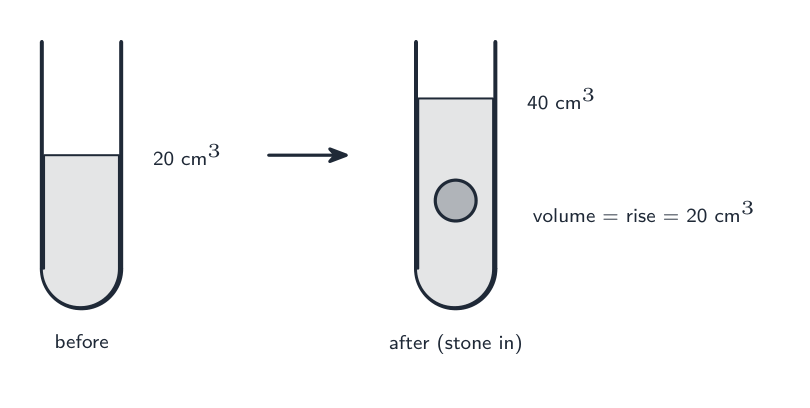


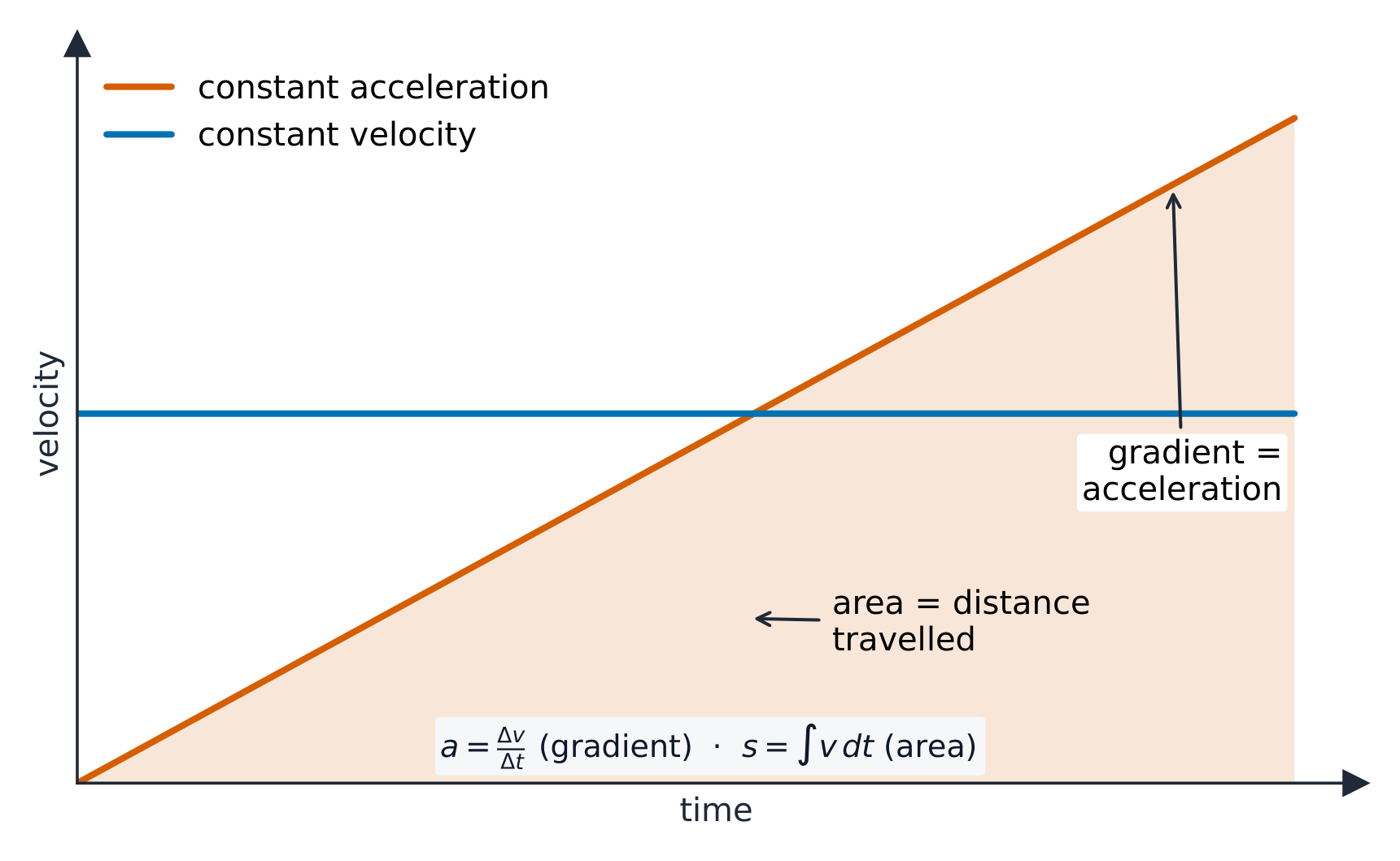

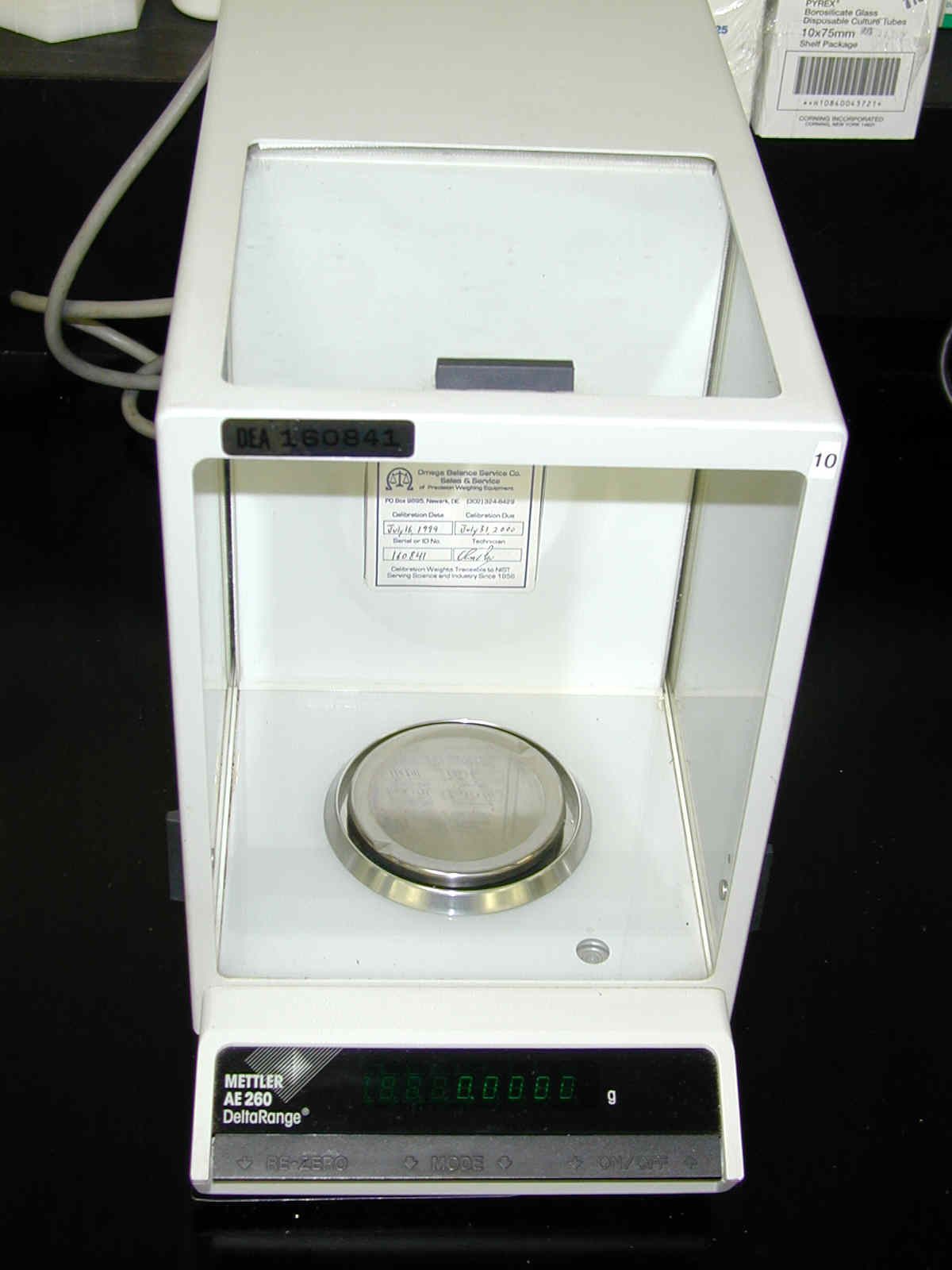
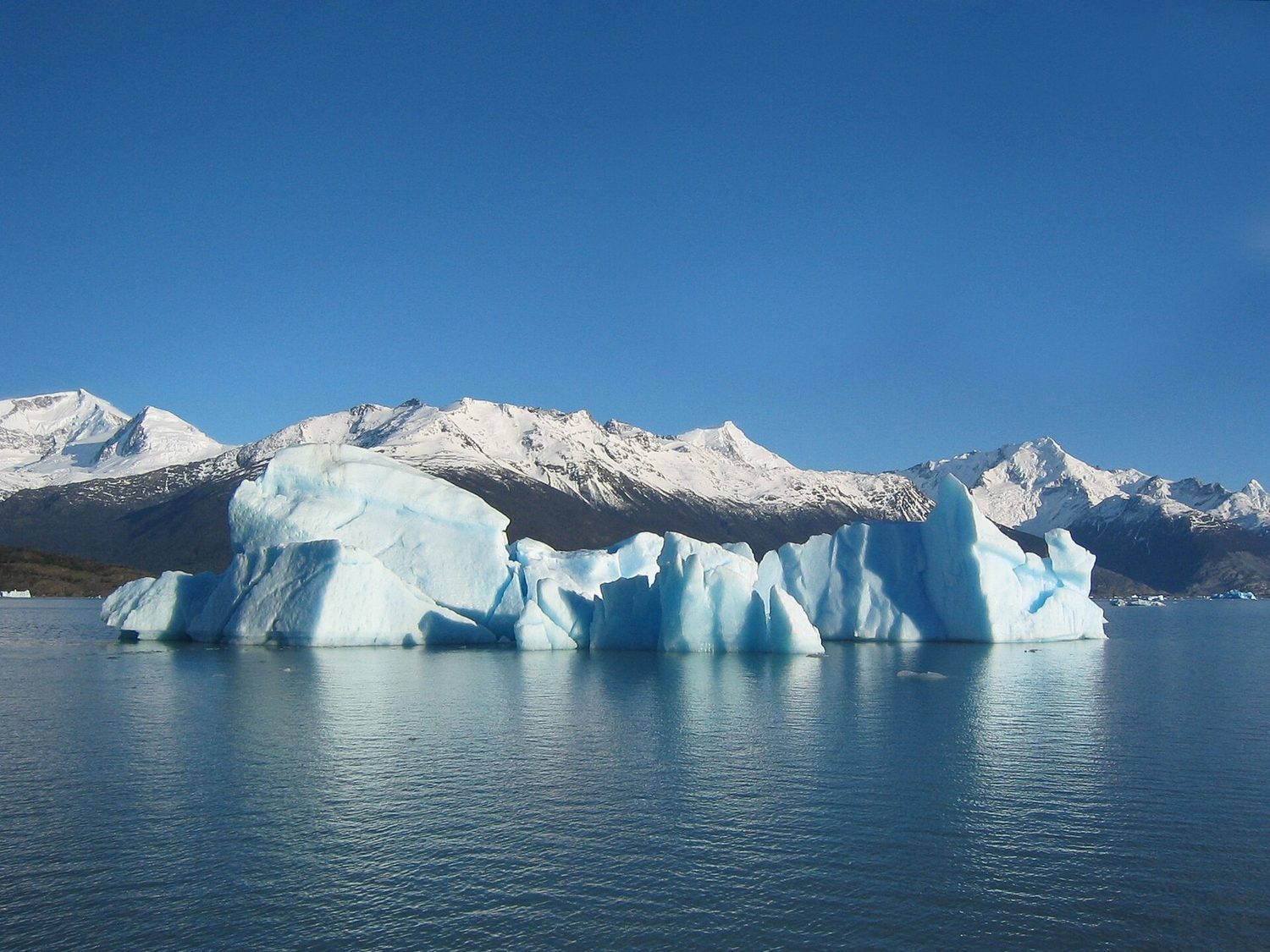
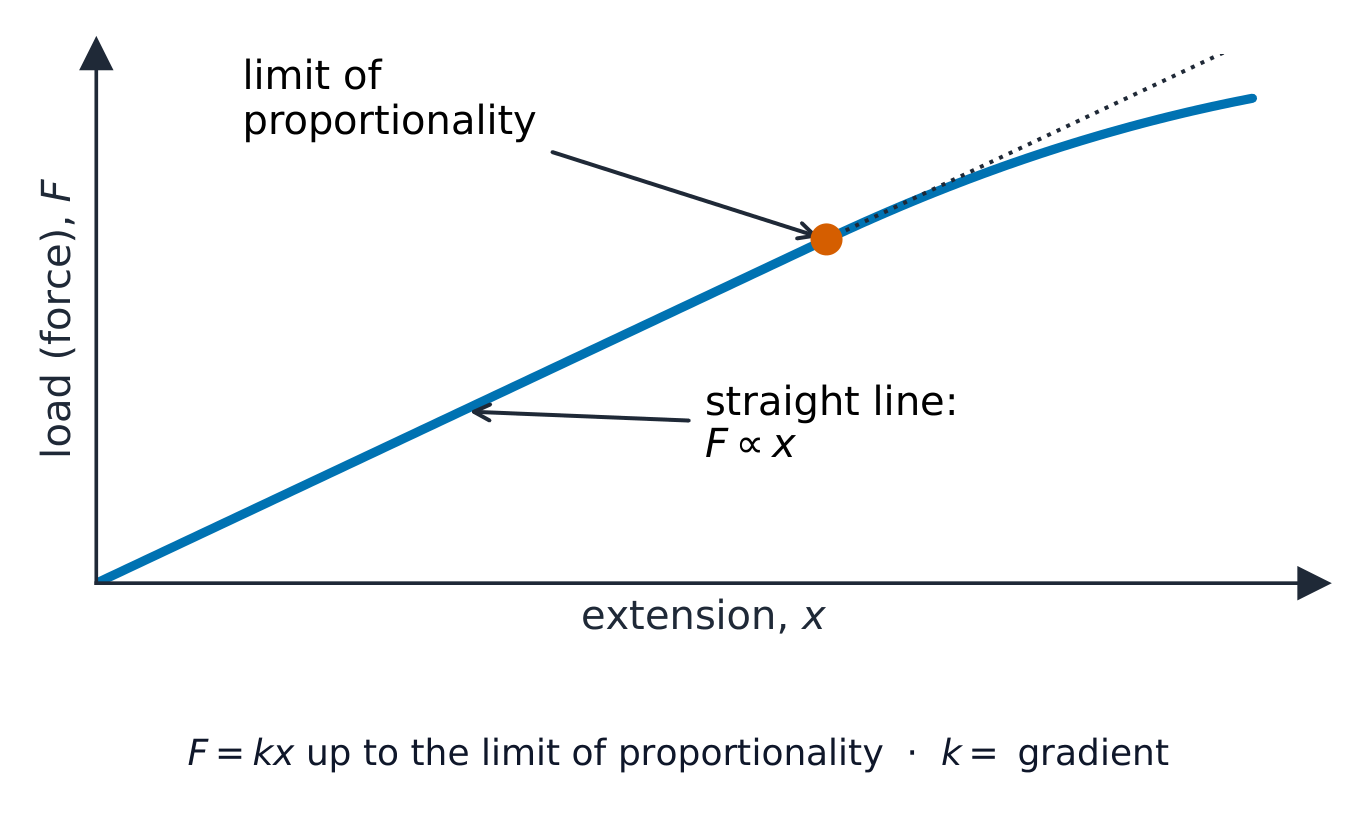

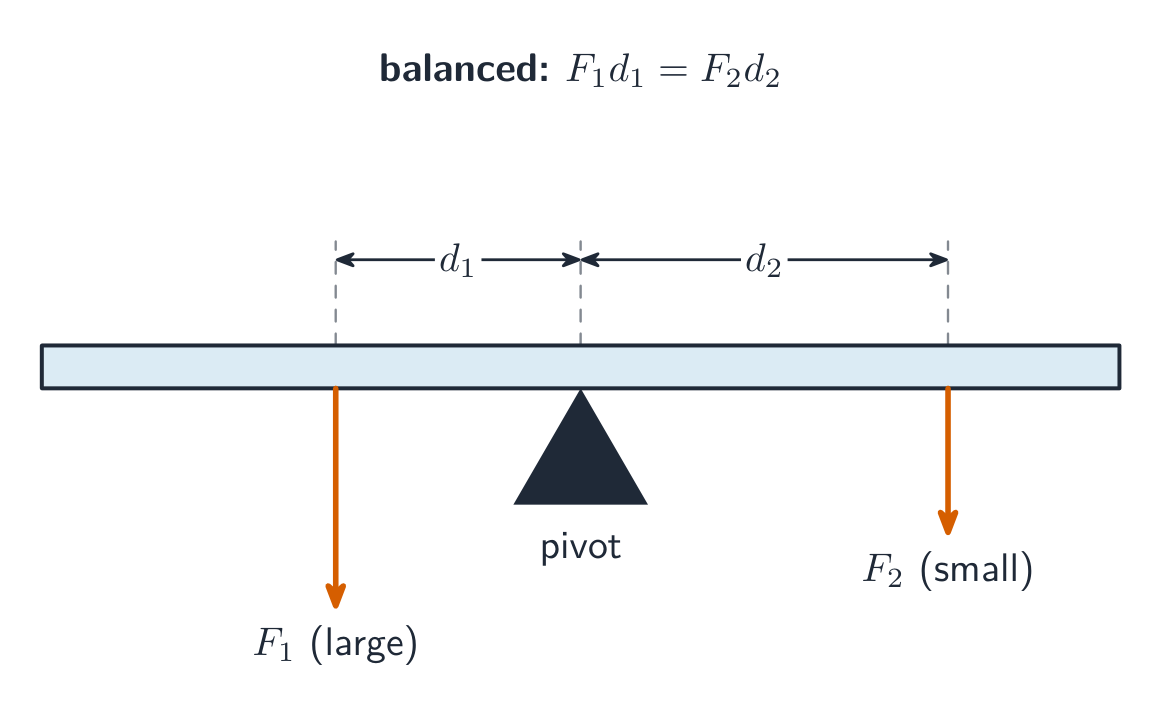


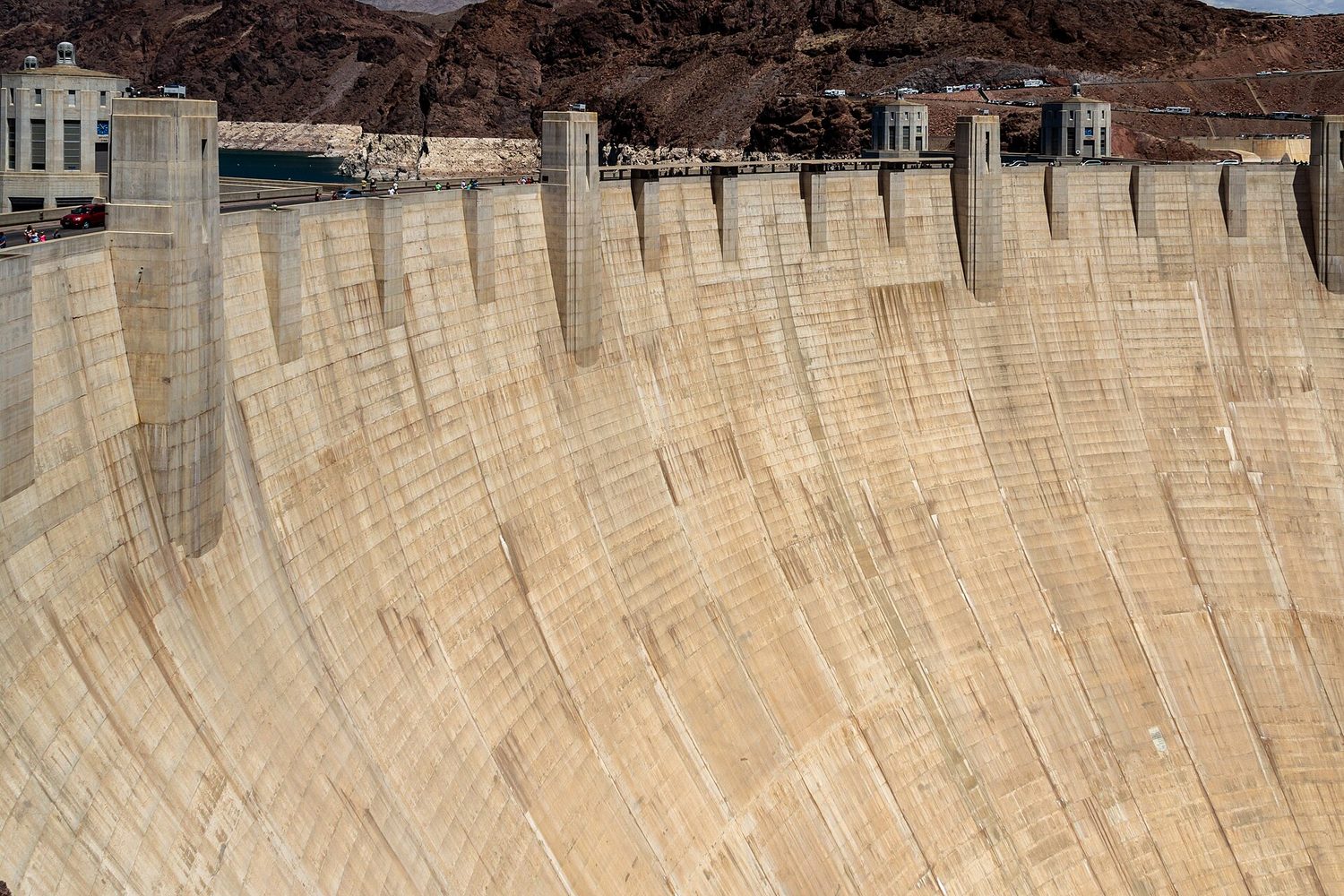


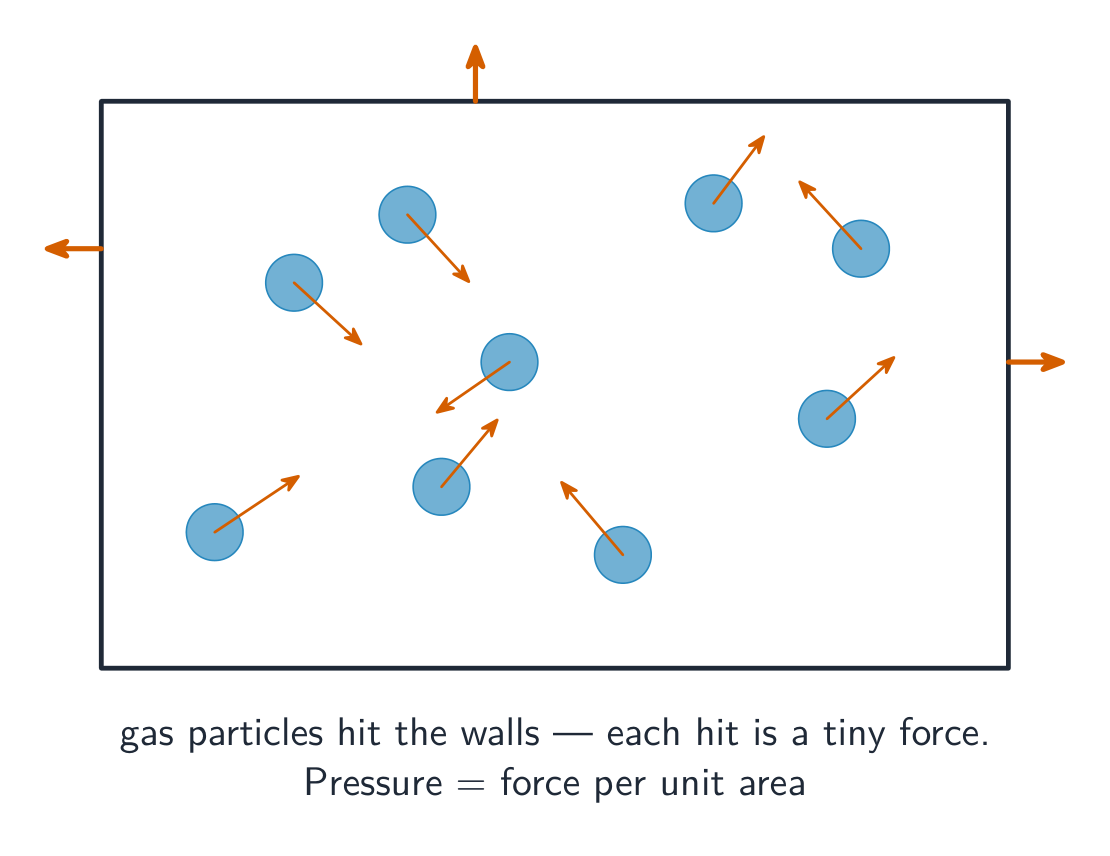
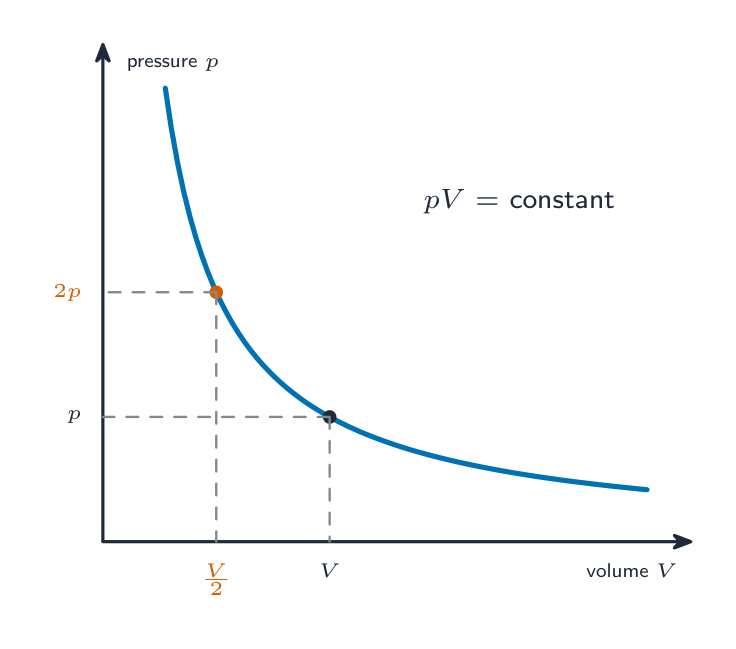

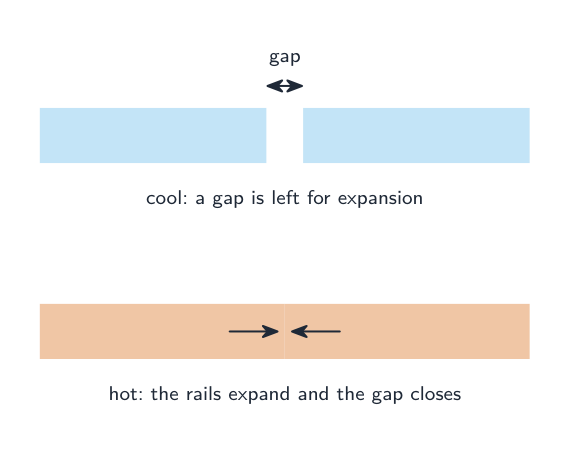
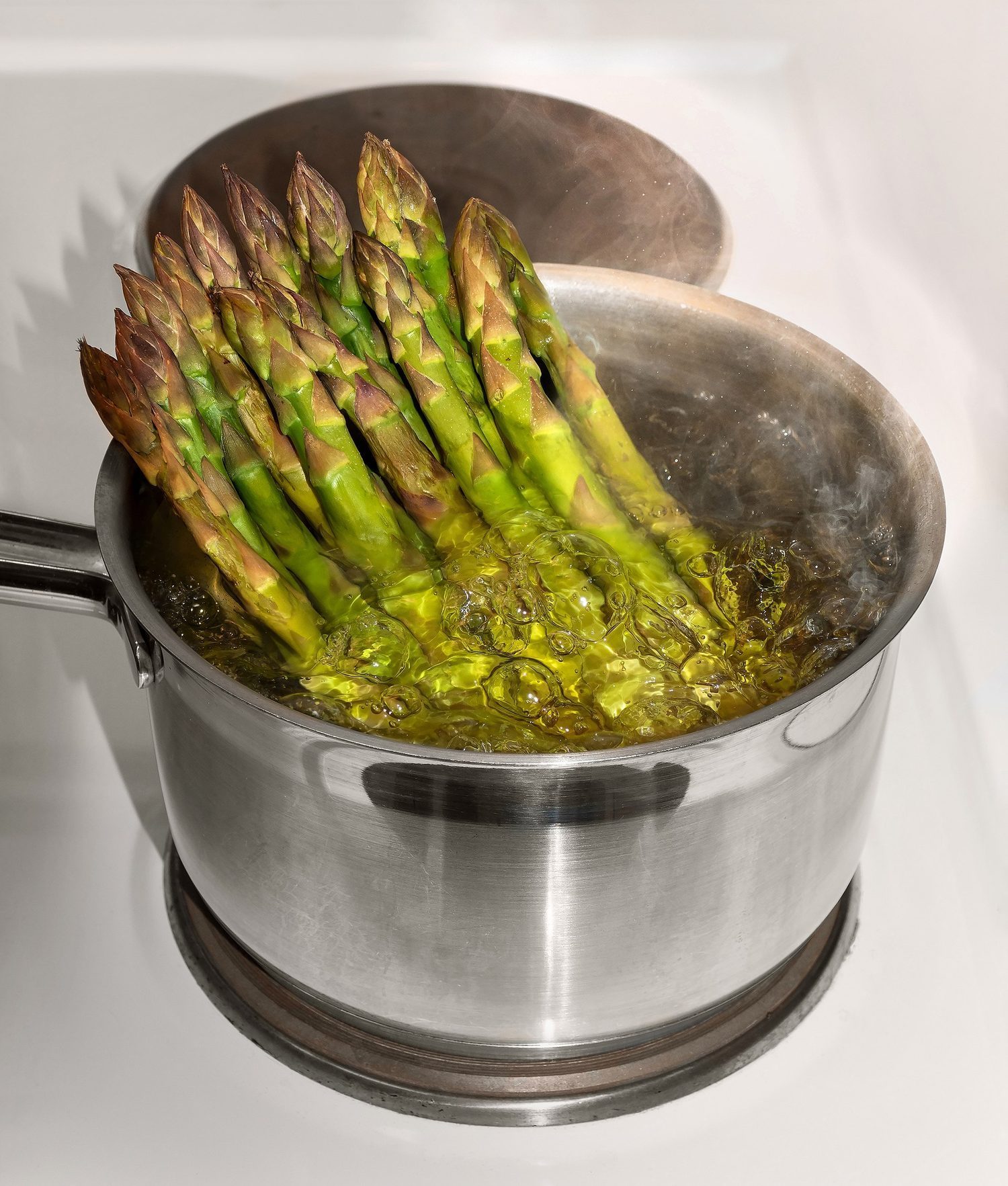


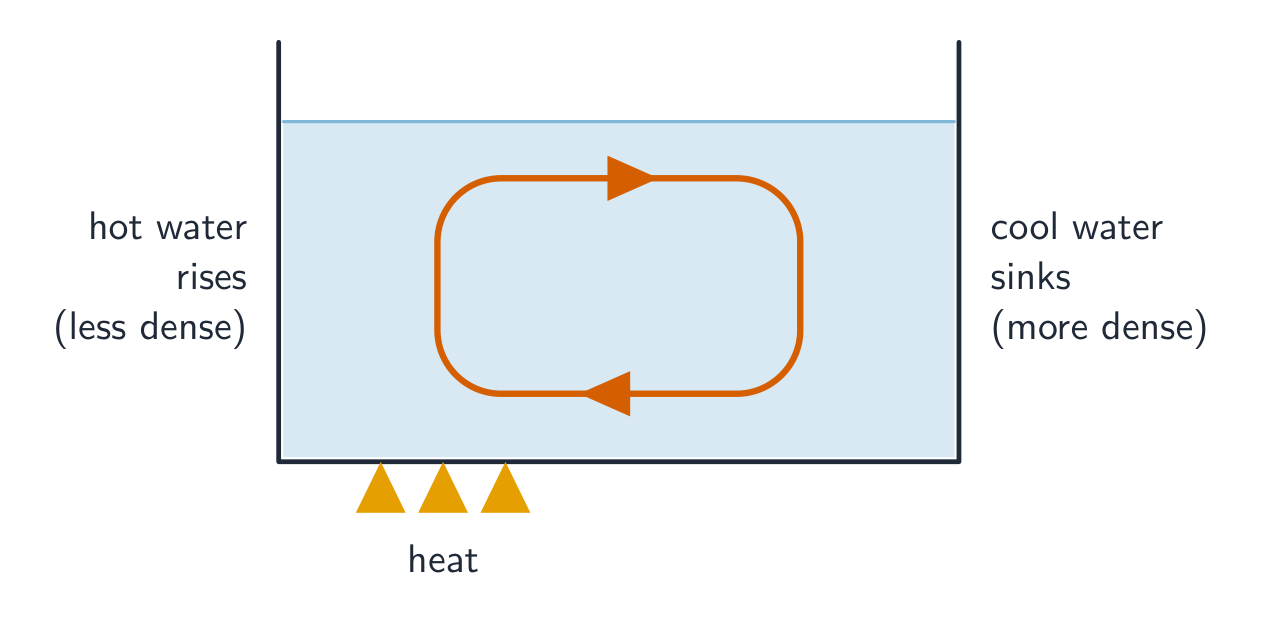


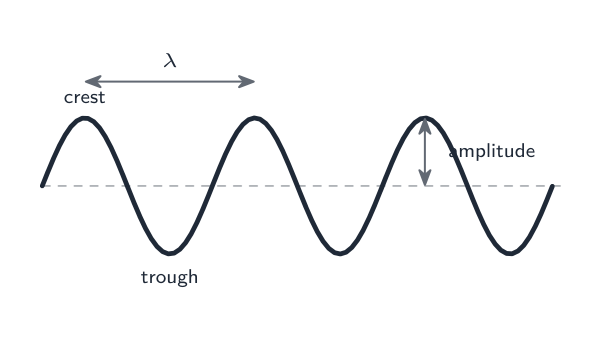

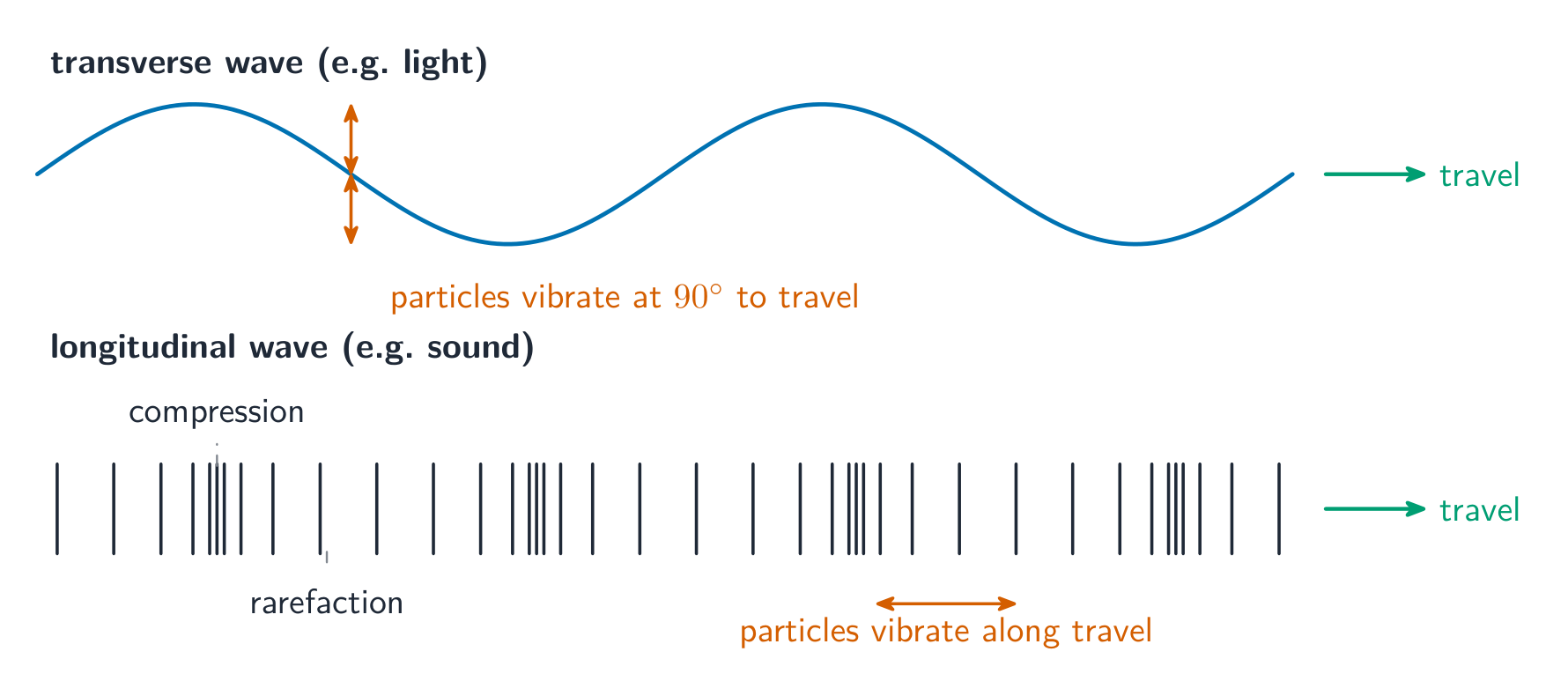


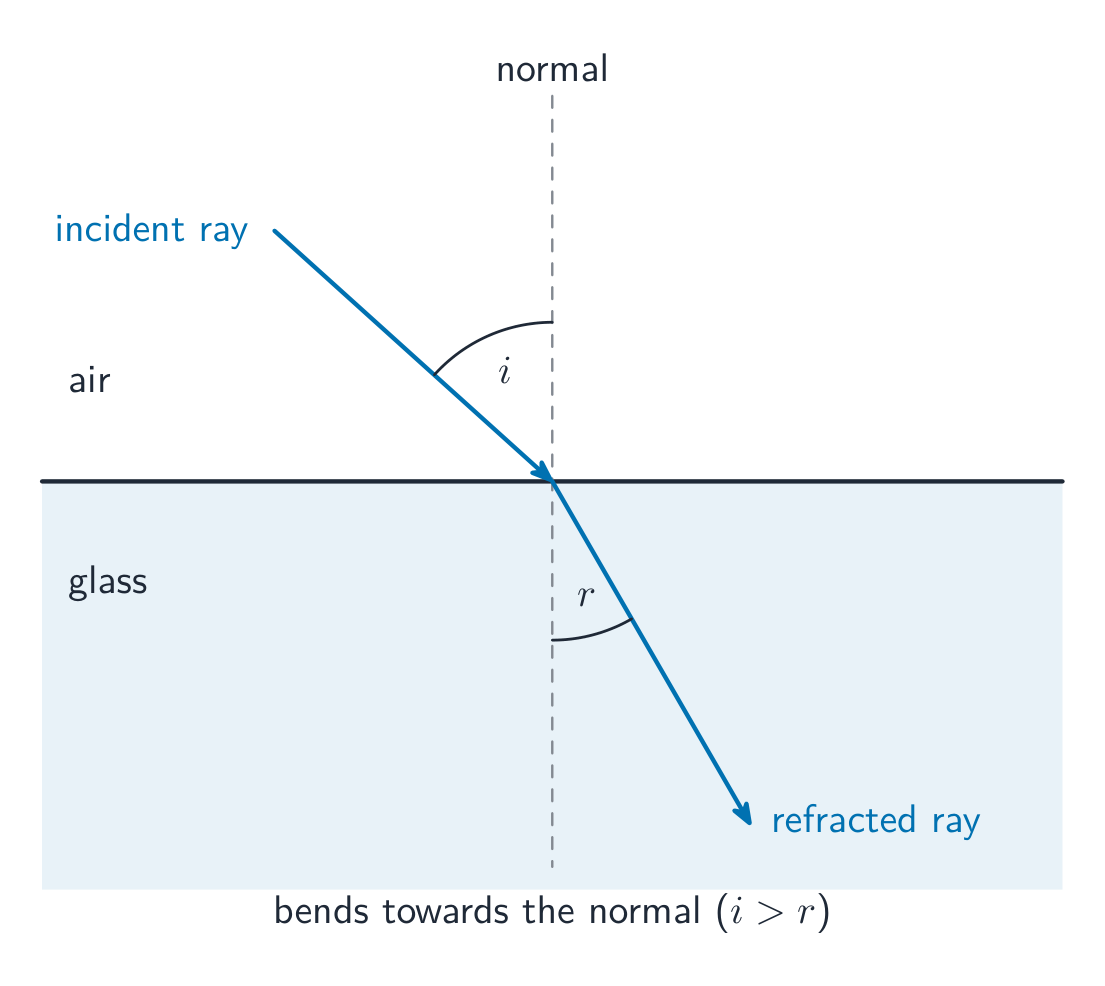
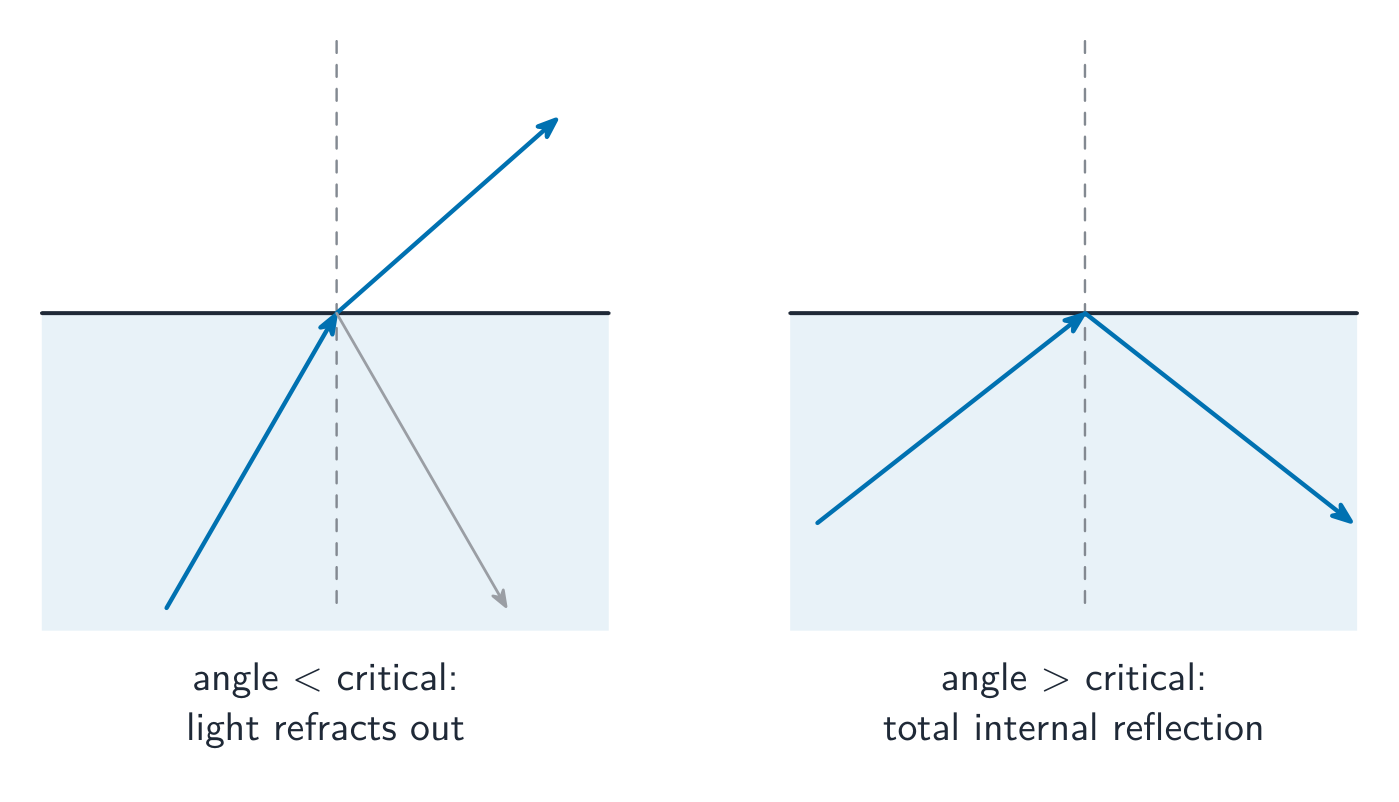


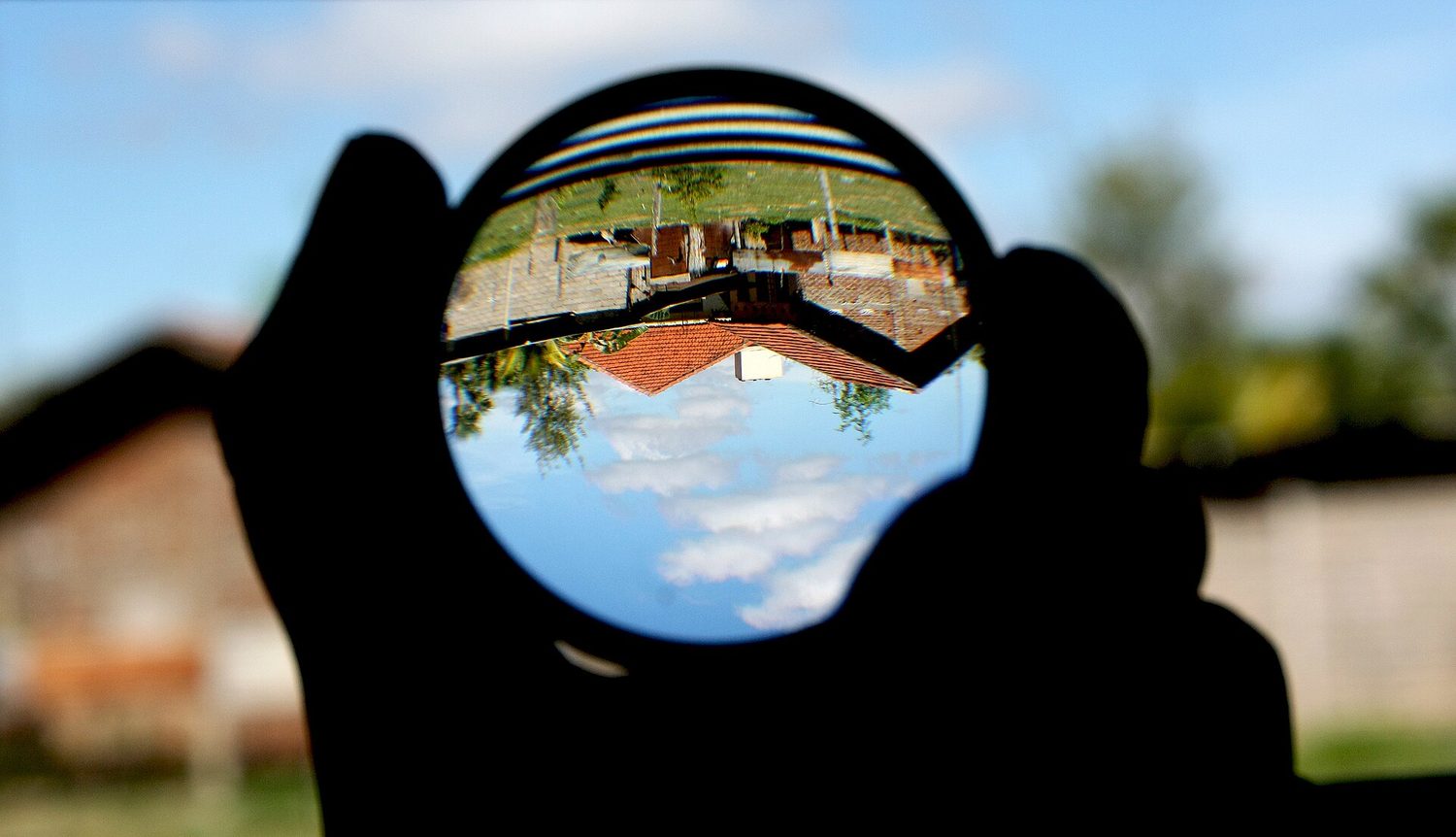
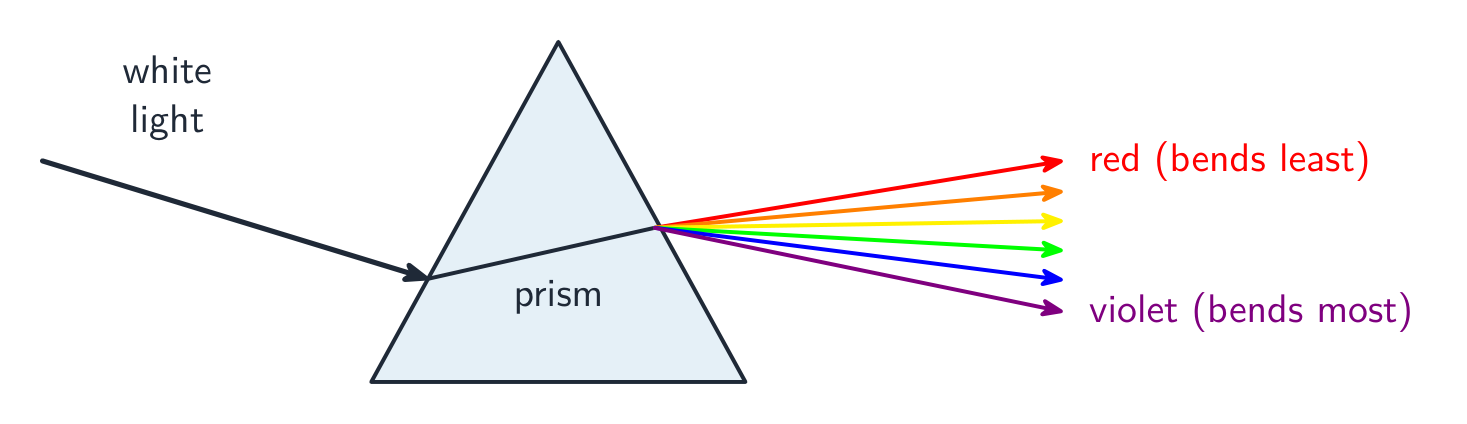


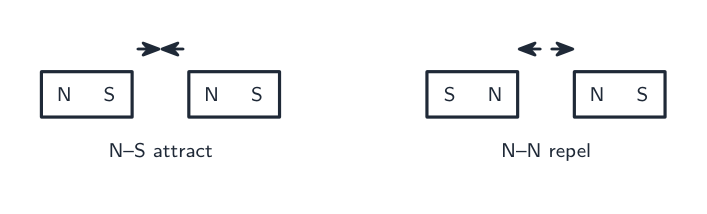


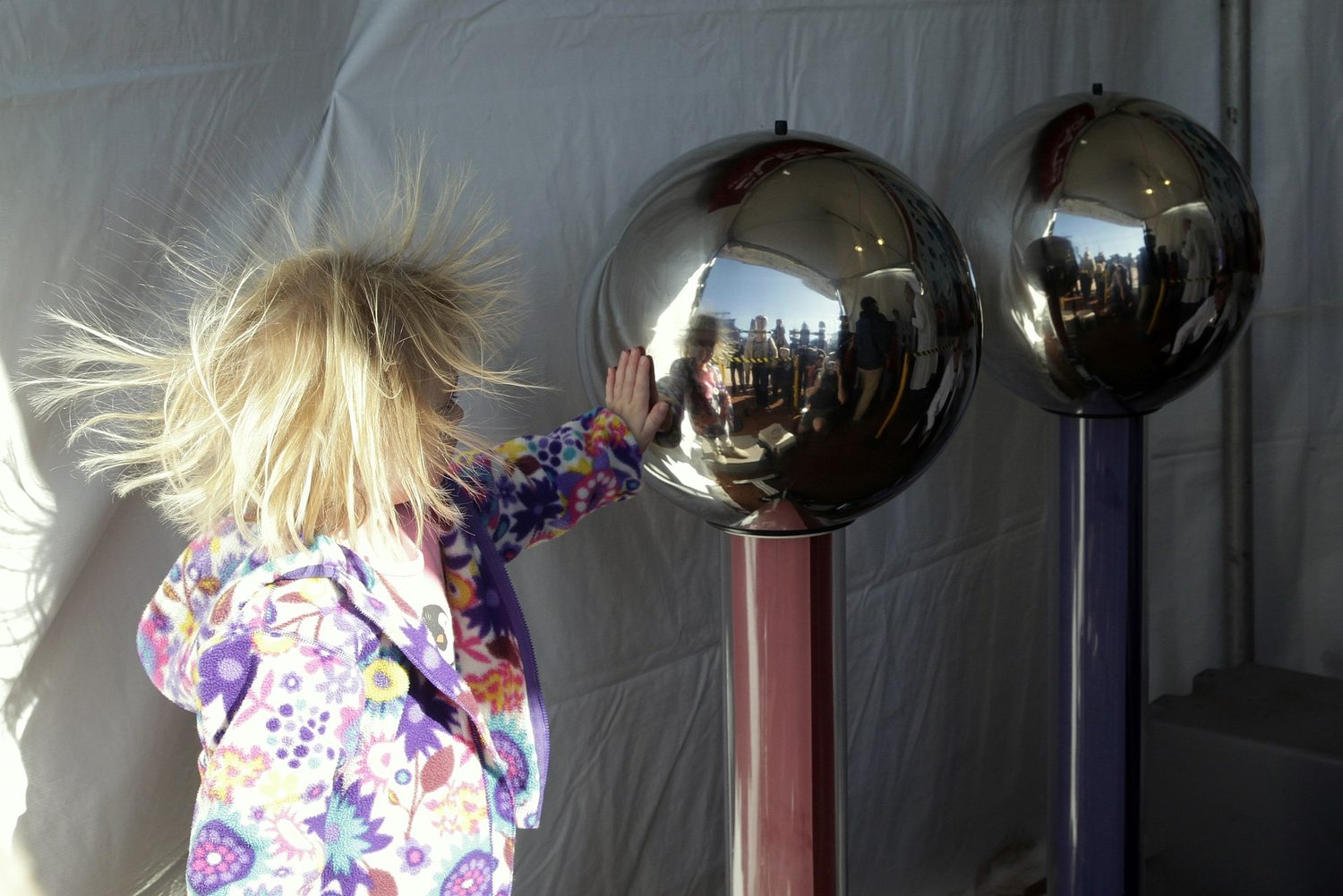
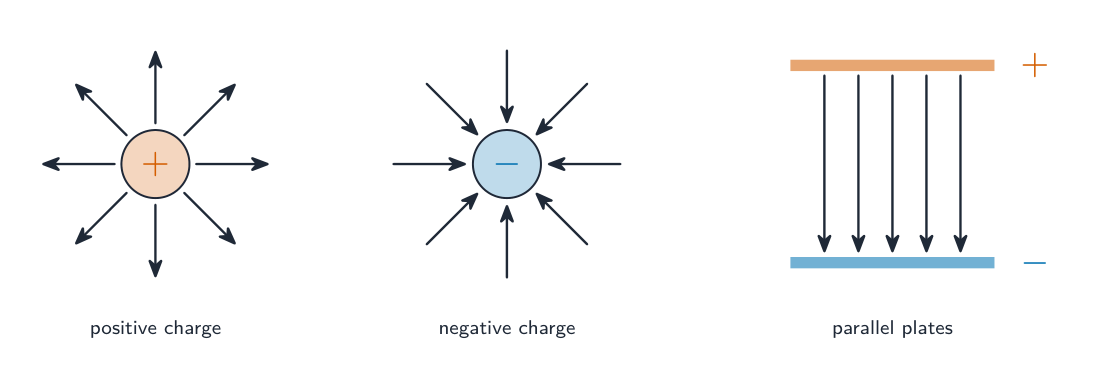



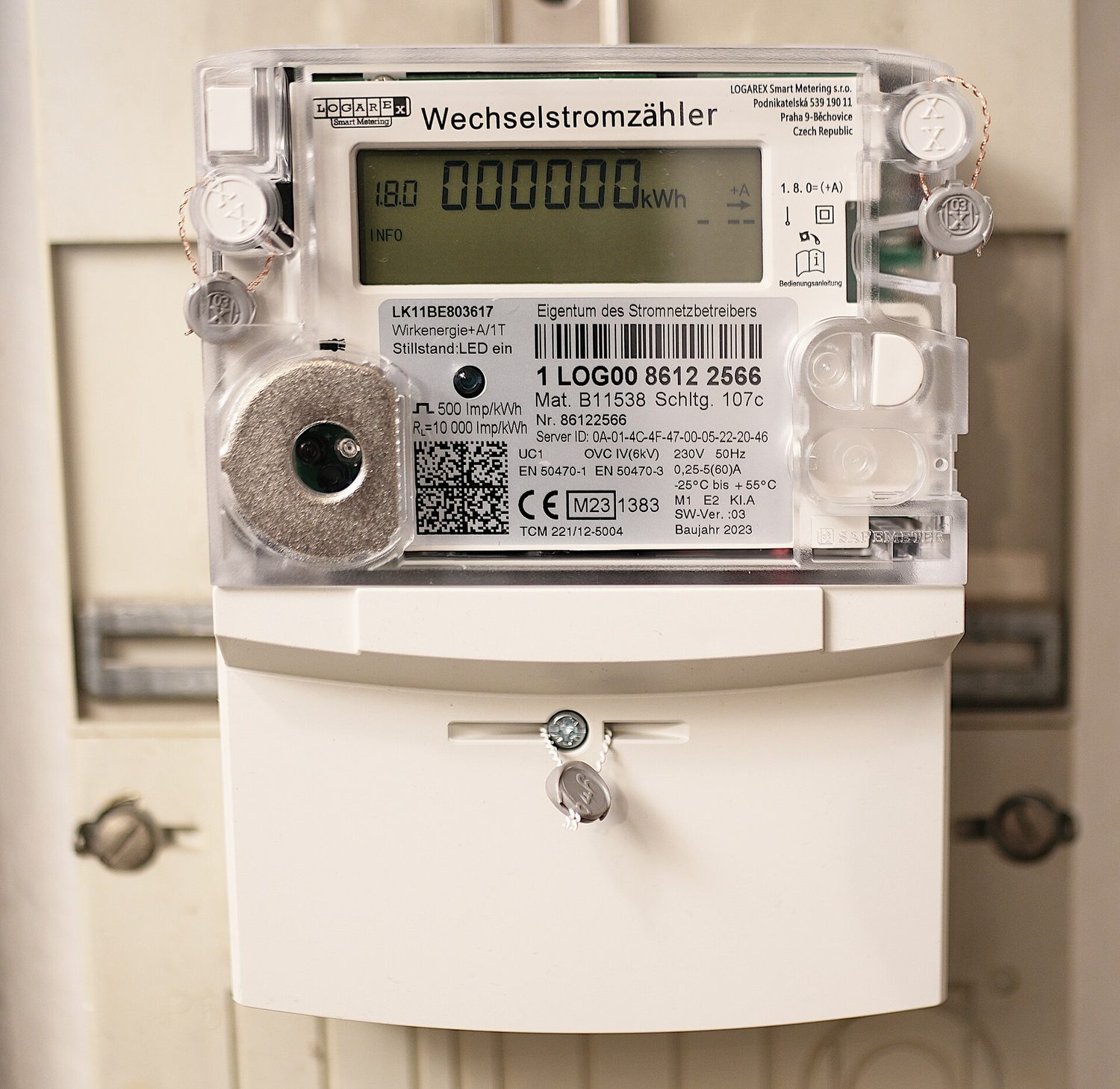


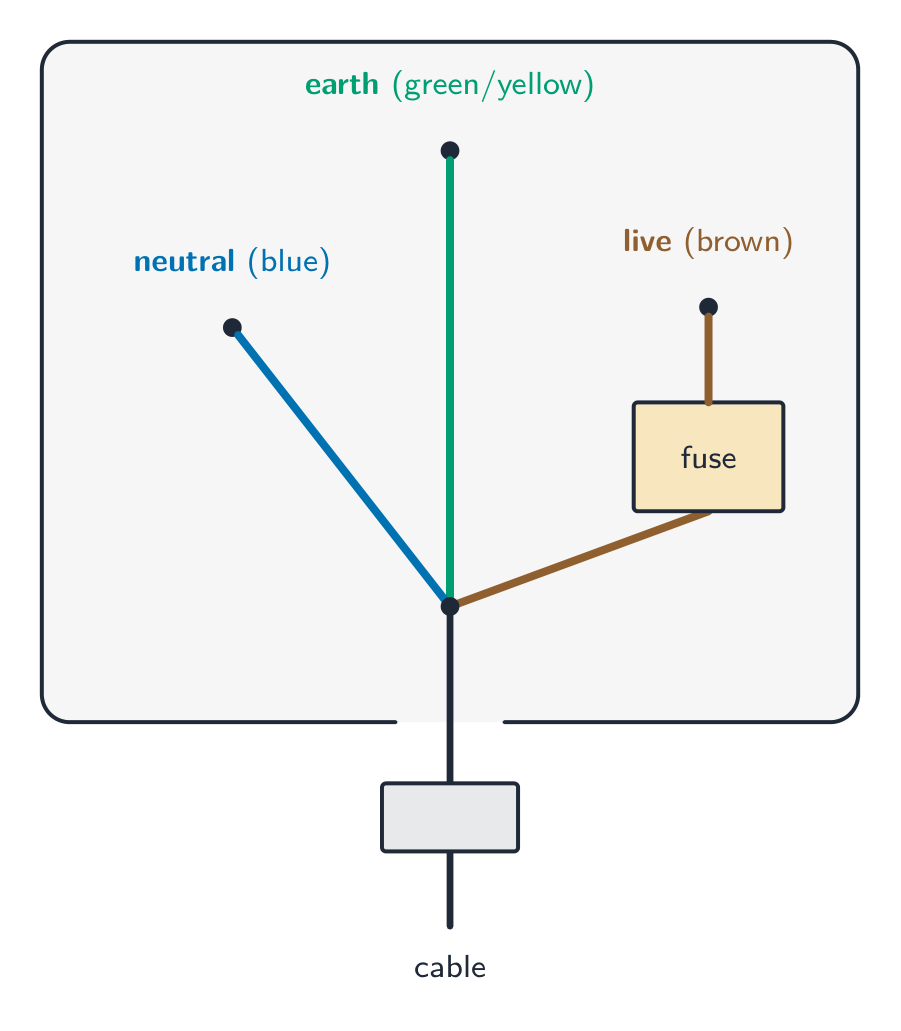
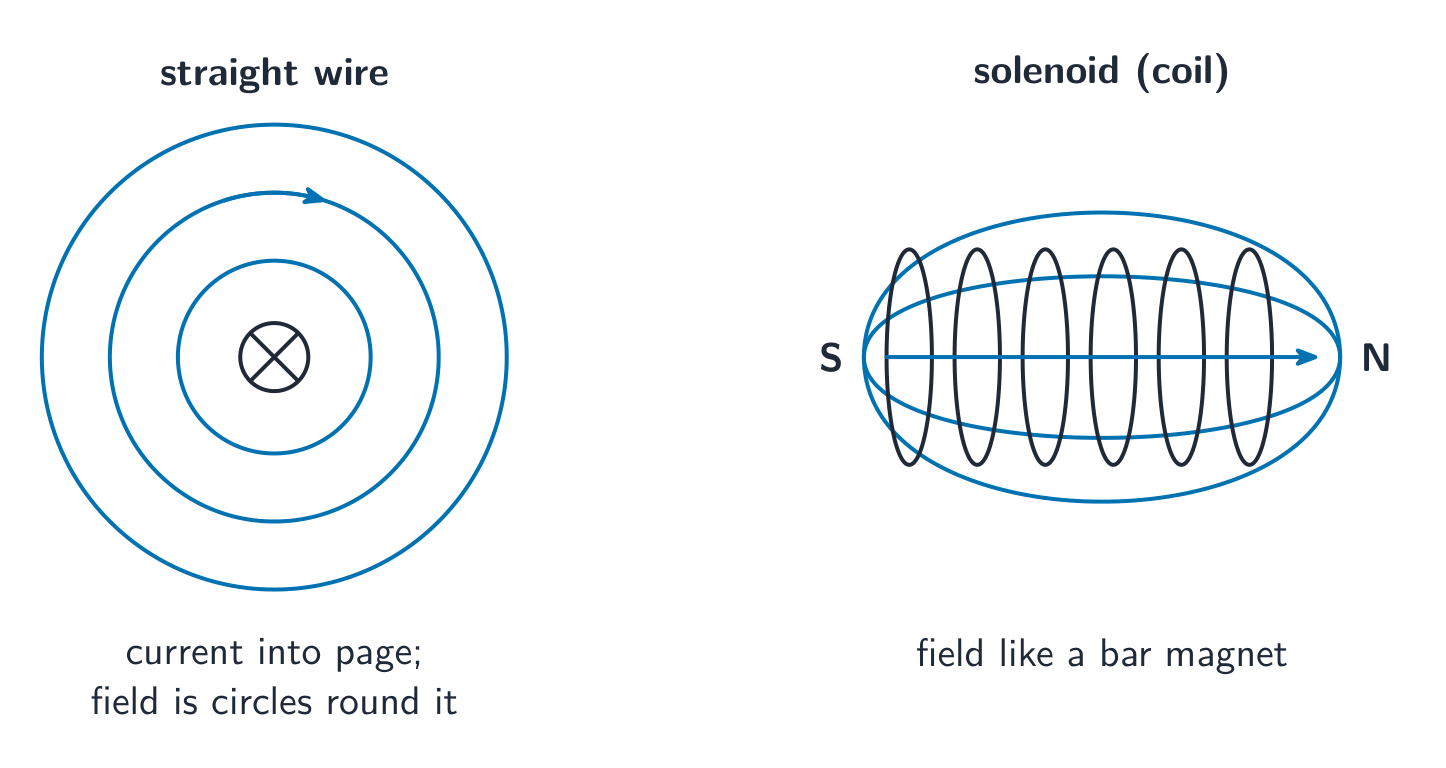




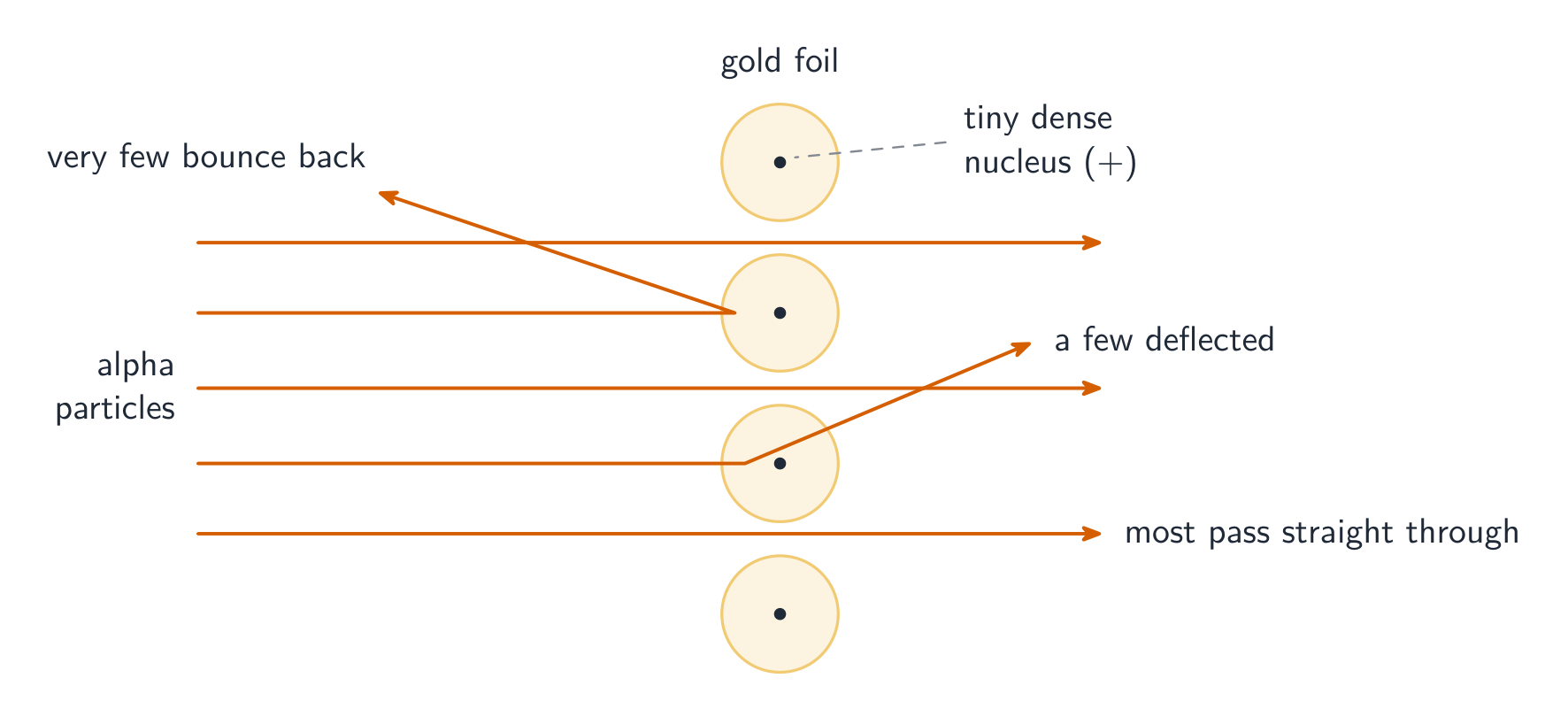


 *في الاندماج تندمج نواتان خفيفتان في واحدة أثقل، محررة نيوترون وطاقة — تفاعل الدوتيريوم-التريتيوم المستخدم في مفاعلات الاندماج