Skip to content · ⁨الانتقال إلى المحتوى⁩

Human nutrition · ⁨تغذية الإنسان⁩

IGCSE Biology · ⁨IGCSE علم الأحياء⁩ · Topic 7 · ⁨الموضوع 7⁩

Video lesson for this topic · ⁨درس فيديو لهذا الموضوع⁩ Open the video page · ⁨افتح صفحة الفيديو⁩
15:52

التغذية البشرية

الطعام على طبقك مصنوع من جزيئات كبيرة جدًا لتدخل مجرى الدم. لذا يأخذ جسمك جزءًا منه — أولاً عن طريق سحقه، ثم بقطع الجزيئات…

English narration · English + 中文 subtitles burned in · ⁨سرد باللغة الإنجليزية · ترجمة مدمجة بالإنجليزية + الصينية⁩

7.1

A balanced diet · ⁨نظام غذائي متوازن⁩

Syllabus · ⁨المنهج⁩
English
Core Supplement
1 Describe what is meant by a balanced diet
2 State the principal dietary sources and describe the importance of: (a) carbohydrates (b) fats and oils (c) proteins (d) vitamins, limited to C and D (e) mineral ions, limited to calcium and iron (f) fibre (roughage) (g) water
3 State the causes of scurvy and rickets
العربية
أساسي تكميلي
1 صف ما يُقصد بالتغذية المتوازنة
2 نصّ المصادر الغذائية الرئيسية وصف أهمية: (أ) الكربوهيدرات (ب) الدهون والزيوت (ج) البروتينات (د) الفيتامينات، مقتصرة على C و D (هـ) أيونات المعادن، مقتصرة على الكالسيوم والحديد (و) الألياف (الخشن) (ز) الماء
3 نصّ أسباب مرض الحرقاف والكساح

Source: Cambridge International syllabus · ⁨المصدر: منهج كامبريدج الدولي⁩

English

A balanced diet 均衡饮食 gives you all the substances you need, in the right amounts. There are seven parts.

Part of diet Good sources Why you need it
carbohydrates 碳水化合物 rice, bread, potatoes the main source of energy 能量
fats 脂肪 and oils butter, oil, nuts an energy store; help keep you warm
proteins 蛋白质 meat, fish, eggs, beans growth and repair of cells
vitamin 维生素 C fresh fruit, vegetables keeps skin and gums healthy
vitamin D sunlight, oily fish, eggs helps the body take in calcium 钙
mineral ions 矿物质离子 — calcium milk, cheese strong bones and teeth
mineral ions — iron 铁 red meat, leafy greens needed to make haemoglobin 血红蛋白, the red pigment in red blood cells that carries oxygen
fibre 膳食纤维 (roughage) vegetables, whole grains keeps food moving through the gut
water drinks and food needed for all reactions; most of the body is water

Two diseases come from missing a vitamin:

  • too little vitamin C → scurvy 坏血病 (bleeding gums, slow healing).
  • too little vitamin D → rickets 佝偻病 (soft, bent bones), because the body cannot take in enough calcium.

Worked example. A child eats almost no fresh fruit or vegetables. Their gums bleed and small cuts heal slowly. Which part of the diet is missing, and why does that explain the symptoms? Fresh fruit and vegetables are the main source of vitamin C, and too little vitamin C causes scurvy - whose signs are exactly bleeding gums and slow healing. So the missing part is vitamin C. Name the substance and the disease separately: an answer that says only "a vitamin deficiency" does not earn the mark.

العربية
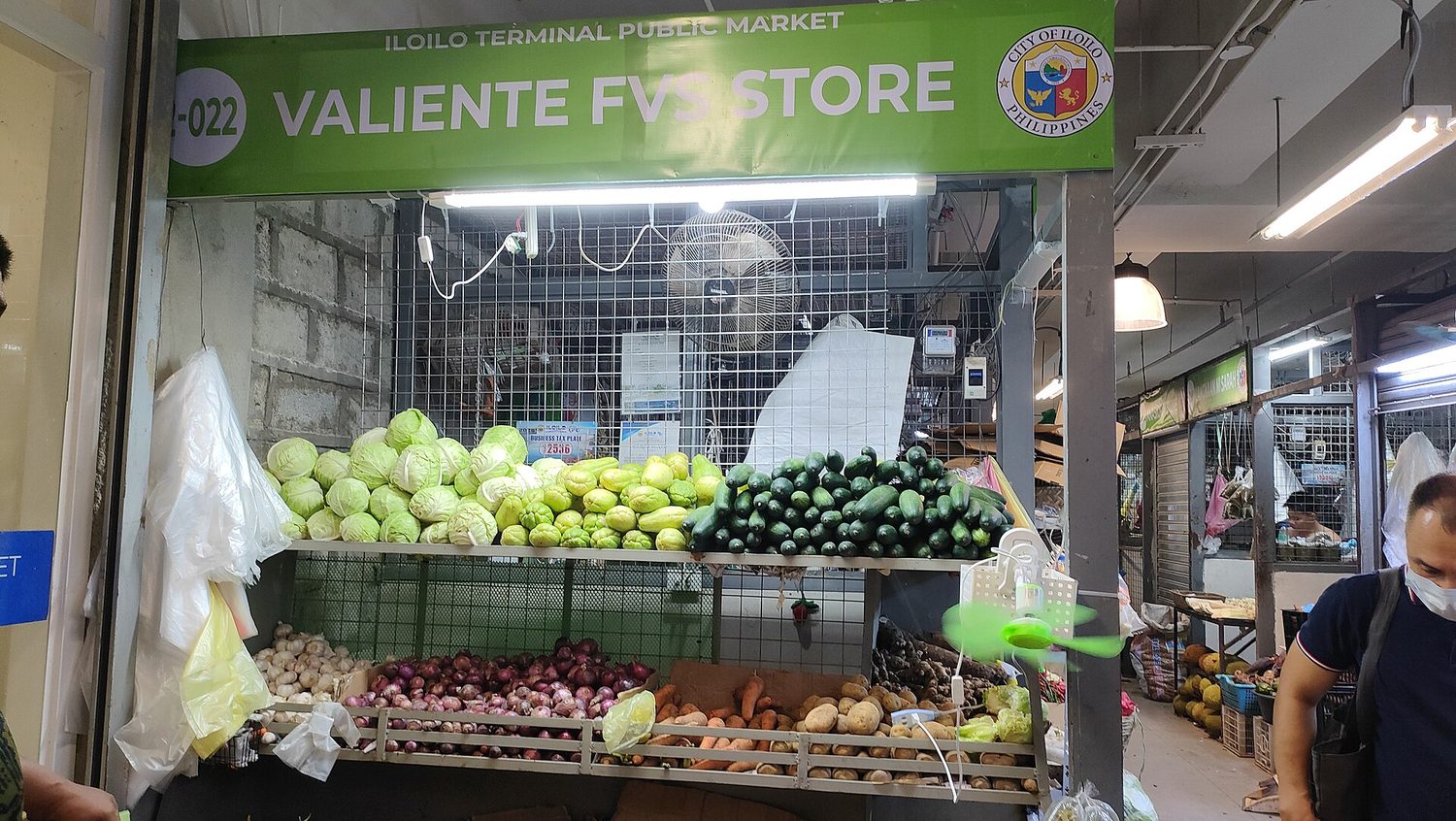
تشكيلة من الفواكه والخضروات الطازجة
يتضمن النظام الغذائي المتوازن الكثير من الفواكه والخضروات.

يوفر النظام الغذائي المتوازن جميع المواد التي تحتاجها، بالكميات الصحيحة. هناك سبعة أجزاء.

السبعة أجزاء من نظام غذائي متوازن، لكل منها وظيفته: الكربوهيدرات للطاقة، الدهون كمخزن طاقة، البروتين للنمو والإصلاح، الفيتامينات، أيونات المعادن، الألياف والماء
السبعة أجزاء من نظام غذائي متوازن والوظيفة التي يقوم بها كل جزء
جزء من النظام الغذائي مصادر جيدة لماذا تحتاجه
الكربوهيدرات أرز، خبز، بطاطا المصدر الرئيسي لـ الطاقة
الدهون والزيت زبدة، زيت، مكسرات مخزن للطاقة؛ يساعد في الحفاظ على دفء الجسم
البروتينات لحم، سمك، بيض، بقوليات نمو وإصلاح الخلايا
فيتامين C فواكه وخضروات طازجة يحافظ على صحة الجلد واللثة
فيتامين D أشعة الشمس، الأسماك الدهنية، بيض يساعد الجسم على امتصاص الكالسيوم
أيونات المعادن — كالسيوم حليب، جبن عظام وأسنان قوية
أيونات المعادن — حديد لحم أحمر، خضروات ورقية ضروري لتكوين الهيموجلوبين، الصبغة الحمراء في كريات الدم الحمراء التي تحمل الأكسجين
الألياف (الوسائط) خضروات، حبوب كاملة تحافظ على حركة الطعام عبر الأمعاء
ماء مشروبات وأطعمة ضروري لجميع التفاعلات؛ معظم الجسم يتكون من ماء

مرضان ناتجان عن نقص فيتامين:

  • نقص فيتامين C → الحمى القرمزية (نزيف اللثة، تأخر الشفاء).
  • نقص فيتامين D → الكراح (عظام ناعمة ومنحنية)، لأن الجسم لا يستطيع امتصاص ما يكفي من الكالسيوم.

مثال محلول. طفل لا يأكل فاكهة أو خضروات طازجة تقريباً. تنزف لثاه ويتأبط التئام الجروح الصغيرة. ما هو الجزء المفقود من النظام الغذائي، ولماذا يفسر ذلك الأعراض؟ الفاكهة والخضروات الطازجة هي المصدر الرئيسي لـ فيتامين ج، ونقص فيتامين ج يسبب السقربط - whose signs are exactly bleeding gums and slow healing. So the missing part is vitamin C. Name the substance and the disease separately: an answer that says only "a vitamin deficiency" does not earn the mark.

Explore · ⁨استكشف⁩

Balanced diet lab · ⁨تجربة الغذاء المتوازن⁩

Match dietary needs to the nutrient that solves the problem. · ⁨طابق الاحتياجات الغذائية بالمغذي الذي يحل المشكلة.⁩

Vocabulary · ⁨مفردات⁩ Train · ⁨تدريب⁩
English العربية
balanced diet/ˈbælənst ˈdaɪət/ نظام غذائي متوازن
carbohydrates/ˌkɑːbəʊˈhaɪdreɪts/ الكربوهيدرات
energy/ˈenədʒi/ طاقة
vitamin/ˈvɪtəmɪn/ فيتامين
calcium/ˈkælsɪəm/ الكالسيوم
mineral ions/ˈmɪnərəl ˈaɪɒnz/ أيونات المعادن
iron/ˈaɪən/ الحديد
haemoglobin/ˌhiːməˈɡləʊbɪn/ الهيموغلوبين
fibre/ˈfaɪbə/ ألياف
scurvy/ˈskɜːvi/ الحمى القلحية
rickets/ˈrɪkɪts/ الكساح
gums/ɡʌmz/ اللثة
muscle/ˈmʌsl/ عضلة
bile/baɪl/ العصارة الصفراوية
emulsifies/ɪˈmʌlsɪfaɪz/ يمحو / يُعدّل
7.2

The digestive system · ⁨الجهاز الهضمي⁩

Syllabus · ⁨المنهج⁩
English
Core Supplement
1 Identify in diagrams and images the main organs of the digestive system, limited to: (a) alimentary canal: mouth, oesophagus, stomach, small intestine (duodenum and ileum) and large intestine (colon, rectum, anus) (b) associated organs: salivary glands, pancreas, liver and gall bladder
2 Describe the functions of the organs of the digestive system listed in 7.2.1, in relation to: (a) ingestion – the taking of substances, e.g. food and drink, into the body (b) digestion – the breakdown of food (c) absorption – the movement of nutrients from the intestines into the blood (d) assimilation – uptake and use of nutrients by cells (e) egestion – the removal of undigested food from the body as faeces
العربية
أساسي تكميلي
1 حدد في المخططات والصور الأعضاء الرئيسية للجهاز الهضمي، مقتصرة على: (أ) القناة الهضمية: الفم، المريء، المعدة، الأمعاء الدقيقة (الإثني عشر والأصغر) والأمعاء الغليظة (العجز، المستقيم، الشرج) (ب) الأعضاء المرتبطة: الغدد اللعابية، البنكرياس، الكبد والمرارة
2 صف وظائف أعضاء الجهاز الهضمي المذكورة في 7.2.1، فيما يتعلق بـ: (أ) الإدخال – إدخال المواد، مثل الطعام والشراب، إلى الجسم (ب) الهضم – تكسير الطعام (ج) الامتصاص – نقل العناصر الغذائية من الأمعاء إلى الدم (د) الاستيعاب – uptake واستخدام العناصر الغذائية من قبل الخلايا (هـ) الإخراج – التخلص من الطعام غير المهضم من الجسم على شكل براز

Source: Cambridge International syllabus · ⁨المصدر: منهج كامبريدج الدولي⁩

English

The digestive system 消化系统 breaks food down. Food passes along one long tube, the alimentary canal 消化道:

mouth → oesophagus 食道 → stomach 胃 → small intestine 小肠 (the duodenum 十二指肠 then the ileum 回肠) → large intestine 大肠 (the colon 结肠, rectum 直肠 and anus 肛门).

Some organs help with digestion but food does not pass through them: the salivary glands 唾液腺 in the mouth, the pancreas 胰腺, the liver 肝脏 and the gall bladder 胆囊.

Five things happen to food, in order:

Process What it means
ingestion 摄入 taking food and drink into the body through the mouth
digestion 消化 breaking food down into small molecules
absorption 吸收 nutrients 营养物质 move from the intestine into the blood
assimilation 同化 cells take in and use the nutrients
egestion 排遗 undigested food leaves the body as faeces 粪便
العربية

يقوم الجهاز الهضمي بتكسير الطعام. يمر الطعام عبر أنبوب طويل واحد، وهو القناة الهضمية:

الفم ← المريء ← المعدة ← الأمعاء الدقيقة (ثم الاثني عشر ثم الصائم) ← الأمعاء الغليظة (العَمودُ العَظِيم، المستقيم والشرج).

بعض الأعضاء تساعد في الهضم لكن الطعام لا يمر خلالها: الغدد اللعابية في الفم، البنكرياس، الكبد والمرارة.

A flow diagram of the digestive system: mouth, oesophagus, stomach, small intestine, large intestine and anus along the food's path, with salivary glands, liver, gall bladder and pancreas adding juices
الممر الهضمي الذي يمر به الطعام، بالإضافة إلى الأعضاء التي تضيف العصارات الهضمية

تحدث خمسة أشياء للطعام، بالترتيب:

العملية المعنى
الإدخال إدخال الطعام والشراب إلى الجسم عن طريق الفم
الهضم تكسير الطعام إلى جزيئات صغيرة
الامتصاص تتحرك المغذيات من الأمعاء إلى الدم
الاستيعاب تأخذ الخلايا المغذيات وتستخدمها
التبرّز يخرج الطعام غير المهضوم من الجسم على شكل براز
Explore · ⁨استكشف⁩

Through the digestive system · ⁨عبر الجهاز الهضمي⁩

Food travels along the gut; each part does a different job to break it down and absorb it. · ⁨ينتقل الطعام عبر الأمعاء؛ كل جزء يقوم بوظيفة مختلفة لتفكيكه وامتصاصه.⁩

Vocabulary · ⁨مفردات⁩ Train · ⁨تدريب⁩
English العربية
digestive system/daɪˈdʒestɪv ˈsɪstəm/ الجهاز الهضمي
alimentary canal/əlaɪˈmentəri kəˈnæl/ الممر الهضمي
oesophagus/ɪˈsɒfəɡəs/ المريء
stomach/ˈstʌmək/ معدة
small intestine/smɔːl ɪnˈtestɪn/ الأمعاء الدقيقة
duodenum/ˈdjuːəʊdnəm/ الإثني عشر
ileum/ɪˈliːəm/ الصائم
large intestine/lɑːdʒ ɪnˈtestɪn/ الأمعاء الغليظة
colon/ˈkəʊlən/ القولون
rectum/ˈrektəm/ المستقيم
anus/ˈeɪnʌs/ فتحة الشرج
salivary glands/ˈsælɪvəri ɡlændz/ الغدد اللعابية
pancreas/ˈpæŋkrɪəs/ البنكرياس
liver/ˈlɪvə/ كبد
gall bladder/ɡɔːl ˈblædə/ المرارة
ingestion/ɪnˈdʒestʃn/ الابتلاع
digestion/daɪˈdʒestʃn/ الهضم
nutrients/ˈnjuːtrɪənts/ مغذيات
absorption/əbˈsɔːpʃn/ امتصاص
assimilation/əˌsɪmɪˈleɪʃn/ الامتزاج الثقافي
egestion/ɪˈdʒestʃn/ الإخراج غير الهضمي
faeces/ˈfiːsiːz/ فضلات
surface area/ˈsɜːfɪs ˈeərɪə/ مساحة السطح
7.3

Physical digestion · ⁨الهضم الميكانيكي⁩

Syllabus · ⁨المنهج⁩
English
Core Supplement
1 Describe physical digestion as the breakdown of food into smaller pieces without chemical change to the food molecules
2 State that physical digestion increases the surface area of food for the action of enzymes in chemical digestion
3 Identify in diagrams and images the types of human teeth: incisors, canines, premolars and molars
4 Describe the structure of human teeth, limited to: enamel, dentine, pulp, nerves, blood vessels and cement, and understand that teeth are embedded in bone and the gums
5 Describe the functions of the types of human teeth in physical digestion of food
6 Describe the function of the stomach in physical digestion
7 Outline the role of bile in emulsifying fats and oils to increase the surface area for chemical digestion
العربية
أساسي تكميلي
1 وصف الهضم الفيزيائي على أنه تكسير الطعام إلى قطع أصغر دون حدوث تغيير كيميائي في جزيئات الطعام
2 ينص على أن الهضم الفيزيائي يزيد من مساحة سطح الطعام لتأثير الإنزيمات في الهضم الكيميائي
3 تحديد أنواع أسنان الإنسان في المخططات والصور: القواطع، والأنياب، والأسنان الجاحظة، والأضراس
4 وصف بنية أسنان الإنسان، مقصورة على: المينا، والعاج، واللب، والأعصاب، والأوعية الدموية، والسنخ، وفهم أن الأسنان مغمورة في العظام واللثة
5 وصف وظائف أنواع أسنان الإنسان في الهضم الفيزيائي للطعام
6 وصف وظيفة المعدة في الهضم الفيزيائي
7 تلخيص دور العصارة الصفراوية في استحلاب الدهون والزيوت لزيادة مساحة السطح للهضم الكيميائي

Source: Cambridge International syllabus · ⁨المصدر: منهج كامبريدج الدولي⁩

English

Physical digestion breaks food into smaller pieces without changing the food molecules. This gives a larger surface area 表面积 for the enzymes 酶 to act on later.

Teeth

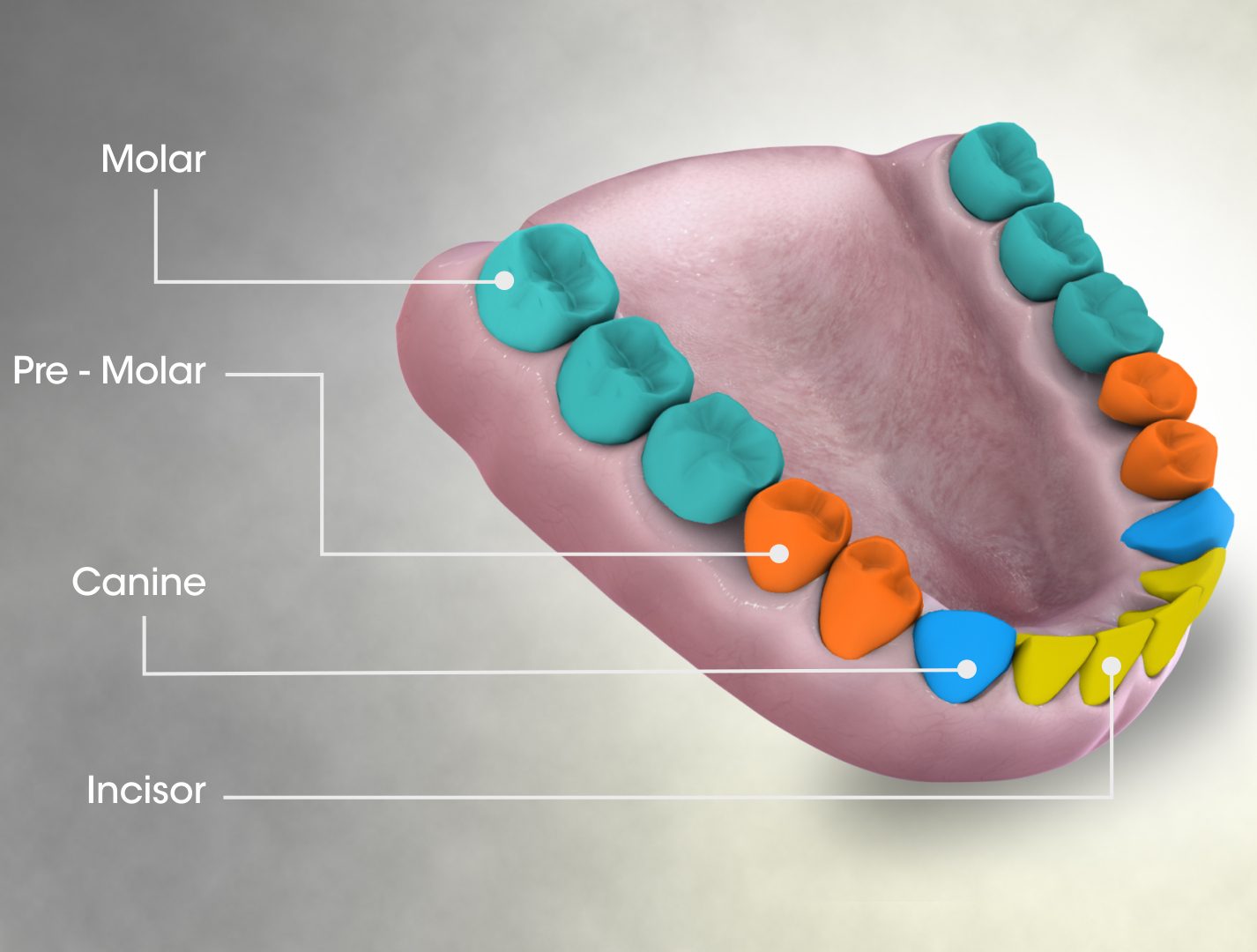
You have four kinds of teeth 牙齿:

Tooth Job
incisors 门齿 sharp front teeth for biting and cutting
canines 犬齿 pointed teeth for tearing
premolars 前臼齿 flat teeth for chewing and grinding
molars 臼齿 flat back teeth for chewing and grinding

A tooth is built from these parts:

Part Description
enamel 牙釉质 hard white outer layer; the hardest material in the body
dentine 牙本质 softer, bone-like layer under the enamel
pulp 牙髓 soft centre with nerves 神经 and blood vessels 血管
cement 牙骨质 fixes the root into the jaw

Teeth are set into the bone of the jaw and held firm by the gums 牙龈.

The stomach

The wall of the stomach is made of muscle 肌肉 that squeezes and mixes the food, breaking it into smaller pieces.

Bile (Supplement)

Bile 胆汁 is made in the liver and stored in the gall bladder. It emulsifies 乳化 fats and oils — it breaks large drops of fat into many tiny droplets. This gives a much larger surface area for the enzyme lipase 脂肪酶 to digest the fat. Bile itself contains no enzymes.

العربية

يتم الهضم الميكانيكي تكسير الطعام إلى قطع أصغر بدون تغيير جزيئات الطعام. هذا يعطي مساحة سطحية أكبر لـ الإنزيمات لتعمل عليها لاحقاً.

الأسنان

لديك أربعة أنواع من الأسنان:

السن الوظيفة
القطعية أسنان أمامية حادة للعض والقطع
الأنبية أسنان مدببة للتمزيق
الأمامية الثانية أسنان مسطحة للمضغ والطحن
الطواحين أسنان خلفية مسطحة للمضغ والطحن
A 3D model of a lower jaw with the teeth colour-coded by type: flat-topped molars and premolars at the back, pointed canines, and chisel-shaped incisors at the front
الأنواع الأربعة للأسنان: القطعية والأنبية في الأمام، والأمامية الثانية والطواحين في الخلف

يتكون السن من هذه الأجزاء:

الجزء الوصف
المينا طبقة خارجية بيضاء صلبة؛ المادة الأكثر صلابة في الجسم
العاج طبقة أرق شبيهة بالعظم تحت المينا
اللب وسط ناعم يحتوي على أعصاب وأوعية دموية
الأسمنت يثبت الجذر في الفك

تُزرَع الأسنان في عظم الفك وتُثبّت بقوة بواسطة اللثة.

A tooth in section: a crown of enamel over dentine with a soft pulp inside, and a root covered in cement set into the jaw bone and surrounded by gum
سن مقطوع: مينا صلبة فوق العاج، لب ناعم، وجذر مغروس في الفك

المعدة

جدار المعدة مصنوع من عضلات تضغط وتخلط الطعام، مكسرة إياه إلى قطع أصغر.

العصارة الصفراوية (ملحق)

العصارة الصفراوية تُنتَج في الكبد وتُخزن في المرارة. وهي تستحلب الدهون والزيوت — حيث تكسر قطرات الدهون الكبيرة إلى العديد من القطرات الصغيرة جداً. هذا يعطي مساحة سطحية أكبر بكثير لإنزيم الليباز لهضم الدهون. العصارة الصفراوية نفسها لا تحتوي على إنزيمات.

Explore · ⁨استكشف⁩

Physical (mechanical) digestion · ⁨الهضم الفيزيائي (الميكانيكي)⁩

Physical digestion breaks food into smaller pieces WITHOUT changing it chemically — it just increases the surface area for enzymes. · ⁨يكسر الهضم الفيزيائي الطعام إلى قطع أصغر دون تغيير كيميائي — بل يزيد فقط مساحة السطح للإنزيمات.⁩

Vocabulary · ⁨مفردات⁩ Train · ⁨تدريب⁩
English العربية
teeth/tiːθ/ الأسنان
incisors/ɪnˈsaɪzəz/ القصبات
canines/ˈkeɪnaɪnz/ الأنياب
premolars/priːˈməʊləz/ الأضراس الجانبية
molars/ˈməʊləz/ الأضراس
enamel/ɪˈnæml/ المينا
dentine/ˈdentiːn/ العاج
pulp/pʌlp/ العصب tooth pulp
nerves/nɜːvz/ الأعصاب
blood vessels/blʌd ˈveslz/ الأوعية الدموية
cement/sɪˈment/ اسمنت / خرسانة
7.4

Chemical digestion · ⁨الهضم الكيميائي⁩

Syllabus · ⁨المنهج⁩
English
Core Supplement
1 Describe chemical digestion as the breakdown of large insoluble molecules into small soluble molecules
2 State the role of chemical digestion in producing small soluble molecules that can be absorbed
3 Describe the functions of enzymes as follows: (a) amylase breaks down starch to simple reducing sugars (b) proteases break down protein to amino acids (c) lipase breaks down fats and oils to fatty acids and glycerol 6 Describe the digestion of starch in the digestive system: (a) amylase breaks down starch to maltose (b) maltase breaks down maltose to glucose on the membranes of the epithelium lining the small intestine
4 State where, in the digestive system, amylase, protease and lipase are secreted and where they act 7 Describe the digestion of protein by proteases in the digestive system: (a) pepsin breaks down protein in the acidic conditions of the stomach (b) trypsin breaks down protein in the alkaline conditions of the small intestine
5 Describe the functions of hydrochloric acid in gastric juice, limited to killing harmful microorganisms in food and providing an acidic pH for optimum enzyme activity 8 Explain that bile is an alkaline mixture that neutralises the acidic mixture of food and gastric juices entering the duodenum from the stomach, to provide a suitable pH for enzyme action
العربية
أساسي تكميلي
1 وصف الهضم الكيميائي على أنه تكسير الجزيئات الكبيرة غير القابلة للذوبان إلى جزيئات صغيرة قابلة للذوبان
2 ينص على دور الهضم الكيميائي في إنتاج جزيئات صغيرة قابلة للذوبان يمكن امتصاصها
3 وصف وظائف الإنزيمات على النحو التالي: (أ) الأميليز يكسر النشا إلى سكريات مختزلة بسيطة (ب) البروتياز تكسر البروتين إلى أحماض أمينية (ج) الليباز يكسر الدهون والزيوت إلى أحماض دهنية وجليسرول 6 وصف هضم النشا في الجهاز الهضمي: (أ) الأميليز يكسر النشا إلى مالتوز (ب) المالتيز يكسر المالتوز إلى جلوكوز على أغشية الظهارة المبطنة للأمعاء الدقيقة
4 ينص على أين يتم إفراز الأميليز والبروتيز والليباز في الجهاز الهضمي وأين تعمل 7 وصف هضم البروتين بواسطة البروتياز في الجهاز الهضمي: (أ) الببسين يكسر البروتين في الظروف الحمضية للمعدة (ب) التريبسين يكسر البروتين في الظروف القاعدية للأمعاء الدقيقة
5 ينص على وظائف حمض الهيدروكلوريك في العصارة المعدية، مقصورة على قتل الكائنات الدوائية الضارة في الطعام وتوفير درجة حموضة (pH) مثالية لنشاط الإنزيم 8 شرح أن العصارة الصفراوية مزيج قاعدي يعادل المزيج الحمضي للطعام والعصارات المعدية الداخلة إلى الاثني عشر من المعدة، لتوفير درجة حموضة (pH) مناسبة لعمل الإنزيمات

Source: Cambridge International syllabus · ⁨المصدر: منهج كامبريدج الدولي⁩

English

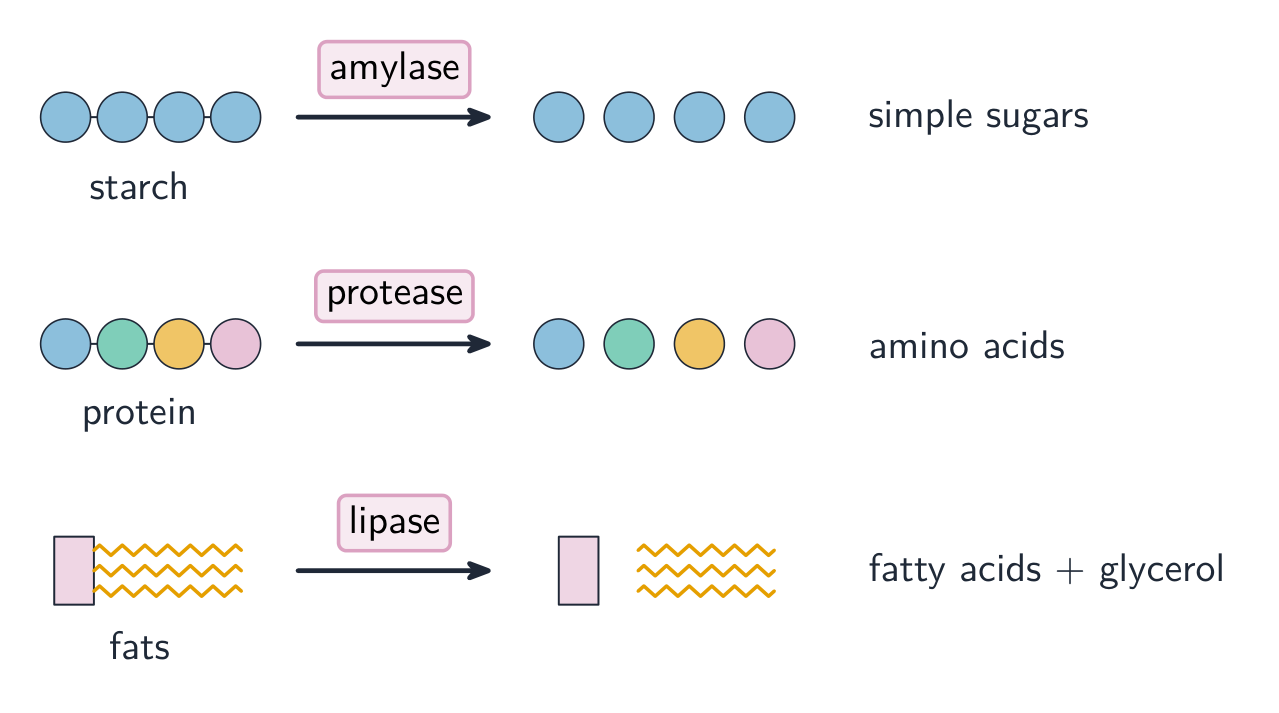
Chemical digestion breaks large insoluble 不溶性 molecules into small soluble 可溶性 molecules. Only small soluble molecules can be absorbed into the blood. Enzymes carry out this work.

Enzyme Breaks down Into Made in
amylase 淀粉酶 starch 淀粉 reducing sugars 还原糖 salivary glands, pancreas
protease 蛋白酶 protein amino acids 氨基酸 stomach, pancreas
lipase fats and oils fatty acids 脂肪酸 and glycerol 甘油 pancreas

Acid in the stomach

The stomach makes hydrochloric acid 盐酸, which is part of the gastric juice 胃液. This acid:

  • kills harmful microorganisms 微生物 in the food, and
  • gives an acidic 酸性 pH, the best pH for the stomach's protease to work.

Digesting starch and protein (Supplement)

Starch is digested in two steps:

  • amylase breaks starch into maltose 麦芽糖.
  • maltase 麦芽糖酶, on the membranes of the epithelium 上皮 lining the small intestine, breaks maltose into glucose 葡萄糖.

Protein is digested by two proteases:

  • pepsin 胃蛋白酶 breaks protein down in the acidic stomach.
  • trypsin 胰蛋白酶 breaks protein down in the alkaline 碱性 small intestine.

Bile is alkaline. It neutralises 中和 the acidic food and gastric juice as they enter the duodenum, giving a suitable pH for the enzymes there.

العربية

الهضم الكيميائي يكسر جزيئات كبيرة غير قابلة للذوبان إلى جزيئات صغيرة قابلة للذوبان. فقط الجزيئات الصغيرة القابلة للذوبان يمكن امتصاصها في الدم. تقوم الإنزيمات بهذا العمل.

الإنزيم يكسر إلى إلى يُنتج في
النشاطيز النشا سكريات مختزلة الغدد اللعابية، البنكرياس
البروتياز بروتين أحماض أمينية المعدة، البنكرياس
ليباز دهون وزيت أحماض دهنية وجلسيرول البنكرياس
Three rows showing enzymes breaking large molecules into small ones: amylase turns starch into simple sugars, protease turns protein into amino acids, lipase turns fats into fatty acids and glycerol
إنزيمات هاضمة تكسر جزيئات كبيرة غير قابلة للذوبان إلى جزيئات صغيرة قابلة للذوبان

الحمض في المعدة

تنتج المعدة حمض الهيدروكلوريك، وهو جزء من العصارة المعدية. هذا الحمض:**

  • يقتل الكائنات الحية الدقيقة الضارة في الطعام، و
  • يوفر حمضياً pH، وهو أفضل pH لعمل بروتياز المعدة.

هضم النشاء والبروتين (ملحق)

يتم هضم النشاء في خطوتين:

  • يكسر النشاطيز النشاء إلى مالتوز.
  • المالتيز، على أغشية النسيج الطلائي المبطن للأمعاء الدقيقة، يكسر المالتوز إلى جلوكوز.

يتم هضم البروتين بواسطة بروتيازين:

  • الببسین يكسر البروتين في المعدة الحمضية.
  • التريبسين يكسر البروتين في الأمعاء الدقيقة القلوية.

العصارة الصفراوية قلوية. وهي تعادل الطعام الحمضي والعصارة المعدية عند دخولهما الاثني عشر، مما يوفر درجة حموضة مناسبة للإنزيمات الموجودة هناك.

Explore · ⁨استكشف⁩

How fast a digestive enzyme works · ⁨سرعة عمل إنزيم هاضم معين⁩

Add more substrate and the reaction rate climbs, then levels off as every enzyme is busy — the same way amylase, protease and lipase break down food. · ⁨أضف المزيد من المادة المتفاعلة وسترتفع سرعة التفاعل، ثم تستقر عندما تكون جميع الإنزيمات مشغولة — بنفس طريقة تكسير الأميليز والبروتياز والليباز للطعام.⁩

Vocabulary · ⁨مفردات⁩ Train · ⁨تدريب⁩
English العربية
fats/fæts/ الدهون
proteins/ˈprəʊtiːnz/ البروتينات
enzymes/ˈenzaɪmz/ الإنزيمات
lipase/ˈlɪpeɪs/ الليباز
insoluble/ɪnˈsɒljuːbl/ غير قابل للذوبان
soluble/ˈsɒljuːbl/ قابل للذوبان
amylase/ˈæmɪleɪz/ أميليز
starch/stɑːtʃ/ نشا
reducing sugars/rɪˈdjuːsɪŋ ˈʃʊɡəz/ سكريات مختزلة
protease/ˈprəʊteɪs/ البروتياز
amino acids/əˈmiːnəʊ ˈæsɪdz/ أحماض أمينية
fatty acids/ˈfæti ˈæsɪdz/ أحماض دهنية
glycerol/ˈɡlɪsərɒl/ جلسرين
hydrochloric acid/ˌhaɪdrəˈklɔːrɪk ˈæsɪd/ حمض الهيدروكلوريك
gastric juice/ˈɡæstrɪk dʒuːs/ العصير المعدي
microorganisms/ˌmaɪkrəʊˈɔːɡənɪzəmz/ الكائنات الدقيقة
acidic/əˈsɪdɪk/ حمضي
maltose/ˈmɒltəʊs/ مالتوز
maltase/ˈmɒlteɪs/ المالتاز
epithelium/ˌepɪˈθiːlɪəm/ النسيج الطلائي
glucose/ˈɡluːkəʊs/ جلوكوز
pepsin/ˈpepsɪn/ الببسين
trypsin/ˈtrɪpsɪn/ التربسين
alkaline/ˈælkəlaɪn/ قلوي
neutralises/ˈnjuːtrəlaɪzɪz/ تعادل
villi/ˈvɪlaɪ/ الحليمات
microvilli/ˈmaɪkrəʊvɪlaɪ/ الزغابات الدقيقة
capillaries/ˈkæpɪləriz/ الشعيرات
lacteal/ˈlæktɪəl/ اللمفاوية
7.5

Absorption · ⁨الامتصاص⁩

Syllabus · ⁨المنهج⁩
English
Core Supplement
1 State that the small intestine is the region where nutrients are absorbed
3 Explain the significance of villi and microvilli in increasing the internal surface area of the small intestine
4 Describe the structure of a villus
5 Describe the roles of capillaries and lacteals in villi
2 State that most water is absorbed from the small intestine but that some is also absorbed from the colon
العربية
أساسي تكميلي
1 ينص على أن الأمعاء الدقيقة هي المنطقة التي يتم فيها امتصاص العناصر الغذائية
3 اشرح أهمية الزغابات والمجهرية في زيادة مساحة السطح الداخلية للأمعاء الدقيقة
4 صف بنية الزغابة
5 صف أدوار الشعيرات الدموية واللبنيات في الزغابات
2 قُل إن معظم الماء يُمتص من الأمعاء الدقيقة، ولكن جزءًا منه يُمتص أيضًا من القولون

Source: Cambridge International syllabus · ⁨المصدر: منهج كامبريدج الدولي⁩

English

Digested nutrients are absorbed into the blood in the small intestine. Most water is absorbed here too; the colon absorbs the rest, leaving solid faeces.

Villi (Supplement)

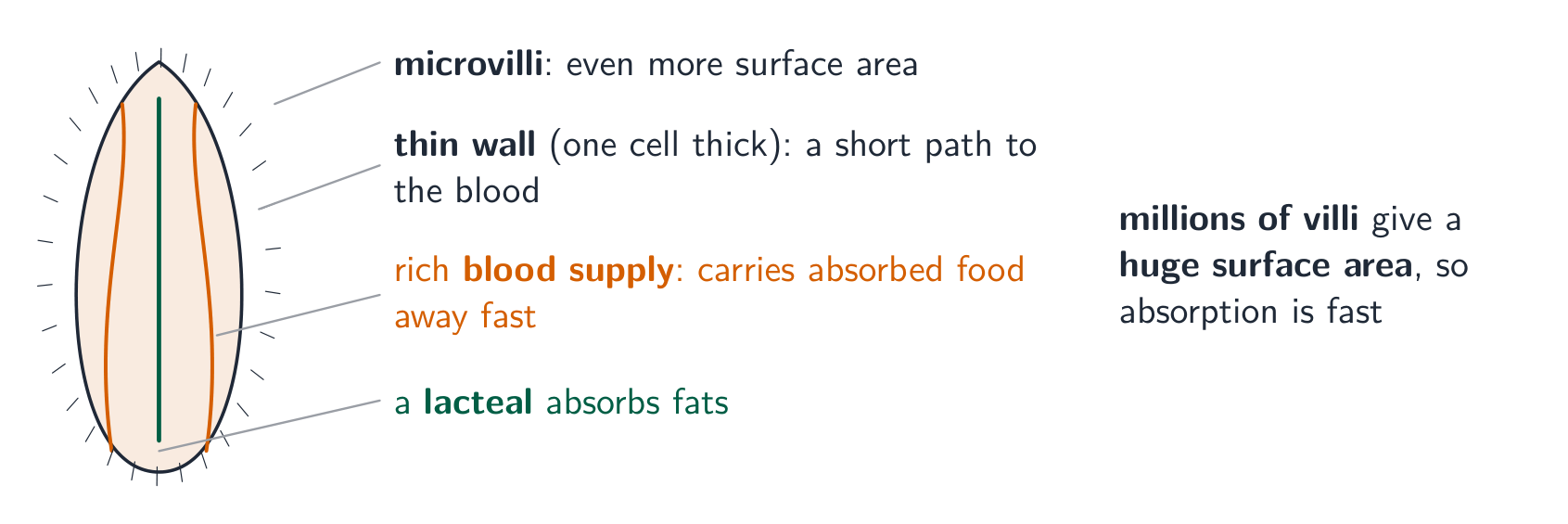
The inside of the small intestine is covered with millions of tiny finger-shaped villi 绒毛. Each villus is itself covered in much smaller microvilli 微绒毛. Together these give a huge surface area, so absorption is fast.

A single villus has:

  • a wall just one cell thick, so molecules have only a short distance to travel.
  • a network of capillaries 毛细血管 that carry away absorbed glucose and amino acids.
  • a lacteal 乳糜管 in the centre that carries away absorbed fatty acids and glycerol.
العربية

يتم امتصاص المغذيات المهضومة في الدم في الأمعاء الدقيقة. يتم امتصاص معظم الماء هنا أيضاً؛ يمتص العمود العظيم الباقي، تاركاً برازاً صلباً.

الزغابات (ملحق)

داخل الأمعاء الدقيقة مغطى بملايين الزغابات الصغيرة الشبيهة بالأصابع الزغابات. كل زغابة مغطاة بـ زغابات دقيقة أصغر بكثير. معاً توفر هذه مساحة سطح ضخمة، لذا يكون الامتصاص سريعاً.

حليم واحد مُعلّل بتكيفاته: الزغابات الدقيقة لمزيد من مساحة السطح، جدار رقيق بسمك خلية واحدة، إمداد دموي غني ينقل الغذاء بعيداً، ووعاء حليبي يمتص الدهون
الحليم متكيف للامتصاص السريع: الزغابات الدقيقة، الجدار الرقيق، الإمداد الدموي الغني والوعاء الحليبي

الحليم الواحد يحتوي على:

  • جدار بسمك خلية واحدة فقط، مما يعني أن الجزيئات تقطع مسافة قصيرة جداً.
  • شبكة من الشعيرات الدموية تنقل الجلوكوز والأحماض الأمينية الممتصة بعيداً.
  • وعاء حليبي في المركز ينقل الأحماض الدهنية والجلسرول الممتصة بعيداً.
حليم واحد: بروز يشبه الإصبع بجدار رقيق بسمك خلية واحدة، وزغابات دقيقة على سطحه، وشبكة شعيرات دموية تمتص الجلوكوز والأحماض الأمينية، ووعاء حليبي مركزي يمتص الأحماض الدهنية والجلسرول
الحليم يمتلك جداراً رقيقاً وشبكة شعيرات دموية ووعاءً حليبياً، من أجل الامتصاص السريع
Explore · ⁨استكشف⁩

Absorption at the villi · ⁨الامتصاص عند الحليمات⁩

The small intestine is lined with millions of villi that give a huge surface area for absorbing digested food. · ⁨تبطن الأمعاء الدقيقة بملايين الحليمات التي تمنح مساحة سطح هائلة لامتصاص الطعام المهضوم.⁩

7.5

Exam tips · ⁨نصائح للامتحان⁩

English
  • A balanced diet has the right amount of each part. Learn one source and one use for each.
  • Vitamin C ↔ scurvy; vitamin D ↔ rickets.
  • The five processes in order: ingestion → digestion → absorption → assimilation → egestion. Egestion (faeces) is not excretion.
  • Physical digestion makes pieces smaller (more surface area); chemical digestion uses enzymes to make molecules smaller and soluble.
  • amylase → sugars, protease → amino acids, lipase → fatty acids + glycerol. Stomach acid kills microorganisms and sets a low pH.
  • Villi and microvilli give a large surface area, and a thin wall gives a short distance — both make absorption faster.
العربية
  • النظام الغذائي المتوازن يحتوي على الكمية الصحيحة من كل عنصر. ادرس مصدراً واحداً واستخداماً واحداً لكل منها.
  • فيتامين سي ↔ مرض القلعة؛ فيتامين د contradictions الكساح.
  • العمليات الخمس بالترتيب: التناول → الهضم → الامتصاص → الاستيعاب → الطرد. الطرد (الفضلات) ليس طرحاً للمخلفات الأيضية.
  • الهضم الفيزيائي يصغر القطع (زيادة مساحة السطح)؛ الهضم الكيميائي يستخدم الإنزيمات لتكسير الجزيئات وجعلها أصغر وقابلة للذوبان.
  • الأميليز ← سكريات، البروتياز ← أحماض أمينية، الليباز ← أحماض دهنية + جلسرول. حمض المعدة يقتل الكائنات الدقيقة ويخلق وسطاً ذا حموضة منخفضة.
  • الحليمات والزغابات الدقيقة توفر مساحة سطح كبيرة، والجدار الرقيق يوفر مسافة قصيرة — وكلاهما يسرع عملية الامتصاص.

Interactive lessons on this topic · ⁨دروس تفاعلية حول هذا الموضوع⁩

Work through it step by step, with instant-check exercises. · ⁨ا-working عليه خطوة بخطوة، مع تمارين تحقق فوري.⁩

Past Papers · ⁨أوراق الامتحانات السابقة⁩

More topics in IGCSE Biology · ⁨IGCSE علم الأحياء⁩ · ⁨المزيد من المواضيع في IGCSE Biology · ⁨IGCSE علم الأحياء⁩⁩

Log in or create account · ⁨تسجيل الدخول أو إنشاء حساب⁩

IGCSE, A-Level & AP