تخيل أنك بنيت أداة ذكاء اصطناعي تصنف طلبات التوظيف بسرعة أكبر بعشر مرات. مديرك سعيد جدًا. لكنك تلاحظ شيئًا مقلقًا: إنها ترفض بصمت…
English narration · English + 中文 subtitles burned in · سرد باللغة الإنجليزية · ترجمة مدمجة بالإنجليزية + الصينية
7.1
Ethics for computing professionals · أخلاقيات المهنة المحاسبية
Syllabus · المنهج
English
Candidates should be able to:
Notes and guidance
Show understanding of the need for and purpose of ethics as a computing professional
Understand the importance of joining a professional ethical body including BCS (British Computer Society), IEEE (Institute of Electrical and Electronic Engineers)
Show understanding of the need to act ethically and the impact of acting ethically or unethically for a given situation
Show understanding of the need for copyright legislation
Show understanding of the different types of software licencing and justify the use of a licence for a given situation
Licences to include free Software Foundation, the Open Source Initiative, shareware and commercial software
Show understanding of Artificial Intelligence (AI)
Understand the impact of AI including social, economic and environmental issues
Understand the applications of AI
العربية
يجب أن يكون المرشحون قادرين على:
ملاحظات وإرشادات
إظهار فهم الحاجة إلى الأخلاقيات وهدفها كمهنة حاسوبية
فهم أهمية الانضمام إلى هيئة مهنية أخلاقية بما في ذلك BCS (الجمعية البريطانية لعلوم الحاسوب)، IEEE (مؤسسة مهندسي الكهرباء والإلكترونيات)
إظهار فهم الحاجة للتصرف بأخلاقية والتأثير الناتج عن التصرف بأخلاقية أو عدم الأخلاقية لموقف معين
إظهار فهم ضرورة التشريعات المتعلقة بـ حقوق النشر
إظهار فهم أنواع ترخيص البرمجيات المختلفة وتبرير استخدام ترخيص معين لموقف محدد
تشمل التراخيص: مؤسسة البرمجيات الحرة، المبادرة مفتوحة المصدر، البرمجيات التجريبية والبرمجيات التجارية
إظهار فهم الذكاء الاصطناعي (AI)
فهم تأثير الذكاء الاصطناعي بما في ذلك القضايا الاجتماعية والاقتصادية والبيئية
فهم تطبيقات الذكاء الاصطناعي
Source: Cambridge International syllabus · المصدر: منهج كامبريدج الدولي
English
A computing professional is someone whose work — software, systems, networks, data — affects other people. Because the work is technical, others often cannot judge whether it was done well or honestly. So the profession follows shared ethics 伦理 (principles for good behaviour).
Why ethics matters
trust — users and employers trust professionals to act in their interest. Without that trust, software loses credibility.
impact — software runs medical devices, banking, vehicles. Careless or dishonest work can hurt people.
Professional bodies (BCS, ACM, IEEE) publish codes of ethics for members.
Typical principles
public interest first — protect the safety and welfare of those affected.
honesty and competence — be honest about your skills; don't claim expertise you lack.
confidentiality 保密性 — protect clients' and employers' private information.
avoid conflicts of interest 利益冲突 — don't take work where your interest clashes with the client's.
keep your skills current; respect intellectual property 知识产权 and privacy 隐私; treat colleagues fairly.
Joining a professional body
The syllabus names two: the BCS (British Computer Society) and the IEEE (Institute of Electrical and Electronics Engineers). Both publish a code of conduct 行为准则 that members agree to follow. The benefits of joining, in the scheme's words: a set of ethical guidelines to follow, so decisions are not left to personal judgement; training, conferences and publications that keep the member up to date; advice and support, including legal help, when a problem arises; and recognised professional status, so employers and clients trust the member's work. The consequences of not joining: no guidance on ethical decisions, so the programmer may act unethically without realising; less credibility with employers and customers, so it is harder to win work; no support in a dispute; and being out of date with developments and law. The purpose of a code of conduct (two marks): to create a safe, respectful and professional working environment, and to make sure every employee understands what is expected and the consequences of their actions.
Worked example. Explain why a programmer needs to act ethically towards colleagues and towards the public.
Colleagues: treat them fairly and without discrimination; respect their work, their ideas and their confidential information; be honest about mistakes and give credit where it is due; support their development rather than undermine it. The public: protect their personal data and privacy; produce software that is safe, reliable and properly tested, because faults can cause harm; be honest about what the software can do; take on only work within your competence; obey the law and consider the wider effects on society and the environment. Each side earns marks for a reason and its consequence, not for the word "fair" alone.
Acting ethically vs unethically
Acting ethically protects users, strengthens reputation, reduces legal risk, and builds trust. Acting unethically (skipping testing, hiding bugs, misusing data) can harm real users, lead to dismissal or legal action, damage reputation, and erode trust in technology generally.
When you face a borderline decision: identify whose interests are affected, check the code of ethics and the law, weigh the consequences, ask a trusted senior, and choose the option that protects users above short-term convenience.
Worked example. Your team's new AI hiring tool sorts CVs ten times faster, but you notice it rejects more older applicants. Shipping it pleases your manager, but it treats one group unfairly. The ethical choice is to hold it back until the bias is fixed — public interest and fairness come before short-term convenience.
Ethics also applies to users. A student who connects a personal computer to the school network should respect other people's privacy and data, not use social media inappropriately or bully others, not download or share copyrighted material, not introduce malware or try to access systems they are not allowed to, and use the network for the purpose it was provided. A "give three ethical considerations" answer lists three of these.
العربية
الـ متخصص الحاسوبي هو شخص يؤثر عمله — البرمجيات، الأنظمة، الشبكات، البيانات — على الآخرين. ولأن العمل فني، غالباً ما لا يستطيع الآخرون الحكم على ما إذا كان قد تم إنجازه بشكل جيد أو بأمانة. لذا يتبع المهنة أخلاقيات مشتركة (مبادئ للسلوك الجيد).
لماذا الأخلاقيات مهمة
الثقة — المستخدمون وأصحاب العمل يثقون بالمهنيين في التصرف لصالحهم. بدون تلك الثقة، تفقد البرمجيات مصداقيتها.
التأثير — تعمل البرمجيات على الأجهزة الطبية، والبنوك، والمركبات. العمل careless or dishonest can hurt people.
المصلحة العامة أولاً — حماية سلامة ورفاه أولئك المتأثرين.
الأمانة والكفاءة — كن صادقاً بشأن مهاراتك؛ لا تدّعي خبرات تفتقر إليها.
السرية — حماية المعلومات الخاصة للعملاء وأصحاب العمل.
تجنب التعارض في المصالح — لا تقبل عملاً تتصادم فيه مصالحك مع مصلحة العميل.
حافظ على مهاراتك محدثة؛ احترم الملكية الفكرية والخصوصية؛عامل الزملاء بإنصاف.
الانضمام إلى هيئة مهنية
يذكر المنهج اثنتين: BCS (الجمعية البريطانية للكمبيوتر) وIEEE (معهد مهندسي الكهرباء والإلكترونيات). تنشر كلتيهما مدونة سلوك يتفق الأعضاء على اتباعها. من فوائد الانضمام، حسب نص الخطة: مجموعة من الإرشادات الأخلاقية لاتباعها، حتى لا تُترك القرارات للتقييم الشخصي؛ والتدريب والمؤتمرات والنشرات التي تبقي العضو مطلعاً؛ والنصح والدعم، بما في ذلك المساعدة القانونية عند ظهور مشكلة؛ والاعتراف بالمكانة المهنية، مما يجعل أصحاب العمل والعملاء يثقون في عمل العضو. عواقب عدم الانضمام: عدم وجود إرشادات للقرارات الأخلاقية، لذا قد يتصرف المبرمج بشكل غير أخلاقي دون أن يدرك؛ وقلة المصداقية لدى أصحاب العمل والعملاء، مما يجعل الفوز بالمشاريع أصعب؛ وعدم وجود دعم في حال حدوث نزاع؛ والخروج عن التطورات والقوانين. الغرض من مدونة السلوك (درجتان): خلق بيئة عمل آمنة ومحترمة ومهنية، وضمان فهم كل موظف لما هو مطلوب منه وعواقب أفعاله.
مثال محلول. اشرح لماذا يحتاج المبرمج إلى التصرف بأخلاقيات نحو الزملاء ونحو الجمهور.
الزملاء: تعامل معهم بإنصاف وبدون تمييز؛ احترم عملهم وأفكارهم ومعلوماتهم السرية؛ كن صادقاً بشأن الأخطاء وأعطِ الفضل لمن يستحقه؛ دعّم تطورهم بدلاً من إضعافه. الجمهور: احمِ بياناتهم الشخصية وخصوصيتهم؛ أنتج برمجيات آمنة وموثوقة ومختبرة جيداً، لأن الأخطاء قد تسبب ضرراً؛ كن صادقاً بشأن ما يمكن للبرنامج فعله؛ تقبل فقط الأعمال ضمن كفاءتك؛ التزم بالقانون واعتبر الآثار الأوسع على المجتمع والبيئة. كل جانب يحصل على درجات لسبب ونتيجته، وليس لكلمة "إنصاف" وحدها.
التصرف بأخلاقيات مقابل عدم أخلاقيات
التصرف بأخلاقيات يحمي المستخدمين، ويعزز السمعة، ويقلل المخاطر القانونية، ويبني الثقة. أما التصرف بعدم أخلاقيات (تخطي الاختبار، إخفاء الأخطاء، إساءة استخدام البيانات) فقد يضر مستخدمين حقيقيين، ويؤدي إلى الفصل أو الدعاوى القضائية، ويضر بالسمعة، ويهرس الثقة في التكنولوجيا عموماً.
عندما تواجه قراراً حدودياً: حدد whose interests are affected, check the code of ethics and the law, weigh the consequences, ask a trusted senior, and choose the option that protects users above short-term convenience.
مثال محلول. أداة التوظيف الجديدة بالذكاء الاصطناعي لفريقك تصنف السير الذاتية بسرعة تعادل عشرة أضعاف، لكنك تلاحظ أنها ترفض عددًا أكبر من المتقدمين الأكبر سناً. تسليمها يسعد مديرك، لكنها تعامل فئةً بشكل غير عادل. الخيار الأخلاقي هو إبقائها رهن الانتظار حتى يتم إصلاح التحيز — المصلحة العامة والإنصاف يأتيان قبل الراحة قصيرة المدى.
الأخلاقيات تنطبق أيضًا على المستخدمين. طالب يربط جهاز كمبيوتر شخصي بشبكة المدرسة يجب أن يحترم خصوصية الآخرين وبياناتهم، ولا يستخدم وسائل التواصل الاجتماعي بطريقة غير لائقة أو يعرّض الآخرين للإرهاق، ولا ينزل أو يشارك مواد محمية بحقوق الطبع والنشر، ولا يُدخل برامج ضارة أو يحاول الوصول إلى أنظمة ليس له صلاحية الدخول إليها، ويستخدم الشبكة للغرض الذي وُجدت من أجله. إجابة "اذكر ثلاثة اعتبارات أخلاقية" تسرد ثلاثة منها.
Explore · استكشف
Risk and responsibility lab · مختبر المخاطرة والمسؤولية
Sort examples by the rule, risk or protection involved. · رتب الأمثلة حسب القاعدة أو المخاطرة أو الحماية المعنية.
Copyright 版权 is the legal right of the creator of an original work to control how it is copied, distributed, modified and performed. It applies automatically (no registration) to source code, software, documents, images, audio and video.
Without copyright, anyone could copy software freely, the developer would not be paid, and plagiarism would be legal. With copyright, developers can earn from their work (encouraging more software), users know who made it, and re-use happens on the developer's terms through licensing. Copyright lasts a long time (often 70 years after the creator's death). General ideas and algorithms are not covered by copyright but may be covered by a patent 专利.
Why a programmer should copyright a program, in the scheme's words: to be identified as the owner and author (formal recognition of ownership); so that there are legal consequences if anyone copies or steals it; to restrict competitors from selling the same work; and to be able to earn money by licensing it. Copyright applies to the program as written; a different program that does the same job does not infringe it.
العربية
حقوق النشر هي الحق القانوني لصاحب العمل الأصلي في التحكم في كيفية نسخه وتوزيعه وتعديله وأدائه. تنطبق تلقائياً (بدون تسجيل) على الكود المصدري والبرمجيات والمستندات والصور والصوت والفيديو.
بدون حقوق النشر، يمكن لأي شخص نسخ البرمجيات بحرية، ولن يحصل المطور على أجره، وسيكون سرقة الأعمال فنية قانونية. ومع حقوق النشر، يمكن للمطورين تحقيق العائد من أعمالهم (مما يشجع على إنتاج المزيد من البرمجيات)، ويعرف المستخدمون من أنتجها، ويحدث إعادة الاستخدام بشروط المطور عبر التراخيص. تستمر حقوق النشر لفترة طويلة (غالباً 70 عاماً بعد وفاة المؤلف). الأفكار العامة والخوارزميات غير مشمولة بحقوق النشر ولكن قد تكون مشمولة بـ براءة اختراع.
لماذا ينبغي للمبرمج تسجيل حقوق النشر لبرنامجه، حسب نص الخطة: ليكون معروفاً كمالك ومؤلف (اعتراف رسمي بالملكية)؛ حتى تكون هناك عواقب قانونية إذا قام أي شخص بنسخه أو سرقتِه؛ لتقييد المنافسين من بيع نفس العمل؛ ولأن يكون قادراً على تحقيق إيرادات من خلال ترخيصه. تنطبق حقوق النشر على البرنامج كما كُتب؛ برنامج مختلف يقوم بنفس الوظيفة لا ينتهكها.
حقوق النشر تلقائية وطويلة الأمد؛ يجب تقديم براءة اختراع وتستمر حوالي 20 عاماً
Explore · استكشف
Risk and responsibility lab · مختبر المخاطرة والمسؤولية
Sort examples by the rule, risk or protection involved. · رتب الأمثلة حسب القاعدة أو المخاطرة أو الحماية المعنية.
optical character recognition/ˈɒptɪkl ˈkærɪktə ˌrekəɡˈnɪʃn/
التعرف الضوئي على الأحرف
text-to-speech/tekst tə spiːtʃ/
النص إلى كلام
7.1
Software licences · تراخيص البرمجيات
English
A software licence 软件许可证 is a contract granting permission to use software on the owner's terms; choosing and applying one is called software licencing.
Commercial (proprietary)
commercial software is sold: you buy a licence; the software is used only within its terms.
the source code is not given (a proprietary 专有 product); you cannot modify or redistribute it.
examples: Microsoft Office, Adobe Photoshop, most games.
Used when the developer wants revenue per user and to keep control of the code.
Open-source
the source code is public; users can read, modify and redistribute it (open-source 开源).
permissive licences (MIT, BSD) allow almost any use; copyleft 著佐权 licences (GPL) require that modified versions are released under the same licence ("share-alike").
the Free Software Foundation (FSF) and the Open Source Initiative (OSI) promote and approve open-source licences.
The syllabus names both, and they are marked as distinct answers. Free Software (the FSF's term) means free as in freedom, not price: the user may run the program for any purpose, study and change it (so the source code must be available), redistribute copies, and distribute modified versions; a fee may still be charged for a copy. Open Source (the OSI's definition) requires that the source code is available, that the program may be modified and redistributed, and that the licence does not discriminate against any person or field of use. "Identify two licence types that let other people edit and redistribute the program" is answered with these two.
examples: Linux, Python, Apache.
Used when the developer wants the software widely used and improved by the community.
Freeware and shareware
freeware 免费软件 — free of charge, no source code, may be redistributed but not modified (Acrobat Reader, WhatsApp).
shareware 共享软件 — free for a trial period, then you pay to keep using it; no source code.
The scheme's descriptions: shareware is distributed free for a trial (a limited time or limited features) and the user pays to continue using the full version; commercial software is sold for a fee, the source code is not supplied, the licence protects the developer's intellectual property, and the fee usually buys support and updates. Benefits of shareware to the programmer: users can try the program before buying, so they are more likely to purchase; it spreads widely at almost no advertising cost; and those who keep it pay. Benefits of a commercial licence: the developer earns a fee for every copy; the code and its rights stay protected; and the income funds support, updates and further development.
Type
Cost
Source
Redistribute
Modify
Commercial
Paid
No
No
No
Open-source
Free
Yes
Yes
Often, with conditions
Freeware
Free
No
Yes
No
Shareware
Free trial, then paid
No
Sometimes
No
To justify a licence choice, link it to the developer's goal (revenue, reach, community), the user's needs (cost, customising), and the use case.
Worked example. A programmer has written a game to sell to the public. Identify the most appropriate licence and justify it.
A commercial licence: the game is sold for a fee, so the programmer earns money from every copy; the source code is not released, so nobody can copy the game or change it and sell it as their own; the licence protects the intellectual property; and buyers receive updates and support. Open source would not fit, because the source code would be available, so the game could be copied, changed and redistributed without payment.
Worked example. A program helps shoppers by reading product labels aloud. Explain why an open source licence might not be appropriate.
The source code would be accessible, so it could be changed; a changed version might output the wrong product information, so shoppers could buy the wrong item; and the programmer would lose control over the quality and safety of what is distributed under the program's name. Going the other way, programs are released as open source so that other developers can improve and extend them, so that they are adopted widely at no cost, and so that users can adapt them to their own needs.
العربية
ترخيص البرمجيات هو عقد يمنح الإذن باستخدام البرمجيات بشروط المالك؛ واختياره وتطبيقه يسمى ترخيص البرمجيات.
التجارية (المملوكة)
البرمجيات التجارية تُباع: أنت تشتري ترخيصاً؛ يُستخدم البرمج فقط ضمن شروطه.
لا يتم تقديم الكود المصدري (منتج مملوك); لا يمكنك تعديله أو إعادة توزيعه.
أمثلة: مايكروسوفت أوفيس، أدوبي فوتوشوب، معظم الألعاب.
يُستخدم عندما يرغب المطور في تحقيق إيرادات لكل مستخدم والاحتفاظ بالتحكم في الكود.
التراخيص المسموحة (MIT, BSD) تسمح بأي استخدام تقريبًا؛ أما تراخيص التقاسم العكسي (GPL) فتتطلب إصدار النسخ المعدلة تحت نفس الترخيص ("المشاركة المتشابهة").
تروج وتوافق مؤسسة البرمجيات الحرة (FSF) ومبادرة المصدر المفتوح (OSI) على التراخيص مفتوحة المصدر.
يذكر المنهج كلا المفهومين، ويُشار إليهما كإجابات منفصلة. البرمجيات الحرة (مصطلح FSF) تعني الحرية وليس السعر: يجوز للمستخدم تشغيل البرنامج لأي غرض، ودراسته وتعديله (لذا يجب توفر الكود المصدري)، وإعادة توزيع نسخه، وتوزيع النسخ المعدلة؛ وقد يُفرض رسوم مقابل نسخة. أما المصدر المفتوح (تعريف OSI) فيشترط توفر الكود المصدري، وإمكانية تعديل البرنامج وإعادة توزيعه، وعدم تمييز الترخيص ضد أي شخص أو مجال استخدام. "حدد نوعين من التراخيص يسمحان للآخرين بتعديل البرنامج وإعادة توزيعه" تُجاب بهذين النوعين.
أمثلة: لينكس، بايثون، أباشي.
يُستخدم عندما يرغب المطور في أن يكون البرمج مستعملًا على نطاق واسع ومحسنًا من قبل المجتمع.
برمجيات مجانية وبرمجيات تجريبية
البرمجيات المجانية — مجانية، بلا كود مصدر، قد تُعاد توزيعها لكن لا تُعدّل (Acrobat Reader, WhatsApp).
البرمجيات التجريبية — مجانية لفترة تجربة، ثم تدفع لاستمرار استخدامها؛ بلا كود مصدر.
وصف المخطط: البرمجيات التجريبية توزع مجانًا لفترة تجربة (زمن محدود أو ميزات محدودة) ويدفع المستخدم لاستكمال استخدام النسخة الكاملة؛ أما البرمجيات التجارية فتُباع بسعر، ولا يُقدَّم الكود المصدري، ويحمي الترخيص الملكية الفكرية للمطور، وعادةً ما يغطي الرسوم الدعم والتحديثات. فوائد البرمجيات التجريبية للمبرمج: يمكن للمستخدمين تجربة البرنامج قبل الشراء، مما يزيد احتمالية شرائهم له؛ تنتشر على نطاق واسع بتكلفة إعلانية شبه معدومة؛ ومن يستمر في استخدامه يدفع ثمنه. فوائد الترخيص التجاري: يكسب المطور رسومًا مقابل كل نسخة؛ ويبقى الكود وحقوقه محميًا؛ وتُمول الإيرادات الدعم والتحديثات والتطوير المستقبلي.
النوع
التكلفة
المصدر
إعادة التوزيع
التعديل
تجاري
مدفوع
لا
لا
لا
مفتوح المصدر
مجاني
نعم
نعم
غالبًا، بشروط
مجاني
مجاني
لا
نعم
لا
تجريبية
تجربة مجانية ثم مدفوعة
لا
أحيانًا
لا
اختيار ترخيص بناءً على هدف المطور
لتبرير اختيار الترخيص، اربطه بهدف المطور (الإيرادات، الانتشار، المجتمع)، واحتياجات المستخدم (التكلفة، التخصيص)، وحالة الاستخدام.
مثال محلول. كتب مبرمج لعبة للبيع للجمهور. حدد الترخيص الأنسب وبرر اختياره.
ترخيص تجاري: تُباع اللعبة بسعر، فيكسب المبرمج المال من كل نسخة؛ لا يُطلق الكود المصدري، فلا أحد يستطيع نسخ اللعبة أو تغييرها وبيعها باسمه الخاص؛ يحمي الترخيص الملكية الفكرية؛ ويستلم المشترون التحديثات والدعم. لن يناسب المصدر المفتوح، لأن الكود المصدري سيكون متاحًا، مما يسمح بنسخ اللعبة وتعديلها وإعادة توزيعها دون دفع.
مثال محلول. برنامج يساعد المتسوقين بقراءة ملصقات المنتجات صوتيًا. اشرح لماذا قد لا يكون الترخيص مفتوح المصدر مناسبًا.
سيكون الكود المصدري متاحًا، فيمكن تعديله؛ وقد تؤدي نسخة معدّلة إلى عرض معلومات خاطئة عن المنتج، مما يجعل المتسوقين يشترون سلعًا غير مقصودة؛ وسيفقد المبرمج التحكم في جودة وأمان ما يُوزع باسم البرنامج. وبالعكس، تُطلق البرامج كمفتوحة المصدر ليتمكن مطوروها الآخرون من تحسينها وتطويرها، لتتبنى على نطاق واسع مجانًا، ولتتمكن المستخدمين من تكييفها مع احتياجاتهم الخاصة.
Artificial intelligence 人工智能 builds systems that do tasks once thought to need human intelligence — recognising speech and images, translating, playing games, driving.
Most modern AI uses machine learning 机器学习 — algorithms that improve at a task by learning patterns from large amounts of data, instead of being programmed step by step. Deep learning 深度学习, using neural networks 神经网络 with many layers, is the leading approach today.
Everyday examples
AI tasks split into two kinds — understanding input, and producing output or decisions.
Understanding input:
speech recognition 语音识别 — spoken words to text (voice assistants).
image recognition 图像识别 — finding objects, faces or text in images.
Producing output or decisions:
machine translation 机器翻译 — automatic translation between languages.
recommendation systems 推荐系统 — suggesting products, videos or music.
autonomous vehicles 自动驾驶汽车 and robots.
A common exam scenario: a program reads a label with a camera, translates it, and reads it aloud — using optical character recognition 光学字符识别 to find the words, machine translation to convert them, and text-to-speech 文本转语音 for the audio.
A four-mark "explain how AI is used" answer follows the pipeline step by step: image recognition (OCR) analyses the pixels of the photograph to locate the characters; the patterns of pixels are converted into individual characters and words; machine translation converts the words into the user's language; and text-to-speech produces the spoken output. Each step is a mark.
Benefits
accessibility — speech/image AI helps users with impairments; translation helps non-native speakers.
productivity — automating repetitive tasks frees people for creative work.
decision support — AI spots patterns in huge datasets (medical diagnosis, fraud detection).
always available, and personalised to each user.
Impacts: social, economic, environmental
The syllabus asks for the impact of AI under three headings, and a question names one of them. Give the impact and its consequence.
Social: benefits — a label-reading program helps people with a visual impairment, people who cannot read the language, and people with reading difficulties; facial recognition at an airport speeds up identity checks and can stop wanted people entering. Harms — facial recognition can misidentify people and tracks everyone without consent, so privacy is lost; students who use AI to do their homework may not develop reasoning and problem-solving skills, may rely on it instead of learning, and may lose the collaboration and face-to-face communication that working together brings.
Economic: an AI fault-diagnosis module in a repair garage diagnoses faults faster and more accurately, so more vehicles are repaired per day and costs fall; but fewer skilled mechanics may be needed, so jobs are lost, and the module must be bought and maintained. More generally, AI raises productivity and creates new jobs in some fields while removing routine jobs in others.
Environmental: training and running large models uses a great deal of electricity and water for cooling in data centres, and the hardware becomes e-waste; on the other side, AI is used to cut energy use in buildings, optimise transport and monitor the environment.
Ethical (the classroom question): an AI that marks work or watches students must be fair to every student, must not leak their data, must be explainable when it makes a decision about them, and must not replace the judgement of a teacher where that matters.
Concerns
bias 偏见 — unfair patterns in the training data become unfair AI decisions (hiring, lending).
job displacement — AI may replace some roles.
privacy — training often uses large amounts of personal data.
transparency — large models are "black boxes", hard to explain.
accountability — when AI is wrong, who is responsible: developer, user, or operator?
misuse — deepfakes, misinformation, surveillance.
Professionals must understand the limits of the AI they build, inform users, and reduce harm.
العربية
الذكاء الاصطناعي يبني أنظمة تقوم بمهام كانت تُعتقد سابقًا أنها تتطلب ذكاء بشريًا — مثل التعرف على الكلام والصور، والترجمة، ولعب الألعاب، وققيادة المركبات.
تستخدم معظم الذكاء الاصطناعي الحديث تعلم الآلة — خوارزميات تتحسن في مهمة ما بالتعلم من أنماط كميات كبيرة من البيانات، بدلاً من البرمجة خطوة بخطوة. ويعتبر التعلم العميق، الذي يستخدم شبكات عصبية متعددة الطبقات، النهج الرائد حاليًا.
أمثلة يومية
تنقسم مهام الذكاء الاصطناعي إلى نوعين — فهم المدخلات، وإنتاج مخرجات أو قرارات.
فهم المدخلات:
التعرف على الكلام — تحويل الكلمات المنطوقة إلى نص (المساعدات الصوتية).
التعرف على الصور — تحديد الأجسام أو الوجوه أو النصوص داخل الصور.
إنتاج مخرجات أو قرارات:
الترجمة الآلية — الترجمة التلقائية بين اللغات.
أنظمة التوصية — اقتراح منتجات أو فيديوهات أو موسيقى.
المركبات ذاتية القيادة والروبوتات.
سيناريو امتحان شائع: برنامج يقرأ ملصقًا بكاميرا، ترجمه، ويقرؤه صوتيًا — باستخدام التعرف البصري على الحروف لإيجاد الكلمات، والترجمة الآلية لتحويلها، ونص-إلى-كلام للأudio.
سيناريو شائع: استخراج النصوص من الصور (OCR) ← ترجمة آلية ← قراءة نصية-صوتية لتسمية أجنبية بصوت عالٍ
إجابة مؤهلة بأربع علامات "اشرح كيف يُستخدم الذكاء الاصطناعي" تتبع الخطوات على التوالي: التعرف على الصور (OCR) يحلل بكسلات الصورة لتحديد الحروف؛ يتم تحويل أنماط البكسل إلى أحرف وكلمات فردية؛ تقوم الترجمة الآلية بتحويل الكلمات إلى لغة المستخدم؛ وينتج نظام التحويل النصي-الصوتي المخرجات المنطوقة. كل خطوة تساوي علامة واحدة.
الفوائد
الوصول: يساعد الذكاء الاصطناعي في مجال الصوت/الصور المستخدمين ذوي الإعاقة؛ وتساعد الترجمة المتحدثين غير الأصليين للغة.
الإنتاجية: أتمتة المهام المتكررة تحرر الأفراد للعمل الإبداعي.
دعم اتخاذ القرار: يكتشف الذكاء الاصطناعي أنماطاً في مجموعات البيانات الضخمة (التشخيص الطبي، كشف الاحتيال).
متوفر دائمًا، ومُخصص لكل مستخدم.
التأثيرات: اجتماعية واقتصادية وبيئية
يتطلب المنهج الدراسي تأثير الذكاء الاصطناعي تحت ثلاثة عناوين، وقد تذكر السؤال أحد هذه العناوين. قدم التأثير و عاقبته.
اجتماعيًا: الفوائد — تساعد برنامج قراءة الملصقات الأشخاص ذوي الإعاقة البصرية، والأشخاص الذين لا يستطيعون قراءة اللغة، والأشخاص ذوي صعوبات القراءة؛ يسرع التعرف على الوجوه في المطارات عمليات التحقق من الهوية ويمكنه منع الأشخاص المطلوبين من الدخول. الأضرار — قد يؤدي التعرف على الوجوه إلى خطأ في تحديد هوية الأشخاص وتتبع الجميع بدون موافقتهم، مما يؤدي إلى فقدان الخصوصية؛ وقد لا يطور الطلاب الذين يستخدمون الذكاء الاصطناعي لإنجاز واجباتهم مهارات الاستدلال وحل المشكلات، وقد يعتمدون عليه بدلاً من التعلم، وقد يفقدون التعاون والتواصل المباشر الذي يجلبه العمل الجماعي.
اقتصاديًا: وحدة تشخيص الأعطال بالذكاء الاصطناعي في ورشة الإصلاح تكتشف الأعطال بشكل أسرع وأكثر دقة، مما يعني إصلاح عدد أكبر من المركبات يوميًا وانخفاض التكاليف؛ لكن قد تكون هناك حاجة أقل لميكانيكيين مهرة، مما يؤدي إلى فقدان الوظائف، ويجب شراء الوحدة وصيانتها. وبشكل عام، يرفع الذكاء الاصطناعي الإنتاجية ويخلق وظائف جديدة في بعض المجالات بينما يلغي الوظائف الروتينية في مجالات أخرى.
بيئيًا: يتطلب تدريب وتشغيل النماذج الكبيرة كميات كبيرة من الكهرباء والمياه للتبريد في مراكز البيانات، ويتحول الأجهزة إلى نفايات إلكترونية؛ ومن ناحية أخرى، يُستخدم الذكاء الاصطناعي لخفض استهلاك الطاقة في المباني وتحسين وسائل النقل ومراقبة البيئة.
أخلاقيًا (سؤال الفصل): يجب أن يكون الذكاء الاصطناعي الذي يصحح الأعمال أو يراقب الطلاب عادلًا مع كل طالب، ولا يجب أن يتسرب بياناته، ويجب أن يكون قابلاً للتفسير عند اتخاذ قرار بشأنه، ولا يجب أن يحل محل حكم المعلم عندما يكون ذلك مهمًا.
المخاوف
التحيز: الأنماط غير العادلة في بيانات التدريب تؤدي إلى قرارات ذكاء اصطناعي غير عادلة (في التوظيف، والقروض).
استبدال الوظائف: قد يستبدل الذكاء الاصطناعي بعض الأدوار.
الخصوصية: غالبًا ما تستخدم عملية التدريب كميات كبيرة من البيانات الشخصية.
الشفافية: تُعدّ النماذج الكبيرة "صناديق سوداء" يصعب تفسيرها.
المساءلة: عندما يخطئ الذكاء الاصطناعي، من هو المسؤول: المطور، المستخدم، أم المشغل؟
السوء استخدام: الصور المزيفة، المعلومات المضللة، والمراقبة.
كيف يدخل التحيز إلى الذكاء الاصطناعي: بيانات متحيزة → نموذج متحيز → قرارات غير عادلة
يجب على المحترفين فهم حدود الذكاء الاصطناعي الذي يقومون ببنائه، إعلام المستخدمين، وتقليل الضرر.
Explore · استكشف
Computing concept lab · مختبر مفاهيم الحوسبة.
Classify concrete examples by the computing idea they demonstrate. · صنّف الأمثلة المحددة حسب الفكرة الحاسوبية التي تمثلها.
Definitions the examiner accepts · التعريفات التي يقبلها المصحح
English
A definition question is marked against fixed wording. Learn these exactly.
Term
Definition
ethics
the moral principles that govern how a person behaves, in a profession the standards set out in its code of conduct
code of conduct
the rules an organisation or professional body sets for how its members must behave
copyright
the legal right of the creator of an original work to control how it is copied, distributed and modified
software licence
the legal agreement that states how a piece of software may be used, copied and distributed
commercial software
software sold for a fee, without source code, under a licence that protects the developer's intellectual property
free software (FSF)
software whose users are free to run, study, change and redistribute it, so its source code is available
open source (OSI)
software whose source code is available and which may be modified and redistributed under its licence
shareware
software distributed free for a trial period or with limited features, after which the user pays to continue
freeware
software that is free of charge to use and copy, but whose source code is not released and may not be modified
artificial intelligence
computer systems that perform tasks which normally need human intelligence, such as recognising images and speech
machine learning
a form of AI in which a system improves at a task by learning patterns from data rather than by explicit programming
العربية
السؤال التعريفي يتم تقييمه بناءً على صياغة ثابتة. احفظها بدقة.
مصطلح
تعريف
أخلاقيات
المبادئ الأخلاقية التي تحكم سلوك الشخص، وفي المهنة تعني المعايير المحددة في مدونة السلوك المهني
مدونة السلوك
القواعد التي تضعها المنظمة أو الهيئة المهنية حول كيفية تصرف أعضائها
حقوق النشر
الحق القانوني للمؤلف في العمل الأصلي في التحكم في كيفية نسخه وتوزيعه وتعديله
ترخيص البرمجيات
الاتفاقية القانونية التي تحدد كيفية استخدام نسخة برمجية معينة ونسخها وتوزيعها
البرمجيات التجارية
برمجيات تُباع مقابل رسوم، دون كود مصدر، بموجب ترخيص يحمي الملكية الفكرية للمطور
البرمجيات الحرة (FSF)
برمجيات يكون فيها المستخدمين أحرارًا في تشغيلها ودراسةها وتعديلها وإعادة توزيعها، لذا فإن كود المصدر متاح
مفتوح المصدر (OSI)
برمجيات يكون فيها كود المصدر متاحًا ويمكن تعديلها وإعادة توزيعها بموجب ترخيصها
البرمجيات التجريبية
برمجيات تُوزع مجانًا لفترة تجريبية أو بميزات محدودة، وبعد ذلك يدفع المستخدم لاستمرار الاستخدام
البرمجيات المجانية
برمجيات مجانية للاستخدام والنسخ، لكن كود المصدر غير منتشر ولا يمكن تعديله
الذكاء الاصطناعي
أنظمة حاسوبية تقوم بمهام تتطلب عادةً ذكاء بشريًا، مثل التعرف على الصور والصوت
التعلم الآلي
نوع من أنواع الذكاء الاصطناعي يتحسن فيه النظام في أداء مهمة عن طريق تعلم أنماط من البيانات بدلاً من البرمجة الصريحة
7.1
Exam tips · نصائح للامتحان
English
Answer ethics questions against a professional code of conduct (public interest, competence, honesty), not personal opinion.
Distinguish copyright (protects the expression) from a patent (protects an invention).
Compare software licences: proprietary, open-source, freeware, shareware and FOSS.
Common mistakes
Giving a personal opinion ("it is wrong") instead of a reason with a consequence ("faulty software could harm users, so it must be tested").
Treating free software and freeware as the same thing. Free software is about the freedom to study and change the code; freeware is merely free of charge.
Saying open source means free of charge. It means the source code is available and may be modified and redistributed; a fee may still be charged.
Writing that copyright must be registered. It applies automatically to the work as written.
Naming an impact without its consequence. "Job losses" scores when it is tied to why: the AI does the diagnosis, so fewer mechanics are needed.
Describing what AI is instead of how it is used. The marks are for the steps: recognise, convert, translate, speak.
العربية
أجب عن أسئلة الأخلاقيات بناءً على مدونة السلوك المهني (المصلحة العامة، الكفاءة، الأمانة)، وليس الرأي الشخصي.
افرق بين حقوق النشر (تحمي التعبير) وبراءة الاختراع (تحمي الاختراع).
قارن تراخيص البرمجيات: المملوكة، مفتوحة المصدر، مجانية، تجريبية، والبرمجيات الحرة والمفتوحة المصدر (FOSS).
أخطاء شائعة
تقديم رأي شخصي ("إنه خطأ") بدلاً من سبب له عاقبة ("قد تتسبب البرمجيات الخاطئة في ضرر للمستخدمين، لذا يجب اختبارها").
التعامل مع البرمجيات الحرة والبرمجيات المجانية كشيء واحد. البرمجيات الحرة تتعلق بالحرية في الدراسة وتعديل الكود؛ أما البرمجيات المجانية فهي مجرد مجانية من حيث التكلفة.
القول إن مفتوح المصدر يعني مجانيًا من حيث التكلفة. بل يعني أن كود المصدر متاح ويمكن تعديله وإعادة توزيعه؛ وقد يُفرض رسوم.pattern
كتابة أنه يجب تسجيل حقوق النشر. إنها تنطبق تلقائيًا على العمل بمجرد كتابته.
تسمية الأثر دون ذكر نتيجته. تُمنح الدرجات عندما يُربط الأمر بالسبب: الذكاء الاصطناعي يقوم بالتشخيص، لذا يُحتاج إلى عدد أقل من الميكانيكيين.
وصف ماهية الذكاء الاصطناعي بدلاً من شرح كيفية استخدامه. تُمنح الدرجات للخطوات: التعرف، التحويل، الترجمة، النطق.
Interactive lessons on this topic · دروس تفاعلية حول هذا الموضوع
Work through it step by step, with instant-check exercises. · ا-working عليه خطوة بخطوة، مع تمارين تحقق فوري.
Pick one and the site follows you — notes, papers, videos and practice all open on it. · اختر واحدًا وسيتبعك الموقع — الملاحظات، الأوراق، الفيديوهات والتدريب جميعها تفتح عليه.
Type to search notes, lessons, code, vocabulary and past-paper questions across every subject. · اكتب للبحث عن ملاحظات، دروس، أكواد، مفردات وأسئلة امتحانات سابقة عبر جميع المواد.


 تُعد الإلكترونيات المهجورة (النفايات الإلكترونية) تكلفة بيئية متزايدة لحوسبة,
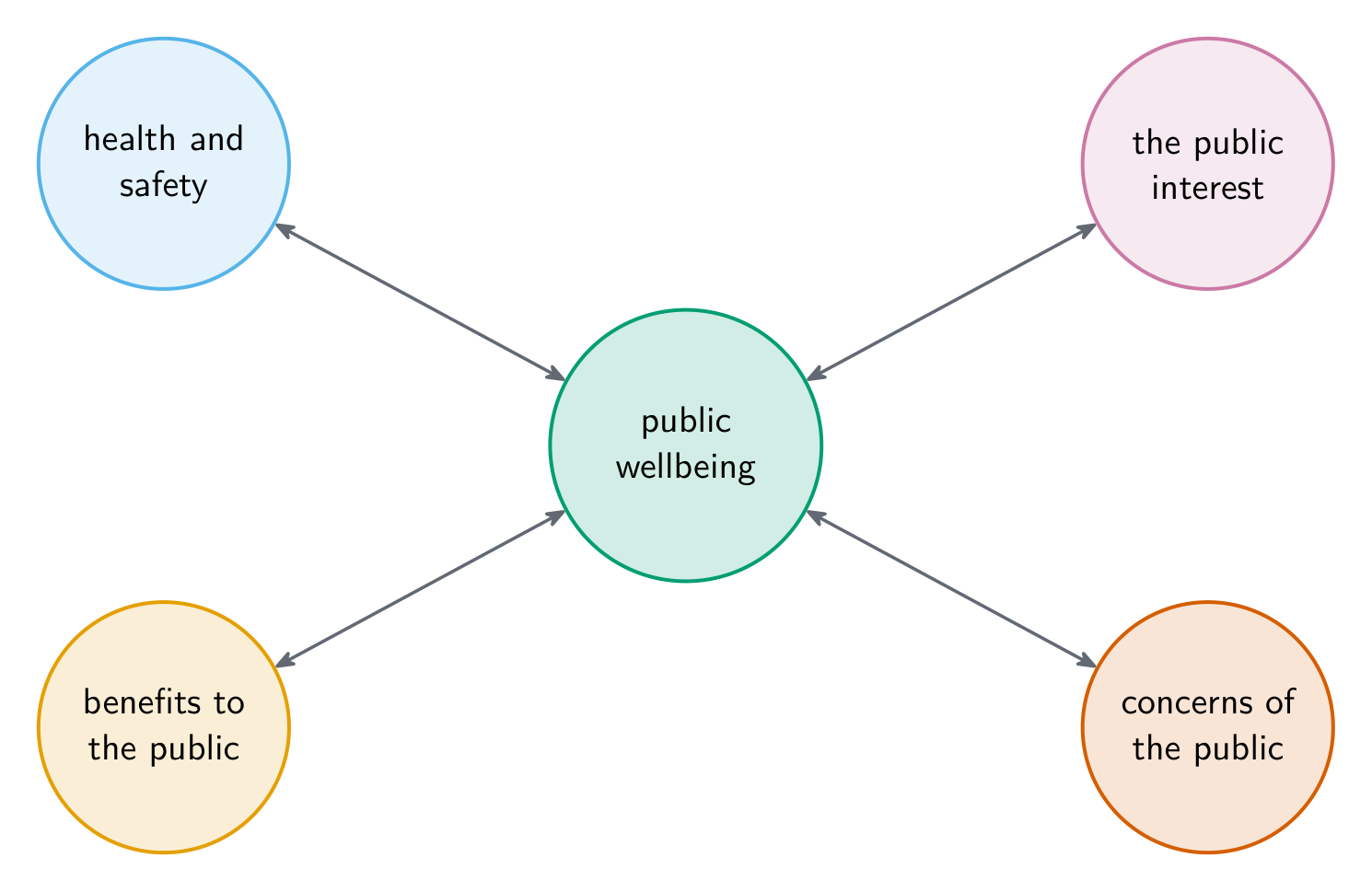 يؤثر تطوير البرمجيات على رفاهية الجمهور بعدة طرق,


