حاسوبان يريدان التحدث، لكن أحدهما يرسل بياناته بطريقة والأخر يتوقعها بشكل مختلف تماماً. النتيجة هي غيبوبة — مثل شخصين يتحدثان…
English narration · English + 中文 subtitles burned in · سرد باللغة الإنجليزية · ترجمة مدمجة بالإنجليزية + الصينية
14.1
Why protocols are needed · لماذا البروتوكولات ضرورية
Syllabus · المنهج
English
Candidates should be able to:
Notes and guidance
Show understanding of why a protocol is essential for communication between computers
Show understanding of how protocol implementation can be viewed as a stack, where each layer has its own functionality
Show understanding of the TCP/IPprotocol suite
Four Layers (Application, Transport, Internet, Link) Purpose and function of each layer Application when a message is sent from one host to another on the internet
Show understanding of protocols (HTTP, FTP, POP3, IMAP, SMTP, BitTorrent) and their purposes
أظهر فهمًا لسبب أهمية البروتوكول للاتصال بين الحواسيب
إظهار فهم كيفية اعتبار تنفيذ البروتوكول كـ طبقات متراكمة، حيث تمتلك كل طبقة وظيفتها الخاصة
إظهار فهم لمجموعة بروتوكولات TCP/IP
أربع طبقات (التطبيق، النقل، الإنترنت، الرابط) الغرض والوظيفة لكل طبقة التطبيق عند إرسال رسالة من جهاز إلى آخر على الإنترنت
إظهار فهم لـ البروتوكولات (HTTP، FTP، POP3، IMAP، SMTP، BitTorrent) وأغراضها
بروتوكول BitTorrent يوفر مشاركة ملفات من نقطة إلى نقطة
Source: Cambridge International syllabus · المصدر: منهج كامبريدج الدولي
English
A protocol 协议 is a set of rules for how devices communicate. Both ends must follow the same rules, or one side's signals are meaningless to the other. Protocols define the format of the data (where addresses and payload sit), the order of messages (who speaks first, when to acknowledge), the meaning of each message, the timing (timeouts, retransmits), and what to do on error. Without an agreed protocol, communication fails — like two people speaking different languages with no translator.
"Explain why protocols are essential for communication between computers" (three marks). (1) A protocol is a set of rules agreed by both the sender and the receiver; (2) without it the two computers would interpret the data differently (format, order, meaning of each part), so the message could not be understood; (3) it allows computers of different types and manufacturers to communicate, because everyone implements the same standard. Mention what the rules cover: the format of the data, the order of messages, error detection and recovery, and speed or timing.
العربية
البروتوكول هو مجموعة من القواعد تحدد كيفية تواصل الأجهزة. يجب على كلا الطرفين اتباع نفس القواعد، وإلا تصبح إشارات أحد الطرفين بلا معنى للطرف الآخر. تحدد البروتوكولات صيغة البيانات (أين تقع العناوين والحمل المفيد)، وترتيب الرسائل (من يتحدث أولاً، ومتى يتم التأكيد)، ومعنى كل رسالة، والتوقيت (انتهاء المهلة، إعادة الإرسال)، وما يجب فعله عند حدوث خطأ. بدون بروتوكول متفق عليه، تفشل عملية الاتصال — تماماً مثل شخصين يتحدثان لغتين مختلفتين دون مترجم.
"اشرح لماذا تُعدّ البروتوكولات ضرورية للاتصال بين أجهزة الكمبيوتر" (ثلاث درجات). (1) البروتوكول هو مجموعة من القواعد يتفق عليها كل من المرسل والمستقبل؛ (2) بدونه ستقوم الحاسوبان بتفسير البيانات بشكل مختلف (الصيغة، الترتيب، معنى كل جزء)، وبالتالي لن يُفهم الرسالة؛ (3) يتيح لأجهزة الكمبيوتر ذات الأنواع والمصنّعين المختلفين التواصل، لأن الجميع يطبقون نفس المعيار. اذكر ما تغطيه هذه القواعد: صيغة البيانات، ترتيب الرسائل، كشف الأخطاء واستعادتها، والسرعة أو التوقيت.
البروتوكول هو القواعد المشتركة: الصيغة، الترتيب، التوقيت والأخطاء
Networking is complex, so it is split into layers 层, each with one focused job, talking only to the layer above and below. Benefits: modularity 模块化 (replace one layer — say Ethernet with Wi-Fi — without touching the others), standardisation (vendors interoperate), and abstraction 抽象 (you ignore details handled elsewhere). The internet uses the TCP/IPprotocol suite 协议栈 (4 layers).
العربية
شبكة الإنترنت معقدة، لذا يتم تقسيمها إلى طبقات، كل منها له مهمة محددة، وتتواصل فقط مع الطبقة التي تعلوها وتحتها. الفوائد: النمطية (استبدال طبقة واحدة - مثلاً إيثرنت بجهاز الواي فاي - دون المساس بالطبقات الأخرى)، والتوحيد القياسي (تكامل الموردين)، والتجريد (تجاهل التفاصيل التي يتم التعامل معها في مكان آخر). تستخدم شبكة الإنترنت حزمة بروتوكولات TCP/IP (4 طبقات).
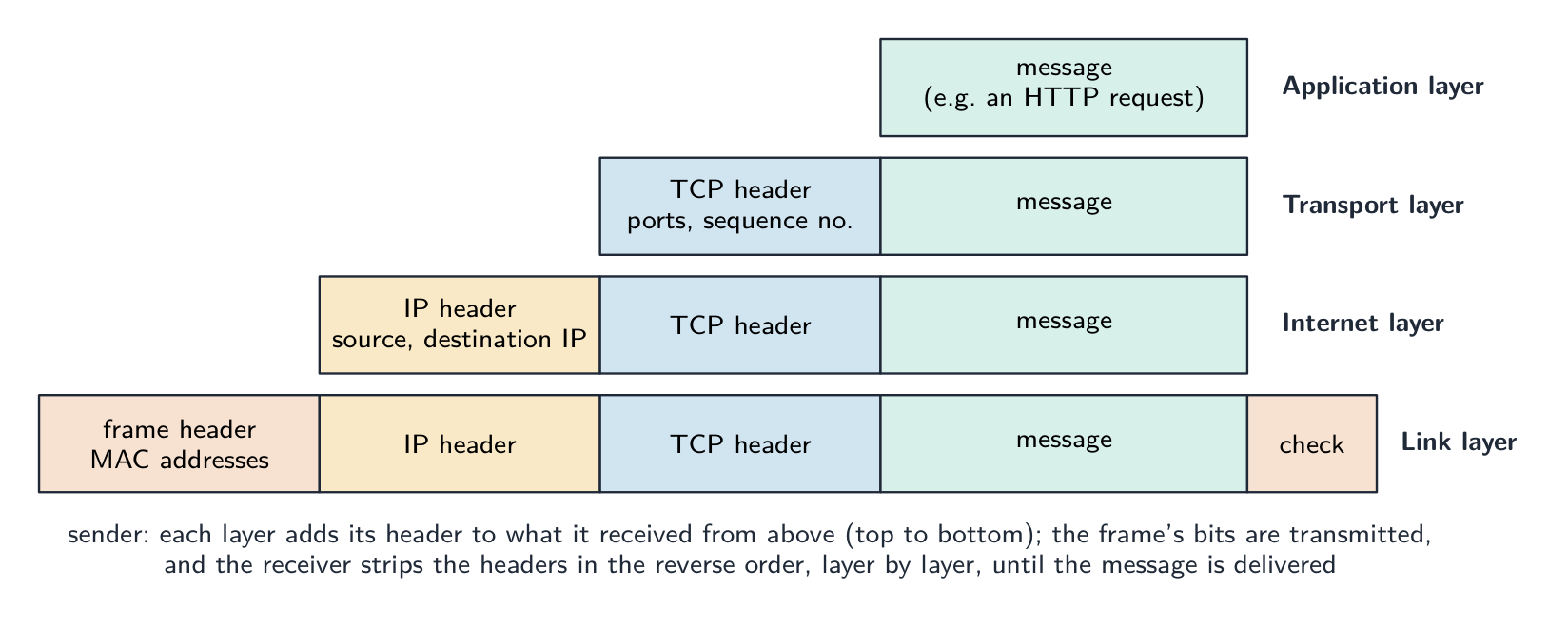
The purpose of each layer, as the mark scheme words it.Application layer: provides the protocols that user applications use (HTTP for the web, SMTP for email) and the interface between the application and the network; it produces the data to be sent and passes it to the transport layer. Transport layer: establishes the end-to-end connection, splits the data into packets (segments) and adds port numbers and sequence numbers; on receipt it reassembles the packets in order and requests any that are missing (TCP), or sends without those guarantees (UDP). Internet layer: adds the source and destination IP addresses to form IP packets (datagrams) and routes them across networks via routers; it does not guarantee delivery. Link layer: adds the MAC addresses and error-check bits to form a frame and transmits the bits over the physical local network (Ethernet or Wi-Fi) through the network interface card. "Complete the stack" means these four, in this order, from the top: Application, Transport, Internet, Link.
"Describe how the TCP/IP suite is applied when a message is sent from one host to another" (five marks). At the sender the message passes down the stack: (1) the application layer produces the data using a protocol such as HTTP or SMTP; (2) the transport layer splits it into packets and adds a header with the port numbers and a sequence number; (3) the internet layer adds a header with the source and destination IP addresses and chooses the route; (4) the link layer adds the MAC addresses of the next device and sends the frame over the physical link. Routers along the way read the internet-layer header and forward each packet. At the receiver the frame passes up the stack: each layer removes and acts on its own header, the transport layer reassembles the packets in sequence-number order and asks for any that are missing, and the application layer presents the message. The same protocol at each layer at both ends is what makes the exchange work.
Application layer
The application layer 应用层 gives services to user programs and defines the protocols they speak (HTTP for web, SMTP for email). This is where a programmer most often works.
Transport layer
The transport layer 传输层 delivers data end-to-end between processes, identified by port numbers 端口号. Two protocols:
TCP 传输控制协议 — connection-oriented 面向连接: sets up a connection, ensures all data arrives in order, retransmits lost packets 数据包, controls flow. Reliable but with overhead. Used by HTTP, HTTPS, SMTP, FTP.
UDP 用户数据报协议 — connectionless 无连接: sends and forgets, with no acknowledgements or ordering. Low overhead, no guarantees. Used for streaming, DNS and gaming, where speed beats reliability.
Internet layer
The internet layer 网络层 carries packets between hosts using IP. Each packet has a source and destination IP address IP地址, and routers 路由器 forward it onward. It does not guarantee delivery — that is TCP's job.
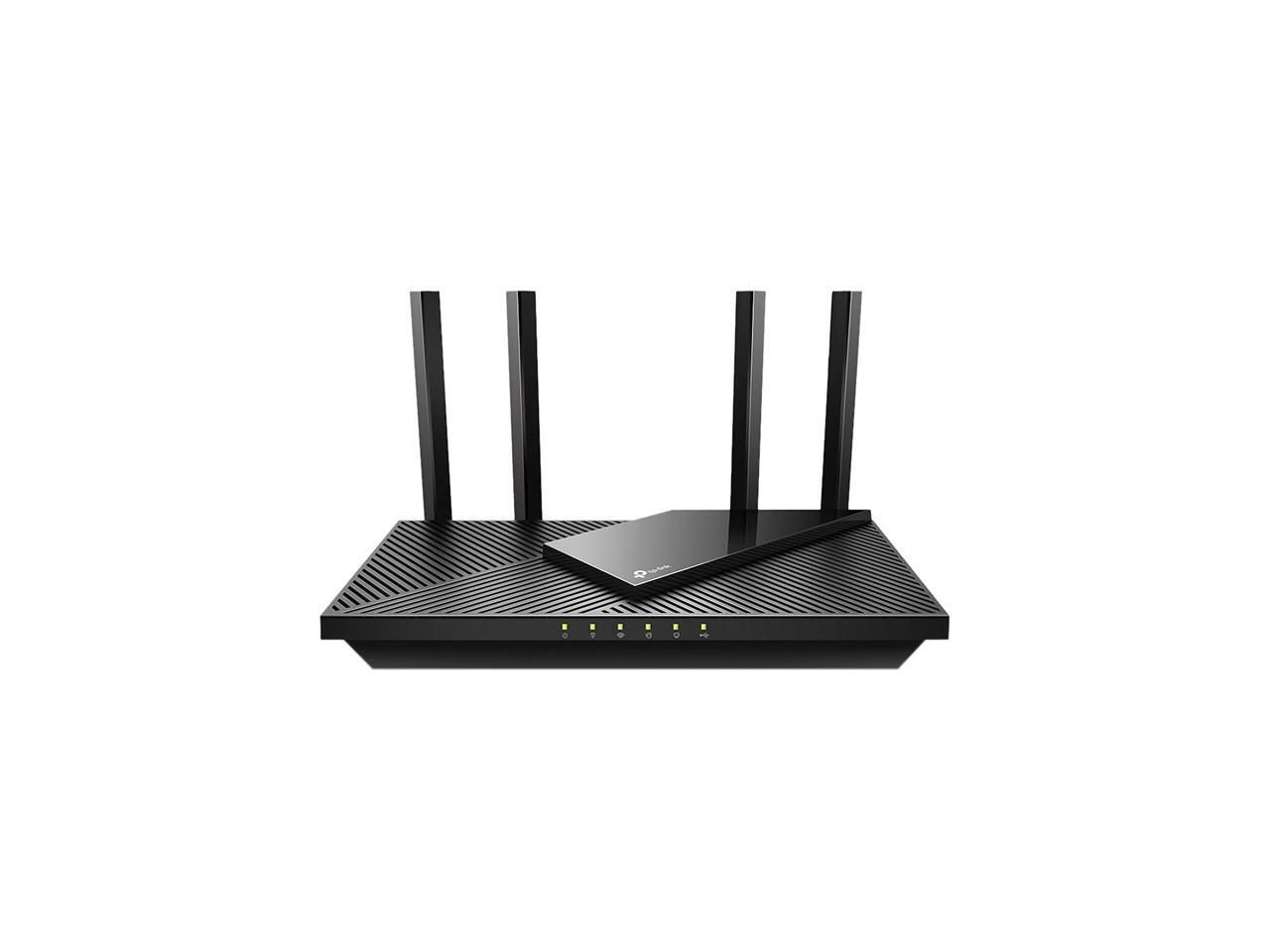
A home router does this job for your house: it reads each packet's destination address and sends it on towards the internet, and back to the right device.
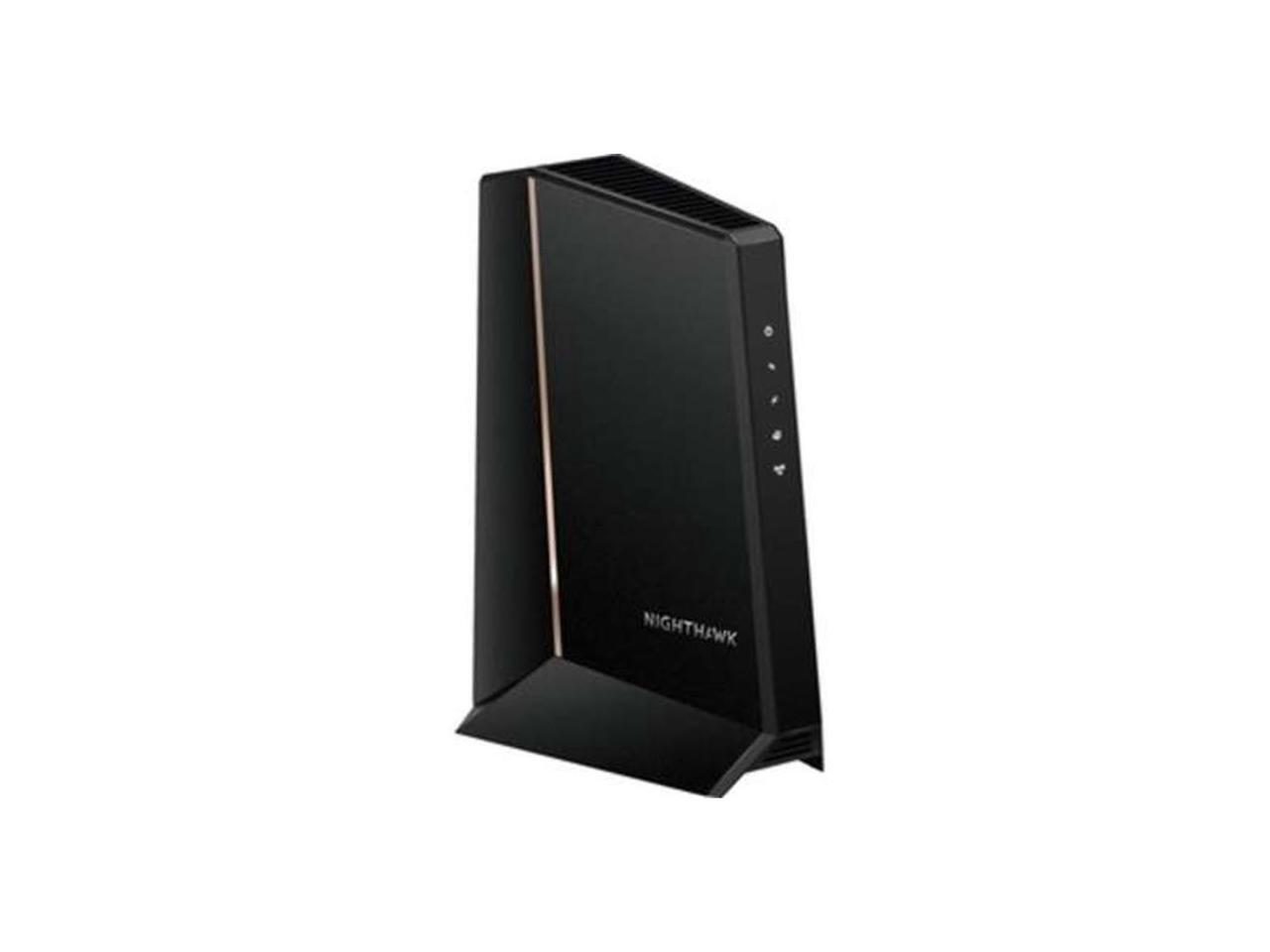
Before the router reaches the wider internet, a modem 调制解调器 connects the home to the internet provider over the provider's cable or phone line. Its lights show the link is up and online.
Link layer
The link layer 链路层 sends bits over one physical link (Ethernet, Wi-Fi). It adds a frame header with MAC addresses MAC地址 and handles medium access (e.g. CSMA/CD 载波侦听多路访问/冲突检测 on Ethernet).
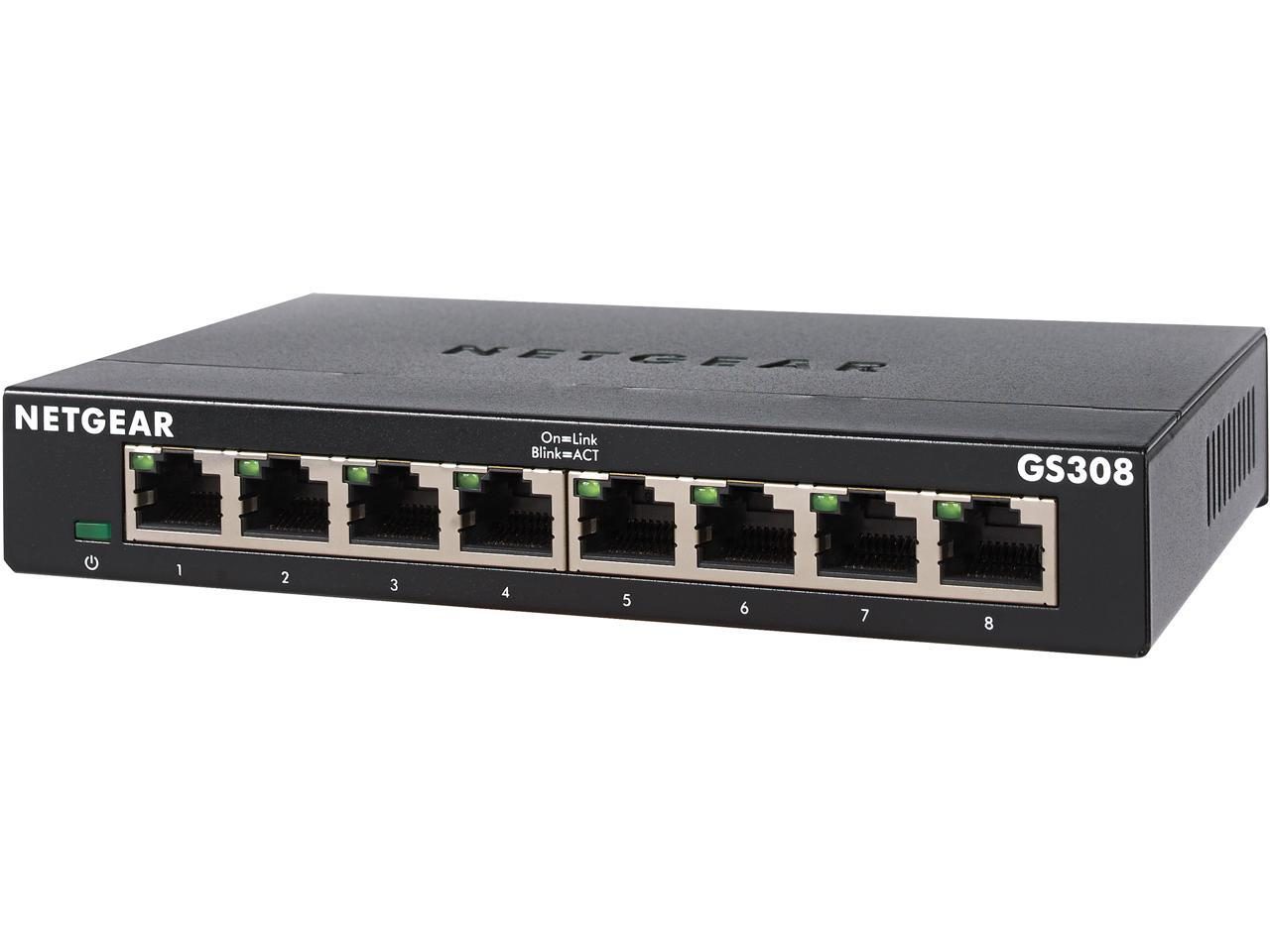
On a wired local network, a switch 交换机 joins many devices together. Each device plugs into a port with an Ethernet cable (an RJ45 plug), and the switch uses the MAC addresses in each frame to send it only to the correct port.
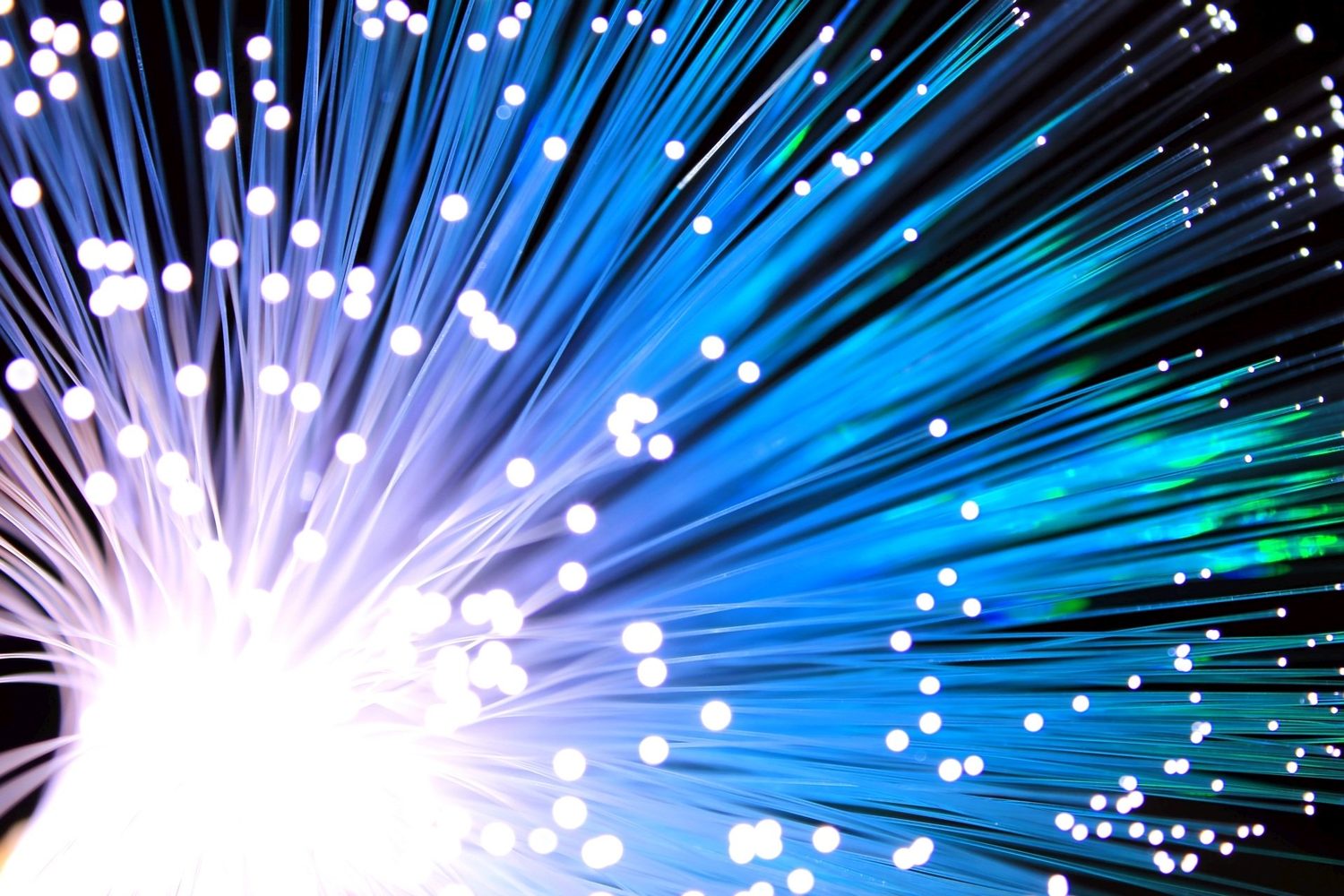
The physical link can be a copper wire, a radio signal (Wi-Fi), or a fibre-optic cable 光纤. In a fibre-optic cable, the bits travel as flashes of light through very thin strands of glass, which is fast and carries data a long way.
A radio link can reach much further. A satellite dish 卫星天线 sends and receives radio signals to and from a satellite, carrying data to places that wired links cannot easily reach.
العربية
الطبقة
الغرض
أمثلة
تطبيق
ما يفعله برنامج المستخدم
HTTP, FTP, SMTP, IMAP
نقل
التسليم من طرف إلى طرف بين العمليات
TCP, UDP
إنترنت
توجيه الحزم بين الشبكات
IP
رابط
إرسال البتات عبر الوسائط المادية
Ethernet, Wi-Fi
الطبقات الأربع لحزمة بروتوكولات TCP/IP
غرض كل طبقة، كما تنص صيغة الإجابة.طبقة التطبيق: توفر البروتوكولات التي تستخدمها تطبيقات المستخدم (HTTP للموقع الإلكتروني، SMTP للبريد الإلكتروني) والواجهة بين التطبيق والشبكة؛ تنتج البيانات المراد إرسالها وتنقلها إلى طبقة النقل. طبقة النقل: تنشئ الاتصال من طرف إلى طرف، وتجزئة البيانات إلى حزم (قطعات) وتضيف أرقام المنافذ وأرقام التسلسل؛ عند الاستلام، تقوم بإعادة تجميع الحزم بالترتيب وتطلب أي منها مفقود (TCP)، أو ترسل دون تلك الضمانات (UDP). طبقة الإنترنت: تضيف عناوين IP المصدر والوجهة لتشكيل حزم IP (بيانات دياغرام) وتقوم بتوجيهها عبر الشبكات باستخدام موجهات البيانات؛ لا تضمن التوصيل. طبقة الرابط: تضيف عناوين MAC وبتات التحقق من الأخطاء لتشكيل إطار وترسل البتات عبر الشبكة المحلية المادية (إيثرنت أو واي فاي) من خلال بطاقة واجهة الشبكة. "إكمال الركبة" يعني هذه الطبقات الأربع، بهذا الترتيب، من الأعلى: تطبيق، نقل، إنترنت، رابط.
التغليف: تضيف كل طبقة رأسها الخاص إلى ما تستقبله من الطبقة التي تعلوها، بحيث تحمل البتات الموجودة على السلك أربع مجموعات من المعلومات؛ يقوم المستلم بإزالتها طبقة تلو الأخرى
"وصف كيفية تطبيق حزمة TCP/IP عند إرسال رسالة من مضيف إلى آخر" (خمس درجات). عند المرسل تمر الرسالة أسفل الركبة: (1) تنتج طبقة التطبيق البيانات باستخدام بروتوكول مثل HTTP أو SMTP؛ (2) تقوم طبقة النقل بتجزئة البيانات إلى حزم وتضيف رأساً يحمل أرقام المنافذ ورقم التسلسل؛ (3) تضيف طبقة الإنترنت رأساً يحمل عناوين IP المصدر والوجهة وتختار المسار؛ (4) تضيف طبقة الرابط عناوين MAC للجهاز التالي وترسل الإطار عبر الرابط المادي. تقرأ موجهات البيانات المحطة في الطريق رأس طبقة الإنترنت وتعيد توجيه كل حزمة. عند المستقبل يمر الإطار أعلى الركبة: تزيل كل طبقة رأسها الخاص وتتصرف بناءً عليه، وتعيد طبقة النقل تجميع الحزم حسب رقم التسلسل وتطلب أي منها مفقود، وتقدم طبقة التطبيق الرسالة. البروتوكول نفسه في كل طبقة في كلا الطرفين هو ما يجعل التبادل يعمل.
طبقة التطبيق
تعطي طبقة التطبيق خدمات لبرامج المستخدم وتحدد البروتوكولات التي تتحدث بها (HTTP للموقع الإلكتروني، SMTP للبريد الإلكتروني). هنا يعمل المبرمج غالباً.
طبقة النقل
تُقدّم طبقة النقل البيانات من طرف إلى طرف بين العمليات، والتي يتم تحديدها بواسطة أرقام المنافذ. بروتوكولان:
يتصل TCPويسلم بالترتيب؛ UDP يرسل وينسى
TCP — قائم بالاتصال: يقيم اتصالاً، ويضمن وصول جميع البيانات بالترتيب، ويعيد إرسال الحزم المفقودة، ويتحكم في تدفق البيانات. موثوق لكن به عبء إضافي. يستخدمه HTTP، HTTPS، SMTP، FTP.
UDP — غير قائم بالاتصال: يرسل وينسى، دون تأكيادات أو ترتيب. عبء إضافي منخفض، بدون ضمانات. يستخدم للتدفق، DNS والألعاب، حيث تتفوق السرعة على الموثوقية.
طبقة الإنترنت
تعمل طبقة الإنترنت على نقل الحزم بين المضيفين باستخدام IP. تحتوي كل حزمة على عنوان IP المصدر وعنوان IP الوجهة، وتقوم الموجهات بإرسالها إلى الوجهة التالية. لا تضمن هذه الطبقة التسليم — بل هذا دور بروتوكول TCP.
يقوم موجه المنزل بأداء هذه الوظيفة لمنزلك: حيث يقرأ عنوان الوجهة لكل حزمة ويرسلها نحو الإنترنت، ثم يعيدها إلى الجهاز الصحيح.
موجه واي فاي منزلي: ينقل الحزم بين أجهزتك والإنترنت
قبل أن تصل الحزم إلى الإنترنت الأوسع، يقوم المودم بتوصيل المنزل بمقدم الخدمة عبر كابل أو خط هاتف مقدم الخدمة. تُظهر أضواؤه أن الاتصال قائم وأن الجهاز متصل بالإنترنت.
*يصل مودم الكابل الشبكة المنزلية بمقدم خدمة الإنترنت
طبقة الربط
ترسل طبقة الربط البتات عبر رابط فيزيائي واحد (إيثرنت، واي فاي). تضيف رأس إطار يحتوي على عناوين MAC MAC وتتولى الوصول إلى الوسيط (مثل CSMA/CD في الإيثرنت).
أجزاء إطار إيثرنت نموذجي
في شبكة محلية سلكية، يقوم المحول بربط العديد من الأجهزة معاً. يتصل كل جهاز بمنفذ بكابل إيثرنت (موصل RJ45)، ويستخدم المحول عناوين MAC الموجودة في كل إطار لإرساله فقط إلى المنفذ الصحيح.
يربط محول الشبكة العديد من الأجهزة السلكية في شبكة محلية
يمكن أن يكون الرابط الفيزيائي سلك نحاسي، أو إشارة لاسلكية (واي فاي)، أو كابل ألياف ضوئية. في الكابل الألياف الضوئية، تنتقل البتات على شكل ومضات ضوئية عبر خيوط زجاجية رفيعة جداً، مما يجعله سريعاً وقادراً على نقل البيانات لمسافات طويلة.
كابل ألياف ضوئية: تنتقل البيانات على شكل ضوء عبر خيوط زجاجية رفيعة
يمكن أن يصل الرابط اللاسلكي لمسافات أبعد بكثير. ترسل صحن الأقمار الصناعية واستقبال إشارات راديوية إلى/from قمر صناعي، لنقل البيانات إلى أماكن لا يمكن للرابط السلكي الوصول إليها بسهولة.
*يرسل صحن الأقمار الصناعية ويستقبل البيانات عبر الراديو لمسافات طويلة
Explore · استكشف
Tap the four layers of the TCP/IP model · اضغط على الطبقات الأربع لنموذج TCP/IP
Explore each layer. Data travels DOWN the stack as it's sent (each layer adds its header) and back UP as it's received — and any layer can be swapped without touching the others. · استكشف كل طبقة. تنتقل البيانات لأسفل عبر الرصيف عند الإرسال (تضيف كل طبقة ترويتها) وأعلى عند الاستلام — ويمكن استبدال أي طبقة دون المساس بالباقي.
Common application-layer protocols · بروتوكولات طبقة التطبيق الشائعة
English
HTTP 超文本传输协议 — browsers fetch web pages from servers (over TCP, port 80). HTTPS is HTTP over TLS — encrypted, port 443.
FTP 文件传输协议 — transfer files between client and server.
SMTP 简单邮件传输协议 — send email between client and server, and between servers. Receiving uses POP3 or IMAP.
POP3 — downloads email and usually deletes it from the server. IMAP — leaves email on the server and syncs across devices, so the same inbox appears everywhere.
BitTorrent — a peer-to-peer 对等网络 protocol; a file is split into pieces downloaded from many peers in parallel, so no single server carries all the load.
The purpose of each protocol, in the words that score.
Protocol
Purpose (state this)
HTTP
transfers web pages (hypertext) between a web server and a browser; HTTPS is the encrypted version
FTP
transfers files between a client and a server (uploading to and downloading from a file server)
SMTP
sends email from a client to a mail server, and between mail servers (a "push" protocol)
POP3
downloads email from the server to the client, usually deleting it from the server, so it is read on one device
IMAP
lets the client read and manage email that stays on the server, so the same mailbox is seen on every device
BitTorrent
shares files peer-to-peer: pieces of a file are downloaded from, and uploaded to, many other users at once
Asked for the two email protocols, give SMTP for sending and POP3 or IMAP for receiving; asked to describe IMAP, say that the messages remain on the server and are synchronised across devices, which is the difference from POP3.
"Describe how files are shared using the BitTorrent protocol" (four marks). (1) The file is split into pieces (typically 256 KB each), and a small torrent file describes them (their hashes) and names a tracker 追踪器. (2) A peer wanting the file contacts the tracker, which keeps a list of the peers in the swarm 群 currently sharing that file. (3) The peer downloads different pieces from many peers at the same time, and as soon as it holds a piece it uploads it to others; a peer with the whole file is a seed 种子, one still downloading a leech. (4) When all pieces are in, they are reassembled and checked against the hashes. "Explain what peer-to-peer file sharing means": there is no central server holding the file; every computer is both a client and a server, downloading from and uploading to the others, so the load and the bandwidth are spread across the swarm and the more peers there are, the faster it gets.
العربية
HTTP — تستخرج المتصفحات صفحات الويب من الخوادم (عبر TCP، المنفذ 80). HTTPS هو HTTP فوق TLS — مشفر، المنفذ 443.
FTP — نقل الملفات بين العميل والخادم.
SMTP — إرسال البريد الإلكتروني بين العميل والخادم، وبين خوادم البريد. يتم الاستلام باستخدام POP3 أو IMAP.
POP3 — تحميل البريد الإلكتروني وحذفه عادةً من الخادم. IMAP — يترك البريد الإلكتروني على الخادم وينسقه عبر الأجهزة، بحيث تظهر نفس صندوق البريد في كل مكان.
BitTorrent — بروتوكول من نظير إلى نظير؛ يُقسّم الملف إلى أجزاء يتم تحميلها من عدة نظراء بالتوازي، حتى لا يتحمل خادم واحد حملًا كاملًا.
*BitTorrent: يساعد المُتتبع النظراء على العثور على بعضهم البعض، ثم يتشاركون أجزاء الملف مباشرةً
الغرض من كل بروتوكول، بالكلمات التي تحصل عليها.
البروتوكول
الغرض (اذكر هذا)
HTTP
ينقل صفحات الويب (النصوص الفائق) بين خادم ويب ومتصفح؛ HTTPS هو النسخة المشفرة
FTP
ينقل الملفات بين عميل وخادم (رفع وتنزيل من خادم ملفات)
SMTP
يرسل البريد الإلكتروني من عميل إلى خادم بريد، وبين خوادم البريد (بروتوكول "دفع")
POP3
يحمل البريد الإلكتروني من الخادم إلى العميل، عادةً بحذفه من الخادم، ليتم قراءته على جهاز واحد
IMAP
يسمح للعميل بقراءة وإدارة البريد الإلكتروني الذي يبقى على الخادم، بحيث يظهر نفس صندوق البريد على كل جهاز
BitTorrent
يشارك الملفات من نظير إلى نظير: يتم تنزيل أجزاء من الملف من، ورفعها إلى، مستخدمين آخرين متعددين في وقت واحد
عندما يُطلب بروتوكولي البريد الإلكتروني، قدّم SMTP للإرسال وPOP3 أو IMAP للاستلام؛ وعند وصف IMAP، قل إن الرسائل تبقى على الخادم وهي منسقة عبر الأجهزة، وهو الفرق عن POP3.
"وصف كيفية مشاركة الملفات باستخدام بروتوكول BitTorrent (أربع درجات). (1) يُقسّم الملف إلى قطع (عادةً 256 KB لكل قطعة)، وملف torrent صغير يصفها (بالتشفير الخاص بها) ويحدد اسم مُتتبع. (2) يتواصل النظير الذي يرغب في الملف مع المُتتبع، الذي يحتفظ بقائمة بالنظراء في العنبة الذين يشاركون ذلك الملف حاليًا. (3) يقوم النظير بتنزيل قطع مختلفة من عدة نظراء في نفس الوقت، وبمجرد أن يحصل على قطعة يقوم برفعها للآخرين؛ النظير الذي يمتلك الملف كاملاً هو بذرة، والآخر الذي لا يزال ينزله هو متحمّل. (4) عندما تكون جميع القطع موجودة، يتم إعادة تجميعها والتحقق منها مقابل التشفيرات الخاصة بها. "اشرح ما تعنيه مشاركة الملفات من نظير إلى نظير": لا يوجد خادم مركزي يحمل الملف؛ كل جهاز كمبيوتر هو كل من عميل وخادم، ينزِل من ويرفع إلى الأجهزة الأخرى، لذا فإن الحمل وعرض النطاق الترددي يتوزعان عبر العنبة، وكلما زاد عدد النظراء، زادت السرعة.
Explore · استكشف
Network route lab · مختبر توجيه الشبكة
Follow data from a device through network hardware and protocols. · تتبع مسار البيانات من الجهاز عبر معدات الشبكة وبروتوكولاتها.
Circuit switching vs packet switching · تبديل الدوائر مقابل تبديل الحزم
Syllabus · المنهج
English
Candidates should be able to:
Notes and guidance
Show understanding of circuit switching
Benefits, drawbacks and where it is applicable
Show understanding of packet switching
Benefits, drawbacks and where it is applicable Show understanding of the function of a router in packet switching Explain how packet switching is used to pass messages across a network, including the internet
العربية
يجب أن يكون المرشحون قادرين على:
ملاحظات وإرشادات
إظهار فهم لـ تبديل الدوائر
الفوائد، العيوب، وأين يُطبق
إظهار فهم لـ تبديل الحزم
الفوائد، العيوب، وأين يُطبق إظهار فهم لوظيفة الموجه في تبديل الحزم شرح كيفية استخدام تبديل الحزم لنقل الرسائل عبر الشبكة، بما في ذلك الإنترنت
Source: Cambridge International syllabus · المصدر: منهج كامبريدج الدولي
English
Circuit switching
A dedicated path is set up between the two ends before any data is sent (circuit switching 电路交换), reserved for the whole conversation, then released. It gives reserved bandwidth 带宽 and in-order delivery, but is inefficient during silences and slow to set up. Classic example: the traditional telephone network.
"Describe circuit switching as a method of data transmission" (three marks). (1) A dedicated path (circuit) is set up between the sender and the receiver before any data is sent; (2) the whole message is sent along that path, in order, as one continuous stream; (3) the circuit is reserved for the duration of the communication and released afterwards.
Benefits and drawbacks.Benefits: the full bandwidth of the circuit is available and guaranteed; data arrives in order with no reassembly and no delay once the circuit is up; the route does not change, so timing is predictable (good for real-time voice and video). Drawbacks: time is spent setting up the circuit before anything is sent; the circuit is reserved even while no data is flowing, so bandwidth is wasted and other users cannot share it; both ends must be free at the same time; a failure anywhere on the path breaks the whole call, and there is no automatic alternative route. Where it is appropriate: a telephone call or a live video link, where a steady, uninterrupted stream matters more than efficiency.
Packet switching
The data is split into packets, each sent independently (packet switching 分组交换). Each packet carries the destination address; routers make per-packet decisions, so packets may take different routes and arrive out of order, and the destination reassembles them. It is efficient (one link is multiplexed 多路复用 across many conversations), robust (reroute around a failure), but has variable latency 延迟 and possible loss (TCP handles reliability). Used by the internet.
"Describe how packet switching is used to pass messages across a network" (four marks). (1) The message is split into packets of a fixed maximum size; (2) each packet is given a header containing the source and destination addresses, a sequence number 序号 and an error check; (3) each packet is sent independently and may take a different route, chosen by the routers it meets; (4) at the destination the packets are reassembled in order using the sequence numbers, and any missing packet is requested again. If the question excludes checking and resending, leave out the last clause.
"Describe the function of a router in packet switching" (three marks). A router receives a packet, reads the destination IP address in its header, and consults its routing table 路由表 to decide the best next hop towards that destination, taking account of the traffic (congestion) and failed links; it then forwards the packet onto that link. Packets of the same message may leave by different routes; the router holds packets in a queue when a link is busy.
"Describe two ways packet switching ensures the complete message is received." (1) Each packet carries a sequence number, so the receiver can put the packets in order and can tell that one is missing, and (2) the receiver sends an acknowledgement 确认 for packets that arrive; a packet not acknowledged within a time limit is retransmitted by the sender. A checksum 校验和 in each packet lets the receiver detect a corrupted packet and discard it, which then triggers the resend.
Benefits and drawbacks.Benefits: no circuit to set up; the network's links are shared by many messages, so bandwidth is used efficiently; packets can be rerouted around a failed or congested link, so transmission is robust; a lost or damaged packet means resending only that packet, not the whole message. Drawbacks: packets may arrive out of order and must be reassembled, and some may be lost or delayed; the headers add overhead; the variable delay makes it less suitable for real-time voice and video without extra measures; a heavily loaded network drops packets. Where it is appropriate: email, web pages, file downloads and any "bursty" traffic, and the internet in general.
Aspect
Circuit switching
Packet switching
Path
dedicated, reserved
shared, per-packet
Setup time
slow
none
Bandwidth use
inefficient
efficient
Order
in order
may be out of order
Robustness
one failure cuts the circuit
reroute around failures
Suits
constant-rate flows (voice)
bursty flows (web, email)
Modern networks use packet switching for its efficiency and resilience.
Four differences, stated as pairs. (1) Circuit switching sets up a dedicated path before sending; packet switching sends without setting up a path. (2) In circuit switching the whole message follows one route; in packet switching the packets may take different routes. (3) Circuit switching delivers the data in order without reassembly; packet switching needs sequence numbers to reassemble it. (4) Circuit switching reserves bandwidth for one conversation even when idle; packet switching shares the links between many messages. (Also acceptable: a failed link breaks a circuit but packets are rerouted; circuit switching suits real-time streams, packet switching suits bursty data.) Write each difference as both halves; one side alone earns nothing.
Describing packet switching in a few sentences
A good exam answer: "The message is broken into small packets. Each packet carries the destination and source addresses and a sequence number. Each packet travels through the network independently, with routers choosing the next hop per packet. Packets may take different paths and arrive out of order. The destination uses the sequence numbers to reassemble the message, and missing packets can be requested again."
Worked example. A phone call and a large file download share a network. Which switching method suits each, and why? A phone call needs a steady stream with low delay, and it would suffer badly if pieces arrived late or out of order - so circuit switching suits it: a dedicated path is set up for the whole call and its capacity is reserved for the duration. A file download does not care about timing or arrival order, because the receiver reassembles it, and it benefits from using whatever capacity happens to be spare - so packet switching suits it: the file is split into packets that travel independently, each carrying source and destination addresses and a sequence number, with routers choosing a next hop per packet. Name the property of the traffic that decides it: reserved capacity and low delay for the call, efficiency and resilience for the download.
العربية
تبديل الدوائر
يتم إعداد مسار مخصص بين الطرفين قبل إرسال أي بيانات (التبديل الدائري)، محجوز للمحادثة بأكملها، ثم يتم تحريره. يوفر هذا عرضًا نطاقيًا محجوزًا وتسليمًا مرتبًا، ولكنه غير فعال أثناء فترات الصمت وبطيء في الإعداد. مثال كلاسيكي: شبكة الهاتف التقليدية.
التبديل الدائري: مسار مخصص واحد محجوز من طرف إلى آخر
"صف التبديل الدائري كطريقة لنقل البيانات" (ثلاث درجات). (1) يتم إنشاءمسارمخصص (دائرة) بين المرسل والمستقبل قبل إرسال أي بيانات؛ (2) تُرسل كل الرسالة عبر ذلك المسار، بترتيبها، كتدفق مستمر واحد؛ (3) يُحجز الدائرة لـ مدة الاتصال ويتم تحريره لاحقًا.
المزايا والعيوب.المزايا: يتوفر عرض النطاق الكامل للدائرة ومضمون؛ تصل البيانات مرتبة دون إعادة تجميع أو تأخير بمجرد إنشاء الدائرة؛ لا يتغير المسار، مما يجعل التوقيت قابلاً للتنبؤ (جيد للصوت والفيديو الفوري). العيوب: يُستغرق وقتاً في إنشاء الدائرة قبل إرسال أي شيء؛ تُحجز الدائرة حتى عند عدم تدفق البيانات، لذا يضيع عرض النطاق ولا يمكن لمستخدمين آخرين مشاركته؛ يجب أن يكون كلا الطرفين متاحين في نفس الوقت؛ يؤدي عطل في أي مكان على المسار إلى قطع المكالمة بأكملها، ولا توجد طريقة بديلة تلقائية. أين هو مناسب: مكالمة هاتفية أو رابط فيديو مباشر، حيث يهم التدفق المستقر غير المنقطع أكثر من الكفاءة.
التبديل الحزم
تُقسم البيانات إلى حزم، تُرسل كل منها بشكل مستقل (التبديل الحزم). يحمل كل حزمة عنوان الوجهة؛ تتخذ الموجهات قرارات لكل حزمة، لذلك قد تتبع الحزم مسارات مختلفة وتصل بترتيب مختلف، ويقوم المستقبل بإعادة تجميعها. إنه فعال (رابط واحد مشترك عبر محادثات عديدة)، قوي (إعادة توجيه حول العطل)، لكنه يمتلك زمن انتقال متغير وفقدان محتمل (يتولى TCP التعامل مع الموثوقية). يستخدمه الإنترنت.
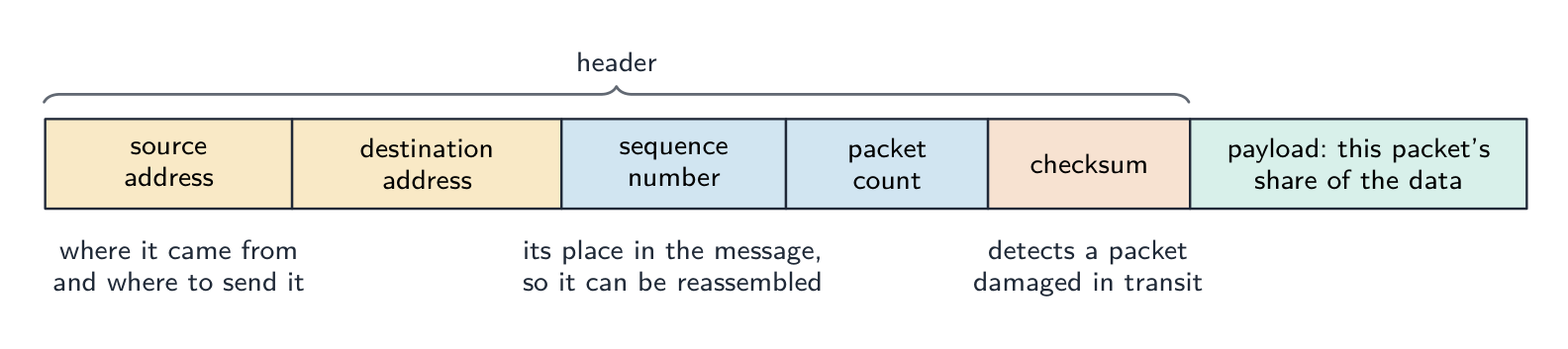
التبديل الحزم: الحزم تسير بشكل مستقل وقد تتبع مسارات مختلفةما يسمح للحزمة بالسفر بمفردها: العناوين تقول أين، ورقم التسلسل يقول أي جزء من الرسالة هو، وقيمة التحقق من الخطأ تظهر ما إذا وصلت سليمة.
"صف كيف يُستخدم التبديل الحزم لنقل الرسائل عبر الشبكة" (أربع درجات). (1) تُقسّم الرسالة إلى حزم ذات حد أقصى ثابت للحجم؛ (2) يُعطى كل حزمة رأس يحتوي على عناوين المصدر والوجهة، ورقم تسلسل وفحص للأخطاء؛ (3) تُرسل كل حزمة بشكل مستقل وقد تتبع مساراً مختلفاً، يختاره الموجه الذي يلتقي به؛ (4) عند الوجهة، يتم إعادة تجميع الحزم مرتبة باستخدام أرقام التسلسل، ويُطلب أي حزمة مفقودة مرة أخرى. إذا استبعد السؤال فحص وإعادة الإرسال، اترك الجملة الأخيرة.
"صف وظيفة الموجه في التبديل الحزم" (ثلاث درجات). يستقبل الموجه حزمة، يقراءة عنوان IP للوجهة في رأسها، ويشاور جدول التوجيه الخاص به لتحديد أفضل محطة تالية نحو تلك الوجهة، مع مراعاة حركة المرور (الاكتظاظ) والروابط المعطلة؛ ثم يوجه الحزمة عبر ذلك الرابط. قد تغادر حزم الرسالة نفسها عبر مسارات مختلفة؛ يحتفظ الموجه بالحزم في طابور عندما يكون الرابط مشغولاً.
"صف طريقتين يضمن بهما التبديل الحزم استلام الرسالة كاملة." (1) يحمل كل حزمة رقم تسلسل، بحيث يمكن للمستقبل ترتيب الحزم وإخباره بأن إحداها مفقودة، و(2) يرسل المستقبل تأكيداً للحزم التي تصل؛ يتم إعادة إرسال الحزمة التي لم يتم تأكيد وصولها خلال限时 زمني بواسطة المرسل. قيمة التحقق من الخطأ في كل حزمة تسمح للمستكشف بحزمة تالفة وتجاهلها، مما يحفز إعادة الإرسال.
المزايا والعيوب.المزايا: لا يوجد دائرة لإعدادها؛ الروابط في الشبكة مشتركة بين رسائل عديدة، لذا يُستخدم عرض النطاق بكفاءة؛ يمكن إعادة توجيه الحزم حول رابط معطل أو مكتظ، مما يجعلTransmission قوي؛ فقدان حزمة تالفة يعني إعادة إرسال ذلك الحزمة فقط، وليس الرسالة بأكملها. العيوب: قد تصل الحزم بترتيب مختلف ويجب إعادة تجميعها، وبعضها قد يكون مفقوداً أو متأخراً؛ تضيف الرؤوس عبئاً إضافياً؛ التأخير المتغير يجعله أقل ملاءمة للصوت والفيديو الفوري بدون إجراءات إضافية؛ الشبكة المعبأة بشدة ت丢弃 الحزم. أين هو مناسب: البريد الإلكتروني، صفحات الويب، تنزيل الملفات وأي "حركة انفجارية"، والإنترنت بشكل عام.
الجوانب
التبديل الدائري
التبديل بالحزم
المسار
مخصص، محجوز
مشترك، لكل حزمة
وقت الإعداد
بطيء
لا يوجد
استخدام عرض النطاق
غير فعال
فعال
الترتيب
مرتبة
قد تكون غير مرتبة
القوة
عطل واحد يقاطع الدائرة
إعادة توجيه حول الأعطال
يناسب
تدفقات ثابتة المعدل (الصوت)
تدفقات انفجارية (الويب، البريد)
تستخدم الشبكات الحديثة التبديل الحزم لكفاءتها ومقاومتها.
أربع فروقات، مذكورة على شكل أزواج. (1) تبديل الدوائر يحدد مسارًا خاصًا قبل الإرسال؛ بينما تبديل الحزم يرسل بدون تحديد مسار. (2) في تبديل الدوائر تتبع الرسالة بأكملها طريقًا واحدًا؛ أما في تبديل الحزم فقد تسلك الحزم طرقًا مختلفة. (3) يوفر تبديل الدورات نقل البيانات بترتيبها دون الحاجة لإعادة التجميع؛ بينما يتطلب تبديل الحزم أرقام تسلسل لإعادة تجميعها. (4) يحجز تبديل الدورات العرض النطاقي لمحادثة واحدة حتى في أوقات الفراغ؛ بينما يتشارك تبديل الحزم الروابط بين العديد من الرسائل. (مقبول أيضًا: انقطاع رابط ما يفصل الدائرة ولكن يتم إعادة توجيه الحزم؛ يناسب تبديل الدورات البث المباشر، بينما يناسب تبديل الحزم البيانات المتقطعة.) اكتب كل فرق كـ كلا الجانبين؛ لأن جانبًا واحدًا فقط لا يحصل على أي درجة.
وصف تبديل الحزم في بضع جمل
إجابة امتحان جيدة: "تُقسم الرسالة إلى حزم صغيرة. تحمل كل حزمة عنوان الوجهة وعنوان المصدر ورقم تسلسلي. تسافر كل حزمة عبر الشبكة بشكل مستقل، حيث تختار الموجهات القفزة التالية لكل حزمة. قد تأخذ الحزم مسارات مختلفة وتصل غير مرتبة. تستخدم الوجهة الأرقام التسلسلية لإعادة تجميع الرسالة، ويمكن طلب الحزم المفقودة مرة أخرى."
مثال محلول. مكالمة هاتفية وتنزيل ملف كبير يشتركان في شبكة. أي طريقة تبديل تناسب كل منهما، ولماذا؟ تحتاج المكالمة الهاتفية إلى تدفق مستمر بتأخير منخفض، وستعاني بشدة إذا وصلت الأجزاء متأخرة أو غير مرتبة - لذا فإن تبديل الدورات يناسبها: يتم إعداد مسار خاص للمكالمة بأكملها ويتم حجز سعتها طوال المدة. تنزيل الملف لا يهتم بالتوقيت أو ترتيب الوصول، لأن المستقبل يقوم بإعادة تجميعه، ويستفيد من استخدام أي سعة متاحة عشوائيًا - لذا فإن تبديل الحزم يناسبه: يتم تقسيم الملف إلى حزم تسافر بشكل مستقل، وتحمل كل منها عناوين المصدر والوجهة ورقم تسلسلي، مع اختيار الموجهات لقفزة تالية لكل حزمة. حدد خاصية حركة المرور التي تحدد ذلك: السعة المحجوزة والتأخير المنخفض للمكالمة، والكفاءة والمقاومة للتنزيل.
Explore · استكشف
A packet's journey across the internet · رحلة الحزمة عبر الإنترنت
Step through packet switching. The message is split up, each packet finds its own way, and the destination puts them back together — which is why the internet is so efficient and hard to break. · مرر عبر التبديل بالحزم. يتم تقسيم الرسالة، وتجد كل حزمة طريقها الخاص، ويقوم الوجهة بإعادة تجميعها — ولهذا السبب يكون الإنترنت فعالاً وصعب الكسر.
Definitions the examiner accepts · التعريفات التي يقبلها المصحح
English
A definition question is marked against fixed wording. Learn these exactly, and give one answer only.
Term
Definition
protocol
a set of rules governing how data is transmitted, agreed by sender and receiver so that both interpret it the same way
protocol stack
the layers of protocols, each with its own function, that together carry out communication; each layer communicates only with the layers above and below
application layer
provides the protocols used by applications to exchange data (HTTP, SMTP, FTP, IMAP, POP3)
transport layer
establishes end-to-end communication, splits data into packets with port and sequence numbers, reassembles them and requests missing ones (TCP), or sends without guarantees (UDP)
internet layer
adds IP addresses to form packets and routes them between networks via routers
link layer
adds MAC addresses to form frames and transmits the bits over the physical local network
router
a device that reads a packet's destination address and forwards it along the best available route towards that destination
circuit switching
a dedicated communication path is established between the two ends before data is sent and held for the whole transmission
packet switching
the message is split into packets, each with a header, sent independently over possibly different routes and reassembled at the destination
packet
a unit of data carrying a header (addresses, sequence number, error check) and a payload
peer-to-peer
file sharing without a central server, each computer acting as both client and server
العربية
تُصنّف أسئلة التعريف بناءً على صياغة ثابتة. احفظ هذه التعريفات بدقة، وقدم إجابة واحدة فقط.
مصطلح
تعريف
البروتوكول
مجموعة قواعد تحكم كيفية نقل البيانات، متفق عليها من قبل المرسل والمستقبل بحيث يفسرها كلاهما بنفس الطريقة
طبقات البروتوكولات
طبقات البروتوكولات، كل منها له وظيفة خاصة به، والتي تنفذ معًا عملية الاتصال؛ تتواصل كل طبقة فقط مع الطبقات التي تعلوها وتليها
طبقة التطبيق
توفر البروتوكولات المستخدمة من قبل التطبيقات لتبادل البيانات (HTTP, SMTP, FTP, IMAP, POP3)
طبقة النقل
تنشئ اتصالاً من طرف إلى طرف، وتقسّم البيانات إلى حزم بأرقام المنافذ والأرقام التسلسلية، وتعيد تجميعها وتطلب المفقودة (TCP)، أو ترسل بدون ضمانات (UDP)
طبقة الإنترنت
تضيف عناوين IP لتشكيل الحزم وتوجهها بين الشبكات عبر الموجهات
طبقة الرابط
تضيف عناوين MAC لتشكيل الإطارات وتُنقل البتات عبر الشبكة المحلية المادية
الموجه
جهاز يقرأ عنوان وجه الحزم ويعيد توجيهه على طول أفضل مسار متاح نحو تلك الوجهة
تبديل الدورات
يتم إنشاء مسار اتصال خاص بين الطرفين قبل إرسال البيانات ويحتفظ به طوال فترة النقل
تبديل الحزم
تُقسم الرسالة إلى حزم، كل منها يحتوي على رأس، تُرسل بشكل مستقل عبر طرق مختلفة possibly وتُعاد تجميعها عند الوجهة
الحزمة
وحدة بيانات تحمل رأسًا (عناوين، رقم تسلسلي، فحص خطأ) وحمل مفيد
نظير لنظير
مشاركة الملفات بدون خادم مركزي، حيث تعمل كل كمبيوتر كعميل وخادم في آن واحد
14.2
Exam tips · نصائح للامتحان
English
Why protocols: shared rules, same interpretation, any make of computer. Why layers: each layer has one job and can be changed independently.
The four layers in order, top to bottom: Application, Transport, Internet, Link. Give each layer's job in one sentence, and the "message from host to host" answer as a walk down the stack and back up.
Protocol purposes are one-liners: HTTP web pages, FTP files, SMTP sending mail, POP3 downloading mail, IMAP mail kept on the server, BitTorrent peer-to-peer pieces from a swarm.
Circuit switching: dedicated path first, whole message, held for the duration. Packet switching: split, header with addresses and sequence number, independent routes, reassemble. Benefits and drawbacks come in pairs of opposites.
A router reads the destination address, consults its routing table, forwards along the best route; it is the packet-switching question the exam asks most.
"Where appropriate": circuit switching for a phone or live video call; packet switching for email, the web and downloads.
Common mistakes
Defining a protocol as "a language" or "software"; it is a set of rules.
Putting the layers in the wrong order, or giving the OSI seven layers instead of the four of TCP/IP.
Describing the transport layer as "routing" or the internet layer as "splitting into packets"; ports and splitting are transport, IP addresses and routing are internet.
Confusing POP3 with IMAP, or saying SMTP receives email.
Describing packet switching without the header (addresses and sequence number) or without reassembly.
Saying a router "sends the packet everywhere"; it chooses one next hop from its routing table.
Giving a benefit of packet switching as a drawback of circuit switching without stating the circuit-switching side; each difference needs both halves.
Claiming packet switching guarantees delivery by itself; the transport layer's sequence numbers and acknowledgements do that.
العربية
لماذا البروتوكولات: قواعد مشتركة، نفس التفسير، أي نوع من أجهزة الكمبيوتر. لماذا الطبقات: كل طبقة لها مهمة واحدة ويمكن تغييرها بشكل مستقل.
الطبقات الأربع بالترتيب، من الأعلى إلى الأسفل: تطبيق، نقل، إنترنت، رابط. أعطِ مهمة كل طبقة في جملة واحدة، وأجب عن "الرسالة من مضيف إلى مضيف" كمشي في الطبقات والنزول إليها والصعود منها.
أغراض البروتوكولات هي جمل قصيرة: HTTP صفحات الويب، FTP ملفات، SMTP إرسال البريد، POP3 تنزيل البريد، IMAP بريد محفوظ على الخادم، BitTorrent أجزاء نظير لنظير من تجمع.
تبديل الدورات: مسار خاص أولاً، رسالة كاملة، محتفظ بها طوال المدة. تبديل الحزم: مقسوم، رأس بعناوين ورقم تسلسلي، مسارات مستقلة، إعادة تجميع. الفوائد والعيوب تأتي في أزواج متعاكسة.
الموجه يقرأ عنوان الوجهة، ويستشعر جدول التوجيه الخاص به، ويعيد التوجيه على طول أفضل مسار؛ إنه سؤال تبديل الحزم الذي يطرحه الامتحان أكثر من غيره.
"حيما يكون مناسبًا": تبديل الدورات للمكالمة الهاتفية أو مكالمة الفيديو المباشرة؛ تبديل الحزم للبريد الإلكتروني، الويب والتنزيلات.
أخطاء شائعة
تعريف البروتوكول بأنه "لغة" أو "برنامج"؛ إنه مجموعة قواعد.
وضع الطبقات في ترتيب خاطئ، أو إعطاء طبقات OSI السبع بدلاً من أربع طبقات TCP/IP.
وصف طبقة النقل بأنها "توجيه" أو طبقة الإنترنت بأنها "تقسيم إلى حزم"؛ المنافذ والتقسيم هما في النقل، وعناوين IP والتوجيه هما في الإنترنت.
الخلط بين POP3 وIMAP، أو القول بأن SMTP يستقبل البريد الإلكتروني.
وصف تبديل الحزم بدون الرأس (العناوين ورقم التسلسل) أو بدون إعادة التجميع.
القول بأن الموجه "يرسل الحزمة في كل مكان"؛ إنه يختار قفزة تالية واحدة من جدول التوجيه الخاص به.
إعطاء فائدة لتبديل الحزم كعيب لتبديل الدورات دون ذكر جانب تبديل الدورات؛ كل فرق يحتاج كلا الجانبين.
الادعاء بأن تبديل الحزم يضمن التوصيل بمفرده؛ الأرقام التسلسلية والإقرارات الخاصة بطبقة النقل تفعل ذلك.
Interactive lessons on this topic · دروس تفاعلية حول هذا الموضوع
Work through it step by step, with instant-check exercises. · ا-working عليه خطوة بخطوة، مع تمارين تحقق فوري.
Pick one and the site follows you — notes, papers, videos and practice all open on it. · اختر واحدًا وسيتبعك الموقع — الملاحظات، الأوراق، الفيديوهات والتدريب جميعها تفتح عليه.
Type to search notes, lessons, code, vocabulary and past-paper questions across every subject. · اكتب للبحث عن ملاحظات، دروس، أكواد، مفردات وأسئلة امتحانات سابقة عبر جميع المواد.



 *يصل مودم الكابل الشبكة المنزلية بمقدم خدمة الإنترنت
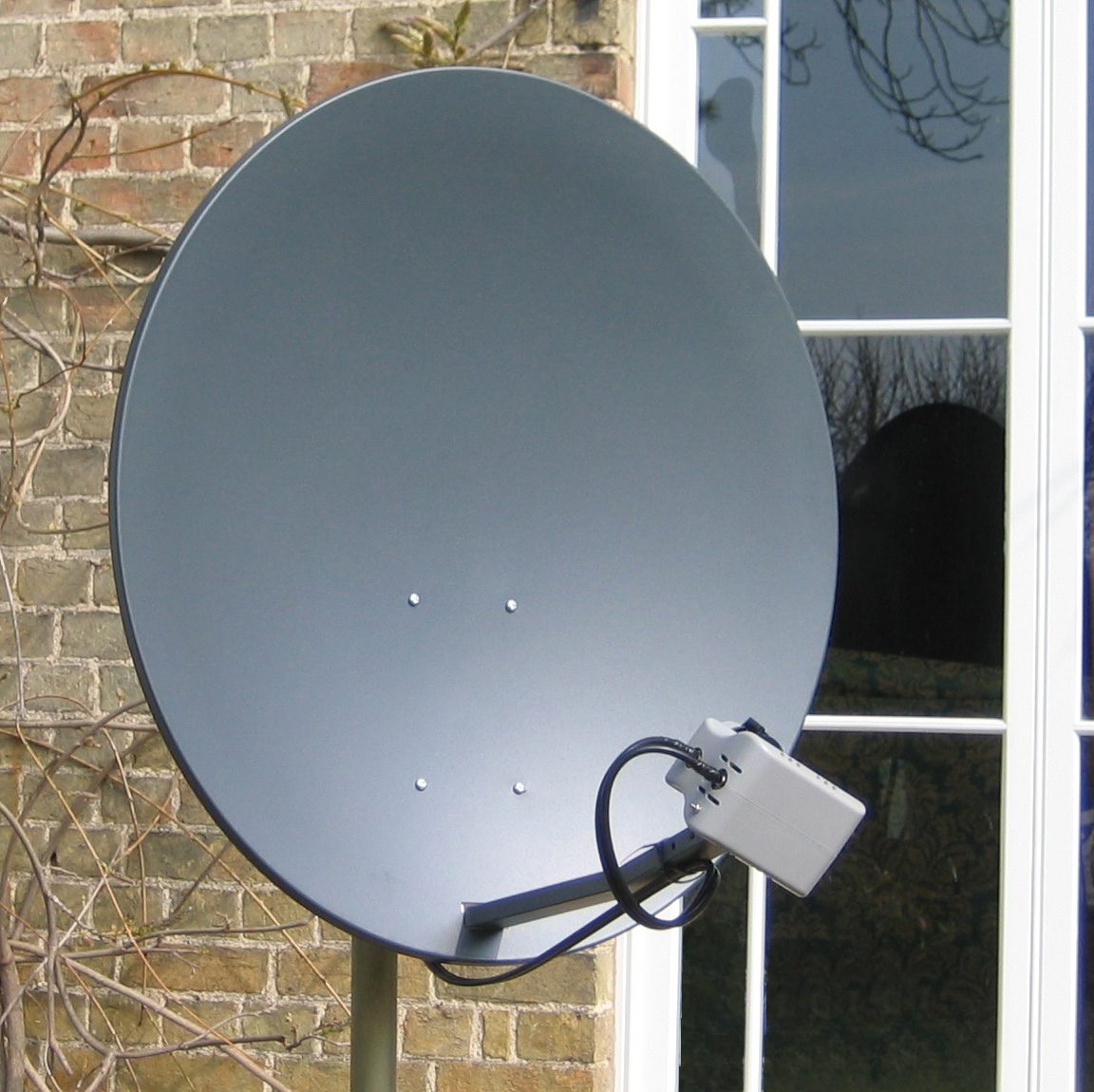 *يرسل صحن الأقمار الصناعية ويستقبل البيانات عبر الراديو لمسافات طويلة