English
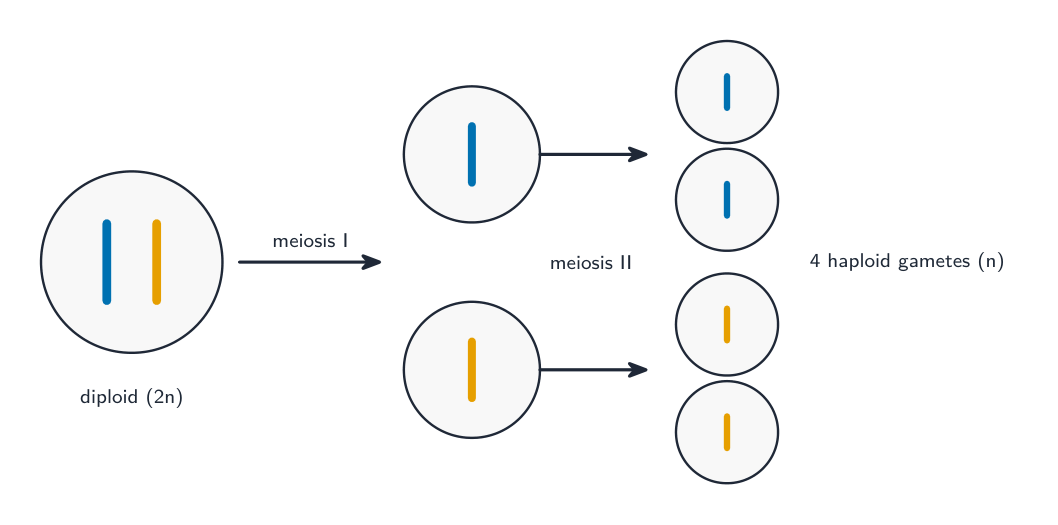
- explain the meanings of the terms haploid (n) and diploid (2n)
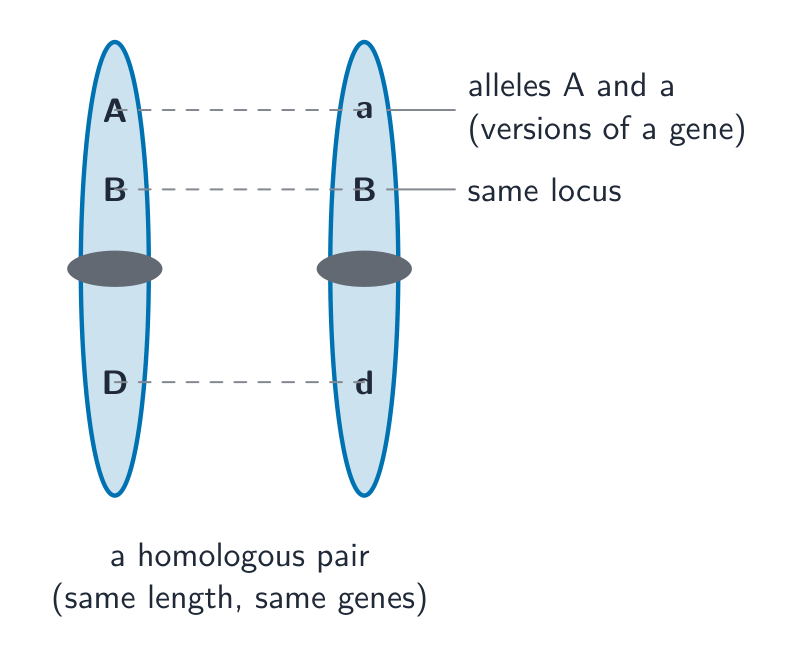
- explain what is meant by homologous pairs of chromosomes
- explain the need for a reduction division during meiosis in the production of gametes
- describe the behaviour of chromosomes in plant and animal cells during meiosis and the associated behaviour of the nuclear envelope, the cell surface membrane and the spindle (names of the main stages of meiosis, but not the sub-divisions of prophase I, are expected: prophase I, metaphase I, anaphase I, telophase I, prophase II, metaphase II, anaphase II and telophase II)
- interpret photomicrographs and diagrams of cells in different stages of meiosis and identify the main stages of meiosis
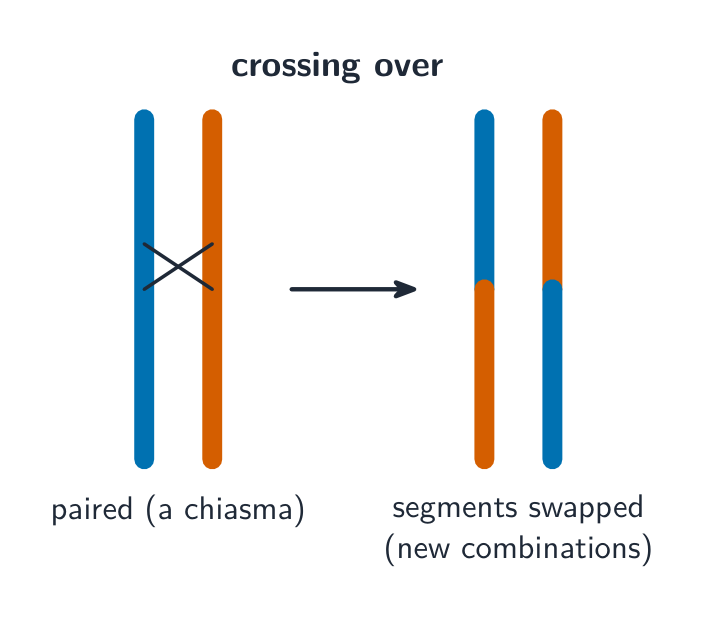
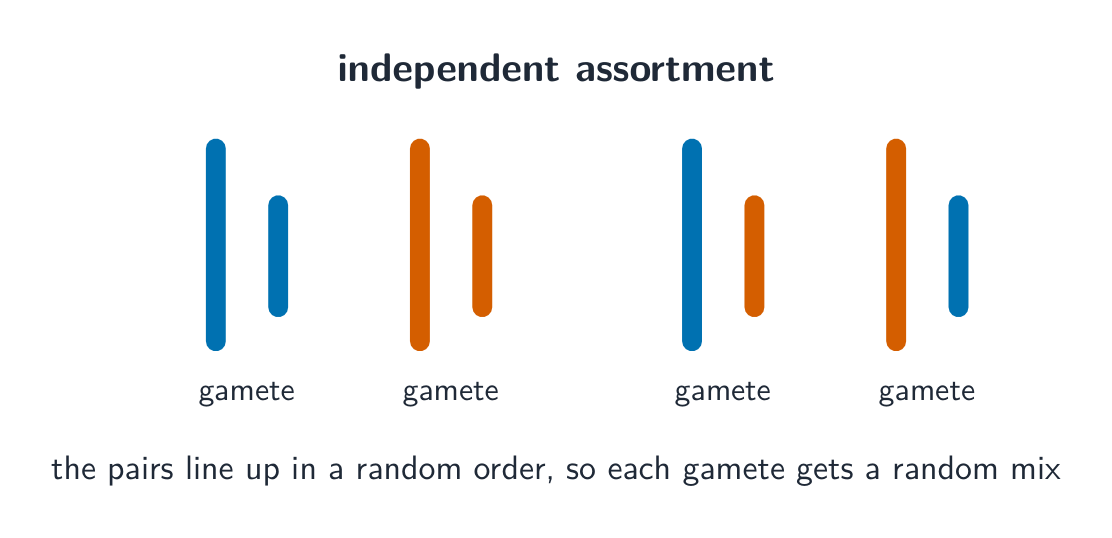
- explain that crossing over and random orientation (independent assortment) of pairs of homologous chromosomes and sister chromatids during meiosis produces genetically different gametes
- explain that the random fusion of gametes at fertilisation produces genetically different individuals
العربية
- اشرح معاني المصطلحات ثلاثية الصبغيات (n) وثنائية الصبغيات (2n)
- اشرح ما يُقصد بـ الأزواج المتجانسة من الكروموسومات
- اشرح الحاجة إلى الانقسام التناقصي خلال الانقسام المنصف في إنتاج الأمشاج
- صف سلوك الكروموسومات في خلايا النباتات والحيوانات أثناء الانقسام المنصف والسلوك المرتبط بالغشاء النووي، وغشاء سطح الخلية، والألياف الليفية (من المتوقع ذكر أسماء المراحل الرئيسية للانقسام المنصف، وليس التقسيمات الفرعية للمرحلة الأولى من الطور التمهيدي: الطور التمهيدي الأول، الطور الاستوائي الأول، الطور الانفصالي الأول، الطور النهائي الأول، الطور التمهيدي الثاني، الطور الاستوائي الثاني، الطور الانفصالي الثاني والطور النهائي الثاني)
- فسر الصور المجهرية والمخططات للخلايا في مراحل مختلفة من الانقسام المنصف وحدد المراحل الرئيسية له
- اشرح أن التقاطع والتوجيه العشوائي (التوزيع المستقل) لأزواج الكروموسومات المتجانسة والكروماتيدات الشقيقة خلال الانقسام المنقصي ينتج أمشاجاً مختلفة جينياً
- اشرح أن الاندماج العشوائي للأمشاج في الإخصاب ينتج أفراداً مختلفين جينياً
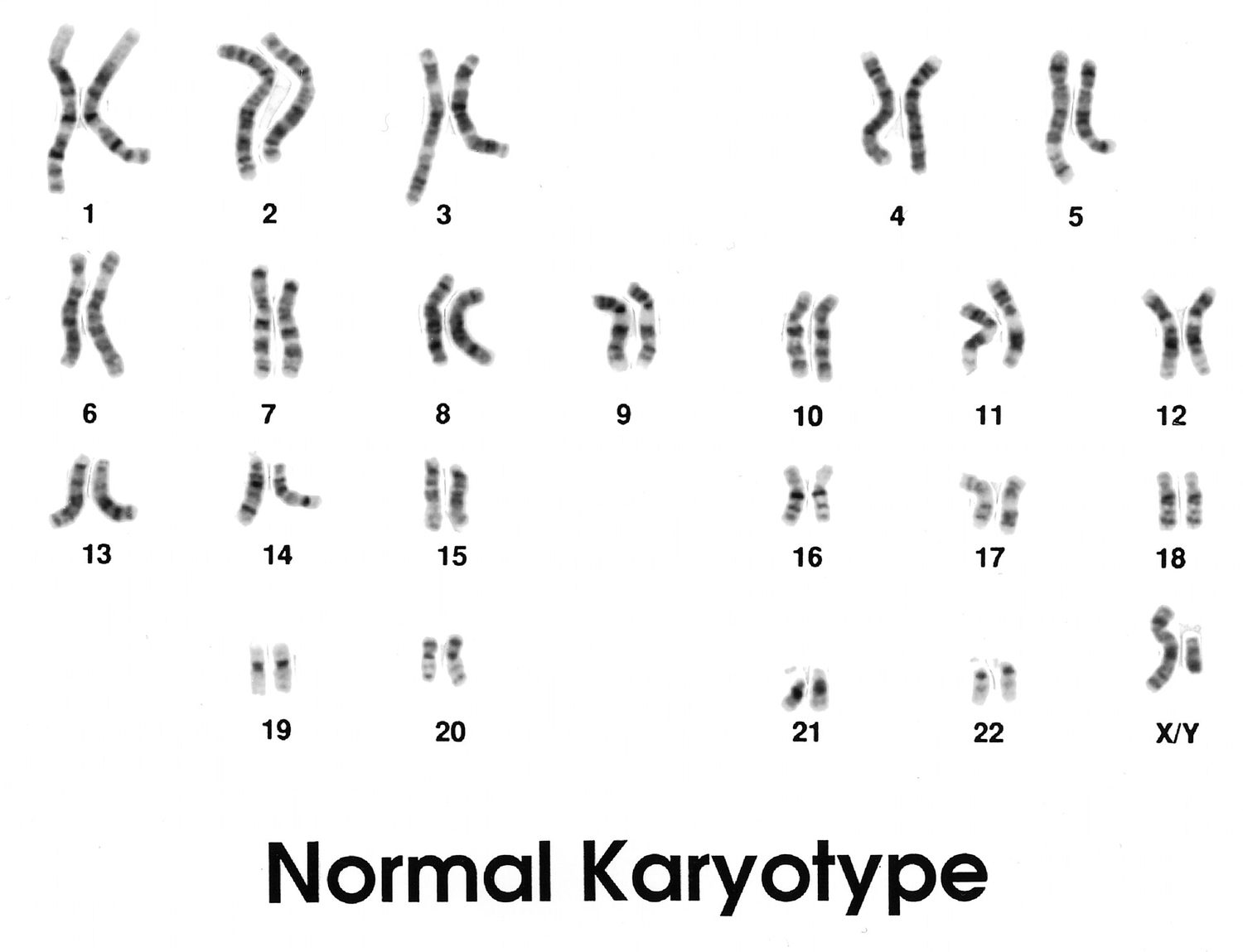 كرمتوتوم بشري: الكروموسومات الـ 46 مرتبة في 23 زوج متماثل (الزوج الأخير، X وY، يشير إلى أن هذا ذكر)*